Tag: Travel Retail

  • Asia driving L’Oreal growth despite market turbulence

    Asia driving L’Oreal growth despite market turbulence

    Asia is driving huge growth for cosmetics giant L’Oreal, despite a slowdown in Hong Kong.

    At the end of September, L’Oréal posted growth of 4.4 per cent on a like-for-like basis – and 21.9 per cent based on reported figures as the company expands its retail network and wholesale operations in the region.

    Kiehl’s, Yves Saint Laurent and Giorgio Armani contributed to dynamic growth of the L’Oreal Luxe division, despite the context of slower third-quarter growth in Hong Kong and Travel Retail Asia.

    The Consumer Products Division is performing well in India, Australia and Thailand. In China, growth at L’Oreal Paris is accelerating, while Magic is undergoing a transitional period. The Active Cosmetics Division is growing strongly, thanks to the success of La Roche-Posay, L’Oreal reported in its quarterly filing.

    Jean-Paul Agon, chairman and CEO, said at the end of September, the group’s reported growth is strong, at 13.2 per cent, still supported by a positive currency effect.

    “Despite a global context that is still volatile, we are confident for the year end. The beauty market remains dynamic. In each Division, our brands are pushing forward with successes such as Maybelline and NYX in the Consumer Products Division, Yves Saint Laurent, Kiehl’s and Urban Decay at L’Oréal Luxe, Redken in the Professional Products Division and La Roche-Posay at Active Cosmetics,” he said.

    “Finally, the acceleration of our digital transformation is making us stronger, in particular with the rapid increase (40 per cent) of our eCommerce sales which should significantly exceed 1 billion euros this year.

    “We are confirming our ambition to outperform once again the beauty market in 2015 and to achieve significant growth in both sales and profits.”

  • Lotte Duty Free in shock Seoul licence loss

    South Korea’s Lotte Duty Free has lost the licence to operate one of its large stores in downtown Seoul.

    Beleaguered Lotte – in the midst of a family feud over its management and on the eve of a planned IPO of its Hotels unit – has been displaced by heavy industries company Doosan Co in the 10,990 sqm store in South Korea’s tallest building – the Lotte World Tower and Mall.

    Lotte has had the licence to run the store for five years and sunk US$255 million into the site.

    “The customs agency decision has shattered its ambitions to grow it into the world’s largest duty-free outlet over the next decade,” reported Japan Today newspaper in Tokyo.

    “The setback was particularly badly timed given the preparations for an initial public offering of shares in Lotte’s hotel unit, which runs the group’s duty-free business.”

    Lotte’s duty free business is a subsidiary of Lotte Hotels, contributing 80 per cent of the operation’s revenues.

    Park Jong-Dae, analyst at Hana Financial Securities, said investors are concerned the loss of the licence will hurt Hotel Lotte’s overall profits.

    “As a result, the company’s valuation may fall when it goes public,” he said.

    Lotte Duty Free’s flagship Myeong-dong store is unaffected.

  • Duty-free industry in crisis of stagnation

    Duty-free industry in crisis of stagnation

    Thousands of jobs are under threat in the wake of the Korea Customs Service’s shock decisions last Saturday in awarding duty-free licenses in Seoul.

    Two major players had their licenses revoked. Lotte Group plans to close its World Tower branch in Jamsil, southern Seoul, that posted 500 billion won ($430 million) revenue last year, and SK Networks’ Walkerhill duty-free shop is being forced to cease operations after 23 years.

    The selection process for duty-free outlets has been criticized as it mandates renewal every five years. Some observers feel this goes against the Park Geun-hye administration’s creative economy drive, which has a key premise of creating jobs by letting companies freely enter promising industries.A total of 2,200 workers are on the verge of losing their jobs at the two operators.

    Regardless of the commitments, a sense of insecurity lingers among new and old duty-free store operators because of the uncertainty over duty-free license renewals in five years.Other affiliates under the Lotte Group umbrella have guaranteed that they will hire workers from the duty-free stores, and new operators – Doosan, Shinsegae and Hanwha (selected in the summer) – have promised to absorb those from SK.

    Han Gyeong-ran, 49, has worked at Lotte’s World Tower branch for 17 years. She is a sales manager at a small-size jewelry brand inside the outlet, but now that the entire store is shutting down in six months, she will lose her job because the jewelry brand is housed at the Jamsil outlet and not the Sogong branch, which will remain intact.

    “I am just at a loss, not knowing what to do to provide for my old age,” she said.

    “I don’t know how you could say getting rid of a company that has invested 300 billion won for a single duty-free outlet and depriving those employees of jobs is what the government describes as job creation.”

    Last year, when Lotte lost its duty-free license at Gimhae International Airport in Busan to Shinsegae and shut down the store, only half of the 390 Lotte employees were transferred to Shinsegae.

    “There are many lawmakers who have remained silent over the verdict this time on the duty-free shop licenses for fear of being mistaken as defending those companies that failed,” said Lee Hahn-koo, a lawmaker with the ruling Saenuri Party. “After proclaiming it would produce more jobs, the government is actually doing the opposite, which is preposterous.”

    Before the Park government introduced a new system in 2013 that put each license up for open competition every five years prior to expiry, renewal for downtown duty-free shops was a semi-automatic, rubber-stamping process for 10 years at a time.

    Martin Moodie, chairman of the Moodie Report, a U.K.-based online publication devoted to the global travel retail and duty-free sector, told some Korean media outlets in 2013 that weakening duty-free shops in their home market “seems a misguided and short-sighted step.”

    “The five-year deal is a disaster and will kill what little quality there is. The margin pressure on brands will get far worse, too,” a senior executive for one of the world’s leading luxury brands was quoted as saying by the Moodie Report on Sunday.

    He added that some leading brands may opt in the future to position themselves in Korean domestic stores with permanent high-quality environments rather than facing a potential change in duty-free retail partners every five years, given there is “no difference between Korean duty-free and tax-refund pricing [depending on foreign exchange rates].”

    Companies that had their license renewed or newly issued may not have time to celebrate as stumbling blocks lie ahead.

    A group of lawmakers led by Rep. Hong Jong-haak from the main opposition New Politics Alliance for Democracy has proposed a revision of a bill that will force duty-free store operators to pay 100 times the licensing commission they are paying now – from 0.05 percent of annual revenue to 5 percent.

    That means the Sogong branch of Lotte Duty Free will have to pay 10 billion won in commission to the Korea Customs Service each year after the revision, when it currently pays 1 billion, or 0.05 percent of the 2 trillion won annual revenue.

    If approved, the move will inevitably force duty-free shops to hike the prices of goods, which will lead to Korea becoming less attractive to tourists, particularly big-spending Chinese, and shrinking tourism to Korea.

    The Korean government’s process goes against systems in Europe and neighboring countries such as China, Japan and Taiwan, which have been ramping up their duty-free industry as its golden goose that draws huge foreign currencies.

    The Korean duty-free business has grown exceptionally in the last five years. Earnings from duty-free have exceeded that of China and the United States and held the No.1 spot since 2012. According to a survey by the Korea Tourism Organization, the biggest reason foreigners visit Korea was to shop. In fact, 72 percent of the poll picked shopping. As a result, the Korean duty-free business raised $7.78 billion last year.

    But a change in duty-free licensing regulations will force companies to become very cautious in their investment strategies and wary of business expansion.

    Lotte was not alone in heavily investing in expanding its duty-free business. Walkerhill recently invested 100 billion won in doubling the size of its duty-free stores. It was scheduled to open up next month.

    The licensing regulation is also likely to affect future plans, even for newcomers such as Doosan.

    “It takes a huge amount of investment when starting a duty-free business, and it takes a minimum of 10 years before it settles,” said Choi Young-soo, former chairman of the Korea Duty Free Association and former vice president of Lotte Hotel in charge of the duty-free business. “If you have to get government approval every five years, who would invest a large amount and even hire regular employees?

    “When doing business whose main customers are foreigners, whether a company monopolizes is meaningless. If we continue with such a policy, we will loose the Chinese tourists to the Japanese.”

    Han Enny, CEO of Enny Trading Corporation, which supplies cosmetics to duty-free stores including Lotte and Walkerhill, was frustrated at the recent licensing decision.

    “We have products shipping in that we plan on supplying to the duty-free stores next spring, but it seems we would have to cancel those orders,” Han said. “We have built our credibility for years just to get a contract with foreign companies, but it seems it’s all going to crumble.

    “Luxury companies’ products that have high demand from Chinese consumers make trade relations based on long-term trust, but if this continues, they wouldn’t be interested in opening up stores in Korean duty-free stores.”

    Other countries have been taking the opposite direction in their strategies as they have realized how lucrative duty-free businesses can be.

    Swiss duty-free retailer Dufry was ranked No. 2 in the world in 2013. But it recently became the biggest in the industry, bumping off previous No. 1 DFS, after buying another Swiss duty-free retailer that was ranked the world’s No. 7, Nuance Group, last year and adding Italy’s World Duty Free in August. LS Travel Retail, the French duty-free retailer and world’s No. 4, expanded further when it bought North American duty-free business Paradises in August.

    As of last year, the world’s top four duty-free companies accounted for 25 percent of the duty-free market, a sharp increase from the 16 percent in 2010.

    “The duty-free business in a core pillar in a country’s tourism industry development,” said Kim Seung-wook, a economics professor at Chung-Ang University. “The customs service agency needs to focus on lowering the entry level of duty-free stores and think more on ways to help foreign tourists open up their wallets, rather than focusing on regulations.”

  • JTB chases Chinese at home

    JTB chases Chinese at home

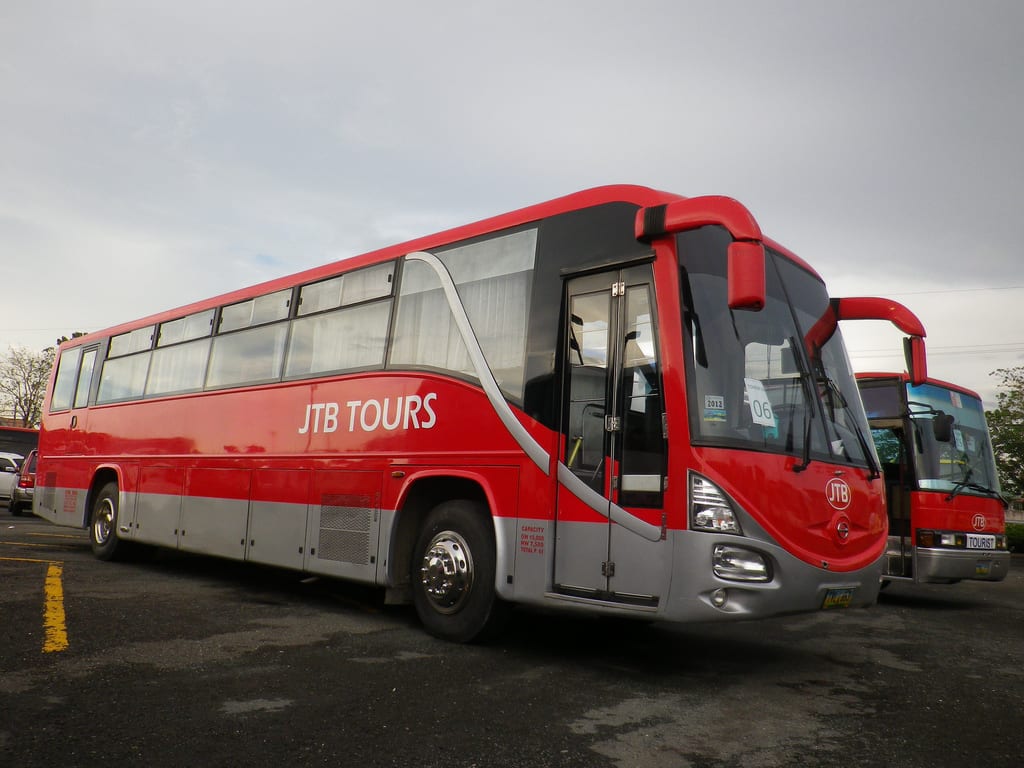
    Japanese Travel agency JTB has opened its first retail location in China’s capital Beijing. The agency will specialise in tours to Japan and will be run in a joint venture with a local travel company.

    The agency will be equipped with the same reservation system used in its Japanese retail travel stores, but it will not issue tickets. The 90 sqm stores is situated in an office building in a popular business district.

    The Japanese-themed interior is intended to serve as an advertisement in itself. The branch intends hosting exhibitions in cooperation with Japanese municipalities.

    JTB says the new venue is aimed at diversifying demand among Chinese travellers through face-to-face sales. It aims to sell 10,000 tour places annually.

    Japan is attracting a rapidly-rising number of Mainland Chinese tourists, attracted by the favourable exchange rate and close proximity, along with relaxed visa conditions.

    JTB gained official approval to open in China four years ago but the launch was delayed due to the earthquake of 2011 and simmering tensions between the two countries.

  • L’Oreal sales soar 13.2% to $20.4bn in first 9 months

    L’Oreal sales soar 13.2% to $20.4bn in first 9 months

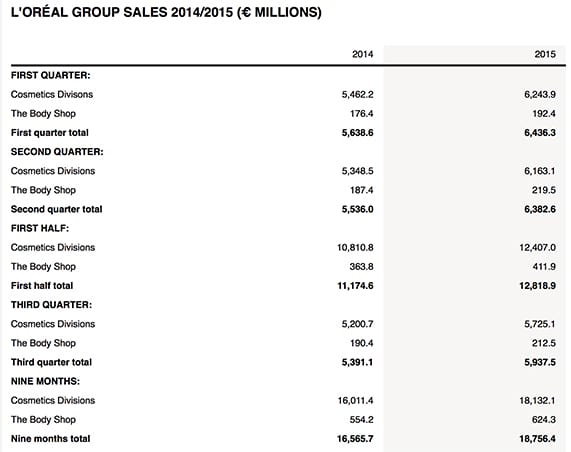
    L’Oréal has released its nine-months sales results pointing to strengthened growth in the North American Consumer Products Division; maintained growth in Western Europe; a temporary third quarter slowdown for L’Oréal Luxe in Asia; strong e-commerce sales (projected at +€1bn in 2015); a slowdown in travel retail; and ‘significant’ sales and profit growth.

    Commenting on the figures – including the top line €18.76bn ($20.4bn) in total 9-month sales – Jean-Paul Agon, Chairman and CEO of L’Oréal, said: “At the end of September, the Group’s reported growth is strong, at +13.2%, still supported by a very positive currency effect.

    “In the third quarter, the Consumer Products Division is confirming the gradual strengthening of its growth, notably through strong momentum in make-up with its three brands: Maybelline, L’Oréal Paris and NYX. The Active Cosmetics Division continues to forge ahead and the Professional Products Division keeps outperforming a lacklustre market.

    “L’Oréal Luxe experienced a temporary slowdown as a result of market turbulence over the summer in Asia, in Hong Kong and in Travel Retail. By geographic zone, North America’s growth is gradually increasing and Western Europe confirms its positive trend. In the third quarter, the New Markets have been hampered by the difficult Brazilian market, market turbulence in Asia and the taking over of agents’ contracts in the Middle East. In China, sales growth is in line with earlier quarters.”

    Loreal 9m sales 2015

    Agon, added that ‘despite a global context that is still volatile’ the company remains confident for the year as a whole. He said: “The beauty market remains dynamic. In each Division, our brands are pushing forward with successes such as Maybelline and NYX in the Consumer Products Division, Yves Saint Laurent, Kiehl’s and Urban Decay at L’Oréal Luxe, Redken in the Professional Products Division and La Roche-Posay at Active Cosmetics.

    “Finally, the acceleration of our digital transformation is making us stronger, in particular with the rapid increase (+40%) of our e-commerce sales which should significantly exceed one billion euros this year. We are confirming our ambition to outperform once again the beauty market in 2015 and to achieve significant growth in both sales and profits.”

    Looking at the first nine-months sales to September 30, the company said that on a like-for-like basis and based on a comparable structure and identical exchange rates, sales growth of the L’Oréal group would have been +3.7%. It adds that the net impact of changes in scope of consolidation was +1.2%, while growth at constant exchange rates registered +4.9%.

    The company said that currency fluctuations actually had a positive impact of +8.3% and if September-end exchange rates (€1 at $1.12) are extrapolated up to December 31, then the impact of currency fluctuations would be +6.7% for the whole of 2015.
    L'Oreal 2014 2015 sales

    Turning to the product divisions, L’Oréal said that at the end of September, the Professional Products Division posted growth of +3.2% like-for-like and +13.4% based on reported figures.

    The company said: “Hair care is the largest contributor to growth, powerfully driven by the latest innovations, such as Thérapiste by Kérastase, Pro Fiber by L’Oréal Professionnel, and Frizz Dismiss by Redken. The dynamic trend in hair colour is continuing across all brands.

    “Professional skincare with Carita is expanding rapidly in Western Europe. All the geographic Zones are growing. Eastern Europe is accelerating, while Brazil is slowing the growth rate in Latin America.”

    L’Oréal Consumer Division

    As for the Consumer Products division, the beauty giant recorded a rise of +2.3% like-for-like and +11.2% based on reported figures. The company commented that gradual improvement growth trend continues and thanks to the new momentum of Maybelline, the strong expansion of NYX, and the success of L’Oréal Paris, this division is strengthening its leadership in the make-up market.

    L’Oréal also notes that hair care is winning market share, thanks notably to L’Oréal Paris. For Garnier, the Ultimate Blends’ successful launch process has continued in many European countries. At the same time, the division is outperforming the markets in Eastern Europe, Asia, Pacific, Africa and the Middle East, while the ‘strong make-up dynamic’ is said to be accelerating the division’s growth in the US, while e-commerce is growing fast across all Zones.

    Meanwhile, L’Oréal Luxe posted growth of +5.8% like-for-like and +17.9% based on reported figures. Within the more detailed picture, Yves Saint Laurent grew strongly, driven by make-up, men’s fragrances with L’Homme and women’s fragrances with Black Opium. L’Oréal added that Giorgio Armani remained dynamic across all geographic Zones.

    The company added: “Urban Decay is accelerating worldwide with the high-profile launch of the Naked Smoky palette and is building a global beauty offering with initiatives in foundations and lipstick. Kiehl’s is launching Daily Reviving Oil Concentrate and continuing its double-digit growth.

    “Growth at Lancôme is being driven by market share gains in Europe, the success of the fragrances La vie est belle, Miracle and the newly released La Nuit Trésor; Grandiôse and Hypnôse Volume à Porter mascaras; and the acceleration of its Génifique facial skincare.”

    L’Oréal adds that despite a market that slowed in the third quarter in Asia and in Travel Retail, L’Oréal Luxe has strengthened its worldwide position with significant gains in Western Europe, in Asia, Pacific, in the Middle East and in Latin America.

    Active Cosmetics division

    The company’s Active Cosmetics division also improved its performance further with strong growth of +7.3% like-for-like and +9.7% based on reported figures. L’Oréal reported that Vichy is innovating with Neovadiol Substitutive Complex Serum, a formula that acts on skin changes linked to menopause.

    At the same time, Roche-Posay is renewing its expert franchise for oily skin with the launch of Effaclar K(+). The company adds that the brand is continuing to post double-digit growth in all geographic Zones, with ‘outstanding performances’ in France, Brazil and China. The successful international roll-out of SkinCeuticals is continuing.

    The beauty company also reported that all geographic zones continue to contribute to growth, with sales accelerating in the third quarter and new markets maintaining growth at more than 10%.

    Western Europe recorded growth of +2.1% like-for-like and +4.5% based on reported figures, with L’Oréal Luxe is continuing to act as a growth driver. Garnier is also said to be winning market share in hair care and skincare, while L’Oréal is continuing to outperform the market in Germany and the UK thanks to L’Oréal Luxe.

    In North America L’Oréal posted growth of +3.0% like-for-like and +25.4% based on reported figures. Both the Active Cosmetics and Professional Products Divisions drove growth and notably thanks to the La Roche-Posay and Redken brands.

    Kiehl’s and Urban Decay also contributed to the development of L’Oréal Luxe, while the Consumer Products Division also grew with good make-up contributions from L’Oréal Paris, Maybelline and above all NYX, which is described as ‘growing at a remarkable pace’. Meanwhile, the Body Shop recorded growth of +2.0% like-for-like and +12.6% based on reported figures.

    Commenting on other markets, the company reported a mixed picture, beginning with the Asia and Pacific territories: “At the end of September, L’Oréal posted growth of +4.4% like-for-like and +21.9% based on reported figures. Kiehl’s, Yves Saint Laurent and Giorgio Armani are contributing to the dynamism of L’Oréal Luxe, in a context of slower third-quarter growth in Hong Kong and Travel Retail Asia.

    “The Consumer Products Division is performing well in India, Australia and Thailand. In China, growth at L’Oréal Paris is accelerating, while Magic is undergoing a transitional period. The Active Cosmetics Division is growing strongly, thanks to the success of La Roche-Posay.”

    Tough Brazilian market

    By contrast, in Latin America sales grew by +5.5% like-for-like and by +4.7% based on reported figures. Excluding Brazil, sales achieved double-digit growth, thanks to L’Oréal Paris, Maybelline and Lancôme, although the company says that the Brazilian market is being held back by a very difficult economic environment and by the reform of the IPI (Tax on Industrialised Products).

    Looking at Eastern Europe, L’Oréal said that the zone posted figures of +9.5% like-for-like and -4.1% based on reported figures. The Consumer Products and Professional Products Divisions recorded double-digit growth, boosted by Russia, Turkey and Ukraine.

    As for Africa and the Middle East, sales growth amounted to +9.8% like-for-like and +28.1% based on reported figures. L’Oréal said: “The reorganisation of part of our distribution network in the Gulf States caused a temporary growth slowdown in the third quarter. The Group is strengthening its positions at a time when most markets in the Zone are seeing their growth rates decelerate.

    “Egypt and Saudi Arabia are still posting strong performances. L’Oréal Paris and Garnier are gaining market share. Yves Saint Laurent, Giorgio Armani, Kérastase and La Roche-Posay are also recording solid growth rates.”
  • Chinese tourists deliver record sales for McArthurGlen

    Chinese tourists deliver record sales for McArthurGlen

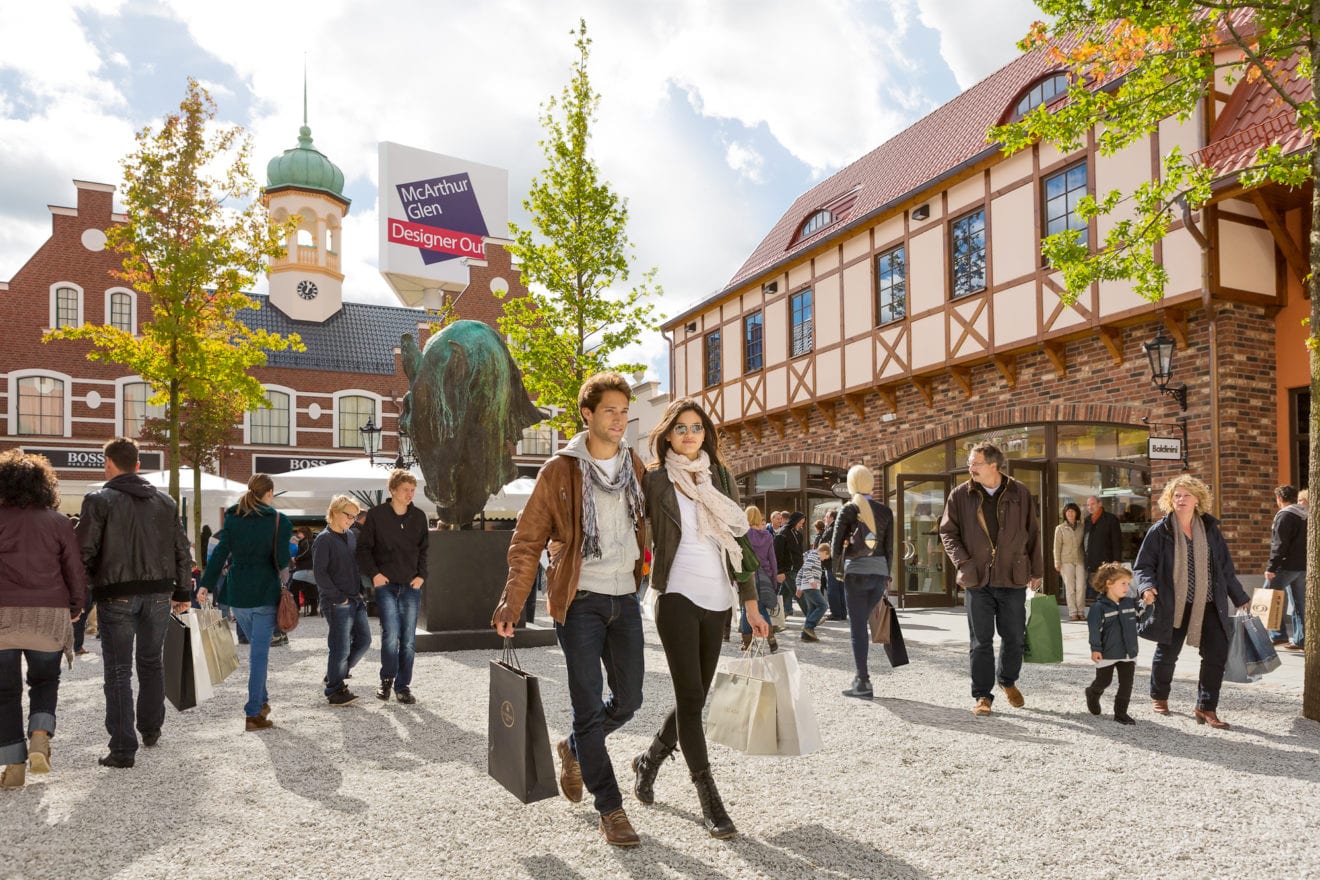
    Chinese travellers have delivered a record spend for European outlet mall operator McArthurGlen.

    The company operates 20 Designer Outlets in Europe specifically geared to serve Chinese tourists – and one in China.

    Spending by Chinese customers is growing faster than any other nationality visiting the Designer Outlets. Sales to Chinese travellers increased by 80 per cent in the first nine months of 2015, compared with the same period last year.

    And spending by Chinese shoppers grew more than seven-fold between 2010 and 2014. The centres offer tax free shopping alongside year-round savings of 30 to 70 per cent.

    McArthurGlen’s Designer Outlets offer the largest choice of luxury and premium lifestyle brands in the European outlet market. The centres are home to nearly 3000 stores and 900 brands. At the same time, the centres are part of the local tourism fabric, within easy reach of major European city centres by shuttle bus or public transport, including: Vienna and Salzburg in Austria; Luxembourg, near the centre in Belgium; Lille and Reims (the Champagne region) in France; Berlin and Hamburg in Germany; Athens in Greece; Düsseldorf, near Roermond, its centre in Holland; Florence, Milan, Naples, Rome and Venice in Italy; and Bath, Cardiff, London, Manchester, Nottingham and York in the UK.

    Anthony Rippingale, head of tourism with McArthurGlen, says the company is now heading for yet another record year, welcoming more Chinese shoppers than ever before.

    “As the biggest operator of designer outlets in Europe, our Chinese customers have always been extremely important to us, and even more so now given that they account for nearly one in four euros spent by our international shoppers, and rising. We have also just had our most successful Golden Week ever.”

    McArthurGlen engages with Chinese customers from when they start planning their European trip, whether through our office in Beijing, or through social media in China (including Weibo and WeChat) and its centre websites which are available in Chinese.

    Once Chinese shoppers arrive in Europe, the centres provide Chinese-language maps and guides and UnionPay is accepted in most stores. The most popular Designer Outlets offer special promotions, including limited-edition gifts and additional savings, during key Chinese holidays, namely Golden Week and Chinese New Year.

  • Walkerhill emphasises importance of Chinese consumers

    Walkerhill emphasises importance of Chinese consumers

    Korean travel retailer Walkerhill Duty Free has outlined the importance of Chinese consumers to overall business while presenting an overview of the leading brands, which have driven growth in Korean Duty Free.

    Speaking as part of a morning workshop last week in Cannes, which focused on South Korea, the world’s largest single travel-retail and duty-free market, which registered sales growth of 22.8% last year giving it a global market share of 12.3%, SK Walkerhill Duty Free senior vice-president Mikyong Kwon said: “Eighty percent of our customers are Chinese. Our brand loyalty is very high built up over 50 years. There is a strong emphasis on Chinese customers.”

    She added: “Walkerhill Duty Free grew 46% in 2013 compared to the previous year and the majority of our customers were Chinese.”

    Pressed by the audience as to whether the retailer relies too much on Chinese customers, she commented: “It is our role to cater to Chinese consumers. There was a time when we dependant on Japanese customers.”

    In terms of brands, total cosmetics sales in Korean travel-retail grew 38% in 2014 versus the previous year. “We have seen outstanding growth of Korean brands in sales and market share. Sulwahsoo, Laneige and Etude House are enjoying accelerated growth.

    “For Walkerhill, number one is WHOO from LG then MCM, Sulwahsoo and Laneige.”

    She added: “I would like to draw your attention to these Korean brands which are leading the sales growth of Korean duty-free. There is still room for growth in the next five or 10 years.”

    Meanwhile, Kwon is remaining positive despite the Middle East Respiratory Syndrome (MERS) outbreak from May to July, which stunted growth. Kwon said: “Although growth has slowed because we hit by MERS we should still reach last year’s sales figure.”

    Regarding Walkerhill’s online and mobile strategy Kwon said online and mobile was definitely the direction to go. “Fifty percent of Koreans are shopping online before departure,” she commented.

    Kwon’s presentation followed a speech from Silla University Professor Yang Song-Hoon, who emphasised the importance of Chinese consumers. “In 2014 there were 6.1 million Chinese tourists in Korea. They are our biggest customer and comprise 40% of total visitors. Their expenditure is double compared to other tourists.”

    According to Song-Hoon, who said facial mask-packs were the hottest items purchased by inbound Chinese travellers in Korea, souvenirs are important purchases for Asian consumers. He explained: “Asian tourists have a duty to express their apologies to family and friends that did not accompany them on their trip. Tangible souvenirs are a means of expressing thanks.”

    Reflecting on this year’s MERS outbreak, Song-Hoon said: “Korea learnt an expensive lesson from MERS outbreak. To rebound from the adverse effect of MERS our government took measures to return to normal. It committed public money including a tourism fund.”

  • King Power duty free sales +47% in Thailand

    King Power duty free sales +47% in Thailand

    Forward bookings from airlines and indicators from leading travel agents suggest that Chinese arrivals to Thailand will reach record levels in 2015, as the King Power International Group reports sales up by 47% this year.

    Speaking to TRBusiness in a detailed interview this month, she said: “With the exception of the tragic bombing in August, 2015 to date has been a very good year for the group. Traffic to Bangkok particularly has increased very significantly.

    “Overall traffic at Suvarnabhumi is up 19.16%, to the end of August, and traffic at Don Muang is up 65%. Within those overall traffic numbers there are specific nationality changes that have generally had a very positive impact on sales.

    “Total Chinese traffic at Suvarnabhumi is up 151% to 5,651,591 passengers. Indian passengers are another very important customer group for us and the traffic with them is up by 20% – and of the other key customer groups, Korean and Japanese traffic levels are up 38% and 13.3% respectively.”

    She added that these positive increases have offset the decrease in Russian passengers (-49.8%) and Thai nationals, who are down by 14.73%. more happily she said: “Overall group sales are up 47%, versus the same period last year.”

    Whelan pointed to an outstanding +72% sales performance by the cosmetics and skincare category, followed by watches (+76.68%), Jewellery (77.05%), tobacco (+ 30.08%) and leather goods(+ 30.94%).

    She says this impressive growth has been driven by a combination of factors, including organic passenger growth and aforementioned rises in high spending overseas visitors.

    An interview with Susan Whelan appears on page 30 of the October Cannes exhibition issue of TRBusiness and also on pages 81-85 in the bonus retail section of the Top 10 International Retailers 2015.

  • Tina Tam sets up new Hong Kong company

    Tina Tam sets up new Hong Kong company

    Tina Priscilla Tam has resigned from Burberry, where she was Vice President of Travel Retail Asia, to set up her own company called Paccaya Resources Ltd in Hong Kong, where she is now pursuing new personal opportunities.

    Formerly with Celine, Lancaster, and prior to that some nine years with La Prairie, Tina Tam said she ‘was pleased with her experience at Burberry’.

    Besides her professional career background, Tina Tam is also known for her extensive work with the excellent industry charity organisation, Women in Travel Retail (WiT) where she has worked hard with many other volunteers to promote the membership and subsequently raise lots of funds for good causes.

    Some of these include Hand in Hand for Haiti; seriously handicapped children in villages near Ramnagar in India; the Hong Kong-based NGO ‘A Drop of Life’, raising funds to get clean water to remote communities in Northern China; and transport facilities for children in Sierra Leone.

  • Japan duty free sales boom

    Japan duty free sales boom

    Japan duty free sales soared in the first quarter of the current financial year as Chinese tourist ranks swelled.

    Major duty free retailers have reported sales on the mainland soared 20 per cent or more year on year, with brands preferred by Chinese shoppers performing the best.

    Japanese government figures show inbound tourists into the nation soared 47 per cent in the first six months of the 2015 calendar year – to 11 million. In the whole of 2014, inbound visitors totalled just 13.4 million.

    Sales of jewellery – especially gold jewellery – and watches lead the growth in a virtual mirror image of the experience of Hong Kong retailers, demonstrating clearly how the cashed up Chinese have changed their preferred duty free shopping destination.

    Leather goods are reportedly selling well and airport boutiques are experiencing healthy turnover increases.

    Japan’s government scrapped visas for Chinese mainlanders early this year, which has definitely helped fuel the boom.

  • L’Oreal expands Dermacenter concept in Asia

    L’Oreal expands Dermacenter concept in Asia

    With growing concerns of the effects of pollution on the skin in Asia, personalized routines are in demand now more than ever.

    International players like L’Oréal are looking to cater to this trend by developing even more specialized formulations that preserve, heal and improve the health of skin as well as offering services that allow consumers to interact with dermatologists on the go.

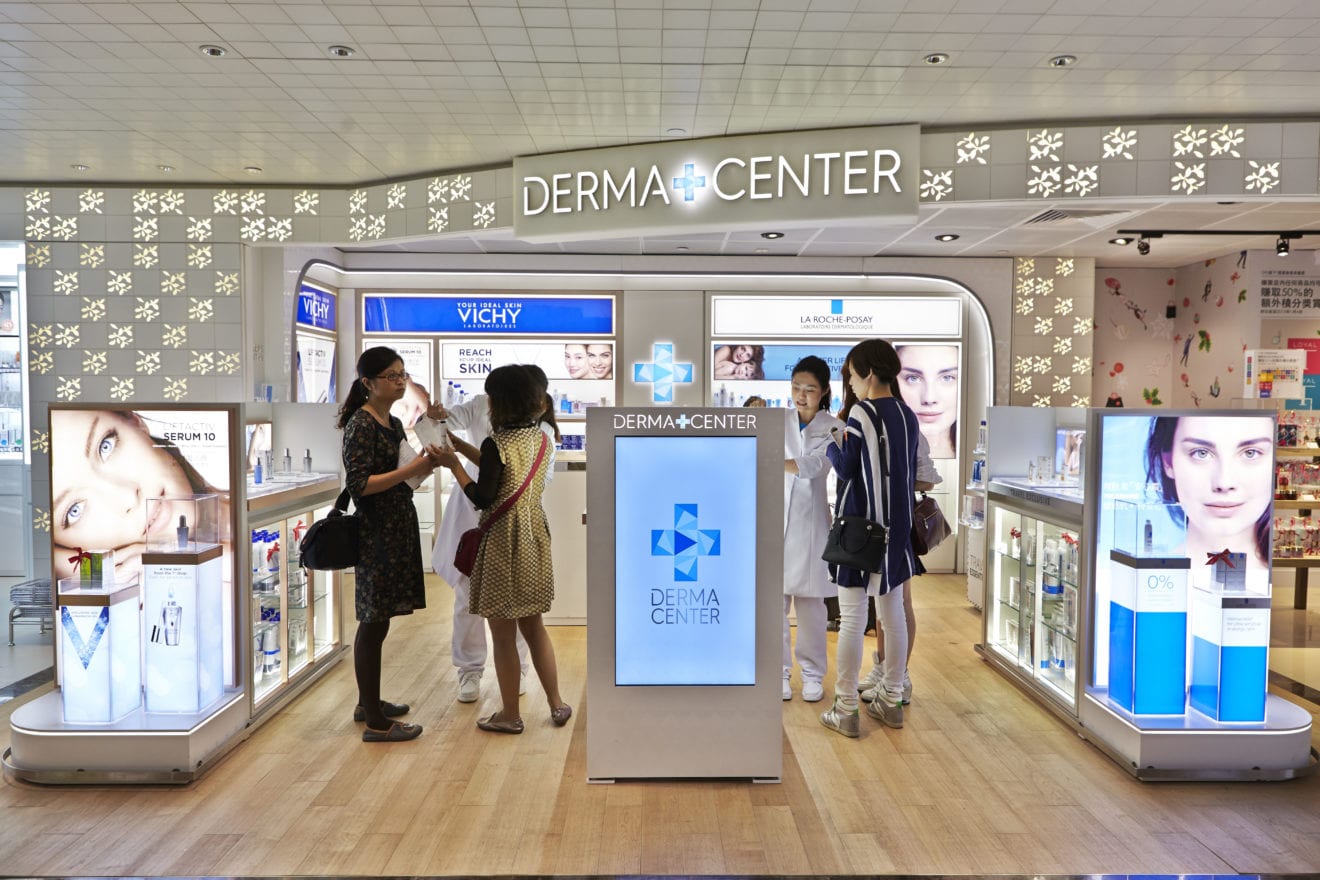
    The global cosmetics player’s first Asia based Dermacenter opened in Hong Kong in 2014 which has led to the launch of several others including; Haitang Bay, Iguazu downtown with London Supply, Bangkok (two stores), Hong Kong-Hysan and Seoul with Lotte Duty Free.

    According to L’Oréal, these stores provide a good opportunity for travelling consumers to gain access to brands like Vichy, Aqualia Thermal and LiftActiv, and La Roche-Posay, Tolériane and Effaclar.

    The Travel Retail Division was expanded in 2013 with company CEO Jean-Paul Agon commenting: “Travel retail is a key channel for winning over one billion new consumers. This market, present around the world, could be considered a ‘sixth continent.’”

    Travel Retail

    L’Oréal has been present in the travel retail market since the 1960s with L’Oréal Luxe, positioning L’Oréal Paris in the space in the last decade, and The Body Shop in the last few few years.

    Travel Retail, which represents all products sold in the travel distribution channel caters to over 2.4 billion international travellers every year, with Beauty occupying the one category in the market, where L’Oreal is seen as a leader in the field, holding a 21.3% market share in 2013.

    “By meeting consumers’ beauty aspirations, whatever their nationalities, beauty rituals or purchasing power, L’Oréal Travel Retail plays a strategic role in conquering new consumers who will pursue their experience with our brands in their home countries,”  Nicolas Hieronimus, president Selective Divisions said in 2014.

    “The launch of Vichy, La Roche-Posay and Kérastase in Travel Retail demonstrates our confidence in the huge potential of this channel. From now on, all of the Group’s major brands will have the opportunity to develop on this ‘sixth continent’.”

  • Changi announces new T3 luxury retail tender

    Changi announces new T3 luxury retail tender

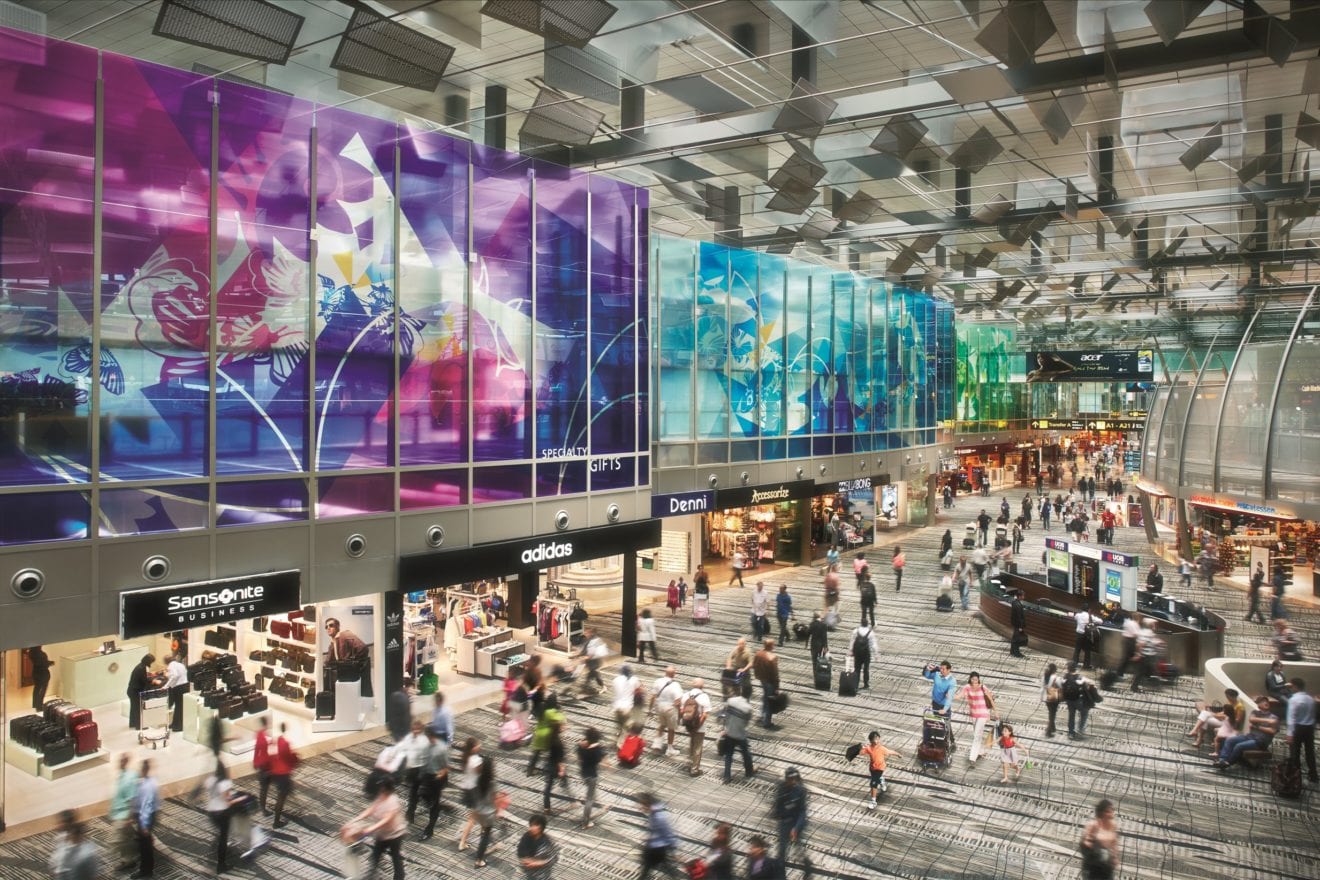
    Changi Airport Group (CAG) is inviting companies to participate in a luxury retail tender in four locations within the departure/transit lounge South of Terminal 3.

    “We are looking for unique and exciting luxury brands and concepts that are currently not represented at Terminal 3 of Singapore Changi Airport and will inject buzz to and differentiate the retail offerings at Singapore Changi Airport,” says the airport group.

    All product categories, apart from liquor & tobacco and perfumes & cosmetics are being considered.

    Concession A will be 112sq m in size; Concession B, 103sq , Concession C 86sq m and finally Concession D covers 100sq m.

    Concession A, B and C will carry contract terms of 3 years each from 1 July 2016 to 30 June 2019. Concession D’s term will also be for three years, but will being on 9 January 2017 or when the incumbent retailer hands over operations to the new retailer moving in.

    There is no option to renew any of the contract terms. The tender opened yesterday and closes on 29 October at 4pm.

  • Asia Pacific Travel Retail Association launches member survey

    Asia Pacific Travel Retail Association launches member survey

    The Asia Pacific Travel Retail Association (APTRA) has launched a survey among its members to ascertain priorities for the 2016/2017 APTRA research programme.

    According to APTRA, it is a fundamental mission to further the knowledge of members through studies conducted in partnership with accredited research agencies into past performance of the duty-free and travel-retail industry in the Asia/Pacific and current trends in consumer behaviour to facilitate future development.

    APTRA president Jaya Singh commented: “The business environment of today and indeed the future, is getting increasingly sophisticated and demanding. We live in dynamic times and the greater the level of insights we can achieve through our research platform the greater the relevance that all our stakeholders and members can deliver.”

    Recent reports have covered a range of topics including Chinese, Indian and Korean consumer behaviour, Cambodian travelling consumer trends, impact of security regulations and product category reports into fashion and accessories, confectionery, gifting and eyewear. Although the full research reports are available exclusively to APTRA members through www.aptra.asia, key findings are shared with members and other interested parties at APTRA Insights Seminars staged around the Asia/Pacific.

    In September, a total of over 250 participants attended the latest APTRA Insights Seminars which took place in Hong Kong, New Delhi and Seoul.

    Topics included key results of the APTRA m1nd-set study into Chinese, Korean and Indian travellers, analysis of e-commerce behaviour from KPMG, Chinese social-media landscape and potential of WeChat marketing from China International Duty Free and potential of technology to reach travellers on the move from geo-location marketing company NEAR.

    Singh added: “Through its research programme, APTRA provides actionable insights which enable members to understand their customers better and identify future opportunities. We want to target our research where it is most needed so we have asked members to nominate future subjects for research.”

    Commenting on the seminars, he said the “the response from delegates to the recent APTRA Insights Seminars was extremely favourable and we intend to schedule similar seminars into the programme next year.


  • Aeon Living Plaza opens at HKIA

    Aeon Living Plaza opens at HKIA

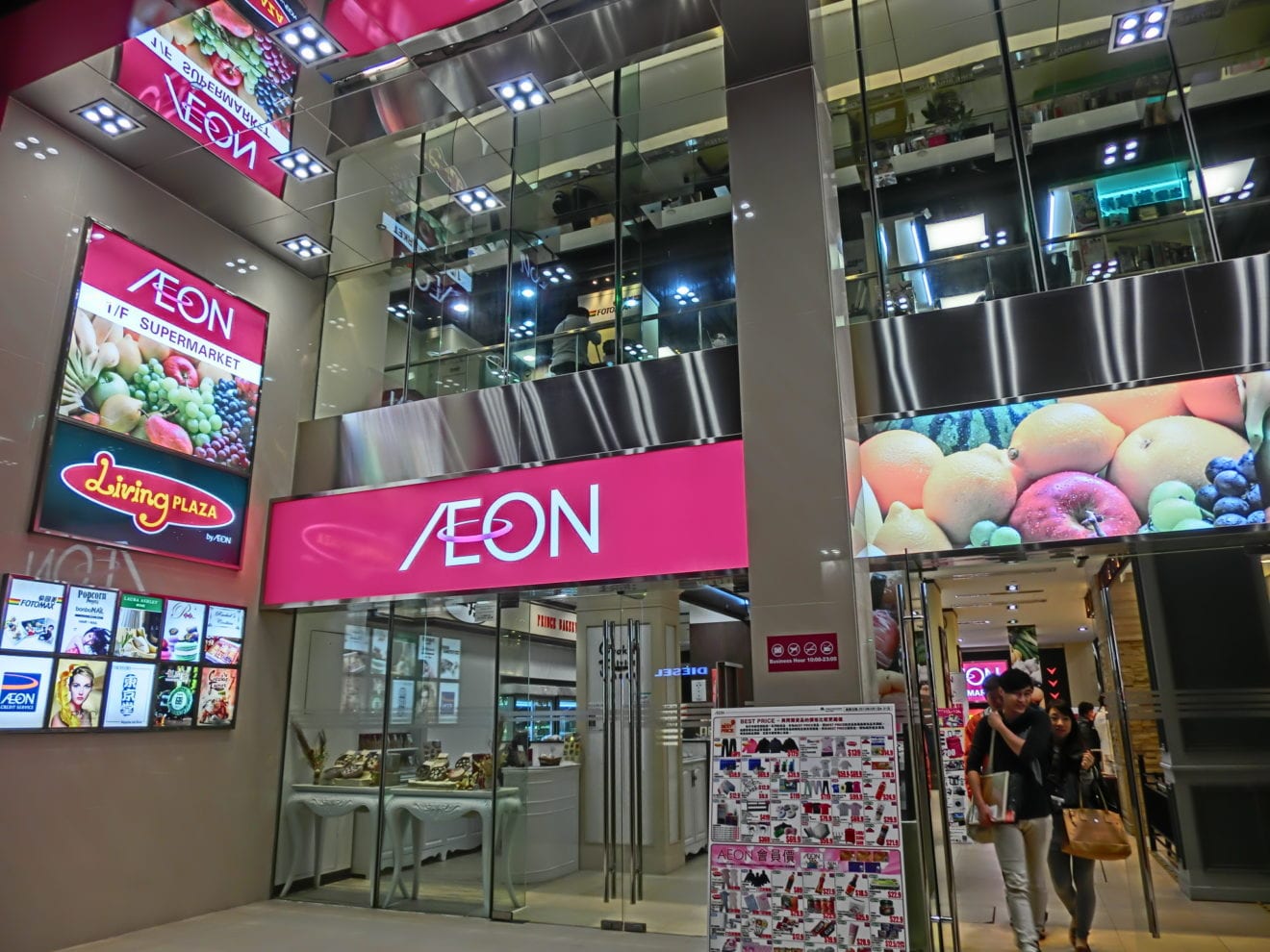
    Aeon Living Plaza has opened at Hong Kong International Airport.

    The new 4200 sqft store offers 8000 items ranging from snacks and convenience items through to home furnishings, fine stationery and other giftwares.

    Aeon Living Plaza at HKIA 1

    The shop takes up three retail spaces on the second floor of Terminal 2 and trades from 9am to 9pm daily.

    Aeon Stores (Hong Kong) Department Store was founded in 1987 and listed on the Hong Kong Stock Exchange in 1994. It operates eight integrated general merchandise department stores (GMS) in Hong Kong, five supermarkets, 27 Living Plaza by Aeon stores, six Bento Express by Aeon and two independent La Bohéme Bakery outlets. In Guangdong Province it has opened 20 GMS stores, six independent supermarkets and two shopping centres.

    Aeon Living Plaza at HKIA 2

  • Where Muslim tourists shop

    Where Muslim tourists shop

    Muslim tourists spent $62 billion shopping and dining last year – and Asia got a huge share.

    Malaysia and Singapore were the second and third most popular shopping destinations for Muslim tourists last year, lagging behind only Dubai, according to the MasterCard-CrescentRating Muslim Shopping Travel Index 2015 just released.

    Fourteen cities from Asia Pacific made it onto the overall list of 40 destinations.

    The research shows shopping expenditure by Muslims in 2014 amounted to $36 billion, while dining expenditure amounted to $26 billion

    The MTSI 2015 looks at in-depth data covering Muslim travel shopping from 40 international cities creating an overall index, based on a number of criteria. It is the first time detailed insights have been provided on the consumer spending behaviour of Muslim travellers.

    The MTSI 2015 is the latest research collaboration between MasterCard and CrescentRating on this sector following the launch of the Global Muslim Travel Index (GMTI) 2015 earlier this year.

    “The MasterCard-CrescentRating Muslim Travel Shopping Index is a fascinating insight into the shopping habits of Muslim consumers and will prove to be an invaluable tool to the entire sector,” said Fazal Bahardeen, CEO of CrescentRating & HalalTrip.

    “The research looks at two of the most important expenditure components of Muslim travellers which are shopping and dining. The index reveals how important Asia Pacific is to the sector and the vital contribution they are making.”

    The 40 international cities covered in the MTSI 2015 were scored against a comprehensive set of metrics which included suitability as a shopping destination, Muslim friendly services and facilities and ease of travel. Each criterion was then weighted to make up the overall index score.

    Dubai topped the ranking for overall Muslim Travel Shopping with a score of 79.5 followed by Kuala Lumpur with a score of 73.3.  Singapore scored 71.6 on the Index making it the number one ranked city from the non-OIC countries and third in the overall list.

    Bali also made into the top 10 scoring 58.2 closely followed by Penang with 56.9. In total, Asia Pacific contributed 14 cities to the overall top 40 list.

    A significant highlight of the MTSI 2015 was the high number of non-OIC countries featuring in the top 40 list.

    Singapore, secured a rank among the top five overall destinations for Muslim traveller shopping.  This further revealed the potential for non-OIC destinations, with 25 on the list, to attract Muslim travellers by proactively catering to this segment.

    Earlier this year, the GMTI 2015 showed that in 2014, the Muslim travel segment was worth $145 billion with 108 million Muslim travellers representing 10 per cent of the entire travel economy.

    This is forecasted to grow to 150 million visitors by 2020 and 11 per cent of the market segment with a market value projected to grow to $200 billion.

    MTSI 2015 will be updated on an annual basis and will feature more cities in future releases.

    “The MTSI 2015 provides a deeper look at two key components of the traveler consumer experience – shopping and dining. We see this as an important resource not only for us to better understand this significant and fast-growing traveller segment, but also a source of data that will inform and support the efforts of our partners in the travel industry,” said Matthew Driver, group executive, global products and solutions, Asia Pacific, MasterCard.

    Shopping chart