Tag: Travel Retail

  • DFS City of Dreams Macau : Look Inside

    DFS City of Dreams Macau : Look Inside

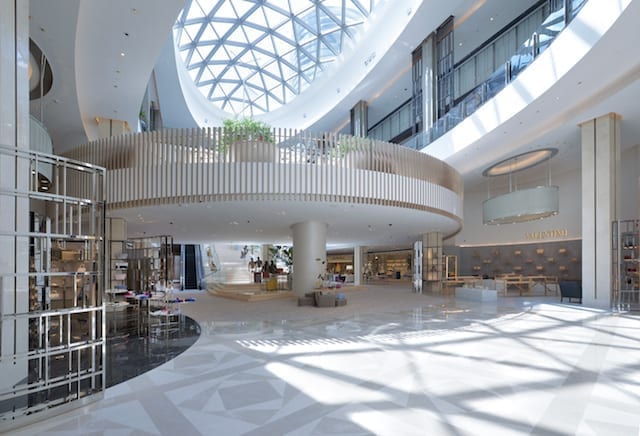
    An expansion of Macau’s DFS City of Dreams retail area has been launched, offering a lifestyle luxury shopping experience in the heart of the Cotai Strip.

    Three times larger than the former retail space, it was unveiled by gaming and entertainment group Melco Crown Entertainment and luxury travel retailer DFS Group. The area is being run by T Galleria by DFS.

    Styled like an edgy department store, the space uses elements of glass, marble and steel combined with warm wood accents, designed to be both dramatic and intimate. The space links dining areas, casinos, retail stores, entertainment attractions and hotels.

    Melco Crown Entertainment chairman/CEO Lawrence Ho says the group’s flagship property beings many firsts to Macau. “It features the largest collection of luxury brands in Cotai and creates an exciting luxury shopping scene for all aspirational, sophisticated and cosmopolitan leisure seekers in the region.”

    DFS Macau


    DFS Group chairman/CEO Philippe Schaus says Macau continues to be an important destination for its customers, “which is why we are thrilled to unveil a retail concept that is a first for DFS in terms of its scale, audacity and innovation”.

    Curated selection

    He says it is a first for Macau in terms of providing a curated and modern product selection across the major luxury categories. “T Galleria by DFS, City of Dreams will combine the breadth of a luxury shopping mall with the personalised service of a high-end department store.”

    Opening in phases from now until December, City of Dreams’ T Galleria by DFS will have the largest collection of luxury brands in Cotai, including beauty products and fragrances, fashion and accessories, and watches and jewellery brands.

    It will also introduce exclusive T Galleria signature customer services, including the first-ever shoe salon as well as a multi-brand lifestyle shopping area dedicated to men’s fashion and grooming.

    DFS Macau. 1

    Offering more than 50 men’s and women’s shoe brands across two floors, highlighted by exclusive-to-Macau brands such as Aquazzura and Rupert Sanderson, the shoe salon will be the largest in Hong Kong and Macau.

    The expanded beauty and fragrance section opens this month. When fully expanded, the 23,000 sqft (2136.7 sqm) space will comprise two wings and feature nearly 70 brands, making it the largest beauty hall in southern China. It will include Korean brands Hera, Laneige and Sulwhasoo.

    A first for men

    Also opening his month are 31 fashion and accessories brand outlets, including Dior, Fendi, Louis Vuitton, Miu Miu and Prada. And for male customers, for the first time at any T Galleria by DFS store there will be a multi-branded, lifestyle area that mixes ready-to-wear, accessories, shoes, watches and grooming all in one space.

    By the end of this year, the phased opening will culminate in a significantly wider jewellery offering, bringing key luxury brands Tiffany & Co. and Van Cleef & Arpels to City of Dreams, as well as new watch boutiques from Audemars Piguet and Vacheron Constantin.

    Dining outlets will also be integrated into the environment.

    DFS Macau. 2

    Developed by Melco Crown Entertainment, City of Dreams is an integrated resort that brings together a collection of brands including Crown, Dragone, Grand Hyatt and Hard Rock, with more than 20 restaurants and bars, the world’s largest water-based extravaganza in the Dancing Water Theater, and accommodation options.

    The mall extension follows a new package of social and economic policies for the city, released under the Macau government’s Five-Year Development Plan. By 2020, the government wants to see non-gaming income account on average for at least 9 per cent of all revenue generated by casinos, compared to an estimated 6.6 per cent in 2014.
  • Lindt collaborates with DFS Group for HKIA store concept

    Lindt collaborates with DFS Group for HKIA store concept

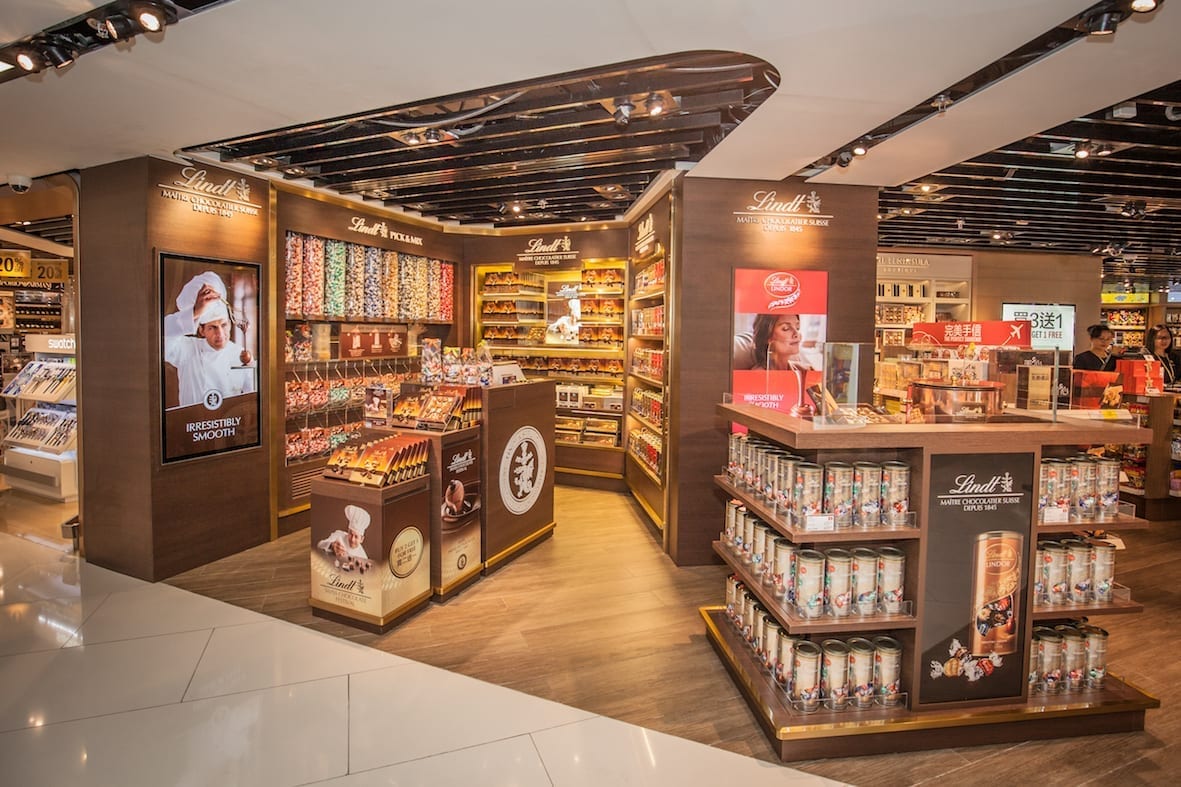
    Following the success of TFWA Asia Pacific Exhibition & Conference in Singapore, Lindt has opened a shop-in-shop concept with DFS Group at DFS, Hong Kong International Airport.

    The store features the latest Lindt pick and mix in Asia, which for the first time will take the form of an eye-catching wall feature. With clear visibility from across the terminal, the stunning new unit will attract footfall into the shop. The pick and mix concept enables travellers to discover a wide assortment of Lindor chocolate truffles and create their own ideal mix. Eminently suitable for gifting, customers will be able to choose from a range of gift cards to complement their selection and personalise their pick and mix bags. The gift cards are themed to highlight the Hong Kong destination and seasonal events.

    The shop will also feature a bespoke space created for the Lindt Master Chocolatiers where live demonstrations will showcase the Lindt tradition of craftsmanship, artistry and innovation in the later part of 2016.

    Commenting on the partnership, DFS Group’s Senior Vice President Food and Gifts, Thierry Canivet, said, ‘DFS continuously strives to create shopping experiences that surprise and delight our customers and we are proud to partner with Lindt to do just that with the new shop-in-shop at DFS, Hong Kong International Airport. This engaging approach to the food and gifts segment will provide travellers with a lasting memory of their travels and we look forward to what we are confident will be a successful new take on this exciting category.’

    Peter Zehnder, head of the Lindt & Sprüngli global duty free division, said that the Asian market clearly presents the travel retail sector with considerable opportunities, and this new venture was the first of a series of innovative initiatives to capitalise on this potential. ‘We are delighted to have launched our latest shop-in-shop concept in Asia and believe that there is a huge opportunity for Lindt in the region. Our well-known brand of premium chocolate offers a wide range of bestseller products, a continual flow of innovations and strong activations beyond ordinary price-offs to drive category sales.’

  • Changi airport seeks T3 speciality retail partners

    Changi airport seeks T3 speciality retail partners

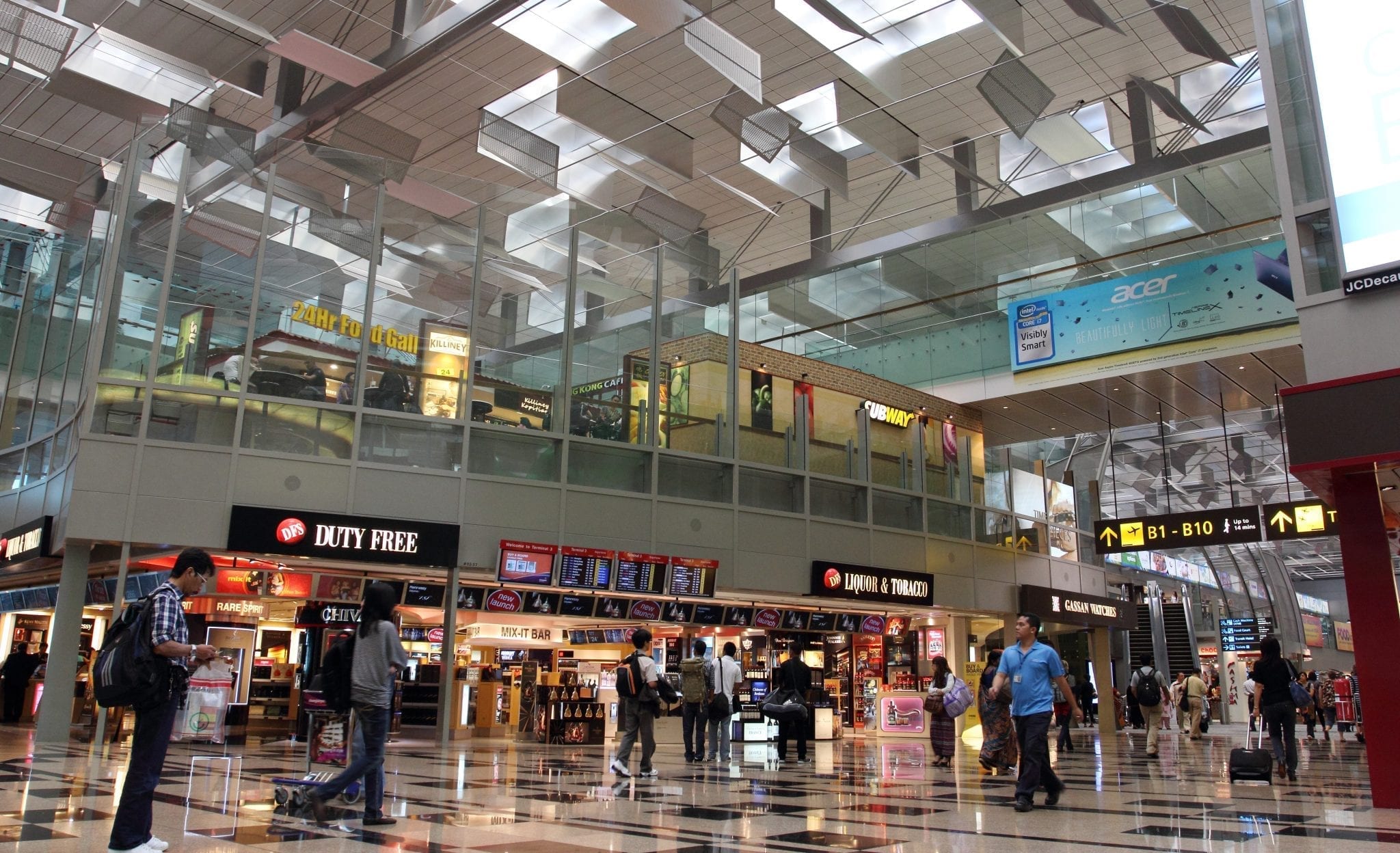
    Changi Airport Group (CAG) is seeking retail partners to operate speciality/brand name concessions at Singapore Changi airport terminal three departure/transit lounge north.

    Concession A spans around 78sq m, while Concession B covers 62sq m. The Concession A contract period is three years, beginning March 9 2017 and ending March 8 2020. For Concession B, the tenancy period is also three years, starting on May 9 2017 and ending on May 8 2020.

    According to CAG, all product categories may be considered, except liquor and tobacco and perfumes and cosmetics.

    CAG added: “We are looking for unique and exciting brands and concepts that are currently not represented at Singapore Changi airport terminal three and will inject buzz and differentiate the retail offerings.”

  • Visa launches #notatourist platform to attract travelers to Thailand with the help of locals and social media

    Visa launches #notatourist platform to attract travelers to Thailand with the help of locals and social media

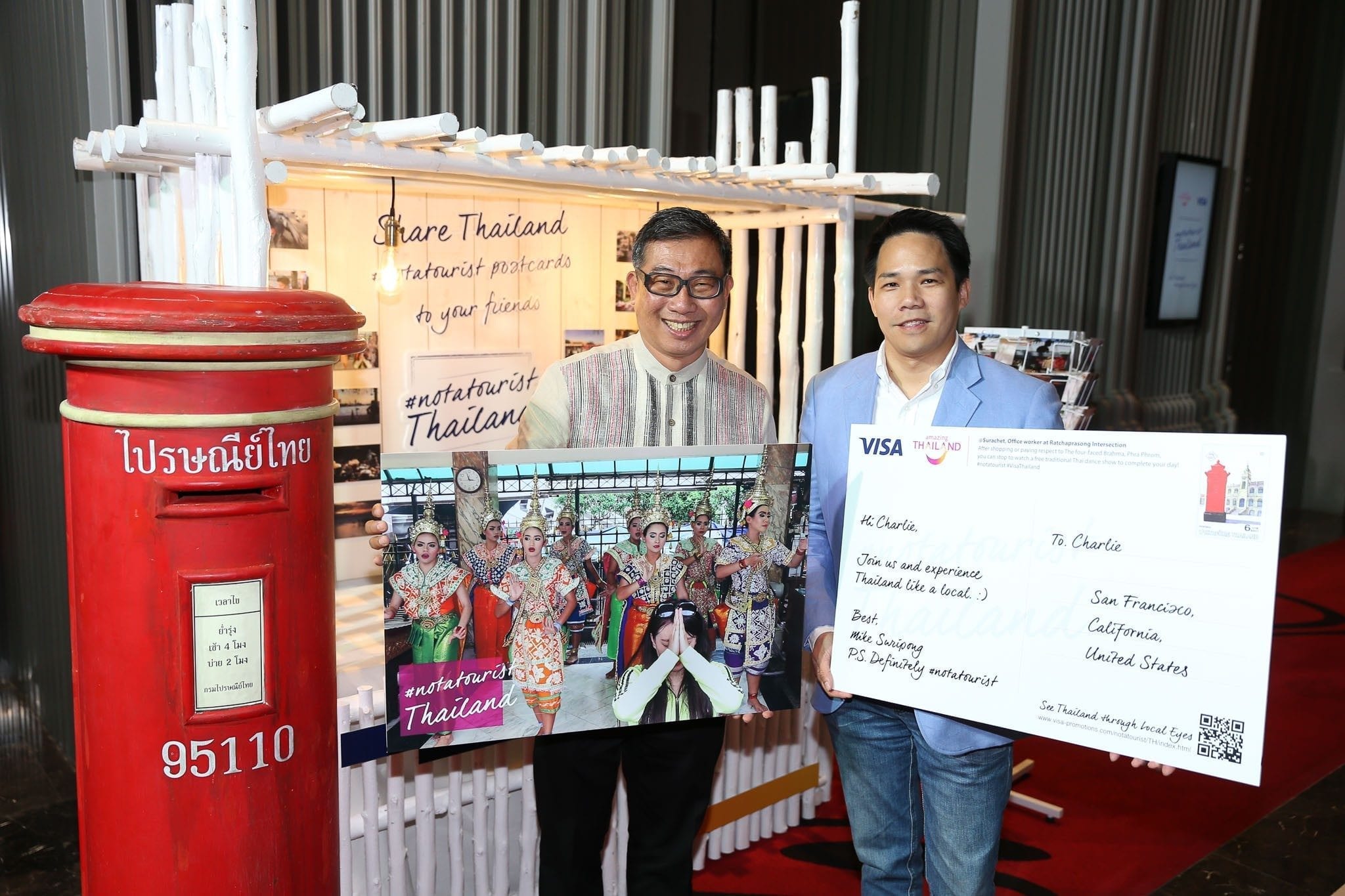
    Travelers looking to experience Thailand like locals can now find ideas and inspiration in Visa’s #notatourist platform. The “Visa #notatourist: See Thailand through Local Eyes” campaign aims to woo residents to share the many local experiences that otherwise might elude travelers on the conventional path.

    The campaign rallies residents in Thailand to share photographs of the different things to do, food to eat, and places to see on social media, namely Instagram and Facebook. With hashtags #notatourist and #VisaThailand, the selected photos will go on Visa’s dedicated website at www.visa-promotions.com/notatourist/TH/. A panel of judges will then select ten to print, creating a total of 100,000 postcards – the quintessential travel souvenir – to be distributed by Tourism Authority of Thailand (TAT) and Visa around the world. There will also be lucky draw for participants at the end of each month within the activity period.[1]

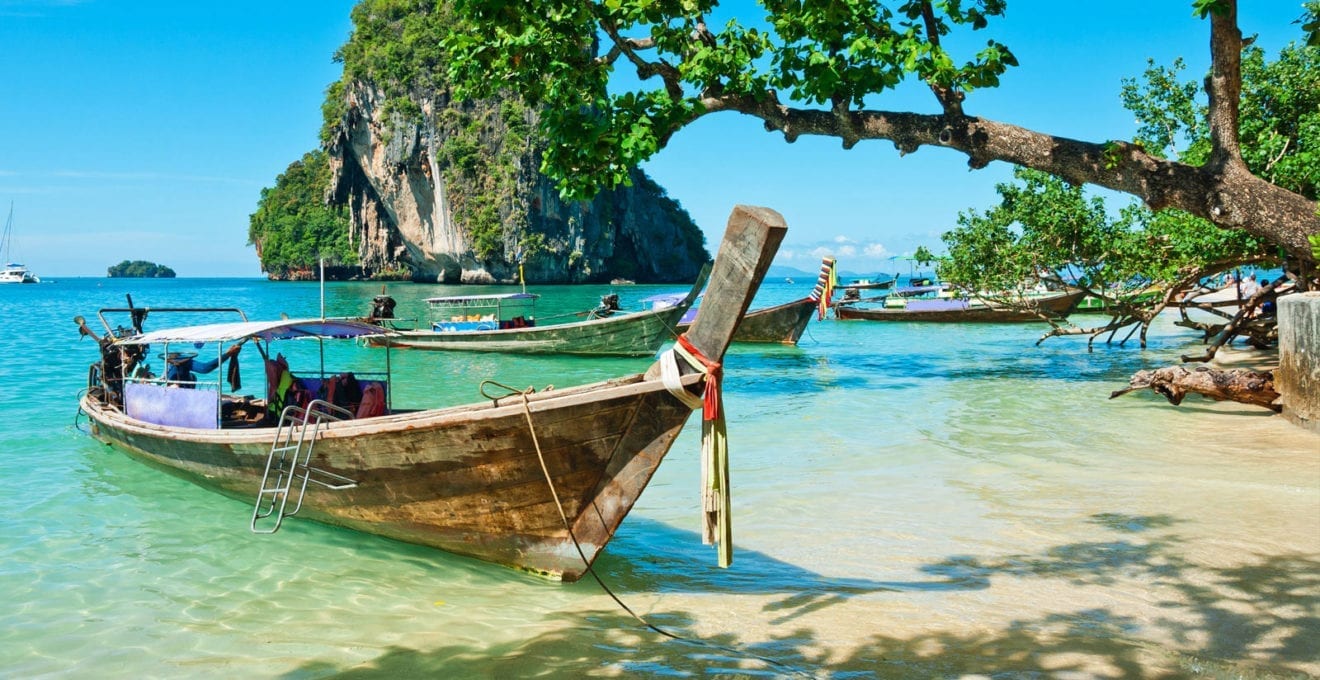
    As one of the most popular destinations in the world[2], with 28 million international visitors last year[3], Thailand’s famous sights and sounds are well-known. While the usual tourist attractions such as Grand Palace and dishes like Pad Thai are worth revisiting, Visa believes that Thailand has more to offer – particularly when recommended by locals.

    Suripong Tantiyanon, Visa Country Manager, Thailand said: “This is an opportunity for people of Thailand to share unique aspects of the country for visitors looking to venture off the beaten path. Visa recognizes the changing expectations of today’s travelers and their reliance on social media when visiting new places. The #notatourist platform will help unearth new ways to discover hyper-local experiences.”


    Complementing existing partnership with TAT, #notatourist platform aims to guide travelers to navigate local experiences, customs and cuisines – all things Thais hold dear but otherwise might be off the radar to some visitors. Residents of Thailand are encouraged to share their favorite places, restaurants, and activities on the social media platform.

    The campaign is part of Visa’s #notatourist initiative, launched globally this year. As one of the most popular travel destinations in the region, Thailand is the first country in Southeast Asia to run this platform.

    “This is our chance to redefine how Thailand will look to visitors in the next ten years and we at Visa are excited to open this up for everyone to participate,” added Mr. Suripong.

    [1] Terms and conditions apply

    [2] In 2015, Thailand ranks 14th in the world on number of international tourist arrivals and 9th in the world for international tourism revenue, according to the latest figures from the UN World Tourism Organization (UNWTO)

    [3] The number of tourist arrivals announced by Tourism Authority of Thailand in their official website on December 2015. (https://www.tatnews.org/thailand-tourism-hitting-record-highs-with-the-arrival-of-the-28-millionth-tourist-for-2015/)

  • Thailand still a hot destination for package bookings

    Thailand still a hot destination for package bookings

    During the 12 months ending in the first quarter of this year, on average, the booking window of international travellers to Thailand stretched over a month (36 days), |with an average length of stay per booking at three days, according to a survey by |online travel company Expedia group.

    Year-on-year growth shows top destinations in Thailand are Pattaya (up 70 per cent), Bangkok and Chiang Mai (up 60 per cent), Phuket (up 55 per cent) and Koh Samui (up 50 per cent).

    Smaller regions on the rise with eye-catching triple-digit growth include Koh Lipe, Northeastern Thailand, Rayong, Trat and Hat Yai.

    Data from the same period showed that package bookings generated a booking window more than 1.5 times as long as stand lone hotel bookings. In addition, cancellation rates of packages are also much lower compared with standalone bookings.

    Top package-generating markets include Malaysia, Hong Kong, Australia, Singapore and Japan.

    “Delivering global demand for Thai hoteliers is a mission for us,” said Pimpawee Nopakitgumjorn, director of market management at Expedia group. “In particular, Expedia package bookings are attractive because they are a great way for hotels to build a strong base of customers without eroding their retail rates. Last year alone, we sold [more than] 7.1 million packages globally.”

  • King Power buys 39% stake in Thai Air Asia

    King Power buys 39% stake in Thai Air Asia

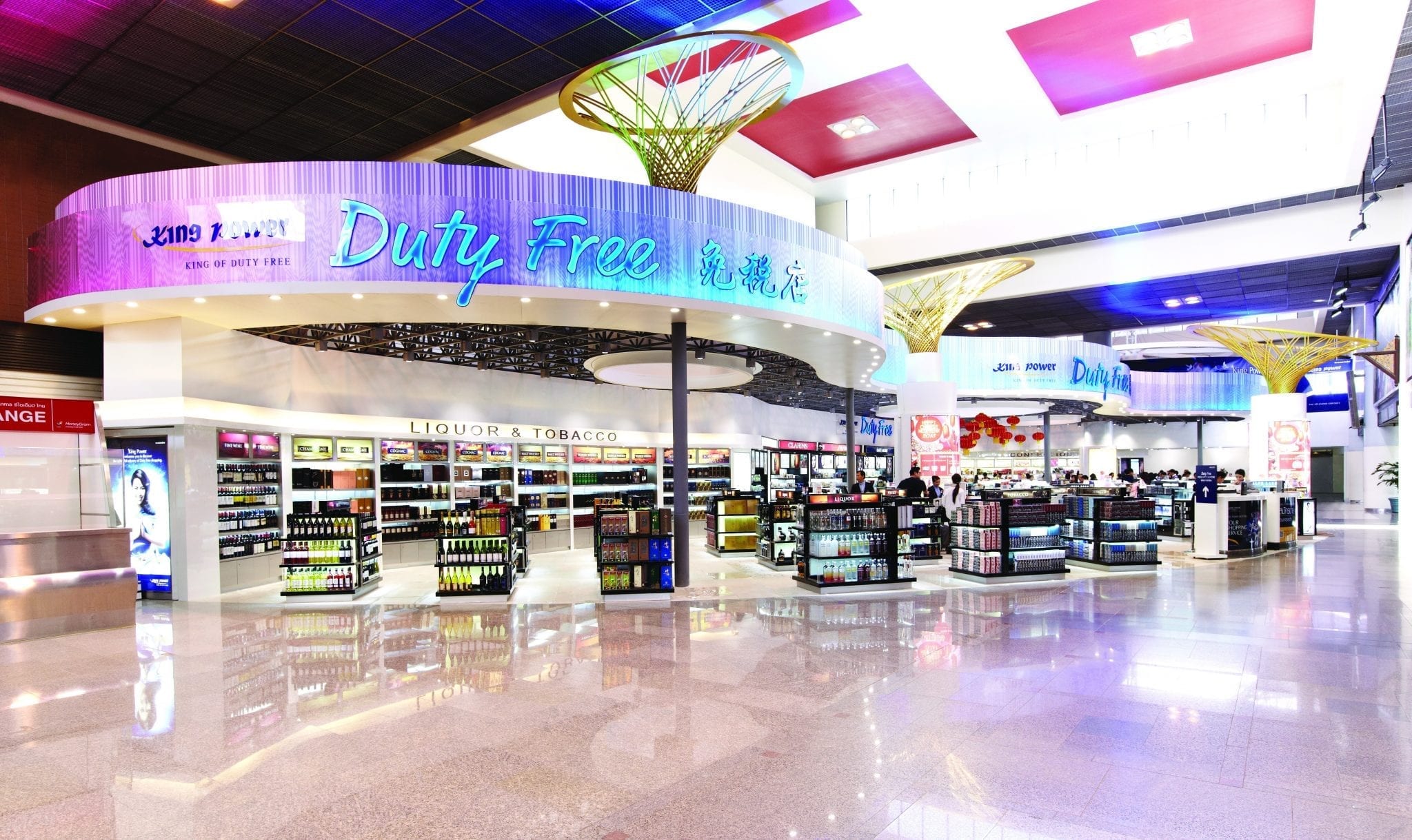
    King Power, the Thai duty-free conglomerate, has bought a US$225 million (S$305 million) stake in Thai Air Asia, the country’s largest budget airline.

    The purchase allows King Power’s billionaire owner Vichai Srivaddhanaprabha to further tap into Thailand’s booming tourism industry and expand beyond his duty-free and hotel portfolio.

    Thai Air Asia is 55 per cent owned by Asia Aviation, a Thai company, with the rest held by the Air Asia group founded by Malaysian entrepreneur Tony Fernandes.

    AirAsia Group Chief Executive Officer Tony Fernandes speaks during a press conference in Kuala Lumpur, Malaysia, Monday, Aug. 11, 2014. AirAsia launched its new "Premium Flex" services providing benefits to travellers.   (AP Photo/Vincent Thian)
    AirAsia Group Chief Executive Officer Tony Fernandes speaks during a press conference in Kuala Lumpur, Malaysia.

    King Power’s purchase of 39 per cent of Asia Aviation from its chief executive (CEO) Tassapon Bijleveld makes it the second largest shareholder of Thai Air Asia.

    Mr Bijleveld, who also serves as Thai Air Asia CEO, will keep 5 per cent of the shares and stay on as chief executive of Asia Aviation, King Power said in a statement yesterday, with the rest of Asia Aviation’s stock owned publicly.

    King Power CEO Aiyawatt Srivaddhanaprabha yesterday said the purchase represents new business opportunities.

    The group will join forces with Thai AirAsia to expand its distribution and retail business, he said.

    The King Power statement also said it was able to snap up the shares at a price “substantially lower” than the market rate because local airlines must legally be more than 50 per cent owned by Thais.

    “Given the restrictive nature of such rules, there are only a handful of Thai individuals who, realistically, would be interested in and could afford the purchase,” it said.

    Polo-loving Mr Vichai, 58, has carefully navigated Thailand’s treacherous political waters of recent years, while taking his King Power empire from strength to strength.

    He has built an estimated fortune of US$2.9 billion since establishing the firm in 1989 – starting with a single shop in Bangkok.

    He hit the jackpot in 2006 when King Power won a monopoly duty- free concession at Bangkok’s cavernous new Suvarnabhumi airport, and with it a captive market of tens of millions of travellers.

    He has since gone on to buy British football club Leicester City, which made history when it won this season’s Premier League.

    Last year, Thai Air Asia carried 14.8 million passengers, and it plans to serve 16.9 million this year. It has said it wants to expand in markets across South-east Asia, China and India.

    King Power said it plans to spend 12 billion baht (S$461.5 million) on buying the remaining 60 per cent of Asia Aviation.

    Mr Vichai’s group is required to make a mandatory offer for Asia Aviation shares it does not already own, the company said on Monday.

    Before the sale, the Thai management had a combined 45 per cent of Asia Aviation.


  • Look to past for the reasons fewer tourists visit Hong Kong

    Look to past for the reasons fewer tourists visit Hong Kong

    In recent months, certain areas of Hong Kong have become noticeably less crowded with gaggles of visitors from China towing sizeable suitcases. Anecdotal observations indicate the local tourism industry is experiencing one of its periodic slowdowns. Official visitor arrival statistics – even with allowances for creative, vested-interest interpretations – suggest the same. Inevitably, prolonged wailing has gone up from Hong Kong’s tourist-dependent retail sector about the catastrophic effects of a reduction in Chinese visitor numbers.

    Blame for falling tourist numbers has been hurled variously at the 2014 Occupy protests, “anti-locust” demonstrations and the burgeoning nativist movement. All sorts of explanations are offered, but not a dispassionate analysis of the real, underlying causes.

    With Hong Kong’s unique local flavour increasingly replaced by manufactured attractions, is it any surprise visitors are choosing different destinations?

    Let’s face it, Hong Kong is a very expensive place to visit for what the experience affords. For the most part, the city offers poor value for accommodation and food if we make regional like-with-like comparisons. And if you’re very obviously from China – a fellow citizen of our “one country”, let’s not forget – Hong Kong’s natives can come across as distinctly cool, to say the least. So why bother coming, when there are plenty of better value, more welcoming destinations to choose from?

    These days, visitors – especially from China – “experience” a series of manufactured “attractions”, each more contrived than the last. In this respect, Hong Kong has followed the pedestrian tastes of global mass tourism, with little genuinely unique local flavour to offer.

    Once upon a time, however, Hong Kong itself was the primary attraction. Visitors from all over the globe came to see, experience and enjoy this most remarkable, unlikely place perched on China’s south coast. But no longer.

    Like much of the modern world, Hong Kong has become blandly homogenised and now China itself is open to visitors. The tangible frisson once obtained from peering across the border at forbidden, forbidding China – so close yet tantalisingly unattainable – is no more.

    One attraction has remained constant: shopping. Since the Roaring 20s – the first time Hong Kong figured significantly on round-the-world stopovers – the city’s duty- and sales-tax-free shopping regime has been a major, and heavily promoted, part of its attraction. Without sales taxes, items such as luxury goods retail in Hong Kong for less than the wholesale price in their country of manufacture.

    By the mid-1950s, affluence was growing globally, air travel was becoming more popular and China was largely closed off to the outside world. Combined, these factors provided an enormous boon to the fledgling tourist industry.

    In 1957, former British Army officer Major Harry Stanley was appointed to run the newly established Hong Kong Tourist Association, overseeing publicity campaigns that put the city on the world tourist map.

    In recent decades, sadly, chairmanship of the HKTA (rebranded the Hong Kong Tourism Board in 2001) has become a Liberal Party fiefdom. Successive heads have mostly combined that particular political faction’s curious, patronising, born-to-rule arrogance with the intellectual mediocrity and comprehensive lack of vision habitual to second-generation economic rentiers in their approach to Hong Kong’s contemporary challenges.

  • Chinese shoppers deterred by rising Japanese yen

    Chinese shoppers deterred by rising Japanese yen

    Japan is starting to lose its edge as a shopping holiday destination for Mainland Chinese.

    Mainland Chinese shoppers are likely to become increasingly discouraged by the rising value of the Japanese yen against the yuan, according to analysis by Nikkei and Nomura International.

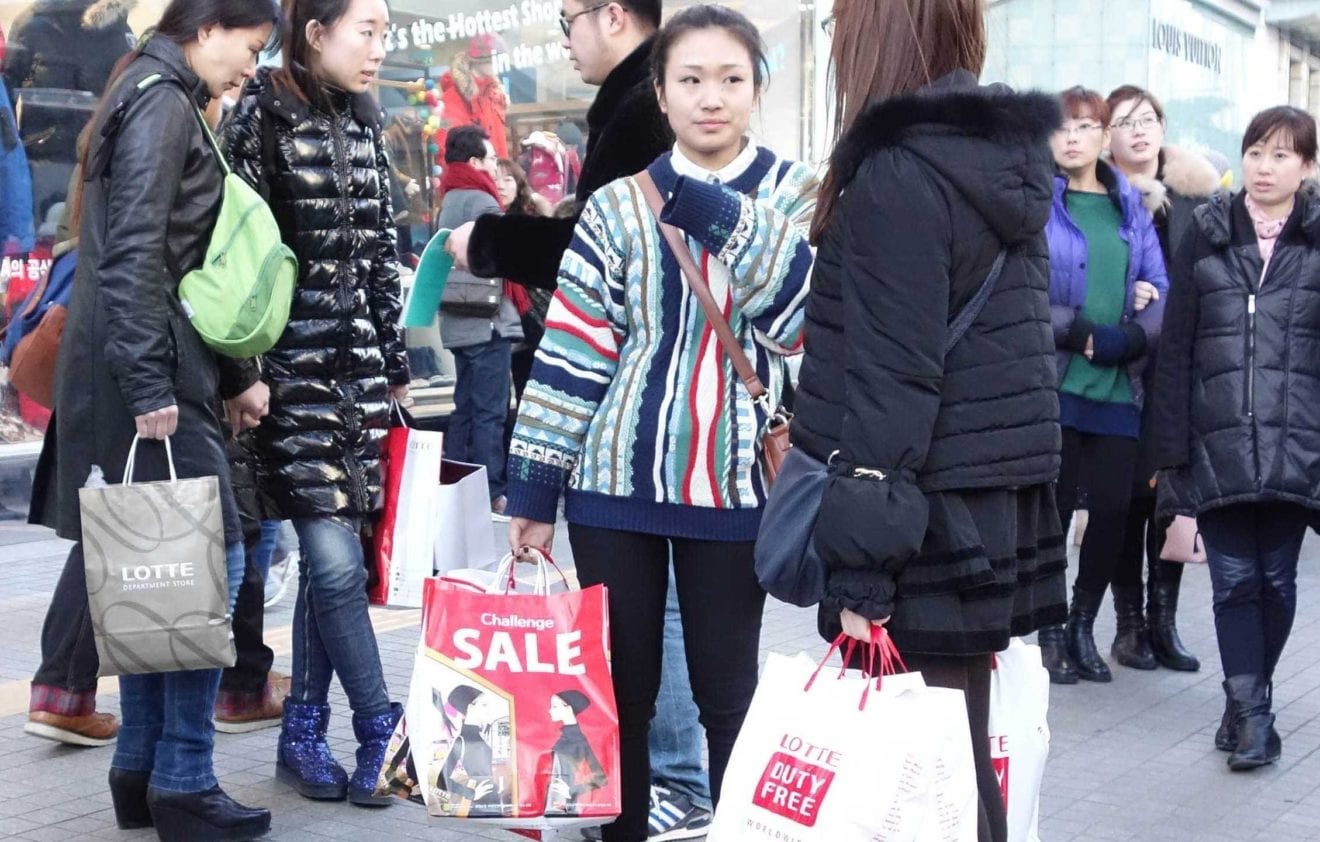
    While the Chinese accounted for just 1 per cent of Japan’s total retail spending in 2015, the share was rising and the total Japanese retail market is huge, given the wealth of its population. By comparison, Mainland Chinese account for close to 50 per cent of retail sales in Hong Kong and 30 per cent in Macau, according to Nomura. (Those figures exclude categories like cars and fuel).

    Hong Kong luxury retail sales are down by as much as 25 per cent due to the absence of wealthy mainlanders who have chosen to visit Japan, Korea, Europe and even the US thanks to more favourable exchange rates last year. Last year 4.99 million mainlanders visited Japan, attracted by the value of the yen and relaxing of visa restrictions. The average spend per visitor rose 20 per cent.

    However the advantage Japan held is slipping as the yuan weakens against the yen. In January, 1 yuan bought 18 yen, at its peak last May it bought 20. Today it buys just 16.

    Chinese tourist spending in Japan fell 10 per cent in the first quarter, accounting now for just 0.8 per cent of the total market, according to data from Japan’s Ministry of Economy, Trade and Industry. Their spend has fallen two months in a row.

  • Strong yen could send Chinese spending back to Hong Kong

    Strong yen could send Chinese spending back to Hong Kong

    Chinese tourists’ consumption in Japan has begun to wither in the face of a strengthening yen, setting up Hong Kong to recapture spending that has moved elsewhere in recent years.

    Affordability is key

    A country appeals more to foreign travelers as its currency weakens, making shopping and food more affordable than in other destinations. This is doubly true for Chinese travelers, who tend to spend heavily while abroad.

    Such was the case for Japan from mid-2014 onward. The yen moved from the level of 16 to the yuan back then to between 19 and 20 in less than a year. Chinese tourism there more than doubled from the previous year to 4.99 million visitors in 2015, with per-visitor spending growing 20%.

    Hong Kong was on the other side of the shift. Mainland visitors dropped 3% in 2015, while retail sales fell 3.7% in a second straight year of decline. Emperor Watch & Jewellery, a seller of luxury watches from such brands as Audemars Piguet and IWC Schaffhausen, reported a 25% drop in sales for the year ended Dec. 31. It blamed a “strong local currency” and an unfavorable tourism environment.

    Chinese buyers’ spending in 2015 accounted only for around 1% of Japan’s retail market excluding such goods as automobiles and gasoline, Nomura International has calculated. That share was 50% in Hong Kong and 30% in Macau, exposing retailers dependent on mainland consumption to heavy damage as spending slipped away.

    Trouble returns

    Yet the landscape is shifting once again as the yuan weakens against the yen. 1 yuan now fetches around 16 yen, compared with 18 yen at the start of the year. Chinese tourists’ spending in Japan came in 10% below the year-earlier level for the January-March quarter. The total value of retail sales shrank 0.8% for April, Japan’s Ministry of Economy, Trade and Industry said Monday — a second straight month of year-on-year drops.

    Retail sales in Hong Kong fell 9.8% for March, indicating improvement following February’s 20.6% tumble. Visitors from mainland China were still 6.9% below the year-earlier level. But overnight visitors declined only 0.8%, compared with a 20%-plus fall in February. Tourism from the mainland over the holidays surrounding Labor Day on May 1 swelled more than expected. While challenges continue, headwinds are gradually weakening.

    Shifts in the Hong Kong dollar compared to the yen bolster this view. According to the Nikkei Currency Index, the Hong Kong dollar became stronger than the yen overall in September 2014, just as Chinese visitors’ so-called explosive buying of goods was taking off in Japan. The yen then continued to weaken while the Hong Kong dollar appreciated.

    But the yen’s value hit bottom in May 2015, with the Japanese currency’s overall strength overtaking the Hong Kong dollar’s in April. The yuan, meanwhile, strengthened through the summer of 2015, only to weaken around 5% to its current level, the index shows.

    Close to home

    Changes in a locale’s exchange rate alter the affordability of goods there. An HSBC index tracking prices of 38 luxury items in various places compared with their home markets of France and Italy demonstrates this for top-of-the-line goods.

    The Japanese market overall rated 121 on the index in February, with home-market prices serving as the baseline of 100. By mid-May, the figure had risen to 127. Hong Kong, meanwhile, has fallen from 119 to 116 over the past three months. The mainland-market figure has dipped slightly as well, from 137 in February to 135.

    Chinese tourists will now feel less benefit from buying luxury brands in Japan as opposed to elsewhere. So while the Hong Kong figure has changed little in absolute terms, shopping here as compared with Japan has taken on fresh appeal, HSBC said. Some goods can even be found more cheaply here than in their home markets.

    Bain & Co. sees Japan’s luxury goods market growing 5% in 2016 — the most among major countries. But a strengthening yen and shrinking Chinese tourism hint at a coming deceleration, according to the U.S. consulting firm.

    Some 120 million Chinese headed abroad in 2015, plunking down more than $200 billion at their destinations. More detailed patterns of consumption will inevitably shift as the focus of spending turns from goods to services. But exchange rates will remain a key factor in these travelers’ buying power worldwide.

  • Shinsegae opens new duty-free shop in central Seoul with 600 brands

    Shinsegae opens new duty-free shop in central Seoul with 600 brands

    South Korea’s retail giant Shinsegae Group opened its duty free outlet on Wednesday in downtown Seoul, about six months upon successfully winning a license on a duty -free retail business after repeated failed attempts over the last two decades. Shinsegae Duty Free shop is located in Shinsegae Group’s flagship department store in Myeong-dong, one of the most bustling shopping and tourist streets in central Seoul.

    According to Shinsegae, its duty-free stores occupy floors 8-12 at Shinsegae Department Store with a sales area of 13,884 square meters. Shinsegae pledged to turn the downtown area as world-class tourist attractions by making its duty-free outlet a Korea’s touristic landmark. The company said Shinsegae Duty Free at Myeong-dong is offering special areas dedicated for Korean pop culture and worldly renowned artworks as well as top international brands.

    Shoppers will find about 600 brands from all over the world, including Gucci, Saint Laurent and Bottega Veneta, at Shinsegae’s tax-exempt outlet. Also, about 70 luxury wrist watch labels such as Audemars Piguet, Vacheron Constantin, Jaeger-LeCoultre and Omega opened their shops at the store, while four other high-end jewelry brands Cartier, Bulgari, Tiffany & Co. and Van Cleef & Arpels are to join the others in the second half of this year.

    A series of luxury brands also plan to make their first debut in the Korean duty free market – Moncler, J.Lindeberg, Emporio Armani and MCM’s sunglass collection. The famous fashion labels Chanel, Hermes and Louis Vuitton are in discussion with the duty free retailer to open corners at the new duty-free shop, aiming for the fall/winter 2016 season. In addition, more than 200 cosmetic brands joined the tax-free outlet, according to the company.

    To ensure foreign customers’ return, it reserved a special venue for foreign tourists at the new duty free store. There are separate zones for Korean cosmetic brands, as well as movie and animation character shops. Korea’s traditional craftworks by artisans will also be available to lure foreign visitors.

    In November last year when the group was granted a license to operate duty free shop, Shinsegae said it aimed to rake in 1.5 trillion won ($1.26 billion) in sales from its duty-free shop operations within the first year of opening and 10 trillion won in five years by 2020.ths upon successfully …

  • DFS and Luxottica seek differentiation with Ray-Ban concept in Hong Kong

    DFS and Luxottica seek differentiation with Ray-Ban concept in Hong Kong

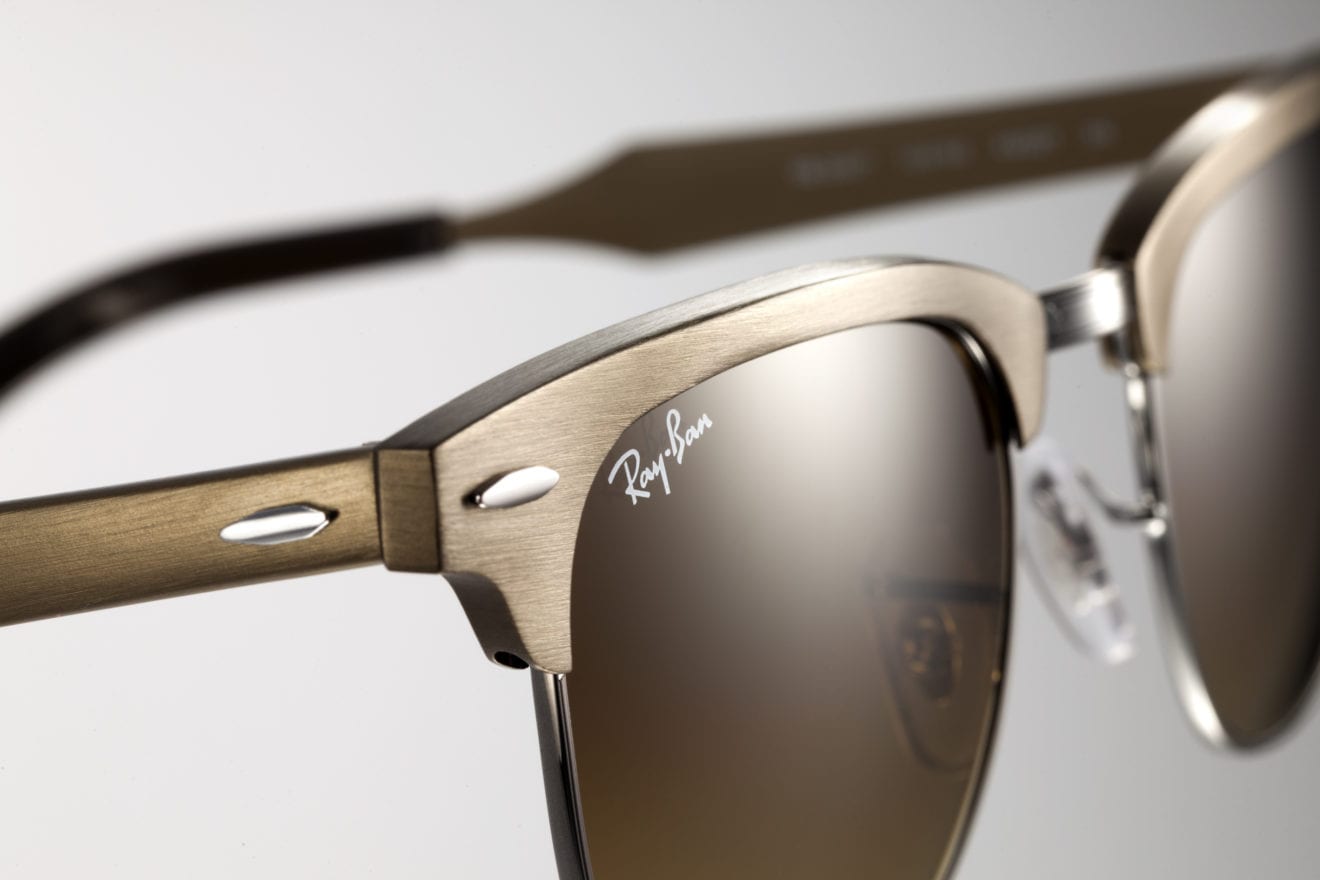
    Luxottica says the opening of its Ray-Ban shop-in-shop at Hong Kong International is part of a strategy to differentiate the sunglasses offer in travel retail.

    The company worked with DFS Group to open the first of its kind shop-in-shop in Asian travel retail at the airport’s Midfield Concourse.

    The 15sq m concept features the largest range of Ray-Ban products at any airport in Asia, the companies said. There are dedicated areas for different segments in the Ray-Ban range, including Icons, Tech and Lifestyle, as well as a section for Ray-Ban Kids.

    Shoppers are also being given the opportunity to experience the benefits of polarised lenses through Ray-Ban’s Polarised Tester technology.

    “Ray-Ban has the brand equity, range and product innovation to sustain a dedicated shop-in-shop,” said Luxottica Head of Global Channels Francis Gros. “At a major global hub airport like Hong Kong, with a large multi-site retail footprint, it’s important to differentiate the sunglasses offer, and our new Ray-Ban shop-in-shop is part of this strategy.

    “DFS constantly strives to offer shoppers something exceptional and new and they have been very supportive of our vision to make travel retail the expert channel for sunglasses.”

    DFS Group Director Merchandising for Sunglasses, Fashion Jewelry, and Watches Jason Blejwas commented: “Sunglasses continues to be a strong category for DFS and we are committed to bringing our customers the products they love in an engaging and enticing environment.”

  • Korea to allow four new duty-free shops in Seoul

    Korea to allow four new duty-free shops in Seoul

    Korea will allow four more duty-free shops to open in Seoul to meet growing demand from Chinese tourists, the government announced Friday.

    “Four new licenses will be issued for operation in Seoul, while the city of Busan and Gangwon Province will also get one each,” Lee Myung-gu, director of the Korea Customs Service, said at a press briefing in Sejong.

    The licensees will be selected by the end of this year through an open competition, the official explained, with one ticket reserved for midsized companies.

    Seoul currently has nine tax-exempt retail outlets. Friday’s decision will raise the total to 13.

    Duty-free stores are a rare bright spot in Korea’s lackluster retail sector, growing by an average 20 per cent over the past five years. Last year, they posted a combined 9.2 trillion won ($8 billion) in sales.

    Major retail giants Lotte Duty Free, part of Lotte Group, SK Networks of SK Group and Hyundai Department Store hailed the decision, vowing an all-out effort to win a license.

    For Lotte and SK, in particular, this represents a second chance after they failed to renew the license for shops that they have been running for years.

    “We will make utmost efforts to win the license back,” SK Networks said in a press statement after the announcement.

    SK’s only duty-free outlet inside the Walkerhill Hotel in eastern Seoul faces closure in May with the expiry of its license.

    Lotte, which runs the top duty-free store by sales in Seoul, has to shut its Lotte World Tower outlet in southern Seoul by the end of June. The Lotte World Tower shop ranked third by sales in 2014.

    Hyundai Department Store said it wants to open a tax-free retail outlet at Coex in the southern shopping district of Gangnam.

    The government last year changed its policy on duty-free shops, holding an open competition for operational licenses for the first time. HDC Shilla Duty Free, Hanwha Galleria and SM Duty Free grabbed new licenses to open outlets in Seoul, while Doosan and Shinsegae beat Lotte and SK to win theirs.

    The government, however, has changed its stance again this year, extending the operational licenses of local duty-free stores to 10 years from the current five. Also, the licenses will be automatically renewed to help the companies run their businesses in a more sustainable way.

    The decision to open the field wider for competition is a move in line with the government’s efforts to grow tourism and revive the sluggish domestic economy and create jobs, the KCS explained in a press statement. It expects the new licenses to spur domestic investment of 1 trillion won and 5,000 new jobs.

    Korea is the world’s largest duty-free market, accounting for more than 10 per cent of global revenues from duty-free shops.

    In 2014, it saw foreign tourist arrivals rising to a record 14.2 million, greatly helped by a surge in visitors from neighbouring China.


  • New Shiseido Travel Retail division set ¥18.5 billion target for FY2016

    New Shiseido Travel Retail division set ¥18.5 billion target for FY2016

    Shiseido is set to create a new travel retail unit, based in Singapore, on 1 May, combining the skin care, make-up and fragrances arms of the Japanese beauty house’s worldwide travel retail business, according to a report published by Travel Retail Business.

    Shiseido Travel Retail has been set a sales target of ¥18.5 billion for the financial year, a considerable jump on the ¥17.2 billion achieved in 2015.

    The new unit will usher in a key account management system, with dedicated regional teams allocated to key customers as well as a new business development function to explore global growth opportunities.

    The new unit is part of the company’s wider 2020 strategy, which will see the company usher in a matrix management structure with six regional entities led by Philippe Lesné.

  • Cambodia duty-free store opened by DFS

    Cambodia duty-free store opened by DFS

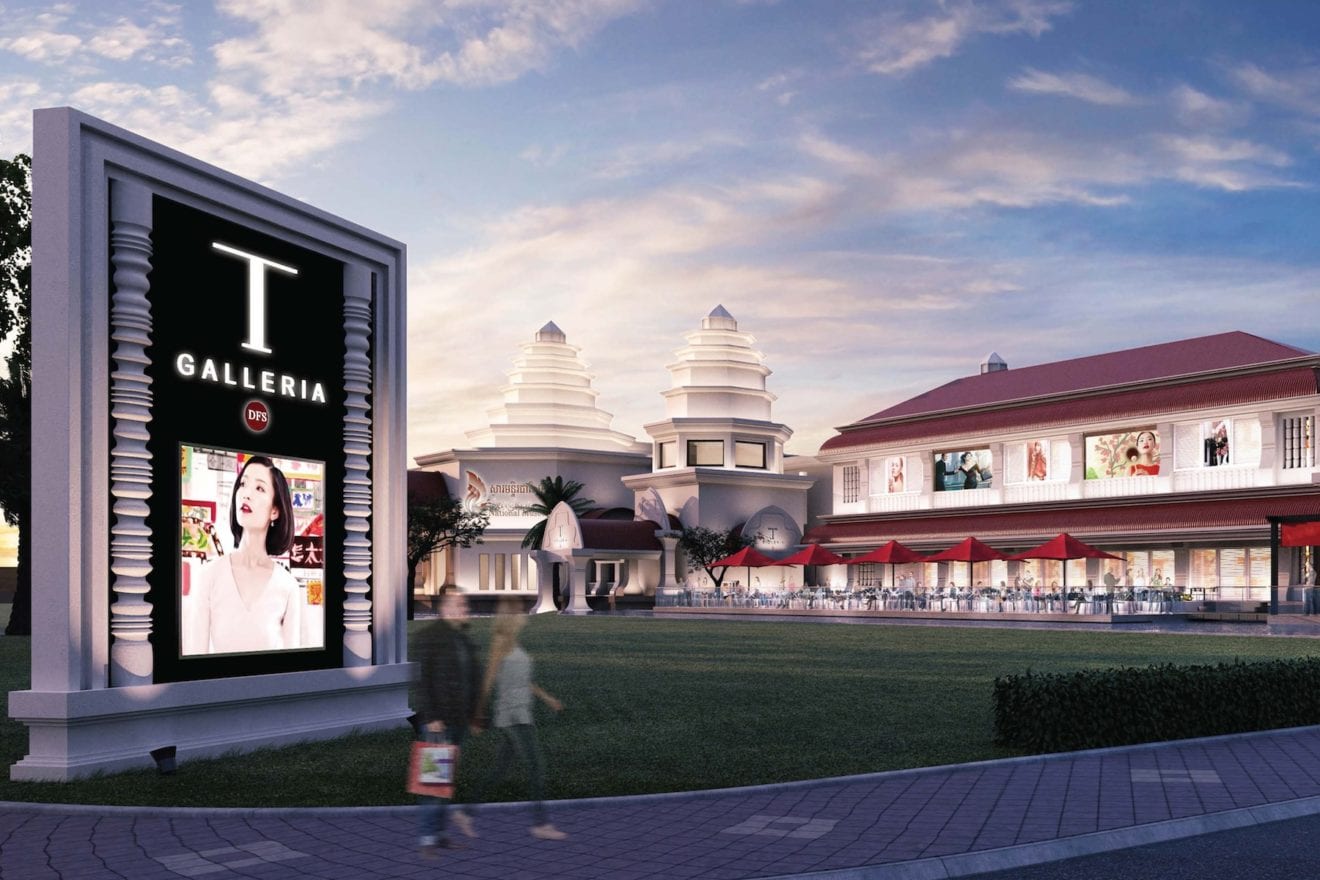
    Luxury travel retailer DFS Group has opened its first T Galleria by DFS store for Cambodia in the resort town of Siem Reap.

    Near the ancient temple of Angkor Wat, T Galleria by DFS, Angkor is the largest Cambodia duty-free luxury department store, offering an integrated retail, hospitality and leisure experience.

    The store is opening in phases until June, bringing 170 brands to the 86,000 sqft (7990 sqm) space, including fashion and accessories, watches and jewellery, wines and spirits, and beauty and fragrances as well as locally handcrafted artisan products.

    Next to Angkor National Museum and overlooking a park, the new outlet features traditional Khmer motifs and carvings by Cambodian artisans. Stone columns feature panels carved in styles reflecting the nearby temples and palaces of Angkor Wat, intricately patterned wall screens and floor tiles evoke local architecture, and a 20m art installation suspended above the store’s vaulted atrium, was inspired by the hues of Buddhist monks’ robes. More than 200 local sales associates will welcome customers.

    Several firsts for Cambodia duty-free come with the opening of the store, such as watches and jewellery brands Bulgari, Carl F Bucherer and Tiffany & Co and international fashion brands Burberry, Bottega Veneta, Fendi, Gucci, Ralph Lauren, Saint Laurent and Zegna. There are also 12 exclusive beauty and fragrance brands such as Bobbi Brown, Cle de Peau Beaute, Mac and Sulwhasoo.

    Among Cambodian artisans featured are Angkor Artwork, whose master craftsmen Eric and Thierry Stocker produce lacquer and straw marquetry using traditional techniques. There is also Golden Silk, one of the last fully integrated silk producers in the world to use the rare yellow silkworm indigenous to Cambodia, and Samatoa, an eco-friendly accessories brand that has revived the technique of lotus-fibre weaving.

    T Galleria by DFS, Angkor has also teamed up with Artisans d’Angkor, a socially conscious business aimed at revitalising Cambodia’s traditional craftsmanship while pioneering a sustainable working environment. Its exclusive collection of handwoven silks and fine crafts were designed by and will benefit local artisans.

    An onsite restaurant, Crystal Jade, will open in June, the first outlet in Cambodia for the Singapore brand. It will serve traditional Chinese cuisine and dim sum dishes in a casual setting overlooking gardens and reflecting pools.

  • HKIA February traffic +4.9% to 5.7m pax

    HKIA February traffic +4.9% to 5.7m pax

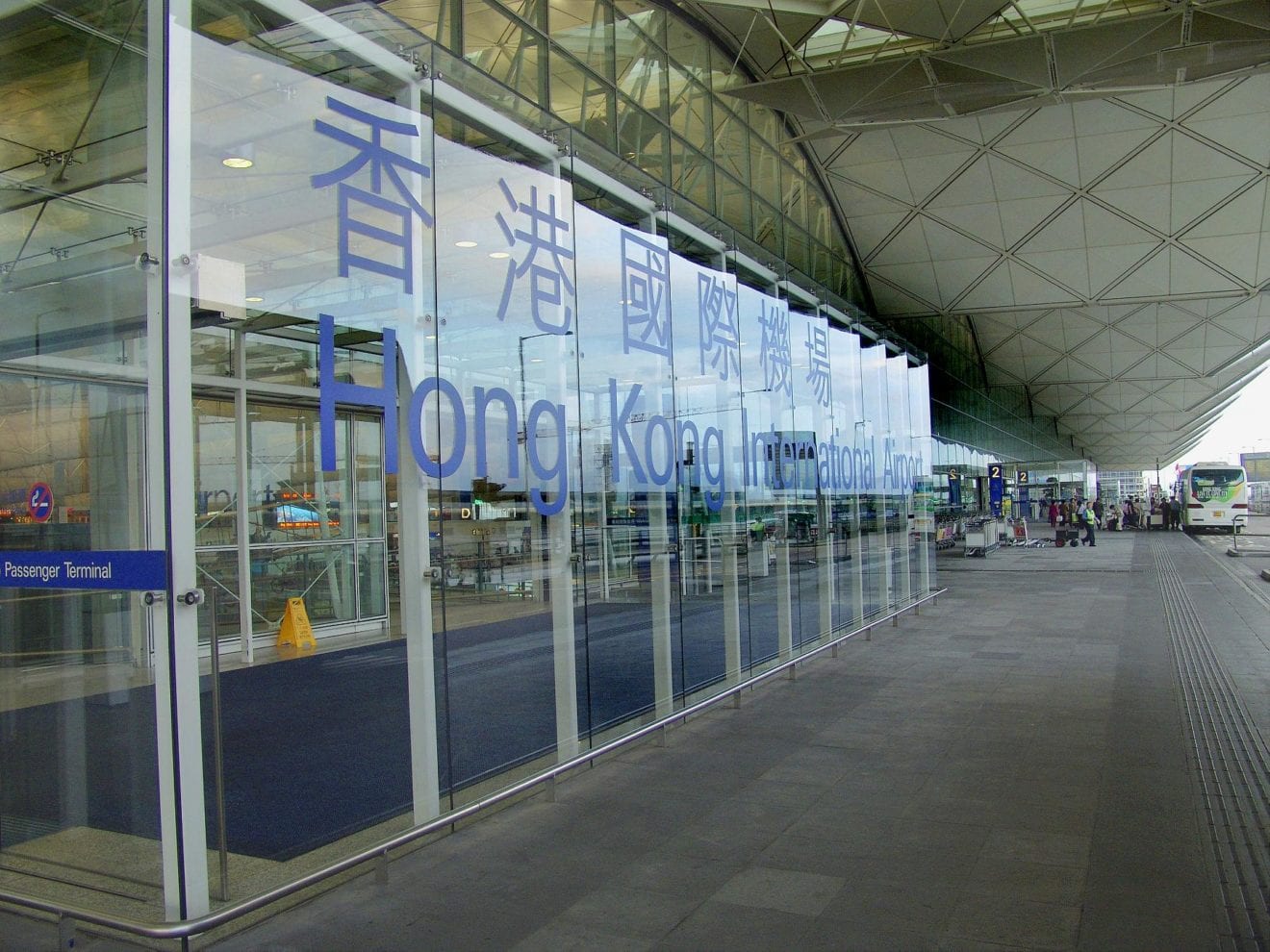
    Hong Kong International Airport (HKIA) has reported that its February passenger traffic grew by 4.9% to 5.7m, while flight movements increased by 4.5% to 32,625 during the month.

    Airport Authority Hong Kong said that growth was mostly thanks to a 16% rise in Hong Kong resident travel compared with January 2015, with passenger numbers to and from Southeast Asia and Japan showing the biggest increases.

    IN PRAISE OF TECHNOLOGY

    Commenting, Executive Director of Airport Operations of Airport Authority Hong Kong C K Ng said: “To enhance the travel experience for HKIA’s passengers we strive to provide customer-centric services by leveraging the latest technology, including the introduction of the ‘HKG My Flight’ mobile application in 2013 that provides airport information, real-time flight status and more.”

    Hong Kong airport large

    New technology is also helping passengers find the information they want at HKIA, according to airport management.

    He added: “With the application of iBeacon technology, passengers using the ‘HKG My Flight App’ can receive push notifications of airport information, including dining and shopping offers and promotions at the airport.

    “While arrays of initiatives are in the pipeline, we will continue exploring the application of different technologies in daily operations, aiming to enhance mobility, automation, efficiency and convenience for passengers,” added Ng.

    He said HKIA is also delighted that ‘HKG My Flight’ recently won the Gold Award in the Best Location-based Marketing Category at the Mob-Ex Awards 2016 organised by Marketing magazine.

    HKIA Departures 2

    Hong Kong International Airport traffic rose by 4.9% to 5.7m passengers in February 2016.

    Having said that, there was no technology available to help halt the decline in cargo throughput for February, which was mainly attributed to a 23% year-on-year drop in exports. AAHK added that the fall in cargo volume was also partially due to the industrial action at ports on the US west coast in the first quarter of 2015.

    In the first two months of 2016, HKIA handled 11.6m passengers and 67,820 flight movements, up 9.0% and 5.0% from the previous year respectively. Cargo traffic dropped 6% year-on-year to 619,000 tonnes.

    On a rolling 12-month basis, HKIA handled 69.5m passengers and 409,255 flight movements, marking year-on-year increases of 8.4% and 3.8%, respectively.