Tag: Travel Retail

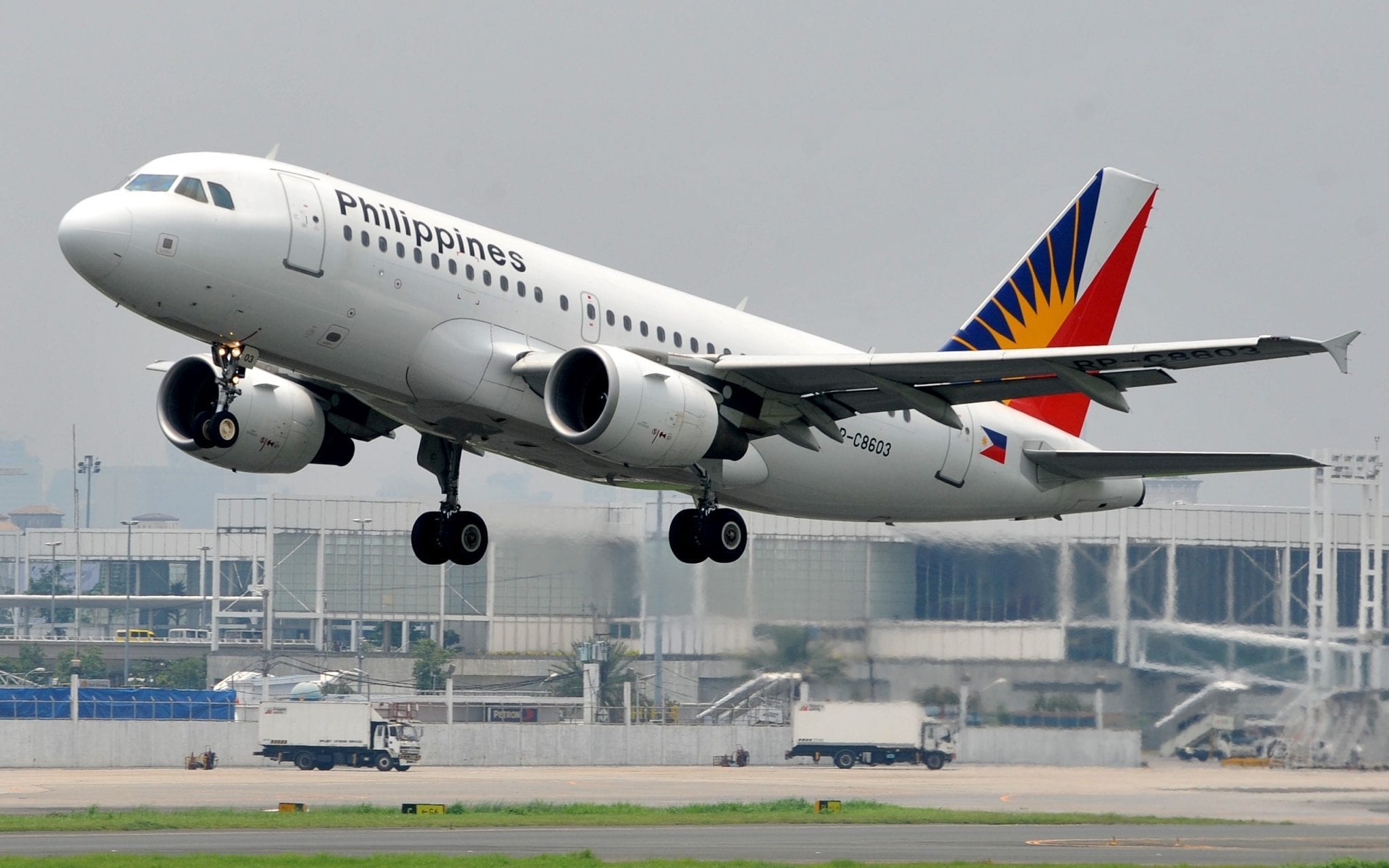
  • Philippine Airlines innovates in-flight retail

    Philippine Airlines innovates in-flight retail

    It used to be that some 20,000 feet above the ground, you browse a catalogue of duty-free merchandize to take home, chose some pretty standard stuff – cosmetics for the ladies, wine for the gentlemen, some cute airplane replicas for the kids, and maybe local goodies for the parents – and you have an instant take-home gift, paid for in cash and delivered to your seat with a smile by the friendly, in-flight crew.

    screenshot-2016-10-28-10-58-03

    Not anymore. In-flight retail has seen some highly innovative transformations in recent years – from offering huge discounts on luxury items to selling cars, bikes and even tractors inflight to home delivery to using the rewards cards for purchases.

    The Philippine Airlines recently embarked on its own transformation journey and re-imagine the retail experience in-flight and on the ground, starting off with turning the PAL Boutique, it’s in-flight catalogue, into a 24×7 online shopping site.

    With the newly launched website, shoppers can choose from a variety of products – from clothing and apparel, to electronics, travel essentials, beauty items and food. The site allows everyone to shop in the PAL Boutique store, not just those in the skies. It also features lifestyle merchandise such as hotel deals, car rentals, tours and recreation packages.

    Some of the items on sale at the online store are Sport 75, Heart 75, Southern shirts, Honeycomb polo shirts and hoodies as well as purse and tote bags by Team Manila. Press canvas wallets, heavy canvas Tote & Jotter notebooks, also by Team Manila, are likewise available.

    City Weekend, City Satchel, City Tourist, City Reach & City Envelope bag all by Fino, Amenity Kit by Bath Origins and Travel Wallet by Jacinto & Lirio as well as luggage tags and key chains are part of the product selection. Completing the line-up for travel aficionados is the myPALRoam, the global mobile hotspot that provides mobile data anywhere in the world.

    Collectible items include the Boeing 777 die-cast model, PAL bears by Natalya Lagdameo, PAL 75 anniversary fans and the PAL coffee table book. Chef Tony’s Butter Icing, Kesong Puti at Kondensada, Royal Peanut Butter and Tablea Tsokolate popcorns are also available for gourmet food lovers.

    The online shopping site is also linked to Mabuhay Miles, the company’s in-house rewards card and loyalty program. Every time a user shops at the online store, he or she earns corresponding rewards points. A 100-peso purchase ($2.07) at the PAL Online Boutique is equivalent to one mile.

    The online portal currently accepts Visa and Mastercard payments, but the online Boutique will soon accept Mabuhay Miles as payment.

    Marketplace solution

    PAL’s digital store is powered by the Voyager E-Commerce Marketplace (VEM) Solution, a cloud-hosted software-as-a-service (SAAS) platform with features catering to the needs of enterprises that want to bring their transactions online.

    The VEM Solution is a platform developed by Voyager Innovations, the digital innovations company of the PLDT Group and Smart Communications, the country’s biggest telecommunications company.

    Voyager Innovations VP for Digital Commerce Mitch Padua said VEM enables mid- to large-sized operators to build, manage and run world-class multi-merchant marketplaces. It provides platform that allows companies to easily sell online.

    “PAL Online Boutique is the product of a successful collaboration between PAL and Voyager Innovations. With just one click, a shopper can choose from premiere exclusive and co-branded items. If you are on the go, this online store is your shopping haven,” PAL Ancillary Business Unit VP Kevin Hartigan-Go said in a media statement during the launch of the service a few months back.

    Padua said the platform provides PAL an end-to-end solution – from the mobile app so that customers can view flight schedules, check in and purchase tickets to order management and customer care for their in-flight catalogue and online store to payment acceptance, which was provided by Voyager’s own payments company, PayMaya.

    “Airlines are the most progressive in terms of e-commerce,” he said at a recent media roundtable. “I think everyone buys tickets online. It makes sense for them (PAL) to not just sell tickets online but other things as well because they have a huge amount of traffic.”

    Citing a recent Google-Temasek study that within Southeast Asia, $88 billion is forecast on B2C transactions by 2025, Padua is optimistic there is a big opportunity for Philippine merchants, including online boutiques stores like PAL’s. “We are seeing about a billion dollars (in B2C transactions) now for the Philippines,” he said, adding that another study conducted by Visa hows nearly 9 out of 10  Filipinos connected to the Internet actually do online shopping.

  • Asian duty-free market buoyant

    Asian duty-free market buoyant

    The Asian duty-free market is growing at five times the global growth rate.

    New data released by the travel retail trade association TFWA (Tax Free World Association) shows that sales in the first quarter of 2016 rose by 5 per cent in Asia-Pacific. Global growth was just under 1 per cent.

    The TFWA is optimistic that the duty-free sector “faces a bright future” at a time when other sectors of the international retail market are struggling.

    Global duty-free sales are estimated at US$62 billion according to duty free and travel retail specialist Generation Research. The market has been growing steadily for the past six years, and while it suffered a decline in 2015, the figures for the first quarter of 2016 show the business is back on its upward trajectory.

    The fragrance and cosmetics category is the main driver of growth globally and its sales were up 7.8 per cent in the first quarter, while sales of wines and spirits were up by 4 per cent. Sales on board ferries grew by 6.5 per cent, while airport sales remained stable.

    TFWA president Erik Juul-Mortensen said the figures allowed the sector to be cautiously optimistic and tips further growth from the booming air travel market.

    The trade association Airports Council International predicts passenger numbers worldwide will more than double from 2015, when the number of air travellers reached 7.2 billion, to just over 19 billion in 2035 – a compound annual growth of 5 per cent.

    The World Tourism Organisation’s says international tourist arrivals were up 4 per cent in 2015 to reach a record of 1.2 billion, 50 million more than in 2014. The latest figures for the first half of this year show that tourism got off to a strong start in 2016, with international arrivals up 4 per cent compared with the same period last year.

    “This can only be good news for our industry, and all the indicators would suggest that we have plenty to be upbeat about,” said Juul-Mortensen. “This is a great sector to be in, and with growth rates that have been, in many years, the envy of many high street retailers, duty free and travel retail presents a wealth of opportunities.”

  • Golden Week spending spree hits $180b

    Golden Week spending spree hits $180b

    Retailers and catering businesses were the main beneficiaries of the 1.2 trillion yuan (US$180 billion) Golden Week spending spree by Chinese consumers.

    This was 10.7 per cent up on last year’s figure, according to Ministry of Commerce (MOC) data, with the biggest spenders being in Chongqing municipality and Sichuan province in west China, and Hunan province in central China.

    Jewellery and gold, home appliances, IT products and energy cars were among the top picks during the week. There was also a demand for catering services for weddings, birthdays and family reunions.

    It is the second consecutive year Golden Week has hit the 1 trillion yuan spending milestone, says China.org.

    Despite an estimated 6 million Chinese tourists travelling overseas during the holiday week, domestic spending was highly encouraged, reports the International Business Times. Beijing has encouraged domestic spending to stimulate the economy, which jumped 6.7 per cent between January and June.

    “The economy this year, especially in the third quarter, is better than expected,” according to Premier Le Keqiang.

    A joint report by the China Tourism Research Institute and cTrip shows Chinese tourists spent as much as 8000 yuan during the national holiday.

    About 593 million Chinese tourists visited attractions across China, says the China National Tourism Administration, spending a total of 482.2 billion yuan, 12.8 per cent year on year.

    Golden Week, from October 1 to 7, is a national holiday of seven consecutive days.

  • HKIA announces plans for SkyCity development

    HKIA announces plans for SkyCity development

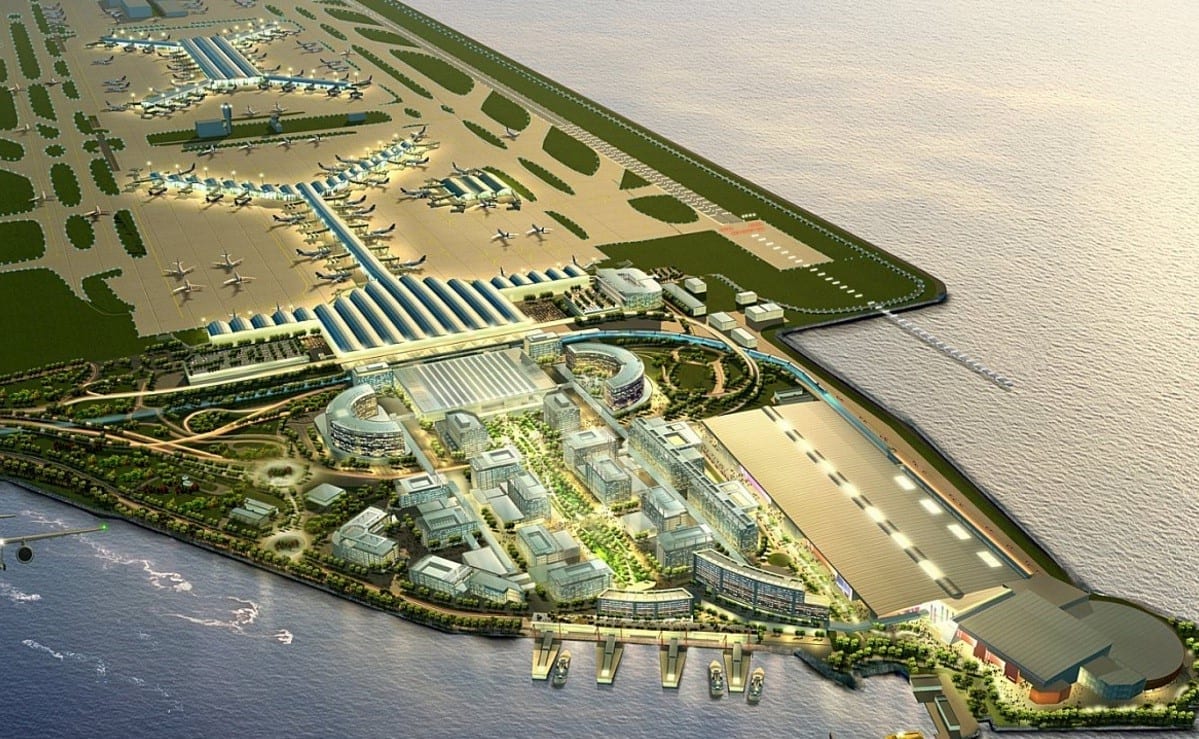
    SkyCity will feature retail complexes, entertainment facilities, dining space, hotels, and office towers in approximately 25 hectares of land at the north of the airport island.

    The SkyCity plan was unveiled at “The Future of Shopping Malls” Business Conference and Exhibition hosted today by the AA. More than 300 senior executives from the property development and investment sectors of Hong Kong and major overseas markets, as well as representatives from the HKSAR government, business associations and professional bodies, attended the event.

    Mr Jack So Chak-kwong, chairman of the AA said: “Our vision is to create a new destination that goes far beyond the traditional notion of a shopping mall. Located right next to the airport, SKYCITY aims to capture broad opportunities in tourism and business, while also providing a dynamic lifestyle and family entertainment hub for Hong Kong residents and visitors alike.”

    HKIA’s passenger traffic is projected to rise to more than 100 million by 2030 with the completion of the three-runway system. SkyCity will make use of the Tuen Mun-Chek Lap Kok Link and the Hong Kong-Zhuhai-Macao Bridge, strategic road links.

    Phase 1 of the project will comprise a retail, dining and entertainment (RDE) destination of 195,000 sq. metres, scheduled to open in 2021, and a hotel providing 450 to 750 rooms, expected to be completed in 2020. Invitations for tender submissions for the hotel and RDE developments will be issued in November 2016 and early 2017 respectively.

  • Connecting with the traveling Chinese shopper

    Connecting with the traveling Chinese shopper

    By the end of this year, China’s digital travel sales will amount to more than $95 billion, according to eMarketer. That’senough to rival the revenue of Fortune 500 giant Microsoft. By 2020 this figure will have doubled to around $200 billion.

    Retailers and tourism operations globally have been rolling out the red carpet for Chinese shoppers over the past few years. The Australian government introduced a “China 2020” plan in the hopes of bringing $7 billion revenue from Chinese tourist spending.

    In Southeast Asia, the top source of tourism receipts in Singapore and Thailand come from China, as the region remains a top destination due to the historically low prices and geographical proximity.

    With this expected growth, the days of broad-based marketing are over. Competition for the savvy Chinese shopper is more fierce than ever — without personalized and insightful advertising, the shopper would be overwhelmed with companies vying for their attention. Brands that can deliver the best mobile user experience at the heart of their  campaign strategy will be the most trusted among these consumers.

    Mobile-first means user-first Mobile is the most effective channel to reach Chinese shoppers abroad. The IAB reports that 47 percent of Chinese shoppers made purchases with a mobile wallet this year.

    That’s the highest in the world, second only to Norway (42 percent) and the UK (24 percent). The same report reveals APAC has the highest usage of mobile wallet for purchasing products and services of any region in the world.

    To better understand the Chinese consumer, advertisers can analyze their daily habits on their mobile devices. An audience cluster employing real-time and historical data can pinpoint the most receptive users and find the best time to engage them.

    There are many platforms that are more popular in China than other regions—such as WeChat and Weibo — and analyzing this historical data can help isolate the behavior on these devices. Combining real-time data such as device language, network carrier, and operating systems will give a more holistic view of the shopper.

    For example, to profile a Chinese luxury consumer traveling in Singapore, advertisers can identify and group together key indicators, such as the latest iPhone 7 model, connecting through a Chinese mobile carrier and using traditional Chinese language settings.

    Add the potential to pair that with historical location behavioral data identifying them as frequently visiting Singapore, and you can start to build out powerful audience segments. Audience segmentation is becoming increasingly sophisticated and can help advertisers push their branded messages even before the intended customer has departed from China.

    Personalized mobile marketing also allows brands to deliver tailored and timely messages to serve the consumer on their shopping journey. Let’s say, for example, an ideal time to send out an advertisement is in the morning before a shopper heads out of their hotel.

    A helpful campaign indicating the nearest store location and opening hours, combined with a daily coupon, has a higher chance of converting than a non-targeted advertisement.

    With the wealth of mobile data available, advertisers can go one step further and deliver creative campaigns based on device operating system. Most of the time, iPhone ads will lead to a landing page in Safari, and an Android system will take the user into Google Chrome. The ability to tailor each creative format for different user devices can help retailers win over the highly-desired Chinese tourist dollar.

    Brands that want to wow Chinese tourists need to have full visibility of their intended consumers and engage with precise timing to truly encourage purchasing decisions. Given the availability of today’s data, brands that fail to customize their creative message and user experience will only stand to lose out.

  • Macau tourist arrivals rise over Golden Week

    Macau tourist arrivals rise over Golden Week

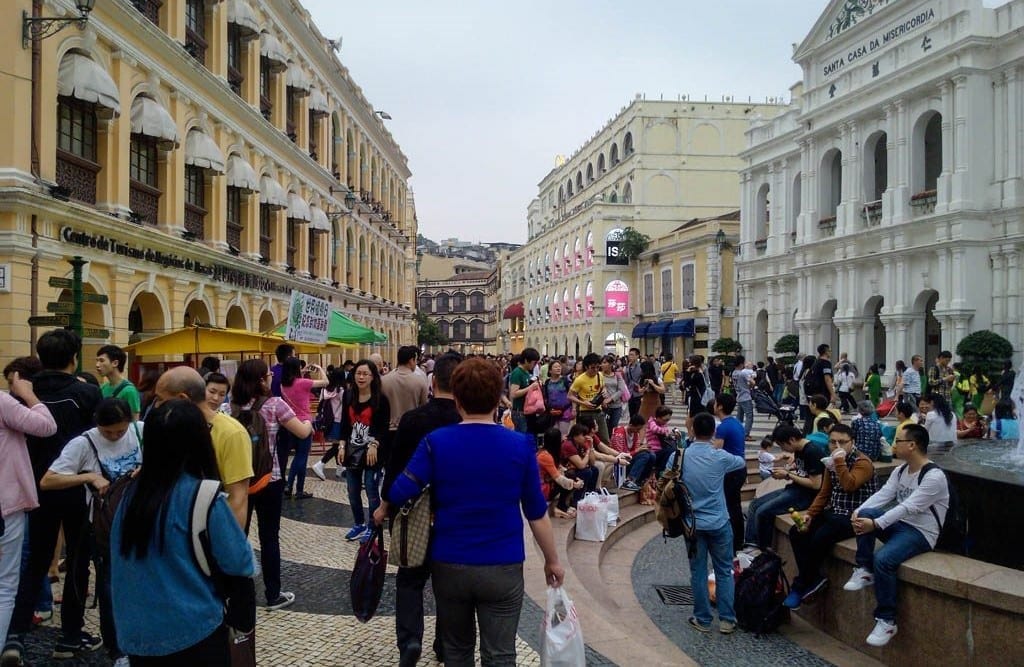
    Macau’s move to reposition itself from gaming hub to shopping and entertainment destination appears to be paying off already.

    Tourist numbers rose in Macau over Golden Week as an expanding shopping offer and shows drew 8.45 per cent more visitors than the same period last year.

    During Golden Week – from October 1 to October 10 – 1.61 million people visited Macau according to data from the Public Security Police Force.

    Total border crossings at the city’s seven immigration checkpoints reached 4.7 million for the 10 days: 2,355,720 arrivals and 2,359,090 departures.

    Of the seven border checkpoints, the Border Gate recorded the highest number of arrivals and departures, at 1.15 million and 1.28 million, respectively. The second popular border was the Outer Harbour Terminal on the Peninsula, with 157,211 arrivals and 150,749 departures recorded.

    The busiest day of Golden Week was the third day with 520,386 border crossings registered.

  • Changi Airport registers 0.6% August passenger fall to 4.9m

    Changi Airport registers 0.6% August passenger fall to 4.9m

    The Changi Airport Group (CAG) reports that passenger traffic on Chinese and Korean routes proved to be ‘particularly strong’, with plus-7% in both instances.

    CAG also described traffic numbers more generally as ‘relatively steady’, while pointing out that that this comparison with the same period least year obviously factored in Singapore’s Golden Jubilee celebration and its many activities. This included a four-day extended weekend with a registered traffic increase in August 2015 of +6.6%.

    Meanwhile, CAG reports that August was still the second busiest month for Changi Airport so far this year in second place behind July’s passenger total of 5.18m..

    MORE REPRESENTATIVE INDICATOR?

    Perhaps the more representative traffic figure for the airport, considering the single month August 2015 ‘distortion’ was the first eight month period this year, however. As such, Changi registered 6.5% more passenger movements, with growth underpinned by Southeast Asia (+8.9%) and Northeast Asia (+10.5%) traffic.

    CAG added: “As at 1 September 2016, more than 100 airlines operate at Changi Airport, connecting Singapore to some 330 cities in about 80 countries and territories worldwide. With more than 6,800 weekly scheduled flights, an aircraft takes off or lands at Changi roughly once every 90 seconds.”

    On the retail side, CAG is also still running its Shop and be a Millionaire promotion, offering passengers who spend S$50 ($37) at the airport – or with iShopChang.com a chance to win the S$1,000,000 ($734,000) grand prize. This continues to be the single most successful promotional event ever run by the Changi Airport Group.

  • Lacoste China opens Shanghai duty-free outlet

    Lacoste China opens Shanghai duty-free outlet

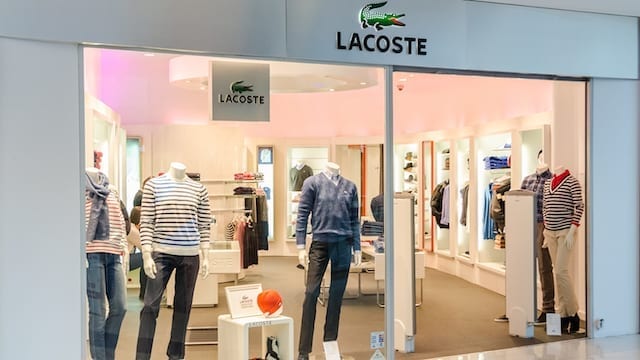
    French fashion brand Lacoste China has opened a duty-free corner in downtown Shanghai’s Yueda Plaza 889, run by CNSC.

    China National Service Corporation for Chinese Personnel Working Abroad is a state-owned enterprise of international trade and economic co-operation established in 1983.

    BUCHAREST, ROMANIA - OCTOBER 09: Lacoste store on October 09, 2013 in Bucharest, Romania. Is a French clothing company founded in 1933 that sells high-end clothing and most famously polo shirts.
    BUCHAREST, ROMANIA – OCTOBER 09: Lacoste store on October 09, 2013 in Bucharest, Romania. Is a French clothing company founded in 1933 that sells high-end clothing and most famously polo shirts.

    Lacoste says the point-of-sale is in line with the a Chinese duty-free policy that offers Chinese travellers a 190-day duty-free shopping period after returning from abroad.

    “We are aiming at building a long-term relationship with Lacoste,” says CNSC deputy-GM Jacky Yan.

  • Seoul tops airport retail rankings

    Seoul tops airport retail rankings

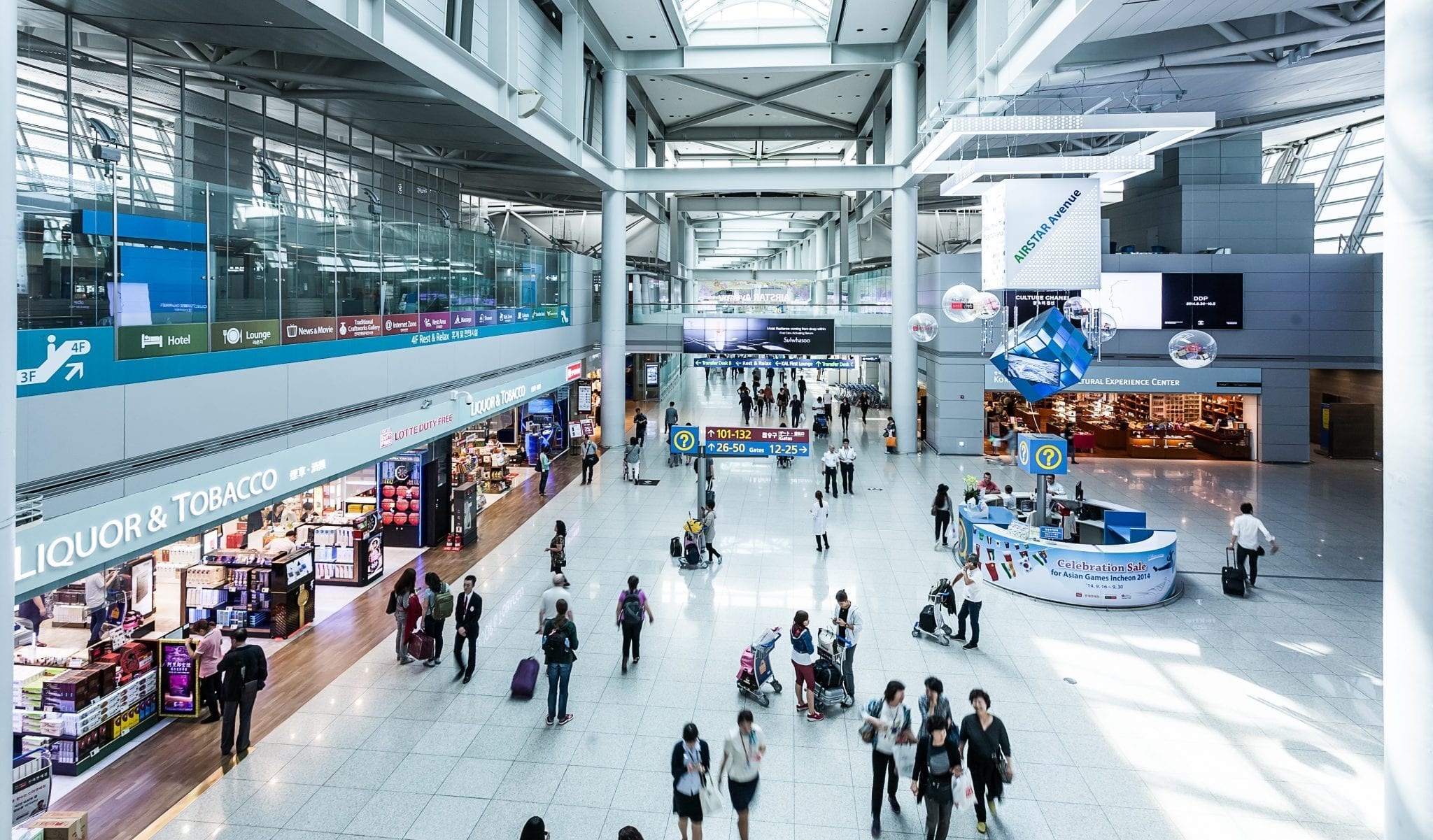
    Seoul’s Incheon Airport not only tops the Asia-Pacific rankings for retail spending – it has the highest turnover of any airport in the world.

    Which is remarkable given it ranks 10th in the region by passenger numbers, according to Airports Council International data, with 49,281,220 people passing through in 2015, compared to more than 90 million in Beijing and 55 million in Singapore.

    Asian airports dominate the world top 100 airport retail rankings measuring shopper spending, according to data collected by Swedish company Generation Research for 2015. While the tables lists the world’s top 100 and Asia-Pacific’s top 50, it does not provide any actual figures for spending. Sales from around the world were converted into US dollar value.

    In the global airport retail rankings, Incheon leads Dubai Airport, with Singapore Changi third.

    In the Asia rankings, published below, Singapore leads Bangkok – something of a surprise third-place getter given it is generally regarded as an expensive airport for ‘duty-free’ goods, and Pudong, Shanghai in fourth. Hong Kong makes it only fifth on the table, despite its huge passenger throughput and broad retail offer.

    Tokyo Narita, Beijing Capital, Taipei Taoyuan, Cheju and Osaka Kansai complete the top 10.

    On the global rankings, those Asian airports take fifth, sixth, seventh, eighth, 10th, 12th and 14th places.

    London Heathrow takes fourth place, Paris de Gaulle ninth, and Frankfurt 13th.

    Asia’s Top 50 list:

    Top 50 airport location Asia

    The Global Top 100 list:

    Top 100 airport location 2015 -1

  • Changi Airport places third in the world for shopper spend

    Changi Airport places third in the world for shopper spend

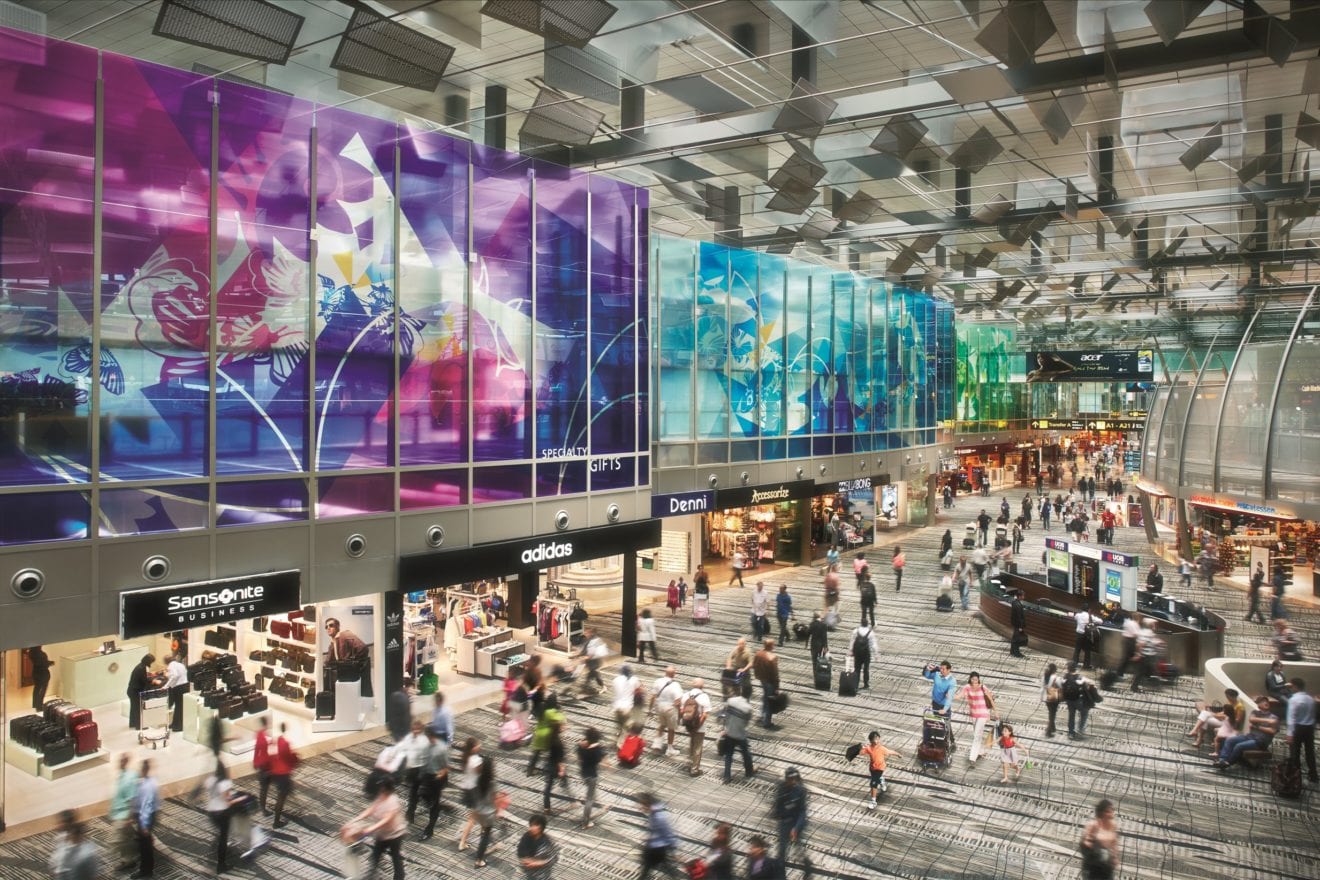
    It is not uncommon to see avid traveller Cara Lee lugging numerous shopping bags up the aeroplane – not on her way back from her travels, but at Changi Airport on her way out.

    The 26-year-old account manager at a media intelligence company spends about $180 on skincare and cosmetics at Changi Airport every time she flies out – two to three times a year. “I like that there is a wide array of retail options and the spacious aisles of the transit area. It makes shopping at Changi Airport enjoyable,” says Ms Lee, who last shopped at the airport three weeks ago, while waiting for her flight to the Maldives. Then, she shelled out $132 on cosmetics and skincare products from brands such as Benefit and Clinique.

    Singapore shoppers like her contributed about 20 per cent to the $2.2 billion Changi Airport made in total retail sales last year – placing it third in the world for highest traveller spend, according to a study by Swedish duty-free and travel retail consultancy Generation Research.

    The $2.2-billion figure is up 8 per cent from last year, with wines and spirits the most popular items, followed by cosmetics and perfume. South Korea’s Incheon International Airport ranked first and Dubai’s International Airport was second.

    The results come as no surprise to the Changi Airport Group, which has been expanding its retail space and launching new concepts to entice travellers.

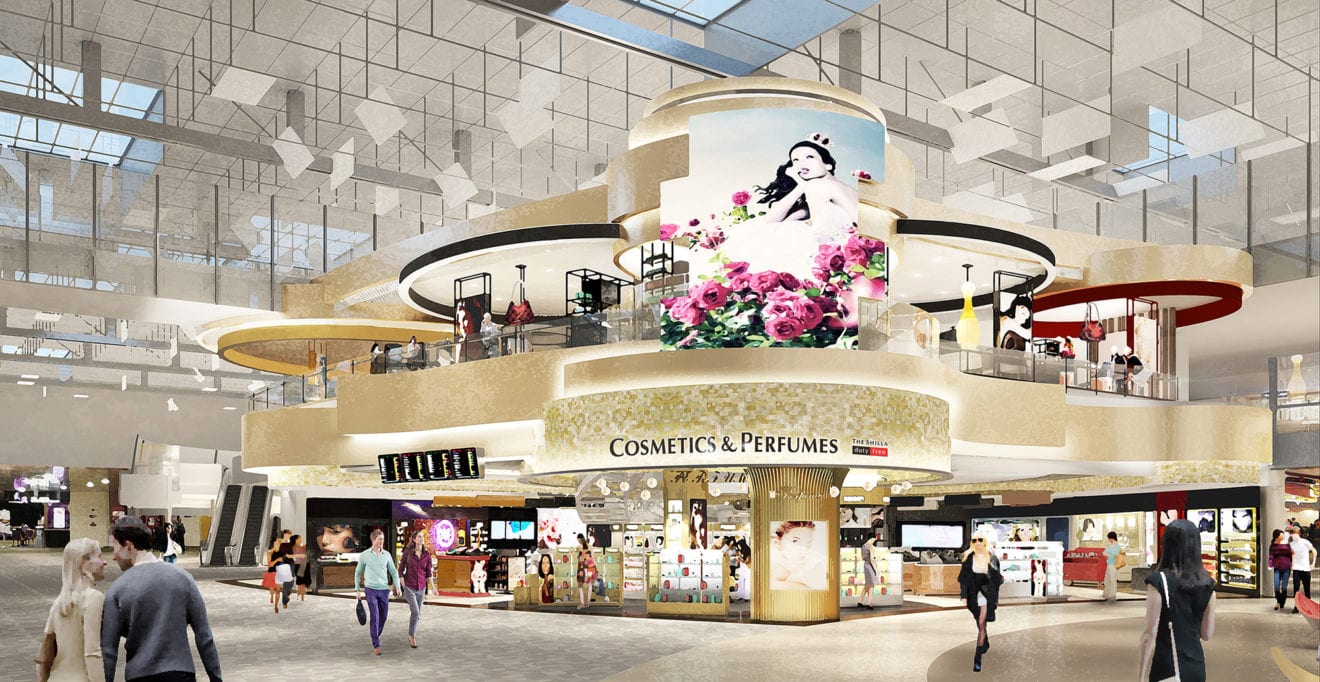
    The Shilla Beauty Loft at Terminal 3’s transit area, which opened last October, for instance, was the result of close collaboration between the airport group and the store’s operators The Shilla Duty Free Singapore.

    After about two years in the works, the idea to open the South Korean brand’s first luxury spa concept in the world came to fruition. Customised for weary travellers, the two- storey outlet sells products from brands such as Dior, Chanel, SK-II and La Prairie on its lower level, and offers spa services on its upper floor.

    Services – such as 15-minute facials and neck massages – are tailored for travellers on a tight schedule.

    Spanish brand Zara’s first duplex store in an airport opened in Changi Airport in August last year. Exclusive items such as Hugo Boss’ alarm-safe leather belts are available at the airport. There are also exclusive global product launches, such as one for SK-II’s Radical New Age Power cream and essence in July last year, which saw home-grown actress Rebecca Lim speak about her travel must-haves.

    The secret is also to offer a mix of high-end and mass-market brands such as Japanese clothing brand Uniqlo, says Ms Teo Chew Hoon, senior vice-president of airside concessions at the airport group. She calls this “a holistic strategy”.

    Retail space at Terminal 1, she says, expanded by 15 per cent to 20,000 sq m after an upgrade that was completed in 2012.

    But she points out that quantity is just one part of the equation. “Passengers who are well-travelled are generally more sophisticated in their expectations. Beyond attractive product offerings, we augment our retail proposition with innovative concepts and unique experiences.”

    Encouraging more spending, the airport’s e-commerce site iShop Changi.com was introduced in 2013, allowing travellers to shop from home two weeks before their flight. The items bought online are picked up before boarding their departure flight here or on arrival at the airport.

    The transit areas are also more like shopping boulevards than waiting rooms, giving shoppers a wide view of the myriad stores.

    Terminals 2 and 3 boast lush greenery and unique roof structures to let natural light in.

    It looks like spending at Changi Airport is set to head north. Terminal 4, which will open next year with a total retail space of about 17,000 sq m, will have more than 80 retail and dining outlets occupied by tenants such as American fashion label Michael Kors and home-grown shoe and accessories brand Charles & Keith. It will also have a walk-through duty-free store, two-storey-high ceilings and heritage-themed shopping zones, such as shops with facades of Peranakan shophouses.

    Meanwhile, the upcoming Jewel Changi Airport, opening in 2019, will dedicate 70 per cent of its 300 shops to retail, with the remainder for food and beverage outlets.

    Ms Wendy Low, executive director and head of retail at Knight Frank Singapore, attributes the high traveller spend at the airport to the “constantly updated retail layout as well as trade and merchandise offerings”, and the “thoughtful creation of amenities and relaxation spaces across the various terminals”. She adds: “This speaks of a customer- centric approach that is increasingly important in appeal for travellers.”

    Retaining that excitement through exclusive launches and products is especially important to keep up with the fast-evolving beauty industry, says Ms Sulian Tan-Wijaya, executive director of retail and lifestyle at Savills Singapore, as “the Internet- savvy consumers of today can be as fickle as they are discerning”.

    Other experts such as Ms Sarah Lim, a senior retail lecturer at Singapore Polytechnic, says the layout of shops and signage play a “very important role”.

    “At Changi Airport, they put the food outlets and seating areas in the centre for travellers to have a coffee and take a break from shopping, and signage are placed there to encourage shoppers to check out the shops on either sides of the terminals,” she says. “This encourages shoppers to keep spending.”

    Tenants have also helped to make shoppers feel at home.

    At the Montblanc outlet in Terminal 3’s transit area, staff wear flag pins to denote the languages they speak – Mandarin, English or Bahasa Indonesia.

    And considering that 30 per cent of Changi Airport’s shoppers are from China, brands such as Lacoste ensure that their staff can speak Mandarin.

    At Lacoste’s airport outlet, where customers from China account for 25 to 30 per cent of sales, non- Mandarin-speaking staff are sent for basic Mandarin classes.

    While the brand declines to share sales figures, its brand manager says the Terminal 2 store is its best- performing one out of the nine outlets in Singapore. Sales there, he adds, are 12 per cent more than its second best-performing store at Wisma Atria in Orchard.

    At The Shilla Duty Free Singapore store, duty rosters are scheduled to ensure that there is a mix of Mandarin-, English- and Korean-speaking staff on the shop floor at all times.

    But what really makes travellers part with their money is that they do not have to pay tax. Some items, such as cosmetics, can be up to 40 per cent cheaper than identical ones sold in town.

    Ms Nurul Ain Azman, who shops at the airport at least once a month, likes shopping there because she can save money. She sometimes waits till she travels before buying items such as cosmetics from high-end labels.

    The 28-year-old, who works in a bank and last shopped at the airport last month and bought skincare items from The Body Shop, says: “I save at least 7 per cent and even more in transit – make-up products there are cheaper by at least $5 a product. I once bought a lipstick for $30 and found it was selling for about $40 outside.”

    Shoppers who shop in the public areas can save on the 7 per cent goods and services tax at participating stores if they have the Changi Rewards Card, which they can register for free of charge.

    Ms Nurul also cites the airport’s ample carpark space and proximity to the MRT station as plus points. “It is so convenient. Every time I need to restock on products, Changi Airport is the first place that comes to mind.”


    What to buy at Changi Airport

    The Shilla Duty Free Singapore

    What it carries: This Korean beauty department store stocks more than 140 international beauty and make-up brands such as Jurlique, Urban Decay, Shu Uemura and Philosophy. Prices are up to 40 per cent lower compared with the exact same items in town.

    Brands exclusive to Shilla in Singapore are Korean beauty brand su:m37o- known for its face-cleansing stick Miracle Rose – and Aupres, a cosmetics and skincare line by Shiseido for the Chinese market.

    The store also has a beauty loft on the second floor, housing Dior Beauty House, Luxury Skincare Bar by La Prairie, SK-II Pitera Lounge and a Chanel beauty salon. Here, travellers can treat themselves to facials, massages, free flash makeovers and one-on-one skin consultations. At Dior, they can get a perfume expert to help them find their signature scent.

    The Chanel beauty salon and La Prairie services are by invitation only. For Luxury Skincare Bar by La Prairie services, invitations are extended to customers who buy the brand’s products at Shilla stores. Travellers are advised to book in advance for the SK-II lounge (call 6241-0756 or 9352-3687).

    Best buys: Travel-exclusive Tokyo Doll make-up palette with eight eyeshadows, two blushers and two brushes (above, left), $93, from Shu Uemura; and SPF50+ essence UV sunscreen aqua booster (90ml bottle, above, far right), $43.20, from Anessa. Prices are without tax and are accurate at the time of printing, but are subject to change.

    Where: Terminal 3 Department Transit Central store, open: 6 to 1am daily, tel: 9155-7695


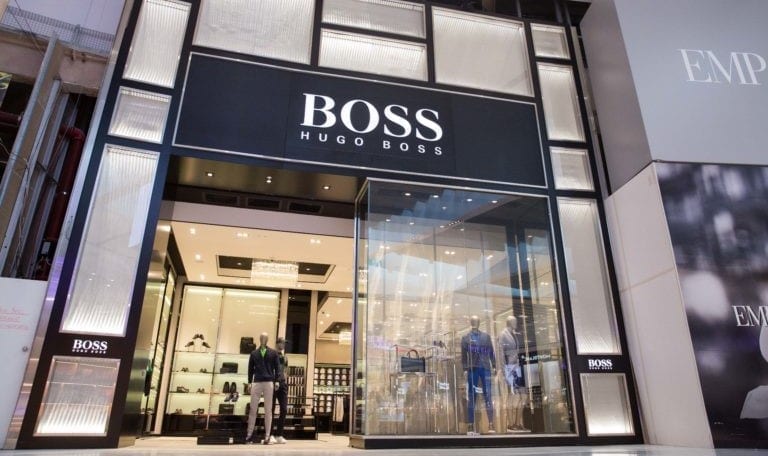
    Hugo Boss

    What it carries: The brand’s traveller leather belts, which can be bought only here, are reversible with a different colour on each side, such as black and brown or dark orange and dark brown.

    The belt’s metal buckle is designed so that it will not set off the alarm during security checks. The belts are priced between $382.24 and $419.63.

    The brand’s Boss, Boss sportswear and Boss Green lines, including shoes and accessories for men, are available here as well. Prices range from $90 for a T-shirt to about $1,400 for a leather jacket.

    Best buys: Yellow Signature S zip clutch (above, left), $765.42; and black leather Nokam jacket (above, right), $1,400.93

    Where: 026-058 Terminal 2, open: 6 to 1am daily, tel: 6214-0495


    Zara

    What it carries: This store, the first duplex the Spanish brand has opened in an airport, offers apparel and accessories for men and women.

    The brand’s latest Autumn/Winter 2016 collection is available – the women’s range is on the first floor while the men’s range is upstairs.

    Prices range from $9.90 for a 10ml bottle of perfume to $339 for a men’s full leather jacket.

    Best buys: Brown chelsea boots for men (above, left), $148; and metallic pink jacket for women (above, right), $148

    Where: B2-02-10A Terminal 3, open: 6 to 1am daily, tel: 6241-7120


    The Fashion Gallery

    What it carries: This multi-label store offers items from more than 30 luxury brands including Moschino, Alexander McQueen and Bottega Veneta, as well as a selection from mid-range shoe brand Melissa. Shoppers are encouraged to accessorise, with display areas laden with handbags, sunglasses, shoes and jewellery.

    Prices range from $45.79 for a gold-plated necklace by Estella Bartlett to $64,200 for a diamond and white-gold necklace from Bulgari.

    Best buys: Canvas slip-on with eye pattern (above, left), $240.87, from Kenzo; and small leather biker jacket handbag (above, right), $2,336, from Moschino

    Where: Terminals 1 and 2, open: 6 to 1am daily, tel: 6593-4618


    Saint Laurent

    What it carries: The brand’s full travel range, available only at the airport store, with items such as passport holders, pouches and cardholders. Prices for the travel range start at $260 for a canvas cardholder and go up to $2,450 for a canvas duffle bag.

    The store also carries the French brand’s best-selling accessories and handbags, most of which are in neutral colours such as black or beige. Prices range from $281 for a leather cardholder to about $3,972 for the classic Sac De Jour handbag in embossed-croc calf leather.

    Best buys: Small Sac De Jour handbag in black calf leather (above, left), $3,729; and Downtown Cabas handbag in dark grey (above, right), $2,916

    Where: 026-074 Terminal 2, open: 6 to 1am daily, tel: 6214-9647
  • Agatha Paris opens first stand-alone travel retail outlet

    Agatha Paris opens first stand-alone travel retail outlet

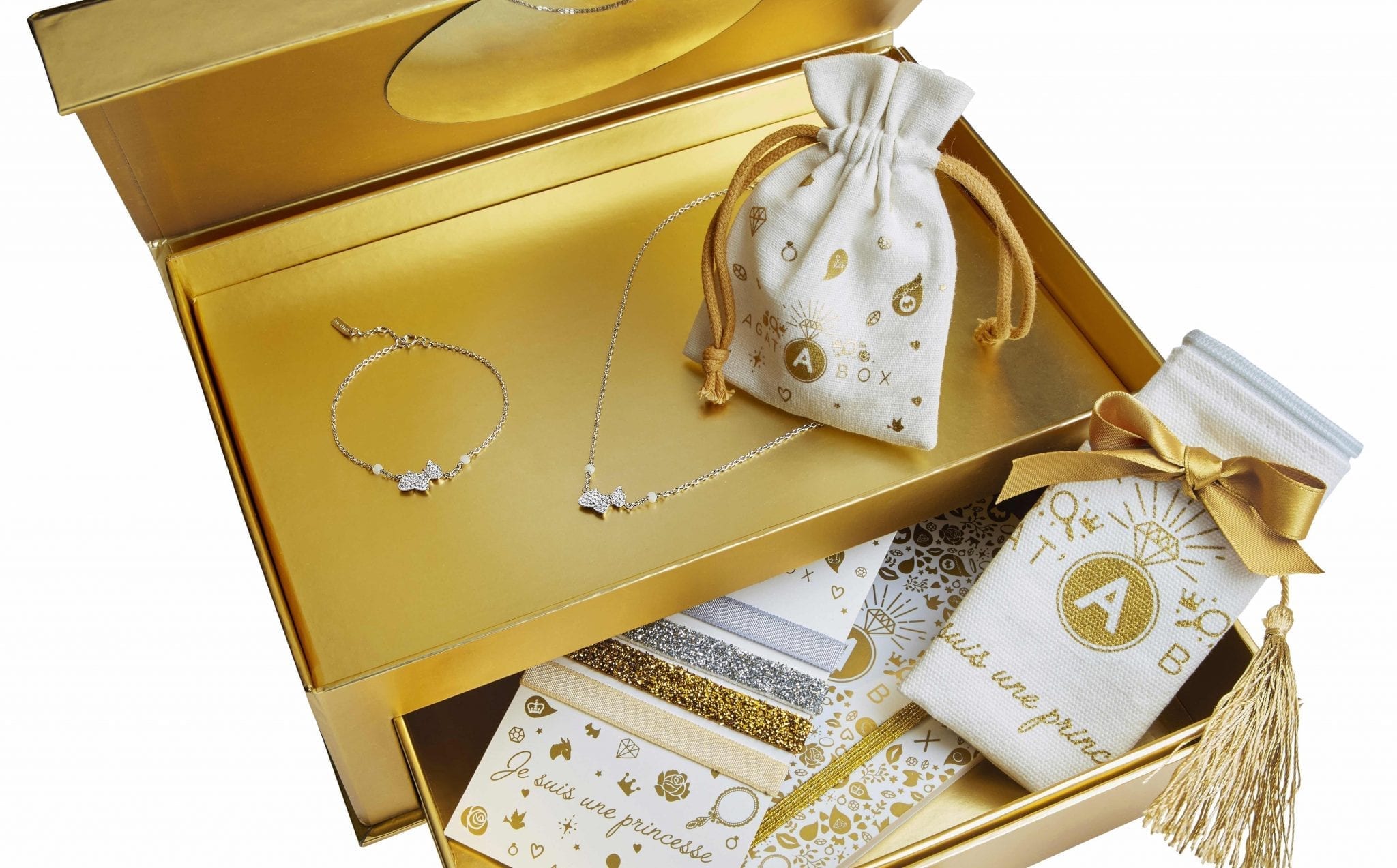
    French fashion jeweller Agatha Paris has opened its first stand-alone travel retail store, at Haikou Meilan International Airport on China’s Hainan Island.

    Opened in partnership with Hainan Duty Free, the 20 sqm store has a contract until September 2019.
    Agatha Paris will present its latest collections, including several travel-retail exclusive sets, at the upcoming TFWA World Exhibition in Cannes. The brand showcased a range of stainless-steel jewellery at this year’s TFWA Asia Pacific exhibition in Singapore.

    The brand’s collections are divided into five themes: Iconic, Timeless, Modern Chic, Classy and Sparkle. This year’s collections include African Art Deco, Grand Palais, Opera and Olympia.

    Global head of travel retail Karan Tuli says the brand launched into travel retail three years ago, initially with a sole focus on inflight sales to gain exposure. It has since expanded its network, with 330 points of sale in 25 countries, and listings with 30 airlines. Its 14 ground shop locations in Asia include China, Japan, the Philippines, South Korea and Thailand.

    “Business in Australia, Cambodia, Singapore and Vietnam is on the radar for the coming months,” says Tuli.

    “Southeast Asia and China are seeing fast expansion, and the potential for the brand to grow its travel-retail footprint is more positive than ever. Costume jewellery is a tough category, but recent spending trends have supported a positive outlook for us.”

    King Power Group founder Antares Cheng acquired the Agatha Paris brand in 2006.

  • Brown-Forman set to mark 20 years in global travel retail

    Brown-Forman set to mark 20 years in global travel retail

    Brown-Forman Global Travel Retail marks two decades in the travel retail business with a new stand and new products for next month’s TFWA World Exhibition in Cannes.

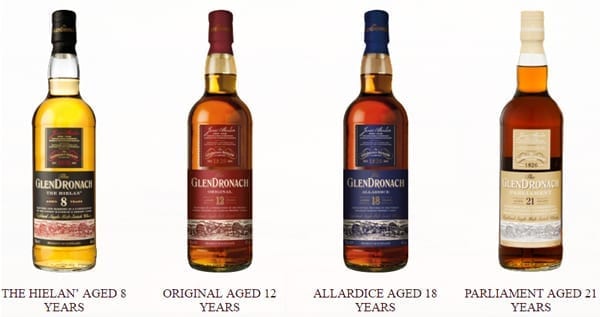
    BenRiach, GlenDronach, and Glenglassaugh single malt Scotch whiskies and Slane Irish whiskey join the Brown-Forman portfolio.

    Scotch Master Distiller Billy Walker and Slane Irish Whiskey Founder Alex Conyngham will be at the show, along with Master Distiller and recent Whiskey Hall of Fame inductee Chris Morris.

    Brown-Forman Global Travel Retail Managing Director Marshall Farrer and Old Forester Kentucky Bourbon President Campbell Brown will detail new developments at a joint press conference on 3 October.

    Senior executives at the Brown-Forman corporate headquarters in Louisville, Kentucky, decided to formally engage in the global travel retail business in 1996.

    Farrer commented: “By the mid-1990s, Brown-Forman was just beginning to fully appreciate and embrace the business opportunities outside of the USA.”

    GlenDronach_0416_600

    The GlenDronach is one of three single malt Scotch whiskies joining the Brown-Forman portfolio

    He noted that two decades ago the majority of Brown-Forman’s business was in the USA.

    “At the time the company really didn’t have a full appreciation for travel retail and the far-reaching brand-building opportunities the channel presented [apart from] a slight appreciation for the cruise channel in the Caribbean,” Farrer said.

    In 1996 veteran duty free executive Richard Ferne was hired to spearhead the company’s development in global travel retail. Ferne was then based in Hong Kong and relocated to Louisville in early 1997.

    Brown-Forman said travel retail has grown “exponentially” in the past 20 years. Global travel retail is one of the top six revenue-generating regions for the company, with a team of more than 40 duty free staff members working in the channel around the globe.

    Farrer contined: “Over the past two decades, the Brown-Forman Global Travel Retail team has been guided by some remarkably talented and far-sighted leaders. These individuals – Richard Ferne, Patrick Moran and Jim Perry – made a number of key and insightful decisions and retained a remarkably talented staff in countries and regions critical to travel retail.

    “They made Brown-Forman GTR what it is today. It is now our opportunity to take our fine brands even further in travel retail through the excellent partnerships we have developed over these years.”

    The Brown-Forman portfolio includes the Jack Daniel’s family of brands, Woodford Reserve and Old Forester Kentucky bourbons, Collingwood Canadian whiskey, Slane Irish whiskey, BenRiach, The GlenDronach and Glenglassaugh single malt Scotch whiskies, as well as Herradura and El Jimador tequilas, Finlandia vodka and Chambord liqueur.

  • Moynat Boutique opens in Seoul

    Moynat Boutique opens in Seoul

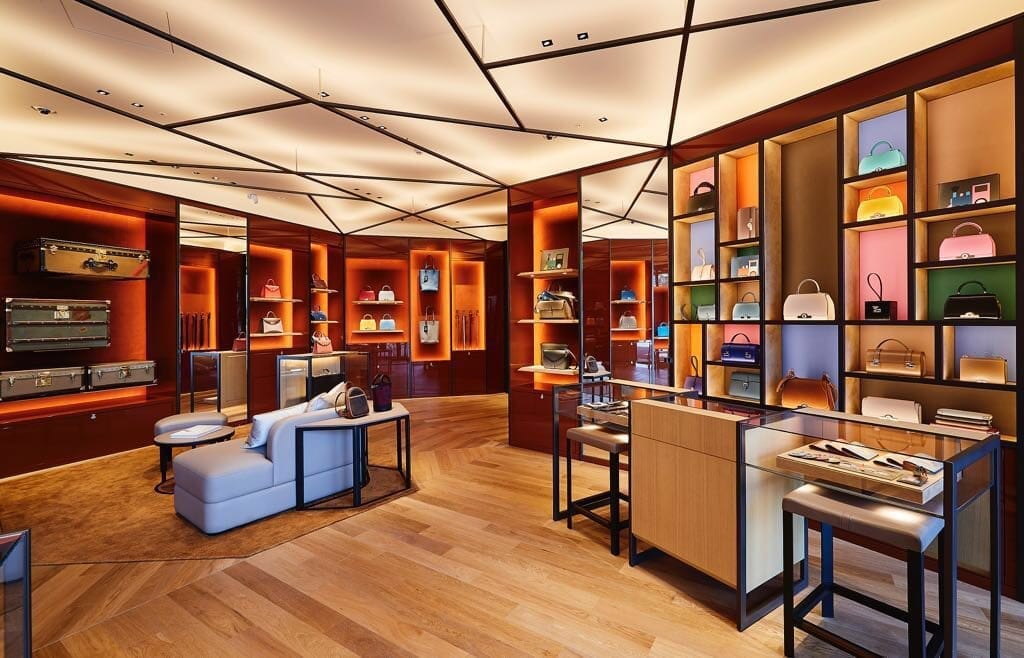
    Korea’s first Moynat Boutique has opened inside the Shilla Hotel in downtown Seoul.

    The French luxury bag and luggage brand, bought by LVMH in 2011,  has been expanding its international network in recent years, and now boats full-scale ‘maison’ stores – or flagships – in Paris, London and New York, and ‘galleries’ in Hong Kong, Beijing, Tokyo, Seoul and Taiwan.

    Moynat Korea

    The new store, located on the first floor of the Shilla Hotel, will feature men’s and women’s lines as well as two designs created exclusively for the Seoul store. Customers can use the brand’s signature personalisation services, including made-to-order designs and hand-painted motifs by Moynat’s artists.

    moynat korea

    The brand was founded in 1849 by Pauline Moynat and initially gained fame for its lightweight, waterproof trunks.


  • Menswear milestone: Hugo Boss opens 200th airport store

    Menswear milestone: Hugo Boss opens 200th airport store

    Luxury menswear specialist Hugo Boss opened its 200th airport store earlier this year at Sydney Airport, as the brand maintains its strong focus on growth in travel retail.

    The store, which opened in April, measures 187sq m and is located at Sydney Airport Terminal 1. It offers Boss menswear including ready-to-wear, shoes, accessories as well as sportswear lines such as Boss Green.

    The opening takes the brand’s total number of airport stores in Asia Pacific to 47.

    Hugo Boss entered travel retail in the 1990s and has four lines: Boss, Boss Green, Boss Orange and Hugo. The company has a dedicated global travel retail team, with offices in Zürich, New York and Hong Kong.

    The company said growth in the channel over the years has been stable apart from 2001/2002 and 2008/2009 when the travel retail and fashion industries were shaken by global events such as 9/11 and the financial crisis.

    Hugo Boss Travel Retail Director Jesper Gustafsson said Hugo Boss had proven a success in travel retail because it offers all three product pillars in men’s fashion: formalwear, sportswear, shoes and accessories. “The share among the three pillars is equal today, with shoes and accessories the fastest growing product segment for the past two to three years.”

    Gustafsson continued: “Last year’s exceptional growth of fashion and accessories in the travel retail industry was mainly driven by womenswear and by the accessories category in particular. For Hugo Boss, this has been a blessing in disguise. On the one hand, it has given us tough times as some airport authorities have been chasing the accessories segment for women blindly, sometimes deciding to dedicate 100% of the available stores in their airports to this product category.

    Hugo2_32 - Copy

    Hugo Boss Travel Retail Director Jesper Gustafsson says there is limited competition in men’s fashion in travel retail

    “On the other hand, it has given us little competition in our area of expertise, namely fashion for the male customer at the airports. Our strategy has always been to be the number one menswear brand in travel retail, a vision we have kept and fulfilled for several years now.”

    The importance of travel retail to Hugo Boss’ business is highlighted in the brand’s investments in new stores and renovations, he said. “On average we finalise between 40 to 50 store projects per year, with a strong distribution network as a result,” noted Gustafsson.

    “We develop both through franchise partners and directly operated stores, which enables us to act fast and balance our distribution in a way that we can learn from direct contact with the traveller. It is imperative to learn how the needs of the travelling customer develop and how we can adapt as a brand to become better, and more responsive in the way we develop our business.”

    Opening Photo

    According to Gustafsson, fashion is not considered a priority by many male travellers. “Fashion, especially for men, often comes after the core categories, food & beverage and sometimes also behind technology. This means that a clear, powerful message is needed in your offer as well as good customer service to enable the purchase to happen within the restricted time limit for the customer.

    “Another important factor is omnichannel. If we can start the buying process before our customer leaves his home, we have a head-start and our airport conversion rates will be affected positively.

    “Like many other fashion companies out there, Hugo Boss is investing heavily in this area and in due time several functions such as click & collect for example will be available at our airport stores.”

    So, where does Gustafsson see Hugo Boss’ travel retail business in five years’ time? “Having 200 airport stores is certainly a milestone, but the road ahead is filled with more opportunities, which does not necessarily have to be more stores. It can also mean new ways of connecting to the customer through an omnichannel approach, or, for example, to offer a deeper customer service with tailoring at the airport and free home delivery of an altered suit.”

    Gustafsson continued: “Airports will develop more and more towards downtown shopping centres, where customer experience takes precedence rather than the spur-of-the-moment or last-minute approach used today by airport authorities when they develop their retail areas.

    “I also think that we will see the fashion & accessories category continue to outpace the traditional airport categories in growth, leading to a welcome shift in focus from how the main duty free stores should develop separately from the rest of the stores and cafes/restaurants, to how the entire airport shopping area should develop to give the customer a better experience.”

    “A brand like Hugo Boss can make gains as there’s still a mismatch between demand and supply for men’s and women’s fashion at airports today if you compare it to downtown,” concluded Gustafsson.

  • Revenues up, profit down for Shilla Duty Free

    Revenues up, profit down for Shilla Duty Free

    The Shilla Duty Free has posted a 29 per cent year-on-year rise in second-quarter revenues for its Korean downtown stores, rebounding from the MERS-ravaged tourism sector at the same time last year.

    Downtown store revenue climbed to KW538.2 billion (US$473.6 million) for the quarter, with growth outstripping the 23.5 per cent increase in the total Korean duty-free market, especially with higher competition after the government issued more licences last year.

    However, Korean airport sales fell 19.2 per cent to KW198 billion, driven by a downturn in Incheon International Airport revenues because of reduced floor space.

    Overseas duty-free revenues (mainly Singapore’s Changi Airport and Macau International Airport) rose by 16.3 per cent year-on-year to KW121.3 billion. However, Shilla posted a KW12.3 billion operating loss on its overseas stores, mainly because of the high cost of entry at Changi. This hit overall profits, which fell 51.4 per cent to KW15.4 billion. Even the Korean downtown business fell 39 per cent to KW27.7 billion.

    A factor in that decline has been the rocketing costs of commissions to Chinese travel retail agents – up from between 7 and 100 per cent to around 23 per cent, according to The Moodie Davitt Report.

    The Shilla Duty Free is the key revenue and profits contributor to parent Hotel Shilla, whose consolidated revenues rose 13 per cent year-on-year to KW954.1 billion, while operating profits fell 36.04 per cent to KW18.7 billion.