Tag: Travel Retail

  • Emerging Asian nations producing more international travellers

    Emerging Asian nations producing more international travellers

    Outbound travellers from emerging Asian nations outnumber those from developed countries in the region by one and a half times.

    Furthermore, this figure is poised to grow more than twice as fast over the next five years (7.6 per cent versus. 3.3 per cent), according to Mastercard’s report The Future of Outbound Travel in Asia Pacific (2016 to 2021).

    Collectively, Asia Pacific markets are expected to grow by 6 per cent annually during the period.

    China is expected to be the largest outbound travel market in 2021 with 103.4 million trips, constituting 40 per cent of all Asia Pacific outbound travel, nearly four times that of the second and third markets, South Korea (25.6 million) and India (21.5 million) respectively.

    As forecast by the report, international outbound trips from the top 10 Asia Pacific markets by 2021 are:

    1. China, 103.4 million
    2. South Korea, 25.6 million
    3. India, 21.5 million
    4. Japan, 19.4 million
    5. Taiwan, 16.3 million
    6. Malaysia , 14.2 million
    7. Australia, 11.8 million
    8. Singapore, 11.7 million
    9. Indonesia, 10.6 million
    10. Thailand, 9.1 million

    “The burgeoning middle class is driving the growth of outbound travel in Asia Pacific, along with other trends such as the emergence of the Asian millennial traveller and, on the other end of the spectrum, the senior traveller, as well as technology and infrastructure developments,” says Mastercard Advisors Asia Pacific senior VP Eric Schneider.

    “Asia Pacific travellers will continue to fuel global tourism growth in years to come, providing vast opportunities for businesses to benefit through the development of products and solutions that seek to improve their overall travel experiences.”

    Myanmar fastest growing

    Myanmar is projected to be the fastest-growing outbound travel market with a 10.6 per cent annual growth rate over the next five years, followed by Vietnam (9.5 per cent), Indonesia (8.6 per cent), China (8.5 per cent) and India (8.2 per cent). Among developed Asia Pacific markets, growing fastest are South Korea (3.8 per cent), followed by Singapore (3.5 per cent), Australia (3.5 per cent) and New Zealand (3.4 per cent).

    The report predicts the top 10 fastest-growing Asia Pacific markets by international outbound trips (compound annual growth rate from 2016 to 2021) will be:

    1. Myanmar, 10.6 per cent
    2. Vietnam, 9.5 per cent
    3. Indonesia, 8.6 per cent
    4. China, 8.5 per cent
    5. India, 8.2 per cent
    6. Sri Lanka, 6.1 per cent
    7. Thailand, 4.8 per cent
    8. Philippines, 4.4 per cent
    9. South Korea, 3.8 per cent
    10. Australia/Singapore/Malaysia, 3.5 per cent

    According to the study, outbound travel will grow faster than real GDP. Outbound travel growth tends to be higher than real GDP growth for emerging markets compared to developed markets, except for Japan, where outbound travel growth is much closer to its predicted real GDP growth.

    Emerging markets such as Myanmar (10.6 per cent vs. 7.7 per cent), Vietnam (9.5 per cent vs. 6.2 per cent), Indonesia (8.6 per cent vs. 5.7 per cent), Thailand (4.8 per cent vs. 3.1 per cent) and China (8.5 per cent vs. 6 per cent) are expected to grow faster than real GDP.

    By 2021, all developed markets in Asia Pacific, except Japan, will have a ratio of more than 100 per cent for outbound travel trips to total number of households. Households in Singapore (693.6 per cent), Hong Kong (248.9 per cent) and Taiwan (232 per cent) have the highest propensity to travel abroad.

    Among emerging markets, Malaysia is expected to record the highest ratio, 198.7 per cent, by 2021, whereas India (7.3 per cent), Bangladesh (7.4 per cent), Myanmar (14.6 per cent) and Indonesia (15.4 per cent) are among the lowest.

    While a ratio of 100 per cent means on average that each household has at least one person who makes a trip abroad each year, in practice it is more likely that a certain percentage of households make multiple trips overseas each year, implying there are households where nobody goes abroad at all.

  • Japan’s bakugai phenomenon fading fast

    Japan’s bakugai phenomenon fading fast

    The drastic slowdown of the Chinese duty-free shopping phenomenon known as bakugai (“buying explosion”) continues to hit Japanese tax- and duty-free retailers, with several companies having sharp revenue falls in recent months.

    As a result of the slowing market, South Korean travel retailer Lotte Duty Free and its partners Bic Camera and New Kansai International Airport Company have pulled out of a planned downtown duty-free shop proposed for Osaka.

    The “bakugai” trend began in Japan in 2015 as travelling shoppers from China poured into Japan in waves, says The Moodie Davitt Report. This led to a proliferation of government-backed tax- and duty-free stores, and like all bubbles this one appears to have burst. Read more.

  • Hyundai Department Store plans CoEx duty-free outlet

    Hyundai Department Store plans CoEx duty-free outlet

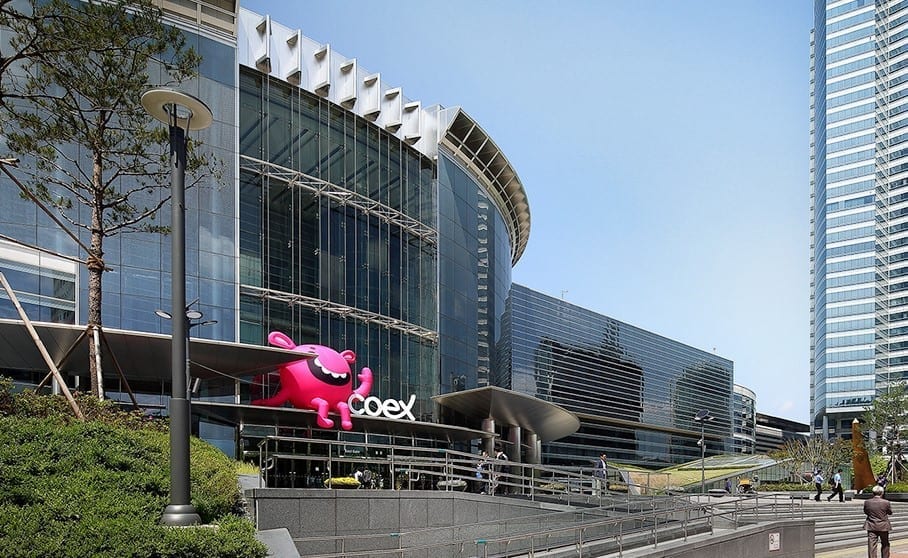
    Hyundai Department Store Group plans to open a 14,005 sqm duty-free store in the CoEx Convention and Exhibition Center in Samseong-Dong, Seoul, late this year.

    Hyundai joined rivals Lotte Duty Free and Shinsegae in securing five-year licences last month to run downtown duty-free stores in Seoul. The SME licence went to TopCity, with Alpensia and Busan Duty Free winning licences for stores in Gangwon Province and Busan.

    Hyundai Duty Free merchandising manager Hyunjin Lee says CoEx attracts independent travellers who are willing to experience Korean culture (K-wave).

    “This place will grow into a worldwide landmark in a few years when there is a Hyundai Global Business Center, underground transit complex and the Jamsil Sports Complex extension,” says Lee.

    “We will provide a differentiated duty-free store with luxury boutiques and customer lounges.”

    A wide selection of luxury items and Korean cosmetic products will be offered, says Lee. “We also plan to develop Kangnam tourist attractions, co-operating with entertainment companies and local government.”

    A key element in Hyundai Duty Free’s licence proposal was agreeing to a memorandum of understanding with the government to invest in tourism infrastructure development plus a commitment to contribute US$50 million in social welfare funds.

  • S4M sets new target in travel retail

    S4M sets new target in travel retail

    Mobile advertising tech company S4M has launched a service to target more than 30 million airport travellers each week.

    Using enriched geo-localised user behavioural and contextual data, the company wants to help brands boost their presence in 30 global airports.

    “Airports are more than just transit areas – they present a huge opportunity for brands to engage with consumers,” says S4M VP of APAC sales Gavin Buxton.

    “The smartphone is an extension of the individual, so it is a must-have touchpoint when creating fully integrated brand experiences. Advertisers should be combining the omnipresence of the mobile medium with real-time geolocation at airports to deliver seamless customer journeys.”

    S4M’s “geofencing” technology helps advertisers analyse and understand mobile user profiles at airports. The company combines anonymous mobile device identifiers with GPS co-ordinates, device language settings and online periods. This mix provides advertisers with more insights into consumer behaviours and offers a new opportunity to engage with travellers at airports.

    “Consumers break away from their daily behaviours when travelling, and the only constant is their smartphones,” says S4M CEO Christophe Collet. “Our goal is to reach people in transit, whether tourists or business travellers, when they are away from their everyday routines. Brands that can deliver tailored messages to their customers, even when they are hundreds of kilometres from home, are truly transforming mobile advertising into a valuable service”.

    About 1 million people a day travel through the Skytrax-rated top five airports in Asia: Singapore Changi, Incheon, Tokyo Haneda, Hong Kong and Beijing.

    More than two-thirds of air travellers are from middle- to high-income groups, according to figures from the World Bank.

    Demographics such as luxury-brand shoppers, digital high-tech users, high-end car buyers and business travellers can be reached in a duty-free setting via mobile. Luxury brands such as L’Oreal have already used S4M’s technology for cross-country campaigns.

    S4M (Success for Mobile) is an innovative advertising technology company that transforms mobile ads into personalised content for individual users. Founded in 2011 by mobile marketing pioneers, it now services more than 350 advertisers internationally. S4M has its headquarters in Paris with more than 95 employees and five offices covering Asia Pacific, Europe, Latin America and the US.

  • Prada Japan opens airport store

    Prada Japan opens airport store

    Italian fashion brand Prada Japan has opened a store in Narita International Airport’s Terminal, Tokyo.

    Covering about 200 sqm, the outlet offers women’s and men’s leather goods and accessories.

    Its facade on three sides is clad in black Marquinia marble, framing the light boxes. On the two opposite sides there are two large entrances.

    The three areas in the interior are defined by the signature black-and-white marble checkered flooring as well as a deep-green watercolour-painted canvas wall covering into which green marble shelves and glass display cabinets are set.

    A sitting area offers green velvet sofas and polished-steel and glass display counters.

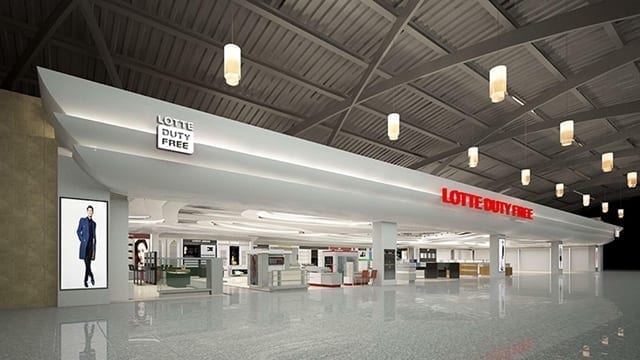
  • Lotte Duty Free re-launches at Gimhae airport

    Lotte Duty Free re-launches at Gimhae airport

    After winning a Korea Airports Corporation (KAC) tender, Lotte Duty Free has officially re-launched at Gimhae airport.

    The retailer now has 980.44 sqm of space, an increase of 329.2 sqm over its area last year. Lotte Duty Free had a 158.34 sqm presence at the terminal when it opened in 2007 until early 2014.

    Fellow Korean retailer Shinsegae, which was at the airport until last month, is believed to have terminated its contract to focus on the city – it plans to open a 13,350 sqm store in the city centre – and its Incheon airport outlets.

    Meanwhile, Lotte is targeting sales of W120 billion ($US99.2 million) at the airport this year with daily sales of W200 million.

    Following an analysis of consumer shopping trends at Gimhae airport, the cosmetics area has been expanded by 40 percent with the introduction of such brands as Giorgio Armani, Jo Malone and Tumi.

    In its entirety, the Lotte offers more than 120 food, electronics and accessories brands at the airport, along with fragrances and cosmetics labels such as Chanel, Dior and Sulwhasoo.

    A special promotion to commemorate the grand opening at the airport offers as a grand prize for each of 30 Korean nationals and their partners a trip to Okinawa to watch the Lotte Giants baseball team train.

    Other customers can win pre-paid shopping cards, movie tickets, drinks coupons and gift certificates.

    Dufry Group also runs a duty-free concession at the airport.

  • Malaysia’s ‘gain’ and Singapore’s ‘loss’

    Malaysia’s ‘gain’ and Singapore’s ‘loss’

    An extensive study by the National University of Singapore’s Business School between 2010 and 2012 showed a significant difference in the spending habits of Singaporeans, between those who lived closer to the Malaysian border and those further away, The New Paper reported today.

    With Singapore’s GDP growth falling below original estimates this year and cut backs in forecast for 2017, two academics in the island republic believe there will be even more Singaporeans crossing the border for their day-to-day shopping needs, The New Paper reported today.

    They supported this theory with data that showed the trend among Singaporeans making day to day purchases from Johor compared with other high-end products.

    NUS visiting professor Sumit Agarwal and associate professor of finance Qian Wenlan reported some of their findings in the Singapore daily, stating that for the period of the survey, 48,000 Singapore nationals participated, half living in the north, near the Malaysian border, and the other half much further away.

    “First, we studied credit card transactions. We ensured that both sets of individuals were comparable in income and demographics.

    “We found those living near the border had significantly lower credit card spending (32% less) within Singapore than those living further from the border, for products that were substitutable, like supermarket purchases, apparel and dining.

    “In contrast, credit card expenditure on non-substitutable products like utilities, government services, medical services and education was the same.”

    The two academics added that other indicators, such as usage of debit cards, ATM withdrawal levels and online banking transactions were also on par between those near and far from the border.

    They naturally concluded that the main attraction to shopping in Malaysia was the “continuously weakening ringgit”.

    “However,for the period of the survey, the push factor in driving Singaporeans to Johor was also the fact that Singapore had a 7% GST in place.

    “The Malaysian government only introduced a similar GST in April last year at a rate of 6%. Until then, Singaporeans enjoyed a 7% tax advantage when shopping in Johor,” the academics said.

    They, however, did not believe that the implementation of the 6% GST by Malaysia would make much of a difference to the result of their study.

    The concern, however, should be for retailers in Singapore, the professors said.

    “A separate study involving retail outlets in Singapore was carried out. Data was collected on sales of snacks, soft drinks and detergent.

    “Across all three product categories, shops in areas that were close to JB had much lower sales per capita, corroborating our earlier findings,” Sumit and Qian said, adding that cigarettes were also popular among Singapore shoppers in Johor.

    The study concluded that with the ringgit’s ever-weakening value and Singapore’s slowing economy, more and more Singaporeans will be happy for the savings they will make across the causeway.

  • Tourists visiting Singapore chase bargains, not baccarat

    Tourists visiting Singapore chase bargains, not baccarat

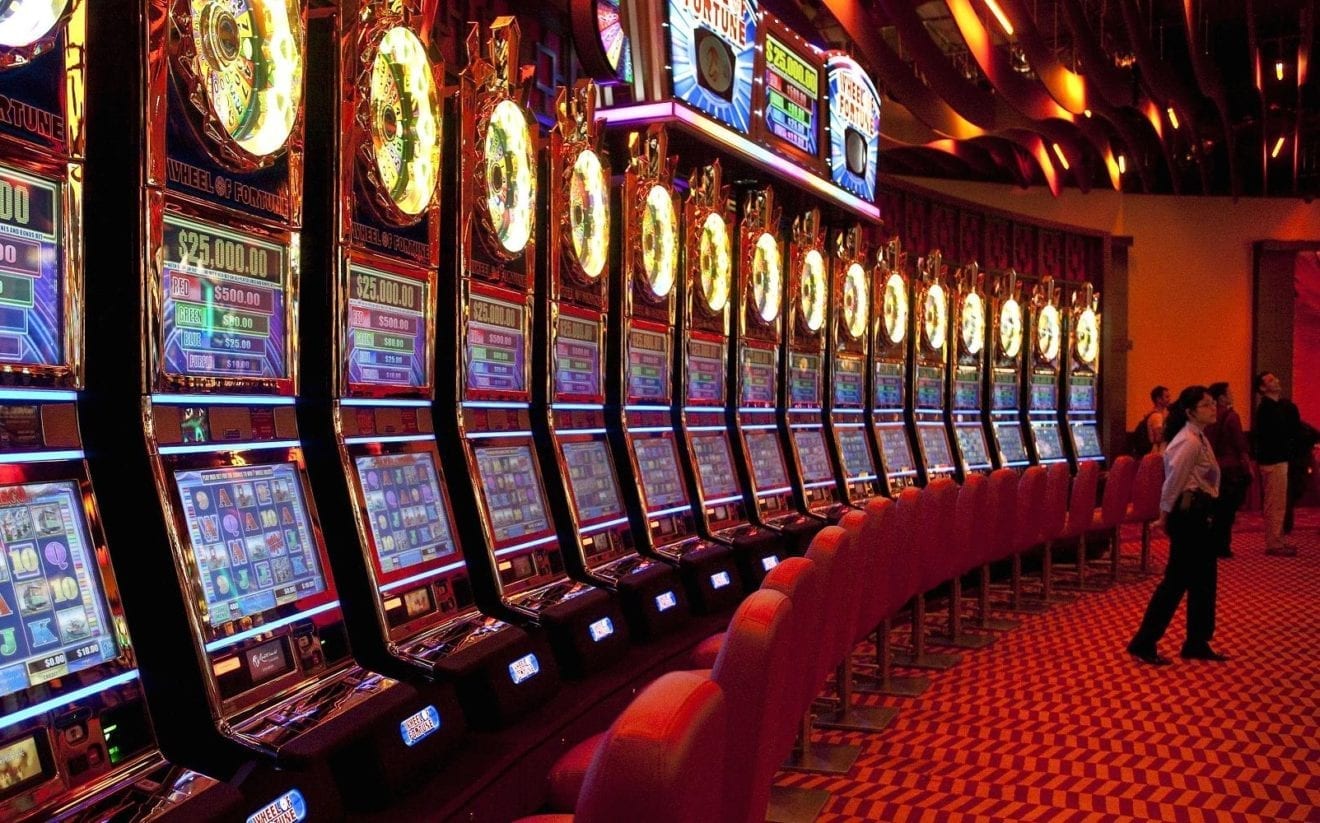
    Research from HSBC shows a growing number of Chinese tourists visiting Singapore fuelled a 44 per cent increase in retail spending in the first half of this year, versus the same period last year. That put retail ahead of casinos in terms of tourist spending for the first time in five years.

    The number of  Singapore-bound Chinese tourists totalled about 2.1 million in 2016 – twice the number of 2009, the year before the country opened the first of its two casinos.

    Erwan Rambourg, London-based global co-head of consumer and retail research with HSBC, said Chinese, Indonesian and Indian visitors were the top three spenders in the second quarter of 2016, accounting for 40 per cent of total tourist spending. A quarter of spending went on shopping – up from just 18 per cent in the same period last year.

    Last year, Chinese spent S1.15 billion in Singapore stores – compared with just $175 million spent by Indians and $112 million by Japanese. But they spent less than any other nationality on food and accommodation.

  • Shanghai Disney Resort to take wings

    Shanghai Disney Resort to take wings

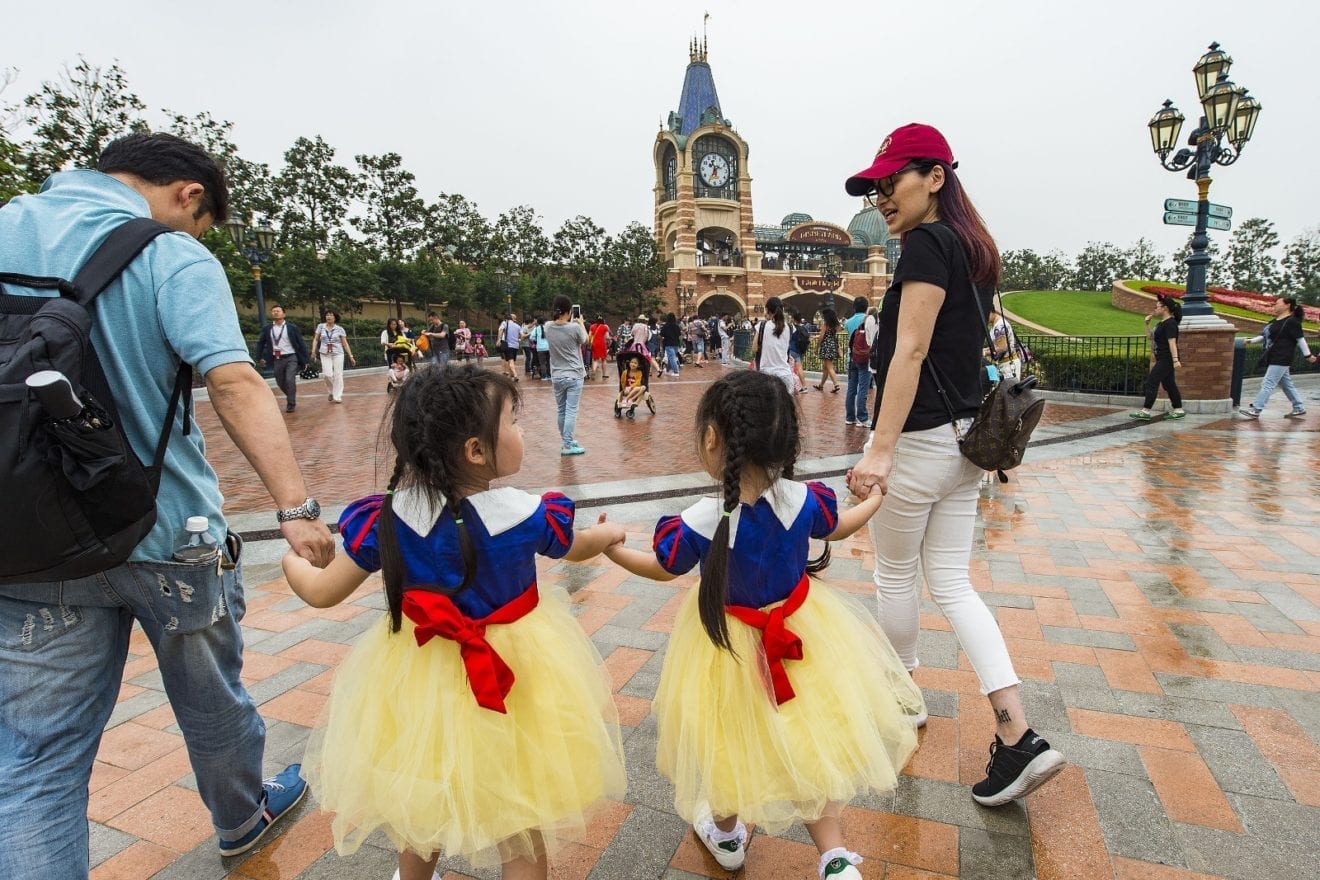
    Shanghai Disney Resort will open two retail stores at the city’s Hongqiao International Airport next year.

    Both stores will be at the domestic departures of the airport’s T2 terminal to allow travellers to take home merchandise collections more conveniently, says the resort.

    It already has a 3000 sqm World of Disney Store at Disneytown that includes specialty shops and a Spoonful of Sugar confectionery. There are more than 7000 merchandise items including Disney apparel, toys, stationery, lifestyle products, collectibles and gifts. Resort director of merchandise David Koo says retail products will be updated or expanded, based on ongoing Chinese consumer research and insights.

    The most popular products at the resort include a Mickey and Minnie foldable-fleece collection that can be worn or folded into a back cushion. Another bestseller is the Storybook Chocolate Set.

    Koo says the resort will offer special products soon for the coming Chinese New Year, on January 28.

  • Mitsui Outlet Park expansion starts

    Mitsui Outlet Park expansion starts

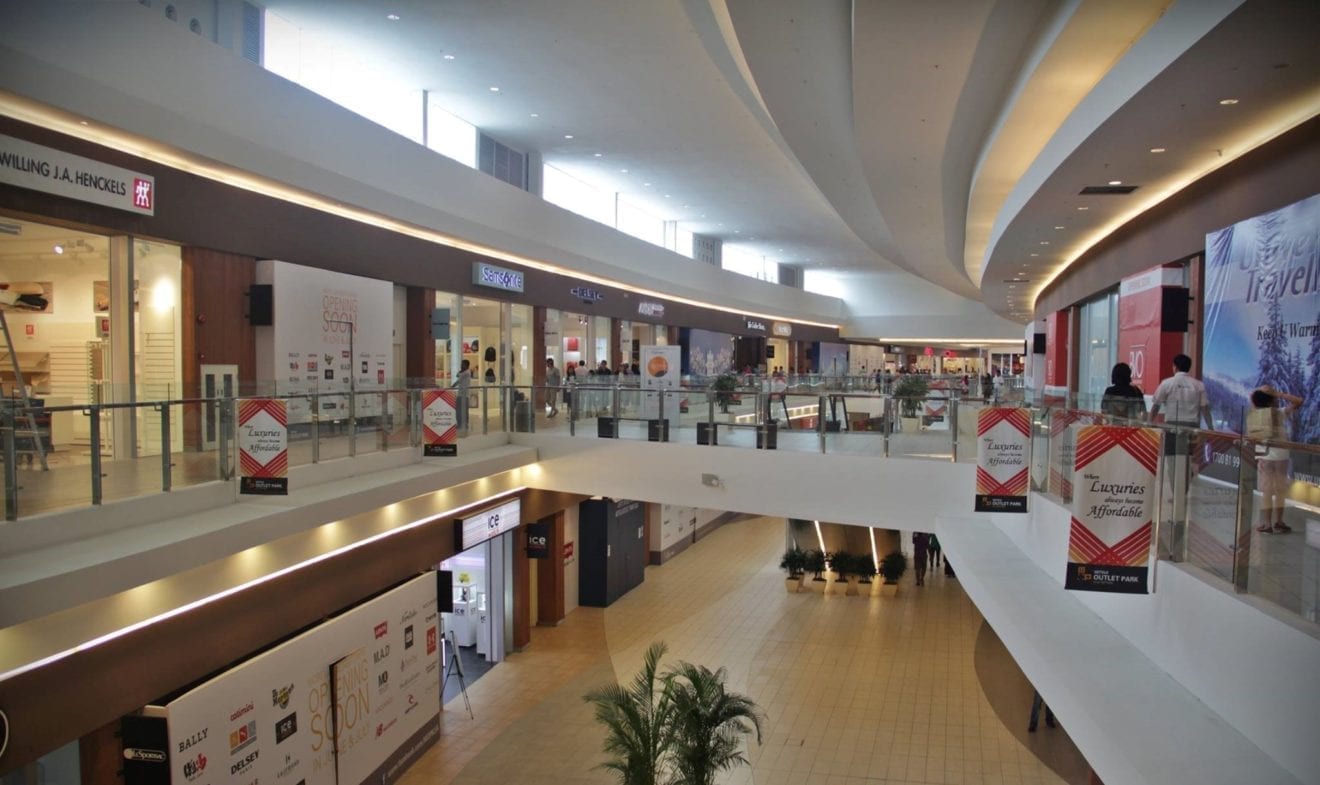
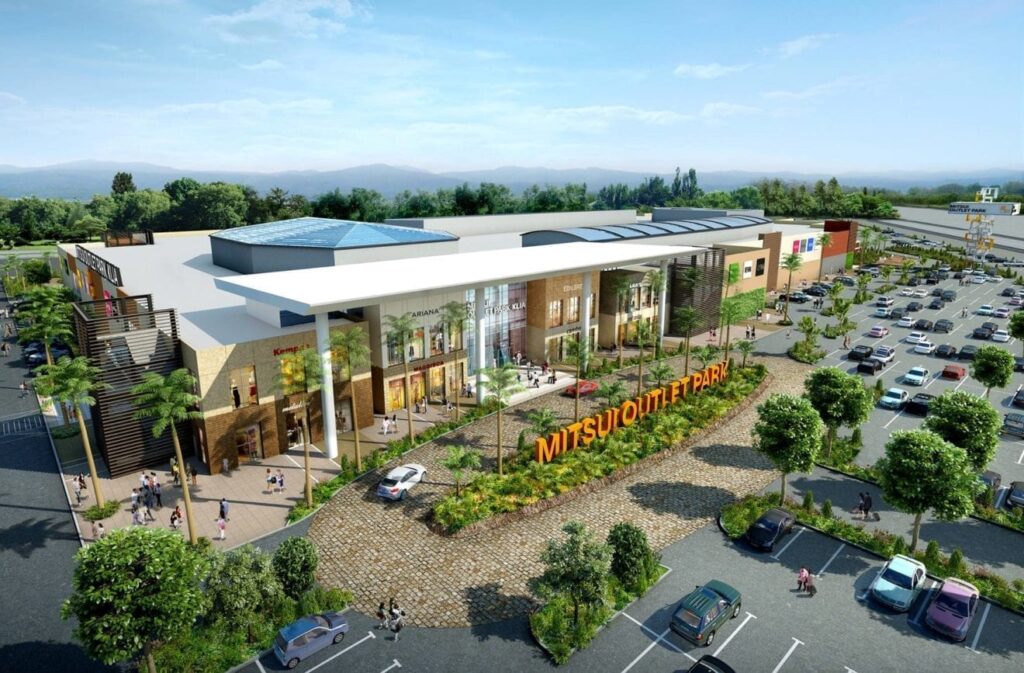
    Ground has been broken for the second phase of the Mitsui Outlet Park KLIA Sepang, claimed to be the largest factory-outlet shopping mall in Southeast Asia.

    On a 27,500 sqm site next to the current outlet near Kuala Lumpur International Airport, the double-storey extension will feature 60 shops and 500 parking lots to complement the existing 2100 bays, and is expected to open in January 2018. The present 24,000 sqm development has 130 shops.

    mitsui-sepang

    It will introduce more premiums brands in fashion, cosmetics, sportswear and accessories, with a diversification into entertainment and amusements.

    Tourism and Culture Ministry secretary-general Tan Sri Dr Ong Hong Peng officiated at the ground-breaking ceremony, which was attended by Mitsui Fudosan managing officer Osamu Obayashi.

    To complement phase one’s Paradise Village architectural concept, which features a Sunshine Square, Pier Walk, Beach Walk and Tropical Plaza concept, phase two introduces a new ambient experience with Sky Walk and River Walk themes. Sky Walk will have simulated clouds on its ceilings while River Walk will resemble a creek.

    Mitsui Outlet Park KLIA Sepang is a JV between Japanese real estate developer Mitsui Fudosan and Malaysia Airports Holdings. The outlet is managed by the JV company, MFMA Development. Free buses connect the development with the two airport terminals.

  • Headwinds will cramp luxury retail sector

    Headwinds will cramp luxury retail sector

    The luxury retail sector will grow next year – but at a disappointingly slow rate, according to the latest data from Euromonitor.

    As tough global trading environments continue to prevail – social and political unrest in Asia Pacific, economic slowdown in Latin America, and conflict in Eastern Europe will conspire to restrain growth in both key emerging and developed markets, the research house says.

    “Indeed, the market continues to face headwinds from major luxury goods markets, such as France and Hong Kong, as well as other large emerging markets, such as Russia and Brazil, while instability in the Middle East continues to cloud the horizon.”

    Whilst 2017 will not be a stellar year for the global industry overall, “we will see some tailwinds, with markets such as India and Mexico in a much stronger position,” Euromonitor concluded.

    “At the same time, luxury brands and retailers continue to seek ways to harness social media and tap into the psyche of the digital consumer, as connectivity continues to drive new opportunities in digital innovation and growth in the omnichannel continues to reach new frontiers.

    Divergence remains a key theme across the luxury markets for the year ahead with strong regional disparities in Asia Pacific appearing strong with 5 per cent growth, a marked difference to 2015, with a regional growth of just 1 per cent, reflecting the significant economic slowdown in China.

    The developed regions of Western Europe and North America were significantly weaker, with both regions showing a slight downturn in 2016 with a weak Eurozone continuing to hold back regional performance and the added concerns over terrorist attacks, as well as the more recent Brexit vote, have also dampened sales. In the next five years, the US is predicted to lose its top spot in the ranking to China.

    However, the disappointing data for the developed regions should not obscure the importance of these high-value luxury goods markets. These regions remain amongst the most powerful in the world and together account for over half of all luxury goods sales in 2016.

    Watch Fflur Roberts, head of luxury goods with Euromonitor International, share more about the luxury sector.

  • Korean duty-free stores suffer losses

    Korean duty-free stores suffer losses

    Korean duty-free stores newly opened in Seoul are losing money as heavy marketing costs erode profits.

    A review of financial documents from the major players show heavy competition is taking its toll on all players.

    Five duty-frees stores opened new shops in the capital city after winning licenses in two bids — one in July and the other in November 2015 — in hopes of courting deep-pocketed Chinese customers, but none of them has reached the break-even point since opening.

    Shinsegae Duty Free, which opened in mid-May, posted 121.2 billion won (US$103.8 million) in sales over the past four months, but it accumulated 37.2 billion won of operating losses, its regulatory briefing showed.

    Galleria Duty Free 63, a duty-free store run by Hanwha Galleria, said it booked 193.4 billion won of sales between December 28 and September 30, but the operating deficit reached 30.5 billion won over the period.

    HDC Shilla Duty Free, a joint venture between Shilla Hotel and Hyundai Development, said it posted 228.7 billion won and 16.7 billion won in sales and operating deficit, respectively, in the January-September period.

    SM Duty Free, a unit by leading tour agency Hana Tour, said it logged 71.1 billion won in sales and 20.8 billion in operating losses from its opening on February 15 to September 30.

    Doota Duty Free, a unit by power equipment and construction conglomerate Doosan Group, logged 10.4 billion won in sales and 16 billion won in operating losses in the first half of this year. It has not yet disclosed the third quarterly report.

    Business prospects remain grim for the fledgling operators as the government is set to give out four new operating licenses in Seoul as a way to promote tourism.

    The Korea Customs Service earlier said it will pick the winners next month, but it remains unclear as a snowballing influence-peddling scandal involving the business community has prompted investigation into the companies that donated funds to two sports foundations, involving those vying for duty-free shop licenses.

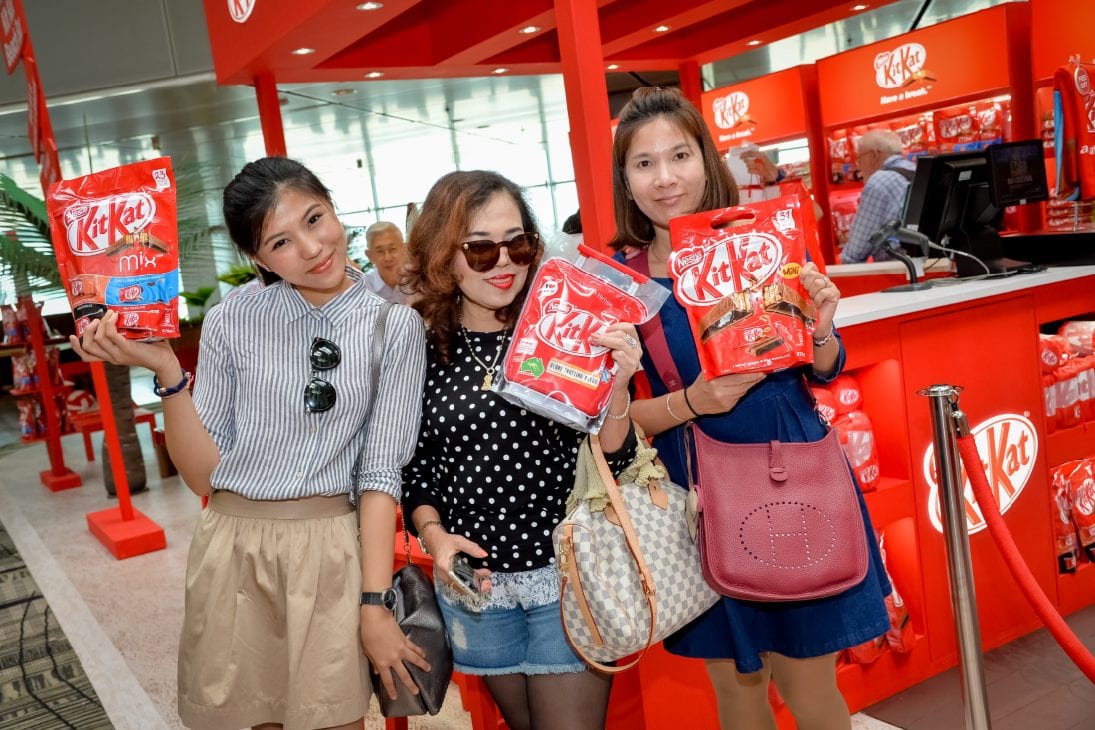
  • How Nestle plans to grow in travel retail

    How Nestle plans to grow in travel retail

    Nestle’s travel retail unit is a US$100m-plus business, which generates the lion’s share of its revenue from confectionery. Stewart Dryburgh, who heads the company’s travel retail business, says the sector, while a small part of the Nestle empire, presents a strong growth avenue for the group. However, Dryburgh acknowledges it is also a competitive and fast-paced channel and those companies that want to cash in need to navigate some unique challenges. Katy Askew spoke to Dryburgh to find out more.

    Nestle generates more than US$100m in annualised revenues through its dedicated travel retail unit, which has gained market share since the world’s largest food maker set it up in 1999.

    The KitKat maker is aiming to capitalise on the expansion in international travel retail, which it expects to see as air travel continues to grow. “There were roughly 3.45bn individual airport travellers last year. Roughly split 50-50 between domestic and international. And that is projected in the next ten years to basically double to over 7bn by 2025,” Stewart Dryburgh, the general manager of Nestle’s international travel retail unit, stresses.

    However, this expanding consumer base makes the high-traffic sector a highly competitive one in which to operate. “Most people want to play here that is for sure,” Dryburgh says. “You have got at the moment [almost] 3.5bn people travelling through airports every year. And if you take the top 50 airports – the likes of Heathrow, Frankfurt, Singapore, Dubai, JFK – internationally there are 1bn travellers going through those airports every year. So there is a huge audience there in what is a relatively limited number of locations that they are going through.”

    Standing out in this competitive environment – especially because consumers are not expressly travelling though terminals to shop but as part of their journey – is one of the key challenges for companies operating in the sector.

    “That is a perpetual challenge no matter what channel you are in. A brand has to work hard to understand consumers needs and remain relevant. I have worked in big domestic markets like the UK, in emerging markets like India and I have looked after some of Nestle’s biggest brands including KitKat. No matter where you sit it is a challenge. Our challenge in this particular industry is to engage in a way that is relevant to the moment that consumers are experiencing. And that is a journey.”

    Of course, there are different types of journey, Dryburgh continues. This gives rise to two distinct need-states Nestle wants to meet through its travel retail range. “It may be a business journey and if they are heading out they might want to take a gift to somebody who they are going to meet, or they might be heading back and want to take something to their loved ones. You might be going off for a long weekend and you want something more snacking oriented. There is a mix if you come very specifically into the confectionery world of gifting chocolate and consumption chocolate. The whole world of millennial consumer and the emerging middle-class consumer in Asia and LatAm continually creates opportunities for us. Then it is understanding how they can be relevant.”

    Within the travel retail channel, chocolate and confectionery “comfortably” account for 80% of Nestle’s sales, Dryburgh notes. “The main category focus is chocolate and confectionery for the simple reason that is one of the key categories within the [travel retail] industry,” he observes.

    The pressure cooker atmosphere of the channel means that trends born out in travel retail frequently develop ahead of the winder market, Dryburgh suggests. “I think as a whole this industry has done things that have been pushing the envelope. I think the challenge is always to stay ahead because often what you see being executed in this industry at certain premium price points then becomes translated into domestic markets. The continual challenge is to stay ahead of that curve.”

    Dryburgh points to Nestle’s decision to expand its Cailler brand via the travel retail channel as part of a push to internationalise the 200-year-old brand of premium Swiss chocolate.

    “We have been focusing in particular on Cailler as a first instance. It is one of the strategic priorities that has been called out by the organisation. Cailler is the original Swiss chocolate brand. It is the home of chocolate in Switzerland. It dates back to 1819 and Francois-Louis Cailler who set up the company making chocolate in the factory where we are [still] manufacturing at the foot of the Alps.

    “This is an undiscovered diamond that Nestle has been sitting on. I would say, Lindt & Sprungli have done an outstanding job of driving the premium end of Swiss chocolate without a doubt, I take my hat off to what the team from Lindt have done. However, Nestle is sitting on the first and the original Swiss chocolate. It is a strong brand in Switzerland, but we have not done a good job of internationalising it.”

    This year, Nestle kicked off “activations” first in Swiss airports, Geneva and Zurich. The company then piloted the brand in Dubai and Singapore, the “two big hub airports heading east”. Dryburgh says this roll out has gone “extremely well”. Marketing has included virtual reality point of sale activities to communicate the brand’s heritage and build a rapport with consumers.

    Rolling out the brand to travel retail is a “premier example” of how Nestle’s travel retail business works to add value to the industry, Dryburgh says. “The way you add value is giving consumers a reason to buy because they are going to get something they can’t get at home. That is one of the things that people look for when they are travelling, part of the experience.”

    Ultimately, Nestle does plan to broaden Cailler’s base, but the company does not intend to roll the brand out in traditional retail channels. “We are going to go high-end with this particular brand. I think the focus is very much on leveraging the travel retail channel as a spearhead in giving consumers the chance to engage with the brand in the first place and then encouraging them out.”

    While confectionery sales dominate Nestle’s travel retail sales, Dryburgh says the trend-setting nature of the sector and evolving consumer demand mean in the longer term the company is likely to capitalise on opportunities to exploit other categories.

    “You will be aware of Nestle’s journey in the direction of health science, delivering nutrition via food and health benefits via food, which is something that has historically always been part of what food brings you. Over the centuries people have understood the more holistic benefits that food can bring when consumed in the right way. That is also where our company is heading. For the future, [our travel retail business] tends to be far broader than confectionery and it will be far broader than that as consumer needs change with ageing populations. In the short term it is still going to focus on confectionery,” he says.

    Nestle is also taking advantage of some niche opportunities in travel retail that are created by local conditions, Dryburgh continues. For example, the company has developed “interesting” business selling milk powders in the Middle East.

    The company spotted an opportunity to cater to “blue collar workers” who have come from the Indian sub-continent to places like Dubai as part of the city’s construction boom. “These individuals have a once a year trip home and the opportunity to sell them milk powder was a very interesting one… What we discovered along with the airport authority was the opportunity to sell a relatively bulky, relatively heavy product like 2 kgs of milk powder in the airport duty-free store. The reason the consumer wanted to buy it there was because they didn’t have to put it in their checked luggage and they could carry it on the plane. It is a very simple little story but it is a hugely successful business. And that is about understanding your local consumer and local needs. That is something that is relatively unique to the Middle East.”

    While Nestle picks up local opportunities such as this, they are not the “core thread” of the business because it would “create such complexity that it wouldn’t be worth focusing on,” Dryburgh adds.

    Nestle’s focus on international brands, such as KitKat or Cailler, does not mean the company does not tailor its offering to cater to local preferences. “You have to deal with regional taste and you have to understand who is flying where. Often, in the bugger hub airports certain airlines fly through certain terminals… You have to tailor your offering subject to the terminal and the airport. If you have a brand that is a global proposition – like KitKat or Cailler – well that proposition is quite universal it is just a function of how you communicate or engage with consumers around it.”

    Those operating in the travel retail sector face some unique channel-specific challenges. According to Dryburgh, while branded manufacturers still have negotiations around pricing “the environment you work within and also the margin structures” are specific to the channel.

    “This is different because of the nature of the industry. Effectively, the way the industry is set up now, the airport authorities as a general rule of thumb earn around 70% plus of their revenue comes in now from non-aeronautical sources,” Dryburgh explains.

    “The very clever game that the airport authorities play is for the main duty-free store they auction the space off. The retailers come and tender for a five or ten-year contract. But it is a very different world to a domestic supermarket world… retailers either win the tender or they don’t, you are either in or out. That means they have to put a very specific sum of money on the table as a guaranteed payment to the airport on an annualised basis. And therefore they demand extremely high margins from brand owners to be in the stores.

    “The big four categories – tobacco, alcohol, perfumes, cosmetics – they are all offering 80-85% margin that is being earned by the retailer. But the retailer is having to earn that money because they are paying extremely high rental costs to the airport authorities. The airport authorities are the ones making the money, and they are ploughing it back into infrastructure because the whole sector has seen a dramatic growth curve. More people are flying so they have to invest in the infrastructure.”

    Overall, Dryburgh says the underlying growth drivers for travel retail are “extremely positive”. However, the sector does face exposure to “very big peaks and troughs” that track ahead of the economic growth curve.

    “For example, when 9-11 happened people tended to travel a little less and people weren’t shopping. The same when the SARS epidemic hit SE Asia back in 2003. That basically stopped people travelling in Hong Kong, Bangkok, Manilla. The industry collapsed. The Singapore industry collapsed. You can get some significantly negative downturns.

    “You can also get some significantly positive upswings. When the globalisation trend was at its peak you had some more Russians travelling, more Brazilians travelling, more Chinese travelling. There were some extremely positive growth years for the industry. It tends to follow a more exaggerated curve than global GDP growth – you get very strong years and negative years. It is more of a roller coaster in that sense.”

    The Nestle executive concedes this aspect of travel retail makes the business more difficult to manage. “If you have a crystal ball and you know what is coming you can do it very easily. But without one it is not so easy to call what is coming. It is one of the first discretionary spend items that goes. It is a challenging channel because of the peaks and troughs, but it is also part of the fun.”
  • Singapore lauded as top cruise destination once again

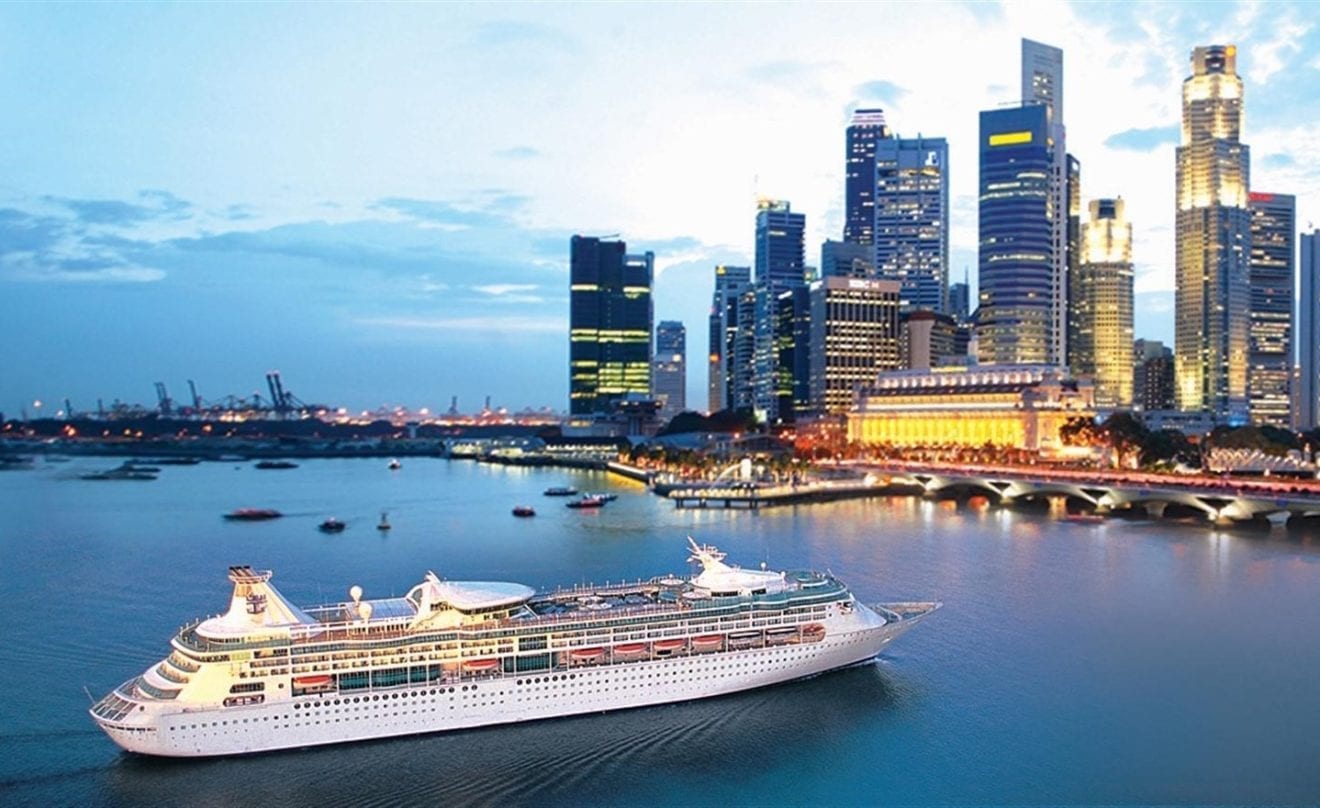
    Singapore lauded as top cruise destination once again

    Singapore was just named top cruise destination by industry experts for a second time in three years at the 10thSeatrade Cruise Awards last Thursday (Sep 22). This accolade is another feather in the cap for Singapore, which was voted as the top Asian port of call in the inaugural Cruise Critic Cruisers’ Choice Destination Awards earlier this month.

    “We are honoured that Singapore remains prominent in the minds of the cruise community as an attractive cruise hub. This is testament to our efforts to grow Singapore’s cruise industry and strong destination appeal,” said Miss Annie Chang, Director, Cruise, Singapore Tourism Board (STB).

    In growing Singapore’s appeal as a cruise destination, STB has been leveraging Singapore’s superb air connectivity, world-class berthing facilities at the Singapore Cruise Centre and Marina Bay Cruise Centre Singapore, and proximity to myriad cruise offerings in the region.

    Strengthening Singapore as a cruise hub

    The award also caps off years of developmental work that STB, cruise lines and trade partners had put in to grow the cruise industry in Singapore. Some of the initiatives include forging more than 10 marketing partnerships with cruise lines and trade partners to drive cruise passenger numbers, training more than 800 travel agents overseas to raise their capability to sell cruises from Singapore, and widening Singapore’s reach to consumers via multiple media platforms in six major source markets.

    STB also actively works with local trade partners to curate immersive and differentiated pre- or post-cruise experiences to enrich visitors’ stay in Singapore. In August 2016, STB organised a workshop for cruise operators to experience the unique offerings of local bookbinding atelier Bynd Artisan and homegrown scent artisans Je t’aime Perfumery. Participants tried their hands at creating bespoke leather nametags and scent blends of native orchid oils, seeding ideas of innovative experiences which may be offered to cruise passengers.

    Developing Southeast Asia as the cruising region of choice

    Being the ASEAN lead co-ordinator for cruise development in Southeast Asia, Singapore spearheaded initiatives such as the creation of the first Cruise Southeast Asian brand to promote the region in a unified voice. STB also developed tools such as a regional cruise port and attractions map to help cruise lines develop itineraries.

    These efforts have proved fruitful. Singapore experienced a 14% year-on-year increase in cruise passenger throughput in 2015, and major cruise line Royal Caribbean International will have their longest-ever homeporting season in Singapore starting October 2016.

    Said Ms Chang: “Singapore and Southeast Asia are set to ride the wave of growth for cruising in Asia and STB will continue to push the boundaries in establishing Southeast Asia as the cruise region of choice. As we mark ASEAN’s golden jubilee celebrations next year, we will embark on a VisitASEAN@50 campaign to encourage more visitors to experience cruising in Southeast Asia.”

  • Squeeze in Chinese tourists starts to bite

    Squeeze in Chinese tourists starts to bite

    The Chinese government’s forced reduction of tourists visiting Korea by 20 percent is already dealing a blow to businesses.

    “Even today, tourism offices in several provincial governments are acknowledging they are lowering the numbers of tourists going to Korea,” said an insider working in China’s tourism industry on Tuesday. “In several areas, there were even orders to send visitors to the Philippines instead of Korea.”

    chart

    Relations between China and the Philippines, which were sour for some time due to a territorial dispute in the South China Sea, recently softened after President Rodrigo Duterte visited China last week.

    Seoul’s ties with China have gotten frostier after it decided to deploy a U.S. missile defense shield that Beijing opposes.

    Businesses that rely on Chinese visitors are worrying that the decision will hit them hard. It hasn’t been long since they overcame the aftermath of last year’s Middle East respiratory syndrome (MERS).

    The first signal came from the stock market: shares of companies that could be hurt posted sharp declines Tuesday as news spread. Cosmetics leader AmorePacific fell 7.12 percent to 345,500 won ($305.06). LG Household and Healthcare lost 8.34 percent to 846,000 won. The impact was evident in tourism shares as well: Hotel Shilla lost 6.94 percent and HanaTour retreated 8.04 percent. All shares failed to recover Monday’s closing prices on Wednesday. Companies running group tours were most vulnerable.

    According to the Korea Tourism Organization, 2.4 million Chinese tourists came on group tours last year, 41 percent of the total number of Chinese tourists to Korea, which was approximately 6 million. As group tours are organized two to three months before departure, the decline is expected to really show by year’s end.

    “If Chinese group tours fall by 20 percent, the annual loss in relevant industries may reach a minimum of 2 trillion won,” said researcher Shen Jia at the LG Economic Research Institute. “If the decline spreads to individual tourists, the economic damage will deepen even further.”

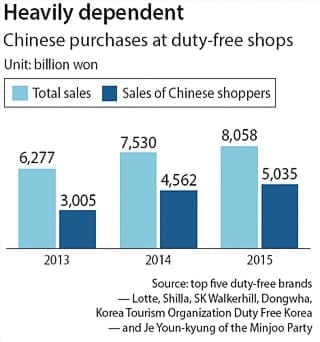
    Duty-free shops are nervous. Last year, the top five duty free operators – Lotte, Shilla, SK Walkerhill, Dongwha and Korea Tourism Organization’s Duty Free Korea – earned 5.4 trillion won in revenues from Chinese tourists, 62 percent of total sales of 8.6 trillion won.

    Through September of this year, Chinese tourists spent 3 trillion won at Lotte Department Stores. As soon as the news of the cutback spread Tuesday, duty-free stores organized emergency meetings with Chinese partners to devise some kind of a backup plan.

    There are currently nine duty-free shops in Seoul, with four more waiting to open next year. Competition in the duty-free industry is fierce, as it is one of the most robust retail markets in Korea. “A sudden drop in Chinese shoppers will cause considerable impact to both current and future duty-free operators,” said a spokesperson for Shilla Duty Free.

    Mid-priced hotels are nervous too. They are popular with group tours. “Half of the guests at business hotels in Myeong-dong or Dongdaemun are Chinese, and most are from group tours,” said Park Jong-mo, manager of the Ramada Hotel and Suites Seoul Namdaemun. “The market supply is rising, with new mid- and low-priced hotels being built in the city center. We’ll be seeing more vacant rooms.”