Tag: travel

  • ASEAN tourism to launch Visit ASEAN@50 Golden Celebration in 2017

    ASEAN tourism to launch Visit ASEAN@50 Golden Celebration in 2017

    Member countries of ASEAN will celebrate the groupings 50th Anniversary in 2017 by holding a joint tourism programme under the theme “Visit ASEAN@50: Golden Celebration” with the objective of embracing ASEAN as a single and united tourism destination.

    “Visit ASEAN@50: Golden Celebration will highlight ASEANs best 50 festivals and 50 most unforgettable travel experiences, whereby visitors will enjoy a wide range of ASEAN tourism products through diverse destinations, culinary, events, and engagements with local communities,” the ASEAN Secretariat said in a statement.

    Special offers and travel promotions with affiliated partners will be rolled out for travellers to enjoy the richness of cultural, heritage, nature, and to feel the warmth of ASEAN hospitality.

    Targeting major regional and long-haul source markets, such as: China, Japan, Korea, India, Australia, UK, Germany, Russia, the UAE, USA and Canada, Visit ASEAN@50: Golden Celebration is expected to achieve 121 million international visitor arrivals to the region by the end of 2017.

    Also increase tourism receipts to USD 83 billion; and extend tourist visitations average length of stay to 6-7 days, and to more than 2 ASEAN countries.

    The official pre-launch of the Visit ASEAN@50: Golden Celebration campaign was spearheaded by ASEAN Tourism Ministers and Leaders at the ITB Berlin on 10 March 2016.

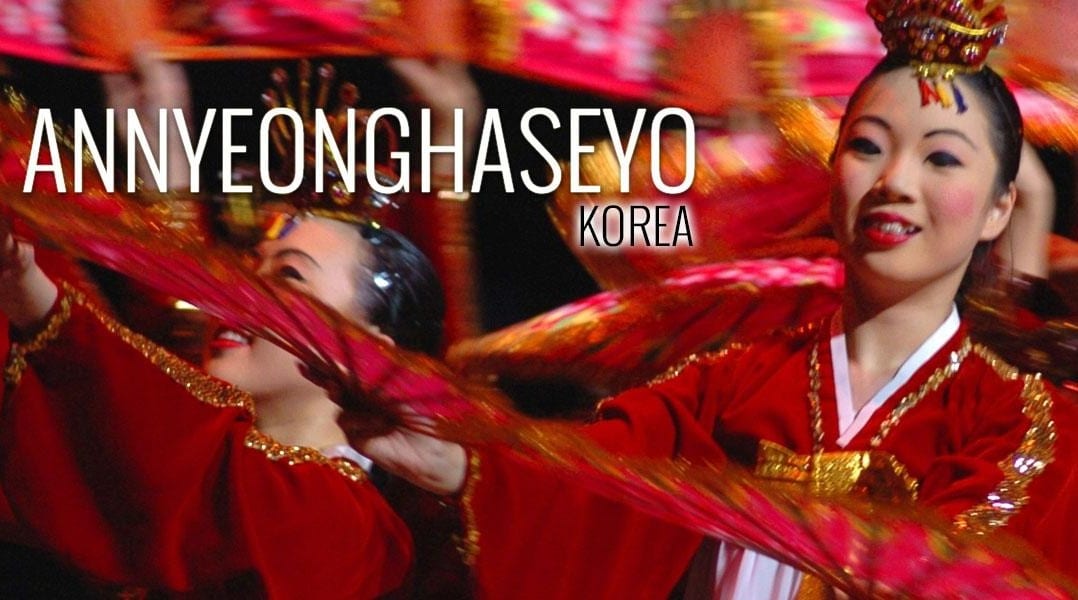
    The pre-launch was followed by two days of ASEAN cultural performances for ITB Berlin’s public audiences on 12 and 13 March at Thailand pavilion.

  • Indonesia Wins Award in Berlin Travel Fair

    Indonesia Wins Award in Berlin Travel Fair

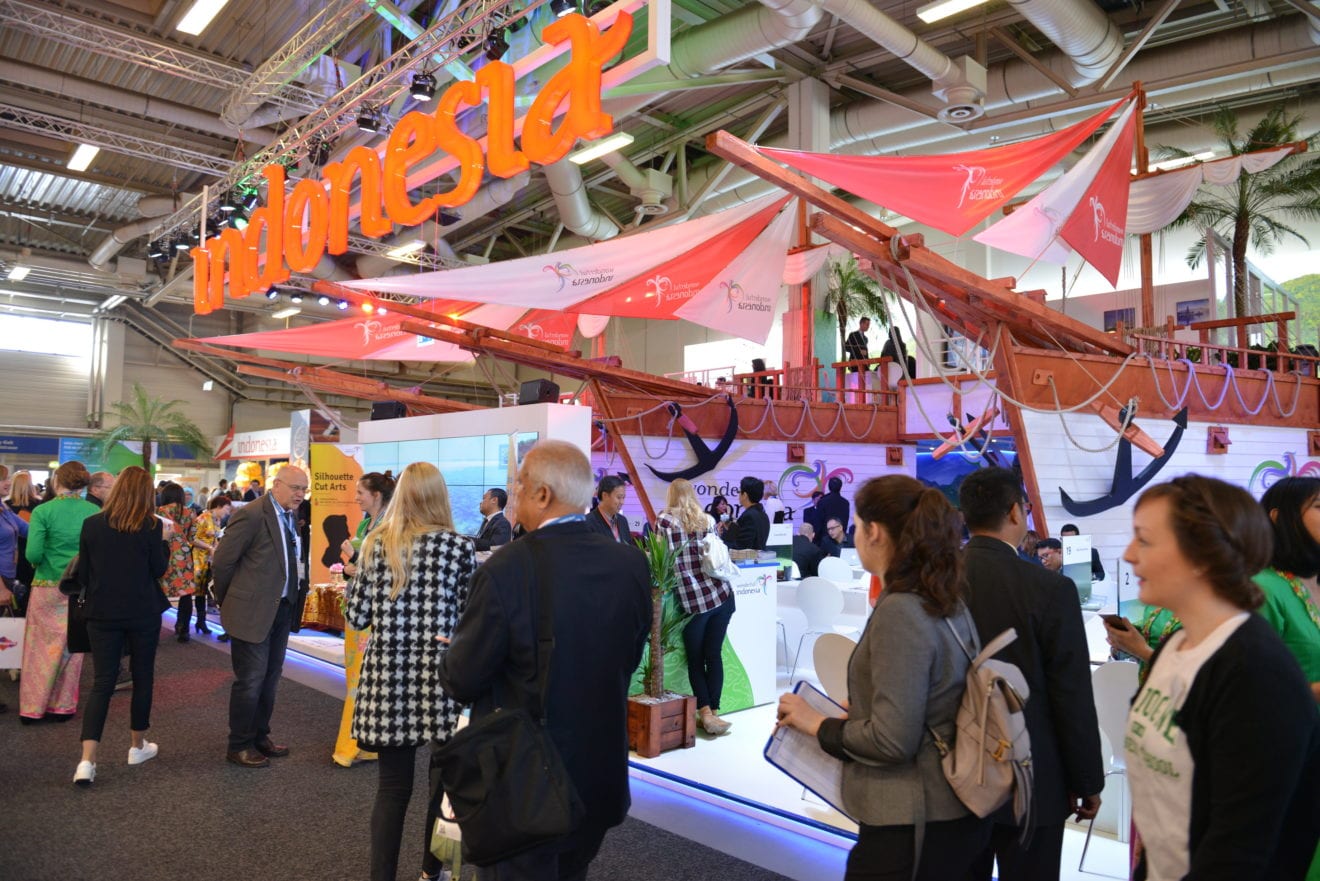
    Berlin (Antara)- Indonesias pavilion featuring a Phinisi tall ship, Indonesia legendary seafaring icon, has won the Best Exhibitor Award for the Asian, Australian and Oceania region in the Internationale Tourismus-Bourse (ITB) Berlin held in Messe Berlin, Germany, on March 9-13, 2016.

    Tourism Minister Arief Yahya here, Saturday evening, said he was proud that Indonesias pavilion won the award in the worlds largest travel fair.

    Indonesia presented a very colorful pavilion featuring the Phinisi with a beautiful view of Raja Ampat waters and small isles as its background.

    The booth accommodated 101 tourism-related sellers, a coffee corner offering free coffee testers to the fairs visitors, a silhouette artist, and several dancers and two models wearing “unbelievable costumes” from Malang Carnival.

    Visitors to the Indonesian pavilion measuring 693 m2, were entertained and served by German-speaking officers.

    “We are proud that Indonesias pavilion has won the best exhibition award for the Asian, Australian, and Oceania region,” Nia Niscaya of the Indonesian tourism ministry, said.

    Earlier, Wonderful Indonesia tourism branding also won awards respectively in Los Angeles, and Victoria, Hong Kong.

    Hernowo Muliawan of the PCO Karma Wibangga design team, also expressed his happiness that the booth that he and his team team had designed came out as a winner in the ITB Berlin.

    The booths design featuring Phinisi introduced Indonesia as major maritime tourist destination having over 17 islands, interesting coastal culture and arts, and amazing maritime natural resources.

    Last year, Indonesias pavilion also won a similar award at the 2015 ITB Berlin.

    This year, over 10 thousand exhibitors from 187 countries

    showcased the latest products and trends related to the global tourism industry at 1,069 stands.

    In 2013, Indonesia was the ITBs official partner country, and had the privilege of being the host of the opening ceremony.

  • Thailand’s airports set new passenger records

    Thailand’s airports set new passenger records

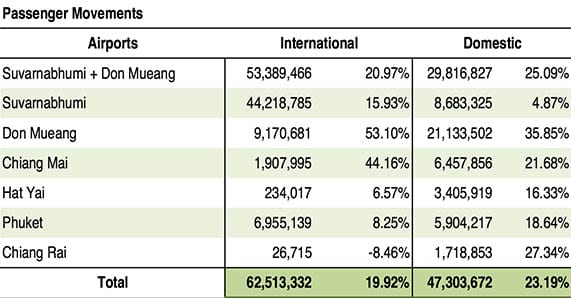
    Airports of Thailand has reported 2015 calendar year ending international passenger traffic of $62.5m passengers across all six airports. Added together with the 47.3m domestic passengers last year, this set a new record of nearly 110m passengers for the 12-month period according to Airports of Thailand (AOT).

    All but one of the six airports reported positive international numbers, with Suvarnabhumi Airport in Bangkok generating a +15.93% increase to 44,218,785, followed by Don Mueang with 9,170,681 (+53.10%); Phuket with +8.25% to 6,955,139; Chiang Mai +44.16% to 1,170,681; and Hat Yai +6.57% to 234,017 and Chiang Rai -8.46% to 26,715.

    All six airports were also in positive territory in terms of domestic passenger numbers, with Don Mueang leading the rest up 35.85% to 21.2m (see table for full list).

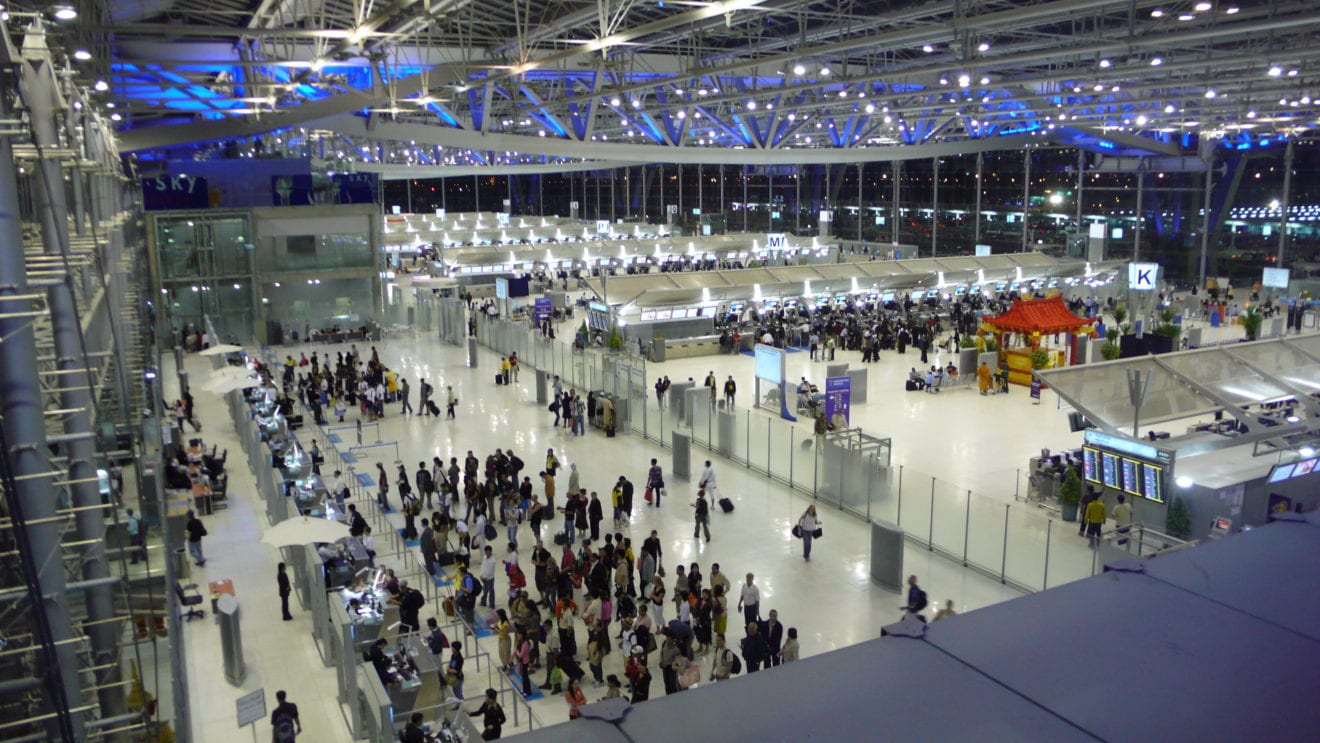
    Suvarnabhumi New Year

    Thai airports traffic 2015 copy

    Above: Suvarnabhumi International Airport, Bangkok. (Data source: Airports of Thailand).

    Meanwhile, in the last declaration of AOT’s financial results dated 27 November 2015, the publicly listed AOT reported a rise of more than 20% in operating performance for the year ended September 30 2015.

    Reported net profits were up by 53%, thanks to a 15.97% increase in flights and a 21.94% rise in passengers in this quoted period. This, in turn, resulted in aeronautical revenues increasing by 18.87% and concession revenues rising by 19.99%.

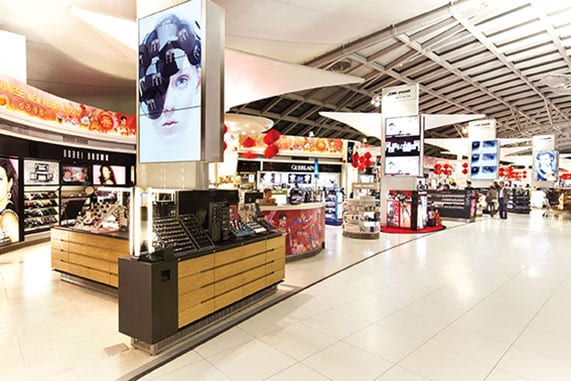
    AOT’s exclusive duty free concessionaire is the King Power International Group, which operates airport shops at Suvarnabhumi, Don Mueang, Phuket and Chiang Mai.

  • Indonesia becomes favorite destination for Chinese new year 2016

    Indonesia becomes favorite destination for Chinese new year 2016

    Chinas largest online travel agency, Ctrip.com, has revealed that Indonesia is one of the ten favorite destinations for Chinese tourists who want to celebrate Chinese New Year 2016 abroad.

    The ten favorite destinations based on the bookings made by the customers since mid January 2016 are Thailand, Japan, South Korea, Taiwan, Singapore, Hong Kong, United States of America, Indonesia, Malaysia, and Australia.

    Easy access in obtaining visas is one of the strong reasons they chose such countries, one of local media quoted the Publicity Manager of Ctrip, Yan Xin as saying here on Sunday.

    Indonesia ranked eighth of the ten countries that became the favorite destinations of Chinese tourists.

    Deputy of Sales affairs Director for the Asia Pacific Mission of the Indonesian Ministry of Tourism, Jordi Paliama said it was a good news to consider Indonesia as one of the Chinese tourists favorite destinations.

    “We would continue to improve our a variety and innovative promotions to attract more and more Chinese tourists,” he said in the event of “Indonesia Direct Promotion”, Beijing.

    The Ministry of Tourism has set a target of 200 visits of Chinese tourists for January-February 2016. It increased around 50 percent from the amount of 137,181 Chinese tourists visiting Indonesia at the same period in 2015.

    To increase the number of Chinese visits, the Ministry of Tourism also conducted a promotion programs in Wuhan, Shanghai, and Beijing.

    Ctrip.com estimated around six million Chinese people would spend their Chinese New Year holiday in foreign countries, starting from 7 February, with some 100 countries to be visited including Antarctic.

    East Asian countries such as Japan and South Korea remained the most popular destinations, while Singapore and Thailand became two Southeast Asian countries which attracted a lot of Chinese tourists during the celebration of the Year of Monkey.

    Around ten thousand Chinese tourists have been making reservations for holidays in Thailand, while some other preferred to choose Universal Studio, Singapore, to enjoy the warmth of tropical breeze.

    For a cruise tourism, around 90 percent of Chinese people chose to go to Okinawa and Kagoshima in Japan, and Jeju Island in South Korea.

    The Office of China National Tourism Administration (CNTA) reported that in 2015 there were 5.2 million Chinese people spent their Chinese New Year holiday abroad. The number was increased around 10 percent compared to the same holidays in 2014.

  • Middle East Eyes Indonesian Beaches

    Middle East Eyes Indonesian Beaches

    Alwi Shihab, the Presidential envoy to the Middle East and the Organization of Islamic Coopeation (OIC), said that several Middle Eastern countries had expressed their interests to develop Indonesian beaches.

    Alwi revealed the Middle Eastern countries planned to build bigger exclusive resorts in order to compete with the famous Maldives.

    “Many Middle Eastern countries want to make bigger [tourist destinations] than Maldives. But they’re having difficulties to find a 300-hectare land,” Alwi said in Bandung on Thursday, January 28, 2016.

    Alwi explained that investors from Middle East wanted to develop accessible beaches, such as Pelabuhan Ratu in Sukabumi, West Java.

    “They want beaches with mounts located near Jakarta. We suggested investing in Sukabumi,” Alwi added.

    Since it was hard to find a sizable land in Pelabuhan Ratu, Alwi proposed other locations outside Java, such as those in Tanjung Lesung, Belitung, Padang, Selayar and Lombok. Alwi revealed that most of the investors were members of the Gulf Cooperation Council (GCC), such as the United Arab Emirates, Saudi Arabia, and Qatar.

    “Saudi Arabia has invested in Maldives,” Alwi said.

    Alwi explained that the Middle Eastern countries were more than willing to provide fund to develop beaches in Indonesia. The United Arab Emirates, for example, books an annual state revenue up to Rp 2,000 trillion (US$144.9 billion) per year.

    “I can’t say the exact number. You can do the math. It means they have money,” Alwi said.

    Alwi added that one of the reasons behind their interest to invest in Indonesian tourism was that Indonesia is open to Middle Eastern tourists. In addition, Europe and the United States had been paranoid when they see people with Islamic names spend their holidays in the two regions.

    “It’s related to the political dynamics in the Middle East. There’s Islamophobia and suspicion that make them uncomfortable when students or tourists from Middle East come to the United States or Europe. Therefore, the alternative is Indonesia, one of their friendly countries because there is no suspicion here. In addition, the majority of the population is Muslim. However, we’re not ready yet,” Alwi said.

  • 200m Chinese to travel by 2020 as HK/Macau slow

    200m Chinese to travel by 2020 as HK/Macau slow

    Credit Lyonnais Securities Asia (CLSA) is maintaining its long-standing forecast of 200m Chinese overseas trips by 2020. However, it warns that mainland Chinese travel to Hong Kong and Macau is likely to average only 3% growth in future, while Chinese trips to other locations will grow much more strongly by an estimated 16%.

    CLSA’s latest report says Hong Kong simply has too few new attractions, increased competition, capacity constraints, a strengthening HK$, tension against mainlanders and it also faces a reduction in import tariffs in China.

    This unpalatable cocktail resulted in inbound Chinese tourist numbers to Hong Kong declining by -2% between January and November 2015, compared to the much healthier 16% to 26% annual growth rates experienced in better years between 2010-2014.

    Hong Kong airport large

    CLSA’s highly-anticipated report – ‘2016 Chinese Tourists: Expanding Cultural Horizons’– is the independent brokerage and investment group’s third annual appraisal of the key growth drivers to Chinese outbound travel, as well as the destinations, sectors and stocks set to benefit the most.

    As part of its central Chinese tourist theme it remains bullish on its long-standing forecast of 200m Chinese overseas trips by 2020, despite its prediction that Chinese outbound tourist growth will slow to 9% over the next five years from 17% over the past five.

    Of this 9%, the authors say that travel to Hong Kong and Macau will average 3% growth, whereas trips to other locations will grow on average by 16%. Improved affordability, easing travel restrictions and the increasing desire to travel remain the key drivers underpinning Chinese outbound tourism growth, says CLSA.

    Within its proprietary survey of more than 400 outbound Chinese travellers it found that experiencing foreign cultures, enjoying nice environments, relaxing, and broadening horizons are increasingly more important goals for Chinese tourists compared to shopping. This also supports CLSA’s general structural negative on the future for Hong Kong’s tourism and retail sectors.

    001 aa Chinese Tourism Research Australia

    “…IF MONEY WAS NO OBJECT, THE MOST HIGHLY DESIRED DESTINATIONS FOR CHINESE TOURISTS ARE ACTUALLY THE USA, FRANCE, MALDIVES AND AUSTRALIA – IN THAT ORDER.”–CLSA REPORT.

    Chinese travellers looking for ‘unique cultural experiences’ are most likely to head to South Korea, Japan, Thailand, or the USA in the next three years, says CLSA. South Korea is attractive for its relatively cheap luxury goods and cosmetics, whereas Thailand offers beaches and other cultural destinations.

    CLSA also reveals that if money was no object, the most highly desired destinations for Chinese tourists are actually the USA, France, Maldives and Australia – in that order.

    The report adds that ‘the key risks to growth of outbound Chinese travel figures’ are safety, lower income growth and a weaker Yuan. Within its survey, CLSA said that 75% of survey participants confirmed that safety was the clear number one factor influencing their choice of destination in 2015 – up from 63% in 2014 and 41% in 2013.

    By contrast, mainland Chinese respondents said that lower income growth in China this year could also impact upon their travel plans. Some 60% admitted that they would reduce their outbound trips and 68% adding that they will cut back their travel-related shopping if family income drops.

    Chinese shoppers. Source Global Blue

    “…A WEAKER YUAN WILL ALSO AFFECT TRAVEL PLANS, WITH 43% INDICATING THEY MAY REDUCE THE NUMBER OF TRIPS THEY TAKE IF THE YUAN DEPRECIATES BY 10% IN THE NEXT YEAR. MEANWHILE, 35% SAID THEY WOULD CUT SHOPPING SPENDING…” CLSA REPORT.

    The research also confirmed that a weaker Yuan will also affect travel plans, with 43% indicating they may reduce the number of trips they take if the Yuan depreciates by 10% in the next year. While 35% said they would cut shopping spending. Only 14% said there would be no impact to their travel plans.

    More positively, the report adds that China is the number one contributor to global outbound travel with a worldwide share of 10% and CLSA predicts that this share will reach 14% by 2020. In the current report, it also expects this tidal wave of Chinese tourists to drive major structural growth in the airline, gaming, luggage, retail and internet industries over the next few decades.

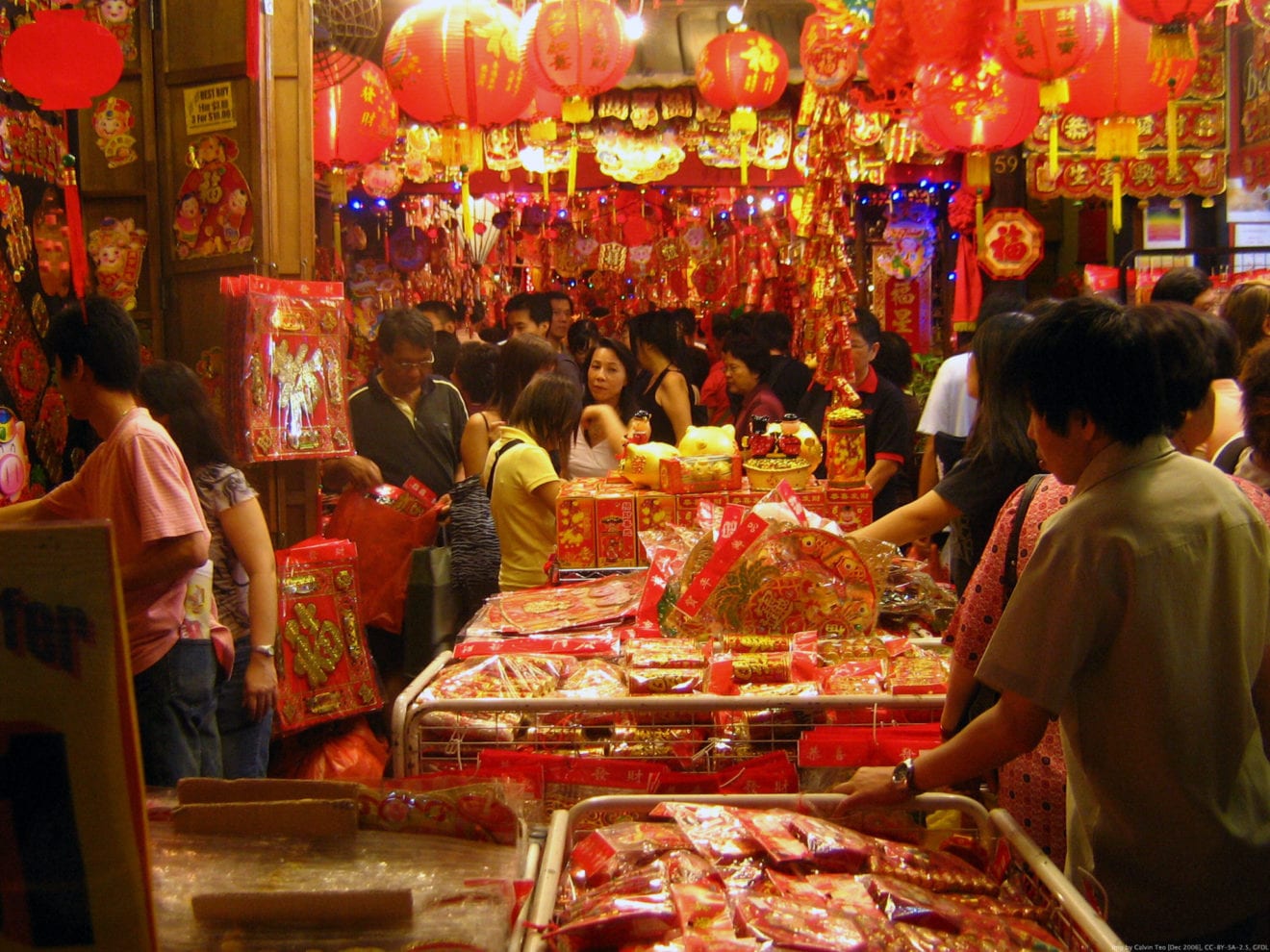
    Melbourne Chinese NY activation

    THE OUTLOOK FOR TOP FOUR CHINESE/ASIAN DESTINATIONS:

    AUSTRALIA: In Australia, mainland Chinese visitor numbers are soaring, with this nationality of tourists now accounting for the second-largest source of inbound arrivals to Australia. There were more than one million Chinese tourists visiting Australia between Jan-Nov 2015, surpassing the one million mark for the first time – an increase of 21.6% over the same 12-month period in 2014.

    This has been aided by the removal of constraints to airline-seat capacity growth and the easing of visa requirements (‘albeit on a regional basis that they still appear relatively strict’, says CLSA).

    Chinese tourists spent A$7.7bn ($5.4bn) in Australia over the 12 months to September 2015, more than double the A$3.5bn ($2.4bn) level two years ago, according to Tourism Australia’s estimation. China is Australia’s biggest spending inbound nationality, with expenditure more than double that of the UK – the next most important country.

    Interestingly, the CLSA survey found that Australia ranks as a ‘top-four destination’ for Chinese tourists ‘if money was no object’.

    JAPAN: Chinese visitors to Japan doubled in 2015. Inbound arrivals soared from 2.4m in 2014 to 5m and CLSA is predicting this number will more than double again by 2020 to 11.4m Chinese became the biggest contributor of all foreign tourists in Japan last year, aided by the fact that three out of five of the world’s most popular theme parks are located in Japan.

    Average spending per tourist in 2015 was JPY187,165 ($1,583) but Chinese were the biggest spenders, with an average of more than JPY280,000 ($2,368).

    King Power International Group's downtown Bangkok Srivaree Complex ©

    SOUTH KOREA: According to the research, South Korea is still regarded by Chinese as both a shopping and cultural heaven and CLSA now expects Chinese inbound traffic growth to rise by 28% year-on-year in 2016 due to natural organic growth following the eradication of the Mers virus.

    South Korea is one of the top three destinations for Chinese tourists for the next three years according to CLSA since it meets one of Chinese tourists’ major interests – shopping. CLSA also adds that its appeal to Chinese tourists is considerable, since it is safe, with moderate travel costs and rich in culture and sightseeing.

    THAILAND: One in four tourists visiting Thailand is Chinese, as inbound tourist numbers continue to grow, with visitors from China having grown at an annualised rate of 47.7% over the past five years, outpacing the non-Chinese tourist annualised growth of 7.6%.

    Bangkok continues to be the most popular destination, followed by Phuket, Chonburi, Chiang Mai and Krabi. Thailand is also one of the top three destinations for future outbound trips, according to CLSA’s survey.
  • Martell embarks on Legendary Journeys in Asia Travel Retail

    Martell embarks on Legendary Journeys in Asia Travel Retail

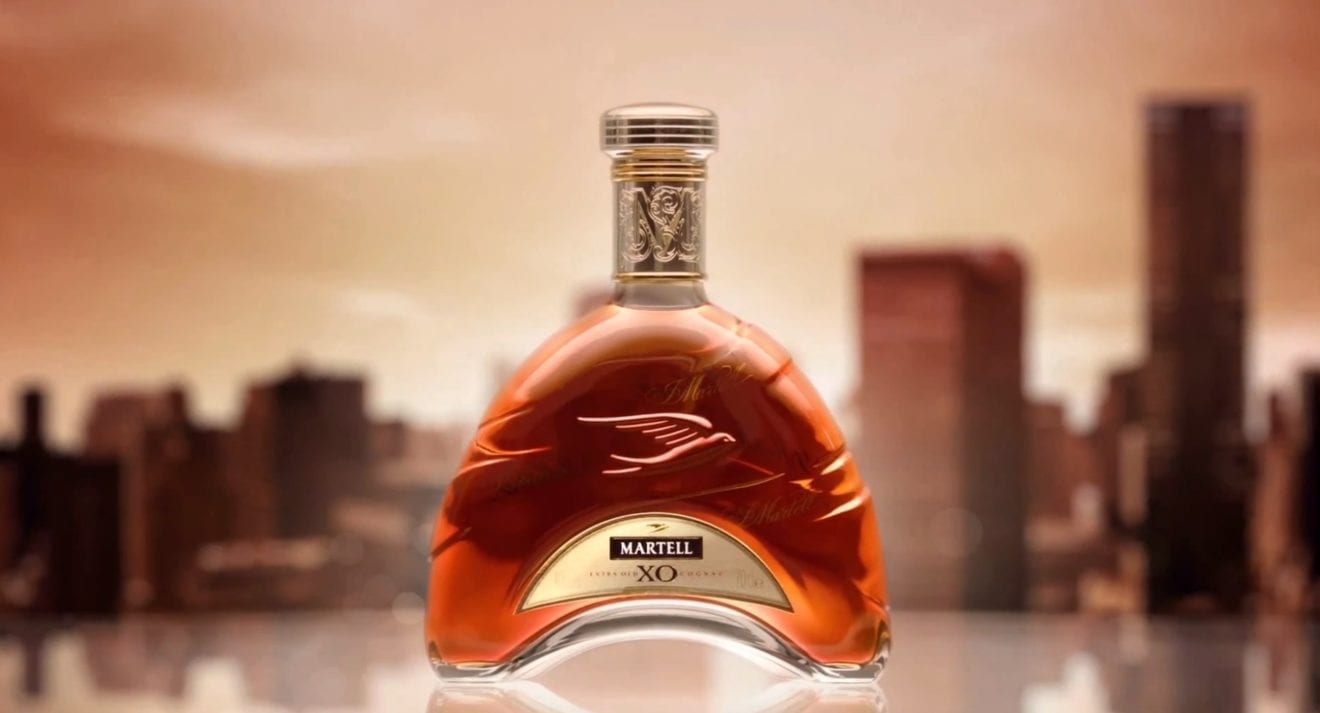
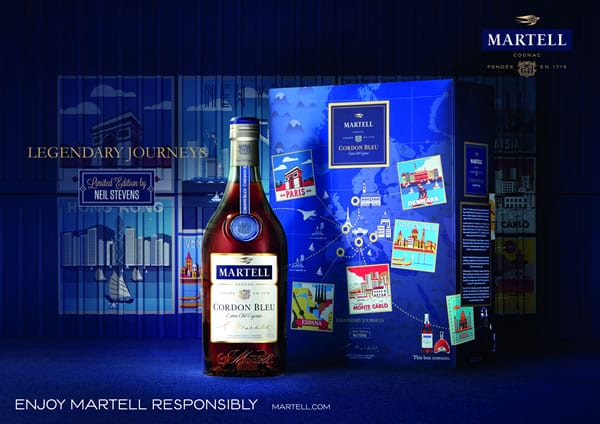
    Martell has designed a limited edition gift box which contains Martell Cordon Bleu and a complimentary Martell XO miniature.

    The Martell Legendary Journeys gift box features a design which celebrates Martell Cordon Bleu’s heritage and will be available exclusively in Asia travel retail throughout January and February.

    Martell all around the world: the gift pack is available exclusively in Asia travel retail

    Created by graphic designer Neil Stevens, the gift pack features a map of the cities and countries linked with Martell Cordon Bleu’s history since its creation in 1912. Officially launched at Monte-Carlo’s grand Hotel de Paris, Martell Cordon Bleu is said to have proved an “immediate success”. Memorable moments in the product’s history include being served aboard the Queen Mary II on its maiden voyage in May 1936 and making its debut on Concorde in 1977 and the Orient Express in 1986.

    Key product showcases of Martell Legendary Journeys, priced at US$229, will take place in Hong Kong International Airport, Hong Kong Anway border shops, Singapore Changi Airport, Bangkok International Airport, Kuala Lumpur International Airport, Taipei Taoyuang Airport, Tokyo Narita Airport, Beijing Airport and Shanghai Airport.

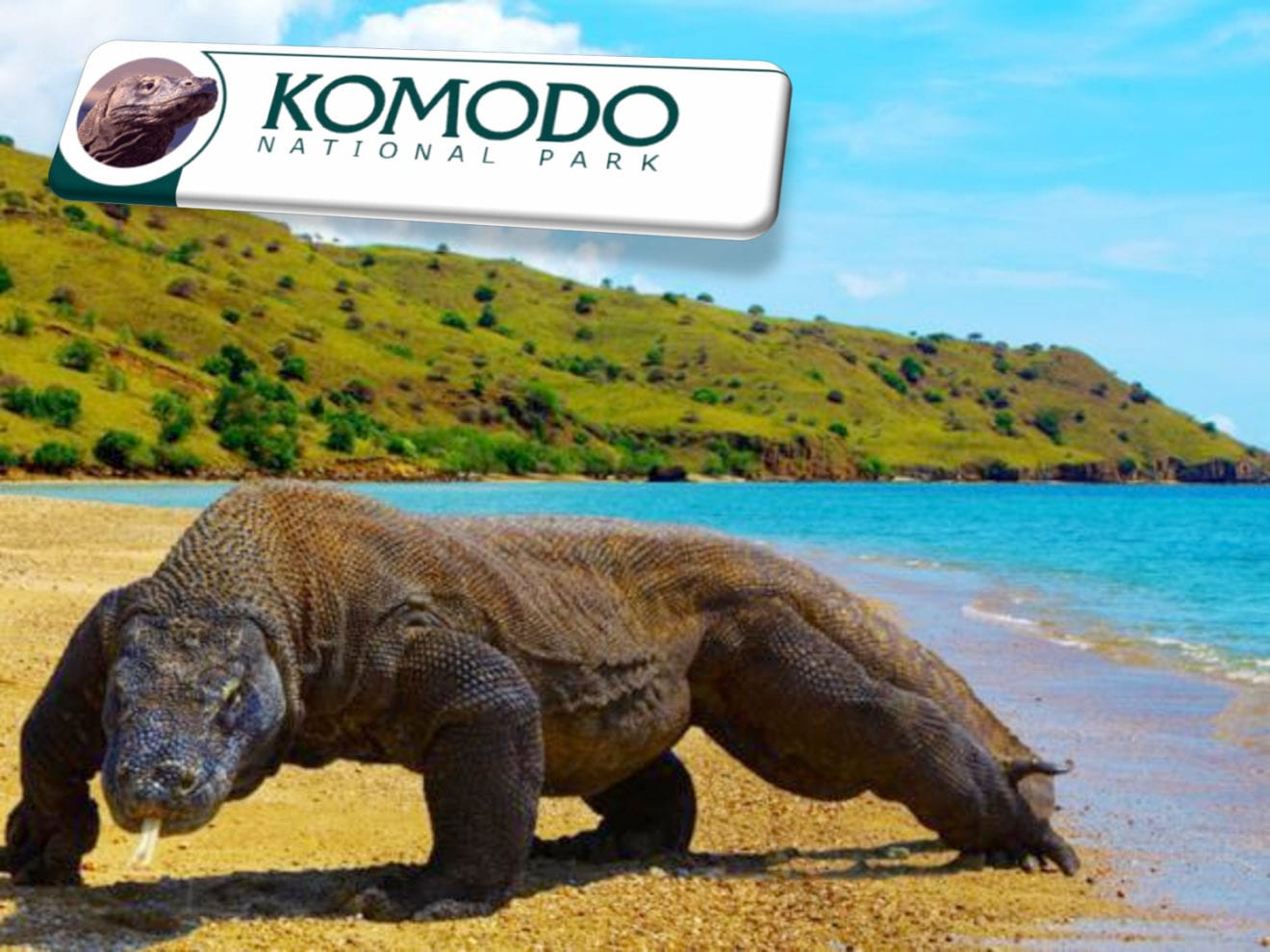
  • Komodo Island named Indonesia`s main marine tourist destination

    Komodo Island named Indonesia`s main marine tourist destination

    The Ministry of Tourism has mapped Komodo Island as one of the 12 major marine tourist destinations in Indonesia.

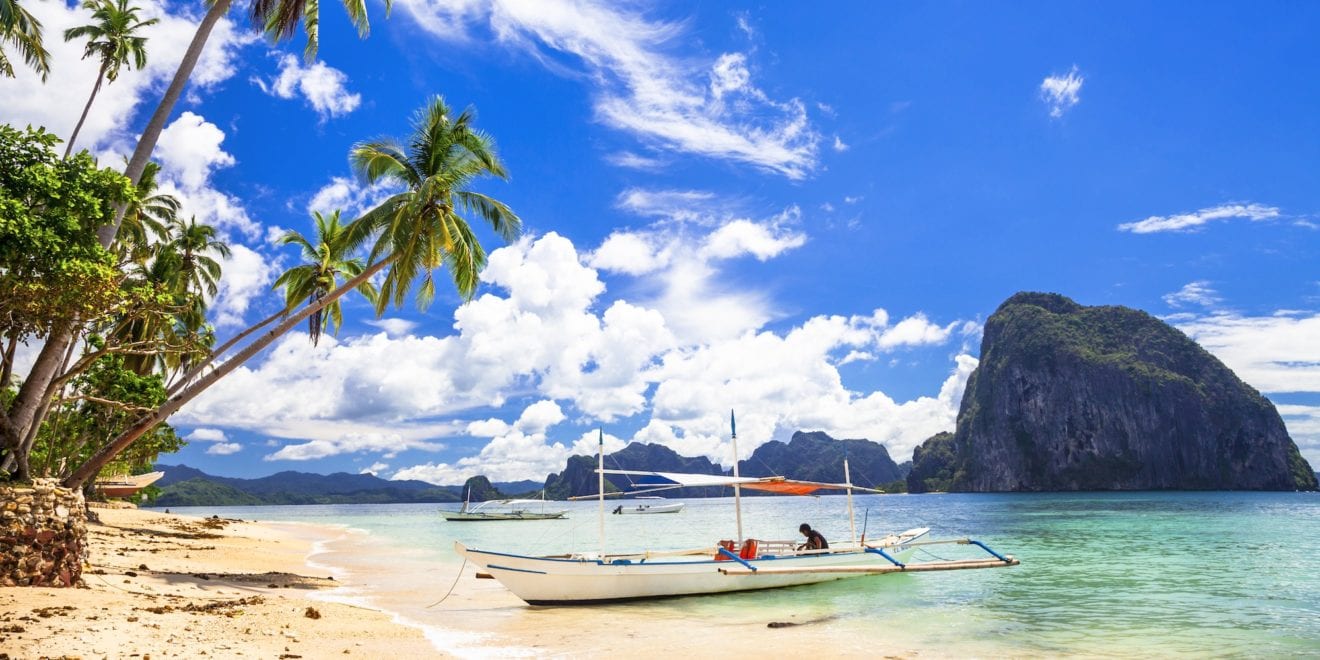
    The other destinations included in the list are Wakatobi in Southeast Sulawesi, Derawan in East Kalimantan, Raja Ampat in Papua, Nias in North Sumatra, Mentawai in West Sumatra, Ujung Kulon in West Java, Anak Krakatau in Sunda Strait, Tomini in Central Sulawesi, and Bali and Lombok in West Nusa Tenggara.

    “The twelve islands are included in the blueprint of the marine tourism development plan for natural resources and creative economy in promoting the brand Wonderful Indonesia,” Welly Rame Rohimone, acting head of the provincial tourism and creative economy office, stated here on Tuesday.

    Komodo Island, the natural habitat of the Komodo dragon (Varanus kommodoensis), has been selected as one of the new seven Wonders of Nature. The tourist area is ideal for diving and cruise tourism.

    “East Nusa Tenggara will be developed as Indonesias tourism gateway besides Bali, West Nusa Tenggara, and ten other islands,” Rohimone noted.

    The Komodo dragon in Komodo National Park can be found on the islands of Rica, Padar, and Komodo.

    “Sail Indonesia, being held since 2009, has also been organized in East Nusa Tenggara in 2013 under the name of Sail Komodo,” he emphasized.

    Komodo Island, with a land area of 390 square kilometers, has a population of over two thousand.

    The island has a beach with sand that appears pink as it contains a mixture of white sand and red sand, formed from pieces of Foraminifera.

  • Stronger HK dollar a turn-off for tourists

    Stronger HK dollar a turn-off for tourists

    The sharp decline in the yuan and volatile stock markets have exacerbated retail and tourism woes in Hong Kong as a weak currency means it is no longer attractive for mainland visitors to shop and dine in the city.

    Experts fear the falling yuan will further discourage mainland tourists. A total of 38.6 million visited the city in the first 11 months of 2015, accounting for about 77 per cent of all arrivals to Hong Kong.

    “Mainland tourists will turn to places with weaker local currencies,” says Charlie Chen, head of Asian consumer research at French bank and financial services company BNP Paribas.

    Although the yuan is falling against the US dollar, Chen says it is not necessarily depreciated when converted to other major currencies, like the South Korean won and Japanese yen. But the Hong Kong dollar is pegged to the US dollar, which means higher prices when converted to yuan.

    “The luxury sectors will be hit the most if the yuan continues to depreciate,” Chen notes. He says people tend to buy expensive goods in places with weaker currencies than their own, as they can save more money in absolute terms.

    Jewellery, watches, clocks and valuable gifts are already ranked the worst performer among all retail outlets in Hong Kong, with sales down 20.6 per cent in November on a yearly basis.

    However, one of the city’s biggest jewellers, Chow Sang Sang, says it has not felt much of the heat from the fluctuation of the yuan since August, though it has constantly adjusted the exchange rate of the two currencies if customers want to pay in yuan instead of Hong Kong dollar in a bit to protect its profit margins.

    “Mainland consumers still have a reason to buy gold in Hong Kong,” says Lau Hak-bun, the company’s director of Greater China, adding that the same item still costs at least 20 per cent more on mainland China despite the recent devaluation. But if the yuan falls a further 10 per cent from last year’s level, he “needs to look at the strategy again”.

    Ricky Tse, chairman of the Hong Kong Inbound Tour Operators’ Association, also seems to be at ease. He says the impact of the yuan’s devaluation has already been “hedged” by the falling hotel rates and retail prices in the city in the past year.

    Tse says that he has observed a drop of “at least 20 per cent” in hotel rates compared with a year ago.

    “Cheaper hotel rates and more discounts to retail prices will attract more tourists to the city,” he says.

    Despite the recent contraction of tourists from mainland China in – with arrivals of tour groups dipping by about 20 per cent last year – Tse notes that more hotel rooms have been booked by overseas tourists.

    “Foreigners are very practical,” he says, adding that the number of tourists from Southeast Asia has remained stable despite the local currencies falling against the Hong Kong dollar.

  • Rising HK dollar expected to give locals the travel itch

    Rising HK dollar expected to give locals the travel itch

    Cash registers in Hong Kong won’t be ringing merrily next year after the US rate hike, with locals likely to scratch their travel itch with the appreciating Hong Kong dollar.

    The greenback reached a two-week high against a basket of major rivals yesterday after the US Federal Reserve raised interest rates for the first time in nearly a decade.

    The Hong Kong dollar, pegged to the US unit, also rose.

    Hong Kong Retail Management Association chairman Thomson Cheng Wai- hung said the interest hike’s immediate effect on the industry is limited, but further hikes next year would destabilize the market and make tourists further lose their appetite for the SAR.

    “No matter if it is accommodation in hotels or shopping, it would appear more expensive for tourists. Many of them are going to Japan, South Korea and Europe. The trend would worsen,” Cheng said.

    He expects retailers selling high-end products such as jewelry to take a hit.

    According to a survey last month of its members, a single- digit decline in sales this Christmas is expected year-on- year. Most members feel next year’s performance will be worse. Cheng predicted that retail sales this year would drop 3 percent from last year.

    As for local shoppers, some could be attracted to travel overseas due to the strong Hong Kong dollar. “It is not an advantage for local retailers,” Cheng said. The strong US dollar and hence HK dollar would encourage mainland tourists to explore other destinations, CLSA senior investment analyst Mariana Kou said.

    “We believe Japan, Korea and Europe would continue to be beneficiaries,” Kuo said.

    Safety concerns after recent terrorist attacks, however, may affect travel into Europe.

    Miramar Travel saw Christmas bookings jump by 20 percent from last year. But they reminded Hongkongers that despite cheaper shopping, other travel expenses do not necessarily go down.

    The rising popularity of Japan has led to a shortage of hotels and higher costs.

    Travel Industry Council chairman Jason Wong Chun-tat said the hike had been expected and would have limited impact on exchange rates.

    He remained optimistic for inbound tourism, saying hotel occupancy rates are expected to reach 80 to 90 percent during this holiday season.

  • JTB chases Chinese at home

    JTB chases Chinese at home

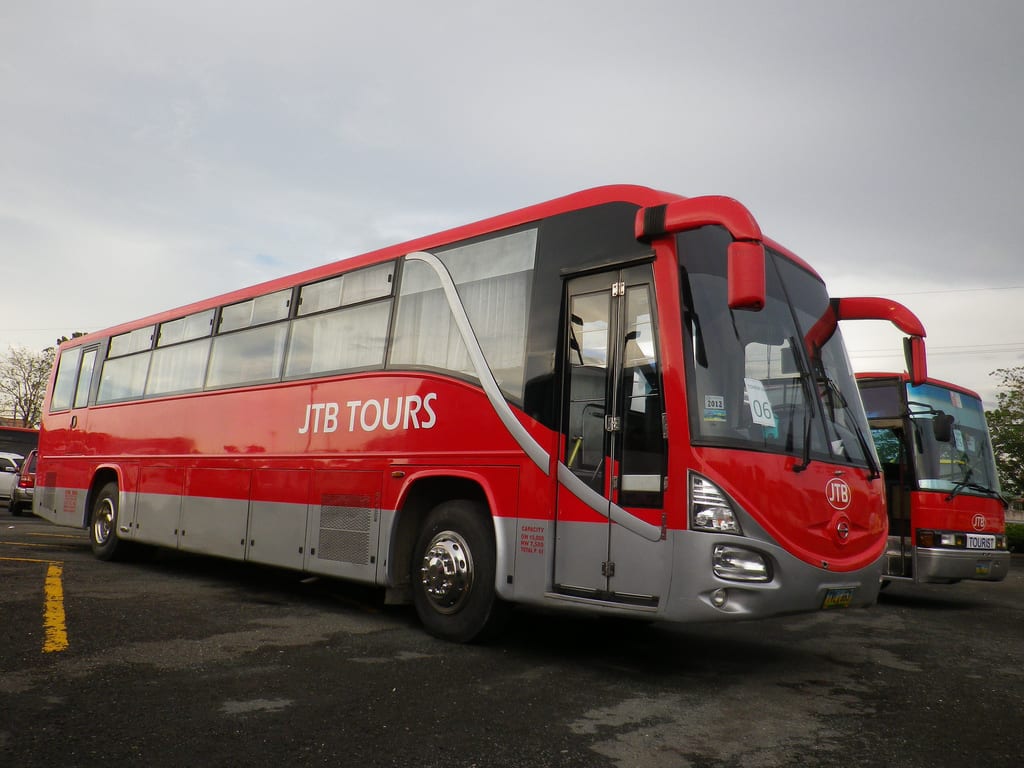
    Japanese Travel agency JTB has opened its first retail location in China’s capital Beijing. The agency will specialise in tours to Japan and will be run in a joint venture with a local travel company.

    The agency will be equipped with the same reservation system used in its Japanese retail travel stores, but it will not issue tickets. The 90 sqm stores is situated in an office building in a popular business district.

    The Japanese-themed interior is intended to serve as an advertisement in itself. The branch intends hosting exhibitions in cooperation with Japanese municipalities.

    JTB says the new venue is aimed at diversifying demand among Chinese travellers through face-to-face sales. It aims to sell 10,000 tour places annually.

    Japan is attracting a rapidly-rising number of Mainland Chinese tourists, attracted by the favourable exchange rate and close proximity, along with relaxed visa conditions.

    JTB gained official approval to open in China four years ago but the launch was delayed due to the earthquake of 2011 and simmering tensions between the two countries.

  • Coccinelle Asia Pacific travel retail expansion gathers pace

    Coccinelle Asia Pacific travel retail expansion gathers pace

    Published: 17/11/15

    Source: ©The Moodie Report

    By Helen Pawson, Brands Editor

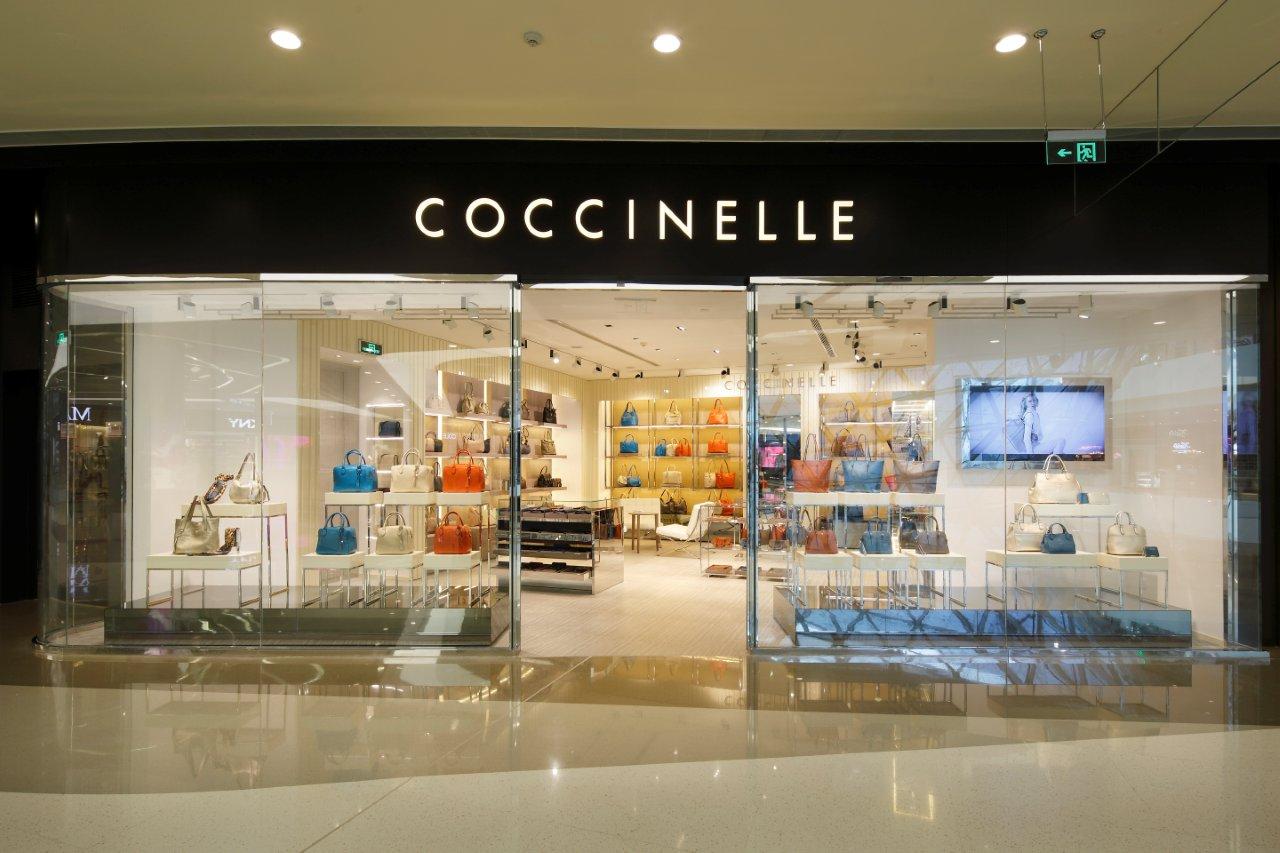
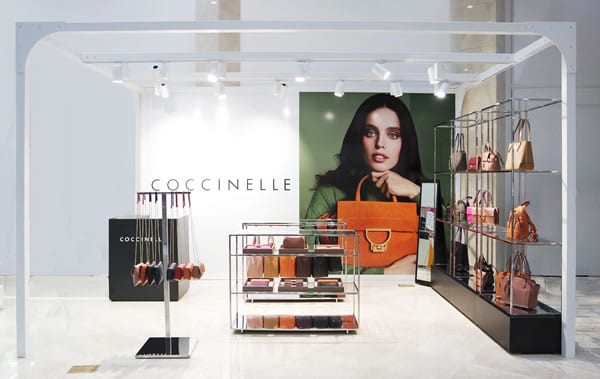
    Italian accessories brand Coccinelle has opened a pop-up store on Jeju Island in partnership with Bluebell Korea.

    Located in Jeju Tourism Organization’s duty free shop, the 20sq m space opened on 23 October and features the brand’s new store concept.

    Open displays and bright steel feature heavily in Coccinelle’s minimalist store

    The store features open displays to showcase bags and accessories as well as wall display modules and bag stands made from bright steel, said to give the interior a “timeless elegance”.

    The pop-up highlights Coccinelle’s Autumn/Winter 2015 collection which includes key piece the Arlettis bag.

    A big board with the Autumn/Winter 2015 campaign, which features American-Italian model Emily DiDonato as the face, dominates the back of the pop-up.

    Coccinelle Head of Travel Retail Emanuele Mazziotta commented: “We are honoured to be on Jeju Island at Jeju Tourism Organization Duty Free Shop with Bluebell and we thank them for their support with this opening. Jeju Island is a well known tourist destination in the Asia Pacific region and represents another key location in our expansion plan. Another important opening will happen soon in the region.”

  • Hana Tour to Reinvent Itself as Global Cultural Tourism Retail Company

    Hana Tour to Reinvent Itself as Global Cultural Tourism Retail Company

    Established in 1993, Hana Tour is the largest travel company in Korea. In the last couple of years, on average, the company has recorded approximately 380 billion won (US$335 million) in sales and 40 billion won (US$35 million) in profits annually. Recently, the company has received a lot of publicity thanks to its successful bid for duty-free businesses in Incheon International airport and in downtown Seoul. The duty-free business is known as a cash cow, and annually generates approximately 300 billion won (US$264.9 million) in sales and 12 billion won (US$10.6 million) in profits. It is likely that Hana Tour will see significant synergy effects from combining tourism and the duty-free businesses, which will also impact the company’s overall business performance.

    It turns out that the company has set itself up for global tourism and cultural enterprises for some time. Following the goal of becoming the number one multinational cultural tourism group by 2020, the company has branched out into the retail, hotel, culture and performance enterprises. In the process, it has also secured significant overseas opportunities.

    Along with launching into the duty-free business, Hana Tour has been expanding into a variety of businesses that create synergy effects combined with the existing tourism business. Locally, drawing on culture and performance businesses, Hana Tour offers accommodation packages featuring art and performance events. Moreover, in cooperation with 8,000 local travel agencies and logistics channels, Hana Tour has also launched into e-commerce featuring ticketing businesses for art and performance enterprises. Titled “Hana Free Ticket,” the company’s retail site handles ticketing for musicals, concerts, and cultural events. Also by getting into the hotel business, Hana Tour can provide  travel packages with competitive prices, as the company can cut down accommodation costs. Beginning in 2012, Hana Tour opened the Center Mark Hotel in Insa-dong, followed by the T Mark Hotel in Chungmu-ro in 2013. A 560 room hotel is scheduled to be opened in the Namdaemun area in 2016. It also opened T Mark City Sapporo in Sapporo. With management expertise under its belt, Hana Tour has been commissioned to run the Pattaya Hotel in Thailand since last April.

    Hana Tour has started focusing on foreign opportunities and selling travel packages to foreign travelers in overseas markets. Hana Tour currently has 33 outpost offices worldwide. Using its overseas network, outpost offices in foreign countries developed travel packages in third countries, targeting local travelers in the foreign country. This is quite an innovation internally, given that in the past, 90 percent of the company’s travel business has been done with local outbound travelers.

    Given this, the Korean government’s recent decision to delegate the Chinese visa handling task to Hana Tour is a big overseas business breakthrough. In March this year, in the face of an increasing amount of Chinese tourists and laborers seeking Korean visas and handling the overwhelming administrative work, the government decided to delegate the task to Hana Tour. Although the delegation is currently in trials limited to the Guangzhou and Qingdao areas and the final decision to extend to other Chinese cities has not been made, many consider that the opportunity would bring many Chinese travelers to use Hana Tour travel products and Hana Tour–run Duty Free Stores in Korea.

    Although a majority of industry insiders consider a company’s venture into the duty-free business a terrific opportunity for the company, some raise concerns.

    The Hana Tour-led consortium SM Duty Free is formed by 10 small and medium enterprises, while Hana Tour represents a 76.8 percent stake. The SM Duty Free store has to stock 50 percent of its stores’ shelves with products produced by local SMEs.

    Although this feature is viewed positively by society, provided this gives SMEs a critical marketing venue, however, many questions whether focusing on SMEs’ products will give SM Duty Free competitive edges compared to its competitors in the duty-free business. Access to high-end products with relatively lower prices is a traditional appeal of duty-free stores for many consumers. Also, the fact that the combined shares of the company’s largest shareholders are mere 17 percent means that in the future, the company can’t make big investments into large-scale projects.

    Nevertheless, positive views about the future of Hana Tour dominate these days. Following the opening of the SM duty-free shops in Incheon Airport in November, Hana Tour will open a duty-free shop in Insa-dong in January next year. In fact, Hana Tour plans to turn its headquarters in Insa-dong into a duty-free store. Insa-dong SM Duty Free store will sell products featuring Korean Hallyu celebrities in partnership with SM Entertainment. An insider in the company said that shoppers will have unique cultural experiences apart from shopping. Hana Tour is also trying to make the best out of commercial and tourist trends in Insa-dong associated with big tourist attractions like Gyeongbokgung Palace.

  • Celebrities grace ‘Visit Philippines Again’ 2016 London launch

    Celebrities grace ‘Visit Philippines Again’ 2016 London launch

    Even as the outrage over the tanim-bala (bullet-planting) scam has dominated Philippine social media, the trending tweets in the United Kingdom last Tuesday evening was #VisitPhilippinesAgain2016.

    About 200 UK-based travel media, bloggers, TV celebrities, “influencers,” travel trade partners and investors trooped to Searcy’s, a private club at the top of the iconic The Gherkin, for the launch of the global campaign for VPA2016 of the Department of Tourism and its marketing arm, the Tourism Promotions Board (TPB).

    Filipino-American rap artist apl.de.ap of The Black Eyed Peas sang a catchy new tune titled “It’s More Fun in the Philippines” especially composed for the campaign. In the song, he narrates “places to go, the things to see” when a tourist visits the Philippines. “You can walk along the beach, the sun shining on your feet, wine and dine, our food is unique, go dancing in the moonlight…” he rapped, as a music video played on the screen behind apl. de.ap showing the images  he was narrating.

    In a brief message, Tourism Secretary Ramon R. Jimenez Jr. expressed his appreciation for the guests at the event, and extolled everyone to “just visit the Philippines.”

    In a separate interview, he said, “Visit Philippines Again 2016 is going to be the most massive retail-focused effort the Philippines has ever made. We’re negotiating with tour operators and travel agents for incentives to give returning visitors to the Philippines.”

    He added, “We’re putting together packages and rewards, so that when a tourist returns to the Philippines for a second or fifth time, he will get discounts in several establishments.”

    Other musical performers at the event included Jessica Reynoso, a finalist in the first season of The Voice of the Philippines. Calling her “the next big star from the Philippines,” apl. de.ap served as her mentor during the widely watched first edition of the musical competition. They also sang a few numbers together.

    Another much-applauded performer was Princess Ybañez, a violinist in the mold of Vanessa Mae, who modernized classical violin pieces to reach a wider and younger audience.

    The VPA2016 global launch was part of the DOT’s activities during the World Travel Market  (WTM) 2015, held from November 2 to 5 at the ExCel in London. About 5,000 exhibitors participate in this leading travel event to showcase their destinations, products  and services. According to its web site, “the organizations use WTM as a platform to reach 50,000 travel professionals” who were expected to flock to the show.

    Exhibitors were organized in two massive halls by geographical region: Africa, Asia, Europe, the Middle East, the UK and Ireland, as well as “Global Village.” The Philippines has been attending the annual event since 1980, when the WTM was first conceived.

    In a related development, TPB COO Domingo Ramon Enerio III told the BusinessMirror that the Philippines will be hosting the Travel Bloggers Exchange (Tbex) from October 13 to 16 next year at the PICC in Pasay City. “We’re expecting 700 delegates. We believe that social media is an effective tool to send out more good news and stories about travelling in the Philippines.”

    After the main event, he said the bloggers will travel to different appealing destinations around the country, such as Boracay, Cebu, Palawan, to name a few. “We’re still finalizing the dates for the post-event trips, but definitely this will be all over the Philippines,” he added.

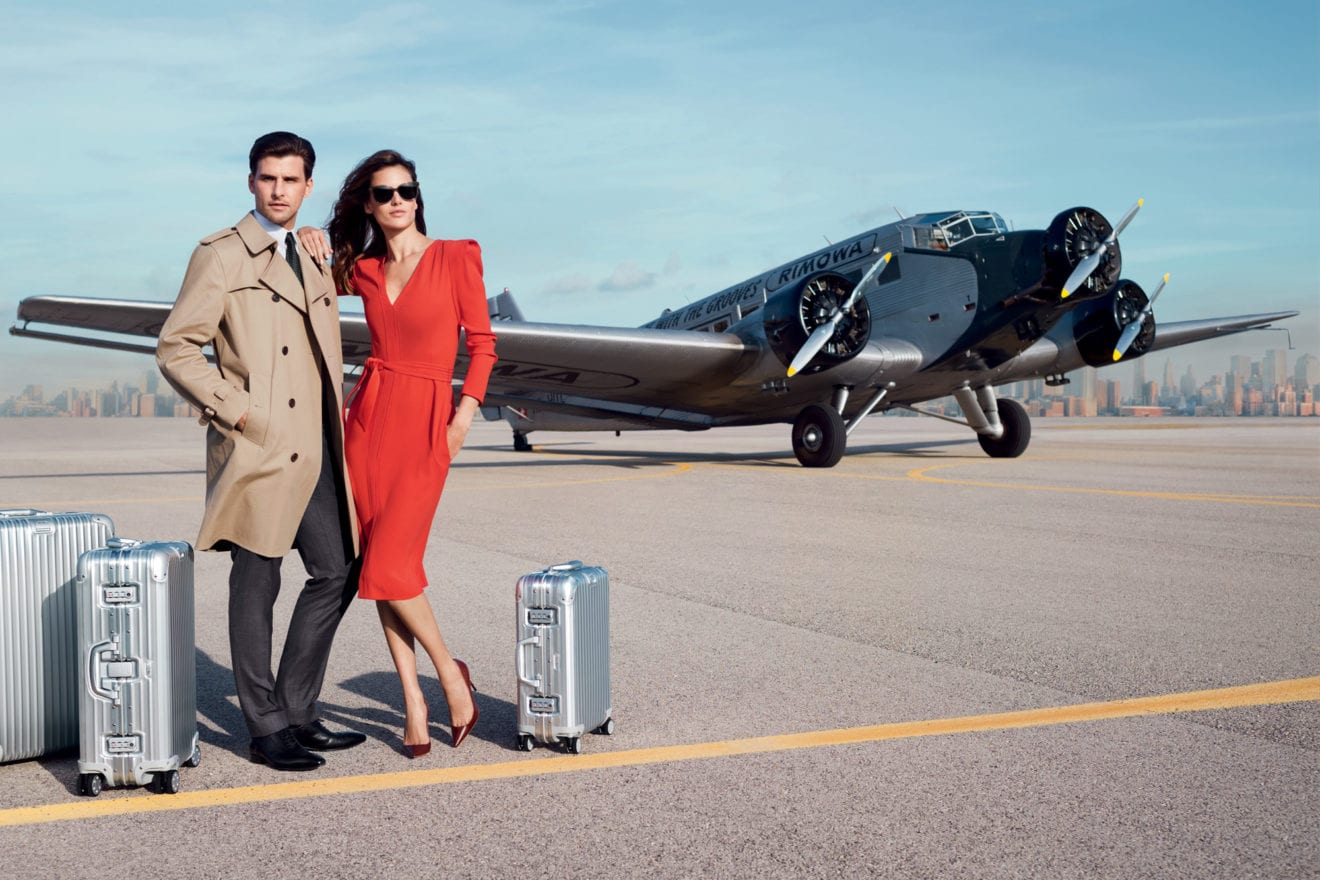
  • Rimowa leads the charge of new luxury retailers

    Rimowa leads the charge of new luxury retailers

    5 Martin Place, Sydney, the new home of German luxury luggage brand Rimowa. Photo: Supplied

    Rimowa, the German luxury luggage group, is set to call 5 Martin Place home as the retail sector looks to the upmarket brands for revenue growth.

    The label is being distributed exclusively through Hunt Leather, which itself has a presence in the MLC Centre.

    Sophie Hunt, whose parents founded Hunt, said the group also runs the Longchamp​ Boutique, of which there are four stores nationally and Hunt’s own five sites throughout Australia.

    Ms Hunt said the group opens a newly branded store in Australia every year and, despite the massive growth of its online business, it still invests in bricks and mortar.

    “Demand is high for luxury brands and over the years that we have stocked Rimowa, we have been pleased with the high turnover of the items,” Ms Hunt said.

    “Finding the right location was imperative to launch the store as a stand-alone and certainly, 5 Martin Place is where we want to be.”

    Ms Hunt said Rimowa is considered a destination brand and the demographics of Martin Place, being in the heart of bankers and lawyers, was the perfect fit.

    “We will be looking to expand and while online sales are strong, having a store is still our preferred option,” Ms Hunt said.

    DEXUS Property is leasing out 5 Martin Place as part of the redevelopment and has also signed up the H&M associate Collection of Style, and the Canadian apparel group Kit & Ace, in what was the former Commonwealth Bank chamber.

    Rimowa’s opening in December – the date is still be decided – comes as luxury retail is making a comeback.

    CBRE  Australia head of retail tenant representation said the country offers significant opportunities for luxury retailers at a time when the Asian market is reaching saturation point.

    In a new CBRE report, The Future of Luxury Retail in Asia Pacific: New Demand Drivers and Shifting Occupier Requirements, it says most major luxury retailers are now well established in Asia-Pacific with China and Hong Kong being two of the most penetrated markets at 89 per cent and 81 per cent respectively.

    “However, following several years of rapid expansion, these markets are approaching saturation point and several luxury brands have halted expansion amid sluggish sales,” the report says.

    “Conversely, the penetration rate of luxury retail in Australia is just 50 per cent – primarily due to the dominance of department stores in this segment of the market.”

    However, the tide is shifting, as luxury brands launch stand-alone stores in Australia to exert stronger control over their business operations and brand.

    In 2014, a total of 16 luxury retailers entered Australia or opened their first stand-alone store in five cities – double the total in 2012 and 2013 combined.

    “Australia, unlike much of Asia, is far from saturation point in terms of luxury retailing,” Mr Starling said.

    “At present we are witnessing the largest influx of new luxury brands in the country’s history. This is coming from two distinct sectors, with fashion/ready-to-wear and jewellery retailers being the most inquisitive.”

    Mr Starling said the inquiry was being driven by larger groups such as LVMH, Kering Group and Richemont, but brands such as Valentino and Moncler also had Australia on the radar.

    “Another trend we are witnessing involves brands being more willing to seek space in shopping-centre environments,” Mr Staring said.

    CBRE national director retail services Alistair Palmer said a new luxury precinct was also poised to open Pacific Fair on the Gold Coast in 2016, and Chadstone was planning to double its luxury offer.

    An increase in Chinese tourist arrivals was helping to support the luxury retail sector in Australia, Mr Palmer said, particularly in light of the fall in the Australian dollar.

    “Sydney Airport is also establishing a new luxury precinct, with many of the tier 1 and affordable luxury brands opening in order to capture the Asian tourist market,” he noted.