Retail News CRM

Tag: travel

  • Q2 2026 Sees 17.2 Million Passengers at Changi Airport Despite Slight Decline in Passenger Traffic

    Q2 2026 Sees 17.2 Million Passengers at Changi Airport Despite Slight Decline in Passenger Traffic

    In the second quarter of 2026, Singapore’s Changi Airport recorded 17.2 million passenger movements, representing a slight 1.5% decline compared to the same period in the previous year. Despite this, the airport saw a 0.4% increase in passenger traffic in the first half of the year.

    Quarterly Performance Indicators

    Within the quarter, there were 92,400 aircraft movements, including both landings and takeoffs, which marks a 1.3% decrease from the same period last year. The total aircraft movements for the first half of the year equaled 188,000, on par with the numbers from the previous year.

    Traffic to and from Europe and the Southwest Pacific went up by 8.7% and 3.0% respectively due to airlines increasing their capacity on these routes to streamline their operations. However, the challenging business environment, characterized by high jet fuel costs and fuel supply constraints, led to reduced services, particularly on Southeast Asian routes, which saw a 5.0% decrease in traffic.

    The top five passenger markets for Changi Airport in this quarter were China, Indonesia, Australia, Malaysia, and India. Despite the overall decline, Vietnam and China experienced robust growth, with year-on-year increases of 18.5% and 8.3% respectively. Japan also saw a steady growth of 7.0%.

    In the second quarter, Changi Airport handled 567,000 tonnes of airfreight throughput, a 9.8% increase from the same period in the previous year. This strong performance was driven by growth in all cargo flows, particularly in AI-related semiconductor and electronics shipments. The top five air cargo markets were China, the United States, Australia, Hong Kong, and India.

    Looking Forward

    Mr. Lim Ching Kiat, Executive Vice President for Air Hub and Cargo Development at Changi Airport Group, noted that although airlines continue to adjust their services due to changing operating conditions, the sustained demand for travel is encouraging, particularly to and from Europe and Northeast Asia.

    Changi Airport expanded its connectivity in the second quarter, with the introduction of new passenger and cargo services. China Eastern started services to Dalian in April, while Scoot added services to Belitung and Pontianak in Indonesia in May and June respectively. The airport also welcomed two new passenger airlines, Shanghai Airlines and Oman Air.

    On the cargo front, Tianjin Air Cargo began operations between Singapore and Haikou in June, becoming Changi Airport’s newest cargo operator.

    Questions & Answers

    What was the total number of passenger movements recorded at Changi Airport in the second quarter of 2026?
    Changi Airport recorded 17.2 million passenger movements in the second quarter of 2026.

    How did aircraft movements in the first half of 2026 compare to the same period in the previous year?
    The total number of aircraft movements in the first half of 2026 was 188,000, similar to the same period in the previous year.

    Which were the top five passenger markets for Changi Airport in the second quarter of 2026?
    The top five passenger markets were China, Indonesia, Australia, Malaysia, and India.

  • Crackdown on Underground Hospitality: Thailand Targets Illegal Hotels on Phuket Island

    Crackdown on Underground Hospitality: Thailand Targets Illegal Hotels on Phuket Island

    The Thai government is stepping up its measures against unauthorized accommodations, following the discovery of three illegal hotels on Phuket, the nation’s largest island. During a recent operation, Deputy Interior Minister Polapee Suwunchwee led a task force targeting three hotels consisting of approximately 200, 240, and 45 rooms. The investigation revealed that none of the properties held valid construction permits or operating licenses.

    Two of these establishments had initially received approval as residential buildings or condominiums but had been unlawfully converted into hotels. In addition, officials conducted online booking simulations, which showed that the hotels were mostly selling rooms to European and other international tourists, with very few Thai patrons.

    Illegal Ownership and Consequences

    The investigation further exposed suspected nominee ownership arrangements, involving companies with a shareholding structure that is 49% foreign and 51% Thai. In some instances, the properties were legally owned by Thai citizens but rented out to Chinese investors, who allegedly ran the hotels without the necessary licenses.

    This operation is part of a larger scheme covering over ten locations across Phuket. Local authorities, under the instruction of Phuket Governor Sophon Suwannarat, have been directed to immediately close businesses that fail to provide the necessary documentation.

    Director-General of the Department of Provincial Administration, Narucha Kosasivilize, highlighted the triple-edged harm of illegal lodging operations. They disadvantage legal, tax-paying businesses, pose safety hazards due to non-compliance with government safety standards, and damage Thailand’s reputation, thereby undermining long-term confidence in its tourism industry. Efforts are being made in conjunction with the Royal Thai Police, Ministry of Commerce, Department of Special Investigation, and other agencies to broaden probes into foreign business networks nationwide.

    In a separate development, Deputy Government Spokeswoman Lalida Pervsivatan announced that Thailand will implement a new intelligence-based screening system on August 1 to enhance the detection of nominee businesses. This system will scrutinize company registration records, shareholder structures, and financial statements to pinpoint high-risk firms with Thai shareholders in suspicious circumstances. Lalida emphasized, however, that these measures are not designed to deter rightful foreign investment but to distinguish legal investors from those employing nominee structures to operate illicitly.

    Questions & Answers

    What is the focus of the crackdown in Thailand?
    The Thai government is focusing on the detection and closure of illegal hotels without the necessary operating licenses.

    What consequences do these illegal operations bring?
    Illegal hotels disadvantage legal businesses, pose safety threats due to non-compliance with government safety regulations, and tarnish Thailand’s reputation, undermining confidence in its tourism sector.

    What is the future plan of the Thai government to curb these illegal operations?
    Thailand plans to introduce a new intelligence-based screening system to improve the detection of businesses that are high-risk or suspicious, focusing on those with Thai shareholders.

  • Mastercard Unveils Phone. Passport. Mastercard Campaign: Revolutionizing Travel in Southeast Asia with Seamless Digital Payments

    Mastercard Unveils Phone. Passport. Mastercard Campaign: Revolutionizing Travel in Southeast Asia with Seamless Digital Payments

    Mastercard has launched a new campaign aimed at making travel across Southeast Asia more seamless and rewarding for consumers. The initiative, named “Phone. Passport. Mastercard”, primarily focuses on improving the payment experience for travelers journeying through Indonesia, Malaysia, Singapore, Thailand, the Philippines, and Vietnam. Developed in conjunction with issuing banks and merchant partners, the program provides access to over 300 promotions that cover dining, shopping, accommodation, transport, and leisure activities throughout the region.

    Enhancing Travel with Seamless Payments

    At the heart of the campaign is Mastercard’s effort to streamline the travel experience with digital payment solutions. The company is positioning its payment network as an essential tool for travelers along with their smartphones and passports. Whether it’s for transport, accommodation, or dining, travelers can access offers while depending on Mastercard’s secure payment infrastructure, which leverages technologies such as tokenisation, multi-factor authentication, and fraud monitoring for secure cross-border transactions. The initiative is aimed at reducing friction during travel and allowing consumers to focus on their experiences rather than worrying about payment logistics.

    Boosting Regional Businesses

    The campaign also seeks to aid regional merchants and tourism-related businesses by connecting them with consumers traveling along Southeast Asia’s busiest routes. According to Dheeraj Raina, Senior Vice President and Head of Integrated Marketing and Communications for Southeast Asia at Mastercard, “Southeast Asia is one of the most rewarding regions in the world to explore today – rich in culture, nature, food, and unforgettable experiences, often just a short trip away.” The campaign aspires to make travel across the region more accessible while encouraging consumers to discover local businesses and experiences.

    As Southeast Asia continues to reap the benefits of robust tourism flows, improved air connectivity, and growing demand for regional leisure travel, Mastercard’s campaign aims to position itself at the heart of the travel payment journey. The initiative will run until December 2026, reinforcing Mastercard’s strategy of integrating payment services more closely with consumer lifestyle and travel experiences.

    Questions & Answers

    What is the goal of Mastercard’s new campaign?
    The goal is to make travel across Southeast Asia more seamless and rewarding by streamlining the payment experience for travelers and providing them access to various promotions.

    How does the campaign benefit regional businesses?
    The campaign aims to aid regional merchants and tourism-related businesses by connecting them with consumers traveling along Southeast Asia’s busiest routes, potentially driving more business to these establishments.

    Until when is the campaign expected to run?
    The campaign is expected to run until December 2026.

  • Korean Air Marks Half a Century of Flying High on the Seoul-Zurich Route: A Legacy of Connection and Culture

    Korean Air Marks Half a Century of Flying High on the Seoul-Zurich Route: A Legacy of Connection and Culture

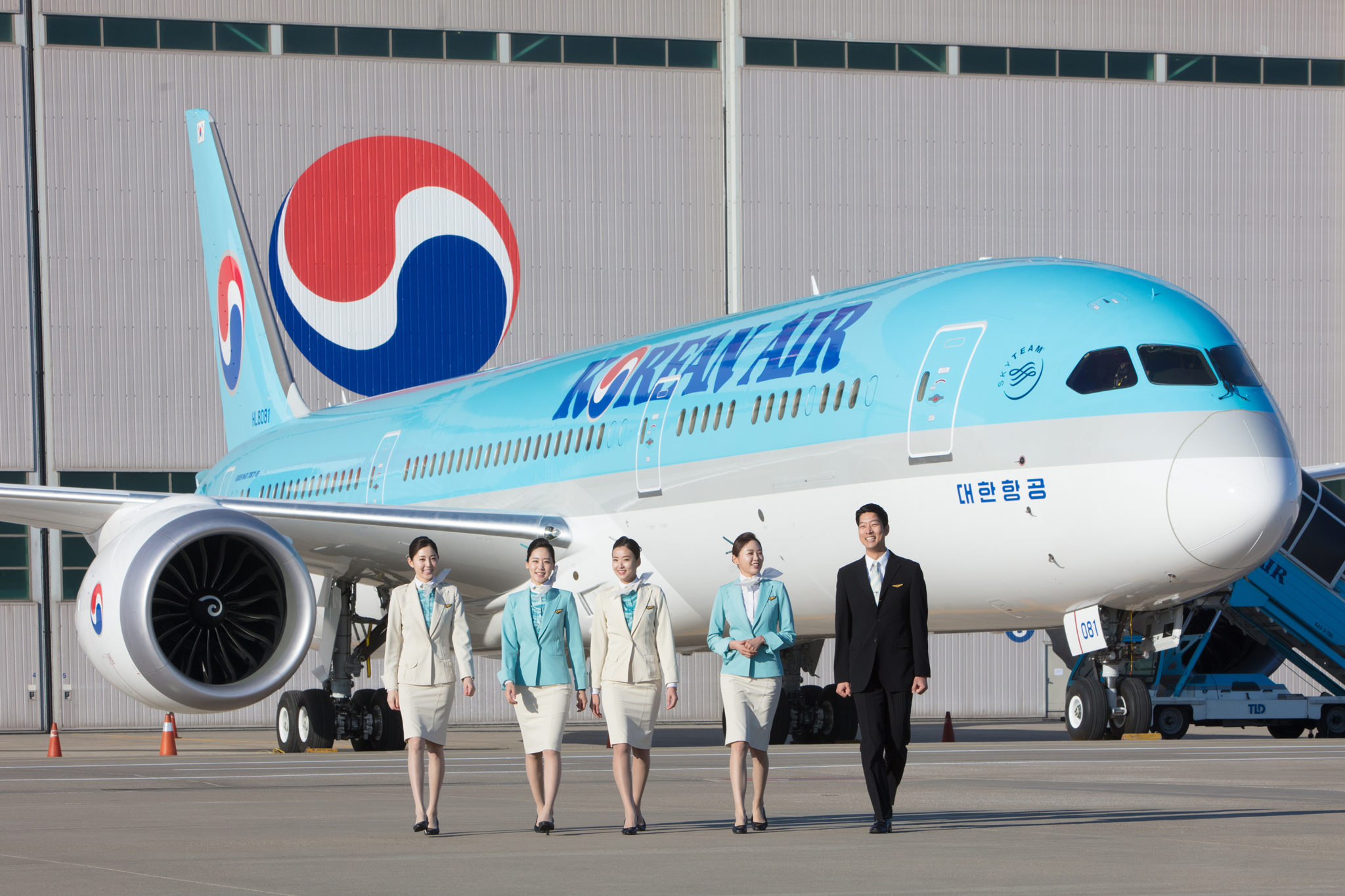
    Korean Air celebrates its golden jubilee of the Seoul-Zurich route, highlighting half a century of unifying Korea and Switzerland through travel and cultural exchange.

    In honor of this significant achievement, a gala reception was held at Zurich’s Widder Hotel on May 27. About 70 esteemed attendees, including Woosik Shin, the Chargé d’Affaires of the Republic of Korea to Switzerland, Stefan Gross, the Chief Commercial Officer of Zurich Airport, and prominent members from the Swiss-Korean community, graced the occasion. Representing Korean Air were Jungho Choi, the Executive Vice President and Head of Sales, Sukwoo Lee, the Managing Vice President of Passenger Sales, and Euisuk Byun, the Regional Manager for Switzerland.

    Seoul-Zurich Route: A Long-standing Bridge Between Two Nations

    Korean Air pioneered the first direct flight between Korea and Switzerland on July 14, 1976, with the launch of the Seoul-Zurich route. Over half a century, the route has played a crucial role in fostering bilateral ties, and catalyzing business, tourism, and cultural exchanges between the two nations.

    The airline constantly broadens its reach via Zurich, one of its fundamental European entry points. A recent collaboration with Swiss Federal Railways (SBB) has led to the launch of a Rail & Fly service, facilitating seamless post-flight journey to major Swiss cities from Zurich Airport for passengers.

    To elevate the passenger experience, Korean Air plans to deploy its Boeing 787-10 Dreamliner on the Zurich route from June 2, 2026. This aircraft, furnished with the latest Prestige Suites 2.0, promises superior privacy and an exquisite cabin interior inspired by Korean traditional design. The revamped Economy Class cabin also offers improved comfort, with a seat pitch of 32 inches and a recline angle of 120 degrees.

    Looking Ahead: Korean Air’s Commitment to the Future

    With a legacy of five decades of secure operations and customer trust, Korean Air remains dedicated to boosting the Zurich route as an integral fragment of its European network. The airline is unwavering in its commitment to service innovation and network connectivity, with a view to maintaining the route as a pivotal bridge between Korea and Switzerland for many more decades.

    Jungho Choi, Executive Vice President and Head of Sales, emphasized the airline’s steadfast dedication to linking Korea with Europe’s core. He stated, “As we look towards the next 50 years of operations, our focus remains firmly on upholding the highest standards of safety, comfort, and premium service for our customers.”

    Questions & Answers

    What does the Seoul-Zurich route signify for Korean Air?
    The Seoul-Zurich route symbolizes Korean Air’s enduring commitment to establishing a connection between Korea and the heart of Europe.

    What new developments are in store for the Seoul-Zurich route?
    Korean Air plans to introduce its Boeing 787-10 Dreamliner, offering superior privacy and comfort, on the Zurich route from June 2, 2026. The airline also recently launched a Rail & Fly service in collaboration with Swiss Federal Railways.

    How has the Seoul-Zurich route impacted bilateral relations between Korea and Switzerland?
    The Seoul-Zurich route has significantly strengthened bilateral relations and promoted business, tourism, and cultural exchanges between the two nations over the past 50 years.

  • Thai Retail Powerhouse Siam Piwat and Huawei Transform Travel Retail with Wearable Tech Integration

    Thai Retail Powerhouse Siam Piwat and Huawei Transform Travel Retail with Wearable Tech Integration

    Siam Piwat, a leading Thai real estate developer, has made a groundbreaking move in the retail sphere by becoming the first in Thailand to launch the OneSiam Global Visitor Card on Huawei Wearable devices. This strategic integration will provide access to over 200 million Huawei Wearable users across the globe.

    The primary aim of this collaboration is to attract high-value tourists from key regions such as China, Hong Kong, Japan, Malaysia, Indonesia, Vietnam, and other Southeast Asian countries. Siam Piwat, the mastermind behind renowned properties like Siam Paragon and IconSiam, anticipates that this alliance with Huawei will spur a transformation in the travel retail industry, increase the competitiveness of Thai tourism, and solidify Siam Piwat’s role as a cornerstone in designing global experiential destinations.

    A Continuous and Strategic Partnership

    This initiative is not the first collaboration between Siam Piwat and Huawei. They initially joined forces in 2020 when Siam Piwat incorporated Huawei Cloud to improve operational efficiency across retail omnichannels and enhance the OneSiam SuperApp, creating a platform that smoothly combines offline and online experiences.

    Amporn Chotiruchsakul, the president of the business support group at Siam Piwat, believes that this partnership has been instrumental in revolutionizing the retail industry and bringing value to customers, partners, and the entire ecosystem. He reiterated the importance of expanding their global partner ecosystem to accommodate the needs of modern travellers.

    Rachel Zhou, director of Huawei Consumer Cloud Service Apac, echoed these sentiments, emphasising that the strengthened partnership signifies a productive blend of world-class retail destinations and innovative technology which will create unrivalled value for Chinese travellers and international tourists visiting Thailand.

    Enhancing the Tourist Experience

    The integration of the OneSiam Global Visitor Card with Huawei Wearables offers international visitors to Siam Paragon and IconSiam the luxury of instant access to exclusive member benefits by simply raising their wrist.

    In addition, the launch of the OneSiam Global Visitor Card on Huawei Wearables will enrich the tourist experience by offering Quick Apps that are instantly usable and compatible with all operating systems, including iOS, Android, and HarmonyOS. These apps feature one-tap membership registration, e-coupons, and an in-mall navigation system—components designed to ensure a superior and personalized user experience.

    Moreover, the initiative aligns with the opening of the Huawei Experience Store flagship on the third floor of Siam Paragon in March. This flagship is the first in the Asia-Pacific region designed as a one-stop service centre for Huawei customers, amalgamating retail space, product trials, and full after-sales services in one location.

    Questions & Answers

    What is the main objective of the Siam Piwat and Huawei partnership?
    The partnership aims to attract high-value tourists from key regions, transform the travel retail industry, and reinforce Siam Piwat’s role in developing global experiential destinations.

    What benefits does the OneSiam Global Visitor Card offer to Huawei Wearable users?
    The card offers instant access to exclusive member benefits, features like one-tap membership registration, e-coupons, and an in-mall navigation system for a personalized user experience.

    What does the Huawei Experience Store flagship offer?
    The flagship, located at Siam Paragon, is designed as a one-stop service centre for Huawei customers, offering retail space, product trials, and full after-sales services.

  • Singapore Airlines and Scoot Extend Flight Cancellations in Middle East Amid Escalating Tensions

    Singapore Airlines and Scoot Extend Flight Cancellations in Middle East Amid Escalating Tensions

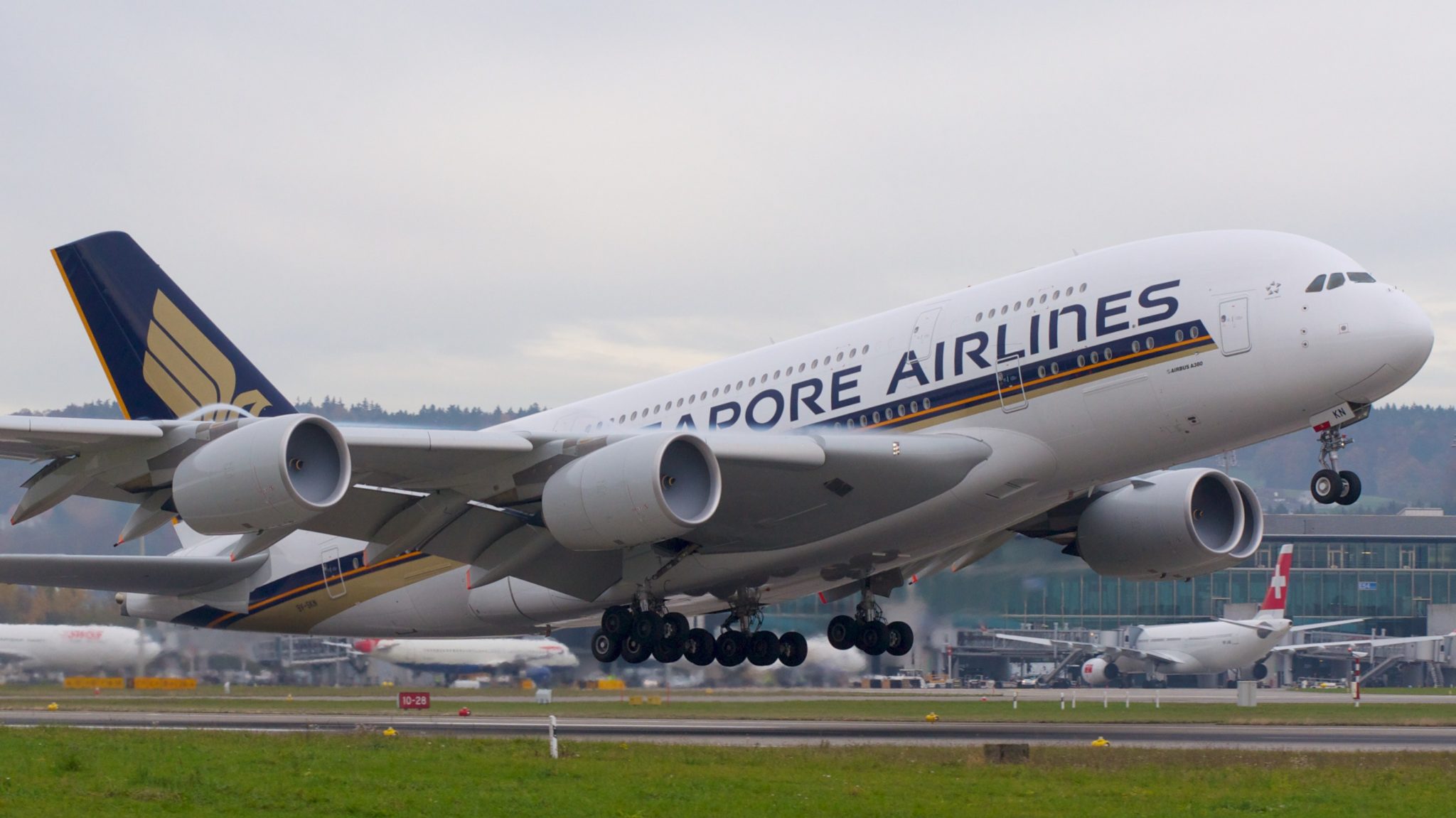
    Singapore Airlines and its budget subsidiary, Scoot, have announced further cancellations of various Middle East flights due to the ongoing tensions associated with the Iran conflict. These service suspensions are expected to last until March 15.

    Singapore Airlines Flight Cancellations

    Singapore Airlines stated on Thursday that Flights SQ494 (Singapore–Dubai) and SQ495 (Dubai–Singapore) will remain suspended until March 15 due to the volatile geopolitical situation in the Middle East. The airline further cautioned that additional flights could also be affected as the situation remains uncertain.

    Scoot Flight Cancellations

    Scoot also revealed that flights TR596 (Singapore–Jeddah) and TR597 (Jeddah–Singapore), which were scheduled for March 9 and March 10, will also be cancelled. These flights to Jeddah, which Scoot operates four times a week, have been suspended since February 28.

    Passengers Impacted by Flight Cancellations

    Passengers who have been affected by the cancellations will be accommodated on alternative flights or if they choose, they can receive a full refund for the unused portion of their tickets. The airlines also encourage their customers to keep their contact details updated via the manage booking function on their website or to subscribe to a mobile notification service to receive updates about their flight status.

    Resumption of Outbound Flights and Repatriation Efforts

    This week saw the resumption of a limited number of outbound flights from the United Arab Emirates, which were operated by long-haul carriers Etihad Airways and Emirates, based in Abu Dhabi and Dubai, respectively.

    Notably, the first plane carrying Singapore residents who were stranded in the Middle East arrived on Thursday morning.

    Singapore’s Minister of State for Foreign Affairs, Gan Siow Huang, announced that Singapore will conduct repatriation flights from Muscat, Oman on the upcoming weekend. She also noted that approximately one-fourth of Singaporeans who have e-registered with the Ministry of Foreign Affairs have requested assistance to return home since the conflict began.

    Faishal Ibrahim, Acting Minister-in-Charge of Muslim Affairs, reported that he has reached out to over 40 Singaporean students studying in various countries including Jordan, Egypt, Saudi Arabia, and Kuwait, to ensure their safety and well-being. According to him, the students are safe and there have been minimal disruptions to their studies.

    Questions & Answers

    What are the airlines doing for passengers affected by the cancellations?
    The airlines are placing the affected passengers on alternative flights. Passengers also have the option to receive a full refund for the unused portion of their tickets.

    How are the airlines keeping their customers updated about their flight status?
    The airlines are encouraging their customers to update their contact details via the manage booking function on their website or to subscribe to a mobile notification service to receive flight status updates.

    What measures are being taken to assist Singapore residents stranded in the Middle East?
    The Singapore government is running repatriation flights from Muscat, Oman. The Minister of State for Foreign Affairs noted that around one-fourth of Singaporeans who have e-registered with the Ministry of Foreign Affairs have requested assistance to return home.

  • Thailand’s Lunar New Year Spending to Skyrocket by 5% in 2026: Forecast Reveals Most Vibrant Celebrations in Six Years

    Thailand’s Lunar New Year Spending to Skyrocket by 5% in 2026: Forecast Reveals Most Vibrant Celebrations in Six Years

    The year 2026 is forecasted to observe a surge in market circulation during the Lunar New Year holiday in Thailand, with an estimated value of THB54.2 billion (US$1.75 billion). This anticipated figure would be the highest in six years, indicating an increase of 5% year on year.

    Consumer Spending Predictions

    According to a consumer spending survey conducted by the Centre for Economic and Business Forecasting at the University of the Thai Chamber of Commerce (UTCC), 25% of the respondents anticipate a more animated celebration this year, while others expect festivities similar to the previous year. Interestingly, 43% of the respondents have plans to pay tribute to Chinese gods and offer items of sacrifice to their ancestors.

    Among the participants, a third mentioned plans to increase their spending during the festival, mainly attributing this to escalated prices. However, 35% of the respondents anticipate the prices of products to remain unchanged.

    Perceptions of Market Prices

    Approximately 70% of the respondents believe that the prices of sacrificial offerings, such as meat and fruits, would be higher than last year. A prudent approach was noticed among one-third of the respondents who intended to buy only necessary items, whereas one-fifth planned to reduce their spending compared to the previous year.

    Travel Trends

    A noteworthy portion of the respondents, over 90%, expressed intentions to travel domestically. This indicates that a rise in local travel is expected during the Lunar New Year holiday.

    Economic Outlook

    Thanavath Phonvichai, President of the UTCC, stated that a large number of consumers are optimistic about an economic recovery after the election. This optimism stems from consumers being able to foresee who will spearhead the government’s economic team.

    Interestingly, it was found that more than half of the respondents view the current economy as worse or significantly worse than during the same period of the previous year. They anticipate economic recovery to start in the third or fourth quarter of this year.

    The respondents suggested that the new government should concentrate on enhancing infrastructure, fostering new industries for economic growth, fortifying the grassroots economy, upgrading regional infrastructure to boost tourism, attracting foreign investment, and supporting exporters. These suggestions mirror the concerns of the Thai people towards economic conditions and the necessity for a clear long-term strategy for sustainable economic growth.

    Future Government Initiatives

    The incoming government is expected to take office by May, with significant stimulus schemes projected to be initiated by the third quarter. Phonvichai urged the government to promptly eliminate corruption and crackdown on scams, as these issues significantly affect confidence in the tourism sector.

    Questions & Answers

    What is the estimated value of market circulation during the 2026 Lunar New Year holiday in Thailand?
    An estimated value of market circulation during the Lunar New Year holiday in Thailand in 2026 is THB54.2 billion (US$1.75 billion).

    What is the general outlook of the Thai people towards the economy?
    More than half of the respondents view the current economy as worse or significantly worse than during the same period of the previous year. They anticipate economic recovery to start in the third or fourth quarter of this year.

    What are the key suggestions provided by respondents for the new government?
    Respondents suggested that the new government should focus on improving infrastructure, developing new industries for economic growth, fortifying the grassroots economy, upgrading regional infrastructure to support tourism, attracting foreign investment, and supporting exporters.

  • Revolutionizing Trade and Travel: Vietnam’s Inaugural Direct Flight to Amsterdam Set to Soar in June

    Revolutionizing Trade and Travel: Vietnam’s Inaugural Direct Flight to Amsterdam Set to Soar in June

    Vietnam Airlines has announced its intention to initiate the nation’s inaugural direct flight to the Netherlands. The flight will connect Hanoi and Amsterdam and is expected to begin operations in June. Utilizing the wide-bodied Airbus A350, the airline is set to run the service three times weekly, as stated in a recent public release.

    Vietnam Airlines has successfully managed to obtain operating slots at Amsterdam Airport Schiphol, the principal international airport in the Netherlands. Despite ongoing restrictions on capacity, the airline has secured a foothold into this major European gateway.

    The Netherlands holds the position of Vietnam’s top trading partner within Europe. The annual value of exports from Vietnam to this European country surpassed the $11 billion mark in 2025.

    The presence of Dutch enterprises in Vietnam, whose investments are valued at around $16 billion, solidifies the economic ties between the two nations. Additionally, the Netherlands hosts approximately 27,000 Vietnamese individuals who reside and work there, generating a consistent demand for travel between the two countries.

    The yearly passenger traffic between Vietnam and the Netherlands is estimated to be about 122,000. The introduction of this direct flight service will not only cater to this passenger demand but also provide enhanced alternatives for cargo transportation. This is particularly significant for the delivery of high-value exports to Europe.

    Upon launching this new route, Vietnam Airlines will be operating a total of 12 direct routes to Europe, facilitating connections with eight different cities.

    Questions & Answers

    When is Vietnam Airlines planning to launch its direct flight to the Netherlands?
    The direct flight between Hanoi and Amsterdam is set to start operations in June.

    What is the frequency of the planned flight service?
    Vietnam Airlines plans to operate this service three times a week.

    What is the significance of the new direct flight service to the Netherlands?
    The service will not only cater to the consistent travel demand from the approximately 27,000 Vietnamese individuals residing in the Netherlands, but it will also provide improved options for cargo transport, aiding high-value exports to Europe.

  • Vietjet Announces One-day-only 30% Discount On Deluxe Fares For 2026 Travel

    Vietjet Announces One-day-only 30% Discount On Deluxe Fares For 2026 Travel

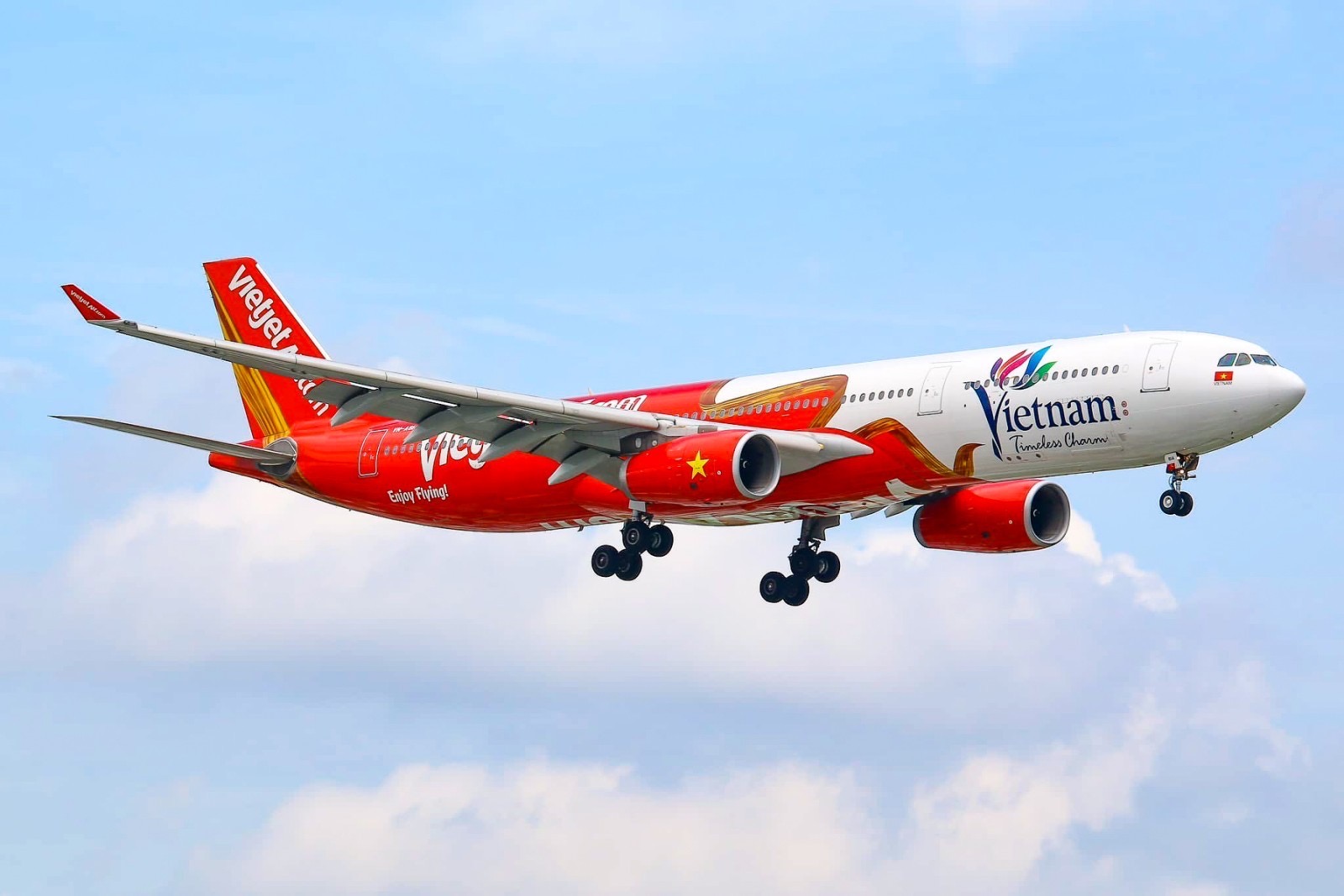
    Vietjet is welcoming the New Year with a one-day-only 30% discount on Deluxe fares across all domestic and international routes on 15 January 2026, giving travellers in Singapore the perfect opportunity to plan their 2026 Vietnam adventures—whether it’s a beach escape to Phu Quoc or Da Nang, or a city break in Hanoi, Ho Chi Minh City, and more at affordable prices.

    From 01:00 on 15 January to 00:00 on 16 January (GMT+8), travellers booking Deluxe tickets via www.vietjetair.com or the “Vietjet Air” mobile app can enjoy 30% off base fares (excluding taxes and fees) by entering the promo code DELUXE2026. The offer applies to flights operated from 1 February to 31 December 2026 (Travel periods may vary by route and blackout dates apply), giving travellers plenty of time to plan ahead for holidays, long weekends, and year-end trips.

    Designed for added comfort and flexibility, Vietjet’s Deluxe fare includes 20kg of checked baggage, free seat selection, free itinerary changes, and other value-added benefits (terms and conditions apply).

    Vietnam continues to be a favourite year-round destination for global travellers, offering a vibrant mix of culture, cuisine and landscapes. From Hanoi’s vibrant streets and ancient cultural heritage to Ho Chi Minh City’s electric energy, to the misty mountain splendours of Ha Giang, Sa Pa, and the pristine beaches of Da Nang, Phu Quoc, and Nha Trang, the country weaves an irresistible tapestry of world-class cuisine, rich traditions, stunning nature, and genuine hospitality.

    Onboard, passengers can enjoy fresh, hot Vietnamese favourites such as Pho, Banh Mi, and Vietnamese iced milk coffee, alongside a selection of international options, served by Vietjet’s professional and attentive cabin crew on a new, modern fleet.

  • CTG Duty Free Acquires DFS Retail Business, Expanding Luxury Travel Retail Footprint in Greater China

    CTG Duty Free Acquires DFS Retail Business, Expanding Luxury Travel Retail Footprint in Greater China

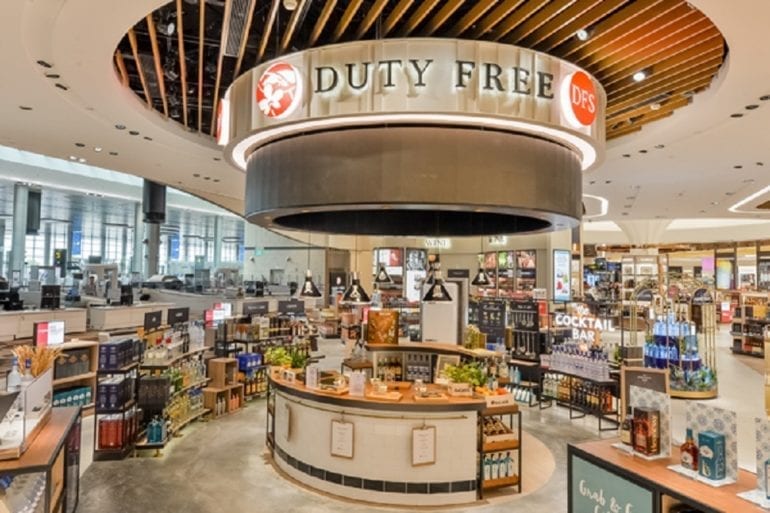
    DFS, the global luxury travel retailer owned by LVMH and co-founder Robert Miller, has announced that it will sell its retail business across Greater China to the China Tourism Group (CTG) Duty Free. The deal includes the acquisition of DFS’ businesses in Hong Kong, Macau, and Greater China.

    Acquisition of DFS Brands

    In addition to the business transactions, CTG Duty Free will also acquire a series of DFS brands and intellectual property rights for exclusive use within Greater China. The proceeds from this transaction will be paid in cash. Following this deal, DFS will continue its luxury travel retail operations worldwide.

    The Impact of the Deal on CTG Duty Free

    Luke Chang, executive director and president of CTG Duty Free, has expressed his belief that this move will extend CTG Duty Free’s service network across the Greater Bay Area. The aim is to construct a platform for promoting Chinese brands globally and establish an international business mid-platform. Chang added that CTG Duty Free is committed to providing superior travel retail experiences for both domestic and international tourists, and supporting the high-quality development of the retail economy in Hong Kong and Macau.

    DFS’ Statements on the Sale

    DFS views the sale as a significant move for the company. Chairman and CEO Ed Brennan stated that DFS is immensely proud of their established presence and operational excellence in Hong Kong and Macau. He expressed confidence that the DFS shopping experience will be enhanced by the new skills and perspectives that CTG Duty Free will bring to the table. Michael Schriver, president of LVMH for North Asia, said the move demonstrates LVMH’s faith in the long-term potential of the Chinese market.

    The deal is predicted to be finalized in approximately two months.

    Questions & Answers

    What businesses are included in the DFS and CTG Duty Free deal?
    DFS’ businesses in Hong Kong, Macau, and Greater China are included in the deal.

    What will happen to the DFS brands under the deal?
    CTG Duty Free will acquire a series of DFS brands and intellectual property rights for exclusive use in Greater China.

    What does this transaction mean for DFS?
    DFS views the sale as a crucial step for the company, expressing confidence that CTG Duty Free will bring new skills and perspectives that will enhance the DFS shopping experience.

  • Alibaba’s Qwen AI App Unleashes Food Ordering and Travel Booking Features: A Quantum Leap in Consumer-Facing AI Services

    Alibaba’s Qwen AI App Unleashes Food Ordering and Travel Booking Features: A Quantum Leap in Consumer-Facing AI Services

    Alibaba Group recently unveiled significant enhancements to its Qwen artificial intelligence (AI) app. The updated capabilities allow users to carry out tasks such as ordering food delivery and making travel reservations directly through the AI chat interface, eliminating the need to alternate between different applications.

    Strategic Shift to Consumer-Facing AI

    These new features, currently undergoing public testing in China, represent a strategic shift by Alibaba towards consumer-facing AI. The company has traditionally focused on providing enterprise AI services through its cloud business, but is now emerging as a strong contender in the consumer AI space against domestic competitors like ByteDance and Tencent.

    Wu Jia, Vice President of Alibaba Group, commented on the recent developments. “The innovations we are introducing today reflect our transition from AI models that comprehend to systems that perform actions, closely tied to real-world services.”

    Rise in AI Agents Popularity

    AI agents are seeing a surge in global popularity as more businesses recognize their potential in facilitating real-world tasks. This trend is evident in recent industry movements, such as Meta Platforms acquiring start-up Manus to enhance its AI systems capable of handling multi-step tasks, and OpenAI launching its ‘Operator’ agent that can make restaurant reservations and fill out forms for users.

    Integration of Core Alibaba Ecosystem Services

    The Qwen app’s upgrade integrates key services from the Alibaba ecosystem into a unified AI interface. These services include the e-commerce platform Taobao, instant commerce, the payment system Alipay, travel service Fliggy, and the mapping platform Amap.

    For example, the integration of Alipay with the Qwen app allows users to authorize and complete transactions without exiting the chat. According to Alibaba, the AI payment feature currently supports instant commerce orders and will extend to more services in the future.

    Task Assistant Feature

    In addition to the integrations, Alibaba introduced a ‘Task Assistant’ feature in an invite-only beta version. This assistant can make actual phone calls to restaurants, process up to 100 documents simultaneously, and plan multi-stop travel itineraries.

    Since its public beta release on November 17, the Qwen app has attracted over 100 million monthly active users in just two months. The app’s growth, powered by Alibaba’s Qwen3 foundation model, is indicative of the intensifying competition in China’s AI sector as companies race to convert advanced language models into practical consumer applications.

    Questions & Answers

    What new features does the upgraded Qwen AI app offer?
    The enhanced Qwen AI app allows users to perform tasks such as ordering food and making travel bookings directly within the AI chat interface.

    What does the upgrade mean for Alibaba’s strategic direction?
    The upgrade signifies Alibaba’s strategic shift towards consumer-facing AI, marking its transition from AI models that comprehend to systems that perform actions.

    What services does the ‘Task Assistant’ feature provide?
    The ‘Task Assistant’ feature can make real phone calls to restaurants, process up to 100 documents at once, and plan multi-stop travel itineraries.

  • AirAsia strengthens Asean connectivity with new Phuket-Penang Route

    AirAsia strengthens Asean connectivity with new Phuket-Penang Route

    AirAsia Malaysia (flight code AK) today announced the strengthening of its Asean network with the launch of a new route connecting Phuket to Penang.

    Penang stands out as one of Malaysia’s leading medical-tourism hubs and a key tourism gateway in Southeast Asia, offering world-class hospitals alongside a rich heritage and vibrant food culture. Phuket, meanwhile, is globally recognised for its beaches, wellness centres and dynamic lifestyle appeal. A direct Penang–Phuket service connects these complementary strengths to create a compelling leisure and medical travel corridor, giving guests greater convenience, flexibility and choice while supporting year-round demand and two-way economic activity.

    Penang’s medical-tourism sector continues to show strong momentum, recording over 200,000 foreign patients and nearly RM500 million in revenue as of August 2025, with international arrivals growing steadily since 2023 led by Indonesia, China and Thailand. This growth also mirrors broader regional travel patterns, including Malaysia’s position as Thailand’s top source of foreign tourist arrivals with more than four million Malaysians visiting the kingdom as of November this year – further reinforcing the potential and relevance of enhanced connectivity between the two destinations.

    With four weekly flights between Malaysia and Thailand, the airline continues to expand its second route to Thailand from Penang hub, further enhancing seamless travel and providing more options through its network, which connects to over 130 destinations across Asean and beyond.

    Dato’ Captain Fareh Mazputra, CEO of AirAsia Malaysia, said: “As we approach Visit Malaysia 2026, we remain committed to supporting the nation’s tourism ambitions by strengthening inbound connectivity to key local destinations. Thailand consistently ranks among Penang’s top five sources of foreign tourists and in 2025 alone we have flown nearly 200,000 guests between Penang and Bangkok. With the launch of the new Penang–Phuket route, both inbound and outbound tourist traffic will increase and AirAsia is further enhancing its role in driving tourism growth from this important market.”

    As one of AirAsia’s five major hubs in Malaysia, Penang offers direct connections to 12 domestic and international cities including Singapore, Jakarta, Ho Chi Minh City, Medan and Shenzhen. With the new Penang–Phuket route, we are offering Thai travellers from Phuket and travellers across Asean more convenient, affordable, and seamless travel options. This expansion strengthens Penang’s role as a key regional hub and supports the state’s efforts to boost tourism and economic activity, while highlighting its famous beaches, hawker cuisine, cultural heritage, medical facilities and vibrant nightlife.

    As part of the launch celebrations, AirAsia is offering special promotional fares from Penang to Phuket starting from just THB 1,690 all in one-way*. Flights from Phuket to Penang are also available from THB 1,690 all in one-way*. The promotion is available for booking starting today until 21 December 2025, for travel between 13 March and 24 October 2026, exclusively on the AirAsia MOVE app and the website.

  • Against The Clock: Inside Vietjet’s 32-Hour Race to Secure its A320 Fleet

    Against The Clock: Inside Vietjet’s 32-Hour Race to Secure its A320 Fleet

    A late-night Airbus alert triggered an emergency EASA directive, giving airlines just 32 hours to update critical flight-control software or face aircraft grounding.

    When Airbus issued an urgent technical alert at 11:00 p.m. on 28 November, Vietjet was thrust into one of the most time-critical operational challenges affecting its Airbus A320-series fleet.

    The alert was followed by a mandatory Emergency Airworthiness Directive (EAD) from the European Union Aviation Safety Agency (EASA), requiring ELAC (Elevator and Aileron Computer) flight-control software on all Airbus A319, A320, and A321 aircraft worldwide to be updated or replaced by 6:59 a.m. on 30 November.

    The directive addressed a specific technical risk. Under certain conditions, the software could be affected by solar radiation interference, potentially triggering uncommanded nose-down inputs. Nearly 6,000 aircraft globally were impacted. In Vietnam alone, 81 aircraft required urgent action, 69 of which were operated by Vietjet.

    The resulting 32-hour window marked an unprecedented operational challenge for Vietnam’s aviation sector, according to a report by Tuoi Tre News.

    Immediate activation of emergency operations

    Within hours of receiving Airbus’ alert, Vietjet activated its Emergency Response Committee, mobilising engineering, flight operations, scheduling, and technology teams across its network.

    Using its AMOS (Aircraft Maintenance and Engineering Operating System) maintenance management system, which integrates fleet data and predictive analysis, Vietjet conducted a real-time assessment of aircraft configurations, locations, and operational constraints. At the same time, contingency plans were developed to maintain network stability, including aircraft redeployment and schedule optimisation to minimise passenger disruption.

    Logistics added further complexity. Airbus estimated that each software update would typically take two to three hours per aircraft, while specialised equipment was limited and aircraft were operating across multiple domestic and international stations.

    A breakthrough on the hangar floor

    The operation reached a turning point in Da Nang, where Vietjet engineer Nguyen Van Trung, drawing on more than 15 years of operational experience, completed a full ELAC software update in just 45 minutes without bypassing any mandatory safety steps.

    Aircraft software updates are multi-layered procedures. Each aircraft has a unique configuration that must be verified, standardised, tested, and cross-checked. One engineer performs the update, while another independently monitors parameters and documentation.

    “Nothing can be skipped,” Trung was quoted as saying. “But experience allows you to know exactly where time can be optimised, and where it absolutely cannot.”

    The first aircraft to complete the update, VN-A644, became the reference point for the revised procedure. The optimised workflow was subsequently standardised and shared with engineering teams at Noi Bai, Tan Son Nhat, and international stations, accelerating progress across the fleet.

    Technology, teamwork, and contingency planning

    Alongside software updates, Vietjet prepared hardware contingency solutions, including pre-positioning ELAC units from grounded aircraft for immediate replacement if required.

    The airline also received support from Vietjet Thailand and other carriers, including Vietnam Airlines and Bamboo Airways, which provided additional equipment to help scale the operation.

    Digitalised technical documentation on iPads, standardised software libraries, and real-time fleet visibility enabled teams to compress administrative timelines while maintaining full compliance with Airbus and EASA safety requirements.

    Aircraft were scheduled for updates between flights at the airline’s main technical bases, allowing the airline to meet the regulatory deadline while maintaining operational continuity.

    Completed ahead of deadline

    By 3:00 a.m. on 30 November, all 69 affected Vietjet aircraft had completed the required software updates, nearly four hours ahead of the EASA deadline. No aircraft was grounded as a result of the issue, and flight operations continued throughout the operation.

    For Vietjet’s leadership, engineering, and operations team, the final hours of November were focused on execution under regulatory time pressure.

    As Vietjet’s Standing Vice President To Viet Thang noted, the 32-hour effort stands as a defining moment — one that transformed a standard three-hour procedure into a 45-minute benchmark under extreme pressure, while upholding uncompromising safety standards.

    A test of operational resilience

    According to Uong Viet Dung, Director General of the Civil Aviation Authority of Vietnam (CAAV), Vietnamese airlines responded proactively following Airbus’ alert.

    Despite the unusually large number of affected aircraft, Vietjet had prepared adequately in terms of technical capability, personnel, equipment, and digital systems, enabling the airline to meet the emergency airworthiness requirements within the mandated timeframe.

    The operation highlighted the airline’s ability to rapidly assess resources, deploy optimised technical solutions, and balance flight operations with mandatory maintenance requirements, in line with international safety standards and regulatory standards.

    Rather than a singular technical fix, the 32-hour response reflected coordinated planning, technical discipline, and cross-border collaboration. In an industry governed by strict safety margins and fixed deadlines, the episode underscored Vietjet’s operational readiness when responding to time-critical regulatory demands.

  • Vietjet Launches 3-Day Flash Sale With Up to 100% Off Fares for Your Next 2026 Travel to Vietnam

    Vietjet Launches 3-Day Flash Sale With Up to 100% Off Fares for Your Next 2026 Travel to Vietnam

    Vietjet has announced a 3-day flash sale offering Singaporean travellers the chance to book flights with discounts of up to 100% on base fares, as demand for Vietnam and regional travel continues to grow heading into 2026.

    From 01:00 on 17 December to 00:00 on 20 December 2025 (GMT+8), passengers booking Eco fares on www.vietjetair.com or the Vietjet Air mobile app can apply promo code BIGTHANKS to enjoy discounts of up to 100% on base fares (excluding taxes and fees). This promotion applies across all Vietjet’s routes, including routes connecting Singapore with key destinations in Vietnam, for travel between 5 January and 31 December 2026 (*), with fares from Singapore to Hanoi, Ho Chi Minh City, Da Nang, and Phu Quoc available from SGD 86/one-way (inclusive of taxes and fees), subject to availability.

    Additionally, Eco passengers travelling on international routes will receive 20kg of complimentary checked baggage (**) and a free SkyFi eSIM with 500MB of high-speed data for use in Vietnam, valid for 31 days from arrival (**). These additional benefits apply to bookings made up to 31 December 2025, subject to terms and conditions.

    Vietnam remains one of the most popular short-haul destinations for Singapore travellers, driven by its proximity, diverse leisure offerings, and growing appeal for blended leisure and business trips. Vietjet’s year-end promotion is positioned to support early planners looking to secure value for travel throughout 2026.

    Vietjet operates a modern fleet and offers a full onboard experience, including hot meals and Vietnamese favourites such as Pho, Banh mi, and iced milk coffee. Passengers can also earn and redeem rewards through the SkyJoy loyalty program, which provides access to offers from more than 250 brands across travel, dining, shopping, and lifestyle categories.

    With limited seats available during the promotion period, travellers are encouraged to book early to secure preferred travel dates and routes.

  • Vietjet Enters Peak Travel Season with Record-Breaking Fleet Expansion of 22 Aircraft in One Month

    Vietjet Enters Peak Travel Season with Record-Breaking Fleet Expansion of 22 Aircraft in One Month

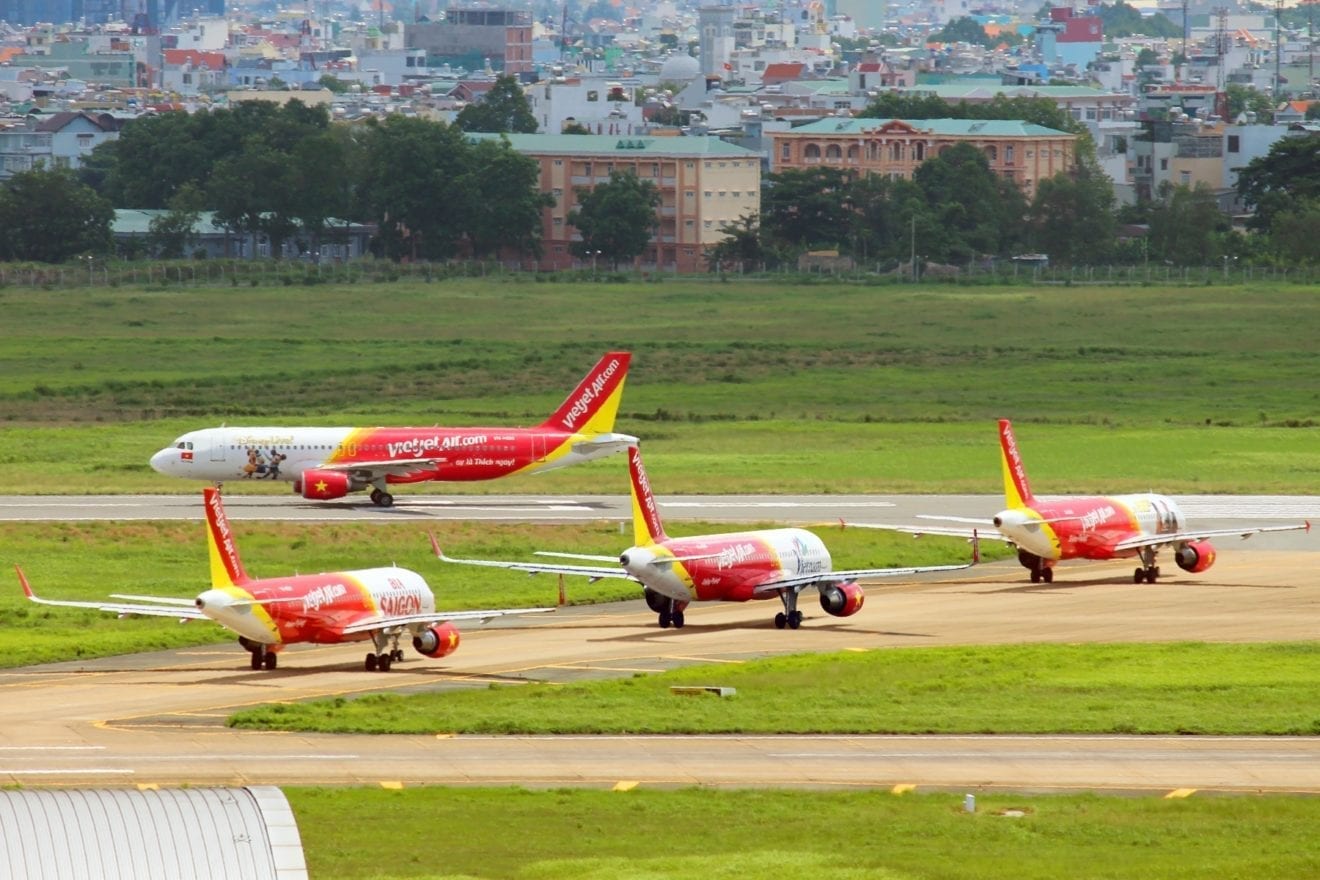
    Vietjet is stepping into the regional travel season with its strongest operational readiness to date, marked by the arrival of a new A321neo ACF, registered VN-A580, and the airline’s unprecedented milestone of taking delivery of 22 aircraft within a single month.

    As Asia gears up for one of its busiest travel periods, including the upcoming Lunar New Year 2026, Vietjet’s record-breaking fleet reinforcement signals a decisive move to ensure capacity, reliability, and network growth for travellers across the region, including four direct routes linking Singapore with Hanoi, Ho Chi Minh City, Da Nang and Phu Quoc.

    The one-month build-up – equivalent to the full fleet of a standalone carrier – represents the largest delivery milestone in the airline’s history and underscores its commitment to meeting heightened travel demand with improved aircraft availability and operational efficiency.

    The newly delivered and upcoming aircraft include:

    • 9 Boeing 737s for Vietjet Thailand;
    • 7 new-generation Airbus aircraft for Vietjet Group in Vietnam;
    • 4 wet-lease aircraft to support peak-season operations;
    • 2 COMAC aircraft currently operating on the Con Dao routes.

    At a time when many global carriers face aircraft shortages and prolonged delivery delays, Vietjet’s ability to secure and activate one of the fastest fleet build-ups in the industry reflects solid financial footing, and the confidence of international partners. With these new aircraft entering service, the airline is set to enhance schedule stability, expand frequencies on popular routes, and reinforce its international network ahead of the travel surge.