Retail News CRM

Tag: travel

  • AirAsia X Eyes Expansion: Unveils Plans for New Long-Haul Routes to Europe

    AirAsia X Eyes Expansion: Unveils Plans for New Long-Haul Routes to Europe

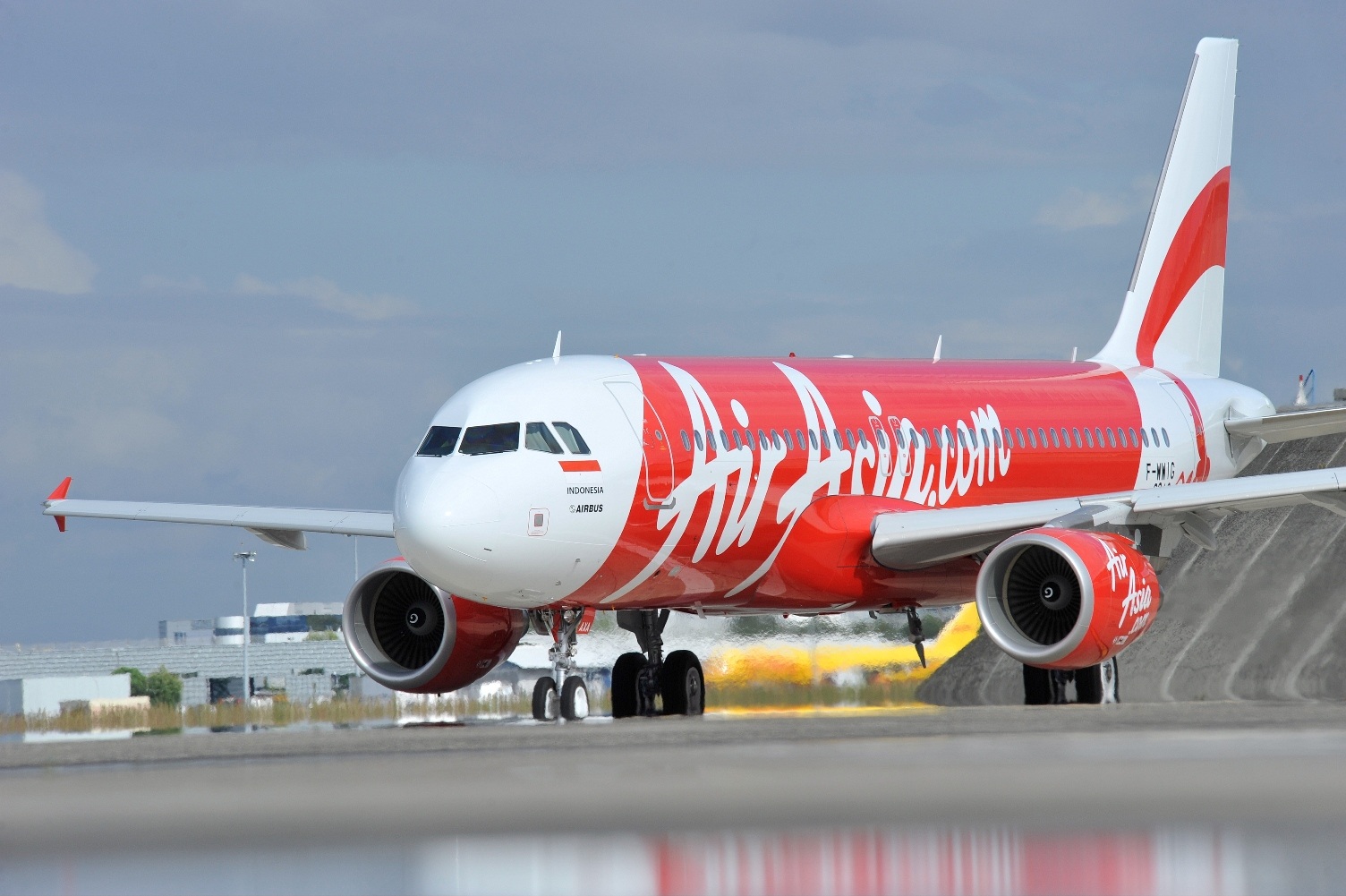
    AirAsia X, a budget airline based in Malaysia, recently commenced operations on its Istanbul route and has intentions to further extend its long-haul services to Europe in the coming year, according to CEO Benyamin Ismail. This move signifies the airline’s return to the European market, following a period of corporate restructuring in response to operational challenges caused by the Covid-19 pandemic.

    Currently, AirAsia X provides four flights weekly, connecting Istanbul and Kuala Lumpur. This service offers over 150,000 seats per year; however, the company has plans to increase this capacity by offering daily flights between the two cities.

    Expanding its airline’s reach beyond Asia, AirAsia X aims to bridge Asian and European cities through its Istanbul hub. The company also has plans to introduce additional long-haul routes to Europe.

    CEO, Benyamin Ismail, indicated that the company aims to add “at least one or two cities in one year”. However, he did not disclose the exact European destinations that the company is exploring.

    Questions & Answers

    What are AirAsia X’s plans for expansion in Europe?
    AirAsia X intends to extend its long-haul services to Europe in the coming year, providing a bridge between Asian and European cities through its Istanbul hub.

    How often does AirAsia X currently operate flights between Istanbul and Kuala Lumpur?
    Presently, AirAsia X operates four flights weekly between Istanbul and Kuala Lumpur.

    What is the company’s strategy to increase its flight capacity?
    AirAsia X plans to increase flight capacity by offering daily flights between Istanbul and Kuala Lumpur, as opposed to the current four flights per week.

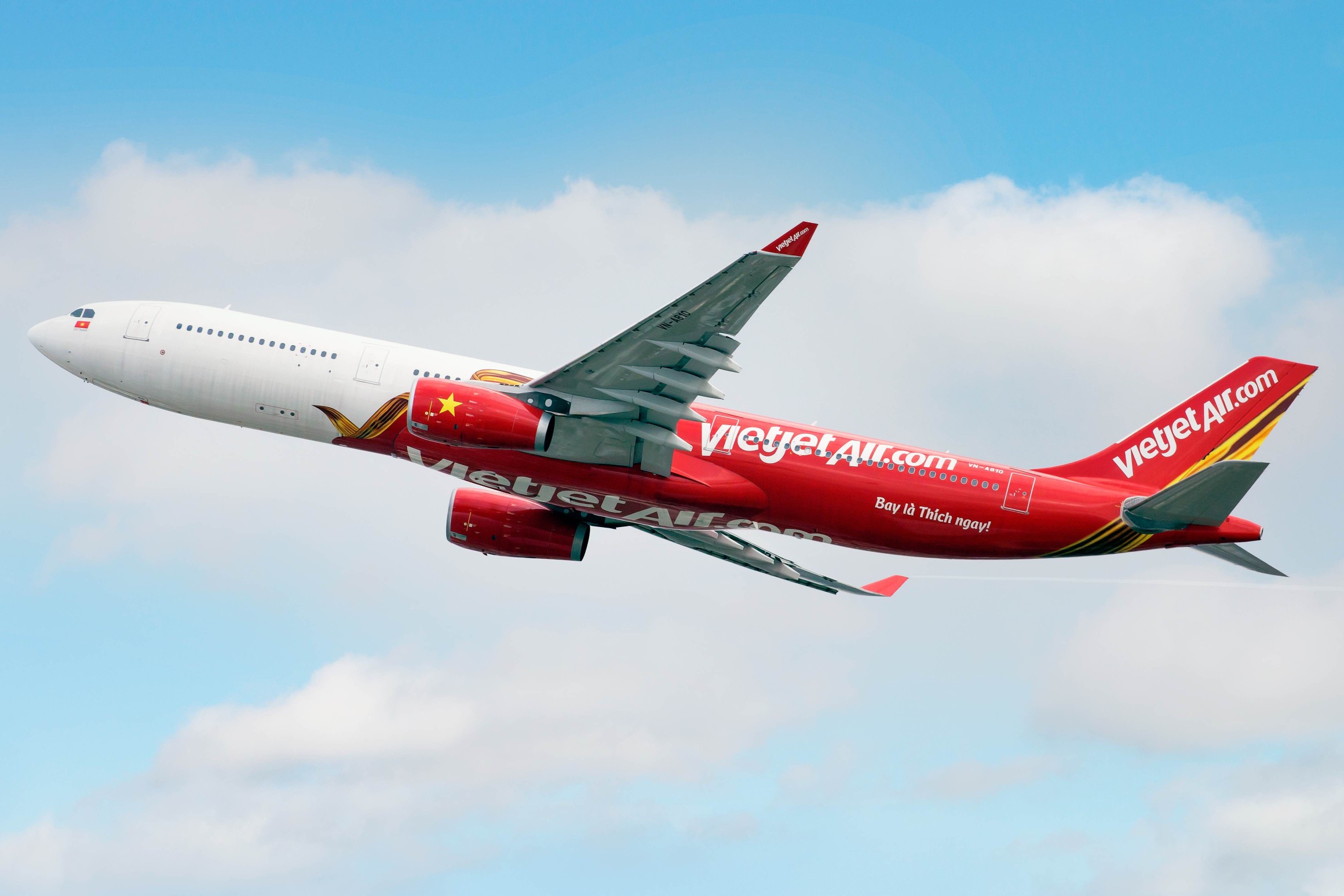
  • Vietjet Named Among Southeast Asia’s Most Valuable Airlines, Tops Vietnam’s Aviation Industry

    Vietjet Named Among Southeast Asia’s Most Valuable Airlines, Tops Vietnam’s Aviation Industry

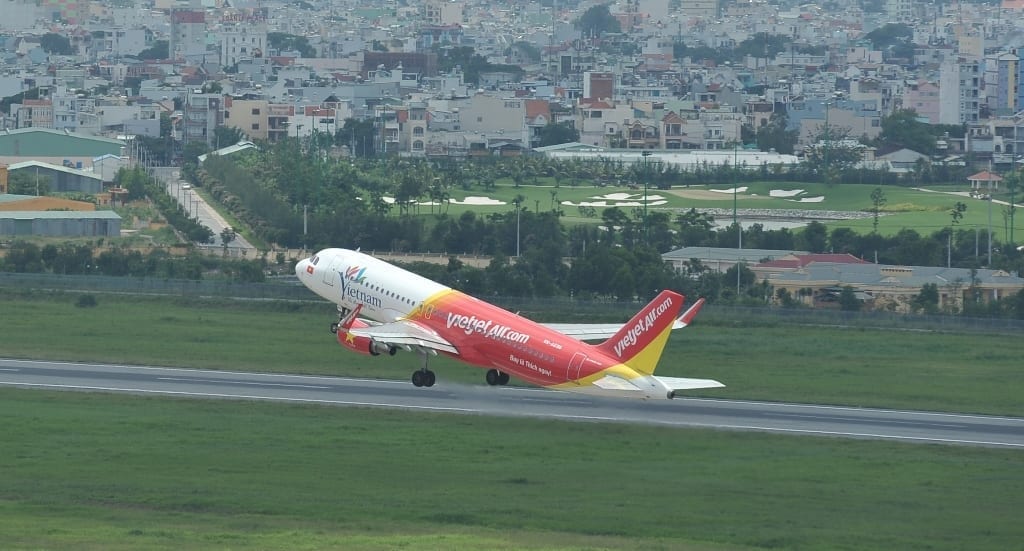
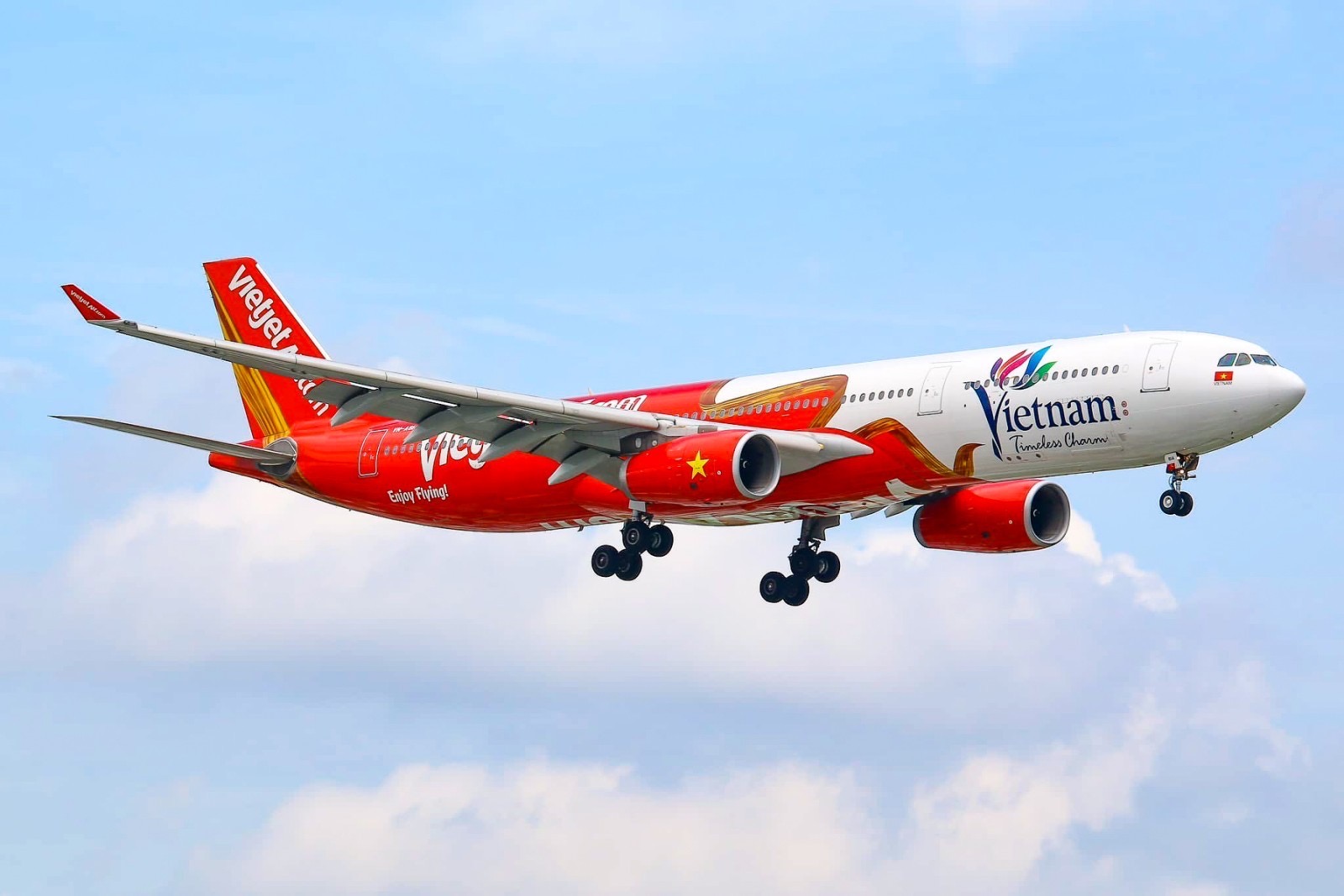
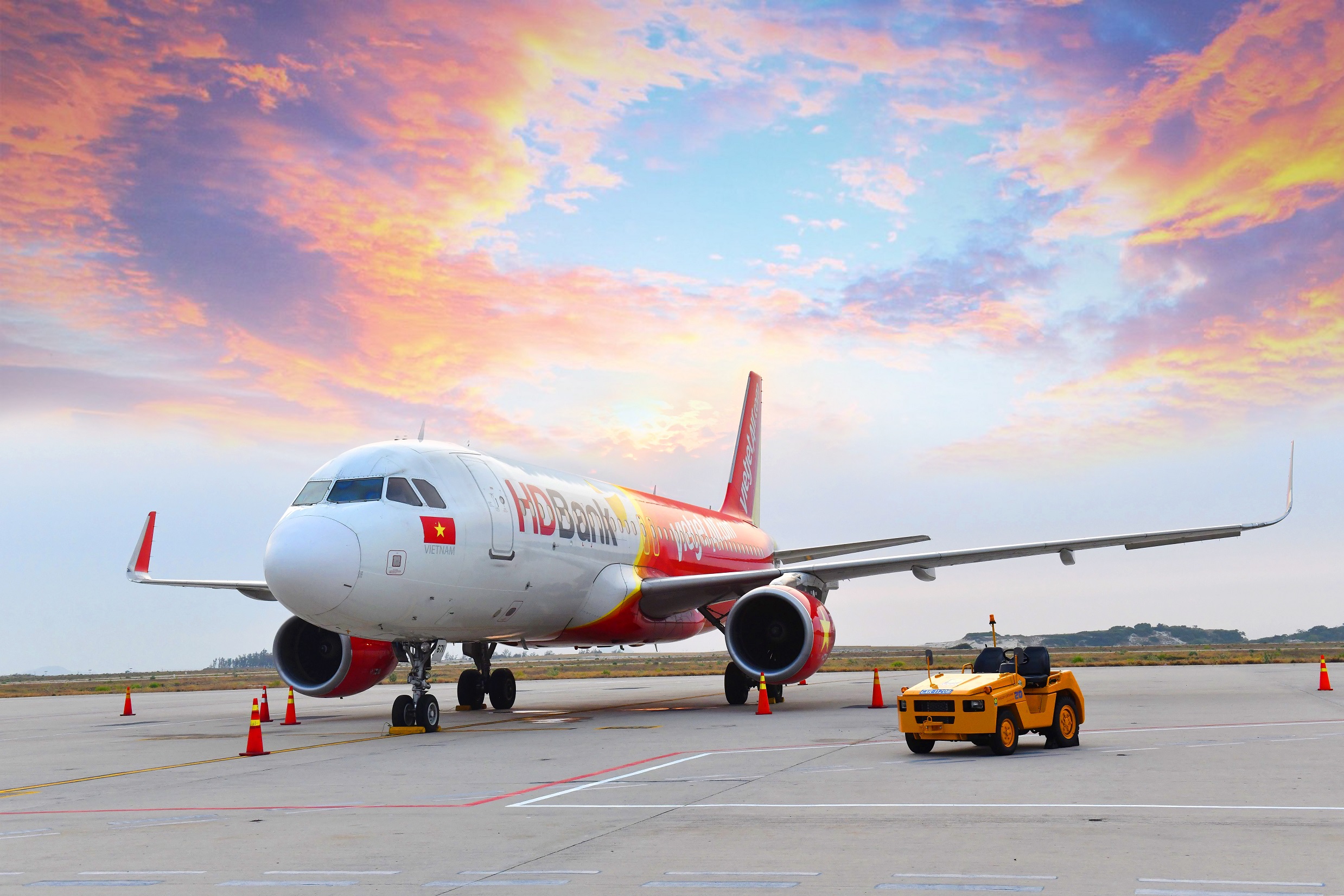
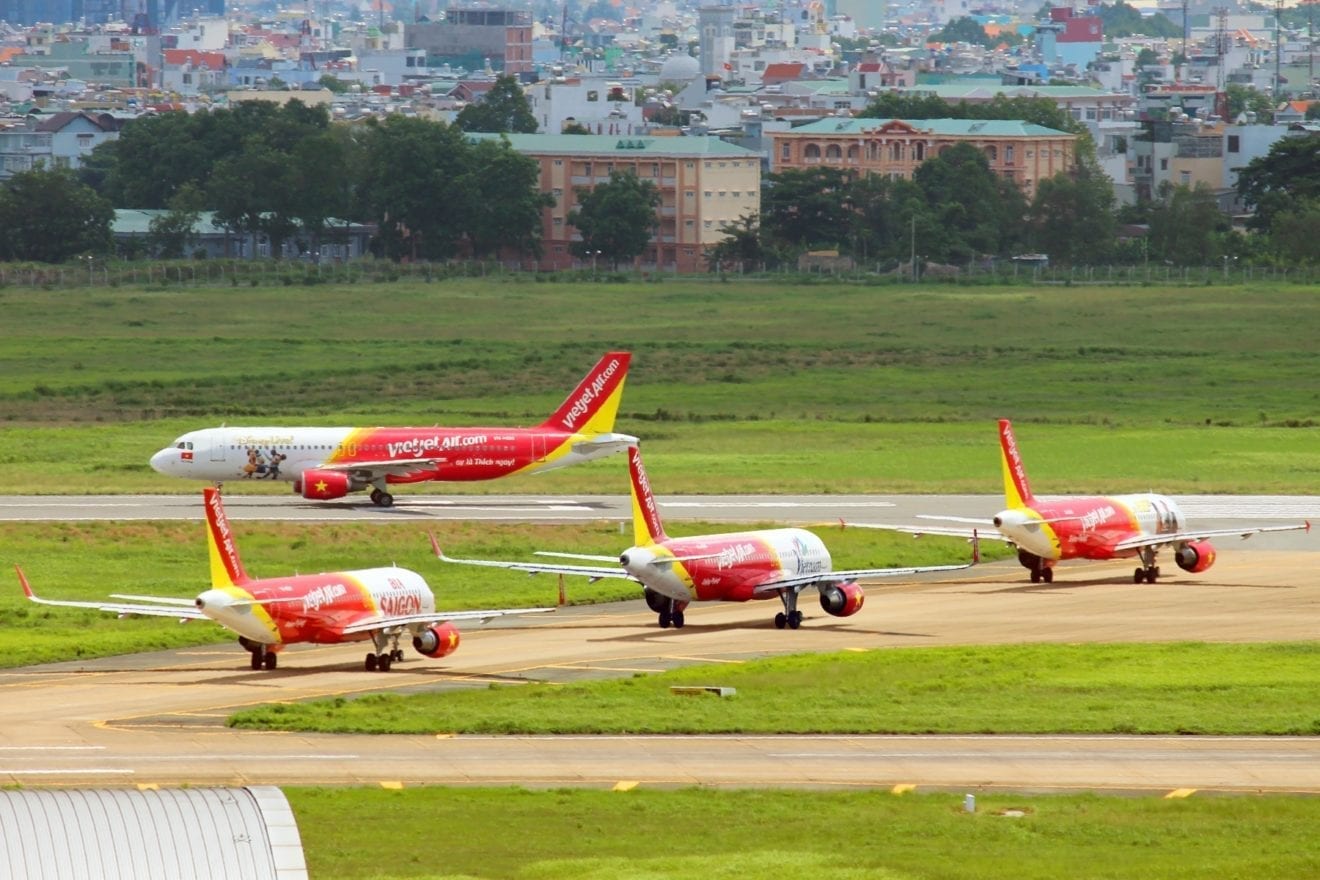
    Vietjet has been recognised by Brand Finance, the world’s leading brand valuation consultancy, as one of Southeast Asia’s most valuable airline brands, and the most valuable airline brand in Vietnam for 2025. This prestigious recognition underscores Vietjet’s growing presence as a leading carrier connecting Singaporean travellers with Vietnam and major destinations across Asean and beyond.
    As one of ASEAN’s six most valuable airline brands this year, Vietjet has steadily built its footprint in the region, offering more flight options, greater convenience, and affordable fares to travellers seeking new experiences. Since its first flight linking Singapore and Vietnam over a decade ago, and now operating four direct services to Ho Chi Minh City, Hanoi, Da Nang, and Phu Quoc, the airline further expands its proactive approach to meeting market demand and fostering tourism and trade growth between the two countries and beyond.
    With additional flights to Da Nang and Phu Quoc set to launch by the end of the year, Vietjet is poised to serve around half a million passengers annually on the Singapore–Vietnam flight network.

    In the first nine months of 2025, the airline reported revenue of VND52.329 trillion (approx. SGD2.59 billion), gross profit of VND6.724 trillion (approx. SGD332.8 million), and pre-tax profit of VND1.987 trillion (approx. SGD98.52 million), up 28% year-on-year. The company’s value has continued to rise steadily. As of 7 November 2025, the airline’s market capitalisation reached nearly VND105.3 trillion (approx. SGD5.22 billion). Operating 130 aircraft on more than 170 routes, Vietjet has served over 250 million passengers across the Asia-Pacific region to date.

    Building on its strong financial performance, the airline is evolving into a global aviation group with hundreds of new aircraft orders, an expanding intercontinental network, and ongoing sustainability initiatives that reinforce its commitment to a greener, future-ready aviation model.
    “Our consistent brand value growth reflects the trust of customers, investors, and international partners in Vietjet,” said Ms. Ho Ngoc Yen Phuong, Vietjet’s Vice President, Chief Financial Officer, and Member of the Board of Directors. “We will continue to deliver diverse, convenient, and affordable travel experiences to our passengers while further enhancing Vietnam’s value and position in the global aviation landscape.”
    Earlier this year, Vietjet was named the Grand Winner in the Tourism Category at the ASEAN Business Awards 2025, and also received multiple prestigious international honours from Skytrax, AirlineRatings, and the World Travel Awards.

    Brand Finance, the world’s leading brand valuation and financial consultancy, founded in 1996 and headquartered in London, United Kingdom, operates in over 25 countries worldwide.

  • Singapore to Implement Up to $32 Sustainable Fuel Levy on Flights from 2026: What Travelers Need to Know

    Singapore to Implement Up to $32 Sustainable Fuel Levy on Flights from 2026: What Travelers Need to Know

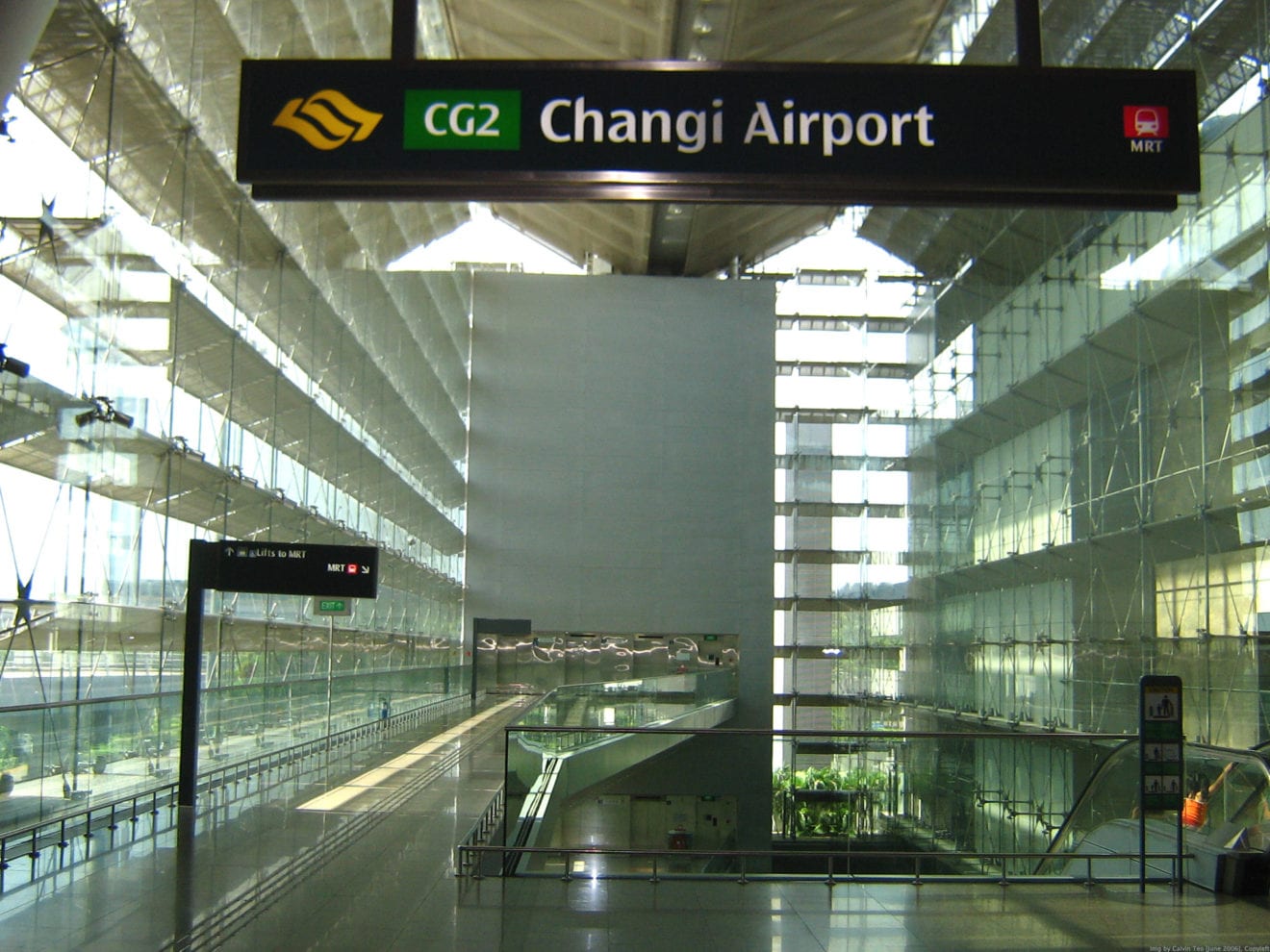
    Air travellers departing from Singapore will be subject to a sustainable aviation fuel levy starting October 2026. The levy, whose rates will vary between S$1 to S$41.60 (US$0.77 to US$31.92), applies to tickets sold from April 1, 2026, onwards for flights departing on or after October 1, 2026, as stated by the Civil Aviation Authority of Singapore.

    Detailed Breakdown of the Levy

    The exact levy amount is contingent on the travel class and destination. The destinations are divided into four geographical bands, with the levies increasing progressively.

    Passengers travelling to destinations in Band 1, which encompasses Southeast Asia, will incur an additional charge of S$1 for economy or premium economy tickets and S$4 for business or first class tickets.

    For Band 2, which includes Northeast Asia, South Asia, Australia, and Papua New Guinea, travellers will face an added fee of S$2.80 for economy class and S$11.20 for business class.

    Travellers to destinations in Band 3 – Africa, Central and West Asia, Europe, the Middle East, Pacific Islands, and New Zealand – will incur additional levies of S$6.40 and S$25.60 respectively.

    Lastly, passengers flying to the Americas, falling under Band 4, will be charged an extra S$10.40 for economy class and S$41.60 for business class.

    Exceptions and Special Cases

    Passengers merely transiting through Singapore will not be subjected to the above levies. For multi-stop flights, the fee will be determined by the next destination after departing Singapore.

    Moreover, the levy will also extend to cargo, with rates ranging from S$0.01 to S$0.15 per kilogram. This calculation will follow the same geographical bands as those used for passenger flights.

    The levy will also be applicable to general aviation, which includes private, non-commercial flights, and business aviation, such as private jets and chartered flights.

    Origins and Impact of the Levy

    The levy was first introduced in 2024 as a component of the Singapore Sustainable Air Hub Blueprint, which aimed to achieve net-zero aviation emissions by 2050.

    Han Kok Juan, the director-general of the aviation authority, emphasized the commitment of Singapore, as a global air hub and an International Civil Aviation Organisation council member, to its environmental responsibilities. He reiterated that the country would take necessary steps to contribute to the cause while maintaining the competitiveness of the Singapore air hub.

    Unlike green fuel mandates or incentive programs prevalent in other countries, this levy operates on a “fixed cost envelope.” This means that regardless of fluctuations in sustainable aviation fuel prices in 2026, the levy will remain unchanged.

    Questions & Answers

    When will the aviation fuel levy take effect?
    The aviation fuel levy will take effect from October 2026.

    Will passengers transiting through Singapore be charged with the levy?
    No, passengers only transiting through Singapore will not be charged the levy.

    What is the goal of the Singapore Sustainable Air Hub Blueprint?
    The Singapore Sustainable Air Hub Blueprint aims to achieve net-zero aviation emissions by 2050.

  • Typhoon Kalmaegi Shakes Up Vietnam Air Travel: Over 50 Flights Canceled and Rescheduled

    Typhoon Kalmaegi Shakes Up Vietnam Air Travel: Over 50 Flights Canceled and Rescheduled

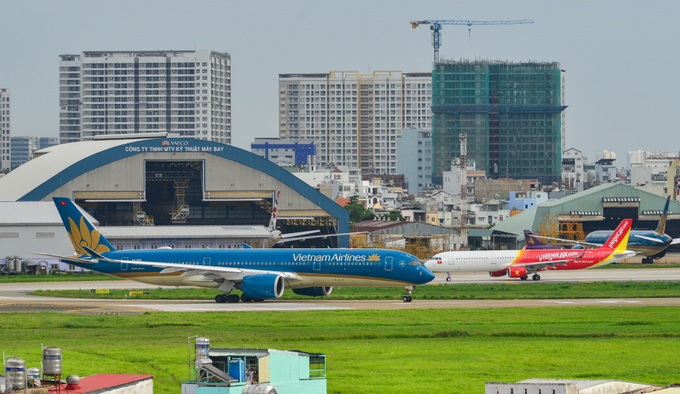
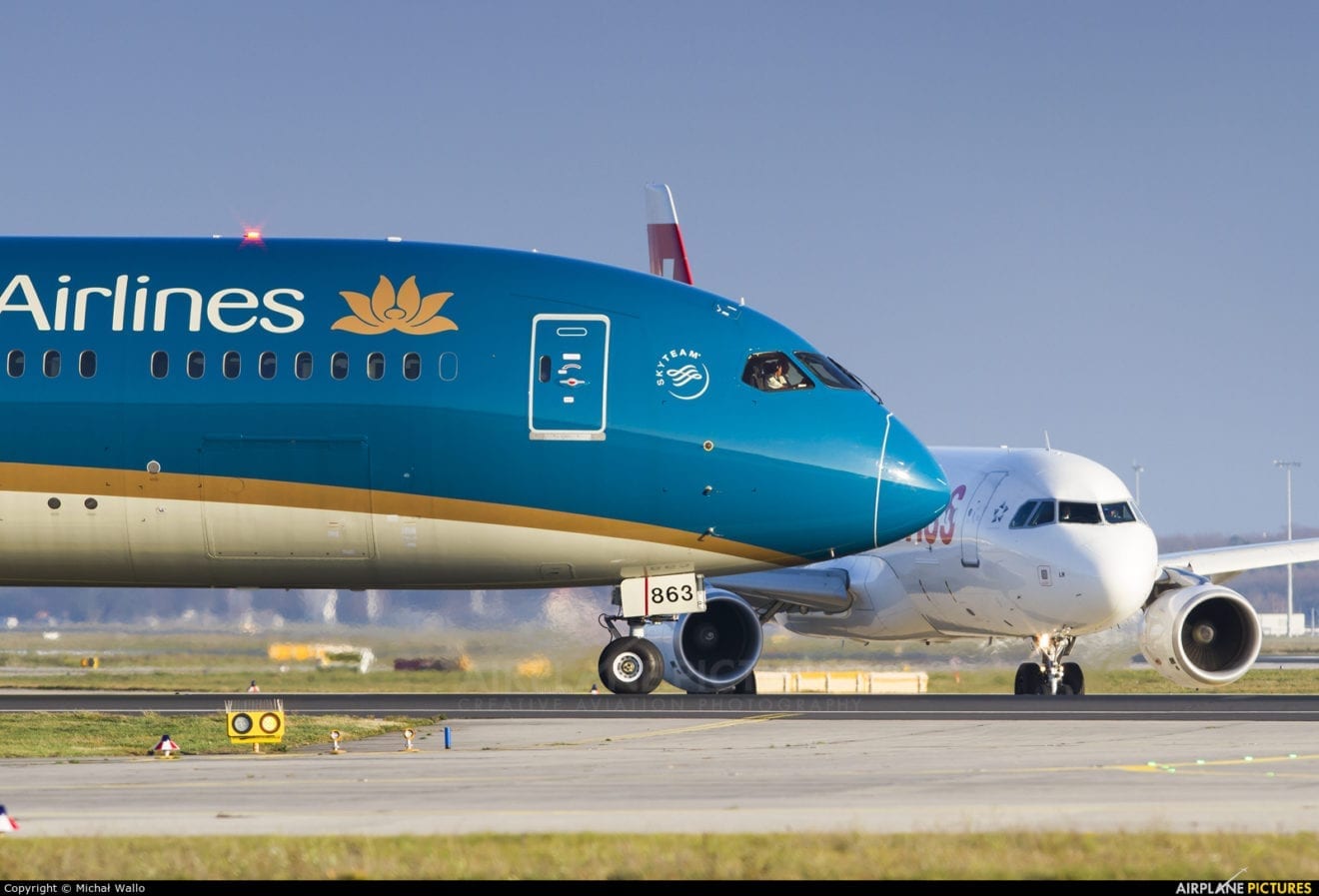
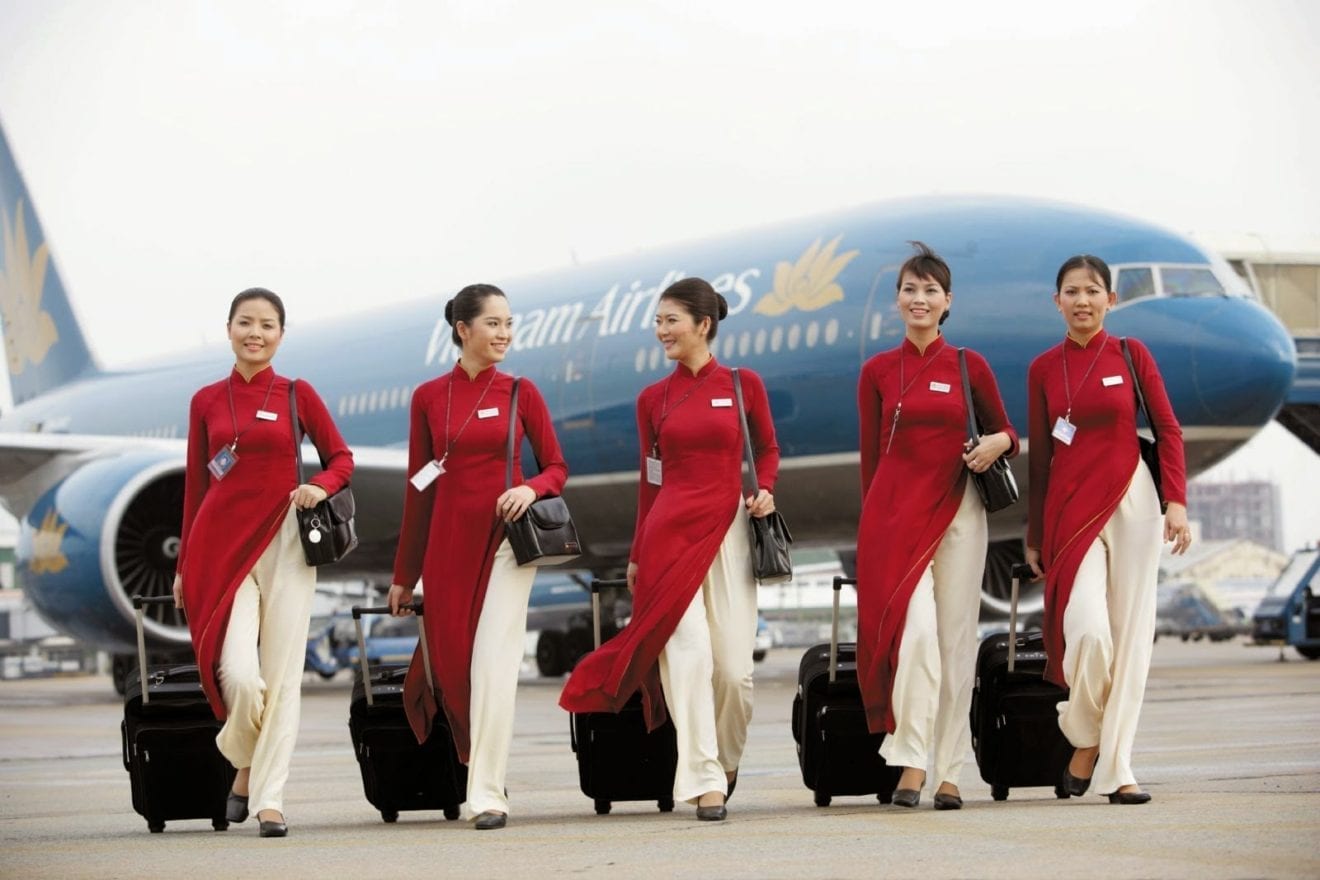
    As Typhoon Kalmaegi approaches the central coast of Vietnam, Vietnam Airlines has been forced to cancel and reschedule over 50 flights on November 6th and 7th, causing disruptions to air travel across several central provinces.

    Impact of Typhoon on Flight Schedules

    Several routes have been affected by the impending storm. Most notably, flights between Ho Chi Minh City’s Tan Son Nhat Airport and Phu Cat in Gia Lai Province have been suspended. This includes flights VN1390, VN1391, VN1394, and VN1395 on November 6th, and flights VN1392 and VN1393 on November 7th. Hanoi to Phu Cat flights VN1622 and VN1623 have been rescheduled to depart before noon on November 6th.

    Flights between Hanoi and Tuy Hoa in Dak Lak, specifically VN1650 and VN1651, have been cancelled for November 6th, while four other flights connecting Hanoi, Ho Chi Minh City and Tuy Hoa have been postponed to the afternoon of November 7th.

    On the Tan Son Nhat to Chu Lai (Da Nang) route, certain flights are scheduled to operate earlier, before noon on November 6th. These include VN1464, VN1465, VN1468, and VN1469. The Hanoi to Chu Lai flights VN1640 and VN1641 on November 7th have also been rescheduled to depart after 10 a.m.

    Additional Changes to Flight Schedules

    Further changes have been made to flights between Tan Son Nhat and Pleiku in Gia Lai. Flight VN1422 and VN1423 have been rescheduled to depart before noon on November 6th, and Hanoi to Pleiku flights VN1614 and VN1615 are now scheduled to depart after 1 p.m. on November 7th.

    Flights connecting Tan Son Nhat, Da Nang, and Buon Ma Thuot in Dak Lak on November 6th, as well as certain flights between Hanoi and Buon Ma Thuot on November 7th, will now depart after 1 p.m. Additionally, flights between Hanoi, Ho Chi Minh City, and Hue on November 6th will fly after noon, and flights from Ho Chi Minh City to Hue on November 7th will leave after 1 p.m.

    Vietnam Airlines has also indicated that over 50 other flights across its network could face consequential delays on both days due to the typhoon. Vasco Airlines has also canceled two Tan Son Nhat to Lien Khuong flights on November 6th because of the storm.

    Advice for Passengers

    In anticipation of potential turbulence due to unstable weather conditions, carriers are advising passengers to keep their seatbelts fastened throughout flights, even when the fasten seatbelt sign is off.

    According to the National Center for Hydro-Meteorological Forecasting, the eye of Typhoon Kalmaegi was approximately 390 kilometers from Quy Nhon of Gia Lai Province as of 5 a.m. on Thursday. The storm is moving west-northwest at 30 kph with maximum sustained winds of 166 kph and gusts up to 220 kph. By 4 p.m. Thursday, it is expected to be about 120 kilometers off Quy Nhon of Gia Lai, maintaining wind speeds of 150-166 kph before making landfall around 7-8 p.m. across Quang Ngai, Gia Lai, and Dak Lak.

    Questions & Answers

    What is the expected impact of Typhoon Kalmaegi on Vietnam’s central coast?
    The typhoon is expected to make landfall across Quang Ngai, Gia Lai, and Dak Lak with sustained winds of up to 166 kph.

    How has Vietnam Airlines responded to the approaching typhoon?
    Vietnam Airlines has cancelled and rescheduled over 50 flights on November 6th and 7th due to the approaching typhoon, and has warned of potential knock-on delays across its network.

    What advice has been given to passengers traveling during the typhoon?
    Carriers are advising passengers to keep their seatbelts fastened throughout flights, even when the signal is off, as a precaution against possible turbulence caused by the storm.

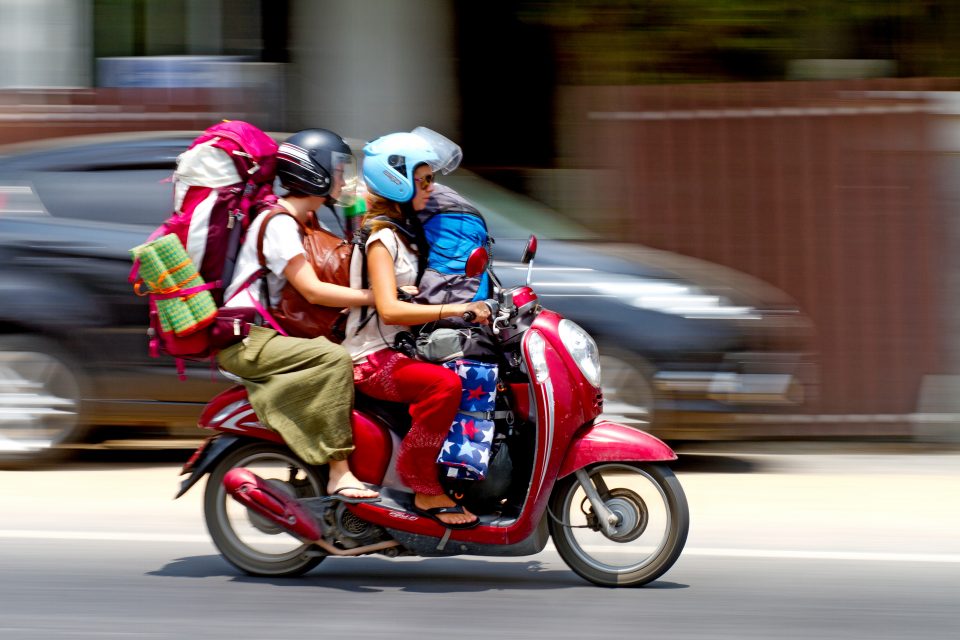
  • Riding on Risk: The Perilous Reality of Motorbike Travel in Vietnam

    Riding on Risk: The Perilous Reality of Motorbike Travel in Vietnam

    Motorbikes, possessing the rapidity of a car but the simplicity of a bicycle, inherently pose a high risk to safety, particularly when traversed on less than optimal roads. As an individual who has spent a significant time commuting through the city by both motorbike and car, I have come to deeply comprehend a sobering reality: motorbikes, the primary mode of transportation in Vietnam, are also the most perilous. The danger lies not only in their petite, vulnerable structure, but also in the habits and attitudes of the people and a transportation infrastructure that is inadequately equipped to provide adequate protection for riders.

    The Danger Lurking in Motorbikes

    In developed nations, cars are predominantly the preferred choice of transport. This preference is not solely attributed to the affluence of the people, but also to the inherent safety cars provide. The occupants in a car are shielded by a robust metal structure, airbags, seatbelts, anti-lock braking systems, collision sensors, rear-view cameras, and blind spot warnings. Motorbike riders, on the other hand, are left completely vulnerable to the tumult of traffic. A minor brush or an abrupt swerve can easily result in a fall, leading to grave injury or even fatality.

    In my personal observation, most roadway accidents in Vietnam invariably involve motorbikes. They occur on a daily basis, whereby a minor wobble, a sharp brake, or an inattentive pedestrian can rapidly escalate into catastrophe. Although car accidents are not unheard of, the possibility of fatal consequences is significantly less.

    A Closer Examination of the Risks

    Another factor contributing to the danger of motorbikes is their sheer volume. In major cities such as Hanoi and Ho Chi Minh City, it is commonplace for a family to own two or three motorbikes. The narrow city roads, swarming with millions of bikes, generate chaos. Riders are compelled to evade cars, dodge pedestrians, navigate around buses, and occasionally mount pavements when confronted with traffic jams. These behaviors are born out of the necessity for convenience and the habit of seeking shortcuts, yet they continually place riders in precarious situations.

    Further exacerbating the situation is the lack of traffic awareness amongst a subset of riders. Unconventional helmet use, running red lights, driving against the traffic, over-speeding, and phone usage while driving are prevalent practices. As motorbikes are compact and agile, riders often experience a sense of freedom, forgetting the grave implications one moment of negligence can bring about. Unlike car drivers, who are subjected to more stringent licensing procedures and have higher financial liabilities, many motorbike users obtain their license with minimal training. Some even resort to stand-ins for their tests or commence riding before achieving the legal age.

    The Psychological Aspect and Infrastructure Hurdles

    There is also a psychological element at play. Car drivers generally exhibit more caution as even a minor collision can result in costly repairs. Motorbike riders, conversely, often downplay minor incidents and adopt aggressive or reckless behavior to save a few minutes. This overconfidence often results in motorbike accidents that are unforeseen and frequently unavoidable.

    The infrastructure in Vietnam further exacerbates the risk. Numerous roads lack specially designated lanes for motorbikes, exhibit faded lane markings, inconsistent speed bumps, and poorly positioned traffic lights. Rain can render the roads slippery, while manhole covers and potholes, barely noticeable to cars, can easily cause a motorbike rider to lose control.

    Reassessing Motorbike Use

    Motorbikes undoubtedly play an integral role in Vietnamese life, especially in narrow lanes, rural regions, or areas with underdeveloped transport infrastructure. However, as urban areas aspire to more sophisticated transportation systems, it is imperative to alter our mindset. Rather than solely relying on motorbikes, we should consider public transport, small cars, e-bikes, or bicycles as safer and more sustainable alternatives. The authorities must also enact stronger measures: assign lanes for motorbikes, strictly enforce traffic regulations, and educate about road safety from an early age. Riders must comprehend that they are operating a high-risk vehicle and not simply indulging in convenient transportation.

    Observing from the safety of my car, as hundreds of motorbikes jostle under the rain, amid exhaust fumes and blaring horns, the realization is stark: a single wrong move or abrupt stop could swiftly result in tragedy.

    Motorbikes have been an integral part of Vietnamese life for generations, but they also present a significant risk that needs to be reconsidered. Traffic safety is not just the responsibility of the government; it is a personal choice. We can choose to decelerate, to exercise caution, and to opt for safer vehicles to safeguard ourselves and our loved ones. After all, the ultimate objective is not the speed or convenience of the journey, but to return home safely every time.

    Questions & Answers

    Why are motorbikes considered dangerous?
    Motorbikes are considered dangerous due to their small, exposed structure, the riders’ habits and mindset, and a transportation infrastructure that inadequately protects riders.

    What factors contribute to motorbike accidents in Vietnam?
    The sheer volume of motorbikes, lack of traffic awareness among some riders, psychological factors, and infrastructure issues contribute to motorbike accidents in Vietnam.

    What measures can be taken to improve safety for motorbike riders?
    To improve safety for motorbike riders, authorities can assign designated lanes for motorbikes, strictly enforce traffic regulations, and educate about road safety from an early age. Additionally, riders can choose safer vehicles and exercise more caution while driving.
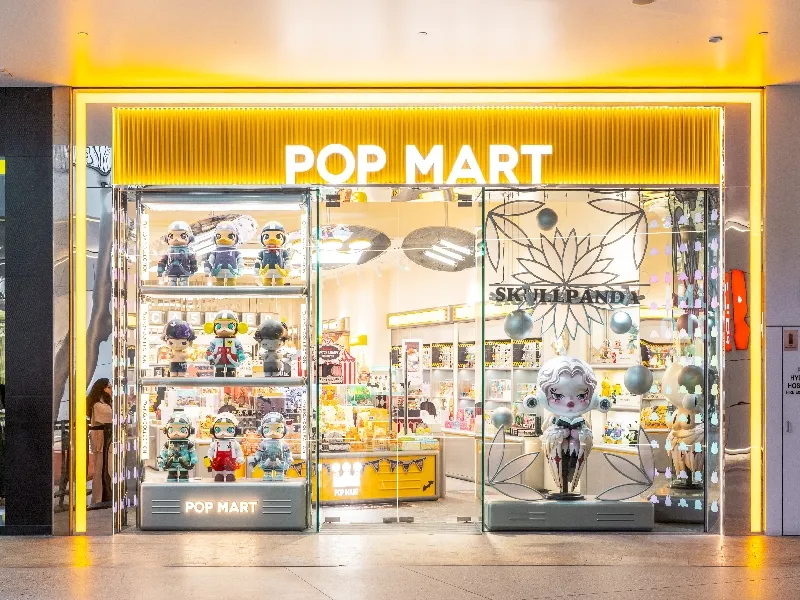
  • Pop Culture Meets Travel Retail: Pop Mart Unveils First Middle Eastern Store at Qatar’s Hamad International Airport

    Pop Culture Meets Travel Retail: Pop Mart Unveils First Middle Eastern Store at Qatar’s Hamad International Airport

    Qatar Duty Free has embarked on a collaboration with Chinese collectibles company Pop Mart to unveil the brand’s first Middle Eastern store. This partnership marks a novel blend of travel retail and pop culture experiences.

    Unveiling Pop Culture at Hamad International Airport

    The new store, located at Hamad International Airport, brings a culture-inspired theme to passengers. It provides an immersive retail experience featuring the brand’s popular characters.

    The grand opening of the store was marked with a unique travel-themed fashion show. The event featured travel-ready outfits accessorized with Pop Mart collectibles, and was attended by international influencers and Pop Mart enthusiasts.

    The Twinkle Twinkle Wonderful Journey Series

    The store’s launch also presented an exclusive collection of travel-inspired Pop Mart collectibles named the ‘Twinkle Twinkle Wonderful Journey Series’. This series includes travel essentials such as bags, U-shaped pillows, and card holders.

    Revolutionizing Airport Retail

    Thabet Musleh, Chief Retail and Hospitality Officer of Qatar Airways Group, commented on the partnership, emphasizing the company’s commitment to revolutionizing airport and regional retail. He mentioned that this unique concept aligns perfectly with their vision to continually surprise travelers with exclusive, experience-centric concepts that redefine travel retail trends and standards.

    Justin Moon, Senior VP and COO of Pop Mart International Group, highlighted the significance of the collaboration. He noted that by integrating Qatar’s rich culture with their vibrant characters, they are setting a global benchmark for how pop culture connects with local communities.

    Following Pop Mart’s initial Middle Eastern debut in Abu Dhabi in May, the brand has recorded an increase in sales, thanks in large part to the popularity of their ‘ugly-cute’ Labubu figures.

    Questions & Answers

    What is the significance of the partnership between Qatar Duty Free and Pop Mart?
    The collaboration introduces a unique blend of travel retail and pop culture, marking Pop Mart’s first store opening in the Middle East.

    What special features does the new Pop Mart store offer?
    The store provides an immersive, culture-inspired retail experience, highlighting the brand’s popular collectibles. It also features an exclusive collection of travel-inspired items called the ‘Twinkle Twinkle Wonderful Journey Series’.

    What was the outcome of Pop Mart’s initial debut in the Middle East?
    Following its first launch in Abu Dhabi, Pop Mart has seen increased sales, particularly for its ‘ugly-cute’ Labubu figures.

  • Vietjet Partners with Airways Aviation to Train EASA-Certified Pilots

    Vietjet Partners with Airways Aviation to Train EASA-Certified Pilots

    Vietjet and global aviation education leader Airways Aviation have announced a strategic partnership to train the next generation of aviation professionals. The partnership will enhance its readiness for further global network expansion and meet rising travel demand. The airline has actively expanded its international services, including the frequency increase for Singapore – Da Nang and Singapore – Phu Quoc routes.

    The signing ceremony took place in Finland, witnessed by Vietnam’s General Secretary To Lam during his official visit to Finland.

    Under this partnership, Airways Aviation will collaborate with Vietjet Aviation Academy (VJAA) to deliver international-standard pilot training programs in Europe. These programs will adhere to regulations set by the International Civil Aviation Organization (ICAO), the European Union Aviation Safety Agency (EASA), and the Civil Aviation Authority of Vietnam (CAAV).

    The collaboration will include specialised MPL (Multi-crew Pilot Licence) and CPL (Commercial Pilot Licence) courses designed to cultivate high-calibre pilots for Vietjet’s expanding international network, including routes across Asia-Pacific, Europe, and beyond.

    Vietjet currently employs over 9,000 staff from more than 60 nationalities and operates one of Asia’s youngest fleets. The airline continues to expand its network across key regional hubs such as Singapore, with four direct routes to Vietnam, enhancing connectivity, and creating opportunities for aviation professionals across Asia.

    As an IATA-accredited training partner in Vietnam, VJAA has trained thousands of aviation professionals, including pilots, flight attendants, engineers, and dispatchers, empowering the dream of conquering the skies and driving the industry’s growth.

    Airways Aviation, with over 45 years of experience, operates a network of aviation academies across Europe, the Middle East, Asia, and Australia, offering students access to internationally recognised flight training pathways.

  • AirAsia Launches New Ad Campaign “AirAsia: Always Making Every Moment Matter” Reinforcing On-Time Commitment

    AirAsia Launches New Ad Campaign “AirAsia: Always Making Every Moment Matter” Reinforcing On-Time Commitment

    Thai AirAsia has recently launched a fresh advertising initiative titled “AirAsia: Always Making Every Moment Matter”. This strategic move aligns perfectly with the arrival of the peak holiday period. The campaign emphasizes the airline’s unwavering dedication not only to timely departures and arrivals, but also to optimizing every single moment of their patrons’ travels. This optimization is achieved through well-planned flight timings, multiple schedules, and a broad network of routes, which all collectively contribute to an uninterrupted and enjoyable journey.

    AirAsia’s Commitment

    Tansita Akrarittipirom, the Director of Commercial at Thai AirAsia, discussed the surge in travel demand domestically and overseas as the year draws to a close. Akrarittipirom explained that the new ad campaign serves as a reminder of their brand’s solid assurance: the company doesn’t merely strive for timeliness, rather, they aim to make every instant of the journey remarkable.

    Akrarittipirom stated, “From the moment of planning to departure, due to the country’s extensive domestic route network and numerous international routes, to arrival, we aim to provide our guests with options that best suit their needs. We aspire to provide a service on board that leaves a lasting positive impression, highlighting our dedication to making every moment truly outstanding as a way of expressing gratitude to our guests for their faith in us.”

    The Campaign’s Message

    The campaign revolves around the narrative of a passenger who travels home on an AirAsia flight and ends up in a fervent disagreement with her boyfriend upon her return. He abruptly instructs her to “go wherever you want.” The passenger takes this as a cue to embark on a new journey of self-discovery, prompted by her flight’s perfectly timed arrival. With AirAsia accompanying her, she rediscovers her independence and creates unforgettable moments throughout her journey.

    Questions & Answers

    What is the key message of Thai AirAsia’s new advertising campaign?
    The main message of the campaign is AirAsia’s commitment to making every moment of the journey remarkable for its passengers, not just ensuring punctuality.

    What does AirAsia aim to provide to its guests according to Tansita Akrarittipirom?
    According to Akrarittipirom, AirAsia aims to provide options that best suit their guests’ needs, from planning through to arrival. Moreover, they aim to deliver a service that leaves a lasting positive impression.

    What is the story featured in the campaign?
    The campaign features the story of a passenger who ends up in a disagreement with her boyfriend upon returning home on an AirAsia flight. This conflict leads her to embark on a new journey of self-discovery, facilitated by AirAsia’s seamless travel experience.

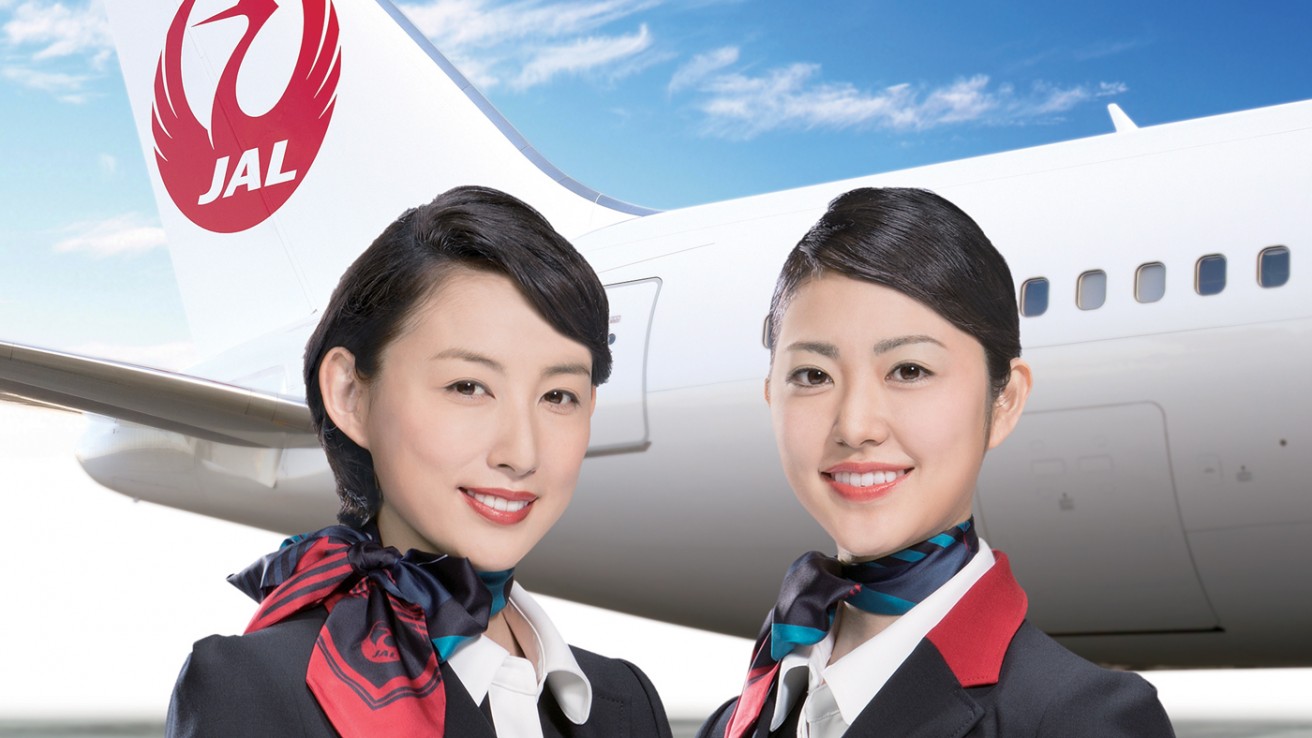
  • Japan Airlines Enhances Liver Function Checks and Suspends High-Risk Pilots Amid Drinking Incidents

    Japan Airlines Enhances Liver Function Checks and Suspends High-Risk Pilots Amid Drinking Incidents

    Following a string of concerning incidents involving pilots and alcohol consumption, Japan Airlines is revamping its safety protocols by introducing stricter measures aimed at safeguarding passengers and restoring public confidence in air travel.

    This week, the airline announced new regulations in response to a reprimand from the Transport Ministry, which mandated improvements in their safety procedures. Among the most significant changes is the suspension of pilots whose liver functions fall below acceptable levels, part of an initiative to prevent future violations.

    As a direct consequence of this review, six pilots have been suspended, as reported by Kyodo News. These measures come in the aftermath of several high-profile incidents where pilots were found drinking before flights, blatantly defying an internal ban instituted last December. Recent events have raised alarms, most notably a case where a pilot consumed alcohol prior to a flight from Hawaii, leading to delays impacting three flights for up to 18 hours, according to the Japan Times.

    This particular incident highlighted a troubling pattern; the pilot, already in hot water, had previously disregarded the no-drinking policy and even tampered with the settings of a sobriety testing device. Japan Airlines responded swiftly, dismissing the offending pilot and implementing pay cuts for the airline’s president and several executives.

    Despite the December ban designed to curb such behaviors, communication lapses within the company have allowed these issues to persist, according to Nikkei Asia. Pilots at Japan Airlines typically earn around 20.05 million yen (approximately US$135,000) annually, standing in stark contrast to the significantly lower salaries of ground staff and cabin crew, which average 6.43 million yen and 5.92 million yen, respectively.

    Interestingly, some pilots argue that moderate drinking provides a necessary release after grueling long-haul flights compounded by the stress of busy schedules as travel demand surges. Japan Airlines, acknowledging its past failures in enforcing the drinking ban, has committed to collaborating with labor representatives to explore more effective safety measures moving forward.

    Questions & Answers

    What prompted Japan Airlines to implement stricter safety measures?
    The airline was mandated to enhance its safety protocols following a reprimand from the Transport Ministry in light of several drinking incidents involving pilots.

    How many pilots have been suspended due to these incidents?
    Six pilots have already faced suspensions as a direct result of the airline’s new safety regulations.

    What are some of the challenges Japan Airlines faces regarding pilot behavior?
    Despite having a drinking ban in place, some pilots have disregarded it, with communication gaps within the company contributing to ongoing issues related to alcohol consumption before flights.

  • Vietnam Airlines Set to Sell Stake in Jet Fuel Subsidiary Skypec, Reshaping Industry Landscape

    Vietnam Airlines Set to Sell Stake in Jet Fuel Subsidiary Skypec, Reshaping Industry Landscape

    Vietnam Airlines plans to sell up to 49% of its fully-owned subsidiary, Skypec, a key player in jet fuel distribution.

    The airline is embarking on a public auction of its shares, anticipated to occur between now and 2027, as outlined in a recent statement. This move is part of a strategic initiative first announced two years ago, aimed at restructuring the company to recover from previous financial losses.

    Strategic Moves Amidst Recovery

    Skypec stands out as one of Vietnam Airlines’ most successful subsidiaries, alongside its aircraft engineering counterpart Vaeco. Together with Petrolimex Aviation, Skypec dominates the aviation fuel market in Vietnam, supporting all domestic carriers and nearly a hundred international airlines operating in the country.

    Impressive Operational Footprint

    With a robust storage capacity of 200,000 cubic meters, Skypec services 18 airports across Vietnam, extending its operations to four international airports in South Korea. Last year, the company sold approximately 1.6 million tons of jet fuel, generating revenues of VND35.27 trillion (US$1.33 billion) with an after-tax profit exceeding VND268 billion.

    Turning Financial Fortunes Around

    Vietnam Airlines recently marked a significant turnaround, reversing its negative net worth following a government capital infusion of VND7.77 trillion. The government now holds a 47.09% stake in the airline, reflecting a collaborative effort to stabilize the national carrier. As a result, the airline reported a 10% year-on-year increase in revenues, totalling VND58.68 trillion in the first half of the year, with profits before tax soaring by 19.3% to VND6.68 trillion. Who knew a little fuel could fuel such big changes?

    Questions & Answers

    What is the main focus of Vietnam Airlines’ recent announcement?
    Vietnam Airlines intends to sell up to 49% of its stakes in its jet fuel subsidiary, Skypec, through a public auction between now and 2027 as part of its restructuring plan.

    How does Skypec contribute to domestic aviation?
    Skypec is a significant player in Vietnam’s aviation fuel supply, operating at 18 airports in Vietnam and servicing nearly 100 international airlines, making it crucial to the country’s air travel infrastructure.

    What financial improvements has Vietnam Airlines experienced recently?
    Thanks to a government capital injection, Vietnam Airlines has reversed its negative net worth and reported increased revenues and profits in the first half of the year, reflecting a positive turnaround in its financial health.

  • Vietnam Airlines to Expand Fleet with 30 New Planes in $10B Investment Plan by 2032

    Vietnam Airlines to Expand Fleet with 30 New Planes in $10B Investment Plan by 2032

    Vietnam Airlines has launched an aggressive plan to expand its fleet, aiming to acquire or lease 30 wide-body aircraft—either Airbus A350-900 or Boeing B787-9—by the years 2028 to 2032.

    As part of this strategy, the airline recently issued a preliminary request for information from suppliers, inviting them to provide specifications regarding aircraft types, numbers, delivery schedules, and potential contract values by October 8. With a price tag expected to exceed US$10 billion for all 30 planes—not counting possible bulk discounts—this ambitious expansion underscores Vietnam Airlines’ commitment to growing its operational capabilities.

    Currently, the airline boasts a fleet of 31 wide-body aircraft, including 14 A350-900s and 17 Boeing 787s. Additionally, it operates 65 narrow-body Airbus A321s and A320s alongside six ATR-72s. However, CEO Dang Ngoc Hoa has highlighted a pressing need for at least 52 wide-body and 112 narrow-body planes by 2035 to accommodate growing demand and expand its route network.

    In April, the airline received government approval to add 50 narrow-body aircraft, a move projected to cost about VND92.8 trillion (approximately US$3.5 billion). However, Hoa noted that this addition barely scratches the surface of what is necessary for continued growth. “If manufacturers can’t deliver before 2030, we may have to consider leasing more aircraft for 2027 and 2028,” he remarked, painting a picture of urgency in the face of evolving market dynamics.

    Vietnam Airlines currently operates around 400 flights daily to 21 domestic and 29 international destinations. This year, it has successfully revived or launched 15 international routes in key markets, significantly including Italy, Russia, China, the UAE, Japan, South Korea, and India.

    Like many in the industry, however, the airline has faced challenges stemming from an aircraft shortage, exacerbated by complications with Pratt & Whitney engines on its Airbus A321s. As of mid-2025, about 15 of these A321s remain grounded, with four Airbus A350s also undergoing repairs. As the world begins to emerge from the shadow of the pandemic, one might say the sky has never been clearer for an ambitious airline aiming to soar higher.

    Questions & Answers

    What types of aircraft is Vietnam Airlines looking to acquire?
    Vietnam Airlines is considering either the Airbus A350-900 or the Boeing B787-9 for its planned acquisition of 30 wide-body aircraft.

    What is the estimated cost of expanding the fleet?
    The total cost for acquiring all 30 aircraft is expected to exceed US$10 billion, not including any potential bulk discounts.

    How many flights does Vietnam Airlines operate daily?
    The airline operates approximately 400 flights each day, connecting 21 domestic and 29 international destinations.

  • Batik Air and Thai Lion Air’s Lion Group Set to Soar from Changi’s Terminal 4!

    Batik Air and Thai Lion Air’s Lion Group Set to Soar from Changi’s Terminal 4!

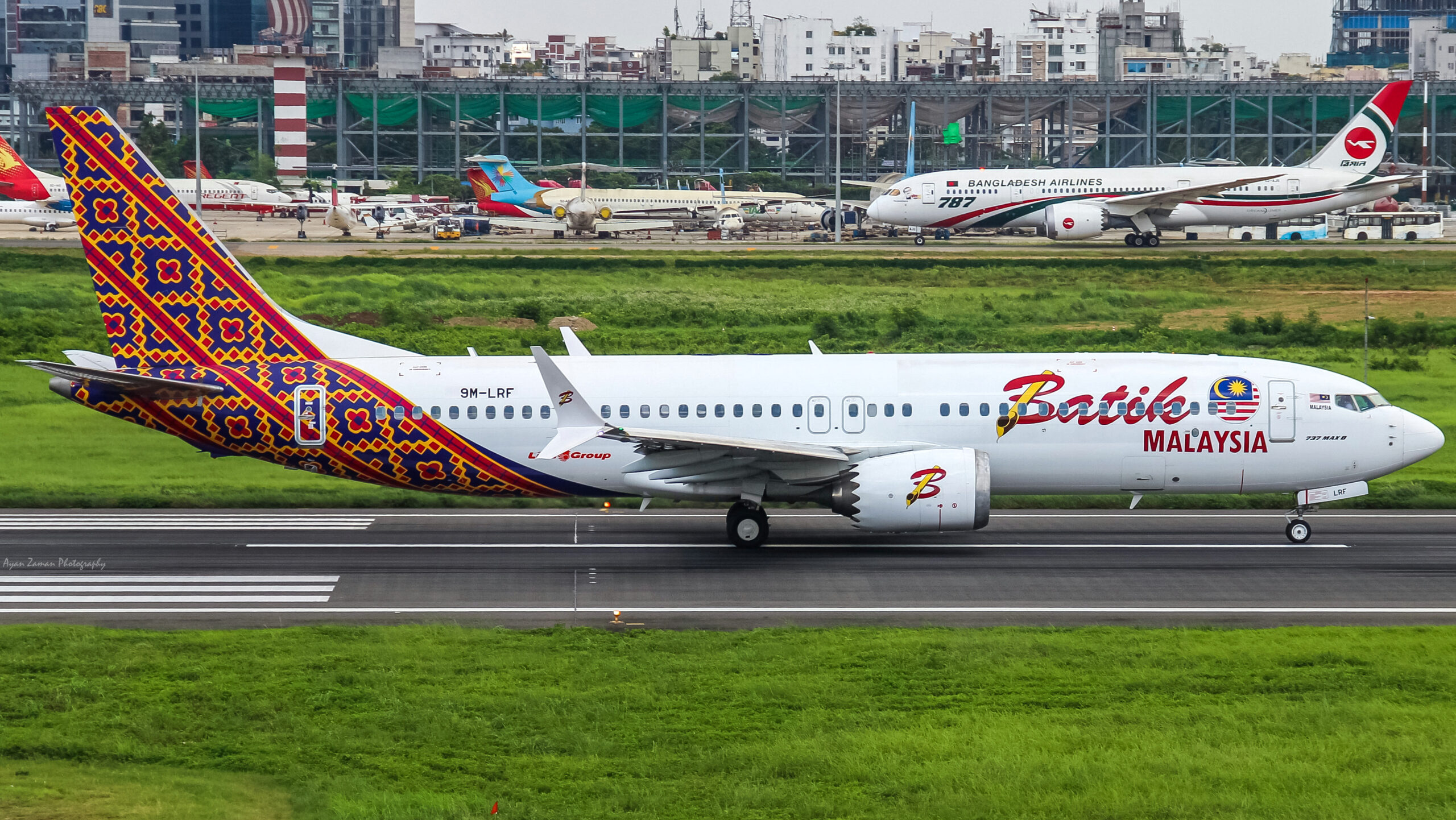
    Lion Group, the operator of Batik Air and Thai Lion Air, will relocate its operations from Terminal 3 to Terminal 4 at Singapore’s Changi Airport.

    In a strategic move aimed at enhancing passenger experience and accommodating future growth, Lion Group has announced its decision to transition its operations to Terminal 4, set to take effect in November. Following this relocation, the group is gearing up to introduce new daily flights in December to popular Malaysian destinations including Subang, Ipoh, and Penang.

    This move is tailored to meet the burgeoning air travel demand in the region. Upon completion, Terminal 4 will be home to 20 carriers, splitting its offerings between full-service airlines and low-cost operators.

    With Batik Air Indonesia, Batik Air Malaysia, and Thai Lion Air under its umbrella, Lion Group is primed to enter a competitive landscape on routes to Subang Airport. This airport is conveniently located just 24 kilometers from Kuala Lumpur’s city center, putting it in direct competition with low-cost carriers such as Scoot and Firefly.

    The Kuala Lumpur–Singapore corridor has been a hive of activity, ranked as the world’s fourth-busiest international route in 2024 and the busiest in 2023, according to flight analytics platform OAG. Not to be outdone, Lion Group currently operates 88 weekly flights connecting Singapore with various cities including Jakarta, Bali, Medan, Kuala Lumpur, and Bangkok.

    Looking ahead, Thai Lion Air plans to further broaden its horizon, with ambitions to launch flights connecting Singapore to additional Thai cities beyond Bangkok. It seems that in the realm of air travel, Lion Group is not just following the flight path, but actively charting new territories.

    Questions & Answers

    How will the relocation benefit Lion Group’s operations?
    The relocation to Terminal 4 is designed to enhance passenger experience and accommodate the anticipated growth in air travel demand, allowing Lion Group to operate more efficiently and attract more travelers.

    What new routes is Lion Group planning to introduce?
    Lion Group plans to launch new daily flights in December to Malaysia’s Subang, Ipoh, and Penang, expanding its service offerings in the region.

    How does Lion Group’s current flight schedule compare in the region?
    Currently, Lion Group operates 88 weekly services connecting Singapore to key cities such as Jakarta, Bali, Medan, Kuala Lumpur, and Bangkok, positioning itself strongly in the competitive Southeast Asian air travel market.

  • Vietjet Celebrates Mid-Autumn with Fares from SGD86 on Singapore–Vietnam Routes

    Vietjet Celebrates Mid-Autumn with Fares from SGD86 on Singapore–Vietnam Routes

    Vietjet is marking the Mid-Autumn Festival with hundreds of thousands of Eco tickets starting from just SGD86/one-way (inclusive of taxes and fees) on all Singapore-Vietnam routes. Special promotional fares are also available across the airline’s extensive domestic and international network. This is the perfect opportunity for Singapore travellers to plan their Vietnam getaways and fly direct to Phu Quoc, Da Nang, Hanoi and Ho Chi Minh City. and other famous destinations.

    The promotion runs from 01:00 on 24 September to 00:00 on 27 September 2025 (GMT+8), for travel between 20 October 2025 and 27 May 2026 (blackout dates may apply depending on routes).

    Vietjet is also expanding its Singapore services. Starting 23 December 2025, the Singapore–Phu Quoc route will operate seven round trips weekly, while the Singapore–Da Nang route will increase to two daily return flights from 21 November 2025. Together with Hanoi and Ho Chi Minh City, Vietjet will offer 49 weekly round trips between Singapore and Vietnam—providing greater flexibility and convenience for both leisure and business travellers.

    Passengers can also enjoy festive surprises onboard, including lantern giveaways, special inflight performances, and limited-edition Vietjet mooncakes available on these selected festive flights and at Sky Shop.

    Vietjet also continues to delight travellers year-round with offers, including up to 20% off Business and SkyBoss tickets every 2nd and 20th of the month, plus “double-day” deals.

    Celebrate the season with loved ones and explore Mid-Autumn traditions worldwide – from lantern parades in Hanoi’s Old Quarter to Chuseok in Korea or Japan’s romantic Tsukimi. With Vietjet, every journey is enriched by modern aircraft, warm service, Vietnamese favourites like Pho and Banh Mi, and memorable cultural touches at 10,000m.

  • Japan’s Hotel Sector Sees Impressive H1 2025 Growth with Occupancy Rate Soaring to 84.2%

    Japan’s Hotel Sector Sees Impressive H1 2025 Growth with Occupancy Rate Soaring to 84.2%

    Japan’s hotel industry is steadily regaining its footing, approaching pre-pandemic heights, with occupancy rates escalating to 84.2%—a rise of 1.0 percentage point over the past six months, as reported by Savills. This promising trend edges closer to the enviable occupancy levels enjoyed before the pandemic transformed the hospitality landscape.

    Despite a persistent labor shortage that has hindered some hotels in regional and resort areas from maximizing occupancy, establishments are adopting innovative measures to enhance employee conditions and compensation. The Savills report emphasizes that these adaptations are crucial for achieving optimal performance.

    Further bolstering the labor force, the Japanese government has intensified efforts to attract foreign workers. As of October 2024, the number of foreign laborers reached 2.3 million—the highest figure since 2007—with an increase of 250,000 compared to the previous year. In addition, hotels are leveraging cutting-edge technology to minimize reliance on human staff, creating a balance between efficiency and service quality.

    Looking ahead, hotel performance in Japan is set for steady growth in 2025. Inbound tourist arrivals during the first half of 2025 outpaced those from the same period last year, signaling a potential surge that could see numbers exceed 40 million. The anticipated Expo 2025 is expected to significantly boost tourism in Osaka, with visitor numbers reaching 10 million by July 2025, well on track to meet the ambitious goal of attracting 28 million guests by the event’s conclusion in October.

    This influx isn’t limited to Osaka City; Expo 2025 encourages visitors to venture into the wider Kansai region, creating wider economic ripples across various locales. Additionally, the opening of Junglia Okinawa—a large nature adventure theme park in July 2025—is poised to draw both local and international tourists, further stimulating demand for accommodation and related services in the area. Who said business growth couldn’t be fun?

    Questions & Answers

    How is Japan’s hotel occupancy rate performing post-pandemic?
    Japan’s hotel occupancy rate has improved to 84.2%, making a notable recovery as it approaches pre-pandemic levels. This rise reflects a 1.0 percentage point increase over the past six months.

    What measures are being taken to address the labor shortage in hotels?
    Hotels are enhancing employee compensation and working conditions while also embracing technology to streamline operations, which helps mitigate the impact of the labor shortage.

    What role does Expo 2025 play in Japan’s tourism sector?
    Expo 2025 is set to be a major draw for tourists, with projections of attracting 28 million visitors by the event’s end in October 2025, and encouraging exploration of the surrounding Kansai region, thus benefiting the local economy.

  • Airasia Move And Air Macau Partnership Bolsters Asia Travel Opportunities

    Airasia Move And Air Macau Partnership Bolsters Asia Travel Opportunities

    AirAsia Move has broadened its network of airline alliances by including Air Macau to its roster. This new collaboration will create more travel opportunities for passengers journeying between Kuala Lumpur, Macau, and a host of other destinations in China and the wider Asian region. The partnership also aims to bolster Macau’s goal of welcoming 39 million visitors by 2025.

    Partnership Launch Promotions

    In celebration of this new partnership, AirAsia Move is offering its users the chance to book Air Macau flights from Kuala Lumpur to Macau via its app for prices starting from just 470 ringgit (US$111). These promotional fares will be available for booking until September 12, 2025, and are applicable for travel between September 1, 2025, and February 7, 2026.

    Extended Flight Options and Perks

    Apart from Air Macau, AirAsia Move also directly collaborates with over 70 other international carriers, such as Royal Brunei Airlines, Air Mauritius, and Etihad. In addition, the platform provides flight options from approximately 700 other airlines through authorized suppliers. It also features a selection of over a million hotels worldwide, giving users ample choices for their accommodations. Further enhancing the travel experience, the platform provides first- and last-mile connectivity with airport transfers and a plethora of other ancillary travel products, including online duty-free shopping and travel insurance.

    Contributing to Macau’s Tourism Goals

    Nadia Omer, the CEO of AirAsia Move, shared her enthusiasm about the new partnership with Air Macau. She expressed that having Air Macau as a direct airline partner on the Move platform will not only offer convenience to travelers, but it will also provide them with the opportunity to explore the fascinating city of Macau at the best possible value. She added that the company is thrilled to make Macau more accessible to its users and contribute towards the city’s tourism objectives.

    Questions & Answers

    What are some of the benefits of this new partnership between AirAsia Move and Air Macau?
    This partnership will offer more travel options for passengers traveling between Kuala Lumpur, Macau, and other destinations in China and Asia. It also supports Macau’s aim of attracting 39 million visitors by 2025.

    What promotional offers are available to mark the partnership?
    AirAsia Move users are able to book Air Macau flights from Kuala Lumpur to Macau via the app starting from just 470 ringgit (US$111). These promotional fares are available for booking until September 12, 2025.

    What other airlines does AirAsia Move partner with?
    AirAsia Move has direct partnerships with over 70 other international airlines including Royal Brunei Airlines, Air Mauritius, and Etihad. It also offers flight options from around 700 other airlines through authorized suppliers.