Tag: travelling

  • Vietjet Offers Up to 99% Off Singapore–Vietnam Flights This 9/9, Plus Free 20kg Baggage

    Vietjet Offers Up to 99% Off Singapore–Vietnam Flights This 9/9, Plus Free 20kg Baggage

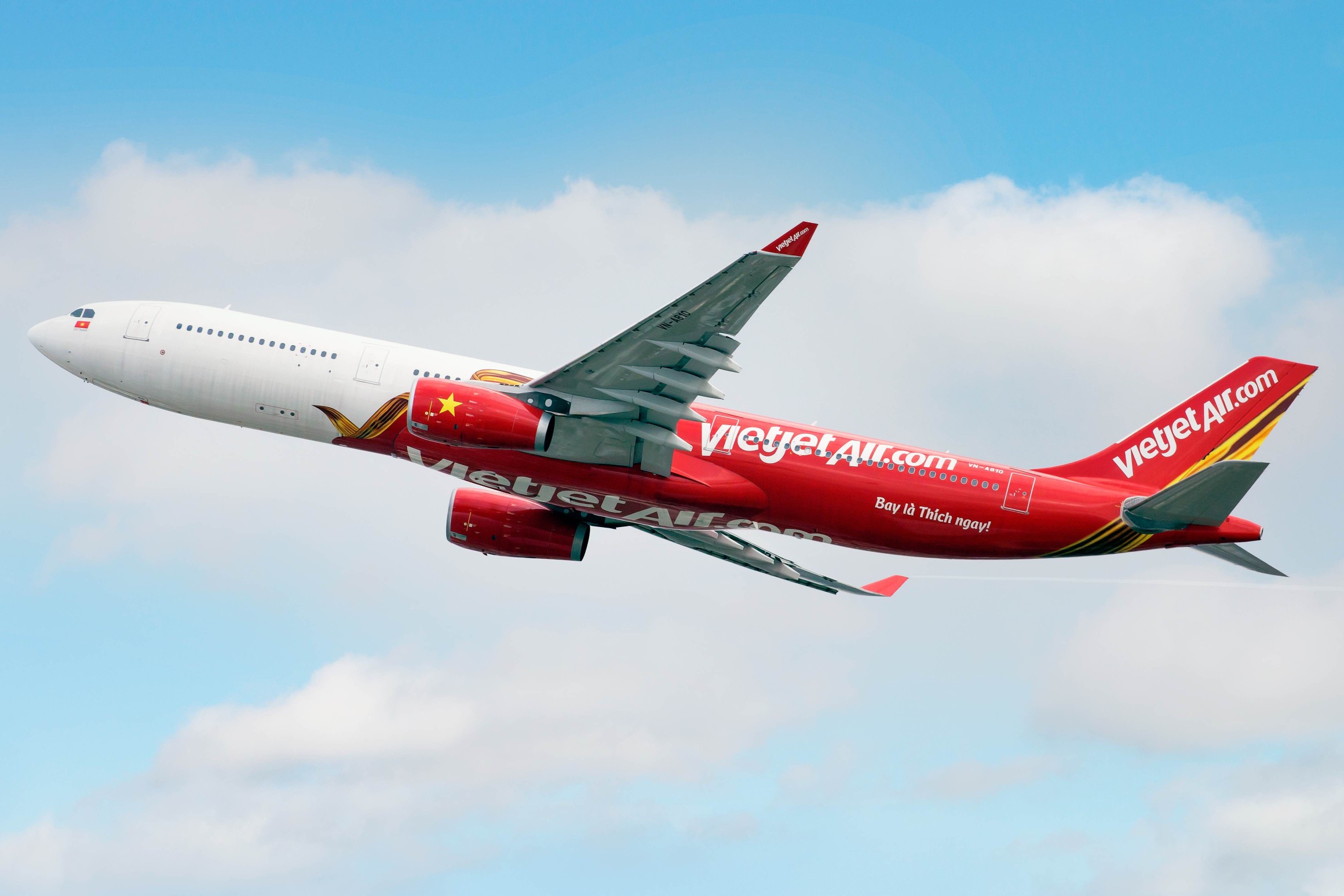
    Celebrate Double Day 9/9 with Vietjet’s special promotion, offering Singapore travellers direct flights to Phu Quoc, Da Nang, Hanoi, and Ho Chi Minh City. Passengers can book thousands of tickets at up to 99% off base fares and enjoy 20kg of complimentary checked baggage on all international direct flights.

    From 01:00 to end of the day on 9 September 2025 (GMT+8), travellers can enter the promo code SUPERSALE99 when booking to secure Eco tickets at discounts of up to 99% (excluding taxes and fees).

    The promotion applies across Vietjet’s entire network of international and Vietnam domestic flights for travel between 1 October 2025 and 27 May 2026 (Specific travel periods may apply depending on routes. Blackout dates may apply).


    Between 10 September and 23 September 2025, passengers booking Eco tickets on international routes will also receive 20kg of free checked baggage. Simply select the 20kg option at no extra cost during booking and enjoy worry-free travel throughout the festive season. For Singapore-based travellers, the special fares are available for travel between 1 October 2025 and 31 October 2025 on all Singapore–Vietnam routes, which include flights from Singapore to Ho Chi Minh City, Hanoi, Da Nang and Phu Quo.

    Vietjet will increase the frequency for Singapore–Da Nang route to twice daily round-trip flights from 21 November 2025 and Singapore–Phu Quoc route to one daily round-trip flight from 23 December 2025. The promotion gives a perfect chance for travellers from Singapore to immerse themselves in Vietnam’s dazzling festivals and cultural celebrations. From the enchanting Mid-Autumn Festival, where streets glow with colourful lanterns and families share mooncakes, to the lively year-end festivities, Vietnam promises unforgettable experiences.

    On board, passengers can look forward to Vietjet’s special Mid-Autumn flights on selected dates, featuring festive lanterns, in-flight performances, and thoughtful gifts to share with loved ones—bringing Vietnam’s traditions to the skies.
  • Vietjet Reports Strong H1 2025 Performance and Launches New Ho Chi Minh City–Manila Route

    Vietjet Reports Strong H1 2025 Performance and Launches New Ho Chi Minh City–Manila Route

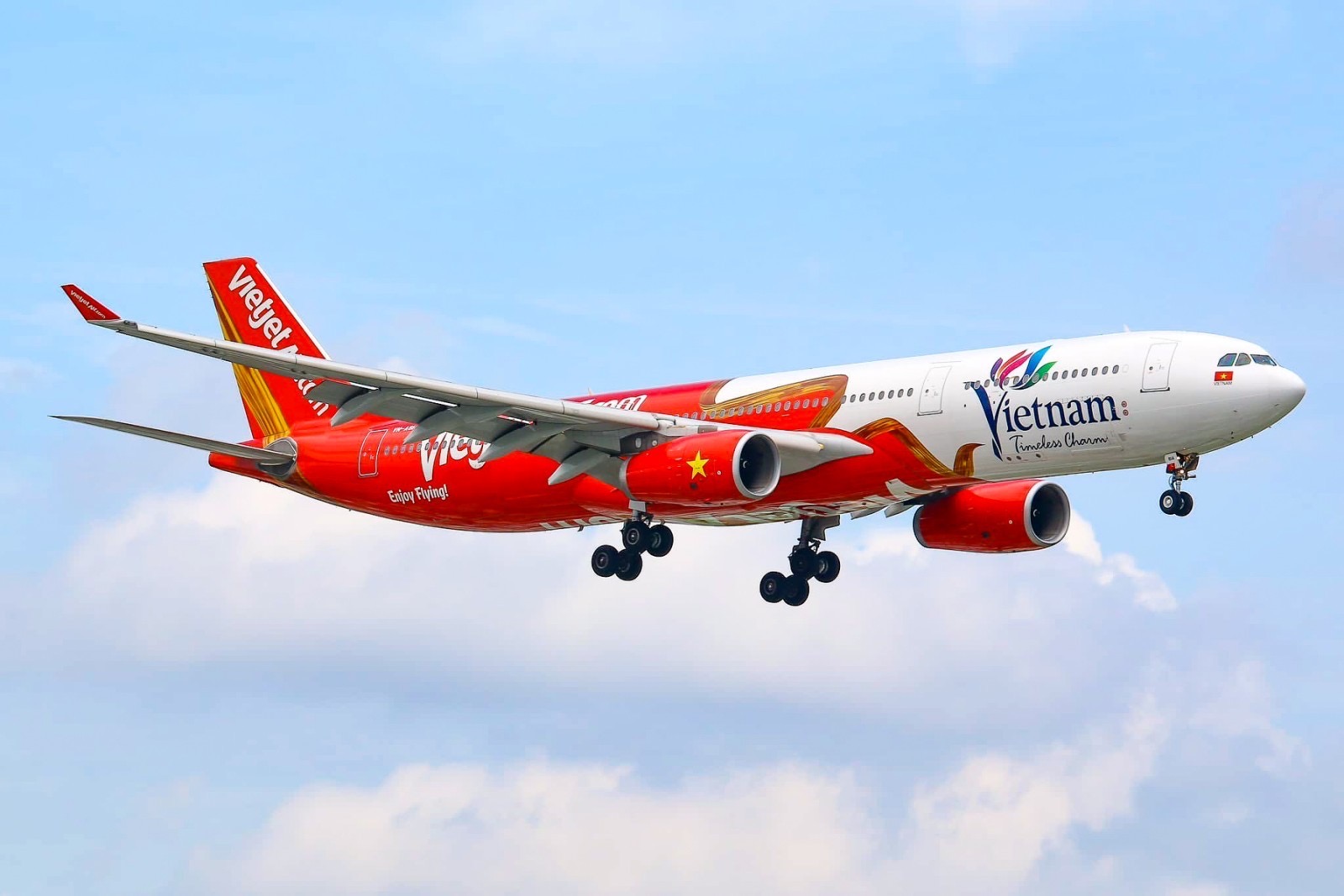
    Vietjet Aviation Joint Stock Company has released its audited financial report for the first half of 2025, reporting strong growth and reinforcing its position as a rising global carrier. Vietjet now operates four direct services linking Singapore with Hanoi, Ho Chi Minh City, Phu Quoc and Da Nang and is boosting its services to Da Nang and Phu Quoc with 49 round-trip flights weekly between Singapore and Vietnam by the end of this year.

    The airline’s performance reflects Vietnam’s emergence as a key aviation hub in Asia and worldwide, while expanding its international network with a new direct route to Manila, Philippines.

    Robust Financial Growth

    In the first six months of 2025, Vietjet achieved air transport revenue of VND35.601 trillion (approx. SGD1.73 billion), with a pre-tax profit of nearly VND1.6 trillion (approx. SGD77.80 million), marking a 37% Year-on-Year (YoY) increase. Consolidated revenue was VND35.837 trillion (approx. SGD1.74 billion), with a pre-tax profit surpassing VND1.651 trillion (approx. SGD80.26 million), reflecting a staggering 65% YoY growth.

    During this period, Vietjet operated 79,000 flights, transporting 14.4 million passengers and contributing over VND4.528 trillion (approx. SGD219.83 million) in taxes and fees. The company’s financial indicators remain strong, with excellent liquidity and consolidated assets exceeding VND112 trillion (approx. SGD5.44 billion).

    Fleet Expansion and Strategic Investments

    Vietjet continued its fleet expansion, ordering 20 A330neo aircraft with Airbus, raising its total order for A330neo to 40, making it the airline with the largest A330neo order in the world.

    At the 2025 Paris Air Show, Vietjet secured a historic order for 100 A321neo aircraft, along with 50 purchase options—the largest deal in the industry—positioning Vietjet among the top 10 airlines globally in terms of aircraft orders.

    Additionally, Vietjet and Rolls-Royce have signed an agreement for 40 Trent 7000 engines to power 20 wide-body Airbus A330neo aircraft, bringing the total number of Trent 7000 engines ordered by the airline to 80.

    Vietjet has broken ground on its Aircraft Maintenance Technical Center at the under-construction Long Thanh International Airport, featuring Hangars 3 and 4 capable of servicing 10 aircraft simultaneously. Additionally, self-service ground operations have been rolled out at major airports to optimise operations and enhance the passenger experience.

    International Expansion: Ho Chi Minh City–Manila Route

    Vietjet will launch a new direct service linking Ho Chi Minh City with Manila, beginning 22 November 2025, with five weekly round-trip flights. This route marks the airline’s first direct connection between Vietnam and the Philippines. Together with flight increases between Vietnam and Singapore, this connectivity will support seamless travel, trade, and cultural exchange in Southeast Asia.

    Travellers can now book their seats at attractive introductory fares.    

    Recognised Excellence and Strategic Vision

    Vietjet has been recognised by AirlineRatings as the “World’s Best Ultra Low-Cost Carrier” and ranked among the Top 5 revenue-generating enterprises by Forbes Vietnam for 2024. The airline continues to expand its footprint, having launched new routes to Singapore, China, India, and Japan in 1H2025, with more international services planned.

    With a modern, fuel-efficient fleet, professional cabin crew, and innovative service offerings, Vietjet remains committed to delivering exceptional value and comfort while driving sustainable growth and global expansion.     


  • Lawmakers Approve $61B High-Speed Rail Boosted by Private Investment Opportunities

    Lawmakers Approve $61B High-Speed Rail Boosted by Private Investment Opportunities

    In a significant move for infrastructure development, the National Assembly of Vietnam has paved the way for private investment in the ambitious North-South high-speed rail project by approving two new development models: public-private partnerships and fully private funding. This decision, reached during a vote on Friday, grants the government the mandate to select both the investment model and the investors for this extensive initiative.

    Initially framed as a public sector endeavor, the project garnered renewed interest from the private sector following a recent resolution from the Politburo which emphasized the importance of advancing private enterprise in national development. This shift not only signals a move towards more flexible funding options but also invites major players to join in one of Vietnam’s largest infrastructure projects to date.

    Two prominent domestic conglomerates have stepped forward with proposals to construct the railway. VinSpeed, led by Vietnam’s wealthiest entrepreneur Pham Nhat Vuong, has committed to covering 20% of the estimated US$61 billion project cost while seeking to borrow the remaining $49 billion from the government. On the other hand, Thaco Group has put forth a similar proposal but intends to secure its financing through loans from both domestic and international financial institutions, with the government serving to guarantee these loans.

    What’s particularly intriguing is Thaco’s approach to maintaining local control; they plan to create a dedicated subsidiary to oversee the project, ensuring that a significant portion of the funding and management remains within Vietnam.

    The rail line, stretching an impressive 1,541 kilometers from Hanoi to Ho Chi Minh City and traversing 20 provinces and cities, is designed to facilitate speeds of up to 350 kilometers per hour. It will feature 23 passenger stations and five dedicated freight terminals, transforming travel and cargo transport across the region.

    The feasibility study for this landmark project is set to commence this year, with ambitious plans for completion by 2035, a timeline that keeps an eye firmly on future connectivity and economic growth.

    Questions & Answers

    What new investment models have been approved for the North-South high-speed rail project?
    The National Assembly has approved public-private partnerships and fully private investment options for the project.

    Who are the major domestic companies proposing to fund the railway?
    VinSpeed, owned by Pham Nhat Vuong, and Thaco Group are the two major conglomerates vying to invest in the railway project.

    What are the key features of the planned high-speed rail line?
    The rail line will span 1,541 kilometers, connect 20 provinces and cities, and operate at speeds of up to 350 kilometers per hour, with numerous passenger and freight stations along the route.

  • Marine tourism sector expected to contribute US$4 billion

    Marine tourism sector expected to contribute US$4 billion

    The marine tourism sector is expected to contribute US$4 billion in 2019, or a four-fold increase from the present contribution, according to Tourism Minister Arief Yahya.

    “We hope that the foreign exchange earnings from marine tourism will increase in 2019 from $1 billion this time,” Yahya remarked, during the signing ceremony of cooperation between the Ministry of Maritime Affairs and Fisheries and the Ministry of Tourism in the field of marine tourism here, on Tuesday.

    The minister admitted that the contribution of marine tourism to the foreign exchange at present was still lower than that of the tourism sector as a whole.

    He said that the marine tourism currently contributes to only about 10 percent of the overall foreign exchange of national tourism that reaches $10 billion per year. Thus, the contribution of marine tourism is only about $1 billion.

    The minister compared this to Malaysia, where marine tourism contributes to about 40 per cent of the total foreign tourists.

    Malaysia itself is expected to rake in tourism foreign exchange of about $25 billion per year.

    Yahya argued that the factors that lead to minimal contribution of marine tourism in Indonesia, among others, were regulatory factors, human resources, and the approach on being more concerned about security than services.

  • Vietnam Airlines Launches $69M Catering and Maintenance Initiatives at New Airport, Elevating Service Standards

    Vietnam Airlines Launches $69M Catering and Maintenance Initiatives at New Airport, Elevating Service Standards

    Vietnam Airlines has officially commenced work on two significant projects at the rapidly developing Long Thanh International Airport, which is poised to become a major aviation hub in Vietnam. With a combined investment of VND 1.8 trillion (approximately USD 69 million), these initiatives focus on enhancing in-flight catering and aircraft maintenance services.

    Investment in Catering and Maintenance

    The projects will be spearheaded by the airline’s subsidiaries: Vietnam Airlines Caterers and Vietnam Airlines Engineering Company. The catering facility is designed to initially produce 20,000 meals daily, with the ambition to increase that capacity to 40,000. Such a massive food operation could make meal prep at 30,000 feet feel a little less like airplane food—an exciting prospect for hungry travelers!

    On the maintenance front, work is underway on a state-of-the-art facility covering over 45,000 square meters, with a budget of VND 1.1 trillion. This facility will service two wide-body and two narrow-body aircraft simultaneously, boasting a minimum annual maintenance capacity of 250,000 man-hours. It aims to conduct between 120 to 150 maintenance sessions each year, ensuring that the fleet remains in peak condition.

    Additionally, Vietnam Airport Ground Services Company has initiated its own project, focusing on maintaining airport ground equipment, further streamlining operations at Long Thanh.

    A Landmark Development

    Spanning an impressive 5,000 hectares in Dong Nai Province, Long Thanh International Airport boasts an estimated total cost of VND 336.6 trillion. The airport’s first phase is scheduled for completion in 2026 and includes crucial infrastructures such as a runway, a passenger terminal, and supporting facilities designed to accommodate up to 25 million passengers annually. With these developments, Long Thanh aims to elevate Vietnam’s status in the global aviation landscape.

    As construction progresses, the combination of extensive facilities and quality services signals a bright future for air travel in Vietnam. Who knows—maybe your next meal on a flight will be prepared just a stone’s throw away from the runway!

    Questions & Answers

    What is the total investment for the Vietnam Airlines projects at Long Thanh International Airport?
    The projects are estimated to cost VND 1.8 trillion (approximately USD 69 million).

    What capacity will the catering facility have?
    Initially, the facility is set to produce 20,000 meals per day, with potential scalability to 40,000 meals.

    When is the first phase of Long Thanh International Airport expected to be completed?
    The first phase is scheduled for completion in 2026, with a capacity to handle 25 million passengers each year.

  • Google Flights introduces a new “Cheapest” tab for budget-conscious travelers

    Google Flights has launched a new “Cheapest” tab to help travelers find the most affordable flights, even if it means sacrificing some convenience. The new feature comes as October is considered the ideal time to book holiday flights for Thanksgiving and Christmas.

    Google Flights already offers various ways to save on travel, but this new feature aims to make finding the lowest prices even easier. The “Cheapest” tab will display options with the lowest fares, which may include longer layovers, self-transfers, or booking different legs of the trip through multiple airlines or booking sites.

    The new “Cheapest” tab complements the existing “Best” tab, which prioritizes a balance of price and convenience. While the “Best” tab shows the most convenient flights based on factors like travel time and number of stops, the “Cheapest” tab focuses solely on finding the absolute lowest fares, regardless of the potential inconveniences.

    This new feature is beneficial for travelers who are flexible with their travel plans and prioritize cost savings over convenience. By using the “Cheapest” tab, travelers can explore a wider range of options and potentially find significant discounts on their airfare.

    Google’s latest insights indicate that the cheapest fares for U.S. domestic trips around Thanksgiving and Christmas are usually available in October, which makes this the perfect time to roll out this tool. The new addition will effectively enable travelers to easily compare prices and find the best deals for their holiday travel plans. Rollout should begin globally over the next two weeks, wherever Google Flights is available —  this means both on mobile and the web.
    This update will provide travelers with an additional tool to make informed decisions and find the most affordable flights for their next trip, and it could be a game-changer for budget-conscious travelers like myself. The ability to prioritize price over convenience opens up a whole new world of possibilities for finding affordable flights. I’m eager to try out the “Cheapest” tab and see how much I can save on my future travels.
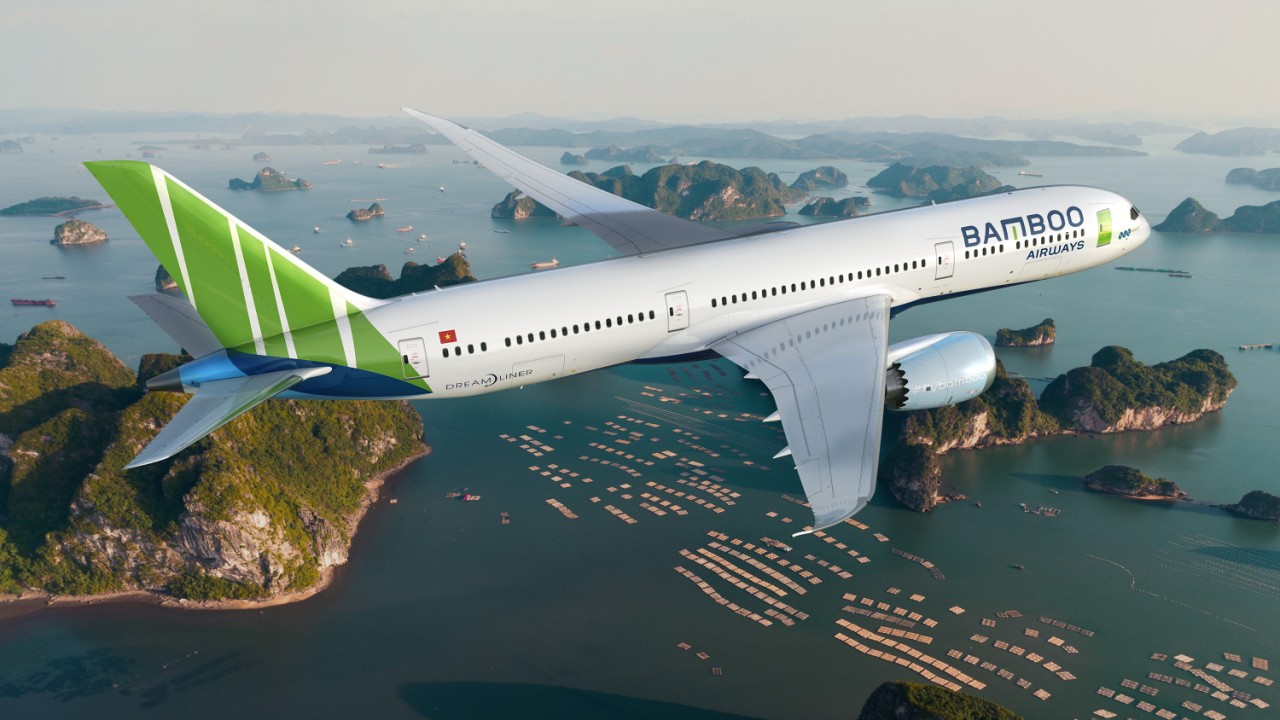
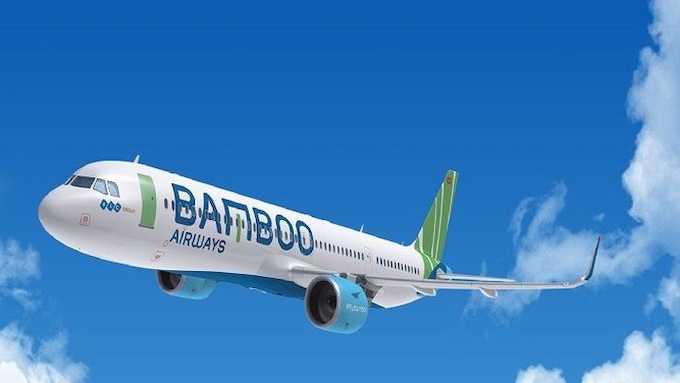
  • Prime minister asks ministries to support Bamboo Airways

    Prime minister asks ministries to support Bamboo Airways

    Prime Minister Pham Minh Chinh has asked relevant ministries to find solutions to Bamboo Airways’ issues on capital, transfer of shares to new investors, and its fleet expansion.

    The airline has recently faced many difficulties, especially in finance.

    In mid-July, it was rumored Bamboo Airways asked the government for bankruptcy protection, but the private airline denied this.

    In early July, Bamboo Airways sent the prime minister a report on its operation and difficulties.

    Chinh assigned the Ministry of Transport to maintain the airline’s operating conditions to ensure security and safety in civil aviation transport, and the Ministry of Finance to remove difficulties in transferring its shares to new investors.

    He also asked the Ministry of Planning and Investment to quickly appraise a proposal allowing Bamboo Airways to increase its fleet to more than 30 aircraft, because the lengthy process would slow down the airline’s recovery and development as well as reduce its business opportunities.

    In addition, he proposed the State Bank of Vietnam work with the airline to remove financial difficulties, facilitating commercial banks’ contribution of capital to the airline.

    The prime minister requested the ministries and the central bank to report the results of their troubleshooting before September 15.

    Vietnam’s aviation industry has been recovering domestically but is still struggling to reclaim its share of the global market.

    In the first six months, the domestic market increased by 8% compared to pre-pandemic levels, but the international market remained 40% lower.

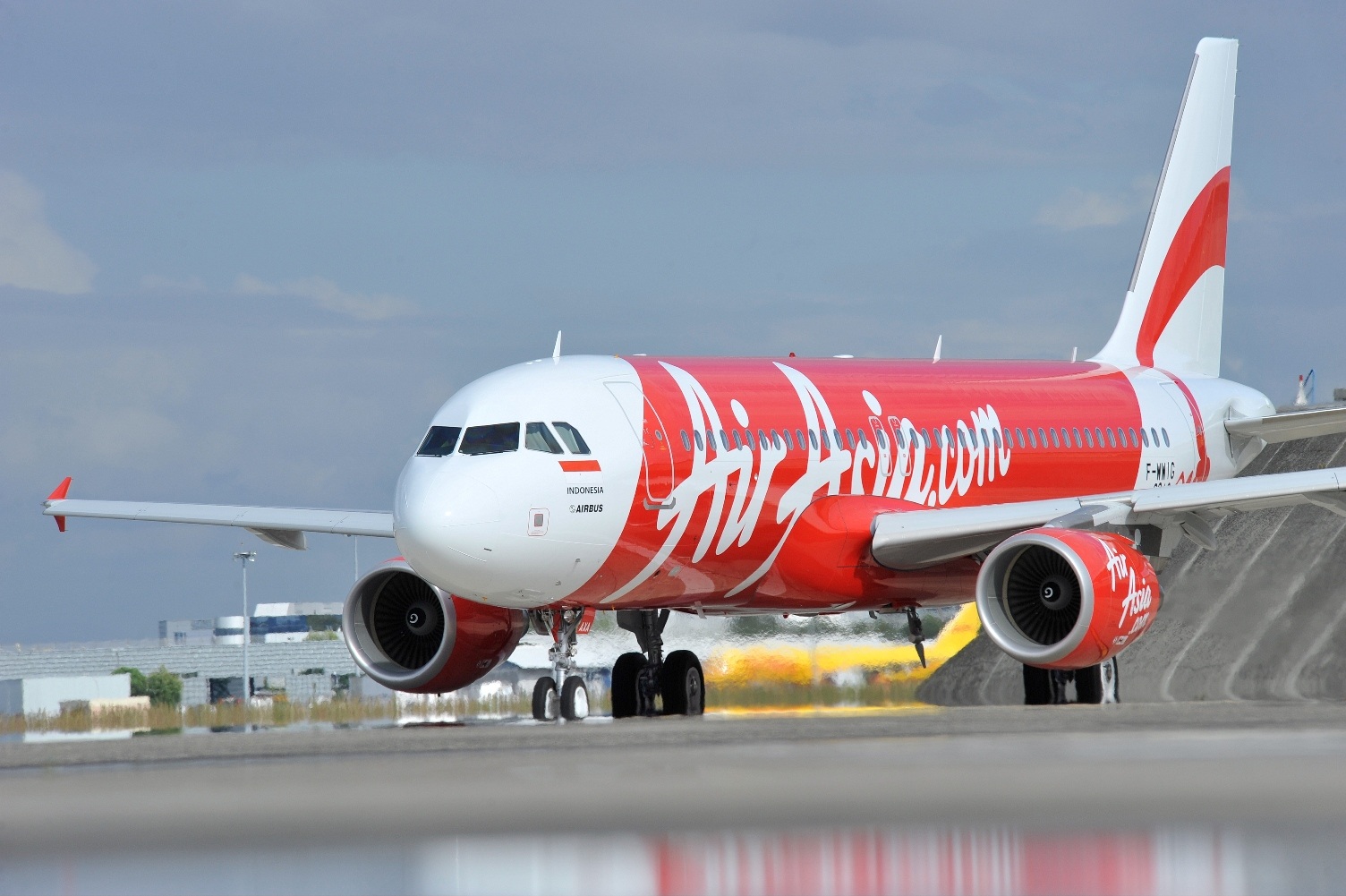
  • Thai AirAsia back flying to Colombo

    Thai AirAsia back flying to Colombo

    AirAsia Thailand (FD) celebrated its inaugural flight, Sunday, flying from Bangkok (Don Mueang) to Colombo, the capital city of Sri Lanka.

    Operating the direct flight four times a week (Monday, Wednesday, Friday and Sunday) the low-cost airline uses an A320 on the route with 180 seats.

    FD140 de departs Bangkok Don Mueng Airport (DMK) and 1945 and arrives in Colombo at 2200. FD141 departs Colombo at 2300 and arrives in DMK at 04005 on the following morning.

    Booking website Kayak quotes a one-way Bangkok (DMK)-Colombo (CMB) on AirAsia at USD107. Roundtrip fares between the two cities average USD470 based on prices quoted by Thai Airways International and SriLankan flying between Bangkok (BKK) and Colombo (CMB) is more than double AirAsia’s roundtrip fares (DMK-CMB).

    Sri Lanka is a major destination for Buddhist faithful from across the globe as it is home to numerous well-known religious locations, many registered as World Heritage Sites, the best known of which is the Temple of the Sacred Tooth Relic in the city of Kandy.

    Other attractions include the forest-enveloped Sigiriya, often called the Machu Picchu of Asia due to its remote location. For other leisure seekers, Sri Lanka offers pristine nature experiences along the train route from Kandy to Ella, considered one of the most scenic train rides worldwide as it carves through valleys and tea fields. Tourists are usually drawn to the Ceylon tea plantation to learn about the process and enjoy a cuppa. Dimah is the most famous tea brand and offers tours with a tasting session at the plantation’s estate in the hill country of Nuwara Eliya.

    Marking the resumption of the route post-pandemic, AirAsia offers a promotional fare from Bangkok (Don Mueang) to Colombo, Sri Lanka, pegged a THB2,990 one-way (USD85). Bookings are open until 16 July 2023 for travel from 9 July to 28 October 2023 via the AirAsia Superapp.

  • Vietnamese airlines recovering in 2023

    Vietnam Airlines and Vietjet Air reported profits again in the first quarter of this year, while Bamboo Airways neared the break-even point, thanks to the Tet travel peak.

    Analysts said increased international flights due to Vietnam’s Lunar New Year holiday festival (Tet) in late January were the cause of the uptick in the previously-ailing air industry.

    According to newly released financial statements, Vietnam Airlines posted a consolidated pre-tax profit of VND19.3 billion (US$817,800) in the first quarter of this year, compared with a loss of VND2.6 trillion in the first quarter of last year.

    The gains halted the streak of 12 loss-making consecutive quarters since Covid-19 emerged.

    The national flag carrier’s revenues doubled to VND23.64 trillion, the highest since the beginning of 2020 and close to the pre-pandemic levels of 2019.

    A manager at Vietnam Airlines said the better business performance mainly stemmed from the company’s effective tapping of Tet holiday travel, and the recovery of international flights, especially to and from China.

    In markets such as the U.S., Europe and Australia, the airline gained high seat occupancy rates.

    After incurring losses in 2022, Vietjet Air made a pre-tax profit of VND243 billion in the first quarter of this year. That figure came out of a consolidated revenue of VND12.9 trillion, its highest revenue in the last 12 quarters.

    Vietjet Air’s revenue from the international market increased, accounting for 45% of its total revenue from passenger transport.

    Among domestic airlines, Vietjet Air has pioneered opening new routes to India, Kazakhstan and Australia since the second half of last year.

    Vietjet operated 31,300 flights, transporting nearly 5.4 million passengers in the first quarter, up 57% and 75% respectively.

    Meanwhile, the number of passengers transported by Vietnam Airlines surged by 63% to 5.1 million.

    Domestic carriers’ improved performance was also partly due to lower fuel prices and exchange rate differences.

    In the last quarter of last year, both Vietnam Airlines and Vietjet operated below cost as the fuel price of Jet A1 and interest rates were high. The price of jet fuel last year sometimes exceeded $160 per barrel and averaged $130.

    According to Vietnam Airlines, the average price of Jet A1 fuel in the first three months of the year downed to US$110.69 per barrel.

    Bamboo Airways has not announced business results in the first quarter of this year. At an extraordinary shareholder meeting in early April, Bamboo Airways chairman Nguyen Ngoc Trong said the airline was close to breaking even in the first quarter, with its fleet of 30 aircraft operating at full capacity.

    He said Bamboo Airways “will get off the ground in 2024 and be profitable from 2025.” Bamboo Airways is expected to obtain 6-8 new aircraft in the coming months to expand its international flight network.

    Bamboo Airways is working with partners in China to open new routes from now to the end of the third quarter. Meanwhile, it will increase the frequency of many routes to Southeast Asia and Northeast Asia in the second half of the year.

    Vietjet Air will get more new wide-body and narrow-body aircraft, increasing the total to 87 by the end of this year, and launch new routes to India, Japan, and South Korea.

    Vietravel Airlines plans to receive 3 more aircraft to double its fleet.

  • Bamboo Airways shareholders shoot down capital increase plan

    Bamboo Airways shareholders shoot down capital increase plan

    Shareholders of Bamboo Airways, at an extraordinary general meeting on Monday, rejected plans for a private placement of shares to increase charter capital.

    The proposal for a VND9.57-trillion ($405.5 million) issue to increase the capital to VND28 trillion, restructure loans and swap debts for shares based on agreements with creditors was rejected by 56.4% of shareholders.

    Bamboo Airways chairman Nguyen Ngoc Trong said he would hold discussions with major shareholders and submit a plan for increasing the charter capital at the next annual general meeting.

    Trong said that in the first quarter of this year, with its fleet operating at full capacity, the airline would almost break even.

    It is expected to get delivery of six to eight aircraft this year and 10 more in 2024-25, he said.

    “Bamboo Airways will become profitable by 2025.”

    He said 2026 or 2027 would be an optimal time for it to make an IPO.

    The carrier now flies to 21 out of 22 airports in Vietnam, and in April would add Ca Mau to its destinations.

    Internationally, it has been resuming services to Europe and Australia post-Covid.

  • Aviation stocks rise amid expected industry recovery

    Aviation stocks rise amid expected industry recovery

    Stocks of Vietnam Airlines, Vietjet and other companies in the aviation industries have surged as the resumption of flights to China amid its relaxed Covid-19 policy boosted investors’ sentiment.

    HVN of state-owned Vietnam Airlines closed last week at a ceiling price in its third session in the green and returned to the mid-October price range of around VND11,750 ($0.50).

    Meanwhile, VJC of budget airline Vietjet, the only airline blue chip, gained 5% to close at VND111,500.

    SAS of Tan Son Nhat Airports Services and AST of Taseco Airs, which mostly provide services at Noi Bai International Airport, all gained three sessions to close at VND22,000 and VND54,000, respectively.

    These stocks gained after China relaxed its Covid-19 restrictions and several Vietnamese airlines, such as Vietnam Airlines and Bamboo Airways, announced a flight resumption to Chinese cities.

    Analysts of brokerage VNDirect said earlier this month that the most damaging factor for Vietnam’s tourism and aviation recovery is China’s zero-Covid policy which has been strictly imposed in most of the last three years.

    Chinese tourists accounted for 35% of total foreign tourists in Vietnam before the pandemic, and the figure is forecast to reach 20% in early next year before returning to the old level in early 2024, they added.

    “As the earnings of Vietnamese aviation companies have a high dependency on international traffic, we believe that their figures will surge starting next year.”

    Another reason for the surge in aviation stocks is an increasing number of investors buying the dip after the plunges.

    It also warned that risks such as high oil prices, heavy competition and weakening travel demand due to a global economic slowdown might have impact on the recovery of aviation stocks.

  • Budget carrier MYAirline to begin competing against AirAsia in December 2022

    Budget carrier MYAirline to begin competing against AirAsia in December 2022

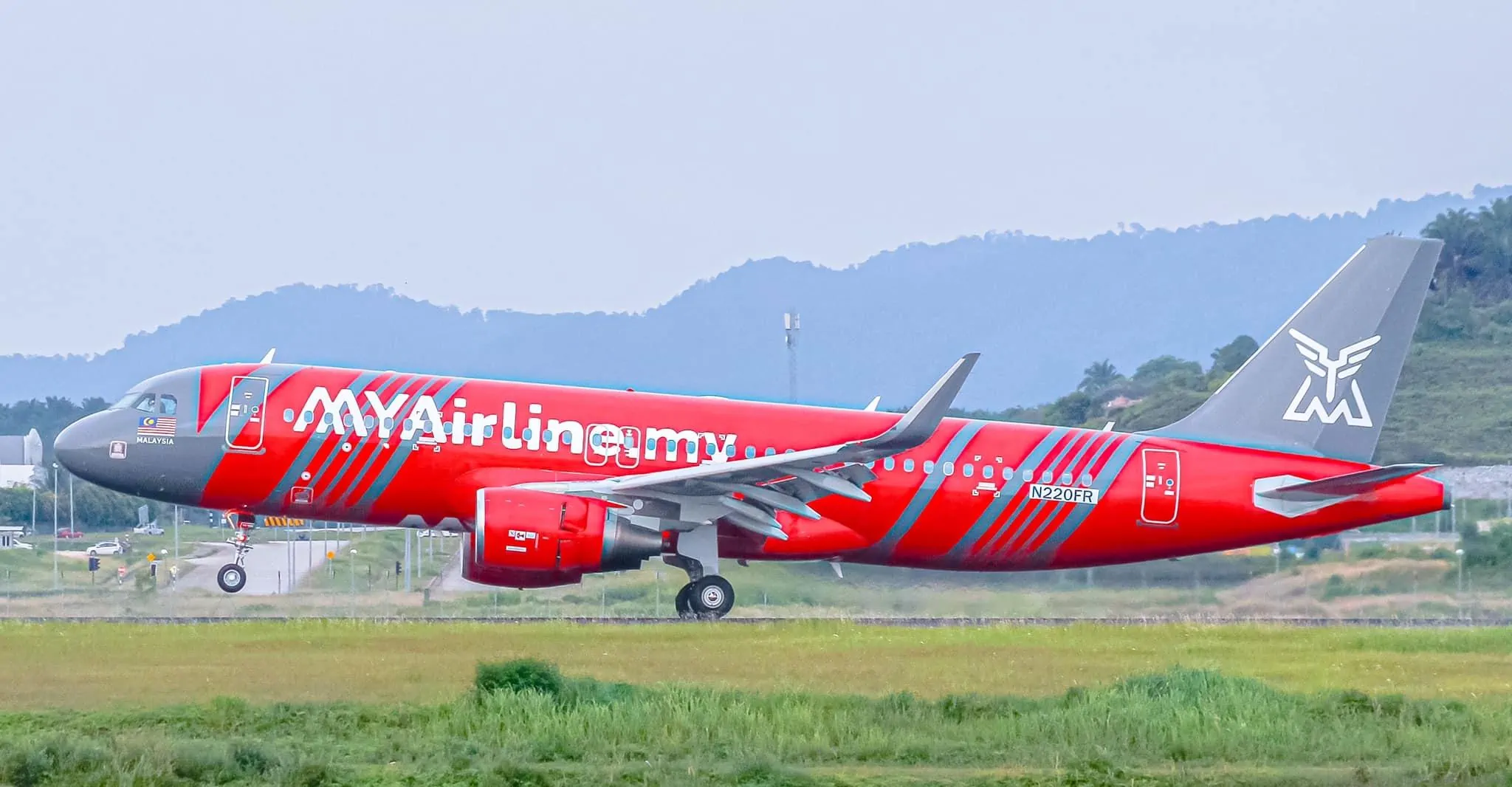
    After much anticipation, it’s been revealed that new Malaysian low-cost carrier MYAirline will begin flying in December 2022, with reports having confirmed approvals from the Malaysian Aviation Commission (Mavcom) and Civil Aviation Authority (CAAM) for the company to start selling tickets.

    Also, the airline took to its social media pages to hint at its very first flight destinations, which will most likely include Malaysian cities such as Kuching, Kota Kinabalu, and Langkawi, judging by the graphics in its posts.

    This comes after the airline’s CEO Rayner Teo said that MYAirline would seek domestic air traffic rights, with flights to begin very soon after approvals.

    “We’re hoping to start flying before the end of this year,” he said. “We’re looking at domestic destinations within the Peninsula.”

    The airline — which currently has 330 employees and is still hiring — will look to start off its operations with three Airbus A320 aircraft flying from Kuala Lumpur International Airport 2 (KLIA2).

    While all of the airline’s planes are currently under lease, Teo also revealed that the airline has the goal of increasing its fleet to 50 aircraft within the next four years.

    As an aside, he mentioned that starting the company during the height of the COVID-19 pandemic was crucial to helping it learn from competitors about how to operate such a business and serve its customers better.

    “A lot of feedback that we hear is that it’s hard to reach the airline after you have purchased a flight ticket,” heMYAirline explained. “As for us, we’ll ensure that our passengers can communicate with us effectively.”

    “We won’t be looking at chatbots, but rather focus on human interaction. On-time performance is also something that we’ll focus on.”

    With the travel industry now opening up around the world following the pandemic, flyers in Southeast Asia (especially Malaysia) will more than likely be pleased at the arrival of more competition in the space, especially when considering the many well-documented issues faced by travelers dealing with more established rivals like AirAsia.

  • Vietravel reaps profit in Q4 after consecutive loss

    Vietravel reaps profit in Q4 after consecutive loss

    Tourism company Vietravel reported VND228 billion ($10 million) profit in Q4 of 2021, after four consecutive quarters of loss.

    It posted net revenues of VND190 billion in Q4, down 60 percent compared to the same period of 2020.

    “Company activities regained positive changes due to the fact the pandemic was gradually brought under control. Simultaneously, the company had restructured its financial investment,” Vietravel said.

    However, Vietravel reported an accumulated loss of more than VND256 billion for the whole 2021, tripling year-on-year, as its core activities of tourism and aviation suffered from Covid-19.

    At the end of last year, Vietravel had sold a 55.58 percent stake in Vietravel Airlines to an unspecified investor as it seeks more funding amid Covid financial pressures.

  • Cebu Pacific provides added protection through CEB Travelsure

    Cebu Pacific provides added protection through CEB Travelsure

    The Philippines’ leading airline, Cebu Pacifi upgrades its CEB Travelsure “Basic Protect” insurance product to now include “COVID Protect”, to inspire travel confidence amidst the current situation. CEB is the first local carrier to offer this type of enhanced coverage in one product.

    Starting January 13, 2022, CEB Travelsure “Basic Protect” becomes even more comprehensive as it now covers COVID-related hospitalization and treatments, on top of up to PHP 2,500,000 medical expenses benefit, in case of an injury or other illnesses, and up to PHP 2,500,000 personal accident coverage during the trip.

    CEB Travelsure “Basic Protect” may be availed by passengers with domestic and international itineraries, as long as their trip starts in the Philippines, for as low as PHP 492 round-trip.

    CEB Travelsure is underwritten by Insurance Company of North America (a Chubb Company). Chubb is the world’s largest publicly traded property and casualty insurance company.

    Passengers can conveniently avail themselves of CEB Travelsure when booking flights on the CEB website or select as an add-on up to two hours prior to their flight via the ‘Manage Booking’ portal on the Cebu Pacific website. Insured passengers will receive their group policy Confirmation of Cover with the details of the travel insurance benefits via email. Customers should contact Chubb directly if they have specific questions about their insurance coverage.

    Chubb also offers a 24/7 Emergency Medical and Travel Assistance Hotline.

    CEB TravelSure is the airline’s comprehensive travel insurance plan which provides extensive trip protection with coverage for costs related to having injuries, illnesses, loss of personal belongings, trip cancellations, emergency assistance, and other unforeseen travel circumstances (subject to the full terms & conditions of the Group Policy). For more information, passengers may visit: https://www.cebupacificair.com/pages/plan-trip/add-ons/travelsure

    CEB has attained 100% vaccination rate for its active flying crew through its very own employee vaccination program, JG Summit COVID Protect, and various partnerships with local government units in the country.

    The airline has been rated 7/7 stars by airlineratings.com for its COVID-19 compliance as it continues to implement a multi-layered approach to safety, in accordance with global aviation standards. These include daily extensive cleaning and disinfection protocols for all aircraft and facilities, on top of its contactless flight procedures. Its jet fleet are equipped with hospital-grade HEPA filters, known to eradicate viruses with 99.9% efficiency.

  • Cebu Pacific flight cancellations from August 6 to 20

    Cebu Pacific flight cancellations from August 6 to 20

    Budget carrier Cebu Pacific on Saturday released the schedule of its flight cancellations from August 6 to 20, amid the enhanced community quarantine (ECQ) in Metro Manila.

    Flight cancellations have been made after the government allowed only essential travel during the two-week strict lockdown period in the National Capital Region.

    Cebu Pacific earlier released the schedule of its canceled flights from July 31 to August 5, during the general community quarantine “with heightened restrictions” in NCR.

    The following Cebu Pacific and Cebgo flights are cancelled:

    “Affected passengers have been informed via contact details provided in the booking. They may select their preferred option through the Manage Booking portal on the Cebu Pacific website until 30 days from date of departure,” Cebu Pacific said.

    Likewise, the airline said affected passengers may opt to do the following:

    • Rebook for travel within 60 days no additional cost, following CEB’s permanent removal of change fees. Fare difference waived.
    • Store the amount in a virtual CEB wallet valid for two years and use this to either book a new flight or pay for add-ons (e.g. baggage allowance, seat selection, etc.)
    • Refund: the process may take up to two months from the date of request.

    “CEB will continue to operate other domestic and international flights as scheduled,” it said.

    “This is a developing situation. Some flight changes may take place in the coming days,” it said.

    “Before going to the airport, passengers are advised to check?the travel requirements, safety protocols,?and frequently asked questions (FAQs)?on the CEB website,” it added.