Retail News CRM

Tag: travelling

  • Jeju Air inks $4.4 billion deal to purchase 40 new planes

    Jeju Air inks $4.4 billion deal to purchase 40 new planes

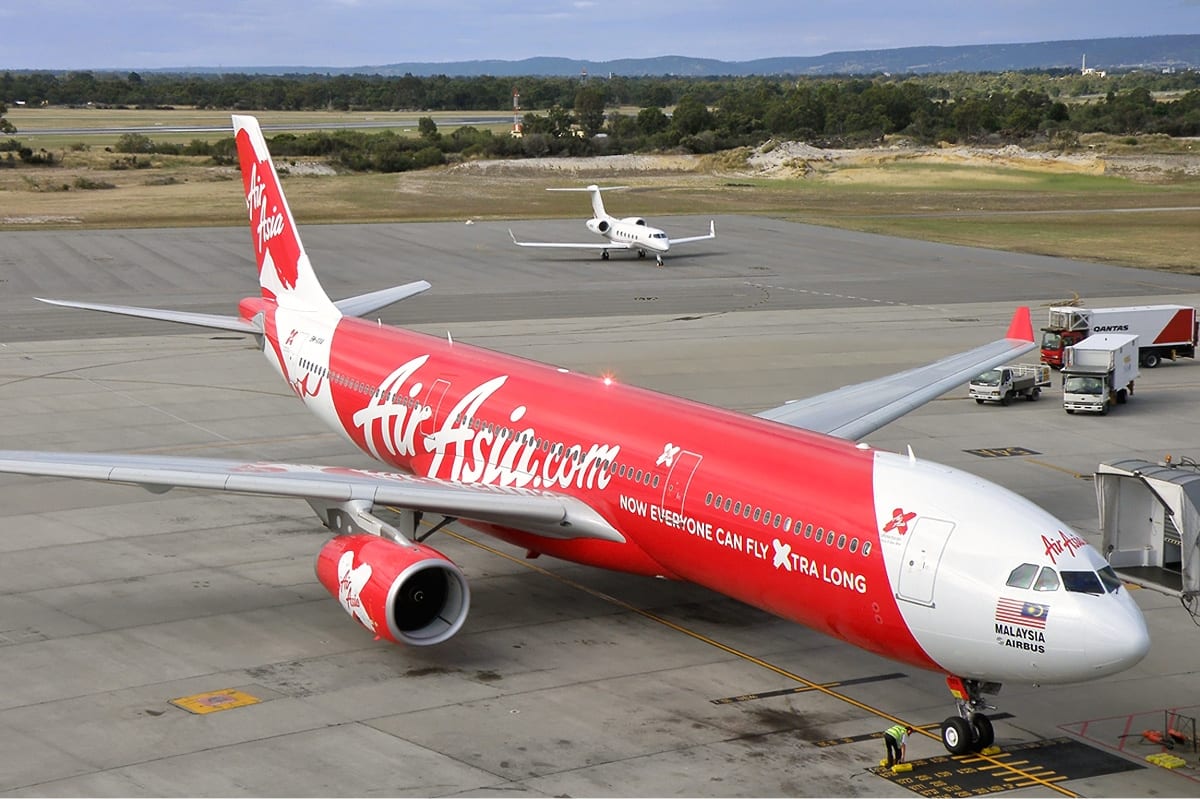
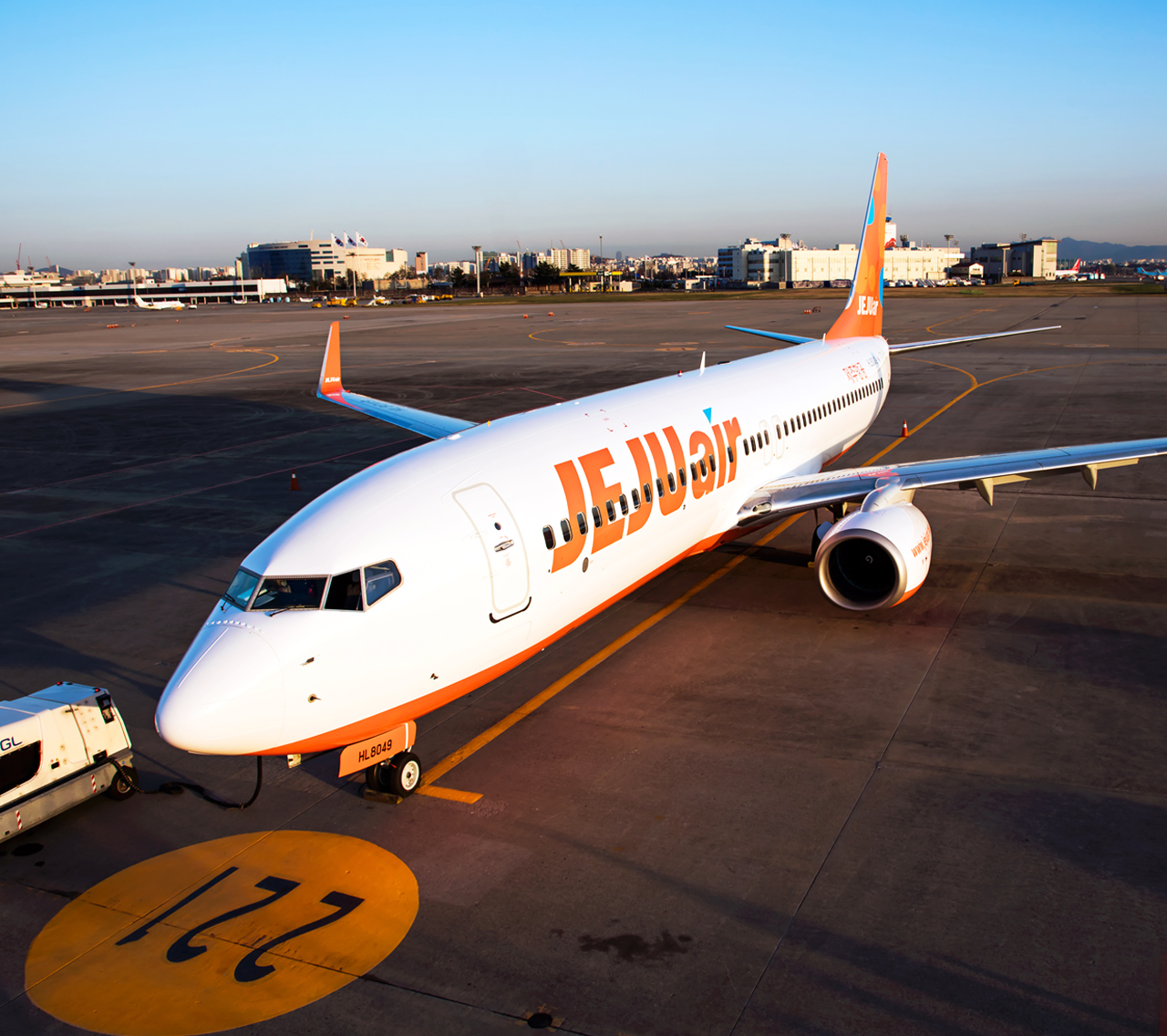
    Jeju Air, Korea’s biggest budget carrier by sales, said, on Tuesday, that it inked a $4.4 billion deal for 40 new planes, with the delivery set to begin in 2022. Jeju Air has decided to buy Boeing’s new B737 MAX passenger jets to strengthen its fleet, the company said in a statement.

    The low-cost carrier plans to assign the 189-seat B737 MAX on its mid and long-haul routes as they are more fuel efficient than the planes it currently operates, a company spokeswoman said over the phone.

    The new jets have a range of some 6,500 kilometers, 1,000 km more than the B737-800NG that the company currently operates.

    In the January-September period, net profit jumped 31 percent to 84.86 billion won ($75 million) from 64.61 billion won a year earlier. Operating profit climbed 14 percent to 95.82 billion won from 83.79 billion won during same period. Sales were up 28 percent to 941.93 billion won from 734.78 billion won.

    Jeju Air said it is on track to achieve sales of over 1 trillion won this year on the back of a strengthened fleet and profitable routes.

  • Thailand: fourth-most-profitable global tourism destination

    Thailand: fourth-most-profitable global tourism destination

    According to the UN World Tourism Organization, Thailand outranks every other nation in Asia when it comes to tourism spend. Last year, it collected $57 billion in international tourism receipts, nearly doubling Macao ($36 billion), Japan ($34 billion), Hong Kong ($33 billion), and China ($33 billion).

    Globally, the only countries that out-earn Thailand in terms of tourism dollars are France ($61 billion), Spain ($68 billion), and the United States—which handily takes the gold medal, at $211 billion.

    It all comes down to volume. Foreign arrivals could hit 40 million next year, which is more than half the country’s population.

    “In Thailand, you’ve got something for everybody,” says Rebecca Mazzaro, a specialist for bespoke outfitter ATJ. “From the private island with the private villa to amazing street food meals that only cost a couple bucks, it has a diversity and variety that exists in few other markets. It’s no surprise lots of people are going—and spending,” she says.

    A Coming Luxury Boom

    Though gaps in the WTO’s data make it difficult to ascertain the per-visitor spend in each of these countries, given recent and forthcoming developments, that number is likely to be rising.

    “There’s no question that historically Bangkok—and Thailand in general—has always been perceived as a value destination,” says John Blanco, general manager of the forthcoming five-star Capella Bangkok. “But there has been a real effort to shift that perception.”

    Mastercard’s annual Global Destination Cities Index recently ranked Bangkok as the most-visited city in 2017 for the third year in a row.

    The study, based on undisclosed public data sources, rather than cardholder transactions, indicates that travelers shell out $173 for a day in the Thai capital, compared to $537 in Dubai or $286 in Singapore.

    This year, it forecasts travelers will spend an additional 14 percent more.

    By next year, the city will have gained even more opportunities to spend, such as superlative new resorts from Four Seasons, Rosewood, Mandarin Oriental, and Waldorf Astoria, plus a $1.6 billion Bal Harbour-esque mixed-use retail development called Icon Siam.

    “There’s a lot more meat on the bone now,” Blanco says of luxury offerings in the capital.

    Dino Michael, global head of Waldorf Astoria Hotels and Resorts, agrees. “We’ve been noticing the upscaling of Bangkok for a few years,” he tells Bloomberg. “The consumer has become more sophisticated; the dining scene has become more sophisticated.”

    Among Bangkok’s selling points, he says, are strong infrastructure and airlift, a “depth and breadth of tourists,” and an ingrained culture of hospitality. For tourists and brands thinking about charting the region, Michael adds, “It’s world renown—and an obvious starting point.”

    The Pitfalls of Popularity

    There may be a price to pay for popularity, particularly on Thailand’s beaches and islands.

    Already, throngs of partygoers on commercial yachts have done so much damage to the pristine marine ecosystem of Maya Bay—the picturesque backdrop to Leonardo DiCaprio’s 2000 film The Beach—that the area closed for four months earlier this year to recover.

    Unable to bounce back fast enough, it’s now being closed indefinitely. That follows similar measures in nearby Koh Khai and Koh Tachai islands, where coral was being destroyed at devastating rates.

    In Phuket, Mastercard’s 12th-most-visited destination in the world, there’s been a sharp decline in the local turtle population, correlated with the rise in beachside pollution. It’s led 70 hoteliers to band together to promote sustainability and encourage better etiquette among travelers.

    And in Thailand’s north, the dramatic growth of tourism has led to a sobering spike in unethical wildlife tourism, often centering around elephants and tigers.

    The capital, meanwhile, has stayed largely out of the way of these visitor-related troubles—perhaps because it’s hard(er) to justify bad behavior in a city with 40,000 Buddhist temples.

    “Of course, red light tourism is alive and well—like it or not,” says Catherine Heald, founder and chief executive of Asia outfitter Remote Lands. “But ultimately, tourism has really lifted the local economy.”

    At $57 billion a year, there’s no denying that.

  • Indonesia’s Garuda Shares Soar on News of Sriwijaya Deal

    Indonesia’s Garuda Shares Soar on News of Sriwijaya Deal

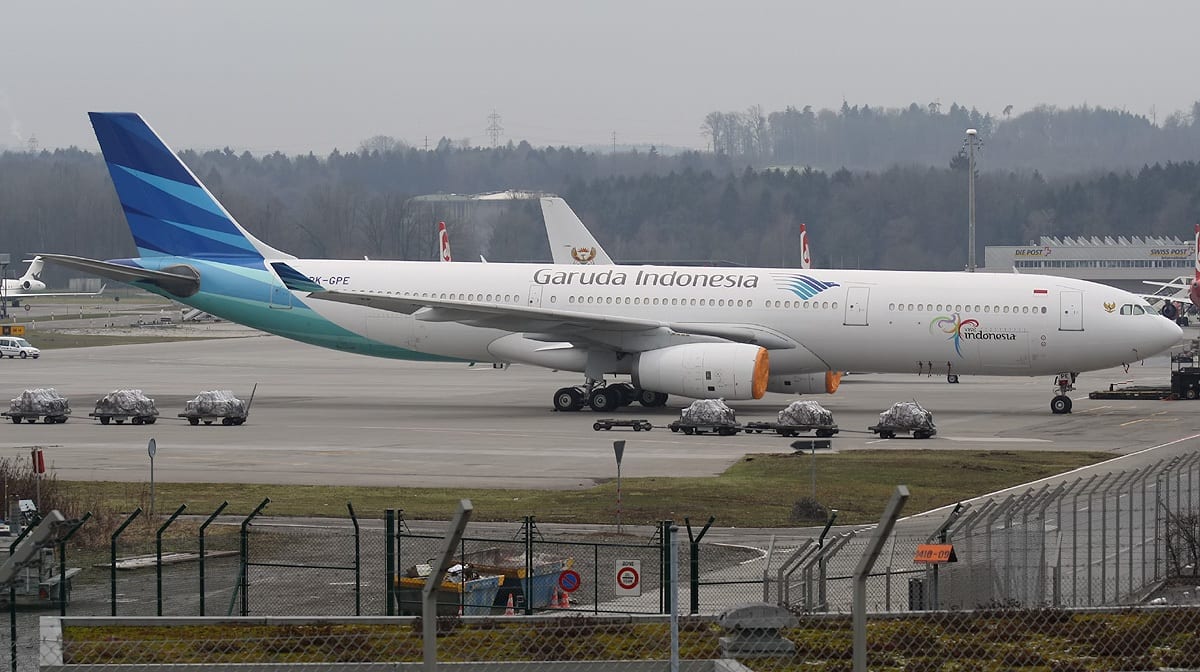
    National flag carrier Garuda Indonesia’s share price surged 19 percent on Thursday after the airline said it had taken over operational control of low-cost rival Sriwijaya Air. The move is seen as an effort to help Sriwijaya improve its financial performance, while potentially expanding Garuda’s market share to challenge Indonesia’s largest airline company, the Lion Air Group.

    Garuda announced the joint operation through its subsidiary, Citilink Indonesia, on Wednesday after signing an agreement with Sriwijaya Air and NAM Air – both under the Sriwijaya Air Group – on Nov. 9. The partnership could also be escalated to share ownership in the Sriwijaya Group, Garuda said in the statement.

    The joint operation will give the flag carrier a combined 46 percent share of the country’s domestic aviation market, while the country’s largest budget carrier, Lion Air, controls 51 percent, according to the Sydney-based CAPA Centre for Aviation.

    The remainder of the market is shared by the local unit of Malaysia-based AirAsia, charter service Susi Air and Jakarta-based Trigana Air Service.

    “The joint operation is intended to help the Sriwijaya Air Group improve its operational and financial performance to help Sriwijaya fulfill its commitments to third parties, including those within the Garuda Indonesia Group,” Garuda managing director Askhara “Ari” Dhanadiputra said in a statement.

    Sriwijaya Air planned to undertake an initial public offering last year, but its weak financial performance put a stop to that.

    The carrier suffered a loss last year due to rising fuel costs and the weaker rupiah after three profitable years. Most of Sriwjaya’s revenue is in rupiah, while the carrier’s expenses are mainly in US dollar, including fuel, aircraft maintenance and debt.

    According to Garuda’s financial report, Sriwijaya owed the flag carrier around $9.33 million as of Sept. 30 this year for the overhaul of 10 CFM56 turbofan aircraft engines.

    “We hope the partnership will help restore the financial performance of the Sriwijaya Air Group amid increasing competition in the domestic aviation industry. We believe the Garuda Indonesia Group has an excellent ability to manage the airline business,” Sriwijaya Air managing director Chandra Lie said.

    Price War

    Domestic air traffic in Indonesia more than tripled over the past decade as rising prosperity and lower fares made flying affordable for more people.With 129 million passengers in 2017, Indonesia is the world’s 10th-largest aviation market and it is projected to continue growing.

    Transportation Minister Budi Karya Sumadi expressed hope that the consolidation between Citilink, Sriwjaya Air and NAM Air would also help end a ticket price war among local airlines.

    “We hope this would end the price war and establish a new price equilibrium that covers the costs and margins to allow every airline to grow,” Budi said on Thursday.

    His ministry has long held the view that airlines’ race to the bottom in their price offerings would put pressure on their finances, which could make them more likely to neglect safety precautions.

    Budi said the joint operations between Citilink and Sriwijaya could also help to reduce redundancy on some of the country’s busiest routes and divert resources to other destinations.

    “There are many airports in eastern Indonesia that want to be served,” he said.

  • Malaysia Aviation appoints Philip See as Firefly CEO, as Ong out

    Malaysia Aviation appoints Philip See as Firefly CEO, as Ong out

    Malaysia Aviation Group (MAG) has appointed Philip See as the new CEO of Firefly, effective Jan 1, 2019. Philip will replace Ignatius Ong who joined Malaysia Airlines as group chief revenue officer in June 2018. Ignatius has been double-hatting as CEO of Firefly and group chief revenue officer.

    Philip, whose appointment was announced internally earlier, is currently the Head of Strategy and Network for Malaysia Airlines, reporting directly to the group CEO. He joined the airline in 2015 from consulting firm McKinsey & Company, where he was an associate.

    He is however, no stranger to the group having previously served in the Turnaround Management Office (TMO) in Malaysia Airlines, back in 2004. Under the TMO he was responsible for implementing the Business Turnaround Plan and consequently the Business Transformation Plan. Philip left the airline in 2010 and rejoined Malaysia Airlines in 2015 as a Network Planner.

    In his role as group chief revenue officer, Ignatius oversees Sales and Revenue Management for the entire group. Ignatius has almost 15 years of professional experience in the aviation industry and is no stranger to revenue management having previously covered route and revenue under the then Turnaround Management Office. He has also headed the whole portfolio of Sales, Distribution and Marketing under the Project Management Department of Malaysia Airlines.

    Other changes in the management also include Ibrahim Mohamed Salleh as CEO of MABKargo effective Sept 1, 2018 and Hazman Hilmi Sallahuddin as CEO of Project Amal effective Oct 1, 2018.

    Ibrahim has over 20 years of experience in various fields within Cargo Handling with the company. Prior to his appointment as CEO MABKargo, he was COO of PT Jasa Angkasa Semesta (a subsidiary of SATS Limited, Singapore).

    Hazman was with Khazanah Nasional Bhd where he served in various roles across the organisation. This included Senior Vice President of Khazanah Europe Investment Limited based in London.

    Malaysia Aviation Group CEO Izham Ismail said, ”I am confident that the new leadership will bring new energy and purpose to the business. The diversity of our new leaders, their backgrounds and experience will help us reach our goals as a group.”

  • Bamboo Airways plans a year-end take off

    Bamboo Airways plans a year-end take off

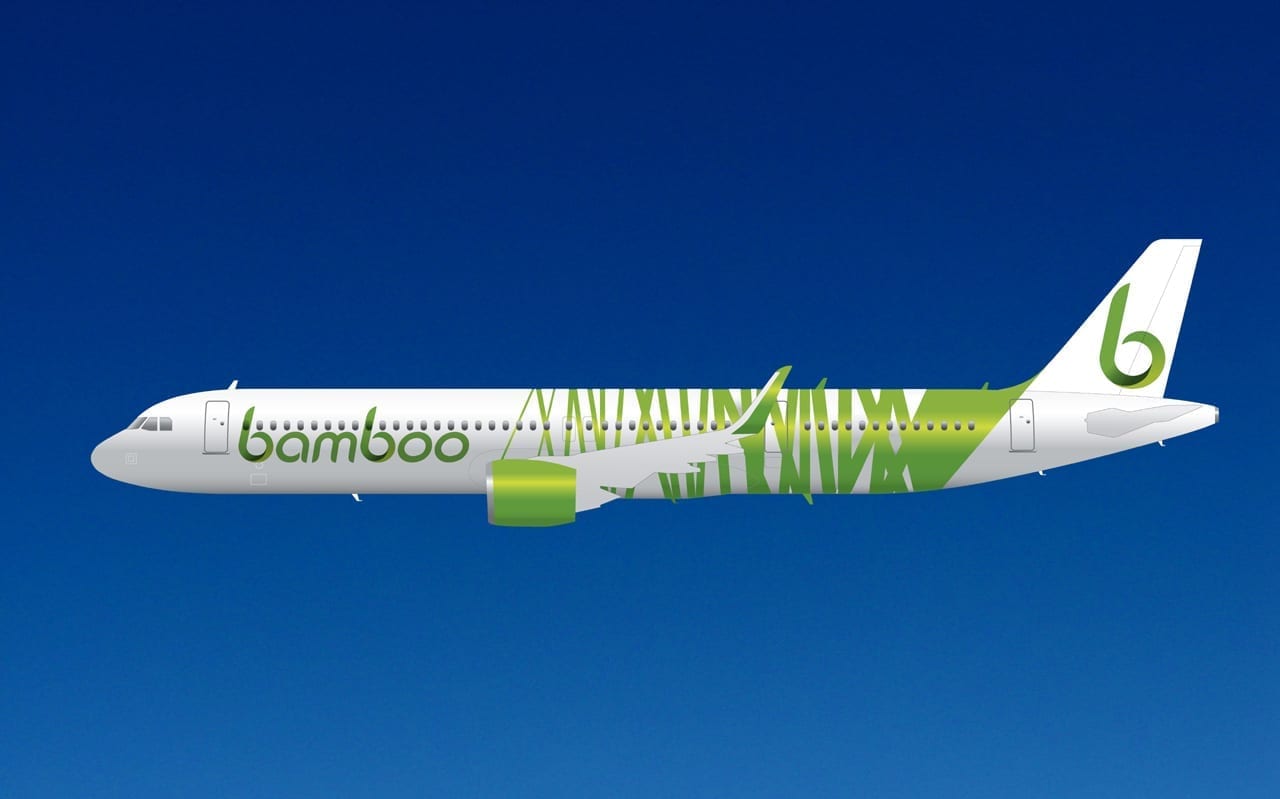
    Bamboo Airways, Vietnam’s newest airline, is expected to make its maiden flight on Dec. 29, its founder said Friday. The first routes of the country’s fifth carrier would connect Hanoi and HCMC, and from Hanoi and HCMC to central Quy Nhon City, said Trinh Van Quyet, chairman of Vietnamese private firm FLC, the airline’s founder.

    Dang Tat Thang, Bamboo Airways general director, said the carrier has basically got itself ready for the first flight, and aircraft that it is hiring is due to arrive in Vietnam on Dec. 12.

    “It is possible that flight tickets will be on sale a month before the initial takeoff,” he said.

    Bamboo Airways finally got its long-awaited aviation license early this week.

    It is allowed to operate 10 aircraft on both domestic and international routes and to carry passengers and cargo.

    The airline plans to fly on 100 routes, connecting Vietnam’s major cities with popular domestic and international tourist destinations.

    After licensing, it needs to obtain an aircraft operator certificate and obtain permission for parking and selling tickets, which are expected to take 30-45 days from the date of license issuance.

    Bamboo Airways was founded in mid-2017 with a charter capital of VND700 billion ($30 million), which it increased to VND1.3 trillion ($55.68 million) recently.

    The airline has signed deals to buy 24 Airbus A320neo and 20 Boeing B787-9 Dreamliner aircraft worth a total of about $8.6 billion.

    The other four carriers in Vietnam currently are Vietnam Airlines, Vietjet Air, Jetstar Pacific and VASCO.

  • WHSmith ventures into Hong Kong with new franchise

    WHSmith ventures into Hong Kong with new franchise

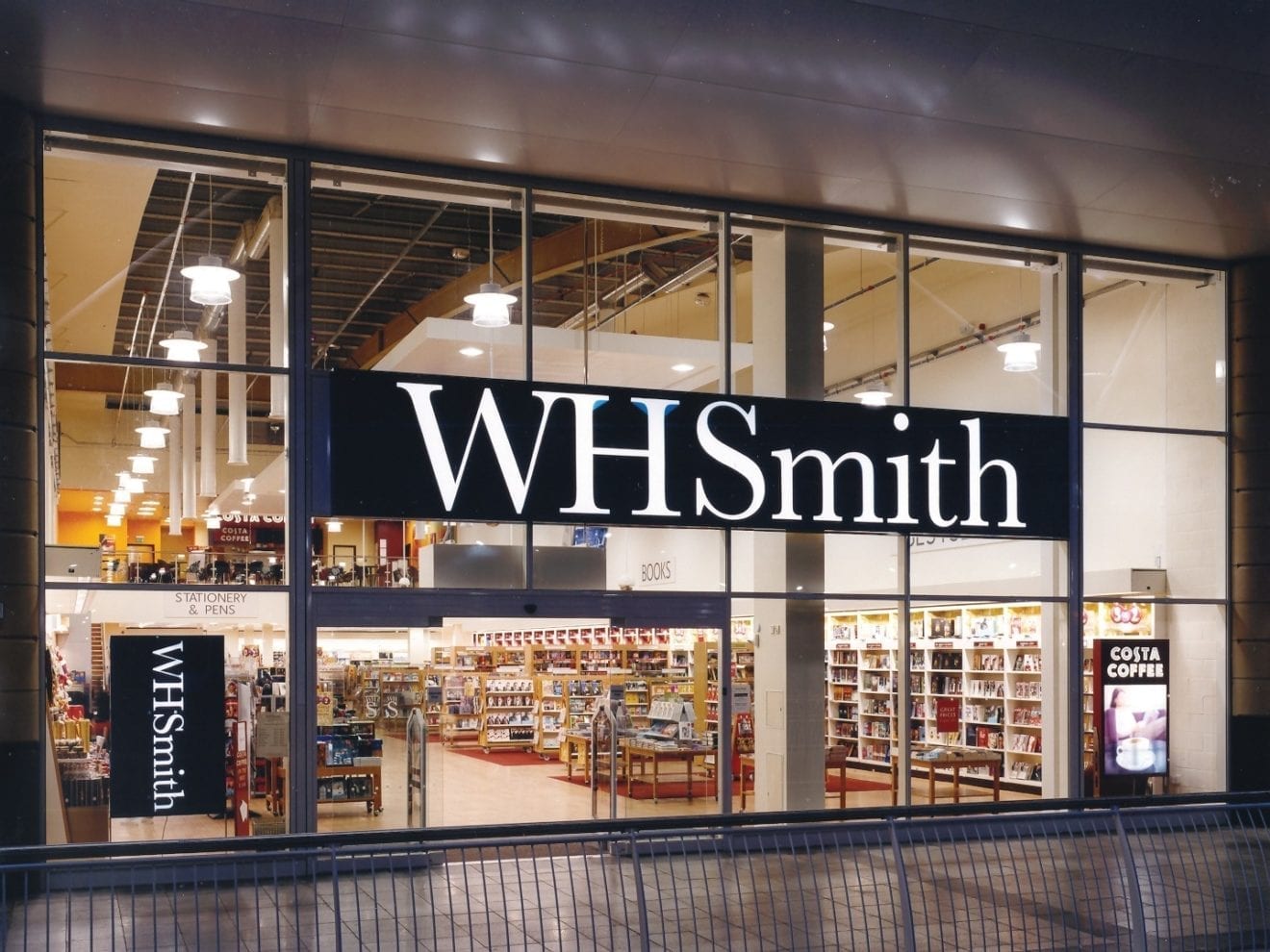
    UK bookchain WH Smith is to open stores in Hong Kong after securing a franchise agreement with King Power Group (Hong Kong). The WH Smith Hong Kong outlets will open in travel retail locations such as railway stations – there is no mention in the announcement of the airport.

    “We are currently present in six countries in the region: Singapore, Malaysia, Indonesia, Philippines, India and China, with excellent business partners and we are delighted to welcome King Power Group as a new franchise partner,” WH Smith chairman Louis de Bourgoing said.

    “We very much look forward to working together to grow our presence across Asia and bring the WH Smith offer to travelling customers in Hong Kong.”

    King Power Group operates more than 1000 stores in Asia-Pacific, Europe, the Middle East, North America and India. King Power Group travel retail MD Sunil Tuli described WH Smith as “an esteemed and leading news, books and convenience brand and operator globally.”

    “We have seen their international travel retail businesses grow over the past years and we trust that our collaboration will see good successes in Hong Kong.”

    WH Smith’s travel retail stores combine its core books and stationery offer, with convenience foods and travel accessories.

  • Tumi boosts Samsonite sales growth

    Tumi boosts Samsonite sales growth

    Rapid Tumi expansion is powering solid sales growth for Hong Kong-listed luggage specialist Samsonite International. Group sales rose 5.2 per cent in the third quarter to US$945.2 million, with sales in Asia up 7.2 per cent to $324.2 million. Global sales for the first nine months were up 10.1 per cent.

    The company says the Asian sales growth was primarily driven by the Tumi, American Tourister, Kamiliant and High Sierra brands. Tumi sales in Asia surged 27.7 per cent year-on-year, driven by expansion in key Asian markets. Kamiliant, the group’s value-conscious, entry level brand, saw net sales increase by 31.8 per cent as the brand continued to gain market share, while the High Sierra and American Tourister brands grew by 22.2 per cent and 3.6 per cent respectively.

    In Japan, sales grew 12.5 per cent in the third quarter, driven by the Tumi and Samsonite brands.

    Net sales in Hong Kong increased by 23.5 per cent, driven by increased net sales from the Tumi and American Tourister brands, however Mainland China net sales decreased by 3.2 per cent due to weak consumer sentiment amid concerns about trade relations and a decrease in business-to-business orders. Excluding business-to-business orders for both periods, net sales in China increased by 4.1 per cent.

    The Samsonite, American Tourister and Kamiliant brands drove a net sales increase of 28.6 per cent in India. Sales in South Korea decreased by 4.1 per cent due to “continued challenging domestic market conditions”.

    CEO Kyle Gendreau said the group was pleased with the third quarter results and especially its continued progress in Asia.

    Sales in Europe rose 10 per cent and in Latin America by 13.4 per cent.

    Profit attributable to shareholders during the third quarter rose by $18.9 million, or 33.3 per cent, to $75.5 million, driven by a reduction in the group’s income tax expenses. For the nine months ended September 30, profit attributable to shareholders, excluding a non-cash charge to write-off the $53.3 million of deferred financing costs, increased by $42.9 million, or 30.6 per cent.

    Gendreau said the company is excited about the opportunities ahead, despite global concerns about the US-Sino trade war and subdued consumer sentiment in many markets.

    “With consumers still showing a strong propensity for travel, our industry continues to enjoy favorable long-term growth prospects. We will continue to invest in marketing, product innovation and development of our distribution channels, including direct to consumer. We are confident that we can continue to leverage our strong, diversified portfolio of brands to expand our global presence.”

  • Time for travel agents to embrace “true retail”

    Time for travel agents to embrace “true retail”

    A recent report by eMarketer predicts that by 2021, Asia Pacific consumers will spend $3.001 trillion online, and ecommerce will make up 25.4% of total retail sales. Whilst this hasn’t been the death knell for bricks and mortar, it has forced retailers to re-think how to use their physical stores.

    Apple was one of the first to pioneer using their real estate as a way to drive brand ‘experience’ as much as sales.

    With their open-plan design, army of knowledgeable staff and regular, in-store seminars, Apple’s stores inspire and educate customers, helping the company achieve long-term loyalty.

    The fashion sector has been quick to follow suit too, adopting a range of technologies to transform how their stores are used by customers – recent innovations include ‘live’ mirrors that suggest matching items as the customer enters the dressing room and geo-targeted apps that alert shoppers to discounts and in-store promotions when they walk past.

    By comparison, APAC’s travel agents have been slower to spruce up their bricks and mortar models.

    However, with mobile travel sales accounting for 50% of online travel sales, and the number of online travel sales is only set to rise as more digital natives reach adulthood, now is the time for them to start.

    Rather than being a burden, when done right this is an opportunity for travel retailers to diversify; improve their success in cross- and up-selling; and engage the next generation of travelers who want very different things from the booking experience than their parents and grandparents.

    A good example is global travel group, TUI Travel.

    With a third of their sales still taking place in their physical stores, the company noticed that their customers’ purchase journey was becoming increasingly non-linear and multi-channel.

    In response, they piloted the use of in-store touch screens in the UK to enhance their customers’ store experience and invested in integrating their physical and digital channels for seamless shopping.

    By doing so, they were able to optimize interaction at every touchpoint, resulting in an overall increase in sales and average spend tripling in the stores that introduced interactive technologies.

    On the back of this success, they have since rolled these changes out in a number of their other physical stores too.

    Welcome to ‘true retail’

    ‘True retail’ is the notion of taking a 360-degree view of the customer, thinking beyond just the point of sale to consider all other brand touchpoints – from early inspiration to aftercare – and channels, whether they are in-store, on mobile, online or, as is increasingly the case, a combination of all three.

    ‘Inspiration’ is one of the biggest, and as yet largely untapped, opportunities for travel retailers to differentiate themselves by setting up their physical stores differently.

    Following the Apple model, store design is a good place to start – iPads loaded with relevant travel content, interactive displays and AI technologies can all be used to create a fun environment where customers can browse without sales pressure.

    The key is for travel agents to focus on the customer experience first and foremost – to create a space where people actively want to visit as part of their holiday planning.

    Automate the predictable to invest in the exceptional

    Another big, in-store asset for ‘inspiration’ is a travel agent’s staff.

    The more time that they can spend talking to customers, and the more knowledgeable and passionate they are about travel, the better.

    Historically in-store staff at travel agents were stuck behind their screens due to cumbersome systems and back-end processes.

    However, with the right technology, a lot of this can now be automated, giving staff the information they need at the touch of a button and in turn freeing up their time to walk the floor and focus entirely on customer service.

    Make it multi-channel

    Embracing ‘true retail’ also means acknowledging that there is no longer a single, linear purchase journey for travel bookings.

    Just as some customers will come into store to make a purchase having already done a lot of research online, others may prefer to get in-store inspiration then buy at a later date, through another channel.

    Retail travel agents need to ensure that they don’t lose this second group of shoppers to their competitors by continuing to follow-up with highly-tailored content, to whatever channels the customer prefers, after they’ve left the store.

    ‘Personalization’ and ‘relevance’ are essential to doing this successfully, so travel agents should use data capture across all of their touchpoints to build up a detailed, single-customer-view that is drawn from real behavioral insights rather than demographic assumptions.

    Applied in the right way, this intelligence can also be used to inform more tailored cross- and up-selling, with a much higher chance of conversion.

    Aftercare

    Finally, taking a truly 360 view of customer needs means keeping channels of communication open long after the sale itself.

    Successful fashion retailers do this well through convenient returns processes on online orders and hyper-relevant ‘you might also be interested in…’ content, designed to inspire the next purchase.

    This is an equally important opportunity that travel retailers shouldn’t ignore.

    In short, travel agents should have a post-purchase strategy for every customer, the more tailored the better.

    For best results, this should go way beyond the immediate post-sale window and should incorporate practical on- and even post-trip value-add services too, such as delay notifications, visa information, and discounts on services at the destination.

    Ultimately, traveler expectations are changing, which means retail travel agents today need to think beyond the booking.

    This will require a significant mindset shift for some, but also promises big rewards, and future-proofed customer loyalty, for those that get it right.

  • With China business back, Korean Air’s net triples in Q3

    With China business back, Korean Air’s net triples in Q3

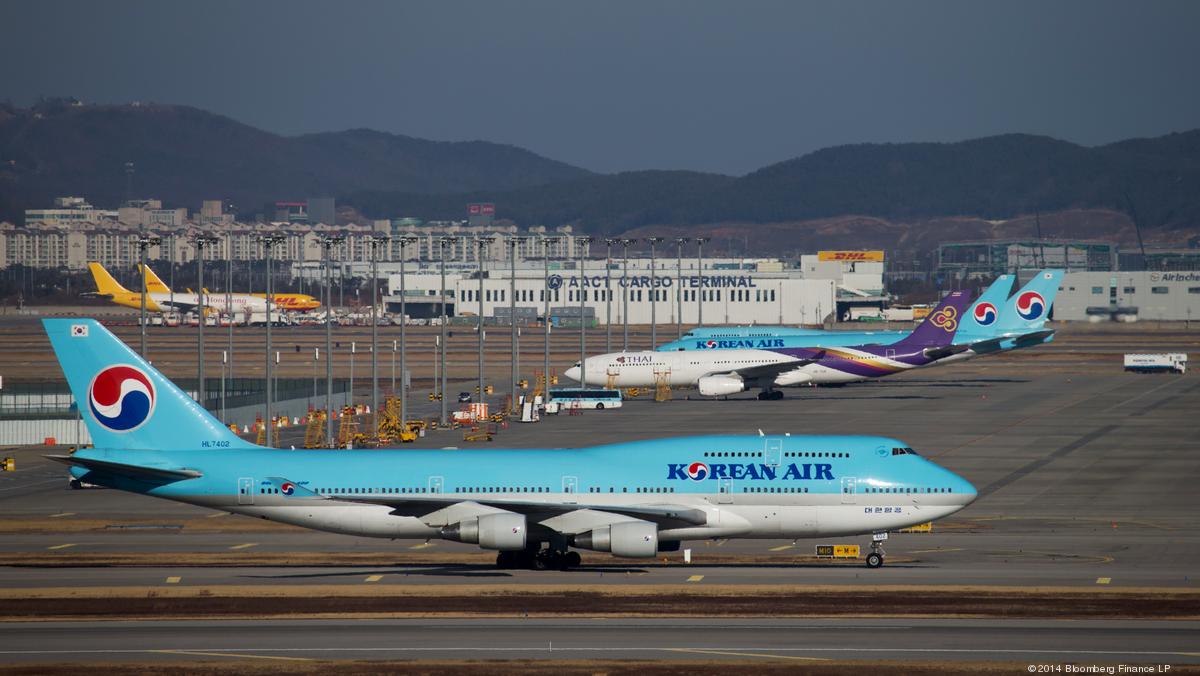
    Korean Air’s net profit in the third quarter more than tripled in comparison to last year largely due to increased sales of long-haul flight tickets and a business recovery in China, the company said in an earnings report on Tuesday. The company posted 267.8 billion won ($236 million) in net profit for the quarter that ended in September, more than three times the 75.7 billion won it earned last year when the airline suffered from China’s economic retaliation for the deployment of a U.S. anti-missile system in Korea.

    The airline posted a record 3.4 trillion won in revenue for the quarter, up 9.1 percent year on year. For operating profit, the company posted 392.8 billion won, up 3.7 percent year on year.

    Despite a rise in international oil prices and a deterioration in foreign exchange rates, the company said joint venture operations with Delta Air Lines launched in May contributed to an increase in transfer passengers. General increase in demand for travel in Korea also pulled up sales.

  • Bamboo Airways gets license, to start flying before year end

    Bamboo Airways gets license, to start flying before year end

    Vietnam’s newest airline, Bamboo Airways, has received its long-awaited aviation license and plans to launch its first flight within the next 45 days. The carrier, the country’s fifth, is allowed to operate 10 aircraft on both domestic and international routes and to carry passengers and cargo on its flights.

    It plans to fly on 100 routes, connecting Vietnam’s major cities with popular domestic and international tourist destinations.

    But initially it is likely to only operate on certain sectors like Hanoi-Quy Nhon and Ho Chi Minh City-Quy Nhon. Quy Nhon is a city on the central coast.

    According to Bamboo Airways general director Dang Tat Thang, most of the preparatory works have been completed for the maiden flight to take off before the end of the year.

    It needs to obtain an aircraft operator certificate and obtain permission for parking and selling tickets, which are expected to take 30-45 days from the date of license issuance.

    Bamboo Airways was founded by Vietnamese private firm FLC in mid-2017 with a charter capital of VND700 billion ($30 million), which it increased to VND1.3 trillion ($55.68 million) recently.

    The airline has signed deals to buy 24 Airbus A320neo and 20 Boeing B787-9 Dreamliner aircraft worth a total of about $8.6 billion.

  • Vietnam’s Vietjet valued second in Southeast Asia

    Vietnam’s Vietjet valued second in Southeast Asia

    Vietnam’s largest private airline, Vietjet Aviation, is the second most valuable airline in Southeast Asia by market capitalization. Vietjet’s value is only behind Singapore Airlines, as reported last Thursday. Last Friday, the airline was valued at $3.02 billion while Singapore Airlines topped the region at $8.29 billion.

    On Thursday, Vietjet Air launched a new international route between Hanoi and Japan’s Osaka. It plans to open two more routes to Japan in December and January.

    Earlier this month, Vietjet signed a $6.5 billion agreement to buy 50 Airbus A321neo jets.

    The airline said that the order was in line with its growth strategies and will enhance its operational efficiency and capacity, especially on international routes.

    In Vietnam, Vietjet only has to contend with two domestic rivals: the state-run Vietnam Airlines and its low-cost arm, Jetstar Pacific Airlines.

    “There are only three airlines in Vietnam, and that arrangement facilitates profit generation domestically,” a representative at an international brokerage told the Nikkei Asia Review.

    In March last year, Vietjet’s market capitalization surpassed that of state-owned Vietnam Airlines only a week after it was listed.

    Vietjet currently operates 60 Airbus jets with more than 385 flights daily within Vietnam and to countries and territories such as mainland China, Hong Kong, Japan, Malaysia, Myanmar, South Korea, Singapore, Taiwan and Thailand.

  • Korean Air shifting most of its data to Amazon’s AWS

    Korean Air shifting most of its data to Amazon’s AWS

    Korean Air Lines said Tuesday it will transfer most of its data and applications to Amazon’s cloud computing platform as it overhauls its IT infrastructure over the next three years. The planned data migration to Amazon Web Services (AWS) is part of Korean Air’s broader plan to invest 200 billion won ($178 million) over the next 10 years to accelerate the company’s digital innovation and transformation, Korean Air said in a statement.

    “Leveraging cloud technologies means we will be able to provide faster and more efficient services that are tailored to the needs of our customers,” Korean Air President Walter Cho said in the statement.

    Cho, AWS Managing Director Ed Lenta and LG CNS Chief Executive Kim Young-seob signed a data center outsourcing agreement. LG CNS, one of Korea’s leading IT outsourcing providers, will help Korean Air move its data to the AWS system.

  • Jeju Air net profit falls 3.7% due to the high cost of oil

    Jeju Air net profit falls 3.7% due to the high cost of oil

    Jeju Air, Korea’s biggest low-cost carrier by sales, said Tuesday its third-quarter net profit fell 3.7 percent from a year earlier due to high oil prices. Net profit for the three-month period that ended on Sept. 30 reached 31 billion won ($27.6 million), compared with 32.3 billion won ($28.7 million) a year earlier, the company said in a regulatory filing.

    The budget airline said high oil prices are to blame for the decline in net profit.

    Jet fuel prices came to $87.3 per barrel in the third quarter, up 45 percent from a year earlier.

    Operating profit fell 6.5 percent to 37.7 billion won ($33.5 million) in the July-September period from 40.3 billion won ($35.8 million) a year ago. Sales were up 31.3 percent to 350 billion won ($311 million) from 266.5 billion won ($236.8 million) during the same period last year, it said.

  • AirAsia Philippines Passes Massive Safety Audit

    AirAsia Philippines Passes Massive Safety Audit

    Manila-based AirAsia Philippines has passed a major international safety audit, the International Air Transport Association Operation Safety Audit (IOSA), that covers more than 1060 separate parameters. The operational safety audit is compulsory for IATA members and airlines that have completed the audit have a safety record almost four times better than those that have not. AirAsia Philippines CEO Captain Dexter Comendador said, “We are pleased to announce that we have successfully completed IOSA accreditation. This achievement is a recognition of everyone at AirAsia’s dedication to safety and security.”

    Earlier this year, AirAsia Philippines received its ISO Certificate which gives world class specification for products, services, and systems to ensure quality, safety, and efficiency. ISO 9001:2015 helps ensure passengers get consistent, good quality products, and services. This international standard is based on quality management principles including a strong customer focus, the motivation and implication of top management, the process approach and continuous improvement.

    “We are closing this year with two important achievements from IOSA and ISO and it is but fitting to dedicate an aircraft to our hardworking team who we proudly call, Allstars. We are officially launching this month a special Allstars livery bearing faces of more than one thousand Filipino Allstars including AirAsia Group’s management team,” Comendador added

    Now 426 airlines have completed the audit, which is renewed every two years. The awarding of the IOSA accreditation is expected to be a major boost for the airline. The IOSA certification audit is an internationally recognized and accepted evaluation system designed to assess the operational management and control systems of an airline. The audit covers eight functional and operational areas: organization and management system, flight operations, operational control, and flight dispatch, aircraft engineering and maintenance, cabin operations, ground handling operations, cargo operations, and security management.

    IOSA was introduced to stem the increasing number of crashes in the late 1990s and into the beginning of the last decade. The AirAsia Group airlines now fly to 165 destinations in 25 countries. It has just ordered or reconfirmed orders for 100 A330s for its AirAsia X operation. Separately long-haul, low-cost, operator AirAsia X is evaluating Airbus’ long-range version of the  A321neo as it moves to target more destinations within a range of seven hours.

    Powered by CFM International’s LAEP-1A engines, the A321neo LR,  is due to enter service in the fourth quarter of 2018 and is designed to carry up to 240 passengers 4000 nautical miles. The airline confirmed last month it was evaluating “the potential introduction” of the 321neo LR for developing routes.

  • AirAsia Big Loyalty launches ‘BIG Big Giveaway’ Finale

    AirAsia Big Loyalty launches ‘BIG Big Giveaway’ Finale

    AirAsia Bhd’s loyalty programme, AirAsia BIG Loyalty has launched its “The BIG Big Giveaway” year-end finale with over 90 irresistible offers to BIG members beginning today until December 31. Big Loyalty Sdn Bhd, the owner and operator of the loyalty programme, said the offer would be filled with fantastic discounts, free hotel stays, return flights and 50 per cent bonus BIG points for all of shopping sprees during this regional mega sale.

    BIG members in Malaysia, Thailand, Indonesia, Singapore, the Philippines and beyond can enjoy deals by BIG Loyalty’s entire group of partners ― among them are ZALORA, Agoda, Rebate Mango, Grab, Petron, Maybank and Citibank ― that range from travel, lifestyle, airline to financial services.

    Members who convert their credit card points to BIG points during this period could also enjoy 50 per cent more points on top of the everyday conversion rate, so they can accelerate their way to redeeming free flights, hotel stays and tickets to popular attractions to make their holidays free.

    An additional prize to the 50 per cent bonus BIG points reward for shopping from a variety of travel and lifestyle deals, including some 2,000 rooms at First World Hotel, Genting Highlands, will be given away weekly to lucky members.

    The sale is also doubling up the rewards for members who redeem flights from November 11-18 by sending them on a return trip to Siem Reap, Phuket, Langkawi and more.

    In a statement today, AirAsia BIG Loyalty Acting Chief Executive Officer Sereen Teoh said 2018 was a year of big milestones for BIG Loyalty, which included achieving 20 million BIG members and the launch of the world’s first airline points exchange platform called BIG Xchange.

    BIG members in Malaysia who are Visa cardholders also stand a chance to win a share of over 40 million BIG Points, which is equivalent to nearly 600 return flights to Melbourne, Tokyo, Seoul and many more destinations.

    For every RM50 spend on flight bookings via airasia.com or the AirAsia app members will earn one automatic entry, while those who spend RM50 by using Tap to Pay will earn five entries, and the same amount spent overseas with only physical swipes will double their entries to 10.