Retail News CRM

Tag: travelling

  • Over 1 million passengers travel through Bali airport

    Over 1 million passengers travel through Bali airport

    State-owned airport operator PT Angkasa I said that over 1 million passengers have traveled through Balis Ngurah Rai International Airport during the homecoming flow of post-fasting travelers since 10 days (D-10) before the Lebaran D-Day to D+4.

    Head of Public Relations of PT Angkasa Pura I at I Gusti Ngurah Rai International Airport, Arie Ahsanurrohim, stated in Denpasar on Saturday that the passengers recorded during the period were those for domestic and international routes.

    Arie added that the movement of passengers was calculated based on regular and unscheduled flights.

    He explained that the unscheduled flights were the ones used by former US president Barack Obama and Malaysian Prime Minister and family when they visited during the Lebaran holiday season.

    Meanwhile, related to the flow of Lebaran homecoming, Arie explained that the movement at the local airport was quite unique compared to other airports in Indonesia, which are mostly dominated by the flow of departing passengers.

    At Ngurah Rai Airport, the flow of departure and the arrival of passengers were high or only slightly different, considering Bali as a tourist destination where many tourists spend the long Lebaran holidays.

    Data from Integrated Monitoring Lebaran Command Post at the airport mentioned on H+4 or on Friday (June 30) that the number of domestic passenger arrivals reached 19,174 people, up 10.6 percent compared to the same period in 2016.

    Passengers departing from the airport reached 21,573 people, or jumped 14 percent compared to the same period in the previous year.

    The number of those arriving and departing through the international routes increased with arrivals recorded at 16.3 thousand, or up by 16 percent, and departure at 17.7 thousand, or up by 14 percent.

  • Prepare for a mobile payment revolution among Chinese travelling shoppers

    Prepare for a mobile payment revolution among Chinese travelling shoppers

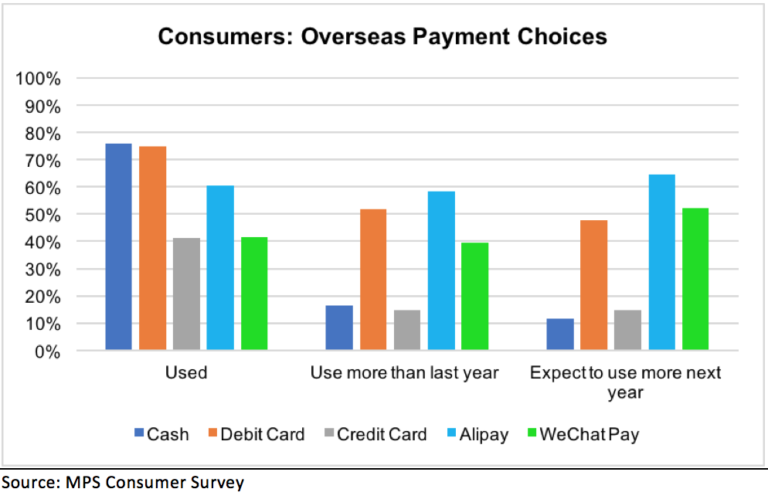
    Mobile payments will soon overtake cash and credit cards as the preferred payment choice for Chinese travellers shopping abroad, according to a new survey.

    Mobile payments specialist Cancan and financial research authority Kapronasia have published a global study, 2017 Mobile Payment Survey: Chinese Consumers Abroad, covering the impact of Asian mobile payment solutions at point-of-sale worldwide. Over 1,000  Chinese consumers and more than 60 C-level decision-makers from global merchant companies were surveyed.

    Among the key findings, the study found that Mainland Chinese consumers expect to spend more with mobile payments such as Alipay and WeChat Pay this year and next year than in 2016 when travelling abroad.

    Most Chinese travellers spent in the range of either US$393–US$786 or US$1,179–US$1,572 for retail purchases on their most recent overseas trip, the report found, while 5.7% spent more than US$6,288.

    Some 67% of respondents reported that they use mobile payments overseas. When consumers were asked about their primary method of payment while overseas, mobile payments represented about 41% of overseas consumption.

    Nearly half of the consumers surveyed made between 10-30% of their overseas shopping purchases with QR code-based mobile payment methods; one third of consumers paid over 50% of their purchases in China with mobile.

    chinese travellers mobile payments survey - Retail in Asia

    Fashion and cosmetics/skincare are among the categories consumers were most likely to purchase with mobile payment.

    The survey found that transaction convenience and the ability to track purchases in real time were the primary reasons for using mobile payments. Not needing to carry cash and credit cards was also appreciated. “You can easily spend days in China without opening your wallet, and consumers expect that too when they are shopping overseas,” the report said.

    The main reasons for not using mobile payments were merchants not offering the facility, as well as consumers’ ignorance that it was possible to use mobile payments when merchants do offer it.

    Alipay, WeChat Pay and Apple Pay are the most popular mobile payment methods. Over 75% of the surveyed merchants accepted Alipay. Over one third of merchants who do accept mobile payments indicated that it contributed to at least 3% or more of their global sales, with some experiencing a share as high as 15-25%.

    Although customer demand is primarily driving merchant adoption of mobile payment (over 80% of respondents agreed that they were reacting to customer demand), retailers also appreciate the speed of transaction and many desire to be seen to be “ahead of the game”.

    Cancan Managing Director Candice Koo: “Global merchants can profit from the mobile payments revolution storming out of the Far East, but they need to focus on the Chinese consumer”.

    “If the overseas market continues to mirror China’s mobile payment growth and development, this will likely change over time. Loyalty and points programmes in mainland China were slow to take off but are now informing an increasing number of merchant’s digital strategy, many of whom all have domestic WeChat official platforms.”

    Cancan and Kapronasia concluded that as well as there being continued growth in mobile spending, there will also be a change in what consumers buy using mobile payments.

    “Although they started out being used for smaller value purchases, mobile payments are increasingly being used for higher value and luxury items,” the report said. “The average transaction value on Alipay went from US$82 in 2015 to nearly US$100 in 2016, an increase of +22%.

    “The implications for overseas merchants are pretty clear: mobile payments have become a way of life for many Chinese and Asians and their habits are extending overseas.”

  • Bali Travel Bureaus optimistic of Obama`s vacation boosting tourism

    Bali Travel Bureaus optimistic of Obama`s vacation boosting tourism

    The Indonesian Tourism Travel Bureau Association (Asita) has expressed hope that the visit of former US president Barack Obama to Bali would help attract foreign tourists to the island.

    “We hope the number of tourists from the US to Bali would increase,” Balis Asita Chairman Ketut Ardana stated here, Tuesday.

    The visits of world leaders to Bali help to promote Bali internationally since they are covered by the media, he said.

    Their visits to Bali will also draw other leaders to visit Bali for a vacation, he added.

    Tourists from the US usually stay for more than a week in Bali, and they prefer five-star hotels, he remarked.

    The number of US tourists to Bali had reached 64,042 during the January-April period, or an increase of 19.7 percent from that recorded during the same period last year.

    The US stands sixth among the list of 10 countries contributing the largest number of foreign tourists to Bali. From January to April 2017, a total of 1,817,772 foreign tourists had visited Bali.

    A total of 511 thousand tourists from China had visited Bali during the period between January and April, followed by 353 thousand from Australia, and 74 thousand from Japan.

  • Korean Air to fly to Lombok Island

    Korean Air to fly to Lombok Island

    The South Korean airline and flag carrier company Korean Air is ready to fly to Lombok Island, West Nusa Tenggara, Indonesia, in July and Aug 2017.

    “The Korean Air will open a charter flight for seven times,” Lombok International Airports General Manager I Gusti Ngurah Ardita stated in Mataram District, the capital of West Nusa Tenggara Province, on Monday.

    Ardita confirmed the information to journalists after a meeting with the Korean Airs Network and Sales General Manager of South East Asia/Oceania, Bae Sang Wook, and Regional Manager of Indonesia Park Kee Hyun in Mataram, Lombok.

    The Gonghang-dong, Gangseo-gu, Seoul-based airline companys aircraft would arrive at the Lombok International Airport (LIA) from July 29 to the end of Aug 2017, Ardita noted.

    “This charter flight is, of course, expected to open a fixed route for Korea-Lomboks flights,” he noted.

    Ardita explained that the arrival of Korean Air to Lombok Island was a result of the last meeting between the LIA and the Korean Air company on April 25, 2017, which was also supported by the regional government and the Tourism Board of West Nusa Tenggara.

    Earlier in a separate interview, West Nusa Tenggara Governor TGH Muhammad Zainul Majdi remarked during a visit by South Korean Ambassador to Indonesia Cho Tai Young and his wife Madame Cho Gye Young that the flight charter from South Korea to Lombok in Aug 2017 could be continued into a regular flight.

    Majdi expected that a regular flight would increase the number of South Korean tourists and ease the investment inflow to West Nusa Tenggara.

    The Indonesian government is hopeful of attaining 20 million foreign tourists annually by 2019 amid concerted efforts to make the archipelago a world-class tourism destination, one of which is in Lombok Island.

  • Shiseido and King Power International capture beauty of Thailand in 360° campaign

    Shiseido and King Power International capture beauty of Thailand in 360° campaign

    Shiseido Travel Retail has partnered with King Power International (Thailand) to deliver a major promotional campaign which aimed to capture the beauty of Thailand.

    For the initiative, Shiseido collaborated with Thai artist Riety Darisa K and influential Chinese fashion and lifestyle blogger Magic Yang  to target Chinese travellers through a 360 ̊ programme.

    The programme included social media and digital content, in-store activations and Travel Retail Exclusive (TREX) products available only at King Power Thailand stores.

    The campaign, which aimed to capitalise on the large number of Chinese visitors to Thailand, tapped into the power of influencer marketing to push brand awareness and drive sales among Shiseido’s key consumers, particularly millennials. Magic Yang, a leading influencer in China, has a strong following of millennials on social media who are inspired by her personal style, her love for travel and adventure and the places she visits.

    With Riety as her guide, Magic was taken on a tour of Bangkok, where she discovered the capital city’s art, beauty and culture. Her trip to Thailand was captured in a promotional film, called ‘The Beauty of Thailand’.

    Leading up to the campaign’s official launch on 1 April, Magic posted exclusive behind-the-scenes pictures of her trip to announce the collaboration and shared the film on her Weibo and WeChat accounts. The film features subtle placement of Magic’s top three Shiseido beauty picks: Ultimune Power Infusing Concentrate, Perfect UV Protector SPF 50+ and Rouge Rouge.

    The campaign was prominently highlighted on King Power Thailand’s website and social media platforms and a dedicated campaign micro-site. Travellers were also targeted prior to departure via advertising.

    The in-store activations at Bangkok Suvarnabhumi Airport and in the King Power Srivaree Complex downtown store are running until 31 May. The airport activation features a pop-up store which offers complimentary skincare treatments and lip make-overs, as well as a Photo Booth where travellers can personalise their photos with Riety’s Thai-inspired visuals to be printed onto their own customised luggage tags.

    To further underline the Sense of Place focus, Shiseido has developed an exclusive skincare set specially curated by Magic Yang and packaged in bespoke sleeves featuring art by Riety. The limited-edition set, only available at King Power Thailand stores, includes Ultimune Power Infusing Concentrate for Face and Perfect UV Protector SPF50+/PA++++.

    Customers spending THB 14,000 (€368) or more will receive a complimentary ‘The Beauty of Thailand’ cosmetics bag and those spending more than THB 16,000 (€420) can claim an additional Shiseido tote bag.

  • Free KKday Vacation for Thais Who Love to Travel in Asia

    Free KKday Vacation for Thais Who Love to Travel in Asia

    KKday, a leading E-commerce travel platform in Asia offering localized travel across the globe launched in Thailand in March 2017, and is now offering Thais a chance to WIN a FREE all-expenses dream holiday for two to Japan, Hong Kong, Korea, Singapore or Taiwan with a video competition from now until May 31st, 2017.

    The KKvacay contest invites Thais to create a fun and engaging one-minute video of their own travel trip in any destination. To be automatically entered, each film needs to then be uploaded to the competition entrant’s Facebook Page wall by the end of May and tagged @KKdayThailand with the hashtags #KKvacay and #KKdayth added too.The full entry rules for the KKvacay video competition can be found at the KKday Thailand Facebook Page.

    The winning KKvacay video will be announced on the KKday Thailand Facebook Page in June 2017.

    Ming Chen, CEO of KKday is encouraging Thai vacation videographers to be as creative as possible as there could be some fierce competition. “We know that Thais love to travel within Asia and each of the KKvacay prize destinations is incredibly dynamic; promising an exhilarating, action-packed trip with lots to see and do and fascinatingly diverse cultures. We are expecting to see some really creative videos that explore these different holiday hotpots through the script and the filming style, as well as with the use of props, costumes and setting. Thais are renowned for their inventive style and sense of fun so it will be interesting to see videos portraying their chosen destination and with a free holiday for two up for grabs I imagine there will be some great entries.”

    Part of winning the holiday prize is for the recipient and travel partner to create a short video highlighting their vacation experience along with five KKday activities they enjoyed during their trip. This video diary will be shared by KKday and partners on social media.

    Easy to navigate and book online, KKday appeals especially to those travelers who enjoy immersive vacation experiences and exploring destinations through localized, customized travel rather than simply following the standard tourist trek or trying to seek out ever-more remote locations.

    The Taiwanese- headquartered company, which was established in 2014, brings over 6,000 experiences, in 25 different categories, in 174 cities and 54 countries worldwide. The KKvacay video competition celebrates KKday’s debut in Thailand and with e-commerce popular in the country Thais could prove to be a big market, adding to KKday’s existing 7 million plus visitor views each month, a fanbase of more than 600,000 on Facebook and over 300,000 members.

  • Tourism expected to drive Hải Phòng forward

    Tourism expected to drive Hải Phòng forward

    Favourable transport infrastructure and the beautiful landscape are expected to boost tourism in the northern port city of Hải Phòng.

    Cát Bi International Airport and the Hà Nội-Hải Phòng expressway, which were put into service in early 2016, have helped reduce travel time from Hà Nội to Hải Phòng.

    Direct flights between Hải Phòng and countries such as Thailand and the Republic of Korea, localities such as HCM City and Phú Quốc Island District in Kiên Giang Province in the south, Đà Lạt City in the Central Highlands province of Lâm Đồng and Nha Trang City in the central coastal province of Khánh Hoà have been launched.

    Along with favourable transport infrastructure, efforts made by agencies to promote tourism and the involvement of large investors have turned Hải Phòng into a popular tourist destination.

    At a workshop on Hải Phòng tourism held by the municipal Department of Tourism, leading experts in this field from across the country discussed ways to boost local tourism through social communication and developing standard tourism products.

    Various tourism promotion activities have been conducted in Cát Hải District, which is the administrative management unit of the Cát Bà Archipelago, an attractive tourist site with leisure, exploration and ecological tourism in the Cát Bà National Park in the island commune of Việt Hải.

    Firms such as Vingroup, Sungroup and Him Lam have invested in luxurious resorts in Cát Bà and Đồ Sơn. Once operational, the projects are expected to become ideal destinations for both domestic and foreign holidaymakers.

    According to the Vietnam National Administration of Tourism (VNAT), Hải Phòng, particularly Đồ Sơn beach town, has experience in tourism development.

    The northern port city welcomes a large number of visitors every year. In 2017 the locality is expected to greet 5.7 million tourists, the agency said, noting that the target is within reach as about 5.6 million tourists visited Hải Phòng last year.

    Nguyễn Quý Phương, head of VNAT’s Travel Department, at a recent workshop on tourism development in Hải Phòng said the city should make a breakthrough in tourism and consider the sector a driving force for local economic development.

    He also suggested the city step up State management to synchronously conduct tourism activities.

    To that end, Hải Phòng should revamp the municipal Tourism Department, ensuring it has enough human resources capable of implementing the city’s guidelines and plans, Phương said.

    At the same time, it is necessary to develop spearhead tourism products, such as leisure tourism on Cát Bà Island in a sustainable manner, he added.

    Nguyễn Thị Hà, director of Viettravel Hải Phòng, described tourism products as decisive to tourism promotion, saying Hải Phòng should connect with other localities to promote tourism products for the northern coastal region.

    Travel companies will introduce products for their customers, she said, underlining the need for Hải Phòng to turn into an attractive and safe destination, different from others in culture and landscape.

    Channels should be built and updated with new mechanisms, policies and information about tourist attractions and Hải Phòng’s connection with foreign and domestic localities, Hà suggested.

    In particular, information about Cát Bi International Airport needs to be updated more regularly for partners and tourists, she added.

    Trần Thị Kim Quy, deputy director of Hùng Vương Investment JSC, investor of international brand names such as Cát Bà Resort and Flamingo Đại Lải in the northern province of Vĩnh Phúc, said the Cát Bà Archipelago has advantages for tourism development, with the most noteworthy being its biodiversity and Cái Bèo, the most ancient fishing village in Việt Nam.

    However, Cát Bà has failed to fully tap its potential, she said, suggesting Hải Phòng extend the duration of tourism projects on the islands to 70 years and shorten the time for administrative procedures while upgrading infrastructure in Cát Bà.

  • Citilink to concentrate on flights to eastern Indonesia

    Citilink to concentrate on flights to eastern Indonesia

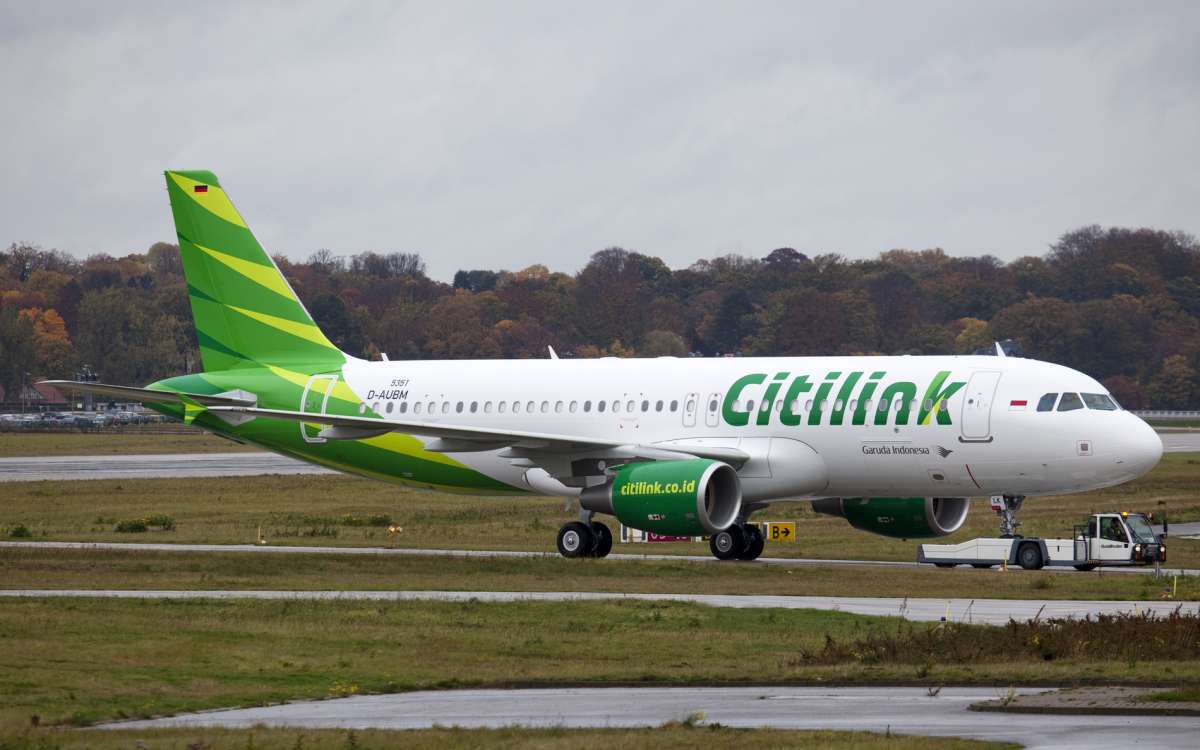
    Chief Executive of Citilink Indonesia Albert Burhan said the airline would focus on expanding flights to eastern Indonesia this year.

    Albert said there are potential routes to eastern Indonesia, which have not attracted other airlines.

    “There will be plan to open routes to other areas in Papua, but we start from Jayapura. In 2017 we want to focus on expanding flights to eastern regions of the country,” he said.

    He said he knew not all airports in eastern Indonesia could take wide bodied aircraft like Airbus, the main aircraft of the subsidiary of the nations flag carrier Garuda Indonesia.

    “Only a few could be used for Airbus A320. We might have to rely more on ATR aircraft to be safe,” he said.

    He said eastern Indonesia still needs more airlines to serve flight to and from eastern Indonesia.

    He said he was optimistic Citilink could chalk up quite high load factor in flights between Jayapura and Jakarta, although there are already a number of other airlines serving the route.

    “Our target is a load factor of 80 percent. In our first flight from Jakarta to Jayapura the load factor was almost 100 percent,” he said.

    Citilink Indonesia officially started serving the Jakarta Jayapura route on Monday using Airbus A320 with a seat capacity of 180 passengers.

  • Asian pax growth of 3.2% at Changi lifts November traffic

    Asian pax growth of 3.2% at Changi lifts November traffic

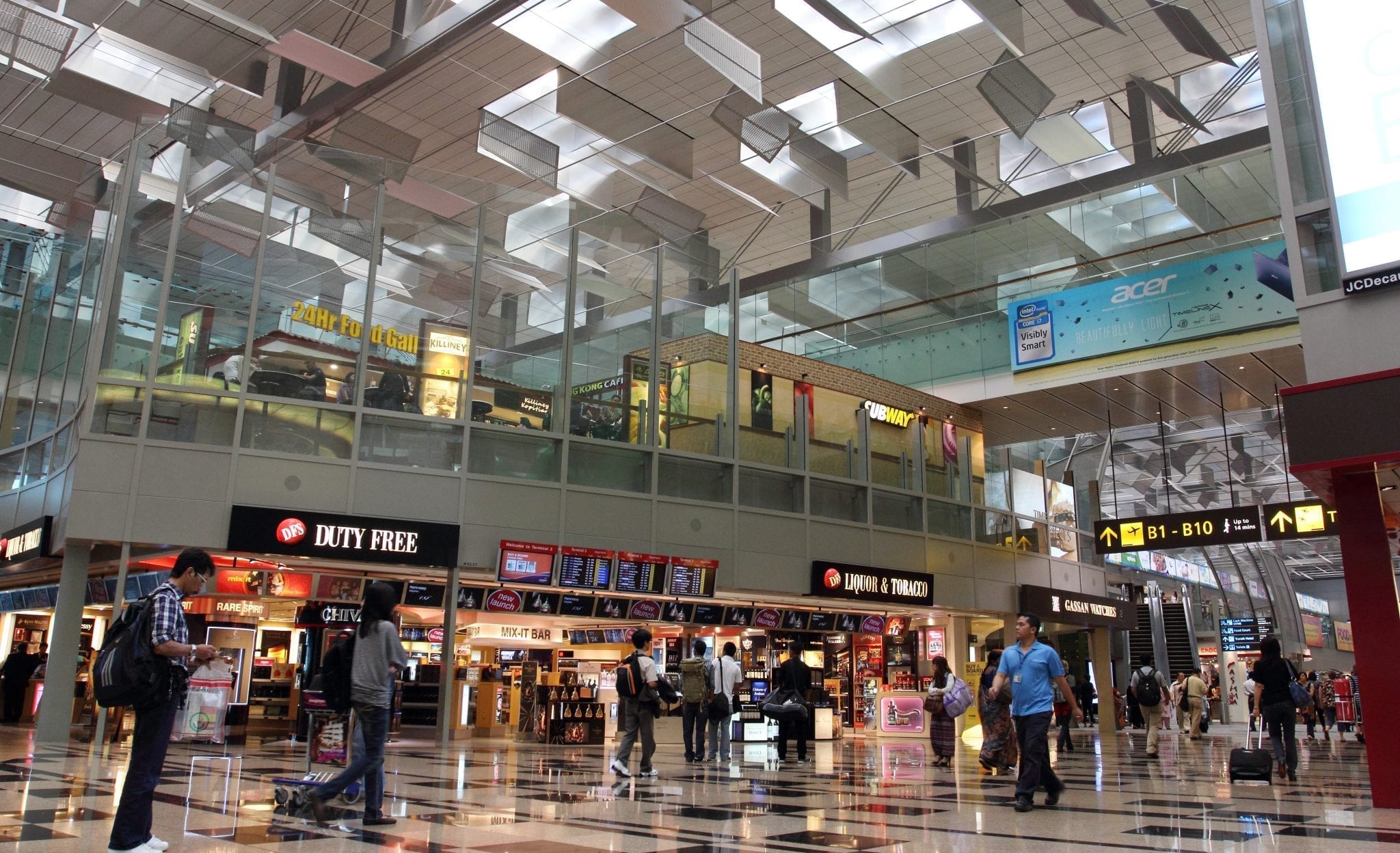
    Singapore Changi Airport has reported 4.78m passenger movements for November 2016, representing a +3.2% rise on November 2015, while total passenger traffic handled during the first 11 months of 2016 increased by +5.7% to 53m.

    During the same two periods, cargo shipments grew by +6.1% to 1.79m tonnes and aircraft movements rose by +4.1% to 328,520 landings and take offs, while in the first 11 months cargo grew +7.9% to 173,170 tons and take offs and landings by +3.4% to 29,710.

    The Civil Aviation Authority of Singapore stated: “Passenger traffic for the month of November was supported by growth in air travel to and from South-east Asia, North-east Asia and South Asia.

    STRONG GROWTH TREND TO SOUTHEAST ASIAN CITIES

    “Among Changi’s top 10 country markets, China (+13.7%), Vietnam (+9.9%) and India (+9.8%) led the gainers. As for Changi’s top 10 cities, strong traffic growth was observed between Singapore and Southeast Asian cities, such as Kuala Lumpur, Denpasar, and Ho Chi Minh City.”

    The CAAS also pointed to new services to India, with Air India Express launching four weekly services to Kolkata on 20 November, and Jet Airways starting daily services to Bangalore on 14 December.

    SilkAir also has launched four weekly services to Fuzhou in China, while Xiamen Airlines increased the frequency of its Singapore-Xiamen services from 14 weekly flights to 17 from 18 November. In addition, Myanmar National Airlines also raised its number of flights to Yangon from seven to 12 weekly services from 1 December.
    <
    NEW TERMINAL 3 RETAIL OUTLET ‘DEBUT’

    Meanwhile, between 16 November to 18 December 2016, CAAS added that the sole new store opening in Terminal 3’s Basement 2 over the period was by Etoz, which it describes as a manufacturer and retailer ‘of quality home and bedding products’, which has made its airport store debut at Changi.

    In addition, a ‘Teahouse by Soup Restaurant’ offering a variety of ‘unique’ Nanyang Dim Sum has also opened in the Terminal 1 public area.

    Changi Airport management said that as of 1 December 2016, more than 100 airlines were operating at Changi Airport, flying to around 380 cities in 90 countries and territories worldwide.

  • Over 4.48 million tourists visit Bali

    Over 4.48 million tourists visit Bali

    More than 4.48 million foreign tourists visited Bali via the resort islands Ngurah Rai Airport from January to November 2016, up 23.52 percent from 3.63 million in the same period last year.

    Some 4.48 million tourists traveled to Bali by air, and 70,449 others by sea, Chief of the Central Statistics Agency (BPS) Office in Bali, Adi Nugroho said here Tuesday.

    The number of foreign tourists visiting the resort island from January to November 2016 exceeded the target of tourist arrivals for all of 2016 at 4.2 million, he said.

    Bali has set the target of tourist arrivals for 2017 at 5.5 million.

    In November 2016 alone, the number of tourist arrivals in Bali reached 413,232 consisting of 396,150 who traveled to the island by air and 17,082 by sea.

    The figure increased 52.52 percent compared to the same month a year earlier but declined 4.39 percent compared to the previous month.

    The number of tourists from eight out of top ten sources of tourist arrivals in Bali increased significantly, Nugroho said.

    The eight countries were Australia, China, Japan, Britain, India, France, the United States, and Germany, while the number of tourists from Malaysia and South Korea declined.

  • Cebu Pacific launches Cebu-Ormoc daily flights

    Cebu Pacific launches Cebu-Ormoc daily flights

    The long wait has been over for travelers from this northwestern part of Leyte going to Cebu, following the opening of daily flights.

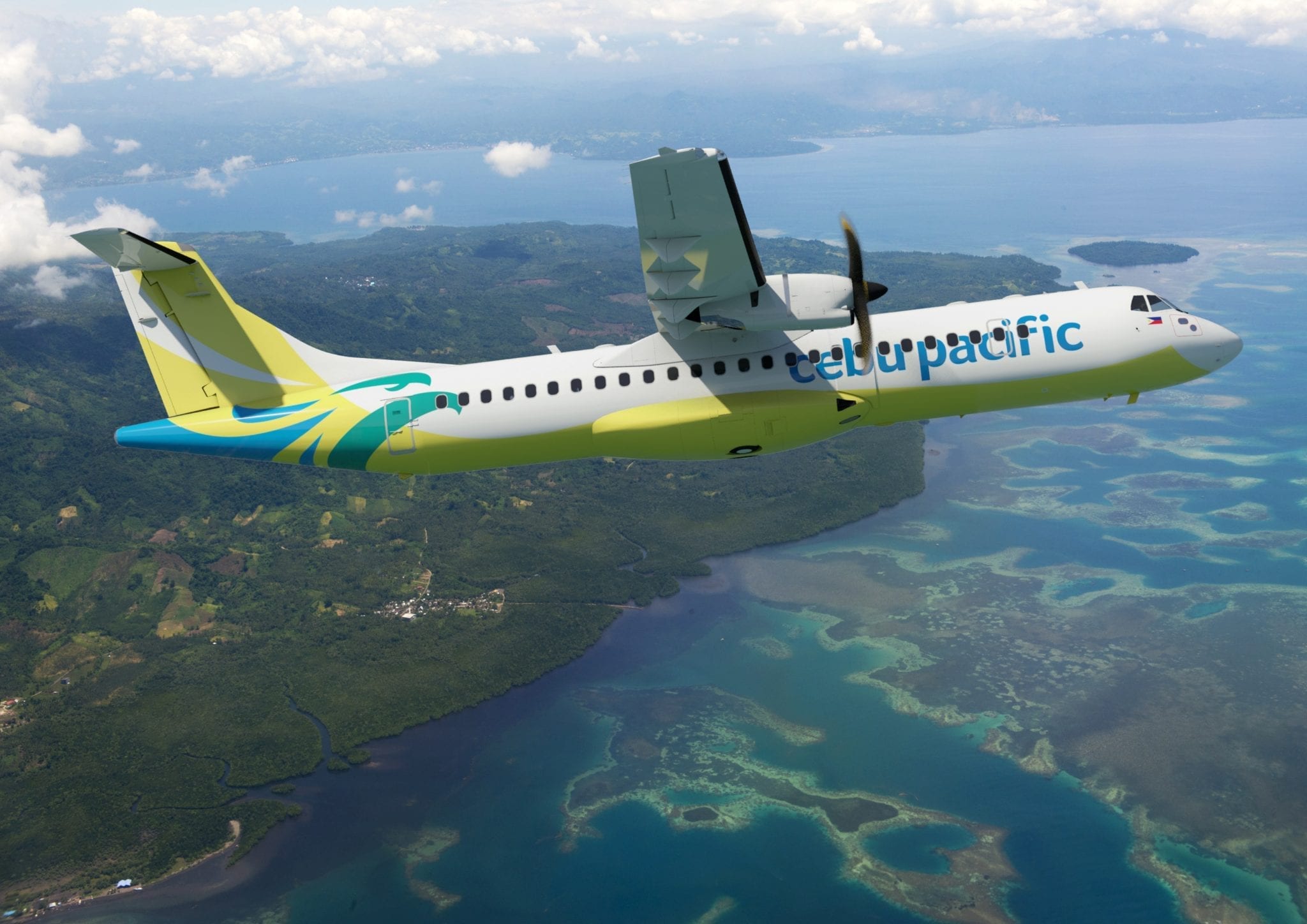
    The 35-minute Cebu-Ormoc-Cebu flight had its inaugural flight on Saturday and carried 54 passengers from Ormoc City.

    ATR-72-500 aircraft of Cebu Pacific arrived in Ormoc at past 8 a.m. from Cebu on its initial trip carrying 31 passengers, including Ormoc Mayor Richard Gomez. Minutes later, it left for Cebu with 54 commuters.

    Cebu Pacific’s 72-seater plane serves daily flights with scheduled departure at 8:42 a.m.

    This development opens doors towards boosting the city’s economic endeavors and benefits its tourism industry. The city government has been very vocal of the mayor’s vision, making tourism as his priority.

    Gracing the opening program were city Vice Mayor Leo Carmelo Locsin Jr., Trina Dacuycuy of the Department of Tourism regional office, Cebu Pacific Vice President for Visayas Alex Reyes, and Civil Aviation Authority of the Philippines Eastern Visayas area manager Danilo Abareta.

    Abareta said the daily air trip from Ormoc to Cebu is a better and faster alternative.

    “The faster delivery of cargo will surely boost the economic activities of the city, including nearby towns,” he added.

    Abareta lauded the city council, which vowed to rehabilitate the road access going to the airport and improve the airport parking.

    The terminal building is likewise up for improvement for which he encouraged the authorities to expedite.

    Locsin, who read the message of Mayor Gomez, said “the city thanked Cebu Pacific for placing trust and confidence in the city wherein part of the vision is to promote tourism.”

    The city formed the Philippine National Police Aviation Security Group (AvSegroup) for vital security at the airport.

    On its inaugural flight, Cebu Pacific offered promo fare at PHP599, inclusive with PHP500 terminal fee at Ormoc airport.

  • President calls for serious effort to attract 10 million Chinese tourists

    President calls for serious effort to attract 10 million Chinese tourists

    President Joko Widodo (Jokowi) has called for a serious effort to attract at least 10 million Chinese tourists to visit Indonesia per year.

    “Some 150 million Chinese citizens travel abroad every year. Most of them travel to the US and Europe. I want some 10 million Chinese tourists to visit Indonesia,” he said at a function to familiarize the public with the second phase of tax amnesty program here on Friday night.

    The president said he has signed an agreement with the Chinese government related to Chinese tourists visit to Indonesia.

    “The agreement has been in place. We only prepare flights from China to Indonesia. If the flights are already there, the target of attracting 20 million tourists can be achieved in 2019,” he said.

    The government is developing 10 key tourist destinations expected to attract more tourists, he said.

    “The target of tourist arrivals two years ago was 9 million. We want to increase the target to 20 million in 2019 by all available means including improving our positioning, diversifying products, and building brands,” he said.

    To achieve the target, the government continued to carry out tourism promotion in major cities abroad, he said.

  • AirAsia X chasing Europe; open to other aircraft types

    AirAsia X chasing Europe; open to other aircraft types

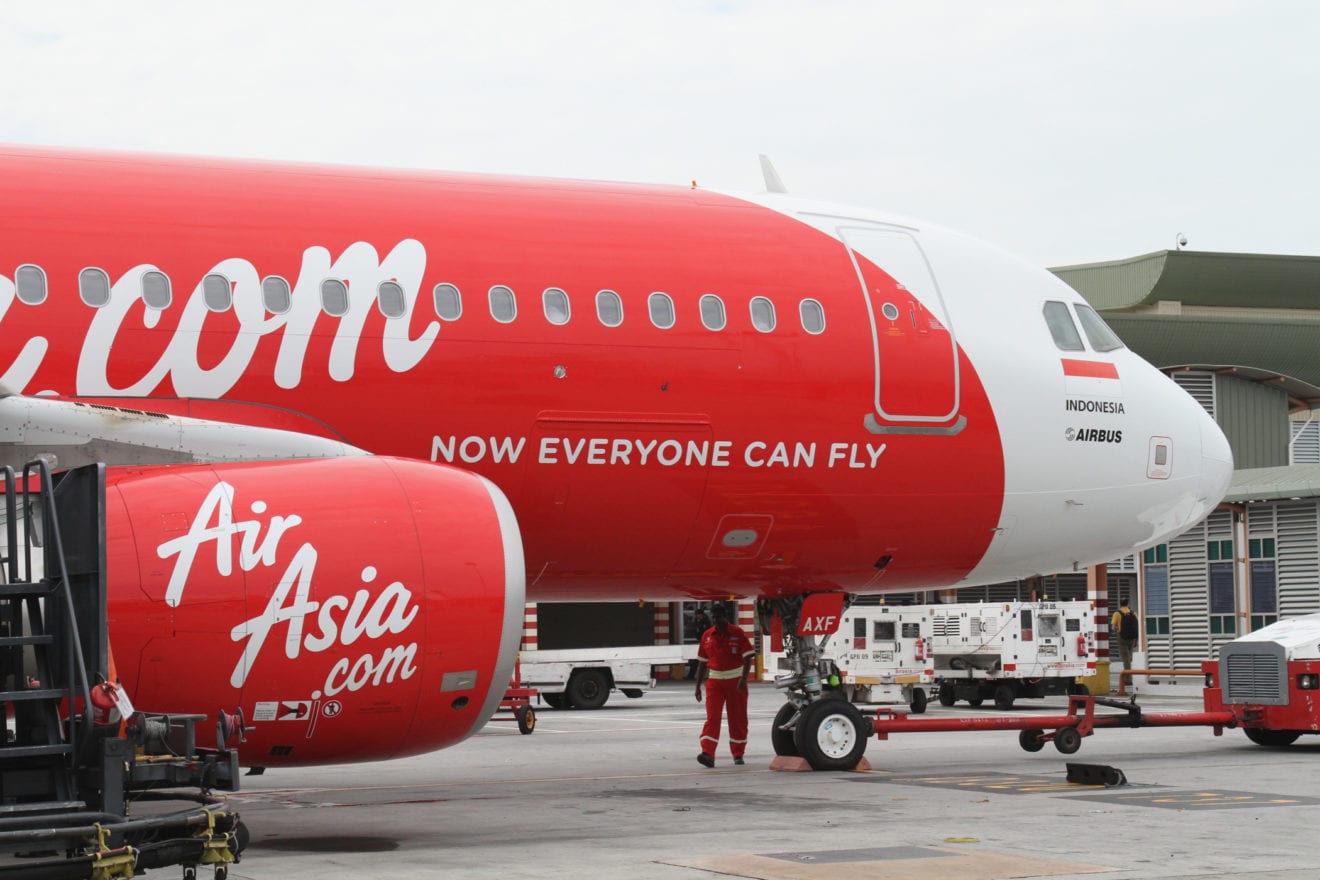
    AirAsia X wants to relaunch services to Europe “as quick as possible”, and is looking at aircraft other than Airbus A330s to get there.

    Speaking to FlightGlobal,the chief executive of AirAsia X‘s core Malaysian operation, Benyamin Ismail, says that its fleet plans have changed.

    The carrier had not planned to take delivery of any aircraft in 2017, but is now speaking with “some parties to see what aircraft are available”.

    “If we can get the aircraft we need… when the A330neos arrive, the focus for them will be to grow frequencies in our current markets, like China and North Asia,”

    Earlier in the year, Benyamin said that the carrier would not re-enter the European market until it starts receiving the A330-900s from the second half of 2018 onwards.

    On the A330-900 seat configuration, AirAsia X expects to confirm the details “in the next couple of months”, but could install more business class seats on those units initially planned to take on European routes.

    “We are working with Airbus to get the assurance that the A330neos can get us direct to Europe (from Kuala Lumpur).”

    Asked whether AirAsia X might take on A350s that may be available in the short-term, Benyamin re-iterates that the carrier “is open and has various options”, but would not confirm if it has held talks with lessors.

    Flight Fleets Analyzer shows that AirAsia X has 66 A330-900 and 10 A350-900s on order. It currently operates 22 A330-300s.

  • Microsoft extends CityNext project to Hong Kong

    Microsoft extends CityNext project to Hong Kong

    Microsoft has extended its global CityNext smart city initiative to Hong Kong and is seeking local partners to collaborate.

    Through the CityNext initiative, Microsoft is working with partners including system integrators to deliver smart city offerings to businesses and governments.

    Microsoft held an industry event in Hong Kong last week to discuss the transformative potential of intelligent systems and data analytics in smart city applications. Over 100 channel partners and potential customers attended.

    Speaking at the event, Microsoft Hong Kong national CTO Fred Sheu said the CityNext program will help governments deliver digital services to ensure their citizens enjoy healthier lives, as well as access to high-quality education and other critical needs.

    “Together with our partners, we can transform a city’s operations and infrastructure, engage citizens and accelerate innovation to create truly sustainable cities — where citizens, businesses and governments work alongside one another for a better tomorrow,” he said.

    “Through CityNext, we provide solutions that focus the most powerful modern technology — cloud, big data, mobile, and social technologies — on the city’s most pressing issues. For example, two critical components of any smart city are machine learning and IoT, which we are proud to offer to our partners via our much-heralded Azure cloud platform.”

    Microsoft CTO for data insights John Nisi added that the use of intelligent systems is helping businesses and governments re-imagine the value chain.

    “Modern businesses faced with economic uncertainty and disruptive competitors can leverage analytics and predictive data to create new revenue streams and opportunities that will allow them to thrive in the digital era,” he said.

    According to Sheu, more than 300 partners worldwide have already signed up for the CityNext program. In Hong Kong, over 10 partners have joined the program to provide smart healthcare, smart building, smart government and geographical information system (GIS) offerings and the like.

  • Now you can book a cook on Singapore Airlines

    Now you can book a cook on Singapore Airlines

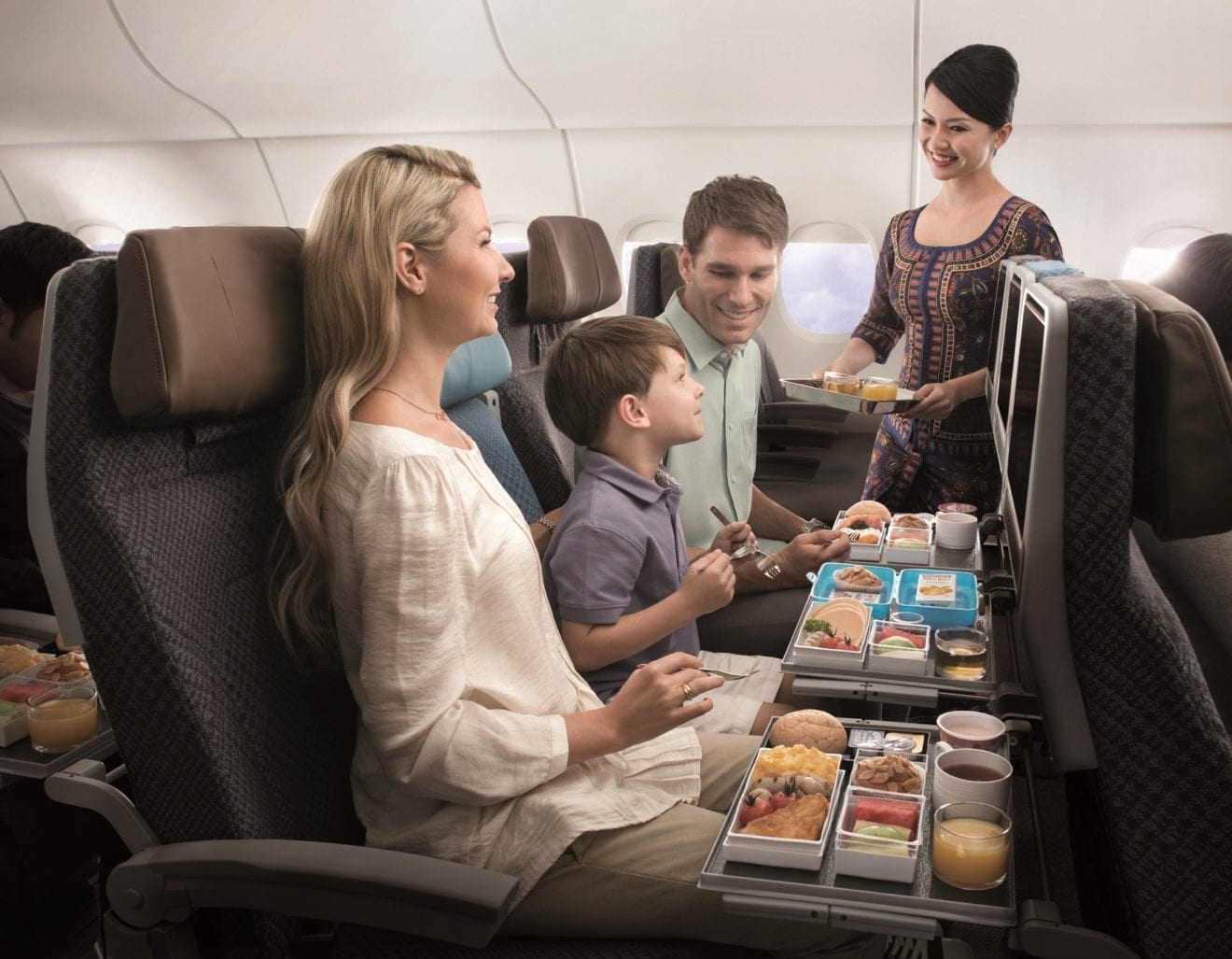
    It’s like dining a la carte 34,000 feet above sea level. That’s the “Book the Cook” experience that you get when you fly Singapore Airlines. It’s an exclusive advance inflight meal-ordering service that allows passengers in Suites, First Class, Business Class and Premium Economy Class to pre-select a gourmet dish of their choice before their flight.

    “It’s a departure from our regular meal service,” says Hermann Freidanck, food and beverage, inflight services manager. “You get to order your main course from a wide selection in a specially prepared menu up to 24 hours before your flight. Now you won’t have to settle for a dish that is not your choice.”

    At the exclusive meal presentation before local media recently at Singapore Airline’s new-concept Silver Kris Lounge in NAIA3, we got to experience firsthand what this was like. A couple of days before the event, we were sent a special menu to choose from, which included beef tenderloin steak, roasted rack of lamb, slow-cooked marinated duck leg with mushroom risotto, marinated free-range chicken, and baked herb-marinated salmon.

    The sit-down meal included an appetizer of marinated lobster with Mediterranean vegetable salad and balsamic dressing, as well as roasted pumpkin soup or snow fungus chicken soup with Chinese mushroom and quail egg. The salad was spinach and green frisée garnished with cherry tomatoes and olives with a choice of balsamic vinegar and extra-virgin olive oil or honey-mustard dressing, while dessert was a choice of  either chocolate and banana cake with vanilla ice cream and raspberry coulis or fresh mango tiramisu with verbena mango compote and biscotti by three-Michelin-starred chef Georges Blanc.

    As part of the Book the Cook service, passengers can choose from a menu of ICP dishes. “These are dishes created by Singapore Airline’s esteemed International Culinary Panel (ICP), which is a team of celebrated Michelin chefs who have restaurants or groups of restaurants in our main destinations in Europe, America and Asia,” Freidanck explains. “They work closely with our own chefs to develop unique dishes that we serve on board.” The panel includes Alfred Portale (United States), Carlo Cracco (Italy), Goerges Blanc (France), Matt Moran (Australia), Sanjeev Kapoor (India), Suzanne Goin (United States), Yoshihiro Murata (Japan), and Zhu Jun (China).

    “Our menus are planned four to five months ahead of time, on a four-month cycle. First Class and Business Class have four different main courses, while Premium Economy Class has a third choice in addition to the usual two choices,” Freidanck shares. “The way we do our menus is what we call ‘destination-specific.’ If you are going to Frankfurt, for example, you’ll have a German dish. In First Class and Business Class, you will always have  an ICP dish. Seasonal ingredients would also affect which dishes would be available.  The Japanese, as well as the Chinese dishes, go by the seasons. A bestseller is the Maine lobster, but not every country has it. It is difficult to get lamb, for instance, but because you can order in advance, you are guaranteed your main course.”

    “And then we have the Asian dishes. We look at the passenger profile, and if it’s predominantly Singaporean, for example, we try to put a Singaporean dish. We emphasize that we must represent the cuisine properly. It always has to be authentic. It must be traditional,” Freidanck adds. ‘There are also what we call the special meals which address certain conditions of the passenger, either due to religious beliefs, dietary or allergy restrictions. You can order them and we will serve you according to what you order. It’s not like other airlines where one menu fits all.”

    Singapore Airlines also launched a new “Deliciously Wholesome” program catering to the needs of an increasing number of health-conscious travelers.

    Preservation of freshness is an important consideration. Dishes are cooked with the reheating process in mind. “There is a fine line because we have to follow the hygiene regulations,” Freidanck explains. “Steak, for instance, has to be seared from the outside, so when it’s reheated on board, it’s just right. Sushi has to either be grilled or pickled or smoked. Nothing is raw. Oysters have to be cooked, following hygiene regulations.” Certain dishes can be a challenge. “Not impossible, but difficult,” Freidanck says. Dim sum, like pasta, does not reheat very well. The texture of risotto can be less appealing when overdone.

    The dishes are cooked in the kitchen, then kept in the chiller below 10 degrees so no bacteria can thrive, until it goes on board. The dishes are deconstructed and put into different containers. On board, it goes in the oven where the heat is calibrated to a certain temperature. “There is a training center in Singapore where the crew learn to do this. It’s very specific. There’s a lot of details which they have to go through,” Freidanck says. The crew gets a plating guide, which they must follow when they assemble the dishes.  First Class passengers get their meals served on real plates with fine cutlery.

    “Complementing Singapore Airline’s World Gourmet Cuisine is a selection of the finest wines from the very best vineyards, selected by some of the world’s most educated and sought-after palates. These wines are handpicked by world-renowned wine experts and blind-tasted under simulated cabin pressure, since our taste buds are affected by the cabin pressure,” notes Carol Ong, Singapore Airlines general manager for the Philippines, Guam and USTT. The Singapore Airlines Wine consultants include three Masters of Wine: Michael Hill-Smith, Jeannie Cho-Lee, and Oz Clarke.

    “So, you have just flown First Class, basically,” Freidanck says, addressing the intimate media group of happy diners at the end of the meal. The only thing missing was the altitude.