Tag: uae

  • Revolut Sets Up Camp in the Emirates: What This Means for Retail Innovation

    Revolut Sets Up Camp in the Emirates: What This Means for Retail Innovation

    Revolut has taken a critical stride in its Middle East expansion with the acquisition of initial approval to offer payment services in the United Arab Emirates. This marks a significant leap for the British neobank, which boasts a customer base exceeding 60 million globally, as it prepares to tap into one of the region’s most promising financial markets.

    In a recent statement, Revolut announced it received in-principle approval from the Central Bank of the UAE (CBUAE) for “Stored Value Facilities” and “Retail Payment Services (Category II)” licenses. This regulatory green light paves the way for the launch of a diverse range of financial products aimed at retail customers, underlining the UAE’s potential as a catalyst for growth due to its vibrant economy, robust digital adoption, and established position as a global financial center.

    A Vision for Financial Empowerment

    Ambareen Musa, CEO GCC at Revolut, expressed enthusiasm regarding the approvals, stating, “Receiving these in-principle approvals from the Central Bank of the UAE is a pivotal step for Revolut in the region.” She highlighted the company’s commitment to equipping individuals with innovative financial tools that prioritize transparency, flexibility, and user control, aiming to address pressing issues within the current financial landscape. For Musa, whose fintech journey began with founding Souqalmal.com, Revolut’s mission extends beyond just service provision; it’s deeply rooted in advancing financial literacy and consumer empowerment across the UAE.

    Ambitious Hiring Plans Unveiled

    In tandem with its expansion plans, Revolut is gearing up for a hiring spree in the UAE. Embracing a “remote-first” strategy allows the company to attract a diverse talent pool from across the region while fostering an environment of flexibility and inclusivity. This fresh wave of recruitment is essential as Revolut seeks to strengthen its foothold in a market where fintech innovation is booming and competition is fierce.

    As the company sets its sights on establishing a formidable presence in the UAE, it continues to expand its international reach. Revolut is already operational in various countries, including Australia, Brazil, Mexico, Japan, New Zealand, Singapore, the US, and India, and aims to rank among the top three financial apps in every market it enters. With this ambitious roadmap, one can’t help but wonder: could Revolut’s next product launch include a feature that teaches users the art of not overspending—with a satirical twist, of course?

    Questions & Answers

    What services will Revolut offer in the UAE?
    Revolut plans to launch a suite of financial products tailored for retail clients, including Stored Value Facilities and Retail Payment Services.

    How is Revolut approaching recruitment for its UAE expansion?
    The company is implementing a “remote-first” approach to attract talent from across the region while promoting a culture of flexibility and inclusion.

    What is the strategic importance of the UAE for Revolut?
    The UAE is viewed as a key growth market by Revolut, thanks to its dynamic economy, high digital adoption rates, and its standing as a global financial hub.

  • Vietnam posts $665 million trade surplus with the UAE

    Vietnam posts $665 million trade surplus with the UAE

    Vietnam posted a $665 million trade surplus with the United Arab Emirates (UAE) in the first two months of 2021, alongside an increase in both exports and imports.

    Vietnam’s exports to the UAE rose 60 percent year-on-year $737 million, while imports increased 44 percent to $72 million, according to the General Department of Vietnam Customs.

    Total Vietnam-UAE trade value surged 58 percent year-on-year during this period.

    Phones and components were Vietnam’s foremost exports to the UAE with a value of $551 million, up 108 percent year-on-year. Exports of agriculture and aquaculture products also experienced robust growth. Cashew exports hit $10.3 million, a year-on-year rise of 600 percent.

    Vietnam’s main import from the UAE is the plastic raw material, reaching $41.8 million, a year-on-year increase of 66 percent. Among the products imported from the UAE, only petroleum products saw a 42 percent year-on-year decline to $2.5 million.

  • UAE among top export destinations of Cebu Pacific for Philippine produce and goods

    UAE among top export destinations of Cebu Pacific for Philippine produce and goods

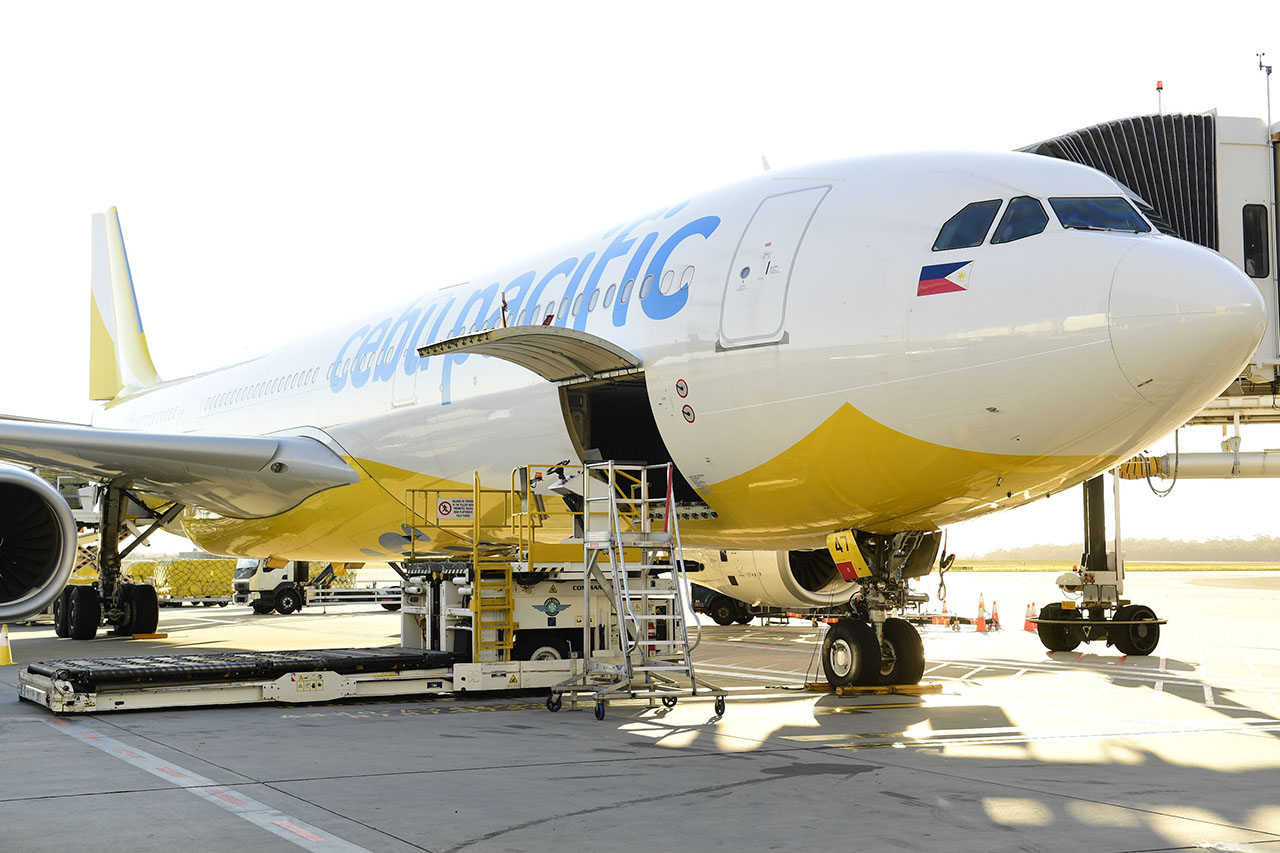
    Cebu Pacific (CEB), the Philippines’ largest national carrier, continues to fly Philippine produce and goods via its direct flights to the UAE amidst the current pandemic.

    In its steadfast commitment to serving the Filipinos in the UAE including in months with stern movement restrictions, CEB has conducted 12 cargo flights from the second and third half 2020 (Q2 to Q3 of 2020) for Manila to Dubai and vice versa. Prior to the onset of the global health crisis, the airline had operated in first quarter (Q1 of 2020) 75 cargo flights on the same route for the export of food commodities from the Philippines.

    According to the cargo data released by CEB from January to September 2020, the UAE is one of the top global export destinations of the airline for Philippine produce. Of the total 37,405 kilograms of fruit exported to various international destinations, 29 percent or a total of 10,674 kilograms were delivered to Dubai. It ranked second to Hong Kong, where the airline delivered 55 per cent or a total of 20,641 kilograms of fruit in the same period.

    The Philippine mango topped CEB’s list of most exported fruits, amounting to 27,132 kilograms. This was followed by Philippine lime or calamansi, soursop or guyabano, sapota or chico, and turnip or singkamas at 6,178 kilograms.

    According to Charmaine Yalong, Commercial Attaché of Philippine Trade and Investment Centre (PTIC) of the Department of Trade and Industry, the increasing demand for Filipino food products in the UAE may be attributed to the high disposable incomes of consumers, primarily owing to the large presence of Filipinos in the country, as well as the growing proportion of Filipino brands being mainstreamed in the market.

    “The continued support to Philippine exporters, through trade referrals and organization of Philippine participation in trade exhibitions and outbound business missions, contributed to the increasing presence of Philippine products in the UAE. As such, aside from gratifying the cravings of our kababayans for native Philippine products, the cosmopolitan tastes of locals and expatriates in the UAE are now being catered to as well. A wide range of these products are now available side-by-side with other products from Asia, Europe and the United States in the shelves of supermarkets here in the UAE,” Yalong said.

    Yalong highlighted that during the first half of 2020, Philippine food exports to UAE has seen sustained growth. Aside from fruits, the Philippines saw an uptick trend on the export of its processed food and beverages to the UAE which accounted for a whopping US$20.86 million or AED76.61 million. Also on the list were pineapple and by-products, US$14.02 million; fresh bananas, US$12.9 million; tuna, US$3.3 million; and fresh/processed fish, US$0.59 million.

  • 7 Ways to Negotiate Personal Loan Interest Rate in the UAE

    7 Ways to Negotiate Personal Loan Interest Rate in the UAE

    If you are in urgent need of money, a personal loan is the way to go. Compared to credit card finance, etc, personal finance is the best option to go for.

    Personal finance will provide you with a higher finance amount, longer repayment tenure, lower interest rate, etc. That is if you are eligible for it.

    However, if you qualify for personal finance, you will want a lower interest rate on the Finance amount. After all, an interest rate is the additional money you pay from your pocket to the bank. And to get that deal, you will have to negotiate with the loan provider.

    Therefore, we have discussed the factors that will help you with the negotiation process. These factors will help you get a better deal on the interest rate.

    Your Credit Score

    A credit score is like a full-body scan of your financial health. It determines whether you are financially capable of repaying the debt.

    Credit scores are marked between 300 – 900 in the UAE. The greater credit score you have, the higher are the chances of you getting a finance amount. Also, if you have a high credit score, you have better chances when it comes to negotiation.

    We have often mentioned the credit score, but do you know how to maintain a good credit score. If you don’t, here is what you should do.

    To maintain the high credit score, you will have to:

    • Stay within the Credit limit
    • Pay your credit card bill on time
    • Avoid paying the Minimum amount of the credit card bill
    • Always pay your bill in full, if possible
    • Manage your debt

    Additionally, you should always keep an eye on your credit score. If you find any suspicious activity in your account, report it immediately. Negligence or procrastination will only damage your credit score.

    Compare the Personal Loan Providers

    Comparing personal finance providers is essential for your financial health. A little effort and research from your end will ultimately benefit you.

    Lenders that provide the lowest interest rate for personal loan in UAE might not always be perfect for you. Make sure to always compare the interest rate, eligibility, repayment tenure, and the finance amount.

    After all, every financial institution has its pros and cons. Therefore: Research. Compare.

    Your Professional Credential

    If your company is listed with the bank and you earn a high income, it makes you a perfect customer. The financial institutions in the UAE consider customers like you a stable candidate. You represent low-risk factors in the eyes of the lender.

    You can definitely use that factor to negotiate a better deal for the personal loan interest rate in uae. Since the lender is assured of your repayment capability, they will offer a better interest rate to seal the deal.

    Healthy Record of Debt Repayment

    Maintaining a healthy record of debt repayment implies that you have always repaid your debt in time. It helps build trust in you, amongst the financial providers. This will end up affecting your credit score in a positive way.

    If you have an unhealthy record in debt repayment, it will cause hesitation amongst the lenders to finance you. Most financial institutions will end up rejecting your application. Even if your application is approved, you will be offered a high interest rate on personal credit.

    Comprehending the Terms and Conditions

    It’s no secret that most customers skim through the fine print due to its length. And that is a big mistake. It is essential that you read and comprehend the terms and conditions associated with the personal loan.

    Reading and understanding the fine print will protect you against any unpleasant surprises in the future.

    Collateral

    It is true that personal credit is collateral-free. However, the lack of collateral affects the interest rate on personal loan. This is due to the fact that the lenders have no way of recovering if the customer is unable to repay the amount.

    Henceforth, you can offer collateral to reduce the interest rate of the personal credit. If the financial institution accepts the collateral, you can enjoy a much lower interest rate, as there is no risk involved.

    Special Offers

    Finance institutions in the UAE often come up with special offers during the festive season. It is due to the fact that many need financial help during the festive season. These offers can often help lift the burden of the festive season in your pocket.

    The special offers during the festive season would often involve lower interest rates in the UAE. Hence why it can be beneficial for you to go for the personal credit during the festive season, if need be.

    Over to You

    If you use the suggestions given above, it won’t be difficult to get a lower interest on the financed amount. Make the most of your privileges. Use the status of your employment and the credit score to score a better deal.


  • Dubai now as important as Singapore for DHL

    Dubai now as important as Singapore for DHL

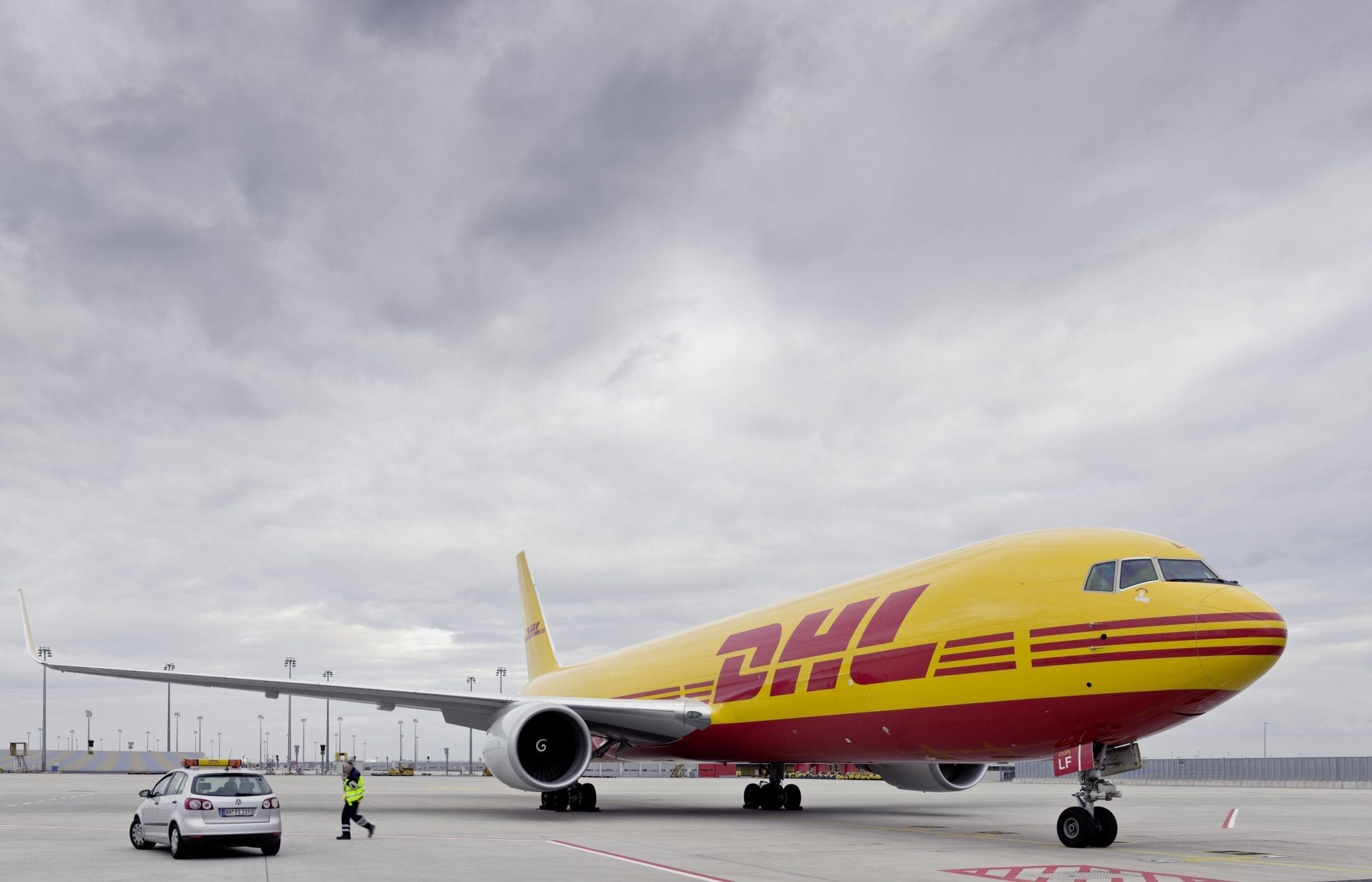
    Brexit, trade wars, an economic slowdown in China and humanitarian crises on the regional doorstep – despite these headwinds, Amadou Diallo, DHL Global Forwarding CEO for the Middle East & Africa, isn’t worried. The outlook for the logistics sector in the UAE for 2019 is upbeat, DHL’s recent Global Connectedness Index put the country at number five among the most connected countries in the world in terms of logistics, and Emirates NBD’s Dubai Economy Tracker Index shows that the wholesale and retail sectors (major drivers of demand for 3PL services) are at their strongest outlook since the post-2008 years.

    There is light on the horizon, then. But, despite this, the major players in the market are worried. At the World Government Summit in Dubai, DP World chairman and CEO Sultan Ahmed Bin Sulayem hit out at the UK government over its handling of the Brexit process.

    “Our problem is the indecisiveness of the government,” he said. “We don’t care as businessmen whether they have Brexit, or Brexit with an agreement, or Brexit with a good agreement, or Brexit with a bad agreement,” he said. “Once they decide, as businessmen, we are capable of running our business once all this basically indecisive environment disappears.”

    The statement was unprecedented from one of the most mild-mannered (and most powerful) figures in the Middle East logistics industry. But, he was venting a frustration expressed privately by many executives this magazine has interviewed during the last year. The world’s sixth-largest economy is at risk of crashing out of the world’s largest trading bloc without a contingency plan in place for trade and logistics.

    As the award-winning journalist James Ball wrote in a recent CNN piece, “The world needs to start panicking about Brexit”. The UK’s crisis was therefore a natural starting point for our wide-ranging interview with Amadou Diallo, DHL Global Forwarding CEO for the Middle East & Africa – but unlike many industry commentators, he insisted there was no need for concern in this region.

    Brexit is one of a handful of challenges we’re currently facingBrexit is one of a handful of challenges we’re currently facing,” he says. “DHL’s Logistics Trends Radar has highlighted Brexit as a potential headwind, among evolving trade tensions between the US and China, and China’s own domestic economic slowdown, that will likely impact trade volumes transhipping through the Arabian Gulf.”

    “This is an evolving and dynamic market. It’s always changing.”

    According to Diallo, DHL’s history and sheer size (DHL Group is the largest courier in the world), gives it the stability and resources to mitigate these challenges. “DHL has been around for more than 24 years and we’ve seen our fair share of market shifts,” he says. “Because we’re present in more than 220 countries around the world, we’re sustainable and dynamic enough to find new solutions and opportunities amid these global dynamics.”

    For this reason, he doesn’t see DHL Global Forwarding’s regional operations being unduly hampered by Brexit, whether it be hard or soft. In fact, he suggested the process might have a positive effect on the Middle East and African markets.

    “The UK trades with many markets, our region covers anything that goes to or from Afghanistan, Turkey, the Middle East and Africa, and many countries in this region have a solid trading relationship with the United Kingdom,” he says. “So, any enterprises and people in the UK who find themselves suffering due to Brexit may look to their existing trade relationships in other parts of the world to find some measure of mitigation and stimulate these trade flows. If people are inward-oriented, trade flows are the first thing to suffer.”

    For DHL Global Forwarding itself, the uncertainty and shifting nature of supply chains will likely drive demand for its services, he added. “DHL Global Forwarding is a sizeable organisation in the United Kingdom and we’re market leaders worldwide when it comes to logistics. We do supply chain services, customs brokerage, and other services that are going to be in high demand from UK companies if a hard Brexit occurs,” he says.

    And while Brexit remains a question mark looming large over the industry, what Diallo feels is a certainty of support to the market is the EXPO 2020 Dubai, which the government is spending US $9-billion to host, as part of a wider series of infrastructure investments amounting to US $3.2-billion in 2019 alone for the UAE Vision 2021 and Vision 2030 initiatives to diversify the economy.

    Dubai EXPO 2020 is definitely an opportunity for us, for growthDubai EXPO 2020 is definitely an opportunity for us, for growth,” he says. For a company like DHL Global Forwarding, providing air and ocean freight forwarding services and major logistics projects under the brand name DHL Industrial Projects, the opportunity is two-fold. “We had this experience in Milan and in China and we shouldered the burden of getting all the goods into the country for the expo itself for countries wanting to come and promote their cultures and countries, but also for the immense infrastructure development that comes with events of this kind,” says Diallo.

    “And then once the EXPO is over, there’s a lot of material that needs to be shipped by air or sea back to the point of origin, or donated, which is often the case, to other countries,” he says. “These are operations that need to be completely flawless and it’s something that we have become very good at.”

    DHL Global Forwarding is working closely with key partners in the run-up to the event, such as Emirates SkyCargo. “Emirates SkyCargo is helping us ensure that we provide a seamless service to foreign and domestic clients ahead of EXPO 2020. They’re a key provider of air freight solutions for DHL Global Forwarding,” he said. “We operate in all the same markets as the airline and work very closely with Nabil Sultan, the head of cargo for Emirates.”

    Emirates SkyCargo, like Emirates itself and DP World’s Jebel Ali Port, has turned Dubai into a major global logistics hub, and because of this DHL is significantly expanding its operations in the city. The DHL Group at the beginning of February established its first Global Competence Centre for Humanitarian Logistics in Dubai.

    “The centre is a cross-business unit involving the entire DHL Group to help logistics companies and NGOs respond to the various disasters and humanitarian crises occurring in the region,” says Diallo.

    “The competence centre will support the work of the International Humanitarian City. We see that many NGOs and aid organisation have offices and DCs here, and so this is the ideal city to use as a logistics hub for humanitarian relief.”

    Dubai is one of three global humanitarian logistics hubs for DHL’s disaster relief teams, and this, along with the Competence Centre, underscores the city’s significance within the wider DHL network.

    “This is the largest hub we have in the Middle East and Africa region,” says Diallo. “It’s up there with Singapore, Shenzhen, Germany and the United States.”

    DHL Global Forwarding has around 300,000sqm of warehousing space in the Middle East, with 260,000sqm of that located in Dubai. It’s also in Dubai that it has the AOG competence centre for all the airlines carrying air cargo into and out of the region, and a dedicated team of 75 people working in Dubai on its infrastructure logistics solutions through DHL Industrial Projects. “With a lot of energy plants and oil & gas projects in the region, and immense infrastructure developments in Saudi Arabia and other GCC countries and in Africa, and Dubai’s global connectedness, it makes sense to concentrate a lot of these tools here in Dubai,” says Diallo.

    When it comes to infrastructure and development projects in Saudi Arabia, as part of the massive Saudi Vision 2030 plan, Diallo says this represents another major logistics opportunity. When asked whether initiatives such as the development of King Abdullah Port and King Abdullah Economic City could challenge the UAE’s logistics dominance via Jebel Ali Port, he’s more hesitant.

    “There is a long lag time between deciding on a goal and achieving it,” he says. And while the ultimate impact for the UAE may be so way away, he also doesn’t feel that the redevelopment of Saudi Arabia’s logistics industry is intended to challenge the UAE’s dominance.

    “We are actively participating in, and working on, the Logistics 2030 strategy of Saudi Arabia, which is part of the Vision 2030 initiative. I’m part of the advisory board in that effort, so we know the ambitions and goals that are being worked on,” he says.

    “The UAE has been a major driver of logistics development in Saudi Arabia organically, so many of its imports and exports still transit through Dubai and I don’t think that will change any time soon. And when it does, it won’t be a zero-sum game,” he adds.

    According to Diallo, it’s not dissimilar to the rise of Singapore and China as major economic and logistics powerhouses. “Singapore was the first major logistics hub in the region, before China was the economic giant it is now,” he explains. “China is a logistics leader now, but that doesn’t mean that Singapore has suffered or been displaced as a regional and global logistics hub. I think the same will apply here in the region.”

    In Saudi Arabia, the investments being made are aimed at supporting the domestic economy, and the Kingdom’s ability to diversify and grow. “These changes are related firstly to growing the economy to satisfy the needs of a growing population. Saudi Arabia is the largest economy in the GCC and there’s liberalisation, industrialisation, and diversification taking place,” he says.

    These changes require an evolution in the country’s supply chains and logistics networks. “It’s logistically more economically feasible to have cars assembled in Saudi Arabia than shipped via roro in a turn-key state from Japan, South Korea, and Mexico. The same goes for other consumer goods. This creates more job opportunities, and therefore more personal wealth, and therefore more demand for goods.”

    The goal then is to enable the economy to be more diverse, more self-sustaining and more stable. The changes taking place in Saudi Arabia’s logistics sector are going to boost the country’s ability to meet these targets, to become a larger, more diversified economy, says Diallo. “But it won’t take traffic or logistics capabilities away from Dubai.”
  • Islamic clothing market growing to US$88bn by 2025

    Islamic clothing market growing to US$88bn by 2025

    The global Islamic clothing market is expected to reach US$88.35 billion by 2025, according to a new report by US marketing and consulting firm Grand View Research. Increasing expenditure by Islamic populations on lifestyle and apparels, especially among the wealthy, elite, and traditional Middle Eastern populations, is expected to propel demand.

    In 2017, ethnic wear accounted for 70.9 per cent market share, in terms of revenue, owing to rising demand for abayas, hijabs, thobes and jubbas in countries with a high Islamic population. The burkha and naqaab segment is expected to expand at a CAGR of 5.4 per cent from 2017 to 2025, owing to increasing demand from Middle Eastern countries – including Saudi Arabia, the UAE, and Iraq.

    Sustainable fashion is expected to register a CAGR of 4.9 per cent over the forecast period on account of the shifting focus of leading fashion brands towards the development of innovative clothing options for the younger population. The Asia-Pacific region accounted for 31.3 per cent of revenue in 2017, with more than 63 per cent of the world’s Muslim population located in Indonesia, Pakistan, India, Bangladesh, Myanmar and Morocco.

    Key players operating in the Islamic clothing market include House of Fraser, Marks & Spencer, Aab, H&M, and Mango, which are catering to the rising demand for diverse options from different parts of the world.

    Major countries outside the Western fashion industry contributing to a significant share include Malaysia, Turkey, and Indonesia, where the industry is highly lucrative.

    However the research says controversies around losing the ethnic value of Muslim clothing due to its shift towards mainstream fashion industry may hamper market growth. Initiation of various marketing campaigns by industry players in line with maintaining the core of the Muslim precepts – Sharia, or the Islamic law – is projected to propel growth of the Islamic clothing market.

    In addition, increasing demand for modest-yet-fashionable clothing, especially from the younger generation with high purchasing power, is likely to complement market growth.

    Increasing reservations regarding over-commercialisation of what is primarily meant to be a rigorous religious mandate can pose a challenge to market players. In addition, involvement of multinational fashion brands is projected to restrain growth of the small Islamic clothing companies.

  • Fast food chain Jollibee to open 25 stores

    Fast food chain Jollibee to open 25 stores

    Philippine fast-food chain Jollibee plans to open 25 UAE stores by 2020.

    Describing the UAE as “a key market” in its regional development plans, Jollibee has already opened a 12th store in Al Ain Mall and is preparing two other mall locations in Abu Dhabi and Dubai. It has also updated its menu offerings to satisfy local palates, while still ensuring the menu appeals to the large population of Filipino OFWs in the area.

    Jollibee UAE CEO Hisham Al Gurg said, “The UAE is a key expansion market for the brand, ever since we launched our first outlet in Dubai Mall in 2015… the awareness of the brand in the UAE is increasing rapidly. The launch of the new restaurants is driven by strong demand from customers, thereby bringing the brand closer, not only to the larger Filipino community present in the country, but also to several other nationalities.”

    The company is currently developing a voice recognition service called Bee Talks to help customers place orders verbally via a Facebook app.

    Jollibee has operated as Golden Bee Restaurants in the UAE since 2015.

  • HSBC gears for new retail banking push in the UAE

    HSBC gears for new retail banking push in the UAE

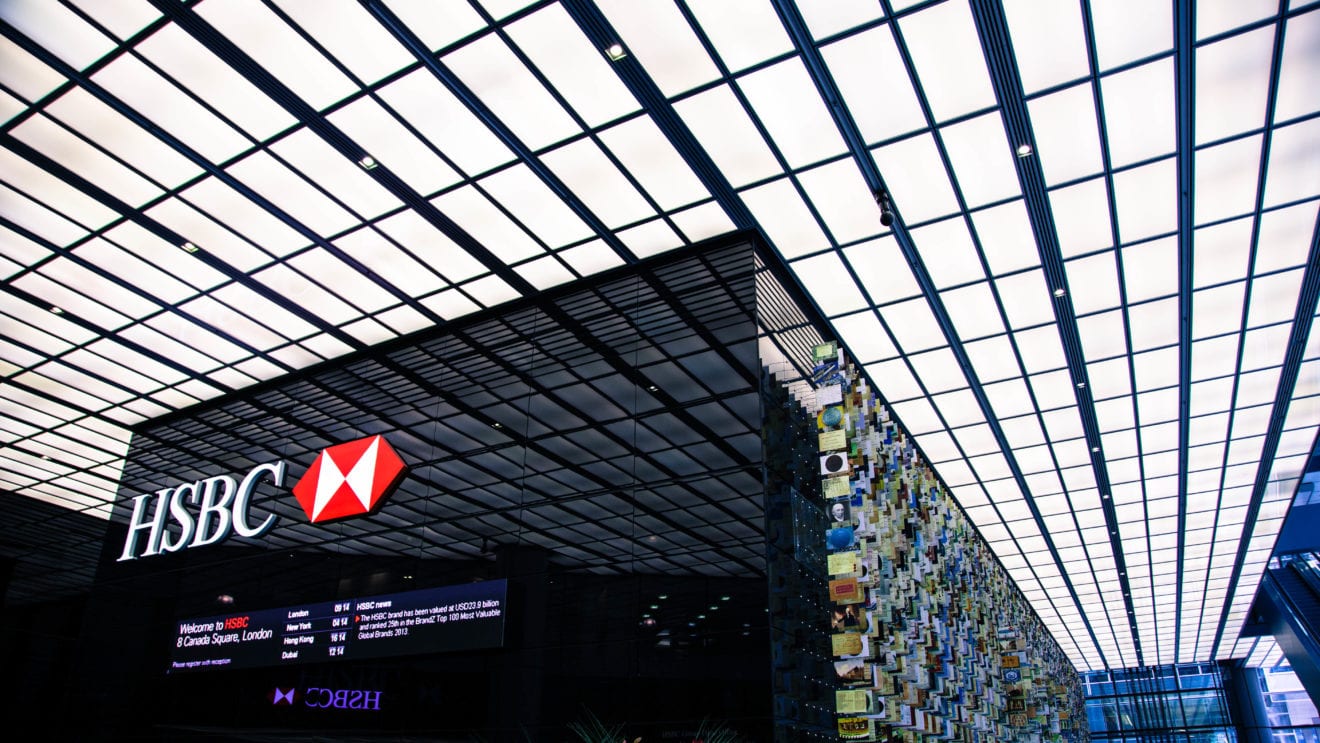
    Global banking giant HSBC, with a focus on the premium segment of the consumer banking business is looking to expand its retail lending, liabilities and wealth management business to a wider audience.

    “We are looking at the full corporate employee programmes to expand our retail business. We want to deal with payroll type solutions from both wholesale and retail side, covering liability and asset side of the business,” Marwan Hadi, head of Retail Banking and Wealth Management in the UAE, told Gulf News in an interviMajority of the bank’s retail lending is against salaries. Although the bank’s focus is on premium segment of the retail banking, in the corporate employee programme, the bank aligns its lending policies to be more inclusive. However, the bank does not insist on taking on the entire payroll from a customer acquisition point.

    “The UAE is a market where customers have wider choice. Although we become a preferred bank for a company through our corporate programme, the customers have the freedom to choose which bank they want to do business with,” said Hadi.

    HSBC sees strong potential for retail assets growth. Given the positive economic outlook, the bank sees greater growth in numbers as it gains market share in this segment. As part of its new retail expansion strategy, the bank is investing in digital solutions and frontline staff. The bank is in the process of adding more relationship managers (RMs).

    The new retail strategy revolves around the concept of taking the bank to the customers. While a part of it relates to providing appropriate digital banking delivery channels such as mobile banking and internet banking, HSBC is equipping its retail staff with most advanced digital solutions to serve their customers better.

    The bank has a network of eight branches and seven customer service units focused on commercial hubs across the country. Unlike many leading local banks that have wider branch network and still expanding, HSBC plans to reach customers wherever they are.

    Bank’s new customer acquisitions are based on corporate relationships. “Our customer acquisition numbers in the first quarter this year is much more favourable than last year. We are experiencing more than 10 per cent growth in terms of new to bank customers,” Marwan said. On the lending side, with the exception of auto loans, for all segments such as mortgages, personal loans and credit cards the bank has witnessed double digit growth so far. Hadi expects the bank to keep up the momentum through the year.

    “We don’t see any reason why this trend will not continue for the rest of the year. The International Monetary Fund (IMF) expects the UAE economy to grow at 3.5 per cent this year. Our Group is very comfortable with the growth outlook,” he said.

    In the cards business, the bank has plans to expand its product suite to complement the existing successful cash back card programme and premium offering like fully metallic black card.

    Liability focus

    For the past several years retail banking has been largely focused on assets (lending) business. Hadi expects that to change as the interest rates rise. With the rising rates, banks are likely to make more income from liabilities business (deposits).

    HSBC with its focus on the premium segment of the retail business has a strong retail deposits base. The bank is currently working on strategy to match retail asset business with its strong retail liabilities business.

    Wealth offerings

    Bank’s wealth business, focused on premium retail customers will be largely driven by growth in relationship managers as it plans to increase the number by more than 15 per cent this year.

    “We have expanded our wealth proposition with a robust investment platform offering more than 75 mutual funds. Currently, we have two GCC funds but going forward we are looking to add more regional funds in our offering,” said Hadi.

    In addition to mutual funds, the bank has fixed income products on offer and has plans to add direct equity and exchange traded funds (ETFs) in the future. The bank’s portfolio advisory service offers a goal-based investment advice directly linked to the risk tolerance levels of customers.

    Quick payments

    HSBC has a very competitive payments business in the UAE. In the foreign exchange (FX) business within the Retail Banking space, the UAE is the third largest market for HSBC Group, after UK and Hong Kong. The bank offers linked accounts for premium customers across key global corridors, allowing customers to transfer money instantly between these accounts. The bank also offers opportunity to link the HSBC accounts of family and friends globally, making fund transfers within the group quick and seamless. Both these facilities are free of charge and are completed digitally to allow improved customer experience.

  • Nokia, UAE to develop drone ecosystem

    Nokia, UAE to develop drone ecosystem

    Nokia has teamed up with the United Arab Emirates General Civil Aviation Authority (GCAA) to drive the development of an end-to-end Unmanned Aerial System (UAS) ecosystem.

    The collaboration will will make the UAE the first country in the world to allow the operation of drones by both businesses and government agencies in a safe, secure and managed environment.

    The project is part of an initiative by the GCAA to make Dubai one of the world’s smartest cities by 2017 and will allow Dubai government security network operator Nedaa to develop a next generation network for mission-critical and smart city services.

    At the heart of this new ecosystem will be Nokia’s UAV Traffic Management (UTM) concept, which is being developed to manage drones in and around cities, and coordinate their interactions with people, manned aircraft and an increasingly diverse array of connected objects.

    The Nokia UTM system will provide capabilities such as automated flight permissions, no-fly zone control and beyond-visual-line-of-sight (BVLOS) that are critical for the safe operation of UAVs in densely populated urban areas.

    The ecosystem will also serve as a testing ground for various applications of drone technology, which can be explored in a safe and controlled environment.

    Drones are quickly emerging as important tools for businesses and governments alike, providing substantial benefits such as infrastructure monitoring and maintenance, public safety applications, logistics and transport and much more.

    The GCAA has launched this initiative so businesses and local government can take advantage of these benefits, making the city smarter while minimizing any hazards that UAVs may present.

    Nokia’s UTM concept combines its expertise in 4G LTE and leadership in developing 5G and Mobile Edge Computing and related services – including managing the Network Operations Center, planning and optimizing the network for UTM connectivity and integrating UTM to other application platforms – to provide a platform that can support the extreme low latency and exceptional reliability and resiliency needed to manage UAV traffic.

    The system will be able to monitor airspace and flight paths, and share data between UAVs, operators, and air traffic controllers and establish no-fly zones that can be continually refreshed with the latest data.

    This agreement complements a recent Nokia’s initiative to establish and develop a UAV test facility at Twente Airport in the Netherlands.

    “The UAE is committed to making Dubai the smartest city in the world, and UAVs are expected to play a critical role in this process by supporting a wide variety of smart city services,” said Bernard Najm, head of the Middle East Market Unit at Nokia.

    Ismaeil Mohammed Al Blooshi, Assistant Director General of the UAE General Civil Aviation Authority, the UAE has superb aviation infrastructure and is qualified to play a key role in innovative aviation projects such as this drone collaboration.

  • Lulu opens new hypermarket in Malaysia

    Lulu opens new hypermarket in Malaysia


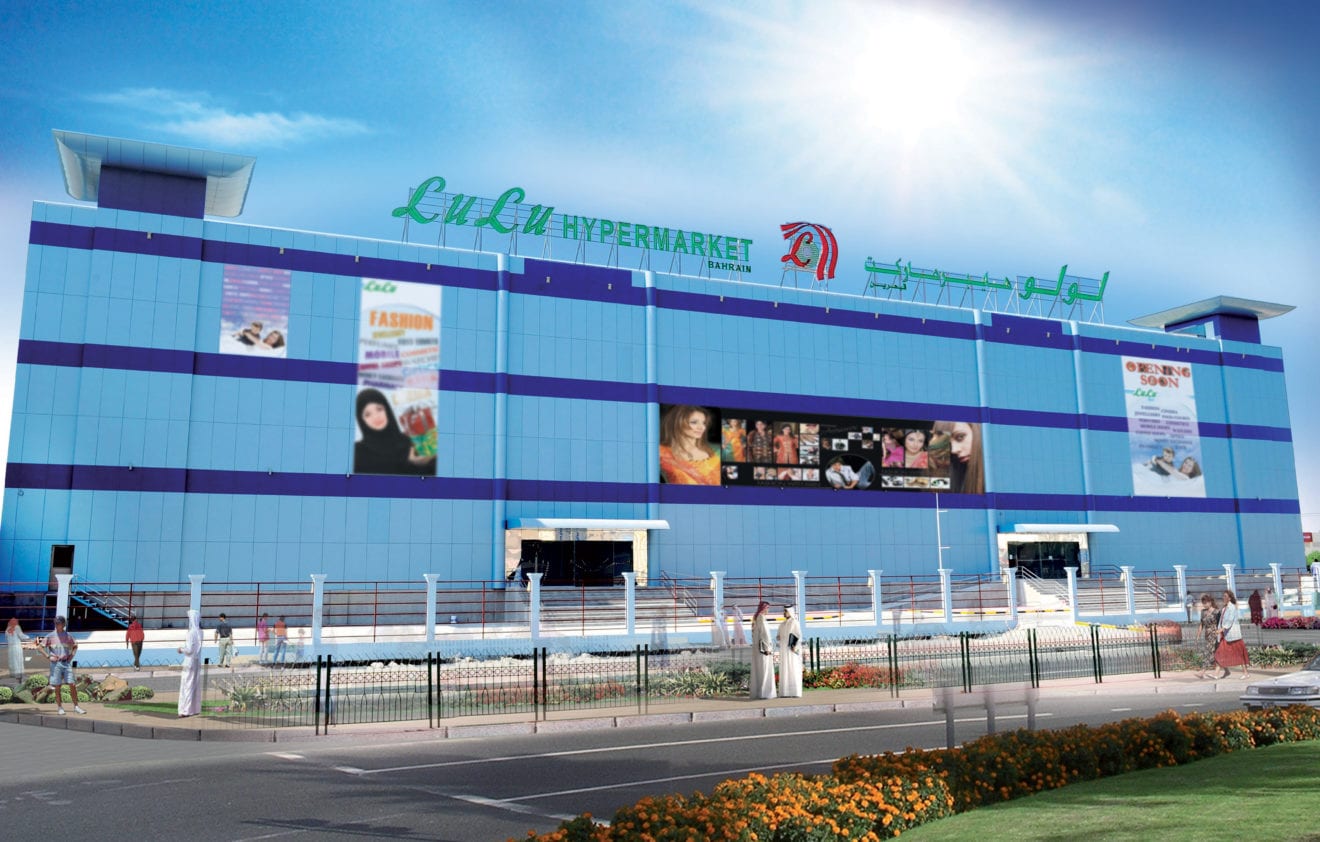
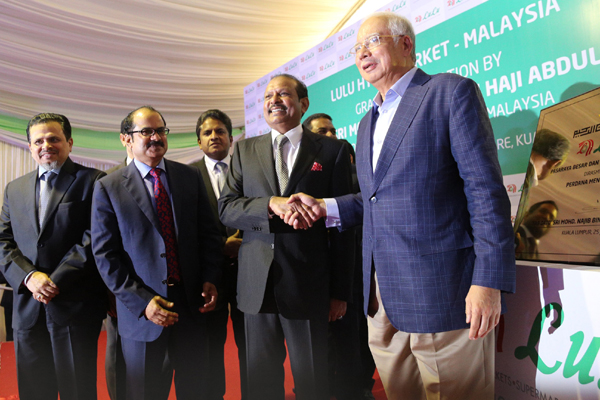
    UAE-based retail major Lulu Group has opened its first hypermarket in Kuala Lumpur, Malaysia, as part of its plans to further consolidate its retail presence in the Far Eastern region.

    The 250,000 sq ft hypermarket was inaugurated by the Malaysian Prime Minister Datuk Sri Najib Tun Razak in the presence of Dato Sri Dr Ahmed Zahid Hamidi, Deputy Prime Minister, Minister of Agriculture and other government  officials.

    Lulu had recently announced its plans to set up 10 hypermarkets in Malaysia over the next five years at an investment of $300 million.

    The new hypermarket is ideally located in the CapSqaure, Jalan Munshi area of Kuala Lumpur is expected to be one of its kind in the country and will attract large segment of population from all walks of life with its attractive product offers and range.

    It is spread in three levels and combines everything from grocery and supermarkets products to fashion, household and latest electronics and gadgets, said a statement from the retailer.

    Hot food from around the world, fresh seafood and locally grown produce are some of the key highlights in the supermarket area, it stated.

    Speaking at the launch, Najeeb Razak said: “We are very pleased to welcome Lulu brand to Malaysia as this will pave way for more international brands to come and invest in the country. I am also hopeful that Lulu will surely open many more hypermarkets and malls not only in Kuala Lumpur but also in other parts of Malaysia.”

    Yusuff Ali MA, the chairman, said: “With an initial investment of $300 million in the first phase, we plan to open 10 hypermarkets by the end of 2021 and a central logistics and warehousing facility in Malaysia. These projects are likely to generate more than 5,000 job opportunities for Malaysians.”

    “We also plan to set up contract farming to ensure continuous supply of high quality products and to support the Malaysian agriculture sector,” he added.

    Apart from the hypermarkets, Yusuffali also announced the group’s plan to invest another $500 million in setting up the largest shopping mall in Malaysia.

    “Today the whole world knows about Malaysia’s economic stability, investor friendly approach, liberalized policies and world-class infrastructure and we are confident about our success here and our hypermarkets encompass both supermarket and department store formats and we intend to bring a whole new world of shopping to the residents of Malaysia.”

    He added that other hypermarkets would be opening in Kota Baru (Kelantan), Shah Alam (Selangor), Johar Baru, Bangi, Ipoh (Perak), Malacca, Penang and Kuala Terengganu.

    One of the largest retail chain in the Middle East, Lulu currently operates 126 stores across the GCC, Egypt, India, Indonesia and employs more than 38,000 people from different nationalities.

  • Dubai retail sales to beat global cities in 5 years

    Dubai retail sales to beat global cities in 5 years

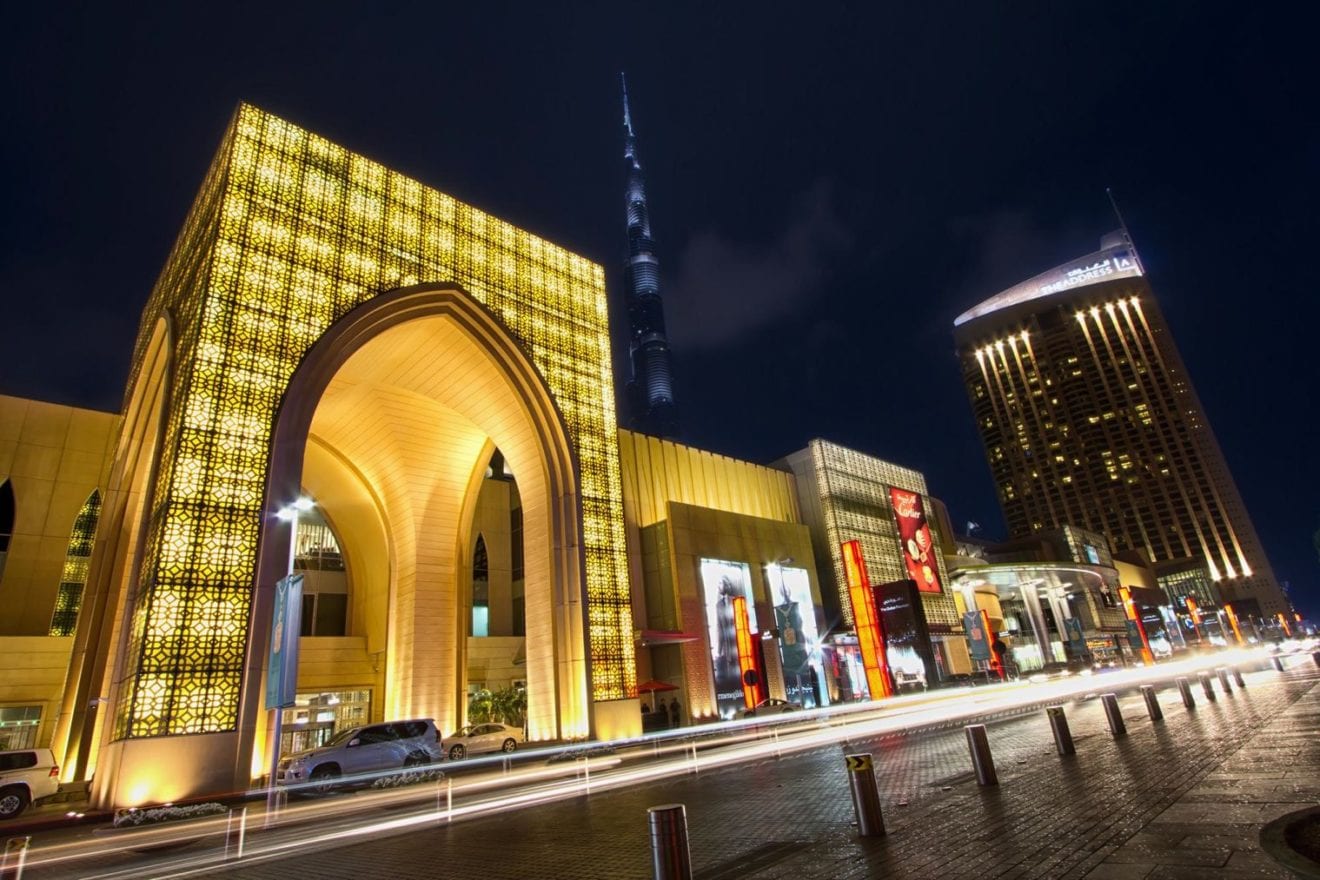
    The Dubai Mall ranks higher than London’s Regent Street and New York’s Fifth Avenue in the overall quality of its retail offerings. It’s also ahead of the Champs-Elysees in Paris, according to the latest Global Retail Destination from Savills, a UK consultancy.

    In terms of city rankings, New York leads the way, ahead of London and Hong Kong (tied in second place) and followed by Dubai.

    “Dubai is forecast to report the strongest growth in retail sales over the next five years of the seven global cities examined, potentially challenging London’s West End’s current global position,” the Savills report says.

    According to a survey in the report, 88.4 per cent of people said Dubai has the best choice and quality of shops in the world.

    The number of overnight visitors to Dubai, between 2016 and 2020, is expected to increase by 9.7 per cent.

    Mastercard’s Global Destination Cities Index 2015 estimates there were 14.3 million overnight visitors to Dubai last year, who spent $11.7 billion at an average of $819 per person. This is behind New York’s average spend of $1,416.

    “Dubai is now perceived as a top global retail destination,” said David Godchaux, who heads Core which is the local partner of Savills. “But this is only the tip of the iceberg as we now start seeing developers trying to improve the shopping experience not only for tourists as in the past 15 years, but also for residents.

    “This trend of moving away from the ‘bigger is better’ approach, to more user and resident friendly retail developments, bringing a real city experience and European-style shopping to areas of Dubai similar to those found in London, Paris and Milan.”

  • Dubai Mall named world’s best for shopping experience

    Dubai Mall named world’s best for shopping experience

    Dubai Mall has ranked higher than London’s Regent Street, New York’s Fifth Avenue and the Champs-Elysees in Paris in terms of the overall quality of its retail facilities and amenities, according to the latest Global Retail Destination Index 2016 from Savills.

    The report measures the various retail attributes held by London’s West End and compares them to six other leading cities – Dubai, New York, Paris, Milan, Hong Kong and Singapore.

    The Dubai Mall locations were based on their brand positioning in comparison to the key retail destinations in the West End. As a result, each strip of the mall – Star/Grand Atrium strip, Fashion Catwalk and Fashion Avenue – was treated like a ‘street’.

    The report said: “Dubai is forecast to report the strongest growth in retail sales over the next five years of the seven global cities examined, potentially challenging London’s West End’s current global position.”

    The top ranking global retail city from the analysis was New York. London’s West End ranked second alongside Hong Kong, followed by Dubai.

    According to the Mastercard Global Destination Cities Index 2015, there were 14.3 million overnight visitors to Dubai last year, which commanded a total spend of $11.7 billion, an average of $819 spent per visitor. This was some way behind New York’s average spend of $1,416.

    Dubai Mall was named the least expensive in terms of indicative prime total occupational costs as of Q4 2015 – prime rent per sq ft $240; additional occupational costs per sq ft $60; total occupational costs per sq ft $300. This compared to the total occupational costs per sq ft in New York’s Fifth Avenue of $3,900.

    According to a survey response in the report, 88.4 percent of people said Dubai has the best choice and quality of shops in the world.

    Dubai outperformed London, Paris, Singapore and Milan for shopper experience, which included ease of shopping, connectivity, service levels and directional signage.

    David Godchaux, CEO of Core Savills, said: “Dubai is now perceived as a top global retail destination. But this is only the tip of the iceberg as we now start seeing developers trying to improve the shopping experience not only for tourists as in the past 15 years, but also for residents.

    “This trend of moving away from the ‘bigger is better’ approach, to more user and resident friendly retail developments, bringing a real city experience and European-style shopping to areas of Dubai similar to those found in London, Paris and Milan, is something that was much awaited by the market and that we see finally happening.”

  • K-beauty spreads worldwide

    K-beauty spreads worldwide

    The ‘K-beauty’ market is expanding its sphere of influence beyond Asia, and reaching out to other global markets.

    According to Aju News, a Korean newspaper, Korean cosmetics brands are exploring new markets worldwide. As the global interest in K-pop and K-dramas is rising, women all over the world are now looking at K-cosmetics.

    Amore Pacific has been eyeing the international market since the 1990s. After establishing factories in France and China, the company continued to expand its influence worldwide, with products now being sold in the U.S., Malaysia, Indonesia, Vietnam, Canada, Thailand, the Philippines, Singapore, Myanmar, and Japan, generating global sales of 1.26 trillion won.

    Able C&C’s cosmetics brand Missha is following the lead, spreading K-beauty all over the world. Missha stores can now be found in Brazil, Germany, Mexico, Venezuela, Turkey and Spain. The Brazilian market in particular is expected to generate strong sales growth, as reports show that the local cosmetics market is the fourth largest in the world.

    LG Household & Health Care’s The Face Shop is focusing on the Middle Eastern market, opening 55 stores in five countries – Jordan, Saudi Arabia, UAE, Oman and Armenia.

    Cosmetics brands are using a number of different marketing strategies to aggressively target overseas markets.

    In areas where natural ingredients and safety are important, such as Europe and the US, businesses are attracting customers with their ‘natural’ brands. Some brands promote elements of Korean tradition to attract western consumers. Many are ‘blending in’ with the locals through collaboration with local businesses.

    To boost overseas expansion, the Korea Trade Promotion Corporation (Kotra) is taking steps to boost sales of Korean cosmetics through American and Chinese online shopping sites.

    Kotra will host a ‘K-beauty summit’ to help Korean cosmetics brands export their products. The agency’s ‘online export incubating program’ will be introduced, and is expected to help businesses sell their products through Amazon.

    Kotra is also seeking to secure new trading opportunities in China in collaboration with the online shopping site TaoBao, operated by Chinese eCommerce behemoth Alibaba. The two parties plan to host a K-beauty expo in China during the first half of the year.

    Innisfree store in Shanghi

    The cooperation with TaoBao is only the start, as Kotra is also planning to work with other online shopping portals such as JD.com.

    Officials at Kotra emphasise the importance of making inroads in the American and Chinese markets to prolong the popularity of the K-beauty trend. They expect to draw the attention of young consumers who are sensitive to fashion and style trends and familiar with online shopping.

  • India’s Specialty Restaurants plans 24 new ‘fun’ eateries

    India’s Specialty Restaurants plans 24 new ‘fun’ eateries

    Fine dining operator Speciality Restaurants says it will focus on its ‘fun dining’ brands as it rolls out 24 new eateries over the next two years.

    The group currently operates 123 restaurants, a mix of fine dining destinations branded Mainland China and Oh! Calcutta, and what it terms ‘fun’ brands – Mainland China Asia Kitchen, Cafe Mezzuna and Hoppipola.

    Executive Anjan Chatterjee says from now on the company will more or less equally split its capital investment evenly between the two channels – fun and fine dining.

    “At least 50 per cent of restaurants we open in 2016 and 2017 will be fun dining. The vertical will help us maintain leadership in the fine and casual dining restaurants and confectioneries market. Over the years, we have developed a dedicated client base that is sophisticated and appreciates fine dining. But there is another group that is as important who want an informal atmosphere and a fun dining experience,” he said in an interview with the Times of India at the opening of a new Asia Kitchen restaurants at the Acropolis Mall.

    “They are young customers with disposable incomes. We have developed brands for them and will now expand this vertical.”

    The company is also pursuing opportunities to expand overseas.

    With two restaurants in Bangladesh and two in Tanzania, it is about to open its first outlet in Doha. Chatterjee is seeking locations for new restaurants in London and New York.

    Specialty Restaurants also has a small collection of quick service restaurants – one each trading under the brands Zoodles, Shack, Kibbeh and Kix.

    Chatterjee believes consumer dining preferences are changing.

    “Traditionally, people went to a restaurant and had their fill. But the trend has changed. They have become small eaters for health and economic reasons. Food is expensive and people don’t want large portions that will lead to wastage or a doggy bag. For instance, if a portion of mocha chop contained eight pieces, we have now introduced a regular portion that has four pieces. The regular size is good for two. If there are three or more, customers have the option of ordering one more. It is good on the pocket too and will encourage customers to come back more often. We don’t want price to be a barrier,” he said.

    Specialty Restaurants has already introduced regular portions at Mainland China and Oh! Calcutta.

  • Jeweller Malabar to expand in Asia, Gulf

    Jeweller Malabar to expand in Asia, Gulf

    Indian retailer Malabar Gold and Diamonds says it will open 22 new stores in India, the Gulf and ‘the Far East’ over the next six months.

    New showrooms will be opened in Hong Kong and Indonesia as part of the plan, but there are no details as yet on timing or exact location.

    To help stock the expanded store network – 155 after the openings – a new gold processing unit will be opened in Dubai and a diamond processing facility in Mumbai.

    “The new showrooms will be opened in major cities across India, the Gulf region and the Far East in next six months,” Malabar group chairman M P Ahammed said in a statement.

    The rollout is a further step towards Malabar’s goal of reaching 300 stores by 2020.

    “In response to the government’s ‘Make in India’ initiative, we are setting up new processing units at Kinfra industrial park in Kerala and at other industrial parks in Andhra Pradesh, Gujarat and West Bengal,” Ahammed said.

    “We are also building an advanced gold manufacturing unit on a five-acre land in Dubai with the support of the UAE government.

    “As more Indians are buying diamond jewellery due to changing lifestyle, higher disposable incomes and for being trendy, the diamond processing unit will be in Mumbai, which is a major centre for diamonds business,” Ahammad said.

    The group’s retail network is already spread across nine countries, including Bahrain, Kuwait, Oman, Malaysia and Singapore.