Tag: ups

  • UPS bolsters healthcare logistics capabilities with cold-chain acquisitions

    UPS bolsters healthcare logistics capabilities with cold-chain acquisitions

    UPS announced that it has agreed to acquire Frigo-Trans, and its sister company BPL, (together “Frigo-Trans”) industry-leading, complex healthcare logistics providers based in Germany. Once completed, the acquisition will enhance UPS’s end-to-end capabilities throughout Europe for UPS Healthcare customers who increasingly require temperature-sensitive and time-critical logistics.

    “The fast-paced innovation in the pharmaceutical industry is creating the need to have more integrated cold and frozen supply chains,” said UPS EVP and President of International, Healthcare and Supply Chain Solutions Kate Gutmann. “Frigo-Trans will help deepen our portfolio of solutions for our customers and accelerate our journey to become the number one complex healthcare logistics provider in the world addressing their needs.”

    Frigo-Trans’ network includes temperature-controlled warehousing that covers six temperature zones from cryopreservation (-196°C) to ambient (+15° to +25°C); a Pan-European cold chain transportation solution and temperature-controlled and time-critical freight forwarding capabilities.

    The transaction is expected to close in the first quarter of 2025, subject to customary regulatory reviews and approvals. The value and terms of the transaction are not being disclosed at this time.

  • UPS to expedite pharma, AOG handling with new acquisition

    UPS to expedite pharma, AOG handling with new acquisition

    UPS has entered into an agreement with private equity firm Quad-C Management to acquire MNX Global Logistics (MNX), a time-critical logistics provider with clients in the aerospace, healthcare and pharma industries.

    UPS will look to leverage MNX’s specialist capabilities in airport on ground (AOG) delivery services and temperature-controlled logistics for its healthcare unit and clinical trial logistics subsidiary Marken.

    The company will also offer industry-leading time-critical, temperature-sensitive logistics services together with UPS Express Critical. The transaction is expected to close by year-end, subject to customary regulatory review and approval. UPS has not declared the value and terms of the transaction at the time of writing.

  • Waymo, UPS Expand Autonomous Freight Truck Tie-Up Ahead Of Holidays

    Waymo, UPS Expand Autonomous Freight Truck Tie-Up Ahead Of Holidays

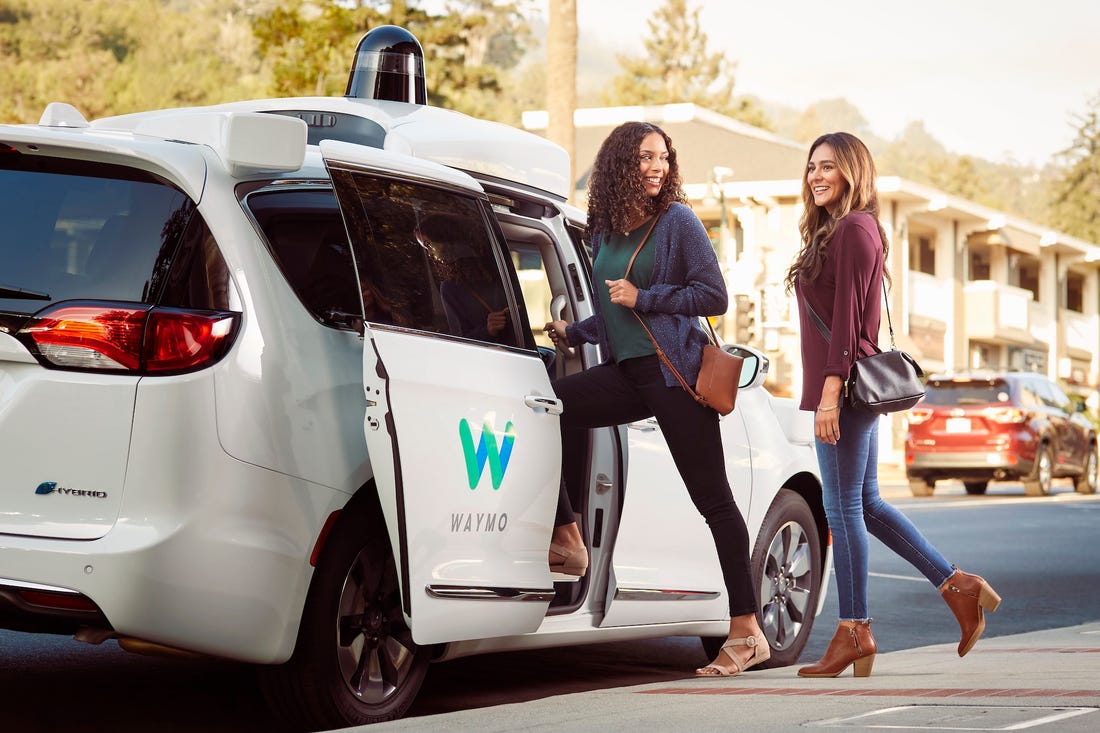
    Alphabet Inc’s Waymo said on Wednesday it is expanding its partnership with United Parcel Service Inc to move freight using autonomous trucks between two of the parcel delivery company’s Texas facilities during the holiday season.

    Waymo Via, the company’s delivery operation, began its partnership with UPS in early 2020 when it shuttled packages for the company between the Metro Phoenix area and its Tempe hub in Arizona using an autonomous minivan.

    The company said trial runs would start in the coming weeks, where big rigs equipped with its fifth-generation Waymo Driver technology will deliver for UPS’ North American Air Freight unit between facilities in Dallas-Fort Worth and Houston, Texas.

    Driver shortages have hit U.S. trucking and delivery companies, most notably FedEx Corp, as they race to hire workers for the crucial holiday season when package volumes can easily double. Waymo and UPS said the trials would help assess the impact of autonomous driving technology on safety and efficiency.

  • Global delivery firms increase flights to Vietnam amid e-commerce boom

    Global delivery firms increase flights to Vietnam amid e-commerce boom

    Express delivery giants like DHL and UPS are increasing their transport capacity to Vietnam thanks to rising demand due to the Covid-19 pandemic.

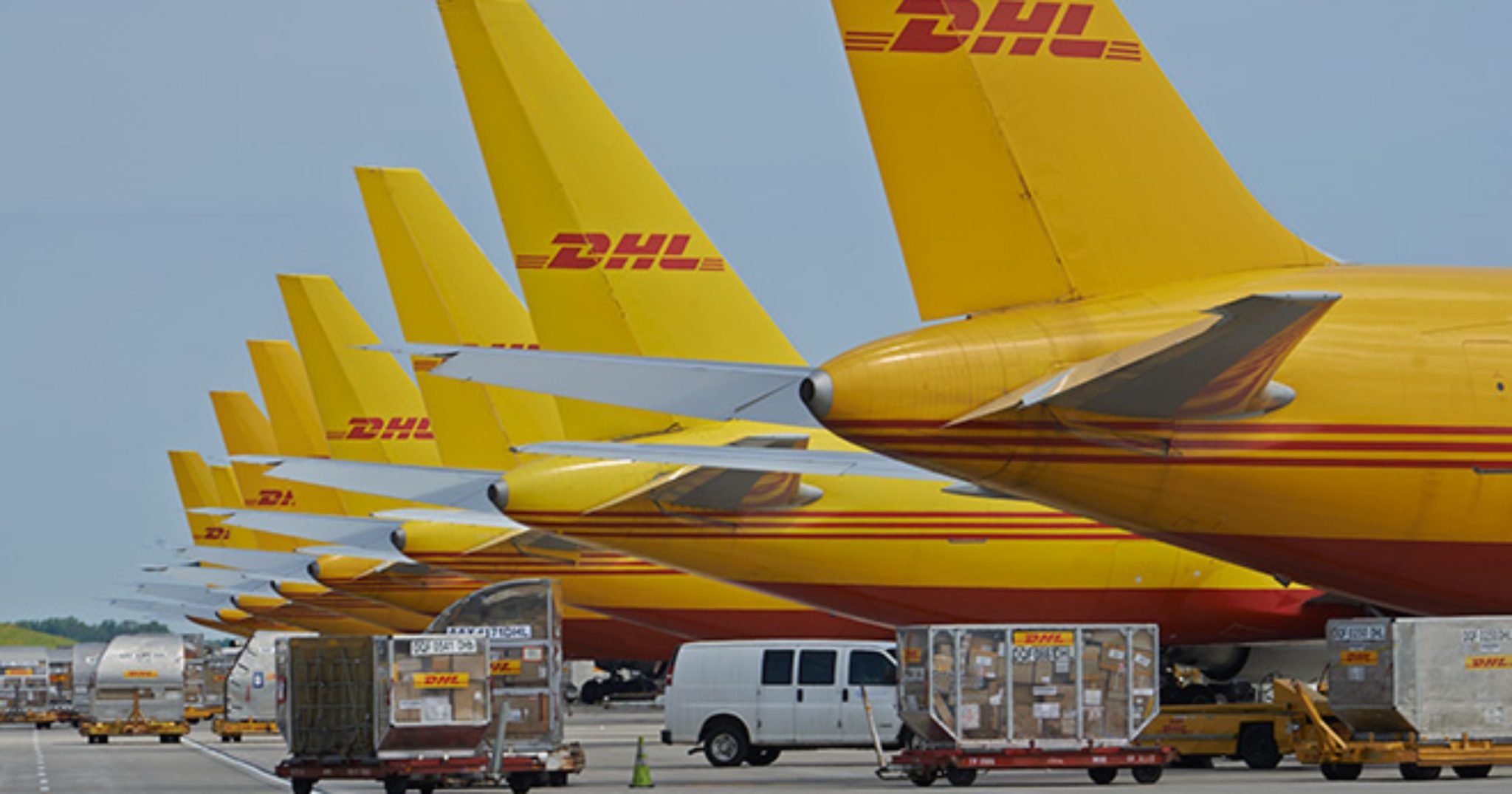
    Germany-headquartered DHL Express recently announced a new delivery route from Hong Kong to Ho Chi Minh City using wide-body Airbus A330 aircraft.

    There would be six one-way trips a week, each with a capacity of up to 62 tons of cargo, it said.

    This is to mainly serve the rising online shopping demand, it added.

    It will also upgrade the aircraft used on the Hanoi – Hong Kong route from Boeing 737-400s to 737-800s to serve Vietnam’s surging exports.

    Most consumers are now looking at delivery speed as a key component of their shopping experience, Bernardo Bautista, CEO of DHL Express Vietnam said.

    Last year U.S.-based UPS launched its first service to Vietnam from its hub in China to increase delivery speed.

    Vietnam does not have a dedicated cargo airline, and industry insiders estimate foreign companies hold an 80 percent aviation logistics market share.

    Johnathan Hanh Nguyen, chairman of retail company Imex Pan Pacific Group, recently announced plans to establish a cargo airline at an investment of $100 million.

    Vietnam’s e-commerce market expanded by 18 percent last year to $11.8 billion, the only country in Southeast Asia to record double-digit growth amid the pandemic, according to the Vietnam e-Commerce and Digital Economy Agency.

  • UPS enables Asian businesses to capture growth opportunities with more service enhancements

    UPS enables Asian businesses to capture growth opportunities with more service enhancements

    UPS announced a series of service enhancements that will benefit up to 1.4 million postal codes across 41 countries and territories in the Asia Pacific region, opening opportunities for businesses to develop more resilient supply chain strategies as they look within the region for growth.

    “Asia is an incredibly dynamic, evolving region, and trade in the region is helping to power the global economy—whether it’s through increased consumption in emerging economies such as Vietnam and the Philippines, or through supply chains that weave their way through the region and around the world,” said Ross McCullough, President, UPS Asia Pacific Region.

    “Businesses need greater agility to respond to the needs of customers and the market with more precision than before, and UPS is helping them to achieve this with faster transit times, a broader service footprint and a balanced portfolio of services.”

    The following enhancements are poised to deliver increased flexibility for businesses and support greater demand in the region:

    • Day-definite guarantee with one day faster transit time for UPS Worldwide Expedited service within Asia, enabling the majority of businesses in the region to enjoy delivery in two business days with a guaranteed delivery date
    • Improved geographic reach of UPS Worldwide Express® services with time-definite deliveries for international shipments to 205 new postal codes in Indonesia, Korea and Taiwan
    • Reduced transit time by one day for businesses exporting from Northern Malaysia to major territories in Asia, Europe and the US; from Northern Thailand to Europe and the US; and from major territories in Asia to China with UPS Worldwide Express® Saver service
    • Expansion of UPS Marketplace Shipping to 10[1] additional Asian markets, offering businesses an automated way to process their e-marketplace orders by streamlining the order management and shipping processes, and reaching more end-customers in other parts of the world

    “With service improvements such as guaranteed delivery timing and shorter transit time for UPS Worldwide Expedited®, most businesses shipping within Asia will now have their shipments delivered in as little as two business days,” McCullough added. “This offers an end-to-end service alternative for freight forwarding shippers in the region looking for a scalable solution as they venture into new markets.”

    These enhancements build upon a number of major investments UPS made in its network across the region earlier this year, including: increasing its Shenzhen Asia Pacific Air Hub’s processing capacity by 50%; expanding the reach of UPS Worldwide Express® morning services to reach Australia, Hong Kong, Japan, Singapore, and South Korea; extending pick-up times by up to five hours for export shipments from China, Japan, Taiwan, and South Korea; and commencing Saturday pick-up services in the U.S., enabling import shipments destined for eight markets in Asia to be delivered one day earlier than before.

  • UPS invests in Asian express operations

    UPS invests in Asian express operations

    Express firm UPS has revealed a series of investments in Asia that it claimed would increase its service footprint and expedite delivery times.

    The company said that in the first half of the year it had invested in the following:

    • Shenzhen Asia Pacific Air Hub upgrades that increased the hub’s processing capacity by nearly 50% in preparation for volume gains in the coming three years.

    • Transit times reduction across 2,300 trade lanes: Intercontinental transit times reduction by up to four days, while shipments with destinations in Asia see transit times improved by up to two days.

    • Improved geographic reach of UPS Worldwide Express services, offering international shipping with time-definite deliveries in Australia, Hong Kong, Japan, Singapore, and South           Korea; Customers in Xi An, China and new provinces in Vietnam can now access UPS Worldwide Express Freight, guaranteed door-to-door service for palletized shipments over 70kg.

    • Extended pick-up times by up to five hours for export shipments from China, Japan, Taiwan, and South Korea, widening production windows and giving businesses additional time to fulfill customer orders.

    UPS’s Shenzhen Hub serves as a transfer point for shipments moving within the region, and the enhancements improve both reliability and quality of service provided to UPS customers in Asia.

    “At the root of the investments in our Smart Logistics Network is a simple desire to make global commerce easier for Asian businesses—because when they grow, we grow too,” said Ross McCullough, President, UPS Asia Pacific Region.

    “More UPS customers in the region will now be able to have their shipments sent and received in less time; they’ll be able to find us easily in more cities and towns, and they’ll be able to send shipments later in the day than before—all of which will open new opportunities for businesses in the region to trade more efficiently with the rest of the world.”

    Wilfredo Ramos, Vice President of Strategy, UPS Asia Pacific Region, added: “We’re seeing new realities in this region that demand not only inventive solutions but also higher levels of service.

    “Businesses have come to rely on UPS’s extensive experience to help them navigate the volatile highways of trade today. Together with our brokerage capabilities, upgrades like the one at our Shenzhen Hub will give UPS the flexibility to support increases in intra-Asia trade volumes in the coming years.”

  • UPS Enhances Asia Trade Connectivity As Region Looks Toward Growth

    UPS Enhances Asia Trade Connectivity As Region Looks Toward Growth

    The series of service enhancements UPS  revealed today impact almost 1.4 million postal codes in 41 countries and territories across the Asia Pacific region, enabling worldwide connectivity for over 22 million businesses.

    “At the root of the investments in our Smart Logistics Network is a simple desire to make global commerce easier for Asian businesses—because when they grow, we grow too,” said Ross McCullough, President, UPS Asia Pacific Region. “More UPS customers in the region will now be able to have their shipments sent and received in less time; they’ll be able to find us easily in more cities and towns, and they’ll be able to send shipments later in the day than before—all of which will open new opportunities for businesses in the region to trade more efficiently with the rest of the world.”

    In the first half of 2019, UPS completed the following as part of its strategy to bolster economic development in the region, which is projected to account for 63 percent of global GDP growth in 2019[1]:

    • Shenzhen Asia Pacific Air Hub upgrades increase the hub’s processing capacity by nearly 50 percent in preparation for volume gains in the coming three years.
    • Transit times reduced across 2,300 trade lanes: Intercontinental transit times reduced by up to 4 days, while shipments with destinations in Asia see transit times improved by up to 2 days.
    • Improved the geographic reach of UPS Worldwide Express®services, offering international shipping with time-definite deliveries in Australia, Hong Kong, Japan, Singapore, and South Korea; Customers in Xi An, China and new provinces in Vietnam can now access UPS Worldwide Express Freight, a guaranteed door-to-door service for palletized shipments over 70kg.
    • Extended pick-up times by up to five hours for export shipments from China, Japan, Taiwan, and South Korea, widening production windows and giving businesses additional time to fulfil customer orders.
    • Strengthened supply chain flexibility with Saturday pick-up services in the U.S. enabling import shipments destined for eight markets in Asia to be delivered one day earlier than before.

    “We’re seeing new realities in this region that demand not only inventive solutions, but also higher levels of service,” said Wilfredo Ramos, Vice President of Strategy, UPS Asia Pacific Region. “Businesses have come to rely on UPS’s extensive experience to help them navigate the volatile highways of trade today. Together with our brokerage capabilities, upgrades like the one at our Shenzhen Hub will give UPS the flexibility to support increases in intra-Asia trade volumes in the coming years.”

    UPS’s Shenzhen Hub serves as a transfer point for shipments moving within the region, and the enhancements improve both reliability and quality of service provided to UPS customers in Asia. About 550 employees maintain round-the-clock operations at the hub, which houses separate sorting and handling facilities for express and cargo shipments, on-site customs office and processing – including China Inspection and Quarantine (CIQ) clearance for import commodities – and a dedicated 150,000 square meter ramp with 13 aircraft parking positions. Self-operated aircraft ground-handling provides UPS, as a logistics integrator, with greater control over the 86 weekly UPS flights in and out from the hub.

    UPS has operated in the Asia Pacific region since 1988, and has grown to service 41 countries and territories in the region over the past 30 years. In 2018, the company implemented the largest expansion of the UPS My Choice service since its launch, offering users enhanced visibility in 96 new countries and territories, including Australia, China, Japan, Malaysia, Philippines, Singapore, South Korea, Taiwan, Thailand and Vietnam in Asia Pacific.

  • UPS Expands My Choice Service in Asia to Facilitate Intensifying E-commerce Demand

    UPS Expands My Choice Service in Asia to Facilitate Intensifying E-commerce Demand

    Today announced the global expansion of UPS My Choice service to 96 additional countries and territories, bringing the total to 112 served. With the entrance into countries and regions in Asia Pacific, Africa, the Indian Subcontinent, Caribbean and Central and South America, Middle East and Oceania, and an expansion in Europe, this package-delivery management service has the ability to help more busy consumers and consignees around the world to track, schedule, and redirect their packages—just in time for the peak holiday shipping season.

    In Asia Pacific, UPS My Choice will be introduced in 13 markets, including Australia, China, Japan, Malaysia, Philippines, Singapore, South Korea, Taiwan, Thailand, and Vietnam. This expansion, the largest since the service was launched seven years ago, comes as membership in UPS My Choice crosses the 52 million-member mark worldwide. This combination of scale and geography provides shippers a distinct advantage as cross-border shopping increases.

    Every UPS My Choice user will have access to e-mail and text notifications that a delivery is on its way, a day before delivery alert and a delivery notification. In countries and territories where technology allows delivery change options, users can route packages to another address, opt to hold the delivery or reschedule for delivery on another day.

    The expansion, which takes UPS My Choice service far beyond the original 16-country-and-territory footprint, comes in two phases: The first brought the service to 48 additional locations worldwide over the summer. Phase two, which includes another 48 countries and territories, begins this month.

    This service expansion is reflective of the impact e-commerce is having on global and intra-Asia trade. According to the 2018 global UPS Pulse of the Online Shopper™ study, consumers in Asia are increasingly shopping beyond their own borders to buy from overseas retailers, with 55 percent of respondents indicating that they had made one or more international e-commerce purchases within the three months prior to the survey. Among those, 77 percent were purchased from retailers based in Asia.

    “While UPS has offered package tracking for more than a quarter of a century, we know that consumers today expect even more flexibility, control and convenience,” said Ross McCullough, President, UPS Asia Pacific Region. “The expansion of UPS My Choice into Asia, and other regions of the world, will equip both shippers and consumers with the tools they need to keep businesses and personal schedules running more smoothly, leading to a happier and easier transaction for everyone involved. With a new member signing up for UPS My Choice every four seconds, it’s easy to see that the benefits are valuable to online shoppers.”

  • UPS broadens delivery options in Hong Kong

    UPS broadens delivery options in Hong Kong

    UPS Hong Kong will partner with EF Lockers or SF Stores to offer greater flexibility for cross-border e-commerce deliveries, with the introduction of alternative delivery locations (ADLs).

    Shoppers will receive a text alert as the shipment arrives in Hong Kong, and be given the option to collect it from a designated alternative location – either an EF Locker or SF Store.

    “Our retail-industry research tells us that 81 per cent of Hong Kong’s online shoppers are interested in having their purchases shipped to an ADL with extended hours if fees are less than shipping the package to their home,” says UPS Hong Kong and Macau MD Lauren Zhao.

    “Cross-border e-commerce is accounting for an increasingly large proportion of all e-commerce sales in Asia, particularly with the growing popularity of online marketplaces,” says UPS Asia Pacific president Ross McCullough.

    He says it is crucial to develop the necessary infrastructure now, with the Apac e-commerce logistics market expected to more than double from US$108 billion to $232 billion by 2021.

  • UPS announces new innovations to Marketplace Shipping solution

    UPS announces new innovations to Marketplace Shipping solution

    Earlier this week, UPS heralded the most recent additions to its Marketplace Shipping offering, which it described as a technology solution that enables merchants to view, process, and ship orders from various e-commerce marketplaces and online stores through a single online interface.

    UPS introduced marketplace shipping four years ago to provide customers with a simple option for getting their sold orders into the hands of their buyers, a company spokeswoman told. UPS Marketplace Shipping has been live on UPS.com since January of 2014 but has not been formally publicized by the company until this week.

    “UPS recognized the growth trends in e-commerce third-party marketplaces for small business owners and wanted to provide an easy, low cost solution to help them manage and ship their online orders,” she said. “UPS has always been focused on helping our customer grow their business on both a domestic and global platform. This is why we launched UPS marketplace shipping in 11 countries.”

    The two new additions to UPS Marketplace, the 19th and 20th companies involved with the offering, are Houzz, a popular site for home remodeling, design and purchasing of related products, and Pricefalls Marketplace, an online retail marketplace offering a wide variety of goods, with Magento, an open source e-commerce platform, added late last year. UPS said it expects to continue adding additional marketplaces, which will further facilitate the ease of shipping and selling on multiple sites.

    Marketplace Shipping benefits online sellers by saving time in their order processing, reducing cost from eliminating the need to purchase third- party software programs and benefiting from what the UPS spokeswoman called a “vast array of service options,” including reliable time-guaranteed deliveries and enhanced visibility tools that come from using the UPS network.

    In terms of how Marketplace Shipping works, the spokeswoman explained that customers that have created online stores on any of the 20 platforms supported by Marketplace Shipping, simply register their online stores with UPS marketplace shipping to view, edit and ship their packages.

    “It as simple as 1,2,3…Connect, view and ship,” she said.

    Prior to the introduction of Marketplace Shipping, online sellers had to copy and paste address information from their online buyers shopping cart into UPS shipping systems.

    “UPS marketplace shipping was designed to automate this process by automatically pulling in the buyer’s shipping address and then uploading tracking numbers back to the shopping carts once the orders are shipped,” the spokeswoman said.

    Michele Cooper, senior manager of customer technology marketing, UPS  said in a statement that smart sellers know they have to be on multiple marketplaces to reach the most customers, but juggling transactions from an ever-increasing number of sales sites can get complex.

    “UPS Marketplace Shipping is designed to address that pain point,” she said. “UPS Marketplace Shipping is an innovative solution for businesses seeking a tool to offer customizable shipping services in the rapidly-growing world of e-commerce.”
  • UPS Pulse: Asian online shoppers seem not to be happy

    UPS Pulse: Asian online shoppers seem not to be happy

    Nearly half of online shoppers in Asia are dissatisfied with the experience, according to the latest UPS Pulse of the Online Shopper study.

    With negativity from 43 per cent of Asian shoppers surveyed, they again emerged the least satisfied of shoppers internationally. The rate of 57 per cent satisfaction was actually an improvement on 2015, but of only 11 points, demonstrating the slow pace of change in addressing customer satisfaction, says the study.

    It notes that free shipping is still critical as online shoppers in Asia pay for shipping on an average of only 15 per cent of orders, the lowest percentage globally. To qualify for free shipping, 46 per cent of shoppers have added items to their cart. Moreover, about half of Asia online shoppers have abandoned a cart because of no delivery date being stipulated or delivery time being too long. The average delivery wait leading to cart abandonment was 11 days.

    Meanwhile, a convenient and transparent return policy increases sales and customer satisfaction, with 67 per cent of shoppers in Asia indicating that free shipping on returns is important.

    In its sixth year, the study reveals enduring constants as well as emerging trends across China, Hong Kong and Japan. Two key categories are Movers and Emergers.

    Movers: Consumers in Asia have become increasingly comfortable with shopping on smartphones, choosing ship-to-store, and buying from international retailers and small businesses. In fact, smartphone purchases are becoming the norm with 77 per cent of shoppers surveyed having placed orders by phone – the highest percentage globally – up from 55 per cent in 2015. This compares with only 48 per cent in the US.

    Ship-to-store is growing in popularity (with 37 per cent of shoppers using it in the past year and 59 per cent planning to use it even more this year). It can be a lucrative offering for retailers, says the report, as 60 per cent of Asia shoppers who used ship-to-store in the past year made extra purchases while in store. This trend is even stronger in China at 74 per cent.

    “One revealing finding is that Asia’s online shoppers are now buying from a more diverse set of retailers, ranging from major marketplaces to boutique shops, from domestic and foreign stores,” says UPS Asia Pacific VP of marketing Sylvie Van den Kerkhof. “This tells us is there is a viable opportunity and customer base for small businesses in Asia to expand internationally.”

    Promisingly, the research found that 55 per cent of online shoppers in Asia are embracing international retailers. Among those, 49 per cent ventured to overseas retailers because the brand or product was not available domestically, or the quality (39 per cent) or price (38 per cent) was better internationally.

    Hong Kong had most online shoppers buying internationally at 82 per cent, followed by China at 64 per cent. Meanwhile, only 21 per cent of Japanese shoppers did so.

  • UPS To Purchase 14 Additional 747-8F Freighters and Orders 4 New 767s

    UPS To Purchase 14 Additional 747-8F Freighters and Orders 4 New 767s

    UPS announced it has ordered 14 Boeing 747-8 cargo jets and four new Boeing 767 aircraft to provide additional capacity in response to accelerating demand for the company’s air services. All of the new aircraft will be added to the existing fleet and no existing aircraft are being replaced.

    The aircraft will be delivered on an expedited schedule, building on the company’s 2016 order of 14 Boeing 747-8 freighters. All 32 of the jets will be delivered by the end of 2022, adding more than 9 million pounds of cargo capacity. UPS’s global airline network includes more than 500 owned and leased aircraft. UPS received three new 747-8 freighters in 2017.

    “Our intra-U.S. next-day and deferred air shipments are expanding to record levels, and UPS’s International segment has produced four consecutive quarters of double-digit export shipment growth,” said David Abney, UPS chairman and CEO. “To support this strong customer demand, we continue to invest in additional air capacity, providing the critical link our customers need to markets around the world.”

    In addition to growing customer demand for express services, recent US tax reform legislation is enabling UPS to utilize tax savings to significantly increase capital investments and to make them earlier than previously planned.
    “As we celebrate the 30th anniversary of UPS Airlines today, we are seeing unprecedented demand for our air products,” said UPS Airlines President Brendan Canavan. “The new freighters will allow us to continue upsizing aircraft on routes and will create a cascading effect that will boost capacity on regional routes around the world.”

    The 747-8 freighter carries 46 shipping containers, 34 on its main deck and 12 in its lower compartments. The -8 has a cargo capacity of 307,600 pounds, or approximately 30,000 packages and a range of 4,200 nautical miles. The new -8 aircraft line has a strong industry safety, reliability, and environmental record. The Boeing 767 freighter has cargo capacity of 132,200 pounds and capacity for 31 air containers, 24 on the main deck and 7 in its lower compartments. It has a range of approximately 3,000 nautical miles. UPS currently operates 59 Boeing 767 aircraft.

    “UPS has clearly tapped into the power and efficiency the 747-8 Freighter brings to the market,” said Boeing Commercial Airplanes president and CEO Kevin McAllister. “We’re impressed with how UPS is leveraging the airplane in its operations and excited to see them bring additional 767s into their fleet.”

  • UPS-SF Holding joint venture receives regulatory approval in China

    UPS-SF Holding joint venture receives regulatory approval in China

    UPS and SF Holding, the parent company of SF Express, have announced the approval of their planned joint venture by China’s Ministry of Commerce (MOFCOM). The JV enables UPS and SF to collaborate on development and provision of international delivery services from, initially, China to the US and, in the future, to other trade lanes. The JV approval is a positive development for international trade and allows the two leading companies to leverage their complementary networks, service portfolios, technologies and logistics expertise.

    UPS is one of the world’s largest express delivery companies and a leading global supply chain integrator. SF is a market leader in express delivery in China, with extensive China-wide network coverage, comprehensive service capabilities, and the highest brand recognition in the Chinese small package industry. The newly approved joint venture is a continuation of UPS and SF’s collaboration that began in 2015, when UPS Worldwide Express service was made available at SF’s Heike retail stores in Shanghai and Shenzhen.

    “We’re delighted to help the many customers in China who will now be in a position to trade more easily across borders and better compete on the global stage thanks to product offerings from the UPS and SF joint venture,” said Ross McCullough, president of UPS Asia Pacific. “UPS has an aggressive multi-year growth plan in China. Aligning our two networks will increase our market presence by connecting China’s consumers and manufacturers to the US and around the world with logistics solutions that strengthen cross-border B2B and B2C capabilities. This JV is highly symbolic of UPS’s confidence in long-term growth opportunities in China.”

    “The establishment of this joint venture boosts global expansion of Chinese enterprises beyond local borders,” said Alan Wong, group vice president of SF. “SF and UPS are able to maximise the strengths of both companies to continuously innovate and create more competitive products that deliver strong value for customers.”

    The alignment of UPS’ and SF’s transportation networks provides customers with greater coverage, additional routing options, increased capacity, and more choice in transit times and service options.

    With the joint venture approved, customers seeking an economical solution for less urgent shipments can opt for Global Reach Plus, the new joint venture deferred express product that features the full visibility and reliability of a premium express service. Customers are expected to gain:

    • Time-in-Transit Reliability with 5-7 business days deliveries jointly powered by UPS & SF’s combined networks.
    • End-to-End Visibility: Visibility from door-to-door using SF’s tracking tool, integrated with UPS’s industry-leading technologies.
    • Single Point of Contact for customer service via SF; shipment pick-up by SF at the origin & delivery by UPS at the destination.
    • Flexibility: Late order cut-off time for shipment pick-ups, and multiple delivery options including the use of UPS My Choice and UPS Access Point network.

    The joint venture supports these highly competitive joint service offerings on the China-to-US lane, with planned expansion to markets in the rest of the world. Both companies can now utilize their own assets to boost operational effectiveness and efficiency for businesses while aligning business processes in order to provide seamless customer care for all parties shipping out of China.

  • UPS enhances driver safety training with virtual reality

    UPS enhances driver safety training with virtual reality

    UPS said it will start training student delivery drivers to spot and identify road hazards using virtual reality (VR) headsets that vividly simulate the experience of driving on city streets while teaching a more memorable classroom lesson.

    The company will begin launching VR training in September at its nine UPS Integrad training facilities. The adoption of VR for driver safety training reflects UPS’s commitment to using the latest and best technology to protect its on-road employees and the communities they serve.

    IT experts at UPS created the VR training modules that users see and hear inside VR headsets like the HTC Vive. Students using the modules must verbally identify potential road hazards such as pedestrians, parked cars and oncoming traffic. The 360-degree view inside the headset is realistic down to the finest details.

    “Virtual Reality offers a big technological leap in the realm of driver safety training,” said Juan Perez, UPS chief information and engineering officer. “VR creates a hyper-realistic streetscape that will dazzle even the youngest of our drivers whose previous exposure to the technology was through video games.”

    The VR training modules replace the touchscreen devices UPS Integrad facilities currently use to teach lessons on road hazards. For now, the VR training is only for those who drive package delivery trucks. But the company is exploring VR and even Augmented Reality (AR) for training tractor trailer drivers and performing other duties throughout the operation.

    UPS currently operates eight UPS Integrad facilities in the United States and two others in Europe. Another U.S. facility is set to open this year, bringing the total to nine in the United States.

    UPS Integrad facilities teach students the fundamentals of driving delivery vehicles and delivering packages using a hands-on approach. Students even practice driving UPS delivery trucks in a replica outdoor city that has real streets and sidewalks and simulated delivery and pickup sites.

    UPS Integrad and its use of the latest technology supports the company’s safety culture. UPS has more than 9,000 drivers in its Circle of Honor, an elite group of drivers who have not had an avoidable accident in at least 25 years.
    The first UPS Integrad opened in Landover, Md., in 2007. The training – based on the philosophy “Teach me. Show me. Let me.” – occurs before students begin more intensive on-road training. Nearly 9,000 drivers have graduated from UPS Integrad locations since 2007.

    “This training is foundational, and Virtual Reality brings it to life,” said Jeanne Lawrence, UPS Integrad expansion director. “VR complements real-world training in a way that deeply engages our employees in the UPS Integrad curriculum.”

  • UPS appoints Harld Peters as new China president

    UPS appoints Harld Peters as new China president

    UPS announced the appointment of Harld Peters as the new president of UPS China. A UPS veteran with 18 years of logistics experience, Peters will be responsible for leading strategic initiatives across UPS’s package delivery and supply chain operations in China. Peters succeeds Richard Loi, who will be retiring after 26 years of dedicated service with UPS.

    “The Belt and Road Initiative (BRI) will continue to open new trade corridors between two of the world’s biggest traders,” said Ross McCullough, president of UPS Asia Pacific. “Harld’s extensive experience working closely with European customers across major industry segments positions him well to bolster UPS’s Chinese customers in their efforts to accelerate growth overseas.”

    “As China continues to transform with increased cross-border commerce and with the rise of global markets, I am confident that Harld’s leadership will take UPS to the next level of growth in China,” he added.

    “UPS has made significant strides since we started doing business in Asia over 25 years ago,” said Harld Peters, President of UPS China. “Customers demand more from their partners with China’s transformation from a low cost manufacturing model to an innovation-driven economy. I am excited about leading the next phase in our growth, and building upon Richard’s successes in this key market for UPS. Our commitment to helping China go global will be seen in our upgraded global transportation network, rich industry intelligence and expanded service enhancement.”

    UPS has set in place a multi-year investment and growth plan for China that is focused on widening and deepening its geographical presence, and improving the customer experience through differentiated service offerings. Earlier this year, the company announced the addition of six stations to its Preferred Full and Less-than-Container Load (FCL and LCL) multimodal rail service between Europe and China. It also announced a joint venture with S.F. Holding, the parent company of S.F. Express, to develop and provide international delivery services initially from China to the US, with expansion plans for other destinations.

    Peters formerly served as President of UPS West Europe District, where he led the successful integration of over 10,000 UPS Access Point™ locations, a network of neighborhood stores and businesses that make online shopping and delivery more convenient for customers. He joined UPS in 1999 as a Contract Manager of Supply Chain Solutions in the Netherlands and later assumed various management positions in the Express and Supply Chain Solutions business units throughout Europe, including Vice President of Contract Logistics.