Retail News CRM

Tag: users

  • Facebook hits two billion user mark

    Facebook hits two billion user mark

    Facebook said Tuesday it now counts two billion active monthly users, as the social giant’s founder Mark Zuckerberg highlighted his new mission — not just connecting people, but helping them find common ground.

    “As of this morning, the Facebook community is now officially 2 billion people!” Zuckerberg wrote in a post marking the milestone.

    “We’re making progress connecting the world, and now let’s bring the world closer together,” he wrote. “It’s an honor to be on this journey with you.”

    Facebook’s announcement came as it works to redefine its purpose, led by Zuckerberg who traveled the US this year to better understand what people want out of the social network.

    “We realize that we need to do more too,” the 33-year-old said in a recent interview.

    “It’s important to give people a voice, to get a diversity of opinions out there, but on top of that, you also need to do this work of building common ground so that way we can all move forward together.”

    The firm’s new mission statement says it seeks “to give people the power to build community.”

    Zuckerberg’s message was echoed by Naomi Gleit, a vice president at the internet giant, who credited the millions of small communities emerging within Facebook for helping drive growth.

    More than a billion people take part each month in Facebook “groups” — built around everything from sporting interests to humanitarian projects, she said in an online post on Tuesday.

    For Gartner analyst Brian Blau, Facebook appears to be striving to become “more of a community company than a technology company.”

    He noted that Facebook’s role in last year’s contentious US election — during which social networks were awash in misinformation — may have been a motivating factor.

    TV shows

    Founded in 2004, the social media behemoth hit the billion-user mark five years ago.

    “These billion levels are significant milestones; and certainly it is a lot of people around the planet,” said Blau. “It goes to show the power of community, and how people are naturally drawn to each other.”

    As it has grown, Facebook has updated features to fend off challengers such as Snapchat and adapt to trends such as the migration of news and streaming video online.

    In the latest move to deepen its reach, it revealed Monday it is starting production on high-quality television series and gaming shows to be broadcast on its platform.

    Working with a small group of partners, Facebook hopes to start putting out episodes of its forthcoming series by the end of the summer, Nick Grudin, the vice president for media partnerships.

    Facebook’s initiative follows similar moves by Netflix, Amazon and the online television platform Hulu — a joint venture by Disney, Comcast, 21st Century and Time Warner — who have thrown themselves into content production, as have YouTube and Apple, although on a more modest scale.

    Battling hate

    Chief among the challenges it faces, Facebook is under pressure — along with other social media giants — to tackle the proliferation of hate speech and extremist content, trolls and misinformation, while safeguarding freedom of speech.

    Facebook, Microsoft, Twitter and YouTube announced Monday the launch of an anti-terror partnership aimed at thwarting the spread of extremist content online.

    Each of the technology giants has been working individually to prevent its platforms or services from being used to spread extremist views.

    The “Global Internet Forum to Counter Terrorism” intends to share engineering, research and knowledge to “continue to make our hosted consumer services hostile to terrorists and violent extremists,” the companies said.

    Facebook this month launched a series of counterterrorism measures in the wake of attacks in Manchester and London.

  • Mobile users cringe at new photo ID requirements in Vietnam

    Mobile users cringe at new photo ID requirements in Vietnam

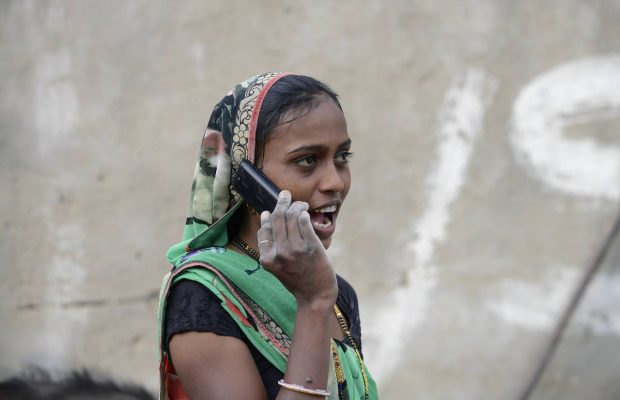
    Many subscribers say they have already provided copies of their ID cards, so why is the new regulation necessary? Mobile subscribers in Vietnam are objecting to a government regulation which requires them to provide a portrait photo of themselves when they register with a provider to clarify their personal information in an effort to get rid of spam messages.

    Under the amended telecommunications law, existing subscribers will have until next April to furnish network providers with photos.

    After the deadline, networks will be fined if they are caught offering services to users who provide false information.

    MobiFone and VinaPhone, two of the biggest mobile service providers in Vietnam, have already started taking photos of new subscribers. Viettel, the country’s largest provider, said it will start taking photos of new users from next month.

    A VinaPhone representative told that the company has faced strong opposition from customers, with many refusing to provide a photo.

    A MobileFone staff member in Hanoi also said that customers simply don’t want to sit down for a photo.

    Registering new customers is already a headache, and obtaining photos from existing users will be a much bigger problem.

    VinaPhone said it is planning to offer incentives to current customers who provide the company with photos, while Viettel said it is still working on a solution to deal with existing customers.

    Last week, Duong, the owner of a mobile subscription service run by MobiFone in Hanoi, received a text from the company asking her for a photo.

    Duong said she was surprised as she has been using MobiFone for nearly 20 years and has already provided the company with her personal information.

    “I have already submitted a copy of my ID with a photo on it but the staff at MobiFone said the photo isn’t clear enough and they need a new one,” she said.

    When she learned that operators will bar outgoing calls after 15 days and disconnect after 30 days if subscribers refuse to submit their photos, Duong’s first reaction was that it could be a breach of contract. She was also concerned about the security of her personal information.

    Many people echo Duong’s opinion.

    Others simply said the whole idea is a waste of time, and questioned whether mobile operators will be able to protect their personal information.

    The regulation, which is aimed at eliminating spam messages, states that telecom companies will be fined VND30 million ($1.320) to VND50 million for leaking customers’ personal information, and VND50-70 million for trading that information, according to the Ministry of Information and Communications.

    Nguyen Chien, vice chairman of the Vietnam Bar Association, said the regulation risking breaking contracts signed by existing subscribers if they are cut off for not providing a photo.

    This requirement should only be applied for new subscribers and existing subscribers who have not provided enough personal information, he suggested.

    Official data show millions of spam messages are sent in Vietnam every day. Most of them come from prepaid phone accounts that are unregistered or registered with false information.

    The messages are not only annoying but dangerous as they can be used by criminals and terrorists, according to the ministry.

  • Indian cellcos told to re-verify all customers

    Indian cellcos told to re-verify all customers

    The Indian government has instructed the nation’s mobile operators to re-verify all their mobile subscribers with a system that uses biometric authentication by next February.

    All existing subscribers will need to be re-verified using the Aadhaar-based system, which includes a unique identifying number and biometric data.

    Both prepaid and postpaid subscribers will need to be registered under the new system, and all licensees will need to inform existing subscribers about the requirement through advertisements in print and electronic media as well as SMS.

    The new requirement stems from a Supreme Court order in February that requires operators to complete the verification system for existing subscribers within one year.

    Operators plan to use and share a common device ecosystem for the verification process and will work on mechanisms to limit public inconvenience.

    But the Cellular Operators’ Association of India (COAI), the peak body for India’s GSM operators, has complained that the re-verification exercise will cost 10 billion rupees in infrastructure and training costs, and these expenses will need to be borne by operators.

    COAI also indicated it may need to seek an extension from regulator Trai if its members are not able to complete the process of re-verifying millions of subscribers within a year.

  • Mobile banking to have nearly 3b users by 2021

    Mobile banking to have nearly 3b users by 2021

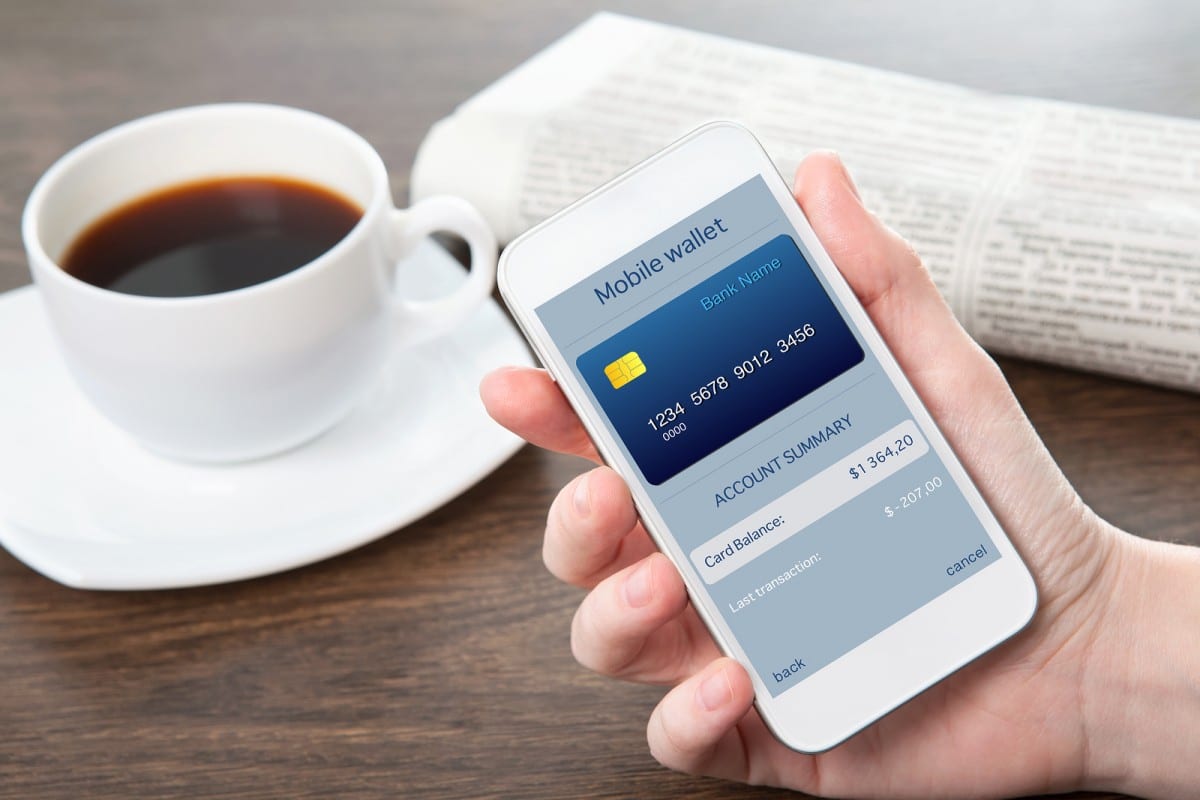
    Juniper Research predicts that by 2021, nearly 3 billion users will be using retail banking services on smartphones, tablets, PCs and smartwatches, up 53% from 2017.

    The new research titled “Retail Banking: Digital Transformation & Disruptor Opportunities 2017-2021” also predicts that usage will continue to rise as consumers increasingly opt for banks offering the convenience of rapid, multi-channel digital services. This means that banks will need to focus on providing a more frictionless digital experience to their customers, especially if they are to remain market leaders.

    According to Juniper while traditional banks have so far remained a step behind in delivering innovation and maintaining their competitive edge against new Fintech players, the situation is gradually changing.

    “Technology is currently the big differentiator for all types of banks; including traditional banks and the so-called challenger banks. Investments in banking technology reached record levels in 2016 and traditional banks are expected to focus on digital transformation initiatives”, added research author Nitin Bhas.

    Juniper predicts that in 2017, big banks will acquire challenger players including tech-startups and digital-only banks, and this will further accelerate the rollout of traditional players’ digital strategy.

    Juniper’s Digital Transformation in Banking Readiness Index analyzed leading global tier-1 banks to evaluate their digital transformation readiness scores and highlight their respective positioning within the digital innovation roadmap.

    Its list of leading banks for digital transformation include Banco Santander, Bank of America, Barclays, BBVA, BNP Paribas, Citi, HSBC, JP Morgan Chase, RBS, Société Générale, UniCredit and Wells Fargo.

    Juniper says these banks are progressing rapidly towards the final stages of digital transformation with heavy investments, have excellent digital portfolios, and are already witnessing significant cost savings.

  • 83% of smartphone users in India shop online

    83% of smartphone users in India shop online

    Indian retail customers are taking strongly to mobile commerce, with nearly 83 percent of people owning a smartphone saying that they shop online on their mobile phones, new study reveals.

    As expected, customers in the younger age group – 25-34 years old – are using their mobile phones more (90 percent) to shop online.

    However, the State of M-Commerce 2016 survey, conducted by US-based global digital strategy and services firm Regalix Inc., also showed that while a large number of customers have used their mobiles to shop online, there is still much room for growth in terms of the frequency of online shopping.

    Only 53 percent of those surveyed said that they had shopped online within the last month. Moreover, only 25 percent of respondents said that they shopped on their phones at least once a week. There seems to be a gender divide also in the frequency of online shopping, with more men (63 percent) doing so at least once a month than women (40 percent).

    Overall, gadgets and electronics was the most popular product category at 60 percent, followed distantly by clothing and accessories at 20 percent. While 66 percent of men shopped for gadgets online, only 31 percent of women did so. On the other hand, more women (65 percent) shopped online for clothing, accessories and home products as compared to men (27 percent).

    The survey likewise showed that the lion’s share of online retail is divided between three platforms – Flipkart (44 percent), Amazon (32 percent), and Snapdeal (19 percent). Interestingly, preference between these platforms is segmented by age, with Flipkart the preferred retailer for 49 percent of respondents in the 18-24 age group, but only 35 percent in the 25-34 age group. Snapdeal received more support in the 25-34 age group (25 percent) than in the 18-24 group (only 13 percent).

    Another interesting finding is that the number of retail customers shopping online has grown, many still prefer to browse online and purchase offline. Around 42 percent off respondents said that they preferred to do so while purchasing gadgets and electronics, while 33 percent said that they bought clothing and accessories this way.

    Clothing and accessories were the one category in which offline purchasers outnumbered online shoppers across all age and gender groups.

    The two biggest factors influencing a customer’s decision to shop online are Cash-on-delivery (34 percent) and free delivery (34 percent). CoD was the preferred payment mode for the majority of customers, with 62 percent preferring this over net banking, credit/debit cards or mobile wallets.

    Mobile apps are also the preferred way for customers to shop on their phones, with an overwhelming 94 percent declaring they preferred apps to mobile websites. The study also found that while 81 percent of respondents said they were unaffected by mobile ads, a higher percentage of women (25 percent) said that ads influenced their shopping behavior than men (17 percent).

  • India to have nearly 1b mobile subs by 2020

    India to have nearly 1b mobile subs by 2020

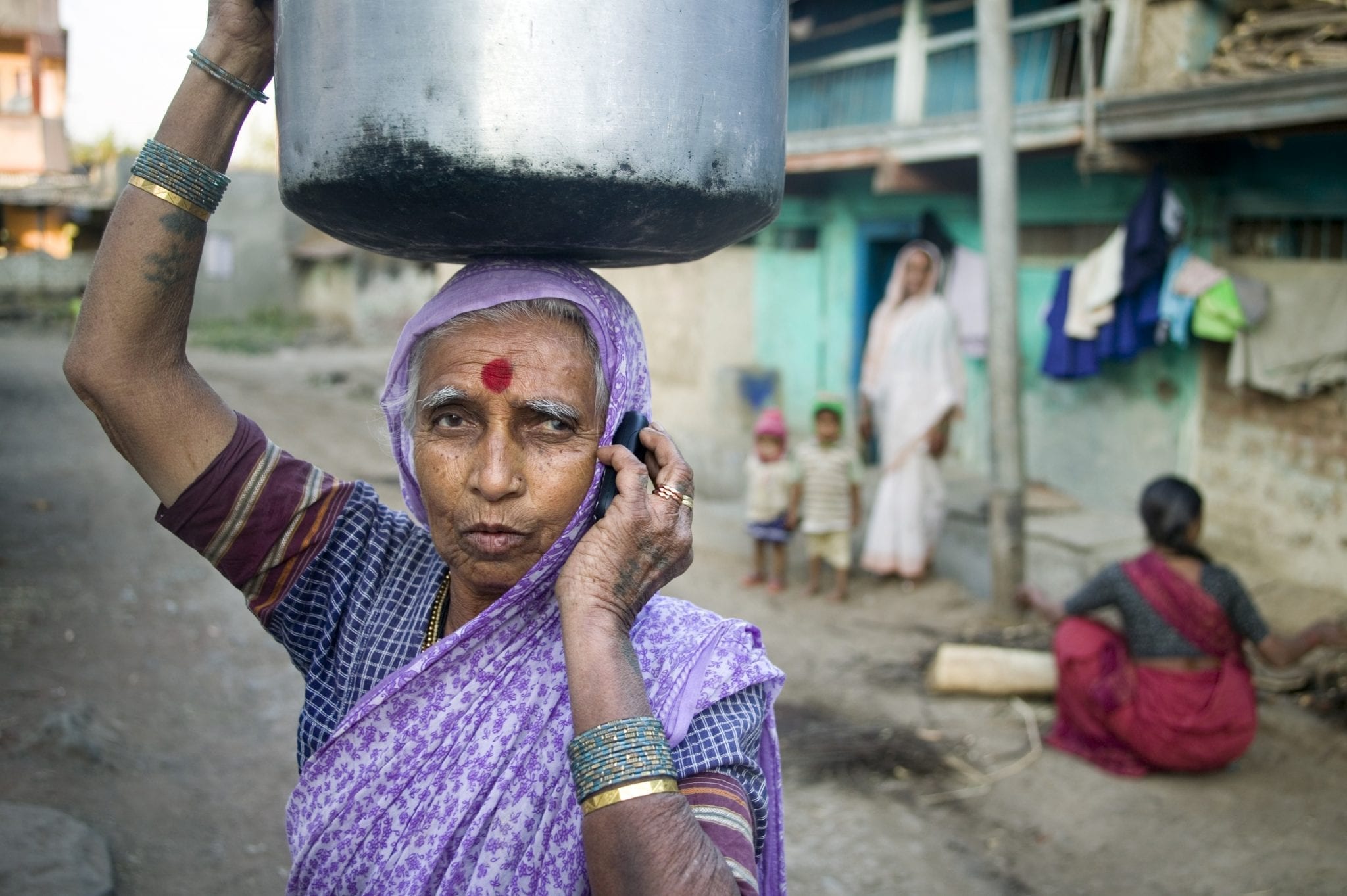
    India has become the second-largest mobile market in the world, and is on track to reach nearly 1 billion unique subscribers by 2020, according to the GSMA.

    A new report from GSMA Intelligence indicates that by the end of June 2016, 616 million unique users had subscribed to mobile services in India, making the country the second-largest mobile market globally.

    India is also expected to see a significant increase in mobile subscriptions, broadband and connectivity with almost a billion unique mobile subscribers expected by 2020. This marks a period of rapid development of the country’s mobile economy, according to the study.

    The country overtook the US in 2016 to become the world’s second-largest smartphone market with an installed base of 275 million devices.

    According to the report, improving affordability, falling device prices and operator investments in network coverage and quality will help deliver an additional 330 million unique subscribers in India by 2020, lifting the country’s penetration rate to 68% per cent of the population, an increase from 47% in 2015.

    India is also seeing an technology shift to mobile broadband services. The number of 3G/4G mobile broadband connections is forecast to reach more than 670 million by 2020, 48% of the total connection base.

    There will also be an accelerating move to 4G over this period. The number of 4G connections is forecast to grow rapidly, growing from just 3 million at the end of 2015 to 280 million by 2020. In addition, the industry is set to invest heavily, with operator capex growing to $34 billion for the period 2016 to 2020.

    “With this report, all signs point to a period of tremendous growth for India’s mobile economy, which will strongly support and enable the government’s ‘Digital India’ initiative aimed at providing broadband connectivity to all,” GSMA director general Mats Granryd said.

    “To fully realize India’s tremendous market potential, review and reform in key areas, including modernizing regulation and long-term planning for spectrum allocation, would accelerate mobile broadband access and adoption across the country,” he adds.

  • APAC consumers shop more on mobile

    APAC consumers shop more on mobile

    Mobile users in APAC purchase more frequently from their devices, but are less satisfied than their counterparts elsewhere, according to a new survey.

    The in-depth survey of mobile users from around the world was conducted by the Interactive Advertising Bureau (IAB).

    APAC consumers take the lead

    The IAB surveyed 3,800 respondents in 19 countries, including regional countries such as Singapore, China, Japan and Australia, and found that APAC consumers take the lead in frequent mobile purchases.

    Specifically, a third of mobile users make a weekly purchase on mobile in APAC, which is higher than the worldwide average of a quarter of mobile users. China in particular boasts of a 47% weekly purchase rate on mobile.

    On the flip side, respondents in APAC are 50% more likely to have a previous negative purchase experience, with only three in four consumers satisfied with their mobile purchase in the region compared to four in five globally.

    As a result, APAC consumers are also 11% less likely to make a repeat mobile purchase in the next 6 months, says the IAB report.

    The findings underscore the need for marketers in the region to be more transparent in their marketing efforts, and to address the negative purchase experiences cited as a key barrier to repeat purchase.

    “Many markets in APAC are mobile-first, and consumers are now mature online buyers with more discerning tastes than the global average,” says Miranda Dimopoulos, CEO IAB Singapore.

    “Advertisers who make an effort to understand their needs and craft the right messages have a tremendous opportunity to cut through the noise and seize market share.”

    “While mobile purchasers are high in APAC, poor buying experiences have dampened initial enthusiasm,” says Regina Goh, IAB mobile committee chair and managing director at ad-tech provider Blis. “Sellers in the region need to consider the consumer’s journey from the first click to post-purchase to ensure customers are delighted and come back for more.”

    The full IAB report can be downloaded here.

  • Thailand’s big three cellcos oppose tariff caps

    Thailand’s big three cellcos oppose tariff caps

    Thailand’s three largest mobile operators – AIS, Dtac and True Move – have united to oppose current regulations capping tariffs for 3G and 4G services.

    The operators brought up their opposition a group discussion with regulator NBTC on Monday.

    Revising the regulations would encourage greater competition and stimulate the further development of mobile networks and services, the operators claimed.

    They have argued that existing caps have diminished the development of service packages, distorted price mechanisms and impeded the operation of an open and competitive market.

    Currently the NBTC caps the maximum 3G tariff at 0.82 baht ($0.02) per minute for voice service, 1.33 baht per SMS, 3.32 baht for MMS and 0.28 baht for data services. The equivalent 4G limits are 0.69 baht, 1.15 baht, 3.11 baht and 0.26 baht respectively.

    A representative for Dtac stated that other mobile markets with the same level of development as Thailand do not impose tariff caps, and noted that tariffs in Thailand are among the lowest in the ASEAN region.

  • Chunghwa Telecom aims to add 2m 4G users in 2016

    Chunghwa Telecom aims to add 2m 4G users in 2016

    Taiwan’s Chunghwa Telecom has set a target of attracting at least 2 million new 4G users this year to help maintain its market share.

    The operator aims to boost its 4G subscriber base to up to 7 million in 2016. This would represent an annual growth rate of around 59% – which is lower than last year.

    With this rate of growth the company would meet its target of having a 40% share of Taiwan’s 4G market, compared to 38% last year. IDC forecasts Taiwan’s total 4G user base could grow to reach 18 million this year.

    To help improve 4G migration rates the company has established a marketing campaign involving popular Singaporean singer JJ Lin.

    Chunghwa Telecom meanwhile has a capex budget for the year of around TW$30.6 billion ($944.5 million), which includes the recent purchase of 4.4 billion worth of equipment to enhance 4G coverage and capacity.

    The operator aims to gradually phase out flate-rate packages for 4G services, having recently raised the minimum threshold to TW$1,100 per month.