Tag: venture capital

  • Indian Sneaker Brand Comet Raises $10.5 Million to Expand Retail Network

    Indian Sneaker Brand Comet Raises $10.5 Million to Expand Retail Network

    Indian footwear brand Comet raised 10.5 million dollars in Series B funding led by global investment firm Verlinvest. The capital injection follows a ninefold revenue increase since the company’s prior round and will fund physical store rollout across India.

    Existing backers Elevation Capital and Nexus Venture Partners joined the round. Angel investors including Urban Company chief executive Abhiraj Singh Bhal, Snap Inc. Global chief business officer Ajit Mohan, and VegNonVeg co-founder Anand Ahuja also participated.

    Tooling and Product Development

    Comet allocates the fresh capital toward retail expansion, technology infrastructure, and in-house research and development. The shoemaker designs proprietary sole moulds and tooling internally rather than relying on off-the-shelf white-label outsoles, a choice that drives higher upfront capital expenditure per silhouette.

    “We want to continue pushing the boundaries of what an Indian footwear brand can build, which means investing deeply in sole technology, R&D and engineering,” co-founder Utkarsh Gupta said. The company spent twelve months engineering a women-specific model with bespoke sole tooling ahead of an upcoming market release.

    Footwear startups across South Asia face steep unit economics when trying to compete directly with global sportswear incumbents. Developing custom moulds costs tens of thousands of dollars per silhouette before a single production run ships, leaving little margin for inventory errors if consumer uptake falters.

    Retail Footprint and Expansion

    Physical stores provide direct access to street-level shoppers who still demand tactile trial for sizing and cushioning. Direct-to-consumer digital channels in India grapple with high return rates and customer acquisition costs, forcing domestic lifestyle labels into brick-and-mortar storefronts to secure stable cash flow.

    Landlords in top tier metros now allocate dedicated lifestyle wings to local challenger labels that pull younger foot traffic into shopping centres. Comet faces competition for prime high-street square footage against well-funded apparel and footwear peers rapidly securing leases in the same commercial corridors.

    Fundraising Track Record

    Founded in 2023, Comet previously raised 42.3 crore rupees in a Series A financing round led by Elevation Capital in 2024. The brand built its early presence around limited-run design drops and four core footwear models.

    The company reaches 10 operational stores this month. Management targets a portfolio of eight distinct footwear models by late next year while expanding the retail fleet to 20 stores across India by the close of fiscal 2027.

  • Lumio Solar Raises US$900,000 for Plug-and-Play Solar Appliances

    Lumio Solar Raises US$900,000 for Plug-and-Play Solar Appliances

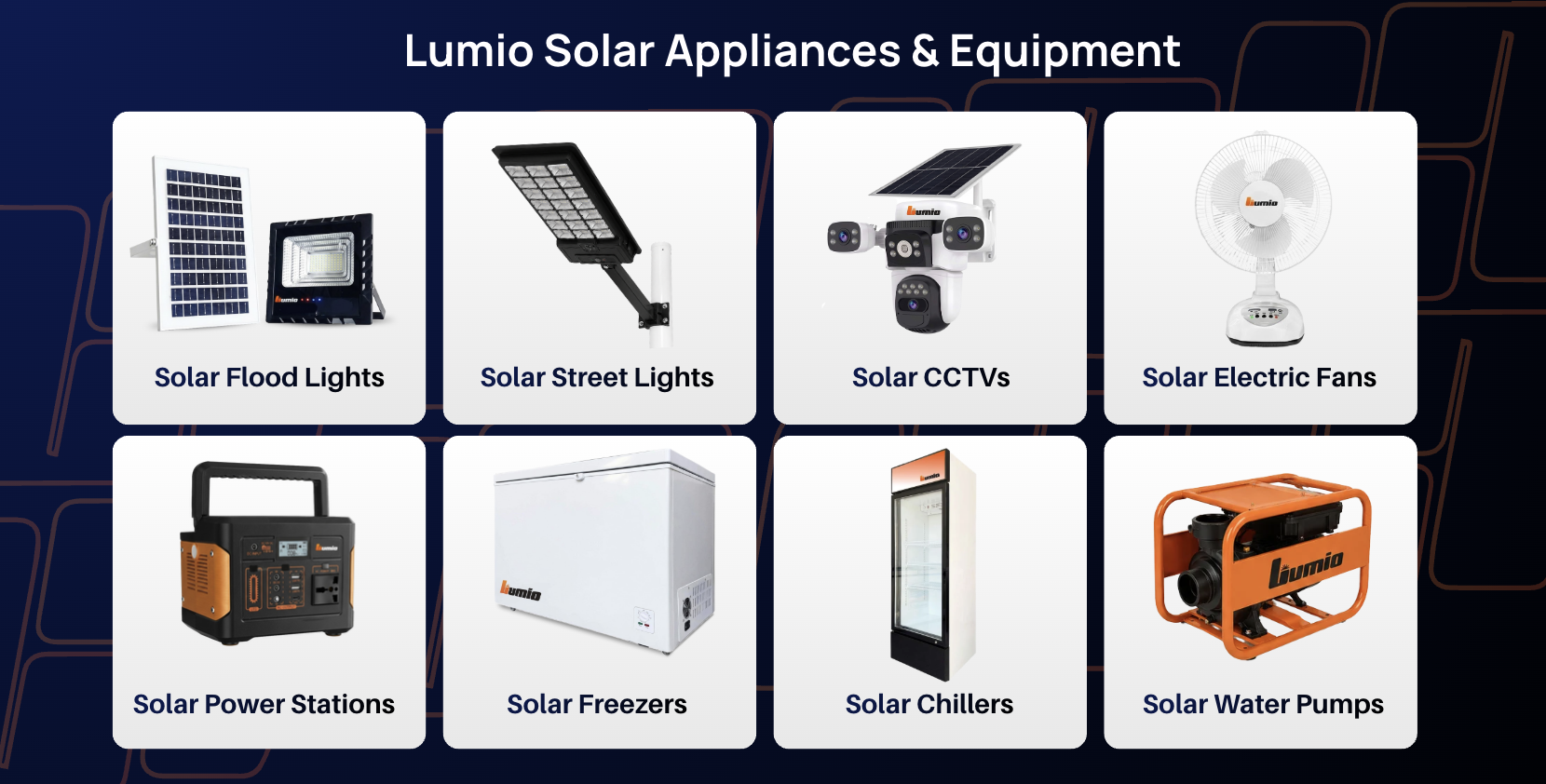
    Lumio Solar raised US$900,000 in pre-seed funding in August 2026 to build a distribution and service network for solar-powered appliances across the Philippines.

    The investment round was led by 100×100, the Southeast Asia climate venture builder formerly known as Wavemaker Impact, to back the Pampanga-based startup’s rollout of solar fans, lights, freezers, and portable power stations.

    Replacing Rooftop Panels with Standalone Units

    Lumio sells appliances that generate and store their own electricity without requiring roof installation, property ownership, or utility permits. The company targets households, micro, small and medium enterprises, and agribusinesses that are often priced out of rooftop solar. According to Lumio, its equipment cuts operating costs between 10 per cent and 90 per cent compared to standard alternatives while reducing electricity-related emissions by at least 50 per cent.

    Rey Sunglao, founder and chief executive officer of Lumio Solar, leads the venture after more than two decades in Philippine retail and commercial operations, including senior roles at SM Malls Online. Capital from the funding round will go toward widening the startup’s product range, strengthening regional hubs, and establishing localized after-sales repair points.

    The Retail Distribution Hurdle

    The operational test for Lumio lies in logistics and servicing rather than basic hardware manufacturing. Portable power stations from global brands like EcoFlow, Bluetti, and Jackery already sell across Southeast Asia, but they target affluent consumers and outdoor enthusiasts through digital storefronts. Lumio is attempting a traditional retail route, placing inventory and technician support into secondary cities and agricultural areas where power grids remain unstable and diesel generators drive up overhead.

    For independent shopkeepers and food vendors in provincial markets, energy costs represent a daily margin calculation. Commercial rooftop installers such as Solar Philippines, Buskowitz Energy, and Solaric focus heavily on large commercial roofs, industrial compounds, and high-income residential properties. By shrinking the hardware transaction to the size of a single chest freezer or shop fan, Lumio avoids long financing approvals, though it assumes the operational burden of warranty claims and replacement parts across an archipelago.

    Expanding from Central Luzon

    High retail power tariffs in the Philippines have accelerated private generation projects, with national solar capacity projected to expand 17.4 per cent annually through 2050. Lead investor 100×100 launched a US$100 million second fund in 2026 to back 50 climate enterprises across Southeast Asia and India, targeting scalable businesses in high-emission sectors.

    Initial commercial rollouts will concentrate on Central Luzon and Metro Manila before expanding into provincial hubs in the Visayas and Mindanao, where Lumio plans to deploy its first batch of regional service centers.

  • Intellisia Raises ₩3.4 Billion to Replace Consumer Panels with AI

    Intellisia Raises ₩3.4 Billion to Replace Consumer Panels with AI

    Intellisia has raised ₩3.4 billion ($2.5 million) in pre-Series A funding to scale its synthetic consumer research and retail simulation platform across Asia and North America. The round closed above its initial ₩3 billion target.

    Kakao Ventures led the investment, joined by Murex Partners, Capstone Partners, and founder Baek Seung-guk, who committed personal capital to the round. The Seoul-based company builds virtual consumer profiles trained on real-world purchasing data to answer product surveys, evaluate packaging, and simulate retail store behavior.

    Enterprise Traction and Accuracy Metrics

    Traditional consumer research takes weeks or months to recruit panels and return responses. Intellisia runs identical query sets through its platform, TheSurvey.ai, within hours. The company reports an average reproduction rate above 90 percent when testing its synthetic models against actual human survey results.

    That accuracy has converted pilots into commercial contracts across South Korea’s consumer sector. Intellisia has logged more than 200 project engagements, working with packaged food manufacturers CJ CheilJedang, Pulmuone, and Lotte Wellfood, as well as telecoms group LG Uplus, furniture maker Fursys Group, and convenience store operator BGF Retail. More than 60 percent of enterprise proof-of-concept trials converted into paid annual contracts.

    Baek previously co-founded content recommendation engine Dable, which scaled across seven Asian markets before selling to travel platform Yanolja in 2021. He founded Intellisia to apply similar predictive data modeling to consumer behavior testing.

    From Survey Panels to Store Twins

    Packaged goods manufacturers and retail chains across East Asia face compressed product lifecycles and rising sample recruitment costs. Using synthetic consumer cohorts allows brand managers to test dozens of packaging variations or pricing structures before committing physical inventory to supermarket shelves.

    Intellisia is now pushing beyond questionnaires into physical store simulation. The company is preparing trials for ParaStore, an AI digital twin platform where virtual shoppers interact with store layouts, shelf placements, and merchandising plans. BGF Retail, which operates South Korea’s CU convenience store chain, will test the system for store operations and category management.

    A commercial subscription-based software platform goes live in the fourth quarter of this year, followed by market launches in Japan and the United States next year.

  • Graas Raises US$17 Million and Buys Trustana to Expand Retail AI Tools

    Graas Raises US$17 Million and Buys Trustana to Expand Retail AI Tools

    Singapore e-commerce technology platform Graas has raised US$17 million in fresh capital and completed the acquisition of product data company Trustana.

    The transaction brings Trustana’s catalogue and product intelligence software directly into Graas’s automated operating system for consumer brands across the region.

    Integrating Product Data

    Graas builds artificial intelligence software designed to optimize inventory, ad spend, and pricing decisions across digital marketplaces. Adding Trustana, an enterprise data startup initially incubated by Temasek, gives the combined entity deeper capability in structuring product catalogues and syndicating retail data across fragmented sales channels.

    Brand operators across Southeast Asia frequently run concurrent storefronts on Shopee, Lazada, TikTok Shop, and standalone web platforms. Managing product data across those channels remains one of the most persistent operational bottlenecks in regional digital commerce.

    Consolidation in E-Commerce Tech

    Software vendors across the region are consolidating capabilities as enterprise clients push to trim their technology vendor counts. Graas previously expanded its footprint by acquiring specialized marketing and logistics analytics companies across India and Southeast Asia.

    RetailNews Asia views the deal as a clear shift away from standalone point solutions toward unified enterprise software suites capable of running daily merchant operations autonomously.

    Integration of Trustana’s data pipelines into the Graas platform begins immediately, with the combined software suite scheduled for enterprise rollout over the coming quarter.

  • Vietnam Fintech MFast Raises US$6 Million to Fund Philippines Expansion

    Vietnam Fintech MFast Raises US$6 Million to Fund Philippines Expansion

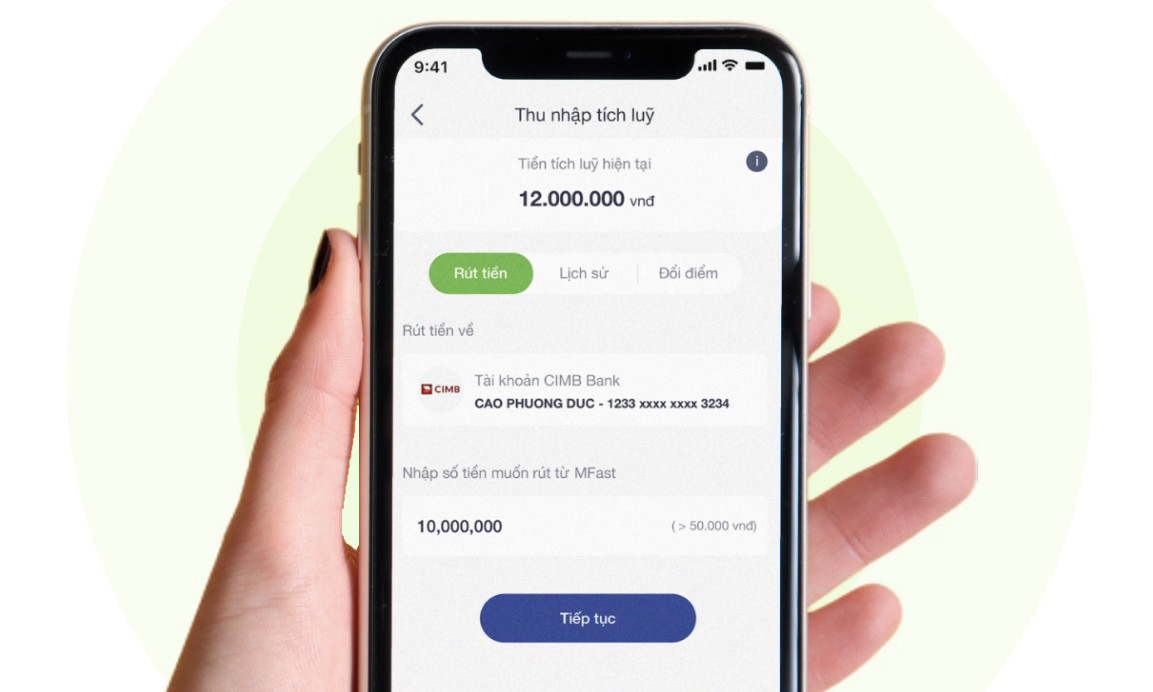
    Vietnamese financial services distribution platform MFast has raised US$6 million in Series A funding to expand its agent network and launch operations in the Philippines.

    Venture capital firm Wavemaker Partners led the round, with new participation from Tokyo-based Headline Asia and Thailand-based Finnoventure Fund I, managed by Krungsri Finnovate. Existing backers Do Ventures, Jafco Asia and Ascend Vietnam Ventures also joined the equity injection.

    Distribution beyond major metros

    MFast operates as a unit of Vietnam-based startup DigiPay, founded in 2017 by twin brothers Phan Thanh Long and Phan Thanh Vinh. The platform functions as an agent-driven marketplace selling insurance policies, consumer loans and banking products to retail customers.

    The business model relies on individual sales agents rather than physical storefronts. Traditional lenders and commercial brands routinely avoid opening physical branches in lower-tier cities such as Hue due to high real estate and operational costs. MFast uses mobile software to turn local individuals into commissioned sellers, bridging that retail gap.

    By August 2023, the network had grown to 160,000 active agents operating across all 63 cities and provinces in Vietnam. The company said it has connected more than one million consumers to financial products, while the number of income-earning agents rose 62 per cent year-on-year in the first half of 2023.

    Regional banking ties

    Consumer finance distribution in Southeast Asia has increasingly pivoted toward hybrid agency networks. Pure digital lending apps frequently face elevated default rates and high user-acquisition costs outside major capitals, making on-the-ground agent validation a practical distribution channel for commercial banks targeting lower-tier consumer markets.

    The startup has established distribution partnerships with international and regional lenders, including Singapore’s UOB, Thailand’s Kasikornbank, and SHB Finance, the Vietnamese consumer finance unit controlled by Thailand’s Bank of Ayudhya.

    MFast will use the capital to design bespoke credit products for segmented customer groups before launching its agency distribution model in the Philippines in 2024.

  • Rose All Day Cosmetics Secures US$5.41 Million Series A Round

    Rose All Day Cosmetics Secures US$5.41 Million Series A Round

    Indonesian beauty brand Rose All Day Cosmetics raised US$5.41 million in a Series A funding round to finance its retail rollout and product line expansion. The company secured the financing as local cosmetics makers push for larger shares of Southeast Asia’s beauty and personal care market.

    The direct-to-consumer label plans to deploy the capital toward scaling its omnichannel retail footprint, improving product formulation pipelines, and bolstering distribution infrastructure across regional retail channels.

    Capital for regional distribution

    Founded to offer accessible daily beauty and skincare products, the brand built its initial customer base through online channels before expanding into physical retail counters, department stores, and beauty specialty chains. Direct-to-consumer beauty brands across Indonesia increasingly rely on physical shelf space to protect margins against rising digital acquisition costs.

    Offline distribution networks remain essential for consumer conversion in Southeast Asia, where physical storefronts and modern trade outlets still generate the bulk of personal care purchases. Securing shelf space in multi-brand retail chains gives local brands immediate access to foot traffic outside major metropolitan centres.

    Direct brand competition in Southeast Asia

    Venture investors continue backing local beauty startups in Indonesia, betting that domestic brands can defend domestic market share against legacy multinational operators. Similar consumer brand funding rounds across the region have targeted supply chain localization and regional export capabilities into neighbouring markets such as Malaysia and Vietnam.

    RetailNews Asia tracking shows that homegrown beauty labels in Jakarta face steepening competition for floor space in premium shopping malls and modern trade outlets. The next operational test for Rose All Day Cosmetics will be proving its unit economics across physical retail partners while managing regional inventory rollouts.

  • Indonesian Trading App Ajaib Raises $270 Million from Japan SBI Holdings

    Indonesian Trading App Ajaib Raises $270 Million from Japan SBI Holdings

    Indonesian online stock trading platform Ajaib has raised $270 million in a Series C funding round backed entirely by Japanese financial services conglomerate SBI Holdings. The transaction delivers one of the largest single equity checks into Southeast Asian retail financial technology this year.

    The capital injection gives Ajaib substantial runway to expand its wealth management and retail brokerage offerings across Indonesia. Jakarta has become a competitive battleground for digital brokerages seeking to convert first-time millennial and Gen Z savers into active market participants.

    Japanese capital targets Indonesian retail investing

    SBI Holdings has built a wide investment portfolio across Asian digital finance, backing regional digital banks, payment rails and cryptocurrency infrastructure. The group led the round directly, cementing a deeper balance-sheet commitment to Indonesia’s domestic capital markets.

    Southeast Asian fintech funding endured two years of compressed valuations and selective dealmaking following the 2021 market peak. A single $270 million commitment signals that large strategic investors are once again willing to write late-stage checks for established market leaders with deep domestic distribution.

    Expanding product lines across domestic markets

    Ajaib launched in 2018 targeting first-time retail investors through mobile-first stock trading and mutual fund distribution. The platform grew quickly during Indonesia’s retail investing boom, securing unicorn status in 2021 before adding digital asset products and margin financing services.

    RetailNews Asia notes that rival platforms across Jakarta and Singapore are racing to consolidate wealth management, bond distribution and consumer credit onto single interfaces. Japanese institutional backers like SBI provide both long-term capital and potential product partnerships as Indonesian regulators tighten compliance requirements for digital asset brokers.

    The company will deploy the capital toward platform security, customer acquisition and new asset management products ahead of scheduled regulatory reviews in Jakarta.

  • Wishlink Secures $17.5 Million in Series B Led by Vertex Ventures

    Wishlink Secures $17.5 Million in Series B Led by Vertex Ventures

    Indian creator commerce platform Wishlink raised $17.5 million in a Series B round led by Vertex Ventures Southeast Asia & India.

    The fresh injection gives the business capital to expand its creator network and deepen retail brand integrations across the country.

    Creator storefronts and brand integration

    Wishlink operates an infrastructure layer connecting social media creators directly with e-commerce brands and marketplaces. Creators curate personal storefronts, share trackable product links across short-form video and social channels, and earn commissions on completed orders. The model gives direct-to-consumer labels and large e-commerce platforms measurable sales attribution rather than unverified impressions from standard influencer campaigns.

    Performance retail drives venture interest

    Venture investors in South Asia continue to back commerce models where creator payouts tie directly to retail sales volume. Traditional influencer marketing budgets in India have faced tighter scrutiny over return on spend, leading consumer brands to reallocate capital to performance-driven affiliate channels. Vertex Ventures Southeast Asia & India led the transaction, expanding its portfolio of retail technology and digital commerce infrastructure companies across the region.

    Wishlink is deploying the new funds into tech infrastructure, automated creator discovery tools, and expanded brand onboarding across major consumer categories.

  • Asia-Pacific Startups Draw $2.4 Billion as Enterprise AI and Retail Tech Expand

    Asia-Pacific Startups Draw $2.4 Billion as Enterprise AI and Retail Tech Expand

    Early-stage companies across Asia-Pacific have secured a combined $2.4 billion in funding, with nearly $1 billion raised during 2026 alone.

    India led the regional cohort with 19 companies, followed by Singapore with 15, China with 10, Japan and South Korea with nine each, and Indonesia and Australia with eight apiece.

    Enterprise software and artificial intelligence providers account for almost a quarter of the group. Robotics suppliers, green technology providers and consumer commerce platforms took up most of the remaining slots across 16 countries and territories.

    Capital flows into retail networks and distribution

    Consumer-facing operators and supply chain software vendors pulled in fresh funding rounds to expand store footprints and digital trade across Southeast Asia and India. Mumbai grab-and-go chain Abcoffee doubled its network to more than 100 locations over the past year, serving 350,000 cups monthly before securing $6.4 million in pre-series B capital led by Kliff Ventures in May.

    Singapore supply chain platform Baskit raised $4.4 million in April in a series A round led by Cento Ventures, taking its total financing to $10 million. The company provides real-time order tracking, digital payments and credit tools to distributors, expanding from Indonesia into the Philippines this year.

    Indian discount brokerage Aaritya Broking secured $33 million in April through a series B round led by Accel India for its stock trading app Sahi. The platform charges 10 rupees per trade and has recorded more than 5 million downloads.

    Automation spreads to transport and operations

    Specialized mobility and infrastructure service firms also drew institutional capital. Melbourne autonomous vehicle developer Applied Electric Vehicles raised $40 million in January from Japan Post Capital and the Australian government’s National Reconstruction Fund to deploy driverless utility vehicles in mining and freight sites.

    Malaysian roadside assistance and battery provider Bateriku built a network of 1,000 mechanics and 2,000 repair shops across 270 locations before raising $7.4 million from pension fund KWAP and state-backed investors. In Thailand, maintenance provider 24 Solution Group closed $8 million across series B and B+ rounds after expanding from handyman services into electric vehicle charging systems and commercial solar installations.

    Venture investors in the region have shifted capital toward businesses with established commercial revenue, favoring workflow software and physical distribution infrastructure over cash-burning consumer acquisition models. RetailNews Asia tracks this transition as regional store operators increasingly buy software from local business-to-business specialists rather than building internal systems from scratch.

    Attention now shifts to the trial pipelines and regional market entries scheduled before the end of 2026, including Hong Kong biotechnology firm AIM Pharmaceutical International’s phase one clinical trials in mainland China for its Parkinson’s therapy.

  • Southeast Asian EV Startups Secure $622 Million Across 16 Top Firms

    Southeast Asian EV Startups Secure $622 Million Across 16 Top Firms

    The top 16 electric vehicle startups across Singapore, Indonesia, Thailand, and Vietnam have secured a combined US$622 million in equity funding, according to data from market tracker Tracxn.

    Singapore accounts for eight of the 16 funded ventures, serving as the primary financing and corporate headquarters base for regional operators despite its small domestic auto market.

    Fleet economics replace consumer car models

    Unlike Western and Chinese markets focused on passenger sedans, Southeast Asia’s electrification drive centers on commercial utility. The region’s core demand runs through two-wheelers used for daily commuting, courier runs, and food delivery logistics, alongside electric ferries and light commercial trucks.

    This operational split shifts capital allocation away from traditional high-speed charging corridors. Startups are directing resources into battery swapping networks, commercial fleet management software, and durable battery packs designed for high-mileage delivery work.

    Major venture funds and automotive strategists have backed the sector at Series A and Series B stages. Backers include Peak XV Partners, Jungle Ventures, GSR Ventures, Horizons Ventures, and Indian two-wheeler manufacturer TVS Motor Company.

    Industrial roles divide across four markets

    Manufacturing and market operations follow national industrial strengths across the four economies. Indonesia uses its nickel reserves to build battery and vehicle assembly operations, Thailand relies on its established automotive supply chain, and Vietnam provides growing domestic consumer demand.

    For regional retailers and delivery operators, the transition hinges on total cost of ownership rather than government subsidies. Fleet buyers across Jakarta, Bangkok, and Ho Chi Minh City require verified battery lifespans and reliable swap stations before replacing combustion fleets at scale.

    The next operational test for these 16 startups centers on contract renewal rates as initial pilot programs conclude without promotional pricing support.

  • Every Half Coffee Roasters Secures $8 Million in Series A Funding

    Every Half Coffee Roasters Secures $8 Million in Series A Funding

    Vietnamese specialty coffee chain Every Half Coffee Roasters has secured $8 million in a Series A funding round to expand its retail footprint and supply operations.

    The capital injection provides the Ho Chi Minh City-based roaster with fresh resources to scale its cafe network and upgrade processing facilities across domestic markets.

    Expanding Roastery and Store Footprint

    Founded to champion Vietnamese specialty beans alongside international varieties, Every Half operates a growing roster of cafe locations alongside its roasting business. The new financing enables the company to accelerate new outlet openings in key urban centers, while bolstering direct sourcing partnerships with domestic coffee farmers.

    Operating in an increasingly sophisticated domestic cafe market, the brand focuses on single-origin offerings, specialized brewing methods, and modern retail store formats designed for urban consumers.

    Shifting Dynamics in Vietnam’s Coffee Market

    Vietnam remains the world’s second-largest coffee producer, yet its retail landscape has long been dominated by traditional robusta street stalls and large domestic chains like Highlands Coffee and Phuc Long. Over the past five years, consumer preferences in major cities have shifted toward premium arabica, specialty roasters, and traceable sourcing.

    Independent chains across Southeast Asia are tapping institutional capital to challenge both legacy domestic operators and global giants such as Starbucks. For RetailNews Asia readers tracking regional food and beverage investments, the round confirms sustained venture interest in premium cafe concepts that control both roasting and retail touchpoints.

    Every Half now turns to executing its multi-city rollout schedule as competitors race for prime commercial real estate in Hanoi and Ho Chi Minh City.

  • Electric motorbike startup raises another $8 mln

    Electric motorbike startup raises another $8 mln

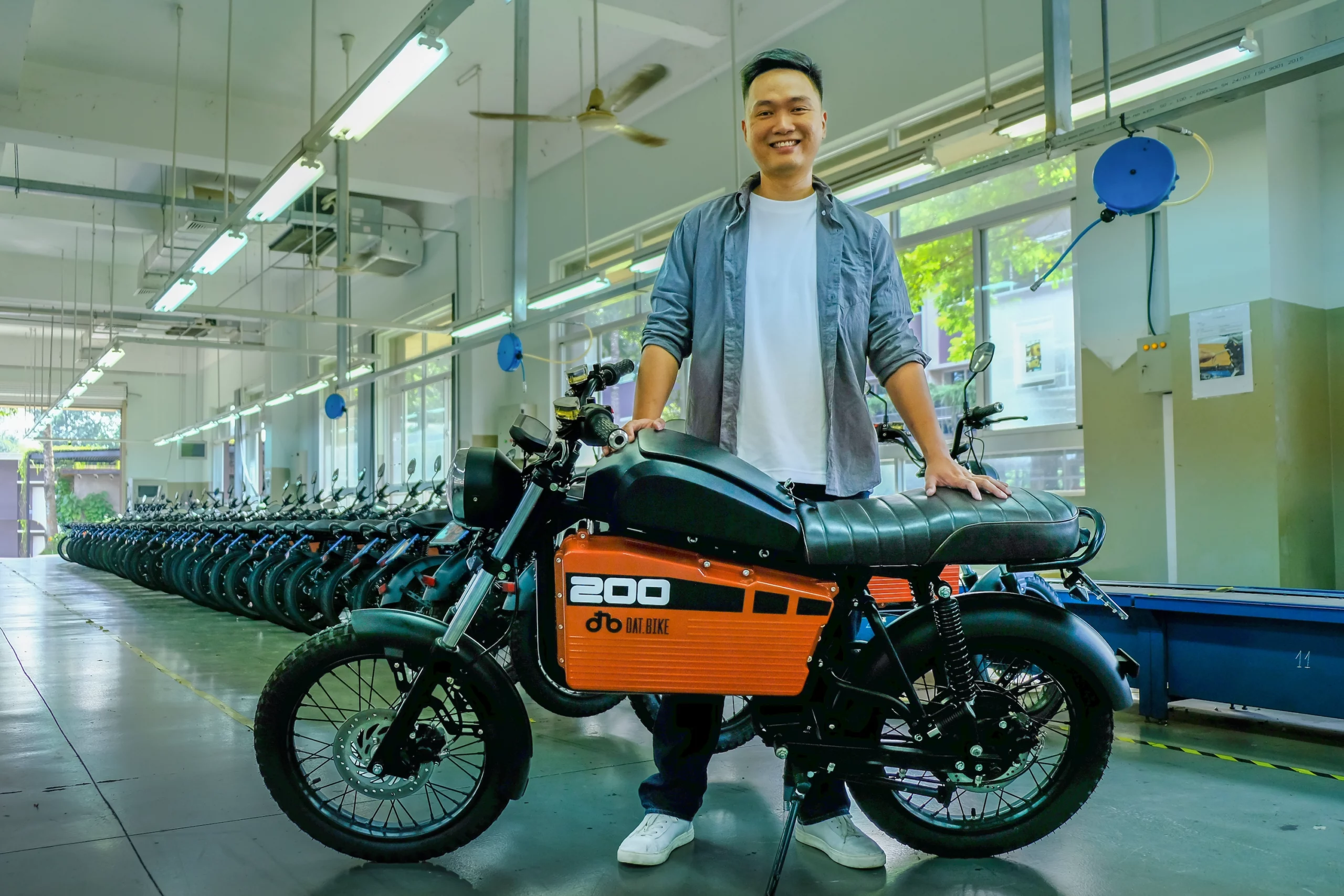
    Vietnamese electric motorbike startup Dat Bike has secured $8 million in a funding round, bringing the total since its establishment to $16.5 million.

    The round was led by returning investor, Singapore-based Jungle Ventures, with participation from GSR Ventures, Innoven Capital, Wavemaker Partners, and Delivery Hero Ventures – the investment arm of Foodpanda’s parent firm.

    The startup will use the new round of funding to invest in technology, scale production, product development and hiring talent, said Nguyen Ba Son, founder and CEO of Dat Bike.

    Founded in 2019, Dat Bike says its revenue grew 10 times over the past 12 months.

    The launch of its latest model, Weaver 200, has solved the problems of performance and range as it has a maximum capacity of 6,000W, covering 200 km with a 3-hour charge, Son said.

    The startup has also launched Dat Charge – an ultra-fast charging station for its electric bikes, which allows charge for a 100km trip in 20 minutes and 150km in 30 minutes. This is the highest electric bike charging speed in the country at present, according to the company.

    After four years of operations, Dat Bike has three stores in Ho Chi Minh City, Hanoi and Danang. It plans to enter other Tier 1 cities, including Quang Ninh, Hai Phong, Nha Trang, Binh Duong and Can Tho, soon.

  • APAC Venture Capital Deals in Decline

    APAC Venture Capital Deals in Decline

    Venture capital deals in Asia Pacific dropped by one-fifth in the third quarter, attributed to a Chinese economic slowdown, but tailwinds await due to upcoming policy reforms.

    Total venture capital deal value in the region dropped to $14.92 billion in the third quarter, compared to $18.61 billion in the second quarter, according to recent KPMG data. The decrease is notably steeper than the 14 percent decline in overall global transactions in the period, which totaled $55.71 billion.

    There is a lot of interest in the Asian market but investors have really slowed down their activity,» said Egidio Zarrella, partner and head of clients and innovation at KPMG China. «They are being conservative, waiting to see where things go from an economic and geopolitical perspective.

    With Alibaba’s $700 million minority stake acquisition of music streaming service NetEase Cloud Music topping the quarterly transactions, no deal surpassed the $1 billion mark compared to four in the first six months. But despite a slowdown from the region’s major contributor – seven of the 10 deals in the region involved mainland Chinese companies (with Indian startups making up the rest) – KPMG remained optimistic about the near-term outlook.

    Despite the challenges in the market, a number of sectors continued to attract investment, including fintech, Autotech and biotech, said Philip Ng, partner and head of technology, KPMG China, who also underlined upcoming tailwinds for insurance, finance, capital markets and healthcare due to policy reforms.

    While the number of funds raised for IPOs have dipped, the number of mainboard deals in the first three quarters is similar to that of last year and Hong Kong remains a top destination for IPOs,» added Irene Chu, partner and head of new economy & life sciences, Hong Kong, KPMG China. «The pipeline of companies applying for IPO in Hong Kong is still very strong – but whether they will go out before the end of the year will depend on changing market conditions.

  • aCommerce serious about their Series B with new recruits and them joining shows confidence in our company

    aCommerce serious about their Series B with new recruits and them joining shows confidence in our company

    Veteran Cross-Border and Logistics Ecommerce Executive Leaves Arvato Bertelsmann to Join aCommerce as Group Chief Logistics Officer

    Mitch Bittermann to strengthen the cross-border and logistics capabilities of the growing end-to-end ecommerce enabler en route to Series B and arrival of ASEAN Economic Community

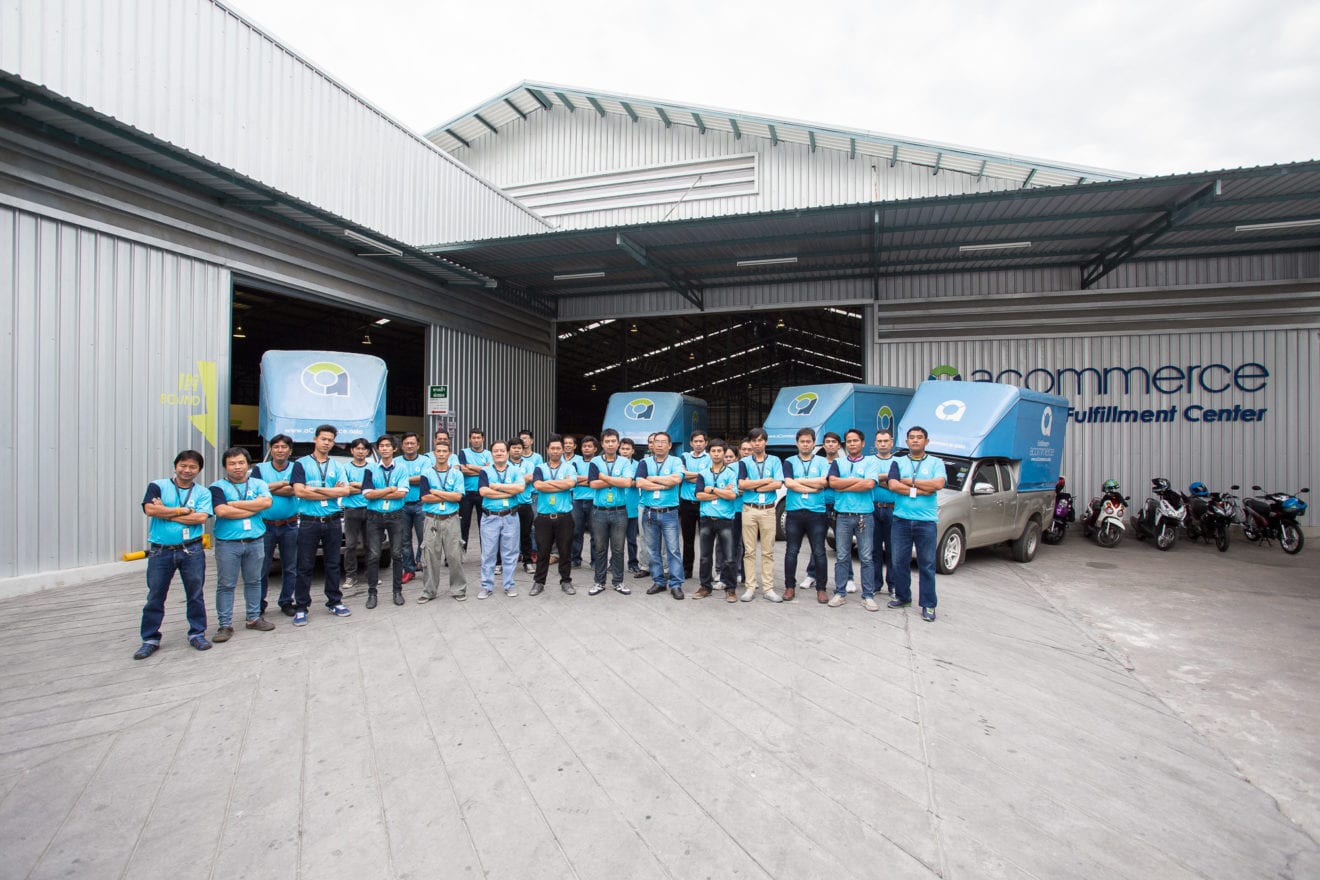
    Southeast Asia’s leading end-to-end ecommerce enabler confirmed the hire of Mitch Bittermann as their Group Chief Logistics Officer. Mitch joins aCommerce from arvato, where he was the General Manager for the Hong Kong branch and Head of arvato’s APAC Solution and Design team. As the Group CLO, Mitch will build and lead aCommerce cross-border initiatives to fulfill the increasing demand for easy intra-regional transactions in Southeast Asia as well as cross-border logistics with US, Europe and particularly, China. Mitch joins aCommerce at a time when eyes are increasingly on the region for both investment and ecommerce.

    “I’m excited to join the team at aCommerce. They’ve been at the forefront of driving ecommerce innovation in the region and are closely followed by many in the logistics space. The opportunity for cross-border in Southeast Asia is huge, with China outbound cross-border volume rapidly increasing as well as the upcoming ASEAN Economic Community (AEC) integration, the region will be a launchpad for new innovative distribution solutions,” said Mitch Bittermann, aCommerce Group CLO.

    With the ASEAN Economic Community (AEC) just around the corner, intra-regional cross-border transaction volume is expected to increase rapidly as it will open borders and stimulate trade and commerce across Southeast Asia through better logistics capabilities.

    Companies like Amazon and London-based ASOS already count Southeast Asian countries like Singapore, Thailand, and Indonesia as their fastest growing markets in Asia. Only last year, Amazon-owned Shopbop held a successful cross-border Black Friday/Cyber Monday campaign in partnership with Line and aCommerce. AEC will be a force-multiplier for this trend and allow more companies to extend their campaigns to the overseas audience.

    “With ecommerce in Southeast Asia heating up and the region being strategically positioned next to China, the world’s manufacturing and sourcing hub, there’s been a rapid increase in demand for cross-border logistics services across our client base,” said Paul Srivorakul, aCommerce Group CEO. “Having Mitch’s expertise in international logistics, we will be building out our next generation of cross-border logistics products and services to continue accelerating ecommerce in Southeast Asia.”

    Mitch helped set up Arvato’s cross-border operations in Singapore and Hong Kong serving customers in Asia and globally. With more than 10 years at Arvato, Mitch has worked on a multitude of international logistics projects including building up customer service operations in Canada, setting up distribution centers in Thailand and Europe and driving global freight optimization projects.

    En route to Series B fundraising, aCommerce has been strengthening its management team with recent additions of a new CEO and COO for Indonesia. Snorre Larstad (CEO) and Hadi Kuncoro (COO) joined aCommerce earlier last month to drive the next phase of growth of aCommerce Indonesia, which recently became aCommerce’s biggest regional operation in Southeast Asia surpassing Thailand and Philippines with 360 employees.

    “With our long term mission to make ecommerce easy in Southeast Asia, we’ve tackled the in-country logistics bottlenecks with our fulfilment centers, last-mile delivery solutions, and cash-on-delivery platform across Thailand, Indonesia, and the Philippines. Our next goal is to make intra-regional transactions as easy as possible too,” said Peter Kopitz, aCommerce Group COO.