Tag: VIP

  • Indonesian Vape Retailers Implement 21+ Policy to Curb Youth Smoking Rates: A Step Toward Healthier Choices

    Indonesian Vape Retailers Implement 21+ Policy to Curb Youth Smoking Rates: A Step Toward Healthier Choices

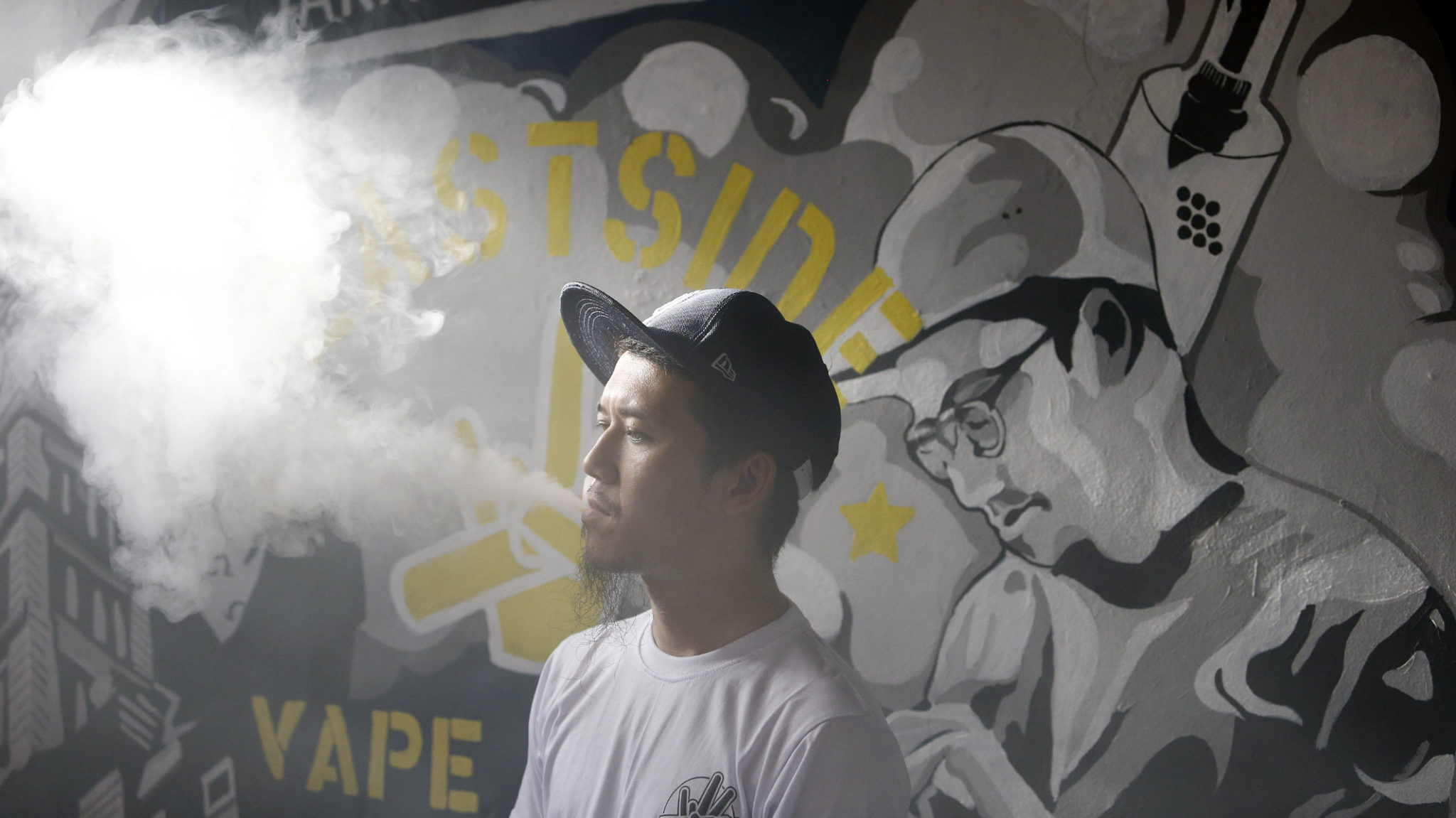
    The Association of Indonesian Vape Retailers (Arvindo) has issued a directive to all its member stores to cease the sale of e-cigarettes to individuals under the age of 21. The Association has mandated that retailers display signage indicating the age restriction and confirm the age of customers using valid identification.

    The Chairman of Arvindo, Fachmi Kurnia, stated that this move aligns with governmental attempts to restrict access to vaping amongst the youth. This sentiment is shared by the Tar and Smoke Free Movement (Gebrak), which advocates for the usage of alternative tobacco products to be limited to adult smokers only.

    Additionally, Arvindo has encouraged policymakers to incorporate science-based regulations into their considerations and recognize the potential of vaping to reduce harm. This suggestion was supported by a 2025 study from the JAMA Network, which found that e-cigarettes were the leading tool for smoking cessation in England.

    On the other hand, Garindra Kartasasmita, Chairman of Gebrak, emphasized that e-cigarette retailers need to take a more proactive role in informing customers about the health risks associated with smoke and tar. He also urged retailers to provide comprehensive information about alternative products.

    These developments come at a time when Indonesia is grappling with persistently high smoking rates. According to government data, there are an estimated 70 million active smokers in the country, a significant portion of which are youths.

    Data from a global youth survey further revealed an increase in the smoking prevalence amongst students aged 13-15, from 18.3% in 2016 to 19.2% in 2019. The survey also indicated high smoking rates amongst those aged 15-19.

    Questions & Answers

    What directive has Arvindo issued to its member stores?
    Arvindo has asked all its member stores to stop selling e-cigarettes to customers under 21, display 21+ signage, and verify the customers’ age with valid identification.

    What is Arvindo asking of policymakers?
    Arvindo is urging policymakers to adopt science-based regulation and to consider the potential of vaping as a harm reduction strategy.

    What has been the trend in smoking prevalence among young people in Indonesia?
    According to a global youth survey, smoking prevalence among students aged 13-15 in Indonesia increased from 18.3% in 2016 to 19.2% in 2019, with the highest rates seen among those aged 15-19.
  • Dior opens reinvented Galaxy Macau boutique

    Dior opens reinvented Galaxy Macau boutique

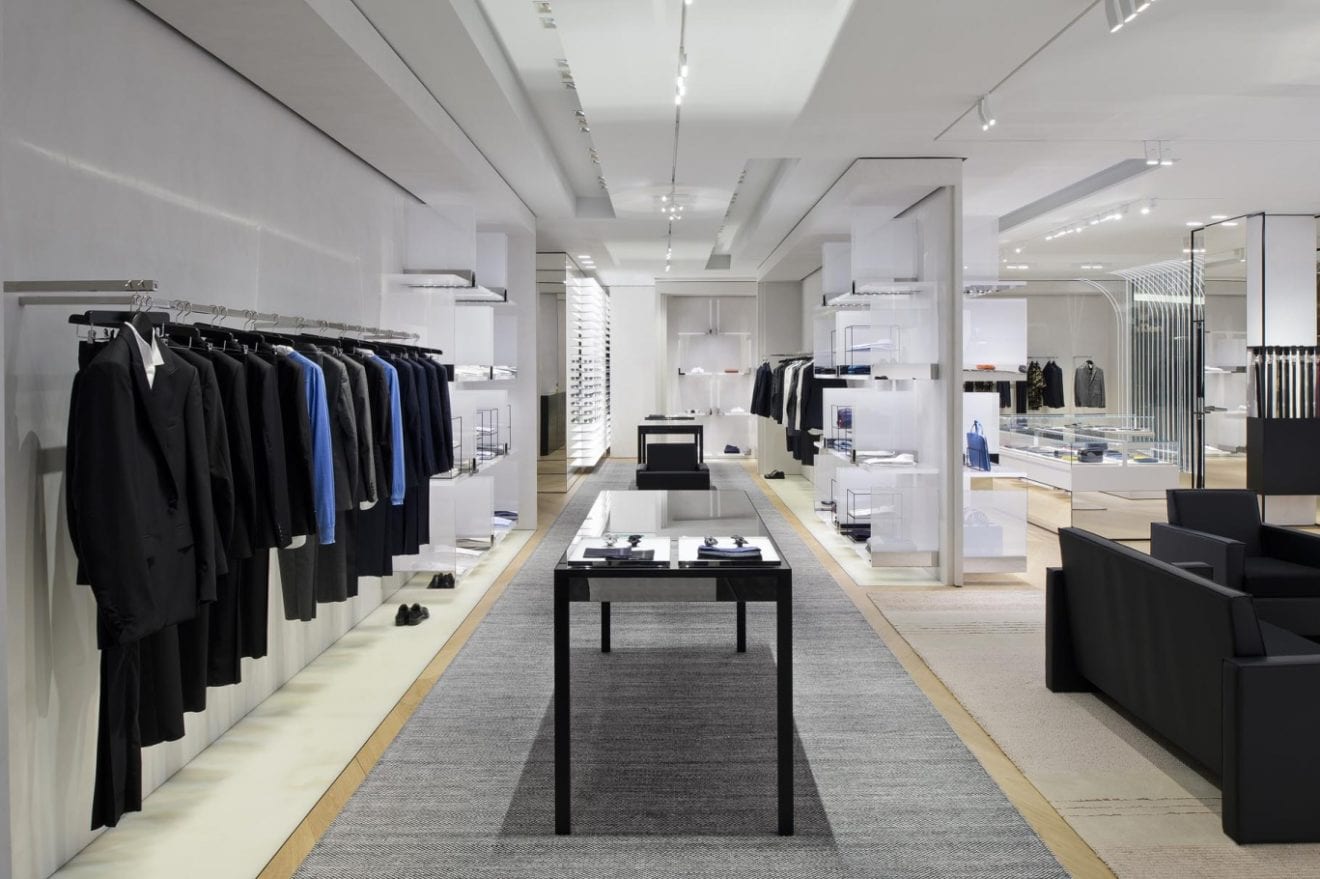
    Luxury fashion house Dior has launched its revamped Galaxy Macau boutique, offering more exclusive shopping experiences.

    The store, located at one of the finest shopping locations, Galaxy Promenade, has two floors and offers a varied range of items such as ready-to-wear and accessories designed by Maria Grazia Chiuri and Kim Jones, as well as watches and jewellery.

    The venue also features the My Dior fine jewellery line, the Dior autumn-winter 2024-2025 ready-to-wear collection with 30 Montaigne models, and Victoire de Castellane’s Rose des Vents and My Dior designs.

    The second store features men’s clothes from the Dior Winter 2024-2025 collection, as well as the Lifestyle Capsule, which focuses on board sports.

    In addition, the boutique offers VIP private shopping spaces.

  • Valentino names new CEO for Southeast Asia, Australia

    Valentino names new CEO for Southeast Asia, Australia

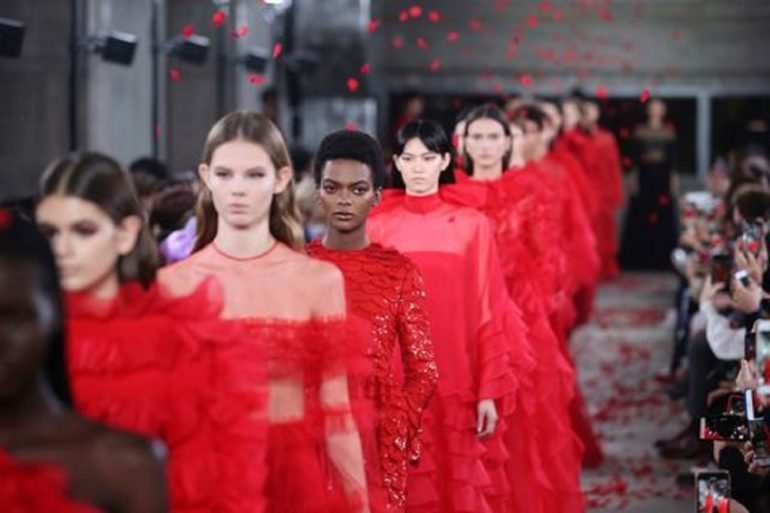
    Valentino has named Alessandra Andreani their new CEO for Southeast Asia and Australia. Andreani will be based in Singapore, and will report to Marco Giacometti, Valentino’s chief commercial officer. The news was reported by WWD.

    In her new role, Andreani will working on growing Valentino’s presence throughout Singapore, Malaysia, Australia, and Thailand. She takes over the duties of Mika Bailey, who was general manager of Southeast Asia and Australia.

    Andreani’s resume includes stints at Prada, Marc Jacobs, and Loewe. She is just one of many hires under new Valentino CEO Jacopo Venturini who has also appointed Mitchell Bacha CEO of Greater China and Laurent Bergamo as CEO of Americas.

    While most of Valentino’s growth has been driven by China, the U.S., and the Middle East, Southeast Asia and Australia are considered new target markets for growth. E-commerce is also now pivotal to Valentino’s growth as it is for most luxury brands.

  • South Korean department stores look to VIPs as sales slide

    South Korean department stores look to VIPs as sales slide

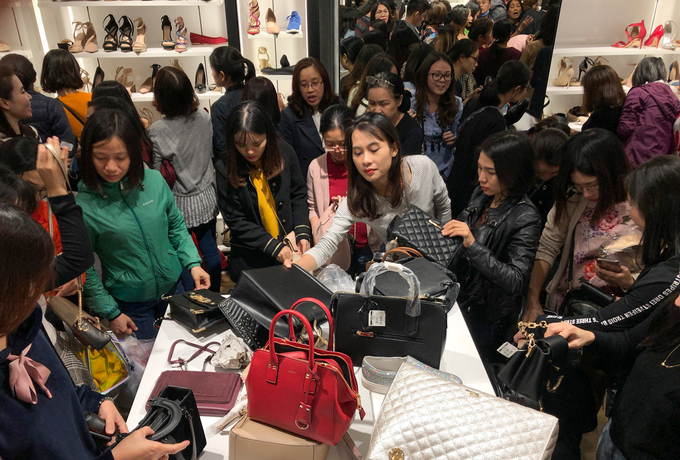
    South Korean department stores have launched an all-out effort to secure VIP customers who spend more than ordinary customers.

    Department stores have suffered fallout from the surge in popularity of online shopping malls for years, but sales have come under further pressure with the coronavirus outbreak.

    Sales at Lotte Department Store from March 1 to 22 decreased by 37.8 percent compared to the same period last year.

    At the height of the pandemic, and under the burden of its economic consequences, the top priority for South Korean department stores is to secure VIP customers.

    While VIP customers at the Galleria Department Store account for only 10 percent of all customers, their consumption amounts to 60 percent of sales.

    According to Shinsegae Department Store, the number of VIP visits last month was 2.5 times that of regular customers.

    Even when the number of visits by regular customers dropped by half after the Covid-19 outbreak, the number of VIP customers dropped by only about 20 percent.

    Managing loyal VIP customers and securing more big players in the future is a matter directly related to a store’s survival.

    This is why Lotte Department Store made changes to its VIP system. Under the old scheme, customers had to spend 20 million won (US$16,400) per year to qualify for the lowest level VIP program, as part of what was a four-level system.

    However, Lotte recently added another lower-level program to expand the scope of its VIP offerings.

    Meanwhile, Galleria Department Store, unveiled the largest VIP lounge in South Korea on the 12th floor of its newly opened Gwanggyo branch in Suwon, south of Seoul.

    VIP lounges in South Korean department stores have typically been places for customers who spend tens of millions of won a year. However, at the Gwanggyo branch, customers who spend 5 million won per year can enjoy the VIP lounge.

    “The fact that VIP thresholds have been lowered is indicative of a sales strategy to secure loyal customers by providing better services to more customers,” said a source in the department store industry.

  • AirAsia grounding most flights from March 28 to May 31

    AirAsia grounding most flights from March 28 to May 31

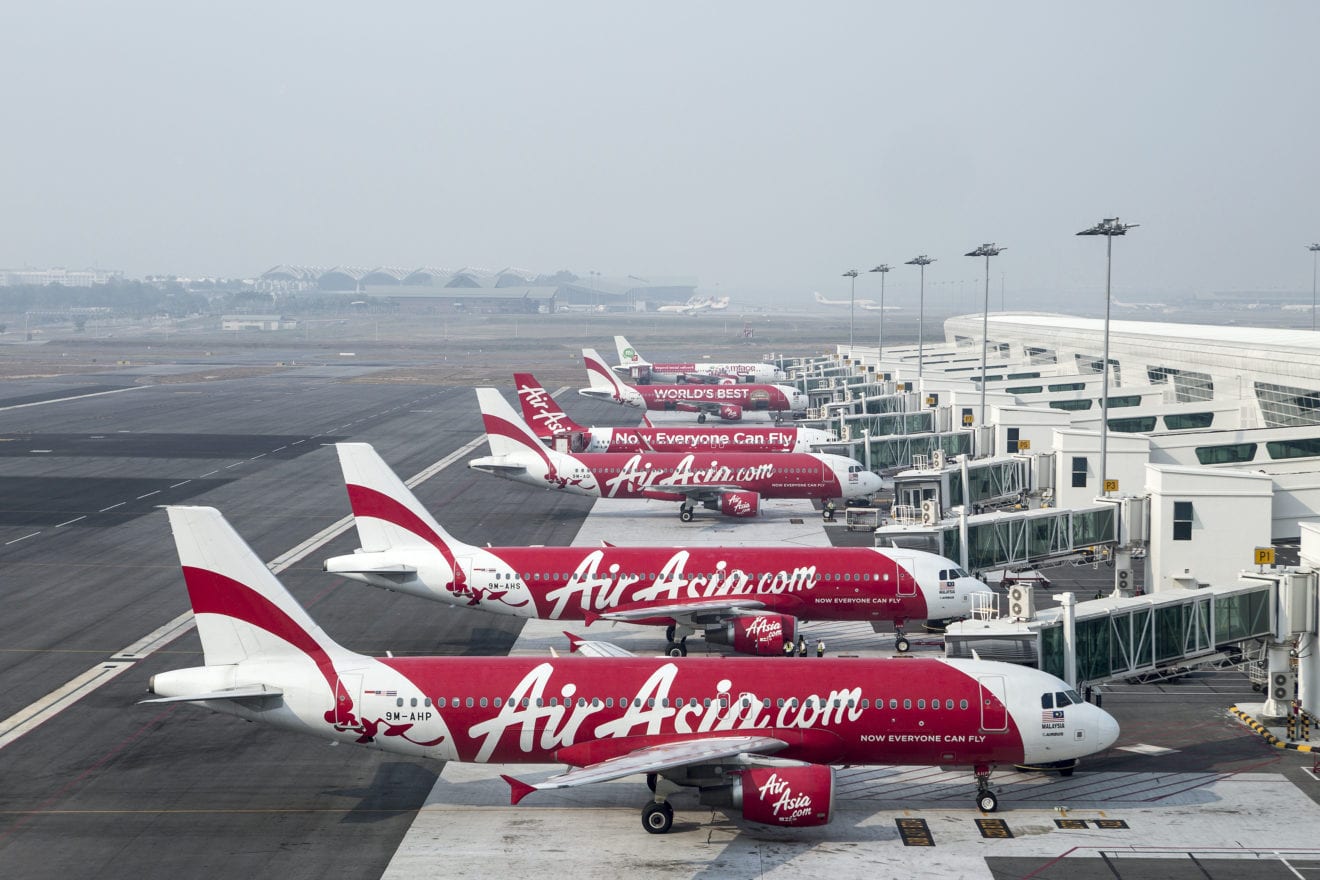
    AirAsia Group Berhad is suspending most of its flights from March 28 to May 31.

    In a statement on its website, the company said the Covid-19 pandemic had led to unforeseen extensive and increasing border restrictions by various countries.

    “This flight suspension is necessary to ensure the sustainability of the business and is the right thing to do to ensure the well-being of our guests and employees, which will remain the top priority of our business during this challenging time.

    “With governments imposing travel and movement restrictions including movement control order, AirAsia is also playing its part in helping to curb the spread of the virus in order to keep flying safe for everyone.

    “We will continue to evaluate the situation closely and we are prepared to reinstate our services as soon as the situation improves, subject to the necessary regulatory approvals, ” it said.

    All affected guests are being notified by email and SMS.

    They have the option of converting their flight booking into a credit account that is valid for future redemption for 365 days or moving their flights for an unlimited number of times without any charges to another date prior to Oct 31.

    According to the statement, short-haul flights of AirAsia will be suspended for all domestic and international flights from March 28 to April 21.

    As for the medium and long-haul flights, most AirAsia X Malaysia (D7) trips are suspended between March 28 and May 31.

    Meanwhile, the company also announced that both the management and senior employees of AirAsia Group have volunteered a salary sacrifice, ranging from 100% at the very top to 15% to further manage and contain costs.

    “This will help ensure that we can ride out this prolonged period of extremely low travel demand and at the same time minimize the impact on our employees, especially those in junior positions, ” the statement said.

  • Reliance Brands plans to launch a fresh luxury e-commerce platform

    Reliance Brands plans to launch a fresh luxury e-commerce platform

    Indian conglomerate Reliance Brands is planning to launch a luxury fashion in the e-commerce portal through its online fashion site Ajio.

    The launching of the e-commerce portal is aimed at widening the company’s market share as online marketing in the country booms. The move pitches the company against established e-commerce players including Flipkart, Amazon and Myntra.

    While an Ajio spokesperson shared information about the business with Vogue, they added that no brand partnerships with labels have yet been signed and declined to comment on the timing.

    The luxury fashion move will be built upon Ajio Gold, Reliance Brands’ premium retail site that carries known brands including Superdry and Steve Madden.

    “Data-driven insights from the ‘bridge to luxury’ brands that retail on Ajio have indicated strongly the possibility for Ajio to craft a luxury vertical, and we are exploring that,” the Ajio spokesperson told Vogue.

    Reliance owner Mukesh Ambani has partnered with 46 international brands including Tiffany & Co, Burberry and Kate Spade and operates 882 physical stores.

  • Estee Lauder declares strong growth across Asia

    Estee Lauder declares strong growth across Asia

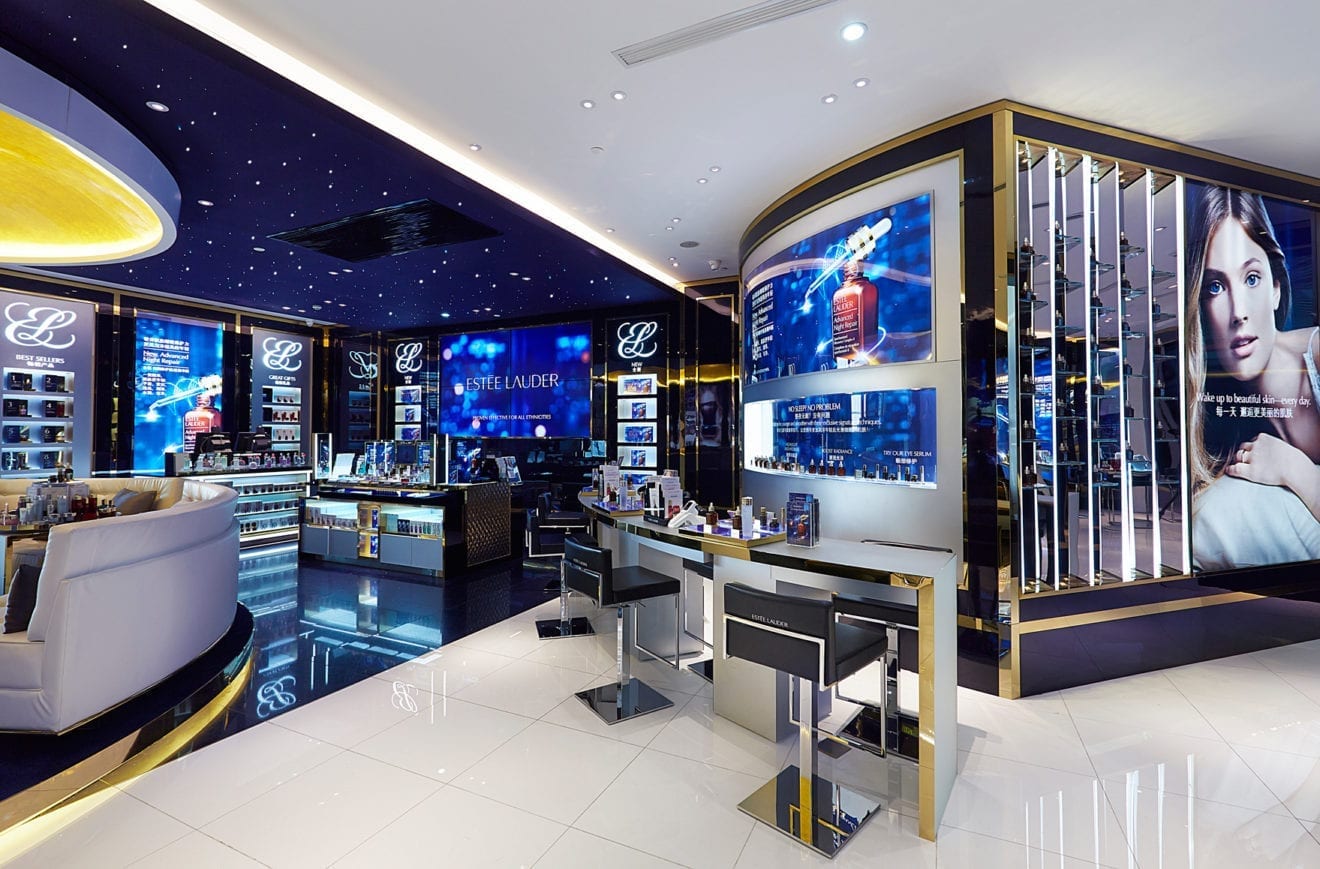
    Estee Lauder has reported “strong double-digit sales growth” in nearly every Asia-Pacific market in the latest quarter.

    Globally, the company achieved sales of US4.62 billion in the three months to December 31, up by 15 percent year on year, but in Asia especially the cosmetics giant thrived.

    “Greater China delivered strong double-digit net sales growth,” the company said in a statement.

    “Growth accelerated on the mainland, reflecting, in part, an outstanding performance related to Singles Day and other events. Net sales in Hong Kong declined as a result of the ongoing events impacting key shopping areas.”

    The company said emerging markets in Southeast Asia also delivered strong growth.

    “Among developed markets, South Korea rose in double digits and both Japan and Australia grew solidly in constant currency.”

    Online sales more than doubled in the region.

    Estee Lauder reported net earnings of $557 million, down from $573 million last year.

    “We delivered superb results in our second quarter, leading to an excellent first half,” said Fabrizio Freda, president and CEO. “Our multiple engines of growth generated broad-based gains across all our regions and major categories, as our prestige brand portfolio was well received by global consumers during the Singles Day event and holiday season.

    “Our sales growth came from all facets of our business, including the Asia/Pacific region, the skincare and fragrance categories, the online and travel retail channels, and the Estee Lauder, La Mer and luxury fragrance brands. Our emerging markets continued to be vibrant and we made progress towards the stabilization of our North American business despite continued softness in the makeup category. Additionally, we completed the acquisition of the Korean-based Dr Jart+ brand at the end of the quarter, which strengthens our position in global skincare.”

  • OPSM goes luxe and large in Sydney

    OPSM goes luxe and large in Sydney

    OPSM has opened its biggest flagship in Australia, following the renovation of its George Street store in Sydney.

    The store, which doubled in size to 200sqm, now houses the widest selection of glasses and sunglasses in the retailer’s network, including a large range of luxury frames from brands such as Oliver Peoples, Tiffany & Co, Prada, Chanel and Giorgio Armani.

    The range also includes a significant selection of ‘alternative fit’ frames designed to fit customers with a narrow nose bridge, so all face shapes are catered for.

    “Staff are trained to assist customers with all face shapes and styling concerns while also speaking multiple languages,” said Alfonso Cerullo, general manager at OPSM’s parent company Luxottica.

    The store also features the latest in optometry technology, including a retina scan machine, which provides a 200-degree view of the eye.

    Cerullo said the retailer is committed to providing an in-store experience that is “second to none”.

  • La Vie en Rose Swimwear launching in China

    La Vie en Rose Swimwear launching in China

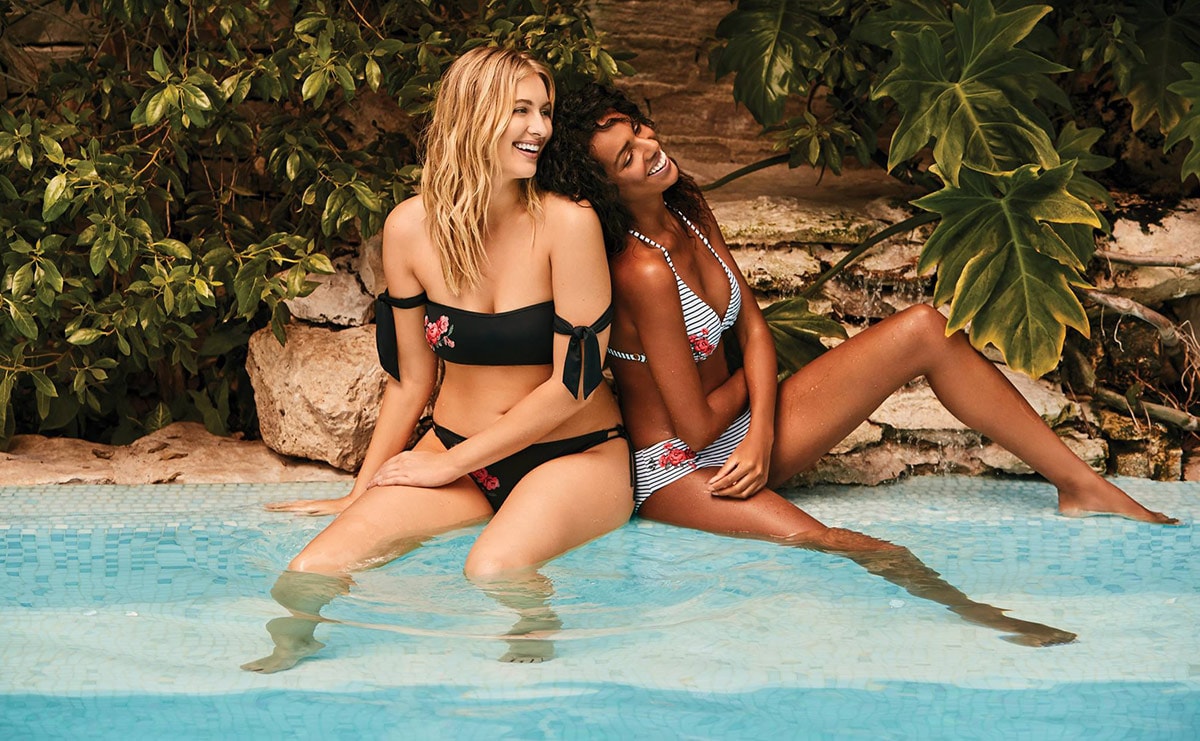
    Canadian specialty lingerie and swimwear label La Vie en Rose is expanding its business into Mainland China as part of a strategy to become twice as large and profitable within the next three years.

    The brand will launch in Guangzhou’s PO Park shopping mall later this month with further locations in Guangzhou to follow.

    “We were ready to accept the challenge of taking our first steps in China,” said La Vie en Rose president and CEO Francois Roberge. “We are looking at our first two years in the country as a real learning period. It’s very important to understand how the market works in order to build a foundation for our expansion.”

    The brand operates more than 360 stores, including 95 international locations in more than 15 countries, targeting women between 25 and 45.

    “Over the next two years, we plan on opening several physical locations in Guangzhou and continuing our expansion in China from there,” said La Vie en Rose VP of strategy and development Aurélie Daoust-Lalande.

    “We have the ambitious goal of doubling the size and profitability of the company by 2022, and our expansion outside of Canada will definitely play a major role in achieving this objective.”

    The firm’s products are also to be launched online on the Tmall online retail platform.

  • Alibaba expands 88 VIP prestige loyalty program

    Alibaba expands 88 VIP prestige loyalty program

    Alibaba Group has rolled out an upgraded 88 VIP membership program, adding new perks and privileges to its prestige loyalty program.

    The new offerings range from discounts at more online flagship stores, memberships for Alibaba’s various services, and wider access to other platforms within the Alibaba ecosystem.

    This year’s package extends the 5-per-cent 88 VIP member discount to 300 brands on Tmall, adding to the 88 brands introduced when the club launched last year. Each 88 VIP member will also be automatically entitled to global travel membership with Alibaba’s travel service platform Fliggy, giving them additional benefits when booking international hotels and flights throughout the year.

    “The upgraded membership program demonstrates we are committed to enhancing the customer experience and delivering benefits that cover all aspects of our customers’ lives,” said Alibaba Group chief marketing officer Chris Tung.

    “Discounts on a wider range of brands and products and deeper engagement with the Alibaba ecosystem have helped us enhance customer loyalty, as well as strengthen our capabilities in cross-selling and generating consumer insights, benefiting customers and brands alike.”

    An 88 VIP member spends an average of RMB100,000 annually on services within the Alibaba ecosystem. These VIP members are often the first to discover what later become best-selling items on Alibaba’s platforms. Their purchases usually cover a wider range of categories than typical members. Moreover, these VIP members are more likely to have memberships on multiple services on Alibaba’s platforms.

    Launched in 2018, the 88 VIP program has created immense growth opportunities for both brands and merchants, according to Alibaba. For example, Marriott International, the global hospitality group that joined the 88 VIP program last December, has received twice as many hotel room bookings from 88 VIP members than from non-members. The land, a New Zealand dairy brand, has generated around 90 per cent of its sales on its Tmall flagship store from 88 VIP members.

  • Luk Fook Plans to Expand in China to maintain growth

    Luk Fook Plans to Expand in China to maintain growth

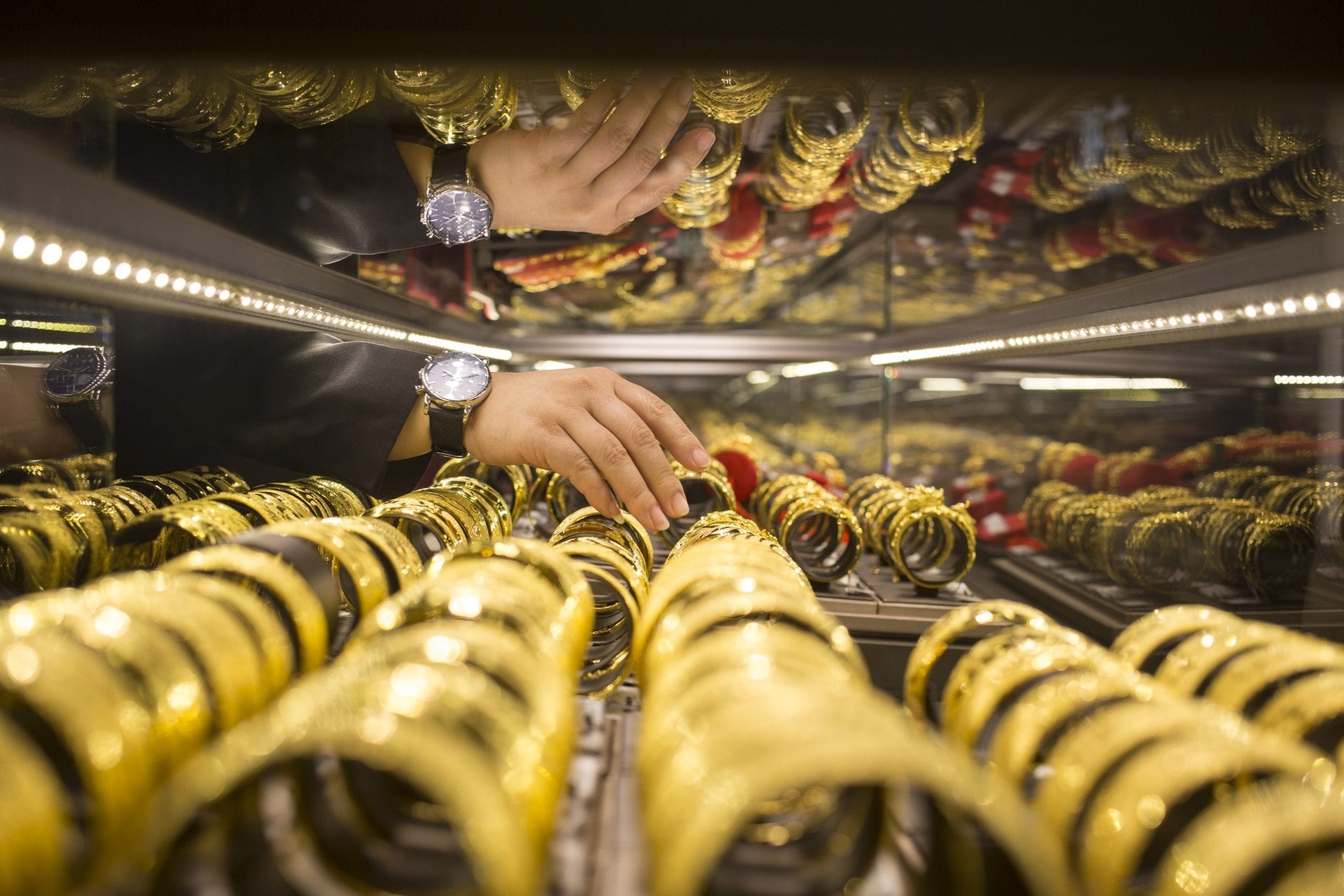
    Luk Fook will add at least 150 stores in Mainland China this year as it looks to mitigate falling sales in Hong Kong.

    Releasing its results for the financial year to March 31, Luk Fook said profit attributable to shareholders rose 9 percent to HK$1.5 billion on sales up 8.8 percent to $15.9 billion.

    During the year the company added 194 stores on the mainland taking its global network to 1833.

    “As Mainland China remains to be a market with promising growth potential in the mid- to long-term, the group will continue to focus on business expansion [there],” said Luk Fook chairman and CEO Wai Sheung Wong.

    “The target for net addition of shops in Mainland China in the coming year, including newly developed brands, is not less than 150 shops and will expand its network to lower-tier cities by opening mainly licensed shops. The group is also committed to further developing its e-commerce business and strengthening cooperation with e-commerce platforms in Mainland China, aiming to grow e-commerce revenue by 20 per cent,” he said.

    “In light of the enormous spending potential of young consumers on online sales platforms, the group will step up its efforts to promote the sales of affordable luxury jewelry products to expand its footprint in the young consumer market.”

    Last year was one of two differing halves for Luk Fook, the first half of growing sales in Hong Kong and Macau, the second of declining sales as trade tensions grew between China and the US and consumer sentiment dived. That trend continued from April through to three weeks into this month with same-store sales in Hong Kong and Macau down by the low-double digits and on the mainland by the mid-single digits for company-owned stores and low-single digits for licensed shops.

    Given the continuing uncertainties on the macro-economic environment arising from the US-China trade war, Luk Fook expects “flattish” revenue and profit growth for the current financial year but hopes to maintain profitability at last year’s level.

    Last year, the retail business was Luk Fook’s main source of revenue, rising by 9.8 percent

    Year on year to $12.075 billion and accounting for 76.1 percent of total sales.

    The group’s retail revenue in the Hong Kong market increased by 11.6 percent to $7.44 billion, despite a lackluster second half.

  • Asian expansion contributes to loss for Mulberry

    Asian expansion contributes to loss for Mulberry

    Expansion into Asia has weighed on British luxury bag label Mulberry’s bottom line, but the company is confident the foray will bear fruit.

    Mulberry reported a pre-tax loss of £5 million in the year to March 30, a sharp contrast to a £6.9 million pre-tax profit the previous year.

    The other major contributor to the loss was the collapse of British department store House of Fraser which cost it £2.1 million and worsening the impact of a “challenging” UK domestic market. Sales fell 2 per cent to £166.3 million.

    During the year, Mulberry opened new business subsidiaries in Japan and South Korea along with new stores in New York and Dubai as it focuses on international markets for sustained future growth. Revenue from overseas rose 7 per cent for the year, compensating in part for a 6 per cent drop in domestic sales. Online sales rose 27 per cent

    “The group has delivered results in line with expectations and is making good progress in advancing its international strategy and direct to customer model whilst managing a challenging UK market,” said CEO Thierry Andretta.

    “Looking ahead, we anticipate that international and digital sales will continue to grow whilst UK retail trading conditions are expected to remain uncertain. The group plans to invest further in its new Asian entities during this development phase, enhance its global digital platform and optimise the UK network,” he said.

    Sales in the 11 weeks to June 15 were up 13 per cent.

    Chloe Collins, senior retail analyst at GlobalData, said Mulberry needs to seek new and inspiring ways to attract new customers via increased social media and marketing campaigns.’

    She said Mulberry’s expansion of its lifestyle-product offer – it launched its first eyewear range last year – and its plans to increase the depth in its range of trainers are a wise move to capitalise on the trend for athleisure and competing with the likes of Isabel Marant and Golden Goose.

    “However, it must be careful that this does not distract design focus from its core handbags offer, where developments and upgrades are still necessary to maintain shopper appeal.”

    She said teaming up with fast-growing technology platform Farfetch for a new digital concession in April, will help Mulberry increase its reach and bolster sales, both in the UK and internationally.

  • Hong Kong restaurant Mott 32 Opens in Singapore

    Hong Kong restaurant Mott 32 Opens in Singapore

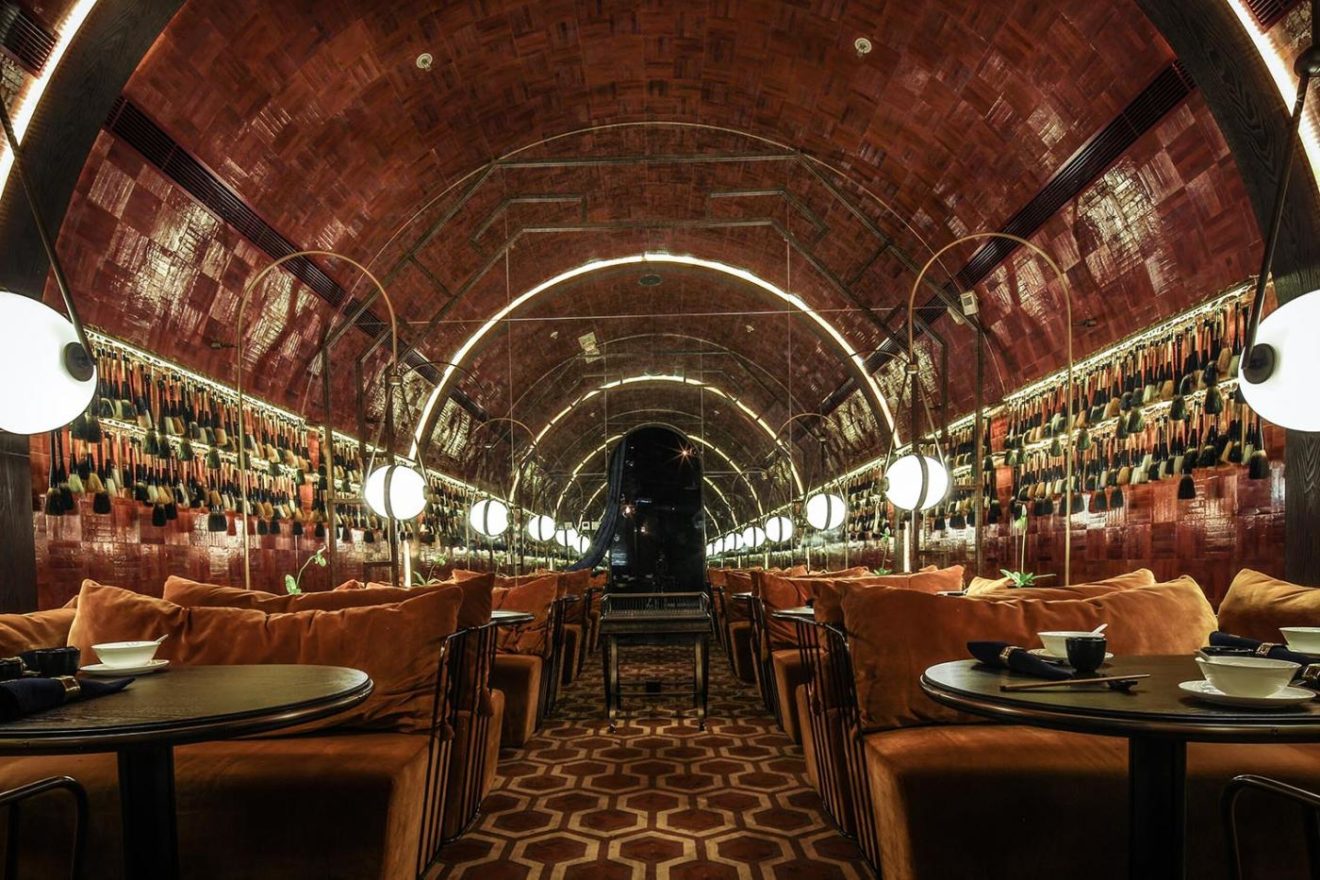
    Hong Kong restaurant Mott 32 will open at Marina Bay Sands by the end of this year.

    Operated by MBS and Maximal Concepts, the 7000sqft space will occupy the space of Italian restaurant Nostra Cucina on level B1 at The Shoppes at Marina Bay Sands, which will close within the next two months.

    The space will be designed by Joyce Wang Studio, which is also behind the Hong Kong flagship.

    Set to offer lunch and dinner daily, the menu will feature signature Mott 32 items such as its apple wood-roasted Peking duck and deluxe dim sum, and some dishes with Singapore flavours.

    The restaurant will also have a bar serving Asian-style cocktails.

  • Edmund Hillary Brands kicks off $3m capital raise

    Edmund Hillary Brands kicks off $3m capital raise

    A luxury outdoor fashion brand inspired by Sir Edmund Hillary is looking to raise $3 million to expand overseas and fund a women’s range.

    Edmund Hillary Brands, which was co-founded with the Hillary family in 2018, launched an equity crowdfunding campaign on UK crowdfunding platform Crowdcube on Monday.

    Co-founder and CEO Mike Hall-Taylor said the brand aims to build on the momentum it has experienced since debuting its first collection last year.

    “We’ve received an overwhelming response to our first collection since launch last year and we want to maintain the momentum and capitalise on immediate opportunities in the UK, US, China and Australia as well as meet the demand from consumers for a women’s range,” Hall-Taylor said in a statement.

    While the brand expects to attract a number of larger investors, the minimum investment was deliberately kept at $23 to be accessible to New Zealanders who are interested.

    At the time of this writing, Edmund Hillary Brands had raised £82,728, or roughly $160,000, from 53 investors, bringing it 16 per cent of the way to its target. The campaign ends on July 24.

    Edmund Hillary Brands has enjoyed some early successes since launching in 2018, including a global debut at New Zealand Fashion Week, the opening of a standalone store at Queenstown airport, a global e-commerce site and partnerships with two supporting retailers.

    The brand has also formed a distribution partnership with a major e-commerce platform in China, where it will launch in September, ahead of the 2022 Beijing Winter Olympics.

    The brand’s debut collection was inspired by the classic styles worn by Sir Edmund Hillary and the expedition team. Designers poured over more than 2000 images of the 1953 expedition when developing the range.

    In addition to the brand’s connection with Sir Edmund Hillary’s style, a percentage of every sale goes to support Himalayan communities and outdoor education.

    “Apart from being an exciting financial investment, it also represents the opportunity to be part of continuing my father’s legacy with a portion of every sale going to the causes close to Ed’s heart – supporting Himalayan communities and outdoor education in our key markets,” Peter Hillary, co-founder of the brand, said in a statement.

  • Lagerfeld’s legacy: double-digit growth and €10 billion

    Lagerfeld’s legacy: double-digit growth and €10 billion

    Fashion icon Karl Lagerfeld delivered French maison Chanel a stunning legacy in the final year of his life. Chanel, privately owned, has revealed financial information only twice in its 109-year history. But yesterday, finance chief Philippe Blondiaux took the extraordinary step of announcing the brand had achieved global sales of almost €10 billion last year, in an apparent tribute to the designer, who died in February, aged 85. Profit exceeded €3 billion.

    The company also achieved double-digit sales growth “with great performances in leather goods and ready-to-wear”. But that was all the notoriously secretive company revealed, other than to reassert the company was not for sale, thus dashing any interpretation the details were released to pique the interest of prospective bidders.

    Chanel is owned by the Wertheimer family. Geneva-based Gerard Paul Philippe Wertheimer, 69, controls the business in partnership with his brother, Alain, 70. The former has an estimated worth of US$15.3 billion, with the pair ranking fourth and fifth on France’s rich list and among the 40 wealthiest people on the planet.

    Lagerfeld died of cancer, but reportedly worked until the end, such was his passion for his craft.

    Analysts estimate Chanel to be worth in the vicinity of $20 billion, making it one of the world’s most valuable fashion brands, and certainly one of the largest still in private ownership.

    In turnover, it is catching archrival Louis Vuitton, whose sales exceeded $10 billion last year.

    Far from resting on its laurels, Chanel invested an estimated $1 billion in digital innovation last year, embracing online, social media and seamless online/offline integration and in-store technology.