Tag: VIP

  • Whittard of Chelsea launched in Taiwan

    Whittard of Chelsea launched in Taiwan

    Fine beverages retailer Whittard of Chelsea has partnered with Ruentex Group to launch its first stores in Taiwan. The new venues, located in Breeze Nanshan department store and Mitsui Mall in Taichung, are early steps in the firm’s emerging international expansion. The firm chose Taiwan following considerable interest in the brand among Taiwanese tourists in the UK.

    Three more outlets are expected to open in the territory later this year.

    “After seeing evidence of the appeal of our brand to the Taiwanese consumer in our home market, we became very excited by the opportunity to introduce the brand to Taiwan and started looking for the right partner,” said Whittard of Chelsea’s CEO Mark Dunhill.

    “We are delighted to have secured a partnership with Ruentex Group; they have an excellent record in bringing international brands to Taiwan and we share the same passion and ambition for Whittard. Together with my colleagues in England, I look forward to working closely with them to build a successful business in the years to come.”

    Whittard recently opened on China’s Tmall platform and has also made entries into Japan and Southeast Asia.

  • Central Phuket opens luxury VIP Zone

    Central Phuket opens luxury VIP Zone

    Thai property developer and the operator of Central Phuket shopping centre, CPN, has celebrated a new luxury zone with the launch of a range of world-class brands.

    The company says the new stores are being introduced in line with “the rapid growth and high demand of the affluent world tourist market in support of Thailand’s tourism industry’s move to elevate Phuket city as a global beach lifestyle destination comparable to the French Riviera, Miami, and Hawaii”.

    “As a global player, we aim to elevate Central Phuket to become one of the most complete travel destinations in the world,” said CPN deputy CEO Wallaya Chirathivat. “Central Phuket has the concept of ‘The Magnitude of Luxury & Leisure Resort Shopping Destination’ in the form of a ‘Beach Lifestyle’, which perfectly matches with Phuket as a beach city comparable to the world’s greatest beach cities. We truly appreciate that the global luxury brands have placed trust and confidence in our project as the first luxury mall located outside Bangkok, Thailand.”

    To mark the occasion, Central Phuket held a grand celebration entitled “The Unveiling of the New World of Luxury” highlighting the prestigious “Universe of Sirivannavari: The First View from Paris to Phuket” exhibition. HRH Princess Sirivannavari Nariratana allowed the exhibition to be held for the first time in Thailand at Central Phuket Floresta from April 28 to May 26.

  • Thai Airways revamps Royal Orchid Plus frequent flyer program

    Thai Airways revamps Royal Orchid Plus frequent flyer program

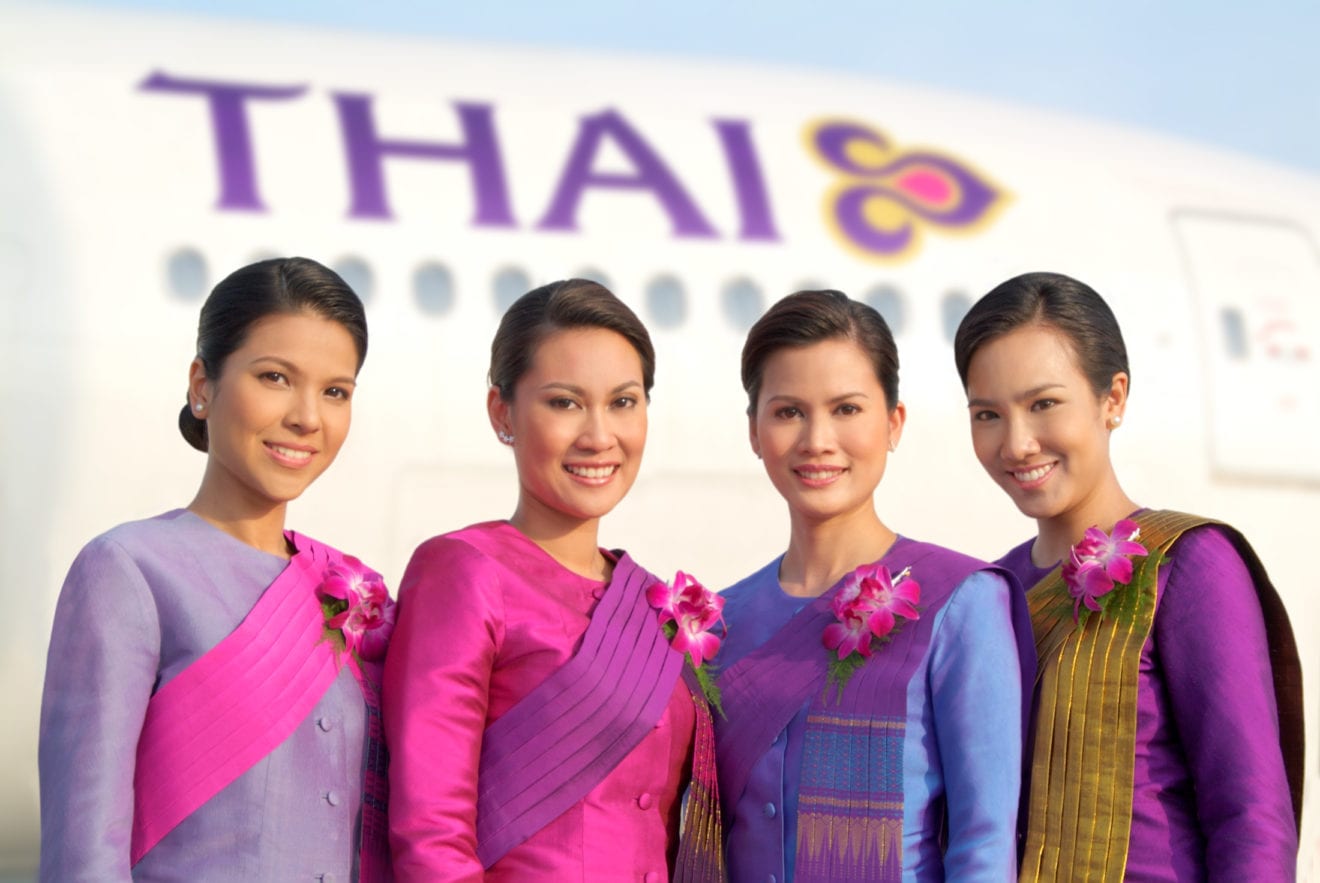
    Thai Airways is making significant changes to its Royal Orchid Plus frequent flyer program from October 1 2019, affecting how miles are both earned and redeemed on Thai Airways and Star Alliance flights across the globe.

    On the one hand, business class and first class passengers travelling with Thai Airways stand to earn more miles from the same flights – as do Silver, Gold and Platinum Royal Orchid Plus members – but in turn, the number of miles needed to book a flight or secure an upgrade is increasing dramatically: more than doubled in some cases.

    Here’s an outline of what’s changing, and how it affects you, the traveller.

    Earn extra Royal Orchid Plus miles on first class, business class travel

    Passengers travelling with Thai Airways on all paid first class fares, some business class tickets and the highest-priced flexible economy fares will earn more miles when they fly from October 1.

    Of the fare types that will award more miles, here’s a look at today’s earn rate – given as a percentage of the number of actual miles flown in the sky – compared to the earn rate coming into place for flights taken on and from October 1:

    Class of service
    Fare letter
    Today’s earn rate
    Earn from October 1
    First class
    F 150% 250%
    First class
    A, P 150% 200%
    Business class
    C, D 125% 150%
    Flexible economy
    Y, B 100% 110%

    For example, a non-stop flight from Sydney to Bangkok measures up at 4,679 miles, which today would provide first class travellers booked onto an ‘F’ fare approximately 7,018 Royal Orchid Plus miles at the 150% rate, being the distance flown (4,679 miles) multiplied by the 150% earning rate.

    Fast forward to October, and that same one-way journey would instead generate a higher 11,697 miles, when the earning rate climbs from 150% to 250% on the same fares.

    All other fare types, including J- and Z-class business class tickets, will continue earning miles at the same rate as today.

    Silver, Gold and Platinum Royal Orchid Plus status gets easier to earn

    Thai Airways uses ‘qualifying miles’ to determine which travellers have earned Silver, Gold and Platinum status in Royal Orchid Plus: and as travellers earn ‘qualifying miles’ at the same rate as spendable miles above, passengers booked on those higher-end fare types will reach the lofty heights of status faster than before.

    For instance, Royal Orchid Plus Silver status – equivalent to Star Alliance Silver – is awarded after earning 10,000 qualifying miles in a rolling 12-month period, or 15,000 qualifying miles over a rolling 24-month time frame.

    Using the same example above, that would be achievable with a single first class flight from Sydney to Bangkok, while the airline’s Royal Orchid Plus Gold level (Star Alliance Gold) would be unlocked after a single return first class flight from Sydney to London via Bangkok with Thai Airways.

    Royal Orchid Plus Platinum – a level that provides access to Thai Airways’ first class lounge in Bangkok regardless of fare type, complimentary flight upgrades and more – would also be achievable from two return treks between Sydney and London, flying first class (F class) on one trip and business class (C or D class) on the other.

    It’s not that the requirements for reaching Silver, Gold and Platinum status are being lowered, of course: it’s simply that the airline’s highest-priced fare types will earn more qualifying miles from October, being the Thai equivalent to status credits, which brings these memberships within easier reach of passengers booking those premium fare types.

    New ‘tier bonus’ for Royal Orchid Plus members on Thai Airways flights

    From October 1, Silver, Gold and Platinum Royal Orchid Plus cardholders will earn even more miles on Thai Airways flights, through the introduction of a ‘tier status bonus’.

    Silver members will earn 5% more miles, Gold members get 10% more miles and Platinum travellers will pocket 20% more miles, year-round.

    This bonus is calculated upon the full overall earning rate from each Thai Airways flight, making it highly rewarding for first and business class flyers, although the extra points awarded via this ‘tier bonus’ aren’t also counted as qualifying miles: merely, extra miles to be spent on flight bookings and upgrades.

    As an example, a return flight from Sydney to Bangkok clocks in at 9,358 miles flown, which would earn a base-level member 14,037 miles from October 1 when flying on a C or D business class fare, given the 150% earning rate applied to those fares.

    The tier bonus is then added on top, giving top-tier Platinum members a further 20% boost on that initial haul of 14,037 miles, for an all-out gain of 16,844 miles.

    More Royal Orchid Plus miles needed to book Thai Airways flights

    Currently, the number of miles needed to book a Thai Airways flight differs, depending on whether you’re making a one-way reservation or flying return, with return-trip points bookings presenting the best value, requiring fewer points than booking the journey as two one-way flights.

    However, that pricing difference is being removed as part of these changes – the cost of a return flight to become twice as many miles as a one-way ticket – with the overall number of miles needed also being amended, for new bookings made from October 1 2019.

    For passengers taking return trips, here’s how that plays out across a range of routes, including flights from Australia (Sydney, Melbourne, Brisbane and Perth) to Bangkok and beyond:

    Route, flying return
    First class *
    Business class
    Economy class
    SYD/MEL/BNE-Bangkok (today)
    150,000 miles 98,000 miles 55,000 miles
    SYD/MEL/BNE-Bangkok (1/10-)
    180,000 miles (+20%) 130,000 miles (+33%) 55,000 miles (no change)
    Perth-Bangkok (today)
    N/A 75,000 miles 45,000 miles
    Perth-Bangkok (1/10-)
    N/A 130,000 miles (+73%) 55,000 miles (+22%)
    Australia-Bangkok-Europe (today)
    230,000 miles 170,000 miles 90,000 miles
    Australia-Bangkok-Europe (1/10-)
    450,000 miles (+96%) 350,000 (+105%) 160,000 miles (+78%)
    Bangkok-Europe (today)
    185,000 miles 130,000 miles 70,000 miles
    Bangkok-Europe (1/10-)
    250,000 miles (+35%) 180,000 miles (+38%) 85,000 miles (+21%)

    * On Australian routes, first class only available to/from Sydney.

    Curiously, Thai’s new Royal Orchid Plus reward pricing makes it more attractive to plan a stopover in Bangkok than to merely connect through the airport, booking the Australia-Bangkok and Bangkok-Europe legs on separate tickets.

    For example, book a return business class trip from Australia to Europe after October 1 and you’d part with 350,000 Royal Orchid Plus miles – but book a return business trip between Australia and Bangkok (130,000 miles), and separately, a return business class trip between Bangkok and Europe (180,000 miles) and you’d pay only 310,000 miles overall: an easy saving of 40,000 miles, by booking your flights across two reservations instead of one.

    This works best when you’re genuinely breaking the journey in Bangkok, and shouldn’t be used for tight flight connections when you don’t plan to leave the airport, as the airline may not be able to check your bags all the way through, and if the first flight of your journey is delayed, you may not be ‘protected’ should you miss an onward flight, as would be the case when all flights are on a single ticket.

    Notably, the number of miles needed to fly solely between Perth and Bangkok also comes into line with the rates from Sydney, Melbourne and Brisbane as part of these changes.

    Booking Star Alliance flights also requires more miles

    Similarly for passengers using Royal Orchid Plus miles to book flights with Thai Airways’ Star Alliance partners, the number of miles needed is increasing across the board, with some flights requiring more than twice as many miles to book from October 1 as are needed today.

    While the changes impact travel in all classes, here’s how the increases shape up on a range of popular routes for passengers booking business class, based on a return trip for one person:

    From Australia to (return) Business class (today) Business class (1/10-) Increase in miles
    NZ, Fiji, Samoa, Tahiti, Vanuatu
    50,000 100,000 50,000 miles (+100%)
    China – Beijing
    150,000 210,000 60,000 miles (+40%)
    China – Shanghai 150,000 190,000 40,000 miles (+27%)
    India 127,000 210,000 83,000 miles (+65%)
    Japan, South Korea 150,000 210,000 60,000 miles (+40%)
    Canada, US mainland
    150,000 400,000 250,000 miles (+167%)
    Europe + Turkey
    170,000 350,000 180,000 miles (+106%)
    Middle East + Egypt
    140,000 210,000 70,000 miles (+50%)
    South America 175,000 400,000 225,000 miles (+129%)
    South Africa 180,000 350,000 170,000 miles (+94%)

    Travellers jetting from Australia to the United States and Canada are hardest-hit, requiring an extra 250,000 miles per return business class trip over and above today’s rates, meaning you’ll need a staggering 400,000 frequent flyer points to book a single return business class ticket, even on non-stop flights with the likes of Air Canada and United Airlines direct from Australia.

    Interestingly, the table above also mirrors how many miles will be needed to book Thai Airways international connecting flights from October 1 – 350,000 miles for return business class to Europe, for example – so there’s no difference in price whether you choose to fly with Thai Airways or a Star Alliance airline on these tickets, except when flying Thai Airways through Bangkok and breaking the journey, as previously described.

    Star Alliance round-the-world tickets also hiked

    Currently, you can fly round-the-world with Thai Airways and its Star Alliance partners for 480,000 Royal Orchid Plus miles in first class; 340,000 miles in business class or 220,000 miles in economy: but come October 1, those rates also jump astronomically.

    From that date, a round-the-world first class ticket will set you back a whopping 950,000 miles – almost twice as many miles as are needed today – while business class also climbs to 725,000 miles, more than double today’s rates.

    Booking an economy round-the-world ticket is similarly increased to 350,000 miles.

    To put it another way, with 350,000 Royal Orchid Plus miles in your Thai Airways account today, you could comfortably circle the planet in business class: but make that same booking from October 1 and you’d be stuck back in economy, and paying even more miles for the privilege!

    More miles needed to upgrade Thai Airways, Star Alliance flights

    Passengers flying Thai Airways from Sydney to Bangkok on the most common J, C and D business class airfares can currently secure a coveted first class upgrade for 52,000 Royal Orchid Plus miles, pending availability: but from October 1, that climbs to 81,000 miles for the same one-way upgrade.

    On longer legs such as between Bangkok and London, or most other European cities where Thai Airways’ first class service is available, that same first upgrade increases from 58,000 miles today to 112,500 miles from October 1, being almost twice as many miles needed to upgrade the same one-way flight.

    Using Royal Orchid Plus miles to upgrade Star Alliance partner flights will also require more miles from October, with most business-to-first-class upgrades from Asia to Europe bumped from 80,000 to 115,000 miles, such as from Hong Kong to Frankfurt aboard Star Alliance member Lufthansa.

    Similar increases apply when upgrading from economy and premium economy to business class with Thai Airways, and from economy to business class with Star Alliance partners.

    For further information about these and other Royal Orchid Plus changes, visit the Thai Airways website.

  • FastGo announces Vietnam’s first helicopter ride-sharing service

    FastGo announces Vietnam’s first helicopter ride-sharing service

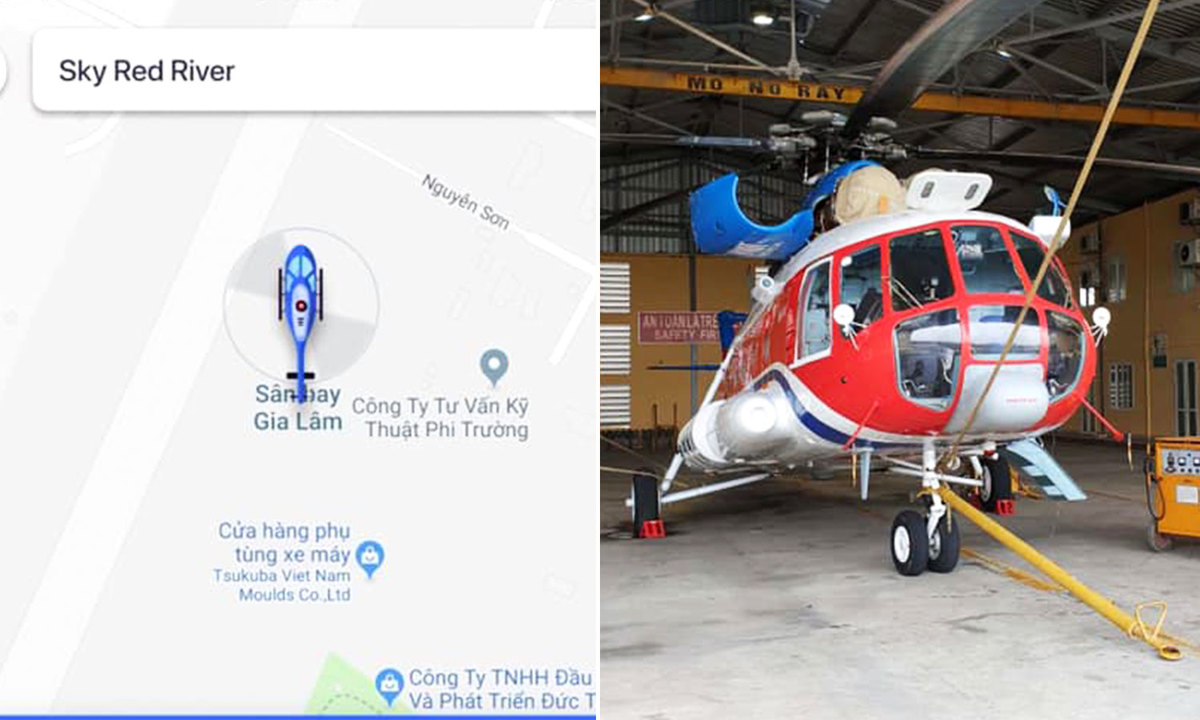
    Vietnamese ride-hailing firm FastGo plans to launch the country’s first helicopter ride-sharing service in Hanoi this month, focusing on tourism in northern provinces.

    CEO Nguyen Huu Tuat told that FastSky’s first flight will take off on April 25.

    With 12 passengers to a helicopter, FastSky will operate tours from Hanoi to northern tourist destinations such as the Red River and Ha Long Bay.

    “Apart from SkyTour, we’ll also operate SkyWedding services for wedding photography and SkySOS for emergencies in which helicopters will land on Hanoi skyscrapers to pick up patients,” Tuat said.

    Prices vary for each service. A tour will cost a minimum of $125 per person, which can be paid in installments over a period of 12 months.

    Tuat said: “We offer premium services for business people but also want everyone to have a chance to fly. FastSky will be a game-changer in the transport industry.”

    FastGo only provides technology solutions while helicopters and pilots are provided by a partner who is permitted to fly in Vietnam, he said, but declined to reveal the company’s name.

    FastGo began operations last June, a few months after Uber announced its exit from Southeast Asia.

    The company, part of Vietnamese technology start-up NextTech Group, expanded to Myanmar last December.

    It plans to launch operations in Singapore this month and in five other countries in the region, including Indonesia and the Philippines, by the end of the year.

    With almost 60,000 drivers on board, the company claims to be the second most popular ride-hailing firm in Vietnam after Grab.

  • Tigerair Taiwan to open new route flying to Palawan in the Philippines

    Tigerair Taiwan to open new route flying to Palawan in the Philippines

    Tigerair Taiwan announced Monday plans to inaugurate a new flight route between Taoyuan in Taiwan and the Philippine city of Puerto Princesa on Palawan Island starting June 7, said reports.

    It will become the third route between Taoyuan and the Southeast Asian country following the announcement by the Singapore-headquartered budget airline that it would begin flying from Taoyuan to Kalibo, a major hub for the tourist destination of Boracay island, reported UDN.

    To promote the launch of the route, individuals who book tickets between 10:00 a.m. on April 10 and 11:59 p.m. on April 11 will enjoy a discounted price of NT$399 for each single journey ticket (excluding taxes). The departure dates must be between June 7 and Oct. 18, 2019.

    There new route will offer three flights a week, according to Tigerair.

    Puerto Princesa will become the fourth destination route targeting the Southeast Asian market offered by Tigerair Taiwan, which will soon be flying 29 international routes to 22 cities, the report wrote.

    Palawan, the fifth largest island of the Philippines, boasts a plethora of wildlife, jungle mountains, and white sandy beaches. In 2016, Palawan was ranked the “Most Beautiful Island in the World” by readers of Conde Nast Traveller.

  • Secrets Improving on its Online Ecommerce Offering

    Secrets Improving on its Online Ecommerce Offering

    Australian jewellery retailer Secrets is gearing up for international expansion online, with New Zealand slated to be its next major market.

    Customers in New Zealand can currently order from the Australian Secrets website, and while details are scarce, the retailer said in a statement that it will be launching a New Zealand website mid-year to better cater to the market.

    The business currently has 16 stores across Australia, as well as an online portal.

    It sells man-made diamond alternatives known as a diamond simulant, which are made in laboratories from natural mineral base zirconium oxide. According to Secrets, they possess all the optical qualities of fine quality diamonds – being visibly whiter and brighter than most middle-market stones.

    “Our stones exhibit all the fire, brilliance and scintillation of the rarest diamonds unearthed, which is why women worldwide love the Secrets brand,” Secrets chief executive Mike Parsell said.

    “We believe we offer the world a better beautiful.”

    This also means the products are more environmentally-friendly than mining for natural diamonds, Parsell points out.

    “We do not displace tonnes and tonnes of earth to find a single one-carat diamond. Our stones are conflict-free.”

  • AirAsia prepares to fly to Japan starting in July

    AirAsia prepares to fly to Japan starting in July

    Budget carrier AirAsia Philippines is launching its first flights to Japan on July 1 this year. The carrier, a unit of Malaysia’s AirAsia Berhad, said in a statement over the weekend that it would link its Manila hub to Osaka, paving the way for direct flights to Japan.

    “The launch of direct flights between the Philippines and Japan is a milestone occasion, and we’re excited to connect our capital, Manila, with Osaka,” said AirAsia Philippines President and CEO Dexter Comendador.

    “We are also excited to welcome guests from Osaka and its neighboring regions to the Philippines. This international route will contribute to the government’s target of 8.2 million visitors this year,” he added.

    Similar to the launch of other new routes, the budget airline said it would offer promotional fares at P1,990 for a one way ticket.

    For the whole of 2018, AirAsia Philippines carried 6.87 million passengers, a gain of 30 percent.

    Capacity for the year also rose 34 percent as it increased its fleet of Airbus A320s to 22 planes in 2018 versus 17 aircraft the previous year.

    AirAsia Philippines was established in 2012 with a fleet of two A320s operating out of Clark International Airport.

    Since then, it has opened new hubs, including Manila’s Ninoy Aquino International Airport and Mactan Cebu International Airport.

    At present, it flies to 13 international destinations from Manila in the Philippines, including Kuala Lumpur, Kota Kinabalu, Bangkok, Bali, Seoul, Taipei, Kaohsiung, Shanghai, Guangzhou, Shenzhen, Hong Kong, Macau and Ho Chi Minh City.


  • How founder’s distaste for buying drove AirAsia’s growth

    How founder’s distaste for buying drove AirAsia’s growth

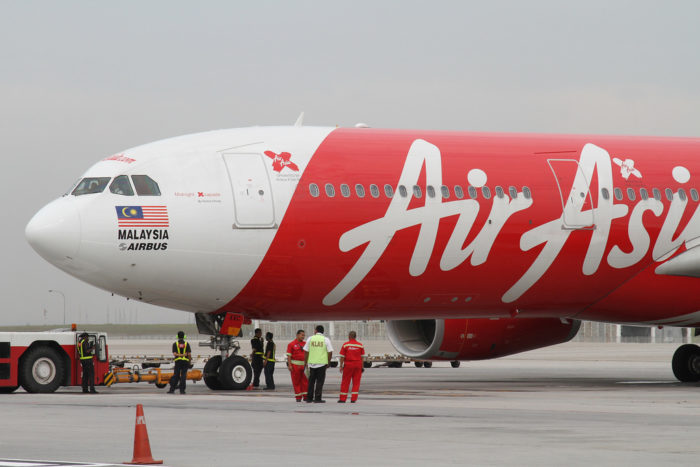
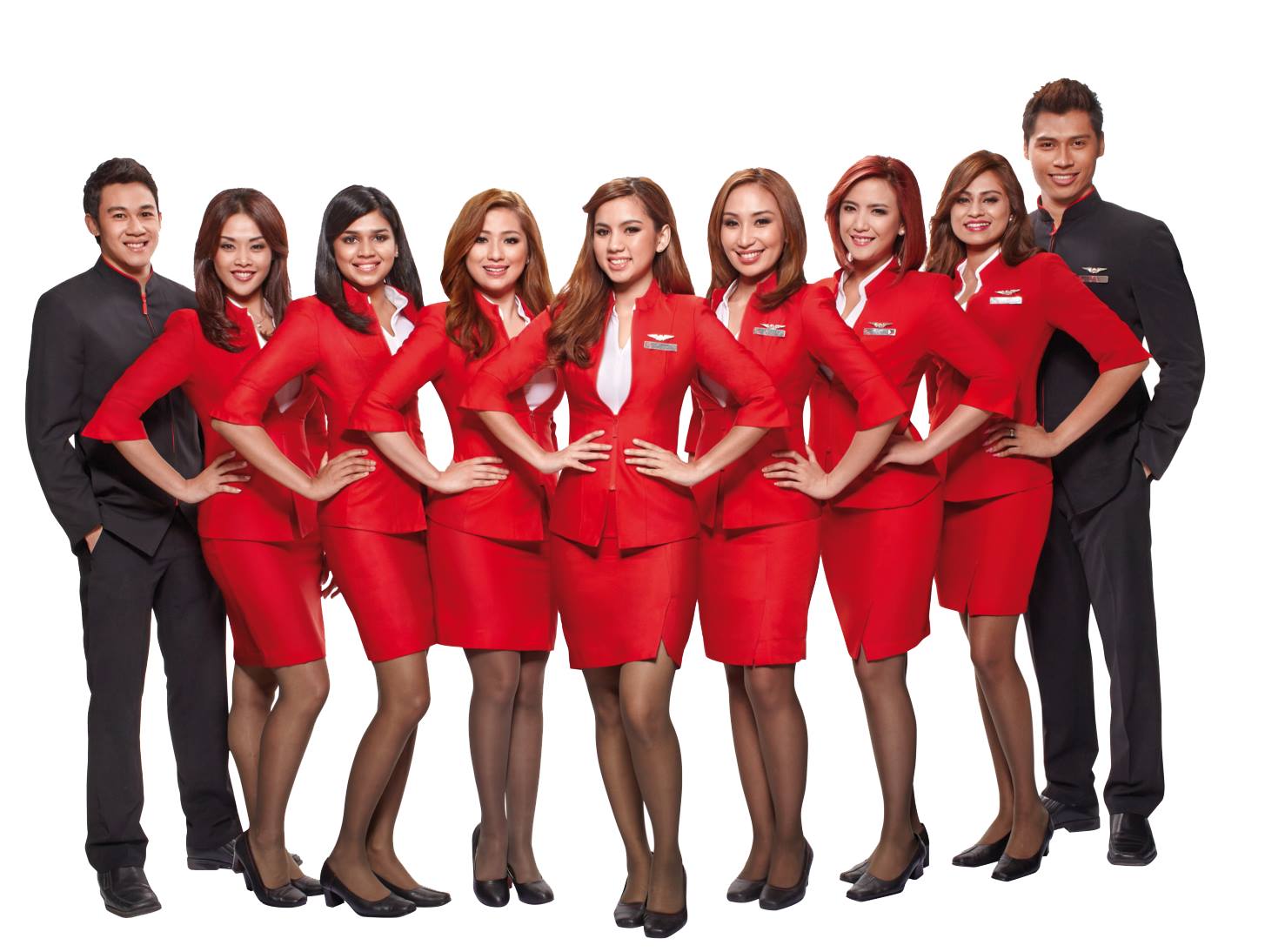
    AirAsia, the region’s biggest budget airline, said it prefers to pursue organic growth instead of expansion through acquisitions, partly explaining why it declined to buy Hong Kong’s sole low-cost carrier Hong Kong Express Airways (HK Express). Cathay Pacific Airways, Hong Kong’s flagship premium carrier, this week offered HK$4.93 billion (S$850 million) to buy its budget competitor from the indebted HNA Group. AirAsia looked at the proposal to buy HK Express and its full-service sibling Hong Kong Airlines, declining to acquire either, said founder Tony Fernandes.

    “My philosophy has been organic growth,” Fernandes said in an interview with South China Morning Post during Credit Suisse’s Asia Investment Conference in Hong Kong. “I generally don’t believe in acquisition because it comes with a lot of inherent issues. When you import through acquisition, it comes at a risk, so it’s not my preference.

    Fernandes’ approach illustrates how he turned the Kuala Lumpur-based airline from a near-bankrupt company into Asia’s largest budget carrier in less than two decades, with more than 140 destinations and flying on 320 routes at the lowest unit cost in the global aviation industry.

    Fernandes, who worked for Warner Music Group before striking out on his own, bought AirAsia in December 2001 for a token 1 ringgit, taking on the carrier’s 40 million ringgit (S$15 million at the time) of debt. Within a year, the carrier reported a profit, qualifying for a listing on the Kuala Lumpur Stock Exchange two years later.

    AirAsia’s 2018 revenue rose 9 per cent to 10.6 billion ringgit (US$2.5 billion), while pre-tax profit rose by the same quantum to a record 1.7 billion ringgit. Low-cost, long-haul AirAsia X notched revenue of 4.5 billion ringgit, flat year-on-year, but the 2017’s profit performance turned into a loss of 312 million ringgit.

    The airline and its affiliates flew 73 million passengers last year, a figure that beat even full-service flag carriers in Southeast Asia. AirAsia had made a single acquisition in 18 years, when it bought 49 per cent of Zest Airways for an undisclosed sum to secure a landing slot in the Philippines in 2013. Elsewhere in the region, AirAsia expands its network through joint ventures in seven countries, including Japan, India and Thailand.

    The airline, operating with 21,000 employees with no union representation, wants to steer clear of importing “inherent issues” and excess baggage from taking on another airline, Fernandes said.

    Now AirAsia has a chance to help revive Malaysia Airlines, the very competitor that the low-cost carrier had beaten into the ground. Malaysia’s Premier Mahathir Mohamad broached the idea of either selling or shutting the nation’s flag carrier two weeks ago.

    Malaysia Airlines, now under the ward of the country’s sovereign wealth fund Khazanah Nasional after a 6 billion ringgit capital infusion, “can definitely be turned around,” Fernandes said.

    Still, AirAsia is in no hurry to revive its 2011 share swap plan with the flag carrier, which was vetoed by the government of then-premier Najib Razak.

    “Many people will say that [AirAsia’s] expertise could be used to hurt Malaysia Airlines and benefit AirAsia. There is a genuine interest to help but in this day and age, not everyone will see it that way, ” Fernandes said. “It’s best that we do our own thing, and we’ve got a lot on out plate.”

    Worldwide aviation is booming, where 8.2 billion passengers could take to the sky by 2037, according to a 20-year forecast made in October by the International Air Transport Association (IATA), with the Asia-Pacific region driving the biggest growth.

    Still, not everything is hale and rosy in the region, as intense competition in a price-sensitive travelling weighed on airlines’ bottom lines. Only six of the 20 publicly traded airlines or affiliates in Southeast Asia were in the black, with 19 of them reporting declines in third-quarter profitability compared with a year earlier, according to CAPA Centre for Aviation.

    AirAsia had been approached for help. It has already evaluated and declined buying a stake in Bangkok-based NokAir. AirAsia’s Indonesia unit was also linked to – and denied – the possible purchase of Citilink, the low-cost brand of Indonesia’s flag carrier Garuda.

    “I never say no to any M&A, but it has to be a sexy opportunity to go down that route,” Fernandes said.

    Turning to India, and the troubles associated with Jet Airways, which was saved from near-bankruptcy at the last minute, the Malaysian-owned budget carrier said it was positioning itself for the opportunity to grow if runways slots relinquished come up for sale.

    “India is a prize, but just like with prizes, nothing comes easy. It’s been a lot of hard work,” Fernandes said.

    Expecting runway slots to be freed up, the AirAsia chief added. “We want to [buy] it in the right way. We’re not vultures. There will be a few airlines hoping Jet goes bust and we don’t want anyone to lose their jobs, we want every airline to survive and grow, but if an opportunity arises to take those slots, then for sure.”

  • AirAsia to launch Phuket-Phnom Penh direct flights

    AirAsia to launch Phuket-Phnom Penh direct flights

    Thai AirAsia CEO Santisuk Klongchaiya said the airline has devoted great importance to adding routes to its regional flight bases, looking to build a strong network of destinations that provide the opportunity to add even further routes, providing ever greater convenience to travellers who will no longer need to stop over in Bangkok, said a release today (April 1) announcing the new flights.

    “Phuket is a very important strategic flight base for AirAsia that has grown steadily along with the addition of direct flights to CLMV (Cambodia, Laos, Myanmar, Vietnam) cities such as Siem Reap.

    “With the positive response we have received from international travellers, we decided to add Phuket-Phnom Penh, connecting the resort town to Cambodia’s capital. The route should well serve tourists as well as members of the business community of both countries,” Mr Santisuk added.

    The flights will operate on Monday, Tuesday, Friday and Saturday.

    Thai AirAsia operates nine international routes out of Phuket: Phuket-Wuhan, Phuket-Kunming, Phuket-Hong Kong, Phuket-Macau, Phuket-Siem Reap, Phuket-Singapore, Phuket-Kuala Lumpur (Code AK), Phuket-Penang (Code AK) and the latest addition Phuket-Phnom Penh starting June 1.

  • Philippines island Boracay reopens for test run following huge cleanup

    Philippines island Boracay reopens for test run following huge cleanup

    Boracay, one of the world’s most famous beach destinations, has reopened for a limited-numbers test run almost six months after closing for a cleanup operation to reverse the fortunes of the resort island once labeled a “cesspool” by Philippines President Rodrigo Duterte. The sun was out to welcome a small group of tourists from the province of Aklan, where the island is located, and other parts of Western Visayas. The group was invited to test the newly improved facilities, which include a comprehensive overhaul of the island’s outdated and insufficient sewerage.

    The resort island, which was shuttered in April for six months for rehabilitation work, is scheduled to reopen further later this month — labeled a “soft opening” by authorities. Its famous white-sand beaches were signed off in August as “very clean” and safe for swimming, according to Environment Secretary Roy Cimatu. While the cleanup has left the beaches immaculate and the waters crystal clear, significant work needs to be done to get the road system up to speed before larger numbers of tourists are allowed back on the island.

    Tourists asked to manage expectations

    On Monday, Cimatu told  in a Facebook Live-broadcast panel, which featured the four secretaries who make up an inter-agency task force, that the sewerage and drainage for 68 accommodation establishments cleared to open was “100%” complete. The system overhaul cost over 1 billion pesos ($18.5 million), Tourism Secretary Berna Romulo-Puyat said during the discussion. While some road surfaces were not yet completed they would be “significantly finished” — 75-80% — by the wider opening on October 26, Public Works and Highways Secretary Mark Villar said.

    The full rehabilitation could take up to two years, the panel said, and while Romulo-Puyat praised reform efforts she said tourists should “manage expectations” during this period. Interior and Local Government Secretary Eduardo Año told Coren and Webb that almost 200 illegal structures had been demolished, many voluntarily and by their owners.

    Strict laws

    The new-look Boracay will be subject to rigorously enforced by-laws, the panel said, including limits to combustion engine transport, a ban on single-use plastics and offshore zones for watersports, providing a 100-meter (328-feet) swimming area from shore. Deckchairs and tables, as well as beachside entrepreneurs like masseuses and snack and drink vendors, will be banned from the beach, as will the famous fire dancers, who will have to make do with LED lights instead of the kerosene-soaked torches they used before the shutdown.

    The island should be a model of sustainable tourism, Romulo-Puyat said, and the panel stated that following the overhaul the famous island could regain its crown as one of the world’s best beach resorts.

    “We can make Boracay one of the most prestigious tourist destinations in the world,” Año said. Romulo-Puyat added that “when (the rehabilitation) is all done,” Duterte will visit the island, perhaps next year.<

    Economy needs a kickstart

    The island’s residents have been eagerly awaiting the return of the tourists and were thrilled to welcome the advance party — the last six months have been a struggle for many, especially the large numbers who rely on tourism for their livelihoods.

    During the cleanup operation, many of the 11,000 residents participated in the government’s “cash for work” program, which paid a daily minimum wage of 323 pesos ($6). In August, Lilibeth Panganiban, who sells rice cakes on a street corner, told that she’s seen her daily income drop from 1,800 pesos to 500 pesos, or even less.

    Overdue cleanup

    The archipelago nation of the Philippines boasts well over 7,000 islands. Among them, Boracay had become almost a byword for white-sand beach paradise.

    But with the influx of tourists that began in the 1980s, the island has struggled to maintain its idyllic allure. Last year almost 1.7 million tourists, including a significant number of cruise line passengers, visited the island during a 10-month period, according to the governmental Philippines Information Agency. Among the problems caused by the island’s long-running tourism boom were unregulated development, and pipes carrying raw effluence directly into the sea.

    In a survey of the island’s sewerage facilities prior to the closure, the vast majority — 716 of 834 — of residential and business properties were found to have no discharge permit and were presumed to be draining waste water directly into the sea, according to a report by the official Philippines News Agency.

    In February Duterte directly called out the alleged mismanagement of the island, accusing those responsible of turning it into a “cesspool.”

    “As long as there is shit coming out of those pipes draining to the sea, I will never give you the time of the day (to return)” to the island, he said at the time.

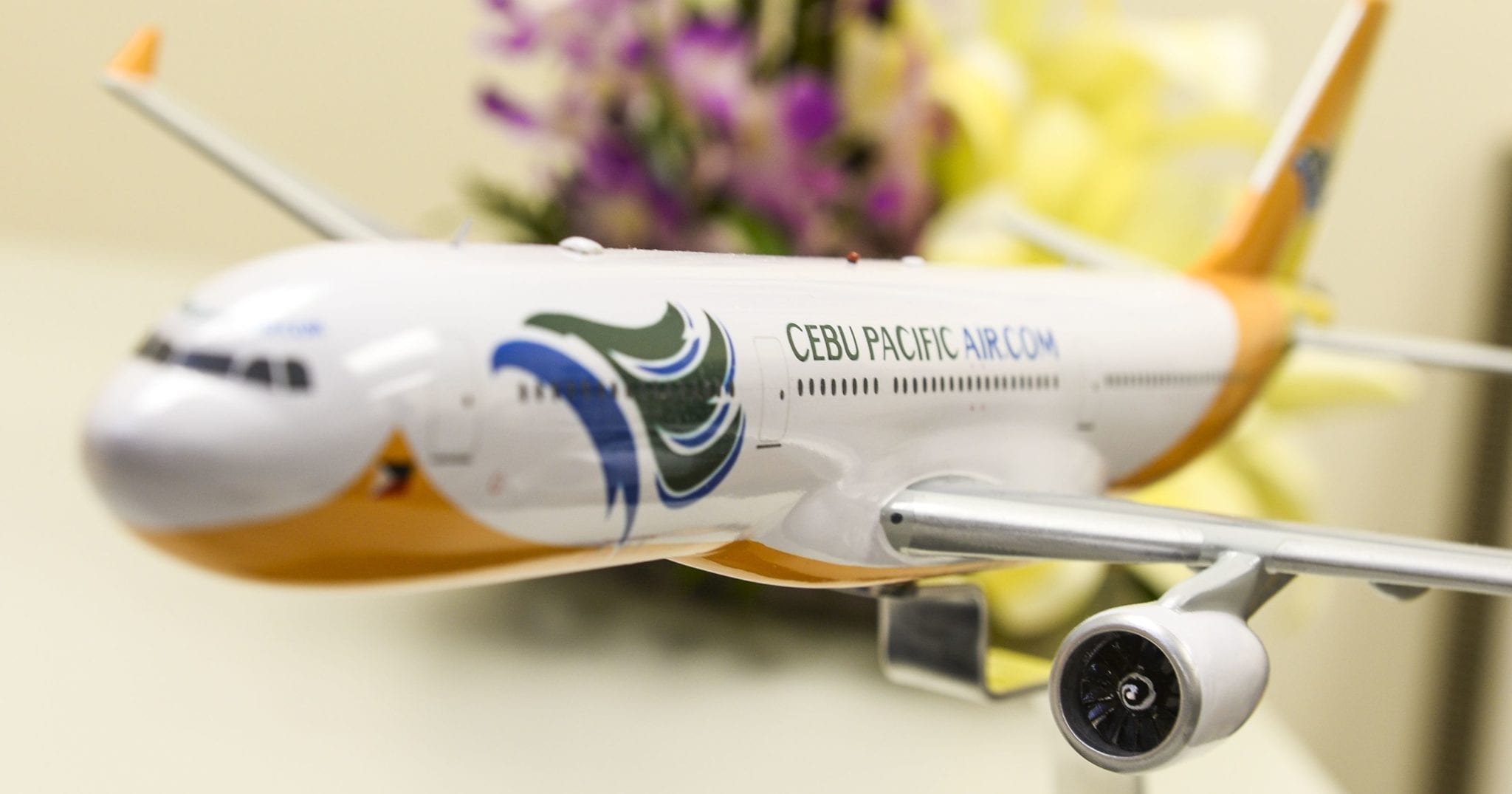
  • Cebu Pacific targets 12% passenger growth with A321 deliveries

    Cebu Pacific targets 12% passenger growth with A321 deliveries

    Cebu Pacific is targeting for passenger numbers to hit 22 million in 2018, a 12% increase from the year before.

    Last year, the Philippine low-cost carrier handled 19.7 million passengers, a 3% year-on-year increase, largely driven by an 8% growth in the number of international passengers. Performance was strong in its key markets of Sydney, Dubai, Hong Kong, Tokyo Narita, Taipei, and Seoul.

    “To reach our goal of flying 22 million passengers this year, we remain committed to offering a compelling route network where we can meet rising demand and sustain our year-round low fare proposition,” says JR Mantaring, the airline’s vice-president for corporate affairs.

    He adds that despite the higher fuel price, the weakening of the Philippine peso against the US dollar, security concerns and travel advisories, the carrier has “remained relatively resilient”.

    This year, the carrier is scheduled to add seven A321s from March through September, before its first Pratt & Whitney PW1100G-powered A321neo is delivered in November. These large narrowbodies will add capacity and also free up some A330s that are used on short-haul services to go further afield.

    Two of these A321s have already been delivered, while another three are scheduled to arrive “in the coming days”.

    Last year, operating profit slipped 17.3% to Ps10.1 billion ($194 million), as the growth in expenses outpaced that of revenue. Net profit fell 18.9% to Ps7.91 billion.

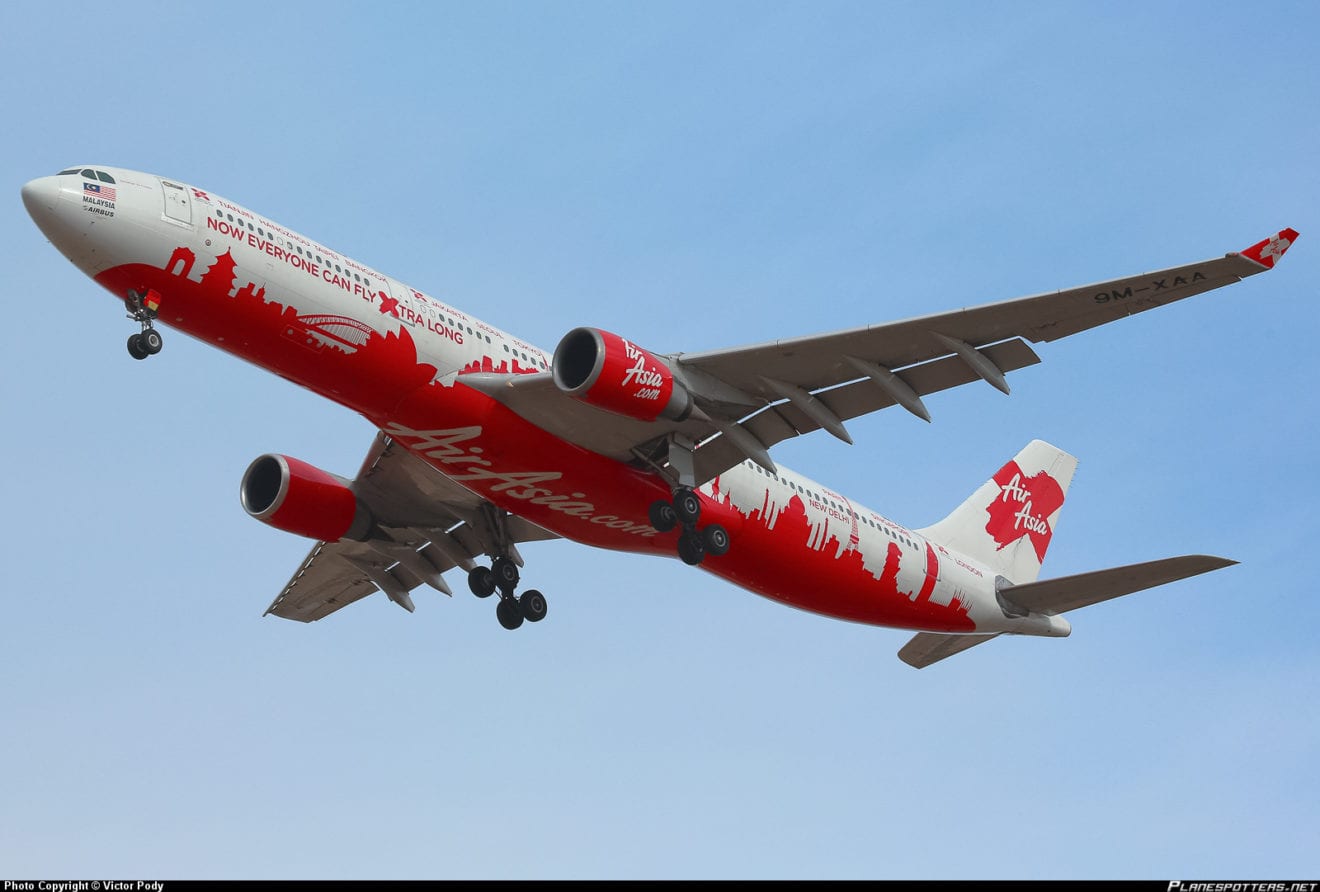
  • AirAsia X’s 1Q passenger traffic up 13%

    AirAsia X’s 1Q passenger traffic up 13%

    AirAsia X Bhd (AAX) carried 13% more passengers to 1.59 million in the first quarter of 2018 (1Q18) from 1.4 million a year ago on the back of increased capacity as the airline catered to increased travel demand arising from the festive seasons and school holidays during the period.

    In a statement today, AAX said its capacity for 1Q18 increased 14% year-on-year (y-o-y), while passenger load factor remained static at 84%. Its available seat per kilometer and revenue passenger kilometres grew 10% and 9% respectively.

    “In the month of February, AAX Malaysia rotated some capacity from Australia to the Asian market, while we continue to build our brand in Australia.

    “The airline also increased its flight frequencies to Hangzhou and Taipei, further strengthening the North Asia market. AAX Malaysia began flying to Maldives and Jaipur in February,” it added.

    The fleet size of AAX Malaysia stood at 22 Airbus A330s as at end-March 2018.

    On the associates, AAX said its Thai unit carried 19% more passengers to 503,259 in 1Q18 from 423,404 passengers in 1Q17. Passenger load factor was unchanged at 94%.

    “No additional aircraft was added into AAX Thailand during the quarter under review. Hence, its fleet size at the end of March 2018 remained at six aircraft,” it added.

    AAX Indonesia, meanwhile, carried 124,874 passengers in 1Q18, up more than 100% y-o-y, and posted a load factor of 72%.

    AAX Indonesia’s fleet size stood at two aircraft, bringing AAX Group’s total fleet to 30 A330s.

    AAX shares closed 0.5 sen or 1.33% higher at 38 sen today, with 7.62 million shares done, bringing it a market capitalisation of RM1.57 billion.

  • VIP to invest in Australia

    VIP to invest in Australia

    A Chinese online shopping giant has arrived in Australia this week to unveil its new Sydney distribution centre.

    VIP.com is one of the largest players in China’s e-commerce space with total orders for the third quarter of 2017 increased by 23 per cent to 74.0 million from 60.1 million in the prior year period.

    “Australia is already a very strong market for VIP.com. We are looking to procure about AUD 500 million of Australian goods in FY18 and we expect to double that figure the year after,” said Hillary Wang, VIP.com’s head of global buying.

    “We have highly effective partnerships with many Australian businesses and have become their primary sales channel in China. We have serious aspirations to become the number one platform in China for many more of our suppliers’ businesses.”

    With Australian brands highly sought after in China – based on consumer’s perceptions of trust and value – VIP recently partnered with Australia’s largest food manufacturer, Nestle,  to introduce Australia’s Uncle Toby’s, Allen’s confectionery and Soothers trademarks to China.

    “We only deal with brand owners directly or through their authorised distributors. Authenticity is critical to building brands and Chinese shoppers know that VIP.com delivers that,” Wang said.

    VIP stated its female skewed audience (+80 per cent) and ability to customise the recommended range of products to shoppers, based on demographic and purchase history, give it major point of differences to its Chinese e-commerce competitors.

    “We are pleased to be investing in Australia,” said Wang.

    “Chinese consumers trust Australia’s production standards and quality of its natural resources.

    “Australia is our number one import market for nutrition and food and beverage, and whilst we have made much progress, we have plans for further significant growth. This trip is about deepening our partnerships with existing suppliers and inviting participation from potential new partners.”

    The online retailer will invest in local infrastructure to enable growth in trade between Australian businesses and its accessible database of 300 million Chinese shoppers.

    Investment is being channelled into supply chain capability and people in Australia to facilitate trade.

    “In discussions with our Australian partners, we are often told the Australian market is a highly contested and offers relatively low growth,” said Wang.

    “We are happy to bring a good news story to these businesses, the opportunity to share with Chinese shoppers brands that are rich in history, made with the best ingredients to the highest standards, by hard working Australians. These are exciting times.”

  • Vipshop Stock Slumping as China Trading Halted

    Vipshop Stock Slumping as China Trading Halted

    Shares of Vipshop Holdings are lower by 7.99% to $14.05 on Monday morning, as stocks traded in the U.S. but based in China tumble due to the global stock selloff, spurred by concerns regarding the Asian nation’s economic stability.

    Vipshop is a Guangzhou-based holding company that operates as an online discount retailer for brands in China.

    Weak manufacturing data in China sent the country’s markets plummeting, with the Shanghai index falling by 6.9% and the Shenzhen down by more than 8% before trading was halted on Monday.

    Contributing to the decline in China’s market is a lower than expected Caixin survey, which was released earlier today, CNBC.com reports. The Caixin index is a gauge of nationwide manufacturing activity, with a focus on small and medium sized companies.

    The Caixin December manufacturing PMI was lower at 48.2 versus 48.6 in November.

    Recently, TheStreet Ratings objectively rated this stock according to its “risk-adjusted” total return prospect over a 12-month investment horizon. Not based on the news in any given day, the rating may differ from Jim Cramer’s view or that of this articles’s author. TheStreet Ratings has this to say about the recommendation:

    We rate VIPSHOP HOLDINGS LTD -ADR as a Buy with a ratings score of B-. This is driven by some important positives, which we believe should have a greater impact than any weaknesses, and should give investors a better performance opportunity than most stocks we cover. The company’s strengths can be seen in multiple areas, such as its robust revenue growth, notable return on equity, reasonable valuation levels, impressive record of earnings per share growth and compelling growth in net income. We feel its strengths outweigh the fact that the company has had generally high debt management risk by most measures that we evaluated.

    Highlights from the analysis by TheStreet Ratings Team goes as follows:

    • VIPS’s very impressive revenue growth exceeded the industry average of 38.0%. Since the same quarter one year prior, revenues leaped by 54.6%. This growth in revenue appears to have trickled down to the company’s bottom line, improving the earnings per share.
    • VIPSHOP HOLDINGS LTD -ADR reported significant earnings per share improvement in the most recent quarter compared to the same quarter a year ago. The company has demonstrated a pattern of positive earnings per share growth over the past two years. We feel that this trend should continue. During the past fiscal year, VIPSHOP HOLDINGS LTD -ADR increased its bottom line by earning $0.23 versus $0.09 in the prior year. This year, the market expects an improvement in earnings ($3.48 versus $0.23).
    • Current return on equity exceeded its ROE from the same quarter one year prior. This is a clear sign of strength within the company. Compared to other companies in the Internet & Catalog Retail industry and the overall market, VIPSHOP HOLDINGS LTD -ADR’s return on equity significantly exceeds that of both the industry average and the S&P 500.
    • The company, on the basis of net income growth from the same quarter one year ago, has significantly underperformed compared to the Internet & Catalog Retail industry average, but is greater than that of the S&P 500. The net income increased by 79.9% when compared to the same quarter one year prior, rising from $27.70 million to $49.83 million.