Retail News CRM

Tag: virus

  • Japan eases blanket ban on new incoming flights

    Japan eases blanket ban on new incoming flights

    Japan has softened its suspension of all new incoming flight bookings to make it easier for citizens to return, the government said Thursday, a day after it announced the move prompted by worries about the Omicron coronavirus variant.

    The transport ministry abruptly said Wednesday it was asking airlines to stop taking all new incoming flight reservations for a month, in a surprise move affecting citizens and foreign residents.

    But on Thursday, government spokesman Hirokazu Matsuno said it would be amended.

    “This request caused confusion among those affected and so the prime minister instructed the transport ministry to examine the issue and consider the needs of Japanese citizens hoping to return home,” he told reporters.

    As a result, the ministry “asked airlines to cancel the blanket suspension of new reservations for international flights to accommodate Japanese hoping to return home”, he added.

    Japan has had tight border restrictions throughout the Covid-19 pandemic, barring almost all foreign arrivals.

    It had begun to ease those rules slightly last month to allow some students and business travelers entry, but reversed that decision after the emergence of the Omicron variant.

    It has also barred all non-citizens from entering the country if they are coming from 10 southern African countries.

    All arrivals in Japan must quarantine for 14 days at home, with people coming from dozens of locations required to spend between three and 10 days of that two-week period in designated facilities.

  • Order Management – a lifeline for Asian retailers in a COVID-19 world

    Order Management – a lifeline for Asian retailers in a COVID-19 world

    The ongoing pandemic has changed the way that people purchase and acquire goods. Soaring demand for eCommerce and increased interest in new ways of collecting purchases, such as curb side pickup and click & collect, mean that Asian retailers are now faced with the challenge of recalibrating their business strategy to serve an increasingly complex omnichannel environment. Alongside various city and state lockdowns, many brands have had to get creative and accelerate their journey towards digital services over the last year. However, not all of them have successfully managed the transition.

    To assist, new business-to-consumer distribution models are coming to market, with a core focus on the importance of ‘living’ the omnichannel customer experience, rather than just talking about it. One such model is Order Management Systems (OMS), which integrate all sales and distribution channels into one place, bringing absolute transparency and making it easier for retailers to manage customer orders. An OMS helps retailers to see what inventory they have where, what’s been allocated, what is in transit, what’s been sold, what is available, what needs to be replenished and what’s being returned.

    Optimising order sourcing

    New demands being placed on retailers today have forced innovation to occur at an unprecedented pace. From adding drop-shipped items to websites to quickly beefing up sales, launching quick ‘on ramp’ digital solutions, or streamlining operations to maximise strained employee bandwidth, the need for innovation through technology has never been greater. In fact, in the latest Forrester Wave Report, it was revealed that 39% of retailers increased their investments in technology immediately after the pandemic began to disrupt supply chain operations.

    Without this necessary push towards efficiency-boosting technology, retailers would be left behind their competition. With innovations like OMS, retailers have even been able to review the rules of stock allocation, temporarily giving priority to in-store stock over warehouse stock, thus, freeing up any trapped inventory confined within closed stores. This comes as a great advantage to the many retailers whose physical stores were closed for long periods during lockdowns.

    Optimising order sourcing is a new focus for retailers, allowing brands to use the stock available in their entire network, wherever it is located. A smart OMS allows retailers to use the ‘pool’ of physical stores in large urban areas to offer same day, or next day delivery by couriers, whilst also favouring the warehouse stock for less immediate orders.

    Addressing multiple shipments

    Recent research undertaken by Manhattan Associates has shown that due to the ongoing impacts of the pandemic and its convenience, home delivery is now the preferred delivery option for 69% of online shoppers. Interestingly, 60% of consumers indicated they often receive their online order in multiple shipments and 81% of them said that they think this is an inefficient and unsustainable way of delivering goods. In fact, the same number (81%) also said they would prefer to receive their order at a later date if it meant that it would arrive in one consolidated delivery. These changing consumer preferences pose challenges for retailers and their supply chains to match their inventory and delivery capabilities against what customers actually want. 

    For those orders that have to be shipped in multiple deliveries, advanced OMS systems allow customers to view the status of all items within an order in a Digital Self-Service order tracking page. If an order is shipped in multiple packages, customers can view all tracking details, estimated time of arrival, and the delivery date of each package from a single page. If all items have not been shipped, the customer can view the status of all items, including items which are in in-process or cancelled. By providing customers with complete order transparency there is less uncertainty around an order’s status, working to substantially reduce customer call volumes to the contact centre to check where an order is.

    Cost-effective omnichannel offerings

     In a recent study, conducted by Manhattan Associates and IHL Group, it was revealed that retailers who optimised their digital customer journey saw their margins improve by three to eight points more than those who didn’t. Additionally, by enhancing the customer journey through the use of technology, retailers are equipped with the knowledge they need to understand what their consumers want, and in turn, they can clearly communicate their promises to consumers – such as delivery dates and returns processes – leading to a positive bump in overall margins.

    According to several independent studies, the conversion rate is said to increase up to 30% when a brand communicates a precise delivery date promise on a product page. However, 50% of consumers agree that they would in fact abandon a purchase if there was no delivery date indicated at the checkout. This is a good signal of the importance of offering total transparency to the customer regarding their order, as without it, consumers are left uneasy about not only the wait time for delivery, but the credibility of the brand itself.

    Turning returns into a positive customer experience

    Since the pandemic, the ability to promote a more efficient returns process for eCommerce purchases in-store has become an increasingly important all-round service for brands looking to maintain an adequate retailer-to-consumer relationship. Using an OMS in-store application, customer service teams can directly search for customers’ original orders and records of the returned items. Then, the products that are in return-worthy condition are immediately integrated into the global stock pool, making them available for sale online, even if the item was not originally listed at the point of sale.

    For consumers who are on-the-go, new QR code solutions exist which allow customers to drop a return item at a carrier location. The QR code can be made available to customers via email. This avoids situations where customers previously had issues printing a return label at home.

    More efficient returns processes enables faster refunds, improved order accuracy, and delivery transparency, develop a greater peace of mind for consumers, and ultimately, improve overall brand advocacy and loyalty – which comes as the biggest advantage to retailers in the long-term.

    Managing order cancellations

    With more online orders being placed, today’s consumers expect to have full visibility of their order’s progress, as well the flexibility to cancel their order if needed. With an advanced OMS, customers can cancel items that are being shipped to their address before the items have been packed, without having to reach out to the contact centre. Customers can view which items are eligible for cancellation, select items and reasons for cancellation, and preview their new order total before confirming the cancellation.

    Supporting order cancellations and changes as late as possible prevents the situation where a customer wants to cancel an item that has already reached the ‘point of no return’ in the fulfilment process. When these situations occur, it causes friction and frustration for the customer who has to receive and return the item, plus time and cost for the retailer who will often have to absorb the shipping and handling costs for both the shipment and the return.

    Order Management for future-proof retailing

    With the everchanging nature of the retail landscape, and the increasing demands and expectations of consumers, enhancing retail operations with innovative technology such as OMS will serve as a way for retailers to optimise their operations for the future, to withstand even the harshest fulfilment, delivery, and customer services challenges.

    By Richard Wright, Managing Director, SEA, at Manhattan Associates

    For more information on Order Management from Manhattan Associates, go to: https://www.manh.com/en-sg/products/order-management




  • Rising food prices make things harder amid Covid woes

    Rising food prices make things harder amid Covid woes

    Surging prices of essential goods are worsening the difficulties for people who have already been hit by job losses and travel restrictions.

    The last time Le Quang Hai of Hanoi’s Cau Giay District went to the market, the prices of eggs and most vegetables had doubled. He already could not afford meat.

    The price increases were a further financial burden for the 23-year-old delivery worker who has been unemployed for two weeks as his company cut the number of staff on authorities’ orders to limit the number of people commuting.

    His only income has been the VND1.5 million ($65) government support, which will soon run out.

    “I might have to borrow money from some friends as Hanoi has imposed social distancing for another two weeks. I hope the outbreak will be contained before I run out of money.”

    In Hanoi’s neighboring province of Hung Yen, Nguyen Hoang Yen, who tends plants in an apartment complex, has seen her work hours reduced by half for a week now due to restrictions on people coming in from outside.

    But rising food prices are creating more challenges for her family of three which depends mainly on the 50-year-old to put food on the table.

    “We try to keep our meals simple. There is not much we can do but to wait for all of this to be over.”

    Rising prices of meat, vegetables and groceries are adding to the challenges for low-income workers.

    Industry insiders say the closure of wholesale markets and retail outlets due to Covid-19 have pushed prices up in the capital.

    In Xuan La Market in Tay Ho District, the price of a kilogram of cabbage and squash have risen by a third to VND15,000 and by 20 percent to VND27,000.

    Hanh, a vegetable vendor, said since earlier this week she has been unable to buy from outside of Hanoi due to transport restrictions.

    Egg prices remain at around 50 percent higher than before the outbreak.

    “Rising demand and limited supply since most eggs are transported to HCMC have caused prices to rise,” Nguyen Thi Kim Dung, director of retail chain Co.op Mart Hanoi, said.

    The price hikes have placed a strain on both blue- and white-collar workers.

    Minh Tu, a graphic designer in Ba Dinh District, has seen his income cut by 30 percent as his company lost contracts.

    “I eat more carbohydrate and less protein to reduce my expenses. For the next few weeks there will be no fruits or desserts,” the 29-year-old said.

    To ensure enough supply and keep prices from rising, the city trade department plans to use bus stations, stadiums and empty plots of land as hubs for food to make up for the closure of wholesale markets.

    The city has also set up several mobile shopping sites to reduce crowds at markets and stabilize prices.

    Dam Manh Tuan, director of retail outlet Aeon Long Bien, said around eight tons of food would be distributed to four such points in Long Bien District at the same prices as at Aeon stores.

    Similar sales points are being set up in downtown districts.

    But for Quynh Anh in Hoan Kiem, who has been laid off from her job as an office receptionist, another two weeks of social distancing means prices will likely increase further.

    And, for the 25-year-old, finding a new job is almost impossible at this time.

    She said: “I’ve cut down spending to a minimum and my savings are almost gone. Things have never been this hard.”

  • Covid-19 brings heavy drop in Hong Kong retail profits past December

    Covid-19 brings heavy drop in Hong Kong retail profits past December

    Hong Kong’s retail environment showed further signs of improvement in November, although the recovery may have been short-lived as the city was hit with a fresh wave of virus infections and imposed new restrictions late in the month. The provisional value of total retail sales in November 2020 was HK$28.7 billion ($3.7 billion), down by 4% compared with the same month in 2019.

    The provisional value of total retail sales in November 2020 was HK$28.7 billion ($3.7 billion), down by 4% compared with the same month in 2019. That was better than the median forecast of -7.4% in a Bloomberg survey of economists and an improvement from a revised -8.7% in October. Sales by volume fell 4.7%, according to the government statement.

    The economy showed some signs of improvement in the second half of 2020 alongside recoveries across the region as China’s rebound fueled demand. However, that’s been dampened by fresh waves of infections since November, with the city re-imposing social distancing restrictions including shuttering bars and nightclubs to help curb the outbreaks.

    Restrictions were tightened further in December ahead of the critical year-end shopping season, with restaurants forced to halt in-person dining after 6 p.m. On Monday the government also pushed back the re-opening of classrooms for more than a month as part of measures to stamp out the spread of the virus.

    “As inbound tourism remains at a standstill, and the fourth wave of the local epidemic has weighed on local consumption sentiment since the latter part of November, the business environment of the retail trade will remain challenging in the near term,” the government said in the statement.

    The government allocated additional support to businesses hurt by the shutdowns and Financial Secretary Paul Chan said in a blog post-Sunday that the economy will probably return to growth in 2021 as the recovery strengthens in the second half of the year.

  • Singapore Airlines hopes to be world’s first airline fully vaccinated against COVID-19

    Singapore Airlines hopes to be world’s first airline fully vaccinated against COVID-19

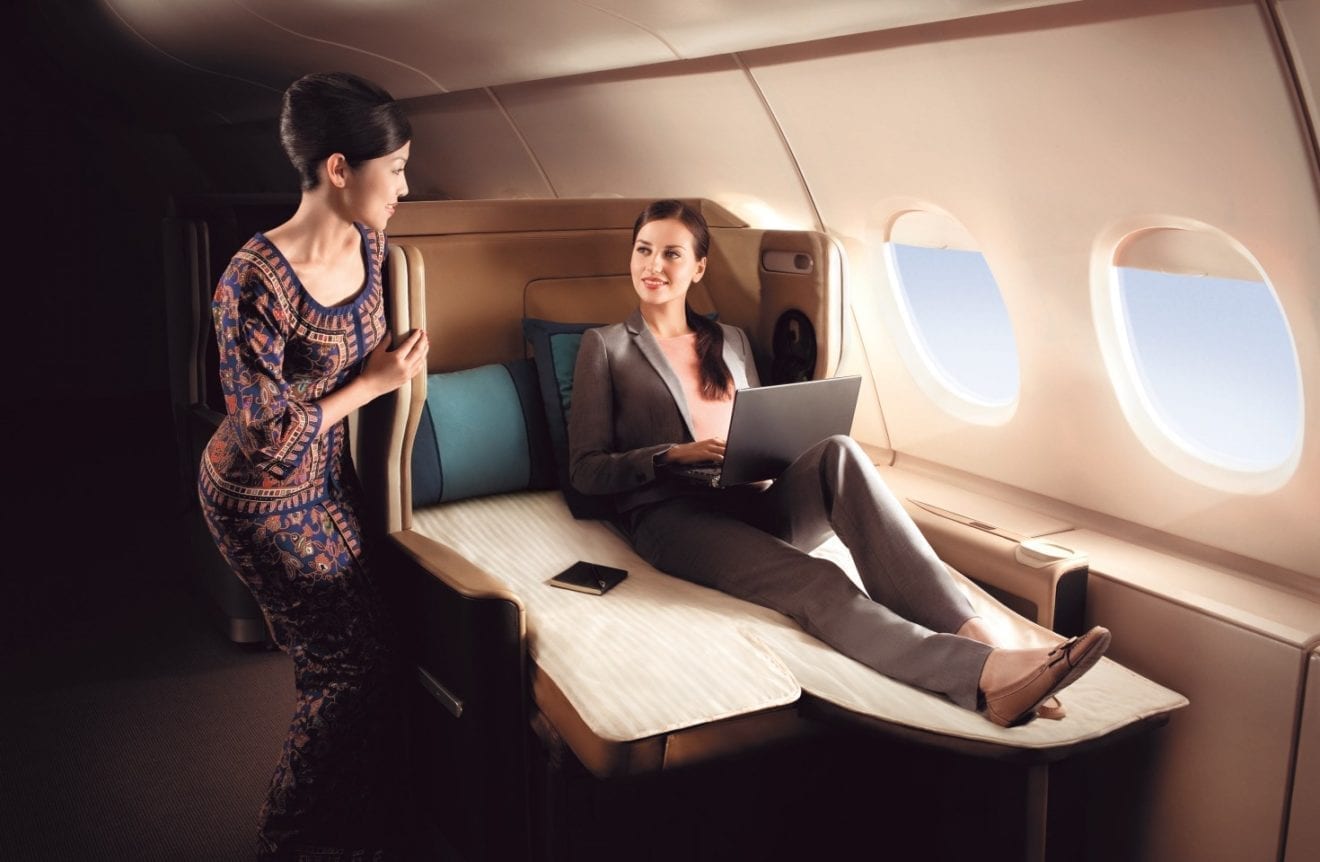
    Singapore’s national carrier is hoping to become the world’s first airline to get all of its crew members vaccinated against COVID-19.

    Singapore Airlines confirmed to CNN Travel that all of their crew members — including pilots, gate agents, flight attendants and anyone whose job requires contact with the public – have been offered free coronavirus vaccines by the Singaporean government.

    The country has purchased the Pfizer vaccine, which requires two shots.

    “We are grateful to the Singapore government for making the aviation sector a priority in the country’s vaccination exercise,” the airline’s CEO, Goh Choon Phong, said in a statement that was emailed out to the whole company on January 18.

    “This reflects the sector’s importance and the crucial role we play in both Singapore’s economic recovery and the fight against the pandemic.”

    According to the airline, 5,200 SIA employees have already signed up to get their shots. Inoculations will begin in a few days.

    Phong, alongside Singapore’s transport minister Ong Ye Kung, was among the city-state’s first citizens to get vaccinated. He has received the first of his two shots, and reports that “the procedure was painless and fuss-free.”

    Once vaccinated, crew members will be subject to less scrutiny and fewer coronavirus-related security measures. For example, flight crew who are currently tested on the seventh day after their return to Singapore will be exempt from this test going forward.

    Singapore’s response to the pandemic has been largely successful due to border closures and a national contract-tracing app. The country has had 59,113 confirmed cases of the virus and only 29 deaths, according to data from Johns Hopkins University.

    Still, citizens of the city-state have expressed an interest in being able to travel again. A much-hyped “travel bubble” with Hong Kong was indefinitely postponed in December when Hong Kong had a spike in virus cases.

    The annual Henley Passport Index placed Singapore second in the world — just one point behind nearby Japan — for passport power. Singaporeans can enter 190 countries or territories around the world without needing a visa.

  • AirAsia founder Tony Fernandes claims governments ’ Covid-19 coordination ‘horrific’

    AirAsia founder Tony Fernandes claims governments ’ Covid-19 coordination ‘horrific’

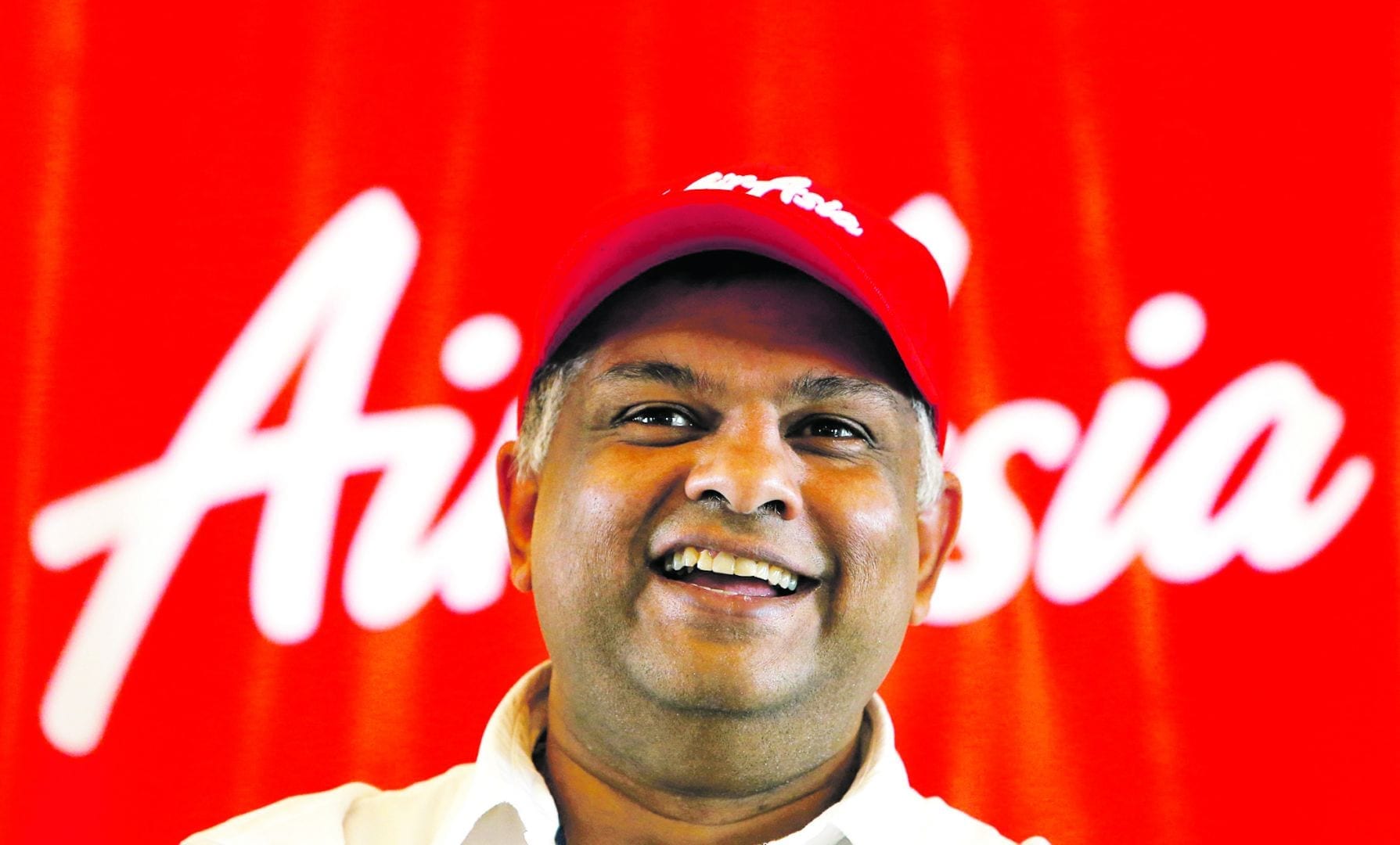
    “The coordination on Covid-19 is horrific,” AirAsia Group Bhd founder and group chief executive officer Tan Sri Tony Fernandes laments and claims in a direct swipe at world governments’ on how the global pandemic has been managed and its impact on the travel and aviation industries.

    BBC has today quoted Fernandes as saying that in his history of running an aviation business, he has never seen something so poorly coordinated.

    “It’s like nothing I’ve ever heard,” he said. “The United Nations, with the travel industry, should have come up with some standard protocols” earlier in the pandemic, but politics had got in the way, according to him.

    “Governments are petrified of their people, and they’re taking a very, very, very conservative view. They all want to be in control.

    “I just think that everyone’s… scared and just reacting in a very jingoistic and nationalistic way. I think countries are going to say, unless you’re vaccinated they’re not going to let you in without quarantine,” Fernandes said.

    The BBC report, which also quoted International Air Transport Association (IATA) director-general Alexandre de Juniac, said the world’s airlines need another US$70 billion (about RM283.5 billion) to US$80 billion of government support to get through the crisis caused by the coronavirus pandemic.

    de Juniac was quoted as saying the figures were “on top of the US$170 billion already granted”.

    It was reported that June 2021 is when he expects the first significant easing of travel restrictions, as the impact of vaccines begins to be felt.

    “Government travel restrictions and a huge fall in passenger confidence meant global demand for flights fell about 60% last year, according to IATA figures.

    “That means 2020 saw about 1.8 billion passengers fly, instead of the 4.5 billion in 2019. In an industry where profit margins were already thin it means airlines are estimated to have already lost US$118 billion, with worse set to come,” BBC reported.

  • Cebu Pacific 2nd PH airline to ban citizens from countries with new coronavirus variant

    Cebu Pacific 2nd PH airline to ban citizens from countries with new coronavirus variant

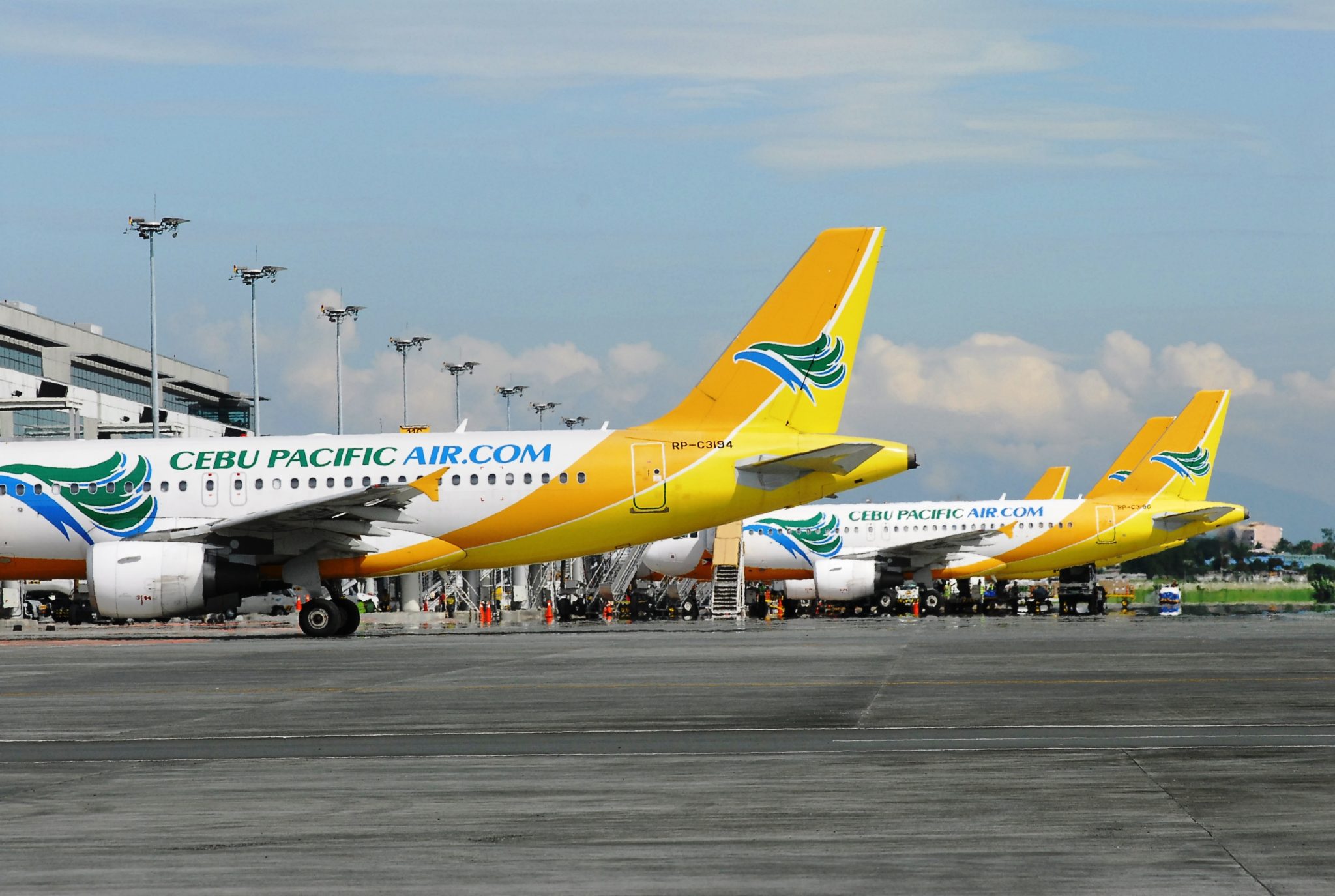
    Cebu Pacific Air said it will stop carrying foreigners coming from countries included in an expanded travel ban amid the appearance of a new coronavirus variant.

    Cebu Pacific added it will allow only Filipino citizens on its flights from Hong Kong, Nagoya (Japan), Singapore and Seoul (South Korea).

    “CEB will not accept foreign nationals who originated from, transited via, or visited within 14 days prior to arrival in the Philippines, any of the 20 countries specified in the IATF resolution,” Cebu Pacific said, referring to the Inter-Agency Task Force Resolution No. 91.

    The IATF resolution said the ban will run from Dec. 30 this year through Jan. 15, 2021.

    The countries are Denmark, Ireland, Japan, Australia, Israel, the Netherlands, Hong Kong, Switzerland, France, Germany, Iceland, Italy, Lebanon, Singapore, Sweden, South Korea, South Africa, Canada, Spain and the United Kingdom.

    Cebu Pacific said affected passengers may avail themselves of free rebooking within 90 days, a full refund or make use of its travel fund, which is valid for two years.

  • Covid-19 troubles push over 100,000 businesses to suspend operations

    Covid-19 troubles push over 100,000 businesses to suspend operations

    The Covid-19 pandemic’s severe impacts have seen as many as 101,700 businesses in Vietnam close up shop in 2020, up 13.9 percent year-on-year.

    Of these 46,600 have registered to temporarily suspend operations, while 37,700 are waiting to complete dissolution procedures, according to a new report by the General Statistics Office. The report also says that 17,500 enterprises completed their dissolution procedures this year.

    The surge in business suspensions has been attributed to the adverse impacts of Covid-19, which has cripped key sectors and seriously affected socio-economic activities worldwide.

    The number of newly-established enterprises in Vietnam this year fell 2.3 percent year-on-year to 134,900 with a combined registered capital of VND2,200 trillion ($94.31 billion), up 29 percent.

    If the VND3,300 trillion in additionally registered capital for 39,500 companies is included, the total registered capital added to the economy this year is more than VND5,500 trillion, an increase of 39.3 percent year-on-year.

    The GSO report says a survey on business sentiment in the manufacturing and processing sectors in the fourth quarter of 2020 found 40.6 percent of enterprises experiencing improvement in business performance over the previous quarter, while 24.7 percent faced difficulties and 34.7 percent said their business remained stable.

    Almost 43 percent of companies expect things to get better in the first quarter of 2021, while 19 percent foresee more difficulties and 38.2 percent believe the situation will be stable.

    Vietnam’s economic growth slowed to 2.91 percent this year, its lowest level in a decade, given the negative impacts of Covid-19, natural disasters and a sluggish global economy. However, it was one of the few economies in the world to record positive growth, most others experiencing contractions.

  • California’s New Coronavirus Curfew Does Not Apply To Tesla Workers

    California’s New Coronavirus Curfew Does Not Apply To Tesla Workers

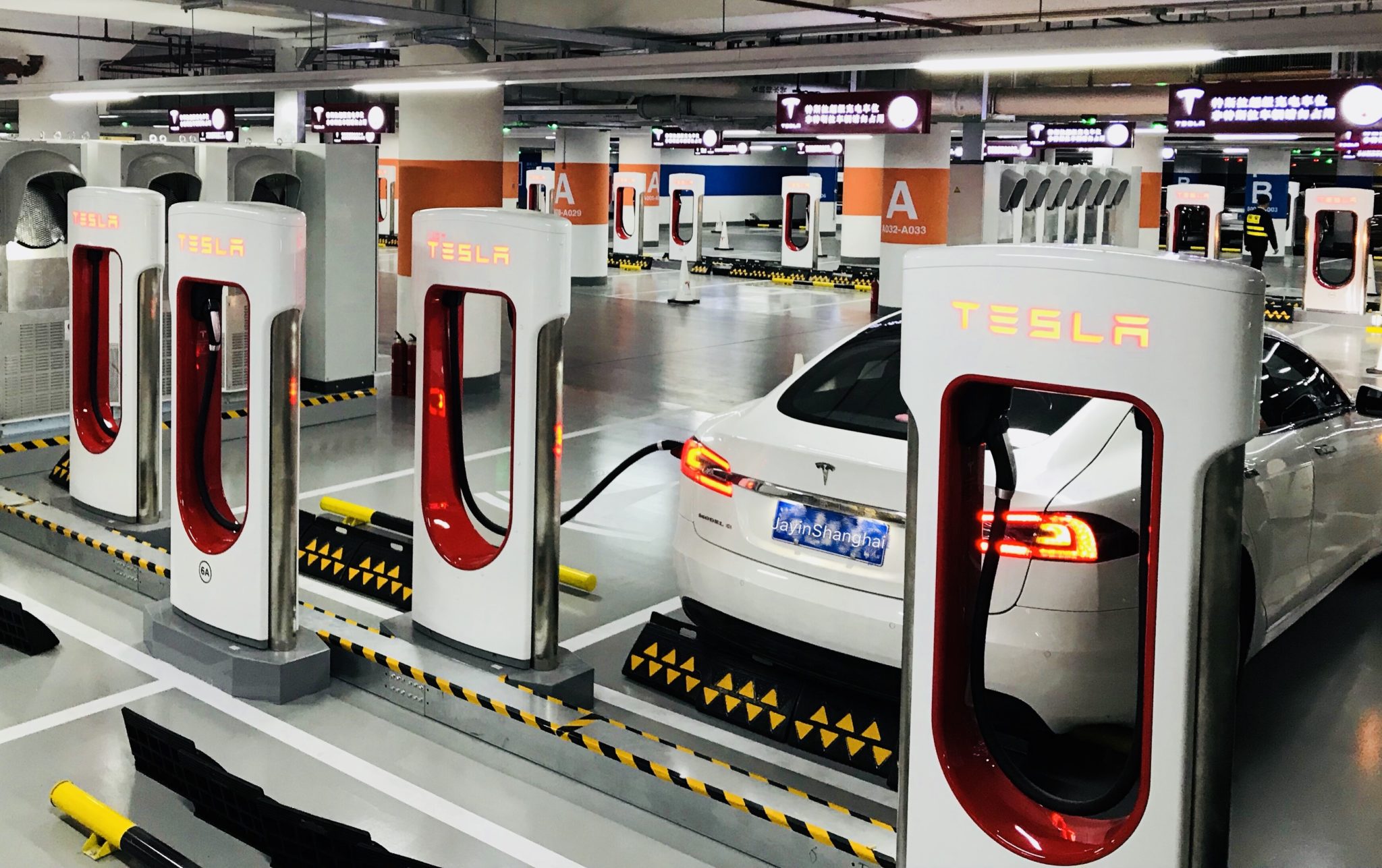
    Workers at Tesla Inc’s California vehicle factory are deemed essential and are not impacted by the state’s latest restrictions to curb a new surge in coronavirus infections, the California health department said on Friday. Tesla and local California officials in March engaged in a heated months-long standoff over restrictions imposed to curb the first wave of infections, which culminated in the company’s chief executive, Elon Musk, defying health orders, suing local officials and threatening to leave the state. California’s governor on Thursday imposed a curfew on social gatherings and other nonessential activities

    Beginning on Saturday, the stay-at-home order prohibits non-essential business from 10 p.m. until 5 a.m. each day and applies in the majority of the state’s counties, including Alameda County, where Tesla’s factory is located.

    Workers at Tesla Inc’s California vehicle factory are not impacted by the state’s latest restrictions to curb a new surge in coronavirus infections.

    Asked whether the order applied to workers at Tesla’s Fremont factory, the California Department of Public Health in a statement said it did not apply to employees deemed essential workers, with manufacturing listed as an essential workforce.

    “The Critical Manufacturing Sector identifies several industries to serve as the core of the sector including Transportation Equipment Manufacturing Products,” the office said.

    CNBC first reported on the health department’s policies. Under California law, local counties can impose more restrictive measures than mandated by the state. Alameda County on Friday did not immediately respond to a request for comment.

    In a statement on Monday the county’s health department said it was following state guidance, but may act to restrict activities beyond the state’s requirements.

    During the initial virus outbreak in March, local officials ordered Tesla to halt production and Tesla’s factory remained shut down for roughly six weeks. Billionaire Musk in early May defied county orders by reopening the factory, telling county officials he stood ready for arrest.

  • Pandemic cuts demand for overseas jobs

    Pandemic cuts demand for overseas jobs

    Vietnam’s labor export has plunged this year due to pandemic imposed travel restrictions and fear of contracting the virus abroad. The number of Vietnamese leaving abroad for work in the first nine months fell 59 percent year-on-year to just over 42,800, according to the overseas labor department.

    Japan and Taiwan, the largest and second-largest foreign markets for Vietnamese labor, saw the number of new workers go down nearly 49 percent and over 56 percent, respectively. The plummeting figures reflect the difficulties labor export companies in Vietnam have faced this year.

    Nguyen Viet Xuan, chairman of the Hanoi-based Viet Thang Corp, said his company has successfully sent just a few dozen workers to Japan, Taiwan, and Romania since September, down 90 percent year-on-year.

    Most of them were supposed to leave earlier, but unable to do so due to the pandemic, and the company was having trouble recruiting new candidates because people were reluctant to leave Vietnam with the Covid-19 situation remaining intense in many countries, he told local media.

    The Laco Labour Cooperation Company Ltd in Hanoi has only sent 40 workers to Japan since September after a mostly inactive period from February to August. Vietnam recorded its first Covid-19 case at the end of January and the situation was contained by the end of August.

    Although the Japanese market still has a high demand for imported labor, the long process of acquiring health certificates in the pandemic context could be one of the reasons preventing candidates from going, said Laco CEO Nguyen Xuan Hung.

    Before the pandemic, Japanese employers often traveled to Vietnam and conducted face-to-face interviews, but now the recruitment process has become more challenging as interviews have to be conducted online, he added.

    Other recruiters have pointed out to the high costs of air travel as a factor that discourages workers from going.

    The government’s labor programs are also facing difficulties in recruiting workers. The Department of Overseas Labor had recently extended its deadline for a nurse recruitment program to Japan by one month after failing to recruit the 240 candidates it needed.

    The pandemic has forced companies to cut recruitment costs due to falling revenues. These companies traditionally need to pay a local agent VND20-30 million ($865-1300) per worker, but now they focus more on running ads on social media to approach workers directly.

    Industry insiders do not expect a full recovery in the market anytime soon. Doan Mau Dien, chairman of the Vietnam Association of Manpower Supply (VAMAS), said that as the rising number of Covid-19 cases are being recorded in Europe and some countries have reimposed social distancing measures, it would take until at least the middle of next year for labor export activities to resume to pre-pandemic levels.

    Last year, 147,387 Vietnamese left to work abroad, up 3.2 percent year-on-year, according to the overseas labor department.

  • Pomelo roams from fashion label to multi-brand environment

    Pomelo roams from fashion label to multi-brand environment

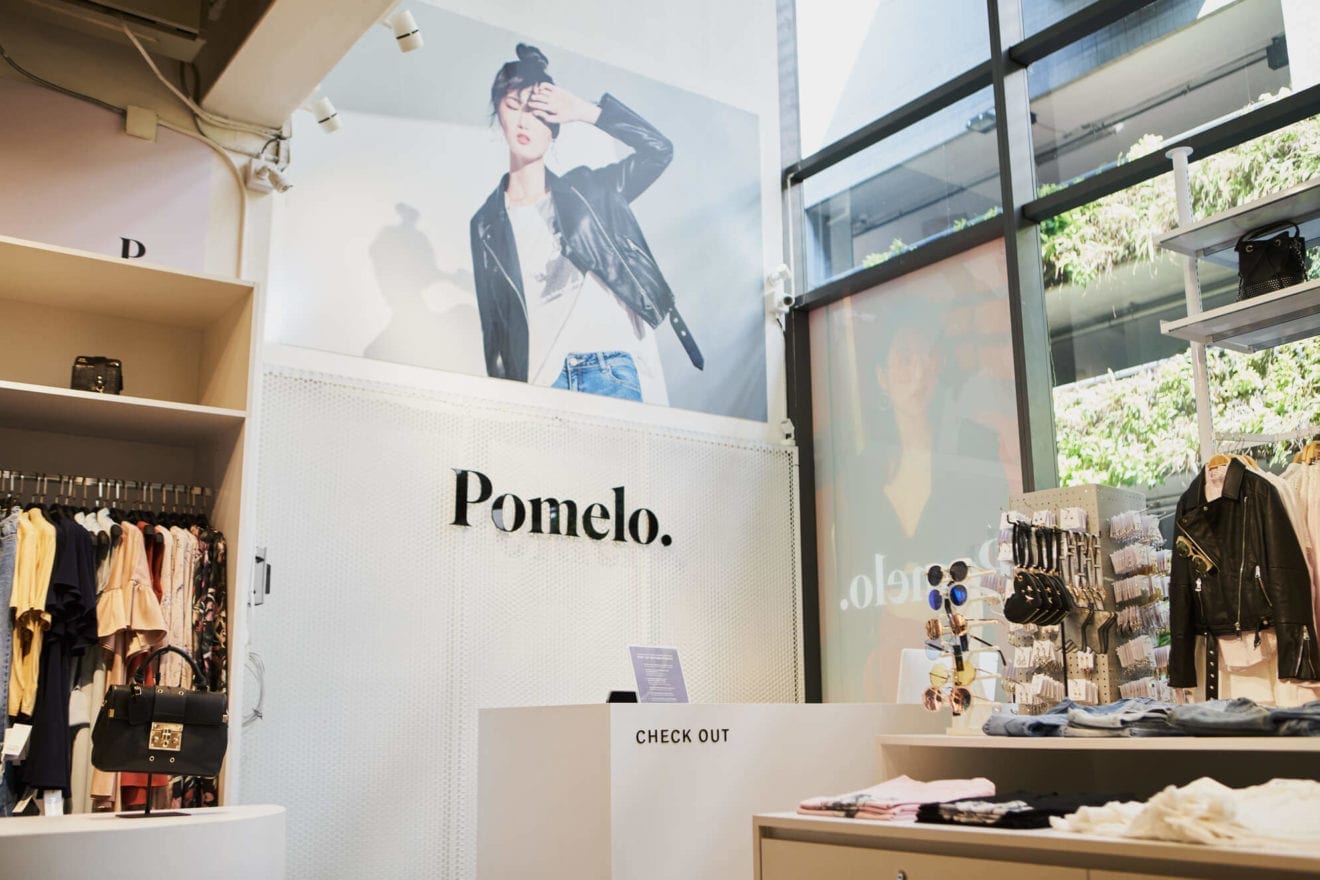
    Thai-based omnichannel fashion platform Pomelo has launched a redesigned version of its online platform which features multiple brands.

    Besides offering in-app exclusive live streaming, the new app houses more than 100 brands on its Thai version, including Vans, Converse, L’Occitane, and local brands such as Rally Movement and Matter Makers.

    But the company told Inside Retail Asia it will continue to design and release its own Pomelo range as well.

    Pomelo, which is building a footprint across Southeast Asia, plans to expand its expanded multibrand selection into other markets next year.

    The new app has a feature called Tap Try Buy, previously called Pomelo Pick Up, which allows customers to order items online through the app or website, select a store or partner location to try on their selected items, and only pay for only what they choose to keep. Tap Try Buy orders already make up almost half of the retailer’s online orders, a percentage that has grown during the Covid-19 crisis.

    Overseeing the new multi-brand direction is Alexandra Schonfrucht, newly appointed former Zalando and JD Sports executive, who is now Pomelo’s global head of third party brands.

    “We’re thrilled to welcome Alexandra to the Pomelo team as we enter this next phase of growth as a multi-brand platform,” said David Jou, CEO, and founder of Pomelo. “We’re continuing to build a diverse brand portfolio to provide the best omnichannel experience for our users.”

    The new app also incorporates Pomelo’s new branding elements including a refreshed logo.

  • Kenzo founder Kenzo Takada dies from virus

    Kenzo founder Kenzo Takada dies from virus

    Paris-based Japanese designer Kenzo Takada, famous for creating the international luxury fashion house Kenzo, died in Paris on Sunday due to Covid-19 related complications, a spokesperson for Takada’s luxury K-3 brand said in a statement sent to CNN. His death came in the midst of Paris Fashion Week, which, through a hybrid of physical and digital shows, has forged ahead despite rising Covid-19 cases in France.

    It is with immense sadness that the brand K-3 announces the loss of its celebrated artistic director, Kenzo Takada. The world-renowned designer passed away on October 4th, 2020 due to Covid-19 related complications at the age of 81 at the American Hospital, in Neuilly-sur-Seine, France,” the statement read.

    In 1970, Takada rocked Paris with the debut of his namesake fashion line. Sold out of his first boutique, called Jungle Jap, his designs were a chaotic mix of loud colors and mismatched prints inspired by his travels.

    The world’s varied cultures would be a constant source of creativity — and everything from folk dresses to kimonos would be boldly reinterpreted for his runways. “There was much more of a cultural gap when you were traveling from one country to the next,” he said in a 2019 interview, reminiscing about trips taken in the 1970s. “So that really drove me and gave me a lot of influence and inspiration to work on different things around my trips.”

    On Paris, Takada would speak of its lasting influence. “A French way of working with fashion definitely influenced me and much later I started to blend other cultures into that specific fashion,” he said.

    “Of course now, fashion is everywhere; in New York, Paris, Milan, London, Tokyo, everywhere. But I think Paris stays very important.”

    The designer inaugurated his flagship store in the city’s Place des Victoires by 1976, and over the next three decades, he racked up numerous accolades and accomplishments — including a slew of magazine covers, the launch of a perfume empire and, in 1993, his brand’s purchase by luxury conglomerate LVMH — before retiring to pursue other creative projects in 1999.

    “Kenzo Takada was incredibly creative; with a stroke of genius, he imagined a new artistic and colorful story combining East and West — his native Japan and his life in Paris,” Jonathan Bouchet Manheim, CEO of Takada’s K-3 brand, launched in January of this year, said in a statement.

    “I had the chance to work alongside him for many years, always in awe, admiring his curiosity and his open-mindedness. He seemed quiet and shy at first, but he was full of humor. He was generous and always knew how to look after the people close to his heart. He had a zest for life… Kenzo Takada was the epitome of the art of living,” he added.

  • Korean restaurant chains cry foul over Covid-19 rules

    Korean restaurant chains cry foul over Covid-19 rules

    South Korean restaurant chains are accusing the government of using “discriminatory countermeasures” in the fight against the coronavirus pandemic.

    Recent edicts to prevent the spread of the latest outbreak in the country have seen the closure of buffet and family-style restaurants, while still allowing cafes to operate. Prominent chains CJ Foodville, Shinsegae Food and Elandeats have expressed their dissatisfaction with the discrepancy, which has involved multiple outlet closures and necessitated the dumping of fresh food.

    “The largest number of coronavirus cases was confirmed at Starbucks coffee shop(s), but I don’t understand why restaurant chains are targeted,” a family restaurant worker told the Korea Times. “Starbucks closed its relevant branches for a few days and then they reopened them.”

    The restaurant chains had previously instituted anti-Covid-19 precautions, such as checking the temperatures of customers and enforcing social distancing.

    The Korea Times quoted one CJ Foodville official as saying: “It is our obligation to follow the government’s regulations, but we hope people don’t continue to think that our restaurants are high-risk after things get better.”

  • Trend Micro Brings DevOps Agility and Automation to Security Operations through Integration with AWS Solutions

    Trend Micro Brings DevOps Agility and Automation to Security Operations through Integration with AWS Solutions

    Trend Micro Incorporated, the leader in cloud security, enhances agility and automation in cloud security through integrations with Amazon Web Services (AWS). As a result, Trend Micro delivers flexible and scalable all-in-one security that helps DevOps engineers securely build and innovate as they migrate to and build in the cloud.

    Trend Micro has demonstrated the strength of its collaboration with AWS since 2012 with a deep understanding of customer use cases and by integrating with leading AWS security services at launch. Most recently, Trend Micro Cloud One™ offerings have been natively integrated with AWS Control Tower and AWS Systems Manager Distributor. These additions are designed to bring immediate benefit to security, cloud, and DevOps teams leveraging AWS by automating enforcement of security capabilities earlier in the account and resource provisioning process.

    “Trend Micro is an Advanced Technology Partner in the AWS Partner Network (APN) with  a long-standing history of providing security solutions to help customers address their portion of the shared responsibility model,” said Siva Padisetty, General Manager, AWS Systems Manager, Amazon Web Services, Inc. “Trend Micro’s continuing investment in integrations with native AWS capabilities, such as AWS Control Tower and AWS Systems Manager Distributor, reduces onboarding and management friction while adopting an enhanced security posture.”

    According to a recent report from IDC, “Trend Micro is the dominant leader in Software-Defined Compute (SDC) workload protection,” making up 29.5% of the worldwide hybrid cloud workload security market share, proving the company’s hybrid cloud security expertise, capabilities and trust by customers. As the leading cloud security experts, Trend Micro engineers develop security solutions designed to meet the needs of cloud engineers.

    “We understand that security teams don’t always have complete control or visibility into how cloud instances are being spun up, configured and used across the company,” said Sanjay Mehta, senior vice president of business development and alliances for Trend Micro. “Listening to and understanding customer needs and feedback drives our innovations and collaboration with AWS. Having our solutions plug in natively with AWS offerings like AWS Control Tower and AWS Systems Manager Distributor adds visibility and automates security for our customers.”

    Through this collaboration, Trend Micro Cloud One offers the broadest platform support and API integration to protect your AWS infrastructure whether building with Amazon Elastic Compute Cloud (Amazon EC2) instances, AWS Lambda, AWS Fargate, containers, Amazon Simple Storage Service (Amazon S3), or Amazon Virtual Private Cloud (Amazon VPC) networking.

  • Covid-19 will strip US$95.4bn from Apac apparel market

    Covid-19 will strip US$95.4bn from Apac apparel market

    The coronavirus pandemic is likely to cost the apparel and footwear industries across the Asia-Pacific region US$95.4 billion in lost sales this year.

    The impact on the broader global industry will be a massive US$395.6 billion in lost sales, according to analytics firm GlobalData, which represents a 19.5-per-cent decline on last year’s figures. The sector will account for 29.1 percent of the total $1.3617 trillion impacts of lost revenues by the retail industry during the period.

    The figures are the result of an industry examination undertaken by GlobalData, which found that the apparel sector is still the worst affected by the outbreak, continuing to be hit by store closures and poor consumer demand. Rising unemployment and a possible recession is likely to worsen the situation for players in the industry.

    According to research conducted by the firm, 60 percent of consumers surveyed said that trustworthiness, risk-free and familiarity are factors currently influencing their choices of products/services.

    “Brands need to continuously engage with consumers through social media channels and personalized messages to stay in contact and engage with their customers,” said GlobalData Retail analyst Vijay Bhupathiraju.

    “They should continue to build trust by delivering messages addressing Covid-19 and social responsibility and advertise the safety and hygiene measures taken during the manufacturing process and in-stores to drive more consumers to the stores.”