Retail News CRM

Tag: virus

  • Sheng Siong Group boosts sales during virus lockdown

    Sheng Siong Group boosts sales during virus lockdown

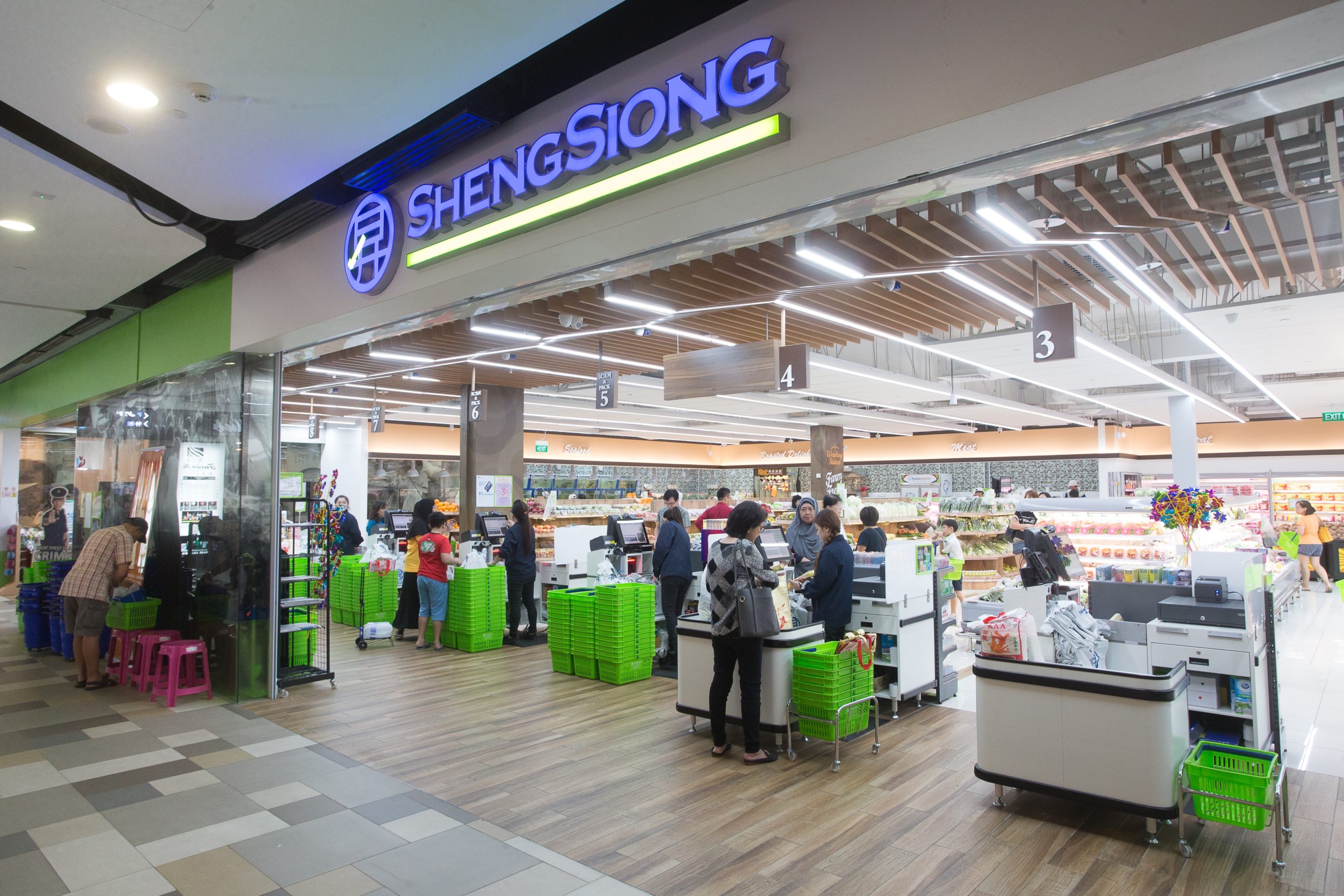
    Singapore consumers’ migration from food halls to supermarkets during the Covid-19 pandemic has proven a windfall for grocery operator Sheng Siong Group.

    Sales for the June quarter surged 75.8 percent to US$304.3 million, gross profit margin improved from 27.4 percent to 28.1 percent and net profit soared 150.7 percent year on year to $33.6 million.

    While new stores accounted for 13.3 percent of the 75.8-per-cent increase in sales the vast majority of the balance came from same-store turnover.

    “This was mainly driven by the elevated demand arising from Covid-19, as consumers stocked up to hedge against the risks of disruption to the supply chain and the implementation of the “Circuit Breaker” restricting people’s movements and forbidding eating out, thereby benefiting retailers of fresh and uncooked food,” the company said in a statement.

    However, the company has warned the gradual easing of restrictions on Singaporeans’ movements it expects the elevated demand for goods fuelled by Covid-19 will ease.

    “Competition in the supermarket industry is expected to remain keen and challenging among the traditional brick-and-mortar operators and e-commerce platforms which seem to have gained better visibility because of the Circuit Breaker,” the company said. “Demand may be affected if post-Covid-19, economic recovery is slow or remains depressed.”

  • Takashimaya plunges into the red as Covid-19 eats into sales

    Takashimaya plunges into the red as Covid-19 eats into sales

    Takashimaya, the Japanese department store operator, has reported a loss of US$190 million in the May quarter as it faced extraordinary payments related to the Covid-19 pandemic and falling sales.

    The company was forced to effectively close 22 stores in Japan from April 8 after Prime Minister Shinzo Abe declared a state of emergency. Only the food departments were allowed to continue to trade as the government ensured social-distancing measures.

    Sales in May plunged by more than 60 percent as a result, but last month’s decline was a much less dramatic 16 percent as cities began to reopen and consumers ventured out shopping again. For the full quarter, sales were down by 48 percent to $1.08 billion.

    As well as reduced domestic spending, Takashimaya sales were impacted by the absence of tourists as borders were closed as a Covid-19 prevention strategy.

    For the May quarter, Takashimaya recorded a one-off loss of $79.8 million relating to pandemic costs, including paid leave for staff unable to work due to the shutdown.

    The company did not release any figures on the performance of its overseas stores in Vietnam, Singapore, Thailand and Mainland China and it declined to proffer earnings guidance for the full year.

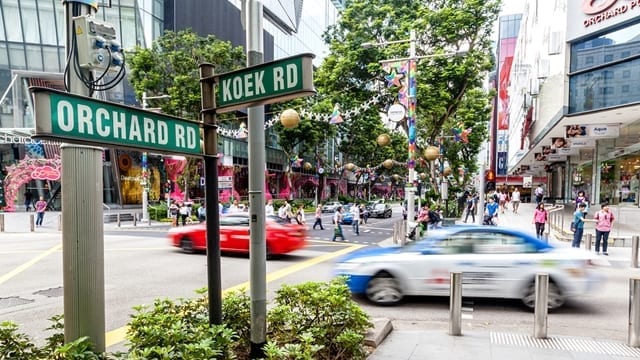
  • Singapore retail sales collapsed during May due to store closing

    Singapore retail sales collapsed during May due to store closing

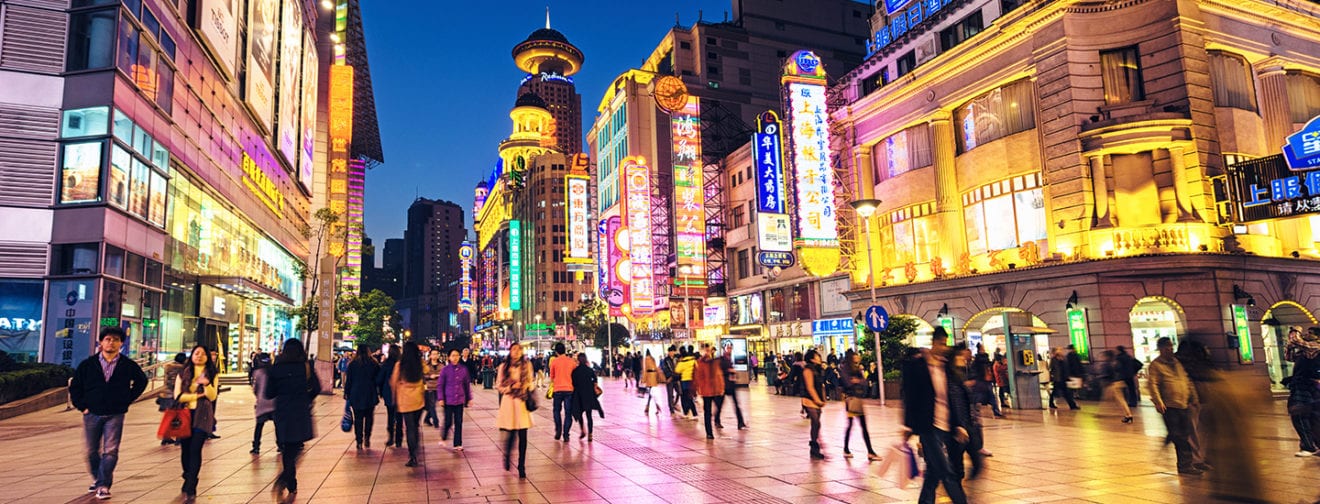
    Singapore retail sales plummeted 52.1 percent in May as Covid-19 lockdowns shuttered malls and the majority of retail stores across the city-state.

    May’s year-on-year decline followed a 40.3 percent drop in April and represented the biggest drop since statistics were first collected in 1986.

    After removing motor vehicles from the data, the decline was only a slightly less dramatic 45.2 percent, compared with 32.5 percent in April.

    The closure of stores across the city caused a dramatic rise in online sales which accounted for 24.5 percent of the US$1.29 billion total turnovers.

    According to Statistics Singapore, 94.3 percent of sales of computer and telecommunications equipment in May were conducted online, 93.6 percent of furniture and household goods, and 9.6 percent supermarket sales.

    Every retail category recorded a sales decline except supermarkets, hypermarkets, and convenience stores. Supermarket and hypermarket turnover soared 56.1 percent and convenience stores by 9.1 percent.

    Sales of watches and jewelry, by department stores and apparel, fell by between 89.1 percent and 96.9 percent.

    As with traditional retail, the Circuit Breaker measures introduced to curb the spread of Covid-19 resulted in huge declines in the food & beverage sector as well. A 50.1-per-cent decline in May represented a tiny improvement from April’s 52.7 percent, with vendors able to supply only delivery or takeaway.

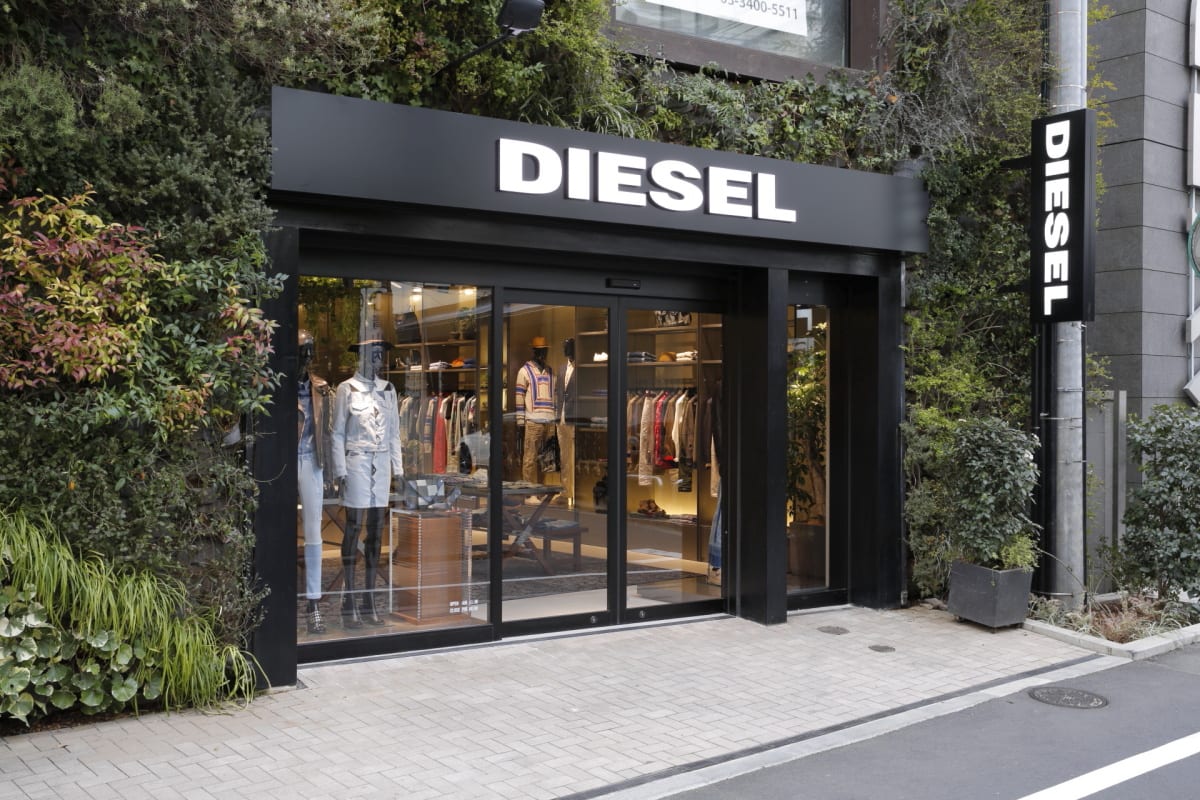
  • Diesel unveils a 360-degree selling platform and virtual showroom

    Diesel unveils a 360-degree selling platform and virtual showroom

    Diesel has unveiled Hyperoom, a 360-degree virtual selling platform and exhibition space.

    Conceived by Diesel’s parent company OTB, Hyperoom resembles the Diesel’s physical showroom in Milan. All Diesel’s products will be featured in the virtual store through a customised section of the platform, including the Spring and Summer 2021 Collections.

    At Hyperoom, customers can peruse the products in 360-degree displays or in 2D closeups with product descriptions.

    “One must look for silver linings whenever and wherever possible,” says Massimo Piombini, CEO of Diesel, referring to the challenge of the Covid-19 crisis.

    “This year has sparked an urgency to accelerate what we can offer and accomplish in the digital space. With this tool we have set a new benchmark for the industry, in regard to digital transformation.”

    “At Diesel, we aimed to keep as much of the buying’s physical element as possible”, the company says in a statement. “To digitally recreate the selling process, we have enabled remote buying sessions through enhanced and comprehensive digital assets.”

    Diesel believes the new virtual-store concept will be a solution for many fashion brands as it not only provides a unique online retail experience but also reduces the amount of clothing samples required at physical stores.

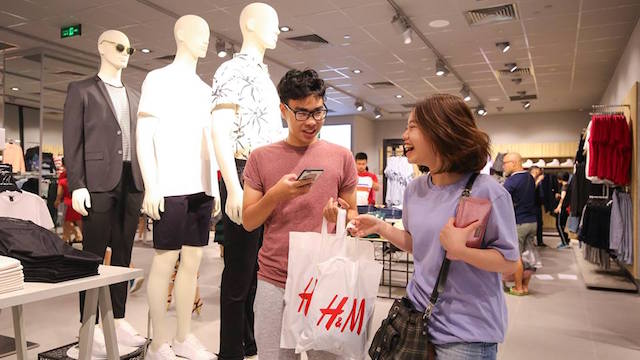
  • H&M talks online growth, sustainability and recovering after Covid-19

    H&M talks online growth, sustainability and recovering after Covid-19

    Fashion giant H&M is expanding its online presence around the world, as it continues to recover from the coronavirus pandemic and work toward its goal of becoming climate positive by 2040.

    The company said it will expand the digital presence of its brands Cos, Weekday, Monki, & Other Stories and Arket in Europe from May onwards.

    The company said it will also push through with its plans to launch an e-commerce site for its H&M brand in Australia later this year, and open a digital flagship store of its lifestyle brand Arket on Alibaba’s e-commerce platform Tmall in August.

    The world’s second-largest clothing firm said the current situation highlights customer desire for digital solutions and the importance of integrated channels.

    “We are glad that we are able to provide this in most of our markets and in even more markets from May onwards, as Cos, Weekday, Monki, & Other Stories and Arket are set to expand, making their collections available online to nine additional markets across Europe,” the company said.

    H&M said with the world experiencing this health crisis, digital solutions are needed as cars and homes are becoming safe havens for shoppers and mobile devices and computers will be their main point of locating products before going to stores.

    The fast-fashion giant announced in March that the second half of its first-quarter sales were negatively impacted by the outbreak of the COVID-19 pandemic, particularly China.

    Total sales in March dipped 46 percent compared to the previous corresponding period but online sales saw a 17 percent increase.

    H&M’s total sales during the period between March 1 to May 6 this year decreased by 57 percent in local currencies compared with the same period in 2019.

    Online sales, which are open in 46 of the company’s 51 online markets, increased by 32 percent in the same period.

    Helena Helmersson, H&M’s new chief executive, said they think the pandemic will lead to a fast shift towards digital and that they need to be ready for it.

    At the group’s recent annual general meeting, a new board member was elected, Danica Kragic Jensfelt, who is a professor at the Royal Institute of Technology in Stockholm and does research in robotics and artificial intelligence.

    When asked if the new board appointment means AI and robotics are what H&M will be concentrating on in the near future, H&M said they have always made big investments in its tech foundation and AI.

    “We continuously see clear signals that we are on the right track and we will continue to invest in this area in the future, to secure an organization that drives innovation and optimizes business decisions,” the Swedish fashion retailer’s media team said.

    According to H&M, their AI work spans across the entire value chain – from design to customer experience.

    “By analyzing a large amount of data from our operations within the group, we can align supply and demand much better, with the goal of only producing what we are selling.”

    H&M said the pandemic has affected their day-to-day operations as well as their outlook for the future.

    “Due to the exceptional situation caused by the spread of COVID-19, we are reviewing all parts of our business,” the company said.

    “The world continues to adapt to a situation like no other, and H&M Group, like so many companies around the world, continues to navigate the effects of the coronavirus crisis.”

    The group said they have been forced to make difficult decisions and take strong measures across all parts of the business but that in everything they have been doing, the customer is always in focus.

    “We believe that customer-centricity, strong collaboration, subsisted sustainability and expanding digitalization are key factors for our success.”

    Helmersson, who once headed the sustainability department in the company, said sustainability work is an integral part of the whole business and includes every area of the company, hence its growth targets and sustainability goals have equal weighting, live side by side and are entirely interconnected.

    “I know the importance of environmental protection, people empowerment and industry transparency to build a sustainable business,” Helmersson said. “These areas are not only close to my heart but very much part of my business perspective.”

    With the release last week of the 2019 Material Change Insights Report compiled by the global non-profit Textile Exchange, H&M said it seems their efforts on sustainability are showing progress.

    The report showed the H&M Group leads the ranking in the use of organic cotton and down certified by the Responsible Down Standard. This means the company is recognized as the number one company sourcing preferred cotton. This includes organic cotton, recycled cotton and cotton sourced through the Better Cotton Initiative, among others.

    “Being ranked as a leading company in sustainable materials sourcing is a great recognition of all the hard work we do every day to make our business more sustainable,” said Cecilia Brännsten, H&M’s Environmental Sustainability manager.

    “But that doesn’t mean we are done yet, there is still work to do to increase the use of recycled materials and push for innovative materials.”

    After cotton and synthetic materials such as polyester and nylon, the materials the H&M group use the most are man-made cellulosic materials such as viscose.

    Sourcing them in a more sustainable way has been a big part of the company’s goal, H&M said.

    The company has announced its commitment to become climate positive throughout its entire value chain by 2040 at the latest.

    “That means we will reduce more greenhouse gas emissions than our value chain emits  — all the way from cotton farms to the customers’ washing machines and the recycling baskets,” the company said.

    H&M said to become climate positive, they need to change how their products are made and enjoyed.

    “About 70 percent of a garment’s climate impact arises during the manufacturing process itself. Making fibres, processing materials, dyeing and fabricating requires a lot of energy,” the fashion giant said. “We make tough demands on our suppliers, and we also help them to switch from fossil-based to renewable energy sources such as wind and solar.”

    H&M cited as example that the group is currently implementing energy efficiency programs throughout its supply chain in close cooperation with its business partners.

    “We also work on putting pressure on and collaborating with governments and authorities. This is a way to create positive changes beyond our industry.”

    But, the company said, to be completely climate positive, they need to find new solutions.

    “We are exploring new techniques that potentially could absorb greenhouse gases and turn it into new fabrics and products,” H&M said. “We are constantly exploring new ways of making our products, such as making fabrics out of citrus peel and old fishnets.”

    The H&M group said it wants to make sustainable fashion affordable for everyone.

    “It’s the essence of what we do and why we exist,” the company said. “As part of an industry facing significant challenges, we want to ensure that we move away from a linear system to a circular one that ensures long-term sustainability. As a major player in the industry, we are well-positioned to lead this change.”

    Stores reopening

    According to the retailer, the current situation with the coronavirus crisis remains challenging for them but they are happy to be gradually re-opening stores in markets where governments have eased restrictions.

    “Safety measures vary from market to market-based on recommendations and guidance from the relevant authorities,” the company said.

    The company’s media team said some of these recommendations and guidelines include the use of plexiglass, limiting the number of customers in stores, closure of fitting rooms and the use of personal protective equipment to name some.

    “These measures have been well received by customers,” the team said.

    The team said it is in extraordinary situations like this current pandemic that people see how interconnected human health and planetary health are.

    “This is why the H&M Group, together with other leading companies, just joined the Uniting Business and Governments to Recover Better statement, the latest initiative of the UN Global Compact.”

    The Recover Better statement, signed recently by around 150 companies, is a call to action for governments and policymakers to reimagine a better future grounded in bold climate action.

    “It is now more important than ever that companies and governments show leadership standing by their commitments in climate action, and that we take responsibility together,” H&M said.

    The company said it expected to make a loss in the second quarter but pointed to a rebound in demand in China.

    H&M said in those markets that have begun to open up, trade in the stores has initially been muted. At present 3,050 stores, representing 60 percent of the group’s 5,061 stores, are still temporarily closed.
  • Covid-19 virus outbreak will speed up the reshaping of global retail trends

    Covid-19 virus outbreak will speed up the reshaping of global retail trends

    “Customers today care less about the breadth of assortment and more about availability.”

    Covid-19 has accelerated key underlying global retail trends that were already reshaping the industry according to a new report by KPMG.

    The research finds that retail markets globally are changing and the industry is continuing to evolve while facing massive challenges from Covid-19 crisis. However, far from stopping or slowing change in the industry, the pandemic has sped them up.

    In its report Global Retail Trends 2020, KPMG’s retail sector experts identified four key trends which will continue to impact operators:

    • An evolving retail business model, with online platforms becoming the shopping malls of tomorrow.
    • An increasing desire to explain a ‘sense of purpose’ to consumers.
    • A rethink of the costs of doing business.
    • A stronger focus on customer choices.

    KPMG’s retail sector group predicts just two types of retailers will survive: those offering a limited yet curated selection and those offering unlimited selection.

    The report also concludes that retail leaders will think more clearly about their investments into three key areas: customer loyalty programs, customer data, and technologies aimed at making the shopping experience easier, safer and more efficient.

    “In the post-Covid-19 environment, consumers will place greater emphasis on both convenience and safety,” explains Jessie Qian, partner, head of consumer and retail at KPMG in China.

    “During the lock-down, we have seen brands and shopping centers using WeChat Mini-programs, online social groups and live streaming videos to reach consumers through new channels without the need for foot traffic.

    “Customer data has now become both an important and a valuable asset,” says Qian. “Brands and retailers will aim to use customer data to improve business efficiency and increasingly provide more targeted and personalized services.”

    She says that while many physical stores will return to growth when the Covid-19 crisis passes, consumers’ experience shopping online through necessity will impact shopping behavior in the future.

    KPMG’s report on global retail trends predicts that during the year ahead, ongoing challenges with supply, demand, and business continuity will force many retail groups to rethink their business models. This should spark “a new wave of innovation and competition in the industry”.

    For retailers, cementing customer relationships may be the key to maintaining commercial viability in a post-pandemic world.

    “For most retailers, that means leaning strongly into online sales, proving that speaking to customers and understanding their needs has become just as important as the bottom line,” says Qian.

    Alice Yip, partner, head of consumer and industrial markets, Hong Kong, at KPMG China, says Covid-19 has been a catalyst for change in Hong Kong’s retail sector, impacting different retail formats by varying degrees.

    “Retailers relying on traditional brick-and-mortar stores have taken a considerable hit, while online shops are increasing their trading volumes and attracting new customers. When preparing for a post-Covid-19 environment, Hong Kong retailers will need to revisit their business models to better connect sourcing, logistics, customer interaction, and product sales both online and offline.

    “The aggressive cost-containment strategies implemented in the midst of Covid-19 have shown retailers that they will need to go further if they hope to return their business to profitable growth. Retailers will increasingly need to leverage data and analytics to identify their most profitable stores, configurations and products, and based on this, make important decisions,” she says.

    “The Covid-19 pandemic has shifted customer expectations. Customers today care less about the breadth of assortment and more about availability.”

    That sentiment was echoed by Anson Bailey, partner, head of consumer and retail in Asia Pacific at KPMG:

    “As we see changing consumer behavior, business models are evolving with the rise of platforms in Hong Kong and retailers need to move quickly as the technology is accelerating and the speed of change is relentless,” he says.

    “Consumers have greater expectations from those online experiences in terms of unlimited selections, instant delivery, transparent pricing and more flexible payments. We are therefore going to see a greater focus and investment dollars on those e-commerce platforms.”

    The group predicts that in the light of new global retail trends, retailers will focus on improving transparency, and on helping society respond and recover from the current health crisis.

    They also expect leading retailers will move from having a purposeful brand promise to using their purpose as a guiding growth principle and “a decision-making lens”.

  • Bulgari E-commerce platform launched in Singapore

    Bulgari E-commerce platform launched in Singapore

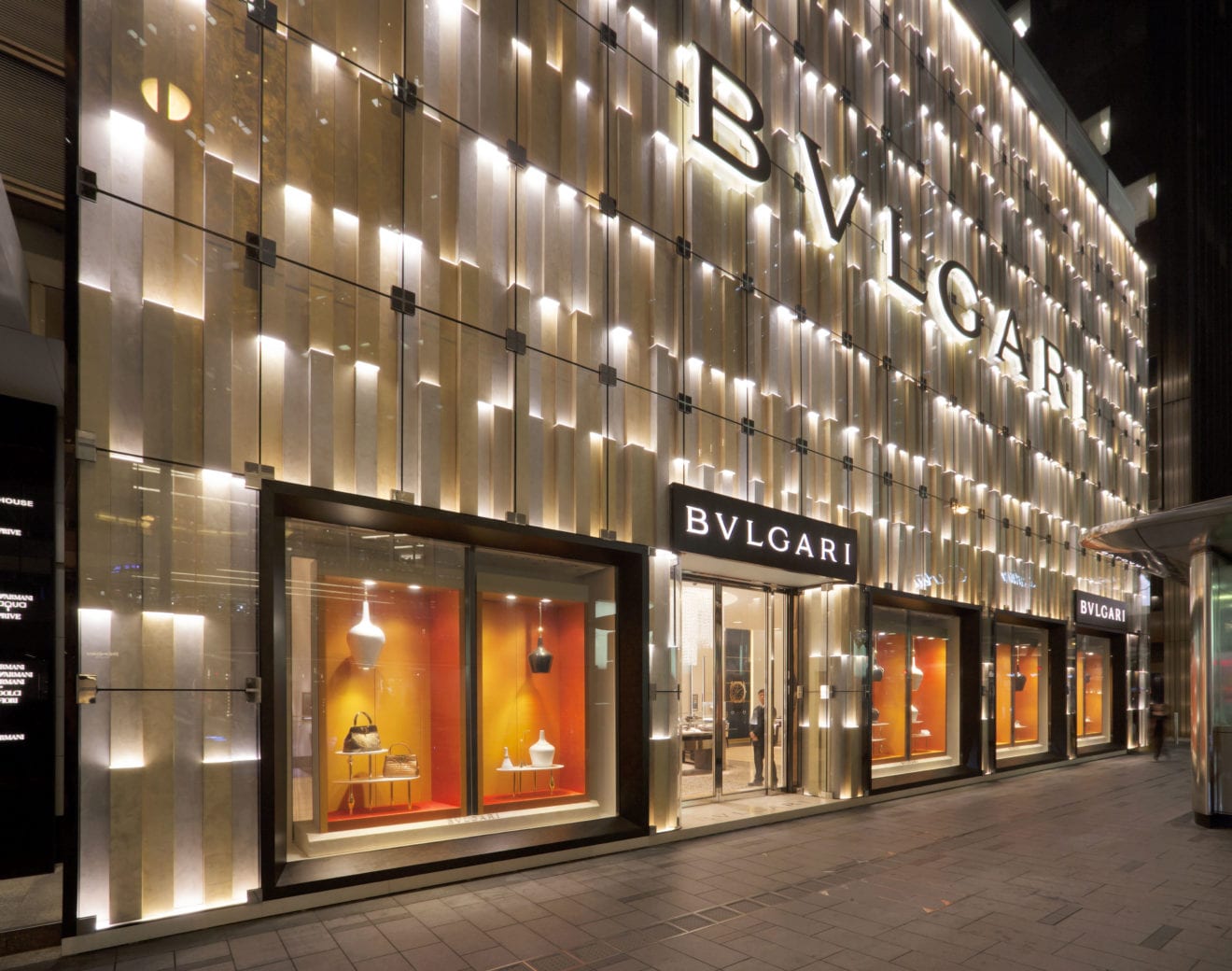
    Italian jewelry firm Bulgari has launched an e-commerce platform in Singapore prior to opening online services in its home territory. Korea will soon follow.

    The luxury brand is accelerating its digital program following the effect of the coronavirus pandemic on the industry, placing restrictions on the ability of shoppers to visit physical stores. It is planning to launch new online boutiques in seven countries over the next 90 days, beginning with the Singapore shop going live yesterday.

    The store features an AR function allowing shoppers to view products as they would appear in the real-world environment, as well as e-concierges and home delivery services.

    “E-commerce must be an engaging and exclusive 360-degree experience, offering the same service of excellence delivered in a Bulgari boutique,” said Bulgari CEO Jean-Christophe Babin.

    “Not to mention the complementarity of the website with the boutiques in terms of content and information.

    “With Covid-19, our e-shop has become our number-one store worldwide with a growth exceeding 100 percent and we believe it will reinforce its leading position after Covid-19, as it has been an accelerating factor.”

    Bulgari’s next e-shops are expected to launch in the UAE, Italy, France, Korea, Mexico and Brazil.

  • Start-ups in APAC brace for coronavirus bruising

    Start-ups in APAC brace for coronavirus bruising

    In 2013, Simon Loong launched Hong Kong fintech WeLab using a small loan — just four years later the business was profitable. As one of the leaders of the second FT Asia-Pacific High Growth Companies ranking, WeLab’s story is testament to the favorable business conditions that start-ups in Asia can enjoy. WeLab, an online platform that offers users a range of services including loans, already had a presence in Hong Kong and mainland China. In 2018 it entered Indonesia via a joint venture with a local conglomerate.

    The resultant Maucash platform acquired more than 600,000 registered users in its first year of operations — a faster user growth rate than when it entered mainland China in 2014. Its momentum to this point reflects how the Apac region’s youthful population — which in places like India and Indonesia is chronically “underbanked” or lacks access to financial services entirely — is moving online, boosting companies like WeLab that are eager to meet their needs. Little wonder, then, that once again technology businesses along with fintech and eCommerce overwhelmingly dominate this year’s list, together accounting for more than 30 percent of the 500.

    Indonesia, meanwhile, contributed just two companies to the list, yet both of them — Fabelio, an online furniture retailer, and Bukalapak, a digital marketplace — rank in the top 20. In terms of cities, Singapore overtook Tokyo this year for having the largest number of high-growth companies (74), followed by the Japanese capital (69) and Sydney (34). Singapore’s “good ingredients” have made it a favored destination for both domestic entrepreneurs and those from the wider region, says Patrick Yeo, a partner at PwC who advises businesses locating in the city-state. “Singapore is the headquarters for these companies but the operations from which they derive their revenue are not necessarily all from there,” he adds.

    Many start-ups have not experienced what it is to have forward estimates go up in smoke Michael Joseph, Ion Pacific One such example is ride-hailing company Grab, which moved its headquarters from Malaysia to Singapore in 2014. The city now acts as a base from which it serves other markets in south-east Asia. Grab ranks 20th, with a 2015-18 CAGR of 233 percent. The business, which is backed by SoftBank and was valued at $14bn before the pandemic, is also a company that its western counterparts are looking to for ideas. The company launched its original ride-hailing app in 2012, with the aim of becoming the Uber of south-east Asia. It has since widened its offering beyond simply getting people “from A to B”, says Ming Maa, Grab president.

    It now offers loans, and grocery and laundry delivery. “The more services a customer uses, the more revenues we are able to generate.” Now, it seems, US rival Uber is imitating the “super app” strategies of Grab and Indonesia-based Gojek. Uber chief executive Dara Khosrowshahi last year declared he wanted “Uber to be the operating system for your everyday life”. Gojek, as with some other Asian companies valued above $1bn such as Indonesian e-commerce player Tokopedia, declined to be featured on the list. Some companies did not want to make their figures public or chose not participate for other reasons.

    Pandemic fallout Even before this crisis, growth had begun to show signs of slowing for some companies since 2018. Bukalapak’s app download figures on Apple and Android devices halved between January and December 2019, from about 1.4m to 692,000, according to data from Sensor Tower. Asia has historically been effective at building online marketplaces such as Grab’s “superapp” model and such ventures will face less pressure than smaller start-ups during the coronavirus-led downturn, says Jonathan Woetzel, Asia-based director of the McKinsey Global Institute.

    “There will be volatility. Does that translate into massive bankruptcies? I do not see that, certainly not for larger ones at this stage,” he says. Editor’s note The Financial Times is making key coronavirus coverage free to read to help everyone stay informed. Find the latest here. WeLab’s online lending platform in Hong Kong, WeLend, has seen an increase of about 36 percent in application volumes in March compared with the same month in 2019. Yet Mr Loong cautions that WeLab is bracing for a hit to China and Hong Kong’s economies, which could affect customers’ ability to repay those loans.

    WeLab said it was being “prudent” with the increase in applications, which were coming from a wide range of age groups and industries. Many entrepreneurs in India and south-east Asia are facing their first real recession and test of their business models, notes Michael Joseph, managing partner of Asia-based asset manager Ion Pacific, which invests in the venture capital secondary market. “Many of the start-ups in south-east Asia are run by teams that . . . have not experienced, first-hand, what it is to have your forward estimates go up in smoke in the way that the dotcom bubble bursting and the global financial crisis caused pain for start-ups earlier in the millennium,” he says.

  • Covid-19 cuts US$420 billion from China’s retail market

    Covid-19 cuts US$420 billion from China’s retail market

    The Covid-19 pandemic has erased US$420 billion from China’s retail market this year – but an analyst predicts a rebound in the second half.

    Vijay Bhupathiraju, a retail analyst at GlobalData says before the coronavirus came along, Mainland China was on track to achieve 7.7 percent retail growth this year. But the resulting lockdowns from the pandemic wiped RMB3 trillion (US$420 billion) off total retail sales.

    The lockdown was eased progressively from March 18 and in the epicenter, Wuhan city, was completely lifted on April 8, at which point malls, restaurants and retail stores rushed to reopen and recover some of their losses. By April 3, according to Chinese government data, some 80 percent of restaurants and 90 percent of commercial facilities had resumed operations.

    But cautious consumers have remained confined to their homes, worried about the potential to be infected, meaning footfall at stores and restaurants reopened has been insufficient to ensure profitability for many companies in China’s retail market.

    “Despite easing lockdowns, immediate increase in consumer sentiment is unlikely in the second quarter of this year, particularly for discretionary goods, as consumers remain cautious about visiting busy locations such as shopping malls,” said Bhupathiraju.

    “A rebound in consumer sentiment can be expected from the second half, which will be translated into a faster sales pick up in the country. In fact, the rebound will be more positive than those we forecast for mature western countries such as Italy, Spain, the UK and the US, where consumer willingness to spend and financial stability will be weaker.”

    By year-end, GlobalData projects China’s retail sales will be down by 1.8 percent – a far cry from the 7.7 percent growth expected, but if the estimate proves correct, it should be significantly better than many western retail markets can expect.

    Next year, GlobalData predicts China’s retail market will bounce back, with sales growth of 8.3 percent against this year.

    Examples of the weak footfall in the post-lockdown era include Walmart in Shanghai, which reported less than half the usual levels on March 28, and H&M, which recorded a 23-per-cent sales decline for the week commencing March 26 against the same week a year ago, despite 99 percent of its stores reopened. And customer footfall at Suning’s physical stores was running at less than half normal.

    Meanwhile, a senior executive of e-commerce giant JD is predicting “unprecedented challenges” to the supply chain in the wake of the Covid-19 crisis as consumer behavior reshapes China’s retail market.

    Bing Fu, logistics head of strategy says new consumption demands are constantly emerging, and product life cycles are shortening.

    “Increased uncertainties caused by emergencies like natural disasters and pandemics lead to supply chain disruptions.”

    During the coronavirus, customers bought products in any way available, turning to online solutions immediately if they could not get what they wanted offline.

    “While Covid-19 is not welcomed, it promotes digitization of consumption, which concurrently drives supply-chain upgrade,” he said. “Only by shortening and digitizing the fulfillment process can we increase efficiency and access customers faster with increased precision.”

    In recent years, he argues, the line between online and offline has become increasingly blurred. “In fact, many new channels such as WeChat’s mini-programs can’t be considered exclusively online or offline; omnichannel is the future trend.”

    Fu says to adapt to the new environment, companies must take an integrated inventory approach to manage all sales channels, integrate supply-chain planning and optimization, use consumption data to design a more efficient supply chain to deliver goods to consumers more quickly, use big data and algorithms to optimize supply-chain performance and use a transparent parcel-tracking system.

  • Samsung beats first-quarter estimates, despite virus-driven retail slump

    Samsung beats first-quarter estimates, despite virus-driven retail slump

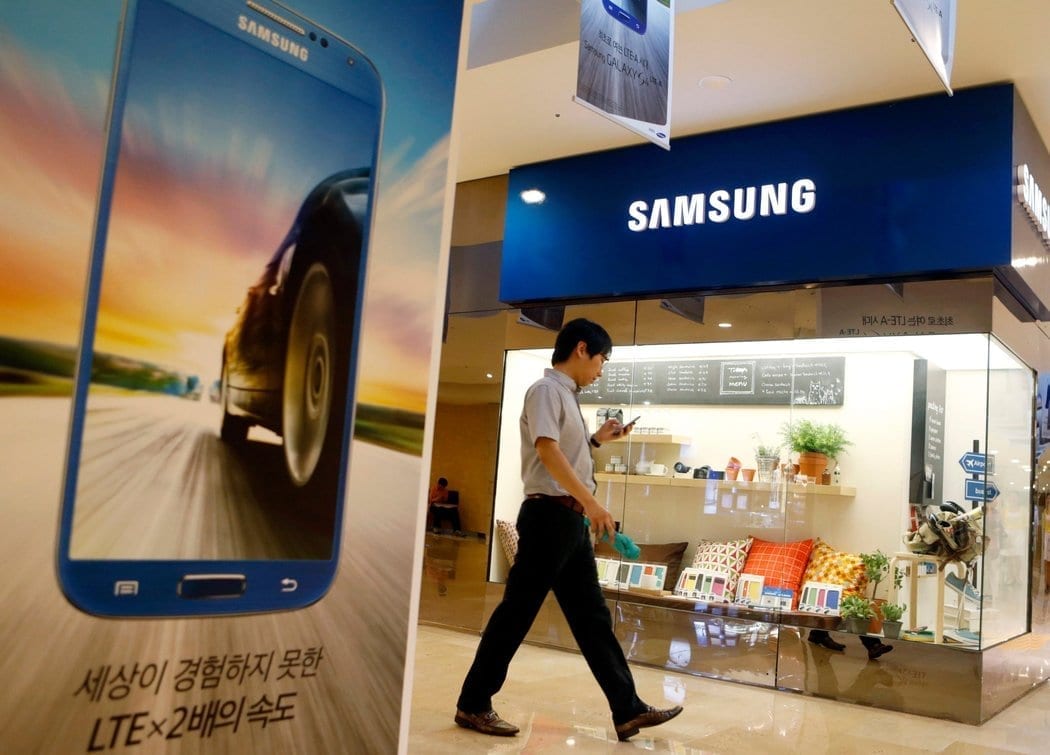
    Samsung Electronics has delivered better-than-expected first-quarter earnings as robust demand for chips apparently offset a slump in smartphone and home appliance sales amid the novel coronavirus pandemic.

    But analysts warned that the company may feel the pinch of the COVID-19 outbreak during the current quarter.

    The South Korean tech giant put its March-quarter operating profit at 6.4 trillion won (US$5.2 billion), up 2.73 percent from 6.23 trillion won a year ago.

    It beat the market consensus of 6.19 trillion won in operating profit in the survey conducted by Yonhap Infomax, the financial arm of Yonhap News Agency, on 20 Korean brokerage houses.

    Samsung recorded an 11.6-per-cent operating margin in the first quarter, the lowest since the third quarter of 2016.

    Samsung, the world’s leading memory chip and smartphone vendor, did not break down performances of its respective business divisions, saying it will announce the detailed earnings later this month.

    Analysts in Seoul said Samsung’s semiconductor business may have helped the company stay afloat amid the novel coronavirus crisis on the back of increased demand for server chips for data centers and a steady rise in memory-chip prices.

    “Increased non-face-to-face activities prompted by the COVID-19 outbreak has led to a surge in data traffic and server expansion,” Kim Dong-won, an analyst at KB Securities, said.

    “It pushed up the average selling prices of memory chips.”

    However, smartphone and home-appliance sales may have slumped in the face of weak demand amid the COVID-19 outbreak around the globe, the analysts said.

    Samsung had to temporarily shut down about one-fourth of its global manufacturing bases, including those in India, Brazil and Russia, amid the spread of COVID-19. Last month, it even shifted some of its premium smartphone production from South Korea to Vietnam.

    Samsung also had to close its home-appliance stores in North America and other countries and asked consumers to buy products online.

    Analysts said Samsung is expected to have shipped only 60 million smartphones in the first quarter, down from 72 million units a year ago, despite the launch of its new flagship smartphone line, the Galaxy S20, last month, as COVID-19 limited marketing activities.

    Postponement of major sporting events, such as the Tokyo Summer Olympics and the UEFA Euro Championship, also dealt a hard blow to Samsung’s TV sales, they added.

    Analysts predicted Samsung’s mobile and consumer-electronics units to have posted an operating profit of 2.4 trillion won and 400 billion won, respectively, in the first quarter.

    In particular, Samsung’s display business may have suffered an operating loss in the January-March period due to the double whammy of projected slumps in mobile and TV sales, according to analysts.

    Analysts expected Samsung’s mobile and TV businesses to take a heavier toll in the second quarter as the pandemic is likely to further dampen demand for mobile handsets and home appliances in advanced markets like North America and Europe.

    “Samsung’s smartphone business suffered relatively little impact from COVID-19 in the first quarter as it does not rely much on the Chinese market,” Yoo Jong-woo, an analyst at Korea Investment & Securities, said.

    “The company started to see its smartphone shipments taking COVID-19 impact from mid-March as it spread across the US and Europe.”

  • More fashion companies join coronavirus fight

    More fashion companies join coronavirus fight

    Major international retailers are lining up to join the fight against the Covid-19 coronavirus outbreak.

    Swedish fashion retailer H&M has begun producing protective face masks intended for use by hospital staff initially in Spain and Italy, to be followed by other regions.

    “At this first stage, 100,000 face masks will be produced and ready for delivery on April 2,” said a spokesperson for the brand. “Half will go to Italy and half to Spain. It is a factory in China that makes the masks.”

    Meanwhile, Japanese fast-fashion casual wear brand Uniqlo will donate 10 million masks produced by its Chinese manufacturing partners to medical facilities around the world, with the majority headed for the US, Italy and Japan. The first 1 million masks were scheduled to be delivered to Italy this week.

    McDonald’s Philippines has pledged to serve 50,000 meals to medical health workers, volunteers, police, government agencies, and local communities affected by the disease. The distribution of the meals is being handled by partner agencies.

    “We continue to reinforce our commitment to make a difference in the lives of Filipinos by providing aid to Filipinos in need during this very challenging time,” said Ronald McDonald House Charities executive director Marie Angeles.

    In China, Hong Kong jeweler Chow Tai Fook has set up an in-house face mask production line in its dust-free T Mark diamond processing factory in Lunjiao, Shunde. The facility has been operating since mid-March and produces around 100,000 masks per day.

    The masks are being given as a priority to the group’s employees globally, with donation for charitable purposes to be considered once productivity increases.

    “Anti-epidemic materials are short in supply under the global outbreak”, said Chow Tai Fook executive director Bobby Liu. “To take good care of more than 30,000 employees worldwide, the group has to secure an adequate supply of face masks for our staff to ensure they can return to work safely and worry-free. In response to this challenge, we shifted from global sourcing to producing our own face masks.

    “Contributing to fight against the outbreak, we plan to donate face masks to people in need through medical institutions or non-profit organizations once we ramp up our production.”

  • Coronavirus Sees China’s Geely Automobile Facing One Of Toughest Years

    Coronavirus Sees China’s Geely Automobile Facing One Of Toughest Years

    China’s Geely Automobile Holdings Ltd said on Monday 2020 may be one of its toughest years yet, as pressure stemming from the coronavirus outbreak on production and sales persists.

    But it said it planned to go ahead with global expansion, despite lower sales and net profit for 2019, when the country’s auto market suffered a slump, even before the novel coronavirus led to lockdowns that have paralyzed economic activity and disrupted supply chains.

    Geely Automobile, based in the eastern province of Zhejiang, is China’s most globally high-profile automaker following investments by parent company Zhejiang Geely Holding Group Co Ltd’s in European manufacturers Volvo Car and Daimler AG.

    China car sales fall 92% as coronavirus keeps buyers home

    Auto sales in China, the world’s largest market, have slumped as coronavirus fears prevent buyers at home.

    The profit announced on Monday of 8.19 billion yuan ($1.15 billion) was lower than the 9.14 billion yuan average estimate by 33 analysts on Refinitiv.

    Its shares closed at 11.28 HKD on Monday, down 4.08% from last Friday.

    “The recent outbreak of the novel coronavirus had caused serious disruption to our supply chain and thus our production levels, meaning additional pressure on our business volume and profitability in 2020,” Geely Automobile said in a filing to the Hong Kong exchange.

    Geely Automobile, which plans to roll out 6 new models under the Geely, Lynk&Co and Geometry marques this year, sold 1.36 million cars in 2019. It is maintaining a sales target of 1.41 million cars in 2020.

    The headwinds are likely to persist in the near future, making 2020 probably one of the most difficult years in the group’s 23-year history, Geely said.

    Revenue fell by 9% from the previous year to 97.40 billion yuan. Analysts had estimated 99.43 billion yuan.

    Geely Automobile’s president An Conghui told a conference call the company plans to start selling Lynk&Co in Europe at the end of this year and share more models with Malaysian automaker Proton, in which it has a stake.

    Geely Automobile and Volvo – which Geely’s parent bought from Ford Motor Co in 2010 – are planning to merge and list in Hong Kong and possibly Stockholm.

    The new company would have improved research capabilities, lower cost and brands in different segments, Geely’s chief executive Gui Shengyue said.

    That could help to position it as global automakers pursue alliances to respond better to the cost of meeting tougher emission rules, electrification and autonomous driving.

    The industry worldwide will also be seeking to revive sales as soon as there is a widespread easing of restrictions on movement to slow the spread of the coronavirus, which has killed more than 30,000 people globally.

  • Snapchat fights misinformation with interactive Snapchat COVID-19 myth-buster game

    Snapchat fights misinformation with interactive Snapchat COVID-19 myth-buster game

    As the current public health situation unfolds, tech companies continue to look into ways to bring accurate knowledge to their users. Snapchat, as a typically younger-generation-oriented app, is providing a slightly different approach to promote reliable facts about the coronavirus – in a Snapchat game format.

    Now there is a new Snapchat game, which is a COVID-19 myth buster. As other Snapchat filter games, you are able to access it from the snap games list. The information the myth-buster game provides is taken from the World Health Organization.

    When you start playing, you receive questions about the coronavirus that you can answer with “true” or “false” and then you can send a snap of whether you got the answer right or wrong. Although this may seem too lighthearted given the current situation, education program expert Kelly Mendoza stated that young people learn a lot from games, so this way to provide knowledge is a great opportunity to engage young people and attract their attention to the situation.

    Therefore, the game provides a way to share accurate information about the virus, which cannot be a bad thing given the countless rumors and anxiety-spreading misinformation that the tech giants are fighting against.

  • Updated Siri will screen you for the coronavirus

    Updated Siri will screen you for the coronavirus

    Apple has updated Siri so that she can perform a quick- and dirty screening to see if you need to contact your doctor in the face of the coronavirus pandemic. The update seems to have been disseminated today as iPhone users started to notice this new feature on Saturday. To get started, all you have to do is say, “Hey Siri, do I have coronavirus?” While it is not a pleasant question to ask, it does tell Siri that you want her to screen you

    If you tell Siri that you want to be screened by her, she will then ask whether you have a dry cough, a fever or shortness of breath. You can answer “Yes,” “No,” or “Not Sure.” If you answer “No,” you will be then asked whether you have been in close contact with someone who tested positive for the disease. Once again, the three options are “Yes,” “No,” or “Not Sure.” Depending on your response, you might be told that you’re at lower risk to be infected but need to remain vigilant for symptoms such as a fever, dry cough, or shortness of breath.

    Siri will also remind you to wash your hands for 20 seconds (sing the Happy Birthday song to yourself two times), and avoid close contact with people outside your household. Siri also wants you to know that you might not feel sick but you could still be carrying COVID-19 and spreading it to others. If your answers give Siri a reason to feel alarmed, she will ask whether your symptoms are extreme or life-threatening. If you answer in the positive, Siri will be ready to call emergency services (911) for you. If you answer with a negative response, Siri will tell you to stay home, avoid contact with others, and contact a doctor if the symptoms get more severe. At the end of the screening, Siri offers a link to the website for the Center for Disease Control (CDC.gov).

    Earlier today, we told you about the new Google Maps feature that shows a reminder every time you search for a doctor or hospital using the app. A box appears near the bottom of the screen that reminds you to call your doctor before driving to the hospital if you think you have COVID-19. And if you go to Google Search and tap in coronavirus, special tabs appear that will keep you up to date on the latest news, information, and more from reputable organizations. All major social media companies are trying to prevent fake news from being spread all over their platforms. Phony cures can do plenty of damage, and misinformation can lead to fear and panic. And the last thing we need to do right now is panic.

    The Siri screening is available only in the U.S. and it isn’t known whether Apple has plans to expand it overseas. According to Apple, the answers that Siri gives out for the screening come from the U.S. Public Health Service (a division of the Department of Health and Human Services), as well as the Centers for Disease Control and Prevention (CDC).

    Ironically, the same government that has been investigating Big Tech for possible antitrust violations and for growing too big and unwieldy, is now relying on the same companies to help get the country through this crisis. It seems that while conditions in China are slowly improving, the rest of the world has yet to see a peak in the number of cases. This can be seen easily through Apple’s decision to reopen all 42 Apple Stores in China while closing its brick and mortar stores everywhere else.

  • Burberry sales down in wake of coronavirus

    Burberry sales down in wake of coronavirus

    Burberry sales have declined by between 40 percent and 50 percent during the last six weeks as the coronavirus crisis takes its toll on retail.

    And in a statement released to the market, the company says it expects the figures to get even worse in the future, falling by up to 80 percent.

    “Since our February update, the material negative effect of COVID-19 on luxury demand has intensified and is now impacting the industry in all regions,” said Burberry CEO Marco Gobbetti. “Our primary concern is the global health emergency and we continue to take every precaution to help prevent the spread of the virus and ensure the safety and wellbeing of our employees, partners and customers. We are implementing mitigating actions to contain our costs and protect our financial position, underpinned by our strong balance sheet,” he said.

    “We remain confident in our strategy and the strength of our brand and I am exceptionally proud of our teams’ resilience and commitment.”

    The decline in Burberry sales in January was largely restricted to Asian markets, but since then, business in Mainland China has started to improve with most of the brand’s stores reopened, while sales in Europe, Middle East and Africa (EMEIA) have fallen materially.

    More than 60 percent of Burberry’s stores in EMEIA and 85 percent of stores in the Americas are currently closed.

    The firm now anticipates its fourth-quarter retail-store sales to be down by roughly 30 percent year on year.