Retail News CRM

Tag: VivoCity

  • VivoCity hosting food workshops for children

    VivoCity hosting food workshops for children

    VivoCity will host two food workshops for children next weekend led by Chef Mong from team-building company Cookyn and food artist Shirley Wong, also known as “Little Miss Bento”.

    Each workshop is limited to 30 teams comprising a parent and a child, and is available on a first-come, first-served basis (registration has opened). Participants will take home their masterpiece and a goodie bag worth more than SG$20, with two teams judged top in each workshop each winning $250 Mapletree vouchers.

    Entry is open to VivoCity customers who have spent $50 during the promotion period, with a registration fee of $10.

  • Massimo Dutti Opens a New Global Concept Store at Vivocity

    Massimo Dutti Opens a New Global Concept Store at Vivocity

    The establishment, with over 518 square metres of retail space on one floor, hosts the collections for both men and women.

    Interiors project

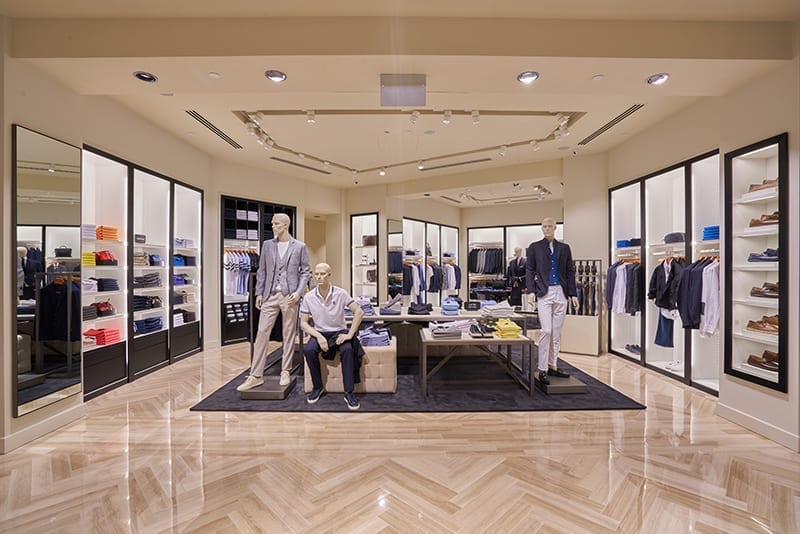
    The interior design, entirely developed by Massimo Dutti, was based on the use of new material, details and lighting. The floors are set with Serpeggiante’s Italian marble in beige and placed in spike, it contributes a note of elegance in an example of modernity and contemporaneousness mixture. The lighting has also project with supreme detail, zenith areas give the protagonist to the collections and different lamps give the perfect dose of environmental light, creating a warm atmosphere that yields the protagonist to the collection. In this new shop all the details line up to consolidate the identity and the lifestyle of the brand, sending a message of quality, a value inherent in all the Massimo Dutti’s collections. Also the furniture contributes to the warmth of the environment with the balanced combination of Krion’s big central tables with style 50’s armchairs and clear carpets.

    Advanced technology 

    Technology at the service of customers. The explosion of 3.0 technology including social networks and mobile services has led to the appearance of new, omni-channel trends that serve to connect the virtual and online world with brick-and-mortar stores, making the point of sale a space where emotions can take flight.

    Always at the cutting-edge of where fashion and technology meet, Massimo Dutti has implemented a series of activities with the aim of offering new purchasing experiences based on innovation and adaptation to customers’ new needs. These activities include:

    Dynamic marketing screens. These allow the continual publication and broadcast of the brand’s own contents, reflecting its physical and aspirational world.

    Eco-efficiency: a brand commitment

    The new store is in line with the Inditex Group’s most advanced concepts of sustainability, principles that have been followed both in the restoration project and in the store’s commercial operations. Electricity consumption has been reduced by some 30% and water consumption by 40% in comparison with conventional stores. The eco-efficiency measures implemented include a store lighting system that optimizes the lighting of the furnishings, and the exclusive use of LED bulbs. The lighting system also enables partial lighting of store spaces depending on the time of day and tasks to be carried out, as well as automatic activation when a presence is detected in internal working areas.

    Optimal air conditioning and ventilation are achieved using thermal insulation, and a ventilation control that varies according to space occupation, calculated using CO2 measurements. The equipment installed employs inverter technology capable of regulating itself depending on the demand for heating or cooling, adapting at all times to consumption needs. The air curtain is controlled by probe and allows three working levels depending on the air temperature on the premises. Finally, control and monitoring devices allow instant distance readings of consumption levels, making it possible to detect and correct any anomaly affecting the use of the facilities and their consumption.

  • If You Think Sports Retail in Singapore is Dead, Read This.

    If You Think Sports Retail in Singapore is Dead, Read This.

    The great debate — about whether or not eCommerce will nail the coffin on bricks and mortar retail shops — has droned on for as long as the Internet began cannibalizing sales.

    So asking a pertinent question — If retail stores are disappearing from the Singapore scene, why do new sports stores keep popping up? — is a logical one, particularly from the perspective of runners on ever-present searches for the latest gear and fashion.

    Can history unravel the mystery?

    The evolution of retail stores began when markets sprung up thousands of years ago across Asia, Europe and Africa. Ultimately open-stall, outside markets morphed into enclosed shops.

    As competition exerted influence, stores carrying a wide range of merchandise replaced speciality stores, though today, innovative small boutiques have managed to survive, and no niche is healthier than sporting goods stores kept alive by Singaporeans who are deeply invested in the nation’s fitness movement.

    Then, along came the Internet. Even chain and big-box stores suffered as eCommerce gobbled up shoppers. Even “Store-within-a-store” concepts, pioneered by Asian retailers could not stop the steady, ever-present incursion of online retail marketing, and nothing has prompted consumer dependency more than an ability to shop using smartphones and devices.

    Forrester Research reports that 56-percent of consumers use smartphones to shop.
    If You Think Sports Retail in Singapore is Dead, Read This.

    Specialty stores remain viable

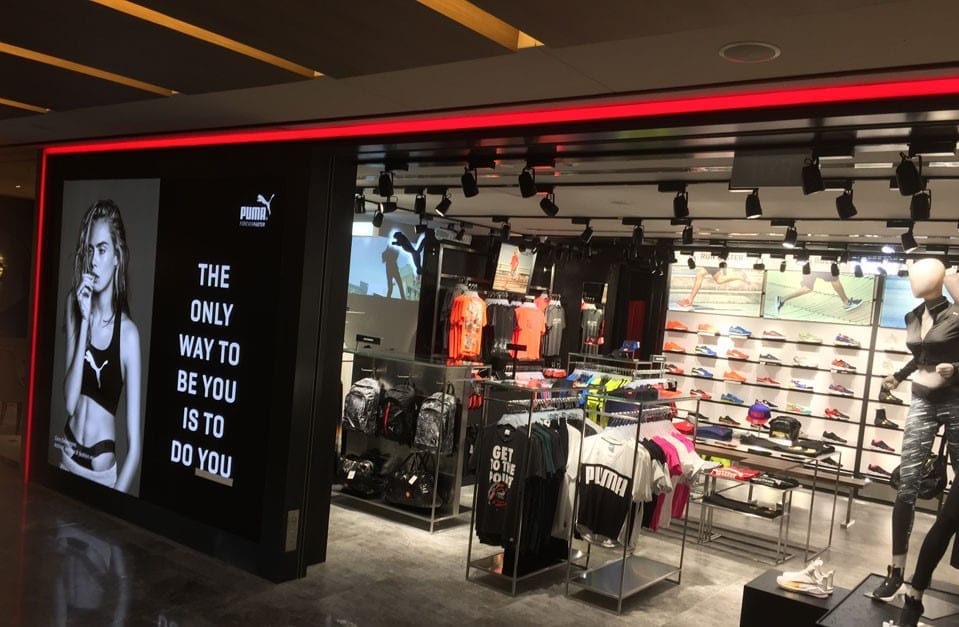
    PUMA recently opened two concept stores at Paragon and Bugis+, hoping to lure runners and sports enthusiasts away from their mobiles and computers.

    PUMA believes that dedicated store sections have the power to bring shoppers to these new locations because they’re strategically located within concentrated shopping areas that attract a youth market eager to find deals and promotions.

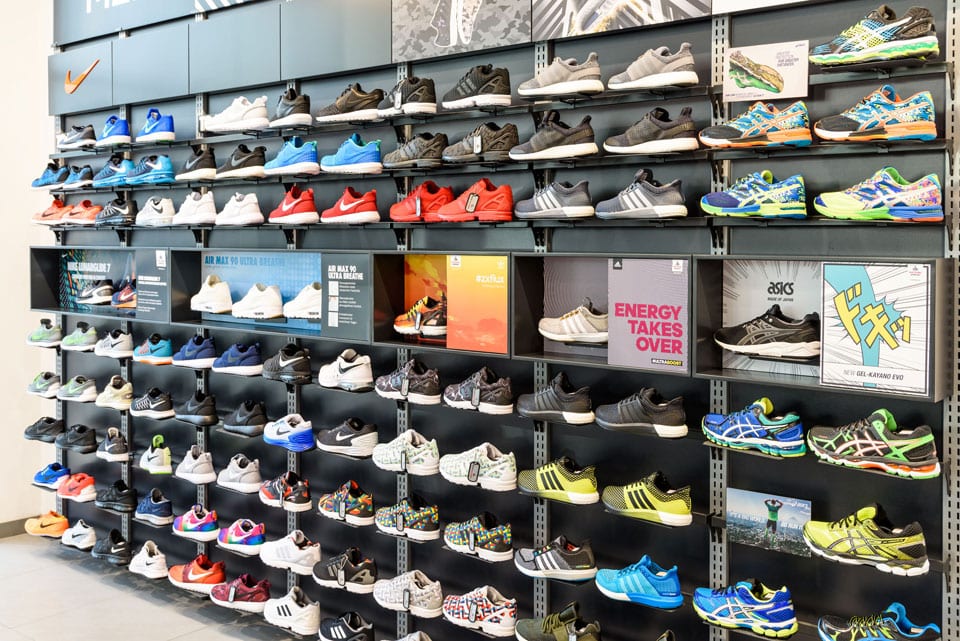
    Not to be outdone, ASICS saw an untapped market in northeastern Singapore and launched a stand-alone shop at the NEX shopping mall recently.

    ASICS believes that identifying an under-served populace is the key to in-person shopping. Their spacious new location is thoughtfully merchandised to encourage avid runners to browse the latest in ASICS innovations.

    Further, the new Under Armour presence at Vivo City Brings UA’s Singapore stores to five, including their new retail presence sprawling across 1,980 square feet of product display area and trendy décor touches.

    Under Armour has become an expansive presence throughout Southeast Asia and it’s considered by many athletes to be the coolest brand on the planet, even when measured against big dogs like Nike and adidas.

    Why is UA so cool? Because everything about their products is superior, starting with the brand’s quirky tagline: “It’s what you do in the dark that puts you in the light.”

    That light, of course, is a spotlight shining on the impeccable taste of runners who prefer to be seen wearing the UA logo on everything they own!

    Non-branded stores continue to open, too

    The space-age design of Running Lab’s two new locations — Marina Square and Tampines Mall — is reason enough for passionate runners to browse the retailer’s unique enclaves which are sorted by brand and gender, and there is no shortage of signature brands on display that are beloved by running enthusiasts and athletes.

    To drive traffic, Running Lab organises free runs throughout Singapore on Tuesdays and Thursdays, but they’re not the only show in town.

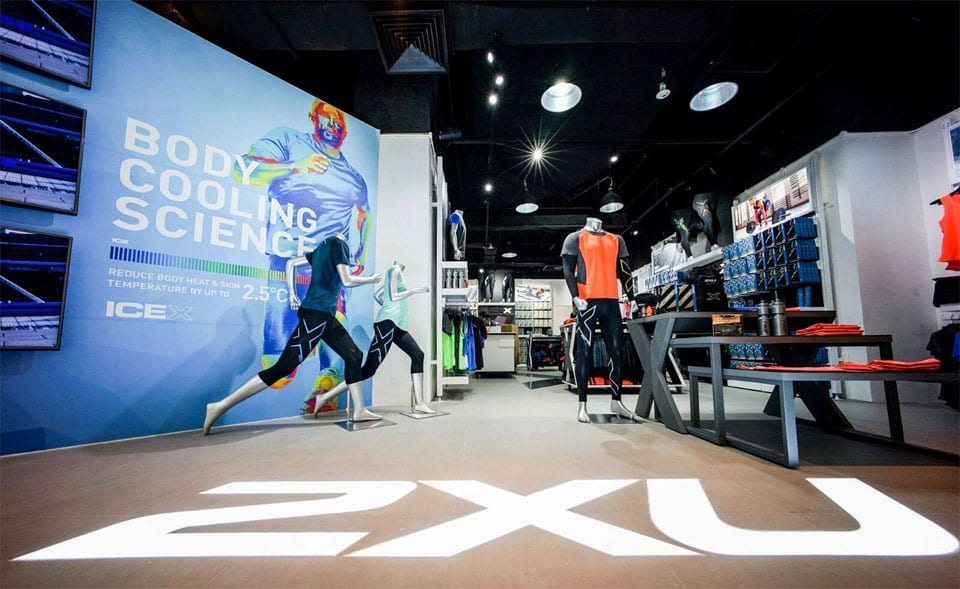
    The first 2XU Performance Centre opened just weeks ago at Suntec City Tower Three. Their ambitious marketing plan — to become the epicentre of performance compression wear — sets it apart from competitors because the niche alone has the potential to drive traffic into the store.
    If You Think Sports Retail in Singapore is Dead, Read This.

    Always a trendsetter, we toss the iconic Uniqlo into the mix. Uniqlo’s Orchard Central grand opening recently introduced Singapore to what can only be described as a sensory playground filled with wall-to-wall digital displays and rotating mannequins, while there’s a nice balance of innovative activity-related products, ideas and wares and the prestigious brands to which runners remain loyal.

    For Uniqlo, size matters. This 29,000-foot retail spot has become a destination unto itself, catering to sports-minded Singaporeans of every age group.

    It’s not all good news

    Common sense would lead one to believe that the opening of new sporting goods stores in Singapore portends good news for the future of retail, but business writers warn that, “what you see isn’t necessarily what you can believe.”

    In fact, a steady stream of popular stores continue to close because they have become unprofitable.

    Singapore economics played some part in this exodus, but not all blame-placing can be ascribed to fiscal decline due to online shopping and tech-savvy consumers continuing to find favour with cyber shopping.

    But the reality is this: retailers start every day in the red, supporting rental space, salaries, power bills, taxes and marketing expenses. Further, brands and stores refusing to track changing shopper behaviours aren’t likely to survive.

    What are solutions to this mystery?

    Absent a crystal ball, it’s obvious that Singapore retailers won’t survive without retooling their business models and no niche is worthier of emulation that the nation’s sports boutiques because the folks that run and manage them keep a pulse on Singapore’s vibrant fitness movement and watch trends like hawks.

    Further, a mindful balance of retail and online business practices keep shops afloat in addition to taking advantage of trend-tracking.

    Here’s why we think sporting goods stores have an advantage over other retailers:

    1. A shared retail/online presence has been the secret that has helped many sporting goods stores stay afloat.
    2. Management understands that athletes aren’t particularly crazy about the idea of having to return merchandise bought online and aren’t shy about using promotions and specials to a bring them in.
    3. More runners frequent sports stores for social reasons than analysts report. In-person shopping beats scrolling through screens of merchandise says TANGS Assistant Vice President of Communications Ms. Jocelyn Teo.
    4. Sporting goods shoppers are a different breed. Their performance depends upon the right shoe fit and gear choices, and while time-crunched athletes may turn to online shops for some purchases, retailers give athletes more reasons to show up in person, including incentives, promotions and deals.
    5. A CBRE Asia Pacific research study asked 11,000 Singapore consumers (ages 18 to 64) to weigh in on the online/in-person shopping debate, concluding: “… consumers are more comfortable with the traditional shopping format where they can touch and feel the products before purchasing.”
    6. Integrated shopping patterns are the wave of the future and savvy sporting goods retailers know this. The ability to switch back and forth between store and website drives traffic since returns, purchases, exchanges apply equally.
    7. Look for a more dynamic retailer consortium to cooperate on shared functions like integrated warehousing, shipping and order-fulfillment that can lower overheads resulting in merchandise price reductions.
    8. Common-sense changes — staying open more hours, sponsoring in-store events, offering a fully-integrated online/in-store experience and making sure employees behave more like concierges and less like clerks are but a few of the ways sporting goods stores will not only survive, but thrive.

    If you were forced to choose between online and in-store shopping and were required to pick just one, which would it be and why?
  • Five must-visit malls in Singapore, the shopper’s paradise

    Five must-visit malls in Singapore, the shopper’s paradise

    There is no doubt that Singapore is a paradise for shopaholics and foodies. And, it doesn’t come as a surprise if the island nation has some of the finest malls. Recently, Forbes rated the best five malls in Singapore based on the shopping experience and food offerings.

    At number five is Paragon Shopping Mall on Orchard Road. This 20-storey shopping center with more than 200 shops is definitely an up-market shoppers’ paradise. With six levels of designer fashion and luxury boutiques, sports and lifestyle shops, restaurants and cafes, Paragon is a one-stop destination for luxury needs.

    After Paragon, the obvious next choice is ION Orchard, located in Singapore’s prominent shopping boulevard, Orchard Road. It offers a dazzling view at night and a unique shopping experience with over 300 retail, F&B and entertainment stores, which will include six of the world’s top luxury brands building their signature flagships stores.

    Next on the line is the most famous The Shoppes at the Marina Bay Sands resort. The Shoppes is a one-of-its-kind mall with a casino, indoor skating rink, rooftop access that gives a breathtaking skyline view of the Bay Sans, and a canal that runs through the mall. It also boasts some of the world’s most renowned brands like Ralph Lauren, Hermès, Chanel and Cartier, but, the highlight is the Louis Vuitton island concept store.

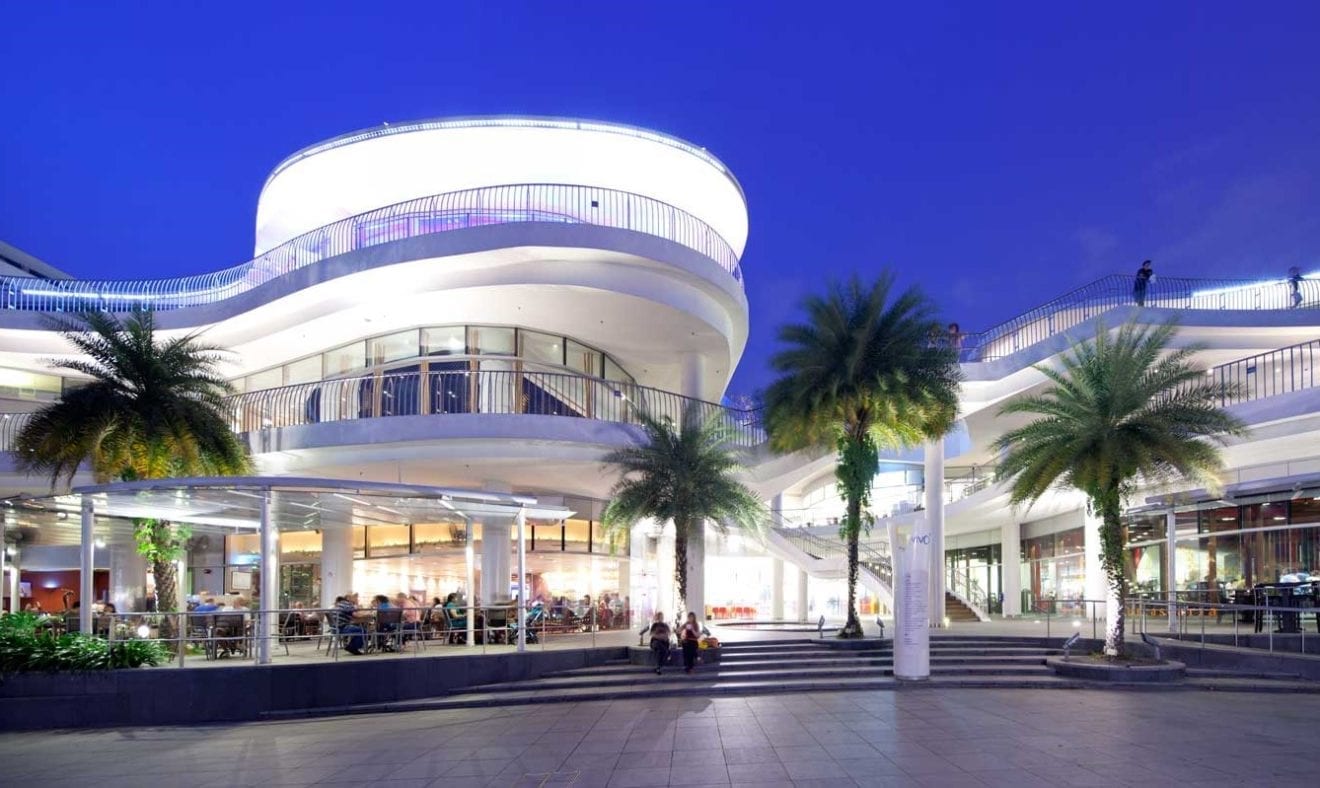
    Then comes Singapore’s largest shopping mall, VivoCity, located near the coastline of Keppel Harbour and Sentosa Island. Operated throughout cable car, its occupiers include American Eagle, Forever 21, H&M, Gap, MUJI, and Uniqlo.

    And finally, at the number spot is the country’s tallest vertical mall, Orchard Central, right in the center of Orchard road. The food court is nothing short of a gastronomical delight with alfresco style dining options at its rooftop or international food ranging from Japanese, Korean, Chinese to Western at the F&B themed floors, it will satisfy every palette.

    Other prominent shopping destinations include Dempsey Road, Holland Road Shopping Centre, Little India, Tiong Bahru and Haji Lane. A true shopper’s paradise with a slew of mall spread across the country, Singapore definitely beats its neighbours in terms of sheer convenience and familiarity.

  • Chinese restaurant chains bloom in Singapore

    Chinese restaurant chains bloom in Singapore

    Four Mainland China restaurant chains have set up in Singapore since November, the latest opening in Riverside Point on Friday.

    It will be the first overseas outlet for Chengdu-style hotpot chain Spicy House, which has about 30 outlets on the mainland.

    Two restaurants opened in June, Shi Miao Dao Yunnan Rice Noodles in VivoCity and Riverside Grilled Fish in Raffles City, while Faigo HotPot opened in Clarke Quay in November.

    Other China food brands in Singapore go back about four years, including Hai Di Lao Hot Pot, which will open its fourth outlet in VivoCity this month, and 9Goubuli, a Chinese restaurant in Marina Bay Sands.

    Faigo HotPot is a 12-year-old chain with more than 100 outlets across China. This is its first overseas outlet, the 130-seat Singapore restaurant being run by Shanghai Dragon Restaurant Management. The stocks are served in individual pots heated by electric stoves complete with a heat-control panel and USB ports for charging mobile devices. Diners can choose from more than 70 ingredients, and the outlet is the first in the chain to have a sauce bar offering nearly 20 condiments.

    Faigo Hotpot

    Riverside Grilled Fish, which has opened 54 outlets in China in its 11 years, is using its first overseas outlet as a springboard to make inroads into the Southeast Asian market. It specialises in spicy Chongqing-style grilled fish, and the Singapore franchise is owned by Minor Food Group, which runs the Thai Express and Xin Wang Hong Kong Cafe chains.

    Riverside Grilled Fish

    Shi Miao Dao Yunnan Rice Noodles in VivoCity’s Food Republic foodcourt serves “crossing the bridge” rice noodles, an elaborate set with 11 sides including braised chicken, fried peanuts and raw quail egg and vegetables. There is a choice of five types of soup, and the dish dates back to the Song dynasty. The Singapore stall is part of a chain which has more than 800 outlets across China, as well as Canada, Japan and Thailand.

    Spicy House owner Zac Wang from Shanghai believes Chinese hotpot chains like his will do well in Singapore, where he has been based for six years. The 120-seat restaurant at Riverside Point offers three types of communal hotpots, including one with nine compartments for cooking ingredients separately. The menu lists about 100 ingredients.

  • SC VivoCity Vietnam ‘trading well’

    SC VivoCity Vietnam ‘trading well’

    Singapore’s Mapletree has revealed how its SC VivoCity joint venture in Ho Chi Minh City is performing.

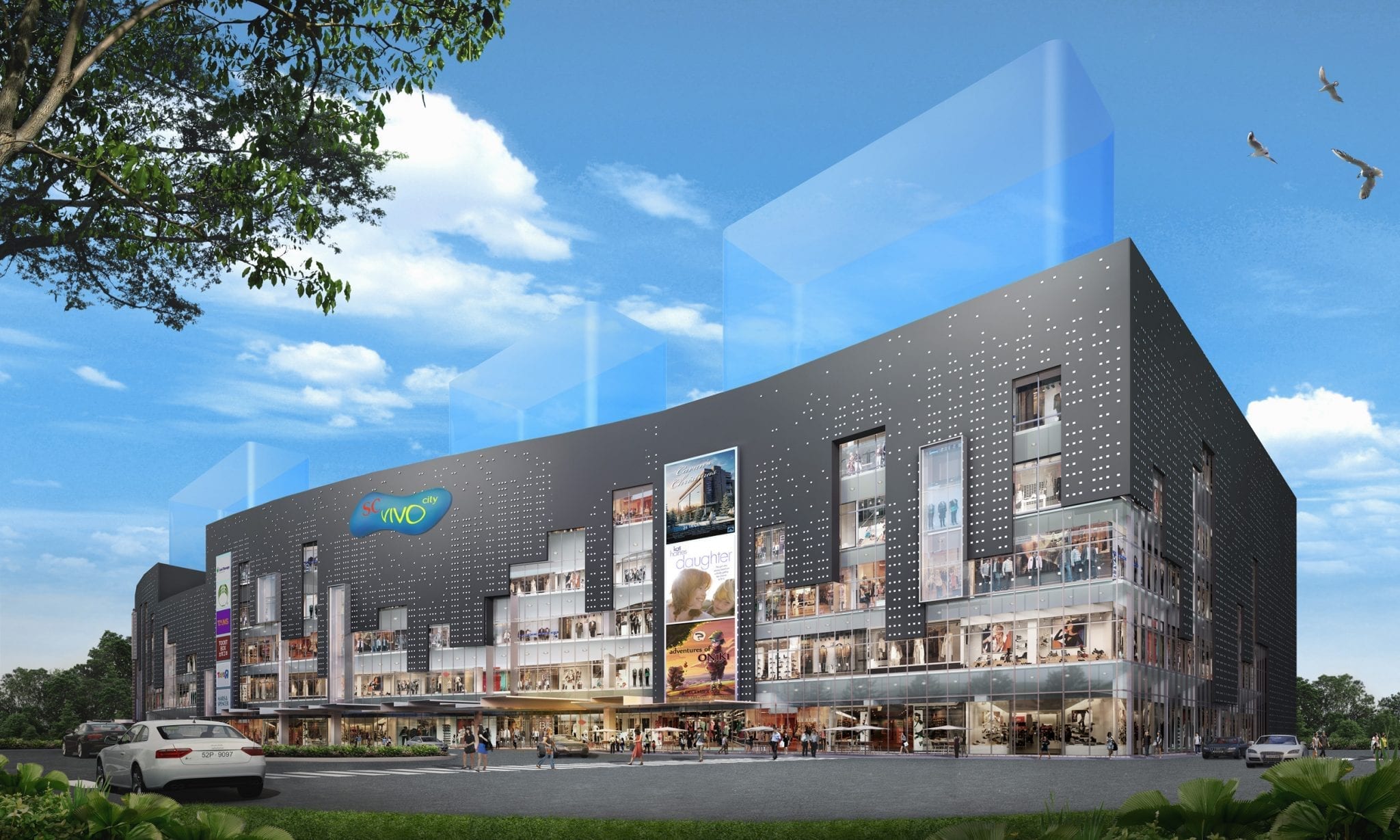
    The shopping centre, built in the heart of District 7, a area popular with expats from Korea and Singapore especially, opened in April 2015.

    In its recent annual results presentation, Mapletree said almost 90 per cent of SC VivoCity’s 440,000 sqft retail trading space was leased by March 31 this year. Cornerstone tenants include Vietnam’s first Hamleys toy store.

    Mapletree said its first shopping mall in Vietnam “has been enjoying strong footfalls since it first welcomed visitors”.

    SC VivoCity is the first phase of Saigon South Place, a 4.4-ha integrated mixed-use development project that Mapletree is developing in District 7. When completed, Saigon South Place will comprise retail, office, serviced apartments and residential space.

    Construction of the adjoining office complex has started and is expected to be completed by end 2016, while work on the serviced apartments and residential block will commence soon and both buildings are scheduled for completion by end 2017, Mapletree said.

    SC VivoCity is a joint venture between local company Saigon Co Op Investment Co, a supermarket operator, and Mapletree, bearing the same brand as the award winning VivoCity centre on Singapore’s waterfront.

  • Parkson Vietnam shutters store

    Parkson Vietnam shutters store

    Parkson Vietnam has closed another of its stores as it continues to struggle to make its business profitable.

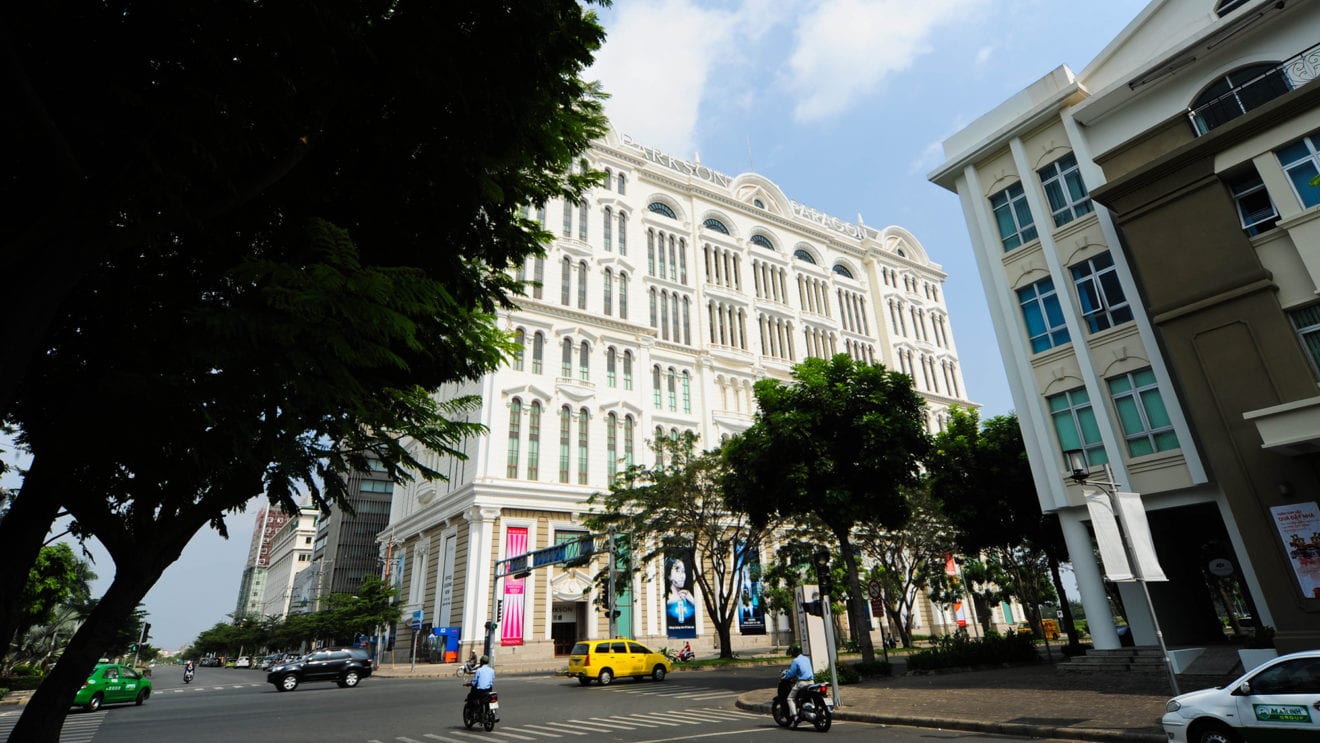
    The Malaysian department store operator has closed the 19,000 sqm District 7 outlet in Ho Chi Minh City, a multi-story department store beneath a commercial tower.

    The store opened in April 2011 after the company invested US$5 million in a new fitout of a small shopping mall bought from Kim Cuong Company.  But the store has never attracted sufficient customers to make it viable, despite a cinema on the top floor. The building is two blocks from the giant Crescent Mall shopping centre which opened in late 2011 in the largely expat-populated suburb some 20 minutes drive from downtown Ho Chi Minh City.

    The mall reportedly closed on Monday.

    Parkson did not give local news media an explanation for the decision – or why it persevered with the site for five years before pulling the plug. But the company did say the closure would not affect the other eight stores in its network, five of which are in Ho Chi Minh City.

    In January last year, Parkson closed another store opened in 2011, Hanoi’s Keangnam Hanoi Landmark Tower. That followed a dispute with the building’s owners over rent which Parkson said was set at a level sales could not sustain.

  • Asics Bugis Junction and VivoCity in Singapore

    Asics Bugis Junction and VivoCity in Singapore

    ASICS, a true sport performance brand, has opened 2 new stores in Singapore, increasing the number of ASICS stores to 7 locally to strategically cater to an increasingly more distributed retail need.

    Located in Bugis Junction Shopping Mall, a vibrant and popular mall in the central business district, and in VivoCity, the largest retail and lifestyle destination in Singapore, these new ASICS stores will front cutting-edge ASICS footwear and apparels for running and popular sports in the region, including badminton, netball, tennis, soccer and gym training. Products are displayed with the latest ASICS visual merchandising concept congruent with innovative trends, to inspire a premium and positive shopping experience for each customer.

    ASICS’ aspirational “Mix Up Your Run” concept inspires runners to run stronger, faster and further. To activate and strengthen different muscle groups for better performance, runners train under varied regimes. Runners “run long” to build endurance and conquer the longest distances, “run natural” to give the muscles a completely different workout, “run fast” to break the speed limit and attain new PB (personal best) and “run tough” to stimulate agility and improve balance.

    In line with the ASICS visual merchandising concept, finding the best footwear has now been simplified with colour coding; “RUNLONG” (in blue), “RUNNATURAL” (in magenta), “RUNFAST” (in orange) and “RUNTOUGH” (in green). Customers can easily select the right footwear by looking for footwear displayed with the relevant colour codes.

    Running enthusiasts will be spoilt for choice with the comprehensive range of footwear available in the store, including the much awaited GEL-KINSEI 6, GT-2000 4, GEL-KAYANO 22, GEL-NIMBUS 17 LITE-SHOW, and GEL-QUANTUM 360.

    ASICS Bugis Junction Store, Singapore

    ASICS Bugis Junction Store, Singapore

  • Seed Heritage opens at VivoCity

    Seed Heritage opens at VivoCity

    Australian childrenswear chain Seed Heritage has opened a new store in VivoCity.

    It is Seed heritage’s second store in the city state, following its debut in Parkway Parade.

    Last week’s opening was marked with a 20 per cent off storewide sale across its range of baby, child and teenage girls clothing, which ended on Sunday.

    Seed Heritage is one of Australia’s most popular premium childrenswear brands, providing solutions from top-to-toe for babies, boys, and girls, from the ages of newborn to 10 year olds. It recently expanded its range into a teen collection for girls aged eight to 14 years.

    Seed Heritage is best known in Australia for its quality and detail and distinctive design across apparel, shoes, accessories, and toys.

  • Thomas Sabo opens in VivoCity

    Thomas Sabo opens in VivoCity

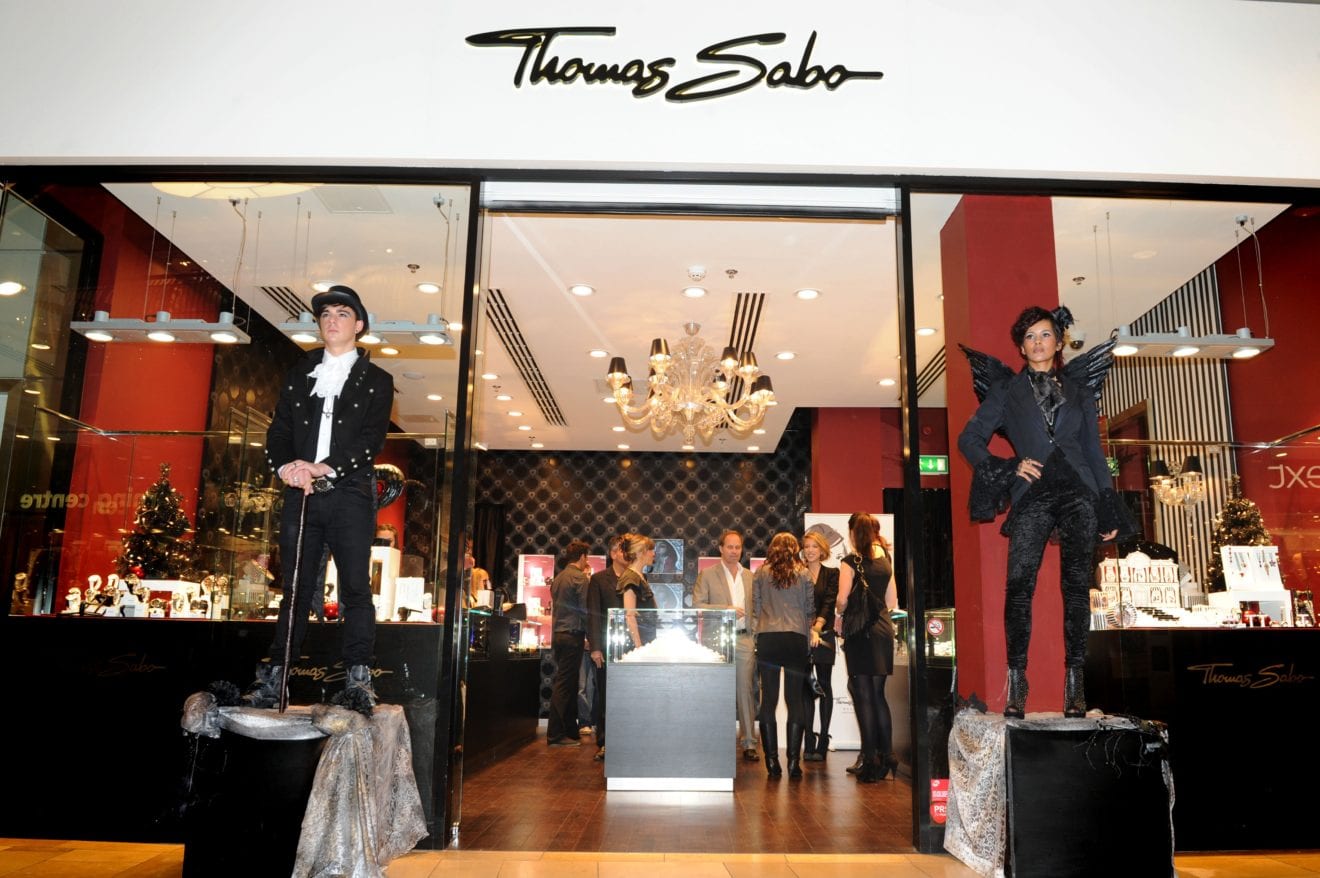
    Jewelry and watch model Thomas Sabo has opened its new VivoCity boutique in a star-studded offical opening occasion.

    Situated within the newly opened B1 retail space of VivoCity – Singapore’s largest shopping center – the 565 sqft boutique options handcrafted jewelry items, displ;ayed in an surroundings greatest described as ‘basic trendy design’ providing shoppers a singular buying surroundings.

    Supermodel Georgia Might Jagger was the particular visitor for the opening, additionally attended by Rebecca TanJaymee Ong, George Younger and Alan Wong.

    “I actually like the range of the Sterling Silver Assortment, particularly the Karma Beads impressed by Far-Japanese philosophies. You can also make your personal creation. At the moment I´m sporting the Koi fish, a press release piece and image of power, which matches so nicely with the Karma Beads that every have a person which means ,” stated Georgia Might Jagger.

    Thomas Sabo is among the globally-leading jewelry, watches and wonder corporations, designing, promoting and distributing way of life merchandise for men and women. The corporate, established in 1984 byThomas Sabo in Lauf an der Pegnitz, southern Germany, operates virtually 250 of its personal outlets throughout all 5 continents with a complete of round 1750 staff.

    Globally, Thomas Sabo collaborates with some 2600 commerce companions in addition to main airways.

  • VivoCity Saigon opens doors

    VivoCity Saigon opens doors

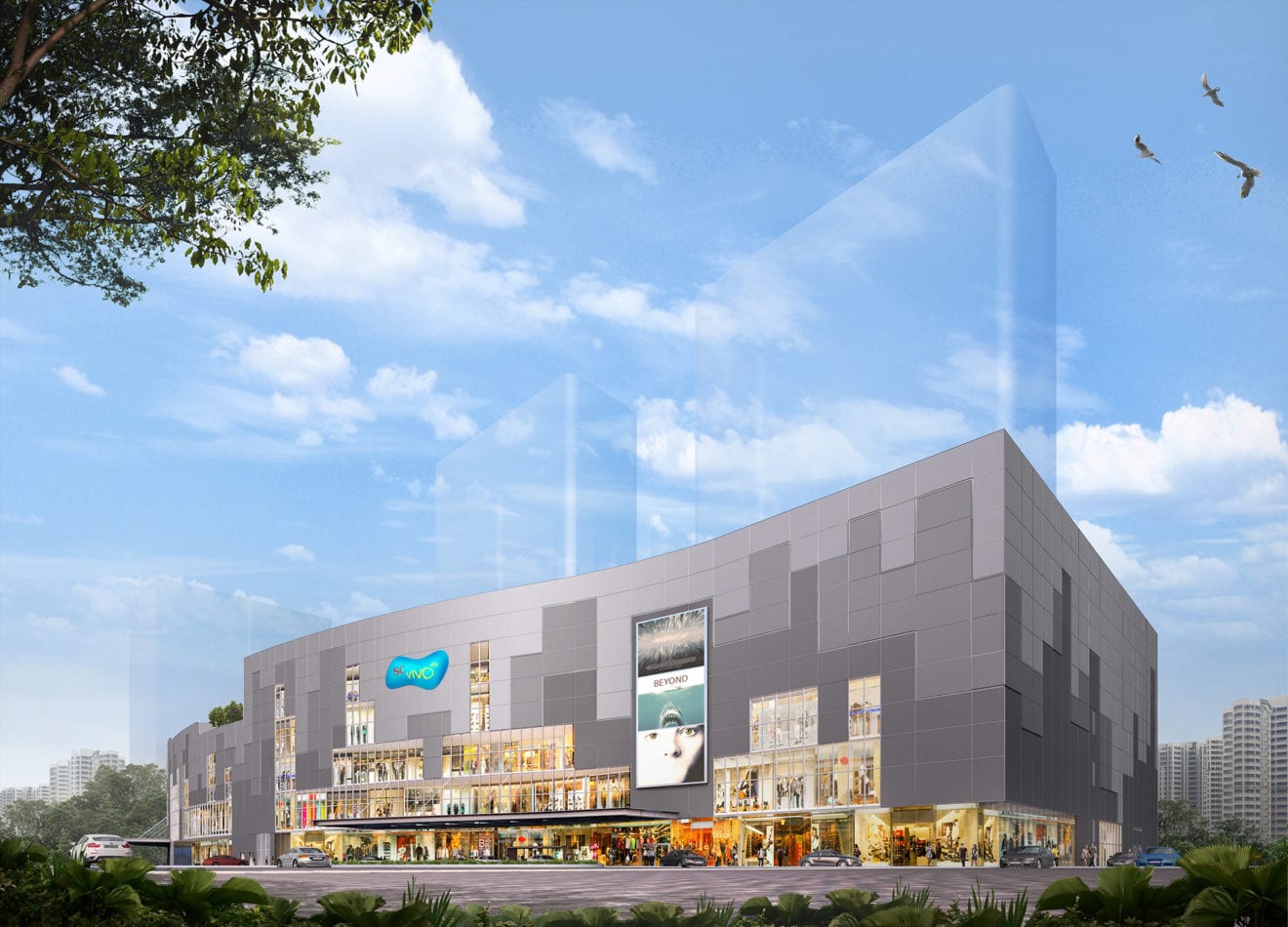
    VivoCity Saigon opened its door Sunday (April 19) making it the second international shopping mall brand to enter Vietnam, behind Japan’s Aeon.

    SC VivoCity is a joint venture between Singapore-based Mapletree Investments and local supermarket operator Saigon Co-op. Mapletree will manage the centre, its fifth internationally to carry the brand; the other three are in China.

    The centre is located on Nguyen Van Linh Boulevard in Ho Chi Minh City’s District 7, a suburb popular with Asian expats including Koreans and Singaporeans, and a stone’s-throw from the Royal Melbourne Institute of Technology campus. It is very close to the Crescent Mall development which has struggle to attract customers since its opening more than three years ago.

    Mapletree and Saigon Co-op say SC VivoCity Saigon embraces the popular features of the Singapore VivoCity, which in 2011 was voted one of the Top 10 shopping destinations in the world.

    Vivo city Ho Chi Minh inside 415

    “With Mapletree’s expertise in developing large-scale projects and commercial complexes throughout Asia, as well as Saigon Co-op’s experience in retail and real estate investment in Vietnam, this partnership is expected to bolster commercial activities in the city, at the same time as offering consumers new services and international retail standards,” the two companies said in a statement.

    “With its modern architecture, impressive and striking design, SC VivoCity is sure to become a momentous part of the city skyline, while housing famous trademarks, offering the most popular food brands along with year-round festivals and events that will draw repeated visits from both local residents and foreign visitors.”

    With a total area of 41,000 sqm, the five-storey mall offers fashion, entertainment and lifestyle tenancies, a hypermarket, an education centre, and food and beverage outlets. Tenants include McDonald’s (the company’s third restaurant in Ho Chi Minh City), CGV cinemas (from Korea’s CJ Group) and a Harley-Davidson Black Label store.

    “SC VivoCity aims to create a vibrant, multi-experience destination which will constantly surprise visitors with its mix of unique, ever-evolving and refreshing, new-to-market retail and lifestyle brands and concepts,” the two companies said.

    SC VivoCity is the first phase development of Saigon South Place, a 4.4 ha integrated mixed-use project which will also house Grade-A office buildings and internationally operated serviced apartments.