Tag: Volkswagen

  • Volkswagen’s Audi in talks with China’s SAIC Motor on tie-up

    Volkswagen’s Audi in talks with China’s SAIC Motor on tie-up

    Volkswagen’s Audi premium brand is in talks with China’s largest automaker, SAIC Motor, on a potential long-term collaboration, Audi said in a statement on Monday.

    Reuters reported on Saturday, citing a source familiar with the matter, that the two had signed an agreement that could pave the way for Volkswagen’s joint venture with SAIC to make Audi brand cars.

    An early entrant to China, the world’s largest car market, Audi is the best-selling premium car brand although it is rapidly losing ground to newer car models from Daimler’s Mercedes-Benz and non-German automakers like Toyota’s Lexus and General Motor’s Cadillac.

    Audi cars are now only made in China through a joint venture with China FAW Group, providing a lifeline to a state-owned company whose own brand cars have struggled with falling sales.

    Audi reaffirmed its commitment to FAW in the release announcing the talks with SAIC, saying it had outlined growth plans with FAW for the next 10 years that include making green energy SUVs and sedans in every major segment.

    Audi will also form a new joint venture company with FAW to be based in Beijing and focus on mobility and digital services, according to the statement.

  • Australia sues Volkswagen over alleged emissions fraud

    Australia sues Volkswagen over alleged emissions fraud

    The Australian consumer watchdog on Thursday said it had sued the Australian arm of world No. 2 carmaker Volkswagen AG (VOWG_p.DE) for intentionally selling more than 57,000 vehicles with software which lied about levels of toxic emissions.

    “These allegations involve extraordinary conduct of a serious and deliberate nature by a global corporation,” Australian Competition and Consumer Commission Chairman Rod Sims said in a statement.

    The Federal Court action adds to what is already proving to be costly legal fallout for the German company as it faces class action lawsuits in Australia and around the world over emissions fraud, as well as penalties from antitrust authorities.

    Already in Australia, law firm Maurice Blackburn is seeking more than A$100 million ($75 million) from the company, including the full replacement cost of some 90,0000 vehicles, while the auto giant has agreed to pay its 650 U.S. dealers $1.2 billion in compensation.

    In Australia, the ACCC said it wanted the company to make public declarations of misconduct, pay unspecified financial penalties and issue corrective advertising in relation to its actions over five years.

    “Volkswagen engaged in multiple breaches of the Australian consumer law by concealing software in their vehicles to cheat emissions testing and misleading consumers about the vehicles’ compliance,” Sims said.

    “Consumers rightly expect that their vehicle’s emissions would operate as advertised during their day-to-day use and we allege that this was not the case.”

    Volkswagen Group Australia said in a statement that it doubted the ACCC’s action would benefit consumers since it planned to give them software which corrected the emissions data as soon as it was approved by the government – likely by year-end.

    The Volkswagen unit, which is defending the private class action, said it was reviewing the ACCC’s claims.

  • Volkswagen decides not to sue South Korea over sales ban

    Volkswagen decides not to sue South Korea over sales ban

    Volkswagen decided against suing South Korea which last month suspended sales of most of its models and slapped a fine of 17.8 billion won ($15.93 million) on the German carmaker.

    Instead, Volkswagen will try to achieve certification for the affected models and resume sales quickly rather than taking on a lengthy legal process, a spokesman for Volkswagen’s South Korean unit said.

    Last month, the government revoked certification for 80 model variants of VW, Audi and Bentley vehicles on grounds that the German automaker fabricated certificates of vehicle emissions and noise-levels.

    At that time, Volkswagen described the ruling as “most severe” and said it would consider a legal challenge.

    Volkswagen’s sales slumped 40 percent to 12,888 vehicles from January to July in South Korea, after jumping 17 percent last year, in the wake of its emissions-test cheating scandal.

    Nissan Motor’s (7201.T) South Korean unit has filed a lawsuit over claims by the environment ministry that it had cheated on emissions with its Qashqai diesel sport utility vehicle.

  • South Korea suspends sales of most Volkswagen models

    South Korea suspends sales of most Volkswagen models

    South Korea on Tuesday suspended sales of most Volkswagen AG (VOWG_p.DE) models in a fresh blow to the German automaker as it struggles to overcome the global repercussions of its emissions-test cheating sandal and rebuild its tattered image.

    The government revoked certification for 80 model variants of VW, Audi and Bentley vehicles, and fined Volkswagen 17.8 billion won ($16.06 million) for allegedly forging documents on emissions or noise-level tests.

    The move could slam the brakes on sales for Europe’s biggest automaker in the Asian market, where its local unit had more than tripled revenue to 2.82 trillion won over the past five years before becoming mired in the emissions scandal.

    Volkswagen described the ruling as “most severe” and said it would consider a legal challenge.

    In all, 209,000 VW vehicles have been de-certified in South Korea, mainly over emissions-related problems, since November – or 68 percent of the vehicles the automaker had sold in the country since 2007, the environment ministry said.

    While South Korea is a relatively small market for Volkswagen, it is a major market for its luxury marques Audi and Bentley and one of the fastest-growing markets for all brands.

    It could take more than three months for the affected brands to be back on showroom floors, officials said.

    “It usually takes three months for vehicle certification, but this may take longer for Volkswagen, as we will take thorough steps,” environment ministry director Hong Dong-gon told reporters.

    Any delay in recalls previously ordered over emissions test manipulation could be met with an order for VW to exchange those vehicles for other models, Hong added.

    LEGAL ACTION

    In a letter to customers posted on its South Korean homepage, Volkswagen said it would consider requesting an “injunction of execution”.

    It also could take legal action against the government’s decision “if this will help recover our company’s business reputation and benefit our consumers, dealers and other partners,” it added.

    Volkswagen voluntarily halted sales of most of its models in South Korea from July 25, ahead of the government’s decision.

    The company reported a 12 percent drop in quarterly profit at its main passenger car division last week, showing the challenges it still faces since admitting in September to using software to falsify pollution tests on some diesel cars.

    In addition to billions of dollars in costs related to the scandal, it is also tangled in legal action in the United States, Germany, South Korea and elsewhere.

    South Korea has taken a particularly tough line, with prosecutors raiding Volkswagen’s Seoul offices and arresting an executive in June.

  • Volkswagen’s Audi plans electric car push to put heat on Tesla

    Volkswagen’s Audi plans electric car push to put heat on Tesla

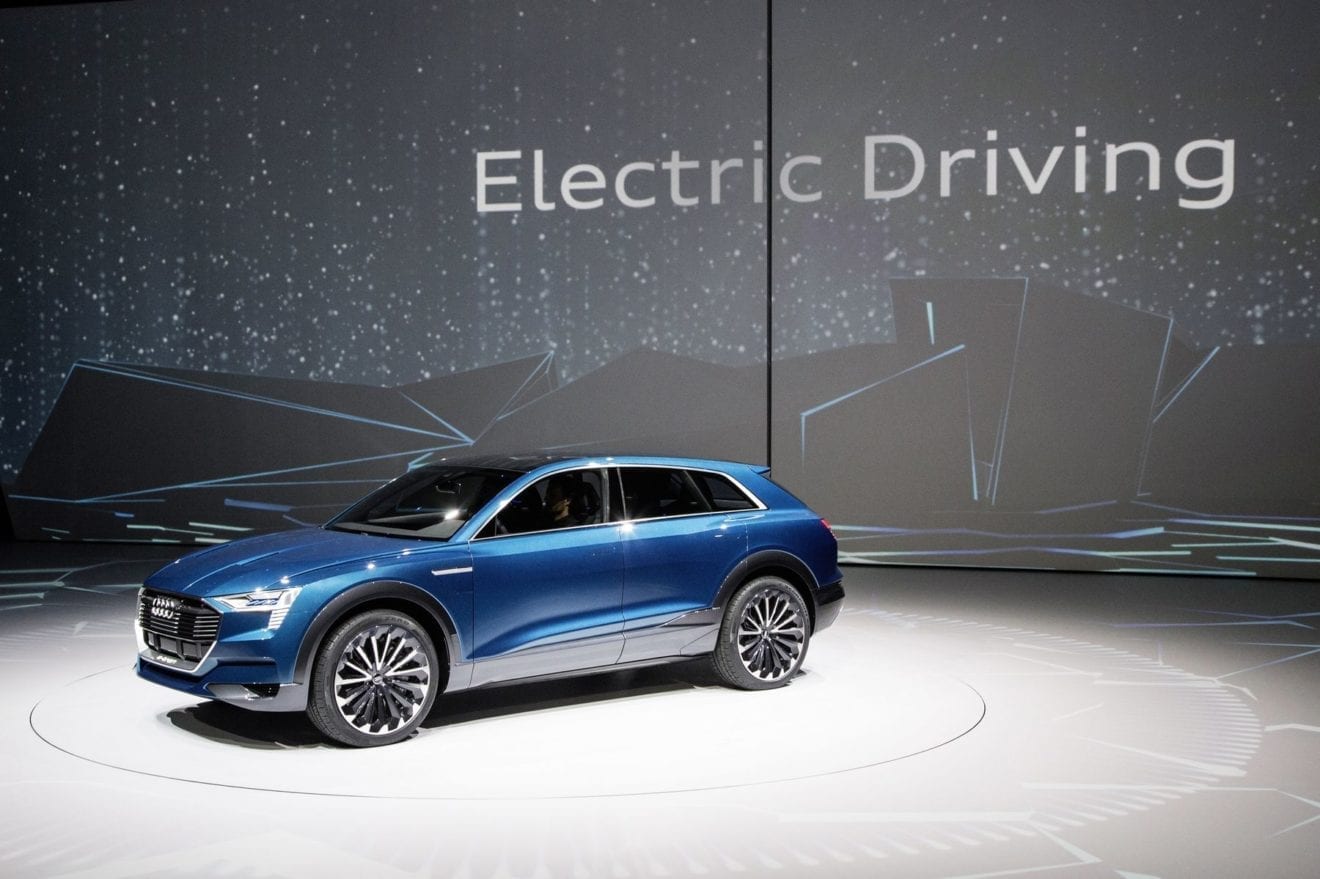
    Audi will aim for electric cars to account for a quarter of its sales by 2025 as part of a strategic overhaul following the emissions scandal at parent Volkswagen, company sources said, in a move that could step up the challenge to U.S. group Tesla.

    Audi, which has been slow to embrace battery-powered vehicles, will now invest about a third of its research and development (R&D) budget into electric cars, digital services, and autonomous driving, two company sources told Reuters.

    Based on the 1.8 million cars sold by the German automaker last year, that would mean it selling at least 450,000 electric cars a year. Factoring in an expected rise in sales, that could turn Audi into a major competitor to Tesla (TSLA.O), which believes it can sell 500,000 electric cars by 2020 or sooner.

    With the exception of BMW (BMWG.DE), Germany’s luxury automakers have been late to develop electric vehicles, a market which is still loss-making. But Audi’s parent Volkswagen (VOWG_p.DE) is under pressure to clean up its image in the wake of its emissions-test cheating scandal.

    Audi CEO Rupert Stadler plans to outline details of the new business roadmap to more than 2,000 managers on Wednesday at a closed-door conference in Munich, the sources said.

    An Audi spokesman declined to comment. German business daily Handelsblatt reported late on Monday about Audi’s plans.

    Figures compiled for Reuters by LMC Automotive show German trio BMW, Mercedes-Benz (DAIGn.DE) and Audi – the world’s largest producers of luxury cars – rank 12th, 14th and 22nd respectively when it comes to annual sales of electric and hybrid vehicles, trailing Toyota, Honda, Lexus and Nissan.

    LACK OF DEMAND

    In the wake of Volkswagen’s diesel test cheating, regulators around the world have intensified a clampdown on toxic fumes, potentially providing a boost in demand for zero emission cars.

    Customers have, however, been slow to adopt electric cars which have a limited operating range and long recharging times.

    Of the 14,202,024 new cars registered in the European Union and the European Free Trade Association last year, only 186,170 were electric vehicles and 234,170 were hybrids, figures from European auto association ACEA show.

    Year-to-date growth for electric vehicles has been slowing. While sales jumped by 55 percent last year, they have risen just 15 percent to 37,000 so far in 2016, according to JATO Dynamics.

    “Some governments in Northern Europe where most of the electric vehicles are sold have announced fewer incentives. At the same time there hasn’t been any important new launch in the electric vehicle segment,” said Felipe Munoz, global automotive analyst with JATO.

    The lack of an electric sport utility vehicle, and broad demand for hybrid vehicles, has dampened demand in pure electric cars, JATO added.

    To free up funds for the new strategy, Audi plans cutbacks in its conventional combustion car program including steps to reduce country-specific variants of engines and transmissions, the sources said, without being more specific.

    Volkswagen last month announced plans to spend billions of euros on electric cars, ride-hailing and automated driving to become a world leader in green transport by 2025.

    In 2015, Audi spent 4.24 billion euros ($4.69 billion) on R&D. Of the brand’s 50 or so models, only two are electric or semi-electric and Audi is now taking orders on a third, the Q7 e-tron plug-in hybrid.
  • South Korea May Halt Volkswagen Sales

    South Korea May Halt Volkswagen Sales

    South Korea’s environment ministry has accused local VW officials of fabricating reports on emissions and noise-level tests.

    As a result, Volkswagen may have sales of its vehicles in South Korea suspended later this month. The environmental authority in South Korea, the National Institute of Environmental Research, will decide at a hearing on July 22 whether to suspend the sale of 32 VW Group models, which includes the Audi brand too, currently available in the market.

    Prosecutors last month raided the Seoul offices of the German automaker and arrested an employee as part of the investigation. The automaker stands accused of fabricating reports on 26 different VW Group models including the VW Golf and the Audi RS7.

    The South Korean unit of Volkswagen has seen sales slide dramatically in the first half of 2016. Sales are down 33 percent to 12,463 units for January through to June compared to the same period last year.

    Volkswagen has said it may take legal action to fight any decision to halt sales.

    The situation with VW isn’t without precedent.

    Earlier this year, South Korea suspended sales of the Nissan Qashqai after accusing the Japanese automaker of manipulating the model’s emissions control system. The local Nissan unit has filed a lawsuit against the environment ministry in response.

  • Volkswagen awaits approval for its dieselgate fix in India

    Volkswagen awaits approval for its dieselgate fix in India

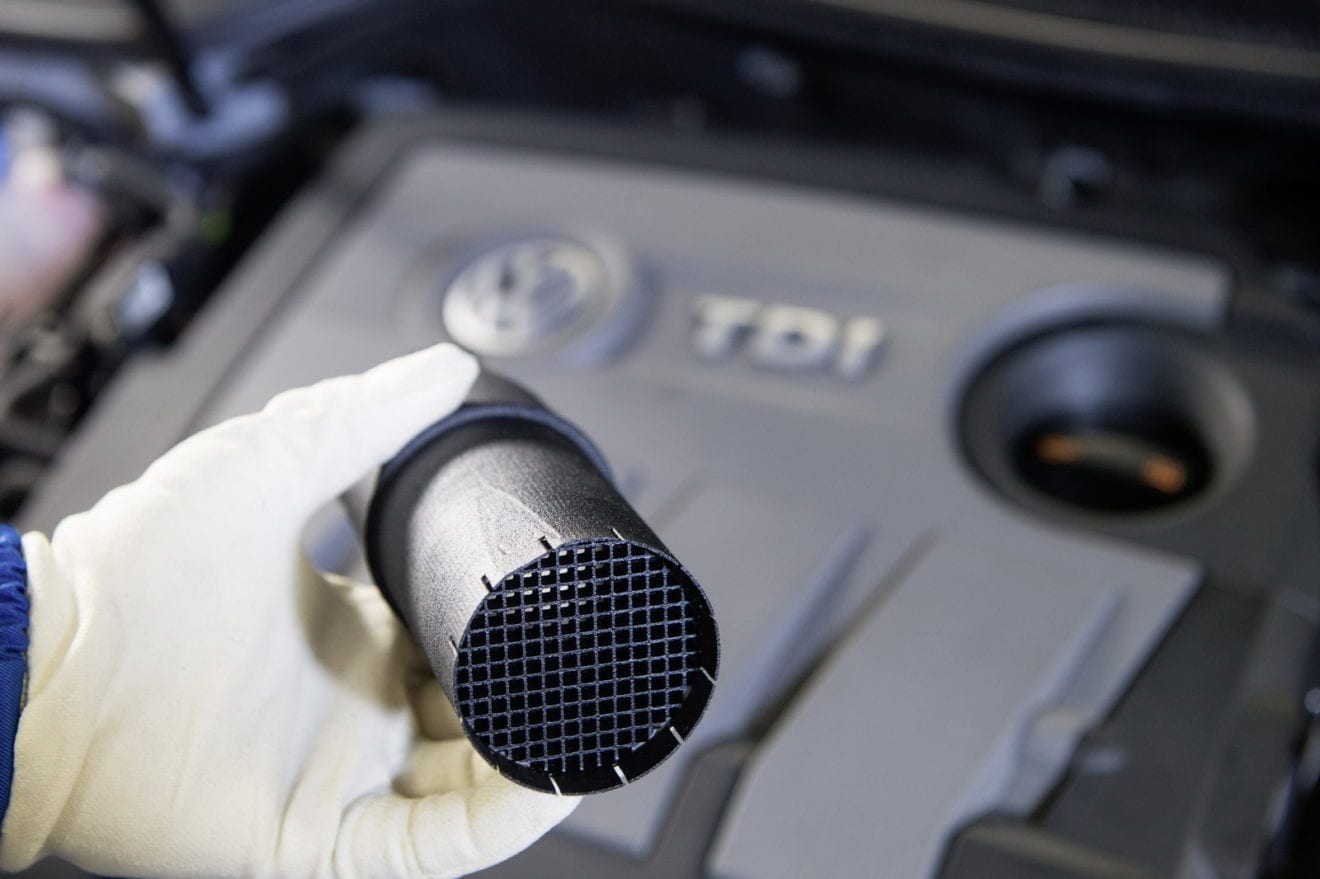
    Volkswagen, the European automotive major hit by the dieselgate scandal, said the company has found a fix for its EA 189 diesel engines in India and has sent it for approvals of the local authorities.

    Once it gets the clearance, the solution would be applied on 3.23 lakh vehicles that have been sold in the country with the EA 189 family of engines. The company said it has also found a software solution for the local Vento manual diesel model, production of which is currently stopped due to inconsistent emission of carbon monoxide. People in the know said Volkswagen could start recalling vehicles by the end of June or July to fix the problem. It is aiming to complete the process within six to eight months.

    “We are awaiting approval (for the fix) and will begin the recall process in the coming months and are hopeful that fixes on all vehicles will be concluded by the end of the year,” Volkswagen India managing director Andreas Lauermann told ETon the sidelines of an event to roll out the Ameo sedan from its factory.

    He said the company’s focus is currently entirely on the Ameo as VW seeks to make a strong comeback in the Indian market. The company’s image had taken a major hit globally following revelations that it had cheated on emission test results. Its sales were hit in India and elsewhere, even as it announced a massive programme to fix the problem.

    The recall process for vehicles fitted with the EA 189 diesel engines, which was to begin at the start of 2016, is yet to get underway. These EA 189 engines are of different displacements 1.2-litre, 1.5-litre, 1.6-litre and 2.0-litre TDI. The 1.2-litre and 2-litre engines need software updates in India, while the 1.5-litre and 1.6-litre engines will get both software and a hardware fix.

    Volkswagen India, which posted strong sales in the first nine months of 2015 with double-digit growth, got hit because of the controversy, with domestic volume declining 2.4% to 43,152 units in 2015. Thanks to the strong export offtake and incremental Ameo output, Volkswagen India is planning to grow its output 15% in 2016 to about 1.42 lakh units. Developed with an investment of Rs 720 crore, the Ameo sedan is a made-for-India product in the VW world.

    Ameo will be positioned in the subcompact sedan market, which sees sales of 25,000 to 30,000 units a month. It will take on the likes of Maruti Suzuki Dzire and Honda Amaze. The company aims to produce about 150 Ameos a day. With the Vento and Polo monthly volumes taking a hit, VW is now betting on Ameo to bring in decent incremental volumes.

  • European Stocks Fall on North Korea Bomb Test

    European Stocks Fall on North Korea Bomb Test

    European shares fell on Wednesday as a self-professed bout of nuclear testing by North Korea and a falling renminbi rattled investors.

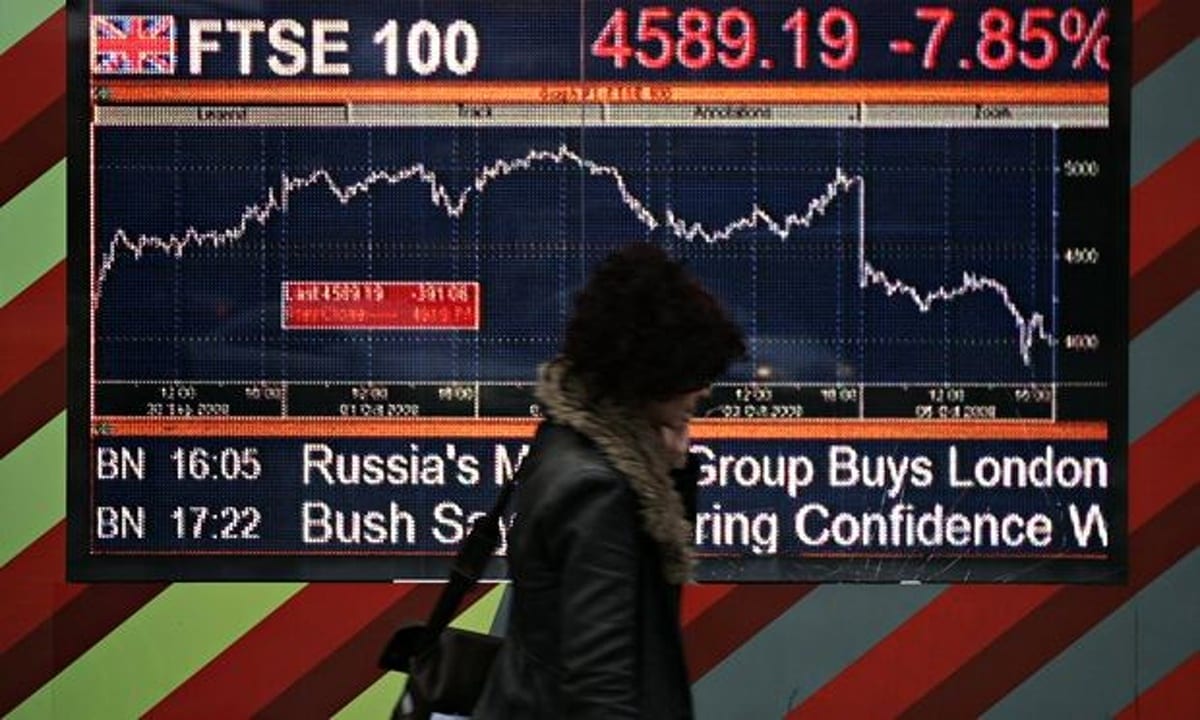
    By late morning in London, the FTSE 100 was down 1.33% at 6,055.53. Mining stocks, as leaders BHP Billiton (BHP) and Rio Tinto (RIO) led the benchmark lower.

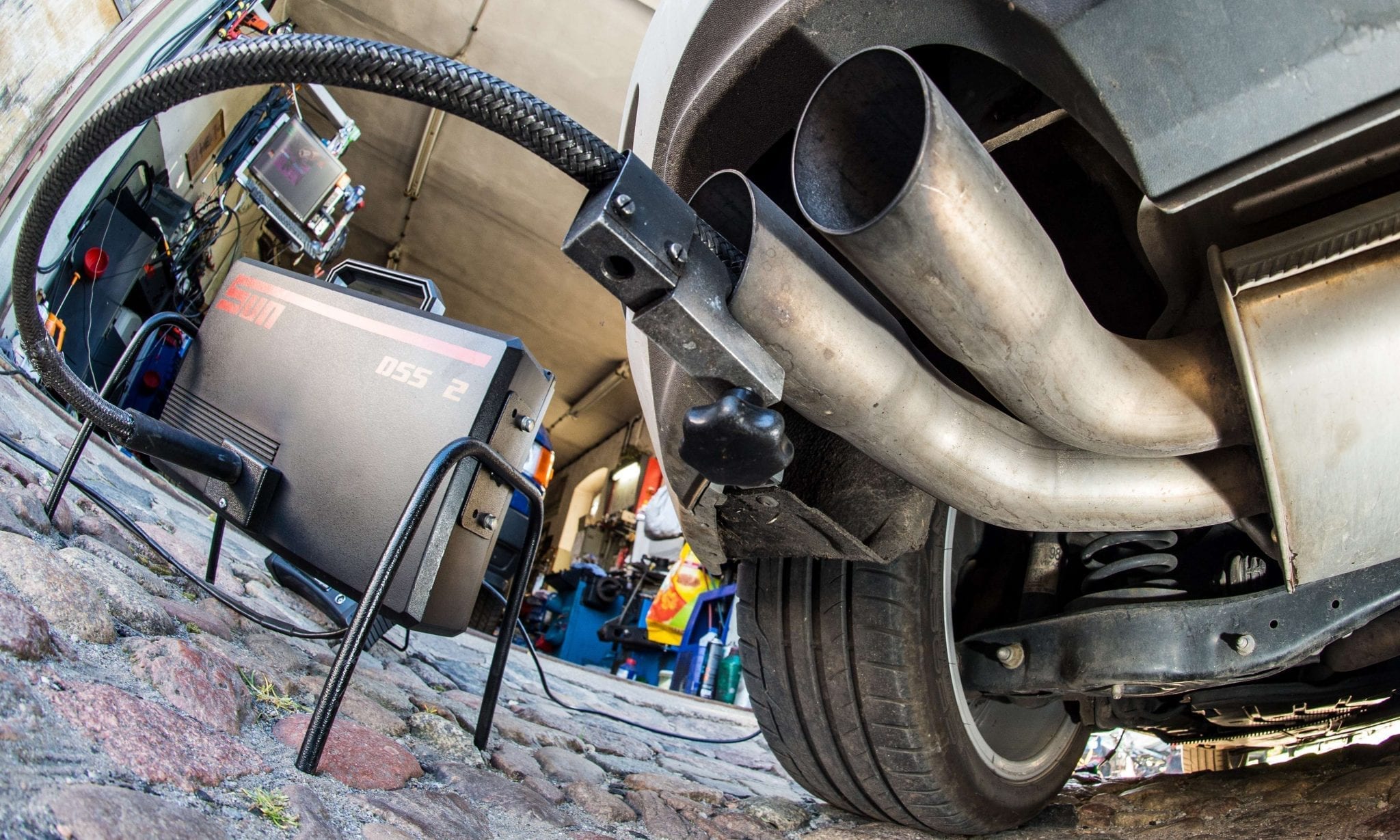
    In Frankfurt, the DAX was down 1.31% at 10,175.31 and in Paris the CAC 40 was down 1.36% at 4,475.91. Volkswagen (VLKAY)  extended Tuesday’s losses in Frankfurt amid fears of hefty legal costs in the U.S. over emissions-tests rigging.

    After the Chinese central bank set the renminbi reference point at a weaker-than-expected level, the currency fell to a five-year low against the dollar. Meanwhile, North Korea claimed to have tested an underground hydrogen bomb, although some international observers were skeptical.

    Final eurozone purchasing managers’ data from Markit Economics came in better than expected in December, with the composite index, which melds the service sector with factory output, unexpectedly rising to 54.3, taking it further above the 50 threshold which separates economic expansion from contraction. Initial December data had pointed to a reading of 54.0. However, weak European Union producer price data for November later took the sheen off those Markit figures.

    Construction and engineering company Costain was up almost 2% in London after it reported record orders worth £3.9 billion ($5.7 billion) in 2015, including £2.8 billion-worth of revenue that Costain will accrue in 2017 and beyond. It will release its full 2015 results on March 2.

    Retailer Topps Tiles was up about 1.3% after reporting same-store sales growth of 4.4% in its first quarter.

    Another retailer, Card Factory, was up 1.8% as it announced that Christmas trading had met its expectations. It said CEO Richard Hayes would retire and be replaced by Karen Hubbard, the chief operating officer of discounter B&M European Value Retail.

    Insurer NN (NNGPF) was up almost 3% at €32.10 in Amsterdam after ING cut its stake to 16.2% from 25.8%. ING sold the shares at €31 in an accelerated book build, raising €1 billion ($1.1 billion). NN itself bought 8 million of the 33 million shares on offer.

    Many Asian indices fell as the renminbi and emerging-market currencies retreated.

    In Seoul, stocks were mixed, with the main index closing up 0.47% at 687.27 after the North Korea H-bomb claim. But Chinese stocks recovered after a state media outlet reported that Chinese securities regulators would extend a six-month ban on share selling by major investors until permanent rules were put in place. The ban would otherwise have expired on Friday. The Shanghai Composite closed up 2.25% at 3,361.84 and the Shenzhen Component index gained 2.24% to close at 11,724.88.

    In Hong Kong, the Hang Seng closed down 0.98% at 20,980.81.

    Shares of New World China Land closed up almost 21% in Hong Kong at HK$7.49 per share after majority shareholder New World Development offered HK$7.80 per share to take the company private after a previous attempt failed to garner sufficient shareholder approval in June 2014. The new offer values the stock at HK$67.8 billion ($8.7 billion).

    In Tokyo, the Nikkei 225 closed down 0.99% at 18,191.32 and the Topix fell 1.05% to close at 1,488.84.

    In Sydney, the S&P/ASX 200 closed down 1.18% at 5,123.13.