Tag: Volkswagen

  • Volkswagen Secures L3 Autonomous Road Test Permit in Hefei

    Volkswagen Secures L3 Autonomous Road Test Permit in Hefei

    Volkswagen has secured a road test permit for Level 3 autonomous driving in Hefei, starting real-world road tests and data collection across the Anhui provincial capital.

    The trial advances the German group toward its target of having conditional autonomous software ready for commercial passenger cars in 2027. Volkswagen China confirmed the permit on Monday, though it withheld the models involved, the route maps and the size of its test fleet.

    The Road From Cariad to Carizon

    Engineering work behind the Hefei testing runs through Carizon, the joint venture established in December 2023 between Volkswagen software division Cariad and Beijing-based Horizon Robotics. Volkswagen committed 2.4 billion euros to set up the unit and retains a 60 per cent controlling stake. Carizon pairs Horizon Robotics’ foundation models with proprietary silicon to build an automated driving stack specifically tuned for Chinese roads.

    Hardware development focuses on the C7H system-on-chip, which remains in development alongside the GAIA world model data system. Carizon intends to run that combined platform across future production vehicles, targeting full software deployment and early customer deliveries in the second half of 2027.

    The Race Against Domestic Incumbents

    Foreign automakers in China face severe margin pressure from local electric brands that already bundle automated highway pilot features into standard trims. To defend showroom footfall, Volkswagen must match the local software pace or risk seeing its volume market share erode further among tech-focused retail buyers. Chinese consumers treat intelligent cockpit functions and urban driving assistance as baseline requirements rather than optional luxury packages.

    Domestic manufacturers hold the regulatory lead on conditional autonomy. The Ministry of Industry and Information Technology approved its first batch of road-use pilot vehicles in December 2025, clearing Changan Automobile’s Deepal SL03 and BAIC Group’s Arcfox Alpha S. Those pilot approvals grant operational use rights on designated public highways, putting local carmakers a full step ahead of test-permit holders like Volkswagen.

    Regulatory Gates and Timelines

    A testing permit allows development vehicles to map routes and log corner cases, but it does not permit serial production sales. Full commercial deployment requires separate product clearance from industrial regulators; an MIIT official said on October 22 that work on a second batch of L3 product approval pilots was underway.

    Frank Han, executive vice president of Volkswagen Group China and chief executive of Cariad China, told an industry conference in April that the manufacturer intends to reach Level 3 capabilities in 2027 before attempting Level 4 autonomous operations in 2029.

    Volkswagen presents its broader platform strategy at its first Hefei Technology Day on October 28, where engineers will outline hardware timelines for the group’s Chinese vehicle pipeline.
  • Volkswagen Halts India EV Investments as It Seeks JSW Deal

    Volkswagen Halts India EV Investments as It Seeks JSW Deal

    Volkswagen AG has halted investments in an electric-vehicle program for India until it gains clarity on a potential partnership with billionaire Sajjan Jindal’s JSW Group. The pause follows an announcement last month by both companies that they are exploring a venture to develop, build and market passenger vehicles in India.

    Volkswagen has finished design work using a low-cost EV architecture originally developed for China, positioning it to scale quickly once talks conclude. However, the German group is withholding additional capital until the partners establish a firmer business plan.

    The investment hold comes amid a worldwide cost-cutting drive that aims to trim group investments by about 15% and cut tens of thousands of jobs. VW had already reduced the costs of developing EVs in India by a third last year as it searched for a partner, and it currently sells no battery-powered cars in the country under either its namesake or Skoda brands.

    Global Headwinds Squeeze Indian Budgets

    Spending cuts at headquarters are dictating the local timetable. Volkswagen is trimming its worldwide capital investments by roughly 15 per cent and eliminating tens of thousands of jobs as it grapples with weak deliveries across Europe and aggressive competition from Chinese producers.

    Those international pressures prompted management to slash its projected Indian EV development budget by a third last year while searching for a local equity partner. The spending freeze now leaves the automaker without an electric passenger vehicle on sale in India under either the Volkswagen badge or Skoda.

    Rivals Lock Down Showroom Space

    The delay hands an open field to domestic incumbents and new Asian competitors. Tata Motors Passenger Vehicles Ltd. And Mahindra & Mahindra Ltd. Dominate existing electric vehicle deliveries, while JSW’s other partner SAIC Motor Corp. Pushes its MG brand across Indian dealerships alongside entries from BYD Co., VinFast and Tesla Inc.

    Stepping back from direct capital spending shifts risk directly onto Volkswagen’s commercial footprint in South Asia. India registered more than 35,000 electric passenger cars in September, nearly doubling sales from the same month a year earlier, and stricter national fuel-efficiency standards make zero-emission models mandatory to protect traditional engine sales.

    Two Years of Search for a Local Ally

    Volkswagen and JSW disclosed last month that they are assessing an alliance to develop, manufacture and sell passenger vehicles in India as well as for export markets. The planned scope spans battery-electric vehicles, plug-in hybrids, traditional hybrids and internal-combustion engines.

    Finding a local partner has proved difficult for the German group. Management spent almost two years scouting an Indian manufacturer to split development costs after earlier partnership discussions with Mahindra broke down.

    Skoda Auto Volkswagen India Pvt. Currently generates only a marginal share of national car registrations. Resolving the partnership structure with JSW is the sole mechanism the German automaker has left to finance a competitive local electric platform before regulatory penalties tighten.

  • BYD Pushes European Production as Sales Reach 4.27 Million Units

    BYD Pushes European Production as Sales Reach 4.27 Million Units

    BYD delivered 4.27 million new energy vehicles last year, expanding its European footprint. The surge steps up competitive pressure on German automakers across their core regional markets.

    Total sales for 2024 rose 41 percent over the previous year. That growth gives the Shenzhen-based automaker added scale as it builds its first European assembly facility.

    Bypassing Tariffs in Hungary

    Construction is underway on a passenger car plant in Szeged, Hungary. Vehicles assembled there will be built inside the European Union rather than shipped from Chinese ports.

    Local assembly lets the carmaker bypass additional tariffs the European Commission imposed on battery electric vehicles imported from China. The Commission determined in 2024 that Chinese state subsidies harmed European producers, introducing penalties to offset pricing differences.

    The Szeged plant will create thousands of local jobs and source components through regional supply chains, establishing a domestic European operating base.

    Pressure on German Brands

    German automotive groups face mounting headwinds across their volume and luxury segments. Volkswagen, BMW and Mercedes-Benz built their global market presence on engineering standards and brand prestige, supported by specialist badges including Audi and Porsche.

    Sluggish domestic economic growth, persistent inflation and supply chain friction now squeeze profit margins across German operations. Lower production costs and rapid development cycles from Chinese competitors directly challenge those legacy advantages.

    Pricing pressure in electric passenger cars leaves legacy European manufacturers with narrow operating margins. Chinese competitors produce battery packs and vehicle software internally, cutting component costs below what German supply networks currently deliver.

    Policy and Market Headwinds

    Trade barriers alone offer limited protection for European carmakers once overseas competitors start manufacturing inside the trade bloc. European manufacturers must match competitive vehicle prices while investing heavily in software architecture and battery chemistry.

    The European Commission outlined these structural vulnerabilities in its 2025 automotive action plan. The report warned that European automakers risk falling behind international rivals in battery development, vehicle software systems and autonomous driving platforms.

    Brussels now pairs import duties with domestic manufacturing incentives. Factory investments by Chinese firms inside the trade bloc weaken that intended barrier.

    Expansion from 2022 Entry

    BYD formally entered the European passenger car market in 2022 before committing capital to the Hungarian production site. Economists compare the broader shift to the manufacturing trade integration seen after China joined the World Trade Organization in December 2001.

    German automakers must now defend market share across both electric sedans and compact sport utility vehicles as local assembly begins. The decisive metric will be the production start date at the Szeged plant and the final retail pricing of its Hungary-built models.

  • Xpeng Expands Foreign Tech Licensing Beyond Volkswagen Deal

    Xpeng Expands Foreign Tech Licensing Beyond Volkswagen Deal

    Xpeng is pitching its vehicle software, computing chips and electronic architecture to foreign automakers. It wants to expand high-margin technology licensing beyond its anchor partnership with Volkswagen.

    Services revenue at the Chinese electric vehicle maker jumped 93.9 per cent to 2.7 billion yuan ($400 million) in the second quarter of 2026. Gross margins reached 75.1 per cent.

    A strategic commercialisation team formed six months ago in Guangzhou to field inquiries from overseas manufacturers, foreign software vendors and tier-one automotive suppliers. The technology catalogue includes electrical and electronic architecture, digital cockpit operating systems, in-house Turing AI semiconductors and Vision-Language-Action (VLA) driver-assistance software. Licensing packages also cover operational systems for robotaxis and physical artificial intelligence deployments.

    The Software Stack Open to Rivals

    Engineers at the firm spent years building vertical integration to counter domestic price cuts. Selling that technology stack outward shifts the company from pure hardware manufacturing into enterprise software. Automakers that sign deals can purchase standalone sub-systems or integrate full platform architectures directly into their own global vehicle lines.

    That push extends past passenger cars. The company plans to license operational systems for robotaxi fleets alongside Iron, its general-purpose humanoid robot platform aimed at industrial and retail automation buyers.

    Margin Divergence Drives Strategic Pivot

    Wholesale vehicle assembly in mainland China faces fierce pricing competition that continues to compress factory returns. In the second quarter, Xpeng’s automotive gross margin fell to 12.1 per cent from 14.3 per cent a year earlier. Total vehicle revenue grew just 1.0 per cent. The company recorded a quarterly net loss of 1.34 billion yuan.

    Licensing intellectual property requires almost zero factory overhead once developed. That revenue cushions sustained research and development budgets. For legacy overseas automakers struggling to build software in-house, buying Chinese electronic architecture cuts years off their electric development cycles.

    Precedent Set by Volkswagen Collaboration

    This commercial model stems from Volkswagen’s July 2023 investment, when the German group paid roughly $700 million for a 4.99 per cent equity stake in Xpeng. That alliance yielded the ID.UNYX 08 electric crossover. The vehicle entered mass assembly in March 2026, exactly 24 months after technical teams began joint integration work.

    Management confirmed in August earnings disclosures that research fees billed to Volkswagen accounted for the bulk of the recent doubling in services income. Volkswagen also committed to becoming the launch customer for the upgraded VLA 2.0 smart driving system across future localized releases.

    Next Steps on Hardware and Overseas Deployments

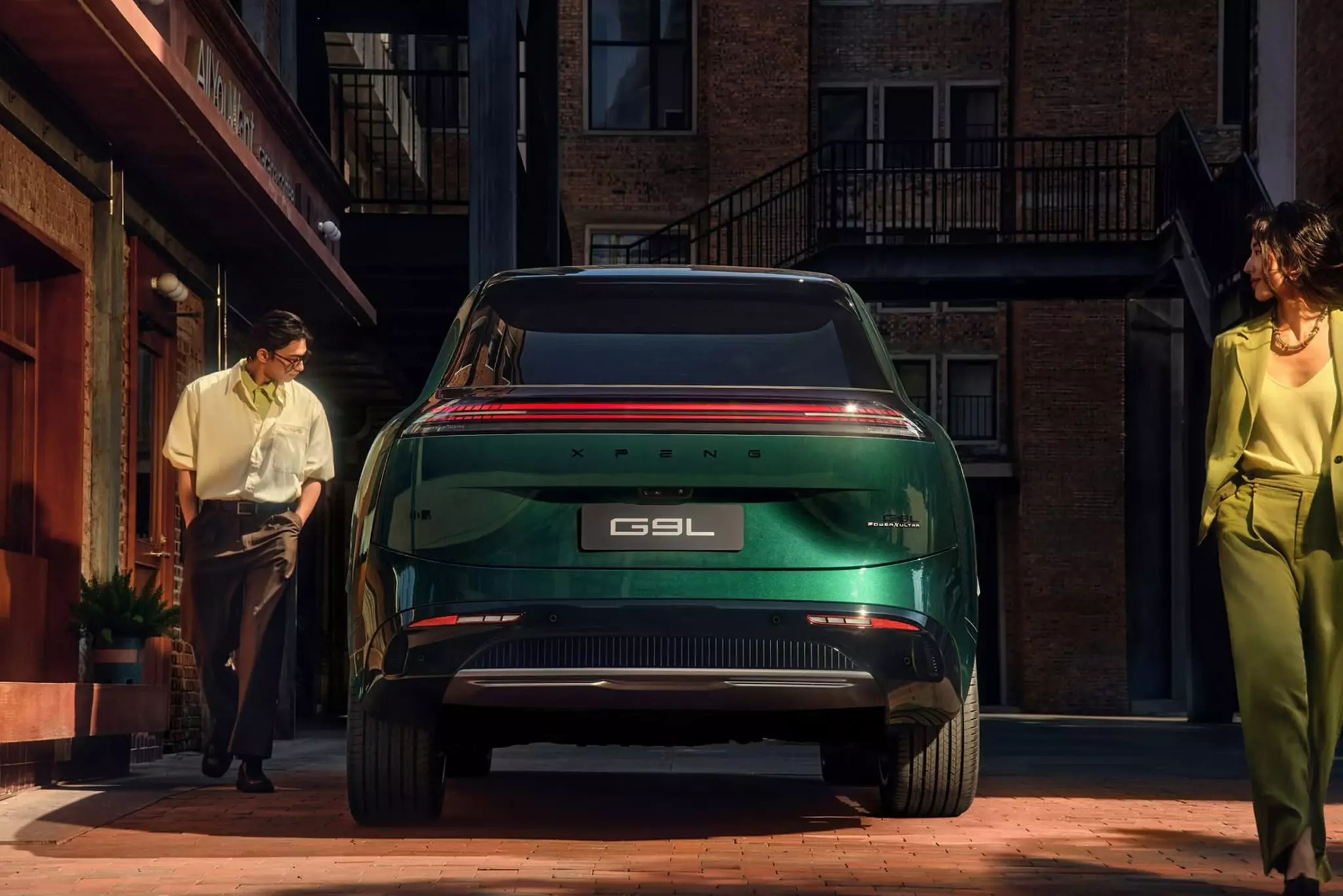
    Xpeng launched its G9L family sport utility vehicle in China at 231,800 yuan ($34,300) with both pure electric and extended-range powertrains. The vehicle makes its international debut at the Paris Motor Show ahead of localized production in Europe.

    Factory tooling for the Iron humanoid robot completes trial runs ahead of volume production in late December. Customer deliveries begin in early 2027.

  • SAIC Volkswagen Cuts Starting Price on ID. ERA 5S Sedan to 89,900 Yuan

    SAIC Volkswagen Cuts Starting Price on ID. ERA 5S Sedan to 89,900 Yuan

    SAIC Volkswagen launched its ID. ERA 5S plug-in hybrid sedan at the Chengdu Auto Show on Friday. Introductory incentives lower the base price to 89,900 yuan ($13,260).

    A 30,000-yuan discount brings the car below its 115,900-yuan pre-sale baseline and undercuts the official 119,900-yuan sticker price. Five variants run up to an official 149,900 yuan. Initial trade-in subsidies and deposit promotions reduce that top price to 119,900 yuan.

    Powertrain and Localized Driver Assistance

    This sedan is the second entry in the ID. ERA series following the ID. ERA 9X SUV. Power comes from a 1.5-litre plug-in hybrid setup pairing an 80 kW engine with a 130 kW drive motor. The configuration yields 160 kilometres of electric range under CLTC testing and more than 2,000 kilometres of total range. Depleted-battery fuel consumption is rated at 2.82 litres per 100 kilometres.

    Volkswagen fitted the model with its Xingyun assisted-driving software, built on Horizon Robotics’ HSD algorithm. The system supports urban navigation on autopilot, highway cruising, automated valet parking and multi-level memory parking. Inside, the cabin carries an 8.8-inch digital cluster and a 15.6-inch central touchscreen. Voice software was developed alongside iFlytek.

    Foreign Carmakers Defend Mass Market Share

    Joint ventures across China continue shifting product pipelines toward hybrid powertrains and domestic tech suppliers to defend market share against local price leaders. SAIC Volkswagen delivered more than 10,000 units of the ID. ERA 9X within two months of its April launch. That performance validated an extended-range strategy tailored to Chinese buyer preferences.

    At the show, the carmaker displayed the ID. ERA 8X and the ID. ERA 5X, an upcoming pure electric model engineered on the China Main Platform. SAIC Volkswagen plans to introduce seven new energy vehicle models before the end of the year.

  • Volkswagen offers $20K discount

    Volkswagen offers $20K discount

    German auto brand Volkswagen has cut the prices of three models in Vietnam by VND140-500 million (US$5,700-20,300) this month.

    The Teramont now costs VND2 billion, down VDN500 million, or 20%, from its original price tag.

    The full-size SUV, which is imported from the U.S., has high-end entertainment features such as an 11-speaker audio system and 8-inch screens.

    The Teramont X, which starts at around VND2 billion, comes with a discount of VND99-130 million depending on locality. It is imported from China.

    The Touareg, imported from Slovakia and priced at up to VND3.05 billion, is being sold at discounts of VND134-182 million.

    Volkswagen announced the discounts after major brands such as Honda, Toyota, Nissan, Subaru, and Suzuki all cut their prices.

    Vietnam Automobile Manufacturers Association members’ sales rose by only 1.1% year-on-year in the first seven months to 163,800 units.

  • Volkswagen Jetta gets a facelift

    Volkswagen Jetta gets a facelift

    Volkswagen’s D-segment fighter has just been given a facelift. The Jetta has features like Xenon headlamps with integrated washers, LED daytime-running lamps, dual-zone Climatronic air-con and 16-inch alloy wheels. It also gets a 12-way electrically adjustable driver’s seat, front and rear parking sensors, and cruise control.

    Volkswagen’s D-segment fighter has just been given a facelift. The Jetta gets some additional features to make it more competitive and desirable.

    The Jetta now comes with additional features like Xenon headlamps with integrated washers, LED daytime running lamps, dual-zone Climatronic air-con and 16-inch alloy wheels. It also gets a 12-way electrically adjustable driver’s seat, front and rear parking sensors, and cruise control.

    There are no changes regarding the engine and the car is available in a 2.0-litre TDI and 1.4-litre TSI avatar. The new Jetta will be made available in 3 trims. Both engines come with a six-speed manual transmission, and the 2.0-litre TDI also gives you an option of a six-speed DSG automatic gearbox with paddle shifters.

    Commenting on the launch of the new Volkswagen Jetta, Arvind Saxena, managing director, Volkswagen Group Sales India, said, “With Volkswagen’s acclaimed engineering expertise, we are able to build some of the most comfortable, safe, fuel-efficient and performance-oriented luxury sedans, which offer outstanding power delivery and driving dynamics. We are sure that the new Jetta, with its range of petrol and diesel engine options and optional 6-speed DSG automatic transmission, will offer a delightful driving experience for premium-segment car buyers in the Indian market.”

  • Volkswagen Converts Its Aurangabad Facility To Run On 100% Green Energy

    Volkswagen Converts Its Aurangabad Facility To Run On 100% Green Energy

    Volkswagen Group has announced that its Aurangabad facility has transitioned to 100 percent green energy. The group had initially targeted reaching the goal by 2025, but it has done so ahead of its target. The facility received its Green Energy Certificate from Maharashtra State Electricity Distribution Company Limited (MSEDCL).

    Piyush Arora, Managing Director and CEO, Skoda Auto Volkswagen India Private Limited, said, “In the Volkswagen Group, ‘goTOzero’ is not only a roadmap for effective climate protection, it is also an integral strategic initiative towards sustainable mobility. We take a holistic approach to decarbonization – from production through service life to recycling.”

    “By replacing the external energy supply with renewable energy from MSEDCL,  SAVWIPL’s Aurangabad Plant has become the first automotive facility in Aurangabad Plant has become the first automotive facility in Aurangabad to be certified as a Green Energy Plant by MSEDCL,” the company said in a statement.

    With the move to green energy, VW’s Aurangabad plant will now achieve a 48 percent reduction in CO2 emissions per year. The VW group targets to become a carbon-neutral company by 2050.

  • VW To Give Its Green Light For Audi, Porsche To Enter F1

    VW To Give Its Green Light For Audi, Porsche To Enter F1

    Audi and Porsche owner Volkswagen is likely to give the green light for the two brands to make their entry into motor racing’s Formula One at a meeting next week, two sources familiar with the matter said on Thursday.

    “We will hopefully be able to communicate our intention to enter into Formula One then,” one of the sources said, with the second adding there was a “good chance” of a positive decision.

    Volkswagen declined to comment. The news was first reported by Business Insider.

    There has long been a talk of Audi and Porsche forming partnerships with existing Formula One teams, their most likely method of entry into the highest class of international racing.

    Audi and McLaren denied reports last year that a partnership between the two brands had already been formed but said that it was under discussion, with a decision to be expected this year.

    Audi will offer around 500 million euros ($556.30 million) for McLaren, one source said, while Porsche intends to establish a long-term partnership with racing team Red Bull starting in several years’ time.

    Volkswagen has not previously been involved in Formula One but has worked with Red Bull, notably in the world rally championship. McLaren and Red Bull were not immediately available to comment.

    A source told Reuters in November that Volkswagen’s ultimate decision will rest on whether Formula One follows through on its plans to switch to synthetic fuels by 2026, and on McLaren’s progress regarding electrification of its vehicles.

    Volkswagen has invested the most of any global carmaker by far in electric vehicle production and batteries in an attempt to clean up its image from the Dieselgate emissions scandal and remain in line with governmental carbon reduction targets.

    The decision comes as Volkswagen grapples with the uncertainty of the impact of the Ukraine war on its finances, which will also be discussed at next Thursday’s meeting.

  • Swiss Set To Drop Criminal Probe Of VW Emissions Scandal

    Swiss Set To Drop Criminal Probe Of VW Emissions Scandal

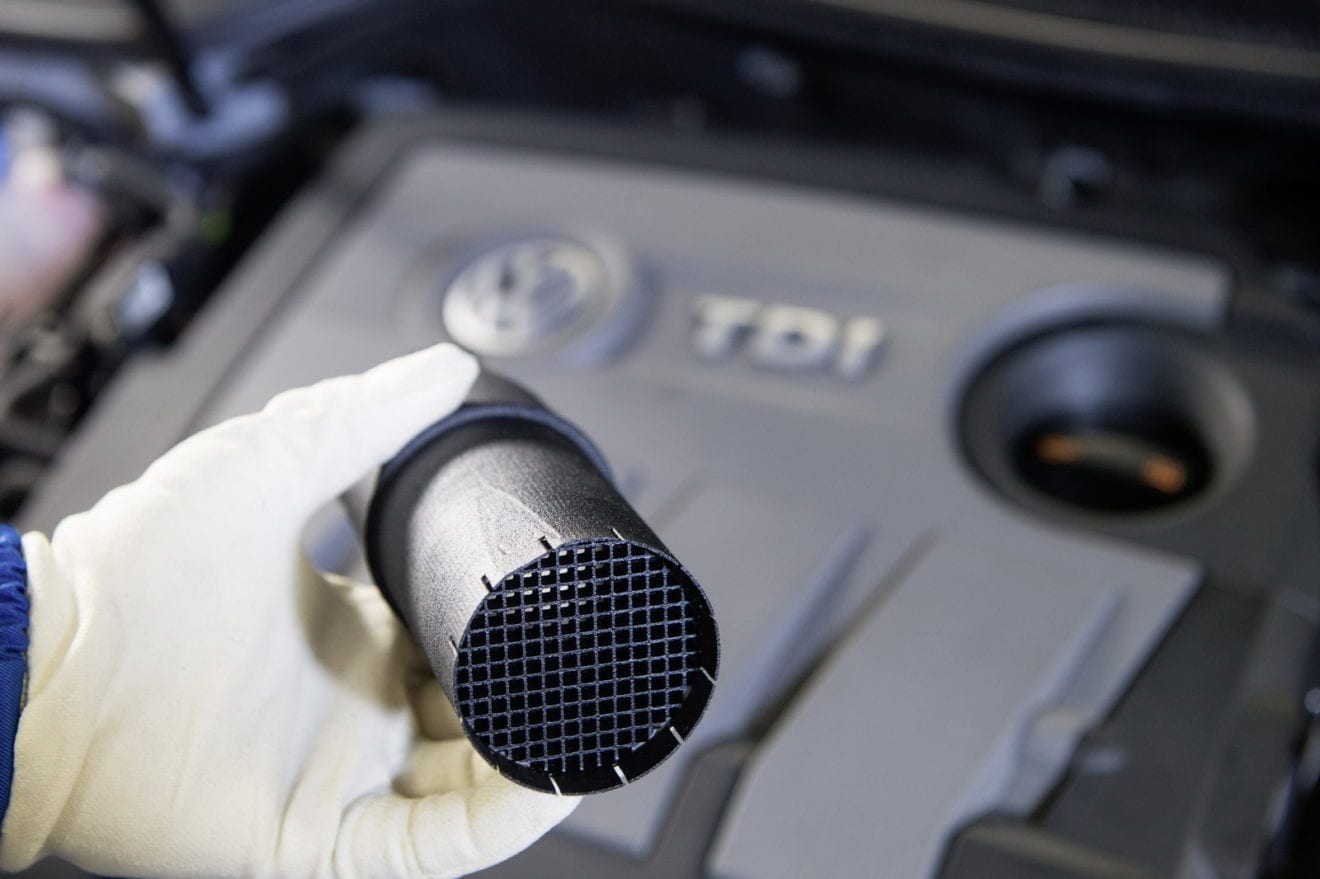
    Swiss federal prosecutors are set to drop a nearly five-year criminal investigation into Volkswagen’s diesel emissions scandal after concluding they did not have a strong enough case to file charges, they said on Tuesday.

    The Office of the Attorney General said it had informed the German carmaker and its Swiss dealership arm this month “that it considers the investigation to be complete and intends to drop the case,” it said in a statement, confirming a report by broadcaster SRF.

    The defendants and private plaintiffs can still review the case file and submit more evidence before the case is closed officially, it said.

    VW admitted in September 2015 it had installed secret software in hundreds of thousands of U.S. diesel cars to cheat exhaust emissions tests and make the cars appear cleaner than they were, and that as many as 11 million vehicles could have similar software installed worldwide.

    SRF said Swiss plaintiffs could still claim damages through civil law, noting VW has already paid out billions abroad.

    Swiss prosecutors opened criminal proceedings after a court ruled they must conduct their own investigation into hundreds of complaints lodged in Switzerland.

    The case centred on the potential damage to around 175,000 customers who bought or leased VW group vehicles with diesel motors that at least some VW officials must have known had been manipulated.

    SRF said Swiss plaintiffs could still claim damages through civil law, noting VW has already paid out billions abroad. “But without official culprits, such proceedings in Switzerland are very costly and difficult for individuals,” it added.

    Contacted by Reuters on Tuesday, VW had no immediate comment.

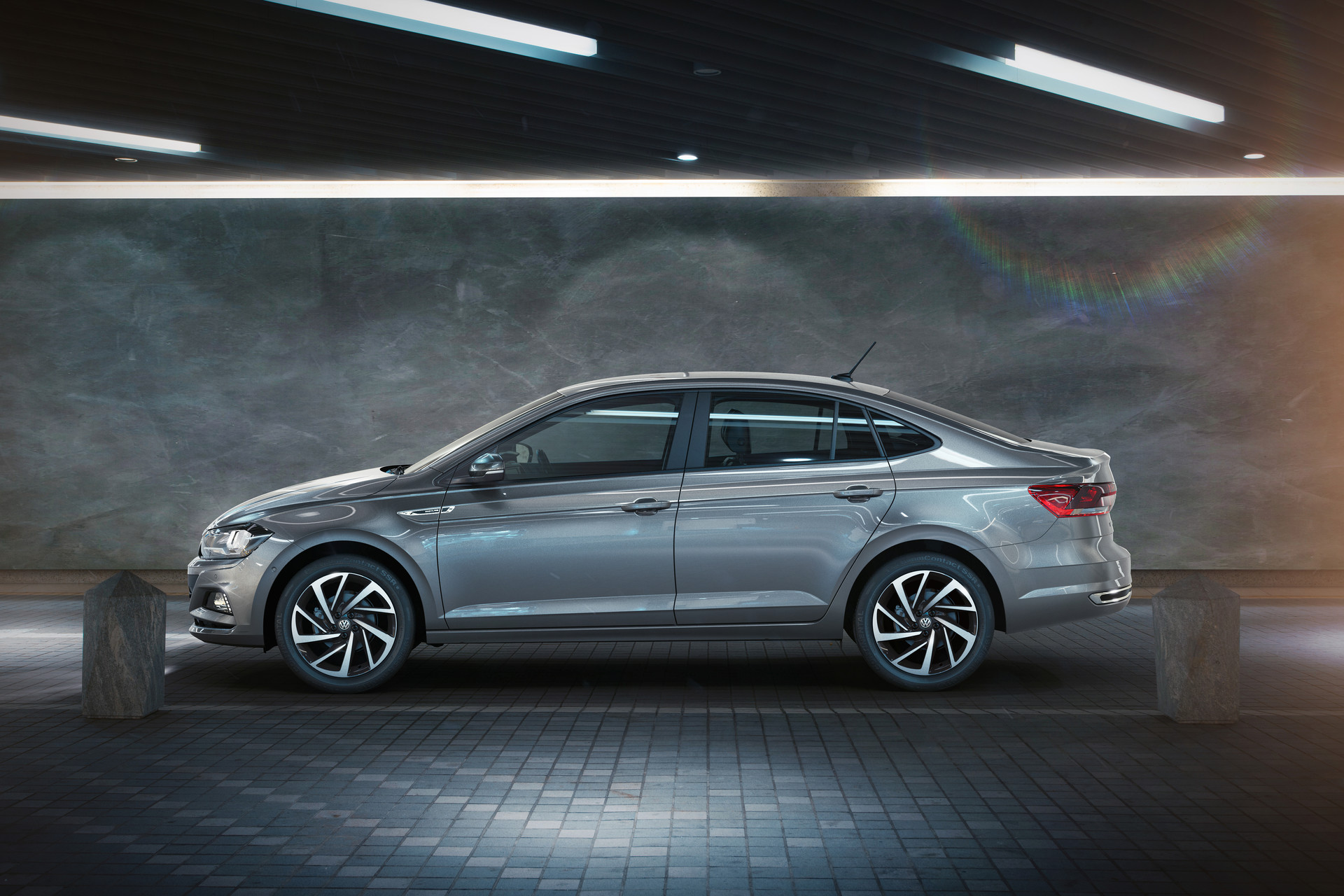
  • Volkswagen Virtus Name Confirmed For Upcoming Compact Sedan, Debut In March

    Volkswagen Virtus Name Confirmed For Upcoming Compact Sedan, Debut In March

    Volkswagen India has announced the name of its upcoming compact sedan, and the model will be christened as ‘Virtus’ upon launch. The Volkswagen Virtus will be the second offering from the German automaker to be based on the MQB A0 IN platform after the Taigun and will replace the Volkswagen Vento in the company’s portfolio.

    Speaking about the Virtus name, Ashish Gupta, Brand Director, Volkswagen Passenger Cars India, said, “The new Volkswagen Virtus invigorates and impresses with its dynamic and emotional design language. The global sedan represents dynamism in its appeal and confidence in its character while retaining the core DNA of the brand. The Virtus is a perfect illustration of a sedan that meets the aspirations of customers in India with a truly global outlook.”

    Volkswagen says the name Virtus is a combination of the words ‘Virtuoso’ and ‘Virtues’ that signify “excellence, finesse, energy, and brilliance.” The upcoming sedan has been designed and developed for those who seek experiences, says the company. What we do know is that the VW Virtus would be a step above the Vento in every way. The car promises to be wider, longer, and well-appointed while bringing in a host of creature comforts. Going by the Taigun, we won’t be surprised to see feature-laden variants right from the entry-level trims.

    The Volkswagen Virtus for India is scheduled for debut on March 8, 2022, and the sedan is expected to arrive in two turbocharged petrol engine options and three transmission choices. The model will go on sale later in the year.

  • Volkswagen Brings Back The Microbus Together With A Battery

    Volkswagen Brings Back The Microbus Together With A Battery

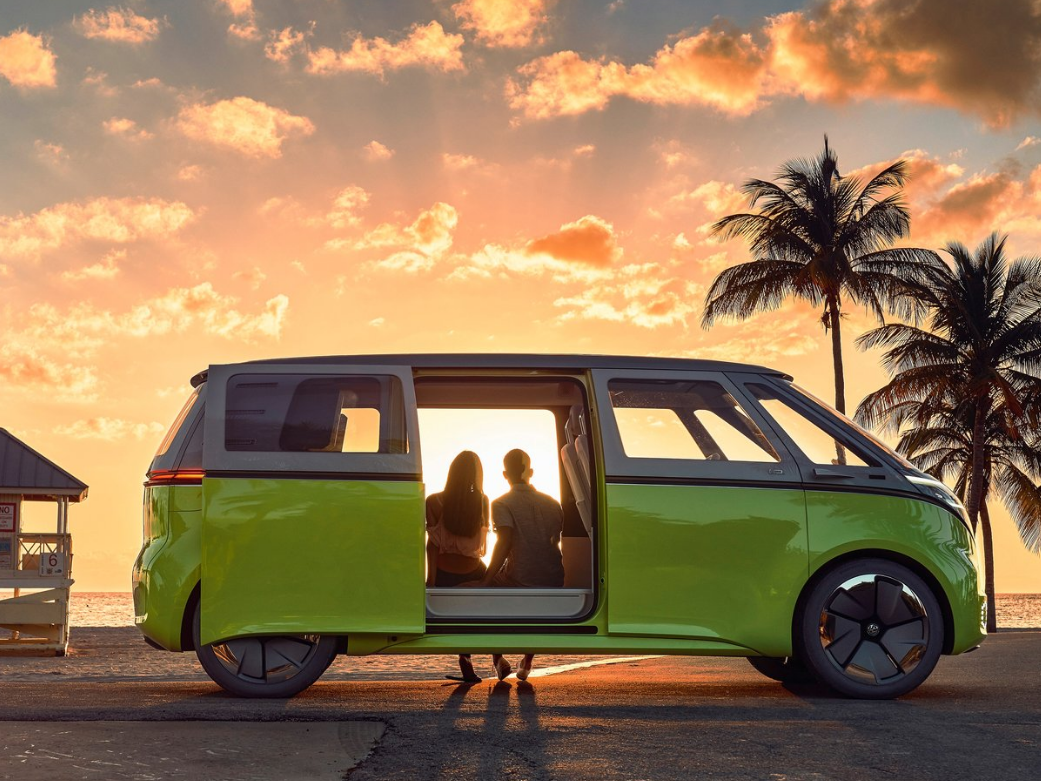
    Volkswagen will show a production version of its long-awaited ID.Buzz, an electric reincarnation of its beloved Microbus or Kombi, on March 9 and plans to launch it in the United States in late 2023, the company said on Friday.

    The ID.Buzz is one of “the most anticipated and most hyped” models anticipated from the Volkswagen brand since the company launched its new Beetle in the late 1990s, Scott Keogh, head of Volkswagen’s North American operations said during a media call.

    Volkswagen Chief Executive Herbert Diess tweeted on Thursday “The legend returns on 03/09/22!” The tweet contained a sketch of the profile of the ID.Buzz van.

    Volkswagen has shown a series of prototypes for a new Microbus over the past decade. But those prior show vans – the Budd.E and the Bulli – never made it to production, to the frustration of fans of the vehicle.

    Keogh said that a three-row version of the ID.Buzz will launch in the United States, where the original microbus became an icon of the counterculture, in late 2023 or early 2024. Volkswagen will launch a two-row version in Europe.

    “You want to get to 100,000 units before you localize,” Keogh said.

    Volkswagen will ramp up production of its ID.4 electric SUV at Chattanooga this year.

    Earlier Friday, Volkswagen said U.S. sales of its VW brand vehicles rose 15% in 2021, driven largely by strong sales of gasoline-fueled SUVs such as the Atlas and Tiguan.

    Shortages of vehicles caused by chip supply chain problems will continue to limit vehicle production and sales in the United States through 2022, Keogh said.

    He said he believes as many as two million potential car buyers did not buy a vehicle in 2021 because of the lack of supply, creating pent up demand for this year and beyond.

  • Samsung To Supply New Advanced Auto Chip To Volkswagen

    Samsung To Supply New Advanced Auto Chip To Volkswagen

    Samsung Electronics on Tuesday revealed new auto chips targeting demand for advanced chips in cars, including one mounted in Volkswagen’s infotainment system developed by LG Electronics. Demand is rising for “high-tech” automotive chips that can handle more entertainment consumption and increased electrical components in cars, Samsung said in a statement, saying that it plans to actively respond to the growing demand.

    The chips, developed by Samsung’s logic chip design business System LSI, includes a chip enabling 5G-based telecommunications for downloading high-definition video content during transit, and a power management chip for stable electricity supply.

    A third chip, an infotainment processor that can control up to four displays and 12 cameras at once, has been mounted in Volkswagen’s high-performance computer called In Car Application Server (ICAS) 3.1, developed by LG Electronics’ vehicle components business, Samsung said.

    Samsung and cross-town rival LG Electronics have both targeted the expansion of the global electric vehicle market and the rapid electrification of cars as opportunities to sell more high-tech chips and sophisticated components, analysts said.

  • Volkswagen Powers Up The Grid To Take On Tesla

    Volkswagen Powers Up The Grid To Take On Tesla

    Volkswagen plans to double staff numbers at its charging and energy division, roll out new payment technology next year and strike more alliances to take on Tesla in a key electric vehicle (EV) battleground: power infrastructure. By ensuring there are enough fast-charging plugs – and enough power – for the EVs it wants to sell, Europe’s biggest carmaker hopes to convince drivers worried about battery ranges that they can ditch their fossil fuel cars for good.

    Underlining its electric ambition, Volkswagen has drafted in power industry veteran Elke Temme, who spent nearly two decades at German energy companies RWE and Innogy, to help the carmaker get in better shape to take on Tesla. In the job since January, Temme, 53, has been tasked with bundling the carmaker’s various power activities such as procuring energy, enabling customers to charge their cars at home, and on the road, and selling the electricity required.

    Getting this done will require a bigger workforce and Temme plans to double the staff at Volkswagen’s European charging and energy division, known as Elli, to about 300 in 2022, having already tripled it this year, she told Reuters in an interview. “We’re investing in huge growth areas that don’t always have to be profitable right away. We always see these investments in the overall context of our group strategy,” she said. “That’s why building up a comprehensive infrastructure is key.”

    Temme declined to specify the budget she has been given but said Volkswagen, led by Tesla admirer Herbert Diess, has approved the investment requests for the division, which also sells home battery storage systems similar to Tesla’s Powerwall. Volkswagen leads the pack worldwide by far with its investment plans for EVs and batteries through 2030, according to a Reuters analysis, and it is planning to spend 35 billion euros on battery EVs by 2025.

    But when it comes to the networks of fast-chargers that many analysts believe are crucial for bringing EVs into the mainstream, VW has some catching up to do. Tesla has been rolling out high-performance Superchargers for years and has a global network of about 30,000 fast-chargers that it says can give a 200 km (125 mile) boost in 15 minutes. The company said in October that its own network has doubled in the past 18 months – and will triple over the next two years.

    Volkswagen, meanwhile expects its network of fast-chargers to nearly quadruple to about 45,000 by 2025 – when it aims to overhaul Tesla as the global EV market leader – with 18,000 EV pumps in Europe, 17,000 in China and 10,000 in North America. Volkswagen in March said it plans to spend 400 million euros on expanding its fast-charging network on the continent by then. But that’s a drop in the ocean compared with the 5 billion euros the European Union reckons is needed every year until 2040 to expand charging infrastructure on the continent, and it is raising the pressure on utilities and governments to step up.

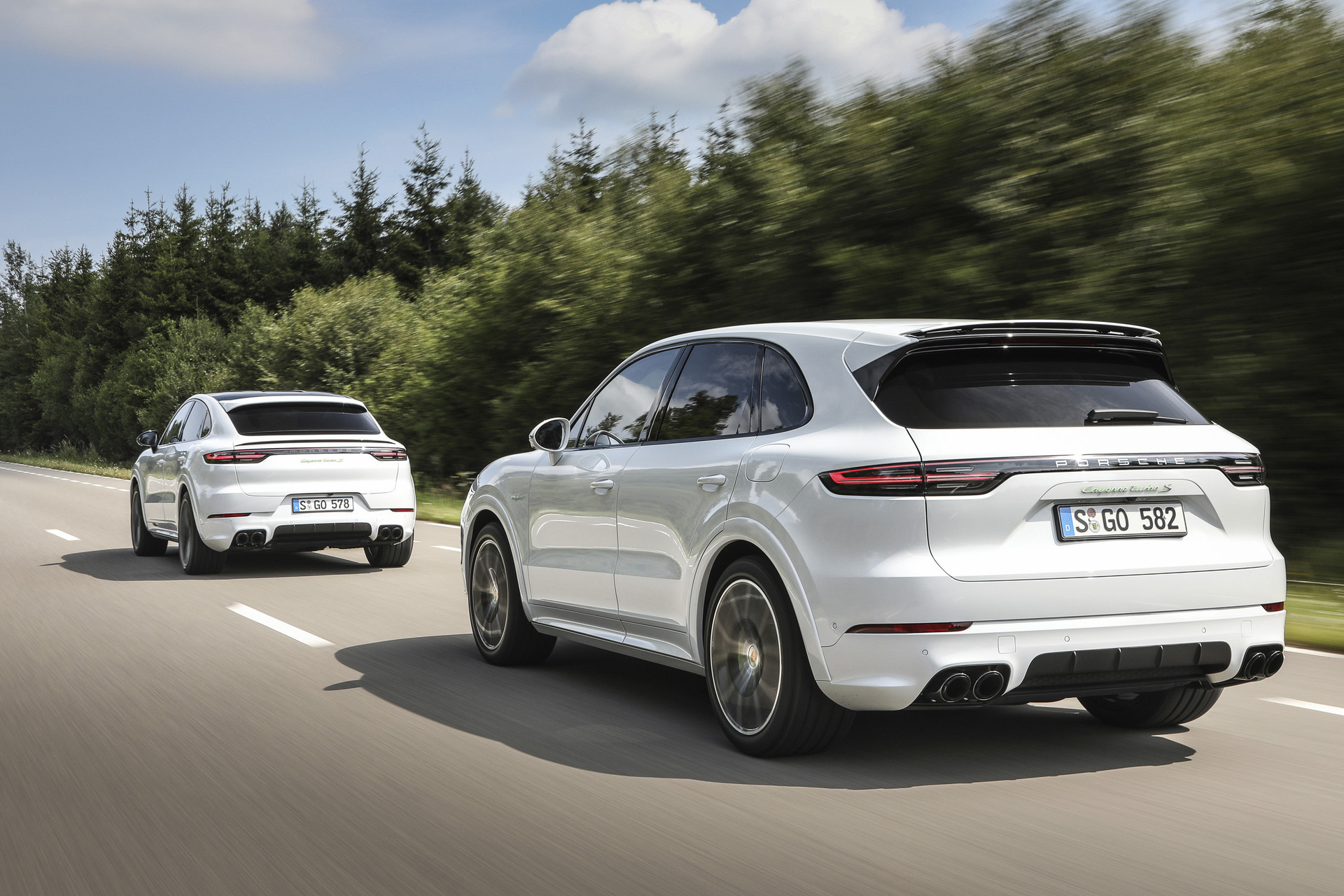
  • Porsche AG Benefits From Being Part Of Volkswagen Group

    Porsche AG Benefits From Being Part Of Volkswagen Group

    Porsche AG, part of the Volkswagen Group, profits from being part of Volkswagen, its CEO Oliver Blume said on Wednesday, following speculation that an IPO of the luxury unit could be on the cards.

    “We feel very comfortable in the Volkswagen Group, we can profit from synergies. The important thing in this time is to focus on transformation,” Blume said, speaking at a car industry conference organized by autos publication Automobilwoche in Ludwigsburg, Germany. China Vehicle Sales Fall 9.4% In October 2021

    Germany’s Manager Magazin reported in October that investment bank Goldman Sachs and law firm Freshfields were among advisors working on a possible listing of the unit.

    Volkswagen’s CEO Herbert Diess said on Oct. 28 the company was constantly reviewing its portfolio but provided no further comment.