Tag: vr

  • VR is dead! And even Apple and Samsung can’t save it

    VR is dead! And even Apple and Samsung can’t save it

    My Decade-Long Journey with Virtual Reality

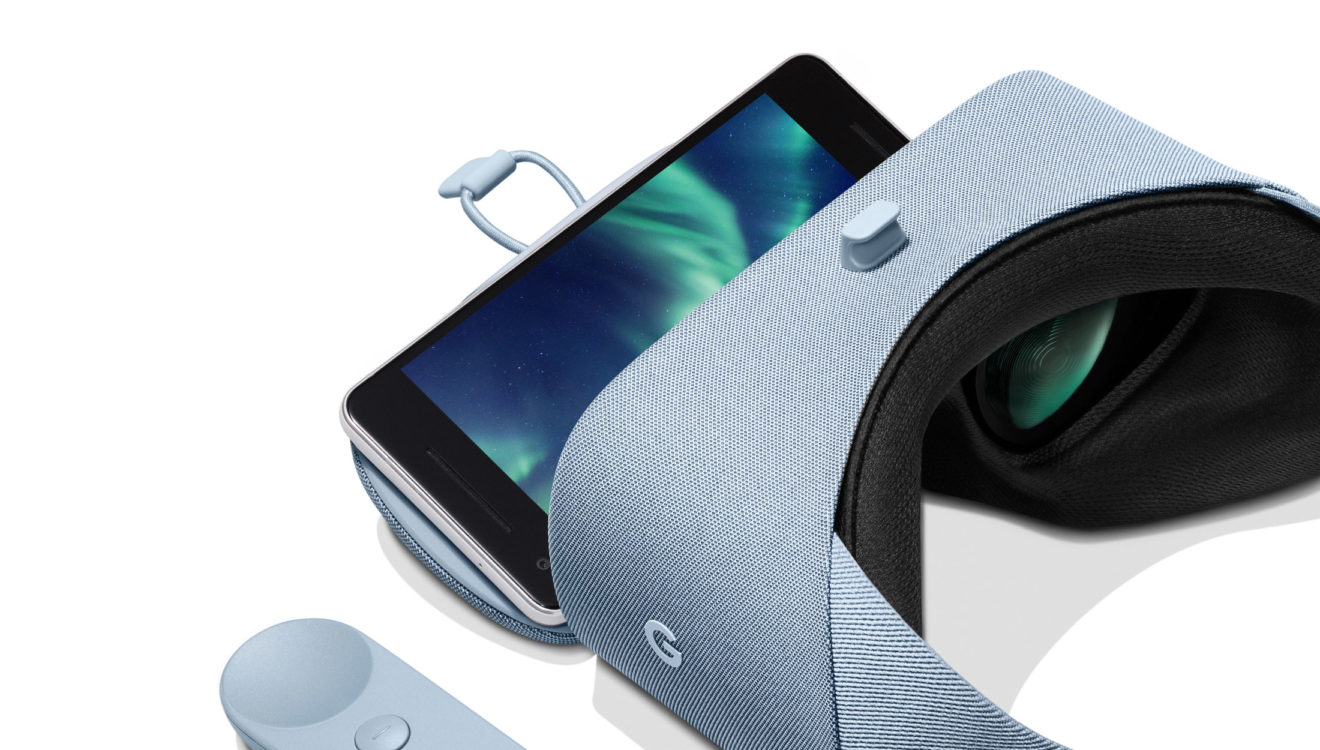
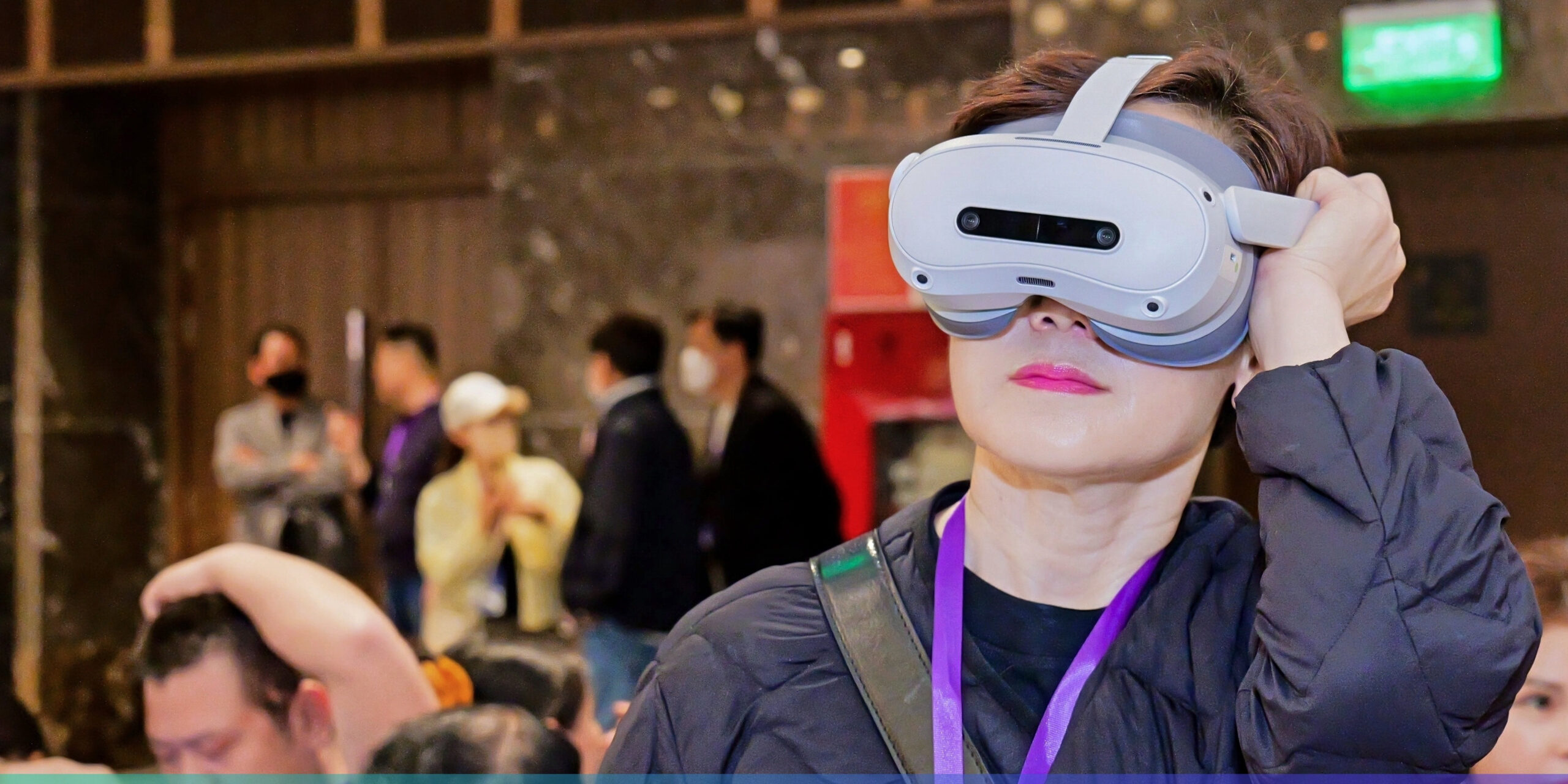
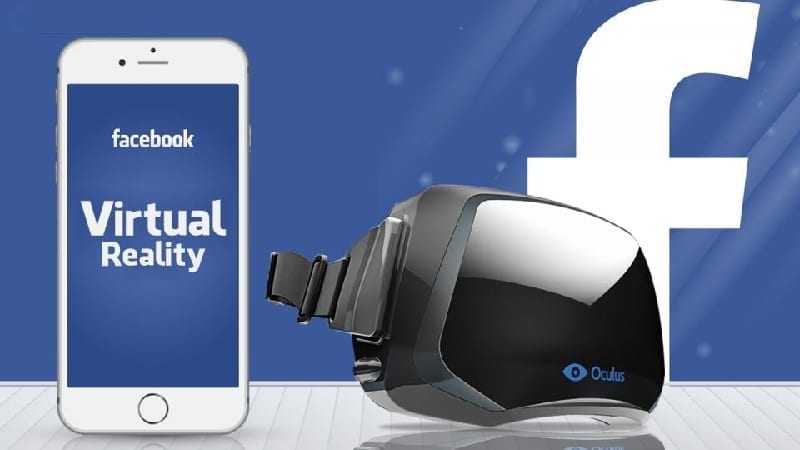
    Nearly a decade ago, I was struck by the potential of virtual reality (VR) technology when I had my first experience with an early prototype of the HTC Vive. The dynamics of VR were expected to dominate the tech industry and influence lifestyle on a global scale. However, the present scenario seems to paint a different picture with growing rumors of Apple’s plans to transform the Vision Pro headset into a lighter, more affordable, augmented reality system. This has made me question the success trajectory of VR, a technology that was expected to revolutionize our world.

    The Limitations of Virtual Reality

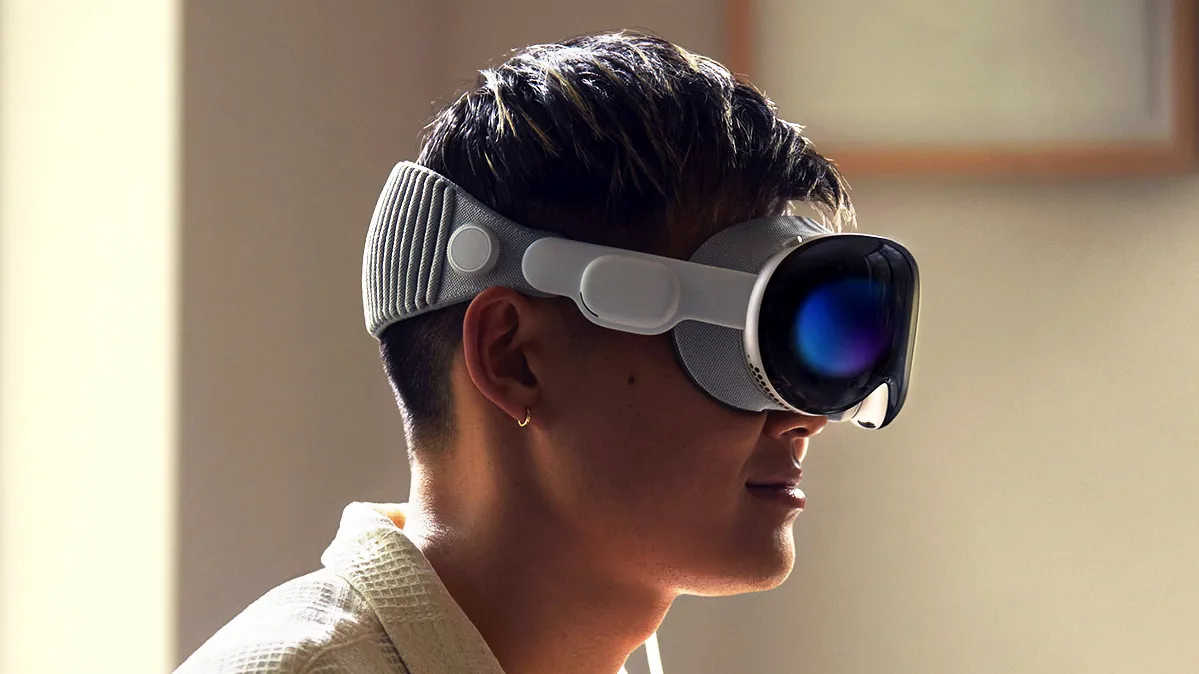
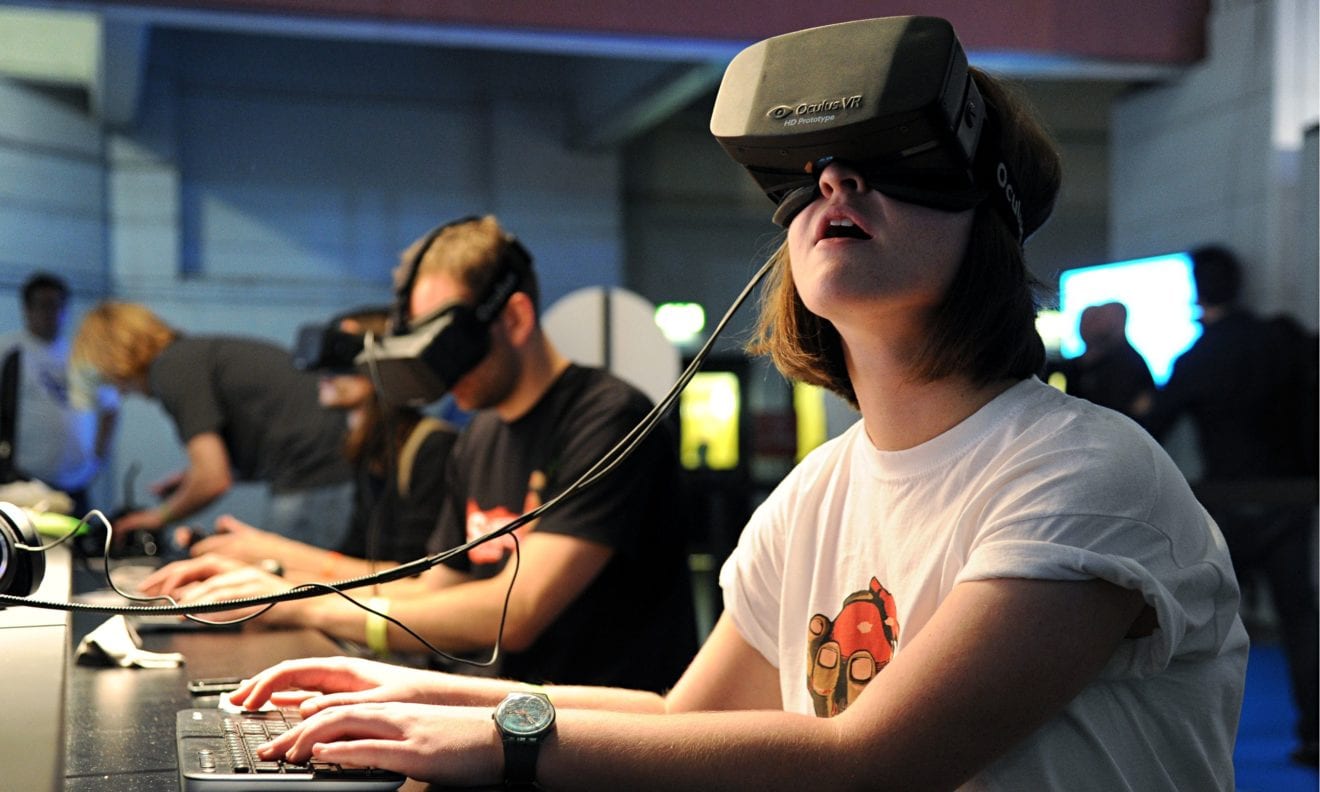
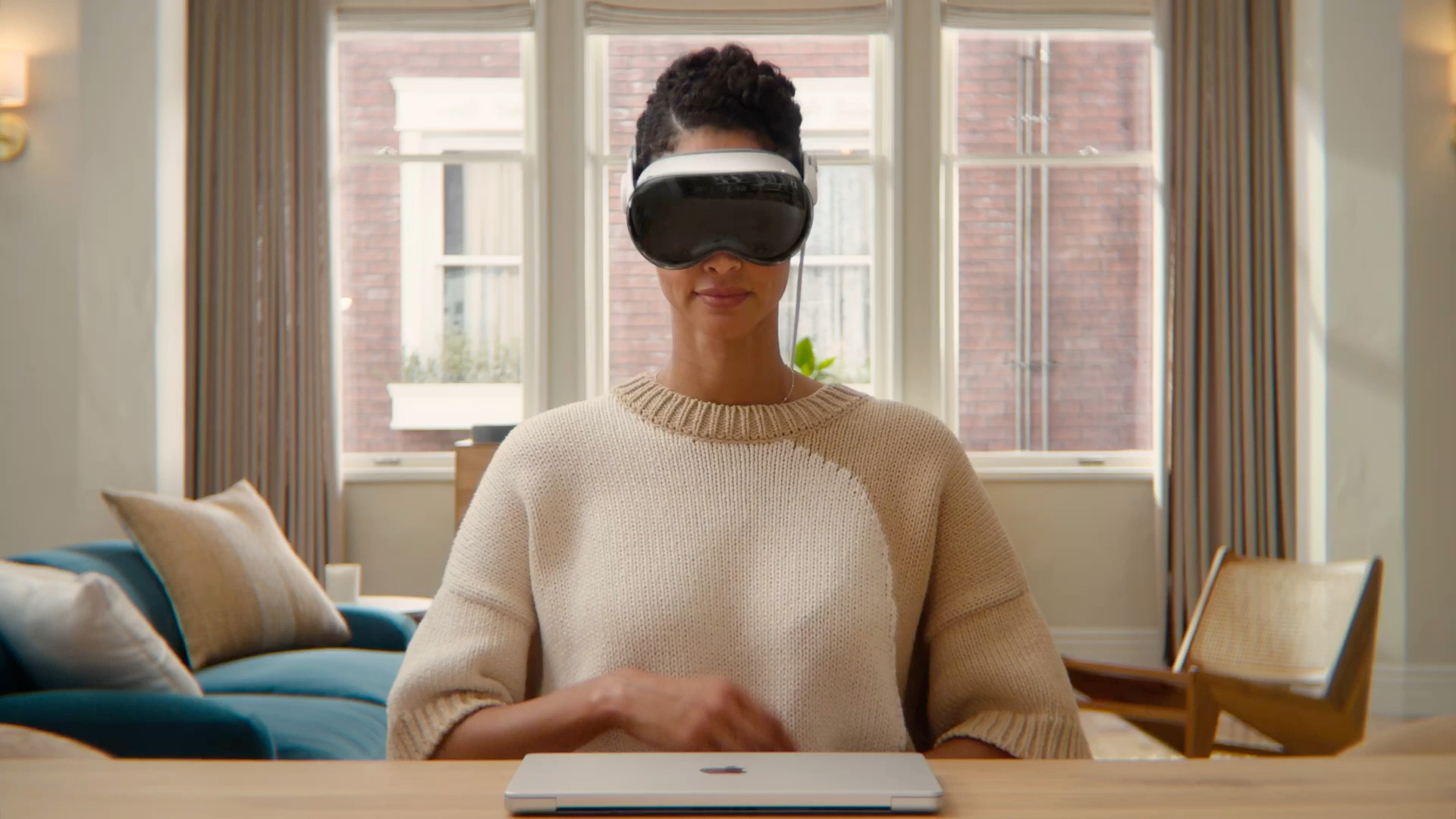
    As time went on, some of the issues that initially seemed like minor growing pains have turned out to be significant drawbacks. The most persistent of these is the discomfort associated with VR headsets. The first generation HTC Vive, weighing 470 grams, proved to be quite tiresome to use after just fifteen minutes. This discomfort has only increased with the Apple Vision Pro headset, which weighs between 600 and 650 grams. This weight does not include the additional 350 grams of the battery pack that’s meant to be carried in your pocket.

    Another deterring factor is motion sickness, commonly referred to as VR sickness, characterized by symptoms such as sweating and eye strain. Although one can adjust to these physical discomforts over time, the sense of disconnect from the real world remains a significant negative factor.

    The Challenge of Affordability

    The high cost of VR technology has been a significant barrier to its widespread adoption. The Apple Vision Pro comes with a hefty price tag of $3,500, whereas the HTC Vive retails for $799. These are not price points that would encourage mass adoption of the technology. To add to this, a report from analyst firm Omdia indicated a 10% decrease in sales of consumer VR headsets in 2024.

    Developers’ Skepticism Towards VR

    Interestingly, there’s a growing skepticism towards VR even among developers. A recent study found that only 13% of developers, who do not currently work in VR, envision shifting their focus to this technology in the next 5 years. This is not a promising figure for the future of VR. The software scene also seems to lack innovative advancements that could make VR indispensable.

    The Future: Augmented Reality?

    The Samsung Galaxy XR headset, which has been leaked extensively, shows the Korean company’s attempt to mainstream the headset Apple Vision Pro couldn’t. However, the Galaxy XR does not seem to offer anything significantly different. On the other hand, Augmented Reality (AR) seems to be making its mark by offering features that are more user-friendly and essential. AR glasses enhance users’ interaction with their environment without the physical discomforts associated with VR.

    Questions & Answers

    What is one of the biggest challenges VR technology faces?
    One of the biggest challenges VR technology faces is the physical discomfort users experience when using VR headsets for extended periods. This includes motion sickness and the heavy weight of the headsets.

    How has the cost of VR technology affected its adoption?
    The high cost of VR headsets has been a significant barrier to its widespread adoption. With price points in the hundreds or even thousands of dollars, many potential users are discouraged from purchasing these devices.

    What is the outlook for VR according to developers?
    A recent study showed that only 13% of developers who do not currently work in VR can see themselves shifting focus to this technology in the next 5 years, pointing to a bleak outlook for the future of VR.
  • Samsung Challenges Apple’s Dominance: Unveils Project Moohan, Its First XR Headset

    Samsung Challenges Apple’s Dominance: Unveils Project Moohan, Its First XR Headset

    Samsung has officially entered the extended reality (XR) market with the announcement of its “Worlds Wide Open” Virtual Galaxy Event. The event, which will live-stream on October 21st at 10 p.m. ET, will reveal “Project Moohan,” the company’s first XR headset.

    A New Entrant in the XR Arena

    Samsung’s “Project Moohan” is the first device to be officially unveiled as a product of the collaboration between Samsung, Google, and Qualcomm in the XR space. The headset is built on the new Android XR platform and marks the dawn of “multi-modal AI.” The design of the product has been kept under wraps until its official reveal at the event. To create excitement among customers, Samsung is offering a $100 reservation credit on its official website.

    Why This is a Significant Development

    The XR space has been primarily dominated by Apple’s expensive Vision Pro, which is priced at $3,499. However, due to its high cost and closed ecosystem, there has been a significant gap in the market for a rival product. The Samsung-Google-Qualcomm alliance is set to fill this gap, leading to a classic Android vs. iOS competition in spatial computing. The open platform of the new product encourages developers to create a variety of apps, potentially leading to faster innovation and increased consumer choice. For those seeking an alternative to Apple’s XR vision, Samsung’s “Project Moohan” could be the ideal solution.

    The Battle for the XR Market is On

    The launch of “Project Moohan” brings a much-needed heavyweight competitor to challenge Apple in the XR space and potentially drive down prices. While Apple’s Vision Pro is a remarkable piece of technology, its high price tag makes it inaccessible for most people. The alliance between the tech giants has the potential to offer a compelling alternative that is more affordable. The hope is that “Project Moohan” will be released at a more consumer-friendly price point. If Samsung can deliver a premium experience without the high cost, it could be the device that finally brings XR into the mainstream, promoting an open ecosystem over Apple’s polished, closed one.

    Questions & Answers

    What is “Project Moohan”?
    “Project Moohan” is Samsung’s first XR headset, unveiled at the “Worlds Wide Open” Virtual Galaxy Event.

    Who is involved in the creation of “Project Moohan”?
    The headset is a product of the collaboration between Samsung, Google, and Qualcomm.

    How does “Project Moohan” compare to Apple’s Vision Pro?
    Unlike the expensive and closed ecosystem of Apple’s Vision Pro, “Project Moohan” operates on an open platform, encouraging faster innovation and increased consumer choice due to its more affordable price point.

  • Apple Vision Pro 2: Familiar Design, Powerful Chip, But Reduced Features – Analysts Predict Market Challenges

    Apple Vision Pro 2: Familiar Design, Powerful Chip, But Reduced Features – Analysts Predict Market Challenges

    The much-awaited Apple Vision Pro 2 has recently made an appearance through FCC filings, potentially dampening the enthusiasm of many Apple enthusiasts. The disclosure confirms Apple’s plans for a second iteration of their mixed-reality headset but also hints that the device might bear a striking resemblance to its earlier version.

    Conservative Alterations, Recognizable Aesthetics

    The FCC documents reveal that Apple has kept the design of the Vision Pro 2 largely in line with the original model. Initial reports suggest that the company may even maintain the substantial $3,499 price point, a price that previously set the first Vision Pro significantly above most of its rivals.

    Under-the-Hood Enhancements

    The most significant development appears to be in the internal workings of the device: the Vision Pro 2 is anticipated to house Apple’s M4 chip, constructed on a 2-nanometer process. This advancement should result in swifter functionality and improved efficiency, but these enhancements might not be sufficient to compensate for the absence of other novel features.

    Potential Reductions in Features

    In a surprising turn of events, Apple might decide to scale back on certain components, including the EyeSight display – the external screen that digitally displays the user’s eyes to onlookers. While removing such features could reduce costs, it also risks making the already high-priced device less attractive.

    Upcoming Market Hurdles

    Given the limited availability of mixed-reality content and the competitively priced Meta Quest 3 offering a much more affordable entry point, Apple’s latest headset could face considerable challenges. Analysts believe the Vision Pro 2 might serve more as an interim product, allowing Apple to maintain its presence in the XR space until it is prepared to launch genuine AR smart glasses targeted at the mainstream market.

    Questions & Answers

    What changes can be expected in Apple’s Vision Pro 2?
    The Vision Pro 2 is expected to feature Apple’s M4 chip promising faster performance and better efficiency. However, the device might maintain a design and price tag similar to its predecessor.

    What features might Apple reduce in the Vision Pro 2?
    Apple might decide to scale back on certain elements, like the EyeSight display, which digitally projects the wearer’s eyes for bystanders, as a cost-saving measure.

    What are the market challenges for the Vision Pro 2?
    The limited availability of mixed-reality content and the competitively priced rivals like Meta Quest 3 could pose considerable challenges for Apple’s latest headset.

  • Meta Unveils New Ray-ban Display: A Leap Forward In Smart Glasses Technology

    Meta Unveils New Ray-ban Display: A Leap Forward In Smart Glasses Technology

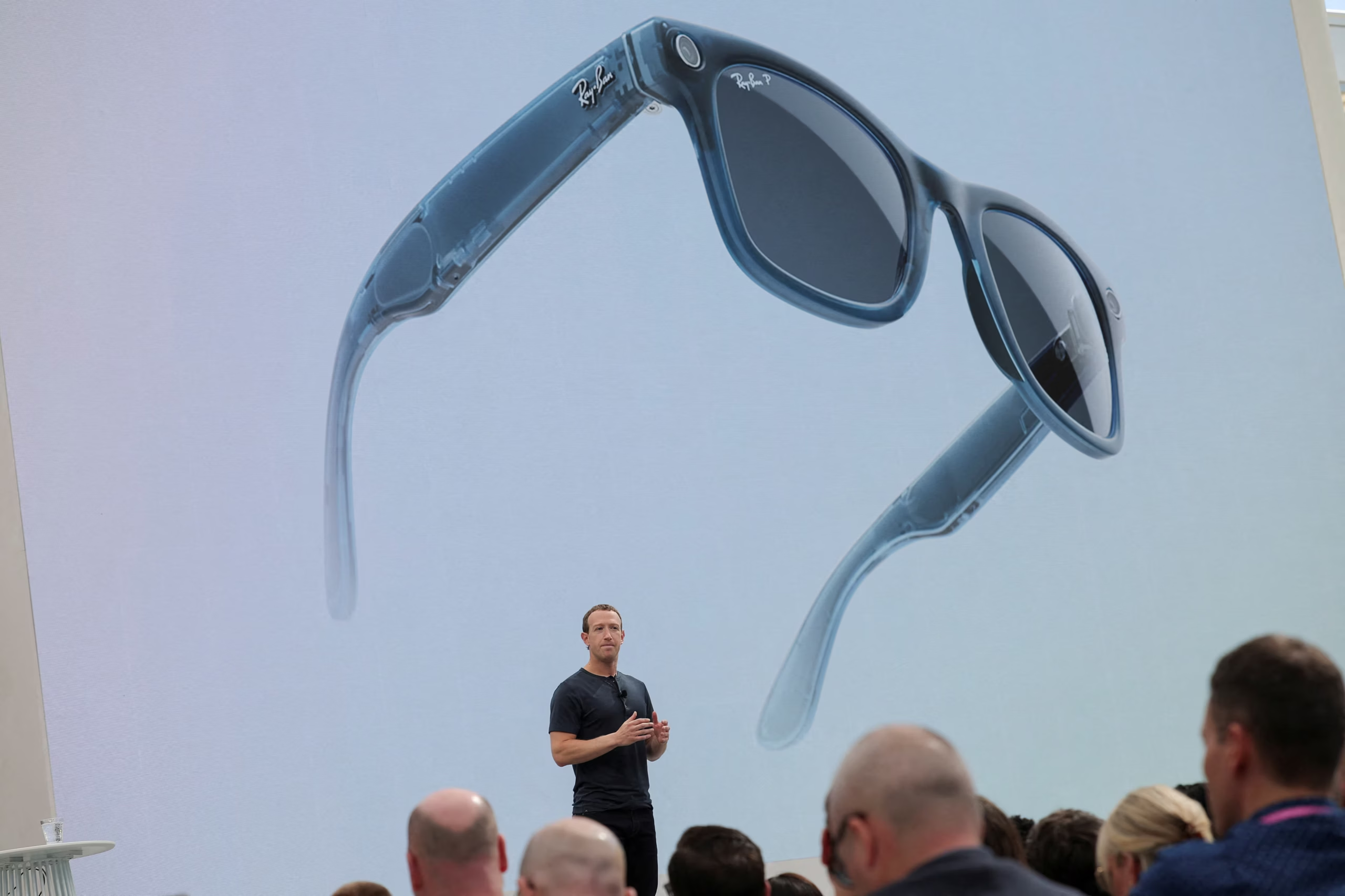
    During the recent Meta Connect event, CEO Mark Zuckerberg unveiled the Meta Ray-Ban Display, their latest innovation in smart glasses technology. This newly introduced product, featuring an integrated display, is not classified as an Augmented Reality (AR) device; however, Meta is fully engaged in the development of AR technology. There is speculation that the company might unveil another unexpected product before launching a comprehensive AR glass.

    The Potential of Smart Glasses

    Mark Gurman, a notable figure in the tech industry, disclosed his impression of the Ray-Ban Display in a recent newsletter. According to Gurman, this is the first instance where he recognized the considerable potential of smart glasses technology. He also revealed that Meta is in the process of designing another pair of smart glasses equipped with dual displays.

    Interestingly, the upcoming model, despite being non-AR, will be launched during the same year as the consumer-oriented Orion AR smart glasses. Although it may seem unusual, the company is presumably aware that the AR smart glasses will carry a hefty price tag. The Ray-Ban Display, retailing at $799, is currently incurring losses for Meta. Despite a decade of financial investment into its XR (Extended Reality) division, Reality Labs, Meta continues to face financial losses in its drive to become a leader in the future of computing technology.

    The Functionality of Ray-Ban Display

    The existing Ray-Ban Display projects a screen to one side of the user’s vision. It is expected that the forthcoming dual-display model will expand upon this feature, potentially projecting two screens on either side and possibly granting the user the ability to operate two or more apps concurrently.

    Even though XR enthusiasts are eagerly awaiting the release of the AR glasses set for 2027, the current Meta Ray-Ban Display serves as an effective tool for practice.

    A Dual Display Smart Glasses in the Pipeline

    In other news, a beautifully illustrated book titled “Iconic Phones: Revolution at Your Fingertips” is set to release this fall. The book promises to offer a unique insight into some of the most distinctive and unforgettable phones from the past two decades. It is expected to be a must-have for tech enthusiasts, chronicling the stories of over 20 fan-favorite phones and their contribution to the technological revolution.

    Questions & Answers

    What is the Meta Ray-Ban Display?
    The Meta Ray-Ban Display is the latest innovation in smart glasses technology from Meta. It features an integrated display.

    What does the future hold for Meta’s smart glasses?
    Meta is reportedly working on another pair of smart glasses that will feature two displays. In addition, the company plans to release the Orion AR smart glasses in 2027.

    What is the “Iconic Phones: Revolution at Your Fingertips” book about?
    “Iconic Phones: Revolution at Your Fingertips” is an illustrated book that details the stories of more than 20 fan-favorite phones from the past two decades, highlighting their impact on the technological revolution.

  • OpenAI Plans Ambitious 1 GW Data Center Investment in India

    OpenAI Plans Ambitious 1 GW Data Center Investment in India

    OpenAI, the innovative force behind ChatGPT, is making waves with its plans to potentially establish a data center in India, targeting a staggering capacity of at least 1 gigawatt. According to a report from Bloomberg, discussions are ongoing between OpenAI and local partners to bring this ambitious vision to life.

    Details of the Proposed Data Center

    The data center will play a pivotal role in OpenAI’s Stargate initiative, an extensive expansion of its infrastructure across Asia. While the specific location and timeline for the facility remain under wraps, anticipation is building, especially with CEO Sam Altman poised to share more details during his upcoming visit to India.

    Aiming for Local Impact

    This initiative comes on the heels of OpenAI planning to launch its first office in Delhi NCR later this year, marking a significant milestone as India stands as OpenAI’s second-largest market by user base. Altman recently revealed that ChatGPT usage in the country has surged fourfold within the past year, reinforcing the company’s commitment—“We are excited to invest much more in India,” he stated.

    Collaborating with Government Initiatives

    The project aligns with India’s ambitious IndiaAI Mission, designed to foster the development and deployment of indigenous AI technologies. OpenAI has expressed interest in collaborating with the Indian government to “build AI for India with India,” signaling a dedication not just to market growth but also to local development. This can be likened to a high-stakes chess game, where each move must be calculated to succeed on a grand scale.

    Strategic Partnerships and Investments

    With backing from Microsoft, OpenAI has already made its mark by registering as a legal entity in India and assembling a local team. This move complements a larger framework of investment under the Stargate initiative, which unveiled a commitment of up to $500 billion for AI infrastructure in the U.S., supported by major players like SoftBank and Oracle.

    Questions & Answers

    What is the projected capacity of OpenAI’s proposed data center in India?
    The data center is projected to have a capacity of at least 1 gigawatt.

    How has ChatGPT usage in India changed over the past year?
    ChatGPT adoption in India has reportedly grown fourfold in the last year.

    What is the significance of the IndiaAI Mission in relation to OpenAI’s plans?
    The IndiaAI Mission aims to foster homegrown AI development, aligning with OpenAI’s vision of partnering with the government to enhance local AI capabilities.

  • Immersive Retail Revolution: How Ar And Vr Are Transforming Asia’s Shopping Experience

    Immersive Retail Revolution: How Ar And Vr Are Transforming Asia’s Shopping Experience

    As the retail landscape in Asia continues to evolve, a new wave of technology is redefining how consumers engage with brands. A recent report from tech analysts reveals that immersive shopping experiences, powered by augmented reality (AR) and virtual reality (VR), are steadily gaining traction among retailers throughout the region. These tech innovations are not merely trendy; they are reshaping consumer expectations and offering a fresh perspective on the shopping journey.

    The Rise of Immersive Retail Experiences

    In the bustling marketplace of Asia, where traditional retail meets high-tech innovation, brands are tapping into immersive experiences to capture the attention of digital-savvy consumers. From virtual fitting rooms that allow shoppers to try on clothes without stepping into a store to interactive product displays that engage multiple senses, these technologies are providing a unique blend of convenience and excitement that online shopping has often lacked.

    Take, for instance, a leading fashion retailer that recently launched a VR experience, allowing customers to step into a virtual boutique filled with their latest collections. Shoppers can see how clothing fits in a lifelike manner and even receive personalized style suggestions based on their preferences. “It’s like having a personal stylist,” one enthusiastic shopper remarked after trying it out, capturing the mixture of practicality and novelty that immersive shopping offers.

    Consumer Adoption and Market Potential

    Surveys indicate that a significant portion of consumers in urban areas across Asia are open to using AR and VR technologies in their shopping habits. Nearly 65% of respondents expressed interest in experiencing products in augmented environments before making a decision. This growing interest points to a remarkable shift in consumer behavior, as shoppers increasingly lean towards experiences that blend the physical and digital realms.

    Retailers are paying attention. According to market experts, the global AR and VR market for retail is expected to reach a staggering USD 1.6 billion by 2025. Brands that leverage these technologies not only keep up with the competition but also position themselves as pioneers in customer experience transformation. Talk about a tech-savvy retail revolution ready to unfold!

    Challenges in Implementation

    Despite the promising outlook, integrating AR and VR into retail operations is not without its hurdles. High costs, technical constraints, and the need for consumer education pose significant challenges for brands. Retailers need skilled personnel to manage these technologies and ensure a seamless experience that resonates with users. The question remains: can these retailers effectively bridge the gap between innovative technology and practical execution?

    Nevertheless, the potential rewards are enticing enough to spur investment. Brands that master the art of immersive shopping can foster deeper emotional connections with consumers, bridging the transactional gap that many shoppers now experience.

    Transforming the Retail Landscape

    As Asia embraces the future of retail, the line between innovation and traditional practices continues to blur. With immersive experiences poised to redefine how consumers interact with brands, the retail sector stands on the brink of an exciting transformation. It seems even shopping is evolving, proving that what was once a tedious chore is now becoming an adventure. Now that’s a plot twist worth discussing!

    Questions & Answers

    What drives the interest in AR and VR shopping experiences in Asia?
    Consumer interest is largely driven by the desire for interactive and personalized shopping experiences that blend convenience with excitement, making the retail journey both enjoyable and efficient.

    What challenges do retailers face when adopting AR and VR technologies?
    Challenges include high implementation costs, technical constraints, and the need for consumer education to ensure a smooth and user-friendly experience.

    How significant is the market potential for AR and VR in retail?
    The AR and VR retail market is projected to reach USD 1.6 billion by 2025, indicating substantial growth potential as retailers continue to innovate and adapt to consumer expectations.

  • Meta Unveils Ambitious Plan for Multi-Gigawatt Data Centers to Boost AI Innovation

    Meta Unveils Ambitious Plan for Multi-Gigawatt Data Centers to Boost AI Innovation

    Meta is gearing up for a groundbreaking leap in its artificial intelligence (AI) capabilities, announcing an ambitious investment of USD 72 billion to establish a series of formidable data centers across the globe. This extensive initiative is set to bolster the company’s efforts in developing super-intelligence and artificial general intelligence (AGI), with the first data center projected to come online next year.

    Revolutionary Data Centers on the Horizon

    The flagship of this initiative is Prometheus, a multi-gigawatt data center anticipated to begin operations in 2026. Meanwhile, another powerhouse center, Hyperion, is designed to scale up to an impressive 5 gigawatts in the subsequent years. Remarkably, these centers will be developed as “clusters,” featuring a colossal capacity that positions them among the largest data centers globally.

    Zuckerberg’s Vision for the Future

    Mark Zuckerberg, CEO of Meta Platforms, elaborated on the company’s grand vision, asserting that these sprawling titan clusters will encompass a footprint that rivals significant urban landscapes, such as a substantial portion of Manhattan. With this staggering scale, Meta aims to set a new standard in the data center landscape.

    R&D Powered by Cutting-Edge Infrastructure

    This major investment comes on the heels of Meta’s commitment to advancing research and development in AI. As the tech giant endeavors to push the boundaries of intelligence through AGI, these data centers will become critical to facilitating groundbreaking advancements and innovative solutions in the realm of AI.

    The landscape of artificial intelligence is set to get a major upgrade, and who knows — these futuristic hubs could soon be the breeding ground for the next big thing in tech, perhaps even an AI that finally understands why cats seem to rule the internet. Stay tuned!

    Questions & Answers

    What is the total investment Meta is making in its new data centers?
    Meta plans to invest USD 72 billion in the development of several massive data centers to enhance its artificial intelligence efforts.

    When is the first of Meta’s new data centers expected to be operational?
    The first data center, named Prometheus, is expected to come online in 2026.

    How is Meta transforming its approach to data centers?
    Meta is constructing its data centers as “clusters,” which will feature a significant capacity, some even capable of rivaling large areas like parts of Manhattan.

  • Punkverse To Launch Revolutionary Flagship Store In Vietnam, Eyes Global Expansion

    Punkverse To Launch Revolutionary Flagship Store In Vietnam, Eyes Global Expansion

    Punkverse, a retail arm of the China-based collectible toy company PunkCode, is primed to launch its first international flagship store in Ho Chi Minh City, Vietnam. The specifics of the location, however, remain unknown as of now.

    Revolutionizing Retail

    The forthcoming Vietnam outlet is set to revolutionize the retail market with a unique combination of original intellectual property (IP), extended reality (XR) experiences, and a groundbreaking participatory retail model. This new approach to retail will empower consumers to become part-owners in the store, sharing in its profits.

    PunkCode has earned a reputation for its intriguing characters, namely Space Ape and Punk Ape. The company has also forged partnerships with highly esteemed artists from China like Zhang Daqian and Guan Shanyue.

    The Strategic Role of Punkverse

    Punkverse plays a vital role in PunkCode’s international strategy, intertwining toy manufacturing, artist collaborations, immersive technologies, and worldwide distribution. The company sees itself as a pioneering entity in the realms of the “Art Toy Culture Stock” and “XR Technology Stock.”

    According to PunkCode, Vietnam was selected as the location for their flagship store because of its young, technologically-adept population, a burgeoning middle class, substantial acceptance of mobile payments, and an expanding market for collectibles. The company has bold plans to inaugurate flagship stores in Singapore, Thailand, South Korea, and Dubai by the coming year, as part of their ambitious “1000 Store Plan”.

    Public Listing

    In addition to its retail expansion, PunkCode has also solidified its Nasdaq listing structure under the ticker symbol “PKCD”, with intentions to become a publicly-traded company by the following year.

    Questions & Answers

    What is the unique approach to retail proposed by PunkCode’s Punkverse?
    Punkverse is set to introduce a retail model combining original IP, extended reality experiences, and a participatory retail model that allows customers to share in store ownership and profits.

    Why was Vietnam chosen as the location for PunkCode’s first international flagship store?
    Vietnam was selected due to its young, tech-savvy population, a burgeoning middle class, high adoption of mobile payments, and a growing collectibles market.

    What are PunkCode’s future plans?
    PunkCode aims to open flagship stores in Singapore, Thailand, South Korea, and Dubai as part of its ambitious “1000 Store Plan”. The company also plans to go public next year under the ticker symbol “PKCD”.

  • Apple in talks to license Google’s Gemini AI to improve Siri, add new iOS features

    Apple in talks to license Google’s Gemini AI to improve Siri, add new iOS features

    The upcoming iOS 18 update is expected to be one of the biggest-if not the biggest-in iOS history. Part of that is due to the myriad AI features that Apple will be adding to the operating system including possible improvements to digital assistant Siri. While the date has not yet been announced, many iPhone users are looking forward to this June’s WWDC 2024 developer conference to see what changes Apple plans for its digital assistant.

    When Siri first hit the scene in 2011 with the introduction of the iPhone 4s, it appeared that Apple was on to something big. But eventually, Siri’s capabilities and performance were surpassed by Google Assistant and Amazon’s Alexa and a shot of AI could be the cure for what ails the old gal. Apple is talking with Google about licensing the latter’s Gemini AI. The talks between the two tech giants have progressed to the negotiating stage.

    Besides improving Siri, Apple hopes to use Gemini to add new AI-based features to iOS 18. Apple and Google already have an agreement to make Google the default search engine on Safari, a deal that reportedly pays Apple nearly $20 billion annually. Because the DOJ is investigating this deal, any deal involving Apple and Google, including one that would allow Apple to use Gemini, would probably have to be agreed to by the Justice Department or some other regulatory agency in the U.S.

    On Android, users can install the Gemini app and opt-in to have Gemini replace the Google Assistant although some features, such as reminders, controlling media, and routines will not work with Gemini. If you opted in to replace Google Assistant with Gemini and want to switch back, go to the Gemini app, tap the profile icon, go to settings, tap on “Digital assistants from Google” at the bottom, and select Google Assistant. On iOS, Gemini can be accessed from the Gemini tap in the top center of the Google app, right under the digital assistant.

    Should Apple and Google agree to license Gemini, we should see a greatly improved Siri, which is what all iPhone users have been hoping for.

  • Microsoft Copilot app can now be your next default assistant app on Android

    Microsoft Copilot app can now be your next default assistant app on Android

    Android users currently have a slew of options for choosing an assistant app on their devices. Where previously Google Assistant and Bixby were the ones that reigned, the rise of AI-powered chatbots saw these evolve as more than just text fields you can use on a browser. Currently, depending on the apps you have installed, you have fresh new options, and Microsoft’s Copilot is shaping up as one of them.

    As reported by Android expert Mishaal Rahman on X (Twitter), the newest beta version of the Microsoft Copilot app (v. 27.9.420225014) now gives you the ability to set it as your default assistant app. This makes the chatbot accessible from anywhere on your device with a simple swipe or button press.

    While this is a nice addition for Android users, don’t expect a seamless experience yet. Currently, activating Copilot mainly opens the app, meaning that it won’t immediately start listening like some other assistants, nor will it offer to analyze what is on your screen.

    However, this doesn’t mean that feature won’t be as helpful as Google Assistant or Bixby currently are, or perhaps even what Gemini could be. It’s still in beta, and Microsoft is likely to continue working on the app in order to make Copilot a truly integrated Android assistant. Microsoft has yet to officially announce this, but our guess is that by the time it moves on to the stable version of the app, more capabilities will be in tow.

  • Luxury airline plans to give select passengers a Vision Pro to use as in-flight entertainment

    Luxury airline plans to give select passengers a Vision Pro to use as in-flight entertainment

    At least one airline is planning on offering the Apple Vision Pro to some passengers as part of its in-flight entertainment offerings. Beond is a Maldivian airline that flies to five destinations and calls itself the world’s first “premium leisure airline” with business class service that includes gourmet meals, seats that fold down completely allowing passengers to sleep more comfortably during a flight, and soon, in-flight entertainment led by the Apple Vision Pro.

    In a press release dated Thursday, Beond said that it will start  offering the Vision Pro to select customers on its flights to the Maldives. Beond’s fleet has just doubled to two after the airline took possession of its second jet and in the middle of this year, it will start flights from Milan, Dubai, and Bangkok to the Maldives.

    Tero Taskila, Beond’s Chairman and CEO, said, “The Apple Vision Pro will transform the inflight entertainment experience, and we will be first to offer it to select passengers. In addition to our existing and ever-growing library of inflight content such as movies and games, Beond will showcase stunning resort destinations and activities in the Maldives. We are working now with partners in the Maldives to prepare truly amazing footage.”

    The executive continued, “The inflight experience will build anticipation for passengers before they arrive in the Maldives. Offering the Apple Vision Pro is another step in our vision of delivering a premium travel experience to our customers, from the start to finish of their journey. We’re proud to be the first airline to deploy the technology.” The press release didn’t mention how many Vision Pro units would be aboard each flight, nor did it mention how the airline would determine which passenger(s) would get the opportunity to don the headset.

    Now that Beond has become the first airline to announce plans to offer the Vision Pro to passengers, we could see the larger commercial airlines add the Vision Pro to their in-flight entertainment offerings. Considering the number of larger capacity planes that airlines could order the headset for, Apple could get a windfall.

  • Vision Pro’ will not immediately impact Apple

    Vision Pro’ will not immediately impact Apple

    Last month Apple unveiled its Vision Pro spatial computer and before the video of the new device was streamed to the world, many started to compare the introduction of the mixed reality device to that day in January 2007 when Steve Jobs masterfully hosted the introduction of the iPhone. Like the iPhone, the Vision Pro isn’t creating a new product category but is taking the category to a previously unseen level.
    But when it comes to the impact that Vision Pro will have on the world and Apple, that’s where the comparisons end. At least for now. The latest edition of Power On from Bloomberg’s Mark Gurman takes a look at some of Apple’s hit products and how they affected Apple’s overall revenue. For example, the iPod was launched in 2001 and by 2004, it was accounting for 16% of the company’s top line. By the time the iPhone was announced in 2007, the iPod was bringing in $8 billion a year which worked out to 40% of Apple’s gross.
    As Gurman notes, the iPhone, despite being an AT&T exclusive, still sold 10 million units during its first full year and the device contributed a third of Apple’s revenue by 2009. The iPad immediately contributed 18% of Apple’s gross in 2011, the year following the tablet’s initial launch. And the Apple Watch, which started life available in only 9 countries, is now part of a business segment that includes the AirPods and other products and brings about $40 billion into Apple’s coffers annually.
    And as far as the impact on society, nothing can touch the immediate response to the iPhone. The smartphone quickly became the most indispensable tech tool in the world. But the Vision Pro is a much different animal. While the iPhone was first considered pricey when it was introduced, the Vision Pro starts at a whopping $3,499. And while the Vision Pro offers some cool features, most of the applications it delivers can be found on the iPhone.
    Sure, Vision Pro gives you options to manipulate the environment and/or the datat you’re viewing but you’re paying a heavy price, and not just financially. The battery lasts only a couple of hours and unless you want to carry extra battery packs with you, Apple’s spatial computer is not yet ready, not even close, to replacing the iPhone.
    That’s not to say that the Vision Pro won’t sell. The original plans called for more than a million units to be sold in the first year. But the Financial Times recently reported that Apple isn’t pleased with the low yields Sony has had producing the micro-OLED displays for the product. Other production issues will limit the number of Vision Pro units assembled in the first year to 400,000 which means that the product will be hard to find.
    While Apple is reportedly working on a lower-priced spatial computer that might not have all of the features that the Vision Pro offers, I have to agree with Bloomberg’s Gurman when he says that most consumers will stick with their iPhone until Apple can reduce the Vision Pro to the size of a pair of glasses. Almost everybody who watches the tech world either as a writer or consumer has assumed that the next big thing for Apple after the iPhone would be a pair of glasses that would offer the features and functionality of the iPhone, but worn on the user’s face.
    Again, a product like AR smart glasses has always been assumed to be the endgame for Apple and not much has changed even with the appearance of the Vision Pro. Check out the AR features of the headset and the way the app icons appear and are selected with a look. TF International analyst Ming-Chi Kuo says not to expect Apple to release AR glasses until 2026-2027 at the earliest. That timeline might be too ambitious but Apple has taken the first step with this new device. Just don’t expect the Vision Pro to have the same impact on Apple and society as the iPhone.
  • Samsung announces that it will soon compete with Apple in another product category

    Samsung announces that it will soon compete with Apple in another product category

    Apple is expected to release its Reality Pro mixed reality headset later this year with virtual reality (VR) and augmented reality (AR) features. According to SamMobile, during today’s Unpacked event, Samsung announced that it will also build a Mixed-Reality headset with help from partners Google and Qualcomm. Samsung did hint that the device will be arriving soon. Samsung referred to the wearable as an Extended Reality (XR) device.
    Virtual Reality immerses the user in an environment that can range from the batter’s box at Yankee Stadium to a lounge with a giant screen that will show streaming content. Augmented Reality takes a live feed and places computer-generated data on top of it. A good example of AR is the “Live View” feature on Google Maps for those walking. The display shows a live feed from the rear camera and computer-generated arrows are superimposed over the feed to show the user which way to go.

    The Samsung XR headset will use a specialty Qualcomm chipset and the Korean manufacturer told The Washington Post that Meta and Microsoft are also partnering with Samsung to produce the XR headset. The Post reported that the head of the project said that the platform and the software need to be only “somewhat ready for the device to be a success.” The company is looking to avoid the mistakes made by other firms who entered this space but didn’t have the software ready in time.

    While no possible price tag was mentioned for Samsung’s XR wearable device, Apple’s Reality Pro will reportedly cost $3,000 and will be able to quickly switch between VR and AR. It is believed to be the most complicated product that Apple has ever made.
    Samsung has been in the headset business before as it introduced the Gear VR headset in 2015 powered by the Galaxy Note 4’s 5.7-inch QHD SuperAMOLED display. After a few years, production of the device came to a halt. Samsung then tried its hand at manufacturing a standalone Mixed Reality headset for PCs which also was discontinued by the company.
    Hiroshi Lockheimer, Google’s SVP in charge of Platforms and Ecosystem, said, “An exciting space where Google has been investing in for a long time across both experiences and technology is AR and VR. These technologies are integral to the new phase of computing as it can change the way we interact with people and information to get things done in the real world.”
    So now the Apple-Samsung rivalry will go beyond smartphones, tablets, and smartwatches to include Mixed Reality headsets.
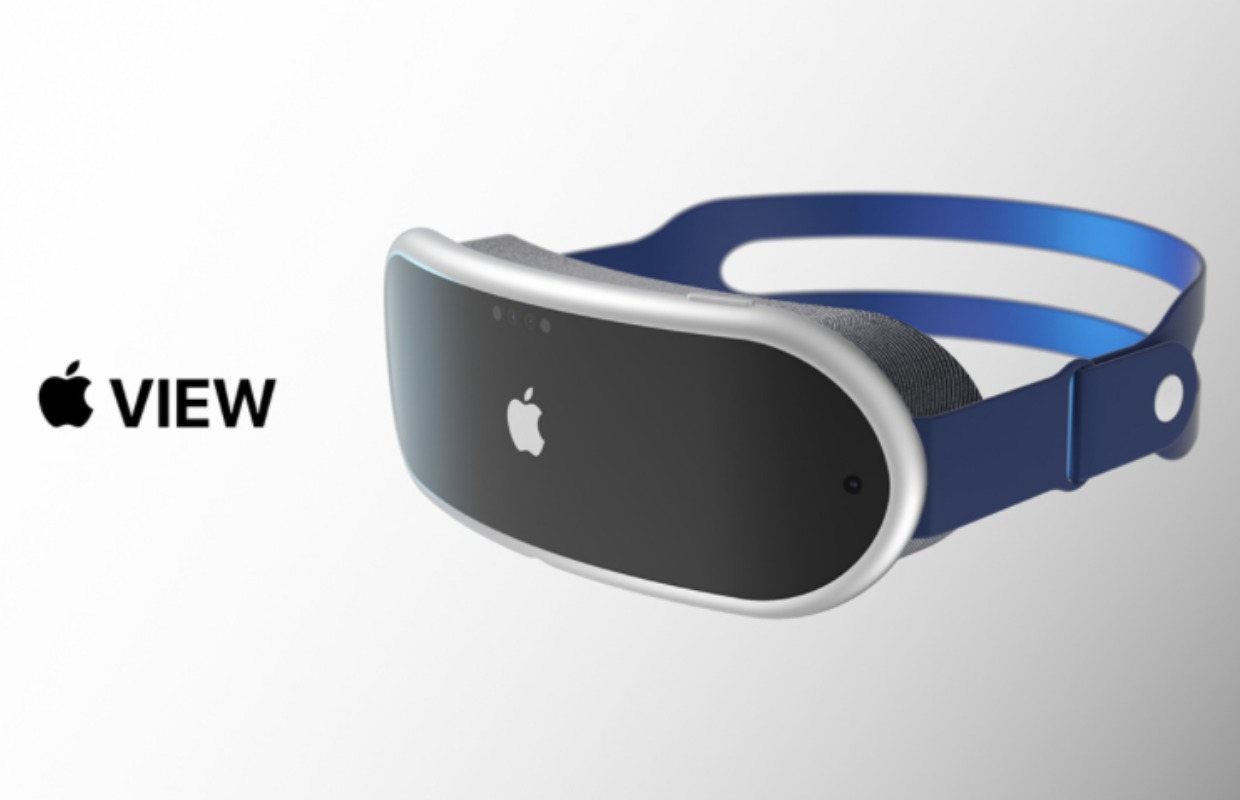
  • Filings in multiple countries reveal possible name for Apple’s mixed-reality headset

    Filings in multiple countries reveal possible name for Apple’s mixed-reality headset

    Apple’s AR/VR mixed-reality headset is now at the point where there is always speculation that the device will be introduced at the next Apple event. For example, on September 7th, Apple will introduce the iPhone 14 range, the new Apple Watch Series 8 models, and more. Some tipsters have said that Apple’s expensive $2,000-$2,500 headset will show up at the upcoming event during a “One more thing..,” moment.
    Perhaps the biggest reason not to expect that to happen comes from the man who knows so much about what is going on at Apple, he can tell you what the soup of the day will be in the company cafeteria a year from today. Of course, we are talking about TF International’s Ming-Chi Kuo. The reliable analyst says that Apple will lift the curtains on the product during an event in January.
    Apple could be deciding among several possible names for the headset. Using a process that the tech giant has employed before, possible names for the device were filed by law firms used by Apple in the past to protect the names of its devices. In the U.S., EU, U.K., Canada, Australia, New Zealand, Saudi Arabia, Costa Rica, and Uruguay, the Apple-related law firms filed applications for “Reality One,” “Reality Pro” and “Reality Processor.”

    Bloomberg discovered that the three trademarks were filed with a shell company called Immersive Health Solutions LLC, just incorporated this past February. That company in turn was registered by another shell corporation named the Corporation Trust Company. Apple’s RealityOS trademark was applied for by the same firm. That happens to be the expected name of the operating system Apple developed for its mixed-reality headset and the AR Apple Glasses.

    While January 2023 is still months away, the headset is supposedly having issues with the camera sensor and with software. The device is also overheating in testing. The product has a codename of N301 and a sequel model is said to have a codename of N602. The AR glasses, which many feel will be Apple’s next big thing, have a codename of N421 although both the sequel AR/VR headset and the AR glasses both might not be ready for years.

    The “Reality One” and “Reality Pro” names could indicate that Apple will release two different variants of the headset including a premium “Pro” version that will have more features and cost more money. The “Reality Processor” name could refer to the M2 Apple Silicon chipset that will power the headset. The device is expected to come with 16GB of RAM and will run VR versions of some Apple apps like Maps and FaceTime.
    The device will allow users to play games with other headset wearers and Apple will focus on providing streaming content for the headset including movies and games. In case you’re not familiar with Virtual Reality (VR), it allows the headset wearer to interact with a world that is not real. Augmented reality (AR) takes a real-life feed and superimposes a layer of data over it.
    A good example of AR is Google Maps Live View which can be used when using walking directions. The phone’s rear camera delivers a live feed while arrows are overlaid on that feed to show you the direction to walk. In addition, landmarks are named on the screen. Apple has already disseminated its RealityKit to developers to help them build AR apps for the headset.
    With Apple about to unveil its next iteration of the iPhone with the iPhone 14 series, the company might not want to have its new handsets share the spotlight with the long-awaited mixed-platform headset. So if you’re dying to own Apple’s next big thing, you’ll have to wait five months before this product sees the light of day. But all of this waiting will make the actual unveiling much sweeter, right?
  • Google’s VR/AR headset set to enter the fray

    Google’s VR/AR headset set to enter the fray

    Virtual/Augmented reality is commonly viewed as the next frontier in mobile technology. Hence, many companies are making efforts to engage with it sooner rather than later, so as to ensure that they beat the competition to the punch. And while many are just now entering the market like Apple, some are already veterans in VR/AR… in a way.

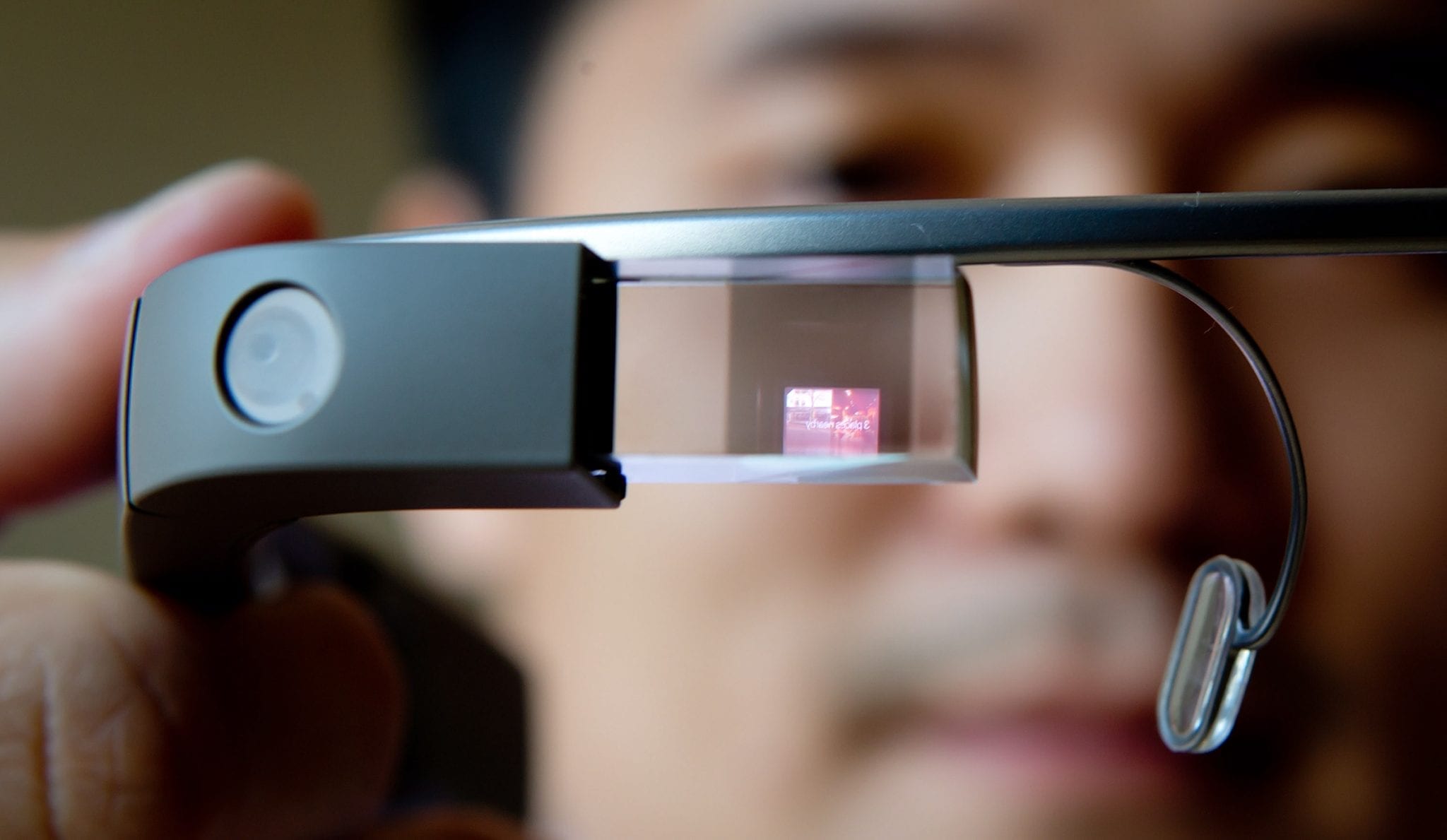
    We are of course referring to Google. The company notoriously flopped nearly a decade ago with Google Glass, but this time around the tech giant is doing its best to get VR/AR right. Some time ago, the first bits of information concerning Google’s “Project Iris”, the codename for the company’s upcoming VR/AR headset.

    In its original report, where we disclosed a number of interesting details about Project Iris, which was then in its early stages of development. It seems that Google’s VR/AR headset has come a long way since, given that field testing is already underway

    Google will be testing a small number of prototype units to better understand how the headset fares under everyday circumstances. Google even published a blog post on the matter. The main features that will be tested are “translation, transcription and navigation”.

    The tests will be conducted according to a set of strict privacy guidelines. The prototype units will resemble ordinary glasses and the testers will have to undergo special training and comply with a number of privacy measures.

    These steps show a decisive move on Google’s part to learn from its mistakes with Google Glass. Whether it will be enough to make Project Iris a success remains to be seen. For reference, most pundits expect Google to release its VR/AR headset sometime around 2024. Hence, there is still a long way to go. We will have to wait and see.