Retail News CRM

Tag: vr

  • Optimizing Potential of Digital Advertising,  Indosat Ooredoo Launches iAds Service Based on Augmented Reality

    Optimizing Potential of Digital Advertising, Indosat Ooredoo Launches iAds Service Based on Augmented Reality

    The COVID-19 pandemic, which has been going on for over a year, has increased our reliance on digital in our daily lives. This has an impact on the business sector, where enterprises are “forced” to adapt to focus on digital marketing strategies as consumer behavior shifts to digital and online. Therefore, the strategy of running promotions through digital advertising is becoming attractive to enterprise in order to increase brand and product awareness, targeting the right consumers, and increase sales of product.

    As an experienced trusted digital partner, Indosat Ooredoo Business presents an innovative service “iAds” at the 4th Connex Webinar today to answer the promotional needs of these enterprise. iAds is a digital ad platform that is designed by utilizing Augmented Reality (AR), interactive messaging, and mobile video. iAds offers the excitement of advertising and the convenience of using innovative telecommunication media.

    Chief Business Officer of Indosat Ooredoo, Bayu Hanantasena said, “Indosat Ooredoo Business is committed to support the growth of Indonesia’s business sector by utilizing digital technology. Today we launched iAds to support the promotional needs of enterprise to be more innovative through social media and relevant to the current situation. We hope that through the 3 iAds services that we launched today, it will help enterprise not only survive, but also growing rapidly so that they can compete in both local and global markets, as well as supports Indonesia’s digital economy.”

    Through iAds, promotional activities can be more varied and attractive because Indosat Ooredoo Business offers several choices of digital promotion mediums, namely iAds, iAds Biz, and iAds MGram.

    • iAds

    Augmented Reality (AR) technology.

    • iAds Biz

    A broadcast and interactive SMS service solution that responds more precisely to promotional needs for target customers and is easily controlled through a dashboard by enterprise. Regular SMS, Premium SMS, and Interactive SMS are all promotional options provided by iAds Biz.

    • Ads MGram

    Consumers can engage with interactive promotion and digital transformation solutions through images and videos that can be viewed on a variety of mobile phones, feature phone or smartphone. The other benefit of iAds MGram is that it does not require a specific application and can be accessed without internet connection or data packages. Thus, it unlocks vast reach, customer engagement and business possibilities.

    iAds can target more than hundreds of thousands of large and medium-sized companies in Indonesia to inform their products to millions of mobile users as potential targeted consumers. This service is also in line with Indosat Ooredoo’s vision as the Indonesia’s leading digital telecommunication company that encourages a more rapid and effective growth of the digital economy.

    Indosat Ooredoo Connex: Maximizing the Potential of Digital Advertising and Innovation Augmented Reality

    This time, Indosat Ooredoo Company conducted a Connex Webinar with the theme “Maximizing the Potential of Digital Ads and Innovation in Augmented Reality,” continuing the previous series of Connex (Creating Innovation with Expert)

    In addition to presented Bayu Hanantasena (Chief Business Officer Indosat Ooredoo) and Linggajaya Budiman (SVP-Head of Marketing & Channel Management), this webinar also featured a Digital Marketing Specialist who has successfully elevated brand-it’s to the forefront of every industry field, including Levita Ginting (Chair of the Indonesian Chamber of Commerce’s Standing Committee on Franchising, Licensing, & Partnerships), R. Andi Kartiko Utomo (Digital Specialist, former Vice President of QNB Indonesia), and Irawan Soemardjo (Senior Partner of PINC Group).

    The speakers offered insight and addressed the effect of the pandemic on the business sector, shifts in consumer behavior, how Digital Advertising can optimize marketing strategies, the potential for Virtual Reality to improve consumer interaction, and iAds solutions to address consumer needs of promotion for enterprise and marketers during the panel discussion.

    “Hopefully today‘s Connex Webinar can provide a lot of positive information so that we all remain optimistic to survive and grow together in the future even in difficult situations,” Bayu concluded.
  • Facebook to launch smartwatch with focus on fitness, messaging in 2022

    Facebook to launch smartwatch with focus on fitness, messaging in 2022

    Last month, Facebook called Apple a ‘significant’ future competitor. Those comments were understood to be a reference to their respective AR/VR efforts, but a new report adds another layer to the matter.

    The Information reports that Facebook is building a smartwatch as part of its ongoing hardware efforts, which already include Oculus VR headsets and the Portal smart display.

    It will use an open-source version of Google’s Android software and include its own cellular connection, meaning owners won’t need to rely on a smartphone for internet access.

    Feature-wise, the Facebook watch is set to focus on messaging through Messenger and other Facebook platforms. The social giant is also planning several fitness & health features including the ability to track workouts and connect to services from Peloton and others.

    Facebook’s watch, which will have to compete with top smartwatches from Apple and Fitbit, is scheduled to launch in 2022 with a successor planned for as soon as 2023. We don’t know how much it’ll cost yet, but the company will reportedly price it near the cost of production.

    This ultimately suggests that Facebook is more interested in collecting valuable user data that can be leveraged with future services than generating profit through hardware sales.

    Whether the Facebook smartwatch will succeed remains to be seen. Facebook has a poor track record when it comes to user privacy, so handing over health data to the company might be off-putting for consumers.

  • UBS Mulls VR-Based WFH Traders

    UBS Mulls VR-Based WFH Traders

    UBS is reportedly exploring the option for traders to work from home through simulated experiences via virtual reality headsets.

    The bank is experimenting with creating a trading floor simulation for its London-based staff, according to a report, using Microsoft’s HoloLenses.

    If people really can’t come to the office, can we create a virtual presence?» said Beatriz Martin, head of U.K. at the bank. «We are thinking about experimenting with the tools that are out there.

    The HoloLenses are a head-mounted unit that uses multiple censors, advanced optics and holographic processing that display information and images that can blend in with the real world.

    UBS’s work-from-home efforts extend beyond just its trading operations or the European region. The Swiss bank has already launched a «UBS Workspace» platform which allows employees to have mobile-based access to any files or the information in the exact same format at any time and place.

    Within Asia, 90 percent of employees are able to work from home via «UBS Workspace» with three-quarters of all staff across wealth management and investment banking already being enabled by the platform.

  • Bonjour to embrace digital technologies, live streaming used to battle profits

    Bonjour to embrace digital technologies, live streaming used to battle profits

    Bonjour, the Hong Kong-headquartered beauty retailer, says it plans to reduce its reliance on brick-and-mortar stores and focus on developing e-commerce and in-store digitalization.

    It will modify some of its existing stores adding technology that it anticipates will attract and engage customers and create a better shopping experience while also improving operational efficiency.

    The plans were revealed by the chairman and executive director Chen Jianwen along with the company’s results for the half-year to June 30, which included a loss attributable to shareholders of US$17.93 million on sales down 59.7 percent to $42.93 million. The decline was due to the borders being all but closed to foreigners due to the Covid-19 pandemic, including the ranks of mainlanders who traditionally head to the territory for shopping.

    Chen said the company has responded to the absence of tourist spending by diversifying its product portfolio to appeal more to local consumers.

    But the main focus moving forward is on transforming from a traditional retail model to New Retail, he said.

    “Digitalisation of the operating system and business model will help the group to better understand customers’ needs and wants and build a long-term relationship with the customers. Starting with training our frontline staff to broadcast product information online, the group will grasp the market opportunity and further develop the e-commerce platforms.”

    Already, frontline Bonjour staff are being trained in live-streaming skills to become influencers and interact with customers online.

    “At the same time, the group has also established its foothold at major online platforms spanning across 16 countries, including ShopShops, Tmall Global, Kaola.com, JD, Facebook, Youtube, Instagram, and Haitao.com, as well as establishing a WeChat store to connect with VIP users,” said Chen.

    In stores, the company is embracing digital transformation, backed by a new retail innovation center with a broadcast studio and testing self-service equipment, planned for launch into physical stores soon.

    In the future, customers will be able to scan the QR code of a product to learn information before they make a purchase and self-service kiosks will be installed at physical stores so that customers can check out by themselves.

    “With the rise of augmented reality and virtual reality, the group will keep an open mind to embrace new technology that helps customers to virtually try the products on which to help them to explore the most suitable products,” said Chen.

    Meanwhile, Bonjour will continue to review its store network, closing underperforming outlets and negotiating rent discounts with landlords.

  • Apple Glass could put you anywhere in the world

    Apple Glass could put you anywhere in the world

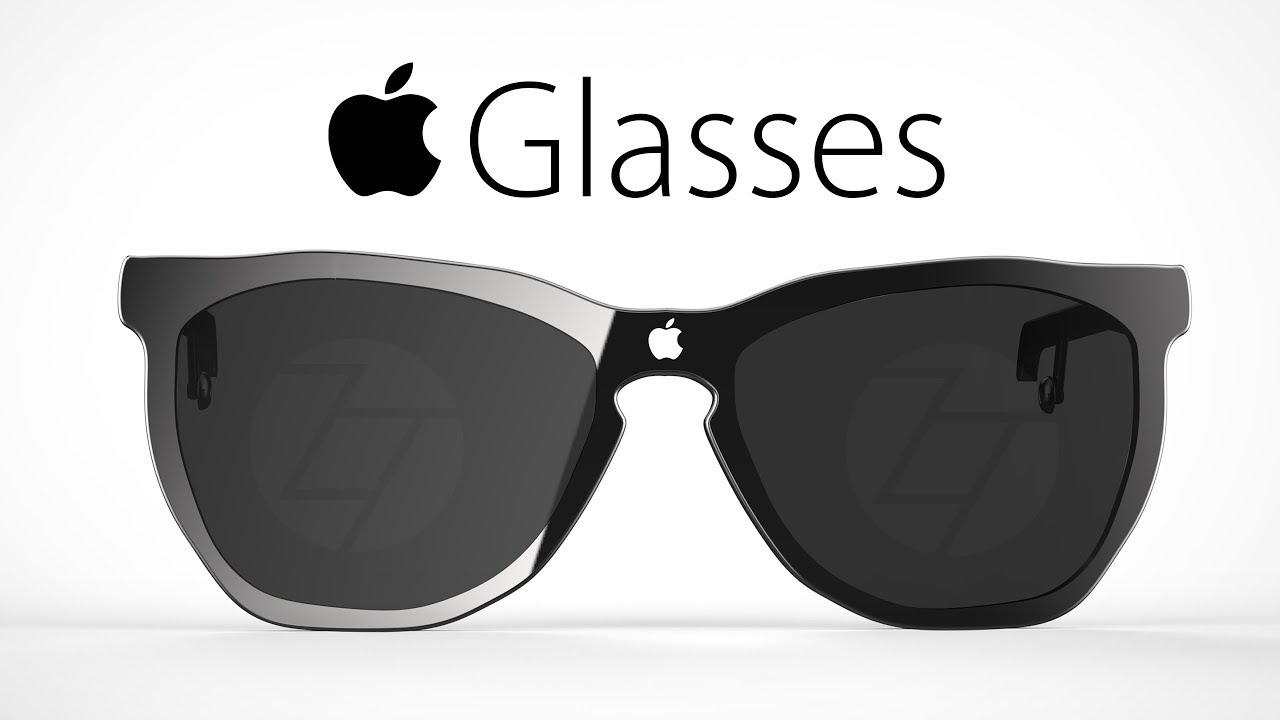
    Apple is considering a system that will allow the wearer of Apple Glass or another Apple-made headset to choose the background that will appear when someone is standing in front of them. The technology is similar to the “green-screen” used on television shows and movies that make it look as though an actor is somewhere else rather than standing in front of a screen on a studio lot.

    Unlike the 2D system used by Skype and Zoom, Apple’s patent application envisions the use of a 3D system that lets the Apple Glass user replace the background of a subject while he or she is moving and walking around. As Apple’s patent application notes, “Low latency is a key element required to achieve great immersion (often called “Presence”). The color keying processing which is embedded in the Head-mounted display (HMD) detects the selected range of color and mixes in the virtual content coming from the HMD itself or from an external source such as a connected computer. Virtual content can also be composited on top of the color-keyed area to allow mixed-reality content occluding real-life objects.”

    The patent application was filed in February and published today by the U.S. Patent and Trademark Office (USPTO). It is titled “Low latency chroma keying embedded in a head-mounted display for mixed reality.” The low latency used with this system is important because it allows the processing to be done at a speed that prevents users from getting ill when viewing the fake backdrop stutter and lag. And the low latency is made possible by embedding the processor inside the HMD.

    Interestingly, the current thought is that at least in the early days of Apple Glass, users will need to pair the wearable with an iPhone and allow the handset’s processor to do the heavy lifting. That is what Apple first did with the Apple Watch; the latter originally required the processor from a user’s iPhone to run most features before Apple released a standalone version of the timepiece. As a result, the technology mentioned in the patent might not be employed on Apple Glass until the third-generation of the AR glasses or later.

    The patent application explains that “The system achieves mixed reality by having a user look at a display through wide-angle lenses (with a field-of-view of 110 degrees or more). Two cameras located behind the HMD display capture the environment from viewpoints located a few centimeters in front of each eye.”

    If you don’t mind the patent jargon, Apple says, “While chroma keying is usually a post-production effect or done live with dedicated equipment/software, it can be applied in the context of augmented reality (AR) headsets, also referred to as mixed reality (MR), where virtual elements are composited in real-time into the real-world environment seen by the user through the head-mounted display. One example is a crane simulator where the controls would be real objects and where a color screen would be replaced by a virtual crane and a virtual environment. Another example would be a social MR experience using a color screen that covers the whole field of view and only the user’s hands and/or body are not replaced by virtual content (unless their color is the same as the screen). This example application is sometimes classified as virtual reality (VR) but for simplicity, we here consider it as augmented reality (AR).”

    As with any patent application filed by the company, or even with a patent received by the tech giant, there is no guarantee that Apple will actually use the patented technology. Apple applies for and receives a large number of patients each year and while some are for innovative technologies actually employed by the firm, some ideas are just patented to protect Apple from the competition.

  • Apple AR headset being tested with HTC Vive-like controller

    Apple AR headset being tested with HTC Vive-like controller

    Apple may be one of the most valuable companies in the world but it very rarely enters new product categories. Yet on the odd occasion that it chooses to do so, the company often shakes up the entire industry in the process. Examples of this include the iPhone, iPad, and Apple Watch which transformed the smartphone, tablet, and smartwatch segments respectively. Soon, the growing AR/VR industry could join the list.

    As reported several times in the past, Apple is developing a headset, possibly called Apple Glasses, that combines both AR and VR technologies for release in either 2021 or 2022. The controller in question, which is probably being used solely for internal testing purposes, resembles those shipped with HTC Vive Focus headsets. In fact, it seems to be a modified version of the HTC controller.

    This isn’t that surprising considering Bloomberg reported back in 2017 that Apple engineers were using HTC Vive headsets for internal testing, but the striking resemblance between the two controllers does suggest the two companies could be working closely together on AR & VR technology.

    Regardless of whether Apple and HTC are collaborating, though, it’s safe to say the final controller will probably boast a more polished design that is the better adapter to Apple’s headset software.

    In terms of functionality, the iOS 14 evidence uncovered by MacRumors strongly suggests Apple is using a dedicated augmented reality app codenamed “Gobi” and QR codes to test the extensive range of headset features.

    Apparently, each QR code triggers a different experience for the users. Some of these include experiences related to the Apple Watch, Mac Pro, Apple Store, Starbucks, and even a random movie poster.

    One of the more interesting experiences is QR code that triggers a “crosswalk bowling game.” This presumably allows Apple engineers to roll a virtual bowling ball across the crosswalk to knock down the virtual bowling pins on the other side.

    It likely acts as a pastime while waiting for the pedestrian light to change from stop to go. If ever released to public, users would probably be able to continue the game at different crosswalks and perhaps even play with friends.

    The version Apple is currently testing seems to be limited to one intersection near an Apple office known as “Mathilda 3” at 555 N Mathilda Ave in Sunnyvale, California. That could be where internal testing for the headset is taking place. As revealed in a patent application published today, everything mentioned above could be accompanied by virtual assistants that highlight useful information or offer tips to users during certain events or after a particular trigger.

    In the patent, which is titled “Contextual Computer-Generated Reality (CGR) Digital Assistants,” Apple gives a few examples based on what the user is seeing. One of these includes the possibility of a virtual dog being used to run over to a restaurant and fetch the relevant information for the user in question.

    Other ideas described include a pod of dolphins being used for AR navigation or a cat that guides users to an interesting place. A balloon could be used to show users where an AR-leveraging AirTag is too.

    The possibility of experiencing other virtual assistants through other senses, such as hearing, was also mentioned.

  • Burberry delivers AR technology to Google Search

    Burberry delivers AR technology to Google Search

    International luxury brand Burberry has launched an Augmented Reality (AR) shopping tool using Google Search that allows consumers to visualize its products within their immediate surroundings.

    The app embeds 3D images of the products in users’ environments as captured via their smartphone cameras, allowing them to “see” their prospective purchases as if they were right in front of them.

    Consumers searching for Burberry products on Google will be able to access the AR images so as to have a clearer conceptualization of the product before purchase. The tool is intended to enhance the inspiration phase of the decision to purchase, which is now thought to be becoming increasingly important for luxury consumers.

    The tool is currently available within searches for the brand’s Black TB bag or Arthur Check Sneaker conducted within the US or UK, with plans for global rollout for a variety of products over the coming months.

  • Vivo India opens Mumbai flagship

    Vivo India opens Mumbai flagship

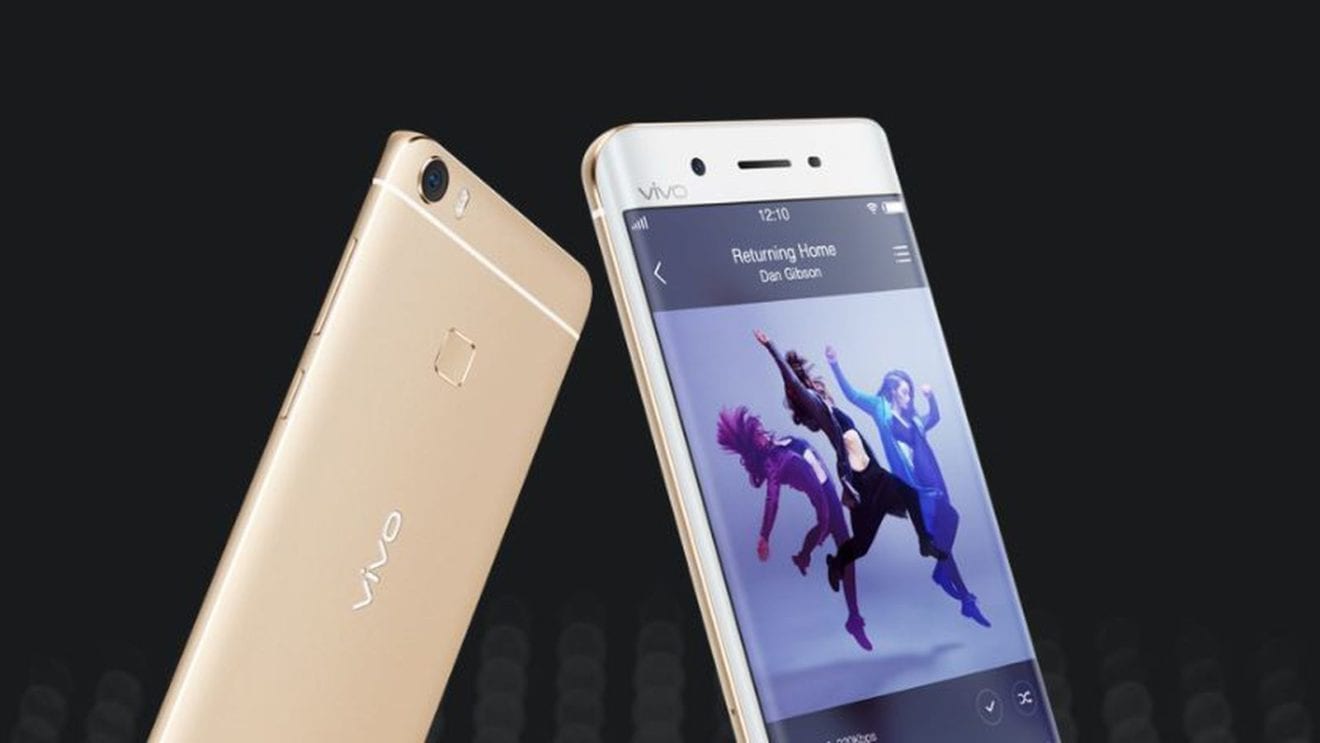
    Chinese smartphone brand Vivo has opened an experiential flagship store in Thane, Maharashtra as Vivo India eyes 250 new stores this year.

    The 1800sqft outlet is the second of 20 stores planned for the territory, according to the India News Service. Vivo India currently operates an experiential retail store in Bengaluru as well.

    “The offline channel has been an essential part of our go-to-market strategy and we would continue to invest in this channel,” said Vivo India director of brand strategy Nipun Marya.

    “We intend to launch more than 250 exclusive stores in 2020, taking the total number to 600.”

    Showcasing Vivo’s entire range of devices and accessories, the store will also feature an interactive touch-enabled LED screen allowing customers to explore products in more detail, as well as gaming, VR and customer interaction zones.

  • New Digi partnership introduces VR experiential tourism using 5G

    New Digi partnership introduces VR experiential tourism using 5G

    Visitors to the launch enjoyed a 360-degree view of Gunung Machinchang, one of the island’s most popular mountains and tourist destinations, using a cable car gondola and a virtual reality (VR) experiential zone.

    A camera that was installed at the Langkawi Skycab middle station enabled the event to be live-streamed from 20 kilometers away.

    The Digi 5G showcase, part of the 5G Demonstration Projects, have been made successful thanks to the tireless efforts of the Malaysian Communications and Multimedia Commission (MCMC) to encourage, develop and organize 5G use cases in a live but controlled environment.

    Digi’s CEO Albern Murty explained that the Langkawi 5G virtual tourism pilot is part of the telco’s objective in creating a 5G ecosystem with the support of its partners.

    “We are excited at the possibilities of 5G bringing next-gen virtual tourism to many other local destinations and connect more people to experiences that matter most to them. In partnership with Malaysia Airports and Panorama, we are pleased to bring a piece of Langkawi’s heritage to tourists from the moment they arrive at the airport,” Murty said.

    Panorama Langkawi acting COO Ir. Abu Hashim Abdul Rahman said, “We believe that 5G has the potential to deliver new and engaging digital activities that can improve tourist experiences and enhance the appeal of Langkawi and Malaysia in the eyes of foreign tourists.”

  • Huawei powers AI technology in Singapore with opening of ground-breaking AI lab

    Huawei powers AI technology in Singapore with opening of ground-breaking AI lab

    “In response to the Singapore government’s call for industry transformation, Huawei is extending its 5G, Cloud and AI capabilities to local government agencies, SMEs, and Institutes of Higher Learning, to help accelerate Singapore’s 5G application and nation-wide intelligent transformation,” said Nicholas Ma, Chief Executive of Huawei International.

    Globally acknowledged to be the next big leap in mobile and wireless communications, 5G technology is widely touted to enable the development of new business models and advanced applications, fostering business innovation and spurring economic growth. Communities, businesses, and industries are expected to benefit from the transformative impact that 5G enables.

    Singapore has earmarked S$40 million to build an open, inclusive 5G ecosystem, where the funds will be used to support 5G tech trials for enterprise use, create new open testbeds and for R&D in areas like cybersecurity for the next-generation mobile network, across six strategic clusters.

    Huawei is launching its AI lab on the back of Singapore’s National AI Strategy announced on 13 November, which maps out how Singapore will develop and use AI to transform the economy and improve people’s lives.

    Through this lab, Huawei aims to nurture a flourishing local AI ecosystem with its 5G, Cloud and Intelligent Computing capabilities, enabling Singapore’s industry players, with a focus on local SMEs, to boost Singapore’s AI capabilities towards its smart future, and the digital economy. Huawei is also launching its talent, innovation, and Singapore-China bridging programs through this lab.

    In line with the three programs, the lab includes trainings and workshops opportunities for hands-on practice, with testing and integration facilities, and serves as an open and advanced platform to industry players for ecosystem development and industry collaboration.

    “At Huawei, we believe that AI and its solutions should be accessible to everyone, and that the convergence of AI, Cloud, and 5G, lays the foundation of the technology ecosystem for the digital economy of the future,” said Neo Teck Guan, Chief Marketing Officer of Huawei Cloud Asia Pacific Region.

    The lab launch program includes artificial intelligence case studies by Huawei key customers DIGI and Ulearning, as well as the signing of five memoranda of understandings (MoU), between Huawei and several local institutions and companies across various industries – Nanyang Polytechnic; MI Robotic, Navinfo Datatech, OTSAW and Neolix Technologies; Shanghai Zhenhua Heavy Industries Company (ZPMC) and Shanghai Enfon Robotics Co; and local Augmented Reality and Virtual Reality (ARVR) companies, Hiverlab and Hellohold – to solidify Huawei’s commitment in supporting 5G deployment and enablement towards industry transformation in Singapore.

    The program also paired with a 5G technology panel discussion joined by a few of Huawei’s partners – MI Robotic and the National University of Singapore (NUS), and PSA Singapore and Capitaland – to discuss 5G capabilities and solutions and how they will change industries and businesses, followed by an immersive technology workshop using the lab’s facilities.

    This launch marks another step towards Singapore’s Smart Nation initiative and its potential of becoming a 5G hub for the region and the world.

  • AR will become very important to retailers

    AR will become very important to retailers

    Although take-up has been patchy so far, there is a bit of a buzz around augmented reality (AR) in the retail sector, and it is definitely getting louder.

    Kate Ancketill, the CEO and founder of GDR Creative Intelligence is something of an evangelist on the subject of AR in retail and the benefits of connecting the physical retail experience with the digital one. With 5G on the horizon, she is certain that AR’s importance is going to grow even faster, and she has some advice for retailers who want to implement AR.

    “I think AR is very important and becoming more important,” says Ancketill. “AR is relatively inexpensive to implement and it is getting cheaper all the time, and with 5G, when it comes on board we’ll have no latency issues.”

    Ancketill thinks AR is going to bring all the best advantages of browsing the web into the physical environment, and that means cracking the omnichannel.

    “A company that cracks omnichannel basically wins, and AR is a big part of that.”

    Ancketill lists retailers Show Fields, Beta, Neighbourhood Goods, and Storey, which she describes as a new generation of department store arriving mostly in the US, as examples of the trend.

    “Places like all of these have something in common, which department stores have been sadly lacking in. That something is frequent newness and uniqueness of the product. They have products that are never seen anywhere else in the physical world and are only available online.

    “So you basically have to go there if you want to physically experience them. They’re usually concession based so there’s a frequent turnover and they’re usually very high tech, so you get great data if you are the seller.”

    The idea of going somewhere where you see things that you’ve never seen before, cannot find anywhere else, will be changed in a month’s time and will have lots of experience-based activities going on makes for a compelling offer says Ancketill.

    “It is not rocket science that it is more appealing to today’s consumer with a very short attention span.”

    But to win with AR as a retailer, you need to reduce your portfolio by at least 30 per ce, nt, she says, and make sure what you keep is in high footfall areas in places where people have money to spend.

    “Make it different every month, make it highly experiential, and make sure you fully connect the physical with the digital experience,” says Ancketill.

  • A-listers sign up to Hong Kong VR startup Sandbox

    A-listers sign up to Hong Kong VR startup Sandbox

    Hong Kong immersive Virtual Reality startup Sandbox VR has won investment from several A-list celebrities, including Katy Perry and Will Smith.

    The firm has raised US$11 million from the Hollywood names, together with venture capital firm Craft Venture, to put towards its cable-free escape room VR experience that features full-body motion capture technology. Players in the VR rooms can battle aliens or submerge themselves in a pirate experience.

    The virtual reality market has developed slowly since hyped predictions made five years ago fell flat in the face of slow consumer pick-up of the technology. In an interview, Sandbox founder Steve Zhao blames the lackluster consumer response on a clunky user experience that fails to let the user see her own body or move freely.

    “When I looked into the consumer VR headset, I tried it and I was sitting down and was tethered to a computer, and I’m holding two controllers,” said Zhao. “No, this is not VR!”

    Sandbox launched its first store in the US last year and plans to roll out 16 locations by the end of next year, having partnered with mall operators such as Westfield. The Hillsdale Shopping Center location experiences 90-per-cent occupancy during peak hours, prompting the firm to expand its lease.

    “We found out that over 80 percent of our customers had never visited the mall in the past year, and for 60 percent of them it was their first visit to Hillsdale Shopping Centre,” Zhao said. “They came because of Sandbox, and I think the landlords are incredibly excited about that.”

    Zhao said the firm will certainly look to expand in Asia, with China and Japan presenting compelling opportunities.

    “We believe that VR is finally ready to take off as a mass-market phenomenon in malls, where it can be optimized for a social experience,” said Craft Ventures co-founder and general partner David Sacks. “We chose the Sandbox team because of their background in game design. Their VR experiences have a level of interactivity – with both the VR world and other players – that we couldn’t find elsewhere. We believe that Sandbox VR is poised to become the first VR experience for millions of consumers around the world.”

    Sandbox’s Hollywood investors are expected to open doors to future potential collaborations that could lead to movie-themed experiences – a Star Trek project is already underway following a deal with CBS, and should be released later this year.

    “Their support is a vote of confidence that our platform will o

  • Apple AR glasses launch in 2020 reiterated as more details emerge

    Apple AR glasses launch in 2020 reiterated as more details emerge

    Apple is betting heavily on augmented reality is the next big thing and a new report by Bloomberg suggests the public could soon see the results of years of development.

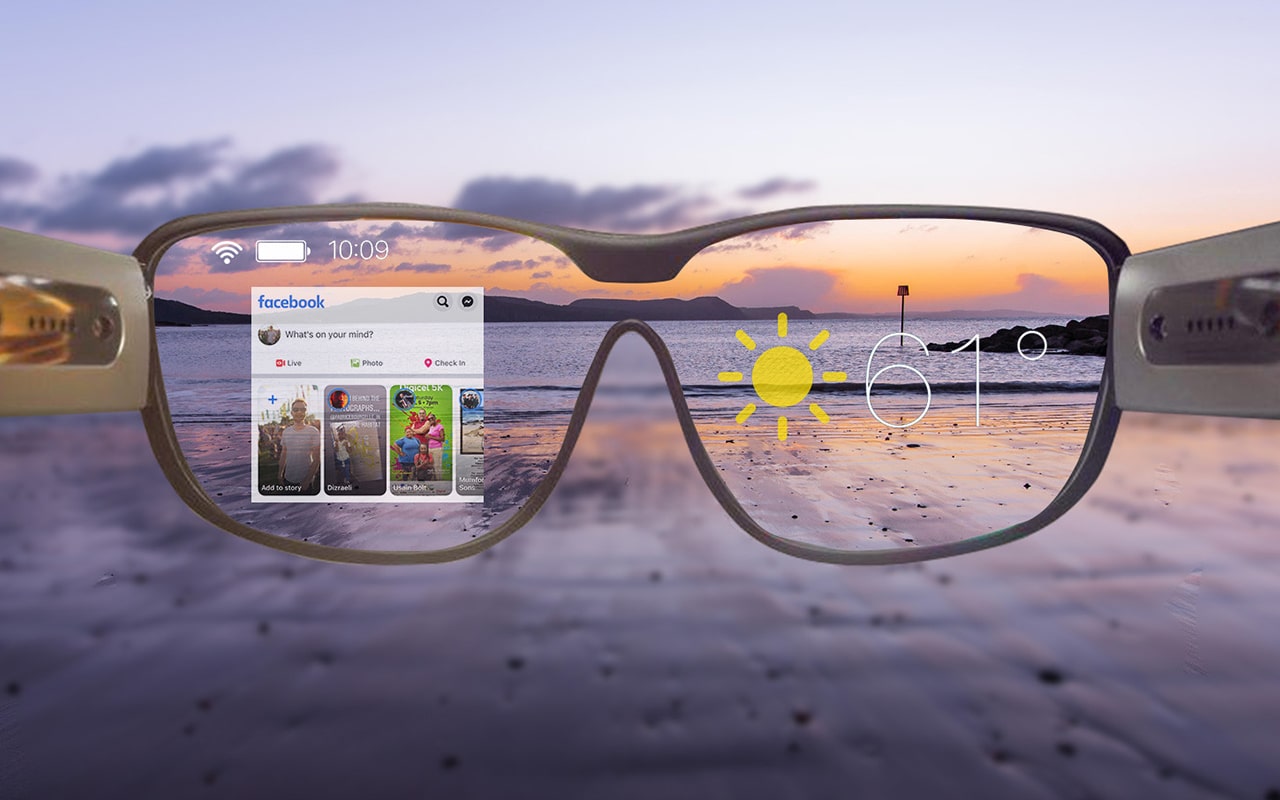
    According to Mark Gurman, Apple is targeting next year for the release of its highly anticipated AR glasses. These will reportedly feature a pair of holographic displays and synchronize with the user’s iPhone to display useful information such as text, emails, or the weather. Rumors also suggest Apple Maps integration will be supported in addition to multiple games. The latter means Apple Arcade subscribers may be able to play a range of AR-backed titles while wearing the glasses.

    Apple is said to be hiring experts in both graphics and game development to ensure a range of titles are available at launch. This should help position the glasses as the instant leader in the category and hopefully replicate the long-term success of the Apple Watch. Speaking of which, Apple is reportedly considering a dedicated App Store for its AR glasses similar to the one that was recently launched for its smartwatch. From here, owners of the glasses will be able to download the range of compatible games in addition to a long list of other apps

    Like Gurman, analyst Ming-Chi Kuo believes Apple’s AR glasses will arrive next year, although he goes one step further by predicting a release halfway through 2020. This means the official announcement may happen in early 2020, perhaps alongside the iPhone SE 2 and iPad Pro (2020).

    Long-term, Apple hopes its AR glasses will eventually replace the iPhone, but in the meantime, it’ll focus on pushing its AR technologies through its other devices. Specifically, the next-gen iPad Pro is reportedly going to include a dedicated 3D sensor for AR content while next year’s iPhone 12 Pro series is expected to follow suit in September with the same sensor.

  • Instagram enables augmented reality shopping through its mobile app

    Instagram enables augmented reality shopping through its mobile app

    Instagram continues to add new tools to its app to enable users to interact in different ways with the content it provides. The latest updated tackles augmented reality, a technology that many other companies have already implemented in their products.

    Starting today, several brands that are using Instagram to sell their products will now be able to add a new augmented reality feature that lets customers try their products before they buy it.

    The new feature is meant to help Instagram users to preview certain products they plan to buy and see what they look like on their face. To try out these new AR-compatible products, Instagram users must first find these specific products that brands are tagging in a post. Then, simply choose the option to try out the product using an augmented reality filter before adding it to the cart.

    But the new feature is not only meant to shop easier, as Instagram users can share these AR experiences in Stories, which will also link to the original product so that other users can try it out and, eventually, buy it.

  • Google’s Daydream VR platform is probably dead

    Google’s Daydream VR platform is probably dead

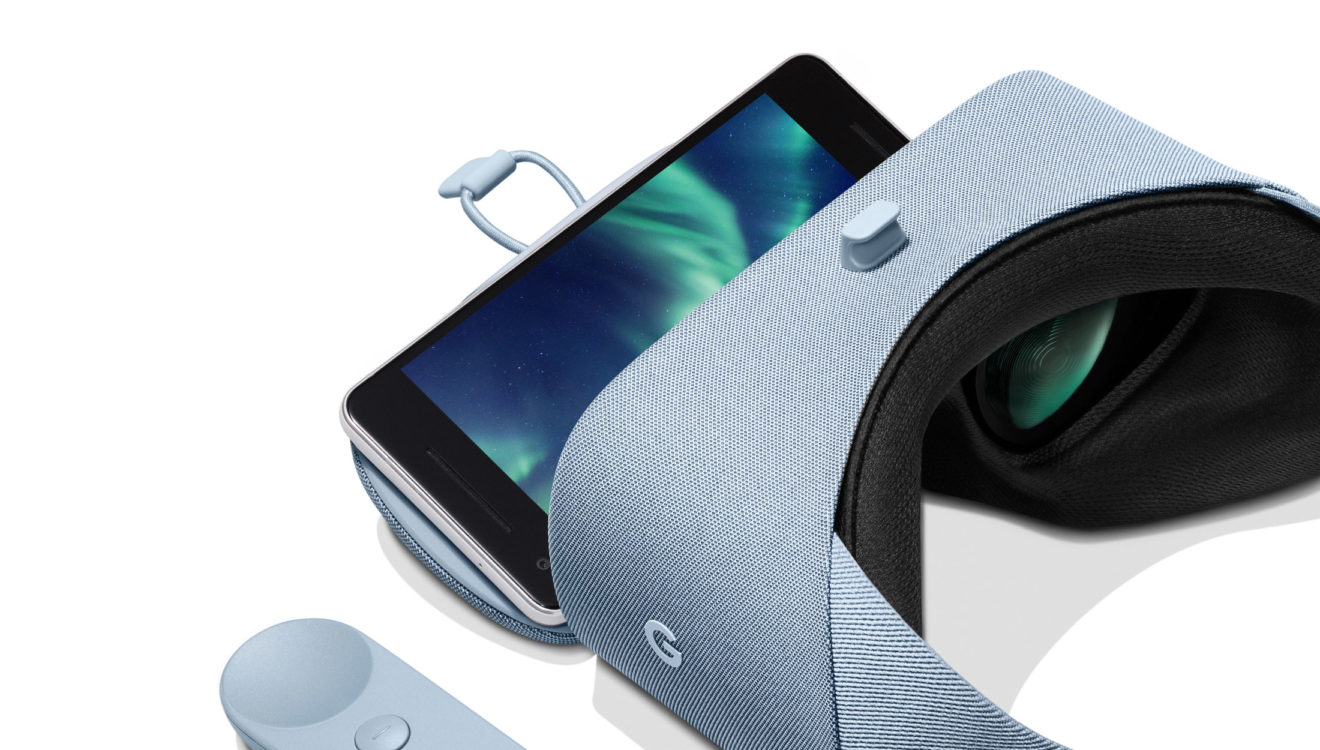
    The Daydream VR platform doesn’t seem to be as popular as Google expected. The Mountain View company has acknowledged the problem and has started to redirect resources to other projects. After shutting down the Play Movies and TV app a few months ago, Daydream VR platform is losing more content providers.

    Variety reports Hulu confirmed it has removed Daydream support from its Android app in recent weeks, so if you’re wondering why you can access Daydream VR content any longer, that’s the reason.

    There’s a workaround that will allow Daydream VR users to continue to watch Hulu content, but that requires them to downgrade to the previous version of the Android app if they’ve already updated to the latest iteration.

    The VR experience with Google Daydream is no longer supported for Android mobile devices running version 3.55 or newer of the Hulu app. That said, it is still available on Daydream-capable Android devices running version 3.54.1 or older of the Hulu app.

    One of Google’s original partners for Daydream VR, Hulu still offers VR content on other headsets like Oculus Go, Samsung Gear VR, Oculus Rift, and PlayStation VR. It’s also worth mentioning that Hulu is the second major video streaming service that drops support for Daydream VR after HBO Now and HBO Go VR.