Tag: watches

  • Casio Announces Release of CMK-100 Mechanical Watch

    Casio Announces Release of CMK-100 Mechanical Watch

    Casio Computer Co., Ltd. Announced on Oct. 29, 2026, that it will release the CMK-100, an automatic mechanical timepiece featuring a lightweight titanium case and 10-bar water resistance.

    The Tokyo company created the model in response to rising demand for mechanical watches, targeting everyday and business wear.

    Five versions comprise the release, offering black, gray, and brown dials matched with titanium, nylon, or leather bands.

    Titanium Specs and Pricing Across Five References

    Each model in the CMK-100 family uses a lightweight titanium case with a hairline finish across the body and bezel, paired with a sapphire crystal and 100 meters of water resistance. Power comes from an automatic mechanical movement manufactured in Japan. The dials feature a matte texture intended to suppress reflection, anchored by raised indexes treated with multiple layers of phosphorescent paint for night visibility.

    Retail pricing splits across three strap configurations. The entry model, the CMK-100TC-1A on a black nylon strap, sells for $320. Two mid-tier variations, the CMK-100TCC-8A on grey nylon and the CMK-100TL-1A on black Italian leather, retail at $350 each. A brown Italian leather version designated CMK-100TCL-5A carries a $375 price tag, while the flagship CMK-100TD-1A with a solid titanium bracelet tops the catalog at $440.

    Challenging Competitors on Department Store Shelves

    Casio is putting mechanical movements inside titanium cases at competitive price points. By pricing titanium automatics below $450, Casio undercuts many comparable Japanese and Swiss mechanical field watches that trade on heritage rather than aggressive bill-of-materials value.

    For watch retail buyers and multi-brand department store operators across the region, the launch creates a margin challenge. Casio built its distribution scale on high-volume G-Shock and standard digital quartz lines that require minimal customer education. Selling mechanical timepieces forces sales clerks to pitch power reserves, sweep seconds, and automatic winding against entrenched mechanical catalogs.

    The Transition Out of Digital Resin

    The CMK-100 marks Casio’s second deliberate step into mechanical movements after decades of relying on quartz modules. The company tested consumer appetite for winding gears earlier in 2026 with the Edifice EFK collection, an integrated sport-watch series that introduced Casio’s first automatic calibres to market.

    The CMK100 is Casio’s response to the overwhelming demand of our introduction into the automatic timepiece category

    Said Shermeen Greenmun, vice president of timepiece at Casio America, framing the new line as a field watch designed for outdoor exploration and daily wear.

    Retail Rollout Begins in November

    Stock arrives at select physical retailers, Casio’s direct e-commerce portals, and the dedicated G-Shock Soho storefront in November 2026. The initial retail reception across North America and key Asian consumer hubs will determine whether Casio expands automatic calibres into its core resin-shock lineups next year.


  • Luxury Goods Market to Reach $610.4 Billion by 2032 as Asia-Pacific Leads Growth

    Luxury Goods Market to Reach $610.4 Billion by 2032 as Asia-Pacific Leads Growth

    Asia-Pacific luxury goods spending will expand at a compound annual rate of 5.2 percent between 2027 and 2032, outpacing every other global region as total market value heads toward USD 610.4 billion.

    Europe retained 51.82 percent of worldwide luxury turnover in 2026, but Asian demand is shifting the commercial priorities of major European fashion conglomerates. Global luxury sales stood at USD 484.2 billion in 2026, climbing to USD 505.1 billion in 2027. While mature Western markets cope with cautious shoppers, regional retail networks across China, Japan, and Southeast Asia are taking a larger share of capital expenditure.

    Clothing and apparel anchored the sector with a 36.93 percent market share in 2026. Hard luxury, led by specialist watchmakers, is projected to deliver the quickest category expansion at 4.2 percent through 2032. Women drove 55.93 percent of total luxury revenue in 2026, though menswear is advancing at a 4.25 percent annual rate. Single-brand boutiques controlled 38.16 percent of retail sales in 2026, but dedicated online channels are forecast to expand at 4.75 percent annually through 2032.

    Prada and Hermès Expand Regional Footprints

    Prada Group generated a 15 percent jump in Asia-Pacific retail sales during the first half of 2026 compared with the first half of 2025. Stripping out the acquisition of Versace, organic regional retail turnover grew 6 percent at constant exchange rates. The flagship Prada label maintained positive momentum through the second quarter, while Miu Miu recorded steady volume gains across the half.

    Rival Hermès logged EUR 4.53 billion, or USD 5.11 billion, in 2025 revenue from its combined ready-to-wear and accessories division, a 6 percent gain at constant currency. Leather goods and saddlery sales rose 13 percent, supported by added workshop capacity. Chanel followed a parallel path by opening more than 40 standalone boutiques in 2025, directing a substantial portion of those doors into Mainland China, Japan, and the Middle East.

    Compagnie Financière Richemont saw its specialist watchmaker division post an 8 percent revenue gain at constant exchange rates in the three months to June 2026, led by sales in Japan and the Americas. The group’s jewellery division, housing Cartier and Van Cleef & Arpels, generated a 14 percent sales increase during the fiscal year ended March 31, 2026.

    Direct Store Ownership Shifts Margin Control

    The operational divide between company-owned flagships and third-party wholesale accounts is hardening across Asian shopping districts. LVMH Moët Hennessy Louis Vuitton operated approximately 2,300 dedicated fashion and leather goods boutiques worldwide at the close of 2025. Direct store ownership shields retail margins from intermediary markdowns and maintains rigid presentation standards in premier Asian malls.

    Wholesale distribution carries severe legal boundaries when brands attempt to dictate shelf pricing. The European Commission fined Kering’s Gucci, Richemont’s Chloé, and Loewe in October 2025 for illegal resale-price restrictions imposed on independent distributors across Europe. Those distribution curbs ran until April 2023, barring stockists from discounting apparel, shoes, and leather goods. Luxury houses operating in Asia face a clear operational tradeoff: independent retail partners deliver fast geographic distribution, but houses sacrifice pricing authority over the final consumer ticket.

    Digital channels are simultaneously consolidating around high-spending clients rather than broad web traffic. Online platform Mytheresa increased net sales by 11.5 percent at constant exchange rates in fiscal 2026, while expanding its top-tier customer base by 18 percent during the fourth quarter. Direct consumer relationships allow brands to defend price points without depending on wholesale clearance mechanisms.

    Regulatory Pressures and Supply Checks Tighten

    Supply chain scrutiny is forcing luxury groups to alter how they produce and verify garments sold in Asian commercial hubs. LVMH instituted supplier audits, work-in-progress monitoring, and on-site factory visits in 2025 following public scrutiny over labor practices within Italian manufacturing hubs. Across its operations, recycled materials reached 41 percent of product and packaging inputs in 2025, including circular cashmere projects at Loro Piana.

    Apparel importers into Mainland China face tightened quality-safety rules and mandatory merchant inspections under standard GB 18401-2010, alongside expanded fiber measures starting July 1, 2026. Chinese authorities require sellers to inspect incoming inventory and store compliance documentation for at least two years. The regulatory duty contrasts with the United States, where the Federal Trade Commission permits invoice-level fiber disclosures without requiring dedicated per-unit verification checks.

    Anti-counterfeit enforcement remains a constant operational friction point for Asian distribution networks. The European Anti-Fraud Office concluded an enforcement operation in May 2025 that netted 1.8 million counterfeit garments, footwear pieces, and leather accessories hidden within legitimate textile shipments. Illicit goods mixed into lawful trade flows drain brand equity while complicating customs clearance for verified fashion houses.

    Divergence Across Global Spending Hubs

    The acceleration of luxury demand in Asia contrasts sharply with contractions in the Middle East. Military operations involving the United States, Israel, and Iran in early 2026 reduced the Gulf luxury consumer base by 15 to 25 percent. Richemont saw sales in the Middle East and Africa slide 3 percent at constant currency during the quarter ended March 31, 2026, hurt by suppressed tourist traffic and cautious domestic spending.

    Consumer demand is dividing by income tier. A survey of aspirational luxury clients conducted across 11 key markets in 2026 revealed that every respondent classified as an infrequent, price-sensitive buyer planned to trim personal spending over the subsequent 12 months. An additional 22 percent of regular luxury shoppers planned to reduce transaction ticket sizes, trading down within product collections.

    Luxury brands are directing product development toward ultra-affluent shoppers who remain insulated from inflationary pressures. Global personal wealth grew 10.8 percent in dollar terms during 2025, adding 440,000 millionaires in the United States alone. Capturing these shoppers requires extensive boutique investments in prime metropolitan locations rather than broad distribution through department store counters.

    The next test for luxury retail performance arrives on July 19, 2026, when the European Union’s statutory ban on destroying unsold garments and footwear takes effect for large corporations, directly reshaping how fashion houses clear seasonal stock across their international supply chains.

  • Bangkok Watch Week Attracts 40,000 Visitors to Siam Paragon

    Bangkok Watch Week Attracts 40,000 Visitors to Siam Paragon

    Siam Piwat Group drew more than 40,000 visitors to the second edition of Bangkok Watch Week at Siam Paragon, expanding brand participation past 45 luxury houses.

    The six-day exhibition, held from September 22 to 27 across two floors of the Bangkok shopping complex, doubled its overall attendance compared with its 2025 debut. The turnout included 400 international collectors, while brand participation climbed more than 50 per cent.

    Organised by mall operator Siam Piwat, the event operated across three formats: a public show, an industry symposium, and brand-run boutique workshops. Entry remained free for regular shoppers. The Fondation Haute Horlogerie joined the programme for its Southeast Asian debut, running an academy lounge offering entry-level horology certifications to the public.

    Shifting luxury retail from private salons to mall concourses

    For decades, Swiss and European watchmakers restricted previews to invite-only trade summits in Geneva or closed boutique salons. Bringing 45 maisons directly onto the open concourse of a Southeast Asian commercial mall reverses that playbook. Siam Piwat is betting that footfall conversion no longer depends strictly on closed-door clienteling, but on pulling younger consumers into technical workshops before they buy their first mechanical piece.

    The approach hands luxury tenants direct exposure to high-spending tourist traffic that standard multibrand watch retailers struggle to capture organically. Thai landlords face sharp regional competition from Singapore and Tokyo for luxury spend, making hands-on programming essential to keep international shoppers on-site.

    Siam Piwat targets international collector traffic

    Tourism flows into central Bangkok remain critical to the format. Siam Piwat identified Chinese and Indian travelers as volume drivers for overall mall trade, while shoppers from elsewhere in Asia and the Middle East deliver the highest average transaction values.

    Pavaris Eam-ekpattana, director of strategic luxury experience management at Siam Piwat unit Supremo Co., confirmed that the group separates the show from its older commercial watch events.

    Brand interest expanded beyond the major Swiss conglomerates. British brand Bremont attended for the first time to seek a local distributor, while boutique managers from German maker A. Lange & Söhne reported that multi-brand exposure helped bridge client bases with houses such as Panerai, Jaeger-LeCoultre, and Vacheron Constantin.

    Attendance gains build on initial sales spike

    The operational expansion follows steep top-line gains recorded during the event’s first run. During the inaugural 2025 edition, Siam Paragon attracted 20,000 visitors and 200 foreign collectors. Luxury watch sales inside the mall surged 92 per cent compared with the corresponding period in 2024.

    Caroline Murphy, president of strategic project development at Siam Piwat, said the mall owner does not evaluate the fair purely on short-term sales desks:

    “We do not measure the success of the event in terms of sales as the primary purpose of the fair is not commercial, but to establish Bangkok as a luxury watch capital of the world, by sharing knowledge and insight of the wonderful world of watchmaking to a robust watch community of local Thai and international collectors,”

    Global network plans for third edition

    Siam Piwat is preparing to link future editions into a wider circuit. The organiser is evaluating strategic ties with luxury events in Tokyo and Milan, aiming to create a recurring international calendar stop rather than a standalone Bangkok marketing push.

    Brand retention and floor space allocations across Siam Paragon’s central retail levels serve as the key operational test.

  • Rolex Tops Asia Brand Advocacy Ranking as Wholesale Revenue Hits $13.38 Billion

    Rolex Tops Asia Brand Advocacy Ranking as Wholesale Revenue Hits $13.38 Billion

    Rolex took the top spot in Asia’s inaugural Brand Conviction Index, outranking regional retail competitors as its brand valuation jumped 36 per cent to US$18.8 billion.

    Morgan Stanley and Luxe Consult estimate the Geneva-based watchmaker generated wholesale sales of just over US$13.375 billion in 2025, taking market share even after trimming production volume for two consecutive years.

    Advocacy outpaces actual purchasing power

    The index evaluated consumer sentiment across three primary metrics: current purchasing activity, willingness to recommend the brand to peers, and future purchase intent. Rolex led the regional table because its advocacy extends far beyond its active customer base.

    Most respondents who recommend Rolex across Asian markets do not own one. A substantial share of shoppers who stated an intention to buy a piece have never completed a transaction with the company, giving the brand unmatched mental real estate across the region.

    Disciplined output maintains secondary pricing

    For multibrand luxury retailers and department store operators across Hong Kong, Singapore and Tokyo, this dynamic protects floor productivity. While Swiss competitors flooded wholesale channels during the post-pandemic correction, Rolex restricted supply allocations to authorized dealers, keeping secondary market premiums intact.

    The deliberate scarcity shifts inventory risk away from retail partners and onto aspiring buyers who remain on multi-year waiting lists. Department store landlords in key Asian shopping districts continue to prioritize Rolex boutique footprints because the footfall generated by unfulfilled demand feeds surrounding luxury concessions.

    Artificial intelligence mirrors human consensus

    Machine learning platforms reflect the same concentration of consumer desire. A recent survey evaluating how leading artificial intelligence engines answer luxury watch recommendations showed all major systems named Rolex more frequently than any competing manufacture.

    Brand Finance’s 2025 Luxury and Premium 50 ranking confirmed the financial momentum, listing the company’s valuation gain among the steepest in the personal luxury goods sector.

    Sustained strategy through sector pullbacks

    Executive leadership has maintained this positioning through broader market downturns. In 2024, Rolex chief executive Jean-Frederic Dufour rejected discounting and short-term volume expansion during an industry-wide sales contraction, keeping retail distribution tight across Asia and North America.

    Industry attention now turns to upcoming Swiss export data and secondary watch price indices for the final quarter of 2026, which will reveal whether Rolex can sustain its wholesale margins as wider luxury demand moderates.

  • Richemont Anchors Asian Network Through Dual Hubs in Hong Kong and Tokyo

    Richemont Anchors Asian Network Through Dual Hubs in Hong Kong and Tokyo

    Richemont manages its expanding Asian luxury operations through dedicated regional hubs in Hong Kong and Tokyo, supporting a global footprint of 2,369 monobrand boutiques generating 22 billion euros in revenue. Direct sales to retail clients now account for 77 per cent of total group turnover across its 23 Maisons and businesses.

    The Swiss luxury conglomerate employs more than 40,000 people across upwards of 150 international locations. Central corporate management in Geneva coordinates policy and governance across five regional headquarters, with Asia commanding two distinct reporting territories.

    Regional Footprint Across Nine Asian Markets

    From its regional Asia Pacific headquarters in Hong Kong, Richemont directs operations across nine major territories: mainland China, Australia, South Korea, Macau, Malaysia, Singapore, Taiwan, and Thailand. A separate regional headquarters in Tokyo oversees the Japanese market, backed by two satellite offices in Fukagawa and Osaka.

    Western Asia and South Asian expansion run through a third regional division based in Dubai. That office coordinates commercial operations across India, Saudi Arabia, and South Africa from an operations base at the Dubai Airport Free Zone.

    Direct Retail Shift and Infrastructure Targets

    The operational concentration in Hong Kong and Tokyo reflects the luxury sector’s reliance on Asian consumer demand, even as brand houses take closer control of physical distribution. Operating 2,369 monobrand boutiques allows the group to secure higher margins while managing client relationships without wholesale intermediaries.

    Richemont also reported that renewable electricity powers 97 per cent of its global operations, alongside holding Global Equal-Salary certification across its business units. Group leadership continues to focus resources on store productivity and direct boutique expansion across key metropolitan shopping districts in Greater China and Southeast Asia.

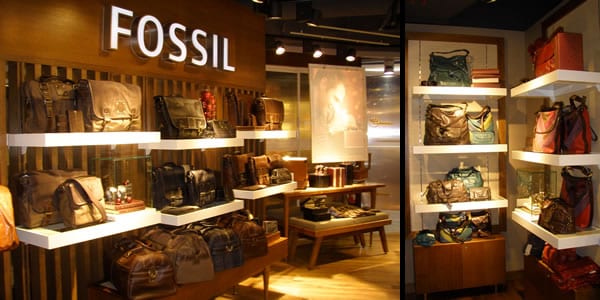
  • Fossil India Bets on Analogue Revival as Young Buyers Build Watch Wardrobes

    Fossil India Bets on Analogue Revival as Young Buyers Build Watch Wardrobes

    Fossil India is repositioning its product lineup toward premium analogue timepieces as younger domestic consumers buy multiple watches for different occasions rather than relying on a single device.

    The shift follows a rebound in traditional watch demand across India, aided by the proliferation of secondary wearables like smart rings that free up wrist space previously dominated by connected screens.

    Freeing wrist space for premium mechanicals

    Speaking at the ETRetail ShopFWD Summit in Bengaluru, Fossil India managing director Johnson Verghese said younger shoppers are researching models independently, entering the category earlier and curating separate watches for work, sports and evening social events. Fossil manages its own label alongside licensed fashion brands including Michael Kors, Emporio Armani and Diesel in the Indian market.

    To capture higher spending, the group introduced higher-priced mechanical models such as the racing-inspired X1 automatic watch, pricing it well above Fossil’s historic average in India. Verghese noted that buyers willingly paid the premium because of upgraded materials like ceramic and titanium, automatic movements and distinct visual design.

    Across Asia-Pacific markets, watchmakers face a dividing consumer base: entry-level connected fitness monitors on one side and design-led mechanical timepieces on the other. For accessible fashion watch brands, category growth depends on positioning the traditional watch as a personal accessory rather than a functional clock.

    Expanding retail footprint beyond metropolitan centres

    In-store services, particularly caseback engraving, have become central to conversion rates by turning purchases into personalised gifts and commemorative items. Verghese stressed that modern buyers research specifications online before testing weight and wrist fit in physical stores, making consistent pricing and stock data essential across both channels.

    Fossil India plans to direct its next store rollouts toward tier-II and tier-III cities, where quality retail space remains limited despite rising disposable incomes among first-time corporate workers.

  • Singapore Retail Sales Rise in September, Pace Moderates: Jewellery and Watches Lead Growth

    Singapore Retail Sales Rise in September, Pace Moderates: Jewellery and Watches Lead Growth

    Retail sales in Singapore continued their upward trajectory in September, albeit at a slower rate than in August.

    Retail Sales Trend

    In September, retail sales, excluding motor vehicles, rose by 2 per cent. This is a slight dip compared to the 4.7 per cent increase witnessed in August. The total value of retail sales for September was estimated at SG$3.5 billion ($2.67 billion USD), with online sales accounting for 17.6 per cent of that figure. However, on a seasonally adjusted basis, retail sales in September saw a decline of 2.3 per cent when compared to August.

    Industry Performance

    The watches and jewellery sector remained at the forefront of sales growth in September with a substantial year-on-year increase of 16.6 per cent. This growth was primarily fueled by a surge in jewellery sales. The recreational goods sector trailed behind in second place with an 11 per cent increase, followed by supermarkets and hypermarkets, which saw a 5.1 per cent rise.

    On the other hand, petrol service stations and retailers of clothing and footwear saw a drop in sales by 8 per cent and 3.6 per cent respectively. The food and beverage services also experienced a decline, with sales slipping by 1.6 per cent, a steep fall from the 0.2 per cent decrease reported in the previous month. This slump was largely attributed to the underperformance of the restaurant sector.

    The overall sales value of food and beverage services was estimated at SG$966 million, with online sales representing 26.3 per cent.

    Questions & Answers

    Q: How did the retail sector perform in Singapore in September?
    A: Retail sales, excluding motor vehicles, rose by 2 per cent in September, a slower pace compared to the 4.7 per cent increase in August.

    Q: What sectors led the growth in retail sales in September?
    A: The watches and jewellery sector led the growth with a 16.6 per cent year-on-year increase, followed by the recreational goods sector and supermarkets and hypermarkets.

    Q: Which sectors experienced a decline in sales in September?
    A: Petrol service stations and clothing and footwear retailers saw a decrease in sales, with declines of 8 per cent and 3.6 per cent respectively. The food and beverage services sector also experienced a drop in sales, declining by 1.6 per cent.

  • “Swiss Watchmaking Hits the Global Stage: A Journey from Shanghai to Dubai”

    “Swiss Watchmaking Hits the Global Stage: A Journey from Shanghai to Dubai”

    The highly anticipated 2025 edition of the Grand Prix d’Horlogerie de Genève (GPHG) world tour kicked off yesterday in Shanghai, with the iconic Bund 33 serving as a stunning backdrop for the exhibition’s launch. Running until October 8, the showcase features 84 nominated watches and six mechanical clocks vying for top honors this year.

    In collaboration with Hantang Culture, the event showcases over 50 prestigious brands, presenting a curated display that pays homage to the Chinese cyclical understanding of time. This year’s exhibition is not just a highlight of watchmaking artistry but also commemorates 75 years of diplomatic relations between China and Switzerland.

    “For more than two decades, Hantang Culture has evolved alongside the fine watchmaking industry,” remarked Jessica Yu, Founder and President of Hantang Culture. Hosting the GPHG in Shanghai, she described it as both a “cultural rediscovery” and “a powerful statement of renewed confidence within the industry.”

    Raymond Loretan, President of the GPHG Foundation, emphasized the significance of China as a key player in the global watch market. “Launching our world tour in Shanghai holds special importance,” he stated, expressing gratitude to Hantang Culture for bridging the worlds of Swiss watchmaking and Chinese time concepts.

    From Shanghai to Dubai: A Global Journey

    Following its Shanghai debut, the exhibition will make its way to Istanbul for the first time from October 15 to 20. Afterward, it will transition to Geneva’s Musée d’Art et d’Histoire from October 29 to November 16. The prestigious awards ceremony is set for November 13 in Geneva, marking the 25th iteration of the GPHG and will be broadcast live on gphg.org at 6 p.m. CET. The winning timepieces will then be showcased at Dubai Watch Week from November 19 to 23.

    This year’s GPHG spotlights 90 nominated creations competing for 20 awards, including the coveted “Aiguille d’Or” Grand Prix. The exhibition not only highlights the creativity and craftsmanship of contemporary horology but also serves as a fascinating cultural bridge spanning both East and West—who knew time could be such an art form?

    Questions & Answers

    What is the significance of the GPHG world tour starting in Shanghai?
    The tour’s Shanghai launch highlights China’s dynamic market and its growing influence in the global watch industry, marking a cultural exchange between Swiss craftsmanship and Chinese perspectives.

    How many nominated pieces are featured in this year’s GPHG?
    This year, the GPHG has gathered 90 nominated timepieces competing for 20 prestigious awards.

    When will the awards ceremony take place, and where?
    The awards ceremony will be held in Geneva on November 13, coinciding with the 25th edition of the GPHG, and will be broadcast live for global watch enthusiasts to tune in.

  • Swiss Craftsmanship Meets Hollywood: IWC Schaffhausen Stars In F1 The Movie 2025

    Swiss Craftsmanship Meets Hollywood: IWC Schaffhausen Stars In F1 The Movie 2025

    Swiss Timepieces Take the Spotlight in Cinematic Showcase

    As the lights dimmed and excitement filled the air, the Arthouse Le Paris cinema in Zurich played host to the premiere of F1 The Movie 2025. The event was not merely a celebration of film but a showcase for IWC Schaffhausen, the prestigious watchmaker, proudly standing as the official partner of the fictional racing team APXGP. This film, steeped in racing drama, brings Swiss craftsmanship to the forefront, and the atmosphere crackled with anticipation.

    Directed by the talented Joseph Kosinski, known for his work on the blockbuster Top Gun: Maverick, filming began in 2023. IWC has a well-established connection to Kosinski; after all, Tom Cruise donned an IWC timepiece in his previous high-flying adventure.

    What sets this production apart is its groundbreaking technique of in-camera filming, where cameras are mounted directly in the race cars, presenting viewers with an authentic cockpit experience that blurs the lines between cinema and real-life racing action.

    Star Power Behind the Wheel

    The ensemble cast features heavyweights like Brad Pitt in the role of Sonny Hayes, and Damson Idris as Joshua Pearce. Their performances go beyond mere acting; many scenes were shot during actual driving maneuvers, lending an exhilarating authenticity to the film. The result is a visual spectacle that often convinces viewers they are trackside at a live Grand Prix rather than seated comfortably in a cinema.

    In a twist of fate worthy of a Hollywood script, these two characters embody contrasting philosophies and generations in the fast-paced world of racing—an ideal backdrop for the IWC watches they wear.

    Watches that Tell a Story

    Representing the old guard, Pitt’s character wears the Ingenieur SL, distinguished by its green dial and designed by the legendary Gérard Genta. Initially overlooked and later discontinued, this watch has rebounded into the hearts of collectors—a testament to resilience and underrated talent.

    In an unexpectedly poetic turn, Sonny Hayes, after an ill-fated career marred by a serious accident, finds an unexpected shot at redemption with the help of his beloved watch. Both Hayes and the Ingenieur SL share the narrative of undervalued potential and the struggle for recognition, a resonant theme that echoes throughout the film.

    A Modern Marvel for a New Generation

    In contrast, Joshua Pearce, played by Idris, is a young, ambitious risk-taker representing the new generation of racers. He sports the Pilot’s Watch Performance Chronograph 41, an exclusive model developed just for the film, released in two limited stainless steel editions. Its design mirrors the APXGP race car’s aesthetics, perfectly encapsulating themes of innovation, speed, and modernity.

    A Prelude to a Timeless Tale

    The audience’s experience was further enriched by a YouTube short titled The Most Brilliant Failure, which set an emotional context for the story. This narrative intertwined the journeys of both Sonny Hayes and Gérard Genta. Both men, visionaries in their fields, faced early challenges in gaining recognition—Hayes as an exceptional driver and Genta as an artistic watchmaker.

    Genta’s humility, poignantly expressed in the short when he says, “I am an artist, a painter. What do I know about watches?”, resonates deeply with Hayes’ quiet resilience in the film’s final moments. Their stories remind us that greatness often lies not in boastful declarations but in quiet determination and unyielding creativity.

    Questions & Answers

    What unique filming technique was used in F1 The Movie 2025?
    The film utilized in-camera technology, embedding cameras directly into the race cars to create authentic cockpit perspectives for viewers.

    How do the watches worn by the characters symbolize their journeys?
    The Ingenieur SL worn by Sonny Hayes represents undervalued talent and resilience, while the Pilot’s Watch Performance Chronograph 41 worn by Joshua Pearce embodies ambition and dynamism in modern racing.

    What emotional context did the YouTube short provide for the film?
    The short, titled The Most Brilliant Failure, highlights the parallel journeys of Sonny Hayes and Gérard Genta, emphasizing themes of unrecognized brilliance and eventual redemption.

  • Border Authorities Seize 450 Counterfeit Rolex Watches Smuggled from China

    Border Authorities Seize 450 Counterfeit Rolex Watches Smuggled from China

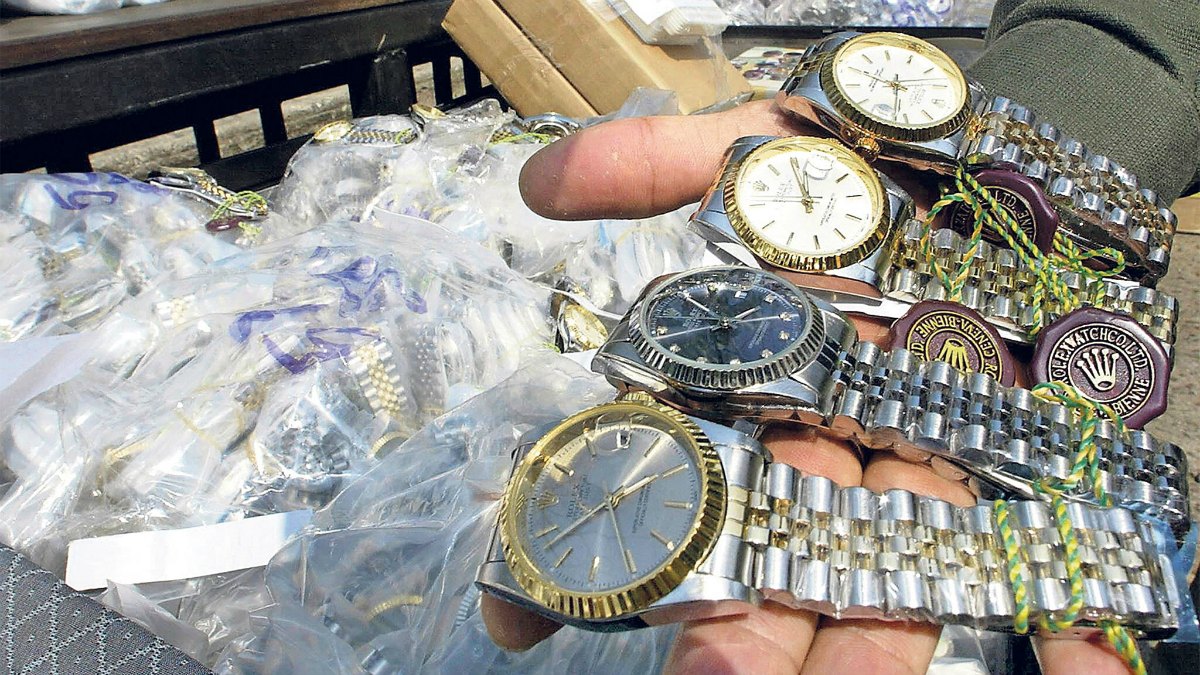
    A customs department anti-smuggling task force seized 450 fake Rolex watches during an inspection Tuesday at Tra Linh in Cao Bang Province on the Chinese border.

    In an impressive show of vigilance, customs officials intercepted the counterfeit luxury watches packed in a container that claimed to hold 24 tons of various consumer goods.

    .Alongside the counterfeit Rolexes, officers discovered a trove of undeclared merchandise including cosmetics, lighters, power banks, bras, and car lights, each packaged more mysteriously than a magician’s best trick.

    The business behind the shipping was unable to furnish any documentation proving legal ownership of the watches, further raising suspicions. A representative from Rolex estimated that if these watches had been real, their value would have soared to approximately VND45 billion (US$1.7 million). The investigation is ongoing, hinting at a deeper web of intrigue.

    This seizure marks a notable uptick in smuggling incidents at the border, with officials reporting five similar cases within the first half of June. Among the contraband were over 5,700 counterfeit clothing items, bags, and athletic shoes donning well-known names like Tommy Hilfiger, Celine, Nike, Louis Vuitton, Lacoste, Adidas, and New Balance, according to Tuoi Tre newspaper.

    Authorities also came across numerous undeclared goods falsely labeled as made in Vietnam, showing a clear pattern of misrepresentation.

    As part of a wider crackdown over the past month, market authorities nationwide have intensified their efforts against smuggling, commercial fraud, and counterfeit goods. Since May 15, they have uncovered over 3,100 violations, imposing fines totaling more than VND32 billion. Notably, violations of intellectual property rights accounted for around 52% of these cases, leading to fines of VND16 billion, while smuggling accounted for 648 cases and over VND6 billion in fines.

    With the battle against fake goods heating up, one wonders if the next luxury watch in your collection might just be a “watch out!” moment.

    Questions & Answers

    What was seized at the border this week?
    450 counterfeit Rolex watches were intercepted during a customs inspection.

    What other goods were found with the counterfeit watches?
    Numerous undeclared items were discovered, including cosmetics, lighters, power banks, bras, and car lights.

    How have authorities responded to smuggling and counterfeit goods recently?
    Authorities nationwide have ramped up efforts against smuggling and fake goods, uncovering over 3,100 cases of violations and imposing fines exceeding VND32 billion since mid-May.

  • Shoppers Navigate Closed Doors as Raids Target Counterfeit Goods in Hanoi and HCMC

    Shoppers Navigate Closed Doors as Raids Target Counterfeit Goods in Hanoi and HCMC

    On the morning of June 6, the usually vibrant streets of Hang Ngang and Hang Dao in Hanoi’s Hoan Kiem District appeared unusually desolate. Once a bustling commercial center, these roads felt eerily quiet, reminiscent of the Lunar New Year holiday lull, with a predominant number of shops shuttered.

    Lan, a 35-year-old local, found herself navigating this stillness, riding her motorbike back and forth, hoping to find an open store. After parking, she ventured on foot, peering through closed shutters in search of familiar fashion outlets. “I usually buy clothes here, and I’m just trying to find something still open,” she explains. Her quest led her to a shop with a barely open roller door. Inside, the owner swiftly closed it behind her, revealing a strategy to avoid the ongoing government raids targeting counterfeit goods.

    With a crackdown on counterfeit and tax evasion intensifying, marketplaces in both Ho Chi Minh City and Hanoi are witnessing closures among fashion, watch, and pharmaceutical retailers. Authorities recently conducted extensive inspections, unveiling thousands of counterfeit luxury items in Ho Chi Minh City, with brands like Rolex, Chanel, and Gucci found without proper documentation. The prices of these counterfeit products far underscored their genuine counterparts.

    Once outside the shop, Lan noted the rapid descent of the shutter, making the store appear closed once more. Finding shoes proved even more challenging as nearly all footwear retailers were also shuttered. Resorting to modern communication, she connected with a store via the Zalo messaging app, hoping to browse styles and place an order since “in-person sales are suspended during this time.” Yet after two hours, her shopping needs remained unfulfilled.

    Unexpected Shopping Experiences

    Similarly, Kieu Tuyet, 45, from Hai Ba Trung District, faced difficulties procuring sleepwear on Hang Dao. After half an hour of searching, she stumbled upon a familiar shop where her purchase took less than ten minutes. “In the past week, it has become a challenge to shop. You either squeeze through barely open doors or place phone orders for pickup or delivery. It almost feels illegal,” she remarked.

    A recent VnExpress survey indicated that around 80% of clothing, footwear, and cosmetics stores along the famed streets and Dong Xuan and Hang Da markets were closed. Meanwhile, other shopping hotspots, such as Chua Boc Street in Dong Da District and Ninh Hiep Market in Gia Lam District, reported similar closures. At the few stores still operating, doors were partly ajar, and staff awaited delivery drivers outside to expedite transactions.

    On social media, shoppers shared amusing snippets of their experiences, showcasing people squeezing through tight slots to gain entry. Nguyen Thi Oanh, a 60-year-old clothing vendor, noted that most businesses had remained closed since June 1 due to fears of inspections. “Some days, I only sell three or four outfits, but that’s better than facing fines. I simply can’t shoulder that burden,” she lamented.

    New Tax Environment Creates Anxiety

    The recent introduction of tax reforms requiring businesses with annual revenues exceeding VND1 billion (about US$38,380) to issue e-invoices linked to tax authorities has left many vendors anxious. Oanh now exclusively takes cash payments, shunning card transactions, particularly with foreign customers, for fear of mismanaging the new requirements.

    Tuyet Hoa, 74, who has operated a tea stall on Hang Ngang Street for nearly a decade, described the current atmosphere as reminiscent of Covid lockdowns. Despite appearances, she affirmed, sales continue quietly inside many stores, often relying on delivery drivers for business. Yet, as foot traffic diminishes, her sales have plummeted, once quite popular among delivery riders, now struggling to reach ten cups of tea daily.

    She anticipates that normal trading patterns may not return until after June 15 when the government’s intensified efforts against counterfeit goods are expected to conclude.

    According to Nguyen Ngoc Tinh, vice president of the Ho Chi Minh City Tax Consultant and Agent Association, the transition to a real-time tax assessment model has left business owners in trepidation, needing to invest in new systems they may not feel comfortable managing. Pham Ngoc Trung, a seasoned voice in the retail industry, echoed concerns over the crackdown on counterfeit goods, noting that many vendors have either suspended operations entirely or cautiously operate behind closed doors, all while hoping to meet essential expenses.

    Questions & Answers

    What are the current shopping conditions in Hanoi’s commercial districts?
    Most shops on key streets like Hang Ngang and Hang Dao are currently closed, with many shoppers resorting to online communication to place orders.

    What is causing the widespread closure of stores?
    Authorities are ramping up inspections to combat counterfeiting and ensure tax compliance, prompting many retailers to temporarily shut down.

    How have vendors adjusted to the new tax regulations?
    Many have switched to cash-only transactions to cope with the complexities of the new e-invoice requirements, leading to a dramatic shift in their business operations.

  • IWC Schaffhausen Unveils a Fresh Take on “The Little Prince” Masterpiece

    IWC Schaffhausen Unveils a Fresh Take on “The Little Prince” Masterpiece

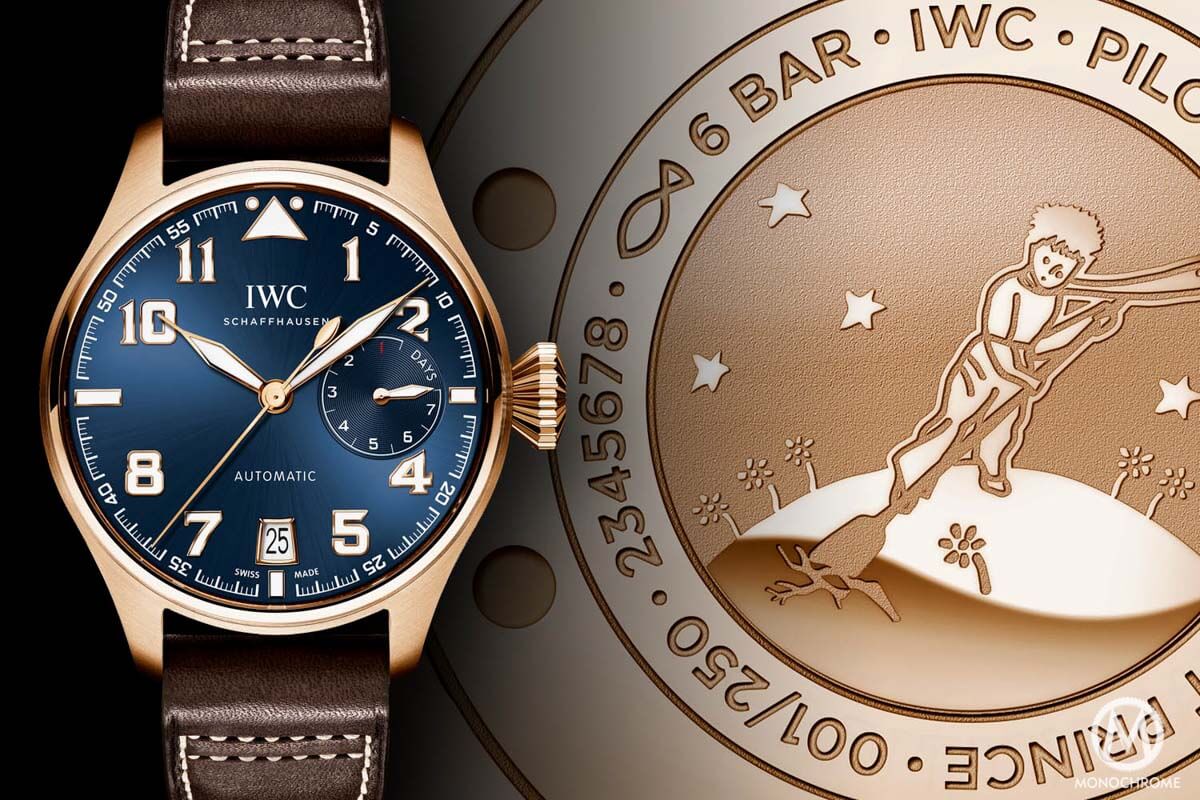
    Swiss luxury watchmaker IWC Schaffhausen is set to enchant watch aficionados with the launch of two exquisite limited edition timepieces inspired by Antoine de Saint-Exupéry’s cherished novella, “The Little Prince.” This charming tribute includes the Big Pilot’s Watch Perpetual Calendar Tourbillon Le Petit Prince, distinguished as the brand’s first-ever blue ceramic perpetual calendar tourbillon, and the Big Pilot’s Watch 43 Tourbillon Le Petit Prince.

    Setting New Standards in Watchmaking

    The standout 46.5-millimeter Perpetual Calendar Tourbillon showcases a stunning blue ceramic case that elegantly honors the whimsical universe of “The Little Prince.” Complemented by an 18-carat 5N gold crown and case back ring, this sophisticated piece features the in-house calibre 51950, boasting a perpetual calendar and a captivating flying minute tourbillon positioned at 12 o’clock. Limited to a mere 100 pieces, each watch illustrates the beloved Little Prince standing upon his asteroid, taking the place of the traditional moon phase indicator.

    Celebrate Avant-Garde Design

    Next up is the Big Pilot’s Watch 43 Tourbillon, crafted in a chic 43-millimeter platinum case. Featuring the flying minute tourbillon at 6 o’clock, this beauty is powered by the calibre 82905, offering an impressive 80-hours of power reserve. Enhanced with IWC’s Pellaton winding system and friction-reducing Diamond Shell technology, the rotor—visible through the sapphire case back—once again showcases the whimsical figure of the Little Prince, adding a playful touch to its technical prowess.

    A Legacy of Giving

    Both timepieces are part of IWC’s long-standing collaboration with the Antoine de Saint-Exupéry Youth Foundation. This partnership, dating back to 2009, is dedicated to promoting education and literacy initiatives around the globe. By supporting young people through cultural and philanthropic means, IWC is keeping the spirit of the esteemed French aviator and author alive, working closely with Saint-Exupéry’s heirs and the foundation for nearly two decades.

    In a world where timepieces often tell tales of craftsmanship, IWC reminds us of the power of storytelling itself—turning ephemeral moments into eternal memories.

    Questions & Answers

    What is unique about the Perpetual Calendar Tourbillon Le Petit Prince?
    The watch features blue ceramic for the first time in a piece dedicated to “The Little Prince,” setting it apart in both aesthetics and craftsmanship.

    How many pieces of the Perpetual Calendar Tourbillon Le Petit Prince will be produced?
    Only 100 pieces of this exquisite timepiece will be made, making it a true collector’s item.

    What is the goal of the IWC partnership with the Antoine de Saint-Exupéry Youth Foundation?
    The partnership aims to support global initiatives in education and literacy, empowering youth through cultural and philanthropic efforts inspired by Saint-Exupéry’s legacy.

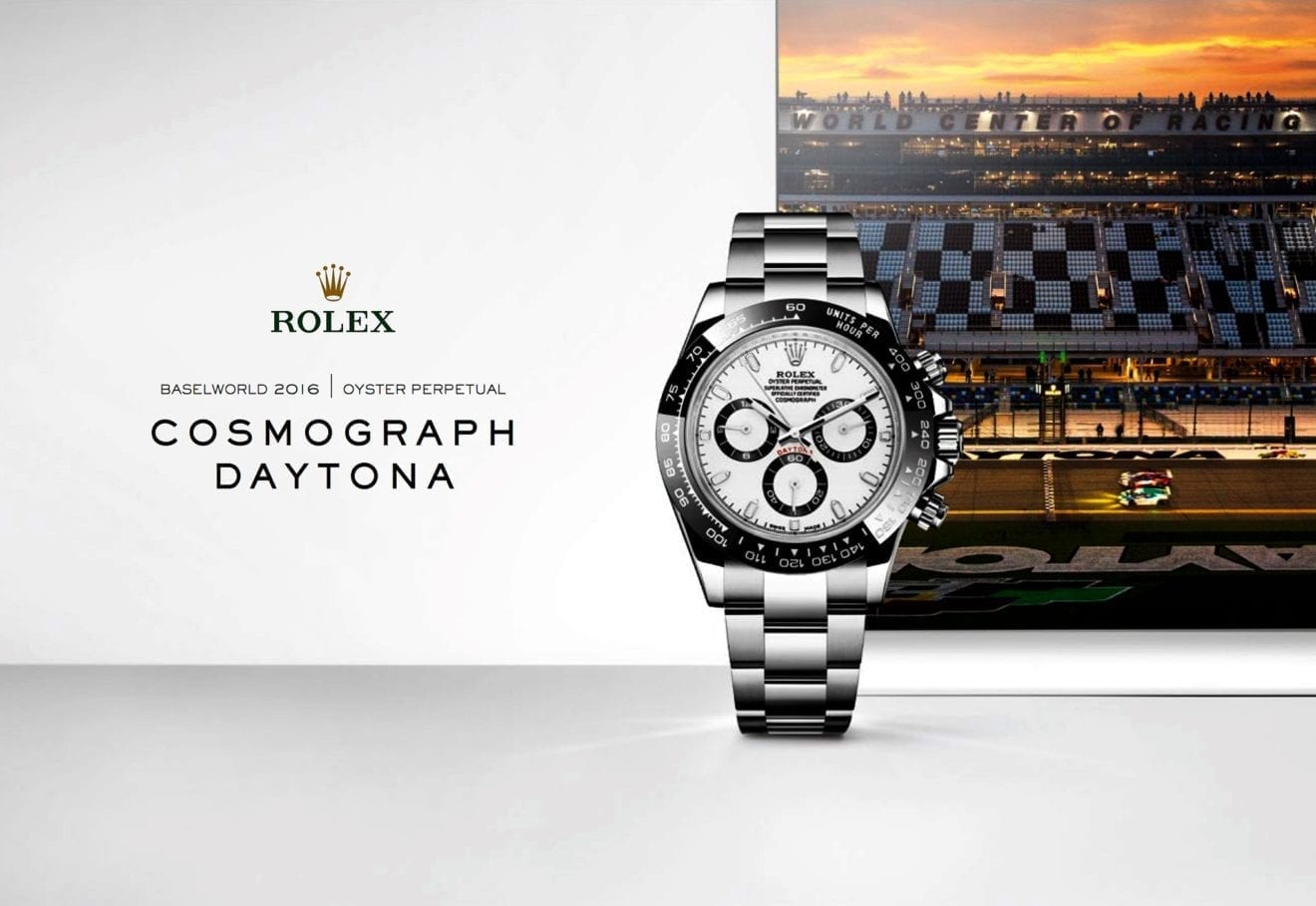
  • Discover Affordable Rolex Daytona: Elevating Your Luxury Watch Collection

    Discover Affordable Rolex Daytona: Elevating Your Luxury Watch Collection

    In the ever-evolving landscape of luxury watches, price discrepancies and investment opportunities abound, especially within the celebrated Rolex Daytona line. While models like the 126500LN and the now-discontinued 116500LN steal the spotlight, savvy collectors are beginning to recognize the exceptional value offered by lesser-known Daytona references.

    A Shift in Market Dynamics

    Notable Price Increases

    The allure of the Rolex Daytona is undeniable, with sales figures reflecting its prestige. The 116500LN, launched in 2016 at a list price of 11,800 francs, saw its valuation soar to 14,100 francs by the time it was retired in early 2023. Meanwhile, its successor, the 126500LN, currently retails at 14,800 francs, underscoring the model’s continued desirability.

    The secondary market has experienced an astonishing transformation, particularly for the 116500LN. In 2018, prices hovered around 16,000 francs, but by 2022, they had reached record highs of over 45,000 francs, only to stabilize as demand dynamics shifted.

    The Neo-Vintage Appeal

    In the world of luxury watches, true value often lies in the “sweet spot” between modern and classic styles. Although prices for the latest Daytona models remain elevated, many collectors are drawn to the “neo-vintage” segment, which ingeniously melds contemporary craftsmanship with vintage aesthetics. These selections, like references 16520 and 116520, provide a unique blend of wearability and style without the worry of historical wear and tear.

    Spotlight on Key Models: Recommendations for Collectors

    16520 – The Zenith Daytona

    First launched in 1988, reference 16520 marked a significant evolution for the Daytona series as it became the first automatic model, powered by a modified Zenith movement. Commanding attention for its blend of practicality and aesthetics, this reference is often referred to as the “Zenith Daytona.” Unavailable since 1999, pre-owned models can now be acquired for around 20,000 francs, making it a valuable opportunity for collectors seeking a piece of horological history.

    116520 – The In-House Chronograph

    The introduction of reference 116520 in 2000 marked Rolex’s first foray into in-house movements, featuring the advanced caliber 4130. Distinct for its steel bezel, instead of ceramic, and its striking white dial variant, this model is available on the pre-owned market starting at under 18,000 francs. This pricing creates an attractive entry point, positioning the 116520 as a hidden gem within the Daytona offerings.

    Finding Value in the Watch Market

    The disparities in pricing between the contemporary 126500LN and historically significant references like the 16520 and 116520 illustrate a fascinating market anomaly. Collectors and enthusiasts alike are encouraged to delve into the nuances of these models to uncover the potential for value appreciation.

    As the retail landscape evolves, the demand for both modern and neo-vintage timepieces is likely to shape the buying behavior of luxury watch enthusiasts and investors alike.

    Questions & Answers

    1. What makes the Rolex Daytona a valuable investment? The Rolex Daytona line is highly sought after, and certain references, particularly those in the neo-vintage category, represent compelling value for collectors looking for timeless pieces at reasonable prices.

    2. What are some recommendations for those looking to invest in a Daytona? References 16520 and 116520 stand out as worthy investments due to their historical significance and attractive pricing on the secondary market.

    3. How has the watch market changed recently? The secondary market for the Daytona has seen significant price fluctuations, with some models reaching record highs, while others have stabilized at lower prices, creating opportunities for collectors and investors.

  • Jacob & Co opens first Macau boutique

    Jacob & Co opens first Macau boutique

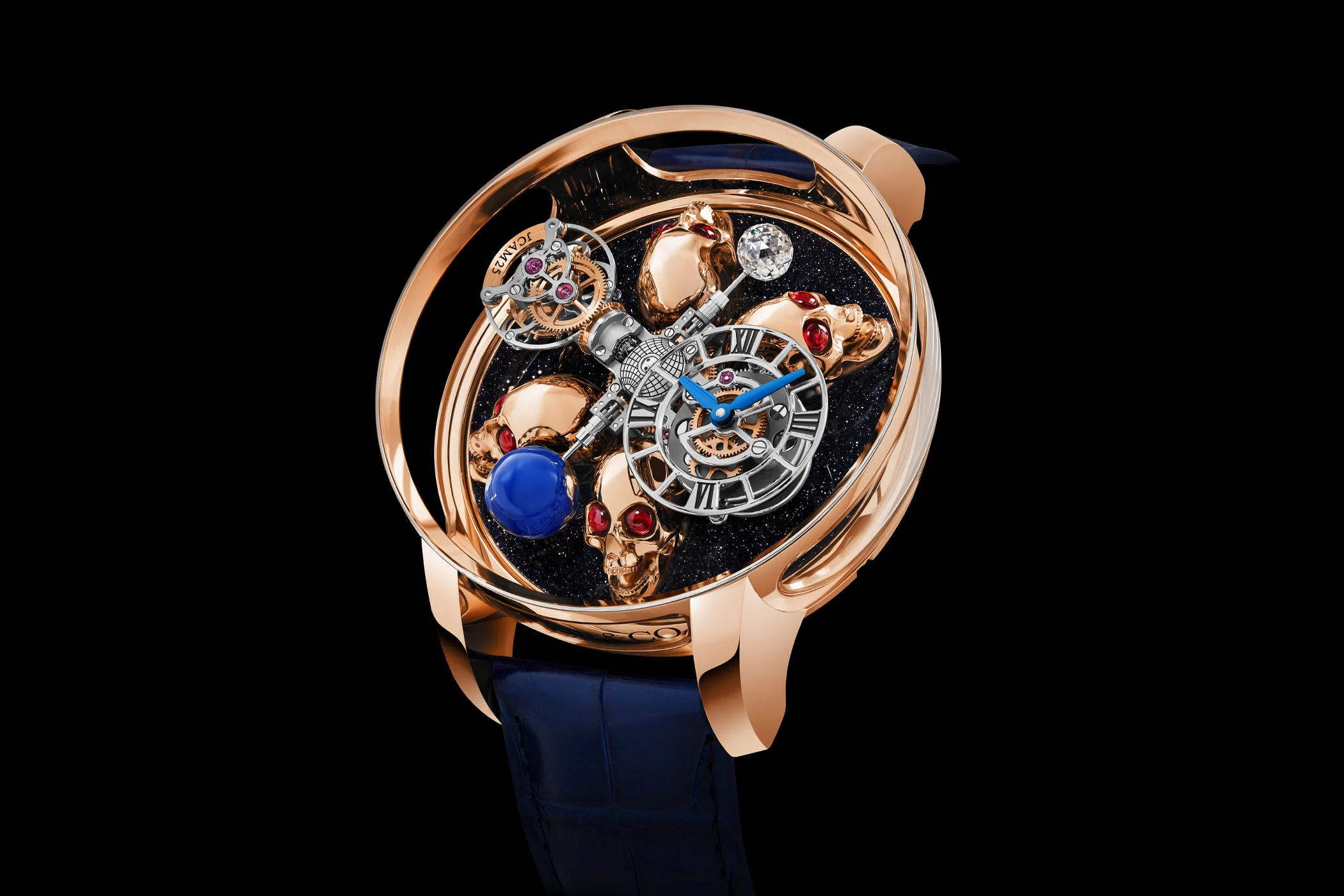
    Jacob & Co, in partnership with Cortina Watch, has opened its first Macau boutique.

    “As curators of exceptional timepieces, we are thrilled to introduce Jacob & Co to North Asia and offer our discerning clients an unparalleled horological experience,” said Benny Chong, Cortina Holdings regional GM.

    “This partnership exemplifies our commitment to present our clients with the most extraordinary pieces, where artistry meets innovation, and where each timepiece tells a story of pushing boundaries.”

    The luxury retailer’s new store at The Venetian Macao features monochrome tones, refined leather textures, and diamond-inspired lighting elements.

    The shop features include the newly launched Bugatti Tourbillon, the Casino Tourbillon

  • Oriental Watch bullish as sales

    Oriental Watch bullish as sales

    Oriental Watch (398 HK)announced it is proposing to buy back a maximum of 83 million shares at 3 HKD (249M HKD). This represents a premium over 57% vs the average 30-day closing price on HKex. Once the shares are bought back they will be canceled which will reduce total shares outstanding from 570 million to 478 million. A Special General Meeting (SGM) will be needed to approve the transaction, details of which are pending an official Offer Document. The full transaction has been covered by David Blennerhassett Oriental Watch (398 HK): Conditional Partial Offer 

    As long-time Oriental Watch followers let’s step back and assess what this means:

    • The controlling family’s stake will rise over 30% (depending on uptake 30.85-36.10%) but they won’t have to make a mandatory general offer as they have requested an exemption from HKex. Minority investors need to approve the transaction: we would advise minorities to vote IN FAVOR.
    • The founding family upping its stake at a significant premium to the latest stock price is bullish.
    • Even at 3 HKD, the shares trade far below their latest book value of 4.04 HKD.
    • With increased ownership management is now more incentivized to keep on paying large dividends going forward.
    • Mr. Market has been perenially mispricing Oriental Watch at negative enterprise value or barely above net cash over the last 5 years. As discussed at length in various previous insights we think this is wrong and the latest transaction again highlights the underlying value.
    • The company has returned 0.885 HKD/share in dividends over the past four years. When judging Oriental Watch’s share price performance please make sure you look up the total return on your Bloomberg.
    • Mainland China Rolex sales have been seeing YoY SSS increases of 40-80% since April (depending month to month). Once HK opens up SSS comps become very easy after 2019 (riots) and 2020 (Covid-19). Please re-read our insight on Oriental Watch being a way to play Rolex in China Oriental Watch: Bet on Rolex Demand in China/HK and Collect 12% Dividends While Waiting