Retail News CRM

Tag: wine

  • Treasury Wine Estates in Crisis: Titantic Losses Spur Massive Transformation Plan

    Treasury Wine Estates in Crisis: Titantic Losses Spur Massive Transformation Plan

    Treasury Wine Estates (TWE), renowned for its ownership of the Penfolds brand, has experienced significant losses in the initial half of the 2026 fiscal year. In spite of this, the conglomerate remains dedicated to its long-term strategic overhaul.

    First-Half Financial Decline

    The financial woes for TWE are clear, with losses mounting to a total of $649.6 million in a mere six month period. This loss was not isolated to a specific market, but rather was experienced across all of TWE’s markets. This included a notable downturn for Penfolds, the company’s premier luxury wine, which recorded a drop in earnings by 19.6%.

    Sam Fischer, TWE’s CEO, expressed his optimism during these trying times, stating, “Our current results reflect the transformational phase we are in. It’s encouraging to see the significant progress made from implementing necessary measures to steer TWE back to a trajectory of sustainable and profitable growth.”

    US Market Struggles and Brand Impairments

    The company’s performance in the Americas was particularly disappointing, with earnings plummeting by 63.6%. TWE attributed this to a subdued wine market in the region. Further exacerbating the losses was an impairment of $770.5 million related to its 19 Crimes brand in the American market.

    When disregarding the impairments, the group managed to generate a profit of $236.4 million. However, this figure is still approximately 40% lower than the corresponding period in the previous fiscal year.

    CEO Fischer emphasized the company’s resolve to bounce back, stating, “Our attention is squarely on the future. We are committed to improving execution and building a more robust, resilient business for the long haul.”

    TWE Ascent Transformation Plan

    In a bid to turn the tide, TWE is persisting with its two- to three-year strategic transformation plan named TWE Ascent. This move will involve a critical evaluation of the company’s portfolio and an effort to attain $100 million per year in operational cost efficiencies.

    Fischer explained, “TWE Ascent is the linchpin of our strategic reset. This is a structured, multi-year transformation strategy aimed at sharpening our portfolio, streamlining our organization, and optimizing our cost base. So far, we are pleased with the strides we have made.”

    He further added, “It’s heartening to see our key brands continue to perform in the marketplace and strongly resonate with customers. This bolsters our confidence in the strength of our portfolio and in our ability to enhance performance as we progress with the business transformation.”

    Questions & Answers

    What is TWE’s response to the losses observed in the first half of 2026?
    CEO Sam Fischer has expressed his optimism, stating that the company is focussed on the future and is committed to long-term growth.

    What contributed to the significant losses in the Americas?
    TWE attributed the 63.6% decline in earnings to a subdued wine market in the region, as well as a $770.5 million impairment related to its 19 Crimes brand.

    What is the company’s plan to improve their financial situation?
    TWE plans to persist with its two- to three-year strategic transformation plan named TWE Ascent, which involves a critical evaluation of the company’s portfolio and aims to attain operational cost efficiencies of up to $100 million per year.
  • Packamama Lands $1M Grant to Revolutionize Wine Industry with Low-Carbon, Recyclable Bottles

    Packamama Lands $1M Grant to Revolutionize Wine Industry with Low-Carbon, Recyclable Bottles

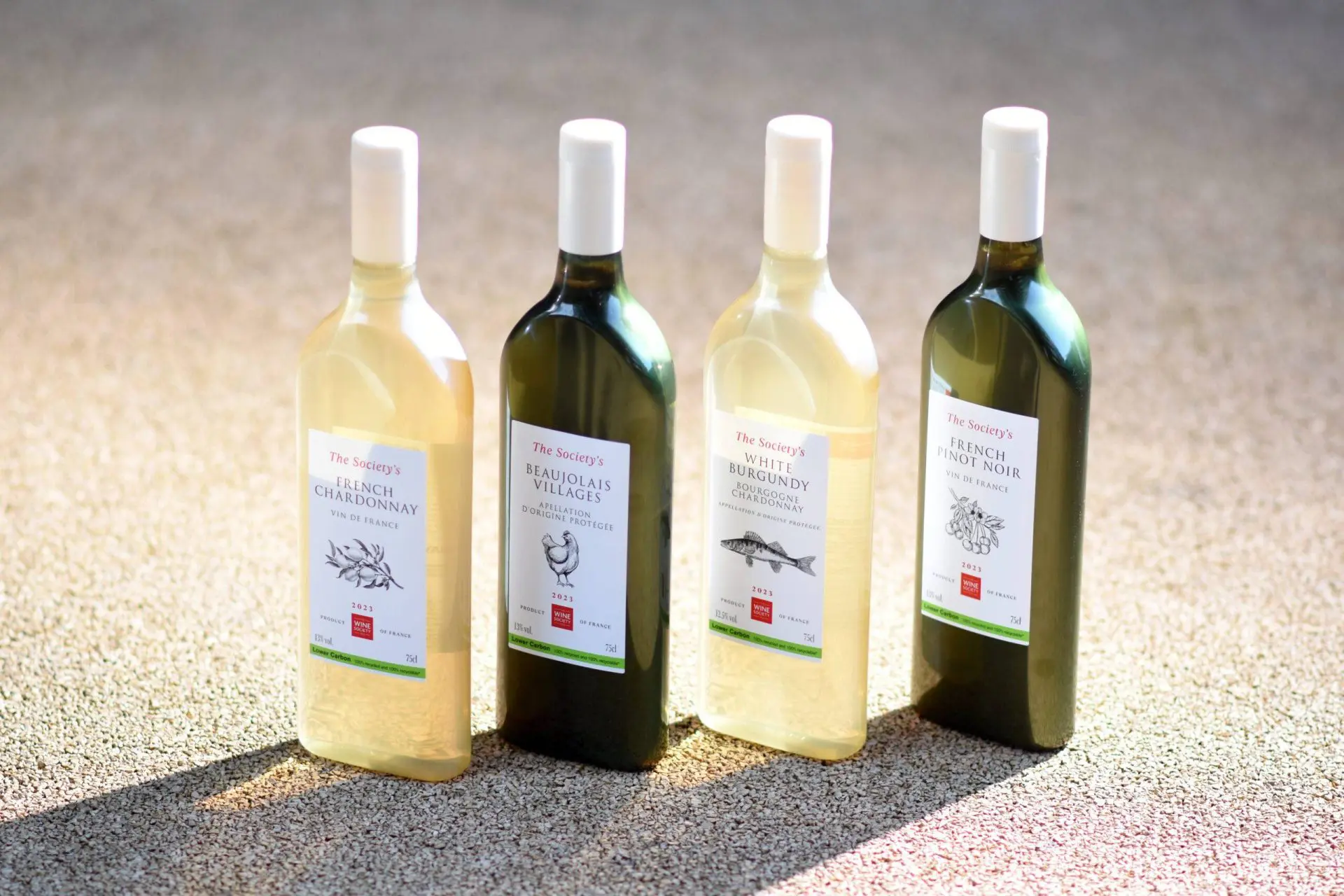
    Packamama, a leading innovator in packaging, has secured a government grant totaling $1 million. The funds will bolster their efforts to develop and perfect an advanced circular polymer wine bottle. This product promises to reduce carbon emissions without negatively affecting the quality of the wine it holds.

    Earlier Funding and Research

    The substantial funding follows an initial $100,000 feasibility grant provided by the Business Research and Innovation Initiative (BRII). The initial grant supported Packamama’s preliminary study, which effectively demonstrated the technical viability of the project, along with impressive potential for emissions savings.

    Packamama’s bottles underwent independent life cycle analyses, which confirmed the impressive reduction in carbon emissions. The findings showed that emissions were cut by over 50% when compared to conventional glass bottles. In addition to being environmentally friendly, the bottles are lighter, shatterproof, and fully recyclable using existing systems.

    Recognition and Future Plans

    As one of only two proof-of-concept recipients amongst a group of six participants in the Alternative Packaging for Australian Wine challenge, Packamama views the grant as a powerful affirmation of its vision. The company is driven to engage consumers and make the wine industry more sustainable through forward-thinking design and technology.

    Over the forthcoming 18 months, Packamama will move forward with validating its innovative bottle design. This will involve material trials, recyclability testing, and consumer research.

    The company is also investigating opportunities for retail collaborations both domestically and in the UK. These efforts will build on existing relationships with major retailers like Coles, Tesco, and Aldi.

    Comments from the CEO

    Packamama’s CEO and founder, Santiago Navarro, expressed his excitement and motivation at being chosen by the Australian Government and Wine Australia to spearhead the industry’s transition to more sustainable packaging.

    He stated, “This shows that innovation in materials, design, and technology can preserve both wine and the environment. Together, we can transition the wine bottle from being part of the problem to being part of the climate solution.”

    Questions & Answers

    What is Packamama’s mission?
    Packamama aims to excite consumers and decarbonize the wine industry through innovative design and technology.

    What makes Packamama’s bottles environmentally friendly?
    Packamama’s bottles significantly reduce carbon emissions compared to traditional glass bottles. They are also lighter, shatterproof, and fully recyclable using existing systems.

    What are the company’s next steps?
    Packamama plans to validate its innovative bottle design through material trials, recyclability testing, and consumer research. They are also exploring possibilities for retail collaborations locally and in the UK.

  • Altina Launches Avec Flowstate: A Revolutionary Non-alcoholic Wine With Functional Ingredients

    Altina Launches Avec Flowstate: A Revolutionary Non-alcoholic Wine With Functional Ingredients

    Altina, a producer of non-alcoholic wines, has introduced Avec FlowState to the market. This innovative beverage fuses dealcoholised wine with functional ingredients.

    The Avec FlowState Range

    The Avec FlowState range includes two distinct varietals. One is the FlowState Shiraz, a full-bodied red wine that boasts a rich blend of dark berries, soft tannins, and delicate spice. The other offering is FlowState Mango Spritzer, a light and tropical spritz that combines the flavors of mango and citrus.

    These unique beverages feature a special blend of L-theanine and magnesium. According to Altina, this combination of ingredients has been designed to support mental clarity and balance the nervous system.

    Christina Delay, Altina’s co-founder, has shared her excitement about the new product line. “FlowState is more than just another non-alcoholic wine,” she stated. “It represents a completely new category. Not only does it provide the depth and pleasure of premium wine without the downsides like hangovers or foggy minds, it also adds functional ingredients instead of simply eliminating alcohol. This redefines what a celebratory drink can be.”

    Production and Availability

    Each Avec FlowState bottle is filled with wine that is delicately dealcoholised to retain its flavour and character. This is then combined with botanicals to enhance its complexity.

    The Avec FlowState collection is priced at a recommended retail price of $150 for a set of six bottles. Customers can purchase the range online, as well as at independent bottle shops and grocery stores across the country.

    Questions & Answers

    What is the Avec FlowState range?
    The Avec FlowState range is a line of non-alcoholic beverages produced by Altina. It includes two varietals: FlowState Shiraz, a full-bodied red wine, and FlowState Mango Spritzer, a light, tropical spritz.

    What makes Avec FlowState different from other non-alcoholic wines?
    Avec FlowState is unique as it combines dealcoholised wine with functional ingredients, like L-theanine and magnesium, to promote mental clarity and balance in the nervous system.

    Where can the Avec FlowState range be purchased?
    The Avec FlowState collection can be bought online and is also available in independent bottle shops and grocery stores nationwide.

  • Treasury Wine Estates Records Robust Financial Growth; Penfolds Brand Sales Surge 7.3%

    Treasury Wine Estates Records Robust Financial Growth; Penfolds Brand Sales Surge 7.3%

    Treasury Wine Estates (TWE) has seen a substantial growth pattern in its financial performance for the present fiscal year. The company’s net group sales have experienced a 7.2% increase, elevating the figure from $2.7 billion to $2.9 billion.

    Growth in Profit and Profit Margin

    The gross profit of the group has witnessed a 15% surge, amounting to $1.4 billion. This growth is mirrored in the company’s gross profit margin, which has moved up from 45.3% to 48.6% year-on-year.

    The firm’s Earnings Before Interest and Taxes (EBITS) has also seen a significant growth, marking a 17% increase to reach $770 million. The company’s net profit after tax followed suit, with an 8.1% increase, amounting to $450.7 million.

    Brand Performance

    The company’s renowned brand, Penfolds, has also reported a positive net sales revenue growth of 7.3%, reaching $1 billion. The brand’s EBITS has also risen, showing a 13.2% increase to reach $477 million.

    The Treasury Americas brand of the group has reported a notable 16.8% surge in its net sales revenue, bringing the total to $1.2 billion. This growth was accompanied by a 33.9% increase in its EBITS, reaching $308.6 million.

    However, TWE’s Treasury Premium Brands reported a decrease in its net sales revenue by 5.9% year-on-year, with the figure standing at $693.5 million. The brand’s EBITS also plummeted, reflecting a 27.6% drop to $55.1 million.

    CEO Statement

    Tim Ford, CEO of Treasury Wine Estates, expressed his satisfaction with the company’s fiscal performance. Despite facing challenges in several markets, the company remained committed to executing its business strategies, strengthening the company’s long-term growth.

    Ford attributed the company’s strong financial performance to Penfolds’ continued momentum and the successful integration of Daou Vineyards into their luxury portfolio. He also highlighted the company’s recent transition to a new luxury portfolio-led operating model that enhances strategic clarity and positions the firm well for the future.

    Questions & Answers

    What is the reported increase in Treasury Wine Estates’ group net sales?
    The group net sales have seen a 7.2% increase, moving from $2.7 billion to $2.9 billion for the current fiscal year.

    What has been the performance of Penfolds and Treasury Americas brands in terms of net sales revenue?
    Penfolds reported a 7.3% increase in net sales revenue to $1 billion, while Treasury Americas revealed a 16.8% rise, amounting to $1.2 billion.

    What measures has the company undertaken for long-term growth as per the CEO’s statement?
    The CEO revealed that the company has remained focused on executing its business plans, integrating Daou Vineyards into their luxury portfolio, and transitioning to a luxury portfolio-led operating model.

  • LVMH Sees Sales Dip: Fashion And Wine Departments Hit Hardest Amid Economic Uncertainty

    LVMH Sees Sales Dip: Fashion And Wine Departments Hit Hardest Amid Economic Uncertainty

    LVMH Moet Hennessy Louis Vuitton experienced a decrease in sales during the first half of the year, primarily due to weaker performance in its fashion and wine departments.

    Decreased Revenue

    The distinguished luxury conglomerate reported a 4 per cent decline in revenue, which totaled EUR39.8 billion (US$46.7 billion) over a six-month period. This figure represents a 3 per cent decrease in sales on an organic basis, including a 3 per cent decrease in the first quarter and a 4 per cent reduction in the second quarter.

    Impact on Different Divisions

    The major contributors to this decline were an 8 per cent drop in sales in both the fashion and leather goods division and the wine and spirits division. The group attributes the dip in fashion revenue to the strong growth it enjoyed last year, which was largely spurred by increased tourist spending in Japan, owing to a weaker yen. As for the wine segment, it suffered due to the influence of trade tensions impacting the critical markets of the US and China.

    Furthermore, perfume and cosmetics and watches and jewellery departments also reported a 1 per cent decline in sales. In contrast, the selective retailing segment remained flat, a result of continued growth at Sephora and the streamlining of operations at DFS.

    Profit Decline

    In terms of profit, there was a 15 per cent slide in profit from recurring operations which amounted to EUR9 billion, and the net profit was down 22 per cent to EUR5.6 billion.

    Despite these figures, the group maintains its confidence in the prevailing uncertain geopolitical and economic climate. It plans to continue focusing on bolstering the appeal of its brands.

    Questions & Answers

    What were the major contributors to LVMH’s decline in sales?
    The major contributors were an 8 per cent drop in sales in both the fashion and leather goods division and the wine and spirits division.

    What factors affected the fashion and wine segments?
    The dip in fashion revenue can be attributed to the strong growth it experienced last year due to increased tourist spending in Japan, owing to a weaker yen. The wine segment suffered due to trade tensions impacting the crucial markets of the US and China.

    What are LVMH’s plans moving forward amidst the economic downturn?
    The group plans to maintain its focus on enhancing the desirability of its brands, expressing confidence in the prevailing uncertain geopolitical and economic environment.

  • Grape Co fined for misleading consumers on grape origins

    Grape Co fined for misleading consumers on grape origins

    Grape Co Australia has been fined $34,920 by Australian Competition & Consumer Commission (ACCC) for making false and misleading representations on grape origins and breaching the Horticulture Code.

    In a statement on its website, Victorian table grape traders said: “Every single one of our grapes is personally hand-selected from the finest fruit on our family’s estate in Sunraysia Australia.”

    The statement later was found false and misleading under the Australian Consumer Law as it implied all grapes of Grape Co are grown in the family estate, however some of them are grown on third-party growers’ properties.

    “Food producers must ensure they do not mislead consumers with marketing statements about the place of origin of goods or produce,” said Mick Keogh, deputy chair of ACCC. “This not only impacts consumers but can also prevent other businesses who are careful about being accurate in their marketing from competing on a level playing field.

    “Consumers looking to support small businesses may make purchasing decisions based on representations that the produce is sourced from a family farm, and it is important they are not misled so they get what they pay for.”

    The company has also been alleged of breaching The Horticulture Code as it traded without written Horticulture Produce Agreements when acting as an agent for grape growers, and failed to prepare, publish and make publicly available its terms of trade.

    “Terms of trade allow growers to understand the services and aspects of trading provided by different traders so that growers can make an informed decision as to who they wish to supply produce to,” said Keogh.

  • Australian winemakers fight EU to retain Prosecco name

    Australian winemakers fight EU to retain Prosecco name

    Winemakers from Victoria’s King Valley traveled to Canberra on Tuesday to lobby parliamentarians to protect their use of the prosecco grape variety name. Australian winemakers are “not giving any ground” against the European Union, which does not want exporters to sell foods trademarked under geographical indicators as a condition in Australia’s free trade deal.

    Australian Grape and Wine is a producer representative organization leading the campaign against the name ban. Chief executive Lee Mclean said the European Union wanted to use the Australia EU Free Trade Agreement to ban Australian producers from using the variety name.

    “The fact is, prosecco is a grape variety name, just like chardonnay or cabernet sauvignon,” Mr McLean said.

    “The European Union’s approach to this issue is motivated by a desire to protect Italian producers from the competition and nothing more.”

    In 2009, Italy changed the name of the prosecco grape variety to “glera” within the European Union.nIf the condition is agreed upon as part of Australia’s EU free trade deal, Australian winemakers could have to use “glera” or “Australian prosecco” on labels. Most Australian prosecco is produced in Victoria’s King Valley and Murray Valley where many winemakers have invested heavily in the grape variety.

    Pizzini Wines owner Alfred Pizzini said this was not the first time winemakers had been to Canberra to state their case.

    “It’s been an ongoing conversation with government,” Mr Pizzini said.

    “This is coming to a pinnacle because the free trade arrangements are negotiated as we speak and could be finalized over the next six months.”

    Mr Pizzini estimated the King Valley needed to plant up to 50 hectares of prosecco each year to keep up with demand and the loss of the name would have economic impacts on exports.

    “In the short term it would be economically damaging, but we’ve got to be careful not to give any ground because it’s the use of the name of a grape variety,” he said.

    “I think one of the potential problems we will have, a lot of export of prosecco goes through Singapore ports.

    “If we lose that name, there’s a good chance we will lose the opportunity to send prosecco through Singapore.”

    Victorian winemakers fear the loss of the name prosecco could lead to further grape variety names being banned in Australia. Brown Brothers winemaker Katherine Brown told ABC Radio they would stand strong against Italy.

    “Champagne is a method and it’s made in a certain way and we understand the French want to keep that as their own, but prosecco is a grape variety,” Ms Brown said.

    “Italians have created a region in Italy called prosecco and they are claiming now that sparkling wine that comes from there is the only wine that can have prosecco on it and the rest of us who have been using prosecco grapes need to find another name.”

  • Normanby Fine Wine & Spirits debuts in Auckland with a twist on wine retail

    Normanby Fine Wine & Spirits debuts in Auckland with a twist on wine retail

    Auckland recently welcomed the latest innovation in wine retailing, the Normanby Fine Wine & Spirits experience-driven concept store. Situated in Mount Eden, the store ushers in a new era of retail, reimagining the traditional wine and spirits shopping experience with the introduction of fresh food and beverages.

    The store has been masterminded by seasoned wine connoisseur Liz Wheadon, who has infused the space with a unique hybrid appeal. It operates as a retail store, wine bar, and café, supplemented with a private tasting room and an art gallery interior.

    At Normanby Fine Wine & Spirits, customers can browse a selection of over 1300 wines, spirits, sakes, and craft beers. Many of the items in their collection are exclusive to Normanby, a testament to the strong industry relationships they’ve cultivated with producers over the years.

    Liz Wheadon, who also doubles as the director of wine at Webb’s, shared the inspiration behind the store. She emphasized that the vision was to design a place that hadn’t previously existed, where choosing and buying wine, spirits, and sake could be an enjoyable, approachable, and genuinely intriguing experience, regardless of a customer’s taste or budget. She further echoed the team’s enthusiasm for introducing this innovative approach to fine wine and spirits retail.

    The store has been tastefully designed, complete with art pieces and furniture, all curated by The Estate at Webb’s and available for purchase. During the day, the café serves coffee, pastries, and light meals. In the evenings, the wine bar offers pre-batched cocktails crafted by Theo Tjandra, a past mixologist at Panacea.

    The private tasting room, named La Cave, can accommodate up to 15 guests and can be booked for intimate events, custom experiences, and private celebrations.

    Looking ahead, the brand plans to extend the unique retail concept of Normanby Fine Wine & Spirits to various regional locations throughout New Zealand.

    Questions & Answers

    What does Normanby Fine Wine & Spirits offer customers?
    They offer a unique retail experience, selling fine wines, spirits, sake, and craft beers. The concept store doubles as a café serving light meals, coffee, and pastries during the day, and in the evening it becomes a wine bar offering pre-batched cocktails.

    What are some unique features of the Normanby Fine Wine & Spirits store?
    The store operates as a café and wine bar, in addition to being a retail store. It also houses a private tasting room and an art gallery interior, offering curated art and furniture for purchase.

    What are the brand’s future expansion plans?
    The brand plans to extend the retail concept to various regional locations across New Zealand, introducing the Normanby Fine Wine & Spirits experience to a wider audience.

  • Mt Yengo Wines gains momentum with international expansion

    Mt Yengo Wines gains momentum with international expansion

    Mt Yengo Wines – Australia’s first indigenous-owned wine brand – has reported a tenfold increase in growth over the past three months, attributed to expanded retail partnerships and entry into the international market.

    The company’s expansion includes adding three new wines into Vintage Cellars and First Choice Liquor stores, part of the Coles Liquor network. These retail partnerships have introduced Mt Yengo to 93 Vintage Cellars locations and 102 First Choice Liquor stores nationwide.

    In addition to domestic retail, Mt Yengo said it has been active in the US for four years and is set to enter the Chinese market this year. The company plans to expand further globally, including Europe.

    Mt Yengo has also entered a supply agreement with Carnival Cruises, including P&O and Princess Cruises. The wines are now served on cruise ships alongside existing placements in venues such as Rockpool Sydney and Midden by Mark Olive at the Sydney Opera House.

    Wayne Quilliam, a Palawa man, artist, and co-owner, expressed his enthusiasm as the company sees its hard work pay off as it reaches more consumers.

    “Our people are proud to see an Indigenous-owned brand thriving,” Quilliam said. “We aim to celebrate our culture while offering a premium product that resonates globally.”

  • Thailand’s wine tax reform could be opportune for Aussie winemakers

    Thailand’s wine tax reform could be opportune for Aussie winemakers

    A new wine tax regime in Thailand – where wine drinkers have always been taxed higher than those who prefer beer or spirits – could open the way for higher exports from Australia winemakers.

    The move comes after the government introduced a series of relaxations on liquor sales. Last year, the Thai government lifted a 50-year-old ban on the sale of alcoholic beverages in the afternoon, from 2 pm to 5 pm, and extended the operating hours of entertainment venues such as nightclubs and bars to boost the tourism industry.

    According to government spokesperson Chai Wacharonke, the steep import tariffs on wines, which currently stand at 54 per cent and 60 per cent of declared value, will be abolished indefinitely.

    Moreover, the excise tax on wine will be reduced from 10 per cent to 5 per cent and on spirits from 10 per cent to zero to help small-scale producers.

    The tax cuts are expected to considerably lower the cost of imported wines in Thailand. The country has been known for imposing an average tax of around 250 per cent on wine, which includes import tariffs, excise tax, municipal tax, and 7 per cent VAT.

    However, the change in tariffs could impact the country’s revenue.

    In the previous year, the government generated as much as A$7.6 billion in tax coffers from alcohol, beer, and other beverages, including $2.8 billion from alcoholic drinks.

    The new tax measures will take effect shortly, added Wacharonke.

  • PepsiCo to support Aussie farmers’ greenhouse gas reduction efforts

    PepsiCo to support Aussie farmers’ greenhouse gas reduction efforts

    PepsiCo has unveiled the third year of its Positive Agriculture Outcomes (PAO) accelerator, a global initiative to address critical agriculture challenges while advancing its pep+ (PepsiCo Positive) agenda.

    As part of this program, the company supports eight innovation projects across nine countries, including a project with Australian grain growers to test and validate soil health management practices to reduce greenhouse gas emissions on farms.

    PepsiCo’s PAO accelerator will provide co-investment to local farming communities to accelerate diverse and results-driven positive agriculture projects and funding for ag-tech startups that offer proven products or technology with the potential to scale.

    “With this latest round of projects, we’re not only fostering a powerful network of innovators across global farmland but growing closer to achieving a more regenerative future, with farmers’ insight at the forefront,” said Margaret Henry, VP of sustainable and regenerative agriculture, PepsiCo.

    Since its launch in 2021, the PAO accelerator has supported various projects, including adopting efficient irrigation systems in response to increased drought, developing kilns to turn agricultural waste into fertiliser, and improving soil health.

    PepsiCo said it will continue to offer funding to diverse projects that build resiliency through climate-related analysis, improve soil health, and strengthen farms’ climate resilience.

  • Australian wine sales up despite lowest production in 15 years

    Australian wine sales up despite lowest production in 15 years

    Australian wine sales rose by 11 percent despite the lowest wine production in 15 years, according to the Wine Production, Sales and Inventory Report 2023 by Wine Australia.

    In the fiscal year 2022-23, 964 million liters of wine were produced, while sales remained steady at 1.07 billion liters, with a slight increase in domestic sales offsetting the decline in exports.

    Peter Bailey, manager of marketing insights at Wine Australia, said this is the first time in five years that the total sales volume remained steady year-on-year.

    “Sales of Australian wine have been decreasing in our domestic market and export markets over the past five years due to declining wine consumption combined with increased cost-of-living pressures and the effects of the significant duties on Australian wine to China,” he explained.

    The national wine inventory decreased by 4 percent to an estimated 2.2 billion litres in June last year due to sales exceeding production. However, inventory levels remain high, particularly for red wine.

    “This is a move in the right direction for the sector as it responds to the challenge of rebalancing supply and demand,” adds Bailey. “However, it is only a small reduction after the lowest vintage in 20 years, and stocks of red wine remain at historically high levels.”

    The report noted that the stock-to-sales ratio for red wine was still 45 percent above the 10-year average despite decreasing by 7 percent due to the decrease in inventory.

    While supply and demand for white varieties appeared to be more balanced, Bailey pointed out that sales of white wine in 2022-23 were considerably lower than the 10-year average production.

    “Rebalancing supply and demand remains a real challenge for the sector,” he concluded.

    “Our situation reflects the global environment, as world wine production has exceeded yearly consumption for at least the past ten years. This prolonged oversupply, equivalent to more than twice Australia’s production yearly, has put increasing pressure on all wine-producing countries.”

  • Aussie wines meet Filipino spirits in new venture 7000 Islands

    Aussie wines meet Filipino spirits in new venture 7000 Islands

    Filipino-Australian entrepreneur Siggy Bacani seeks to bring the best of both worlds together by launching 7000 Islands, a cross-cultural business venture that imports Filipino liqueurs and spirits to Australia while exporting small-batch Aussie wines to the Philippines.

    Making its debut this month, the first shipment of hand-crafted Ube Cream liqueurs arrived in the company’s warehouse in Sydney directly from regional provinces in the Philippines.

    The liqueurs and a range of Filipino spirits will progressively become available in selected bars, restaurants and specialist outlets across Sydney, Brisbane, Melbourne and Perth.

    On the other hand, 7000 Islands will also distribute select white and red wines from Victoria’s Yarra Valley and varietals in SA and NSW.

    Bacani was born in the Philippines and moved to Australia with his family in the late 1980s; he considers himself “at home” in both. Previously, he worked as a marketing manager for Bacardi Brown-Forman Brands in the UK and for Moët Hennessy in Australia.

    “These are exciting times,” he remarked. “Our vision is to harvest and export superb local wines from around Australia that perfectly harmonise with the tropical gastronomy of the Philippines while providing Australian drinkers with the chance to explore some of the unique taste profiles of popular Filipino liqueurs and spirits.”

    Initially, the 7000 Islands brand will have approximately 20 products available ranging from wines selected from the 65 wine-growing regions of Australia to liqueurs and spirits produced by distillers from the 82 provinces of the Philippines.

    “All our Philippine-based drinks are sourced from natural Filipino ingredients such as Ube and sugar cane,” Bacani continued.

    “For example, Proclamation Gin is made from handpicked Sampaguita flowers responsibly sourced from female farmers in Pampanga.

    “Meanwhile, the vivid purple yam known as Ube is already popular in Australia and can now be found in many products, including Filipino pastries, cakes and ice creams.”

    The imported Filipino craft spirits will be available in premium restaurants and bars, including the three-hat restaurant Oncore by Clare Symth in Crown Sydney;  Ni Hao Bar & Dining in Sydney’s Civic Hotel, modern Vietnamese restaurant and bar Saigon Hustle in Sydney’s Smithfield, multi-award winning Serai restaurant in Melbourne and Hygge Bar in Perth.

    “We are passionate about bringing the best of these two worlds together with a selection of small-batch wines and craft spirits that reflect the unmistakable flavours and traditions of Australia and the Philippines,” Bacani concluded.

  • China ready to welcome likely return of Aussie wine as ties improve

    China ready to welcome likely return of Aussie wine as ties improve

    News that punitive tariffs on Australian wine introduced by China in 2021 would be reviewed as part of a push to improve the relationship between the two countries was cheered by many, including Campbell Thompson.

    The Beijing-based Australian CEO of wine importer and distributor The Wine Republic has spent more than a decade making his living from bringing wine, much of it from Australia, into the China market.

    “We are looking forward to the tariffs being removed. I think for Australia there is definitely an opportunity,” he said.

    The introduction of a 218 percent tax on most Australian wine introduced by China early in 2021 prompted that trade, previously valued as high as $1.2 billion annually, to collapse.

    Penfold’s maker, Treasury Wine Estates, said in 2022 it had lost 97 percent of its China business due to the introduction of the tariffs.

    Prior to Australia’s call for an investigation into the origins of Covid-19 in 2020, Australian wines imported into China were subject to zero tariffs following the signing of a free trade agreement in 2015, giving them a 14 percent tariff advantage over many other wine producing nations.

    Late last month, the two sides announced they had reached a consensus to settle the WTO wine dispute and that the anti-dumping tariffs, which weren’t set to expire until 2026, would be reviewed, ahead of Australian Prime Minister Anthony Albanese’s visit to China this month.

    Thompson is already in touch with the 10-plus Australian wineries he worked with before 2021, along with some newer players, in expectation that tariffs will soon be removed.

    Though he says this is good news, perhaps paving the way for the return of Australian wine to the Chinese market by early next year, he is not necessarily expecting business to bounce back immediately.

    “I don’t think that’s realistic any time soon. However, for a lot of good quality Australian wine producers … customers still know the wines and I think will re-engage with those wines fairly readily,” he said.

    Layla Wang, co-owner of Trio Wine Bar in Beijing agreed that Chinese market perceptions of Australian wine haven’t changed in the years since it was last available, with no clear winner in the battle to take over Australian wine’s market share.

    The bar’s small cellar is lined floor to ceiling with bottles of wine from all over the world, and Wang said the market has become more crowded as people seek out new and different wine experiences, leading to the increased popularity of homegrown Chinese wines, biodynamic and natural options.

    “I think even if people have been away from Australian wine for a while, every time we talk about this category of wine, we all think it’s a very good quality wine,” Wang said, sat at her bar.

    “For us, we’re definitely delighted as it signifies offering more choices to our customers. For consumers who haven’t had Australian wines for years, many will be eager to try them again.”

  • Lamborghini Wine makes its Australian debut

    Lamborghini Wine makes its Australian debut

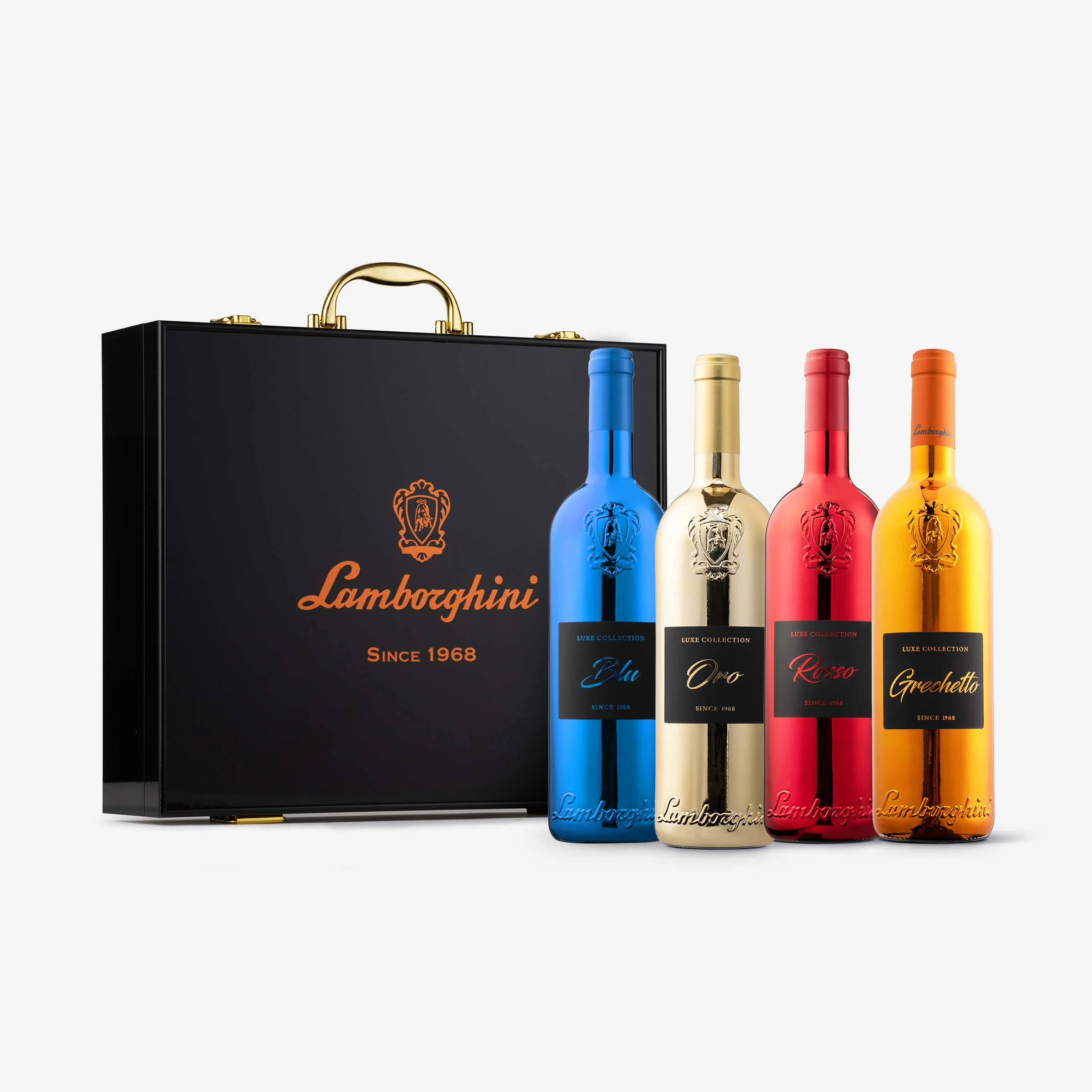
    Lamborghini Wine has entered the Australian market after securing a distribution deal with importer Bon Vivant Global.

    Lamborghini Wine products are sourced directly from the Lamborghini family’s vineyards in Umbria, Italy.

    Wines now available in Australia include Metodo Classico Vintage Brut and Rose, Gold Brut, Platinum Brut, DJ Brut, Titano Cabernet Sangiovese, Campoleone Sangiovese Merlot, Torami Cabernet Sangiovese, Era Sangiovese, and Trescone Cabernet Merlot Sangiovese.

    “The Lamborghini range is luxe like we’ve never seen. Perfect for an A-list yacht party or a fancy dinner date, a Lamborghini Wine offers the highest quality produce paired with an exhilarating and unique customer experience,” said Matt Hanson, founder of Bon Vivant Global.

    Lamborghini Wine products are also sold in America, the UK and Europe.