Tag: wine

  • China ready to welcome likely return of Aussie wine as ties improve

    China ready to welcome likely return of Aussie wine as ties improve

    News that punitive tariffs on Australian wine introduced by China in 2021 would be reviewed as part of a push to improve the relationship between the two countries was cheered by many, including Campbell Thompson.

    The Beijing-based Australian CEO of wine importer and distributor The Wine Republic has spent more than a decade making his living from bringing wine, much of it from Australia, into the China market.

    “We are looking forward to the tariffs being removed. I think for Australia there is definitely an opportunity,” he said.

    The introduction of a 218 percent tax on most Australian wine introduced by China early in 2021 prompted that trade, previously valued as high as $1.2 billion annually, to collapse.

    Penfold’s maker, Treasury Wine Estates, said in 2022 it had lost 97 percent of its China business due to the introduction of the tariffs.

    Prior to Australia’s call for an investigation into the origins of Covid-19 in 2020, Australian wines imported into China were subject to zero tariffs following the signing of a free trade agreement in 2015, giving them a 14 percent tariff advantage over many other wine producing nations.

    Late last month, the two sides announced they had reached a consensus to settle the WTO wine dispute and that the anti-dumping tariffs, which weren’t set to expire until 2026, would be reviewed, ahead of Australian Prime Minister Anthony Albanese’s visit to China this month.

    Thompson is already in touch with the 10-plus Australian wineries he worked with before 2021, along with some newer players, in expectation that tariffs will soon be removed.

    Though he says this is good news, perhaps paving the way for the return of Australian wine to the Chinese market by early next year, he is not necessarily expecting business to bounce back immediately.

    “I don’t think that’s realistic any time soon. However, for a lot of good quality Australian wine producers … customers still know the wines and I think will re-engage with those wines fairly readily,” he said.

    Layla Wang, co-owner of Trio Wine Bar in Beijing agreed that Chinese market perceptions of Australian wine haven’t changed in the years since it was last available, with no clear winner in the battle to take over Australian wine’s market share.

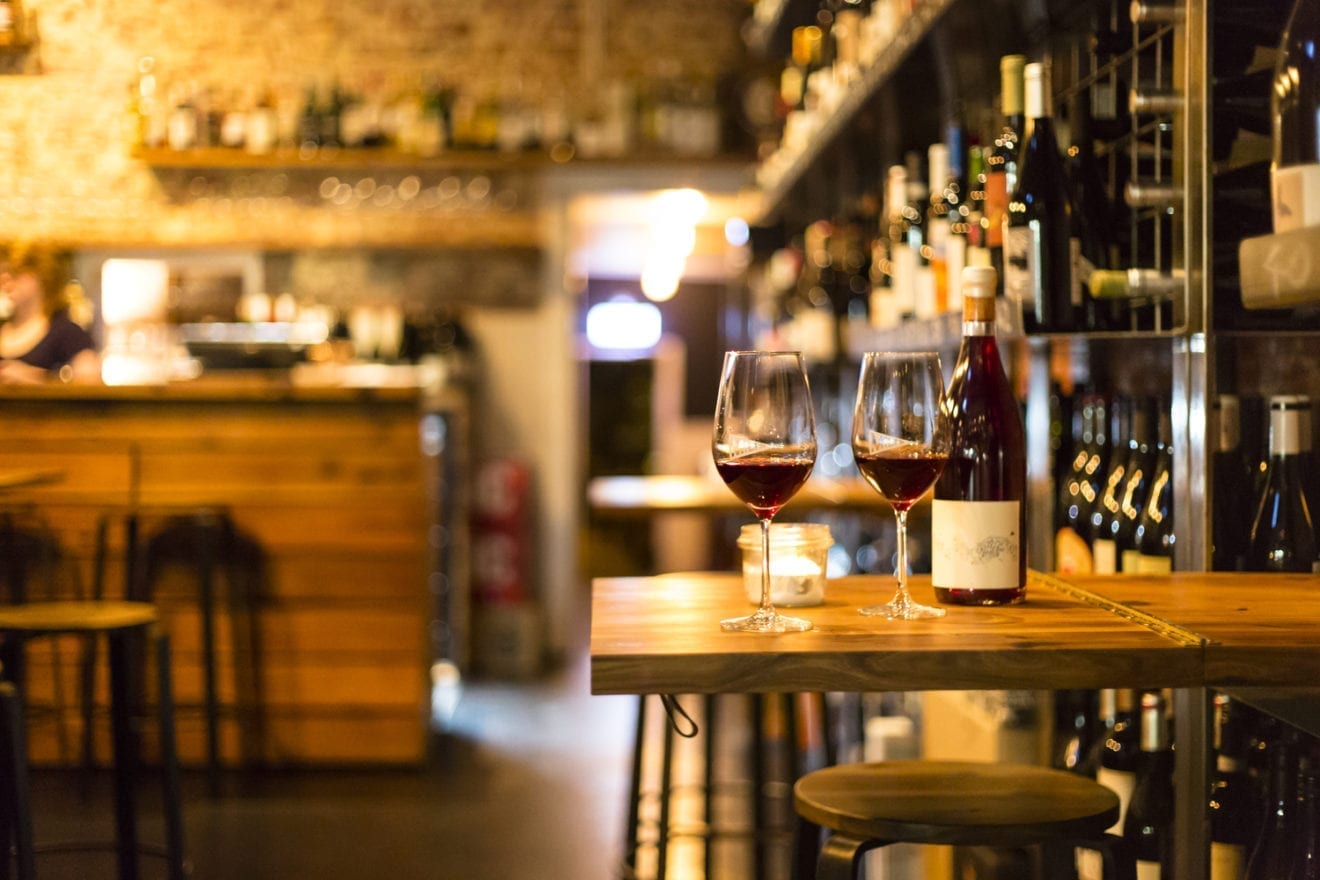
    The bar’s small cellar is lined floor to ceiling with bottles of wine from all over the world, and Wang said the market has become more crowded as people seek out new and different wine experiences, leading to the increased popularity of homegrown Chinese wines, biodynamic and natural options.

    “I think even if people have been away from Australian wine for a while, every time we talk about this category of wine, we all think it’s a very good quality wine,” Wang said, sat at her bar.

    “For us, we’re definitely delighted as it signifies offering more choices to our customers. For consumers who haven’t had Australian wines for years, many will be eager to try them again.”
  • Lamborghini Wine makes its Australian debut

    Lamborghini Wine makes its Australian debut

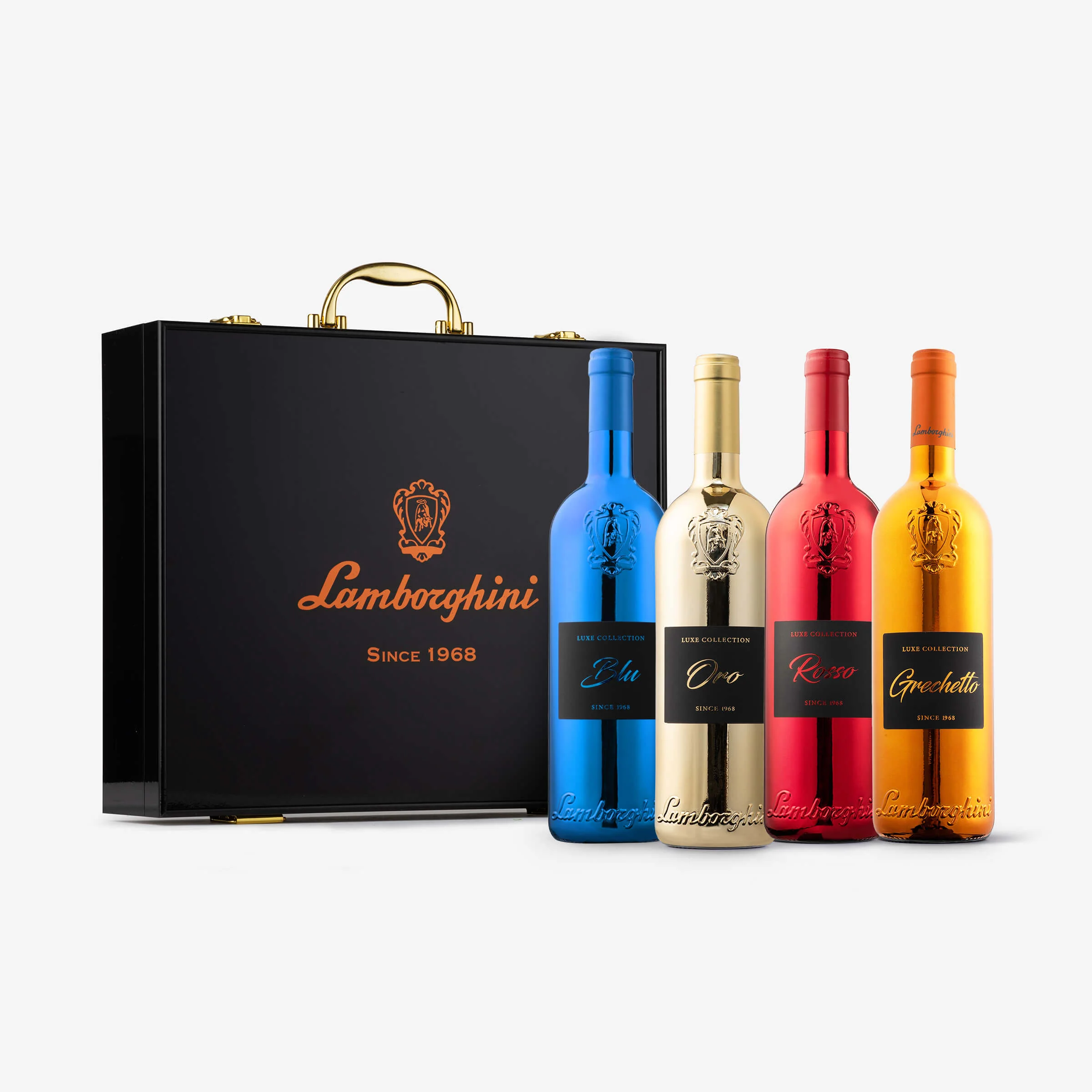
    Lamborghini Wine has entered the Australian market after securing a distribution deal with importer Bon Vivant Global.

    Lamborghini Wine products are sourced directly from the Lamborghini family’s vineyards in Umbria, Italy.

    Wines now available in Australia include Metodo Classico Vintage Brut and Rose, Gold Brut, Platinum Brut, DJ Brut, Titano Cabernet Sangiovese, Campoleone Sangiovese Merlot, Torami Cabernet Sangiovese, Era Sangiovese, and Trescone Cabernet Merlot Sangiovese.

    “The Lamborghini range is luxe like we’ve never seen. Perfect for an A-list yacht party or a fancy dinner date, a Lamborghini Wine offers the highest quality produce paired with an exhilarating and unique customer experience,” said Matt Hanson, founder of Bon Vivant Global.

    Lamborghini Wine products are also sold in America, the UK and Europe.

  • Australia seeks separate dialogue on China wine dispute

    Australia seeks separate dialogue on China wine dispute

    Australia wants a separate dialogue with China on their dispute over wine, the agriculture minister said on Sunday, rejecting Beijing’s proposal to link wine with other trade issues as the two nations slowly seek to improve battered relations.

    China’s removal of tariffs last month on Australian barley has raised hopes for an easing of wine tariffs, in place since 2021, which have hammered the country’s wine exports.

    Bilateral relations sank in 2020 when Australia called for an inquiry into Covid-19 origins, triggering reprisals by Beijing, including a raft of trade restrictions that hurt Australia’s export-reliant economy.

    China on Thursday proposed a “packaged solution” that would tie the wine dispute to those about duties on Australian imports of Chinese railway wheels, wind towers and stainless steel sinks, state news agency Xinhua reported.

    But Agriculture Minister Murray Watt said on Sunday, “We see them as entirely separate matters.” The government wants the wine dispute “resolved in the same way the barley dispute was resolved – through dialogue”, he told the Australian Broadcasting Corp.

    “We will continue our WTO (World Trade Organization) case when it comes to wine and we will continue to defend the case when it comes to steel,” Watt said, referring to disputes ongoing at the global trade body.

    China was Australia’s top wine export market before Covid, peaking at $770 million for the 12 months to January 2020 when the pandemic hit. In the year to June, they had plunged to $5.2 million.

  • Pernod Ricard taps banks to review of Australian, NZ wine business

    Pernod Ricard taps banks to review of Australian, NZ wine business

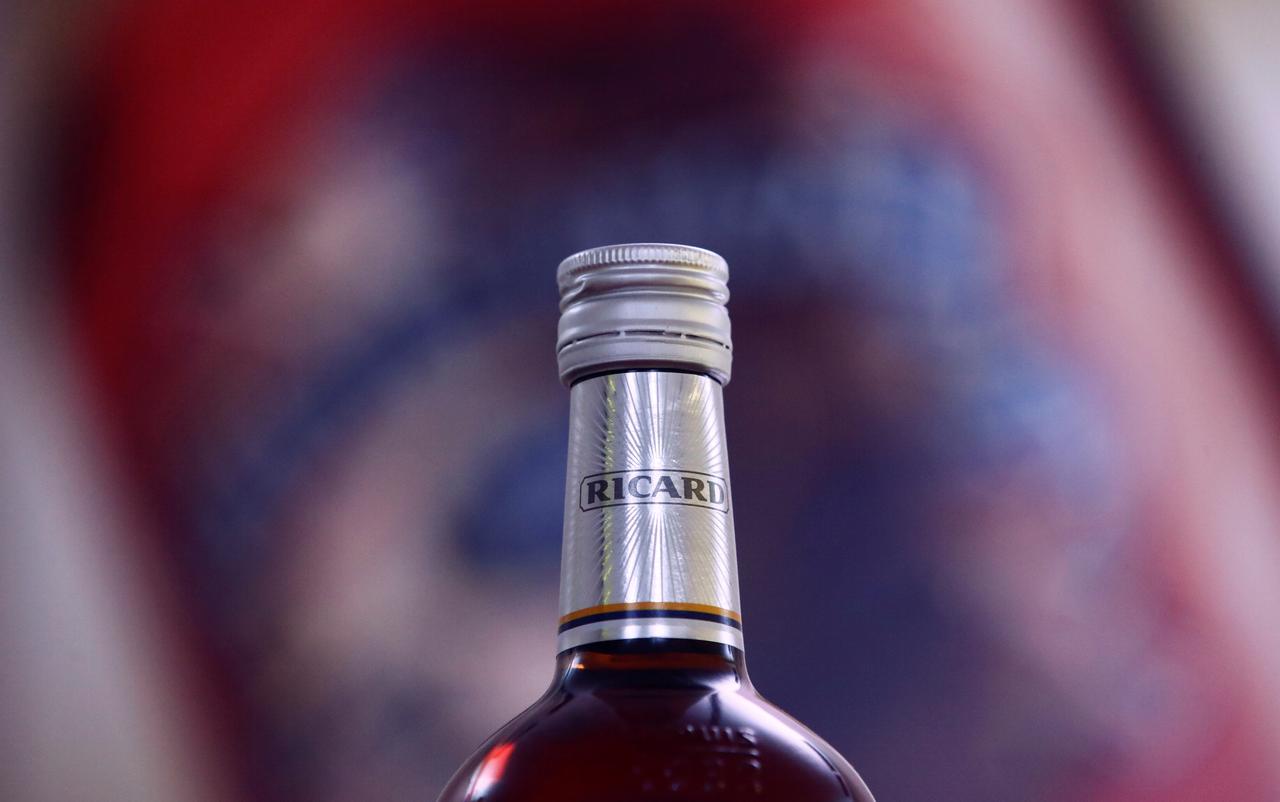
    Wine and spirits producer Pernod Ricard has hired Morgan Stanley and JPMorgan for a strategic review of its Australia and New Zealand business.

    Sales of the unit may be expected by late October, the Australian Financial Review reported. The company’s portfolio includes the Jacob’s Creek, St Hugo, and George Wyndham brands in Australia and the Brancott Estate and Stoneleigh brands in New Zealand.

    The AFR said the Jacob’s Creek brand could be expected to draw significant attention.

    In 2019, the Paris-listed company attempted to put a portfolio of its wine brands including Jacob’s Creek for sale, with the help of the two investment banks. The unit, which at that time was estimated to be valued at $1 billion, attracted interest from Accolade Wines, PAI Partners, Penfolds, Treasury Wine Estates, KKR, and TPG Capital.

    The AFR noted that Morgan Stanley and JPMorgan may remove Accolade Wines, owned by The Carlyle Group, from potential buyers this time as it faces a huge debt and has tapped Rothschild & Co for refinancing options.

    Pernod Ricard’s Australian and New Zealand business booked a 13 percent increase in net sales to €12.14 billion in the last financial year. Its assets include Chivas Regal, The Glenlivet and Jameson whiskeys, Absolut and Wyborowa vodkas, and Pernod and Ricard labels.

    Pernod Ricard’s strategic review comes as another wine company, Australian Vintage, launched a strategic review for its business due to economic pressures it faces.

    The report added that Accolade has sold its House of Arras sparkling wines brand and vineyards, and the Bay of Fires winery and cellar door in Tasmania to Handpicked Wines for an undisclosed amount.

  • Accolade sells House of Arras to Handpicked Wines

    Accolade sells House of Arras to Handpicked Wines

    Accolade Wines has sold its subsidiary brand House of Arras to the Australian company Handpicked Wines, as part of its plans to focus on major markets.

    The deal, which will be completed before the end of November, comprises the House of Arras brand, 24 hectares of prime vines, stock, the Bay of Fires winery, and a cellar door in Pipers River, Tasmania.

    According to Accolade Wines CEO Robert Foye, House of Arras is a luxury brand that does not mesh well with the rest of the company’s portfolio priority areas at this time.

    In addition, Accolade has entered into a long-term arrangement with Handpicked Wines to continue producing and bottling all House of Arras labels.

    The wines will be produced at Accolade network facilities, including Torresans in Woodside, South Australia, and the grapes will also continue to be sourced and pressed in Tasmania.

    Accolade’s other premium Tasmanian brands, Eddystone Point and Bay of Fires, will continue to be produced at the same site under the contract with Handpicked Wines.

    Handpicked Wines, a family-owned Australian wine producer, is known for producing wines in Australia’s finest wine regions, including vineyards and wineries on the Mornington Peninsula, Tasmania, the Yarra Valley, and the Barossa Valley.

  • McGuigan expands into mid-strength wine

    McGuigan expands into mid-strength wine

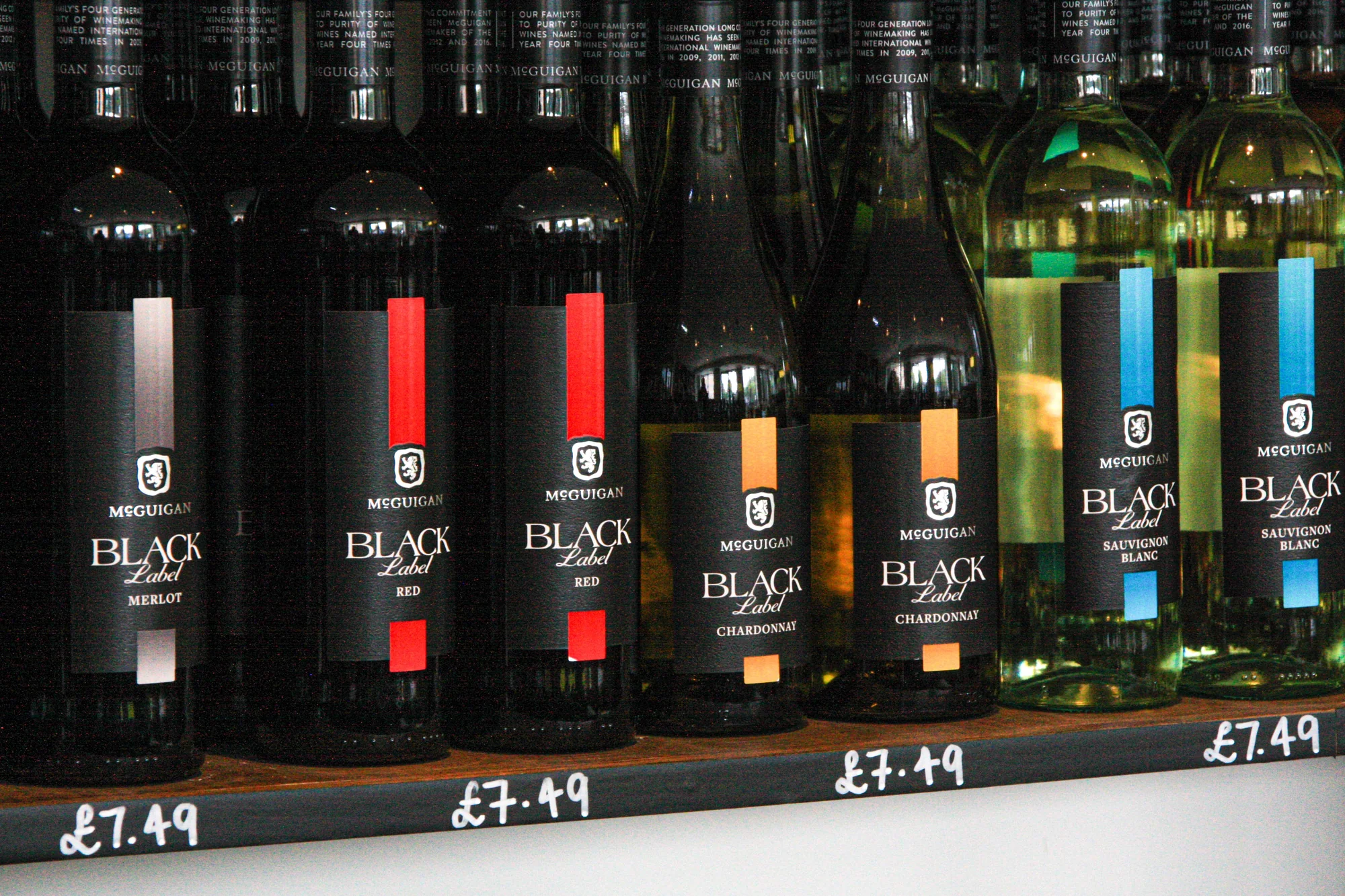
    The new McGuigan Black Label Mid is the first mid-strength wine launched under the Australian winemaker. Consumers call for quality and variety in the rapidly expanding mid and low-alcohol category.

    Promising the same full-bodied, fruity flavor of the iconic McGuigan Black Label Red, the new Mid is crafted to be 20 percent lighter in both calories and alcohol, using Australian Vintage’s unique spinning cone technology.

    In a recent blind taste testing1 of the new McGuigan Black Label Mid against the original, 80 percent of consumers were surprised at their preference for the new Mid over the classic full strength. Additionally, nine out of 10 said they’d consider buying the new McGuigan Black Label Mid for healthier consumption of alcohol1.

    With the new McGuigan Black Label Mid, the winemakers have reimagined the classic McGuigan Black Label Red, crafting a drop with 5.8 standard drinks and 9.8 percent alcohol for Australians to enjoy on any occasion.

    Tom Dusseldorp, chief marketing officer of Australian Vintage, the ASX-listed parent company behind McGuigan Wines, says consumers can feel confident choosing McGuigan Black Label Mid, trusting the brand to deliver on great quality and value.

    “McGuigan Black Label has been a staple in Australian households for nearly 30 years and McGuigan has a rich heritage of winemaking credentials. As cultural and societal attitudes shift towards a more conscious consumption of alcohol, we want our customers to still be able to enjoy the full-bodied flavors that Black Label offers, just tailored for mindful moderation,” said Dusseldorp.

    With consumer moderation driving category growth – mid-strength beer now accounts for 25 percent of the beer category – Australian Vintage anticipates wine to follow suit, with ‘lighter’ wine growing at 14 percent compared to total ‘wine’, which is growing at just 2 percent.

    Research commissioned by partner DrinkWise Australia also found a third of Australians (37 percent) who have reduced their alcohol consumption are using low and non-alcoholic options to cut back.

    “McGuigan has already seen great success adapting to the new societal norms, with McGuigan Zero fast becoming Australia and the UK’s number one selling no-alcohol wine range,” added Dusseldorp.

    McGuigan Black Label Mid is the natural choice for consumers looking for a modern drinking experience and for Boomers who are becoming more health conscious.”

    Promising the same great-tasting flavors of McGuigan Black Label Red, consumers of McGuigan Black Label Mid will enjoy:

    • A classic red with delicious fruit flavors of spicy plum, cherry and blackberry. This off-dry, deep wine boasts a hint of sweetness.

    • Well-balanced with a smooth finish, this versatile wine pairs brilliantly with tomato-based dishes.

    • 9.8 percent alcohol and 5.8 standard drinks, 20 percent less than Black Label Red

    • Only 103.5 calories per 150ml serve, 21.5% lighter in calories than Black Label Red McGuigan Black Label Mid will be ava

  • Casella Family Brands sells 35 vineyards

    Casella Family Brands sells 35 vineyards

    Southern Premium Vineyards has acquired 35 vineyards from wine group Casella Family Brands. The sale comprises 7215 hectares across South Australia and NSW, including water entitlements and plant and equipment attached to the vineyards. The vineyards are located across the Clare Valley, Langhorne Creek and Limestone Coast regions of South Australia, and the Riverina precinct in NSW.

    Southern Premium Vineyards (SVP) already owns about 460 hectares of vineyards in the Coonawarra in South Australia’s south-east and the Barossa Valley. Public Sector Pension Investment Board owns it is one of Canada’s largest pension investment managers. SPV director Nick Gill said, “SPV’s strategy is to offer wine companies a multi-regional grape supply solution for their winegrape sourcing as an alternative to owning or leasing vineyards – and a partnership with Casella is a perfect fit with this strategy.”

    John Casella said: “We are pleased to be entering this partnership with SPV, a platform of PSP Investments, which is an investor with a proven track record of successful long-term investment in agribusiness in Australia and around the world.

    “We are confident that SPV will continue to deliver the quality and consistency of the grapes we require, safeguard and preserve the vineyards and ensure the wellbeing of employees.”

    Marc Drouin, senior managing director, Real Assets and Global Head of Natural Resources Investments, PSP Investments, said, “Our commitment to sustainable farming combined with our long-term investment horizon allows PSP Investments to lever Australia’s unique global competitive position for its quality winegrapes.

    “Casella is a best-in-class group with an impressive portfolio of vineyards in some of the country’s most highly regarded wine regions.

    “This acquisition is a cornerstone investment for both SPV and PSP Investments’ global wine portfolio.”

    Casella put most of its vineyards in NSW and South Australia on the market in May, following a strategic review of the business.

    The review by Australia’s largest privately owned winemaker led to a decision to divert the company’s funds into brand-building rather than running vineyards. The Australian described the move as “the biggest single sale of vineyards as one lot in living memory in Australia”, which is anticipated to raise tens of millions of dollars for Casella. Casella has entered into long-term grape supply agreements for all 35 vineyards to ensure ongoing supply for its established brands.

    John Casella said: “The company is in a sound financial position, having recently experienced global record sales for Yellow Tail during the COVID-19 pandemic.

    “While demand has stabilised, we are forecasting future growth due to ongoing investment in our brands supported by a strategic innovation pipeline.

    “The intended strategic partnership will allow us to focus on strengthening our brands globally, and therefore deliver positive outcomes for the Australian wine ­industry.”

    Some Casella-owned vineyards located in the Riverina and Barossa were not included in the sale, as well as its Victorian vineyards, which include Baileys of Glenrowan and Morris of Rutherglen. The company plans to use the funds to build its growing wine brand portfolio, create new alcoholic beverage brands – in categories such as spirits, beer and seltzer – and expand its whisky distilling business.

    Coca-Cola Europacific Partners sold its stake in Australian Beer Co (ABCo), which is located next door to the Casella winery in Yenda, NSW, to Casella Family Brands in January.

    Coca-Cola Europacific Partners vice-president and general manager for Australia, Pacific & Indonesia, Peter West said: “Casella Family Brands is a highly respected partner, and when we approached them as part of our strategic review of our beer and cider strategy, John and his team were keen to explore the opportunity to take full ownership of ABCo. We have had a terrific partnership with Casella Family Brands for almost a decade now and exit on good terms. We genuinely wish them
    the very best for the future.”

    John Casella said: “ABCo is an exciting business led by a state-of-the-art brewery, and we welcomed the opportunity to acquire full ownership. We will endeavor to maintain the excellent relationships the CCEP team has established with customers in the beer and cider category in Australia. We have enjoyed partnering with CCEP to grow ABCo’s business, and we both leave the joint venture arrangement on excellent terms.”.

    Casella Family Brands took over full ownership of the Australian Beer Co on July 1.

  • Hanoi police seize 100 rice wine jars containing wild animals

    Hanoi police seize 100 rice wine jars containing wild animals

    More than 100 jars of rice wine distilled with pythons, large lizards, cobras and deer have been found at two condo apartments in Hanoi.

    The wine had been put up for sale at the two apartments in La Khe Ward of Hanoi’s Ha Dong District.

    The owners of the wine could not provide legal papers proving the origins of the product.

    One of them, Vu Quang Hien, said “these are just craft products and this whole thing shouldn’t be treated too seriously.”

    Hien sells the wine for VND350,000 ($15) to more than VND3 million per jar.

    The other owner, Dao Quang Manh, said the distributors told him the animals had been bred by them and that the products aim at treating several health issues, including joint and muscle pains.

    “Distributors also told me that the products are legal, and I just buy them for retail. I do not know for sure if I have permission to sell them.”

    Lieutenant Colonel Nguyen Thanh Trung from Hanoi’s environment police division said it would have to work with the city’s Market Management Department and ranger authorities on this case as there are many wild animals that have been killed for rice wine production.

  • Treasury Wine Estates boosts profit despite being shut out of China

    Treasury Wine Estates boosts profit despite being shut out of China

    Treasury Wine Estates Ltd posted a 5.3% rise in annual profit on Thursday, as strong U.S. sales and price hikes more than offset a hit from hefty Chinese tariffs on Australian wine.

    The world’s biggest standalone winemaker has been re-directing supply of its prized Penfolds label wines to the United States, Europe and domestically since China imposed an anti-dumping duty on some Australian wines in late 2020.

    The company, which also owns Wolf Blass and Wynns brands among others, said net sales revenue at its Americas unit grew 2.5%, benefiting from efforts to expand its presence in the market, including collaboration with rapper Snoop Dogg.

    Demand for Penfolds label wines, the company’s most premium offering, stayed strong despite soaring inflation in the United States and Europe. While total net sales revenue for the segment fell 9.1%, sales in markets outside China more than doubled.

    The winemaker said it was raising prices across divisions to offset the impact of higher input costs and that it expected to improve its margins further in 2023.

    Treasury Wine’s global supply chain optimisation programme, which was rolled out in 2021, helped the firm save A$90 million ($62.47 million), more than an earlier estimate of A$75 million, and offset the impact from higher input costs.

    “We expect TWE will deliver strong earnings growth in FY23, reflecting a COVID recovery in its higher margin channels,” analysts at Morgans said.

    Treasury posted a profit attributable of A$263.2 million for the year ended June 30, higher than A$250.0 million reported a year ago but below an estimate of A$282 million from Morgan Stanley. Overall sales revenue fell 3.6%.

    Shares of Treasury Wine fell about 1.5% in early trading, while the broader marker was down 0.5%.

    The company said its long-term financial objective was still to deliver sustainable top-line growth, high single-digit average earnings growth, and a group operating earnings margin of more than 25%.

  • Penfolds launches two French-blended wines in new collection

    Penfolds launches two French-blended wines in new collection

    For the first time in Penfolds history, the annual Collection release in August will comprise three country of origin portfolios – Australian, Californian and the inaugural French release, showcasing Penfolds enduring ‘House Style’ in a global context.

    Penfolds ‘House Style’ allows and embraces the freedom to explore premium viticultural regions across Australia and the world, with a global approach to winemaking – unrestricted by region or vineyard. Penfolds ambition to make wine outside of Australia started decades ago, and over time, skills, interest, and experimentation has grown. A rich tradition of research, curiosity and wine trial continues to guide Penfolds winemaking endeavours in Australia, Champagne, Napa, Paso Robles California and now Bordeaux France.

    The new French release is led by a wine made in partnership with one of Bordeaux’s most respected winemaking group, Dourthe Bordeaux. Combining the creativity, direction and vision of Penfolds Chief Winemaker Peter Gago and Dourthe Chief Winemaker Frédéric Bonnaffous, the two houses collaborated to craft a wine that spans Northern and Southern Hemispheres, blending grapes from Bordeaux (71%) and South Australia (29%). The result delivers Penfolds II Cabernet Shiraz Merlot 2019. The name “Penfolds II” represents two winemakers coming together, to express quality through a harmonious blend of traditional French winemaking techniques and time-honoured Australian winemaking methods. Made from the 2019 vintage, the final wine was blended and bottled in South Australia by Penfolds winemakers.

    “This is the start of our French winemaking journey. Our main objective? To remain true to the winemaking ethos of both wineries, to deliver the best blend possible, to ideally make Bordeaux and South Australia proud. This wine is not about bigness or boldness or assertion. It is blended to convey an ethereal lightness, subtlety on the palate – sensitively binding two hemispheres, Old World and New.” said Peter Gago, Penfolds Chief Winemaker.

  • Accolade Wines named Supplier of the Year in Australian Drinks Awards

    Accolade Wines named Supplier of the Year in Australian Drinks Awards

    At the Endeavour Group Supplier of the Year Awards in Melbourne, Accolade Wines was named Supplier of the Year and Supply Chain of the Year.

    This award recognises the supplier that has demonstrated the agility and ability to problem solve and innovate in partnership with us across the supply chain.

    Like no year before, 2021 produced a spotlight on supply chain management. Building resilience into the supply chain and partnering with Endeavour, Accolade showed great capacity to persist, adapt and transform in the face of change.

    Andrew Clarke, MD Accolade Wines ANZ said: “Our number one imperative at Accolade is to be customer centric. We put the customer at the core of everything we do and, in a time, when a global pandemic has impacted the supply chain more than ever before, achieving this award means so much to us.

    “It has been a huge effort across every function of our business, right through the entire supply chain. From our world class winemakers creating amazing wines, to leading in category and consumer insights, being at the forefront of innovation, bold in our brand support and shopper initiatives, and progressive with our digital activation.

    “I am hugely proud of our team, and it is our promise to our customers that we will continue to create value in the way we partner and continue to deliver world-class products for consumers to enjoy.

    “We are building something special here at Accolade and I am proud to see what else we can achieve with our outstanding teams.”

    “The calibre of winners across a broad spectrum of areas – including sustainability, product development and brand activation – reflects the innovative and creative spirit of the broader drinks industry,” Endeavour Group’s Director – Buying & Merchandising Tim Carroll said.

    “After a two year break, it was fantastic to see our supply partners in person. We are already planning next year’s event and we can’t wait to do it all again,” he added.

    Accolade was also awarded Supply Chain of the Year Awards for its “great capacity to persist, adapt and transform in the face of change”.

  • Wine Australia shuts China office as exports slump

    Wine Australia shuts China office as exports slump

    Australian government-backed industry body Wine Australia said on Tuesday that it will shut its office in Shanghai, as Australian wine imports into the Chinese market continue to slump after Beijing levied hefty tariffs on the product.

    It was Wine Australia’s only office in China.

    “This decision follows extensive consultation with the Australian grape and wine sector and is based on the current environment and market opportunity,” a Wine Australia spokesperson said.

    “Wine Australia will continue to maintain our brand presence in China via our wine trade and consumer facing social media channels, and will continue to work closely with in-market trade representatives on brand building and marketing campaign.”

    China was Australia’s largest market for wine exports until the country in 2020 begun an anti-dumping probe into imports of Australian wine and imposed tariffs.

    The actions by Beijing came after its relations with Canberra had soured over issues such as Australia’s 2018 ban on Huawei Technologies from its 5G broadband network and Canberra’s call for an independent investigation into the origins of COVID-19.

    China also imposed tariffs on Australian commodities such as coal, beef and barley. Wine Australia last month said Australian wine exports to China in the year to March declined by $844 million due to the tariffs.

    In March, the World Trade Organisation (WTO) agreed to establish a dispute settlement panel after Australia said China’s anti-dumping duties of between 116.2 and 218.4 per cent were inconsistent with its obligations under the WTO Agreements.

  • TWE plans Australia’s largest winery solar installation

    TWE plans Australia’s largest winery solar installation

    Iconic Australian wines including Penfolds, Wolf Blass, Wynns, Squealing Pig and Pepperjack will be produced using 100% renewable electricity by 2024, with Treasury Wine Estates (TWE) announcing Australia’s largest winery solar installation across its Barossa and Karadoc wineries.

    Around 9,500 solar panels will be installed by the end of 2022 at Barossa Winery and Production Centre in South Australia, and Karadoc Winery in Victoria. The installations, which include solar powered employee carparks, are expected to generate more than 5,500 megawatt-hours of electricity per year, the equivalent of powering 900 homes.

    TWE Chief Sustainability and External Affairs Officer Kirsten Gray said moving to 100% renewable electricity was the most significant contribution the company could make on its journey to net zero direct emissions. The initiative was developed in partnership with Shell Energy and is part of TWE’s broader plan to make wine sustainably.

    “Electricity makes up about 70% of our Scope 1 and 2 emissions, so switching to renewables is the single biggest and quickest action we can take to reduce emissions. It paves the way to meet our target of net zero direct emissions by 2030 and forms the foundation for future innovation and resilience,” Ms. Gray said.

    “Sustainability is front of mind for our consumers, customers, and our employees globally, and we’re proud to be making progress towards our bold targets. Cultivating a brighter future for everyone means taking action and leading the industry to produce cleaner, greener wine that’s enjoyed by consumers all over the world.”

    Shell Energy Australia CEO Greg Joiner said TWE’s commitments in renewable electricity were an important step in becoming a sustainability leader in the global wine and beverages sector.

    “With nearly 13,000 hectares of vineyards all over the world, TWE has an opportunity to shape how the wine industry navigates the energy transition,” Mr. Joiner said.

    “TWE’s investment in renewable energy and emissions reduction roadmap ensures it has a clear and considered pathway to achieving its global sustainability goals. Shell Energy’s expertise in end-to-end low carbon solutions means the plan incorporates emissions reduction across the wine company’s operations: from the cellar door to offices, packaging centres and vineyards.”

    The Barossa and Karadoc installations are part of TWE’s wider plans to install more than 29,000 solar panels at its wineries and vineyards across the globe and purchase offsite renewable electricity. At the start of 2022, the company’s Melbourne, Victoria and Napa Valley, California headquarters became the latest of its corporate head office sites to become powered by 100% renewable electricity. Last year, the company also joined RE100 – a global renewable power initiative that aims to accelerate the transition to a clean economy.

  • Treasury Wine shares surge as post-China focus begins to pay off

    Treasury Wine shares surge as post-China focus begins to pay off

    Treasury Wine Estates said on Wednesday its operating earnings outside mainland China jumped 28per cent, underpinned by growth in its luxury and premium brands, sending shares of the world’s largest standalone winemaker nearly 12per cent higher.

    Treasury has had to re-direct supply to the United States, Europe and domestically after a diplomatic row between Canberra and Beijing effectively closed the lucrative Chinese market to Australian wine.

    The company said it recorded strong growth in its Americas and premium brands businesses, both of which reported a 19per cent rise in their earnings before interest, tax, SGARA and material items (EBITS).

    “Penfolds growth was particularly strong in Asian markets outside of Mainland China … increasing distribution in Asia, domestic markets, Europe and the United States was a key execution highlight,” the company said in a statement.

    Reported EBITS, excluding Australian COO wine sold in mainland China, rose to A$262.4 million ($187.7 million), narrowly missing market expectations of A$265 million while its total net profit slid 7.5per cent to A$109.1 million.

    The company said trading conditions for the remainder of fiscal 2022 were expected to remain broadly in line with the first half across its key markets and channels.

    “Despite FY22 potentially shaping up to be slightly softer than expectations, we see Treasury doing a commendable job building demand for its products in new markets,” Citi analysts said in a note.

    Treasury shares jumped as much as 11.8per cent to A$11.78 in early trading, while the broader market rose 0.4per cent.

    The company said it plans to increase prices across select portfolio brands to partly mitigate the impact of elevated supply chain costs and logistics.

    The Melbourne-based firm retained its interim dividend of 15 Australian cents per share.

  • Australia’s love affair with boxed wine endures

    Australia’s love affair with boxed wine endures

    Boxed wine is one of Australia’s most extraordinary contributions to the wine industry, also known as cardboardeaux, bag-in-box (BiB), or more commonly.

    Australian winemaker Thomas Angove patented the design for a one-gallon polyethylene bladder in a cardboard box in 1965, inspired by the ancient method of storing wine in goat skins. The first model required drinkers to cut a corner of the plastic bag and reseal it with a special category peg (used to transport battery acid).

    Once a tap was designed in the 1970s goon climbed quickly to make up about 50% of wine sales in Australia. In the days when restaurants sold “house wine”, goon was known for being economical above anything else, and convenient, associated more with families on a budget and people on low incomes.

    Wine in the ‘70s was still perceived as for special occasions and casks may have helped change that. Thirty years later, between 2004-2014, there was a 30% drop in cask sales but a 40% increase in bottled wine during the same decade. As domestic sales had been dropping, the cask concept (and its contents) was also being exported.

    Goon has come a long way from its origins and reputation. The visual appeal of the box and the bag has evolved, along with the narrative the wine label communicates about history, geography, identity.

    As the environmental benefits of wine in a box have become more important to new consumers, the quality of its contents has also improved. Jilly Wine Company’s Chateau Cardboard Red at $71 for 3 liters, is a long way from the one-gallon packs of table white, table red, port, sweet sherry, and muscat launched in 1965.

    There are good reasons why Australians love goon, and there are strong reasons for the love to grow.