Retail News CRM

Tag: wine

  • Mainland China’s demand for wine driving online sales surge

    Mainland China’s demand for wine driving online sales surge

    China’s demand for wine has surged as a result of the continuing expansion of the middle class across the mainland, the newsletter of the Hong Kong Trade Development Council.

    This has led to the number of e-commerce sites and apps specialising in wine sales soaring in recent years. Online entrepreneurs have noted the sector’s potential as mainland wine consumption rose by 6.9 per cent to a total of 1.72 billion litres last year.

    As wine imports for the first quarter of this year show a year-on-year increase of 8.7 per cent, the newsletter says the trend is set to continue.

    While the online wine sector is relatively undeveloped, two companies have emerged as potential market leaders: Yijiu Yijiu (trading as 1919) and Liquor Easy. Both businesses have adopted the O2O (online-to-offline) model, selling a range of wines through multi-channels and offering both door-to-door deliveries – typically within an hour – and in-store pick-up.

    As well as conventional outlets, both companies have embraced other sales channels including online shopping malls and collaborative ventures with China’s internet giants, notably JD.com, WeChat and food-delivery service Baidu Waimai. Both companies have also developed smartphone apps.

    As well as their core offering of wine, they sell a selection of Chinese white spirits, imported spirits, beers, rice wine, soft drinks and drinking accessories.

    Different approaches

    As the larger player, 1919 has opened nearly 1000 stores across the mainland, 430 of these being added last year. By comparison, Liquor Easy is relatively small, but its development model may prove instructive to small- or medium-sized investors considering entering the sector, says the newsletter.

    Liquor Easy started out in Henan, gradually extending north into Beijing and Xian. It now has 220 directly run outlets, with slightly more than half of them in Henan. In Beijing it has 92 sites including distribution hubs, and by the end of the year will have 11 outlets in Xian.

    Most of the company’s Beijing outlets are in mid-market residential districts. Typically covering about 28 sqm, the stores are characterised by a high standard of merchandise display, a variety of seasonal sales promotions and knowledgeable sales staff.

    At the end of last year, Liquor Easy made its initial listing on the National Equities Exchange and Quotations Company, the Beijing over-the-counter share-trading platform better known as China’s New Third Board. As with 1919, it trades on a membership basis.

    Meanwhile, accelerated growth is forecast for online wine sales. Membership numbers are expected to soar, while both the level of repeat business and brand awareness are also set to grow.

    In their initial phase of expansion, both 1919 and Liquor Easy were willing to work with individual investors to accelerate growth. As they became more established, both companies have changed their operational preferences.

    Funding change

    In the case of 1919, its forward-development plan commits it to working less with individual investors. Instead, it plans to raise backing from funding platforms, channelling proceeds into store openings. This approach is expected to enhance management consistency across outlets, ultimately boosting the profitability of each site while allowing them to compete more effectively.

    By comparison, Liquor Easy still seeks to work with individual partners, especially those with knowledge of particular markets and experience in brand development. In such cases, the company is happy to work similarly to a franchise: it will provide support in terms of pre-openings, store operation and systems management, as well as central co-ordination of data and logistics, and sharing subscriber information and order allocation on a geographical basis.

    Many overseas companies are also said to be eyeing wine-related e-commerce opportunities on the mainland. Inevitably, once such companies access China’s e-commerce channels, competition will intensify dramatically.

    To prepare for the changes, some domestic players have already started optimising their offerings, such as developing new retail formats, improving efficiency and enhancing service and supply chains.

    New models

    New business models emerging include S2B (supply-chain platform to business) which directly links wine professionals and specialist outlets on a regional basis to wine aficionados.

    Taking the lead in this particular approach is the Jiudating (Wine Inquirer) platform. Essentially, it enables local wine professionals or wine shops to share their expertise with would-be wine consumers via social media. Guided by expert insights and recommendations, consumers can order particular wines with Jiudating handling logistics, payment processing and credit guarantees.

    Another innovative approach has been piloted by Songjiuxia, a Beijing-based discount chain specialising in mass-market imported wine. With a modest investment, its members are primarily small off-licences, typically in third- and fourth-tier cities, county capitals and small towns.

    The company also runs a range of smart wine-vending machines, primarily in first-tier cities. Orders can be placed via the company’s app, while the wine – maintained at optimum temperature – can be paid for remotely.

    Despite the apparent vibrancy of the sector, many of the prominent players have yet to turn a profit. For instance, 1919 had a net loss last year despite almost doubling its sales revenue. The company says it chose to take a strategic loss while continuing to build market share.

    Facing similar problems, Liquor Easy opted to scale down its expansion plans following its costly move into Beijing. However, it is planning extra distribution stations in residential districts to help trim running costs.

    With these conflicting indicators of increasing sales but poor returns, would-be entrants to the sector are advised to consider how best to optimise and integrate offline and online sales channels, advises the newsletter. Harnessing big data is also essential to effectively manage supply chains.
  • Payment deal boon to Vinomofo

    Payment deal boon to Vinomofo

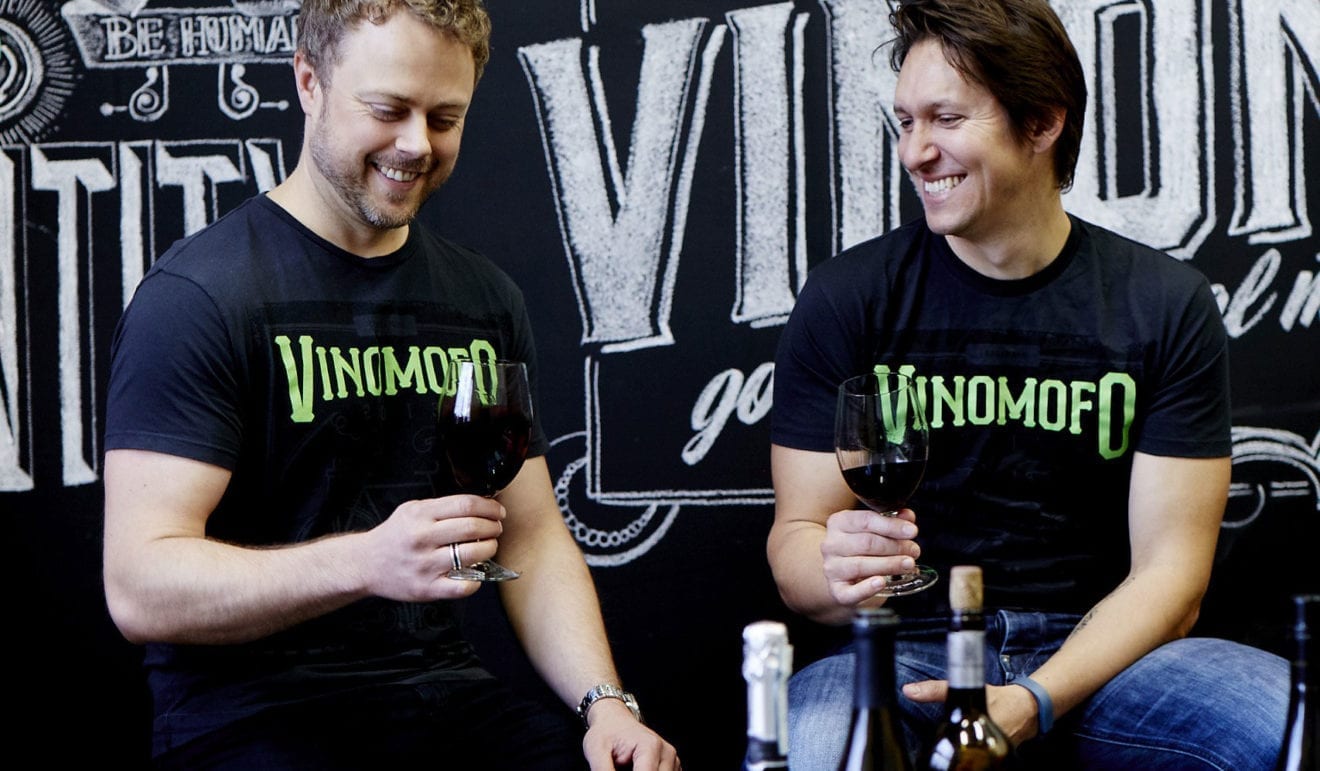
    Vinomofo co-founder Justin Dry says a recent deal between payment giant Stripe and Chinese digital wallet providers Alipay and WeChat Pay is “very welcome news” for its Asian expansion plans.

    Stripe announced yesterday that its customers will now have access to millions of Chinese consumers, through a partnership with Alibaba’s Alipay and Tencent‘s WeChat Pay.

    Together the wallet services claim more than one billion users and are estimated to have processed sales of almost $3 trillion in 2016, according to a UN affiliated report conducted by Better Than Cash Alliance.

    Vinomofo co-founder Justin Dry, who runs 90 per cent of his business through Stripe platforms, said he sees WeChat pay being at the “core” of its communications with customers in China, noting that the extended services will be tools in the arsenal for the company’s plans in the region.

    “We can see WeChat Pay especially being at the core of our communications over there, it’s an awesome social platform with a massive user base, perfect for us as a content-led tribe retailer,” he said.

    Stripe, based in Silicon Valley, works with a variety of e-tailers Down Under, including Vinomofo, Catch Group and Shoes of Prey.

    Under the deal Stripe’s withstanding partnership with Alipay in North America will be expanded to the Chinese market for one-time payments and a beta-test will be kicked off on WeChat Pay support and recurring payments.

    Stripe co-founder John Collison said he hopes the deal will catalyse more trade between Australia and China, noting where consumers maintain high demand for Aussie products, particularly wine and produce.

    “There is already impressive demand among Chinese consumers for Australian goods and services, and this presents a vast growth opportunity for Australian internet businesses” Collison said.

    Chinese retail e-commerce sales were worth US$376 billion in 2016 and are projected to more than double to US$839 billion by 2021, according to data portal Statista.

  • Indonesia floats idea of Oz wine requiring halal certification

    Indonesia floats idea of Oz wine requiring halal certification

    Trade Minister Enggartiasto “Enggar” Lukita has floated the idea of requiring Australian wine sold in Indonesia to pass halal certification and use plain packaging in retaliation for the neighboring country “undermining” the selling of Indonesian tobacco and paper.

    Enggar said he recently that he had voiced his resentment to Australian Minister for Trade, Tourism and Investment Steven Ciobo after Australia mandated in 2012 that cigarettes sold in the country must use plain packaging and levied anti-dumping duties on imported A4 paper from Indonesia in April.

    “We facilitate imports of Australian beef. But I am devastated by the barriers slapped on our tobacco and A4 paper,” said Enggar at a gathering late on Thursday.

    “I told Steve that I would consider requiring Australian wine sold in Indonesia to also have plain packaging and pass halal certification, but I deliver it in a light way though, and it was just an expression of my resentment,” he said.

    Indonesia and other tobacco-producing countries, such as Cuba, the Dominican Republic and Honduras, filed a complaint with the World Trade Organization (WTO) against Australia for what they consider illegal trade barriers by mandating plain packaging.

  • Accolade to showcase new Aussie wines in Singapore

    Accolade to showcase new Aussie wines in Singapore

    Accolade Wines will be introducing an enhanced portfolio to visitors at the upcoming TFWA Asia Pacific Exhibition (Basement 2, J5) following the acquisition of six wine brands from Australia: Petaluma, Croser, St Hallett, Knappstein, Stonier and Tatachilla.

    These newly introduced brands reside in some of Australia’s most renowned wine regions, including Adelaide Hills, the Barossa Valley, McLaren Vale and the Mornington Peninsula.

    Rupert Firbank, Commercial Director, Accolade Wines, comments: “We have been experiencing significant growth in global travel retail and domestic markets over the past six years.

    “This has been supported through the acquisition of up-and-coming brands that have allowed us to expand our global footprint and add a great breadth to our portfolio.

    HARDYS APPROACHES 165TH BIRTHDAY

    “Our previous acquisitions of Geyser Peak in the United States, Grant Burge Wines in Australia, Mud House in New Zealand and Vina Anakena in Chile have been hugely successful, so we are confident that these new additions will add another dimension for our customers.

    “TFWA Asia Pacific Exhibition & Conference is the ideal opportunity to introduce these new wines to our Asian partners.

    “Being able to sit down face-to-face with them makes a big difference in being able to fully explain the story behind each brand. We invite visitors to the show to come and experience our exciting new wines and our current brands, most notably Hardys wine which is fast approaching its 165th birthday.

  • British wine merchants take stock in Hong Kong

    British wine merchants take stock in Hong Kong

    It is 10,000km from Bordeaux to Hong Kong but for two decades now English fine wine merchants have helped Asian wine lovers solve the problem of distance. Berry Bros & Rudd and Farr Vintners were among the earliest to establish full-time businesses in Hong Kong in the late 1990s, alongside a handful of Chinese merchants. A decade later, market deregulation and the abolition of duties were catalysts for other European merchants to set up shop.

    Although relations have been convivial, competition is fierce. Some reported being disappointed by their entry into Hong Kong but those who endured were rewarded. Imports of wine in 2015 reached HK$10.8bn ($1.4bn), more than six times the value in 2007, according to research from the Hong Kong Trade Development Council. Euromonitor International forecasts the Chinese market will grow 7 per cent in volume each year to 2020. Today, well over a dozen of Hong Kong’s 350 importers are English and include some of the most prestigious brands.

    This healthy market, bursting with skilled local merchants who have access to the world’s best wines, begs the question of whether Hong Kong still needs England’s experts.

    For collectors, the argument for trusting the English is compelling. The top merchants have reputations and relationships that extend over more than 300 years. BBR, which was founded in 1698, holds royal warrants for supplying wine to the Queen and Prince Charles. Justerini & Brooks, founded in 1749, has an office in Hong Kong and holds a royal warrant. These merchants gain privileged access to wine at key times, such as when en primeur vintages (wines before they are bottled) are put on sale.

    Amanda Longworth, BBR’s head of marketing and wine services in Hong Kong, says the company’s reach extends beyond en primeur campaigns to unique fine wine parcels (one-off sales): “BBR has more than 9m bottles in warehouses in the UK. This opens up a world of wines generally unavailable in Hong Kong.”

    “Buying from a UK merchant is like being a kid in a candy store,” says Mathieu Thibaut, Asia general manager of merchants Corney & Barrow.

    Hong Kong’s wine collectors are significant players in the global luxury market and, according to a survey for the Guide to the Hong Kong Wine Trade, they represent some 37 per cent of merchants’ sales. Jo Purcell, managing director for Asia at Farr Vintners, says collectors represent the bulk of her business: “Our private customers are big buyers in their own right, some bigger than many wholesale accounts.”

    Private collector Roland Muksch buys more than half of his wine from English merchants. “The range of wines on offer is broad and there is a lot of depth in vintages,” he says. It is also an inducement to him that the merchants will keep his wines in their UK “cellars” (bonded warehouses) for years and that their online platforms, such as BBX (Berry Brothers Exchange), facilitate trading.

    The weak pound makes it especially attractive to buy from Britain: “The UK offers a price advantage of around 20-40 per cent,” Mr Muksch estimates.

    Ms Purcell concurs: “For volume buyers who are cellaring there, long-term, purchasing from an English merchant makes economic sense.”

    Cru World Wine benefits from the buying power of its global network, which has its roots in England. “UK merchants bring rich history and depth of relationships that are very helpful to Cru when it comes to sourcing and allocations,” says Sabrina Hosford, Hong Kong-based global head of retail sales and marketing for the online platform.

    Well-kept collections and access to en primeur wines are one thing but English merchants lack the advantage of speed. They can manage weekly or monthly air freights upon request and for a fee but sea shipments can take four to six weeks, a delay that deters some buyers. Hong Kong-based merchants have overcome this obstacle with local logistics and a wider selection of wines to hand.

    Jason Ginsberg, director at merchants Ginsberg+Chan, says: “Almost all our customers work with the UK trade, but they come to us when they need wines to drink immediately.”

    His clients appreciate the personal touch: “Local and regional customers like dialogue, tips on where to eat and what to drink and they are always looking for deals.”

  • Aldi poised to sell wine in China

    Aldi poised to sell wine in China

    The discounter has been rumoured to be mulling a launch in mainline China since 2014, when it was reported by the Guardian, however a report in German trade publication Lebensmittel Zeitung announcing the online-only move last week has been confirmed to the Australian media by Aldi.

    The Aldi spokesman said the discounter had been researching the market and undertaking feasibility studies for several years and was now ready to launch an e-commerce site in mainland China during the early part of 2017.

    “In the second quarter of 2017, Aldi will commence selling a carefully selected range of everyday grocery items to Chinese consumers,” a spokesman was reported as saying.

    The statement noted that Aldi had enjoyed a strong and long lasting relationships with many of its Australian suppliers since its first stores opened in 2001 and the Australian business had grown rapidly and would benefit from continued investment to expand. “Our growth across the country has provided increased business for these suppliers, allowing them to invest this back into their own operations and contributing to their success. We look forward to further expanding these relationships as we develop further opportunities in Asia,” it said. “We know there is a strong demand among Chinese consumers for Australian manufactured products and our goal is to provide a competitively priced alternative for shoppers seeking quality groceries. We believe our unique offer of high-quality Australian products at unbeatable prices will be an attractive proposition for Chinese consumers.”

    The move will use Aldi’s Australian retail business to supply China, and will concentrate on wine, and ambient groceries.

    There is huge demand for wine in China, and Australia has enjoyed a boom in sales to Chinese consumers. Last year, China overtook the US as Australia’s most valuable market, rising 51% to AUS$474 million during 2015, while last month, the China Association for Imports & Export of Wines & Spirits released figures showing the country imported more than 354 million litres of wines between January and September 2016 – an increase of 19.06% on the same period last year.

    Aldi launched its first UK e-commerce operation in January this year focusing on wine sales, and sold more 3,000 cases on its first day. The team said the it had continued to be  extremely popular, growing sales in key areas of the South of the UK and London, where there are currently fewer stores.

  • Hong Kong Wine & Spirits Fair Uncorks Asian Opportunities

    Hong Kong Wine & Spirits Fair Uncorks Asian Opportunities

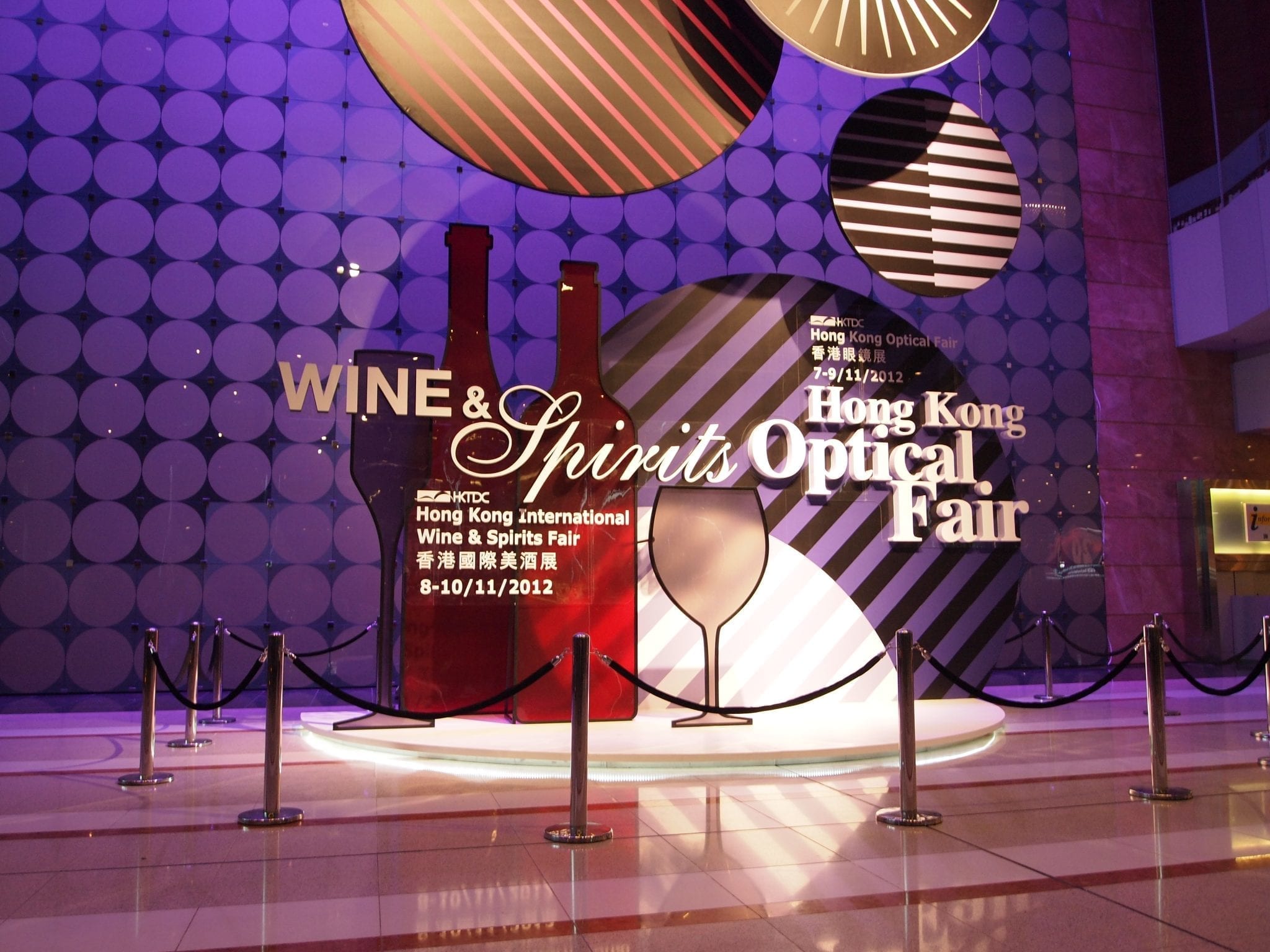
    The ninth Hong Kong International Wine & Spirits Fair, organised by the Hong Kong Trade Development Council (HKTDC), concluded on Saturday (12 November). Held at the Hong Kong Convention and Exhibition Centre (HKCEC) from 10 to 12 November, the fair gathered more than 1,060 exhibitors from 37 countries and regions to showcase a sparkling range of global wine offerings.

    The three-day fair attracted close to 20,000 buyers from 68 countries and regions. Attendance from individual countries recorded encouraging growth including the Chinese mainland, Japan and Taiwan. The final day of the fair (12 November) was open to public visitors and attracted nearly 27,000 wine lovers. The blend of trade and public participants at the fair created a vibrant platform for doing business.

    Benjamin Chau, Deputy Executive Director, HKTDC, noted, “As a duty-free wine port, Hong Kong is seen as an efficient and convenient trading and distribution centre for the region. With growing demand for wine and wine-related products and services in Asia, Hong Kong has fully grasped the opportunities brought about by the trend. The Wine & Spirits Fair has also become an important industry promotion and trading platform for wine exhibitors to expand their business into the Chinese mainland and Asian markets.”

    Slovenia taps global markets through Hong Kong

    This year’s Wine & Spirits Fair welcomed the Ministry of Agriculture, Forestry and Food of the Republic of Slovenia to set up a pavilion at the event for the first time, showcasing quality wines from 18 local wineries. Dejan Zidan, Deputy Prime Minister and Minister of Agriculture, Forestry and Food of the Republic of Slovenia, attended the fair. He said that Slovenia is a unique wine region in Europe that produces a diversity of wines with their own characteristics, and he wants to develop the country’s wine industry and help wineries promote products to global buyers. “Slovenia has been expanding its economic ties over the last two years with China through the ’16+1′ cooperation framework, an initiative aimed at deepening the exchange and relationships between the Chinese mainland and 16 European countries. This fair is a truly international event. We are taking advantage of the Hong Kong fair to reach out to more buyers and promote Slovenian wines internationally,” said Mr Zidan.

    Buyers welcome speciality spirits from Mexico & canned wine from California

    ProMexico Hong Kong introduced a range of spirits including mezcal and tequila from six exhibitors at the fair this year. Alejandro Garcia, Trade Commissioner, ProMexico Hong Kong, noted that, “This is an international trade fair for wine and spirits. On the first day of the exhibition, the exhibitors from Mexico had received the attention of buyers from Hong Kong, Taiwan, the Chinese mainland, Southeast Asia and Europe.”

    Ming KS Sze, Managing Director, Oriental Pearl (HK) Limited, said, “Through promotion at the fair, our Californian canned wines have received wide media coverage with many buyers expressing interest in the product. Canned wine is especially suitable for young people to consume in outdoor activities as it is easy to bring along. During the fair period, we have received enquiries from many buyers from Hong Kong and the Chinese mainland.”

    French and Italian wines in vogue at the fair

    Michel Bettane, Chairman, Bettane+Desseauve, was one of the speakers at the Wine Industry Conference entitled “Uncover the Opportunities of the New Cool Climate Wine Trend”. He said that various French wines continue to be a hit with the Chinese mainland buyers. “This year we have once again organised a number of French exhibitors to showcase a wide range of French wines, and met with buyers and importers, particularly those from Asia. The fair helped us meet clients from the Chinese mainland and explore the huge mainland market. On the first day of the fair, we had already met with a lot of buyers and received a great response,” he said.

    Cave De Saint Chinian is a long-established winery in southern France. Norbert Gaiola, Director General of the winery, has joined the fair for several years. He is satisfied with the results this year. A Chinese buyer from Shanghai confirmed an order to purchase 13,000 bottles of wine. They have also established initial contact with other buyers from Hong Kong, the Chinese mainland, India and Japan.

    Attilia Merzari, Brand Ambassador – Asian Market, Tenuta Sant’ Antonio, said, “A number of buyers from Hong Kong, the Chinese mainland and Vietnam expressed strong interest in our Italian wine Amarone. We’ve got about 100 new contacts so far through the exhibition and will be following up with the order from Chinese mainland customer.”

    Optimistic outlook among Asian buyers

    Despite global economic uncertainty, the Hong Kong wine market is still vibrant and buyers at the fair maintained an optimistic outlook. Joining the fair for the first time, Ashley Wang, Category Supervisor, Wellcome Taiwan Company Ltd., said, “We have met with an Australian beer supplier and will have further negotiations with them. We expect to order a 20-foot shipping container of beer. The fair also features buyers with a wide range of wines. The number of French and Italian exhibitors is the largest among all the exhibiting countries, which is very impressive to me.”

    Park Hyeong Jin, Buyer, Hyundai Department Store Co., Ltd., from Korea said, “I have found some German wines, baijiu and distilled Chinese liquor from the Chinese mainland. A series of business matching meetings have been arranged with five exhibitors selling Japanese sake. I will visit the fair next year.”

    Zhang Shi Wei, Chairman, Jilin Morton Trade Co, Ltd., is a Chinese mainland importer and distributor. He noted, “We are looking for wine and sake. We are interested in placing an order of 2,000 to 3,000 cartons of wine from the Bordeaux supplier Joanne.”

  • Hong Kong International Wine & Spirits Fair Opens

    Hong Kong International Wine & Spirits Fair Opens

    The ninth HKTDC Hong Kong International Wine & Spirits Fair opened today and continues through 12 November at the Hong Kong Convention and Exhibition Centre (HKCEC). This morning’s opening ceremony was officiated by Gregory So, Secretary for Commerce and Economic Development of the Hong Kong Special Administrative Region (HKSAR) Government and Philip Yung, Permanent Secretary for Commerce and Economic Development (Commerce, Industry and Tourism) of the HKSAR Government.

    Speaking at the opening ceremony, Benjamin Chau, Acting Executive Director, Hong Kong Trade Development Council (HKTDC), highlighted the diverse characteristics of the International Wine & Spirits Fair. “Featuring more than 1,060 exhibitors from 37 countries and regions, the Wine & Spirits Fair is an effective international promotion platform. The success of the fair is due to a variety of factors: Zero duties on Hong Kong wine imports since 2008, a large international exhibitor presence, international buyers especially wine importers from Asia, high value-added business opportunities and networking activities including grand tasting sessions, master classes, wine tastings, cocktail demonstrations as well as seminars,” Mr Chau said.

    Strong international flavour at the fair

    Since the HKSAR Government scrapped import duties on wine in 2008, the wine industry has recorded tremendous growth, attracting industry players to start or expand their business in Hong Kong. The value of Hong Kong’s wine imports rose from HK$1.6 billion in 2007 to HK$10.8 billion in 2015, a more than six-fold increase. Being a well-known wine trading and distributing hub, wine exporting countries are seeking to tap into the Asian market through Hong Kong. Besides Croatia, Finland and the Philippines exhibiting at the fair for the first time, wine producing regions, wine associations and trade commissions from around the world have formed 30 pavilions to promote their products. Among them, first-time group pavilion organisers include the Azerbaijan Export and Investment Promotion Foundation, Bulgarian Wine Export Association, Economic and Information Technology Commission of Guizhou Province from the Chinese mainland, Fukushima Prefectural Government and Kyushu Shochu Culture & Tourism from Japan, FENADEGAS from Portugal, the Distilled Spirits Council of the United States, and the Ministry of Agriculture, Forestry and Food of the Republic of Slovenia.

    Located in South Central Europe, Slovenia is a wine producing country less familiar to consumers in Hong Kong and Asia. Slovenia’s viniculture is characterised by the country’s diverse geography and microclimates; its latitude aligns with many renowned and prolific wine-producing regions like Bordeaux, Burgundy and Northern Rhone. Around 70 per cent of Slovenian wines qualify as premium wine. Aiming to capture the attention of Asia’s developing markets through Hong Kong, Dejan Zidan, Deputy Prime Minister and Minister of Agriculture, Forestry and Food of the Republic of Slovenia, hosted today’s presentation under the theme of “Discover Excellent Wines From Slovenia – Taste the Slovenian Identity”.

    While Slovenia has a particularly high profile at the fair this year, a world of exquisite wines from around the world are also on show including:

    – Wine from Israel, a country with 5,000 years of wine-making history. Produced by Hevron Heights, Armagedon (Booth no.: 3E-D11) is brewed using traditional methods. Using grapes grown on the Judean Mountains at high altitude (950m) and aged for 24 months in French oak barrels, Armagedon is regarded as kosher wine, produced in accordance with Judaism’s religious laws.

    – Bulgarian orange wine from Wine Cellar Villa Melnik Ltd (Booth no.: 3D-B26). Orange wine, in spite of its name, is not made from oranges. Its darker colour results from extended contact of white grape juice with grape skins over a longer period of time. Orange wine is intense with a dry, tannic taste and nuttiness derived from oxidation, and can be paired with a wide variety of dishes ranging from beef to fish.

    – Crown Royal’s Northern Harvest Rye from Canada (Booth no.: 3CON-064). Crown Royal’s Northern Harvest Rye stunned the whisky world as the first Canadian whisky to earn a title in the authoritative Jim Murray’s Annual Whisky Bible with almost full marks and was named World Whisky of the Year 2016.

    In addition to zones such as Wine & Liquor Products, Whisky and Spirits and Friends of Wine, where the perfect food pairings are showcased, there are also dedicated zones promoting the industry’s all-round developments, such as Wine Investment, Wine Education and Wine Storage & Logistics zones.

    Promoting industry interaction

    During the Wine & Spirits Fair, more than 70 special events are arranged to provide a comprehensive platform for trading and exchange. These include the Wine Industry Conference, gala dinner, tasting sessions, master classes and thematic seminars. Close to 50 wine tasting sessions are organised to spotlight wines from Austria, Australia, Bulgaria, France, Germany, Guizhou (Chinese mainland), Japan, Mexico, Portugal, Slovenia, Spain and the US.

    Today’s Wine Industry Conference is titled “Uncover the Opportunities of the New Cool Climate Wine Trend”. Meanwhile, the eighth edition of the Cathay Pacific Hong Kong International Wine & Spirit Competition Award Presentation Ceremony will be held tonight. Following the cocktail reception, the Gala Dinner titled “I FEEL SLOVENIA” will feature a menu prepared by Janez Bratovz, head chef of celebrated Slovenian restaurant JB RESTAVRACIJA. The seminar “How to Reach the Right Customers in China” and the buyer forum “Uncovering Business Opportunities in Booming Markets of Wine and Spirits” will be held tomorrow afternoon for the industry to discuss hot topics.

    Public Day

    On Saturday (12 November), the fair will be open to members of the public aged 18 or above, with tickets priced at HK$200*. Public visitors with full-priced tickets on that day will receive a Lucaris crystal wine glass valued at HK$110 on a first-come first-served basis while stocks last.

    Two master classes will be held on the public day including “Understanding Quality in Wines Currently Trending around the World with Jeannie Cho Lee MW” and “Sensory Experience of Wine by Debra Meiburg MW”. The public are also welcome to join wine tasting sessions, cocktail, whisky and spirit demonstrations and seminars. These include “Gifu Sake and Pottery Appreciation”, “Enjoy Shochu from Kyushu with Kumamon”, “Choosing from a Wine List – Tips and Tricks” and “Hong Kong Inter-University Wine Challenge 2016”.

    This year’s fair once again headlines the Hong Kong Wine Journey citywide promotion, which encompasses a series of wine tastings, wine and food menu pairing, seminars, themed tours and Lan Kwai Fong carnival. More than 160 restaurants will feature promotions such as “Birthday Wine” and “Wine and Food Pairing Menu”. For more details, please refer to the Hong Kong Wine Journey map or the website.

    Wine business keeps flowing through Hong Kong

    In the first nine months of 2016, Hong Kong’s wine imports reached HK$9.1 billion, a 22 per cent year-on-year increase. As for the city’s exports, they totalled HK$4.1 billion, up 25 per cent over the same period last year.

    *Tickets:

    Members of the public can purchase Public Day admission tickets on site priced at HK$200. Tickets for Public Day master classes are priced at HK$350 (including admission) and are available on a first-come first-served basis.

    Fair Website:www.hktdc.com/hkwinefair

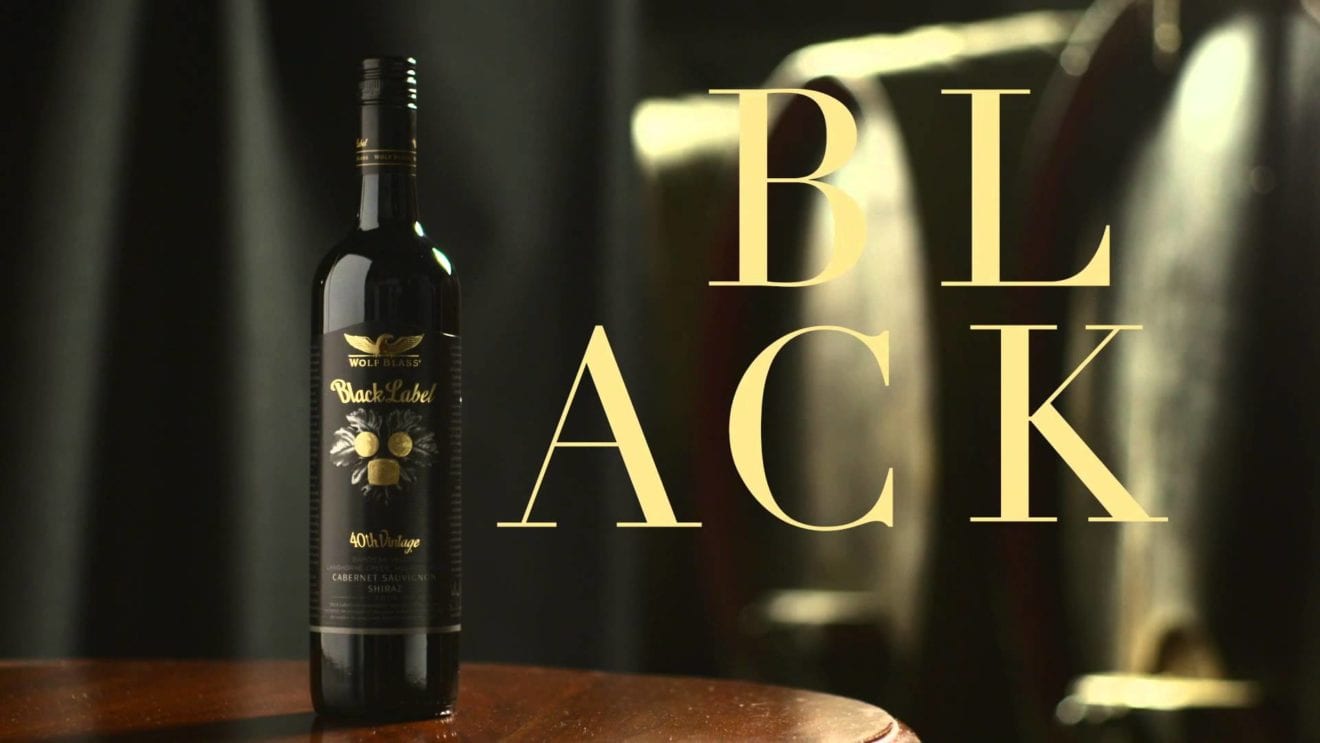
  • 7-Eleven awards Wolf Blass wine

    7-Eleven awards Wolf Blass wine

    The convenience market channel in Hong Kong has traditionally been the most significant retail sales channel for beer. The rise in wine sales through this channel with brand recognition evidences evolution of Hong Kong as a wine market.

    The brand winning criteria were based on combined scores tallied from consumer votes as well as by 7-Eleven staff during the January 2016 voting period.

    Along with Wolf Blass, other beverage companies that picked up awards at 7-Eleven’s ceremony included global brands such as Red Bull and Heineken.

    TWE-Barry-Galloway-receiving-the-award-on-behalf-of-Wolf-Blass-350x350

    “This award is a credit to our sales and merchandising team in recognition for their great work through this important Hong Kong convenience channel,” said Barry Galloway, Country Manager of Hong Kong, Macau and South China, Treasury Wine Estates.

    “I would also like to extend my congratulations to the Wolf Blass team as this accolade is testament to the outstanding efforts of our winemakers for producing exceptional quality wines enjoyed by consumers in Hong Kong and the world over.”

    Speaking to dbHK, Galloway admitted that although sales through the convenience market channel didn’t compare with sales through supermarkets and specialist wine stores, it was an important step for TWE’s market penetration in Hong Kong.

    According to Galloway, the popularity of the brand has posed a small challenge: that they have temporarily run out of stock of the smaller formats, as they proved so popular at the convenience stores.

    Established in the Barossa Valley in 1966, Wolf Blass has grown from a humble tin shed to become one of the world’s most successful and awarded wine brands.

    Already a recipient of more than 8,000 medals and trophies at national and international wine shows, this award is probably one of its more eclectic ones.

  • Online wine sales in China rising fast

    Online wine sales in China rising fast

    JD.com‘s head of wine business, Zhao Dabin, told in an exclusive interview that the retailer sold 400m yuan (US$61.5m) of wine direct to consumers in 2015. That figure is expected to triple in 2016, he said.

    JD also hosts pages for individual merchants, acting as a gateway to a new generation of mainstream wine consumers in China – beyond the gift-giving between government officials that has been significantly curtailed by the present regime.

    Wine sales through these JD.com-hosted, online ‘shopping malls’ for merchants are expected to hit 1.5bn yuan this year.

    His comments tally with those from several wine importers and merchants in China, which are freeing up investment for e-commerce.

    Total online retail sales of physical, consumer goods in China rose by 32% in 2015, to reach 3.2tn yuan, or US$492bn, according to Chinese government figures. Online sales of tobacco and liquor products increased by nearly 13% versus 2014, to 196bn yuan.

    JD is seeking to compete with larger players in the market, such as Alibaba‘s Tmall and Taobao platforms.

    In wine, JD’s Zhao sees a lot of potential. ‘Most of our wine consumers are still at entry level,’ he said. ‘Only 3% to 4% of our registered users buy wines at the moment. There’s still plenty of room to grow.’

  • Foreign wine imports to hit Myanmar’s shelves

    Foreign wine imports to hit Myanmar’s shelves

    U Tin Ye Win, a commerce ministry director in Nay Pyi Taw, said three or four companies have been granted licences, and several more are in the process of applying, but have not yet met all the requirements.

    Premium Distribution Company has been importing wines from South Africa and Italy since late November and Loi Hein Group has been granted an exclusive licence to import Thailand’s Spy wines. “These suppliers are well-experienced and will influence the whole market,” U Tin Ye Win said.

    Further liberalisation will depend on whether wholesalers buy wine imports from the official suppliers, or choose to continue selling cheaper illegal imports, he added.

    Shops are not allowed to sell foreign-made liquor under the current laws. While large supermarkets stick to the rules, smaller shops sell a range of illegally imported foreign brands, such as Johnnie Walker. If sellers switch to legal wine imports, officials may soon allow foreign liquors to be distributed, U Tin Ye Win said.

    The commerce ministry also needs to discover which companies have been dodging taxes by, for example, paying for 100 bottles but importing 100,000. However, it remains hard to keep track of the exact number of bottles entering the country, he said.

    A Ministry of Commerce notification in March said importers must register for a company trading licence and must have a dealership.

    This means they must first secure their licence and then contract a dealership with one or more foreign wine companies, before applying for an FL11 licence from the General Administration Department. This licence allows distribution of foreign liquor brands, which are taxed at 82 percent – 30pc customs duty, 50pc commercial tax and 2pc income tax.

    Importers must pay tax on every bottle, and ensure that ingredients are displayed in English. They can only import by sea or air – not by land – and must declare the country of origin. Suppliers must also ensure that products are Food and Drug Administration-approved, and have a certificate of free sale from the Ministry of Commerce, industry sources said.

    Beyond the big suppliers, DTR Company was set up last April specifically to apply for a wine licence, and has been importing French wines since October. Managing director Ko Thiha Sitt said the company distributes six wine brands for K10,000 to K30,000 a bottle to wholesale, retail, bar, hotel and restaurant markets in Yangon and Mandalay. The company plans to expand to other tourist hotspots in the near future.

    “I understand that this will take some timeas we are in the period of transition, but strongly believe that the government will take serious action on illegal importations,” he said.

    In the past, the Myanmar Customs Department has held auctions of confiscated products at a discount to licenced products and revenues went to the Internal Revenue Department.

    Now the auctions are a thing of the past, and officials say they are toughening up. New tax labels are more secure, and tear as soon as the bottle is opened, he said. In addition, a unique code is printed on the labels of licenced importers.

    It was easy to re-use the old-style tax labels, by peeling them off and sticking them to new bottles, and people made money by collecting labels and selling them to wholesalers and retail outlets, said Ko Thiha Sitt. “We can now guarantee our products, so customers can’t complain,” he said.

  • Chinese language thirst for funding wine insatiable

    Chinese language thirst for funding wine insatiable

    Acker Merrall & Condit, the world’s largest wine auctioneer, says consumers from Hong Kong, China Macau and Taiwan accounted for greater than 48 per cent of worldwide gross sales by worth within the final yr.

    “Their urge for food for the best wines stays robust,” the corporate says.

    Acker Merrall has just lately developed a brand new format, ‘Connoisseur’s Membership’ reside public sale in Hong Kong, which is simulcast in Beijing, Shanghai and Taipei. It has additionally unveiled a brand new cellular App permitting clients to bid whereas on the transfer, and runs month-to-month internet-only auctions in Hong Kong.

    These improvements, squarely aimed toward Asian collectors, helped Acker Merrall shut the primary half of the 2015 wine public sale season with over US$40 million in income, setting 750 new world data, of which greater than two-thirds have been Burgundy.

    “What being primary once more in each the US and Hong Kong markets actually means is that the World’s Prime Collectors proceed to decide on Acker Merrall,” stated chairman John Kapon.

    “We work onerous, and we play onerous, too. We’re wine lovers initially, and we’re very grateful to share our love with probably the most passionate collectors all over the world, a world that continues to develop with every new day.”

    In tons, or quantity of wine moderately than worth, the US nonetheless accounts for 61 per cent of the corporate’s gross sales, and 41 per cent of the worth.

    “The web public sale enterprise skews the info a bit on the subject of the variety of tons, since that enterprise is rather more developed in America, and since we simply began them right here in Hong Kong,” stated Kapon.

    “However it does present that America is shopping for extra A to Z, accumulating extra wines and getting stronger usually. It additionally exhibits how a lot potential stays within the Far East. China continues to be actually in its improvement levels but continues to spend probably the most cash.

    “With 4 new stay auctions and month-to-month web auctions added this yr in Hong Kong, together with simulcasts in three new main (and thirsty) cities, Higher China stays an thrilling and critically necessary market.”

  • Travel specialist DFS Group unveils store at Changi Airport

    Travel specialist DFS Group unveils store at Changi Airport

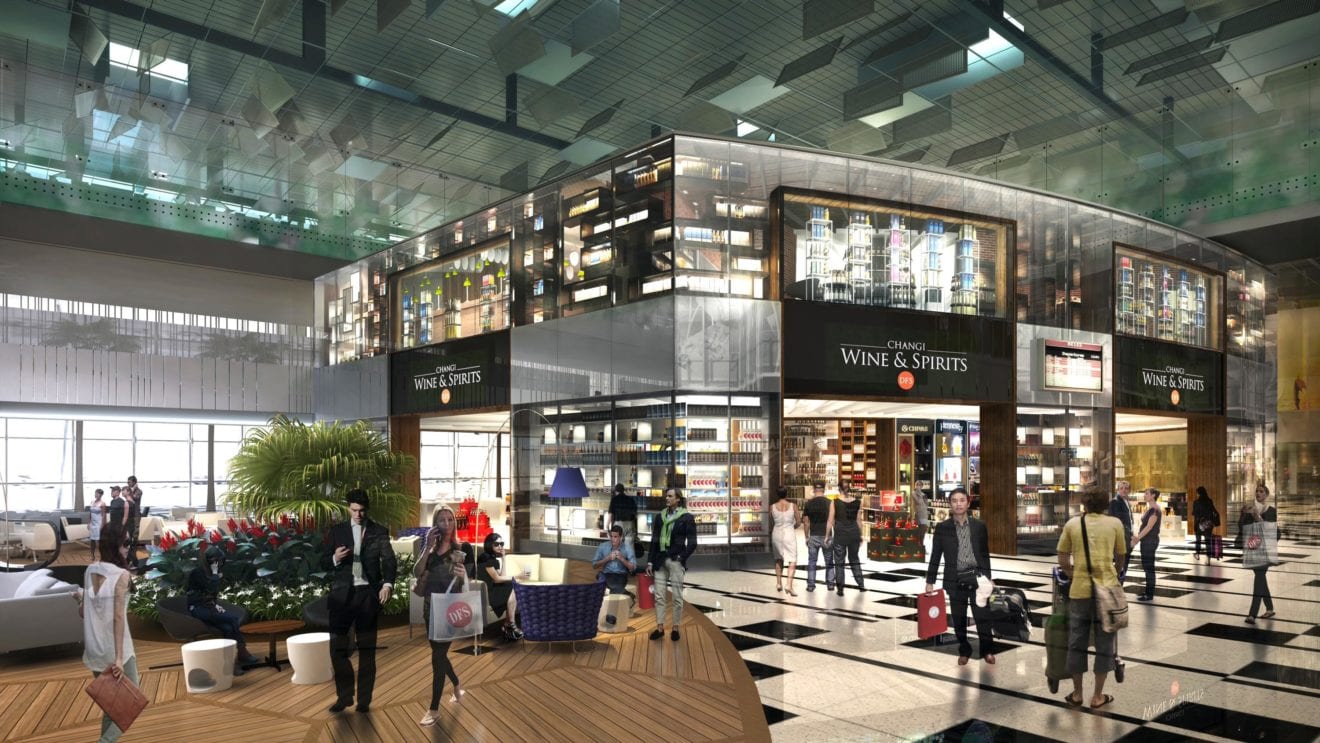
    Luxury travel specialist DFS Group has opened its largest global store: a wine, spirits and tobacco flagship at Singapore’s Changi Airport.

    The store, in the airport’s Terminal 3, covers 11,400 sq ft across two floors. Designed by award-winning interior designer Masamichi Katayama, the shop features the Raffles Long Bar, in collaboration with Singapore’s famous Raffles Hotel. The ground floor also includes atrium tasting bars and a private lounge.

    Drinks brands Absolut, Dom Pérignon, Glenfiddich, Hendrick’s, Hennessy, Johnnie Walker, The Macallan, Martell, and Penfolds are showcasing their heritage and products within individually designed boutiques.

    DFS Group chief executive and chairman Philippe Schaus said: “When we embarked on this unique project, we wanted to offer Singapore, the most renowned travel destination in Southeast Asia with the most modern airport, a wines and spirits store of a quality and richness unlike anywhere else in the world.

    “That is why we secured the collaboration of Masamichi Katayama to build this one-of-a-kind, two-level experiential store, drawing inspiration from the most stylish bars and restaurants around the world as well as from the traditional and historic cellars of France and Scotland.”

    Lee Seow Hiang, chief executive of Changi Airport Group, added: “The store – with its stunning façade and double-volume grandeur – is not only a design showpiece on its own, but the extensive range of products and unique boutiques truly enhance the overall retail experience.”

  • Alibaba aims to slash wine prices

    Alibaba aims to slash wine prices

    Online retailer Alibaba believes it has found a way to cut the retail prices of wine in China.

    Using its business to business website 1688.com Alibaba has commenced selling wine direct to retailers, short-circuiting a raft of middlemen currently adding margins yet no value to the supply chain.

    Buyers from 1688.com are negotiating to buy wine in bulk direct from Spanish exporters which it then sells online to retailers.

    According to China news service Xinhua, in an article published on Alibaba’s own news website, a bottle of wine sold for 10 euros (68.54 yuan) in Spain can cost more than 240 yuan in China. That’s because the wine is often sold and on sold exporters to general agents, regional agencies and wholesalers before it finally reaches the retail shelf for consumers to buy. Each time the wine changes hands some 15 per cent margin is added to the price, along with additional freight charges and duties.

    Alibaba estimates that using 1688.com to link exporter and retailer, the same 10 euro bottle of wine in Spain could be retailed in China at just 116 yuan – that’s less than a half of the price traded through traditional channels, according to Liu Fei, a department manager at 1688.com.