Tag: woman

  • Japanese lingerie brand Wacoal Expanding in India

    Japanese lingerie brand Wacoal Expanding in India

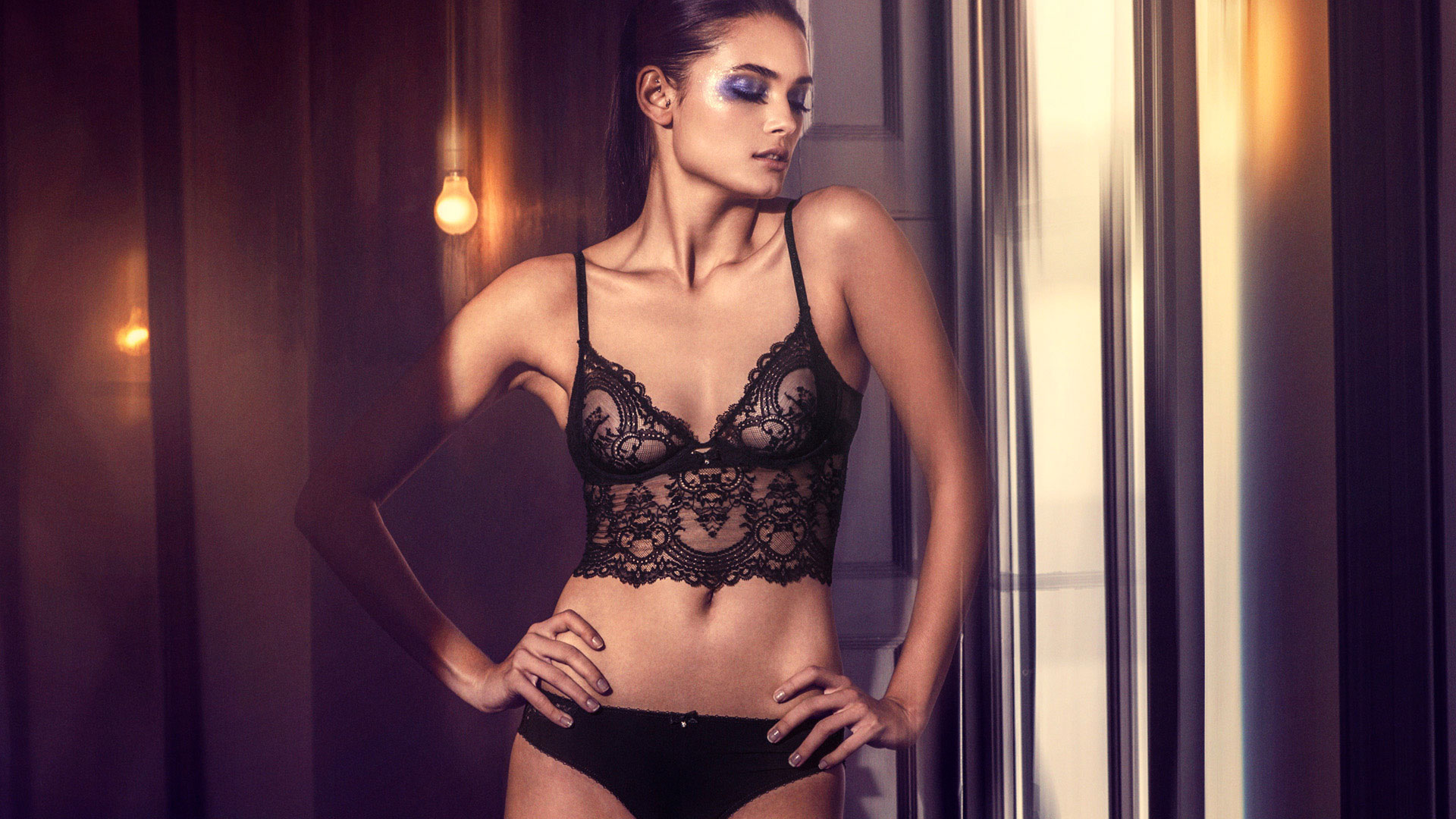
    Premium Japanese lingerie brand Wacoal will invest around ₹100 crore (US$14.5 million) over three years to boost its presence in India.

    A statement released by the firm revealed it will build on its current 11 outlets in the territory to reach 70 exclusive stores and 80 shop in shops across 30 cities.

    The brand will advance sales in India via its partnership with several e-commerce platforms accompanied by an intensive cross-platform marketing and a PR campaign.

    “We have seen an exponential growth seen in the Indian market since Wacoal’s entry in 2015,” said WacoalCorp representative director, president and corporate officer Tomoyasu Ito.

    “With this expansion, we aim to explore its full potential, and further solidify our position as a leading entity in the country’s luxury lingerie market. Our presence in additional metros will introduce a wider audience to the fit and comfort of our innerwear, crucial elements in the life of the modern woman.

    “Our stellar success since launch has rapidly established Wacoal as an indispensable part of India’s inner-wear scene, showcasing India as a mature market with a desire for Wacoal’s innovative, timeless collections.”

  • Australia’s C/MEO Collective Lifts Off on Tmall

    Australia’s C/MEO Collective Lifts Off on Tmall

    Women’s fashion label C/MEO Collective has started selling on Chinese online marketplace Tmall.

    The move is part of a broader strategy of parent company Australian Fashion Labels to focus on China.

    “China is now really at the forefront of retail innovation and we see localisation of channels as crucial to being relevant in this market,” said Dean Flintoft, Australian Fashion Labels founder and chairman, in a statement.

    Prior to launching on Tmall, C/MEO Collective was already stocked in approximately 300 brick-and-mortar stores across Greater China, along with Australian Fashion Labels’ other brands: Keepsake The Label, Finders Keepers and The Fifth.

    But with more than 700 million people shopping on Alibaba’s retail marketplaces, including Tmall, this represents a significant expansion in reach.

    According to the company’s statement, C/MEO Collective was chosen because it is the brand with the greatest appeal in the China market, thanks to its innovative signature style, premium fabrics and approachable price point.

    “With C/MEO already having gained such strong traction in China via social media and via its marketplace presence, we wanted to respond to the enthusiasm for the brand and make it more accessible to our customer base in China,” said Mei Ping Doery, CEO of Australian Fashion Labels China.

    C/MEO Collective showcased the first of its collections for Tmall at VAMFF in Melbourne on March 8.

    While demand for Australian brands and products in China is most concentrated in areas such as health and wellness, beauty and food, and wine, fashion brands are increasingly seeing success.

    Brands including Seafolly and Lorna Jane have made headway in China through Tmall, and the addition of C/MEO Collective suggests there is a market for more fashion-forward Australian design.

    Australian Fashion Labels was founded in 2007 by Dean and Melanie Flintoft with the introduction of Finders Keepers. The company has since developed C/MEO Collective, Keepsake, The Fifth and Jaggar.

    The brands are available in 1700 stores worldwide, including major department stores, as well as to customers directly through an online retail platform, which ships globally.

  • American Eagle expands Aerie lingerie brand

    American Eagle expands Aerie lingerie brand

    Global apparel retailer American Eagle is boosting its Aerie lingerie brand, with plans to open 60 to 75 stores this year.

    The strategy, which coincides with rival brand Victoria’s Secret’s declining sales and series of store closures, involves both standalone locations and side-by-sides with American Eagle, predominantly in Texas and California. The company currently operates 1055 stores.

    “Aerie is a game changer by staying at the forefront of body positivity and women’s empowerment,” said Aerie’s global brand president Jennifer Foyle. “Our new cast of role models are even more inspirational. They embrace the Aerie lifestyle and were chosen for their influential voices, unique stories and commitment to increase the power and empowering our community.”

    The firm reported US$431 million in earnings for the last financial quarter, a 1 per cent rise over the previous year’s figures. Its total net sales also rose 1 per cent to $1.24 billion.

    “Strong execution by the teams drove a record fourth quarter and fiscal 2018, as we reached a milestone of $4 billion in annual revenue with increased operating profit,” said American Eagle’s CEO and chairman Jay Schottenstein.

    “Eagle and Aerie continued to deliver consistent performance by combining product innovation and great merchandise with an improved customer experience across channels. As we head into 2019, we will continue to leverage the strength of our brands, selling channels and the team’s commitment to continually raising the bar for our customers. The strength of our balance sheet and free cash flow enables us to make important investments in our business to fuel market share gains, future growth and returns to our shareholders.”

  • Vietnamese women’s presence in senior management ranks second in Asia

    Vietnamese women’s presence in senior management ranks second in Asia

    With 36 percent of senior management teams in Vietnam including women, the country ranks second in Asia in female representation. In Asia, Vietnam’s proportion of women in senior management positions is only below Philippines at 37.46 percent. It is higher than countries like Singapore at 33.04 percent, Indonesia 31.85 percent and South Korea 29.89 percent, according to a report released Thursday by Grant Thornton International.

    Vietnam’s ration in this regard is also higher than the global average of 28 percent.

    The top four roles of Vietnamese women in business are Chief Finance Officer (36 percent), Chief Executive Officer or Managing Director (30 percent), Human Resources Director and Chief Marketing Officer (25 percent).

    “In Vietnam, women in business always play significant parts,” said Nguyen Thi Vinh Ha, national head of Advisory Services and deputy general director, Grant Thornton Vietnam.

    “We are proud of having many influential and inspirational female in general and look forward to a generation of successors.”

    However, Vietnamese women in senior positions still face many challenges, the report said.

    It said 40 percent of Vietnamese women lack access to “developmental” work opportunities, higher than the global proportion at 27 percent.

    Thirty-five percent lack access to networking opportunities, while the global rate is 26 percent.

    They also have caring responsibilities outside of work, at 39 percent in Vietnam versus 25 percent in the world.

    “If we want to continue seeing female representation trend upwards in senior positions, more deliberate action needs to be taken and leaders will play a critical role,” said Kenneth Atkinson, executive chairman of Grant Thornton Vietnam.

    “Policies that address equal opportunity in career development, bias in recruitment and flexible working can’t just be a nice to have. To achieve meaningful progress, they must be adhered to, enforced and regularly revisited to assess their effectiveness.”

  • Korean wave fuel 25% growth in Korean e-commerce exports

    Korean wave fuel 25% growth in Korean e-commerce exports

    South Korea’s online exports surged 25 percent in 2018 from a year ago on the back of growing demand for K-beauty and K-pop related items such as album records and stationery supplies, government data showed. According to Korea Customs Service, Korea’s electronic commerce (e-commerce) exports or reverse overseas direct purchase volume reached US$3.25 billion last year, up 25 percent from a year earlier. The total number of online export cases also jumped 36 percent to 9.61 million during the same period.

    E-commerce growth is staggering when compared to the modest 5 percent annual growth in total Korean exports last year.

    The customs agency said that the rapid growth of online exports comes amid growing demand for Korean items on the back of hallyu or Korean Wave, as well as simplified retail procedure, and aggressive overseas marketing integrated with offline stores.

    By item, apparels and cosmetics accounted for 69 percent of total online export. In particular, the number of export cases for clothing surged a whopping 162 percent last year from a year ago, becoming the top pick after beating out cosmetics. Online exports of cosmetics jumped 43 percent last year from a year ago, recovering to average level after falling in 2017 as a result of diplomatic tension between Korea and China over Seoul’s deployment of U.S. anti-missile system.

    The customs agency said that exports of K-pop related items such as albums and stationery items surged significantly last year amid hallyu or Korean Wave overseas. In particular, sales of items related to K-pop icon BTS rose sharply.

    Data from Korea Customs Service, meanwhile, showed that overseas direct purchases of foreign goods amounted to US$2.75 billion last year, up 31 percent from a year ago. There were a total 32.25 million purchases last year, up 37 percent from a year ago.

    By region, the United States accounted for the largest 50.5 percent of Koreans’ direct purchases, followed by China with 26.2 percent, European Union with 12.5 percent, and Japan with 8 percent. The U.S. share fell from the previous year’s 56.4 percent while that of China jumped almost 10 percentage points from the previous year’s 17.3 percent.

  • Amorepacific facing painful dilemma

    Amorepacific facing painful dilemma

    For Amorepacific, the last year has been painful in terms of both sales and brand development. The cosmetics giant saw its operating profit halve to 549 billion won (US$491 million) in 2018, just two years after it joined the “1 trillion-won sales club” in 2016 for the first time as a cosmetics maker. With its glory falling to the past, Amorepacific has been outpaced by rival LG Household & Healthcare. LG Group’s cosmetics arm became the newest member of the 1 trillion-won sales club last year, cementing its No. 1 status in terms of market capitalization, which totaled 23.1 trillion won as of June last year.

    In the fourth quarter of 2018, Amorepacific’s operating profit came to 16.4 billion won, down 82 percent on-year.

    The company had many reasons to blame for its profit decline, including a rise in the minimum wage, weak performance of its budget cosmetics brand with the advent of numerous competitors at health and beauty stores, e-commerce and even home shopping channels.

    This has put the brakes on Amorepacific’s drive to construct a beauty industrial complex in Yongin, Gyeonggi Province. In 2017, the cosmetics giant had unveiled its plan worth 163 billion won for the complex to develop cosmetics and beauty products.

    But the company announced last month that it would scrap its complex project due to dwindling profits as well as fierce opposition from local residents.

    Market watchers voice concerns that this year will be a make-or-break period for the group, as a continued sales downfall will make it harder for the company to recover from its ongoing slump.

    “Profit recovery from the domestic beauty market as well as pulling up sales among Chinese customers will be the major points for Amorepacific to overcome this year,” said Na Eun-chae, a researcher from Korea Investment and Securities.

    Sulwhasoo vs. History of Whoo

    Although South Korea-China ties started mending last year after the detrimental diplomatic and economic fallout from the deployment here of the US Terminal High Altitude Area Defense missile system in 2017, the China comeback is still not so evident.

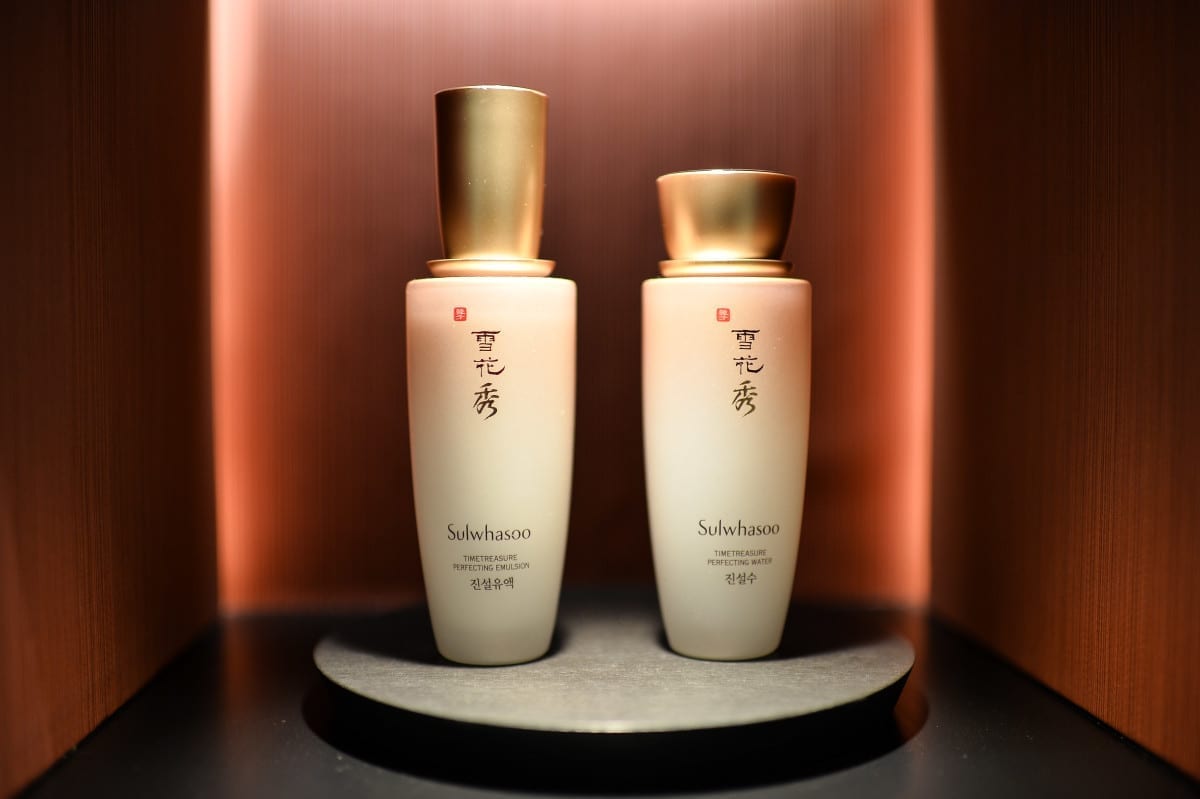
    Amorepacific’s Sulwhasoo, the company’s flagship luxury skin care brand, had been the most favored brand among Chinese tourists in the past few years. Market data showed that mainland China accounted for at least 10 percent of Sulwhasoo’s total sales, followed by Hong Kong at 6 percent and Taiwan with 0.5 percent as of 2018.

    But The History of Whoo, the latecomer in herbal cosmetics, has now taken the limelight.

    Whoo, a luxury skin care brand by LG Household & Healthcare, posted high sales at duty-free shops largely backed by Chinese consumers. This led Sulwhasoo to hire actress Song Hye-kyo as its global brand ambassador, seeking a breakthrough. It was Sulwhasoo’s first-ever attempt to have a celebrity promote its products.

    In terms of sales, Whoo has outpaced Sulwhasoo by recording 2 trillion won of sales last year. Whoo has also made a 40.8 percent on-year increase. Sales of Sulwhasoo had been around 1 trillion won since it peaked in 2015.

    “It is not an exaggeration that Sulwhasoo is the only, but very strong, cash cow of Amorepacific Group. It is the most important department in the entire company. Employees, especially in that department, feel grave responsibility and pressure about having to pull up the sales,” an insider said.

    According to the group, around 55 percent of the company’s sales come from its luxury cosmetics brands. Of them, Sulwhasoo is responsible for 36 percent.

    Market insiders said budget cosmetics brands are also enduring fierce competition in the “red ocean” market, with more consumers looking for luxury, premium brands as the beauty trend now centers on anti-aging efforts.

    Industry experts see the causes of Sulwhasoo’s lackluster performance as coming from its brand positioning and sales strategy at duty-free stores.

    “In the luxury cosmetics market, Sulwhasoo has only focused on its simple, basic skin care products, whereas Whoo diversified its luxury product lineup and upgraded all the products of the brand,” said an industry insider surnamed Jung, who has been in charge of overseas sales for a cosmetics brand for 30 years.

    Amorepacific also restricted Chinese shoppers, or “daigou,” from purchasing in bulk at duty-free stores, he added.

    “As a result, Amorepacific could not stabilize its supply chain in China. But LG, unlike Amorepacific, rolled out flexible rules for daigou and increased their demand,” Jung added.

    Others added it may simply be the product design and brand concept that work better for Chinese customers, who prefer gold, royal and fancy images.

    “To Korean customers, design and concept of Whoo may be regarded as ‘too much.’ But Whoo wisely focused in the concept that can appeal to Chinese customers. Hiring Lee Young-ae as its main model was also very clever, because Hallyu stars like her are still very influential in the Chinese market,” said an industry insider who is very familiar to exporting cosmetics to China.

    Is overseas sales expansion only way?

    To overcome the situation, Amorepacific plans to once again focus on strengthening its luxury brand lineup, including cosmetics brand Amorepacific, which is a luxury skin care brand named after the company.

    The brand rolled out only 2,000 limited edition facial creams last year, priced at 750,000 won per bottle.

    The reason is largely due to weak sales of budget cosmetics brands such as Innisfree and Etude in the domestic market, as well as in China.

    In 2012, the company launched budget cosmetics brand Innisfree in China. It now operates 512 stores in cities like Hangzhou and Shanghai. As of last year, 50 percent of sales of Amorepacific’s Chinese corporation came from Innisfree.

    But sales had been on a decline amid competition with local players that launched brands like One-leaf with similar concepts — natural and clean.

    “There are already too many budget cosmetics in China. That’s why Chinese tourists coming to Korea are now looking for luxury, premium cosmetics that they cannot find in their market,” said a market insider, adding that the trend is especially evident among Asian countries.

    The company said it will renew the Innisfree brand and debut Primera to China this year, aiming for 601 billion won in operating profit by the end of the year. It will also accelerate Sulwhasoo store openings in additional Chinese cities, and expand touch points in online retail in major e-commerce sites such as VIP.com and JD.com.

    Earlier this year, the cosmetics giant announced the business goal of securing a 10 percent increase in sales and a 24 percent increase in operating profit this year. The group said it would focus on investing in innovative beauty sectors such as customized cosmetics or overnight beauty items based on developing the customer experience.

    “The company believes in the value of traditional Korean beauty. It is also Chairman Suh Kyung-bae’s business philosophy to create beauty products that can instill Korean beauty, products with value that can last for a century,” said a company insider.

    Overseas expansion actually did pay off for Amorepacific last year. Despite its increased investment in overseas markets, both sales and operating profits inched up by 8 percent to 1.9 trillion won and 6 percent to 2.6 trillion won, respectively.

    But some say it is time for Amorepacific to bring in a new cash cow for practicality, referring to LG Healthcare & Household’s budget brand The Face Shop that bought Avon’s manufacturing facility in China last year.

    “It is time for Amorepacific to make the bold move and seriously consider active M&A ideas. M&A can offer positive opportunities in terms of global market expansion and investment for future. Especially when global beauty companies like Loreal and Unilever are buying Korean beauty brands, it is important for the company to take a strategic position to diversify brand portfolio for global competition,” said a researcher at Euromonitor International.

    Seo Yong-koo, a professor of business at Sookmyung Women’s University, said Amorepacific should not put all its risk in the Chinese market.

    Seo said since Amorepacific saw aggravating sales following its downfall in the Chinese market, the company experienced that its market portfolio is important. He added the group should also take the Muslim market into consideration, which will add up to 1.8 billion customers.

  • The largest jewellery marketplace in the world opens in Hong Kong

    The largest jewellery marketplace in the world opens in Hong Kong

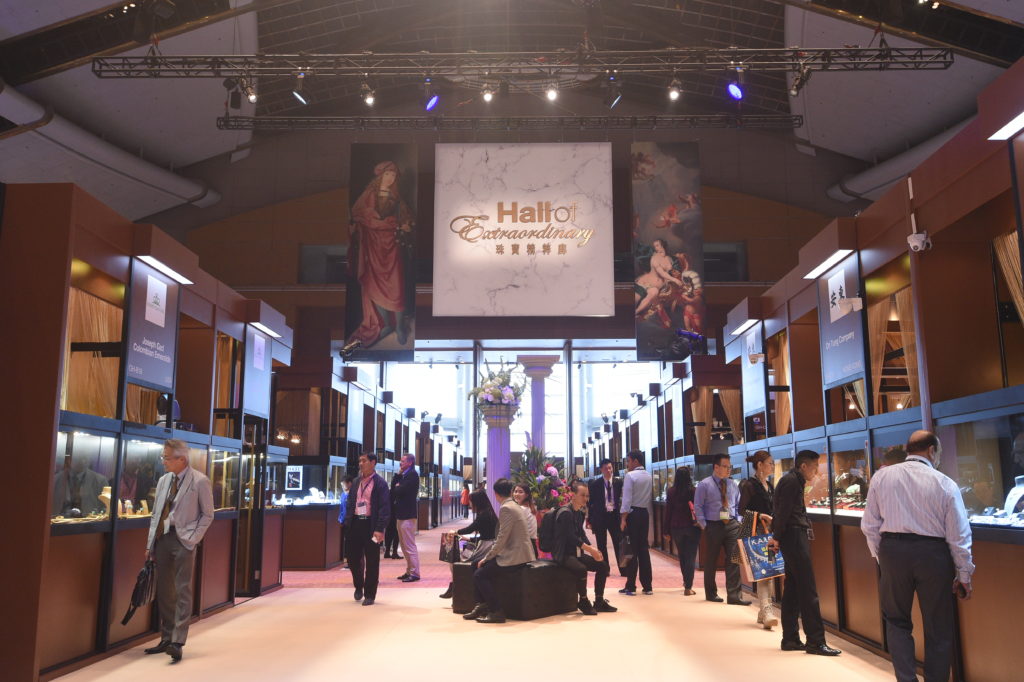
    Two major jewellery shows organised by the Hong Kong Trade Development Council (HKTDC) will open next week. The sixth HKTDC Hong Kong International Diamond, Gem & Pearl Show, which showcases jewellery raw materials, will take place at AsiaWorld-Expo from 26 Feb to 2 March, while the 36th HKTDC Hong Kong International Jewellery Show, which specialises in finished fine jewellery, will be held at the Hong Kong Convention and Exhibition Centre (HKCEC) in Wan Chai from 28 Feb to 4 March.

    This year, the two shows will feature a record of more than 4,600 exhibitors from 48 countries and regions, once again forming the world’s largest jewellery marketplace.

    Jewellery exports grow 13.3% in 2018, but challenging year ahead
    HKTDC Acting Executive Director Benjamin Chau said: “Though the Sino-US trade conflict has been looming large over all sectors and industries, Hong Kong exports of fine jewellery showed healthy growth of 13.3% year on year to reach HK$57 billion in 2018. Exports to the United States, Hong Kong’s largest jewellery export market, were particularly robust, growing by 18.1%.” However, Mr Chau pointed out that the single-month figure for December showed the total value of fine jewellery exports falling 12% year on year, indicating that the impact of the Sino-US trade conflict on exports is beginning to be felt. Compounded by other unfavourable factors such as escalating geopolitical conflicts, Mr Chau reminded businesses to be ready for a potential slowdown in global economic growth in 2019.

    Buying missions organised to help address economic uncertainty

    Mr Chau added that economic uncertainties led to the total value of Hong Kong’s exports of jewellery raw materials, including pearls, gems and semi-gems, declining by 17.6% in 2018, although there was still satisfactory growth in some major markets, including Mainland China (+8%), Belgium (+19.2%) and Israel (+24.4%). “To help the industry grasp more business opportunities, the HKTDC will organise 120 buying missions, comprising more than 8,200 companies from 75 countries and regions, to visit the shows this year,” Mr Chau explained. “These companies will consist of department stores, speciality shops, chain stores and online stores, with 700 coming from the US and 5,700 companies visiting from emerging markets. This will help the industry expand into emerging markets to deal with the unstable global economy.”

    Worldwide support from industry bodies and jewellery associations

    The two shows continue to receive support from industry organisations and jewellery associations from around the world. A total of 38 pavilions, including those from Australia, Mainland China, France, Germany, Italy, Myanmar, India and the US, will set up group pavilions at the shows. Various jewellery organisations will continue to set up their own pavilions, including ACODES from Colombia, the Antwerp World Diamond Centre, International Coloured Gems Association, Israel Diamond Institute, New York Diamond Dealers Club, Tanzanite Foundation and the Gem & Jewellery Trade Association of Thailand, among others.

    The Avenue of Jewellery Creators will be set up at the Jewellery Show by the Asia Pacific Creator Association for the first time, introducing jewellery designs created by Hong Kong and mainland designers. Also new at the Jewellery Show are pavilions from Mexico and Indonesia, while groups from Donghai in Jiangsu province and Dongguan in Guangdong province will debut as exhibitors. The Diamond, Gem & Pearl Show will welcome the participation of the Australian Opal Association and the Beihai Bureau of Commerce from the mainland for the first time, broadening the show’s international outlook.

    Japan as first-time partner country to showcase rare pearls

    With support from the Japan External Trade Organisation and the Consulate-General of Japan in Hong Kong, the HKTDC is collaborating with the Japan Pearl Exporters’ Association and the Japan Pearl Promotion Society to invite Japan as this year’s partner country for the first time. A Japan Pearl Jewellery Pavilion and a Japan Pearl Pavilion will be set up at the Jewellery Show and the Diamond, Gem & Pearl Show respectively, featuring some 130 exhibitors. The two major Japanese pearl organisations will also host a media event on the first day of the Jewellery Show (28 Feb) to introduce exquisite pearl jewellery from Japan.

    Diamond, Gem & Pearl Show runs from 26 February to 2 March

    This is the sixth straight year that the HKTDC has run the two shows in parallel in separate venues. The Diamond, Gem & Pearl Show, which specialises in the raw materials used in the jewellery industry, will be held at AsiaWorld-Expo. The show is organised into different themed zones, including the Hall of Fine Diamonds, which showcases prime quality diamonds of different shapes, cuts, grades and rare colours. The Treasures of Nature zone displays various glittering precious gemstones, semi-precious gems and other natural raw materials, while the Treasures of Ocean zone houses the highest quality pearls from Tahiti, the South Seas and other pearl-producing areas around the world.

    Among the impressively large number of special exhibits on display are:

    Hong Kong company Novel Collection Ltd (Booth No: AWE 2-Q01) will feature a pear-shaped, pink-coloured 5.01-carat diamond with unique cutting valued at HK$46.8 million.

    Swiss exhibitor Theilkas GmbH (Booth No: AWE 1-A05) will present pearls from Caribbean queen conches. Characterised by a unique flame effect, pink conch pearls are one of the world’s most precious pearl types.

    Shaun Gems International (Booth No: AWE 1-A16) from the United States will display a matched pair of natural sapphires of vivid blue colour, weighing a total of 27.76 carats and valued at more than HK$3 million.

    Jewellery Show runs from 28 Feb to 4 March

    The Jewellery Show, which opens on Thursday (28 Feb), will feature a wide array of finished jewellery and exquisite craftsmanship. A total of 38 renowned jewellery brands will converge at the Hall of Fame to showcase their collections. Returning brand names include Lao Feng Xiang from the mainland, Japan’s Kuwayama and Italy’s Giorgio Visconti, while new exhibitors include Hong Kong’s Asia Star, Japan’s Kawamura, Russia’s Kabarovsky and the UK’s JT Jewellery Theatre.

    The Hall of Extraordinary will display skillfully crafted, valuable and unique jewellery pieces from some 100 companies, including:

    Hong Kong’s Jadmily Jewelery (Booth No: CEC GH-B05) will feature a jade necklace valued at HK$64 million. The oval centre stone of the necklace is a jadeite cabochon extracted from a top-tier ancient mine in Myanmar. The warm, smooth touch of elegance is illuminated with dazzling diamonds. The centre stone weighs 51.48g.

    Foo Hang Jewellery of Hong Kong (Booth No: CEC GH-D16) will showcase a diamond jewellery set worth more than HK$13 million. The centrepiece of the set is a marquise shaped diamond of 10.04 carats valued at over HK$8 million. The rare marquise cut is testament to the superb craftsmanship that makes the diamond even more dazzling.

    One of the exhibits of Hong Kong company Belford Jewellery (Booth No: CEC CH-L01) is its “Lava Collection”. One of the jewellery pieces in this collection is an orange-red Mexican fire opal that is uniquely set against a number of coloured diamonds to imitate flowing lava. The piece is valued at HK$345,000.

    Another Hong Kong company, Famous Group Ltd (Booth No: CEC GH-G05), will display a sapphire diamond set valued at over HK$10 million. The sapphire stones, with a total weight of more than 180 carats, are adorned with 128 carats of diamonds to bring out the elegance.

    The IT Solutions for Jewellery zone that debuted last year will return to help buyers boost their competitiveness by tapping into the latest technologies for use in the designing, manufacturing, quality monitoring and selling of jewellery. The new Amber Jewellery zone is introduced to address the growing market demand, while other themed zones include Antique & Vintage Jewellery Galleria, Designer Galleria, Hall of Jade Jewellery, Treasures of Craftsmanship, Hall of Time, Wedding Bijoux and World of Glamour. In the Hall 3E entrance of the Jewellery Show, supported by Chow Tai Fook Jewellery Group, the “ARTRIUM” will showcase the company’s unique collection of precious jewellery.

    Networking activities to facilitate business exchange

    A host of activities and events, including jewellery parades, networking sessions, buyer/exhibitor forums and seminars, will be held during the shows to facilitate business exchange. One key event is the cocktail reception and Jewellery Gala Dinner held on the first day of the Jewellery Show (28 Feb). The theme for the gala dinner will be “Dionysus”, after the Greek god of wine, with a menu personally prepared by Edward Voon, Executive Chef of French restaurant LE PAN. The dinner will be attended by actresses Carat Cheung and Toby Chan. The award presentation ceremony for the biennial International Jewellery Design Excellence Award − often referred to as the “Oscars of the jewellery industry” − will be held during the cocktail reception, with the “Champion of the Champions” being announced.

    During the show period, the HKTDC will stage demonstrations of jewellery craftsmanship and themed seminars to update industry players on the latest market trends, production technologies and product styles. For example, experts from the Gemological Institute of America (GIA) will conduct a seminar on “Fancy-coloured Melee Diamonds and their Identification” (26 Feb). The HKTDC will also hold a jewellery industry forum on 1 March covering topics such as the forecasting of jewellery trends, how jewellery design software will revolutionise the design of jewellery products, and insights into the impact of 4K 3D printing technologies and mobile commerce, with a representative from Tencent explaining how artificial intelligence and big data can be used to increase sales. Other seminar topics include the latest developments in the internationalisation of the Fei Cui standard (2 March), observations on sapphires from Mogok, Myanmar (3 March), and gemology studies and market analysis of Myanmar rubies (3 March). Details can be found on the show websites.

    In addition, to identify design talents for the industry and demonstrate the high calibre of Hong Kong jewellery designers to international buyers, the HKTDC has joined hands with four local jewellery industry bodies to organise the 20th Hong Kong Jewellery Design Competition. The theme of the competition this year is “Be Connected, Be United”, attracting around 200 quality entries. The finalists’ designs will be on display in the Hall 1D lobby of the HKCEC during the show period.

    To make it convenient for buyers to visit both shows, a complimentary shuttle bus service will be provided by the HKTDC between AsiaWorld-Expo and downtown (including the HKCEC in Wan Chai). Please visit the show websites for details.
  • OnTheList to launch in Taiwan

    OnTheList to launch in Taiwan

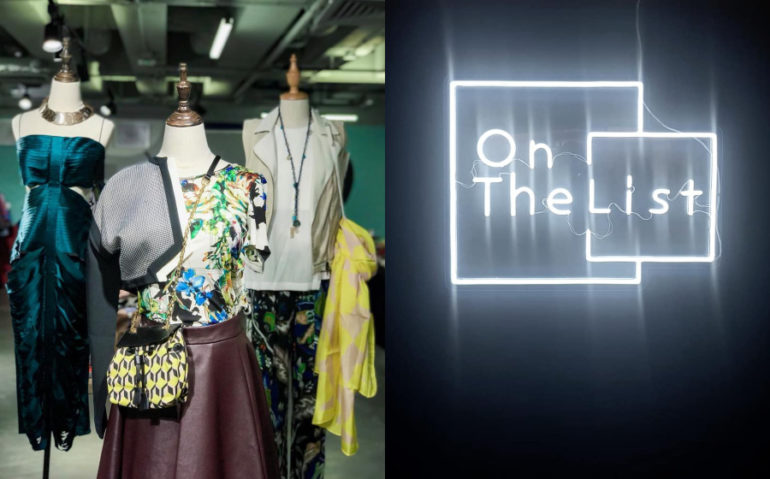
    Founded in 2016, OnTheList is a members-based flash sale company that offers premium goods at unbeatable prices. As of March 2017, OnTheList has called its showroom on Duddell Street, home. In 2018, OnTheList opened pop-up showrooms in Hong Kong, launched in Singapore, and is now ready to expand into other countries in Asia.

    In 2019, OnTheList is jetting off to another Asian city to host the first Flash Sale in Taiwan in March.

  • CLUSE opens its very first monobrand store in Taiwan

    CLUSE opens its very first monobrand store in Taiwan

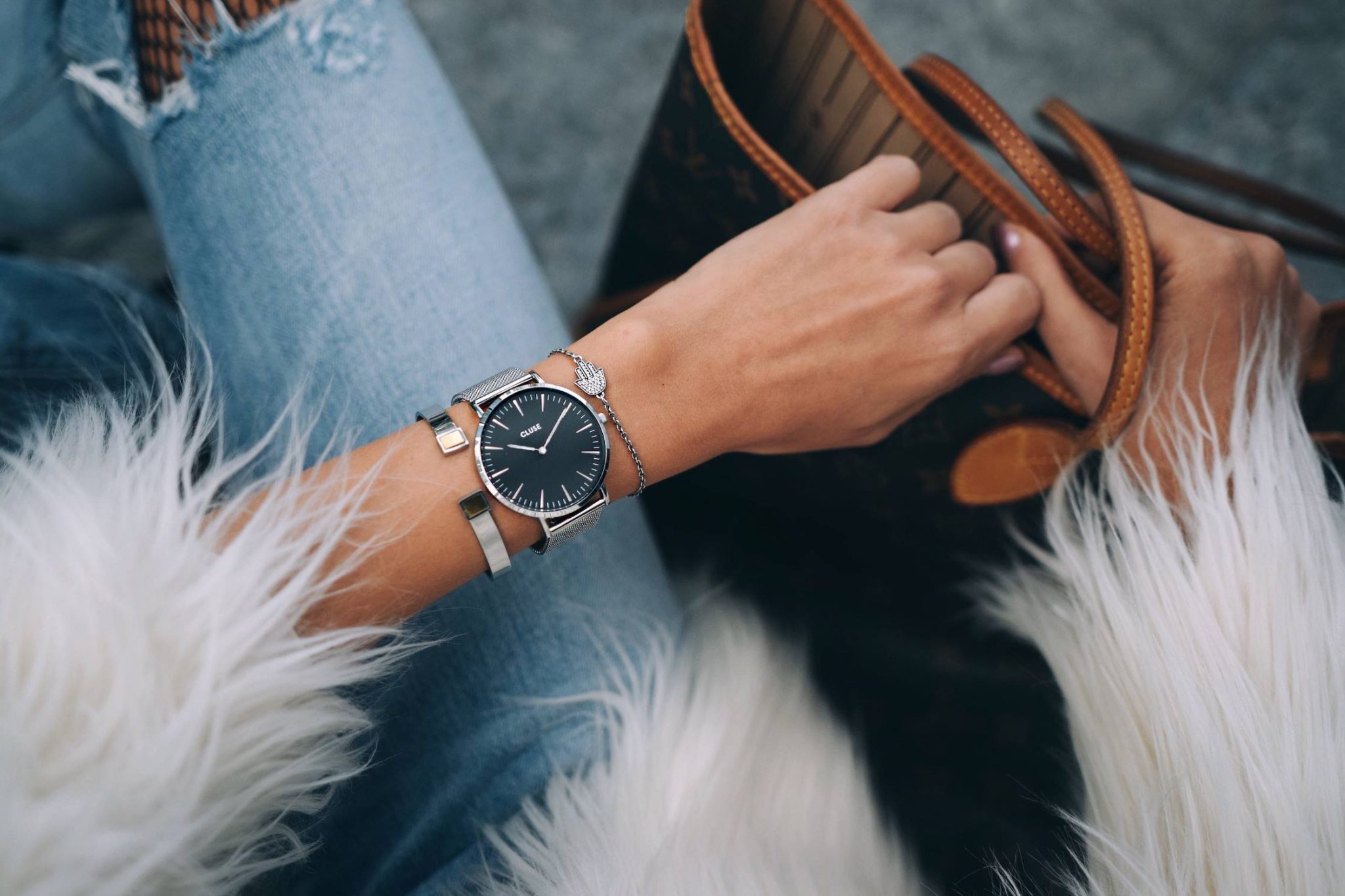
    The Amsterdam-based watch brand renowned for its timeless sophistication and strong focus on materials, quality, and style has just opened its first monobrand store in Taiwan in partnership with Bluebell. This CLUSE monobrand POS is a rotating pop-up in partnership with Eslite, which aims to attract visitors from different cities in Taiwan. This month the pop-up stops at the Eslite Taichung Parklane by CMP Store, 1F.

    CLUSE, created in Amsterdam in 2013 by a team of young and ambitious individuals, is a fast-growing watch brand for the modern and fashionable woman.

    Named after “Cluses”, one of the oldest watchmaking towns in France, CLUSE is able to combine a modern, minimalistic, and elegant design yet remaining faithful to its heritage by crafting authentic, quality analogue timepieces.

    CLUSE was discovered at an early stage by the fashion-loving crowd on social media, and among others, it has acquired worldwide fame on Instagram and Facebook, being recognized as a successful Facebook story for its effective digital marketing strategies.

    Thanks to the profound in-house knowledge of Social Media marketing, a data-driven approach and a clear customer profile based on campaign data, CLUSE has managed to grow to a staggering 1.6 million Facebook fans and 700K Instagram followers within 3 years.

    This success is boosted by CLUSE’s brand ambassadors who are recognized among the most influential kol worldwide like @sincerelyjules and @retroflame who live their life with the same philosophy of the brand.

    Drawing inspiration from minimalist fashion and subtle colours, CLUSE represents the mentality of simplicity of being grounded, empowered, sophisticated and true to oneself.

    CLUSE is designed not only to indicate time, but also to define the best moments in life.

    CLUSE is designed for dynamic and versatile women. One CLUSE watch allows infinite possibilities thanks to the mix&match easily interchangeable straps.

    CLUSE has soon become the most popular lifestyle watch brand in Europe and invested into a high-end network of distributors.

    After expanding in Europe, CLUSE has quickly conquered millennials in different countries, and it led to simultaneously launch in wholesale in Japan, Korea, Malaysia, and wholesale and mono-brand stores in Hong Kong, Singapore, and now Taiwan.

    The latest collection is La Tétragone (this new classic square shape design launched in SS18), and Triomphe (also launched in SS18).

    Following the success of CLUSE timepieces, the brand has started a new adventure into jewelry. Three collections have been created Essentielle, Idylle, and Amourette to translated unique personalities into unique pieces.

    CLUSE is definitely a brand to keep an eye on, strong brand identity,  effective digital marketing strategy, and an army of influencers boosting its brand image.

  • Japanese fund buys Vietnamese fashion chain Elise

    Japanese fund buys Vietnamese fashion chain Elise

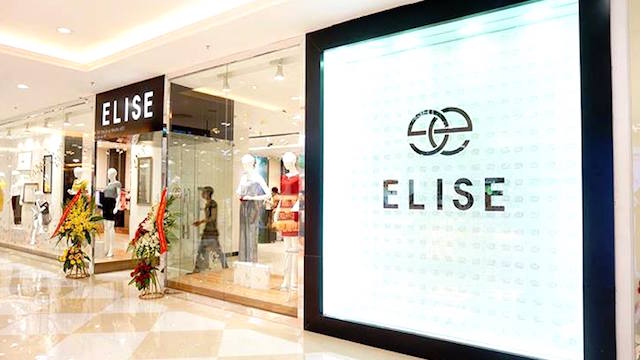
    Japanese investment fund Advantage Partners (AP) is to buy Vietnamese fashion brand Elise and its affiliate companies. This transaction marks AP’s first foray into Vietnam. Going forward, AP will focus on accelerating Elise’s growth, using its experience in women’s fashion investments in other markets. Founded in 2011, Elise is a leading Vietnamese fashion label targeting women aged 20-45. It currently operates 95 stores across the country.

    Last year, Elise was reported to have been acquired by Uniqlo parent Fast Retailing however, the Japanese group has since denied the move.

    Advantage Partners is a private investment firm with asset platforms in Asia, and offices in Tokyo, Hong Kong, Singapore and Shanghai.

  • Vietnamese women up makeup spending

    Vietnamese women up makeup spending

    More Vietnamese women are wearing makeup and spending more on makeup products, a new survey finds. The survey finds that Vietnamese women spend an average of VND300,000 ($13) on makeup products a month, with those with higher incomes spending even more. This number marks an increase of 5.4 percent from VND284,000 ($12.2) in 2016, says market research firm Q&Me, which carried out the survey.

    Women with higher incomes spend more on makeup products, the survey found. Those with an income of over VND20 million ($865) spend VND442,000 ($19) per month on average, while those with less than VND10 million ($433) spend just VND215,000 ($9).

    Over half, 51 percent, of the respondents said they apply makeup at least once a week, and 30 percent said they do so every day.

    The ratio of those who do not use makeup decreased from 24 percent in 2016 to just 14 percent this year.

    Women with higher incomes make up more often, the survey found. Forty-two percent of those who make more than VND20 million ($865) a month make up every day, while only 24 percent of those who make less than VND10 million ($433) per month do so every day.

    The most popular occasion to wear makeup is for a party, 87 percent of respondents said, followed by hanging out with friends (61 percent) and dating (52 percent).

    Skincare is the most used makeup product, with 73 percent of respondents saying they use it at least once a week.

    Lipstick is the most popular makeup item, carried by 88 percent of respondents whenever they go out of their homes.

    The time taken to make up has increased in recent years, the survey found. The ratio of respondents who make up in 10 minutes or less dropped from 51 percent in 2016 to 33 percent this year, while the percentage of those who take 11-30 minutes increased from 48 percent to 62 percent.

    Online shopping is the most popular way to buy makeup products, with 57 percent of respondents choosing this option, of whom 39 percent said they shop online every month.

    The main reason they shop online is convenience, 44 percent of respondents said, followed by better quality (43 percent) and good price (40 percent).

    The most frequent online shoppers of makeup products are women aged 23-29 with monthly incomes of over VND20 million ($865).

    Shopee as the most popular online shopping service, with 59 percent of respondents saying they have used it before, followed by Lazada (43 percent) and Facebook (40 percent).

    The survey polled 500 women aged 16-39 in Hanoi, Ho Chi Minh City and other localities.

  • Cle de Peau Beaute debuts in Thailand

    Cle de Peau Beaute debuts in Thailand

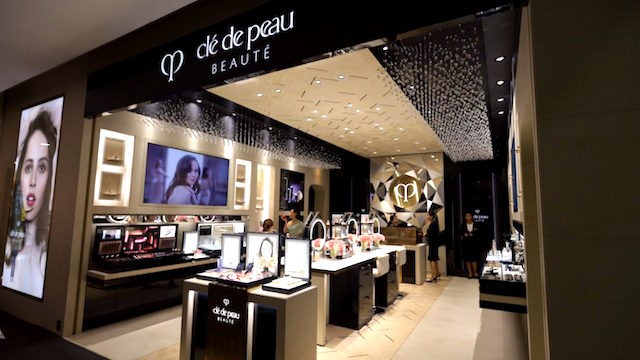
    Japanese luxury skincare brand Cle de Peau Beaute has opened its first location in Thailand. Launching in the Helix building, Emquartier, the new store expects to cater to the brand’s cult following in the market. The venue is designed to reflect the luxurious lifestyle of modern women, with a ‘Radiance Wall’ illuminating the entire retail space and a gallery with storied details of selected products.

    The launch is being marked with the announcement of the brand’s new influencer, actress, artist and director Manasnan Panlertwongskul, and the unveiling of its latest lipstick.

  • YSL opens pop-up store to celebrates Valentine’s Day

    YSL opens pop-up store to celebrates Valentine’s Day

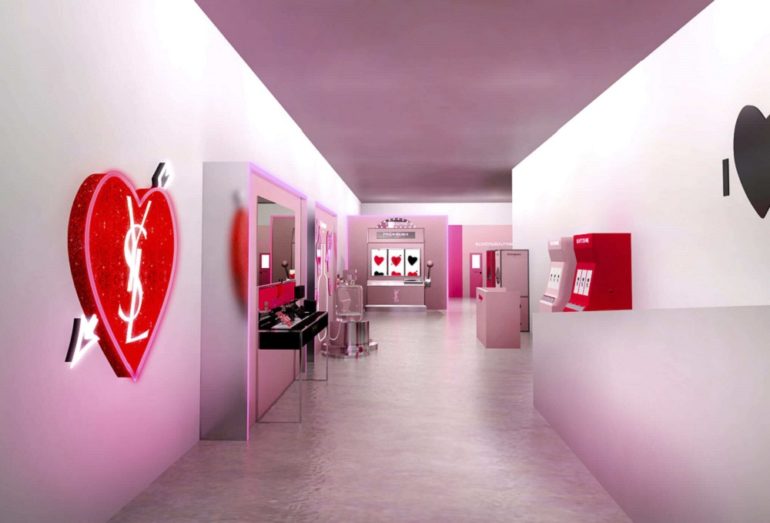
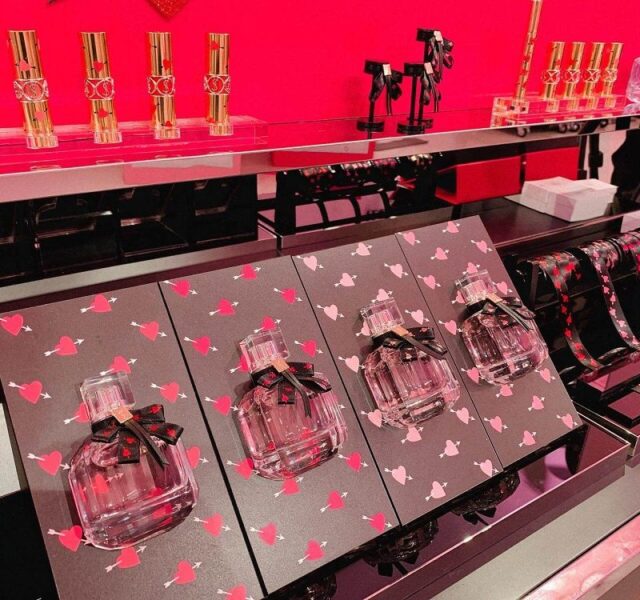
    YSL launched a limited store for Valentine’s Day 2019 in Central, Hong Kong, featuring on WhatsApp sticker, photo booth, and games. Obviously, pink and cosmetics are many girls’ favourite. So pink lovers will fall in love with YSL latest limited pop-up store in Central as the store is fully decorated in pink. Not only visitors will have the opportunity to get the cosmetics products, but they will also be able to take Instagrammable photos in front of different props and beautiful background.

    To participate in this event, visitor only need to register online to get a designated QR code and go during the reserved time slot. In addition to taking pretty pictures, visitors can also try YSL new collection of perfumes, blush, and lipsticks.

    One of the most attractive activities is to tailor-made unique WhatsApp stickers.

    In addition, making WhatsApp stickers, printing photos or buying any products in the pop-up provides points for playing the YSL’s clip doll machine. The higher the points, the more opportunities, so you can clip away YSL cosmetics products and take them home.

    The pop-up closes its doors just after Valentine’s Day.

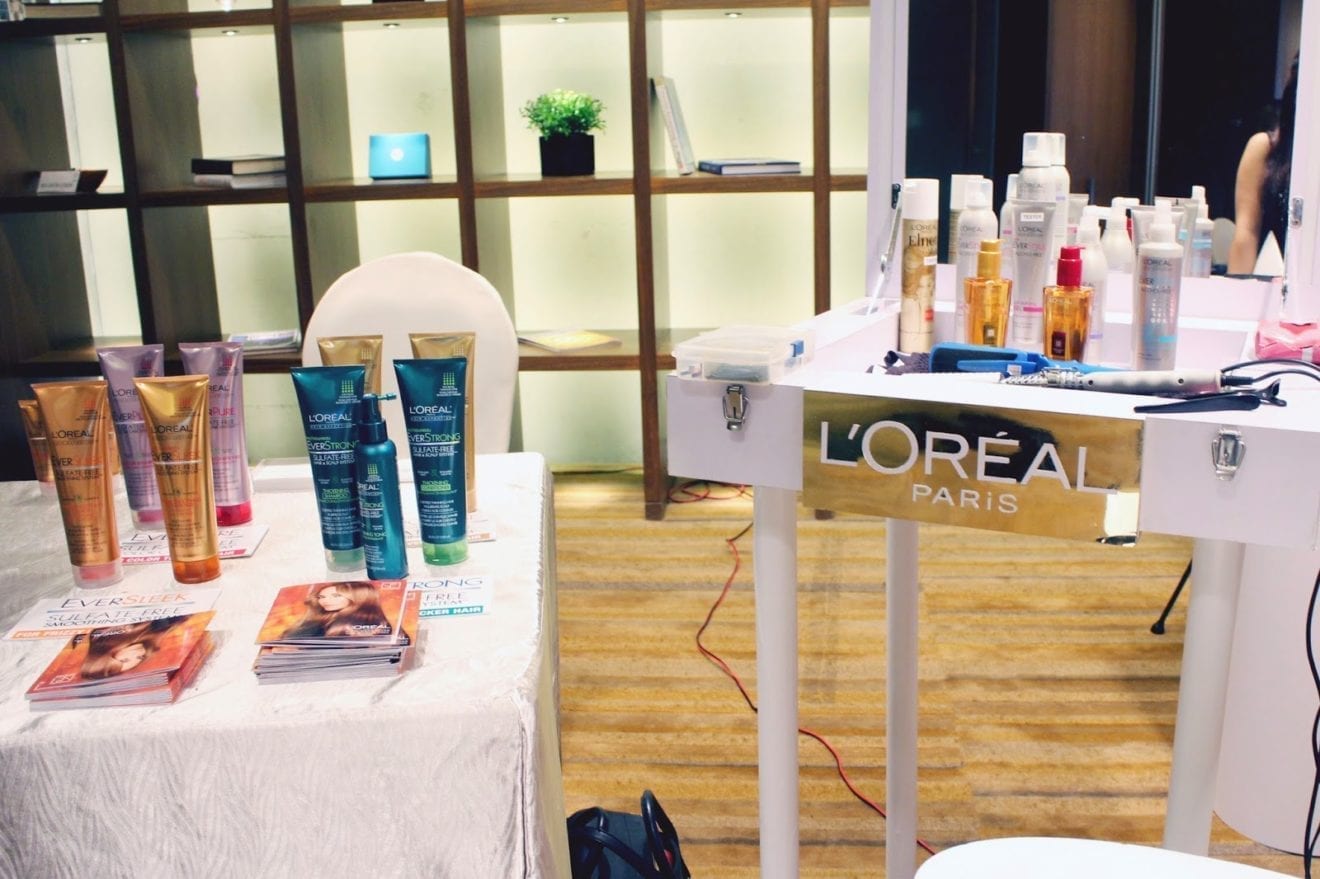
  • L’Oreal Asia Pacific sales reported soars

    L’Oreal Asia Pacific sales reported soars

    L’Oreal Asia Pacific sales soared by a staggering 24.1 per cent on a like-for-like basis last year. Asia was the beauty behemoth’s fastest-growing market with all divisions of the business winning market share from rivals in the region. “The dynamism of Chinese consumers, combined with the good performance of premium brands and rapid growth in several other Southeast Asian markets as well as in travel retail, were the [region’s] main growth drivers,” the company said in an earnings statement.

    Singles Day in the fourth quarter especially boosted sales in China, along with the acquisition of Stylenanda in June.

    L’Oreal Asia Pacific sales, driven by China, overtook L’Oreal’s North America business, with sales exceeding €7 billion.

    Globally, L’Oreal achieved sales of €26.9 billion (US$30.3 billion) last year, an improvement of 7.1 per cent on a like-for-like basis and 8 per cent at constant exchange rates. Net profit reached €3.89 billion euros, an increase of 8.8 per cent.

    L’Oreal’s chairman and CEO Jean-Paul Agon said the results represented the company’s best year of growth since 2007, achieved in a beauty market which had “accelerated significantly” last year.

    All divisions achieved growth, with the standouts being L’Oreal Luxe and Active Cosmetics, which both recorded double-digit sales increases. In the Luxe division, the larger brands led the way, with Lancome sales crossing the €3 billion threshold. The Active Cosmetics division achieved its highest growth for more than 10 years.

    Consumer products sales, led by L’Oreal Paris and Maybelline New York, achieved solid growth and professional products a “modest increase” thanks to a significant acceleration in the final quarter, the company said.

    A growing investment in e-commerce is paying off, with sales online up 40.6 per cent last year, now accounting for 11 per cent of group sales.

    And travel retail broke the €2 billion barrier, increasing by 27.1 per cent.

    L’Oreal reported its gross margin increased significantly and, even after strong investments in research, innovation, and business drivers, its operating margin set a new record at 18.3 per cent of sales.

  • D&G opens boutique in Osaka Japan

    D&G opens boutique in Osaka Japan

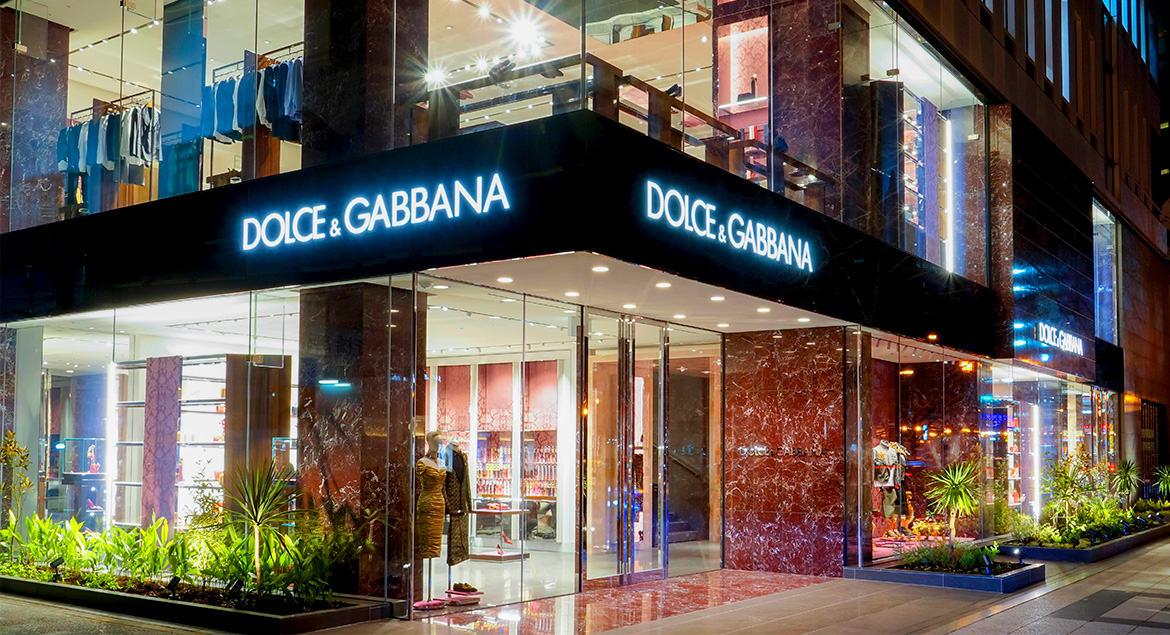
    Luxury brand Dolce & Gabbana has opened a new D&G Osaka store. The two-level, 905sqm #DGLovesOsaka boutique at Midosuji is designed to reflect the unique local features of Osaka while still representing the brand’s heritage, with red marble and pink onyx finishings touched off by pink rugs and wallpaper. A large baroque-styled mirror is a centrepiece of the decor.

    The #DGLovesOsaka boutique stocks ready-to-wear collections and accessories for men, women, and children.