Tag: woman

  • Chow Tai Fook Jewellery Group, WeChat signed agreement deal

    Chow Tai Fook Jewellery Group, WeChat signed agreement deal

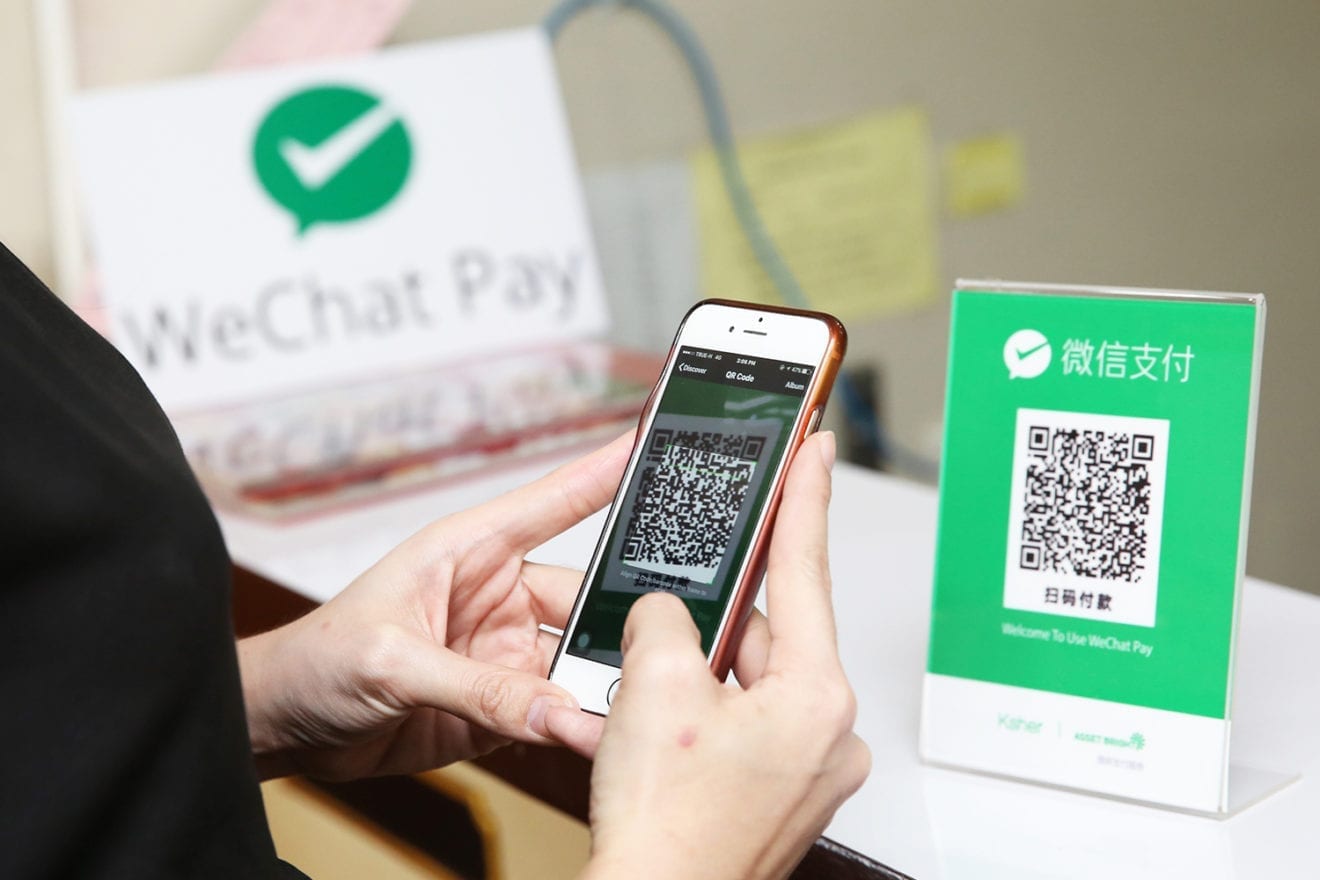
    Chow Tai Fook Jewellery Group has signed a memorandum of understanding with Chinese online platform Tencent to allow jewellery purchases using WeChat Pay. In a move to promote “seamless cross-border intelligent consumption”, the agreement allows Hong Kong WeChat users to use the platform’s digital payment solution to make purchases at specified Chow Tai Fook jewellery stores in Mainland China.

    The group is planning steps to activate WeChat Pay HK within more Chow Tai Fook Jewellery stores in the Greater Bay Area, as well as other cities throughout Mainland China. It is also seeking to extend the payment agreement to its other brands.

    “Striving for innovations and breakthroughs, we are committed to providing seamless and exceptional consumer experience through a wide range of innovative projects,” said Chow Tai Fook executive director Bobby Liu. “The introduction of advanced technology has made the convenience in offering cross-border consumption, online payments and an integrated online-to-offline shopping experience available to customers from Hong Kong.”

    Tencent Financial Technology VP Royal Chen said the collaboration with Chow Tai Fook Jewellery Group will fully make use of the available mobile payment technology.

    “Tencent Technology will vigorously promote cross-border financial cooperation. Leveraging financial and technological advancements, we aim to build a truly integrated service platform for those living in both Hong Kong and Mainland China.”

    Tencent Fin-Tech and Chow Tai Fook will also jointly explore and research proposals for ID verification in order to ease the flow of capital and manpower resources across the border.

  • 2Bme launches new store in Acropolis Mall India

    2Bme launches new store in Acropolis Mall India

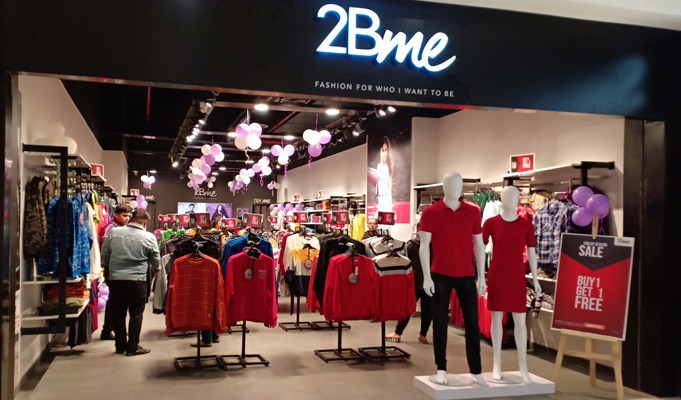
    2Bme, the private label apparel line from RP-Sanjiv GoenkaGroup, recently launched their second exclusive brand outlet at Acropolis Mall, Kolkata. The 2000 sq. ft. store on 2nd floor at Acropolis Mall, Kolkata is the latest addition to the retail network of 2Bme after the launch of the first EBO in Quest Mall last year.

    The store showcases an exclusive western casual clothing line from 2Bme embodying the brand’s vision of providing ‘contemporary fashion for your every day needs’.

    On the occasion of the store expansion, a 2Bme spokesperson said, “We will look at opening 10-12 EBOs of 2Bme in prime malls of Kolkata, Delhi-NCR and Hyderabad. Recently we also signed on Ranbir Kapoor and Shraddha Kapoor as brand ambassadors and this  is helping us create an exclusive entity for our brand.”

    Store Design, TG & Future Plans

    With a minimalist yet chic design, the EBO has a contemporary
    look and feel giving a comfortable shopping experience each time a customer walks in.

    Targeted at the age group of 22-35, the brand has everyday casual wear in a very affordable price range between Rs. 499 – Rs. 1,999. The store offers a huge collection of western clothing line including – tops, graphic t-shirts, dresses, trousers, denims, shorts, joggers, and light weight sweaters for both men and women.

    “2Bme has around 15,000 styles and we have sold more than 3 million pieces so far. The brand has already crossed the mark of
    Rs 100 crore within one-and-a-half-years of its launch and it is likely to garner a turnover of Rs 300 crore in next three-four years,” the spokesperson said.

    At a later stage 2Bme will be also made available through large format MBO’s and e-commerce platforms.

  • LG Household’s History of Whoo makes history

    LG Household’s History of Whoo makes history

    LG Household & Health Care’s skin care brand The History of Whoo generated 2 trillion won ($1.79 billion) in sales this year as of Thursday. This is the first time a Korean beauty brand has reached that threshold. The 2018 record is also a 40.8 percent increase from last year’s annual sales.

    “For us, the achievement is meaningful in that it’s a sign we’re nearly able to compete shoulder-to-shoulder with global beauty brands,” LG said in a statement.

    The 2 trillion won in sales figure is based on manufacturer price. Counting the consumer price tag, the figure jumps up to 3 trillion won. According to market research firm Euromonitor International, the top three global beauty brands – Lancome, Shiseido and Estee Lauder – generate between 4.4 trillion and 5.3 trillion won a year based on the same standard.

    The last time The History of Whoo set a record was in 2016, when the brand made 1 trillion won in annual sales, 14 years after its launch. Breaking the 2 trillion won threshold came just two years later.

    The rapid growth is notable in that Whoo successfully survived a widespread boycott of local brands in China last year, following the installment of the U.S.-led antimissile system Thaad. This is in contrast to a score of other beauty companies like local leader Amorepacific, which have suffered huge blows from the loss of Chinese customers and some have yet to recover to pre-Thaad revenue levels.

    A spokesman explained that the brand kept its positive image thanks to word-of-mouth marketing and repurchases from Chinese customers.

    In terms of strategy, LG believes Whoo’s positioning as a high-end beauty brand has proven effective. Among its wide brand portfolio, The History of Whoo is one of LG’s premium brands with a higher price tag.

    Its main concept is that the products are based on records from Korea’s past dynasties which use oriental medicine as main ingredients. The brand story is also reflected in its product packaging, which emphasizes gold and red, which industry watchers say fits well with Chinese consumers’ taste for glamor.

    “We also concentrated a lot of our marketing activities to target VIP customers that have buying power,” said an LG spokesman.

    For next year, the company plans to continue its drive to push premium brands. Another brand LG is hoping to develop in the price range is SU:M, which is less flashier than Whoo, but emphasizes the use of fermented plants. Although smaller than Whoo, SU:M is also expected to reach 440 billion won in sales this year, a 15.8 percent increase year-on-year. During this year’s third quarter, LG’s three luxury brands – Whoo, SU:M and O HUI – were responsible for more than 60 percent of its beauty revenue.

  • Shiseido makes plans for China

    Shiseido makes plans for China

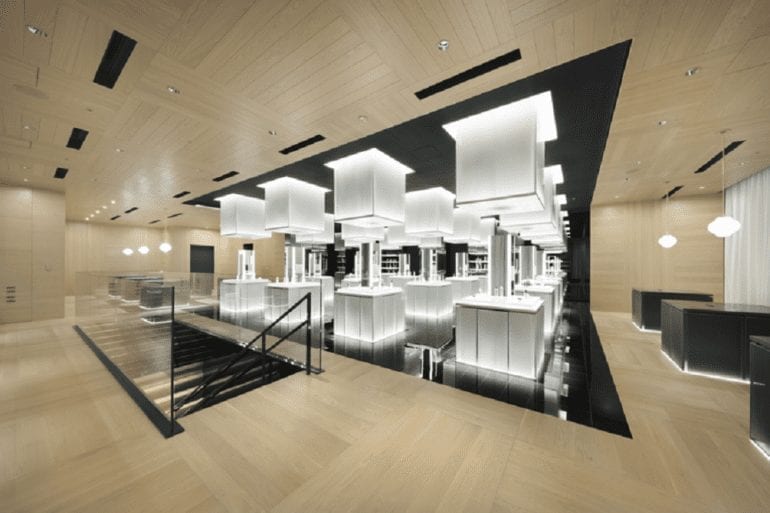
    Shiseido reinforces the regional headquarters system that oversees the business in China as of January 1, 2019. Moving towards the achievement of its medium-to-long-term strategy, VISION 2020, Shiseido will evolve further to ”Be a Global Winner with Our Heritage” by ensuring sustainable growth in the significantly growing Chinese market.

    Under the new system, Shiseido will reinforce the brand business structure in the China region and its supporting corporate functional structure in order to enhance brand appeal to Chinese consumers and strengthen market execution.

    As to the Brands Business, the management function of the Prestige Brands business in the China region and the CMO function of Cosmetics Brands & Personal Care Brands will be established. Furthermore, the strategic alliance with emerging e-commerce platform companies in the China region will be strengthened under direct control of the CEO of the China region.

    At the same time, Shiseido will proactively support the business strategy and reinforce the corporate functional structure aiming to improve its organizational capability to ensure sustainable business growth.

    Shiseido will continue leading growth through the acquisition of greater competitiveness of the Chinese business and by reviewing the organizational structure to optimize functions for all areas and market characteristics around the world.

  • Lancome opened sensorial pop-up store in HaitangBay

    Lancome opened sensorial pop-up store in HaitangBay

    With over 170 beauty awards to its name, Mainland China’s leading beauty brand, Lancôme, celebrated its top selling serum, Advanced Génifique, by launching a multi-sensorial pop-up at China Duty Free Group’s (CDFG) Sanya International Duty Free Shopping Complex at Haitang Bay. Renowned actress and LANCÔME local ambassador for China, Zhou Dongyu, actors, Zhai TianLin and Yin Zheng, and over 12 beauty influencers joined hands to embark on an exclusive journey of experiencing the 1+1 dual skincare benefits of the Advanced Génifique and Advanced Génifique Sensitive. The pop-up is an opportunity to address the robust growth driven by Chinese travellers within a booming beauty market that continues to accelerate in Asia Pacific.

    Located at one of Asia’s leading downtown duty-free destinations, the pop-up in sophisticated hues of blue and white brought in the spirit and taste of French elegance to Sanya. Beauty influencers and travelers experienced Lancôme’s top-rated serum through various sensory, with features such as a photo booth, interactive games and an impactful outdoor lighting installation. The pop-up ran from November 2 to 29.

    “To celebrate the abiding success of the Lancôme brand and its iconic Advanced Génifique serum, we are happy to partner with CDFG in Sanya, Haitang Bay, to launch this pop-up with the presence of our local ambassador for China, Zhou Dongyu. As we remain optimistic of our growth in Travel Retail APAC, we are excited to reach out to the Chinese travelers in their home country to experience Advanced Génifique in an all-immersive retail experience pop-up,” said Tao Zhang, General Manager of Lancôme Travel Retail Asia Pacific.

    “We are pleased to partner with a leading international beauty giant like Lancôme to showcase their iconic Advanced Génifique serum at this specially designed pop-up. CDFG Sanya International Duty Free Shopping Complex hosts millions of travelers per year, and our core focus revolves around the idea of creating and delivering meaningful and memorable experiences for them. This partnership with Lancôme has made this possible, bringing an engaging shopping experience, elevated for our travelers.” said Xie Zhi Yong, Deputy General Manager of CDFG Sanya Downtown Duty Free Store Co., Ltd.

    Celebrating the momentous occasion and enduring success of the brand’s iconic serum, the pop-up was themed around the Advanced Génifique, which is heading into its ten year anniversary in 2019. With more than 170 beauty awards to its name, the powerful youth activating serum remains as one of the best-selling serums in the country.

    Primed as Asia’s leading downtown duty-free destination for international, luxury cosmetics as well as the gateway for the brand to tap into the thriving travel retail market, CDFG Sanya International Duty Free Shopping Complex was specially selected to play host to Lancôme’s Advanced Génifique’s pop-up. The duty-free shopping complex houses one of the top POS for Lancôme worldwide, and will remain a key strategic focus for the brand’s travel retail business across APAC.

    Billed as the top holiday destination for affluent mainland Chinese, Sanya saw KOLs from around China descend upon its shores to embark on a ‘Advanced Génifique’ journey to reveal their skin’s glow and deepen their understanding of Lancôme’s well-loved Advanced Génifique and Advanced Génifique Sensitive serums through a beautiful holiday experience with the brand. Invited KOLs whose Advanced Génifique journey at Sanya enabled them to better understand the benefits of the brand’s powerful youthactivating serum, share their knowledge, and advocate Advanced Génifique across their platforms.


  • China’s Proya opens 1000 smart stores

    China’s Proya opens 1000 smart stores

    Chinese cosmetics company Proya has ramped up its expansion on the heels of strong growth this year. In the first half of the year, Proya achieved revenue growth of 28 per cent, representing 89 per cent of the company’s total revenue for the period. At the same time, the firm’s e-commerce platform achieved sales growth of 58 per cent, while its Uzero brand accelerated its opening of single-brand retail outlets modelled as smart stores, signing agreements with more than 1000 locations.

    Since the beginning of the year, Proya has been driving sales growth across its cosmetics store-focused network by improving its incentive programs, providing more resources to employees, and encouraging employees to embrace change and continuously enhance skill sets.

    Based on shifts in market demand, the company has been focussing its product upgrades on the addition of new functionalities, higher levels of efficiency, as well as new and improved, higher-priced high-value items and a better appearance. It currently retails more than 1000 products under seven brands.

    Next year, the company plans to launch additional high-end products with functional and technological advantages that will serve as a cornerstone of a comprehensive product and brand upgrade.

    China’s beauty and makeup market was valued RMB361.6 billion (US$52.3 billion) in 2017, with a compound annual growth rate averaging 9.5 per cent over the last 10 years.

  • Korea’s brand Tonymoly inked partnership with Moschino

    Korea’s brand Tonymoly inked partnership with Moschino

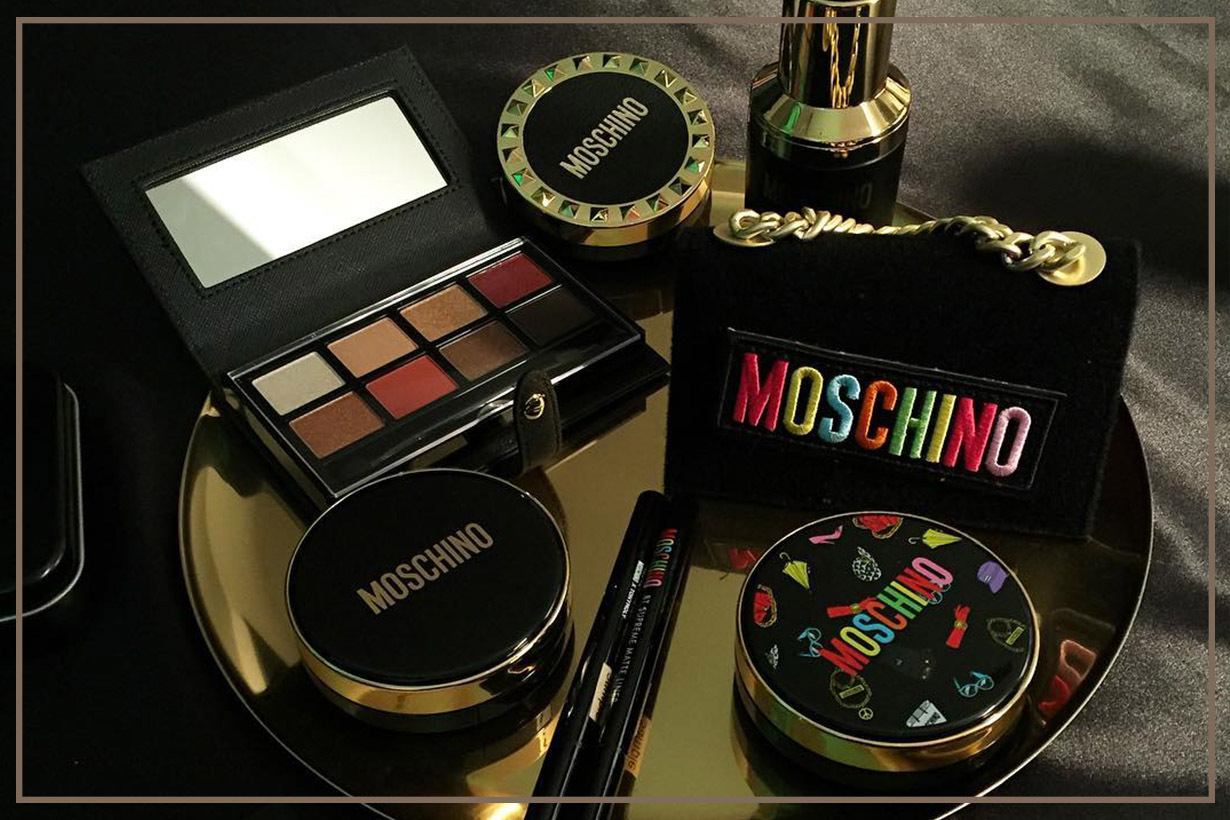
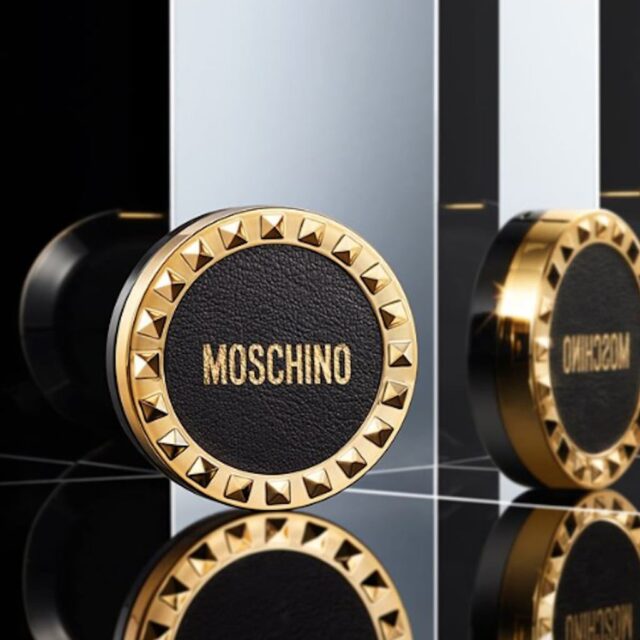
    Italian fashion design house Moschino has released a collaboration with South Korean cosmetics brand Tonymoly on a collection of makeup and skincare products. The collection includes a cosmetics line and a few skincare items in sleek black, white, gold and rainbow packaging. The full range will be available from Tonymoly’s US web store throughout December.

    Moschino also collaborated on a reportedly fast-selling fashion line with H&M earlier this year. South Korean cosmetics brand Tonymoly sees the US as a key market in its plan to accelerate international growth.

  • Sexual Harassment Claims Against Ted Baker’s Founder investigated

    Sexual Harassment Claims Against Ted Baker’s Founder investigated

    UK fashion retailer Ted Baker has appointed an independent committee of non-executive directors to investigate workplace harassment claims that current chief executive and founder Ray Kelvin expected staff to hug him and sit on his lap when visiting stores.

    “Ray, and the company’s leadership, have always prided themselves on Ted Baker being a great employer and business to work with,” the company said in a response to media reports about the claims and a petition started by staff members to stop the behaviour.

    “Accordingly, they and the board take these concerns very seriously and the board has directed a thorough and urgent independent external investigation carried out into these matters.”

    Organise, a website that allows employees to speak out against what they see in the workplace, and where Ted Baker staff initially spoke out about the workplace harassment, was contacted by leadership at the retailer who said they’re “open to changing the way we do things” when it comes to hugs.

    “Together our pressure exposed what was happening at the highest level. Now, over 100 anonymised reports of harassment are sat with Ted Baker’s board,” Organise said in a blog post about the matter.

    In an interview, Kelvin explained that he hugs people because his psoriatic arthritis makes it painful to shake hands, and took offence when it was suggested that people would be uncomfortable doing so.

    “You can’t expect my life to change because today people are particular about certain things that we grew up quite naturally with,” Kelvin explained, calling it “good old-fashioned stuff.”

    “Plenty of people might have sat on Ted Baker’s knee.”

  • Women can make or break Vietnam’s F&B industry

    Women can make or break Vietnam’s F&B industry

    With more women spending more on eating out, they have become linchpins of the F&B industry, a study indicates. A new survey by HCMC-based market research firm Decision Lab finds that female consumers can make or break the food and beverage industry of Vietnam.

    Average visits per capita by female consumers to the out of home food and beverage market has increased by 5 percent during last year, from 121 between the fourth quarter of 2016 and the third quarter last year to 128 between the fourth quarter last year and the third quarter this year.

    Women have also increased spending on almost all major food channels in Vietnam, namely full service restaurants (FSR), or sit down eateries where food is served directly to the customers’ table, and quick service restaurants (QSR), where table service is minimal and the typical fare is fast food, street food, convenience stores, canteens and bars.

    As a result, women’s contribution to the out of home market revenue has increased by a whopping 10 percent.

    Among the women themselves, the 15-34 year-old segment accounts for 82 percent of the visits in the out of home market, and more than half of those by white-collar workers. Students are also seen as the driving force of female visits at 25 percent.

    As such, Decision Lab points out that the growing influence of women on the foodservice market is real and the industry would be well advised to use female-friendly messages to increase the traffic.

    According to market research firm Vietnam Report (VR), Vietnamese spend more than a third of their income on food and beverages, topping education and utilities.

    VR said the food and drink market has become more exciting in recent years with the entry of technologies such as phone apps that allow users to find nearby restaurants and order deliveries.

    Food and beverages were two of the 10 most bought products online last year, it said, citing data from market research company Nielsen.

  • Indonesia’s Queenrides Uses Road Safety to Drive Women’s Empowerment

    Indonesia’s Queenrides Uses Road Safety to Drive Women’s Empowerment

    Iim Fahima Jachja cannot operate a vehicle and relies on a driver to get around Jakarta, but that did not stop her from putting road safety at the heart of her women’s empowerment startup.

    Since launching in late 2016, Queenrides has attracted 200,000 members to join its website.

    Aside from reading articles about lifestyle and financial management, members can also gather in person for workshops covering topics like sexual health and family planning.

    But road safety has been a focus from the beginning said Iim, a mother of two.

    “When you are safe on the road, you can be the best you want to be,” she told the Thomson Reuters Foundation by phone from Jakarta.

    Road deaths are high in Indonesia, according to the Ministry of Transportation, which counted 162,000 fatalities last year, compared with 136,000 in 2015.

    In a country undergoing rapid urbanization as incomes increase, more people are buying vehicles, putting stress on the road network.

    Many drivers avoid taking tests by paying corrupt officials for driving licenses, Iim said.

    She added that the road risks are rising for women in particular, because changing social attitudes mean that more of them are working and commuting.

    At the same time, relatively few women have taken driving lessons and tests to acquire licenses, she said.

    Only about 20 percent of 7,500 Queenrides members surveyed said they had taken a driving test.

    “This is a major issue – this is a crisis – but people haven’t noticed the situation,” Iim said about the number of road deaths in Indonesia.

    Low-income countries have fatality rates more than double those in high-income countries, according to the World Health Organization (WHO).

    There were 104 million registered vehicles in Indonesia, according to the WHO’s latest report on road safety published in 2015.

    Driving Safely

    As well as enabling its members to exchange views and learn more about road safety online, Queenrides arranges workshops with input from the transportation ministry and the traffic police.Participants have gone on to take driving lessons and tests, Iim said.

    That trend could make Indonesia’s roads safer, said Liviu Vedrasco, a road safety expert at the WHO in Bangkok.

    “There are some studies that suggest women are more careful and follow the rules better than men,” he noted.

    One of the Sustainable Development Goals set by the United Nations in 2015 is to halve the global number of deaths and injuries from road traffic crashes by 2020, Vedrasco said.

    As the number of female drivers increases, Indonesia’s transportation ministry has stepped up efforts to reduce crashes involving women by working with outside partners, said Budi Setiyadi, director of land transportation at the ministry.

    “Queenrides is needed for women riders in Indonesia to be given a good education in driving safely because women have a primary role,” Budi said in an email. “They can educate their children, their families, and the surrounding environment.”

    Growing

    As more Indonesian women join the workforce and take to the roads, Queensrides can also help them assert control in other areas of their lives, Iim said.

    For example, about 30 members gathered last month in a child-friendly cafe in Jakarta to discuss family planning and strategies for educating their teenaged children about sex.

    United States-based Johns Hopkins University sent experts to the workshop part of a program targeting “married women of reproductive age,” according to Dinar Pandan Sari of the university’s Center for Communication Programs in Jakarta.

    “The fact that in just two years, Queenrides has been able to grow from an idea to 200,000 women joining their movement is remarkable,” Sari added.

    Queenrides teams up with other organizations to provide information on issues such as women’s rights, while members can also receive financial planning advice from institutions, including Bank Mandiri.

    As Queensrides’ membership grows, revenue from advertising on the website should increase as well, allowing the startup to expand its program, Iim said.

    She said she aims to attract 5 million members over the next three years, making Queenrides the biggest women’s empowerment platform in Southeast Asia.

    “If you can conquer Indonesia, it is easy to conquer any other area in the world,” Iim said. “Conquering Indonesia is like conquering five countries at the same time.”
  • The Face Shop loses trademark battle with Louis Vuitton

    The Face Shop loses trademark battle with Louis Vuitton

    Korean cosmetics firm The Face Shop has lost a trademark infringement case filed against it by French luxury brand Louis Vuitton. The infringement case relates to Face Shop’s collaboration with American brand My Other Bag, known for its parodies of luxury products. LV has unsuccessfully pursued My Other Bag for damages in American courts.

    Seoul’s Central District Court has ruled The Face Shop to cease trading in products featuring Louis Vuitton designs and pay KRW50 million (US$44,080) in fines.

    The Face Shop failed in its defense that their products were a parody due to the low market profile of My Other Bag in Korea and the difference in how The Face Shop used LV designs compared with My Other Bag’s parody products.

  • Women empowered to become entrepreneurs

    Women empowered to become entrepreneurs

    Life was not easy for Charier Valcarcel Rosita of Tagum City, Davao del Norte. She had to give up her job in a school canteen to take care of her child and do household chores.

    Rosita thought that was all life had to offer until she became aware of her full potential as an entrepreneur.

    Her chance to do business came when she joined the first batch of the Coca-Cola 5by20 Sari-Sari Store Training and Access to Resources (STAR) program in Tagum City in 2014.

    Rosita is one of the more than 80,000 women who have benefited from the STAR program since Coca-Cola Philippines launched it in 2011. Under the program, they learned the rudiments of business, including managing capital expenditures against daily sales and other tips on how to run a sari-sari store.

    The 80,000 women whom the STAR program helped are just part of the Coca-Cola Company’s target to economically empower five million women by 2020 as part of its “5by20 global initiative.”

    “The STAR program has helped a lot. We were able to establish high-volume distribution of Coca-Cola in our community. It prods us to move on despite the hardships,” Rosita said in the local dialect.

    Last Friday, Rosita joined the gathering of 5,000 women micro-entrepreneurs at the University of Southern Philippines in Davao City.

    The gathering was organized by Coca-Cola Philippines in coordination with the local government of Davao City, non-governmental organizations and the private sector.

    With the theme “We Make Change Work for Women Micro-Retailers,” Friday’s gathering highlighted the impact of the initiatives of Coca-Cola Company in helping women achieve business success.

    “Coca-Cola is helping create an enabling environment for the business success of women micro-retailers by setting up these partnerships, particularly with government agencies and micro-finance institutions that would help women overcome barriers and challenges they face in achieving economic success,” said Gilda Maquilan, sustainability manager of Coca-Cola Philippines

    “This event is an avenue to promote STAR program’s inclusivity across all Filipino women interested in micro-retail businesses such as sari-sari stores and carinderias,” she added.

    On the same day, Coca-Cola Philippines also forged a memorandum of agreement with the Congressional Spouses Foundation Inc. headed by Emily Alvarez, wife of Speaker Pantaleon Alvarez, for a partnership in recruiting the spouses of military and police personnel for the STAR program.

    “As an organization, we will continue to help empower women both inside and outside our company,” said Diego Granizo, president and general manager of Coca-Cola Philippines.

    “I am here together with my colleagues from the Coca-Cola System to demonstrate our continued commitment as your partner to grow your sari-sari store and carinderia business. We believe that if you are able to grow your business, it will enable you to help your families, and together we help in the nation building,” he added.

  • Number of women in management positions increases in Asia

    Number of women in management positions increases in Asia

    The 2017 Hays Asia Salary Guide reveals that 31 percent of management roles in Asia are held by women compared to 29 percent reported in last year’s Guide.

    Recruiting experts Hays has found that the number of women in managerial positions has increased in Asia.

    The 2017 Hays Asia Salary Guide reveals that 31 per cent of management roles in Asia are held by women compared to 29 percent reported in last year’s Guide.

    The Hays Asia Salary Guide now in its tenth year, highlights salary and recruiting trends drawn from more than 3,000 employers across Japan, mainland China, Hong Kong, Malaysia and Singapore representing six million employees.

    The countries with the highest percentage of women in managerial positions in the region are mainland China and Malaysia, both at 35 per cent. Whilst mainland China has increased this figure by three percent, Malaysia has decreased by two per cent from last year.

    Hong Kong sits in third place with 33 per cent of management positions filled by women. Hong Kong incidentally, reported the largest increase in the region with a rise of five per cent from last year. Singapore follows with 31 per cent with Japan remaining the poorest performer with only 22 per cent of women in managerial positions. This figure has however, increased by three per cent from last year.

    These findings come as Hays launch their 2017 Gender Diversity Survey also in line with International Women’s Day. The annual survey aims to uncover attitudes and perceptions of gender equality in the workplace.

    “As progress continues to be made on gender diversity, the topic is still a critical issue in Asia. The rich insights our research uncovers, enables us to share the findings and advise employers on what measures can be taken to address the gender balance in their recruitment, retention and progression strategies”, says Christine Wright, managing director of Hays in Asia.

    For Christine who was named in the ‘Global Power 100 – Women in Staffing list’ for the second year running in 2016, gender diversity is a topic she lives and breathes. “As the leading recruiting experts, Hays has a duty to be at the forefront of trends and issues regarding the world of work. In Asia, I’m immensely proud that 51 percent of the Hays workforce across the region is female, 44 per cent of females make up our senior leadership teams and 57 percent of people managers are female.”

  • GEOX Launches Women’s Footwear Collection Autumn/Winter 2016-2017

    GEOX Launches Women’s Footwear Collection Autumn/Winter 2016-2017

    A breath of air is a source of life – a line where well-being starts and a symbol of sublime beauty and perfect function. Research and technology are stalwart companions in what Geox does.

    Geox’s “cool comfort” range fuses creativity, lightness and flexibility – be it for urban days, classical events, sporty afternoons or glamorous evenings.

    With the upcoming Winter season, the traditional qualities of breathability, thermo-regulation and water-tightness are bonded into Geox’s vanguard membrane and soles — further enhanced by the German TÜV SÜD FOOTWEAR MARK: that vouches for a rigorous control procedure on quality during production. The aim is to ensure harmful substances are not released during production. A mark of quality assurance is only right given Geox’s unflagging attention to standards and commitment towards society and the environment.

    One of these models is Sfinge, engineered with a hive of spaces which exalts its springiness, grip and cushioning sole. Featuring 3D breathable technology and Inner Breathing Lining, it caters for a female desire for finesse with its eclectic mix of leather, suede and patent finishes, available in both total black version and in a colour-block version featuring cornflower blue, pillarbox red and metallic gold.

    Fall/Winter features ankle boots customised with special embossed details which add dimension to the black leather. Waterproof, lightweight, easy to slip on and comfortable, these shoes have a modern and pared-back look. The rubber soles include the Amphibiox technology which keeps wet weather conditions at bay: the breathable and waterproof inner membrane protects both sole and upper, stopping water from getting inside the shoes whilst ensuring amazing breathability – meaning your feet stay warm, dry and breathe naturally.

    Walking shoes couldn’t get better than this whether to tackle old- town cobblestones or moss-covered boulders. Nebula continues to amaze as it slips into new skins crossing boundaries and seasons on a carpet of clouds: the fabric and suede, both smooth and with quilt-stitching, feature a colour palette spanning from light dusty pink, teal and grey all designed to match the original colour contrast of the soles. Boasting Geox outstanding patents in one shoe, Nebula fuses the Inner Breathing System, Net Breathing System and an inner EVA sole with strategically placed soft rubber inlays to ensure added grip and stability. Easy to slip on and with elastic laces, its natural heat-balancing properties, lightness, flexibility and cushioning effect fuse effortlessly with the hi-tech design.

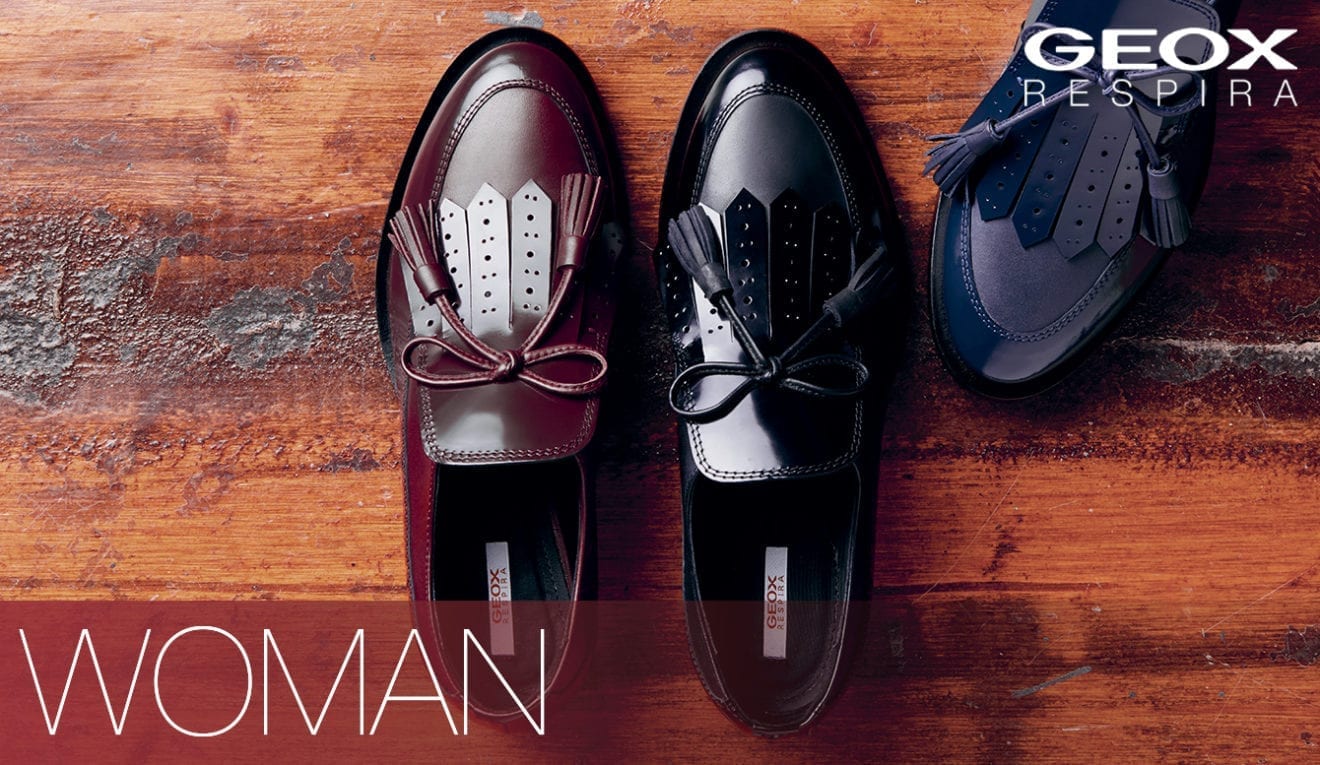
    One hot comeback is the good old moccasin, revisited in a modern-chic version, available in a wide range including pearly patent leather, brushed leather or crocodile print models as well as a preppy style with metal horsebits. Geox’s iconic loafers for men and women are crafted in the softest black and burgundy leather, with an ultralight, flexible rubber sole, these loafers combine the practicality of breathability with an upbeat urban feel.

    Last, the spotlight turns on a fashion-statement collection which includes boots, ankle boots, pumps, ballerina flats with tapered toes — all capturing the essence of the latest trends on the pret-a-porter catwalks. For the more sophisticated versions, the material mixture, such as smooth and laminated leather, creates eye-catching patterns of black & gold, lit up with small metallic buckle details. Fitted with inner memory foam soles, they are super soft, lightweight and flexible, specially designed for formal daytime looks or more glamorous evening engagements.

  • Women now running the stores at Lotte Mart

    Women now running the stores at Lotte Mart

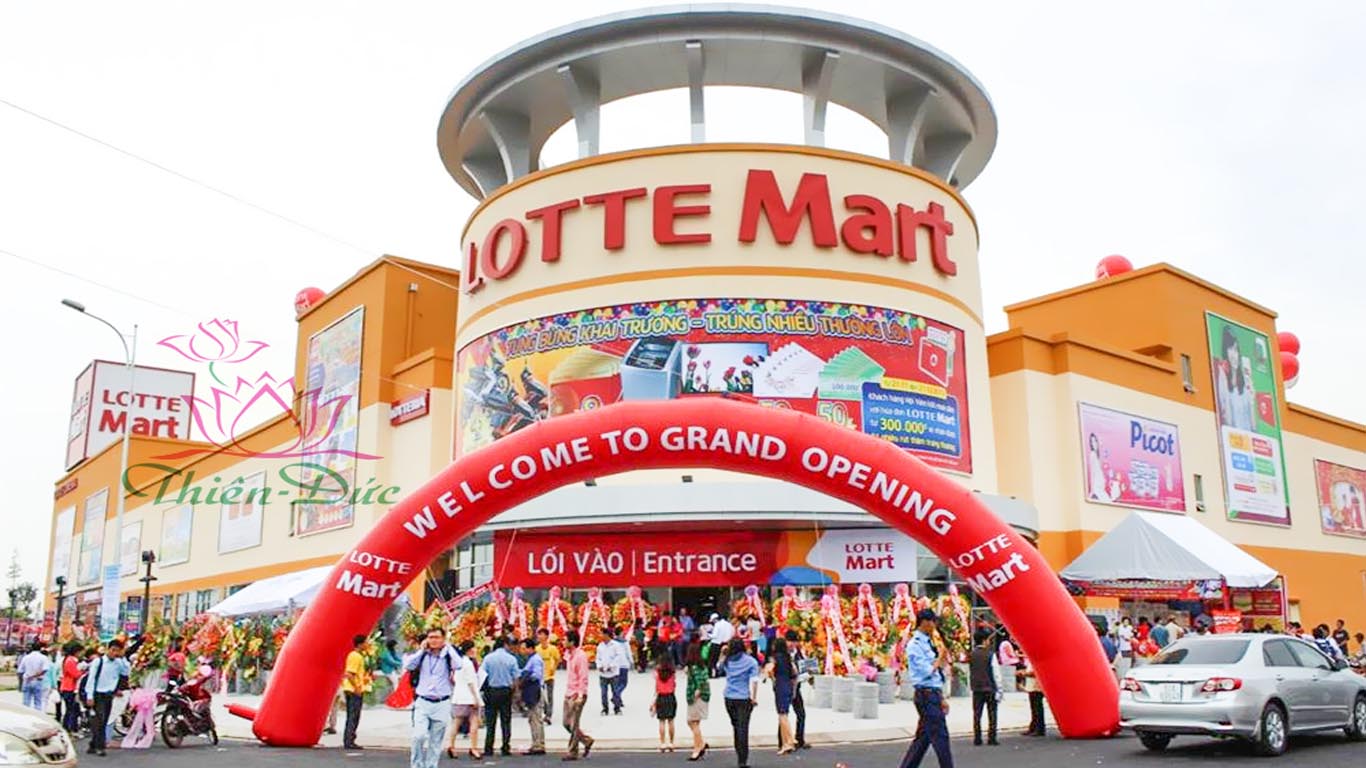
    Lotte Group believes that women know what women want. As a result, it’s moving more women into executive positions.In fact, its retail arm, Lotte Mart, has the largest number – six – which is 30 percent of the 19 women executives in the group: Julia Han, head of the home furnishing division; Kate Song, head of the babies and kids division; Kim Yoon-kyung, head of the marketing division; Seo Hyun-sun of the space merchandising innovation division; Jeong Seon-mee, head of the human resources development division; and Kim Hee-kyoung, head the Gyeonggi Nambu sales division.There’s more “women power” at Lotte Mart than at any other company in the industry, the company said Sunday.

    Decision makers from the beginning of the whole retail process to the end – product selection, marketing, consumer management and on-site sales – are women.

    The idea is that of 53-year-old Lotte Mart CEO Kim Jong-in, who was looking for a unique way to grow sales and profits. While most hypermarkets compete by opening more stores or slashing prices, Kim felt he could bring the level of competition to a new level and ultimately outperform E-Mart and Homeplus.

    “It’s true that we weren’t concerned enough about the major customers of our stores, which are women in their 30s and 40s,” Kim said. “By having women in charge at our company, we will transform from a place people go to for cheaper food products to a place where all sorts of things related to a more enjoyable life await shoppers.”

    The women executives hold a brainstorming session twice a month, dubbed Women’s Pick Cafe, a speedy discussion that deal with more than 10 topics at a time. Conclusions reached at the meeting are implemented in all stores.

    Here are the kind of ideas they come up with:

    Han (Home furnishing) – “When we publish product information on flyers, we should focus on showing actual ‘scenes’ rather than the product itself, so that customers can associate the advertisement with their own homes. Let’s show them a dinner table with food than showing them the food itself.”

    Kim (Marketing) – “When we visited neighbors 10 years ago, we used to bring canned tuna or ham products, but now we bring aromatic candles, wine or flowers. We have to bring that change in custom into our mart as well.”

    Seo (Merchandising innovation) – “What people want these days is not a luxury lifestyle but rather, a cool one. That means the supermarket has to carry a more diversified set of products.”

    Song (Babies and kids) – “For busy working moms, we opened an online version of Toys ‘R’ Us, and in the future, there will be more multibrand shops for men, because these days, men are very lonely.”

    Kim (Sales) – “When I was a store manager, I created separate rest areas for men, and they were really popular. Let’s listen to what employees are having difficulty with and figure out solutions.”

    Jeong (Human resources) – “A leader that works with the passion of a mother can change corporate culture. If more suggestions are conveyed from the bottom up, customer service can only get better.”

    The change to a more women-centered management at Lotte Mart is only three months old, but the impact is already visible. The biggest change is how products are arranged in the store. The layout is transforming as specialized brands are clustered together. Room by Home (home interior shop), Yorihada (home meal solution), Toys ‘R’ Us and Pet Garden (pet shop) are examples of such clusters.

    Even in the fresh food areas, which are pretty much the same at all hypermarkets, Lotte Mart is using lighting to differentiate product displays.

    The flow of people is also being improved in stores. Displays are raised to a height of 30 to 60 centimeters (1 to 2 feet) so customers don’t have to bend over.

    Following suggestions that too much information disturbs customers’ shopping, various advertisements that once filled the walls have been cleared out.

    The Yangdeok branch of Lotte Mart in South Gyeongsang, which opened last December and implemented all the listed changes described above, actually saw 40 percent more revenue in home furnishing and 47 percent in fashion accessories through February compared to the Guro branch in Seoul, which is of a similar size.

    Stores in Gunsan, Pangyo and Yeongjong Island have all jumped in sales by 10 to 20 percent year on year after remodeling.

    Lotte Mart plans to renew an additional 30 branches this year. It is also planning to train more than 100 female store managers and actively solicit female customers’ suggestions.