Tag: Woolworths

  • Nearly 200 Coles Shareholders Urge Retailer to Act on Plastics

    Nearly 200 Coles Shareholders Urge Retailer to Act on Plastics

    Nearly 200 Coles shareholders urged the company to break its silence over plastic use in September 2026. The demand follows the supermarket chain’s decision to stop selling Antarctic krill oil supplements.

    Rival Woolworths followed suit days later, ending the sale of krill-derived products across its supermarkets.

    Supermarket Giants Drop Antarctic Krill Lines

    Coles confirmed the product exit after conservation group Sea Shepherd spotted several unavailable krill oil items on the grocer’s website. Woolworths then ended all krill supplement sales in its own stores.

    The simultaneous delisting strips high-margin marine dietary lines from both chains. Environmental groups have long scrutinised Antarctic krill harvesting for disrupting Southern Ocean food webs.

    Shareholders Target Packaging Policies

    Investors are now pressing Coles management to address packaging waste and match Woolworths’ commitments. The shareholder group wants firm disclosures on plastic volume metrics alongside specific reduction milestones.

    Coordinated pressure on both supermarket operators accelerates packaging redesign deadlines for regional brand and private-label suppliers. Those unable to cut secondary plastics or adopt circular materials face delisting risks.

    Sourcing Audits Across Australian Aisles

    The sudden krill exit shows how quickly activist campaigns alter Australian retail range planning. RetailNews Asia has tracked similar rapid category exits across fresh produce, seafood and packaging formats in recent trading periods.

    Coles faces its next test when investors look for binding packaging targets and plastic reduction timelines at the upcoming formal shareholder meeting.

  • Woolworths to Shift 130 Support Roles from New Zealand to Australia

    Woolworths to Shift 130 Support Roles from New Zealand to Australia

    Woolworths plans to shift roughly 130 customer support roles from New Zealand to Australia as part of a restructuring across the Tasman.

    The proposal includes shuttering the retailer’s dedicated customer care centre in New Zealand to streamline operations across its grocery division.

    Cost Cuts and Centralisation

    Closing the customer care facility will save the business $4.1 million by the 2029 financial year. Woolworths plans to absorb these contact functions into its Australian network rather than maintaining separate customer support centres across both countries.

    Union officials pushed back immediately against the announcement. The Workers First Union condemned the proposal as “corporate greed”, warning that local staff are paying the price for trans-Tasman cost rationalisation.

    Regional Margin Pressure

    Supermarket operators across Australasia face persistent margin pressure from elevated operating costs and cautious consumer spending. Consolidating back-office and contact centre functions allows major grocers to trim overheads, mirroring broader retail trends across the region where administrative operations are pooled into single hubs.

    Consultation over the proposed customer care shutdown remains underway ahead of the company’s 2029 financial milestone.

  • Australian Shoppers Shift to Private Labels as Discretionary Sales Drop

    Australian Shoppers Shift to Private Labels as Discretionary Sales Drop

    Australian supermarket chains lifted private-label grocery sales by up to 6.1 per cent in fiscal 2026 as stubborn inflation squeezed household budgets. Coles Group reported that own-brand revenue outpaced overall company growth, with one in three customer baskets now containing its private-label lines.

    Woolworths Group recorded a 5.5 per cent increase in own and exclusive brand sales over the same period. Budget department store Kmart, operated by Wesfarmers, delivered resilient sales, while rival Big W returned to profitability before early fiscal 2027 trading slowed.

    Private Labels Win Margin and Volume

    Household goods retailers experienced a sharp pullback in consumer demand. Furniture chain Nick Scali reported that customer traffic fell by up to 15 per cent in the quarter to August as residential property turnover slowed. Australian same-store sales at Harvey Norman dropped 3.4 per cent, and electronics chain JB Hi-Fi posted its largest single-day share price decline since 2020 after missing consensus sales estimates.

    Quick-service dining networks faced similar pressure. Retail Food Group, which operates Gloria Jean’s and Donut King, booked an annual decline of roughly 3 per cent in domestic network sales. Automotive parts maker ARB posted a 3.3 per cent drop in Australian aftermarket revenue, while used-car transactions across the country fell 16.2 per cent in June.

    Property Slump Stalls Discretionary Demand

    Consumer price inflation has held above 3 per cent since 2025, outpacing wage growth of 3.2 per cent in the June quarter. With Commerzbank calculating that 60 per cent of Australian household wealth is tied up in residential real estate, higher borrowing costs and property tax adjustments targeting investors have directly curbed big-ticket purchases.

    The divergence across retail categories mirrors trends across Asia-Pacific markets, where food retailers expand low-price private lines to capture defensive trade while durable goods sellers rely on promotional financing to prevent transaction volumes from falling further.

    Trading updates for the first eight weeks of fiscal 2027 show sales at Big W have already started to decline, making the upcoming quarterly retail trade data the next key benchmark for consumer demand.

  • Woolworths to Drop Tasmanian Beef Sourcing in 2027 over Rising Freight Costs

    Woolworths to Drop Tasmanian Beef Sourcing in 2027 over Rising Freight Costs

    Woolworths will stop selling Tasmanian beef across its supermarket network from 2027, ending a supply pipeline of 80 cattle per week. The Australian grocer is cutting ties with meat processor JBS Foods and its Longford abattoir after shipping expenses across Bass Strait made island sourcing unviable.

    Rising production expenses and maritime freight rates prompted the decision to consolidate beef procurement on the mainland. Tasmanian beef producers, including long-term suppliers such as farmer Jerrod Nichols, now face finding alternative buyers in an increasingly volatile livestock market.

    Freight Pressures Across Bass Strait

    Transporting livestock and processed meat across Bass Strait requires dedicated cold-chain shipping that adds fixed overheads to wholesale purchasing costs. Supermarket operators have faced mounting transport inflation across island supply chains over the past three years. Woolworths concluded those logistics costs could no longer be absorbed without passing price increases directly to shelf prices.

    The exit shows how major retailers across Asia-Pacific are rationalizing local sourcing contracts in favour of centralized, lower-cost mainland processing hubs. When transport costs spike, regional supply arrangements often become the first casualty in margin defense strategies.

    Supply Pipeline Until 2027

    Local farmers will continue to supply the supermarket giant for the remainder of the current agreement. Woolworths confirmed it will maintain its regular weekly intake through the end of 2026 before shifting volume to its existing mainland abattoir partners.

  • Australian Grocers Expand Private Labels as Coles Posts $1.09B Profit

    Australian Grocers Expand Private Labels as Coles Posts $1.09B Profit

    Coles Group posted a 1.09 billion Australian dollar net profit for the financial year ending June 28, as the country’s supermarket giants add thousands of private-label lines to store shelves.

    The expansion of store brands directly targets margin defence and customer retention across Australian grocery aisles.

    Private label pressure from Aldi

    Aldi entered the Australian market through Sydney in 2001, building its network on an inventory model where 90 per cent of products were private labels sold at lower price points. At that stage, Coles and Woolworths together controlled about 71 per cent of the national grocery market.

    The German discounter captured substantial market share by 2015. That persistent push forced both incumbent chains to rethink their merchandise mix and build out multi-tier house brands to compete across basic grocery categories.

    Margin defence and shelf allocation

    Supermarket operators use own-brand ranges to secure higher gross margins and gain greater use over suppliers. For grocery retailers across the Asia-Pacific region, allocating more shelf space to proprietary labels offers direct protection against wholesale price inflation.

    Both Coles and Woolworths face continued consumer demand for cheaper basket alternatives as shoppers swap branded packaged goods for supermarket-owned items.

  • Industry Beans Returns DC Coffee to Supermarket Shelves via Woolworths

    Industry Beans Returns DC Coffee to Supermarket Shelves via Woolworths

    Melbourne specialty roaster Industry Beans has returned DC Coffee to national supermarket shelves through Woolworths, targeting Australian consumers switching from cafe takeaway cups to home brewing.

    The rollout follows a total overhaul of the brand, which Industry Beans co-founder Trevor Simmons pulled from rival chain Coles after acquiring the business in 2023.

    Canstar survey data of more than 2,100 consumers shows 29 per cent of Australians have stopped buying cafe coffee to brew at home. Another 19 per cent bought a dedicated coffee machine to cut daily spending as the average takeaway cup climbed to $5.90 before plant-milk surcharges.

    Rethinking Supermarket Coffee

    Simmons bought DC Coffee from David Valmorbida after years of acting as its contract roaster. By 2023, the brand’s footprint in Coles had dropped to less than half its original SKU count because of weak sell-through and an absence of dedicated marketing support.

    Industry Beans stripped back the catalog rather than trying to salvage slow-moving specialty lines. The Woolworths range centres on larger pack formats and two high-volume blends, The Darkness and The Duchess, before introducing a third blend called The Swell and an instant coffee offering.

    DC Coffee traces its roots to Caffe Ducale under the Valmorbida family’s Conga Foods business. Former manager Rob Stewart later reshaped the label with street-art packaging, securing national distribution in Coles in 2020 as one of the earliest third-wave brands on mainstream Australian grocery shelves.

    Targeting the Home Brewer

    Specialty roasters across Asia-Pacific long protected premium positioning by keeping their best beans restricted to company-operated cafes or direct-to-consumer subscriptions. Rising living costs and sharper price scrutiny have forced a shift, prompting roasters to compete directly on supermarket shelves against commercial legacy brands.

    DC Coffee is backing the retail rollout with a national promotional push titled Fuel Your Creativity. The brand will track volume performance on the primary blends across Woolworths stores before releasing its instant coffee formats to the same network.

  • Australian Retail Profit Lags Sales as Hidden Operating Costs Bite Margins

    Australian Retail Profit Lags Sales as Hidden Operating Costs Bite Margins

    Australian retail sales rose 2.8 per cent in the 2024-25 financial year, but operating profit before tax grew just 1.5 per cent to $38.8 billion as margin pressure intensified.

    Data from KPMG’s Retail Health Index shows that gap widening further into 2026, forcing boards to rethink conventional cost cutting.

    Retailers confronting squeezed margins often reduce store staff hours and trim marketing budgets. Advisory firm Olvera Advisors found these immediate cuts routinely fail to stop profitability leaks, which sit deeper in inventory management, returns handling and supplier contracts.

    Holding Costs and Inventory Drag

    Aged stock sitting in warehouses past 90 days creates an unmeasured drag on working capital. Benchmarking from APQC puts median inventory carrying costs at 10 per cent of value each year. A business holding $5 million in aged stock absorbs $500,000 annually in holding expenses before accounting for final clearance markdowns.

    Supplier renegotiations also remain narrowly focused on unit pricing rather than structural terms. Data from the Payment Times Reporting Regulator shows average retail payment terms at 31 days, though the 95th percentile extends to 77 days. Rebate structures frequently remain poorly tracked at the executive level, echoing findings from the Australian Competition and Consumer Commission’s supermarket inquiry.

    The Multi-Channel Fulfilment Trap

    E-commerce fulfilment and customer returns represent another growing source of unallocated operational losses. Total costs for a single product return average roughly $47 on an $80 basket, factoring in $20.78 for two-way freight, $10 in handling and an average $16 markdown. For a merchant processing one million orders annually, each single percentage point in return rate drains approximately $470,000.

    Similar accounting oversights previously hit Australia’s largest conglomerates. Woolworths paid $217.4 million for an 80 per cent stake in marketplace MyDeal in 2022 before shutting it in 2025 at a cash cost between $90 million and $100 million, alongside a $45 million impairment charge. Rival Wesfarmers similarly wound down its Catch marketplace after channel-level operating costs outpaced unit economics.

    Retail operators now face pressure from commercial lenders to present granular reporting on stock ageing past 90 days, net channel profitability and full-year return costs ahead of the next seasonal markdown cycle.

  • Humii Report Finds Flawed E-Commerce Signals Hurt Shopper Trust

    Humii Report Finds Flawed E-Commerce Signals Hurt Shopper Trust

    Almost 30 per cent of online retail refunds take more than three days to reach Australian shoppers, contradicting timeline promises made by 90 per cent of merchants. The finding comes from the 2026 Online CX Report by digital benchmark platform Humii, which tracked interface friction and post-purchase communication breakdowns across major consumer brands.

    Technical systems often report success while customer journeys falter. While automated triggers update internal order statuses instantly, shoppers face unexplained gaps between warehouse label generation, banking settlement cycles and actual parcel movement.

    Interface Habits and Misplaced Features

    Customer expectations increasingly penalise unconventional website layouts. Humii found that 91 per cent of digital shoppers expect live support chat widgets in the bottom-right corner of a desktop screen. When grocer Coles positioned its chat icon on the bottom left, users experienced higher friction locating assistance compared to rival Woolworths, which positioned its tool on the standard bottom right.

    Apparel giant Zara presents a similar design friction by requiring users to scroll product photos vertically instead of swiping horizontally. While the code operates without technical defects, the layout runs against standard touchscreen reflexes established across modern mobile operating systems.

    The Gap Between Fulfilment and Delivery

    Post-purchase messaging creates a wider credibility divide. Mystery shopping assessments revealed that apparel brands, including Ralph Lauren, generated automated dispatch notifications when carriers had merely received initial electronic documentation. Parcels remained uncollected in warehouses while buyers checked empty tracking links.

    Financial processing shows identical friction points. Retail systems mark refunds complete once an internal instruction issues to a merchant payment gateway. Because Australian interbank settlements frequently take up to five days to credit personal accounts, buyers are left contacting support desks to trace missing funds.

    Across regional e-commerce markets, engineering teams continue to optimise for system completion rather than customer receipt. Digital platforms that align notification triggers with physical carrier scans and realistic banking windows reduce inbound customer service volumes without redesigning their underlying tech stack.

  • Moondarra Expands Dairy Line with Cranberry Vanilla Cream Cheese at Woolworths

    Moondarra Expands Dairy Line with Cranberry Vanilla Cream Cheese at Woolworths

    Australian dairy brand Moondarra Cheese has rolled out a cranberry and vanilla soft cheese across selected Woolworths supermarkets nationwide, priced at $4.20 for a 120-gram tub.

    The product uses the manufacturer’s triple cream cheese base blended with cranberries and vanilla. Alongside the new SKU, Moondarra refreshed the packaging design across its broader line of marinated cheeses to improve shelf visibility in the specialty deli and dairy aisles.

    Supermarket Dairy Competition

    Sweet and savoury combination cheeses have gained shelf space in Australian grocers as producers target entertaining platters and snacking occasions. Woolworths and rival Coles have both reshuffled their specialty cheese sets over the past two years, replacing slower-moving European imports with local flavoured cheeses that offer higher margins and shorter supply chains.

    For Moondarra, the rollout secures valuable facings in Australia’s largest supermarket network. Supermarket dairy aisles remain tightly contested as private-label options squeeze mid-tier branded producers on everyday staples, pushing commercial cheese makers toward higher-value sweet and marinated segments.

    Distribution and Retail Presence

    The new cheese formulation is now available in selected Woolworths stores across the country. Moondarra will monitor sales performance across the network ahead of the key summer entertaining season.

  • MilkLab Unveils New Lactose-Free Milk at Woolworths: A Revolution in Dairy Digestibility and Taste

    MilkLab Unveils New Lactose-Free Milk at Woolworths: A Revolution in Dairy Digestibility and Taste

    MilkLab, a subsidiary of Noumi, has launched a new reformulated lactose-free milk at Woolworths in response to increasing consumer preference for lighter, easily digestible dairy options.

    Advanced Filtration for Healthier Milk

    MilkLab’s innovative product uses ultrafiltration technology, which processes milk through fine membranes. This concentrates the milk’s natural protein and fat content while lowering the levels of lactose sugar. The end product contains 9 grams of sugar per serving, marking a 25 per cent reduction compared to the average 12 grams found in conventional dairy milk. Beyond simply reducing sugar, this process also enhances the milk’s texture and its ability to produce foam in hot coffee.

    Natalie Latimore, MilkLab’s head of marketing, emphasizes the brand’s commitment to continuous product development, “Innovation at MilkLab is more than just getting it ‘good enough’. Rather, we strive for perfection. MilkLab’s success depends on close collaboration with roasters, baristas, and our retail partners. This ensures that by the time our product reaches the consumer’s cup or shopping cart, it has been refined to the highest standard.”

    Long-term Development for Superior Lactose-free Milk

    The new lactose-free milk is the culmination of a three-year development process involving 12 rounds of trial formulations. The process included consumer testing in conjunction with Deakin University and validation testing in association with commercial coffee roasters.

    MilkLab’s Lactose-Free 1L milk is now available in a long-life format at Woolworths stores and is also being supplied to commercial cafes throughout the country.

    In other company news, Noumi, MilkLab’s parent company, transitioned to private ownership last month following an agreement with its largest shareholder to purchase all remaining shares.

    Questions & Answers

    What is unique about MilkLab’s lactose-free milk?
    MilkLab’s lactose-free milk uses ultrafiltration technology to concentrate natural protein and fat while reducing lactose sugar, providing a healthier, easily digestible dairy option.

    How much sugar does MilkLab’s lactose-free milk contain?
    MilkLab’s lactose-free milk contains 9 grams of sugar per serving, which is 25 per cent less than the average 12 grams found in standard dairy milk.

    Where is MilkLab’s Lactose-Free 1L milk available?
    MilkLab’s Lactose-Free 1L milk is currently available in Woolworths stores in a long-life format and is also being distributed to commercial cafes nationwide.

  • Woolworth’s Axes Farmers Own Brand: A Disappointment for Dairy Farmers Nationwide

    Woolworth’s Axes Farmers Own Brand: A Disappointment for Dairy Farmers Nationwide

    Woolworths, the acclaimed supermarket chain, is gradually discontinuing its Farmers’ Own milk brand. This specialized product line will be eliminated from all national supermarkets as the existing contracts with suppliers reach their conclusion.

    The Farmers’ Own brand has already been removed from the supermarket shelves in South Australia. It is set to vanish from the stores in Western Australia, Queensland, New South Wales, and Victoria by the upcoming year.

    The Brand’s History and Evolution

    Farmers’ Own was first introduced to the market in 2013 as an initiative to aid and support Australian dairy farmers. It offered a platform for suppliers to negotiate better deals, thus fostering a stronger Australian dairy market.

    Tim Bale, a dairy farmer who was pivotal in establishing the brand, expressed his disappointment at its phasing out, observing that consumers are now left with the difficult choice between supporting local farmers and opting for cheaper milk alternatives.

    According to Bale, declining sales and limited marketing efforts made the brand increasingly challenging to sustain. An oversupply in the dairy market also exerted additional strain on processors and farmers.

    The Supermarket’s Response

    In response to the forthcoming end of the Farmers’ Own brand, Woolworths stated that they had recently consulted with the dairy suppliers about the impending contract expirations. The supermarket will honour existing contracts, and some suppliers have the option to extend their contracts for an additional year. Woolworths has not revealed why they have chosen to discontinue the brand.

    Questions & Answers

    What is the reason behind Woolworths phasing out the Farmers’ Own brand?
    The exact reason is not disclosed by Woolworths. However, declining sales and limited marketing, along with an oversupply in the dairy market, are cited as possible contributors.

    What was the purpose of the Farmers’ Own brand?
    Introduced in 2013, the Farmers’ Own brand was an initiative to support Australian dairy farmers by providing them with a platform to negotiate better terms with suppliers.

    What will happen to the existing contracts with dairy suppliers?
    Woolworths has affirmed that they will honour existing agreements, and some suppliers have the option to extend their contracts for an additional year.

  • Clubcoco Sparkling Coconut Water Sodas Splash Into Woolworths Metro Nationwide

    Clubcoco Sparkling Coconut Water Sodas Splash Into Woolworths Metro Nationwide

    Isle Brands has successfully achieved nationwide distribution of its Clubcoco sparkling coconut water sodas through Woolworths Metro stores across the country. The brand’s expanded offering includes an effervescent line that marries 95% coconut water with 5% fruit juice, prebiotic fibre, and electrolytes, while intentionally excluding any added sugars.

    The new product line is designed to provide a healthier and functional alternative within both the sparkling beverage and coconut water sectors. Richard Skelton, Isle Brands’ director, explained, “our intention was to create a ‘better-for-you’ soda, focusing on genuine ingredients and outstanding taste.” He added that the range has been formulated to deliver the classic attributes of traditional soda but with reduced calories and additional health benefits.

    The product range is packaged in 320ml cans and comes in an enticing array of four tropical flavours: Pineapple, Mango, Watermelon, and Lychee. In addition to the recent nationwide expansion through Woolworths Metro, the products, which were conceived and developed in Sydney, are also available through Coles Local and over 550 independent grocery, convenience, and petrol retailers throughout Australia.

    Questions & Answers

    What is the unique selling point of Isle Brands’ Clubcoco sparkling coconut water sodas?
    Isle Brands’ Clubcoco sparkling coconut water sodas offer a healthy alternative to traditional sodas. They consist of 95% coconut water combined with 5% fruit juice, prebiotic fibre, and electrolytes, with no added sugar.

    What flavours are available in the Clubcoco product line?
    The Clubcoco product line offers four tropical flavours: Pineapple, Mango, Watermelon, and Lychee.

    Where can consumers purchase Clubcoco sparkling coconut water sodas?
    Apart from the recent nationwide distribution through Woolworths Metro, Clubcoco sparkling coconut water sodas are available in Coles Local and over 550 independent grocery, convenience, and petrol retailers across Australia.

  • DC Coffee Unveils New Fuel Your Creativity Range, Exclusively at Woolworths

    DC Coffee Unveils New Fuel Your Creativity Range, Exclusively at Woolworths

    DC Coffee, a specialty coffee roaster based in Melbourne, has broadened its unique range of offerings at Woolworths by introducing a new 600g variety under the ‘Fuel Your Creativity’ line.

    DC Coffee’s Growth and Expansion

    Established in 2004, DC Coffee had an impressive reach of over 200 wholesale cafe clients across the country by 2016. The brand’s exclusive move into Woolworths in the previous year was a significant landmark in its retail growth journey. This move allowed the coffee brand to bring its signature blends and distinctive packaging to regular supermarket shoppers in Australia.

    The latest addition to its collection, a 600g range priced at $23, enhances DC Coffee’s existing portfolio. This expansion portrays the brand as an easily accessible specialty coffee provider, reinforcing its sustained investment and commitment to the grocery channel.

    Supporting Campaign and Refreshed Brand Identity

    To augment the retail introduction, DC Coffee has launched its inaugural integrated campaign, bringing its ‘Fuel Your Creativity’ platform to life. This initiative aims to redefine coffee and applaud those who use it as a source of inspiration and motivation, interpreting and acting on it in their unique ways.

    In collaboration with the creative agency Hellions, the campaign will be implemented nationally across various channels such as BVOD, YouTube, out-of-home, paid and organic social, e-commerce, and emails.

    Commenting on the campaign, Trevor Simmons, CEO of DC Coffee, said that DC Coffee is the most dynamic and engaging coffee brand present today. The campaign perfectly encapsulates the brand’s unique, irreverent post-specialty attitude.

    The brand enhancement also includes an updated packaging design aimed at enhancing shelf impact and fortifying brand recognition. The new packaging continues to feature the brand’s artist-led creative direction across various elements like typography, illustration, colour, photography, and motion.

    “DC Coffee is synonymous with awesome coffee, unique packaging, and incredible value. It’s all about fuel and energy,” added Simmons.

    Questions & Answers

    What is DC Coffee’s new initiative ‘Fuel Your Creativity’ about?
    DC Coffee’s ‘Fuel Your Creativity’ is an integrated campaign aimed at redefining the perception of coffee. It celebrates individuals who use coffee as a source of inspiration and motivation to interpret and act uniquely.

    How will the new ‘Fuel Your Creativity’ campaign be implemented?
    In collaboration with the creative agency Hellions, the ‘Fuel Your Creativity’ campaign will be implemented nationally across various channels, including BVOD, YouTube, out-of-home, paid and organic social, e-commerce, and emails.

    How does the new packaging design impact DC Coffee’s brand?
    The updated packaging design, featuring various elements like typography, illustration, colour, photography, and motion, is aimed at enhancing shelf impact and strengthening brand recognition.

  • Segafredo Brews Bold Move: Italian Espresso Hits Shelves in 900+ Woolworths Stores Across Australia

    Segafredo Brews Bold Move: Italian Espresso Hits Shelves in 900+ Woolworths Stores Across Australia

    Italian espresso company, Segafredo, has extended its reach into the Australian retail grocery market with a new product lineup. Over 900 Woolworths stores nationwide and their online platform will carry the brand that has been supplying Australian cafes since 1973. Now, Segafredo is venturing into the Fast-Moving Consumer Goods (FMCG) sector.

    Segafredo’s New Lineup

    The new offering includes eight products, all formulated with the tastes and preferences of Australian consumers in mind. The selection includes locally roasted whole coffee beans, coffee capsules, and instant coffee.

    The whole coffee bean selection is available in 700g packages at $30 each. It includes three options originating from the bold, dark Casa roast that is known for its “full-bodied intensity”. This variety is made with the Arabica Emozioni blend that offers hints of nuts and chocolate. There’s also a medium-roasted Intermezzo blend with a smooth, balanced palate.

    The brand offers 10-packs of capsules for home brewing at $8 each. The offerings include Arabica Supremo, the Classico signature blend, and Intenso.

    Also available is a 100g range of instant coffee, priced at $12. Customers can choose between a smooth, granulated Classic variety or a rich, freeze-dried Gold blend with a lingering aromatic finish.

    Reaction from Segafredo

    Rob Collier, Managing Director of Segafredo Bean Alliance Australia, expressed his excitement about the brand’s expansion into Woolworths. He stated that after being a staple in Australia’s cafe culture for over 25 years, this step marked a significant milestone for Segafredo. Collier also expressed that they have developed a range of blends and flavors that are likely to resonate with discerning consumers and are eager to become part of Australians’ everyday coffee rituals.

    This retail expansion aligns with the launch of Segafredo’s new global marketing initiative, ‘Take Your Shot’. This campaign features several public figures representing different product categories and consumer habits. Aggie Vlotman from Segafredo Bean Alliance Australia stated that the aim is to position Segafredo as a constant, quality coffee brand that aligns with the rhythm of Australians’ daily lives.
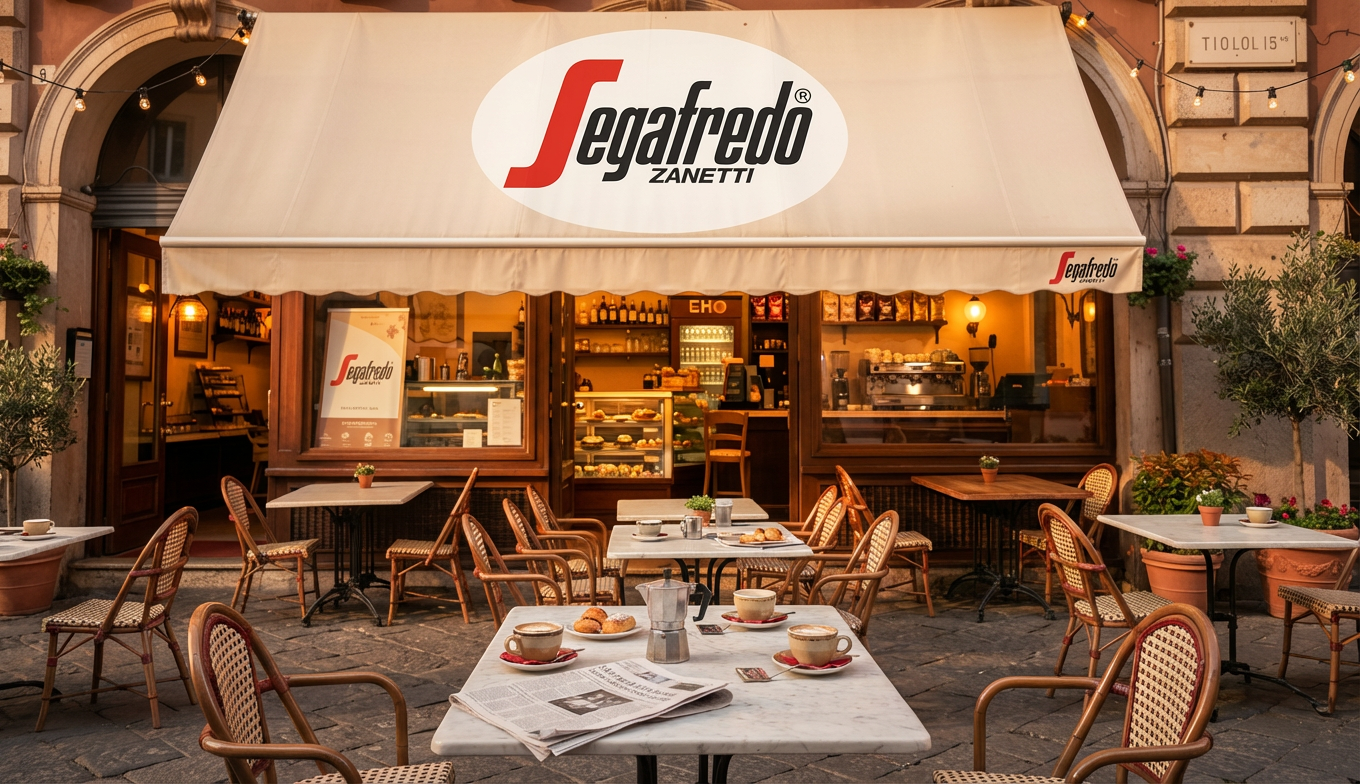
    Established in 1973 in Bologna by Massimo Zanetti, Segafredo has grown from a traditional Italian roasting house into one of the world’s leading coffee companies, now operating in over 110 countries worldwide.

    Questions & Answers

    What is the price range of Segafredo’s new product lineup?
    The price range is from $8 for a 10-pack of coffee capsules to $30 for a 700g package of whole coffee beans.

    What flavors or blends are included in Segafredo’s new product lineup?
    The lineup includes Arabica Emozioni blend, medium-roasted Intermezzo blend, Arabica Supremo, Classico signature blend, and Intenso.

    What is Segafredo’s new marketing initiative?
    The new initiative, ‘Take Your Shot’, aims to position Segafredo as a constant, quality coffee brand that aligns with the rhythm of Australians’ daily lives.
  • Woolworths NZ Kick-starts Innovative Drive-Thru Home Burger Trial: A Fresh Take on Convenient Dining

    Woolworths NZ Kick-starts Innovative Drive-Thru Home Burger Trial: A Fresh Take on Convenient Dining

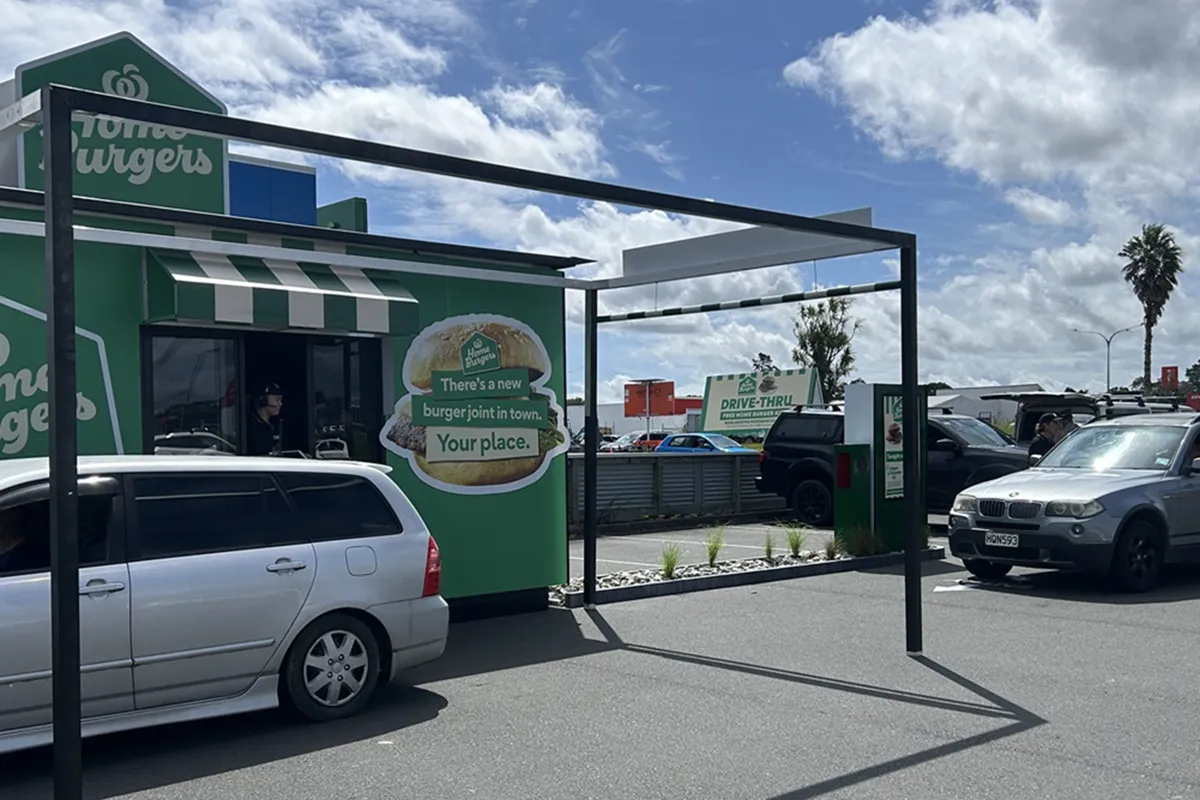
    Woolworths New Zealand recently conducted a drive-thru experiment in a supermarket parking lot to promote its new line of beef burger patties. The event, which occurred from January 26 to 28 at Woolworths Pukekohe South, underscored the importance of own-brand products during the busy summer season.

    Drive-Thru Experiment

    Approximately 4,500 Home Burger kits were handed out free of charge during the trial. With queues of vehicles observed throughout the event and stocks depleted each night, the results pointed towards a strong consumer demand for home-cooked meals that mimic the convenience of takeaways.

    Conrad Webber, Woolworths NZ’s marketing manager for fresh food and own brand, spoke about the innovative drive-thru concept. He explained that it offered a platform to showcase restaurant-style meals intended for home cooking, while also experimenting with a novel customer engagement strategy.

    “The drive-thru allowed us to translate a typical dining-out experience into a retail environment,” said Webber. He further added that “the positive reception over the three nights reaffirmed our belief that New Zealanders appreciate restaurant-quality cuisine they can easily replicate at home, and confirmed that own-brand products can deliver on flavor, quality, and convenience in a manner that resonates with our customers’ lifestyles.”

    Home Burger Kits

    Customers participating in the trial drove through the store’s parking lot to collect a Home Burger kit. The kits, which featured Woolworths Own Brand products including beef patties, brioche buns, sliced cheese, salad ingredients, and condiments, were packaged in reusable Woolworths bags complete with preparation instructions for home use.

    The drive-thru event was part of Woolworths’ more extensive Home Burgers launch. It positioned the beef burger patty range as a viable alternative to takeaway-style burgers.

    The initiative catered to households seeking quick and familiar meal solutions, particularly in light of ongoing cost-sensitivity. The campaign’s focus was on providing bundled meal solutions rather than individual item purchases.

    Questions & Answers

    What was the purpose of the Woolworths drive-thru experiment?
    The Woolworths drive-thru experiment was designed to promote its new line of beef burger patties, with a focus on demonstrating the convenience and quality of own-brand products.

    What did the Home Burger kits include?
    The Home Burger kits featured Woolworths Own Brand products including beef patties, brioche buns, sliced cheese, salad ingredients, and condiments. They were packaged in reusable Woolworths bags, with home preparation instructions included.

    What was the primary target audience for this initiative?
    The primary target audience for this initiative was households seeking quick, familiar, and cost-effective meal solutions that could easily be prepared at home.