Retail News CRM

Tag: workers

  • Manila’s Record-Breaking 12% Minimum Wage Boost Benefits Over a Million Workers

    Manila’s Record-Breaking 12% Minimum Wage Boost Benefits Over a Million Workers

    The Philippine government has sanctioned an unprecedented 12% increase in the daily minimum wage for Metro Manila, providing an additional 85 pesos (US$1.4) in two separate instalments beginning later this month. This decision is set to impact over 1.1 million minimum wage workers in Metro Manila with the largest single wage adjustment ever made in the capital region.

    Increased Wages and Phased Approach

    The wage hike will be implemented in two parts, with an initial 60 pesos increase on July 19, and a follow-up rise of 25 pesos on January 20, 2027. Once both increases have been fully enacted, non-agriculture workers will earn a daily minimum wage of 780 pesos (US$12.73). The hike also extends to other sectors, with workers in agriculture, service and retail establishments employing 15 or fewer staff, and manufacturing companies with fewer than 10 workers experiencing a 13% increase to their daily minimum wage, reaching 743 pesos.

    The adjustment comes at a time when the price of fuel and basic goods in the Philippines have surged since March, due to the conflict between the U.S. and Iran. This has consequently escalated inflation and diminished consumer purchasing power.

    Inflation in the Southeast Asian nation decreased to 6.8% in May from a three-year peak of 7.2% in April, though it still considerably surpasses the central bank’s maximum target of 4%.

    Metro Manila: Highest Minimum Wage in the Country

    Metro Manila, which is composed of 16 cities, currently holds the record for the country’s highest legislated daily minimum wage. According to research, the living wage for an average family of five in the capital region is 1,289 pesos.

    John Paolo Rivera, a senior research associate at the government-operated Philippine Institute for Development Studies, has expressed that the wage increase will provide “meaningful relief” to workers by “boosting purchasing power in a high-inflation environment and facilitating household consumption.” However, he also cautioned that it could elevate costs for small and medium-sized businesses, which may respond by increasing prices or slowing recruitment.

    “The overall effect will hinge on the adaptability of firms and whether productivity improvements accompany higher wages,” he stated. The Trade Union Congress of the Philippines, however, has criticized the two-part implementation and characterized the increase as “grossly inadequate considering the erosion of workers’ purchasing power.”

    Questions & Answers

    What is the new minimum wage for Metro Manila?
    The new minimum wage for non-agriculture workers in Metro Manila will be 780 pesos (US$12.73) once both increases have been fully implemented.

    When will the wage increase take effect?
    The wage increase will be implemented in two stages, with the first increase of 60 pesos starting on July 19, and the second increase of 25 pesos on January 20, 2027.

    What are the potential impacts of this wage increase?
    While the wage hike is expected to provide “meaningful relief” to workers by boosting purchasing power in a high-inflation environment, it may also raise costs for small and medium-sized enterprises, potentially leading to higher prices or slower hiring.


  • Breaking: Singapore Hands $155 Cash Boost to Eligible Taxi and Platform Workers amid Rising Fuel Costs

    Breaking: Singapore Hands $155 Cash Boost to Eligible Taxi and Platform Workers amid Rising Fuel Costs

    Qualified platform workers and taxi drivers in Singapore are set to receive a cash assistance of S$200 (US$155) to mitigate the impact of increasing fuel prices. To be eligible, platform workers must have earned above S$500 per month from their platform-based jobs across all operators between December 2025 and February 2026. Similarly, taxi drivers must have had a vehicle rental contract with a taxi operator within the same timeframe.

    Automated Payments Processing

    The Central Provident Fund (CPF) Board will undertake the automatic processing of the payouts using income data submitted by platform operators for CPF contributions. Checkouts are expected to be disbursed via PayNow-NRIC by the end of April, or through GIRO by May 11. Recipients without connected bank accounts will be paid via GovCash by May 18.

    If eligible taxi drivers fail to receive their payments via the CPF Board, the Land Transport Authority will automatically disburse the payouts by mid-May.

    Support amidst Fuel Price Surge

    The cash relief, announced by Senior Minister of State for Finance Jeffrey Siow, is aimed at alleviating the burden of growing petrol costs on workers’ earnings. Fuel prices have been on a steady rise over the past month due to ongoing conflicts in the Middle East, although the government has no plans to intervene in regulating pump prices.

    Jeffrey Siow explained that direct support would be offered to small-medium enterprises, companies, drivers, and individuals most affected by the fuel price hike, as control of pump prices would be too blunt an approach and potentially regressive.

    Extended Support Calls

    Yeo Wan Ling, the assistant secretary-general of the National Trades Union Congress, applauded the initiative but added that similar support should also extend to self-employed drivers of combi buses and limousines. She expressed the union’s commitment to working closely with the government and industry partners to ensure that support reaches every affected worker.

    The relief payout is part of a larger support package valued at nearly S$1 billion, which aims to cushion the effects of escalating energy costs associated with the Middle East conflict. The package comprises a variety of measures to aid businesses, workers, and households, including advancing S$500 cost-of-living vouchers for households by six months and augmenting a one-off cash payout for qualified adults by S$200.

    Questions & Answers

    What is the eligibility criteria for platform workers and taxi drivers to receive the cash assistance?
    Platform workers must have earned above S$500 per month from their platform work across all operators between December 2025 and February 2026. Taxi drivers must have had a vehicle hire agreement with a taxi operator within the same timeframe.

    How will the payouts be processed and disbursed?
    The Central Provident Fund (CPF) Board will process the payouts automatically using income data submitted by platform operators for CPF contributions. Payments will be made via PayNow-NRIC, GIRO, or GovCash, depending on the recipient’s banking setup.

    What is the objective of this cash relief initiative?
    The initiative aims to alleviate the burden of rising fuel costs on the earnings of platform workers and taxi drivers in Singapore, particularly in light of ongoing conflicts in the Middle East that have led to an increase in fuel prices.

  • Singapore Injects $466,000 Lifeline Into Workforce: Relief for Workers Stranded by Company Liquidations

    Singapore Injects $466,000 Lifeline Into Workforce: Relief for Workers Stranded by Company Liquidations

    Between 2023 and 2025, the Singapore government allocated SGD600,000 (US$466,000) from its short-term relief fund to provide financial aid to 260 employees who were left without pay when their companies went into liquidation. The relief fund aims to support employers who genuinely cannot meet their salary obligations due to business failure, according to Manpower Minister Tan See Leng.

    Regulations and Protections

    Companies that intentionally refrain from paying wages despite having the resources to do so will potentially face legal consequences for violating employment laws when their businesses are liquidated, Minister Tan pointed out. While his ministry does not actively monitor the total count of workers left unpaid as a result of corporate liquidations, he highlighted the government’s understanding of the crucial nature of employees’ salary claims during such circumstances.

    Support Beyond Financial Aid

    Apart from offering aid via the short-term relief fund, the government also assists impacted workers in finding and securing new opportunities with promising long-term prospects through career-matching services and training programs.

    The SkillsFuture Jobseeker Support scheme provides eligible workers who lose their jobs involuntarily with up to SGD6,000 over a six-month period. For lower-income households that require assistance with basic expenses, they can seek financial support from their local social service office.

    Minister Tan emphasized the government’s encouragement and support for Singaporeans to maintain their career health and remain relevant in their professional roles.

    Labour Market Outlook

    Minister Tan also shared insights about the labour market. The financial and insurance services, professional services, and information and communications sectors have been actively hiring and seeing wage growth for professionals, managers, executives and technicians.

    As of September 2025, these sectors had 14,200 job openings, a rise from 12,600 in the previous year. The roles within these sectors are suitable for fresh graduates, according to Tan. He further noted that real median incomes in these sectors in 2025 grew at a rate that exceeded the overall median income increase of 4.3%.

    Questions & Answers

    What is the purpose of the Singapore government’s short-term relief fund?
    The fund is designed to assist employers who genuinely cannot pay their employees’ salaries due to business failure.

    What kind of support does the government provide for workers affected by corporate liquidations, apart from financial aid?
    The government offers career-matching services and training programs to help these workers find and secure new jobs with promising long-term prospects.

    What are the job prospects in Singapore’s labour market according to Manpower Minister Tan See Leng?
    According to Minister Tan, the financial and insurance services, professional services, and information and communications sectors are actively hiring and seeing wage growth, making them promising sectors for job seekers.

  • Vietnamese Migrant Workers Struggle with Homecoming: An Inside Look at the Tough Transition

    Vietnamese Migrant Workers Struggle with Homecoming: An Inside Look at the Tough Transition

    Three years ago, Thanh Truc, a 33-year-old Vietnamese woman, returned home from Japan with a savings of VND200 million (approximately US$7,600). Now, she finds herself preparing to leave her homeland once more.

    From Beautician to Factory Worker

    Prior to leaving Vietnam in 2016, Truc was employed as an assistant beautician and earned a monthly wage of roughly VND5 million. As her parents’ health deteriorated, she found herself under increasing financial strain. In an attempt to alleviate this burden, Truc took out a bank loan and applied to Japan’s Technical Intern Training Program.

    She was accepted into the program and assigned to a component manufacturing factory in Aichi, Japan. There, Truc capitalized on overtime hours and a robust yen, earning between 150,000 and 160,000 yen (US$954–1,017) per month. After accounting for her living expenses, she was able to send a significant portion of her income back home, ending her financial woes within six months.

    Upon the conclusion of her contract in late 2019, she returned to Vietnam with a sizeable savings, intending to renovate her home and open her own beauty salon.

    Re-entry Struggles

    But reality had other plans for Truc. Finding employment proved immensely challenging and her cosmetology skills had become antiquated during her time in Japan. Standards, tools, and techniques within the industry had advanced considerably, and the cost of updating her skills through refresher courses was prohibitive.

    Employers showed a preference for younger workers, further compounding her difficulties. With her savings depleting rapidly, Truc relocated to Ho Chi Minh City, securing a job at a Japanese-owned packaging factory under the assumption that her language skills would prove advantageous. Unfortunately, even with overtime, she was only able to earn a monthly salary of about VND11 million – a fraction of what she used to earn in Japan.

    By the end of 2023, unable to establish a sustainable lifestyle in Vietnam, Truc resigned from her job and once again applied for a visa to Japan.

    The Challenges Faced by Returnees

    Truc’s experience is far from an anomaly. Data reveals that a mere 26.7% of Vietnamese citizens find steady employment upon their return home, even when they return with savings ranging from VND300–500 million.

    Returnees often face three major challenges. The first is the gap in income and skills. The typical blue-collar worker in Vietnam earns VND8–10 million per month, which is roughly one third of what they could earn in Japan. Moreover, their overseas factory experience often doesn’t prepare them for the white-collar or skilled occupations they aspire to.

    The second challenge is the psychological pressure. There is a societal expectation that returnees should be financially successful, having “made it” abroad, especially in rural regions where employment opportunities are scarce.

    The final challenge faced by returnees is the danger of unsuccessful entrepreneurship. Many invest their savings into small businesses or ventures without possessing the necessary knowledge, resulting in failure.

    A Cautionary Tale

    A case in point is 30-year-old Phan Van Thanh and his wife. After spending six years in Japan, they returned to Vietnam in mid-2023 with VND400 million, intending to be self-employed. They invested VND100 million in wedding decoration equipment, but found no profit in the venture.

    To offset losses, Thanh bought a car and started driving it for ride-hailing apps. Despite the fact their savings were running out, the couple considered going back to Japan. It took a year for their venture to stabilize, but as Thanh mentioned, “Still, compared to my life abroad, things are much tougher.”

    Experts advise migrant workers to plan their careers long-term, ideally five to ten years ahead, and to acquire skills and certifications that will be valuable in Vietnam before they return. The role of employers and labour agencies in providing transparent information and reintegration support is also crucial.

    Without proper preparation, many returnees find themselves starting over again, losing both time and accrued capital. Consequently, it is estimated that 60–70% of Vietnamese workers eventually choose to return to Japan.

    Questions & Answers

    What challenges do returning migrant workers face?
    Returning migrant workers often face an income and skills gap, psychological pressure, and the risk of failed entrepreneurship.

    What advice is given to migrant workers planning to return home?
    Migrant workers are advised to plan their careers long-term, ideally five to ten years ahead, and to acquire skills and certifications that are valuable in their home country before they return.

    What percentage of Vietnamese workers return to Japan?
    It is estimated that 60–70% of Vietnamese workers eventually return to Japan.

  • Ring in New Year 2026 with a Four-Day Break: Boosting Rest, Spending, and Tourism

    Ring in New Year 2026 with a Four-Day Break: Boosting Rest, Spending, and Tourism

    Thursday, January 1, 2026, brings a national holiday to celebrate New Year’s Day. However, the jubilance of embarking on a fresh chapter may be dampened somewhat by the fact that the holiday falls in the middle of the week. This means that workers will return to the office for a day before once more enjoying a break over the weekend.

    An Auspicious Start

    The significance of New Year’s Day may differ from the vibrant Lunar New Year often celebrated in mid-February, but it still carries an aura of tranquility and renewal. It is a moment of introspection as people reflect on the past year and look forward to the new one with anticipation and optimism. This sentiment of hope and positivity is especially pertinent in navigating the complexities of contemporary life.

    A One-Day Holiday Conundrum

    However, as the holiday falls smack in the middle of the week, it presents an awkward predicament. A mere 24-hour respite may not suffice for workers wishing to travel, relax, or spend quality time with family and friends. The disruption in the regular work week can lead to feelings of wasted opportunities and rushed activities.

    Advocacy for Extended Breaks

    In response to this, there has been a recent proposal to allow students in Ho Chi Minh City to enjoy a four-day break for the New Year. An extension of such an initiative to the working population seems plausible and beneficial. Companies could allow employees to take Friday off and compensate by working on the preceding Saturday, December 27.

    This modification would not reduce the total number of working days, and it is unlikely to significantly impact business operations. The potential benefits of a longer break include a more meaningful holiday for millions of workers. It could also stimulate spending and boost the service and tourism sectors.

    Societal Implications

    The societal impact of such an arrangement could be far-reaching. The extended holiday period would enhance the shared festive spirit and positively impact the workforce’s wellbeing. The potential for increased spending and tourism could also stimulate economic growth.

    Questions & Answers

    What is the significance of New Year’s Day?
    New Year’s Day marks the start of a new year, offering a fresh start. It’s a time for people to reflect on the past year and look forward with hope and positivity to the year ahead.

    What is the issue with New Year’s Day falling on a weekday?
    When a holiday falls in the middle of the week, it can disrupt the regular work week and may not provide sufficient time for workers to rest or spend quality time with their families.

    How could extending the New Year’s holiday benefit society?
    An extended holiday could provide a more meaningful break for workers, stimulate spending, and boost the service and tourism sectors. This shared festive spirit could potentially enhance societal well-being and stimulate economic growth.

  • China, US, and Malaysia Top Choices for Singapore Workers Seeking Global Experience

    China, US, and Malaysia Top Choices for Singapore Workers Seeking Global Experience

    Approximately 76,000 individuals, making up 3.1% of Singapore’s working populace, have experienced working overseas full-time for a minimum of six months. The primary locations for this international experience were China, the United States, and Malaysia.

    The Most Popular Destinations

    From the portion of the employed population with experience working abroad, 18.3% had most recently been posted in mainland China. The United States followed closely, with 13.6% of the workers having had their most recent overseas experience there, while 10.1% had last worked in Malaysia.

    Insights from the Comprehensive Labour Force Survey

    These statistics were obtained from the 2025 Comprehensive Labour Force Survey. The survey, conducted from March to July, gathered responses from 33,000 households—comprising of employed individuals and job seekers aged 15 and above. In this survey, overseas work experience of residents was noted for the first time, providing insights into its prevalence within the workforce.

    Sectors and Roles

    Those who had worked in China were primarily employed in the manufacturing sector. Meanwhile, most of the workforce in the United States were involved in growth industries such as professional services, information and communications, and financial and insurance services. In contrast, those in Malaysia were largely employed within the manufacturing and construction sectors.

    In terms of job roles, 45.2% of residents held professional positions during their recent work abroad. 30.7% were managers. The most common professional roles were in business and administration (16%), and science and engineering (13.7%). For managers, administrative and commercial roles (11.4%) and production and specialized services roles (9.4%) were the most frequent.

    Demographics and Income

    Overseas work experience was most common among mid-career workers, with 4.6% of individuals in their 40s and 4.5% of those in their 50s having had an overseas posting. However, many of these workers had completed their overseas stints earlier in their careers, primarily between the ages of 25 to 34.

    The report also revealed that international experience was less common among older and younger employees. Only 2.6% of employees in their 60s, 2.5% of those in their 30s and 0.5% of workers aged 25-29 had worked overseas.

    The study found that those in senior roles or with higher incomes were more likely to have had international work experience. Among managers and executives, 7.7% had experience working abroad. Moreover, 16.8% of full-time residents currently earning at least S$30,000 (US$23,100) a month had previously worked overseas. This figure was at 10.6% for those earning S$15,000-19,999 monthly and about 3% for employees in the S$5,000-9,999 range.

    The statistics emphasize the importance of international experience in fostering leadership skills and cross-cultural capabilities, particularly for those aspiring to higher-paying roles. Active planning and seeking overseas work opportunities is crucial to building necessary capabilities for these roles in the future.

    Questions & Answers

    What percentage of Singapore’s workforce has had full-time overseas work experience?
    – About 3.1% of Singapore’s workforce, or 76,000 individuals, have had full-time overseas work experience.

    What are the most popular destinations for overseas work assignments?
    – The top destinations for overseas work assignments are China, the United States, and Malaysia.

    Does international work experience correlate with higher income?
    – Yes, the report suggests that those in senior roles or with higher incomes are more likely to have had international work experience. For instance, 16.8% of full-time residents currently earning at least S$30,000 (US$23,100) a month had previously worked overseas.

  • Shingda Group Streamlines Operations: A Bold Move for Singapore’s Construction Industry

    Shingda Group Streamlines Operations: A Bold Move for Singapore’s Construction Industry

    In a strategic move to elevate its IT capabilities, Shingda Group, a civil engineering and construction powerhouse based in Singapore, has embraced a cutting-edge cloud management platform. This innovation aims to enhance operations across remote construction sites, where digital resources are often sparse.

    By implementing a hub-and-spoke VPN architecture, Shingda has streamlined connectivity and fortified security across various locations, bridging its remote sites to headquarters with newfound efficiency. The company selected Zyxel Networks’ Nebula cloud management platform for this pivotal transition.

    Since its deployment, Shingda reports an impressive 60 percent increase in network management efficiency. The IT team is experiencing a remarkable transformation, completing troubleshooting and configuration tasks up to 70 percent faster, saving valuable time and resources.

    “We needed a solution that would keep our sites connected, secure, and manageable,” shared Joshua Pek, IT Manager at Shingda Group. The integration with Zyxel Networks’ equipment allows the IT team to swiftly diagnose and resolve issues from a single, unified dashboard — no more juggling multiple tabs like a circus performer just to configure devices!

    Building a Centralized Network for Enhanced Control

    Shingda Group’s revamped network infrastructure features GS1920 Series smart managed switches with Power over Ethernet (PoE) capabilities and WAX510D WiFi 6 access points, ensuring robust connectivity even in high-density environments. Security is prioritized via ATP Series firewalls and branch devices such as the ATP200, SCR50AXE, and USG20-VPN.

    All these components are seamlessly managed through Nebula’s centralized cloud platform, offering full network visibility and automatic topology mapping. This centralized approach eliminates the need for spreadsheets to track IP addresses or credentials, liberating staff from cumbersome manual processes.

    As a result, team members now enjoy streamlined logins, reliable WiFi coverage, and uninterrupted site-to-site connectivity, allowing them to focus on what truly matters — the projects at hand.

    Questions & Answers

    What prompted Shingda Group to adopt a cloud management platform?
    The company aimed to modernize its IT infrastructure and improve operations at remote construction sites where resources are typically limited.

    How has the implementation of the Nebula platform impacted Shingda’s network management?
    Shingda reports a 60 percent boost in network management efficiency and a significant reduction in the time needed for troubleshooting and configuration tasks.

    What key features does Shingda’s new network setup include?
    The network setup includes GS1920 Series smart managed switches, PoE-enabled WiFi 6 access points, and robust ATP Series firewalls, all managed through Nebula’s centralized cloud platform.

  • Singapore Government Announces Wage Increase For 53,000 Retail Workers Over Next Three Years

    Singapore Government Announces Wage Increase For 53,000 Retail Workers Over Next Three Years

    The government of Singapore has made public plans to elevate the wages of over 53,000 retail workers residing in the country within the forthcoming three years.

    Progressive Wage Model Adoption

    The Ministry of Manpower revealed their acceptance of the Progressive Wage Model (PWM) on Monday. This model proposes a systematic progression of wages for retail employees based on their levels and the requisite training at each level. Devised by the Tripartite Cluster for Retail Industry (TCR), the PWM aims to ensure that workers’ wages correlate with their skills and productivity.

    As per the PWM, full-time retail assistants and cashiers will see a rise in their baseline monthly gross wages from the current $2175 to $2305 in September. This trend will continue with further increments to $2435 in the subsequent September and $2565 in September 2027.

    Wage Hike for Senior Roles

    There will be similar wage increases for senior retail assistants and cashiers starting from this September. Their wages will increase from the current $2395 to $2535, followed by further increments to $2680 in 2026 and $2820 in 2027.

    The wages of assistant retail supervisors will also be raised from $2635 to $2790 in September, with subsequent increases to $2950 next year and $3100 in 2027. However, the wages of retail supervisors and managers will vary according to market conditions.

    Part-Time Worker Consideration

    Part-time workers who clock in less than 35 hours a week will also benefit from a close to 6% rise in their hourly gross pay from September 1. Further wage increases will continue to be applied in the ensuing years.

    The PWM requirements, which are mandatory, will cover retail employees who are Singapore citizens and permanent residents. A review of the wage schedule will be carried out by the TCR next year.

    Training Requirements

    Employers will have to ensure that their retail workers meet the prescribed training requirements, including the Workforce Skills Qualification module or a relevant qualification from Institute of Higher Learning conferred by MOE-registered educational institutions. Employers will be given a grace period to comply with these training requirements.

    TCR co-chair Ryan Chioh acknowledged the challenges of rising costs and manpower constraints in the industry, but expressed that “the PWM, with structured wage progression and targeted training, helps businesses tackle these pressures while building a skilled and motivated workforce.”

    The PWM recommendations are the result of TCR’s extensive engagement with retail employers, the National Trades Union Congress, and industry associations.

    Singapore Retail Sales Update

    As per the most recent data from the Department of Statistics, retail sales in Singapore (excluding motor vehicles) experienced a modest increase of 0.4% in June, following stagnant growth in May.

    Questions & Answers

    What is the Progressive Wage Model (PWM)?
    The Progressive Wage Model is a wage structure that proposes a systematic progression of wages for retail employees based on their levels and the requisite training at each level.

    Who will be affected by the PWM in Singapore?
    The PWM will impact over 53,000 resident retail workers in Singapore, including full-time and part-time employees who are Singapore citizens and permanent residents.

    What changes will employers need to make in light of the PWM?
    Employers will need to ensure that their retail employees meet training requirements and are paid according to the wage schedule stipulated by the PWM. They will be given a grace period to comply with these changes.

  • Delivery Worker Faces $20 Fine for Exposing Counterfeit Watch to Recipient

    Delivery Worker Faces $20 Fine for Exposing Counterfeit Watch to Recipient

    On a day like any other, a delivery driver found himself in a dilemma that would leave him counting his losses. Tasked with delivering a watch touted as a Japanese brand, he couldn’t shake the feeling that something was off. Sensing it was a counterfeit, he made the decision to alert the customer. But instead of gratitude, he was met with ire. The customer reported him to the seller, who promptly escalated the matter to his employer. The fallout? A fine of VND500,000 (approximately $20), alongside a deduction of two days’ wages and a cut to his monthly bonus.

    Back to the Scene

    Just days later, fate had a peculiar sense of humor as he was assigned to deliver another package to the same customer. This time, she recognized him and unleashed her frustration over the counterfeit watch. An exasperated question hung in the air: if she bought the watch on Facebook, how could he possibly return it? This incident has sparked conversations around the contentious issue of counterfeit goods, as others have shared similar stories of when delivery workers took it upon themselves to caution customers about the authenticity of their purchases.

    Voices From the Delivery Front

    The debate has captivated readers, with one delivery worker, who has been in the job for five years, commenting, “When I spot a counterfeit, I always inform the customer and urge them not to accept it. But some insist on taking it, only to later call me asking if they can return the item.” The helplessness is palpable when the line between professionalism and integrity blurs. Another reader pointed out that fake goods are rampant on online platforms. Some buyers, fully aware of the dubious nature of these items, still succumb to their temptations, while others might be none the wiser, simply drawn in by low prices.

    Concern over counterfeit goods is on the rise, with many advocates calling for stricter regulations. “I would rather invest in a lesser-known genuine brand than buy an obviously fake item,” shared one concerned reader. “If I can’t swing a brand-new watch, a second-hand authentic piece will do just fine.”

    Questions & Answers

    What sparked the initial incident involving the delivery driver?

    The driver, sensing that the watch he was delivering was a counterfeit, warned the customer, but this led to his penalization after she complained.

    How did the customer react to the driver’s warning?

    Instead of being grateful, the customer was upset and reported the driver to the seller, leading to heavy penalties for him.

    What are other delivery workers saying about counterfeit items?

    Many delivery workers echo the same experience, stating they often inform customers about counterfeit goods, only to face backlash or discover the customers still choose to accept them.

  • Indonesia Introduces $9 Wage Subsidy Aiming to Support Low-Income Workers

    Indonesia Introduces $9 Wage Subsidy Aiming to Support Low-Income Workers

    The Indonesian Government is on the brink of launching an ambitious wage subsidy program aimed at supporting low-income workers. Set to provide IDR150,000 (approximately US$9.23) monthly, this initiative targets those earning less than IDR3.5 million. It’s an essential step amidst the ongoing global economic challenges.

    A Stimulus for Economic Resilience

    This new subsidy is slated for rollout as part of a broader economic stimulus package in the second quarter of 2025. Chief Economic Affairs Minister Airlangga Hartarto revealed on May 26 that discussions are ongoing with relevant ministries, with the program expected to kick off on June 5.

    The timing of the subsidy couldn’t be more crucial, aiming to bolster public purchasing power just as households are gearing up for increased spending during the school holidays.

    A Multifaceted Approach

    This wage support forms part of an expansive stimulus plan dubbed the Incentive Package, which also includes discounts on electricity tariffs, food aid, subsidies for airline tickets, and various social protection measures. In conjunction with the wage subsidy, the government will reintroduce electricity bill discounts for low-power households starting the same day.

    For the earlier part of this year, a substantial IDR13.6 trillion has been allocated to provide a 50% discount on electricity bills for customers using between 450 volt-amperes (VA) and 2,200 VA, benefiting around 81.4 million households. This multifaceted approach illustrates the government’s commitment to cushioning citizens from economic shocks.

    In a world where financial surprises lurk around every corner, it’s a relief to know that support is on the way—let’s hope it arrives faster than the average delivery pizza!

    Questions & Answers

    What is the purpose of the wage subsidy program?
    The program aims to support low-income workers by providing financial assistance to help sustain their purchasing power amid global economic challenges.

    When will the wage subsidy take effect?
    The wage subsidy program is scheduled to launch on June 5, 2025.

    What additional measures are included in the Incentive Package?
    The Incentive Package includes electricity tariff discounts, food aid, airline ticket subsidies, and other social protection programs designed to support various segments of society.

  • Vietnam Seeks 4,000 Workers to Power Two Upcoming Nuclear Plants

    Vietnam Seeks 4,000 Workers to Power Two Upcoming Nuclear Plants

    Nearly 4,000 employees will be needed to operate Vietnam’s two proposed nuclear power plants, set to rise in the central province of Ninh Thuan by 2030. This ambitious initiative aims to bolster the nation’s energy landscape, but it also raises a significant demand for qualified personnel.

    Specialized Training Abroad

    Among the workforce needed, 670 individuals will undergo specialized training overseas to ensure they are well-prepared for the complexities of nuclear energy. The workforce will predominantly consist of engineers and holders of bachelor’s degrees, while the remainder will be equipped with two-year college qualifications. Those chosen for international training will primarily be graduates in relevant disciplines, committed to serving at the plants upon their return.

    Interestingly, the training program is broadening its net by considering first- and second-year university students eager to join post-training. This opens avenues for a fresh wave of talent ready to dive into the world of nuclear energy.

    Collaboration for Expertise

    To cultivate expertise in nuclear plant management and operations, civil servants, experts, and staff from various ministries will provide short-term training and internships. Moreover, around 120 lecturers are anticipated to be enlisted to teach nuclear science to aspiring master’s and doctoral students at local universities.

    In a strategic move, the Vietnamese government has revived plans for the Ninh Thuan nuclear power plants, with the National Assembly giving its enthusiastic endorsement in November. The first of these plants is earmarked to begin generating electricity by 2030, marking a pivotal moment in Vietnam’s energy journey.

    As the nation gears up for this nuclear adventure, it’s not just about numbers; it’s about preparing a workforce that can harness the power of the atom responsibly and effectively. Let’s hope they’re ready for the nuclear future—and maybe even a little fun along the way!

    Questions & Answers

    What is the timeline for the completion of the nuclear plants in Vietnam?
    The first nuclear plant is scheduled to begin generating electricity by 2030.

    How many workers will be needed for the nuclear power plants?
    Vietnam will require nearly 4,000 employees to operate the two planned nuclear facilities.

    What types of degrees will the workforce possess?
    The workforce will include a majority of engineers and individuals with bachelor’s degrees, alongside those with two-year college diplomas.

  • Hanoi aims to create 169,000 new jobs in 2025

    Hanoi aims to create 169,000 new jobs in 2025

    Hanoi plans to create 169,000 new jobs, reduce urban unemployment rate to below 3%, and increase the proportion of trained workers to 75% in 2025, its People’s Committee said.

    The city will implement policies and solutions to support the comprehensive recovery and development of the labor market, with a focused and targeted approach.

    Vu Thu Ha, the committe’s vice chair, said to achieve the targets, the city will focus on ensuring social welfare, developing the labor market, and strengthening the workforce.

    At the same time, efforts will be made to promote economic growth, improve the quality of human resources, and raise the efficiency of job-creation loan programs funded by the city budget through the Vietnam Bank for Social Policies’s Hanoi branch, the official added.

    A total of 255 job fairs are planned throughout the year, aiming to create 50,600 job opportunities, including 4,600 positions overseas.

    The People’s Committee has asked the Department of Labour, Invalids, and Social Affairs to take measures to boost the labor market, create jobs, and continue sending workers abroad.

    In 2024, the city generated about 225,000 new jobs, surpassing the set target by 36.3%. The number of participants in mandatory social insurance exceeded 2.1 million, an increase of 4.5% compared to 2023. Meanwhile, 107,000 people joined voluntary social insurance, a rise of 21.2% year-on-year.

  • Thailand eyes sending more workers to Singapore

    Thailand eyes sending more workers to Singapore

    Thailand’s Ministry of Labor is planning to export more workers, particularly those in the shipyard sector, to Singapore.

    Singapore is looking for welders in the shipbuilding sector, skilled workers in electronic parts, and experienced construction workers, and the huge demand for these jobs presents a good opportunity for Thailand to send more workers there, quoted Thai Labor Minister Phiphat Ratchakitprakarn as saying on Sunday.

    The minister said he and the ministry’s permanent secretary, Boonsong Thapchaiyuth, met with officials from from the Labor Office in Singapore, Singaporean businesspeople, and Ureerat Chareontoh, the Ambassador of Thailand to Singapore, over the weekend at the Thai embassy in Singapore.

    The discussion is expected to make way for broader employment opportunities and facilitate the labor market in Singapore, he noted.

    “Thais can come to work in Singapore as the jobs will help develop their skills, and make money to support their families.”

    Thai workers can secure roles as general laborers, welders, painters, and ship platers, and start working without having to pass tests, he added.

    Boosting labor exports aligns with the ministry’s key strategy of promoting Thai workers’ skills through international exposure and generating income for their families back home.

    Some 4,000 Thai workers are currently employed in Singapore, holding various roles in construction, manufacturing, welding, flight attendant, electronic parts production, pipe assembly, and other general labor positions, as reported by Thai news website Thaiger.

  • Factories reduce work hours with eye to employees’ well-being

    Factories reduce work hours with eye to employees’ well-being

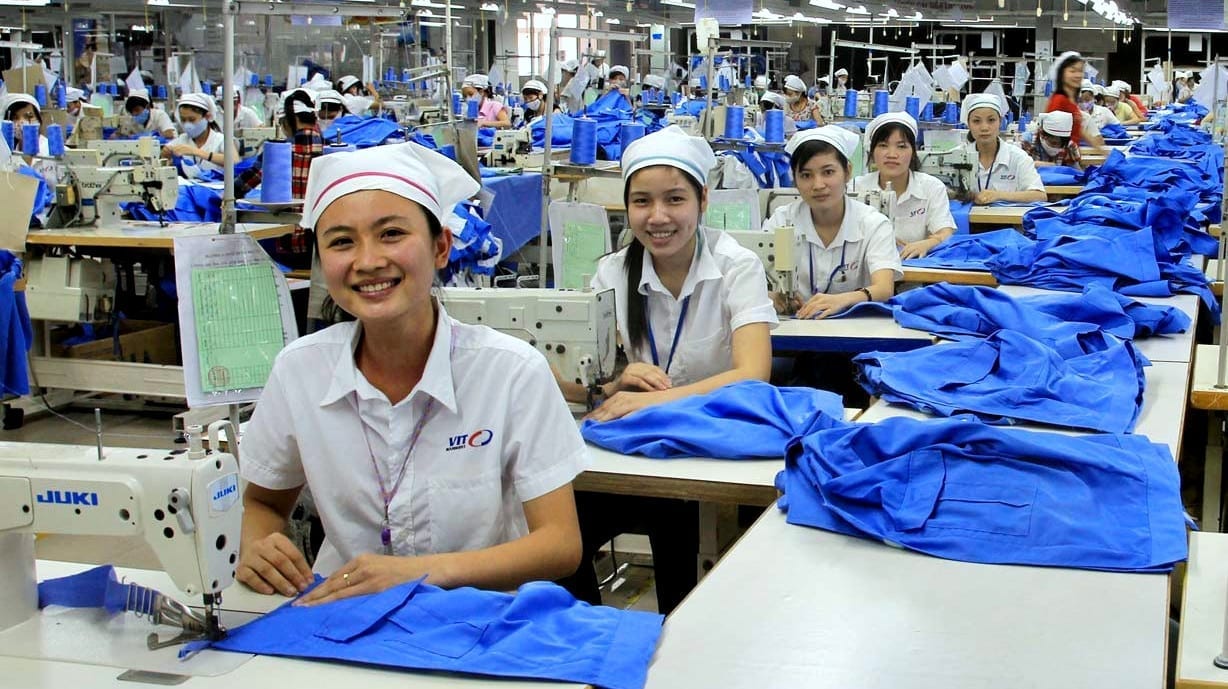
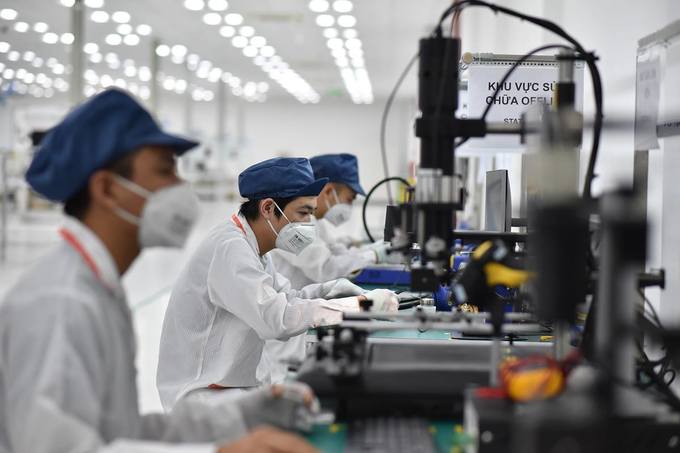
    Many factories in Ho Chi Minh City have been reducing workers’ weekly hours below the legal maximum of 48 to give them more time for themselves without compromising their income.

    When the end-of-shift bell rings at 4 p.m. at a factory belonging to industrial sewing machine producer Juki Vietnam in District 7’s Tan Thuan Export Processing Zone workers have five minutes to clean and organize their work area before leaving.

    Nguyen Thi My Linh, who has worked at Juki for 28 years, said until a few years ago her shift used to be the standard 7:30 a.m. to 4:30 p.m. every day except Sunday with 70 minutes for lunch and two other breaks.

    But after workers expressed difficulty in picking up their children, the management agreed to shorten their shift by 25 minutes.

    “Getting off early helps me avoid traffic and gives me enough time to pick up my child in Nha Be District, take them home and then to District 5 for tutoring,” Linh says.

    Nguyen Phuoc Dai, chairman of the company’s labor union, says employees also get two Saturdays off per month after they said they did not have enough weekend time with their families, which has reduced their week to less than 44 hours.

    The maximum allowed by law is 48 hours, not including overtime.

    Dai noted that the company did not reduce wages or income when it cut the work hours, and instead invested in technology and optimized production processes to ensure productivity.

    An Thien Pharmaceutical Corporation in Nha Be’s Hiep Phuoc Industrial Park similarly used to have a 48-hour week before switching to 44 hours in the past decade.

    Its director of human resources, Le Dinh Chi, says the change came after the labor union forwarded workers’ wishes for shorter hours.

    “Reducing working hours is a way for management to show concern for the well-being and families of employees.”

    The company’s 450 workers earn an average of VND13 million (US$530) per month.

    According to the city Trade Union of Industrial and Export Processing Zones, Juki and An Thien are among more than 20 manufacturing businesses in the city’s industrial parks and EPZs that have moved away from 48-hour weeks.

    Some have even reduced it to 40 or give employees three Saturdays off every month, it says.

    Vu The Van, its president, says these firms’ decision to shorten the work week is commendable since it is recommended but not mandated by current regulations.

    Reducing work hours is also a strategy for businesses to retain employees amid a growing labor shortage in the manufacturing sector, as workers with more time for themselves and their families tend to feel happier and more motivated to remain loyal to the company, she says.

    Concurring, Thanh Nguyen, CEO of human resources consulting firm Anphabe, says a survey by her company found that time-related benefits and work arrangements are the biggest concern for 63% of workers while only 24% of them reported being satisfied with their working hours.

    The 2020 Labor Force Survey by the General Statistics Office found that nearly 41% of workers nationwide clock in 40-48 hours per week, 30.9% log 49-59 hours and 7.5% work 60 hours or more.

  • Vietnamese are working too many hours

    Vietnamese are working too many hours

    Readers have expressed concerns that the working conditions in Vietnam are exhausting the younger generation, calling for more and longer holidays throughout the year to enhance both physical and mental well-being.

    “My husband and I are civil servants. We’re supposed to have two days off on weekends, but in reality, we still have to work, leaving us with almost no days off. My wife works at a land registration office, and every night she has to continue unresolved work from the office. It’s really tiring for us, and we can’t properly take care of our children. We need to modernize and liberate human labor. If additional days off are granted but there’s still too much work, laborers won’t be able to truly rest,” shared reader Vu Hai Nam regarding the working hours in Vietnam.

    Current labor laws stipulate that employees should work no more than 48 hours per week, allowing employers to require workers to put in at least six days per week, eight hours per day. However, according to data from the International Labor Organization (ILO), Vietnam ranks among the countries with the highest working hours globally. In 2023, the total working hours in Vietnam (excluding holidays) reached 2,320 hours—440 hours more than Indonesia, 184 hours more than Cambodia, and 176 hours more than Singapore.

    Commenting on the pressures faced by Vietnamese workers, reader Hung Minh said: “More than a decade ago, when I was single, I used to work 14 hours a day, including Saturdays. I was young and enthusiastic, so I worked a lot and earned a lot. But when I started a family and had children, I had to say goodbye to that work intensity.”

    Reader Mirae added, “People often cite low labor productivity in Vietnam as a reason against reducing working hours. But having worked with companies in Japan, Italy, and Korea, I’ve found that increasing labor productivity relies heavily on automation, not longer working hours. No one wants to work up to 12 hours a day.”

    Reader Vu noted, “Office workers like me actually work beyond office hours. Even when I go to shower, I have to take my phone to respond to potential work messages. Phone alerts have become a source of stress for me, and deadlines are overflowing. Besides, each worker nowadays needs to find time to upgrade their skills to stay competitive. We’re in a period where young people are physically and mentally exhausted. It’s crucial for management agencies to conduct systematic and comprehensive research to improve the working environment.”

    Reader Kid expressed frustration, saying, “I find it hard to understand some people’s argument that Vietnamese must work more to escape poverty. They fail to grasp that income is directly proportional to labor productivity, and productivity is greatly influenced by physical and mental health. The only way to improve these factors is to give workers more rest time. The number of holidays in Vietnam is currently among the lowest in the region and the world, far behind countries like Japan, Korea, and Germany, resulting in one of the highest numbers of working days. I strongly support the idea of more holidays. Ideally, there should be a vacation of about a week every three months, which would stimulate demand and give workers time to recuperate, ultimately boosting labor productivity.”