Tag: World

  • World Cup Fever Ignites Retail Boom: How Vietnamese Consumers Score Big with Huge Discounts

    World Cup Fever Ignites Retail Boom: How Vietnamese Consumers Score Big with Huge Discounts

    In Vietnam, the excitement of the 2026 World Cup has sparked a shopping frenzy, as consumers eagerly take advantage of retail promotions. With retailers offering substantial discounts on household appliances and fashion items, Vietnamese shoppers have been quick to seize the opportunity.

    Major Discounts on Household Appliances

    One shopper, Hang, who resides in Ho Chi Minh City (HCMC), had been monitoring prices for a few months. In early June, she successfully purchased a slow juicer at half its regular price, thanks to a World Cup promotion. She excitedly shared how previous discounts on the product, which only ranged from 10-20%, hadn’t been enticing enough. However, with the price slashed by over half, she made the purchase immediately.

    Another Ho Chi Minh City resident, Lan Anh, also capitalized on the ongoing promotions to purchase a variety of household appliances, including a television and a vacuum cleaner. Anh noted that aside from the significant markdowns, retailers were also providing additional incentives such as vouchers and gifts as part of interactive match prediction programs.

    The World Cup’s influence also extends to the electronics retail market. Several electronics retailers in HCMC have been actively promoting televisions in light of the football event. Various TV models have been discounted significantly, with some prices reduced by as much as 61%. This has been described as the most substantial price-cutting campaign for TVs to date, with large-screen models being heavily discounted to meet the tournament-driven demand.

    Boost in Retail Sectors Beyond Electronics

    While electronics retailers are witnessing a surge in sales, other consumer goods retailers haven’t been left behind. Saigon Co.op, for example, offers discounts of up to 30% on almost half of their snack, beer, and beverage bundles, targeted at football fans. They are even rewarding customers making large purchases with gifts.

    Fashion retailers are also leveraging the World Cup frenzy to their advantage. Pierre Cardin Shoes and Oscar Fashion reported the simultaneous launch of their World Cup’s Vancouver 2026 collection in six markets: Vietnam, Cambodia, Myanmar, Thailand, Laos, and Canada. Since the campaign’s inception, store traffic has reportedly increased by more than 55%, and sales have reached approximately 65% of the campaign’s target.

    The World Cup’s impact on global retail activity is projected to be highly positive, with predictions suggesting it could contribute up to $41 billion to global GDP by stimulating tourism, services, and consumption.

    Questions & Answers

    Q: How have Vietnamese consumers reacted to the World Cup retail promotions?
    A: Vietnamese shoppers have been quick to take advantage of the significant discounts offered by retailers during the World Cup, leading to a shopping frenzy.

    Q: Which sectors have seen a boost in sales due to the World Cup?
    A: The electronics sector, particularly TV sales, has seen a substantial boost, along with other consumer goods retailers and the fashion industry.

    Q: What has been the impact of the World Cup on global retail activity and GDP?
    A: The World Cup is expected to have a highly positive impact on global retail activity and could potentially contribute up to $41 billion to the global GDP by boosting tourism, services, and consumption.
  • Nike Unleashes Football Universe in Hong Kong Stores to Ignite World Cup Fever

    Nike Unleashes Football Universe in Hong Kong Stores to Ignite World Cup Fever

    Nike recently kicked off a football-centric retail initiative as a part of their worldwide ‘Rip the Script’ campaign in Hong Kong, transforming selected stores into immersive environments. This move, unveiled under the banner ‘Nike Football Universe’, aligns with the sportswear titan’s launch of the 2026 National Team Kit collection in anticipation of the upcoming Fifa World Cup.

    Selected stores have taken on a new look, complete with campaign-centric visual merchandising, football-themed exhibits, and interactive elements showcasing the 2026 National Team Kit Collection and the Mercurial football boot line. The campaign roll-out also included guest appearances by local footballers Yapp Hung Fai, Yu Jesse Joy Yin, and Lau Ka Kiu. As an added feature of this campaign activation, Nike’s Fa Yuen Street store is inviting fans to a Football Photo Booth experience until July 22.

    Expanding Personalisation Services

    In addition to the immersive store experiences, the retail giant is broadening the reach of its Jersey By You and Nike By You services across participating stores. This allows customers who purchase selected national team jerseys the option to personalise them with player names and numbers. Meanwhile, the Nike By You service presents shoppers with football-inspired graphics and patches for tailored apparel and footwear.

    This movement in Hong Kong is part of Nike’s larger strategy to stir up enthusiasm around football before the 2026 World Cup. The company aims to use these retail experiences to showcase their new product ranges and deepen customer engagement.

    Questions & Answers

    What is the idea behind Nike’s ‘Rip the Script’ campaign?
    The campaign is designed to build excitement around football ahead of the 2026 World Cup, using immersive retail experiences to highlight new product lines and enhance customer engagement.

    What unique features are offered in the newly transformed stores?
    The stores now feature campaign-themed visual merchandising, football-centric displays, and interactive elements. Customers can also personalise selected national team jerseys and enjoy football-inspired graphics and patches for tailored apparel and footwear.

    How is Nike involving local footballers in the campaign?
    Local footballers Yapp Hung Fai, Yu Jesse Joy Yin, and Lau Ka Kiu have made guest appearances as part of the campaign roll-out, contributing to the immersive football environment.

  • Nike Kicks Off Football Universe in Hong Kong: Unveiling the 2026 World Cup Kit Collection and More

    Nike Kicks Off Football Universe in Hong Kong: Unveiling the 2026 World Cup Kit Collection and More

    Nike has initiated a football-centric retail strategy throughout Hong Kong, as a segment of its worldwide ‘Rip the Script’ campaign, by transforming select stores into immersive environments.

    This effort, known as the ‘Nike Football Universe’, aligns with the unveiling of the athletic apparel behemoth’s 2026 National Team Kit collection, in anticipation of the upcoming Fifa World Cup. Selected stores have been given a complete overhaul, with campaign-specific visual marketing, football-themed displays, and interactive elements that put the spotlight on the 2026 National Team Kit Collection and the Mercurial football boot line.

    The strategy’s implementation also includes visits from local football stars Yapp Hung Fai, Yu Jesse Joy Yin, and Lau Ka Kiu. Integrated into the campaign’s activities, Nike’s Fa Yuen Street store extends a Football Photo Booth experience until July 22.

    Moreover, Nike is broadening the availability of its Jersey By You and Nike By You services throughout participating outlets. Customers who purchase selected national team jerseys have the option to personalize them with player names and numbers. Simultaneously, Nike By You provides football-inspired graphics and patches for bespoke apparel and footwear.

    This Hong Kong campaign is a fragment of Nike’s larger drive to fuel enthusiasm about football leading up to the 2026 World Cup. It uses retail experiences as a platform to debut new product lines and escalate customer involvement.

    Questions & Answers

    What is the aim of the ‘Nike Football Universe’ in Hong Kong?
    The initiative is part of Nike’s global ‘Rip the Script’ campaign, aimed at increasing anticipation and excitement for football and the 2026 Fifa World Cup, by transforming select stores into immersive football-themed spaces.

    How is Nike personalizing the retail experience for customers?
    Nike is expanding its Jersey By You and Nike By You services to more locations. This allows customers to personalize selected national team jerseys with player names and numbers. Customers can also add football-inspired graphics and patches to customize their apparel and footwear.

    Why are local football stars visiting Nike stores?
    Local football stars Yapp Hung Fai, Yu Jesse Joy Yin, and Lau Ka Kiu are visiting select Nike stores as part of the campaign. Their appearances are designed to engage customers and create a more immersive and personal retail experience.

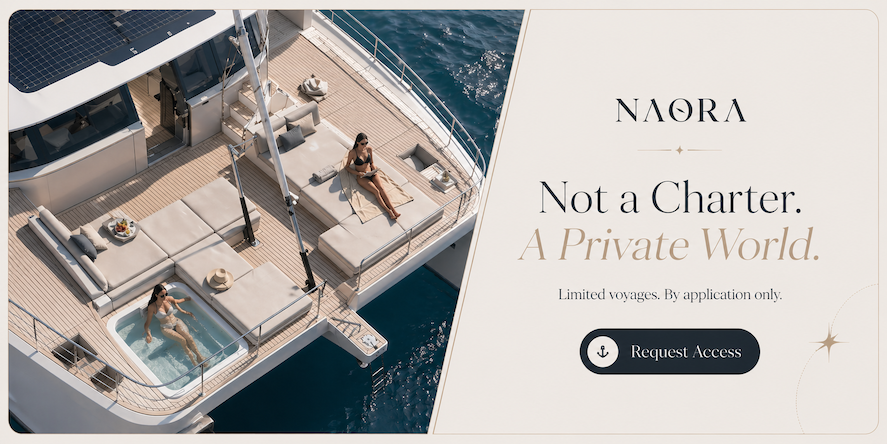
  • Naora Revolutionizes Maritime Expeditions: Discover the World with a Private Sailing Membership

    Naora Revolutionizes Maritime Expeditions: Discover the World with a Private Sailing Membership

    Naora, an innovative private expedition venture established by seasoned maritime professionals from Belgium, is transforming the way individuals experience extended sea voyages. Instead of operating as a charter company, Naora serves as a membership-based platform, providing access to a continuous, multi-year sailing expedition across some of the world’s most secluded and culturally diverse areas.

    Contrary to the conventional travel approaches, Naora does not trade in travel packages. Instead, members have the privilege of joining a living expedition, a five-year journey impacted by the seasons, trade winds, and the amassed experience at sea. Participants can join and depart at various points during the journey, aligning their time on the vessel with their individual schedules and preferences.

    A Venture Driven by Experience, Not Fixed Plans

    Naora’s foundation is built on over twenty years of practical maritime experience, which includes professional sailing, global yacht deliveries, and previous expeditions on vessels like Discovery and Sueño, exploring areas like the Mediterranean, Caribbean, and northern waters.

    This strategy represents a transition from fixed itineraries to a more dynamic, experience-driven model. Routes are not predetermined but are modified based on conditions, timing, and local knowledge, allowing for a more profound interaction with each destination.

    Rather than designing a route on a map, Naora uses its years of maritime experience to return to significant places, ensuring the timing of these visits is perfect for maximum exploration and enjoyment.

    Appreciating Access Over Ownership

    Naora operates on a membership structure where members have access to the journey for a specific duration rather than to particular destinations. Members can choose segments of the trip based on availability and personal preferences, ranging from brief coastal passages to extended ocean crossings.

    The experience is intentionally designed to achieve a balance between structure and freedom. While a professional crew takes care of all operational aspects, participants are encouraged to engage with the environment at their leisure, whether this involves sailing, diving, surfing, or exploration ashore.

    From secluded anchorages to lesser-visited coastal regions, the focus is on immersion rather than consumption. This approach allows access to places that are often unreachable, including pristine environments and respectfully approached indigenous cultures.

    A Thriving Community, Onboard and Beyond

    Beyond the journey itself, Naora emphasizes the importance of community and continuity. The expedition is not only an offshore experience but extends into a broader ecosystem developed to keep members connected. This system includes curated gatherings both at sea and on land, along with a digital platform that allows members to stay engaged, no matter where they are on the route.

    In support of the community emphasis, Naora has introduced a dedicated role within the structure – a Commodore. This person is responsible for maintaining the connection between members and ensuring the community experience is consistent across all touchpoints, from onboard interactions to onshore gatherings and digital communication.

    The mission of Naora is not only about reaching new places but is also centered on the people who share the experience and the connection that continues long after the expedition ends. Besides, Naora is committed to preserving and continuing maritime traditions, not just as a concept, but as a lived practice. Knowledge, seamanship, and respect for the ocean are shared among participants, contributing to the overall experience.

    At the heart of Naora’s positioning is a strong emphasis on privacy and alignment. Participation is application-based, ensuring that all members share the same mindset. The onboard environment is deliberately small-scale, promoting trust, discretion, and a sense of belonging that’s vastly different from commercial travel experiences.

    Questions & Answers

    What is the concept behind Naora?
    Naora is a private sailing expedition membership that offers access to a continuous global journey across various oceans, seasons, and cultures. The emphasis is on experience rather than destination, and members can join and leave at different points along the route.

    What makes Naora unique?
    Naora differs from traditional travel models in that it does not sell trips but provides a living expedition that members can join. The routes are dynamic, and the focus is on immersion and engagement with each destination. It also operates on a membership structure rather than a charter model.

    What is Naora’s approach to community?
    Beyond the journey itself, Naora places a strong emphasis on community and continuity. They organize gatherings both at sea and on land, and have a digital platform to keep members connected. A dedicated role, the Commodore, is responsible for maintaining the connection between members and ensuring a consistent community experience.

  • Revolutionizing Intimacy: Skyn Unleashes ‘Supreme Feel,’ Claimed as World’s Thinnest Non-Latex Condom

    Revolutionizing Intimacy: Skyn Unleashes ‘Supreme Feel,’ Claimed as World’s Thinnest Non-Latex Condom

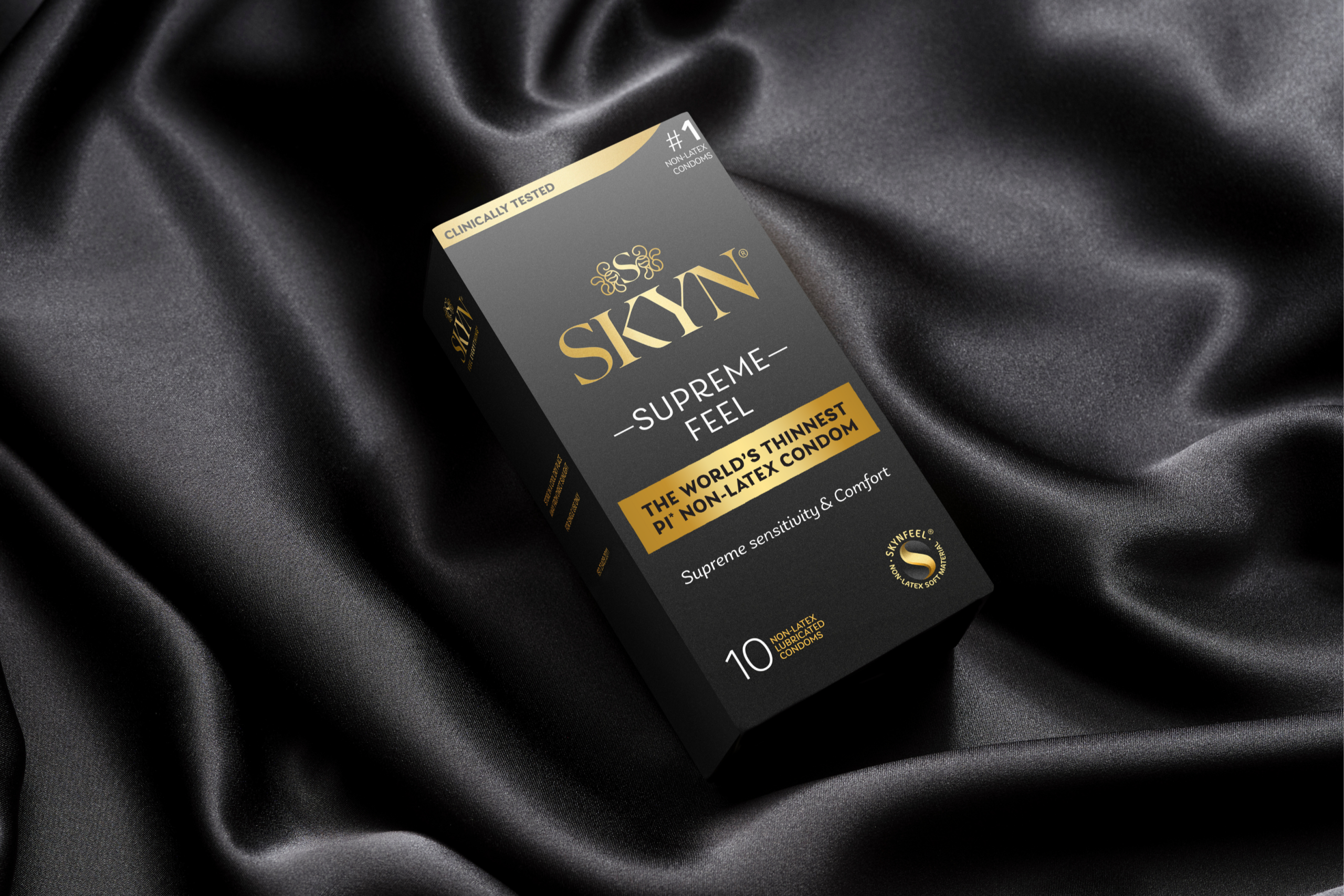
    LifeStyles Healthcare Australia has recently introduced its latest product, Skyn Supreme Feel, a non-latex, polyisoprene condom. According to the company, it’s the most ultra-thin condom of its variety currently available on the market.

    The Innovation Behind the Supreme Feel Condom

    The Supreme Feel condom is produced using a unique, patented material. This innovative polyisoprene material is completely latex-free, which makes it an ideal choice for those with latex allergies or sensitivity.

    Lifestyle Healthcare asserts that this non-latex synthetic material is not only soft and smooth but also boasts superior stretchability. This combination provides a more natural and comfortable experience, without compromising safety or effectiveness.

    The company has conducted comprehensive clinical testing to measure the performance of the Supreme Feel against other leading ultra-thin latex condoms. The results suggest that the Supreme Feel delivers a comparable, if not superior, performance.

    Availability and Price

    The Skyn Supreme Feel is now available for purchase at retailers across the country. The pricing remains competitive, despite the industry-wide uptick in condom prices speculated to be influenced by global events, such as the ongoing conflict in Iran.

    Questions & Answers

    What is the Skyn Supreme Feel condom made of?
    The Skyn Supreme Feel condom is made from a patented polyisoprene material. This non-latex synthetic offers a soft, smooth, and stretchy alternative to traditional latex.

    How does the Skyn Supreme Feel condom compare to other ultra-thin condoms?
    According to LifeStyles Healthcare, the product has undergone rigorous clinical testing against leading ultra-thin latex condoms. The results indicate that the Supreme Feel provides an equivalent or superior performance.

    Where can consumers purchase the Skyn Supreme Feel condom?
    The product is available at various retailers nationwide. Despite industry-wide price increases due to global events, LifeStyles Healthcare ensures that the Skyn Supreme Feel remains competitively priced.

  • Australian Fashion Powerhouse Zimmermann Debuts in Bangkok’s IconSiam: A New World of Style and Art

    Australian Fashion Powerhouse Zimmermann Debuts in Bangkok’s IconSiam: A New World of Style and Art

    Zimmermann, a renowned Australian fashion brand, has broadened its global presence with the inauguration of its debut store in Thailand, situated within IconSiam, Bangkok.

    Store Design and Highlights

    The boutique, created by Studio McQualter, is characterized by an expansive display of large windows, showcasing an array of ready-to-wear garments and accessories. Inside, the store encapsulates a 1970s Italian-inspired vibe, with Dutch Art Deco tables serving as the centerpiece.

    The boutique’s ready-to-wear selection is presented across wall-mounted rails, recessed displays, and individual wardrobes. Meanwhile, the accessory section, set beneath an unusually high ceiling, features muted green beams and custom aluminium shelves specifically designed to display bags.

    Customer Experience

    The store is divided into different zones, each aiming to provide a “layered spatial” experience for the customers. These areas are distinguished by unique colour schemes, patterns, and materials. Additionally, a tiled floor serves as a visual guide, assisting customers as they navigate the space.

    The store also houses two lounges, one being a public area and the other a private lounge reserved for special appointments.

    Art and Brand Identity

    The brand’s cultural roots and identity are reflected in the artwork displayed throughout the boutique. Pieces by Australian artists Angilyiya Mitchell, Laith McGregor, and Louise Paramor are featured prominently.

    Nicky Zimmermann, the brand’s creative director and co-founder, emphasized that the store is more than just a space to display clothing. She stated, “The store is a destination that fully embodies the spirit of Zimmermann, from the selection of textures and materials to the integration of art and furniture. Every element invites visitors to linger, explore, and truly inhabit the world of our brand.”

    Questions & Answers

    Where is Zimmermann’s first Thailand-based store located?
    The store is located in IconSiam, Bangkok.

    Who is responsible for the design of the store?
    Studio McQualter designed the boutique.

    What is unique about Zimmermann’s store design?
    Zimmermann’s store is meticulously designed to offer a layered spatial experience, with each area defined by specific colour palettes, patterns, and materials. The store also integrates artwork and furniture, creating a space that invites exploration and evokes the spirit of the Zimmermann brand.

  • Disney Unleashes Its Characters into the World of AI: Unprecedented Deal with OpenAI Signals a New Era for Fan-Created Content

    Disney Unleashes Its Characters into the World of AI: Unprecedented Deal with OpenAI Signals a New Era for Fan-Created Content

    Disney, a company known for fiercely guarding its characters and intellectual property, has forged a new path by entering into a three-year licensing agreement with OpenAI. Through this groundbreaking deal, users of OpenAI’s Sora platform will be able to create brief videos featuring over 200 animated, masked, and creature characters drawn from Disney, Marvel, Pixar, and Star Wars franchises. This includes a range of costumes, props, vehicles, and iconic environments. At the core of the agreement is a blend of Hollywood’s prized intellectual property and OpenAI’s advanced AI technology.

    Revolutionizing Video Creation with Sora

    The deal’s focus is on the application of OpenAI’s Sora video creation platform. Users will have the opportunity to create short, user-prompted videos to share with others. Additionally, through ChatGPT Images, users can convert a few words into fully generated AI images in mere seconds. However, the deal doesn’t extend to the likeness or voices of specific Disney characters or those who lend their voices to animated Disney personas.

    Certain content created on the Sora platform may also find its way onto Disney+, enhancing the streaming service’s selection of videos with fan-created content. Moreover, the agreement transforms Disney into an OpenAI customer, with access to ChatGPT for internal use. It also gives Disney the ability to utilize OpenAI APIs to introduce new features on the Disney+ streaming platform.

    Disney Characters in AI Videos

    Disney enthusiasts can use a host of beloved characters in their AI video creations. This roster includes Mickey and Minnie Mouse, Lilo, Stitch, Ariel, Belle, Beast, Cinderella, Baymax, Simba, Mufasa, and more.

    Additional characters from popular franchises such as Encanto, Frozen, Inside Out, Moana, Monsters Inc., Toy Story, Up, Zootopia will also be available. Fans can also incorporate animated versions of Marvel and Lucasfilm characters like Black Panther, Captain America, Deadpool, Groot, Iron Man, Loki, Thor, Thanos, Darth Vader, Han Solo, Luke Skywalker, Leia, the Mandalorian, Stormtroopers, Yoda, among others.

    Commitment to Responsible AI Use

    The agreement between Disney and OpenAI underscores a dedication to responsible AI use, safeguarding user safety and creator rights. As part of the deal, Disney will invest $1 billion in OpenAI equity and receive warrants to purchase additional equity in the company. OpenAI is committed to implementing measures to protect users, such as age-appropriate policies and other necessary controls. Both parties are determined to prevent the generation of illegal or harmful content.

    Disney’s Stand Against Google

    In a parallel development, Disney has accused Google of large-scale copyright infringement. According to Disney, Google has used AI models to exploit and distribute images and videos that violate Disney’s intellectual property rights. The company has sent Google a cease-and-desist letter, demanding an immediate end to these alleged infringements.

    Disney has made it clear that it will not tolerate unauthorized commercial exploitation of its copyrighted works by AI services. The company has expressed concern over Google’s use of infringed copyrighted works to sustain market dominance.

    Questions & Answers

    What does the licensing agreement between Disney and OpenAI entail?
    The agreement allows users of OpenAI’s Sora platform to create short videos featuring over 200 characters from Disney, Marvel, Pixar, and Star Wars franchises. However, it does not cover the likeness or voices of specific Disney characters or those lending their voices to these characters.

    What benefits does Disney get from this deal?
    The agreement turns Disney into an OpenAI customer, enabling the company to use ChatGPT for internal purposes and OpenAI APIs to add new features to the Disney+ streaming platform. It also opens up opportunities for fan-created content to enhance the streaming service’s video inventory.

    How does the deal address intellectual property and user safety?
    The agreement emphasizes responsible AI use, with OpenAI pledging to implement measures such as age-appropriate policies and other controls to protect users. Additionally, both parties have committed to prevent the generation of illegal or harmful content.

  • Philippine Powerhouse Sunnies World Storms into Thailand, Unfurls Rapid Expansion Plans

    Philippine Powerhouse Sunnies World Storms into Thailand, Unfurls Rapid Expansion Plans

    Sunnies, a renowned lifestyle brand from the Philippines, has established its presence in Thailand, inaugurating its initial outlets in Bangkok. The company has also announced its intention to introduce two additional stores by the end of the current year.

    Sunnies World in Central Park Dusit

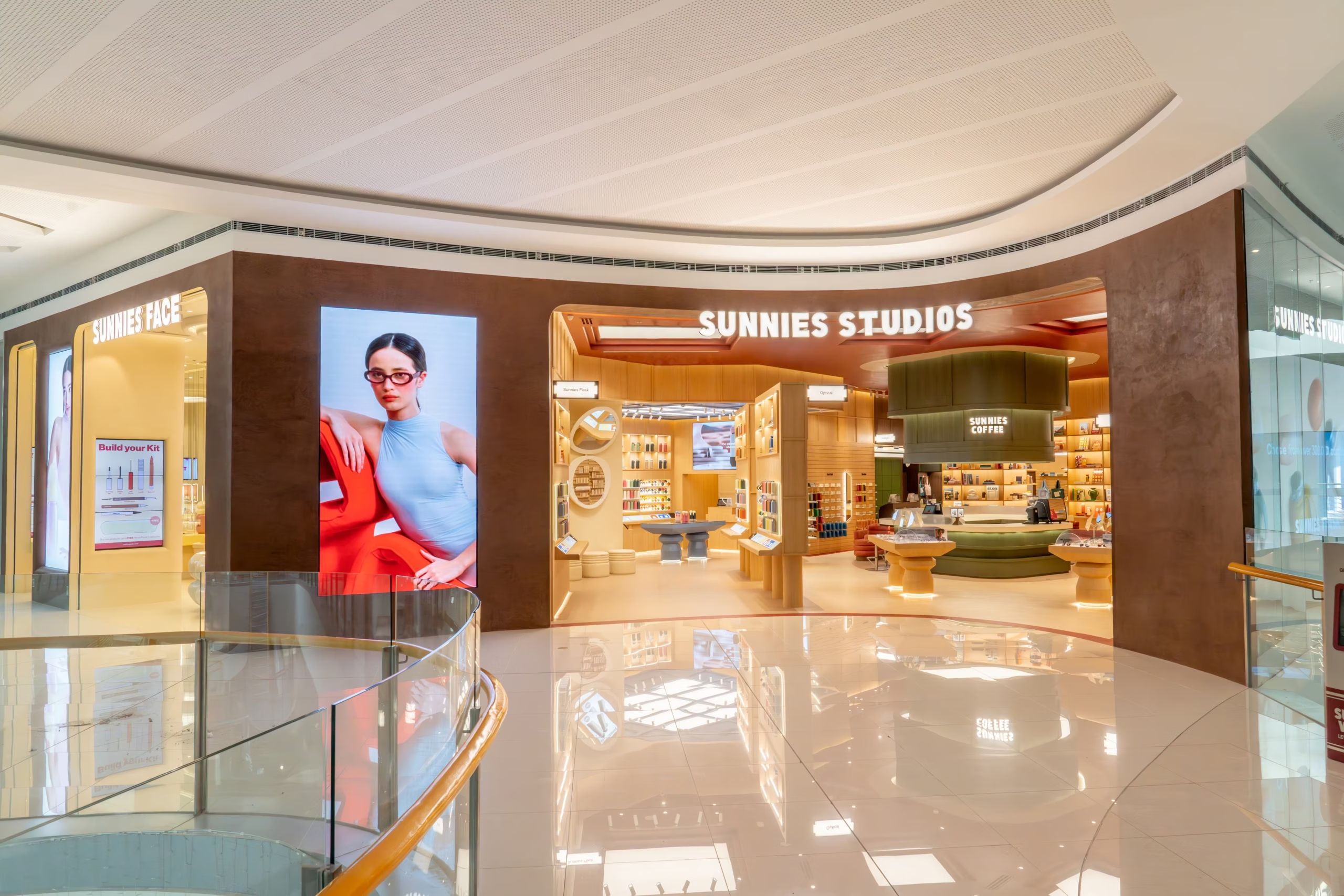
    Sunnies’ foremost establishment, Sunnies World, has been set up in Central Park Dusit. This outlet manifests all the diverse lifestyle concepts of the brand. It incorporates Sunnies Studios, which specializes in eyewear, Sunnies Face, the brand’s cosmetics segment, Sunnies Flask, offering customizable flasks, and Sunnies Coffee, a cafe.

    Adding a unique touch to the shopping experience, the store also features the Sunnies Face Bath. This is a lounge area where shoppers can explore a selection of merchandise exclusive to Thailand. The exclusive range includes items like tote bags, dumpling pouches, jelly pouches, and pencil cases.

    Second Store Opening at Central Ladprao

    The subsequent store, opened in Central Ladprao, provides Sunnies Studios eyewear, Sunnies Flask merchandise, and Sunnies Face cosmetic products.

    In a statement, the company described Sunnies World Thailand as more than just a store. They envisage it as a thriving community center facilitating the intersection of vision, beauty, and creativity.

    Upcoming Store Launches

    The brand has announced two additional store openings scheduled for the near future. The first, a Sunnies Flask store, is set to open at Central Rama on December 1. The second, offering Sunnies Studios, Sunnies Flask, and Sunnies Face products, will open at Fashion Island on December 19.

    Founded in 2013 by Bea Soriano-Dee, Eric Dee, Georgina Wilson, and Martine Ho, Sunnies started its journey as an eyewear label. The brand subsequently ventured into the realm of cosmetics, lifestyle accessories, and cafe concepts.

    Questions & Answers

    What is Sunnies’ plan for expansion in Thailand?
    Sunnies intends to establish its presence further in Thailand by opening two more outlets by the end of the year.

    What does the newly opened Sunnies World in Central Park Dusit offer?
    Sunnies World houses all the brand’s lifestyle concepts, including Sunnies Studios, Sunnies Face, Sunnies Flask, and Sunnies Coffee. It also features the Sunnies Face Bath, which offers Thailand-exclusive merchandise.

    What are the upcoming store openings for Sunnies in Thailand?
    Sunnies has plans to open a Sunnies Flask store at Central Rama on December 1, and another outlet offering Sunnies Studios, Sunnies Flask, and Sunnies Face products at Fashion Island on December 19.

  • Hong Kong International Airport Scores High In Global Ranking For Best Airport Washrooms

    Hong Kong International Airport Scores High In Global Ranking For Best Airport Washrooms

    Hong Kong’s airport, already considered the fifth cleanest globally, has now been recognized for another unique feat – its excellent public washrooms. The international air transport rating body, Skytrax, awarded Hong Kong International Airport the fifth position in its inaugural World’s Best Airport Washrooms 2025 awards. The other airports outshining HKIA in this category include Bahrain International Airport, Seoul Incheon International Airport, Tokyo Haneda Airport, with Singapore’s Changi Airport clinching the top spot.

    Superior Washroom Facilities at HKIA

    The award-winning washrooms at HKIA stand out for their remarkable cleanliness and generous space, both in the waiting areas and individual cubicles. Recognizing that travelers often need to carry their luggage into the washroom, the design incorporates plenty of room for these items.

    Furthermore, the washbasins in these restrooms are ultra-modern, all-in-one stations where one can rinse, soap, and dry their hands in one place, eliminating the need to move around wetting the floor. Another fascinating feature is an intelligent noticeboard system at the entrance of each washroom that displays the current occupancy rate and the number of unoccupied stalls. Additionally, each cubicle is fitted with a red and green LED light indicator to show its occupancy status, eliminating the need for guesswork or knocking to check if a stall is available. The men’s bathroom even boasts small screens resembling airplane windows installed above the urinals to keep users entertained.

    Selection Process and Rankings

    Skytrax evaluated 235 airports worldwide to compile these rankings. Given that this was the first year of rating airport bathrooms, the awards were based on feedback from Skytrax’s audit office. However, traveler feedback will be factored into the rankings for future awards. Intriguingly, all ten of the recognized airport bathrooms are located in Asia, with Japan, the homeland of smart toilets, having five of its airports in the top 10.

    Among the standout facilities, the New Chitose Airport in Hokkaido was particularly noteworthy, mainly due to its unique Japanese onsen bathing facilities inside the airport terminal.

    The top ten airport bathrooms in 2025 include:

    1. Singapore Changi Airport
    2. Tokyo Haneda Airport
    3. Seoul Incheon International Airport
    4. Bahrain International Airport
    5. Hong Kong International Airport
    6. Kansai International Airport
    7. New Chitose Airport
    8. Tokyo Narita Airport
    9. Taiwan Taoyuan International Airport
    10. Fukuoka Airport

    Questions & Answers

    Which airport won the top spot in the World’s Best Airport Washrooms 2025 awards?
    Singapore Changi Airport won the top spot in these awards.

    What unique feature do the washrooms at Hong Kong International Airport have?
    The washrooms at Hong Kong International Airport have an intelligent noticeboard system that displays the current occupancy rate and the number of unoccupied stalls. They also have an all-in-one wash station, and LED indicators for stall occupancy.

    Which country has the most number of airports in the top 10 list of the World’s Best Airport Washrooms 2025 awards?
    Japan has the most number of airports, five in total, in the top 10 list of these awards.

  • Samsung Strengthens Global Audio Dominance With Strategic Acquisition Of Prominent Audiophile Brands

    Samsung Strengthens Global Audio Dominance With Strategic Acquisition Of Prominent Audiophile Brands

    Samsung, through its subsidiary Harman, has further solidified its standing in the global audio market following the acquisition of a number of prominent audiophile brands. This move builds on the Korean corporation’s already robust audio portfolio, which was boosted by an $8 billion deal to acquire Harman in 2016.

    Notable Acquisitions

    Samsung has significantly deepened its footing in the global audio industry by acquiring a host of legendary brands, including Bowers & Wilkins, Denon, Marantz, Polk, and others. These brands were acquired when Harman purchased Sound United, previously the consumer audio wing of Masimo. This move follows a significant legal payout by Masimo to Apple, amounting to $250.

    The acquisition, valued at $350 million and initially announced in May, is set to further enhance Samsung’s already impressive audio brand offerings. Prior to this deal, Samsung, via Harman, owned such popular brands as Harman Kardon, JBL, and AKG. The purchase of Sound United is referred to as a “strategic milestone” by Harman.

    Impacts on Samsung’s Products Line

    While the acquisition of Sound United is undoubtedly significant, it is unlikely to bear immediate changes in Samsung’s product line. For instance, consumers shouldn’t expect to find a Bowers & Wilkins speaker or headphones included with the Galaxy S26. Sound United will continue to function as a standalone business within Harman’s lifestyle division. The intent behind this arrangement is to allow each audio brand to maintain its distinct identity.

    Despite the preservation of individual brand identities, the newly acquired brands will have access to Harman’s resources to facilitate growth and expansion. Concurrently, Harman anticipates leveraging the expertise and talent that will be introduced via Sound United. This approach mirrors Samsung’s strategy with Harman, which operates autonomously.

    The Preference for Convenience Over High Fidelity

    While there is potential for Samsung to enhance its phone audio capabilities and dive deeper into mobile hi-fi, the overall market trend leans towards convenience. The majority of consumers prefer the comfort and ease of listening to compressed audio from streaming services via Bluetooth. This trend, which appears to have overcome the demand for high fidelity audio, is unlikely to change in the foreseeable future.

    Questions & Answers

    What brands did Samsung recently acquire?
    Samsung’s subsidiary, Harman, recently acquired several prominent audio brands, including Bowers & Wilkins, Denon, Marantz, Polk, and others through the purchase of Sound United.

    What impact will this acquisition have on Samsung’s product line?
    The acquisition is not expected to bring immediate changes to Samsung’s product line. Sound United will operate as a separate business under Harman’s lifestyle division, and each audio brand will retain its unique identity.

    What is the current trend in the audio market?
    The current trend in the audio market leans towards convenience, with most consumers preferring to listen to compressed audio from streaming services via Bluetooth. This trend seems to have overtaken the demand for high fidelity audio.

  • Adrian Cheng Unveils Almad Group, Targets Digital Transformation In Diverse Sectors

    Adrian Cheng Unveils Almad Group, Targets Digital Transformation In Diverse Sectors

    Adrian Cheng, a scion of one of Hong Kong’s wealthiest families and former CEO of major developer New World Development, has unveiled a new venture focused on the digital sector and burgeoning markets. The new firm, Almad Group, was introduced on Sunday.

    Almad Group’s Focus

    Almad Group sets its sights on digital assets and industries poised for a transformation, spanning entertainment, sports, media, healthcare, commercial management, and cultural tourism. Its geographical reach is expected to include mainland China, countries within the Association of Southeast Asian Nations (ASEAN), and the Middle East.

    The company also aims to broaden the international appeal of Cheng’s cultural brand, “K11 by AC”. Its Anime IP business already shows growth in mainland China and the Middle East.

    A Clear Mission

    Speaking about the newly established group, Cheng, who serves as founder and executive chairman, stated, “Our mission is clear: To build what the next generation needs and to shape a future economy filled with possibilities.”

    Cheng, a Harvard graduate, has a history of supporting start-ups in their early stages. His portfolio includes Chinese social media platform Xiaohongshu, EV manufacturer XPeng, and Hong Kong’s microfinance platform Micro Connect.

    Departure from New World

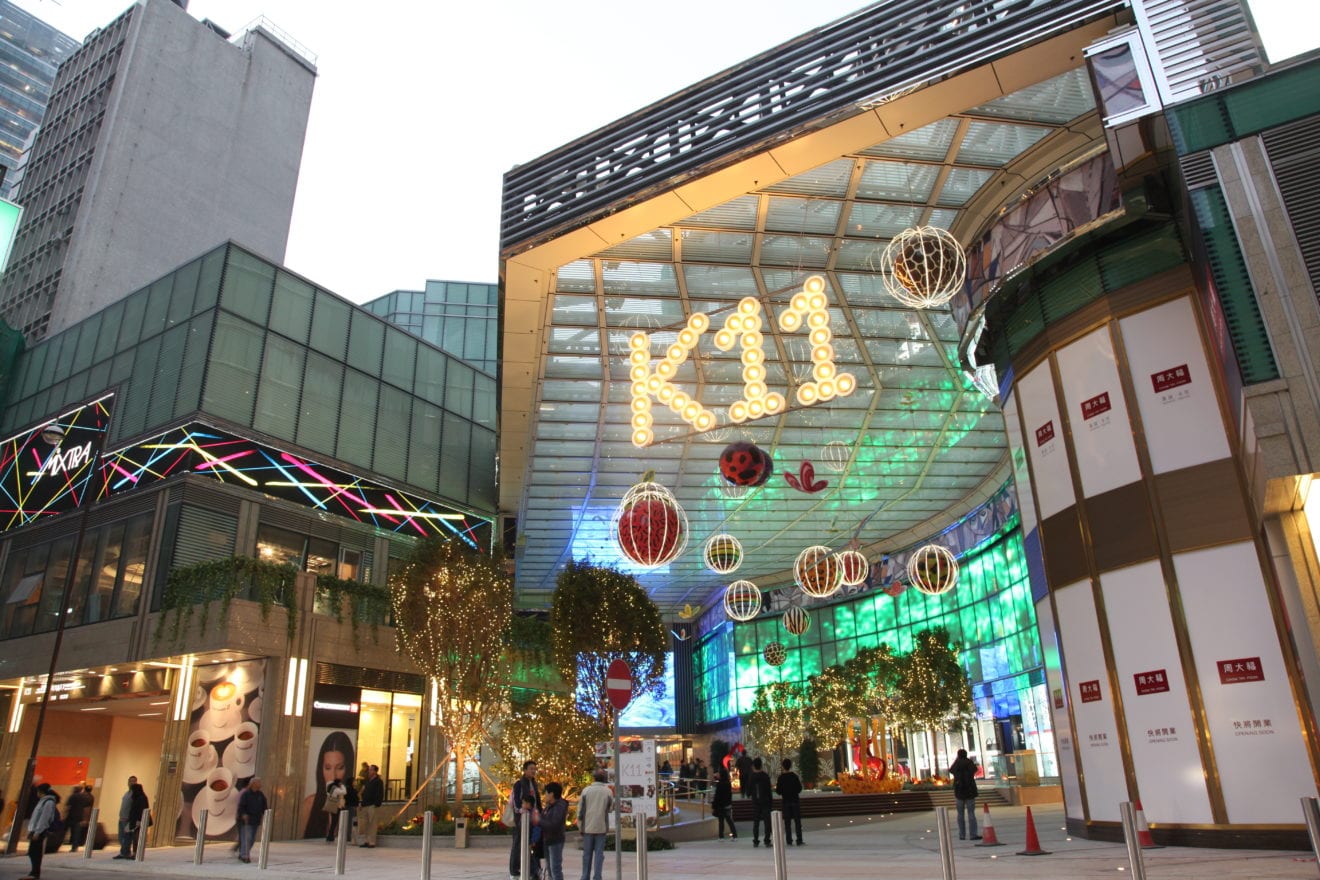
    Last September, the 45-year-old business tycoon resigned from his position at New World. The property developer, grappling with one of the largest debt burdens in the financial city, reported a record loss of $2.6 billion US dollars. Upon his departure, Cheng also acquired New World’s retail flagship K11 brand management.

    Since then, he has gradually stepped down from all roles within the family’s businesses, including the parent company Chow Tai Fook Enterprises.

    Questions & Answers

    What is the focus of Adrian Cheng’s new firm, Almad Group?
    Almad Group aims to target digital assets and transformative industries in sectors such as entertainment, sports, media, healthcare, commercial management, and cultural tourism.

    Which markets does Almad Group intend to target?
    The company plans to expand its reach to mainland China, ASEAN countries, and the Middle East.

    What was Cheng’s role in New World Development, and why did he leave?
    Adrian Cheng served as the CEO of New World Development but resigned as the company struggled with major debt issues and reported a record loss.

  • World Mourns As ‘King Giorgio’ Armani Leaves Lasting Legacy In Fashion Industry At 91

    World Mourns As ‘King Giorgio’ Armani Leaves Lasting Legacy In Fashion Industry At 91

    Renowned Italian fashion designer, Giorgio Armani, universally acknowledged for his modern Italian style and grace, and fondly referred to as “King Giorgio”, passed away at 91, as announced by his company.

    Remembering the Icon

    Paying tribute to Armani, Italian Prime Minister Giorgia Meloni stated that the fashion icon’s elegance, sobriety, and creativity had brought international attention to Italian fashion. Also mourning the loss of the designer, film director Martin Scorsese praised Armani as a true artist, creating elegant designs that were not only for runway displays but also wearable, allowing people to express their individual sense of natural elegance.

    Valentino Garavani, another renowned fashion designer, mourned the loss of a friend and lauded Armani’s immense talent, his contributions to the fashion industry, and his unwavering dedication to his unique style.

    Donatella Versace, another designer, reflected on the colossal loss to the world and acknowledged Armani’s historic impact on the fashion industry.

    Tributes from the Luxury Industry

    The French luxury group LVMH paid tribute to Armani, noting his lasting legacy in the fashion industry. LVMH CEO, Bernard Arnault, lauded Armani’s unique style, combining light and shadow, and his global expansion of Italian elegance.

    Francois-Henri Pinault, the CEO of Kering, praised Armani as a visionary entrepreneur who redefined elegance with a combination of rigor and independence that marked their era.

    Miuccia Prada and Patrizio Bertelli of the Prada Group recognized Armani as a creative “Maestro” and an undisputed protagonist of Italian and international fashion. They too stated that Armani’s enduring contributions to the fashion world would be forever remembered.

    Expressions of Loss

    Actors and celebrities also expressed their grief at the loss. Supermodel Cindy Crawford expressed her sorrow over the passing of the legend. Actor Cate Blanchett noted the significant void left by Armani, not just in the realms of fashion, art, cinema, theatre, architecture, and design, but also in the hearts of the millions he’d influenced.

    Actor Julia Roberts remembered Armani as a true friend and a legend, while actor Michelle Pfeiffer recounted Armani’s kindness, generosity, and loyalty. She highlighted Armani as a pioneer of elegance and a global inspiration, expressing gratitude for the privilege of working with him on significant occasions in her life.

    Armani’s Legacy

    Simone Longland, Harrods Buying Director for fashion, described Armani as one of the great architects of modern fashion. Italian President Sergio Matterella also praised Armani’s tireless creativity and his contribution to redefining international standards of elegance and luxury.

    Milan Mayor, Giuseppe Sala, and other notable figures such as the superintendent of La Scala Opera House, Fortunato Ortombino, and the Juventus soccer club, also paid their respects to the late designer.

    Ferrari F1 driver Charles Leclerc expressed his honor at having the opportunity to collaborate with such an incredible person. AC Milan soccer club also mourned the passing of the global icon of style and elegance.

    Questions & Answers

    Who was Giorgio Armani?
    Giorgio Armani was a renowned Italian fashion designer known for his modern Italian style and grace. He garnered global recognition for his brand and was fondly referred to as “King Giorgio”. He passed away at the age of 91.

    What is Giorgio Armani’s legacy in the fashion world?
    Armani redefined the standards of elegance and luxury on the international stage. He is celebrated for his unique style, his immense talent, and the changes he brought to fashion. His contributions to the fashion industry have been universally acknowledged and will continue to influence generations of designers.

    How have people in the industry responded to his passing?
    Armani’s passing has been mourned globally by many in the fashion and entertainment industry. Tributes have poured in from fellow designers, actors, CEOs of luxury groups, and even sports figures. He has been lauded for his unique style, his contributions to fashion, and his global influence.

  • Belgium toasts its beer riches with new visitor centre

    Belgium toasts its beer riches with new visitor centre

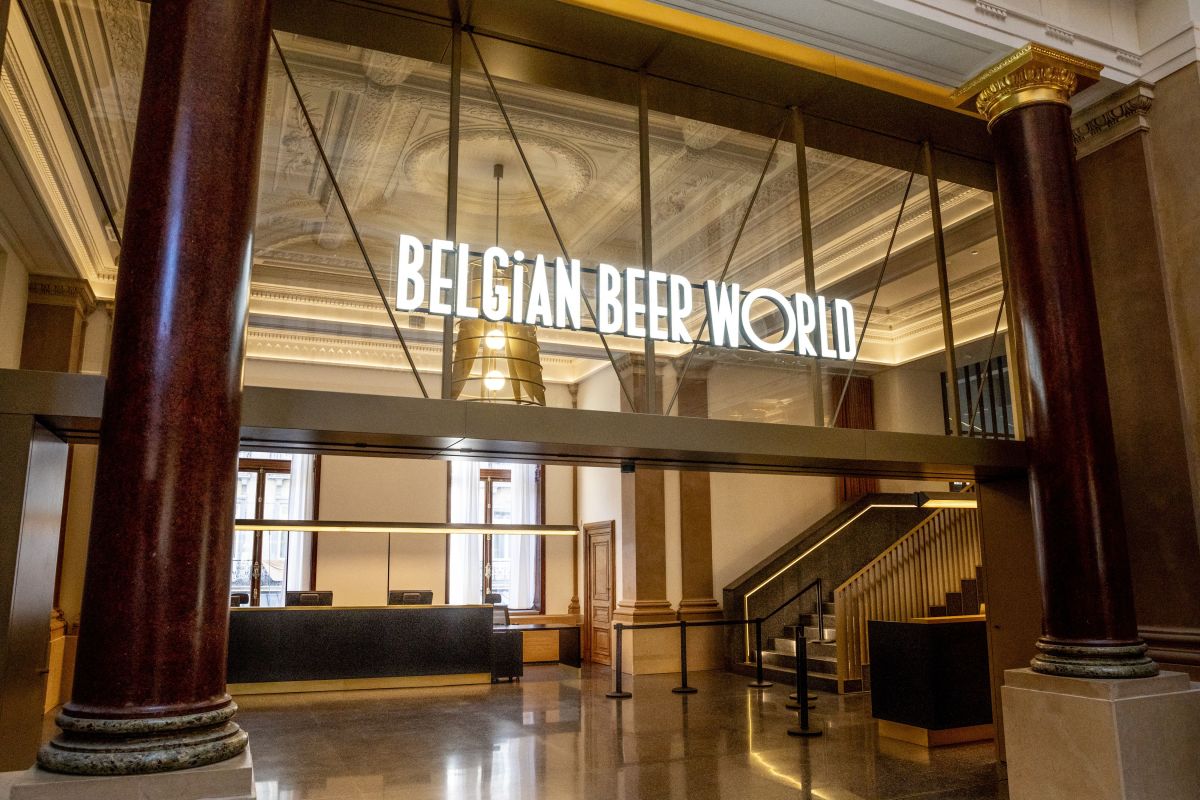
    Belgium is promoting its centuries of beer-making and 430 breweries with a new visitor centre in Brussels that recounts the history of Belgian production and aims to show what is unique about the country’s beer and beer culture.

    Belgian Beer World will open on Saturday in the neoclassical former Brussels Stock Exchange, renovated at a cost of $96.25 million.

    Visitors will learn about “Belgitude” – Belgian identity – and what distinguishes Belgian beer from others – such as the four different fermentation methods and the culture of each beer having its own branded glass.

    “In Belgium there’s more to it than the liquid in the glass,” said Krishan Maudgal, director of the Belgian Brewers Association.

    Belgium produces some 1,600 beers, and its beer culture secured a place on the UNESCO global list of traditions worthy of preservation in 2016.

    The new center shows production in the Middle Ages, when beer was a safe alternative to contaminated water, and hops were introduced as a preservative, and up to the modern day. The tour ends with a beer, suggested by a virtual barman, in the building’s rooftop terrace bar.

    Brussels already has a beer museum, but is unassuming, with old brewing equipment and some insight into beer-making.

    “It’s very typical of Belgium. We are too modest. We are someone who says ‘maybe it’s not necessary’,” said Brussels city Mayor Philippe Close, adding Dublin and Amsterdam were active in promoting their beer cultures.

    He said the center expected to welcome 300,000 visitors in its first year, with adult tickets costing 17 euros.

  • The rise of location-based advertising in a digitalized world

    The rise of location-based advertising in a digitalized world

    With the rise of IoT and connected devices as companies innovate to drive profitable growth, location data is becoming an increasingly important asset across myriad industries such as retail and logistics, where consumers are reached out to based on location data to create enhanced customer experiences.

    Compounded by the pandemic, there has been a widespread interest in harnessing location data as countries fight to contain the spread of the virus through contact tracing. In many countries worldwide, telecom operators have been sharing aggregated location data with the health authorities to help them access the effectiveness of prevailing measures. Countries such as China and South Korea are even using mobile data locations to track the location of quarantined individuals.

    Dubbed the backbone of connectivity across industries during this pandemic, the telecommunications industry has been witnessing heightened traffic and has amassed vast location data that can add real value internally and externally in a digitalized world.

    Globally, the location-based services market in APAC will experience the highest growth in the coming years. Of which, location-based advertising (LBA) accounts for a large part of this market across all regions.

    According to the Location Based Marketing Association (LBMA), the public’s perception of location data now goes beyond selling to include raising public health awareness as governments rely on location data during this pandemic. In Asia-Pacific (APAC) for instance, 79% of surveyed companies viewed location-based services ad targeting data as valuable. Of the location-based technologies, APAC utilized Bluetooth technology the most, followed by beacon technologies, Wi-Fi and GPS.

    As e-commerce is beginning to replace more brick-and-mortar, and as we’re recording an increase in smartphone penetration along with a more robust app landscape as businesses embrace digital transformation, the location-based market will continue to note an upward trend.

    The popularity of social media by consumers has also contributed to LBS across all industries in recent years. In the retail industry, for instance, geofencing has been a popular marketing strategy to drive customer loyalty through mobile apps. Businesses can present ads, promotions and coupons based on where their consumers are geographically located.

    With the rapid digitalization across business verticals, progressive businesses are recognizing the increased value of combining both location and timing to support more advanced marketing strategies and new market opportunities, utilizing real-time location-based marketing to effectively reach out to consumers. According to Research and Market, the global LBA market is expected to reach US$163.5 billion by 2026, representing a CAGR of 18% between 2020 and 2026.

    Location-based marketing outperforms traditional marketing methods. In a saturated or highly competitive market, for instance, operators can leverage real-time messaging to upsell or cross-sell products or services, sending promotional messages to subscribers when they are near or enter a specific store. Using geo-targeting, well-timed advertising campaigns not only facilitates enhanced service delivery but also yields higher conversions, greater success and ultimately, maximum return on investments. This is also one way to drive consumers away from competition to gain a larger market share.

    With plans to scale as digital services become more intertwined in our lives than ever before, Uberall recently announced an acquisition of a location marketing company in the US to further scale its businesses.

    Driven by the same agenda, Telenor Pakistan announced a partnership with Starcom earlier this month to monetize postpaid and prepaid customers’ data using location-based marketing. Currently, Pakistan does not have a data protection law.

    Location-based advertising is effective throughout a consumer’s journey, from purchase, to engagement and retention. Needless to say, location is just one factor, albeit an important one. Augmenting location with human-centric data, such as consumption patterns, comes into play in advanced analytics to tailor personalized services experiences.

  • eSIM and its impact in an hyperconnected world

    eSIM and its impact in an hyperconnected world

    Powered by 5G, eSIM or embedded subscriber identity module is a rising technology that is threatening to replace traditional SIM cards. With 5G revolutionizing connectivity, eSIM emerges as a seamless way to harness greater connectivity between a future of billions of IoT devices. Instead of relying on physical SIM cards, eSIM is the embedded alternative that uses remote SIM provisioning (RSP) to download a user’s profile onto a device, to provide users full control of connectivity management and the ability to switch networks as desired.

    Last year, eSIM adoption grew in the wake of the pandemic. In the coming years, this trend will continue to persist. According to recent findings from Juniper Research, the number of eSIMs embedded in connected devices will more than double from 1.2 billion this year to 3.4 billion in 2025. Of which, 94% of global eSIM installations in 2025 can be attributed to the consumer sector.

    In the consumer market, eSIM is deployed in tablets, smartphones, laptops, and wearables. Some smartphones from Apple, Google, Huawei, and Samsung are already supporting eSIM, though they continue to allow for physical SIM. Last year, Motorola released the world’s first eSIM-only smartphone.

    With IoT on the rise, connectivity is one of the important considerations when developing future-proof tech solutions. Across industries, automotive is one of the areas that fuel eSIM deployment. For instance, Tesla’s electric vehicles use eSIM to power in-car connectivity. Juniper Research predicts that other industries such as oil and gas, manufacturing, and logistics industries will also experience a hike in eSIM adoption to power connectivity, with eSIM installations growing from 28 million to 116 million by 2025.

    For many, it is becoming clear that eSIM is the future for IoT connectivity as it offers a level of flexibility not provided by traditional SIM. Since all IoT subscriptions and connectivity can be carried out through a single embedded source, this significantly simplifies SIM management for as many devices across geographies. For enterprises or governments, eSIMs can also be used for asset tracking, with each IoT device being remotely and automatically provisioned to an optimal carrier profile.

    For consumers, eSIM is the seamless management of subscriptions whereby they no longer need multiple SIM cards for different connections. In this pandemic, eSIM offers the advantage of subscribing to a connectivity service without having to physically purchase a SIM.

    For MVNOs, tech giants, and device manufacturers, eSIM is the ideal avenue to generate new revenue streams. For device manufacturers, for instance, it means the ability to create smaller products without a SIM card and an opportunity to optimize supply chain processes.

    Of course, more entrants into the mobile market is unsettling for network operators that fear disruption and stiffer competition in addition to having to build costly cellphone towers to support 5G networks. At the same time, telecom operators cannot ignore the fact that future IoT devices will be better served with eSIMs. With brands like Apple and Google, which have massive followings offering eSIM, operators are pressured to catch onto the eSIM fad to avoid being displaced.

    According to GSMA, about 175 mobile operators launched eSIM for smartphones across 69 countries by the end of last year. Amongst these operators, Vodafone Group leads in eSIM roll-out.

    In Asia, Singtel and China Unicom launched an eSIM network swap service last December to allow devices equipped with China Unicom eSIM to automatically switch profiles to Singtel’s in Singapore. In India, the three largest telecom operators Airtel, Jio, and Vi have started to offer eSIM functionality for supported devices. For operators, eSIM roll-out achieves customer churn, creating opportunities for up-selling and cross-selling services and packages.

    To stay ahead, Tata Communications is going beyond connectivity to expand competency in mobility and IoT. Last October, Tata Communications partnered with Micron for a cloud-based eSIM business. In December, the company acquired a majority equity stake in a France-headquartered eSIM technology provider. The acquisition was motivated by enterprises’ heavy reliance on mobile devices to operate and access data in the cloud and an upward trend in machine-to-machine (M2M) connections worldwide.

    According to Ecosystem, Asia-Pacific is poised to lead in IoT by 2023. With connectivity becoming more pervasive in our everyday lives, there is no doubt that eSIM will play a pivotal role in ushering in a new era in consumer and enterprise applications.