Tag: Xiaomi

  • Xiaomi Vietnam Fined $11,000 For Breach Of Consumer Protection Laws

    Xiaomi Vietnam Fined $11,000 For Breach Of Consumer Protection Laws

    Xiaomi Vietnam, a distributor of consumer electronics under the Chinese brand Xiaomi, has been penalized with a fine of VND290 million (US$11,000) for breaches of consumer protection laws, especially involving the use of personal data for marketing purposes. The company was charged with not granting customers the choice to either consent or decline the use of their personal details for advertising, product promotion, and various commercial activities. This breach was confirmed by the National Competition Commission (NCC) under the Ministry of Industry and Trade.

    Additional Violations

    Furthermore, Xiaomi Vietnam was found guilty of not informing consumers about its use of influencers for product promotion, using their images and endorsements without due notice. The firm was also penalized for incorporating illegal clauses in its general transaction terms.

    The NCC has mandated that the company immediately halt all illegal activities and promptly reassess and enhance their general transaction terms and conditions, consumer data protection policies, and activities related to the provision of information and product promotions through influencers. This is to ensure full compliance with the legal regulations.

    Xiaomi Vietnam, which has been operating since 2019 and is headquartered in Ho Chi Minh City, offers a variety of consumer electronics, such as smartphones, tablets, wearable devices, TVs, robot vacuum cleaners, and smart home devices.

    Questions & Answers

    What was Xiaomi Vietnam fined for?
    Xiaomi Vietnam was fined for breaching consumer protection laws, specifically in relation to the use of personal data for marketing purposes without consumer consent.

    What other violations was Xiaomi Vietnam charged with?
    Further charges against Xiaomi Vietnam included the failure to inform consumers about their use of influencers for product endorsement, and the inclusion of illegal provisions in their general transaction terms.

    What steps has the NCC mandated for Xiaomi Vietnam?
    The NCC has ordered Xiaomi Vietnam to immediately stop all illegal activities and to review and update their transaction terms, consumer data protection policies, and influencer-related promotional activities to adhere to legal regulations.

  • Xiaomi Eyes Global Market Expansion Amidst Local Turbulence and Rising Component Costs

    Xiaomi Eyes Global Market Expansion Amidst Local Turbulence and Rising Component Costs

    Xiaomi Corp., a leading Chinese tech firm known for smartphones and electric vehicles, announced a 43% decrease in net profit in the first quarter of 2022. A variety of factors such as increased memory and other component costs, domestic competition, and investment in new ventures have resulted in a decline in the company’s smartphone segment.

    Expansion Plans Amidst Challenges

    For the first quarter, Xiaomi reported an adjusted net profit of 6.1 billion yuan (around US$899 million), slightly less than the average analyst prediction of 6.4 billion yuan. In order to counterbalance the increased costs of components and heightened competition, Xiaomi plans to extend its reach further into foreign markets.

    According to Xiaomi’s president, William Lu, the industry is adjusting to the “new normal,” comprised of higher memory costs. However, the surge in memory costs is forecasted to decrease starting in the third quarter.

    Xiaomi has been channeling resources into electric vehicles and artificial intelligence, in an effort to diversify its revenue streams outside its main smartphone business. Although the electric vehicle segment continues to grow and contribute to the company’s income, it is impacting earnings due to high investment and lower margins.

    Financial Performance and Future Outlook

    In the first quarter, the company’s electric vehicle business generated revenue of 19 billion yuan, a 5.1% increase from the previous year. However, operations related to electric vehicles, artificial intelligence, and other new initiatives resulted in losses amounting to 3.1 billion yuan.

    During this period, Xiaomi distributed 80,856 electric vehicles, a significant drop from the 145,115 units delivered in the fourth quarter. However, this still represents a 6.6% rise from the previous year.

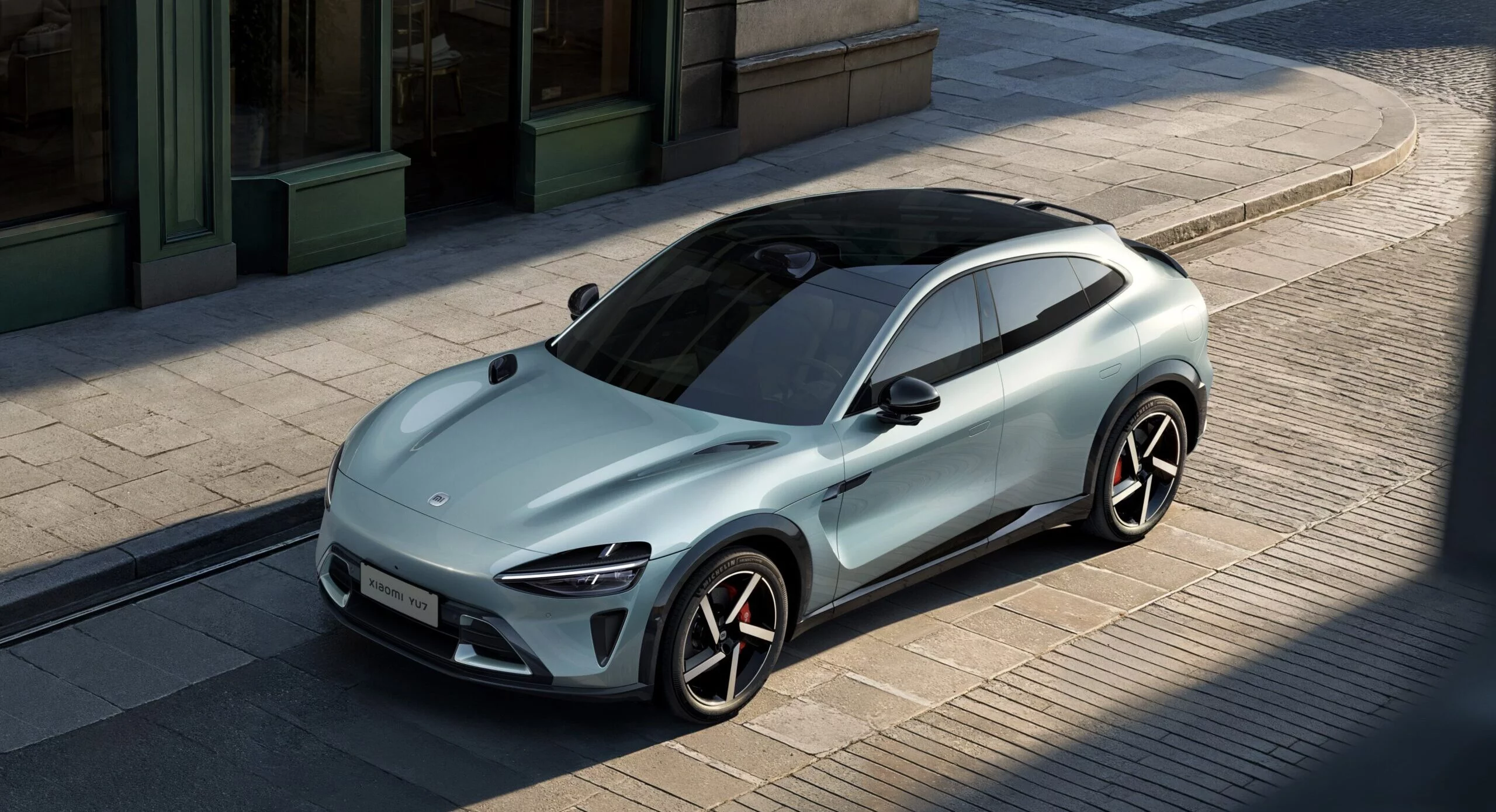
    The first-quarter revenue was reported to be 99.1 billion yuan, slightly below the average analyst estimate of 103.4 billion yuan. Recently, the company launched a new, more affordable version of its flagship YU7 SUV series, priced around 8% lower than its predecessor, intensifying the competition with Tesla in China’s car market. The company has further plans to expand into European markets by 2027.

    Xiaomi, currently the world’s third-largest smartphone manufacturer, saw a 19% decrease in smartphone units shipped in the quarterly period. Revenue from the smartphone division fell by 12.5% to 44.3 billion yuan, mainly due to elevated component prices and increased domestic competition.

    Questions & Answers

    What are Xiaomi’s plans to cope with the slump in net profit?
    To offset higher component costs and tougher competition, Xiaomi aims to expand further into overseas markets.

    What is Xiaomi’s “new normal”?
    The “new normal” refers to the industry’s adaptation to higher memory costs, as stated by Xiaomi’s president, William Lu.

    What is Xiaomi’s future outlook in the smartphone market?
    The outlook remains weak due to the ongoing memory chip shortage, which is expected to last until late 2027, and geopolitical tensions in the Middle East impacting consumer sentiment.

  • Xiaomi Triumphs, Reclaims Leadership in Southeast Asia’s Smartphone Market After Four-Year Battle

    Xiaomi Triumphs, Reclaims Leadership in Southeast Asia’s Smartphone Market After Four-Year Battle

    Xiaomi has positioned itself as a dominant player in Southeast Asia’s smartphone market, capturing 19% market share, bolstered by impressive sales of its Redmi series and a robust expansion into direct-to-consumer and operator channels. The findings from Canalys, a U.S.-based market research firm, highlight the brand’s strategic moves to cement its foothold in the region.

    Le Xuan Chiew, a research manager at Canalys, attributed Xiaomi’s strong performance to its ability to scale sub-brands effectively. In a surprising twist, shipments for Poco, a Xiaomi sub-brand, more than doubled, while the premium Xiaomi 15 series experienced a phenomenal 54% growth year on year. This marks a significant shift for a brand that has historically been seen as a budget-friendly option.

    Transsion Rises with New Offerings

    Second place in the rankings went to China’s Transsion, which sold 4.5 million units as it enjoyed a robust 17% increase, thanks to recent launches in its budget-friendly entry-level portfolio. With 18% of the market share, Transsion is proving that affordability can still captivate consumers.

    Samsung Expands 5G Presence

    Samsung secured third place with 4.3 million units, reflecting a slight 3% dip from the previous year. However, its 5G-capable devices are gaining traction, particularly in Vietnam and Singapore, backed by the attractive value proposition of its Galaxy A06 5G and A16 5G models. “Samsung is not just selling phones; it’s crafting a legacy of reliability, especially in the enterprise sector,” Chew noted.

    Competition Heats Up for Oppo and Vivo

    Following close behind is Oppo, claiming fourth place with 3.5 million units sold, despite a 19% decline as competition intensifies at the entry-level. Holding a 14% market share, Oppo’s challenges reflect the shifting dynamics in the smartphone landscape. Vivo rounded out the top five with 2.8 million units, suffering a steeper 21% drop as it pivots strategically towards profitability, representing an 11% market share.

    Market Outlook Faces Uncertain Currents

    The overall Southeast Asian smartphone market saw a 1% decline, totaling 25 million units sold in the second quarter. A significant factor in this downturn is ongoing tariff uncertainties that continue to cast shadows over the region’s economic outlook. Chew emphasized that the ongoing U.S.–China trade tensions are reshaping supply chains, compelling vendors to reallocate resources away from China in favor of U.S. shipments. This situation has disrupted inventory planning across manufacturing hubs, particularly in China and Vietnam.

    Moreover, currency volatility—especially the weakening of the U.S. dollar—is affecting local purchasing power and retail pricing strategies, pressuring vendors to reconsider pricing and promotions to stay viable in the market. While shipment volumes have remained relatively steady, rising tariff concerns and persistent macroeconomic challenges are dampening consumer enthusiasm, particularly within the mass market segment.

    Questions & Answers

    What factors contributed to Xiaomi’s market leadership in Southeast Asia?
    Xiaomi’s market leadership is attributed to strong sales from its Redmi series and an effective expansion into direct-to-consumer and operator channels, which have helped scale its sub-brands, particularly Poco.

    How did Transsion manage to increase its market share?
    Transsion’s market share increase can be traced back to successful launches within its entry-level portfolio, appealing to budget-conscious consumers and allowing it to capture 18% of the market.

    What challenges are impacting the overall smartphone market in Southeast Asia?
    The smartphone market is facing challenges due to ongoing tariff uncertainties, U.S.–China trade tensions affecting supply chains, currency volatility impacting prices, and shifting consumer sentiment, especially in the mass market sector.

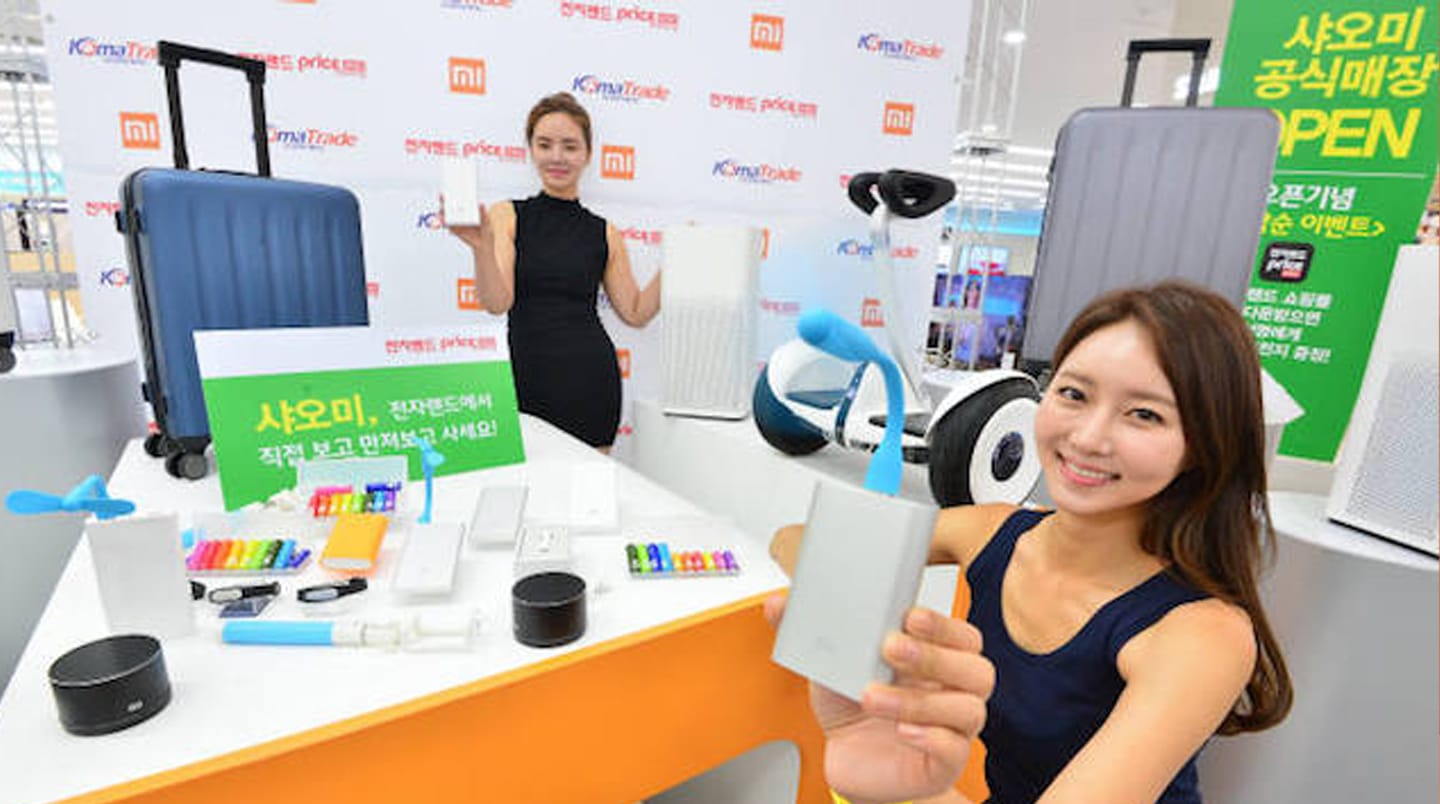
  • Xiaomi Opens Its First Offline Store in Korea: A New Era for Retail Enthusiasts!

    Xiaomi Opens Its First Offline Store in Korea: A New Era for Retail Enthusiasts!

    Retail giants across Asia are diving deep into the realm of experiential shopping, and the recent emergence of live-streaming commerce is reshaping the retail landscape. As consumer preferences evolve, companies are jostling to innovate and offer a more immersive shopping experience that transcends traditional retail boundaries.

    Live-Streaming Commerce: A Game Changer

    Powered by the meteoric rise of social media platforms, live-streaming commerce is captivating audiences and transforming how consumers shop. Countries like China are at the forefront of this trend, with live-streaming events racking up billions of dollars in sales within just hours. This format combines entertainment with commerce, allowing brands to showcase products while engaging viewers in real time. One moment shoppers are catching a glimpse of a trendy handbag, and the next they’re in on a lively Q&A about its features—not your average shopping experience!

    Asia’s Retail Arena: A Feast for Innovation

    Retailers throughout Asia are seizing this opportunity to enrich customer engagement. Brands are harnessing influencers and charismatic presenters to enhance the entertainment factor, driving traffic and sales through these events. For instance, in Hong Kong, a popular cosmetics brand recently hosted a live-streaming session that not only showcased new products but also featured well-known beauty experts, pulling in thousands of views and a considerable spike in sales.

    Bridging Online and Offline Experiences

    As online and offline retail environments blend, brands are increasingly focused on creating seamless shopping experiences. Retailers are integrating technology, such as augmented reality and AI, to offer personalized recommendations. Imagine trying on clothes virtually through your smartphone — a prospect that’s no longer just a futuristic concept but a reality for many retailers.

    The Impact on Supply Chains and Beyond

    However, this shift isn’t without its challenges. As retailers amplify their online strategies, supply chains must adapt to cope with the swift transitions between virtual engagement and real-world purchases. The pressure is on to optimize inventory and logistics to prevent the dreaded “out of stock” message from surfacing during high-demand live-streams.

    The interplay of technology and retail is indeed a delicate dance, and Asia is falling in step with aplomb. With shoppers eager for more engaging experiences, as they say, “the best is yet to come.”

    Questions & Answers

    What is live-streaming commerce?
    Live-streaming commerce combines entertainment and e-commerce, allowing brands to showcase products while engaging live with viewers, often resulting in immediate sales boosts.

    How are retailers in Asia adapting to this trend?
    Retailers in Asia are enhancing customer engagement by utilizing influencers, interactive features, and integrating technology like augmented reality to create richer shopping experiences.

    What challenges do retailers face with the growth of live-streaming?
    The rapid shift to online sales has put pressure on supply chains, requiring retailers to optimize logistics and inventory to meet heightened demand during live-stream events.

  • China’s Xiaomi bets bigger on India retail stores amid Samsung rivalry

    China’s Xiaomi bets bigger on India retail stores amid Samsung rivalry

    China’s Xiaomi 1810.HK will focus on boosting its India sales from retail outlets after years of big bets on e-commerce, its India president said, as the company seeks to revive smartphone sales after falling behind South Korea’s Samsung 005930.KS.

    E-commerce sales in India via Amazon AMZN.O and Walmart’s WMT.N Flipkart have surged in recent years, helping Xiaomi and others expand in one of the world’s fastest-growing markets, with 600 million smartphone users.

    But while 44% of India’s smartphone sales are now online, the brick-and-mortar segment remains the bigger play and Xiaomi expects it to grow further.

    “Our market position in offline is substantially lower than what it is online,” Xiaomi’s India head, Muralikrishnan B., said in an interview on Friday. “Offline is where you have other competitors who have been executing fairly well and have a larger market share.”

    Just 34% of Xiaomi’s India unit sales this year have come from retail stores, with the rest through websites that have long been its dominant sales generator, data from Hong Kong-based Counterpoint Research shows. Samsung, in contrast, gets 57% of its sales from stores.

    Xiaomi plans to expand its store network beyond the current 18,000 and increasingly partner with phone vendors to offer other products, such as Xiaomi TVs or security cameras, where Muralikrishnan said competition is less intense.

    He said Xiaomi found some partner stores that put its bright orange branding outside shops were displaying rival brands more prominently inside, a marketing issue the company would address.

    Xiaomi’s offline push comes months after it lost its leadership position to Samsung, which had a much bigger portfolio of premium phones now in vogue. The South Korean giant has a 20% market share in India, while Xiaomi, which historically focussed on budget phones, has 16%.

    “Offline remains a key platform as India embraces the premiumization trend,” said Counterpoint analyst Tarun Pathak. “Consumers spending more would like to have the look and feel of the premium product.”

    Xiaomi plans to hire more store promoters – salespeople who lure, pitch and sell phones to prospective buyers inside outlets. It targets tripling the count to 12,000 promoters by the end of next year from early 2023 levels, Muralikrishnan said.

    Another significant India challenge for Xiaomi is a federal agency’s $673 million freeze on its bank assets since last year. The agency alleges Xiaomi made illegal remittances to foreign entities in the name of royalties. The company denies wrongdoing.

    “We’ll continue to be confident … that ultimately our position will be heard and validated,” Muralikrishnan said.

  • Samsung steals Xiaomi’s crown in India’s premium smartphone market

    Samsung steals Xiaomi’s crown in India’s premium smartphone market

    Xiaomi Corp is reviewing its India strategy after misjudging consumer tastes for mobile phones. This costly mistake allowed Samsung Electronics to lead the Chinese company to the top spot in the world’s second-largest market for these devices.

    While Xiaomi continued to focus on selling mobile phones below Rs 10,000 ($120), Indian consumers were willing to pay more for better-looking models with richer features. Samsung of South Korea launched products that met those aspirations and offered innovative financing schemes that made them affordable for most.

    These measures have helped Samsung take the lead of the Indian mobile phone market from Xiaomi. Data from Hong Kong-based Counterpoint Research shows that Samsung had a market share of 20% in the last quarter of 2022, compared to 18% for the Chinese company.

    “The Indian market is witnessing a ‘premiumization’ trend. (But) Xiaomi is underprepared for this shift with a portfolio full of cheap phones,” said Tarun Pathak, research director at Counterpoint.

    The loosening of Xiaomi’s grip on India’s 626 million smartphone users – the largest after China – shows how companies that fail to respond to changing consumer preferences are penalized in a fast-growing economy with rising disposable incomes.

    Best known in India is Tata Motors’ Rs 100,000 ($1,200) Nano, which was heralded as the world’s cheapest car, shunned by consumers who associated its low price tag with inferior quality.

    Indians’ demand for more expensive mobile phones to consume videos and other content is also beneficial for social media app providers like Meta, and iPhone maker Apple Inc, which so far has a small market share in the country as it focuses exclusively on high-end phones, with prices ranging from $605 to a whopping $2,304, according to its website.

    According to Counterpoint, the market share of the phones under $120 in India has fallen to 26% by 2022, from 41% two years ago. And premium phones – above 30,000 ($360) – saw their share double to 11% over the same period.

    Xiaomi and Samsung both view India as a major growth market, with smartphones being their top-selling electronic device. The Chinese company posted a total revenue of $4.8 billion in India in 2021-22, while Samsung posted $10.3 billion in revenue, of which $6.7 billion came from smartphones.

    However, Xiaomi is already struggling in India with the departure of at least five top executives and increased government scrutiny over frosty relations with neighboring China. The company has had $674 million frozen by the country’s Financial Crime Bureau over alleged illegal remittances to foreign entities, which Xiaomi denies.

    A Reuters review of the product listings on Xiaomi’s website revealed the mismatch between consumer needs and the products the company offers. Xiaomi had six smartphones priced over $360, compared to Samsung’s 16. Under $120, Samsung had seven models, while Xiaomi had 39 – most of which turned out to be out of stock.

    And premium phones accounted for just 0%-1% of total shipments of Xiaomi’s Indian phones over the past two years, while the share of Samsung’s more expensive phones more than doubled to 13%, according to data from Counterpoint.

    But Xiaomi, which has admitted to introducing “too many” models in the past, is revamping its product line to focus on premium smartphones.

    In January, the company launched the Redmi Note 12 with a top price of over Rs 30,000, and recently launched the Xiaomi 13 Pro at Rs 79,999 ($970) – its most expensive phone in India. The strategic shift seems to have paid off immediately, as the Redmi Note 12 posted sales of $61 million within two weeks of its launch.

    “We have established a streamlined and cleaner portfolio with a focused approach to build expertise in the top segment, and the launch of our latest flagship, the Xiaomi 13 Pro, is a step in that direction,” said Indian President Muralikrishnan B.

  • Xiaomi Demands Payout From Supplier After Car Designs Leaked

    Xiaomi Demands Payout From Supplier After Car Designs Leaked

    China’s Xiaomi said on Thursday it had imposed a 1 million yuan ($149,000) penalty on a supplier after it leaked early design drafts of an upcoming car model.

    On its official Weibo page, a spokesperson wrote Xiaomi had “dealt seriously” with a Beijing-based molding technology company which on Jan. 22 publicly revealed images of an upcoming car’s front and rear bumpers, violating a confidentiality agreement.

    Xiaomi did not disclose the name of the company and we could not identify it.

    As punishment, the smartphone-turned-car maker said it would impose “economic compensation” of 1 million yuan ($148,763) on the supplier.

    The spokesperson added it had instructed the supplier to strengthen its information security management, and develop plans to upgrade its confidentiality measures.

    Xiaomi CEO Lei Jun also circulated the note on his personal Weibo page.

    Over the Chinese New Year, images purportedly showing mock ups of the front and rear of Xiaomi’s upcoming electric vehicle (EV) spread on social media, as well as a full view of what appeared to be a white compact sedan, with a license plate that read “MS11”.

    The leaks would mark the first confirmed images of Xiaomi’s long-awaited automobile.

    However, News portal Sina Tech reported on Thursday that Wang Hua, general manager of Xiaomi’s public relations department, said the leaked designs were part of a bidding process and were not final renderings.

    In March 2021 Xiaomi, a hardware company best known for its smartphones, said it would enter the automotive sector, aiming to invest $10 billion in the project over ten years.

    Since then, the company has committed to opening a plant in Beijing that could produce 300,000 vehicles per year.

    The company has said it hopes to reach mass production of its cars in the first half of 2024.

  • Samsung dominates global Android market this month

    Samsung dominates global Android market this month

    Worldwide, most people have an Android phone in their hands. According to Statcounter, Android has a 71.3% global share of the smartphone pie this month compared to 71.1% for the same month a year ago. And while more than one billion Android phones were shipped last year, there are a total of 2.8 billion active Android users. Based on a report from SportsLens.com, 7.4% of those handsets are Samsung Galaxy models.
    It probably doesn’t come as a surprise that the Galaxy brand is the world’s most popular line of Android phones. After all, Samsung ships the largest number of smartphones each and every year. Samsung’s Android market dominance was probably one reason why LG dropped out of the business. What about HTC? Let’s say that its problems were from choices that the company made itself along with Samsung’s popularity.
    AppBrain data shows Samsung is responsible for a 34.6% market share of the global Android market this month. Behind the South Korean manufacturer is Xiaomi with a respectable 14.3% followed by Oppo’s 10.3% share. Vivo (9.8%) and Huawei (6.7%) round out the top five. As recently as 2019, Huawei was the second largest smartphone company in the world with a 17.6% share of the global market trailing only Samsung’s 21.8%.

    But in both 2019 and 2020, the U.S. made life difficult for the company by blocking it from obtaining supplies from its U.S. supply chain and preventing the company from obtaining chips produced by foundries using American technology. The company ended up selling off its Honor sub-unit, developing its own HarmonyOS to replace the Google Mobile Services version of Android, and is using Snapdragon 8+ Gen 1 chips designed to work with 4G LTE only.

    So what is the most popular Android device worldwide for the first half of the current month? That would be the mid-range Samsung Galaxy A12 with a 2.1% slice of the Android pie so far this month. The Samsung A21s follow that model with a 1% share, and the Galaxy A10s also with a 1% share. These phones all are part of the mid-range Galaxy A line which includes large screens, viable cameras, and large batteries.
    For example, the Galaxy A12 features a 6.5-inch LCD display with an HD+ resolution of 720 x 1600. It is powered by the 12nm MediaTek Helio P35 and includes 4GB of memory with 64GB of storage (48.2GB available to the user). There is a 1TB capacity microSD slot for additional storage and on the back is a quad-camera setup consisting of a primary 48MP snapper (f/2.0), a 5MP ultra-wide camera, a 2MP Macro camera for close-ups, and a 2MP depth sensor. There is an 8MP front-facing camera for selfies and video chats.
    And it is not surprising, considering it’s a Galaxy A device, that the Galaxy A12 sports a 5000mAh battery that charges up to 15W. Considering that the display is HD+, the battery life on this device should be tremendous.
    Samsung is the leader when it comes to the foldable phone market. Last year, the Galaxy Z Flip 3 was the most popular handset in this category. Earlier this year, the company released the Galaxy Z Fold 4 (which opens to reveal a 7.6-inch tablet-sized display), and the Galaxy Z Flip 4 (a clamshell that flips open to produce a 6.7-inch display).
    It should be noted that while worldwide Android’s market share is about 71%, in countries such as Brazil, India, Indonesia, Turkey, and Vietnam, Android enjoys 85% of the market. As for iOS, its global market share is around 28% leaving it flat on an annual basis. But the longer-term trend seems to favor Apple. Over the last five years, Android’s share of the global market slipped by 1.8 percentage points while iOS has seen an improvement of 8 percentage points over the same time span.


  • Huawei, Xiaomi lead Vietnam’s smartwatch market

    Huawei, Xiaomi lead Vietnam’s smartwatch market

    Two Chinese manufacturers Huawei and Xiaomi led Vietnam’s smart wearables market in the second quarter with a combined market share of 36.5%.

    Huawei rose to the first place and replaced Samsung with a 18.5% share, followed by Xiaomi, 18%, according to estimates of an industry report which shows the latest data available.

    Samsung came third with its share plunging by half from 37% in the first quarter to 15%.

    Apple ranked fourth with a 6% share.

    Vietnam’s smart wearables market, which comprises mostly of smartwatches, has seen strong changes in recent years.

    Samsung, for example, has been recording market share between 6% and nearly 38% since early 2021.

    Apple claimed 30% market share by the end of last year only to have 6% by the end of June.

    Huawei has seen its share surging from 2% earlier last year to 18.5% thanks to its increased focus on wearable gadgets, with the most best-selling products being Watch GT3 and Band 7.

    It plans to launch a new Watch GT3 SE with a battery of up to two weeks.

    Xiaomi has been drawing attention with its affordable products SmartBand 7 and SmartBand 7 Pro.

    A report by U.S.-based data company IDC shows that 140,000 smart wearables were bought in Vietnam in the second quarter, up 1.5 times from the third quarter last year when Covid-19 was spreading fast.

    Globally smartwatch sales have declined by 6.9% year-on-year to 107.4 million units in the second quarter.

  • Vietnam benefits from manufacturing exodus from China

    Vietnam benefits from manufacturing exodus from China

    Apple, Samsung and Xiaomi have moved their assembly lines out of China to Vietnam, as they seek to reduce dependence on the country.

    The country offers manufacturers access to the 10-member Association of Southeast Asian Nations (ASEAN) free trade bloc and preferential trade pacts with countries throughout Asia and the EU as well as the U.S., according to Nikkei Asia.

    Apple Inc. has 11 factories run by its Taiwanese partners in Vietnam.

    Four of them, Foxconn, Luxshare, Pegatron, and Wistron, are expanding.

    Apple would consider using more Vietnamese suppliers, CEO Tim Cook said during a meeting with visiting PM Pham Minh Chinh on May 17. A few weeks later Apple moved its iPad production out of China and to Vietnam, marking the first time the iconic tablet was assembled in Vietnam.

    Its AirPods Pro 2 wireless earbuds may also be produced in Vietnam by mid-2022, analyst Ming-Chi Kuo told Apple Insider.

    Apple is not the only smart device manufacturer expanding operations in Vietnam following China’s Covid-19 lockdowns.

    South Korea’s Samsung has just completed construction of a US$220-million research and development center in Hanoi, its largest in Southeast Asia.

    Its flagship phones Galaxy Z Fold and Z Flip are produced in the country.

    Last year Samsung reported $74.2 billion sales for its Vietnam branch, up 14 percent from 2020. They included exports of $65.5 billion, up 16 percent.

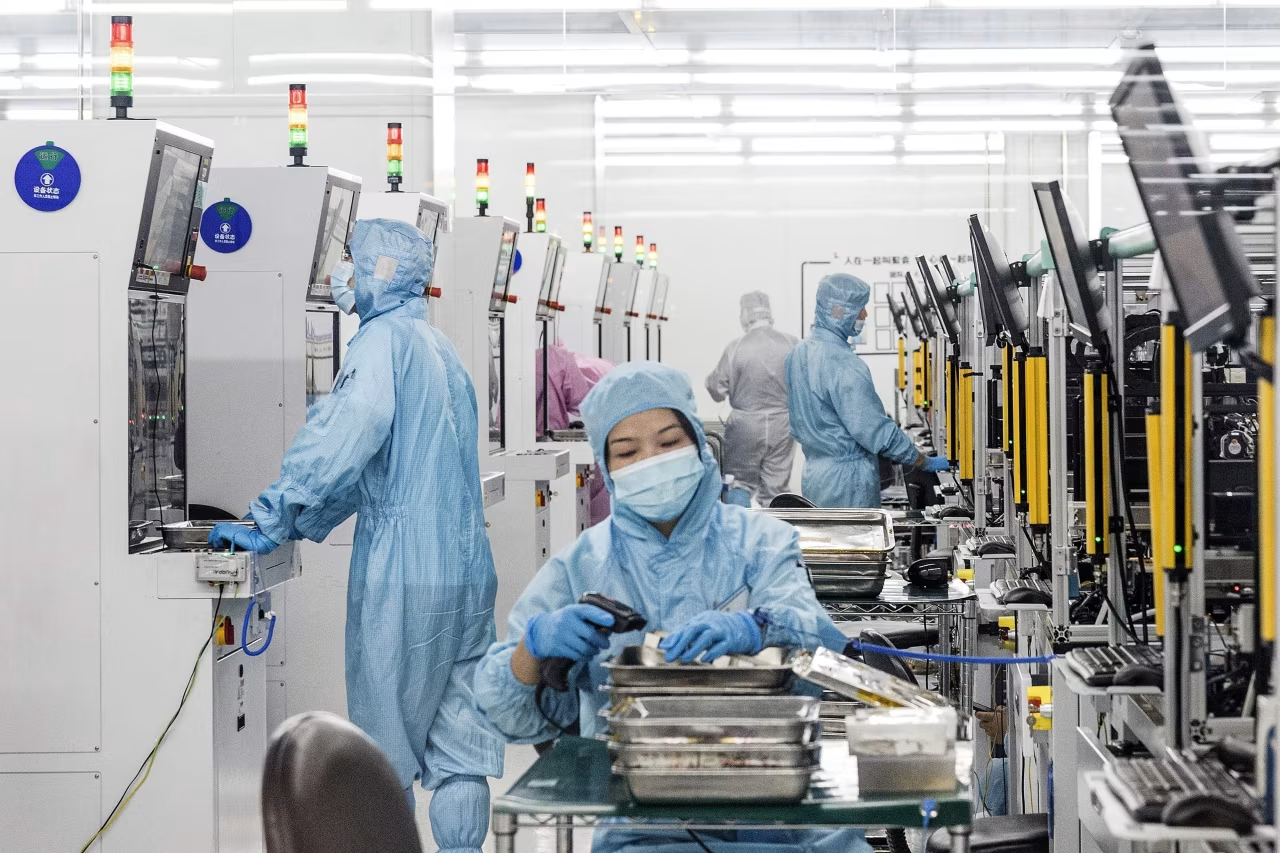
    China’s Xiaomi also moved part of its production to Vietnam, with the first batch of its ‘made-in-Vietnam’ devices debuting Tuesday.

    They are made by DBG Technology, a subsidiary of Hong Kong’s DBG Electronics Investment Limited, at a newly built $80-million factory in the northern Thai Nguyen Province.

    Delivery and logistics costs, driven up by the pandemic, were hindering Xiaomi’s Southeast Asia production, a spokesperson said.

    Comparatively cheap labor is one of Vietnam’s most prominent advantages, pointing out that Chinese workers earn CNY7,000 ($1,044) a month, twice as much as Vietnamese.

    But Vietnam’s land cost advantage is diminishing, while factories are relying on parts and raw materials from China.

    Industrial land rent in HCMC surged to a record high of $198 per square meter followed by Hanoi at $140 and Da Nang City at $80, according to a report by real estate consultancy Cushman Wakefield.

    Average land rentals in southern industrial parks in the first quarter was $120 per square meter, a 9 percent increase from a year earlier, commercial real estate services company Jones Lang Lasalle reported in May.

    Earlier this year Vietnam’s production was by supply chain delays due to China’s pandemic lockdowns.

    Yang Zhongwei, production manager at a Chinese router parts maker’s subsidiary in Vietnam, told Nikkei that clients had threatened to cancel orders as shipments from China were delayed.

    Vietnam’s weak industrial base and higher costs are other hurdles, and so while his company is considering switching to local suppliers it has yet to manage to do so, he said.

    Carbon taps for printers cost 21 yuan per roll in Vietnam, three times the price on Alibaba’s Taobao in China, he pointed out.

  • Xiaomi starts smartphone production in Vietnam

    Xiaomi starts smartphone production in Vietnam

    Xiaomi has delivered the first batch of its made-in-Vietnam smartphones, the Chinese electronic giant announced Monday.

    Its smartphones are made in Vietnam by DBG Technology, a subsidiary of Hong Kong’s DBG Electronics Investment Limited, at a factory in northern Thai Nguyen Province.

    Besides supplying to the local market, those devices will also be exported to some Southeast Asia markets including Malaysia and Thailand, a representative of Xiaomi Vietnam said.

    The DBG Technology factory only manufactures certain models, it was added.

    Nguyen Duc Trong of Digiworld, a Xiaomi authorized reseller in Vietnam, said producing smartphones in Vietnam would help solve issues caused by Covid-19 disruption on the global supply chain.

    “[Vietnamese] consumers will have a more stable supply, while the country will solidify its position in the race for smart manufacturing.”

    Xiaomi is the second largest smartphone maker in Vietnam, accounting for 20.6 percent of market share in the first three months this year, according to data from industry analysis firm Counterpoint.

    Xiaomi smartphones are mostly made in China and India by its manufacturing partners, including Foxconn, DBG, BYD and Flex.

  • Xiaomi CEO Says It Will Be Mass Producing Its EV By 2024

    Xiaomi CEO Says It Will Be Mass Producing Its EV By 2024

    Xiaomi’s CEO Lei Jun has revealed that the world’s third-largest smartphone maker is ahead of schedule for making its foray into the automotive sector and will start mass-producing its EVs in the first half of 2024. These comments were made at an investor event. But then the Chinese billionaire tweeted his thoughts as well. “Xiaomi EV is ahead of schedule. Aiming for mass production in 2024 H1,” he said on the social media platform. His executives also went to Chinese social media platforms to confirm the news. Zang Ziyuan who is a director for marketing at Xiaomi also posted this news on his verified Weibo account.

    In March, Xiaomi had announced that it would be investing $10 billion in the new electric car division over the next 10 years. The company finished the registration of its electric car business in August and already it has ramped up hiring for the unit – though it hasn’t revealed whether it is going to make the car or will partner with someone.

    Its close partner for the manufacturing of smartphones, Foxconn, has already announced its own electric car venture, and considering manufacturing isn’t Xiaomi’s forte, this would be a partnership that’s likely to happen.

  • China’s Xiaomi Completes Business Registration Of Electric Vehicle Unit

    China’s Xiaomi Completes Business Registration Of Electric Vehicle Unit

    Chinese smartphone giant Xiaomi Corp said on Wednesday it has completed the official business registration of its electric vehicle unit, marking the latest milestone in its push into the automotive sector. The new unit, to be called Xiaomi EV Inc, opened with registered capital of 10 billion yuan ($1.55 billion) and Xiaomi CEO Lei Jun as its legal representative, Xiaomi said in a statement. Some 300 staff have so far been employed to join the EV unit and it continues to recruit talent, it said.

    The smartphone maker, which became the world’s second top-selling brand behind Samsung in the second quarter, confirmed its foray into electric cars in March, pledging to invest $10 billion over the next 10 years.

    Lei said at the time the push into electric vehicles would mark his “last major entrepreneurial project.”

    Xaiomi said it purchased autonomous driving technology startup Deepmotion for over $77 million.

    Xiaomi said on Wednesday it has since conducted more than 2,000 interview surveys and visited over 10 industry peers and partners. However, it has revealed few details of its strategy for the automotive sector or vehicle types it intends to launch.

    Last week, the company said it purchased autonomous driving technology startup Deepmotion for over $77 million, in an effort to boost research and development.

    Earlier in August, Reuters reported that Xiaomi had entered talks with beleaguered real estate giant Evergrande Group to purchase a stake in the latter’s automotive unit.

    In response to the news, a Xiaomi spokesperson wrote on the company’s social media account that it is in touch with several automakers but has yet to decide which one to work with.

    Xiaomi’s second-quarter earnings last week beat analyst estimates, with revenues and net profits increasing 64% and 87.4% respectively. The company’s share of the global smartphone market has surged following the retreat of its chief rival, Huawei Technologies Co Ltd in the face of U.S. government sanctions.

  • Xiaomi rewards its first ever customers with a refund

    Xiaomi rewards its first ever customers with a refund

    Back in 2011 Xiaomi launched the Mi 1 in China, and thus entered the increasingly competitive smartphone market, eventually overtaking goliaths such as Apple and Samsung, at least according to some research agencies.

    The successful Chinese phone maker is offering a reward to some of its first customers – those who bought the aforementioned Xiaomi Mi 1 ten years ago.

    According to Xiaomi, its first Android phone sold 184,600 units, so if we imagine that all of those who bought a Mi 1 are eligible and request the refund, that equates to about $57 million in refunds, or around $309 for each person.

    Of course, Xiaomi’s first users were all in China and conditions are sure to apply, plus it’s likely that the refunds are in the form of store credit. But in any case, this is a fun way for Xiaomi to acknowledge and thank the people who invested in the then-young company with their trust and hard-earned money.

    And what’s the successful company up to now? From its humble beginning with the Mi 1, running Android 3 on one gigabyte of RAM, the Chinese company’s most recent flagship is the Mi 11 Ultra, which we reviewed earlier this year and found to be solid.

    Also, recent Xiaomi Mi 12 spec rumors hint that Xiaomi’s next premium smartphone will be quite a flagship killer, possibly boasting a 200-megapixel camera and supporting wireless charging of up to 100 watts.

    If you’re a fan of Xiaomi, you may also want to check out our list of the best Xiaomi phones to check out in 2021.

  • Xiaomi patents an all edge curved screen phone

    Xiaomi patents an all edge curved screen phone

    Some trends in the tech world just don’t want to fade away, and one of those is the endless desire to curve screen edges. It all started with the Galaxy Note Edge in 2014, but it wasn’t until the Samsung Galaxy S6 Edge that the trend gained popularity.

    With time, however, curved displays started feeling more like a cumbersome gimmick than the beautiful innovation it was meant to be and its flame dwindled in the wind of progress. In recent years, the feature has boiled down to just a slight curve in flagship devices.

    Having said that, it would seem some mobile phone manufacturers out there are trying to light the fire once again. In February this year, Xiaomi patented a design with an 88˚ curved screen, covering almost everything besides the edges and the back. Now the company pushes the idea of the curved display even further to the extreme.

    The new patent envisions a waterfall display that envelops all four sides including the edges, which is much more difficult to achieve. The additional screen real estate could probably be used for displaying notifications, battery status, or other general information. There is also a possibility that pressure sensitivity could be added for additional functionality thanks to the whole lack of buttons thing.

    As the patent shows, Xiaomi has not only stretched the screen to hug all of the device’s front but has also removed all ports and buttons on the sides. What’s more, you won’t find any camera cutouts or notches to disrupt the beautiful flawlessness of the panel.

    How will you take selfies, you ask? Well, Xiaomi is one of the first to start experimenting with under-display cameras and has reached its third variation of that technology. The company is expected to release the Xiaomi Mi Mix 4 this year, which is rumored to have one.

    The back of the patеnted phone also features a peculiar design. We can see the large cutout for the camera, but there is also one right below it that doesn’t portray any clear purpose.

    Nevertheless, it is doubtful that such extreme designs will come back in fashion. They are not practical in more ways than one, and users seem to have lost interest in them. On the other hand, the idea of port- and buttonless mobile devices is starting to creep up, and it might not be too long until it becomes the new mainstream approach.