Author: Mei Ling Tan

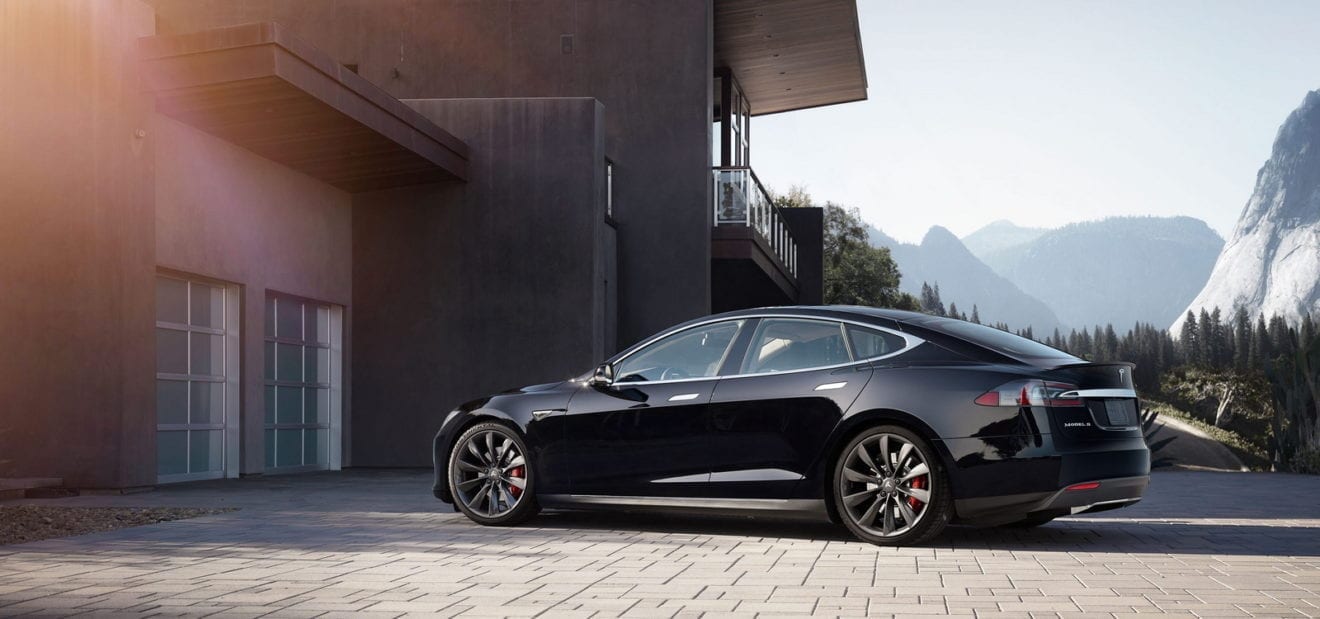
  • Tesla Shares Slump As Coronavirus Hits China Car Registrations

    Tesla Shares Slump As Coronavirus Hits China Car Registrations

    Shares of Tesla Inc fell as much as 14% on Thursday on concerns about the impact of the coronavirus on the electric-car maker’s vehicle registrations in China. Data from LMC Automotive showed that 3,563 Tesla vehicles were registered in China in January, up from 853 vehicles a year earlier, but down from the 6,613 vehicles registered in December. Tesla registrations fluctuate significantly from month to month, LMC data showed. The automaker typically delivers many more vehicles in the final month of a quarter than in the first month. In October 2019, Tesla owners registered just 763 vehicles, LMC data showed.

    Tesla did not respond to requests for comment. The selloff in Tesla shares highlights the growing concern about the health of the Chinese auto market as the government and companies contend with the disruption of the coronavirus outbreak.

    China Association of Automobile Manufacturers had earlier said that overall vehicle sales fell by almost a fifth in January, hurt by Lunar New Year holidays that started earlier than last year and by the coronavirus disruptions.

    The electric-car maker said earlier this month that the outbreak would delay deliveries of its Model 3 cars in China.

    While the virus originated in China’s Wuhan province late last year, local governments began imposing travel curbs and warning residents to avoid public spaces in the last two weeks of January. Tesla shares were trading down at $685 and were set for their fourth consecutive session of losses. Tesla’s stock has, however, jumped about 60% so far this year.

  • Hyundai Shuts Down Factory In Korea After Worker Tests Positive For Coronavirus

    Hyundai Shuts Down Factory In Korea After Worker Tests Positive For Coronavirus

    “The company has also placed colleagues who came in close contact with the infected employee in self-quarantine and taken steps to have them tested for possible infection,” Hyundai Motor said in a news release. The company added that it was disinfecting the factory.

    Ulsan is less than an hour from Daegu, the epicenter of the outbreak in Korea.

    Hyundai operates five car factories in Ulsan, which has an annual production capacity of 1.4 million vehicles, or nearly 30% of Hyundai’s global production. Hyundai employs 34,000 workers there in the world’s biggest car complex.

    The factory that was shut down produces sport utility vehicles such as Palisade, Tucson, Santa Fe and Genesis GV80.

    A factory run by Hyundai supplier Seojin Industrial had been closed after the death of a virus-infected worker there. It reopened Wednesday.

    Meanwhile, South Korea’s top carrier, Korean Air Lines Co Ltd, said on Friday it would cut the number of flights to the United States in March.

    It plans to check temperatures of passengers traveling to the United States before boarding and said it would not allow anyone with a temperature higher than 37.5 Celsius to fly.

    It said it would expand these procedures to other routes.

    One of its flight attendants who served the Incheon to LA route has tested positive for virus.

  • Retail, e-commerce biggest marketers in Vietnam

    Retail, e-commerce biggest marketers in Vietnam

    Retail and e-commerce accounted for nearly a quarter of online marketing in Vietnam last year as players compete for more customers.

    The category claimed 23.9 percent of $1.26 billion spent on online ads in the country, Ho Chi Minh City-based advertising company Adsota reported.

    It was followed by fast-moving consumer goods (FMCG) with 12.9 percent and automobiles with 6.7 percent.

    Vietnam digital advertising spending by industryRetails & e-commerceFMCGAutomobilesFinancial servicesTourismTelecomTechnologiesOthers

    “Figures indicate the resources e-commerce businesses are willing to invest in digital advertising in recent years, linked to the “money burning” race of Shopee, Lazada, Sendo and Tiki,” the report stated.

    Rising expenditure follows Vietnam’s growing market of internet users. The country ranked 14th in the world in its number of smartphone users at 43.7 million last year, a rate of 44.9 percent.

    In a number of app downloads, Vietnam ranked second to Indonesia in ASEAN and seventh globally. The most popular app categories in Vietnam are games, photography and social.

    Vietnamese spend 2 hours and 33 minutes on social networks, 17 minutes higher than the world average, according to U.K.-based We Are Social.

    Vietnam’s online advertising expenditure is set to reach $1.4 billion in 2022.

  • Carrefour China achieves its first quarterly profit in seven years

    Carrefour China achieves its first quarterly profit in seven years

    Carrefour China has achieved its first quarterly profit in seven years according to the Tian Rui, CEO of Suning Group, which bought the former French hypermarket group last September.

    During the past five months, the Carrefour China business has improved its operating efficiency through the digital transformation of its stores and the accelerated integration with the Suning ecosystem.

    Tian Rui says post-acquisition, Carrefour China’s management team focused on consumer needs and strengthening marketing, operations and membership management. The business was integrated into the Suning FMCG’s supply chain, strengthening the range and supply of merchandise.

    And the company’s stores and product offering were integrated into the Suning Convenience Store app on February 6. Since then, the average daily order volume of Carrefour Flash Delivery has increased by 202 per cent month on month. On February 21, the average daily order volume was up 329 percent month on month.

    This digital transformation has seen the 209-strong store network deliver goods to customers living within 3km of a store within one hour, and for those within 10km of a store within half a day.

    “Carrefour China is the core business of Suning FMCG matrix. In 2020, we will accelerate store upgrades, supply chain construction, and other ecological integration with Suning to recreate the glory of Carrefour like seven years ago,” said Tian Rui.

  • Apple promised first Apple India store next year

    Apple promised first Apple India store next year

    Apple CEO Tim Cook says the first Apple India store is on track to open next year.

    Cook made the announcement in response to a question at the firm’s annual shareholder meeting. The company’s plans for the region have been anticipated for some time, following the relaxation of government regulations affecting foreign retailers, easing the requirements of local sourcing and scrapping a law making it mandatory for brands to open physical stores before launching online.

    Apple has already taken steps to manufacture products in India, partnering with Taiwanese company Wistron to make the iPhone 6S and 7 models there.

    In May last year, the company said it was shortlisting sites for the first Apple India store in the commercial hub of Mumbai.

    “India is a very important market in the long term,” said Apple CEO Tim Cook in a statement earlier last year. “It’s a challenging market in the short term, but we’re learning a lot. We plan on going in there with sort of all of our might.”

    Rushabh Doshi, an analyst at global research firm Canalys said last year that having its own flagship stores might be just what Apple needs to reinforce its premium image.

    “A store just before the next launch will be the perfect timing for Apple to restart its Indian growth story.”

  • First MOS Burger store opens in Manila

    First MOS Burger store opens in Manila

    The first MOS Burger store in the Philippines opened this week, on the second floor of Robinsons Galleria, Ortigas Center.

    MOS Food Services Inc chairman Atsushi Sakurada said the store is just one of many branches planned for Metro Manila this year.

    MOS Burger Philippines was formed last year by MOS Food Services Inc of Japan and Tokyo Coffee Holdings in a joint venture agreement.

    The first MOS Burger store in the Philippines brings the chain’s internationally popular burgers to the local market, including cheeseburgers, Wagyu Burger and Wagyu Rice Burger.

    Founded in 1972, MOS Burger describes itself as fast casual. It is now Japan’s second-largest fast-food chain with 1300 stores domestically and 300 others around the world. In Asia it already has outlets in Thailand, Singapore, Hong Kong, Indonesia and South Korea and it plans to launch in Vietnam later this year.

    Like other fast-food chains targeting rapidly growing Southeast Asian markets, MOS Burger faces a challenge in changing local consumers’ habits of eating cheap street food to trade up to burger meals which are comparatively expensive.

    The chain’s unique selling point is its burger buns, which are made of rice mixed with barley and millet. It positions its meals as healthier than traditional fast-food fare.

    Prior to its Philippines opening, MOS Burger offered the public burgers for two days last month to tease the market and test its operations.

    Alongside burgers, the first MOS Burger store in the Philippines serves fried chicken, coffees, teas and its signature lemonade. Burgers are priced from PHP 189 (US$3.72) to PHP 309 ($6.08) for the upscale Wagu burger, with beverages from PHP 68 ($1.34) to PHP 149 ($2.93).

    MOS stands for Mountain, Ocean and Sun.

  • 7-Eleven Malaysia hits all time sales record

    7-Eleven Malaysia hits all time sales record

    7-Eleven Malaysia set a full-year sales record last year after revenue rose 6.4 percent to $33.76 billion.

    Much of the growth came from network expansion, but same-store sales rose 2.5 percent, despite declining cigarette sales. The company opened 165 new stores last year, 41 of those in the last quarter, taking its network to 2411. Other factors were higher footfall and an increase in the average transaction. Fresh-food sales grew more than 28 percent year on year.

    Profit attributable to shareholders was up 5.4 percent.

    7-Eleven Malaysia CEO Colin Harvey said the company had kept costs in check, reducing them from 29 percent of turnover to 28.4 percent, despite an increase in the minimum wage.

    “We are confident that continuous implementation and improvement of our strategic roadmap in strengthening the key areas of assortment, supply chain, operational excellence, store base and digitally enabling the organization will continue to deliver positive results despite challenging headwinds,” he said.

  • Jamie’s Italian Restaurants closing in Hong Kong and Taipei

    Jamie’s Italian Restaurants closing in Hong Kong and Taipei

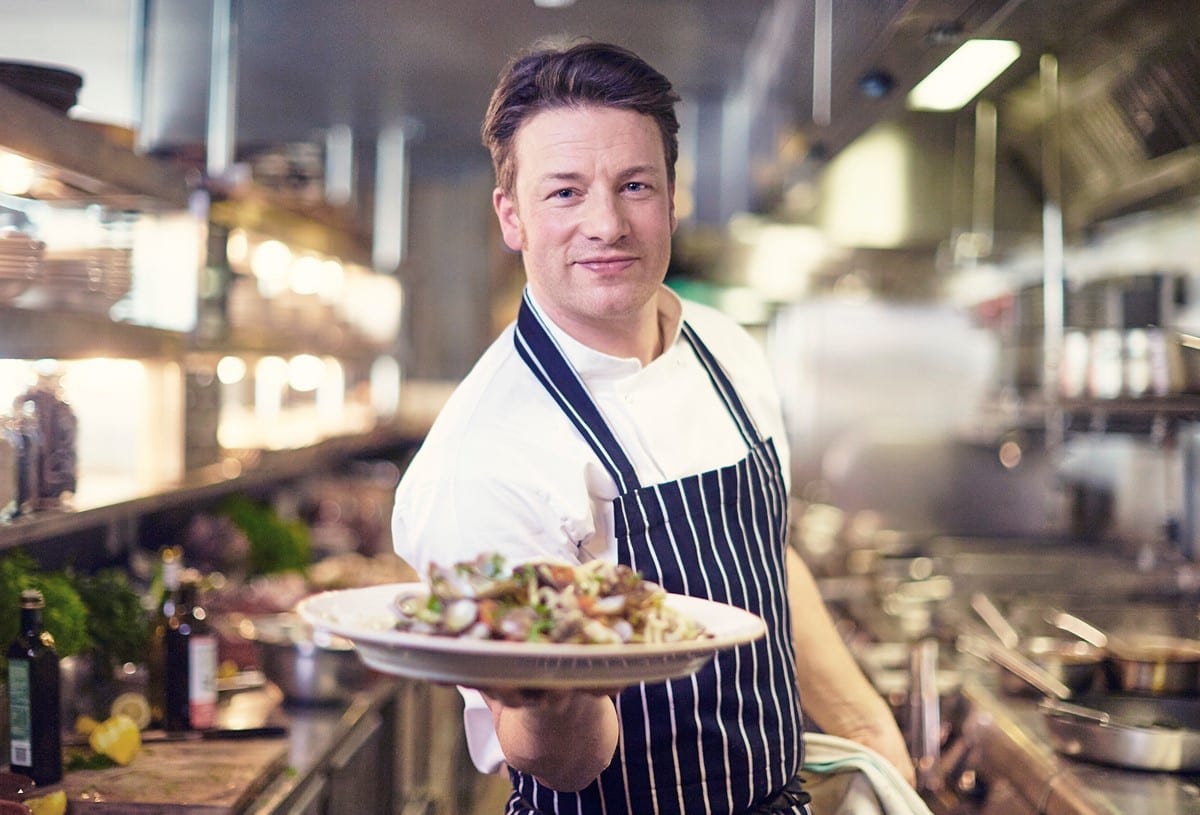
    Celebrity chef Jamie Oliver’s Italian restaurant franchise Jamie’s Italian will close its locations in Hong Kong today, while its restaurant in Taipei was shuttered yesterday.

    After facing significant setbacks to the business following its collapse in the UK last May, the local franchisee Big Cat Group ultimately faced its greatest setback during Hong Kong’s anti-government protests last year – with sales dipping 20–35 percent year on year. The ensuing coronavirus outbreak proved to be the chain’s final stand.

    “I’m deeply saddened that our restaurants in Hong Kong have had to cease trading,” Big Cat’s head William Lyon told the South China Morning Post. “Our absolute priority was to ensure that all affected staff were paid in full. We do not forecast a marked improvement over the next few months and have therefore made the difficult decision to close all three restaurants with immediate effect.

    “Despite the support from our Causeway Bay landlord, our other landlords have not been supportive enough during this period. We’d like to thank our fantastic staff and the thousands of customers we’ve had the pleasure of serving over the past few years.”

    Jamie’s Italian has not exited Asia, however. It operates two restaurants in Singapore and another in Bangkok under different licensees.

  • Minor International’s food division turns a corner while hotels deliver huge profit boost

    Minor International’s food division turns a corner while hotels deliver huge profit boost

    Minor International has boosted its full-year profit by 137 percent, largely due to the consolidation of its recent acquisition, the NH Hotel Group.

    Fourth-quarter profit of US$119.3 million, represented a 569-per-cent increase year on year, but this included a gain on sale of three hotels in the Maldives. Excluding non-recurring items, profit grew 23 percent for the full year and 53 percent for the fourth quarter.

    Minor’s food division, which operates more than 2300 outlets in 26 countries trading under banners including The Pizza Company, The Coffee Club, Thai Express, Bonchon, Swensen’s, Sizzler, Dairy Queen and Burger King, recorded a mild reduction in profit for the quarter, from $8.6 million to $8.2 million.

    “Minor Food continued to invest in its digital capabilities to increase competitiveness and to address the soft market going forward,” the company said in a results release. “Thailand hub’s increased engagement with third-party aggregators (as a complement to its own delivery platform), coupled with continuous new product launches, resulted in much improved same-store-sales.”

    In Australia, new product launches, a digital loyalty program and a partnership with Uber Eats saw same-store sales turn into positive growth.

    “Improving operations during the quarter, together with the consolidation of Bonchon since mid-November, helped offset softer performance in other parts of the operations. As a result, Minor Food’s performance is showing signs of recovery with a lower decline in its net profit in the fourth quarter compared to other quarters in the year,” the company said.

    After the close of the quarter, Minor International announced a plan to privatize.

    Singapore-based BreadTalk Group, which would see it take a 25.1 percent stake in partnership with founder George Quek and his associates.

  • India became H&M’s fastest-growing market

    India became H&M’s fastest-growing market

    Fast-fashion retail giant H&M has labeled India as its fastest-growing emerging market.

    The firm is now targeting ₹2,000 crore (US$280,000) in turnover from the territory, a goal it is likely to achieve by the end of this year despite signs of reduced domestic consumption.

    H&M’s growth in the region has benefitted from both online and offline efforts, along with its collaborations with local partners and the affordability of the brand. It operates 47 outlets in the country, compared to 22 run by rival firm Zara, with financial figures suggesting it may have a leading edge in terms of sales.

    According to a report in the Business Standard, H&M India country head Janne Einola has indicated H&M will target tier-II and -III markets for future store locations. It is expected to launch up to 10 new Indian stores this year, as well as diversify its product range into different sectors such as home furnishings and beauty, as well as traditional Indian clothing.

  • 80% of Casual Workers Say Negative Media Coverage Influences Their Job Choices

    80% of Casual Workers Say Negative Media Coverage Influences Their Job Choices

    Humanforce, a Sydney based global provider of workforce management solutions, has revealed that negative media coverage can impact Australian retailers’ ability to attract casual workers.

    Eighty percent of respondents in Humanforce’s casual worker survey stated that media coverage of a company underpaying staff would influence if they would work with that employer.

    Humanforce Founder and MD, Bruce Mackenzie, said the survey highlighted how negative media coverage can have long-lasting and costly effects on retail businesses.

    “There have been a number of cases recently involving local businesses underpaying their casual workers,” Bruce said. “Negative media attention makes it harder for any business to attract the best casual workers. This comes at a substantial cost considering a reliable and talented casual worker pool is what supports the success of many Australian retailers.”

    The survey also showed that there’s no hiding negative media coverage from potential casual workers, with 66 percent of respondents stating they would conduct an online search to research a new casual employer. And a further 64 percent said they would ask for word of mouth recommendations from current or previous employees before taking a casual job.

    From March 1st, new clauses aimed at reducing wage-theft come into effect for casual employees covered by a Modern Award with an annualised salary clause, that will require more stringent record-keeping and overtime control measures.

    “By international standards, Australia’s workforce awards and regulations are incredibly complex, which leads to errors,” Bruce said. “And, with the introduction of new practices for payroll aimed at minimising underpayments and non-compliance with awards, retailers operating without workforce management solutions will face increasing challenges in this area.”

    Workforce management solutions can help retailers navigate the complexities of managing casual workers. They help to automate and remove errors when it comes to time and attendance, rostering and scheduling, payroll, as well as managing awards and compliance.

    “While workforce management solutions can support retailers to meet award requirements, it is critical the systems are configured and customised to specifically meet Australia’s workforce awards and regulations. Off-the-shelf solutions from global software vendors are not positioned to interpret Australian awards.  Humanforce, as an Australian-based workforce management solutions provider with local expertise, knowledge and a development and support team on the ground here, is uniquely placed to assist local business with fully customisable solutions for the Australian market.”

    Beyond an employer’s media reputation, the casual worker survey highlighted some incentives that retailers can offer to attract causal staff. When assessing casual jobs and employers, respondents prioritised businesses that offered guaranteed shifts (60%), a positive and fun work culture (54%), wage incentives (52%), flexibility (47%), employee rewards (45%) and premium wages (41%).

    Find out more about Humanforce.

    Methodology

    Humanforce surveyed 500 Australians on their perspectives on casual work in the Q4 period of 2019 via the Zoho Research Platform.

  • Axa Mandiri Lays Out Plans to Grow Premium Income

    Axa Mandiri Lays Out Plans to Grow Premium Income

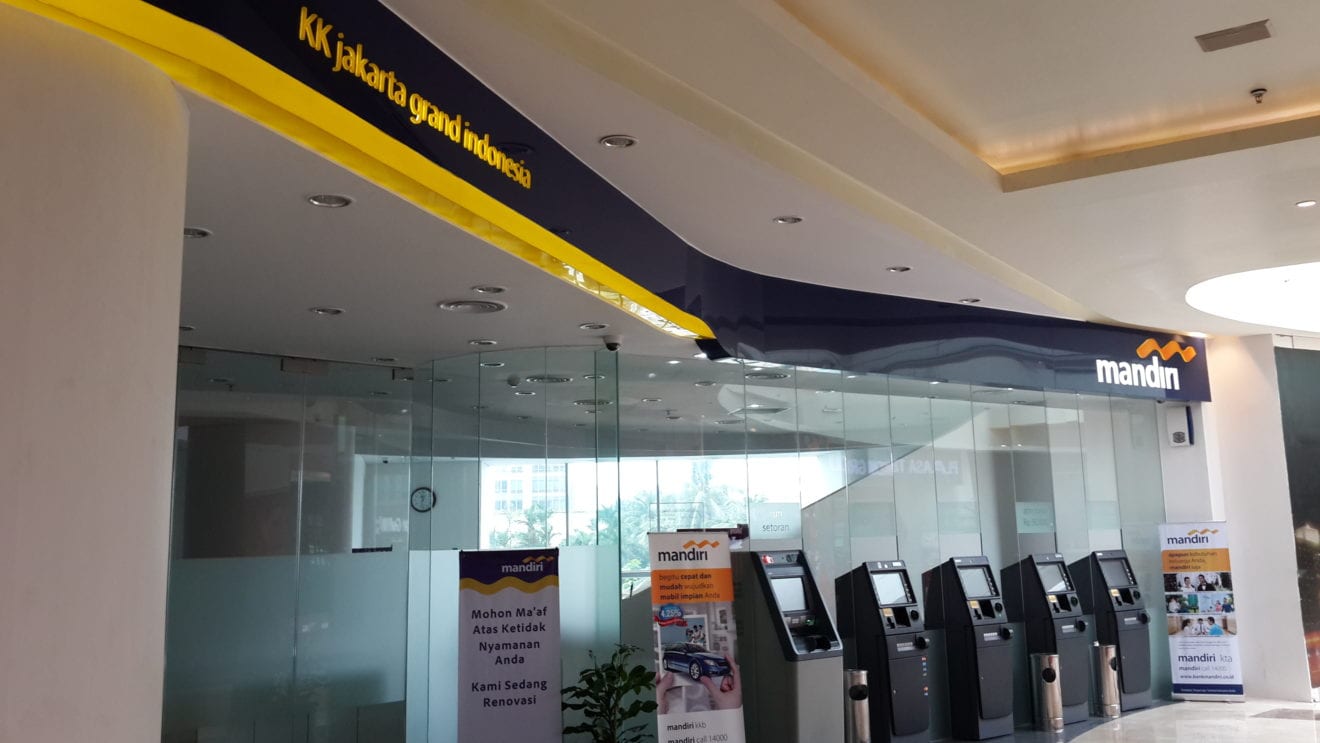
    Axa Mandiri Financial Services, one of Indonesia’s major insurance companies, expects to maintain double-digit growth in premium income this year, by tapping into the large customer base of its parent company, Bank Mandiri.

    Axa Mandiri Financial Services (Axa Mandiri)’s president director Handojo G. Kusuma said that the insurer would market its products more intensively to customers of Bank Mandiri, which has one of the largest customer bases in the country.

    We hope to book double-digit growth in premium income by tailoring insurance products to the special needs of Bank Mandiri customers,» said Kusuma, who was quoted.

    Despite having worked together with Bank Mandiri for many years, Axa Mandiri’s penetration among the bank’s clients was still below optimal levels, he noted.

    To realize the targeted double-digit growth in premium income, Axa Mandiri did a data analytics study on Bank Mandiri’s market segmentation. «By understanding the needs of each segment better, we will be able to improve upselling and cross-selling,» Kusuma added.

    To effectively market to the millennials, the company would study the behavior and characteristics of customers in that segment and offer an affordable and easy-to-understand retail package that would be relevant and convenient for them, Handojo explained.

    For the growing halal market, the company planned to expand its portfolio of sharia-compliant products to between 20 percent and 25 percent of its business in the upcoming year from 4 to 5 percent at present.

    If we look at the market share potential, we can say that 90 percent of Indonesians are Muslims, [hence] we will continue to grow our sharia business, said Axa Mandiri sales director Henky Oktavianus.

    He added that the company was still studying the sharia market segmentation of its sister company, Bank Syariah Mandiri, to understand what products to offer its clients and how best to sell them.

    Axa Mandiri booked a gross premium income of 9.5 trillion rupiahs ($698.5 million) in 2019, an increase of 11 percent from 8.59 trillion rupiahs in 2018. Net investment touched 668 billion rupiahs in 2019, following a deficit of 1.68 trillion rupiahs in 2018.

    As a result, revenue totaled Rp 10.74 trillion in 2019, a 44 percent year-on-year increase. Net profit, therefore, rose 6 percent to  1 trillion rupiahs in 2019.

    Axa Mandiri is jointly owned by Bank Mandiri, which has a 51 percent stake, and Axa Group’s National Mutual International, which holds 49 percent.

  • DBS Enhances Advice and Client Engagement for HNWIs

    DBS Enhances Advice and Client Engagement for HNWIs

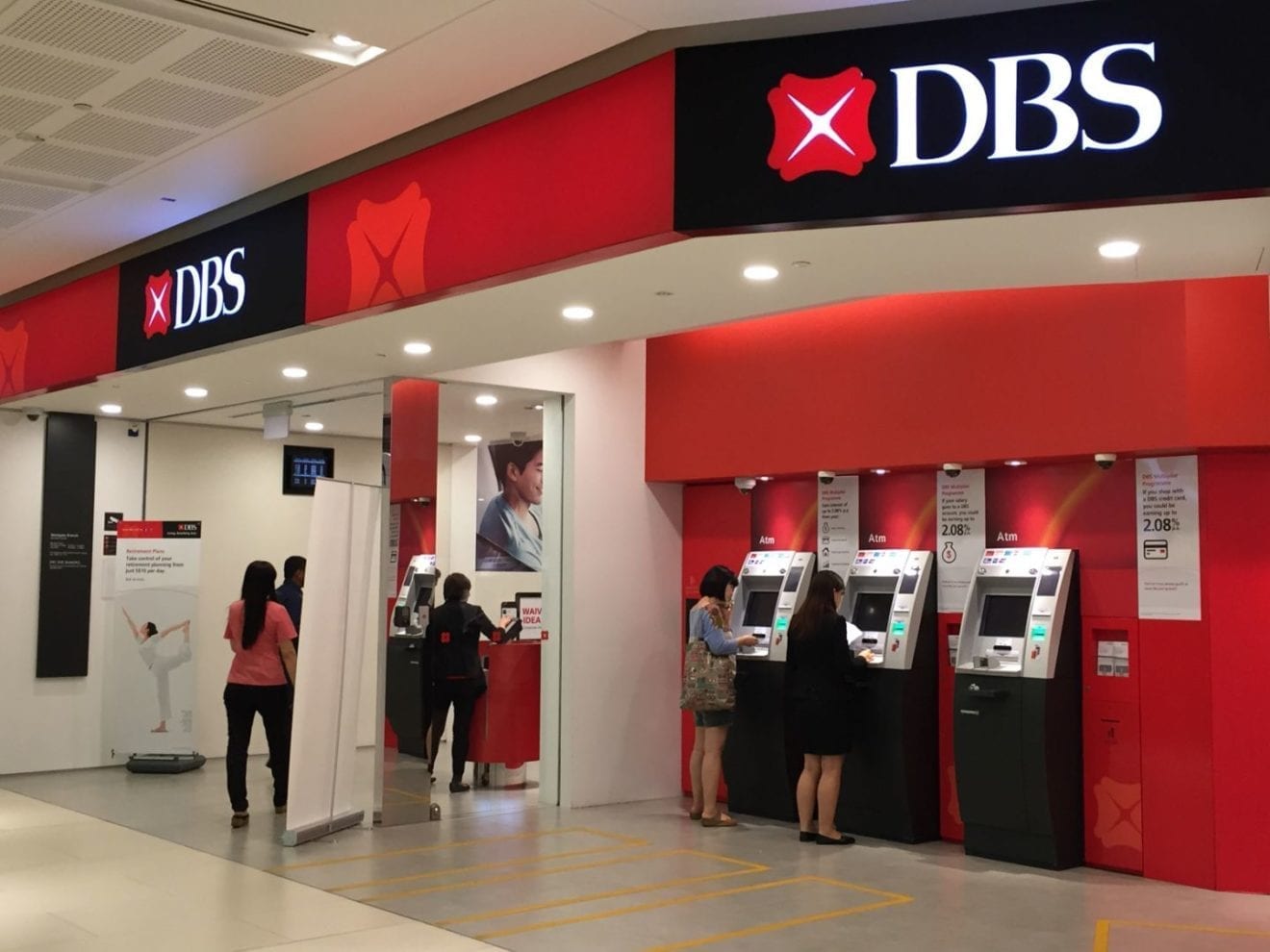
    DBS is ramping up its portfolio advisory capabilities to provide Private Bank and Treasures clients with more insightful and comprehensive investment reviews.

    DBS is introducing a portfolio review tool, co-developed with wealth technology provider EdgeLab, to give clients in-depth assessments of their portfolio performance and risk exposures, the bank announced in a statement on Thursday.

    According to the bank, the tool addresses gaps in traditional client investment reviews, which often miss valuable contextual information such as the performance of each investment against the wider portfolio or equivalent benchmarks, and where the overall portfolio risk exposures lie.

    Understanding what you own and how each investment impacts your portfolio is fundamental to making robust investment decisions. It is key to navigating today’s uncertain markets, where it is important to go back to basics, and not leave things to luck or chance,» Sim S Lim, group head of Consumer Banking and Wealth Management, said in the statement.

    A report with this information takes only five minutes to generate, and will allow relationship managers (RMs) to offer more personalized and relevant investment recommendations, DBS said. The report will also be provided as supplements to monthly client statements.

    The bank said that in the next phase of the development of the tool, it will equip RMs with the ability to stimulate investments into existing portfolios, as well as propose and construct new client portfolios.

    Among its efforts to enable more informed decision-making, DBS also recently added MSCI ESG Ratings, which measures a company’s resilience to long-term, financially relevant environmental, social and governance (ESG) risks, into its suite of wealth products, advisory and discretionary portfolio services.

  • Stanchart Pushes Back Target As Earnings Surged

    Stanchart Pushes Back Target As Earnings Surged

    Standard Chartered on Thursday has pushed back its target return on tangible equity, despite posting a commendable increase in annual profits. The revenue growth came from its main markets.

    The lender posted a pretax profit of $3.71 billion for 2019, up from $2.55 billion in 2018, according to its results statement. The 45.5 percent increase in profits defied the headwinds of global trade tensions and protests in Hong Kong.

    However, this is slightly below the $3.94 billion average of analysts’ forecasts compiled by the bank.

    The bank highlighted that its target of a 10 percent return on tangible equity, previously set for 2021, would be pushed back. In October, the global lender said that the goal had become more difficult amid worsening global economic conditions.

    These headwinds are expected to be transitory, but we now believe it will take longer to achieve our RoTE target of 10 percent than we previously envisaged,” it said in an earnings statement to the stock exchange.

    Stanchart’s results announcement comes after rival HSBC Holdings warned it could suffer loan losses of up to $600 million if the virus outbreak continues into the second half of the year.

    The bank added it has approved the buyback of up to $500 million worth of shares, which will commence shortly. It is in the midst of reviewing whether to do further capital return upon completing the sale of its stake in Indonesian lender Permata.

  • Mercedes-Benz India Kick Starts Bookings For The A-Class Limousine

    Mercedes-Benz India Kick Starts Bookings For The A-Class Limousine

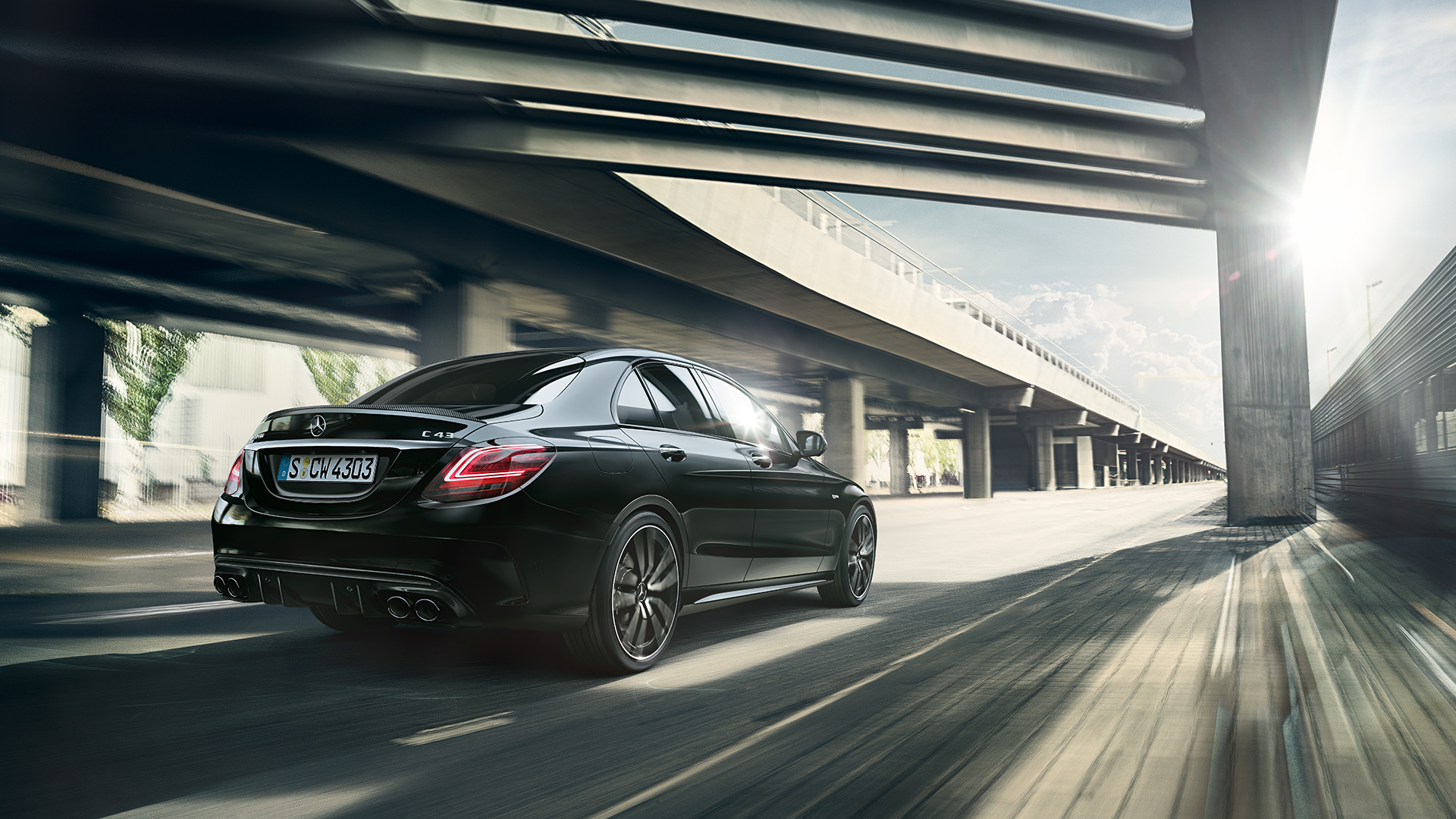
    Mercedes-Benz India will soon launch the A-Class Limousine and the company has already kick-started bookings in the country. A part on the new-generation A-Class range, the new sedan version is positioned below the Mercedes-Benz CLA, is currently the most affordable three-pointed star sedan globally. The A-Class Limousine will be available in 3 variants. There’ll be petrol, diesel and an AMG variant on offer. The booking amount for the car has been set at ₹ 2 lakh

    The front sees sharp-looking LED headlamps with eyebrow-like LED daytime running lamps. The Mercedes-Benz A-Class also comes with a set of sporty twin-5-spoke alloy wheels (in sizes 16 to 19 inches), new sleeker ORVMs with integrated LED turn signal lights, a bold waistline, blackened B-pillar, and a sloping roofline. The four-door notchback has the wheelbase of the hatchback (2729 millimeters) as well as the proportions of a compact saloon with short overhangs at the front and rear.

    The A-Class sedan’s cabin is largely identical to its hatchback counterpart with a well-equipped dashboard larger fully-digital instrument cluster paired with a fully-digital infotainment system. The dashboard also features the signature rotor-like chrome air-con vents, a multi-functional new steering wheel, and a smart-looking center console in piano black finish.

    The car will also get the MBUX multimedia system – Mercedes-Benz User Experience – with artificial intelligence, which made its debut in India with the new-gen GLE, which is also here on display. The system comes with features like – Apple CarPlay and Android Auto along with wireless charging areas for your smartphone. Powertrain wise, the A-Class will come with a pair of 2.0-liter petrol and diesel engine and both are BS6 compliant.