Author: Mei Ling Tan

  • Panasonic To Exit Solar Production At Tesla’s New York Plant As Partnership Frays

    Panasonic To Exit Solar Production At Tesla’s New York Plant As Partnership Frays

    Panasonic said it would exit solar cell production at Tesla Inc’s New York plant, the latest sign of strain in a partnership where Panasonic’s status as the U.S. electric vehicle (EV) maker’s exclusive battery supplier is ending. The move increases uncertainty over Tesla’s solar business which is already under scrutiny, having been drastically scaled back since the U.S. firm bought it for $2.6 billion in 2016. Tesla has informed New York that Panasonic’s withdrawal “has no bearing on Tesla’s current operations”, the state said in a statement. The company employs over 1,500 jobs in the city of Buffalo, clearing its 1,460 commitment before April – and thereby avoiding a $41 million penalty – the state said.

    Panasonic said in a statement on Wednesday that it would cease production by the end of May and exit the factory by the end of September.

    The withdrawal comes as Panasonic scrambles to divest of unprofitable businesses as its strategic shift to components from consumer electronics struggles to drive profit growth.

    It is also another sign of a fraying partnership with the U.S. EV maker, which is set to diversify its battery supplies to include South Korea’s LG Chem Ltd and China’s Contemporary Amperex Technology Ltd (CATL).

    Panasonic said it would continue its automotive battery joint venture with Tesla in the U.S. state of Nevada, which just reported its first quarterly profit after years of production problems and delays.

    In the solar business, low demand from Tesla has left Panasonic sending most of the cells it makes in Buffalo to overseas clients, instead of selling them to Tesla for its trademark Solar Roof – cells designed to resemble regular roof tiles – as initially intended.

    When announcing the solar partnership in 2016, Panasonic said it would invest over 30 billion yen ($271.96 million) in the Buffalo plant. Tesla’s long-term purchase commitment was part of the deal.

    Panasonic, which employs about 380 workers at the plant, said that the U.S. partner “hopes to hire as many qualified Panasonic applicants as possible to help fill job openings for its growing operations in Buffalo.”

    The latest decision will have no significant impact on Panasonic’s annual profit forecasts, according to a company spokeswoman.

    Panasonic has already shrunk its own solar business elsewhere as it contends with competition from cheaper Asian rivals, selling its solar panel plant in Malaysia and research arm to China’s GS-Solar for an undisclosed amount last year.

  • Facebook will ban and remove ads promising cure for the coronavirus

    Facebook will ban and remove ads promising cure for the coronavirus

    While governments are working hard to limit the coronavirus outbreak and to protect their citizens’ health, Facebook is working to protect people from misinformation in regards to the current public health situation.

    The tech giant will now ban ads promising a cure for the coronavirus, or ads that attempt to create a sense of urgency about the situation, which, as defined by a Facebook spokesperson, means implying of limited supply or other ways to urge people to buy coronavirus related products right away.

    The social media platform will also remove content containing conspiracy theories that have been flagged by health organizations, along with claims that create confusion in regards to available health resources.

    A lot of social platforms are experiencing surges of misinformation regarding COVID-19, which can prove to be harmful to people. Facebook used fact-checkers to suppress false news or misinformation in its news feed, and now it has decided upon completely removing such content from the platform.

  • Google further improves Gmail’s security on all platforms

    Google further improves Gmail’s security on all platforms

    Gmail is already a safe email app, but it’s far from being perfect and Google is aware of that. The most recent update introduces a brand-new technology that Google is still refining, which further improves malicious document detection.

    Google’s security technology is using deep learning, a term that’s been tied by many software developed in the last couple of years. In a fairly technical blog post, Google explains how the new changes will affect Gmail and what other improvements are expected to be added in the future.

    First off, Gmail already protects its users from malicious software that’s usually transmitted via Office documents, but thanks to Google’s new technology, the app can do that even better. Google launched a new scanner at the end of last year, which is supposed to increase the detection of Office documents packed with malicious scripts by 10 percent.

    According to Google, nearly 60 percent of the malware targeting Gmail users is represented by malicious documents, which is why the Mountain View company is so determined to find a way to prevent these emails to reach your Inbox.

    Gmail’s new scanner is an extra layer of security and will run at the same time with the already existing detection capabilities. Google’s approach to the problem seems to be the development of multiple scanners, each dedicated to particular tasks and working in parallel to find and remove all malicious content targeting Gmail users.

    These scanners use artificial intelligence, another piece of technology that’s been the cornerstone of developing faster and better software. Google will continue to use artificial intelligence with the purpose of protecting Gmail users’ inboxes, so this is probably a taste of what’s to come.

  • Vietnam says no more drinking scenes in movies

    Vietnam says no more drinking scenes in movies

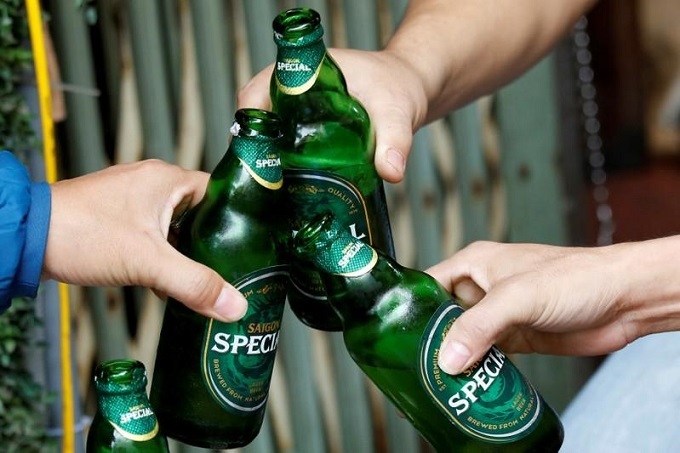
    Scenes of actors drinking alcohol in films will be restricted under a new decree guiding the alcohol law.

    Cinemas will only show actors drinking if they are playing historical characters or acting in scenes that criticize alcohol addiction, Decree 24, which took effect on Monday to guide several provisions of the Law on Preventing Alcohol’s Harmful Effects, lays down.

    Movies are not allowed to admire or praise individuals and organizations achieving success by producing alcohol or doing any business related to alcohol.

    In June last year lawmakers approved time restrictions for advertising liquor on television and radio. According to the decree, advertisements for alcoholic drinks will be banned from 6 p.m. to 9 p.m. and immediately before and after and during children’s programs.

    Decree 24 relaxes it slightly and permits beverages with an alcohol content of under 5.5 percent and made by sponsors of regional, continental or global sporting events held in Vietnam to be advertised between 6 p.m. to 9 p.m.

    Producers of drinks with less than 15 percent alcohol must add warnings saying drinking alcohol can lead to traffic accidents, affect the fetus and those under 18 are not allowed to drink under the law.

    If an advertisement appears on TV or radio, the warning must be read out aloud at a speed equivalent to that of other content.

    If it is advertised on a website, social media or print publications, the warning must make up at least 10 percent of the advertisement’s content and be in a color that makes it easy to read.

    A ban on advertising hard liquor has been in place for long.

    The new drunk driving law, which came into effect on January 1, doubled existing fines and revokes driving licenses for up to two years.

    There are fines for the first time for cyclists and electric bicycle riders, and anyone caught driving under the influence will have to pay VND400,000-600,000 ($17-26).

    Motorcyclists and car drivers could be fined VND6-8 million and VND30-40 million (VND1,730) and lose their licenses for 22-24 months.

    The country consumed some 4.6 billion liters of beer in 2019 after rising 10 percent from 2018, but growth could fall to 6-7 percent this year due to the tough new penalties, top brokerage SSI Securities Corporation (SSI) said last month.

  • Forever 21’s new owners tap H&M executive to lead turnaround

    Forever 21’s new owners tap H&M executive to lead turnaround

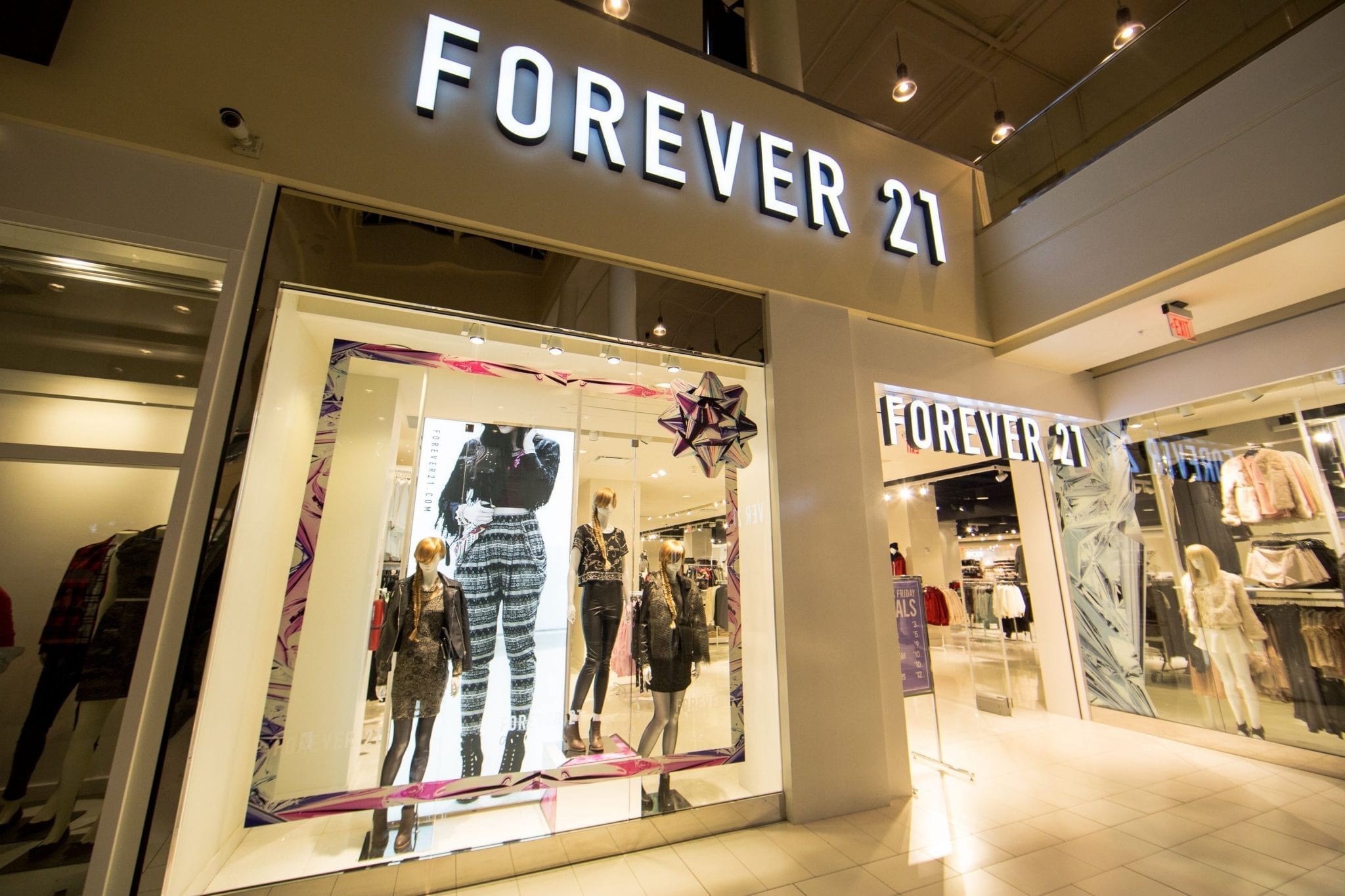
    The new owners of failed US fast-fashion firm Forever 21 have appointed a key H&M executive to take charge of a turnaround plan.

    Two of the chain’s landlords, Simon Property Group and Brookfield Property Partners, teamed with Authentic Brands Group to purchase the business for a bargain-basement price of just US$81.1 million. However, the consortium has also assumed some $300 million in liabilities as part of the deal.

    Former H&M US president Daniel Kulle has been appointed the firm’s new CEO. He will work with the new owners to maintain the majority of the 450-odd stores across the US. Some overseas stores will be licensed to local operators. The owners will seek to expand the brand throughout China, Southeast Asia and in other key markets, having already launched an online-first strategy.

    Under Kulle’s leadership, the brand will focus on current design trends, speed to market, sustainability and a younger target audience.

    “Forever 21 is a powerful retail brand with incredible consumer reach and a wealth of untapped potential,” said ABG founder, chairman, and CEO Jamie Salter. “We’re looking forward to working with the Forever 21 team and our global partners. Together, we’ll revitalize the brand’s core business and connect with audiences around the world through new product offerings and experiences.”

  • Hong Kong Fashion Week and Spring Fairs postponed

    Hong Kong Fashion Week and Spring Fairs postponed

    Hong Kong Fashion Week and seven other Spring Fairs which were scheduled for April have been deferred until July 25-28, due to the coronavirus crisis.

    “The safety of exhibitors and buyers has always been a priority,” the organizer of the events, the Hong Kong Trade Development Council (HKTDC) said in an email announcing the postponements.

    “Considering the current development of the novel coronavirus outbreak, and in line with the health measures taken by the Hong Kong SAR Government, a decision has been made in consultation with industry representatives to reschedule eight HKTDC trade fairs.”

    The fairs are Hong Kong Fashion Week, Hong Kong International Lighting Fair (Spring Edition), Hong Kong Electronics Fair (Spring Edition), International ICT Expo, Hong Kong Houseware Fair, Hong Kong International Home Textiles and Furnishings Fair, Hong Kong Gifts & Premium Fair and the International Printing & Packaging Fair.

    “As always, the HKTDC will make every effort to provide fair participants with safe, efficient and effective trading platforms in the future, while helping enterprises maximize their business opportunities through multiple global channels,” the statement concluded.

  • Chinese bubble-tea chain Naixue Tea eyes IPO

    Chinese bubble-tea chain Naixue Tea eyes IPO

    Chinese bubble tea chain Naixue Tea – also known as Nayuki – is eyeing a listing in the US.

    The move could raise around US$400 million in capital, although many important details of the potential offering remain in flux as private discussions continue between the firm and its advisors.

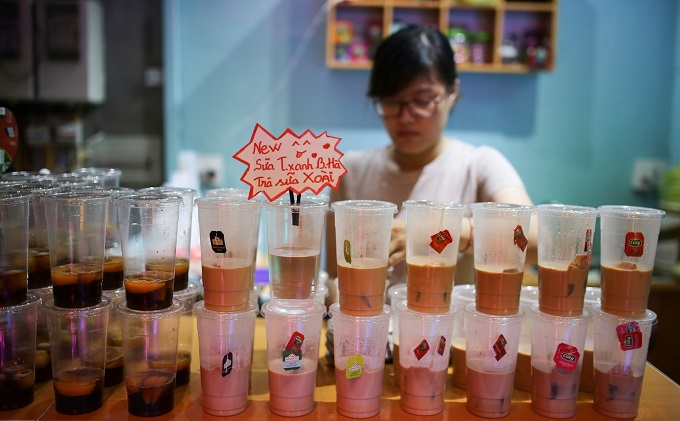
    Naixue, which sells fresh fruit tea, cold-brew tea and cheese-tea blends as well as bakery items, operates more than 230 locations within China. The firm was launched in 2010 by Shenzhen Pindao Restaurant Management.

    Sources familiar with the transaction asked not to be identified, as the potential listing is still being discussed in private. Any plans may be impacted by the current coronavirus outbreak, which is still having a major effect on business within the country.

  • Denim makers welcome novel sustainability initiatives

    Denim makers welcome novel sustainability initiatives

    Global denim makers have long faced questions over their sustainability credentials, but recent developments across the industry are helping to show it in a more positive light.

    From the amount of water required to produce a pair of jeans, to the chemicals used in production, the sector is starting to make a concerted effort to move away from the stigma it has attracted over the years.

    Among efforts to drive change is the move by denim conference Kingpins Transformers to become the Transformers Foundation, a non-profit entity focused on driving change in key areas of the denim supply chain such as social responsibility, sustainable cotton, responsible chemical management and consumer education.

    Elsewhere, experts from denim makers have contributed to the ‘Jeans Redesign Guidelines’ to help fashion brands and manufacturers make jeans that meet minimum requirements for durability, material health, recyclability and traceability.

    In terms of product development, Spanish manufacturer Tejidos Royo has collaborated on an environmentally friendly indigo yarn-dyeing process that uses foam instead of water. According to the firm, Dry Indigo uses zero water in the dyeing process, reduces energy consumption by 65 percent during manufacture, and uses 89 percent fewer chemical products. It is also said to completely eliminate wastewater discharge.

    Industry heavyweight Gap announced last summer its Banana Republic brand would pilot the technology.

    US start-up Tinctorium is also attempting to eliminate the need for toxic chemicals in the color production process by producing indigo dye using bio-engineered bacteria. The bacteria secrete an indigo precursor that is mixed with an enzyme to create a liquid indigo solution that can be directly applied using existing denim equipment.

    However, while there has been a marked shift in the sector, denim makers and fashion brands must not rest on their laurels. There remains a great deal of work to be done to further improve the denim supply chain.

  • Malaysia’s 99 Speedmart starts in Singapore

    Malaysia’s 99 Speedmart starts in Singapore

    Malaysian convenience-store chain 99 Speedmart has opened three mini-market stores in Singapore.

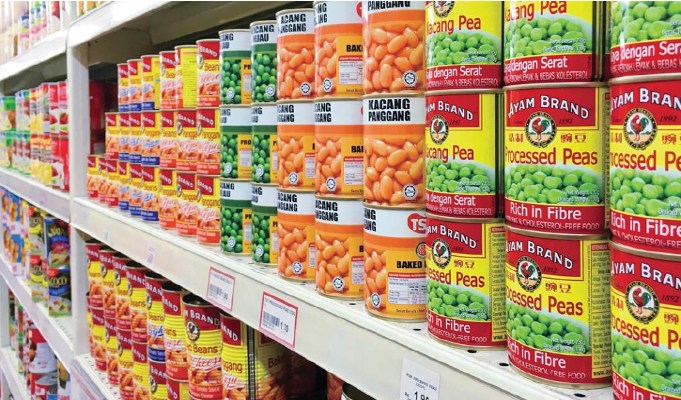
    According to IGD, the 99 Speedmart stores in Singapore follow the same concept as Malaysia’s stores and range in size from 250 to 500sqm. They trade from 10am to 10pm daily.

    Besides normal grocery items, shoppers also can find Malaysian products displayed closer to the back of the stores.

    In Malaysia, 99 Speedmart operates more than 1500 grocery stores.

    “The retailer’s success is driven by low prices, carrying a narrow range of top-selling brands and great store visibility,” explains IGD senior retail analyst Soo-Eng Tan. “A quick look into its flagship store in Singapore suggests that it is pursuing the same strategy there.”

    99 Speedmart in Singapore aims to expand its retail network further this year. The company has acquired sites in commercial areas and light industrial parks.

  • BreadTalk Group to be privatised by founder and Minor International

    BreadTalk Group to be privatised by founder and Minor International

    A small group of key Breadtalk Group stakeholders, including founder and chairman Dr George Quek, have offered to acquire all the ordinary shares in the firm and delist the company.

    The group, including Quek’s wife Katherine Lee and existing shareholder Minor International, has formed a new company BTG Holding Company which aims to buy all the shares in Singapore-listed BreadTalk which has just posted a US$3.7 million loss for the year.

    Minor International is a Thai-based multinational food & beverage and hotel operator, whose food businesses include The Coffee Club, Sizzler, Dairy Queen and franchises in some markets for Bonchon and Burger King.

    The new company will be 74.9-per-cent owned by Dr Quek and related parties and 25.1-per-cent owned by Minor.

    Mint and Quek say they plan to undertake a review of the business following its delisting with a view to streamlining such business activities, refocus on and strengthen core business activities and explore the potential disposal of non-core property assets.

    Poor performances in China and Thailand have been implicated in the firm’s losses, as has the effect of social unrest on its businesses in Hong Kong. The current coronavirus outbreak is expected to continue to affect operations going forward.

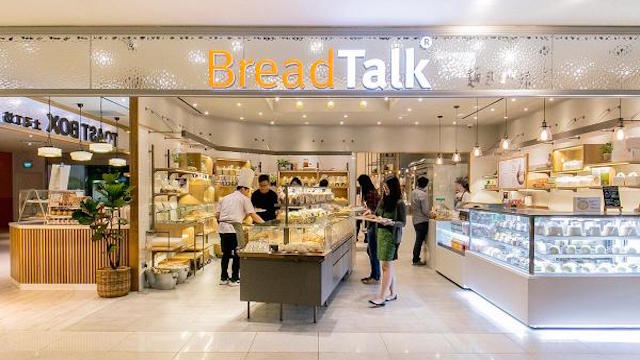
    BreadTalk Group operates established food brands, including BreadTalk, Toast Box, Food Republic and Din Tai Fung, together numbering more than 1000 outlets.

    “I believe in the growth potential of the BreadTalk brands, building on today’s solid network of outlets and underpinned by Asia’s continued rise in household income,” said Quek.

    Group CEO of Minor International, Dillip Rajakarier,  said hsi company has invested in BreadTalk Group since 2012 because it believes in the brands and the company’s potential. “Today, we are delighted to further strengthen our partnership with Dr George Quek. With BreadTalk Group’s strong brand recognition, market knowledge of Singapore and China and expertise in the food industry, we have a strong growth platform.”

    The offer is being made under expectations that privatization will allow greater flexibility, as well as ease of management, with significant funding saved on maintenance costs involved with remaining a listed firm. It will only go ahead if acceptances are received for 90 percent of the shares by the time the offer closes, but given Quek and Minor between them currently hold 70.5 percent of the shares, acceptance would seem to be a formality.

  • Macau chain Koi Kei Bakery shuts stores as tourists stay away

    Macau chain Koi Kei Bakery shuts stores as tourists stay away

    Macau souvenir bakery Koi Kei Bakery, known for its peanut brittle and almond biscuits, will be closing its Hong Kong branches in Tsim Tsa Tsui, Causeway Bay and Mong Kok this Saturday, leaving the airport outlet (pictured) its sole remaining store in the territory.

    Hong Kong’s tourism board says inbound visitor numbers have plunged 98 percent this month against last year’s figures, affecting businesses that are heavily reliant on foreign and mainland visitors, including chains such as Sasa, watch and jewelry stores and luxury retailers.

    Koi Kei Bakery says the ongoing epidemic has led to problems sourcing raw materials, managing logistics and labor shortages at their Macau headquarters. While production lines are expected to resume soon, the company sees few signs of tourist numbers rebounding in the near future.

    Despite the retailer strikes against shopping center owners last week, some tenacious landlords are still unwilling to ease rents.

    Even though several property groups, such as Hysan Development and MTR Corp, have offered rent relief to tenants, many retailers are unable to keep afloat due to the effect of the tourists disappearing.

    Annie Tse, chairwoman of Hong Kong Retail Management Association, told the South China Morning Post she predicts more than 7000 retailers will be forced to close their stores if landlords fail to show leniency.

  • Embattled Esprit posts another loss as sales tumble SE Asia

    Embattled Esprit posts another loss as sales tumble SE Asia

    Embattled fashion label Esprit posted another loss in the December half-year, as sales plunged by HK$1 billion – largely due to a major store cull in Asia.

    Esprit recorded a loss of HK$331 million (US$42.46 million) for the period, compared with a $1.773 billion (US$227 million) deficit in the December 2018 half. The previous year’s figures were impacted by one-off restructuring costs and write-downs associated with implementing its strategic plan.

    Global sales were down from $6.766 billion ($867.931 million) to $5.763 billion ($739.249 million). In Asia, the company reported a sales decline of 40 percent, as it heavily rationalized its store network.

    Despite the red ink, Esprit’s management says the execution of its strategic plan to restructure the company and revitalize the brand “has continued to progress well and is on track”.

    “Overall, the management is pleased with the performance of the group for the six months … as we have delivered financial results in line with management expectation despite the challenging market conditions,” it said in a results filing.

    Asia, where Esprit has stores in China, Singapore, Malaysia, Taiwan, Hong Kong, Macau, Thailand and the Philippines, accounted for just 7.2 percent of group sales in the period. Sales across the region fell 40 percent year on year, mainly due to a 36-per-cent reduction in the trading area as unprofitable stores were closed.

    The Asian network was culled from 82 standalone stores on January 1 to just 55 by December 31 and concession counters from 111 to 75. All 33 outlet stores in the region were closed last year.

    “Consumer traffic remains one of the biggest problems for retail in the region which recorded a decline in comparable consumer traffic of approximately 23 percent. Comp-store sales in the region declined by 16.9 percent,” the company said.

    In China, Esprit entered into a partnership with Mulsanne Group to manage the market, which it says will create a strong base for the brand, improve the relevance and accelerate growth.

    In Europe, which now accounts for 45 percent of its sales, the company has increased the proportion of stock sold at full price, improved its gross profit margin and grew comp-store sales in three of the six months.

    Global operating costs were slashed by 20 percent during the half-year, and underlying operations “almost broke even” with a loss of HK$15 million (US$1.9 million).

    “Today the group’s business is in a much better state than 12 months ago,” the company said in its results filing. “It is leaner, quicker, fitter, more agile, and is well along the way to creating a new culture which is all about empowering and having fun while delivering results.”

  • Livestreaming in China on the boom during coronavirus crisis

    Livestreaming in China on the boom during coronavirus crisis

    Taobao Live, Alibaba Group’s live streaming platform, saw a sharp rise in brand activity this past month as merchants slowly resumed their operations and looked for ways to reach consumers in the midst of the coronavirus outbreak.

    In early February, live stream sessions on the platform had increased by 110 percent compared to the same period last year, according to Taobao Live. Driving that growth was the surge of businesses using online tools to maintain sales and engagement with consumers while their physical stores remained shuttered and millions were confined to their homes to prevent further spread of the coronavirus, officially known as Covid-19.

    Public facilities, retail stores, offices and schools throughout the country are now cautiously reopening after an extended closure. But virus fears still loom – despite a drop in new cases of infections – and more time is needed to bring economic activities and production levels back to normal.

    For merchants across different industries, live streaming has become an important tool not only to offset the decline in an offline business but also to encourage creativity in marketing and developing customer relationships. This month, Taobao Live users would have seen chefs broadcasting cooking tutorials in restaurant kitchens, real-estate agents giving tours of apartments, celebrities and singers performing in an online concert from their homes, rural farmers promoting their fruits and vegetables and even auto dealers showcasing the interior of luxury cars.

    Auto brands such as BMW are leveraging live streaming to introduce consumers to car models, interiors and experience of test drives.

    “We want to make it easier for different clients across sectors to make use of live streaming and help them more quickly resume operations,” said Yuan Yuan, head of content operations at Taobao Live.

    Her task force worked closely with other Alibaba business units, such as DingTalk, Tmall, Taobao and Juhuasuan, to connect with more merchants – removing barriers for them to register accounts, as well as providing training and marketing resources.

    “The project turned out to be more than a way to support brands. It also helped some discover their potential in live streaming,” said Yuan. “It was truly impressive to see how nimble and decisive our brand partners were. Their management capabilities helped transform a crisis into an opportunity.”

    Shanghai-based cosmetics brand Forest Cabin temporarily closed about half of its 337 stores across China due to the virus. Its stores that did remain open found few shoppers. In an interview on January 31, founder Sun Laichun said sales had dropped 90 percent during the Spring Festival holiday, traditionally a peak season for shopping.

    If circumstances continued, he estimated a loss of up to RMB30 million (US$4.26 million) a month and possible bankruptcy in under two months. But the band embarked on a turnaround strategy with live streaming at its center, and in just 15 days, Forest Cabin’s sales surpassed the same day last year by 45 percent.

    The brand trained 1600 shop attendants on how to host a live stream on Taobao Live and was soon adding some 3000 new loyalty members a day, up from the typical average of 800 to 1000 people. Sun, himself, joined in and hosted a two-hour session on Valentine’s Day in front of more than 60,000 viewers. By the end of the session, he had sold nearly 400,000 bottles of camellia moisturizing oil and generated close to RMB400,000 in sales.

    While online-only represented about 25 percent of Forest Cabin’s sales before, it now accounts for 90 percent. “The results were beyond my imagination,” Sun said.

    For some brands, live streaming is not just a standalone marketing tool but can be used strategically alongside other online resources to drive sales for new products. On February 13, Chinese technology brand Xiaomi tapped Taobao Live, among other live stream channels, to broadcast the launch of its new flagship smartphone, Mi 10, from its Beijing headquarters. The phone officially went on sale the next day during Xiaomi’s Tmall Super Brand Day, which rallies all the resources across the Alibaba ecosystem to create a smaller version of the company’s annual 11.11 mega-sale for a single brand, and became the top-selling smartphone on Tmall, leading to over RMB300 million in total sales for the brand.

    Sportswear giant Adidas also hosted an exclusive online debut of its limited-edition Superstar sneaker during its Super Brand Day last week. Its “See Now, Buy Now” stream, which lets consumers make real-time purchases of featured items from their mobile phones, drew 2.23 million viewers and generated more than RMB200 million in sales in 10 hours. The format has become so popular among brands that product debuts on the platform are now scheduled up to the end of April, said Taobao Live.

    The spread of the virus has also taken a heavy toll on the restaurant business. Last year, earnings over the Spring Festival holiday represented about 15 percent of the annual revenue of China’s food and beverage industry, which totaled RMB4.67 trillion, per a report released by the China Cuisine Association earlier this month. The survey found that about 73 percent of companies chose to close all of their offline stores in response to the coronavirus. The CCA also estimated that consumers – many who called off family reunions to avoid face-to-face contact during the outbreak – canceled about 94 percent of food orders ahead of Chinese New Year. Beijing-based restaurant chain Meizhou Dongpo, for example, said it canceled 11,144 table reservations across its 100-plus stores during January 21-30 and lost about RMB17 million over the Spring Festival period.

    With offline businesses at a standstill, Meizhou Dongpo began leveraging its brick-and-mortar staff to virtually connect with consumers and drive sales to its online store. Its chefs appeared in live streams to show viewers how to make traditional delicacies like homemade glutinous rice balls ahead of the Lantern Festival. This allowed the brand to share its craft with fans and receive direct feedback on things such as popular dishes. The sessions also directed consumers to products like braised pork belly in the chain’s Tmall flagship store, creating another revenue stream for the restaurant.

    Businesses have also taken the opportunity to train employees and build partnerships based around live streaming. China’s second-largest home-improvement and furniture retailer, Easyhome, said staff from 232 of its stores nationwide broadcast 4810 sessions last week to 3.58 million viewers. Meanwhile, in collaboration with brand partners such as Estee Lauder, Lancome, Kiehl’s, Vans and Baodao Optical, Intime department store launched an initiative encouraging staff to stream from their homes.

    Idle factories and traditional markets, like the wholesale marketplaces in the Chinese city of Yiwu, are also using the tool to bring in business. Taobao said it plans to hold an online market on February 27 for all brick-and-mortar business owners, including the 3000-plus Yiwu-based merchants already registered on Taobao Live.

    To help more small- to medium-sized enterprises learn how to effectively use live streaming for business, Taobao University, Alibaba’s education platform for e-commerce operators, will also stream a free online course on February 25, covering topics from developing followers and campaign planning to live-hosting techniques. Brands including Volkswagen, Nike and Mars have also set up training sessions through Taobao University to help employees get the most out of the live streaming platform.

    Taobao Live said it is now collaborating with even more industries to bring their offline experiences and products online. These include tourism agencies, fashion shows and museums, such as the National Museum of China, Suzhou Museum and Dunhuang Museum.

    “The future of shopping will be more dynamic, interactive and driven by real-time feedback. Livestreaming offers a peek into that future and new possibilities,” said Yuan.

  • Nokia to enable Rakuten Mobile’s automated network operations

    Nokia to enable Rakuten Mobile’s automated network operations

    Nokia and Japan’s newest mobile network operator Rakuten Mobile are working together to enable the operator’s implementation of a fully automated operations environment for the 5G era. Nokia will operate Rakuten Mobile’s virtualized core network to manage total cost of ownership (TCO). The agreement will allow Rakuten Mobile to focus on developing its portfolio of disruptive services and expanding its service footprint while developing operational maturity and automation capabilities.

    Rakuten Mobile is a disruptive new player in the Japanese mobile marketplace with ambitious objectives for the launch of its network and services, simultaneously deploying an innovative cloud-native greenfield LTE network which will rapidly evolve to enable 5G services. Nokia’s operational support services enable Rakuten Mobile to maintain their focus on growing LTE coverage footprint and 5G service capabilities while ensuring the reliability of launched services.

    Nokia is enabling groundbreaking levels of automation in network and service lifecycle management within the Rakuten Mobile cloud environment. This will accelerate the pace of service innovation and deployment while controlling OPEX. This managed services deal will ensure predictable OPEX costs to minimize financial risk while guaranteeing a secure, best-in-class cloud, incorporating network and IT operations. This will allow Rakuten Mobile to bring new services to market in the fastest possible way while assuring service reliability through a highly reliable telco cloud.

    Nokia is supporting over 160 virtual network function instances across two data centers in an industry-leading multivendor cloud environment. As an essential part of Rakuten Mobile’s operations organization, Nokia’s domain expertise and value-add will be incorporated into the core of Rakuten’s business.

    Friedrich Trawöger, Head of Operate & Managed Services Unit at Nokia, said: “By managing its telco cloud we can help Rakuten Mobile to focus on its objectives; to launch its mobile LTE network and to rapidly realize its vision as a 5G digital service provider. We support Rakuten Mobile in bringing new services to market quickly by utilizing the latest innovations in automated operations while focusing on the total cost of ownership.”

    Tareq Amin, Chief Technology Officer of Rakuten Mobile, Inc., said: “With Nokia supporting the operation of our cloud-native network, we can focus on service launch and expansion. Nokia is an integral partner in our network operations, and we look forward to future business opportunities that this partnership brings.”

  • AirAsia X Asks To Put Off Aircraft Lease Payments

    AirAsia X Asks To Put Off Aircraft Lease Payments

    AirAsia X leases 17 A330-300 aircraft from nine lessors. While the majority of lessors have one or two aircraft each flying under AirAsia X colors, BOC Aviation and ICBC Leasing have three aircraft each at AirAsia X.

    We have approached AirAsia X to confirm this. They declined to address our questions, citing a blackout period pending release of the latest financial information later in February.

    One unidentified lessor says they value their relationship with AirAsia X. However, the depth and breadth of that relationship does not extend to, say, letting the airline skip lease payments for three months.

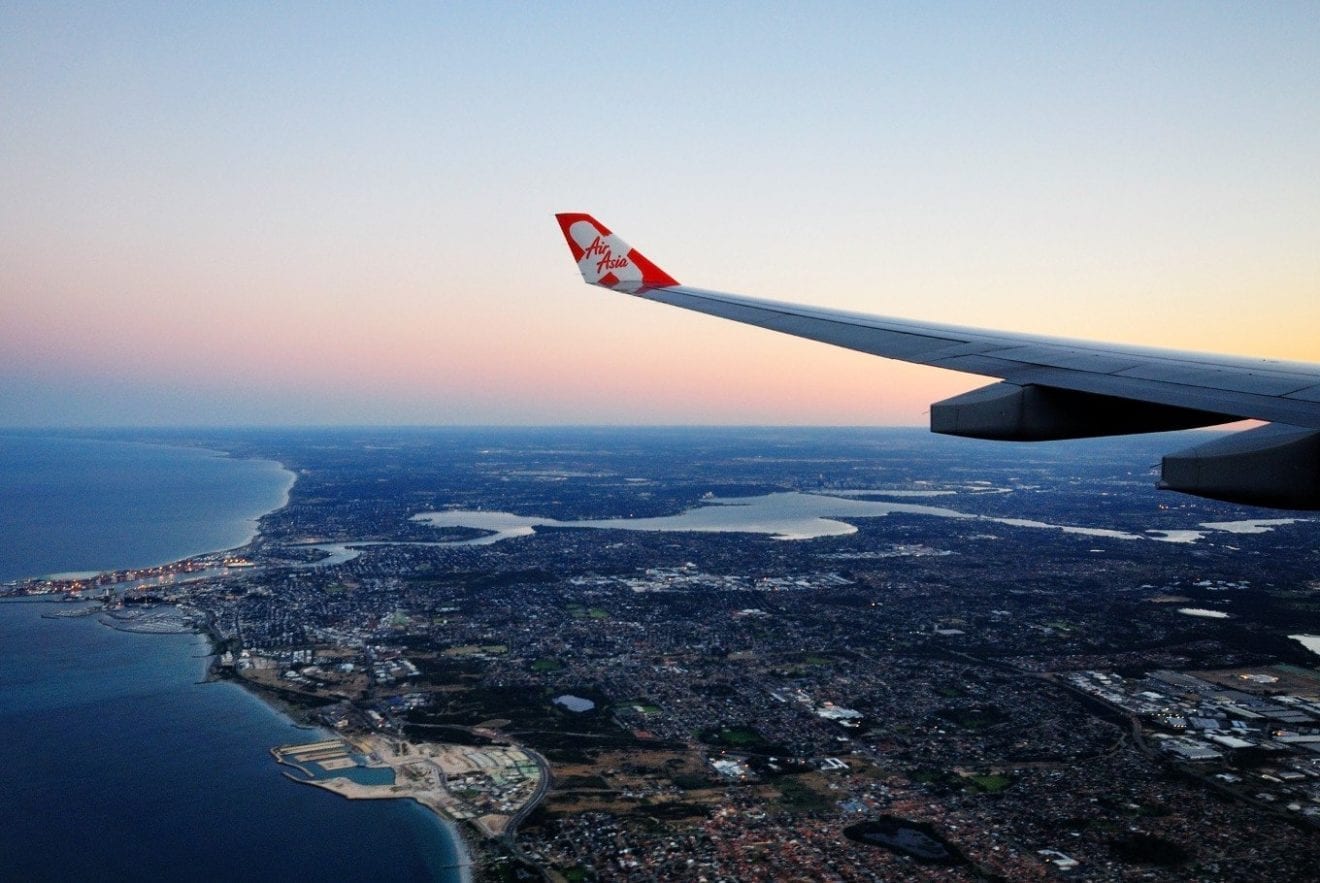
    AirAsia X is the long-haul sibling airline to AirAsia. AirAsia X has been around for over 12 years and now flies to 22 destinations around the Asia Pacific rim with its 24 aircraft.

    Even before the coronavirus outbreak in January, AirAsia X was encountering financial turbulence. The airline lost nearly USD$39 million in the first half of 2019. This was a ten-fold increase on its loss for the first half of 2018.

    Ongoing financial problems at AirAsia X have caused the airline to ask for lease payment holidays before.

    The coronavirus outbreak and subsequent downtown in travel demand will deepen AirAsia X’s financial woes and is likely behind this latest request from the airline.

    AirAsia X is highly reliant on Chinese tourism, dedicating 30% of its available seat capacity to the country. China is usually Malaysia’s third-biggest source of tourists. Now flights on nine of AirAsia X’s twelve Chinese routes are either suspended or canceled.

    Besides China, most of Malaysia’s tourists come from within Asia. As a low-cost tourist airline, AirAsia is a proverbial canary in the coalmine when tourist travel patterns shift.

    There is considerable speculation that the coronavirus and its impact on airlines will send some over the financial edge. Some of this speculation has come from the CEOs of stronger airlines. One CEO said he expected “weaker” airlines in the Asian region to be consolidated or go out of business.

    Despite its mediocre financial performance, AirAsia X does have significant financial firepower behind it. The airline was floated on the Malaysian stock exchange in 2014. The largest shareholder is Tune Group (the investment company for AirAsia’s Tony Fernandes and Kamarudin Meranun). AirAsia itself and various AirAsia subsidiary businesses all have significant stakes.

    AirAsia X probably has the financial muscle to pull through the current downturn in travel demand. But it will not be easy. Having to go cap in hand to aircraft lessors to ask for a payment holiday is a sign of that.

    It makes me wonder how airlines under the Lion Air group are going to survive. Two of them in mind are Malindo (of Malaysia), and Thai Lion Air. They don’t publish their financial results, do they? Or do they?

    RH Hastings

    As per the recent Airbus bribery settlement (31Jan20) and in addition to their financial issues AirAsia executives may have been bribed by Airbus to buy planes. So, the UK Serious Fraud Office (SFO) and Malaysia’s government’s are investigating further. Reports suggest their payment was to AirAsia executives’ now defunct Caterham F1 car racing team. Do airline manufacturers or their representatives rank the financial and airline’s regional reputation during sales negotiations? In the west it is common to research via the likes of a Dun & Bradstreet report to ascertain reliability and condition of a seller or buyer.