Author: Mei Ling Tan

  • SGX to Expand Equity Derivatives Shelf

    SGX to Expand Equity Derivatives Shelf

    The bourse is adding 13 Asia ex-Japan and emerging markets Asia regional and single country futures to its shelf of benchmark equity derivatives.

    The new futures are based on Net Total Return (NTR) and Price Return indices calculated by FTSE Russell, which has approximately $16 trillion in reported fund assets under management (AUM) tracking its benchmarks.

    SGX said the benchmarks of the new future, which cover Indonesia, Malaysia, Philippines, Taiwan, Thailand, and Vietnam, addresses customers’ «increasing demand for institutional-grade exchange solutions in Asia which offer superior operational and capital efficiency.»

    The new contracts are expected to be certified by the Commodity Futures Trading Commission (CFTC), enabling US investors to trade them directly from within the U.S.

    SGX currently has the largest and most liquid FTSE and MSCI equity index derivatives for Asian markets.

    Michael Syn, head of equities at SGX, said its collaboration with FTSE Russell is the «next step in further developing and advancing SGX’s Asia-access waterfront.»

    «We look forward to bringing investors even more asset-class opportunities within the pan-Asian capital structure, based on broad strategies, sectors, and themes,» Syn said.

  • Upcoming Kia Sonet Spotted In A New Unlisted Orange Shade

    Upcoming Kia Sonet Spotted In A New Unlisted Orange Shade

    New spy photos of the Kia Sonet have surfaced online, and while we know that the SUV has already been unveiled, these new ones warrant attention. The Kia Sonet in these photos comes in a special orange exterior color, which is not listed on the company’s website among its official colors. It’s possible this could be a one-off, or a special color will be introduced at the time of the launch or sometime in the near future. As of now, Kia dealers have opened unofficial pre-bookings for the new subcompact SUV, while the official bookings will commence later this month. The launch, of course, is slated for September 2020.

    The new Kia Sonet will be offered in both GT-Line and Tech-Line trims, and the former will come with sportier styling with different bumpers, black exterior details, and red accents. The SUV also comes with Kia’s signature Tiger Nose grille with LED headlights, LED daytime running lamps, sporty 16-inch alloy wheels, LED taillamps, roof trails, and more. The cabin too will come with a premium design, offered in either a dual-tone beige/black treating (Tech-Line) or all-black interior with red accents (GT-Line). The GT-Line trim will also come with a flat-bottom steering wheel.

    On the features front, the upcoming Kia Sonet will come with a segment-first 10.25 inch HD infotainment display with Kia’s UVO connected car tech, premium Bose 7 Speaker sound system with mood lights, segment-first ventilated front seats, air purifier which claims to come with virus protection, wireless phone charger, and an electric sunroof among others. Kia says the Sonet will feature an extensive list of active and passive safety equipment, including up to six airbags – including front, side, and curtain airbags.

    Powertrain wise, the new Kia Sonet will share its engines with the Hyundai Venue, so it will come with a 1.2-liter naturally aspirated petrol engine, a 1.5-liter diesel motor, and a 1.0-liter turbocharged petrol engine. Transmission options will include a 5-speed manual, a 6-speed manual gearbox, a DCT automatic, 6-speed Intelligent Manual Transmission (iMT) unit, and an automatic torque converter unit for the diesel model.

  • Three Asian fashion-tech startups to set sail

    Three Asian fashion-tech startups to set sail

    Three fashion-tech businesses, all graduates of Singapore’s Textile and Fashion Federations’ Bridge Fashion Incubator program, are launching this month.

    The three businesses—Shop Bettr, Republiqe and Tropick, are “some of the most promising innovative entrepreneurs” witnessed last month at the Cohort #2 Demo Day.

    The Shop Bettr brand is positioning itself as Asia’s first fashion tech search-and-shoppable platform for sustainable fashion. The firm aims to “solve the conscious consumer’s three-pronged challenge of not understanding certifications, not wanting to be deceived by greenwashing, and not finding sustainable products that resonate with their style and budget while helping sustainable businesses reach the ever-growing conscious community”.

    More than 50 brands from the Apac region have registered with the platform, reaching more than 90,000 through the firm’s waiting list and brand partners.

    Republiqe, an entirely digital luxury consumer fashion label, prepares to open this Friday, promising to “redefine and disrupt the fashion industry through tech-driven digital clothing and creativity”. The firm has launched an enigmatic Instagram account in anticipation of the upcoming launch.

    The third brand, Tropick, focuses on staple menswear items (as opposed to temporary trends) created with fabrics optimized for wearing in the tropics, implementing the innovations and attributes of athletic wear. The firm will drop new designs one by one in limited quantities as a means to conserve on resources and avoid wastage.

    “We believe Tropick is addressing a huge gap in the menswear market in Asia, but trying on the shirt is where the real magic happens,” said Tropick’s founder Monica Millington. “By creating pieces that are so comfortable and easy to care for – yet still look polished in this climate – we are setting a whole new standard for the men’s modern wardrobe.”

  • Christian Louboutin showcasting Hong Kong boutique

    Christian Louboutin showcasting Hong Kong boutique

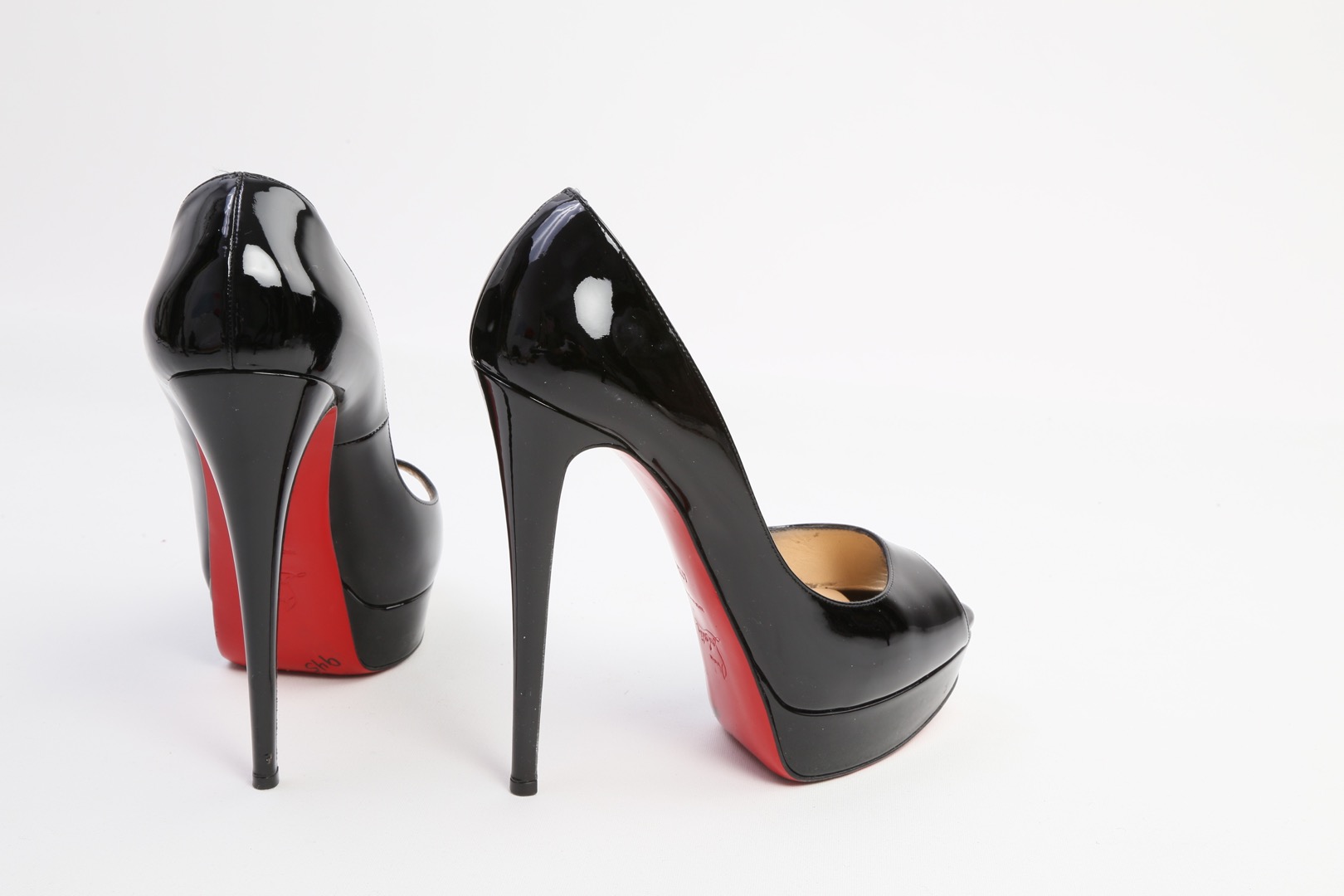
    Christian Louboutin has opened a new boutique in Landmark Prince’s, at Hong Kong’s Central.

    Inspired by the brand’s first boutique in Galerie Vero Dodat, the store facade features red-tiled walls with “petroleum-blue ceramics” and a Christian Louboutin neon sign. The storefront also houses displaying areas behind large glass windows, showing the brand’s latest products.

    The boutique’s interior is decorated in two main colors – red and blue. At the heart of the store is a blue display podium, showcasing women’s footwear.

    Two large red sofas create a lounge for customers with a flower-painted backdrop designed by French artist Alexandre Poulaillon.

    Meanwhile, the men’s room features gold-stained elements together with brown and beige wallpapers, aimed at creating a masculine vibe.

    The boutique reflects the Maison’s signature visual elements while nodding to the designer’s “creativity and eclectic aesthetic,” the company said in a statement.

    The label’s new capsule collection of Cabaraparis is available only at the Landmark Prince’s boutique.

  • Japan’s World Co closing 358 stores by March

    Japan’s World Co closing 358 stores by March

    Japanese apparel firm World Co is shuttering 358 outlets nationwide by March next year. The move is in response to the impact of the Covid-19 outbreak and will involve jettisoning five clothing brands owned by the parents firm – including unprofitable brands Aquagirl and Ozoc – and potentially more.

    The closure plan will involve implementing a voluntary early-retirement program for staff and around 200 layoffs.

    World Co has operated for more than 60 years within Japan and went into private ownership 16 years ago.

    The company is not the only Japanese apparel retailer to announce plans to scale back operations this year. Last month, rival Cecil McBee said it would shut down all of its physical outlets in the country. It said at the time it could not survive another outbreak with a period of store shutdowns.

    The firm’s 43 stores are closing consecutively throughout Japan, with final closures to be made by February next year.

  • June Indonesian retail sales down again

    June Indonesian retail sales down again

    June Indonesian retail sales fell 17.1 percent over the same month last year – but that decline was slower than during the previous month.

    According to data from the country’s central bank, retail sales fell by 20.6 percent in May, as the Covid-19 pandemic forced store closures and consumers stayed home.

    Sectors to show improvement were food, beverages & tobacco, along with communication services.

    The Bank Indonesia is expecting the decline in Indonesian retail sales to further slow in July, to 12.3 percent.

  • LA’s NYX Cosmetics closing in Hong Kong

    LA’s NYX Cosmetics closing in Hong Kong

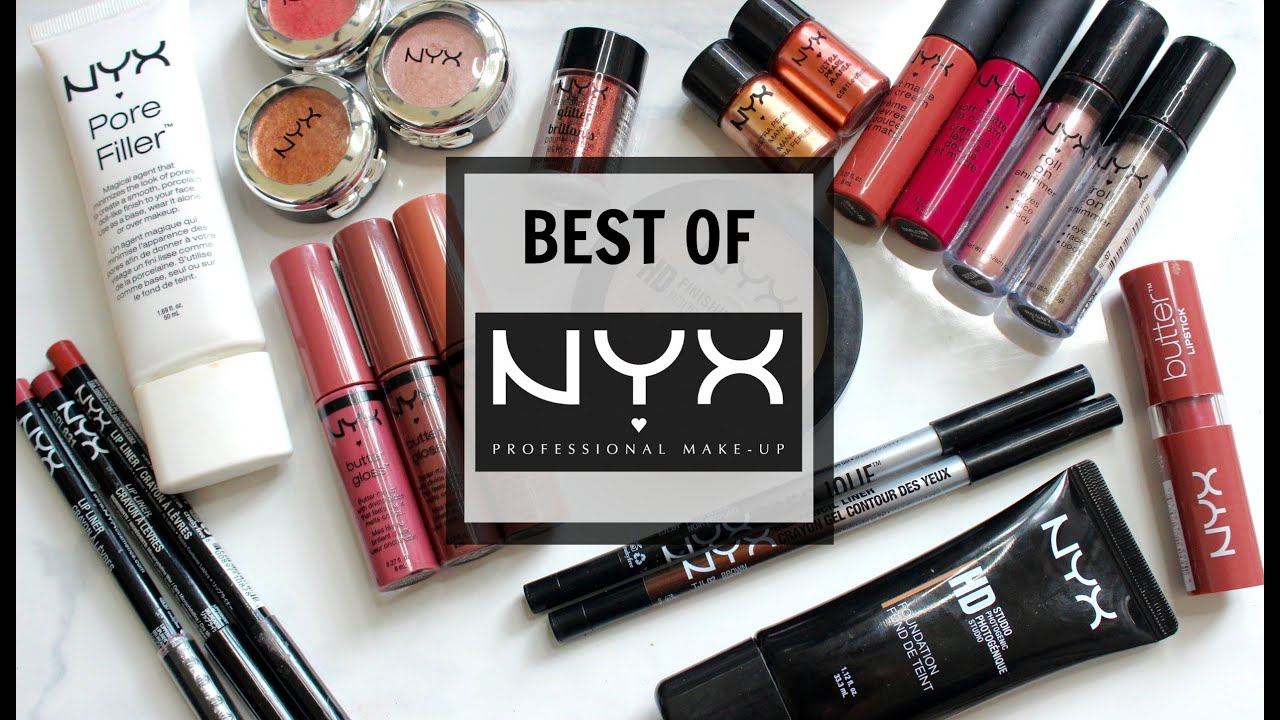
    In an ongoing winding down of its Asian operations L’Oreal-owned NYX Cosmetics has announced in a Facebook post the pending closures of its stores across Hong Kong and Macau.

    The move follows the brand’s Malaysian exit and was described as part of a “business strategy readjustment”

    The brand entered Hong Kong three years ago and currently has six retail stores: three flagships in Sha Tin, Mong Kok and Tuen Muen, and three counters in department stores.

    The company has not given a definite date of the closures, but it advised loyal customers to redeem their membership points before September 15.

    So far, NYX does not have an online e-commerce presence in Hong Kong and Macau and it is not ranged by local marketplaces.

  • Axa Mulls Sale of Singapore Unit

    Axa Mulls Sale of Singapore Unit

    The French insurer is reportedly considering the sale of its Singapore business as part of plans to raise funds by divesting peripheral operations.

    The firm is working with an adviser on the potential sale, which could take place in the next few weeks, Bloomberg reported on Tuesday, citing people familiar with the matter.

    The business, which offers life and property and casualty insurance, could draw interest from rivals looking to expand in the region, the report said, noting that the business generated €615 million ($722.71 million) of revenue in 2019, according to Axa’s annual report.

    Axa’s net profits in the first half of 2020 tumbled by 39 percent to €1.4 billion euros ($1.7 billion), as it took a hit from customer claims arising due to the coronavirus pandemic.

    Axa CEO Thomas Buberl has been trying to shift the firm’s focus on property and casualty insurance, following its $15.3 billion purchase of XL Group in 2018. It has been reviewing options for smaller businesses across the world, including in the Middle East, to help pay for the XL deal, «Bloomberg» said.

    Across the border in Malaysia, Axa is looking to raise funds from the sale of the life and general insurance joint ventures with Affin Bank. The sale could fetch some $650 million.

  • The SM Store Advances Omnichannel Merchandising Strategies with Aptos Technology

    The SM Store Advances Omnichannel Merchandising Strategies with Aptos Technology

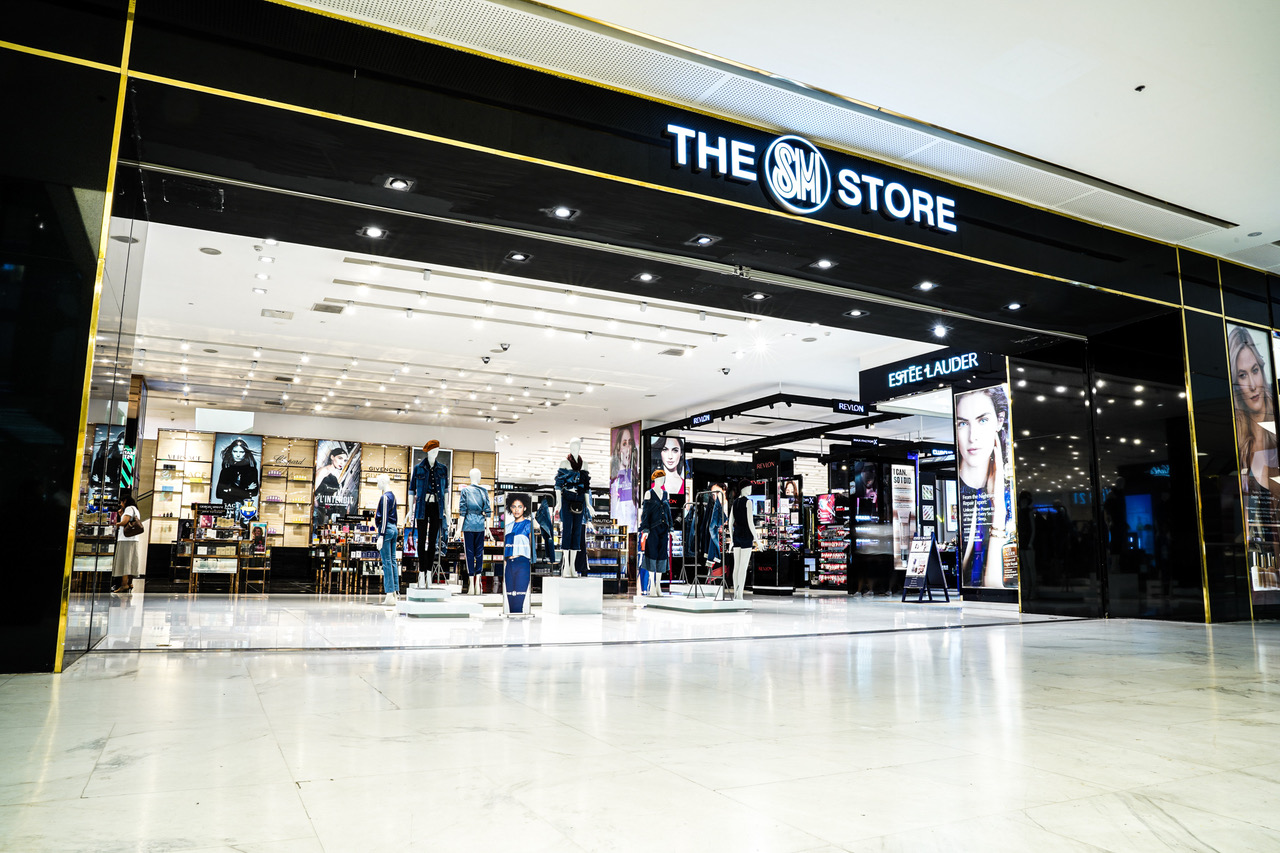
    Aptos, a recognized market leader in retail technology solutions, today announced that The SM Store, the largest department store chain in the Philippines, will deploy Aptos Merchandise Financial Planning to optimize its omnichannel merchandising strategies. The solution will provide end-to-end support for the retailer’s merchandise planning activities across its bricks-and-mortar and online channels.

    The SM Store, formerly known as SM Department Store, has over 60 stores strategically located in key cities throughout the Philippines and carries a wide range of apparel, accessories, housewares, general merchandise and lifestyle products. The SM Store is part of SM Retail, Inc., a significant player in the retail industry in the Philippines.

    SM Retail has come a long way since its founder, Henry Sy Sr., realized his dream to open a shoe store in Manila in 1958. Today, SM’s retail operations are the country’s largest and most diversified, with food, nonfood and specialty retail stores.

    With the guiding principle of offering a one-stop shopping experience, The SM Store continues to enhance the way it engages with its loyal customers. This has included investments in its online shopping platform, ShopSM, allowing customers to shop anytime, anywhere.

    As customers’ browsing and buying behaviors have expanded, so too has The SM Store’s complexity in planning merchandise across channels. In order to delight customers with the right merchandise while consistently meeting financial goals, the Aptos solution will provide end-to-end support for The SM Store’s merchandise financial planning activities. This includes strategic planning and budgeting, planning by attributes, buying and assortment strategy, in-season management, and more.

    Once deployed, Aptos Merchandise Financial Planning will be utilized by over 120 merchandise planners within The SM Store business. The Aptos solution was selected over competitive offerings due to its ability to support The SM Store’s different shop formats and an increasing number of channels, the ease of use and intuitiveness of the application, and the flexibility of the solution to evolve with The SM Store over time.

    “SM’s tagline of ‘We’ve got it all for you’ emphasizes the importance this retailer places on its merchandising strategy, buying decisions and vast assortment,” said Noel Goggin, Aptos CEO and culture leader.

    “Merchandise planning is the foundation of developing, buying and delivering the best assortments to customers while achieving margin and inventory investment targets. With Aptos Merchandise Financial Planning, The SM Store can optimize product distribution and stock levels across channels — a powerful differentiator as it advances its omnichannel vision. We are proud to work with this customer-centric and highly diversified retailer, a true leader in the dynamic and growing Philippine retail market.”


  • Total Investment Partners with Alibaba to Drive its Digital Transformation

    Total Investment Partners with Alibaba to Drive its Digital Transformation

    Total (China) Investment has signed a Memorandum of Understanding (MoU) in order to pursue strategic collaboration with Alibaba Group (“Alibaba”) (NYSE: BABA; SEHK: 9988) and leverage their respective resources to drive the digital transformation of the Company’s operations in China.

    Under the MoU, the two companies will develop in-depth collaboration based on the Alibaba Business Operating System (ABOS). Total (China) Investment will utilize Alibaba’s leading digital capabilities and technology across e-commerce, online payments, local services, supply chain, big data, and organizational management. The partnership will provide digital infrastructure and support for TOTAL’s service stations, lubricants and special fluids businesses in China, helping the company to enhance the accessibility and flexibility of its product offerings and services, accelerate its branded retail and outlet footprint and drive sustainable growth opportunities.

    Total has been present in China for almost 40 years. This collaboration signifies that Total has become the first international energy company to leverage Alibaba ABOS, setting a digital transformation benchmark in the energy industry.

    “Digital technology is a critical driver for achieving our excellence objectives across all of Total’s business segments. Total Group’s ambition is to generate as much as $1.5 billion in value per year for the company by 2025 through digital transformation initiatives,” said Ian Lepetit, President of Total (China) Investment. “China has a world-leading environment for digital innovation and a fertile ground for making it a reality. We hope the partnership will not only improve our business in this country but also create a best practice that we can roll out to Total Group’s overseas business, delivering better products, services, and better customer experiences to more than 8 million customers everyday worldwide.”

    “As one of the foremost players in the global energy industry, Total is renowned for an excellent lineup of products and services”, said Jet Jing, Vice President of Alibaba Group. “It is a privilege to work together and leverage the Alibaba Business Operating System to accelerate Total’s digital transformation, particularly in the areas of product innovations, customer acquisition, order fulfillment and organizational development. We believe the ABOS will support Total to establish a data-technology-driven and customer-centric operating system. Thriving on Alibaba’s integrated platforms and customer touchpoints, the ABOS will also facilitate Total to serve more customers, serve each customer to the fullest and provide better customer experience at a lower cost and in a more efficient manner.”

    The partnership will cover Total (China) Investment’s major business activities (including service stations, lubricants business and car care business) and cooperate with more than 10 business units in the Alibaba Digital Economy. Total will have a cross-platform consumer-facing storefront, which will be launched to the market soon. Customers will be able to enjoy a seamless online-to-offline experience for TOTAL’s products and services on various popular apps, such as Taobao, Tmall, Alipay, Eleme and Amap, at anytime and anywhere.

    Total has long been pursuing digital transformation. As part of an effort to efficiently implement its digital strategy, Total has adjusted its enterprise organizational structure, establishing the new role of Chief Digital Officer and appointing digital officers to its business segments.

  • SingPost Partners with Tech Startup Shippit to Fuel Small Business Growth in Asia

    SingPost Partners with Tech Startup Shippit to Fuel Small Business Growth in Asia

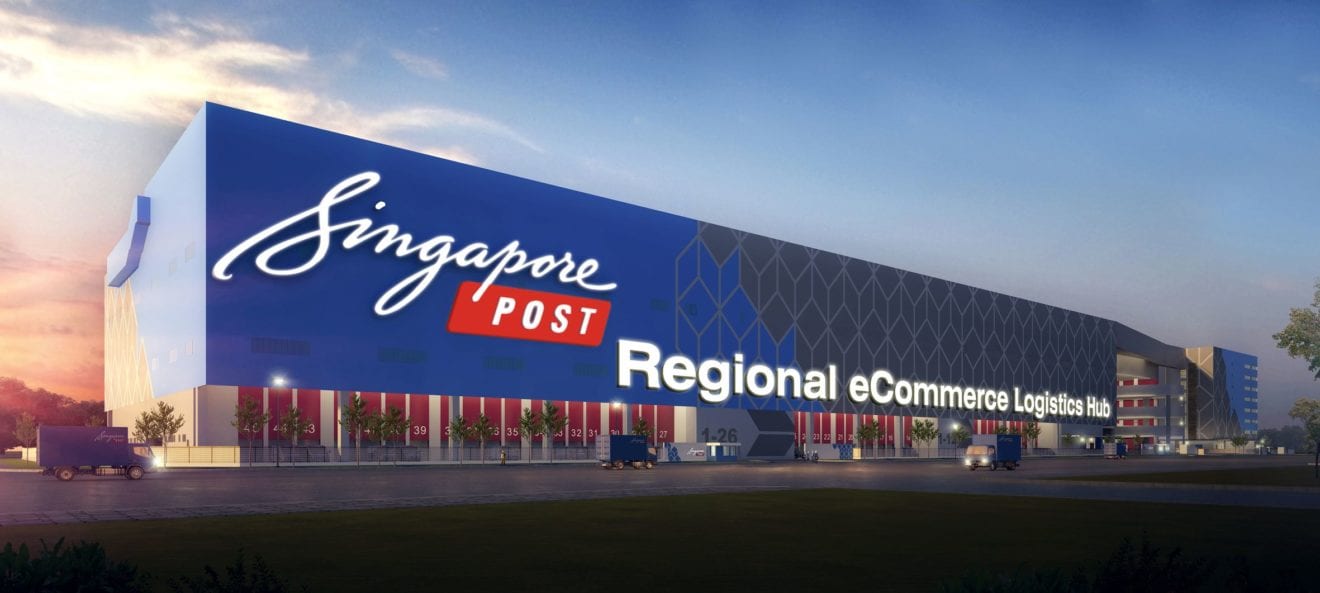
    Today, fast-growing logistics technology company Shippit, announced a new partnership with Singapore Post (SingPost), Singapore’s leading homegrown e-Commerce courier. The deal allows Shippit to empower small and medium-sized enterprises (SMEs) to scale by providing them with instant access to more delivery options — including packages to be delivered directly to Pick Own Parcel Station (POPStations) and letterboxes — a service typically reserved for larger companies. As part of the deal, Shippit will also offer SingPost’s Speedpost Express Service to SMEs, alongside discounted, pre-negotiated rates for next day and economy delivery services.

    SMEs on the Shippit platform will now be able to also offer end-customers parcel collection at any time by tapping into the islandwide POPStation network that SingPost currently operates. This brings added convenience to end customers, since parcels can be deposited directly at their closest available POPStation for pickup, without the need to wait for delivery at home.

    These SingPost services are integrated directly into Shippit’s existing online platform, which enables SMEs to access data-driven delivery insights that can be used to optimize shipping costs and share better customer experiences. SMEs also get access to pre-negotiated, delivery SingPost rates on the platform, enabling them to tap into SingPost’s large delivery network and fleet, at a lower cost.

    Lavneesh Arora, Director of Market Development at Shippit, said: “Shippit aims to disrupt the way legacy logistics firms operate. We are always looking for great partnerships to expand our capabilities and give clients a competitive edge. Through the latest partnership with Singapore’s largest and most prominent logistics company, SMEs can use Shippit to get direct access to SingPost’s premium, enterprise-grade delivery services at a fraction of the cost.”

    Shippit’s intelligent tracking system benefits both senders and receivers through proactive delay avoidance technology and accurate delivery estimates — SMEs will know exactly where the parcel is, ensure delivery issues are resolved before customers find out and can also send branded push emails and SMSes to keep their customers informed. On the receiver’s end, one-link tracking and smart notifications are automated, so customers can easily track their shipment, get real-time updates and access delivery support directly from the track page.

    Sara Kalle, Senior Vice President of Group Sales at SingPost, said: “We are tremendously excited to offer our last-mile services to Shippit. Customers can look forward to a hassle-free shipping experience from the moment they confirm their order on Shippit’s award-winning platform, to collecting their shipments from us at their doors or at a nearby POPStation.”

    Shippit officially launched in Singapore on 14 July, to serve as the startup’s regional headquarters. It plans to expand into Malaysia, Philippines, and Indonesia in the near future. Shippit’s existing client base currently includes Sephora, UNIQLO, CottonOn, and Harvey Norman — to name a few.


  • Amazon Project Zero Launches in Seven New Countries

    Amazon Project Zero Launches in Seven New Countries

    Amazon announced the expansion of Project Zero to seven new countries – Australia, Brazil, Netherlands, Saudi Arabia, Singapore, Turkey, and the UAE – making it available in 17 countries where Amazon has a store. Project Zero combines Amazon’s advanced technology, machine learning, and innovation with the sophisticated knowledge that brands have of their own intellectual property so we can together drive counterfeits to zero.

    Launched in 2019, Project Zero builds on Amazon’s long-standing work and investments to ensure that customers always receive authentic goods when shopping on Amazon. Over 10,000 brands – from large, global brands to emerging entrepreneurs including Arduino, BMW, ChessCentral, LifeProof, OtterBox, Salvatore Ferragamo, and Veet – have already enrolled in Project Zero.

    “Amazon is committed to protecting our customers and the brands we collaborate with worldwide,” said Dharmesh Mehta, Vice President of Worldwide Customer Trust and Partner Support. “Project Zero has been a leap forward in protecting brands, especially for those that use all three of its components.”

    BMW, one of the world’s leading automotive brands with a portfolio of global trademarks, said: “Project Zero has been a very easy and effective tool at protecting BMW on Amazon. We are very appreciative of the tools Amazon has built to enable us to protect our brand.”

    “We are excited to see that Project Zero is expanding into the new marketplaces,” said Adrienne McNicholas, Co-Founder and CEO of Food Huggers. “The program has already had a very positive impact on our enforcement efforts and we are glad to see Amazon’s continued commitment to protecting our brand across the world.”

    Brands that are enrolled in Amazon Project Zero and already have a trademark enrolled in one of the newly launched countries will automatically be able to use Project Zero in these additional stores. New brands can learn more about and enroll in Amazon Project Zero at: https://projectzero.com/sg.

    Project Zero uses three key components to protect and empower brands:

    • Amazon’s automated protections proactively and continuously scan more than 5 billion attempted daily product listing updates globally to look for suspicious listings. These automated protections are powered by Amazon’s machine learning and are continuously fed new information, so we continue to get better in automatically preventing and blocking potential counterfeit listings.
    • We have invested significant resources over the years to proactively prevent counterfeits and continue to innovate and build technology-based solutions. Project Zero goes further with a self-service tool to empower brands and provides them with an unprecedented ability to directly remove listings from our store. These removals also feed into our automated protections, so we can better catch potential counterfeit listings proactively in the future.
    • Product serialization is enabled by a unique code that brands apply within their manufacturing or packaging process, and it allows us to individually scan and confirm the authenticity of every single purchase of a brand’s enrolled products from Amazon’s stores. While product serialization is optional, brands enrolled in Project Zero are seeing the best results when using product serialization.

    Project Zero is among a suite of tools Amazon has introduced to empower brands to protect their IP.

    • Amazon IP Accelerator helps businesses more quickly obtain intellectual property (IP) rights and brand protection in Amazon’s stores. The program was designed specifically with small and medium businesses in mind and is available to entrepreneurs worldwide that are looking to secure intellectual property in the U.S. IP Accelerator connects entrepreneurs with US law firms with expertise in trademark applications. Entrepreneurs also benefit from pre-negotiated rates. To learn more: https://brandservices.amazon.com/ipaccelerator
    • Amazon Brand Registry, a free service that gives brand owners access to a powerful set of tools that help them deliver an accurate and trusted customer experience on Amazon while protecting a brand’s IP. To enroll and learn more: https://brandservices.amazon.com/
  • Cebu Pacific sends 14 planes for storage

    Cebu Pacific sends 14 planes for storage

    Budget carrier Cebu Pacific has now sent a total of 14 aircraft for storage at Alice Springs in Australia, with more possibly eyed as travel demand is not expected to return to its robust state anytime soon.

    On top of the 14 aircraft that have been sent so far, Cebu Pacific spokesperson Charo Logarta Lagamon said the next batch is still under study.

    “We have a fleet of 75 aircraft. Because costs continue to be challenged, we have sent aircraft to Alice Springs along with many other airlines, and we are looking to send additional aircraft there for additional storage because obviously we do not see demand coming back in the immediate future,” Lagamon, who is set to leave the airline effective Aug. 15, said yesterday.

    “We will have to store these aircraft in a more proper setting and in a cost-efficient manner,” she said.

    As part of its cost mitigation measures, Cebu Pacific last month said it sent nine aircraft to the Asia Pacific Aircraft Storage at Alice Springs for storage.

    “The best place to store aircraft is somewhere that is dry. This is a facility that stores aircraft because we need to make sure that it stores in a facility that will minimize damage or be equipped for storing aircraft so that once the demand comes back we can easily bring the aircraft back into the line,” Cebu Pacific vice president for marketing and customer experience Candice Iyog earlier said.

    Meanwhile, Lagamon said Cebu Pacific management and their counterparts in Airbus are currently in discussions on the adjustment in delivery or possible cancellation of some of the company’s aircraft orders given the impact of the COVID-19 pandemic to the aviation industry.

    “This is subject to discussions with Airbus. But again, it’s not only Cebu Pacific that is the only carrier in the world that is in talks with the manufacturers for the delay or adjustment of delivery schedules of these orders,” she said.

    Quoting Cebu Pacific president and CEO Lance Gokongwei, Lagamon said the airline is expecting challenging numbers in its second-quarter financial results.

    “This is on account of the course of continuing quarantine. We are still unable to fly the majority of our flights. We’re only at 10 percent of what our capacity used to be,” she said.

    Lagamon said Cebu Pacific has canceled some 150 flights a week, or a total of about 300 flights, from Aug. 4 to Aug. 18 following the return of Metro Manila to modified enhanced community quarantine.

    Cebu Pacific incurred a P1.18 billion net loss in the first quarter, a turnaround from the P3.36 billion net income it recorded in the same period last year, as travel restrictions brought about by the COVID-19 pandemic started taking its toll on its operations.

  • Toyota Vietnam recalls 2,700 cars over faulty airbags

    Toyota Vietnam recalls 2,700 cars over faulty airbags

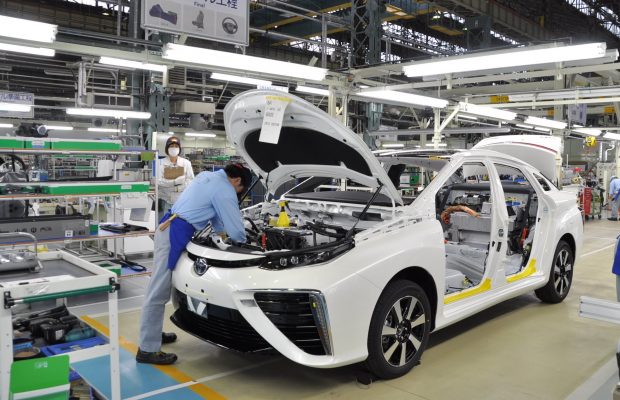
    Toyota Vietnam is recalling over 2,700 Vios and Corolla sedans for airbag faults that can cause severe damage to users in the event of a crash.

    The recall covers 2,568 Toyota Vios cars assembled in Vietnam between September 2007 and December 2008, and 145 imported Toyota Corolla cars produced between January 2004 and April 2005, according to a statement submitted by the automaker to the Vietnam Register.

    The inflator canister in these vehicles can be penetrated by humidity. In some crashes, the activation of the airbag can break the inflator into pieces. These pieces can be pushed through the inflated airbag, causing serious damage to users, Toyota Vietnam said.

    Customers can bring their vehicles for a free replacement of the faulty parts at Toyota dealers. The replacement should take up to 1.5 hours. The recall will run until August 2022.

    In 2018, Toyota Vietnam recalled more than 11,300 cars with similar airbag faults.

  • Twitter reportedly meets with TikTok about a combination

    Twitter reportedly meets with TikTok about a combination

    People who make their way around Twitter know a way that they can see if the Twitterverse hates a particular tweet. It’s called getting ratio’d. It’s quite simple really; if the number of replies vastly outnumbers a tweet’s likes and retweets, it means that the content of that tweet is disliked by Twitter subscribers. The messaging app recently tested changing some of the terminology associated with the app and also made it easier to figure out a particular tweet’s ratio.

    During the test, retweets with comments were called Quotes. In an email sent to The Verge, a Twitter spokesman said, “A few months ago, we’ve made Retweets with Comments more visible when you tap to see Retweets on a Tweet. This is available to everyone. Now, we’re testing making Retweets with Comments accessible directly on the Tweet and new language (Quotes) to see if this makes them easier to access and more understandable.”

    Back in May, Twitter tested a Retweets with comments counter on some iOS devices. But now, the new test adds the Quote counter to the stats on the bottom of a tweet. Twitter, like most social media sites, has been under attack for the polarizing and baiting comments left by many users. Twitter said in the past that it wants to add features to its UI to improve conversations between users.

    Speaking of Twitter, last Sunday it has had preliminary discussions with TikTok about a potential combination. The short-form video app has until the middle of next month to find a partner willing to take the U.S. operations of the app off the hands of its parent firm ByteDancer. That’s because the latter is a Chinese tech firm which automatically raises suspicions by the U.S. government. An executive order signed by the president last week calls the company a threat to national security and notes that being owned by a Chinese firm means that it is potentially allowing China to track the locations of Federal employees and contractors, build dossiers of personal information for blackmail, and conduct corporate espionage.”

    Microsoft is seen as the leading candidate to take over the U.S. operations of TikTok and has the wherewithal to make such a purchase which could cost the software giant tens of billions of dollars. It isn’t clear how Twitter would be able to finance any deal. The company’s stock market capitalization is approximately $29 billion compared to Microsoft’s $1.6 trillion valuations. As of June, Twitter had $7.8 billion in cash and securities compared to $136 billion for Microsoft. TikTok has been installed over two billion times from both the Apple App Store and the Google Play Store. Globally, TikTok has 800 million active users with 100 million in the states. During the pandemic, TikTok gave teens, pre-teens, and even parents stuck inside a chance to release some steam by producing 15-second or 60-second videos. Typical content includes lip-syncing, dancing, playing comedic pranks, and more.

    Twitter once ran an app that was somewhat similar to TikTok. Vine was developed in 2012 and was purchased by Twitter during the following year; the app allowed users to create video clips lasting six or seven seconds and content was shared over Facebook and Twitter. In 2016, Instagram Video was launched allowing users to record longer 15-second clips and many Vine users started to move on to Instagram, Snapchat, and other apps. Vine hung around in various forms with the last iteration of an app using the Vine name closed in 2019.