Author: Mei Ling Tan

  • DFI Retail Group Triumphs with 35% Profit Surge Amid Strategic Overhaul – An In-depth Look at the 2025 Fiscal Year

    DFI Retail Group Triumphs with 35% Profit Surge Amid Strategic Overhaul – An In-depth Look at the 2025 Fiscal Year

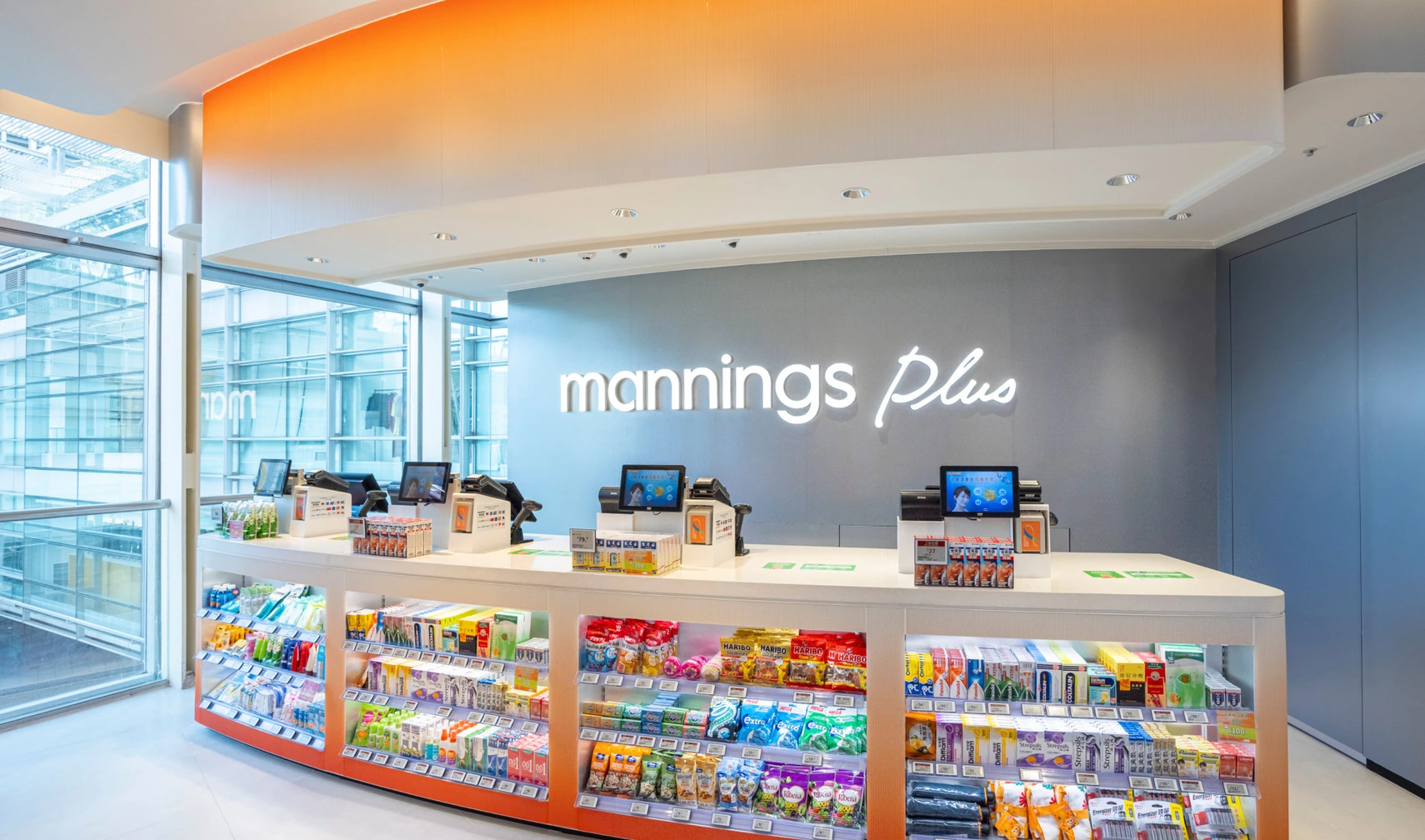
    DFI Retail Group, a prominent pan-Asian retailer, has confirmed the efficacy of its ongoing strategic alterations, following a successful 2025 fiscal year. The group reported a substantial 35% increase in underlying profits to US$270 million, despite no growth in its year-end revenue stream, which remained consistent with the 2024 figure at $8.8 billion.

    Strategic Execution and Profitability

    The robust financial performance and enhanced shareholder returns in 2025 have been attributed to the effective implementation of strategic initiatives. DFI Retail Group’s Chairman, Lincoln Pan, emphasized that this was achieved despite the challenging circumstances in the retail industry. Significant strides in portfolio simplification have notably increased the group’s investment capabilities. This shift has facilitated the prioritization of strategic initiatives, providing greater value for customers and paving the way for sustainable growth and returns through accretive inorganic opportunities.

    Portfolio Adjustments and Performance

    In an effort to adapt to changing market conditions and consumer preferences, DFI Retail Group has made adjustments to its brand portfolios. As part of this strategy, 7-Eleven, one of the group’s brands, has shifted its focus towards higher-margin, non-cigarette categories. Ready-to-eat offerings now account for 24% of convenience sales for the brand in 2025, highlighting a considerable change in product focus.

    Financial Performance

    The group’s strong financial performance is also reflected in its operating cash flow. After making lease payments, the operating cash flow for the group stood at $430 million, marking a 30% increase from the previous year. In addition, the group’s free cash flow saw a remarkable year-on-year increase of 78%.

    Questions & Answers

    What were the underlying profits for DFI Retail Group in the fiscal year 2025?
    In the fiscal year 2025, DFI Retail Group reported underlying profits of US$270 million.

    What strategical changes did 7-Eleven, a brand under DFI Retail Group, adopt in 2025?
    7-Eleven shifted its focus towards higher-margin, non-cigarette categories. Ready-to-eat offerings constituted 24% of the brand’s convenience sales.

    How did the operating cash flow of DFI Retail Group fare in 2025?
    After lease payments, DFI Retail Group’s operating cash flow in 2025 stood at $430 million, which was a 30% increase from the previous year.
  • Miniso Unveils Malaysia’s First Miniso Land: A Mega Retail Experience at Sunway Pyramid

    Miniso Unveils Malaysia’s First Miniso Land: A Mega Retail Experience at Sunway Pyramid

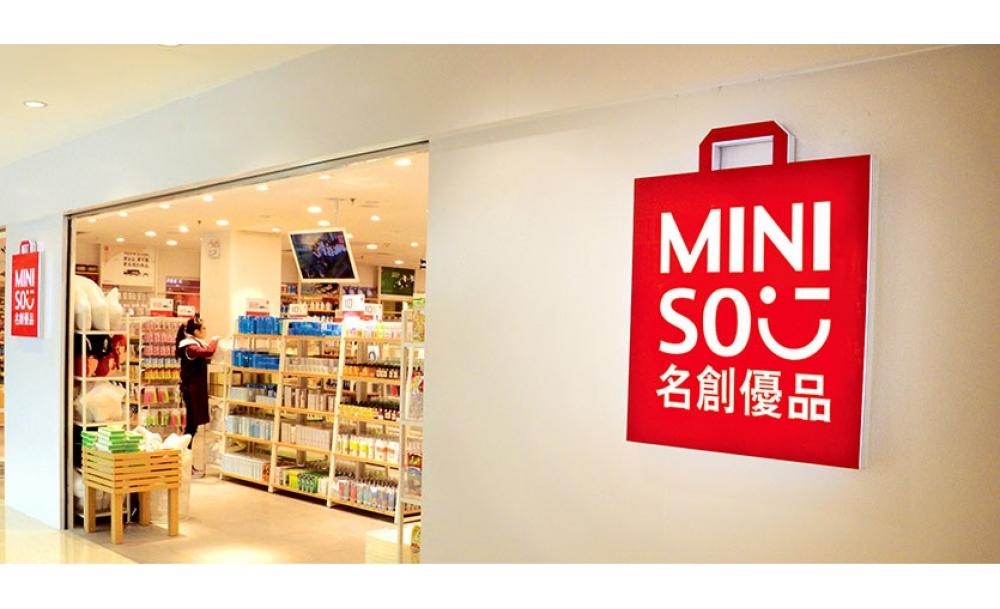
    Miniso, the global retail brand, has inaugurated its first ‘Miniso Land’ in Malaysia, situated at the Sunway Pyramid mall. This new establishment has become the largest in Southeast Asia operating under the brand name.

    The Land of Miniso

    Located on the first floor of the mall, the expansive store covers around 1700 square meters. It brings forward a larger format retail concept, primarily focusing on Intellectual Property (IP) collaborations and engaging retail design. The store is home to over 8000 products, with more than 70% of the items crafted with licensed or proprietary IP characters.

    Thematic Retail and Interactive Zones

    The store features 15 distinct sections, each with a unique theme for retail and interactive purposes. These zones merge product displays with character installations, offering photo opportunities for visitors. The store houses a range of product categories such as mystery toys, stuffed toys, house accessories, drinkware, and a vast collection of beauty and skincare items.

    Spotlight on IP Collaborations

    The store showcases collaborations with licensed brands such as Sanrio and Monchhichi, while also highlighting Miniso’s in-house IP portfolio, including the YoYo series. The store’s visual appeal is further enhanced with ten large-scale Yo-Yo sculptures, emphasizing the brand’s focus on visual merchandising and social media engagement.

    Expansion Strategy

    The ‘Miniso Land’ concept is a significant part of the company’s expansion strategy. The brand aims to create themed environments and character-driven merchandising, with IP-related products constituting the majority of their inventory.

    This concept was first launched in Shanghai and has since grown to multiple locations across China and international markets such as Thailand, Spain, Indonesia, and Australia.

    Questions & Answers

    What is the size of the new Miniso Land in Malaysia?
    The new Miniso Land in Malaysia covers around 1700 square meters.

    What is unique about the Miniso Land concept?
    Miniso Land focuses on creating themed environments and character-driven merchandising, with a majority of the products being IP-related.

    Where was the first Miniso Land introduced?
    The first Miniso Land was introduced in Shanghai.

  • Amazon India Drops Referral Fees to Accelerate Seller Growth Amidst Fierce E-commerce Competition

    Amazon India Drops Referral Fees to Accelerate Seller Growth Amidst Fierce E-commerce Competition

    Amazon has announced that it will abolish the referral fee for sellers in India on items priced under 1000 rupees (approximately US$10.98). This decision aims to encourage more retailers to use their platform and gain a stronger hold on India’s competitive e-commerce market.

    Expanding ‘Zero-Referral Fee’ Policy

    Amazon’s initiative builds upon its ‘zero-referral fee’ policy, introduced last year, which encompassed about 12 million items priced below 300 rupees. This program played a significant role in a 50% increase in new sellers joining Amazon’s Indian platform. The referral fee is a commission that sellers pay Amazon for each item sold.

    Starting March 16, this new policy now covers more than 125 million items. In addition to scrapping the referral fee, Amazon has decided to reduce some shipping costs.

    Targeting Small Businesses and Entrepreneurs

    “This step is intended to make selling on Amazon more profitable and simpler, particularly for small businesses and entrepreneurs in tier-2 and tier-3 cities,” said Amit Nanda, Director of Selling Partner Services for Amazon India.

    India is a vital market for Amazon, given the rapid growth of the internet user base in the world’s second-most populous country, driving e-commerce growth.

    However, Amazon is up against stiff competition from Walmart-backed Flipkart and Reliance Industries’ retail arm, owned by billionaire Mukesh Ambani. Quick-commerce entities such as Eternal’s Blinkit and Swiggy’s Instamart are also making significant inroads into market share.

    In December, Amazon announced plans to invest over $35 billion in India by 2030. While this investment will help expand its AI infrastructure, the focus will primarily be on growing retail logistics and stimulating small-business growth.

    Questions & Answers

    What is Amazon’s new initiative regarding referral fees in India?

    Amazon has decided to eliminate the referral fee for products under 1000 rupees, aiming to attract more retailers to their platform.

    How will this affect small businesses and entrepreneurs in India?

    By removing the referral fee and reducing some shipping costs, Amazon is making selling on its platform more lucrative and easier, particularly for small businesses and entrepreneurs in smaller cities in India.

    What are Amazon’s future investment plans for India?

    Amazon plans to invest over $35 billion in India by 2030, with a focus on expanding its AI infrastructure, enhancing retail logistics, and promoting small-business growth.

  • Chow Tai Fook Jewellery Boosts Globalization Strategy with New Global Creative Director, David Tse

    Chow Tai Fook Jewellery Boosts Globalization Strategy with New Global Creative Director, David Tse

    Chow Tai Fook Jewellery Group has announced the appointment of David Tse to the newly created role of Global Creative Director. This strategic move is intended to bolster the company’s ongoing globalization efforts.

    Strengthening Position as a Leading Chinese Luxury Brand

    David Tse will be at the forefront of solidifying Chow Tai Fook Jewellery Group’s standing as a premier Chinese luxury brand. His responsibilities will encompass shaping the brand’s creative identity and spearheading its overall creative strategy across all customer interactions.

    The decision to bring Tse on board is considered quite timely as the company is in the throes of transforming and globalizing the brand. Tse’s profound understanding of luxury, remarkable creativity, and demonstrated ability to transform brand strategy into compelling narratives are expected to significantly contribute to enhancing the brand’s global reputation.

    An Experienced Leader in Creative Direction

    Tse boasts a wealth of international experience in both the luxury and lifestyle sectors, with an impressive career that spans China and various international markets. He launched his career as an entrepreneur, focusing on creative production, and subsequently led projects for an array of renowned brands, such as Burberry, Golden Goose, Uniqlo, Google, PayPal, Volvo, and Starbucks.

    In his most recent role, Tse was the Creative Director at Hermes in Shanghai, having the distinction of being the first Creative Director appointed outside the brand’s Paris head office.

    In his new role at Chow Tai Fook Jewellery, Tse plans to honor the brand’s rich heritage and encourage innovation and creativity, while always prioritizing customer needs.

    Expansion Amid Slow Domestic Demand

    Earlier this year, in response to decelerating domestic demand, market saturation, and pricing pressure in the world’s second-largest economy, Chow Tai Fook Jewellery Group expanded overseas, opening a flagship store at Siam Paragon in Bangkok. This movement forms part of a wider trend of Chinese and Hong Kong consumer brands seeking growth opportunities outside their traditional markets.

    Questions & Answers

    What will David Tse’s role be at Chow Tai Fook Jewellery Group?
    As the Global Creative Director, Tse will be responsible for shaping the brand’s creative identity and leading its overall creative strategy across all consumer interactions.

    What experience does Tse bring to the role?
    Tse brings international experience from the luxury and lifestyle sectors, having worked in both China and international markets. He has led projects for a range of well-known brands and was most recently the Creative Director at Hermes in Shanghai.

    Why is Chow Tai Fook Jewellery Group expanding overseas?
    The group is expanding overseas in response to slowing domestic demand, market saturation, and pricing pressure in the world’s second-largest economy. Opening a flagship store in Bangkok is part of these ongoing globalization efforts.

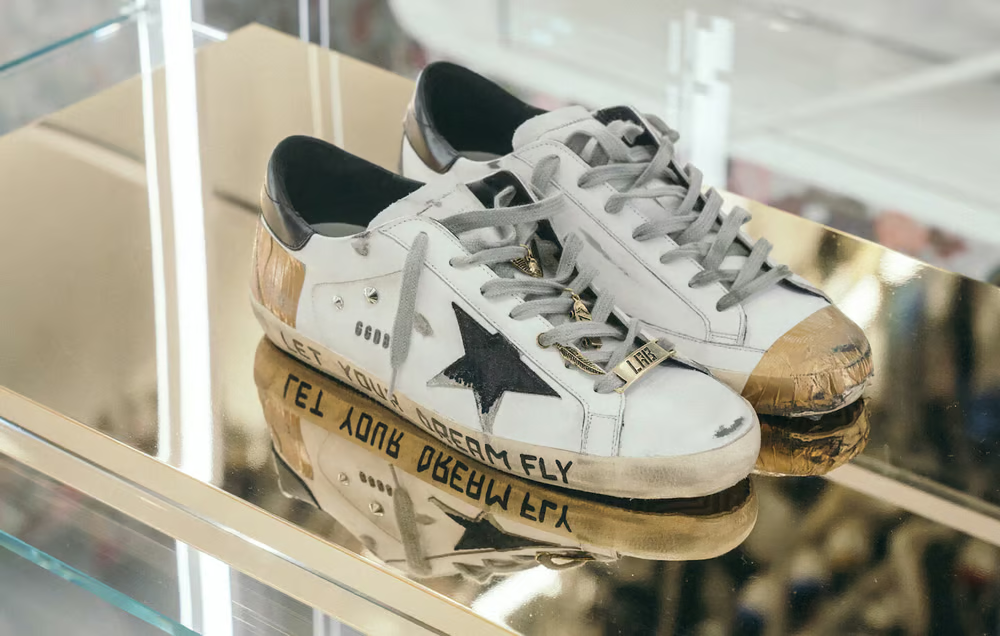
  • Golden Goose Sees Stellar Rise in Revenue, Celebrates 21% Direct-to-Consumer Growth for FY25

    Golden Goose Sees Stellar Rise in Revenue, Celebrates 21% Direct-to-Consumer Growth for FY25

    Golden Goose, a prominent name in luxury footwear, has recently reinforced its direct-to-consumer sales strategy, a decision that has proved beneficial according to their recent earnings report.

    A Successful Year for Golden Goose

    For the fiscal year of 2025, Golden Goose reported a revenue of €734 million (US$858.1 million), a 15 per cent increase compared to the previous year. However, the company’s major achievement was a 21 per cent surge in direct-to-consumer sales, which now represent 81 per cent of the group’s total sales.

    Silvio Campara, CEO of Golden Goose Group, expressed his pride in the company’s FY25 results. He highlighted another year of robust and stable growth for Golden Goose.

    Expanding the Golden Goose Empire

    The luxury retailer added 17 new stores to its already expansive portfolio in 2025, bringing its total to a remarkable 232 stores worldwide. Sales saw an upward trend globally, with an 18 per cent increase in Europe, the Middle East, and Africa. Asia Pacific sales went up by 17 per cent, while growth in the Americas was marginally slower at 9 per cent.

    2025 also saw the introduction of Chinese private equity firm HSG as a majority shareholder.

    Campara expressed his delight at HSG and Temasek joining as strategic investors to further their international reach and realize their potential as a future-focused luxury brand.

    New Ventures and Future Outlook

    Campara also discussed some of the company’s successful initiatives. These included the introduction of new sneaker models such as True-Star and Marathon Speed, store openings in locations such as Mumbai, Tokyo, London Mount Street, and Naples, and the inauguration of the Padel Arena in Milan. The CEO emphasized their commitment to merging craftsmanship, culture, and community.

    Looking towards 2026 and beyond, Campara voiced his excitement about Golden Goose’s potential and his eagerness to bring more of Italy to their global community of admirers.

    Golden Goose recently unveiled a new concept store in Osaka, Japan, further expanding its international presence.

    Questions & Answers

    What was Golden Goose’s revenue for the fiscal year 2025?
    Golden Goose reported a revenue of €734 million (US$858.1 million) for the fiscal year 2025.

    What percentage of Golden Goose’s total sales in FY25 came from direct-to-consumer sales?
    81% of Golden Goose’s total sales in FY25 were from direct-to-consumer sales.

    What are some new initiatives by Golden Goose?
    Golden Goose launched new sneaker models such as True-Star and Marathon Speed, opened new stores in various international locations, and opened the Padel Arena in Milan.

  • Mastercard Appoints Fintech Veteran Minsook Cho as New Singapore Country Manager

    Mastercard Appoints Fintech Veteran Minsook Cho as New Singapore Country Manager

    Mastercard, the globally renowned credit card company, has named Minsook Cho as its new country manager for Singapore. Cho, an industry veteran with more than two decades of experience, will hold the key responsibility of determining and implementing the company’s strategic direction and overseeing business operations in the market.

    Cho’s Role at Mastercard

    As part of her role, Cho will also work closely with regional and global clients based in the city-state. Additionally, she will support a range of cross-market and strategic initiatives.

    Cho’s expertise spans across various sectors, including payments, fintech, analytics, and consulting. She has been part of the Mastercard team since 2013 and has held the position of senior vice president, advisors client services, Asia Pacific. In this role, she directed consulting, analytics, test & learn, and managed services across several markets such as Japan, Korea, China, Australia, New Zealand, and Southeast Asia.

    Prior to her time at Mastercard, Cho served in senior leadership roles across APAC at companies like Foodpanda and Lazada.

    Mastercard’s Expectations from Cho

    Speaking about this appointment, Safdar Khan, Mastercard’s Southeast Asia division president, expressed his confidence in Cho’s abilities. He highlighted her extensive experience in Data and Services, including enhancing business performance, elevating consumer experiences, and enabling innovation. Khan believes that Cho’s deep market understanding will be vital in strengthening intelligence, security, and interoperability across Singapore’s payments ecosystem.

    Questions & Answers

    Who has Mastercard appointed as its new country manager for Singapore?
    Mastercard has appointed Minsook Cho as its new country manager for Singapore.

    What will Cho’s role at Mastercard entail?
    Cho will be responsible for the strategic direction and business operations of Mastercard in Singapore. She will also collaborate with regional and global clients based in the city-state and support cross-market and strategic initiatives.

    What is Cho’s previous experience?
    Cho has over 20 years of experience in payments, fintech, analytics, and consulting. She has been with Mastercard since 2013, previously serving in multiple leadership roles. Prior to Mastercard, she held senior APAC leadership roles at Foodpanda and Lazada.

  • Panpuri Unveils ‘Teahouse of Scent’ Flagship in Macau: A Fusion of Traditions and Modern Fragrance Experience

    Panpuri Unveils ‘Teahouse of Scent’ Flagship in Macau: A Fusion of Traditions and Modern Fragrance Experience

    Panpuri, a wellness brand from Thailand, has made a significant stride in its broader expansion plan across Greater China with the inauguration of its premier flagship boutique in Macau.

    The Teahouse of Scent: A Unique Boutique Concept

    The newly established Panpuri Sensorial Boutique, nestled within the heart of The Venetian Macau, takes its design inspiration from the concept of ‘The Teahouse of Scent’. This motif is deeply rooted in Macau’s rich cultural heritage and its long-standing tradition of tea drinking. The store is an imaginative ode to Casa de Cha Long Wa, the last of Macau’s authentic Chinese teahouses, transforming timeless tea rituals into an immersive modern fragrance experience.

    A Reflection of Macau’s Heritage and Panpuri’s Vision

    Commenting on the launch, Vorravit Siripak, Founder and CEO of Panpuri, shared his belief that Macau holds a crucial role in the brand’s regional expansion. The city’s rich history of cultural exchange and craftsmanship resonates with Panpuri’s commitment to promoting holistic well-being. The first-of-its-kind flagship boutique, according to Siripak, is more than just a retail destination. It aims to be a sanctuary that mirrors Macau’s unique heritage and introduces Panpuri’s distinctive approach to fragrance and wellness to the wider community in Greater China.

    Inspired Interior and Signature Scent

    The boutique’s interior is a synergy of misty blue walls, oxidised green metal details, and dark walnut finishes, reminiscent of the design of traditional teahouses. At the core of the store is the ‘Oolong Ritual’, a unique scent inspired by traditional tea ceremonies. This signature fragrance enhances the in-store experience, transforming the tea ritual into a contemporary sensory journey.

    Panpuri made its first global venture in 2024 by opening a flagship store at K11 Musea in Hong Kong. This boutique, however, followed a distinct concept called ‘The Perfumist’s Chamber’, which elegantly fused Thai culture with the dynamic energy of Hong Kong.

    Questions & Answers

    What is the concept behind the new Panpuri Sensorial Boutique store in Macau?
    The Panpuri Sensorial Boutique in Macau is designed with the concept of ‘The Teahouse of Scent’, which is inspired by Macau’s rich cultural heritage and long tradition of tea drinking.

    How does the interior of the new Panpuri boutique reflect the brand’s vision?
    The interior of the boutique features misty blue walls, oxidised green metal details, and dark walnut finishes, reminiscent of the design of traditional teahouses. At the heart of the store is the ‘Oolong Ritual’, a signature scent inspired by traditional tea ceremonies, which speaks to the brand’s focus on holistic well-being through sensory experiences.

    What was Panpuri’s first international location?
    Panpuri’s first international venture was a flagship store at K11 Musea in Hong Kong, which opened in 2024.

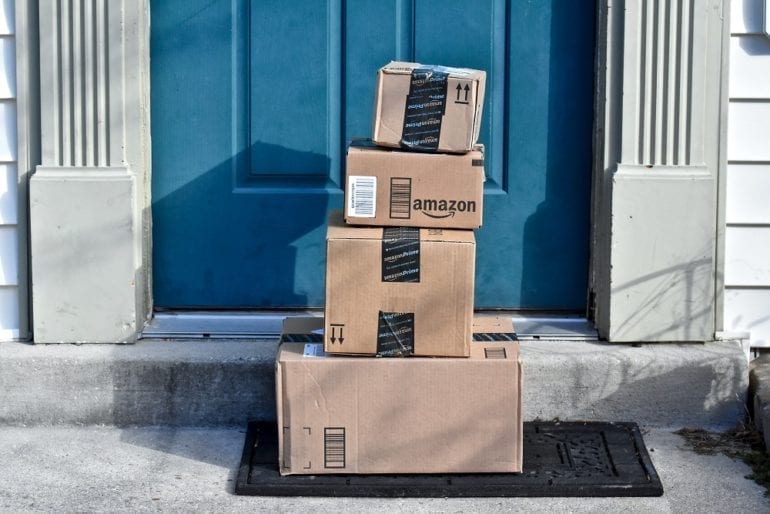
  • Amazon Boosts Indian Market Presence: Cuts Reseller Referral Fees to Propel Small Business Growth

    Amazon Boosts Indian Market Presence: Cuts Reseller Referral Fees to Propel Small Business Growth

    In a bid to strengthen its foothold in India’s highly competitive e-commerce sector, Amazon recently announced that it will cease to charge sellers referral fees for products priced under 1,000 rupees, or US$10.98. This decision, revealed by the company on Monday, is part of an ongoing initiative to attract a broader range of merchants to its online marketplace.

    Enhancing the ‘Zero-Referral Fee’ Policy

    Amazon is building upon its ‘zero-referral fee’ policy that was introduced last year. Initially, this policy was applicable only to about 12 million products that were priced below 300 rupees. However, the implementation of this policy led to a remarkable 50% increase in the number of new sellers joining Amazon’s platform in India.

    A referral fee is essentially a commission that sellers have to pay to Amazon for each product sold through its platform. The newly extended policy, which came into effect on March 16, now applies to more than 125 million products.

    Along with this, Amazon has also announced a reduction in certain shipping charges, making it even more cost-effective for sellers to use their platform.

    Amit Nanda, the director of Selling Partner Services for Amazon India, stated that this move was aimed at “making selling on Amazon more lucrative and simpler, particularly for small businesses and entrepreneurs in tier-2 and tier-3 cities.”

    Amazon’s Crucial Market: India

    India has become an increasingly important market for Amazon due to its expanding base of internet users, which has significantly fueled e-commerce growth in the world’s most populous country.

    However, the e-commerce giant faces stiff competition not just from Walmart-backed Flipkart and the retail division of Mukesh Ambani’s Reliance Industries, but also from quick-commerce platforms such as Eternal’s Blinkit and Swiggy’s Instamart, which have been rapidly gaining market share.

    Amazon revealed plans in December to invest more than $35 billion in India by 2030. The investment will not only be used to expand its AI infrastructure, but also to enhance retail logistics and boost small-business growth.

    Questions & Answers

    What does Amazon’s new decision entail?
    Amazon has decided to stop charging sellers in India referral fees for products priced under 1,000 rupees. It has also reduced certain shipping charges.

    What is the goal behind Amazon’s decision?
    This decision is aimed at attracting more merchants to Amazon’s online marketplace in India, making the platform more lucrative and simpler, especially for small businesses and entrepreneurs in tier-2 and tier-3 cities.

    How does Amazon plan on investing in India’s e-commerce sector?
    Amazon has revealed plans to invest more than $35 billion in India by 2030. The funds will be used to expand its AI infrastructure, improve retail logistics, and boost the growth of small businesses.

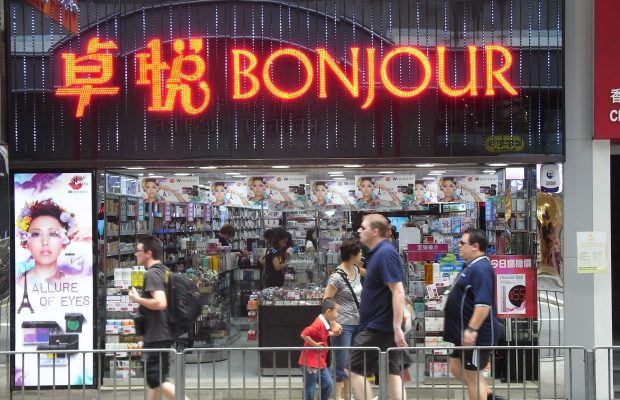
  • Hong Kong’s Bonjour Holdings Navigates Stormy Retail Waters: Half-Year Losses Amid Shift in Consumer Behavior

    Hong Kong’s Bonjour Holdings Navigates Stormy Retail Waters: Half-Year Losses Amid Shift in Consumer Behavior

    Hong Kong-based financial behemoth, Bonjour Holdings, has reported a slump in its earnings attributed to what the corporation describes as a “complicated” retail atmosphere.

    Financial Figures

    Bonjour Holdings reported a loss of HK$68.8 million (US$8.8 million) for the half-year ending December 31, 2025. This figure represents a better performance than the same period in 2024 when the company reported a loss of $134.4 million ($17.2 million).

    Bonjour Holdings’ expansive portfolio includes over 20,000 products from brands such as Suisse Reborn, Yumei, Dr. Schafter, and Dr. Bauer.

    The firm’s retail, wholesale, lifestyle, healthcare, and beauty sector recorded a half-year turnover of HK$6.7 million, while technology sales contributed an additional HK$5.5 million. The gross profit for both sectors stood at HK$2.8 million. However, both year-on-year revenue and gross profit witnessed a steep decline of 50.4 per cent and 84.6 per cent, respectively.

    Complex Retail Environment

    In its earnings report statement, Bonjour Holdings stated that the latter half of 2025 presented a complex retail landscape in Hong Kong. Despite the overall inflation rate remaining relatively low at around 1.2 per cent during this period, consumer spending habits reflected cautiousness due to ongoing economic uncertainties.

    The company also highlighted that fluctuations in the property market significantly affected its customers’ disposable income.

    Tourism and Consumer Behavior

    Bonjour Holdings noted that tourism was on a slow path to recovery, with an increase in visitor arrivals. However, the spending habits of these visitors shifted towards experiential consumption, moving away from the traditional luxury retail. Mainland Chinese tourists, albeit returning in larger volumes, showed more selective purchasing habits compared to their pre-pandemic patterns.

    Questions & Answers

    What was Bonjour Holdings’ reported loss for the six months ending December 31, 2025?
    The company reported a loss of HK$68.8 million (US$8.8 million).

    What is the overall impact on Bonjour Holdings due to the current retail environment?
    The complicated retail environment, coupled with economic uncertainties and shifts in the property market, have led to a significant decrease in the company’s earnings.

    How has the spending behavior of tourists, specifically mainland Chinese, changed post-pandemic?
    While the number of mainland Chinese tourists has increased, their purchasing behavior has become more selective compared to pre-pandemic patterns, with a notable shift towards experiential consumption rather than traditional luxury retail.

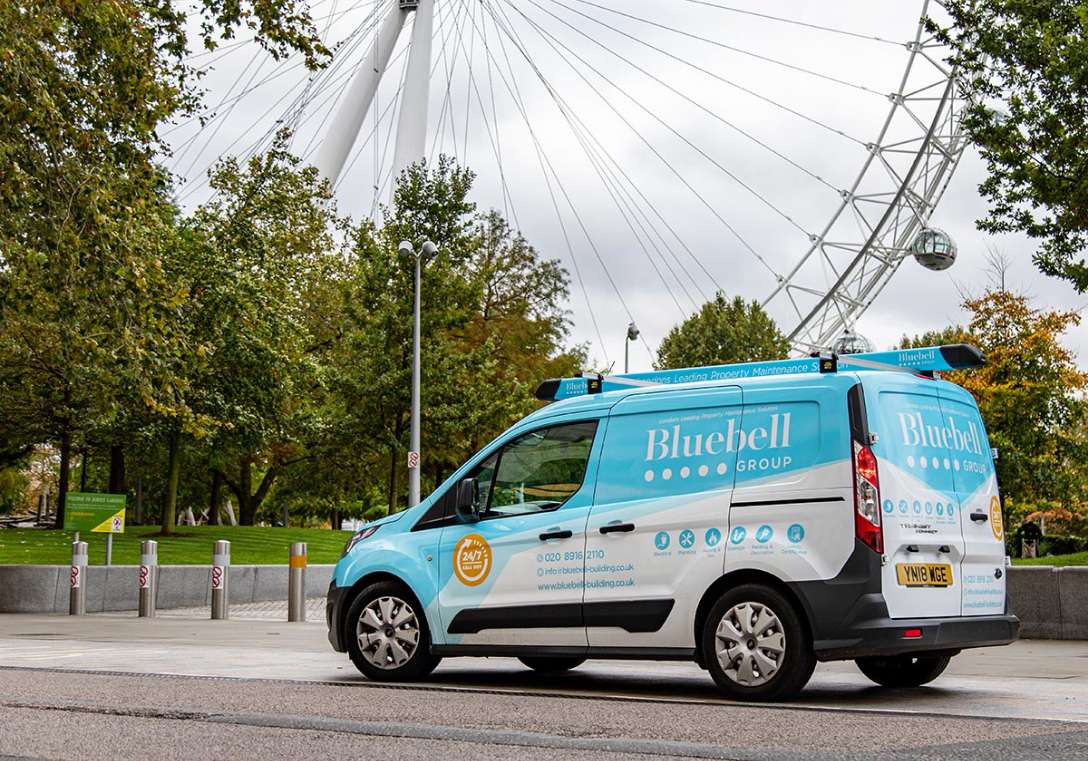
  • Bluebell Group Ushers in New Era: Appoints Philippe Guettat as CEO in Key Leadership Revamp

    Bluebell Group Ushers in New Era: Appoints Philippe Guettat as CEO in Key Leadership Revamp

    The Bluebell Group recently announced the confirmation of Philippe Guettat as its permanent group president and CEO. This decision is part of an extensive leadership overhaul aimed at bolstering harmonization throughout its Asian operations.

    Guettat, who previously served in the role temporarily, received the official nod from the board after demonstrating a period of strategic focus and operational discipline. Chairman of the board, Laurent de Rougemont, expressed admiration for the distinct clarity and strategic discipline Guettat brought to the group during his temporary tenure.

    Rougemont said, “His dedication to operational excellence and delivering value for our stakeholders solidifies him as the ideal choice to guide the group into its next phase of success.”

    Leadership Update

    As part of the leadership transformation, Bluebell has elevated the roles of people and culture to the executive level. The company has appointed Ivan Zenovic as the new Chief People and Communications Officer. Zenovic, who will report directly to Guettat, will be in charge of talent processes and striving to standardize retail excellence across various markets.

    Rougemont added, “We move forward with a reinforced leadership structure and a straightforward goal: to ensure Bluebell remains the top sophisticated, high-performance home to the world’s most iconic brands.”

    Bluebell, a privately-owned company established in 1954, operates in vital markets throughout the Asia-Pacific region. It manages over 170 international brands through approximately 650 sales outlets, in addition to e-commerce and travel retail channels.

    Questions & Answers

    What is Philippe Guettat’s new role at Bluebell?
    Philippe Guettat has been confirmed as the permanent group president and CEO of Bluebell Group.

    What are the responsibilities of Ivan Zenovic, the new Chief People and Communications Officer?
    Ivan Zenovic will oversee talent processes and work to standardize retail excellence across various markets.

    What is the main goal of Bluebell following this leadership reshuffle?
    The main goal is to ensure Bluebell remains the top sophisticated, high-performance home to the world’s most iconic brands.

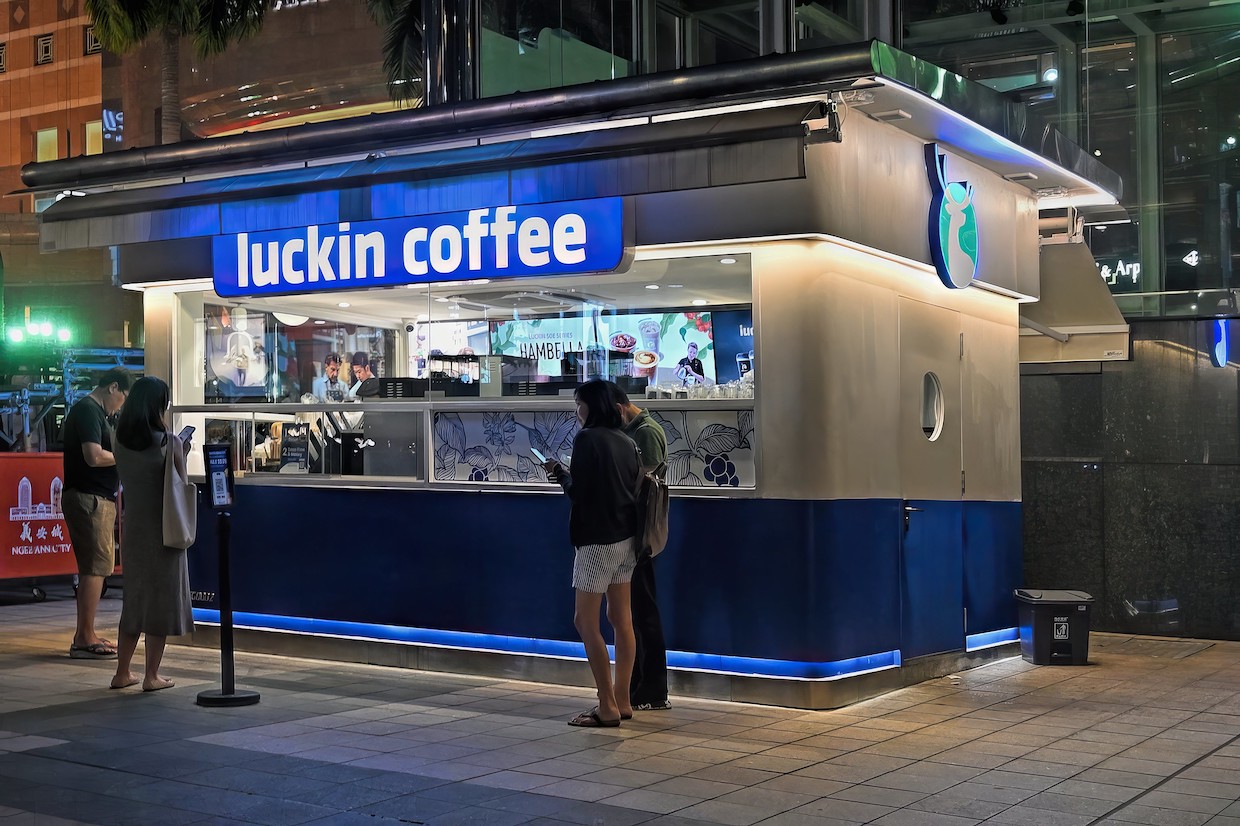
  • Robust Growth for Luckin Coffee Driven by Strategic Network Expansion and New Store Openings

    Robust Growth for Luckin Coffee Driven by Strategic Network Expansion and New Store Openings

    Luckin Coffee, a reputable coffee chain, has disclosed another quarter of impressive double-digit revenue growth. This growth is mainly attributed to the company’s strategic focus on expanding its reach across various regions.

    Growth Metrics

    In the fourth quarter, which concluded on December 31, the company’s net revenues climbed by 32.9 per cent, reaching RMB12.7 billion (US$1.8 billion). The primary driver of this growth was the net opening of 1834 new stores, of which 1792 are in China, 13 in Singapore, 25 in Malaysia, and four in the United States. By the end of the quarter, the total count of stores stood at 31,048. This includes 20,234 company-operated stores and 10,814 locations in partnership.

    The same-store sales of company-operated outlets grew by 1.2 per cent. This presents a significant improvement from the 3.4 per cent decrease experienced in the same period last year.

    During the quarter, the Gross Merchandise Value (GMV) witnessed a 32.8 per cent rise. Concurrently, the average number of monthly transacting customers surged by 26.5 per cent.

    Financial Performance

    However, the GAAP operating income demonstrated an 18 per cent fall, amounting to RMB821.4 million. Additionally, the net income decreased by 39 per cent to RMB518.2 million.

    For the entire year, the net revenues escalated by 43 per cent, reaching RMB49.2 billion. This increase was accompanied by the opening of 8708 net new stores. The net income demonstrated a 22 per cent rise, standing at RMB3.6 billion.

    Leadership Insights

    Jinyi Guo, the co-founder and CEO of Luckin Coffee, offered insights into the company’s performance. Guo highlighted the strength of the company’s execution focused on scale, which enabled it to achieve robust growth amidst fluctuating market dynamics.

    Guo stated, “We concluded the year on a strong note, achieving the milestone of our 30,000th store and expanding our cumulative transacting customer base to over 450 million.”

    He further noted that the company’s increased scale strengthened its market leadership and boosted its capability to harness the structural tailwinds of China’s coffee market.

    Questions & Answers

    What contributed to Luckin Coffee’s impressive growth in the fourth quarter?
    The company’s significant growth was primarily driven by the net opening of 1834 new stores across various regions.

    How did the company’s financial performance fare in this period?
    Despite the impressive revenue growth, Luckin Coffee saw a decrease in GAAP operating income by 18 per cent and net income by 39 per cent.

    What does the company’s expansion signify?
    The expansion of Luckin Coffee’s scale has fortified its market leadership and equipped it to tap into the structural tailwinds of China’s coffee market effectively.

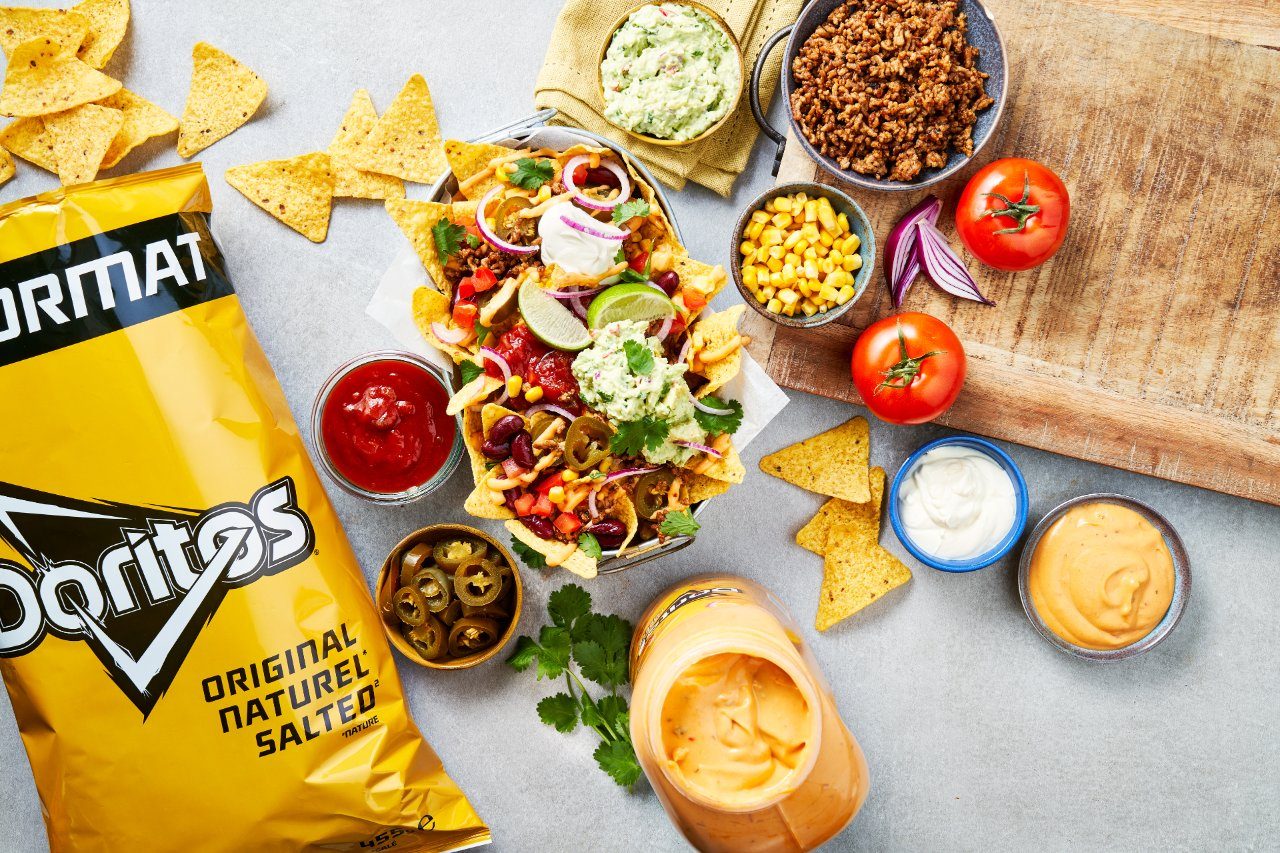
  • Protein-Packed Crunch: Doritos Breaks into US Protein Snack Market with New High-Protein Chips

    Protein-Packed Crunch: Doritos Breaks into US Protein Snack Market with New High-Protein Chips

    Doritos, a widely recognized brand, has recently ventured into the protein snack sector in the U.S., launching a high-protein tortilla-style chip. The company’s foray into the functional snack market is part of a broader initiative, with other subsidiaries of parent company PepsiCo, such as SmartFood, SunChips, Pepsi, Poppi, and Quaker, introducing products rich in protein, fiber, and prebiotic ingredients.

    The Protein-Rich Snack

    Each one-ounce serving of Doritos Protein offers 10 grams of protein, with a single-serve pack providing a substantial 17 grams of protein. The protein source in the chips is casein, a dairy-based protein. Consumers can find these chips in popular flavors such as Nacho Cheese and Sweet & Tangy BBQ.

    Jess Spaulding, the VP of Marketing at PepsiCo Foods US, spoke about the company’s intent behind the product. She explained that while incorporating the functional benefit of added protein, they were committed to maintaining the distinctive taste and texture that Doritos is known for.

    Availability and Future Plans

    Doritos Protein is currently sold in two sizes, 7oz and 12.75oz. As the year progresses, the company plans to introduce the product in more formats and sizes.

    Questions & Answers

    What is the protein source used in Doritos Protein?
    The source of protein used in Doritos Protein is casein, a protein derived from dairy.

    What flavors are Doritos Protein available in?
    Doritos Protein is available in two flavors: Nacho Cheese and Sweet & Tangy BBQ.

    How much protein does a single serving of Doritos Protein provide?
    Each one-ounce serving of Doritos Protein contains 10 grams of protein, with a single-serve pack offering 17 grams.

  • Coles’ Profit Dips Amid Ongoing ACCC Pricing Case and Regulatory Disputes

    Coles’ Profit Dips Amid Ongoing ACCC Pricing Case and Regulatory Disputes

    Despite seeing growth in its supermarket division, leading grocery retailer, Coles, has experienced a significant fall in profits, largely due to what has been referred to as the “case of the century”, instigated by the Australian Competition and Consumer Commission (ACCC).

    Profit Decline Amidst Supermarket Growth

    Coles’ after-tax profit for the first half of this financial year saw an 11.3% decline. This happened in spite of a considerable expansion in the company’s supermarket division, where sales, gross margin and earnings before interest and tax (EBIT) all increased. The phenomenal $23.1 billion in revenue from grocery stores contributed to 90 per cent of Coles’ total revenue for the period.

    Liquor Sales Dwindle

    On the contrary to the supermarket division, Coles’ liquor sales witnessed a “subdued” period, according to the company. The segment experienced a 3.2 per cent fall in revenue along with a significant 37 per cent plunge in EBIT.

    Regulatory Disputes Affecting Profits

    Coles’ after-tax profits were substantially impacted by provisions from regulatory disputes. One such dispute involved allegations of the company not adhering to the general retail industry award (GRIA) guidelines in terms of staff remuneration. The Fair Work Ombudsman passed a judgment on this matter on September 5 of the previous year.

    This case, heard in the Federal Court of Australia, along with subsequent settlements, resulted in a staggering $235 million cost to Coles. The company also warned of the “risk” of further payments. The dispute involved 15,011 staff members and led Coles to pay $31 million in remuneration to employees following an internal review.

    Ongoing ACCC Dispute

    In addition to past disputes, Coles is currently faced with an ongoing disagreement with the ACCC. The dispute involves the supermarket’s longstanding “Down Down” promotion which has not yet been resolved.

    Despite the ACCC’s allegations of misleading customers with its discount promotion, Coles maintains its innocence. The company stated that “at least” 245 products are being reviewed, and the financial impact of any outcome remains uncertain.

    Questions & Answers

    What was Coles’ primary source of revenue in the first half of this financial year?
    The primary source of Coles’ revenue was its supermarket division, which contributed to 90% of the company’s total revenue.

    How have regulatory disputes affected Coles’ profits?
    Regulatory disputes have significantly impacted Coles’ after-tax profits. One such dispute resulted in a $235 million cost to the company with the risk of further payments.

    What is the ongoing dispute between Coles and the ACCC about?
    The ongoing dispute between Coles and the ACCC is regarding the supermarket’s longstanding “Down Down” promotion. The ACCC alleges Coles misled customers with this discount promotion, a claim which Coles denies.

  • On Pioneers Rapid Shoe Production with Robot-Powered Factory Launch in South Korea

    On Pioneers Rapid Shoe Production with Robot-Powered Factory Launch in South Korea

    On Running, a sportswear brand, has recently launched an automated factory in Busan, South Korea where robots are used to manufacture running shoes. The company expresses its intent to establish more such factories in the United States and Europe to accelerate its production and delivery timelines.

    Embracing Nearshoring

    Due to rising tariffs, supply chain disruptions, and geopolitical risks, several retailers and brands are considering ‘nearshoring’. This involves shifting the manufacturing process closer to the final consumer. On Running aims to expedite shoe production, decrease its environmental footprint, and bring manufacturing closer to its main markets by embracing automation. This approach contrasts with the traditional footwear manufacturing model, which typically involves shipping finished products from factories in Southeast Asia and China to customers in the US and Europe.

    Caspar Coppetti, co-founder of On, believes that automation and nearshoring are the way forward. He cites the increasing speed to market, sustainability efforts, and the growing scarcity of regions with cheap labor as reasons to pursue this direction. At present, On sources 90% of its shoes from third-party manufacturers in Vietnam and the remaining 10% from Indonesia, as per their most recent annual report.

    Automated Manufacturing Expansion

    On Running first revealed its LightSpray marathon running shoe at the 2024 Paris Olympics. This innovative shoe is created by robot arms spraying material onto a mold to generate a sock-like upper. The company’s factory in Busan, equipped with 32 robots, marks a significant expansion from its initial automated factory in Zurich, which only has four robots and commenced production in July of the previous year.

    This new factory can manufacture approximately 1,000 pairs of shoes daily. The spray-on method simplifies the traditional upper manufacturing process, reducing a complex 200-step procedure across multiple factories to a single automated operation.

    On Running, established in Switzerland in 2010, plans to develop robot factories in the US in a bid to mitigate its tariff expenses. Steep tariffs introduced by the US on sportswear manufacturing hubs such as Vietnam and China have escalated costs and affected the industry significantly over the past year. The recent Supreme Court ruling against tariffs has added further uncertainty for retailers and importers.

    Competing with Industry Giants

    In the intense competition to produce the fastest marathon shoe, not just for elite athletes but also for amateur runners eager to beat their personal bests, On Running has promoted the LightSpray as a game-changer due to its light weight. Hellen Obiri, an On-sponsored athlete, wore the LightSpray when she triumphed in the New York Marathon last November.

    Questions & Answers

    What is the importance of ‘nearshoring’ for On Running?
    Nearshoring allows the company to speed up its manufacturing process, reduce its environmental impact, and bring production closer to its main markets.

    What is the LightSpray marathon running shoe?
    The LightSpray is an innovative shoe made with a robot arm spraying material onto a mold to create a sock-like upper. It is lauded for its light weight.

    Where are On Running’s automated factories located?
    On Running currently has automated factories in Busan, South Korea and Zurich, Switzerland. They plan to establish more such factories in the United States and Europe.

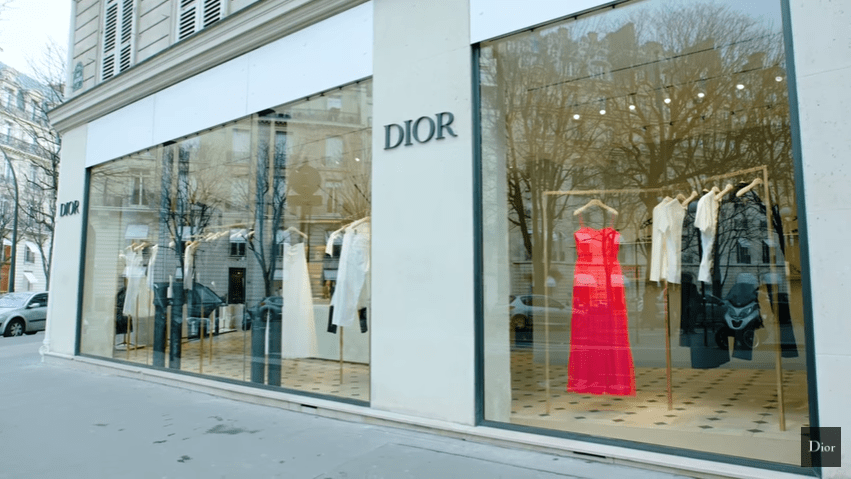
  • Dior Unveils Largest Southeast Asia Outlet In Bangkok: A New Era Of Luxury Retail Experience

    Dior Unveils Largest Southeast Asia Outlet In Bangkok: A New Era Of Luxury Retail Experience

    Dior Beauty has unveiled its most expansive outlet in Southeast Asia, located in the Siam Takashimaya section of Bangkok’s IconSiam center. This move marks a strategic expansion in one of the most significant luxury consumer markets in the region.

    The latest Dior store exemplifies the firm’s innovative global retail strategy. It offers a curated selection of fragrances, makeup, and skincare products, all under one roof. The focus is on delivering a tailored and immersive retail experience for the brand’s discerning customers.

    A standout feature of the boutique is the private VVIC Lounge, a space meticulously designed for personalized beauty consultations. Additionally, beauty enthusiasts can indulge in Dior La Suite, an exclusive room offering bespoke facials using the brand’s cutting-edge skincare technology.

    Fragrances play a pivotal role in the store’s unique ambiance. The exquisite La Collection Privee Christian Dior is showcased in a distinct area, shaped in collaboration with the celebrated perfume creation director, Francis Kurkdjian. The boutique offers a host of customization services, such as refillable Amphora bottles and engraving.

    The boutique’s makeup area features top-tier products crafted under the guidance of Peter Philips, the creative and image director for Dior Makeup. This includes popular items like Rouge Dior and Dior Forever. Moreover, skincare ranges like Dior Prestige, Dior Capture, and L’Or de Vie are displayed with innovative digital diagnostic tools that help customers select suitable products.

    Since the dawn of the Year of the Horse, IconSiam has seen a rise in its luxury portfolio with several upscale brand debuts. One such example is Moncler, which opened its first company-owned store in Thailand at the IconSiam retail complex.

    Questions & Answers

    What is the standout feature of the new Dior Beauty boutique?
    The standout feature is the private VVIC Lounge, a space designed for personalized beauty consultations.

    What are some of the personalization services offered at the boutique?
    The boutique offers a host of personalization services such as refillable Amphora bottles and engraving.

    What are some of the featured product ranges at the store?
    The store features popular makeup items like Rouge Dior and Dior Forever as well as skincare ranges like Dior Prestige, Dior Capture, and L’Or de Vie.