Author: Mei Ling Tan

  • Swiss Financial Giant UBS Sparks Investment Insight at 14th ASEAN Summit in Singapore

    Swiss Financial Giant UBS Sparks Investment Insight at 14th ASEAN Summit in Singapore

    The global financial powerhouse UBS recently launched the 14th iteration of its Southeast Asia summit. The objective of the summit is to foster an exchange of insights and investment ideas for the upcoming year.

    The newly inaugurated UBS OneASEAN Summit has assembled in Singapore. The event has drawn an impressive crowd of over 850 individuals comprising institutional investors, influential policy makers, and industry leaders, the company revealed in a statement.

    The conference, spread over two days, is packed with panel discussions centered around various themes. These include global trade imbalances, investment prospects in China, Japan, and Europe, the future of gold and other precious metals, the rise of digital assets and artificial intelligence in the Association of Southeast Asian Nations (ASEAN), and the creation of new energy systems for the AI-driven economy.

    The distinguished panel of speakers at the summit includes Suahasil Nazara, Deputy Minister of Finance for Indonesia, Brad Setser from the Council on Foreign Relations, Alfred Schipke from the Lee Kuan Yew School of Public Policy, Ken Jimbo from the International House of Japan, Peter Conti-Brown from The Wharton School, University of Pennsylvania, and William Dalrymple, the acclaimed author.

    Robust Economic Growth

    As per Grace Lim, the Senior ASEAN and Asia Economist at UBS Investment Bank Global Research, the Gross Domestic Product (GDP) of the ASEAN-6 countries – Indonesia, Malaysia, Philippines, Singapore, Thailand, and Vietnam – is forecasted to grow by 4.9 percent in 2026.

    Lim explained that the region continues to benefit from strong integration into global manufacturing value chains, bolstered by a substantial domestic market. She stated, “The conditions for growth are still in place, with household consumption fueling momentum in Indonesia, a rise in private investment underway in Thailand and the Philippines, and a resilient tech-related export strength in Singapore and Malaysia.”

    Nicolo Magni, Head of UBS Global Banking South-East Asia & South Asia, added to this sentiment, saying, “Southeast Asia continues to be a strategic alternative for investors. We anticipate strong deal-making momentum to persist throughout 2026 and the capital markets will likely be more active in the healthcare, real estate, and consumer sectors.”

    Questions & Answers

    What is the objective of the UBS OneASEAN Summit?
    The objective of the summit is to foster an exchange of insights and investment ideas for the upcoming year.

    Who are the attendees of the UBS OneASEAN Summit?
    The event has drawn an impressive crowd of over 850 individuals comprising institutional investors, influential policy makers, and industry leaders.

    What is the predicted GDP growth for the ASEAN-6 countries in 2026?
    The Gross Domestic Product (GDP) of the ASEAN-6 countries – Indonesia, Malaysia, Philippines, Singapore, Thailand, and Vietnam – is forecasted to grow by 4.9 percent in 2026.

  • Standard Chartered Boosts Digital Assets Strategy, Appoints Karby Leggett as Asia Lead Amid Crypto Surge

    Standard Chartered Boosts Digital Assets Strategy, Appoints Karby Leggett as Asia Lead Amid Crypto Surge

    Standard Chartered, a leading UK-based financial institution, has recently announced the appointment of Karby Leggett as the regional head of digital assets. This move comes amidst the swift rise in the acceptance and adoption of digital currencies, tokenized assets, and stablecoins.

    Leadership in Digital Assets

    Karby Leggett’s new role will span across Greater China, North Asia, South Asia, and ASEAN as part of the Digital Assets Center of Excellence at Standard Chartered. This appointment is in addition to his existing position as the global head of the official institutions group, which is a part of the bank’s global research team.

    The expanded responsibilities have been introduced as digital assets and official sector engagement increasingly intersect across the bank’s markets. This trend is driven by clients who are exploring the transformative potential of these technologies for their business models and financial ecosystems.

    The Strategic Importance of Digital Assets

    Mr. Leggett’s vast experience in working with governments, multilateral organizations, and other official sector stakeholders will be critical in accelerating Standard Chartered’s digital assets strategy. His expertise will also contribute to reinforcing the bank’s leadership in this area and in delivering innovative solutions to its clients across Asia.

    This sentiment was echoed by Eric Robertsen, the global head of research and chief strategist, and Rene Michau, the global head of digital assets. They jointly stated, “Karby’s extensive experience positions him to accelerate our Digital Assets strategy, deepen our leadership, and support the delivery of innovative solutions for our clients across Asia.”

    Questions & Answers

    Who is the new regional head of digital assets at Standard Chartered?
    Karby Leggett was recently appointed as the new regional head of digital assets at Standard Chartered.

    What regions will Karby Leggett’s new role cover?
    Mr. Leggett’s role as the regional head will cover Greater China, North Asia, South Asia, and ASEAN.

    How will Karby Leggett’s appointment impact Standard Chartered’s digital assets strategy?
    Karby Leggett’s vast experience in working with governmental and official sector stakeholders is anticipated to accelerate Standard Chartered’s digital assets strategy, as well as strengthen its leadership and support the delivery of innovative solutions for its clients across Asia.

  • Coca-Cola Unveils New Absolut Vodka & Sprite Fusion: A Game Changer in Australia’s Ready-to-Drink Market

    Coca-Cola Unveils New Absolut Vodka & Sprite Fusion: A Game Changer in Australia’s Ready-to-Drink Market

    Coca-Cola Australia has broadened its alcoholic ready-to-drink range with the introduction of mixed drinks featuring Absolut Vodka and Sprite.

    Varieties in the New Range

    The new product line includes two distinct variants: Absolut Vodka Mixed with Sprite and Absolut Vodka Mixed with Sprite Zero Sugar. Both the versions maintain a modest alcohol by volume (ABV) content of 5 per cent, offered in 330ml cans.

    Available Packaging Options

    Customers have the option to buy these beverages in 4-packs, 10-packs, or bulk 24-can cases. The range of packaging options caters to different customer needs, whether it’s for personal consumption or a social gathering.

    Developing a Premium, Refreshing RTD Option

    Matthias Blume, Vice President of ARTD at Coca-Cola Australia, spoke about the recent launch. He stated that the introduction of Absolut Vodka Mixed With Sprite is a fusion of two renowned brands, aiming to provide a high-quality, invigorating ready-to-drink option for consumers in Australia. He also emphasized that this product is a valuable addition to their expanding ARTD portfolio, as it mirrors the ongoing momentum of the category and responds to the increasing consumer demand.

    Notably, this isn’t Absolut Vodka’s first foray into creative flavor combinations. The brand had previously collaborated with Tabasco to introduce a spicy flavor variant to its range.

    Questions & Answers

    What are the two versions of the new product launched by Coca-Cola Australia?
    Absolut Vodka Mixed with Sprite and Absolut Vodka Mixed with Sprite Zero Sugar are the two versions introduced in the new range.

    What are the available packaging options for this new range?
    Consumers can purchase these beverages in 4-packs, 10-packs, or 24-can cases.

    What is the significance of this new product range according to Matthias Blume, VP ARTD at Coca-Cola Australia?
    Matthias Blume suggests that the introduction of Absolut Vodka Mixed With Sprite reflects not only the momentum of the category but also the increasing consumer demand. It is intended to provide a premium, refreshing ready-to-drink option for Australian consumers.

  • Estee Lauder Seals the Deal: Full Ownership of India’s Luxury Beauty Brand, Forest Essentials

    Estee Lauder Seals the Deal: Full Ownership of India’s Luxury Beauty Brand, Forest Essentials

    Estee Lauder, a renowned global manufacturer and marketer of skincare, makeup, and beauty products, has acquired the remaining shares of the luxury Indian beauty brand, Forest Essentials. This move finalizes an 18-year partnership between the two entities, pending regulatory approval.

    Increase in Commitment and Position

    Stéphane de La Faverie, the president and CEO of Estee Lauder, emphasized that this acquisition underscores the company’s commitment to enhancing the growth of Forest Essentials. It also solidifies its standing in India’s high-end beauty market. De La Faverie expressed deep admiration for the vision and perseverance needed to create a brand of Forest Essentials’ stature. The shared objective is to further solidify the brand’s leadership domestically, while prudently introducing it to a global market.

    A Brand Rooted in Tradition

    Forest Essentials, established in 2000 by Mira Kulkarni, draws its inspiration from Ayurveda. This age-old Indian wellness system, with a history spanning approximately 3000 years, concentrates on creating harmony between the mind, body, and spirit. Forest Essentials has successfully transformed these traditional rituals into contemporary formulations and immersive retail experiences, placing Ayurveda in the luxury beauty segment. Today, Forest Essentials is a leading brand with about 200 stores spread across India.

    Future Direction

    Despite the acquisition, Forest Essentials will retain its headquarters in New Delhi under the leadership of Mira Kulkarni and her son, Samrath Bedi, who is the executive director. The brand will continue its operations in India, including infusing research and development with Ayurveda principles, sourcing botanicals locally, and manufacturing in-house.

    The collaboration with Estee Lauder will allow Forest Essentials to tap into the latter’s worldwide brand-building capabilities, distribution network, and operational proficiency. This will foster long-term growth while preserving the brand’s heritage.

    Kulkarni expressed that the next phase of the company’s evolution will concentrate on international expansion while preserving its Indian roots. She reiterated that Ayurveda is not simply a belief system, but a refined combination of science, ritual, and holistic wellbeing. She added that this new phase signifies both continuity and growth.

    Questions & Answers

    What is the significance of Estee Lauder’s acquisition of Forest Essentials?
    This acquisition reinforces Estee Lauder’s commitment to the growth of Forest Essentials and strengthens its position in the Indian luxury beauty market.

    What impact will the acquisition have on the operations of Forest Essentials?
    Forest Essentials will remain headquartered in New Delhi and continue its operations in India. It will also leverage Estee Lauder’s global brand-building capabilities, distribution network, and operational expertise to support long-term growth.

    What will be the focus of Forest Essentials’ next stage of development?
    Forest Essentials will focus on international expansion while maintaining its Indian roots and preserving the brand’s heritage.

  • Central Retail Amplifies Vietnam Presence: Plans for 30 New Stores to Bolster Retail Expansio

    Central Retail Amplifies Vietnam Presence: Plans for 30 New Stores to Bolster Retail Expansio

    Thailand’s Central Retail, a notable force in the retail industry, is gearing up to increase its investments in Vietnam. The company has announced its intentions to initiate the launch of over 30 new large-format stores in the country within the upcoming years.

    Expansion Plans

    In its expansion blueprint, Central Retail plans to introduce 10 to 12 Go! malls and hypermarkets as well as 23 to 25 mini Go! stores in Vietnam. This ambitious expansion project is set to span from 2026 to 2028. The move is indicative of Vietnam’s rapidly growing retail market, which has attracted several international and local retail entities. Companies like Japan’s Aeon, South Korea’s Lotte, and Vietnam’s own WinMart have been escalating their presence to leverage the increasing household expenditure.

    Central Retail’s Growth in Vietnam

    Central Retail made its debut in the Vietnamese market in 2012, starting with a fashion retail business. Since then, the company has evolved into one of the most prominent foreign multi-format retailers in the country. As of now, Central Retail manages 43 Go! hypermarkets, 16 mini Go! malls, nine Tops Market supermarkets, and 23 LanChi Mart stores across Vietnam.

    Digital Capabilities Strengthening

    In addition to its physical expansion, Central Retail is also dedicated to bolstering its digital capabilities. However, the company has identified several challenges that could potentially hinder its growth. Complex land procedures and the intricate licensing requirements for foreign-invested shopping mall projects could potentially impact the development timelines.

    Earlier this year, marking a shift in its business strategy, Central Retail divested its entire stake in Nguyen Kim Electronics. This move saw the company pull out of Vietnam’s consumer electronics segment after enduring years of financial losses.

    Questions & Answers

    When did Central Retail first enter the Vietnamese market?
    Central Retail made its foray into the Vietnamese market in 2012 with a fashion retail business.

    What is Central Retail’s current footprint in Vietnam?
    Central Retail currently operates 43 Go! hypermarkets, 16 mini Go! malls, nine Tops Market supermarkets, and 23 LanChi Mart stores across Vietnam.

    What challenges does Central Retail foresee in its expansion in Vietnam?
    According to Central Retail, complex land procedures and intricate licensing requirements for foreign-invested shopping mall projects could potentially impede its growth and affect its development timelines.

  • JD Revenue Underwhelms Amid Subsidy Shrinkage and E-Commerce Rivalry in China

    JD Revenue Underwhelms Amid Subsidy Shrinkage and E-Commerce Rivalry in China

    Chinese e-commerce giant JD has recently reported quarterly revenues that fell short of the market’s expectations. This underperformance has been attributed to tough competition and dwindling advantages from government subsidies, which have impacted the company’s demand.

    China’s Consumer Demand Weakness

    In recent years, consumer demand in China has seen a significant decrease. This downturn can be traced back to a range of contributing factors such as the ongoing crisis in the property sector, concerns over employment, and geopolitical tensions. All of these have placed a strain on the growth of China’s economy, which is the second-largest globally.

    These challenges have made a significant impact on retailers like JD, currently the country’s largest home appliances seller. As consumers have been forced to reduce their discretionary purchases, this has directly affected the company’s revenues.

    The Impact of Government Subsidies

    In past quarters, JD was able to leverage government subsidies to boost its performance. However, the benefits from these subsidies are fading, particularly as year-on-year comparisons are becoming increasingly challenging.

    In an effort to drive sales, the company has been capitalizing on other product categories and exploring new revenue streams. This includes its instant retail business and advertising division.

    JD’s CEO, Sandy Xu, commented during a recent conference call with analysts that “Our growth drivers are becoming more diversified. The general merchandise category maintains a healthy growth trend, while service revenue, including advertising, will sustain rapid growth momentum.”

    E-commerce Competition and Future Outlook

    Despite these efforts, JD still faces stiff competition, particularly from e-commerce rivals such as Alibaba and PDD Holdings that have been increasing their discounts on China-based platforms. These aggressive promotions and price cuts have greatly affected profit margins.

    JD’s fourth quarter revenue rose by 1.5%, reaching 352.3 billion yuan (US$51.12 billion). However, this figure was below the average analyst estimate of 353.86 billion yuan, according to data from LSEG.

    As for JD’s future plans, Xu indicated that investment in the food delivery business is expected to decrease in 2026 compared to 2025. Furthermore, she predicted that the electronics and home appliances category might experience pressure in the upcoming first quarter due to a high base. However, growth could potentially accelerate in the second half of the year and exceed the first.

    Questions & Answers

    What factors have contributed to the decreased consumer demand in China?

    A prolonged crisis in the property sector, employment concerns, and geopolitical tensions have all significantly weighed on China’s economic growth, thereby decreasing consumer demand.

    How is JD addressing the challenges it’s facing in the current economic climate?

    JD has been seeking to diversify its growth drivers and explore new revenue streams, such as its instant retail business and advertising unit, to sustain its growth momentum.

    What are the company’s expectations for the future?

    JD’s CEO anticipates that the electronics and home appliances category will face pressure in the first quarter due to a high base. However, she expects growth to potentially accelerate in the second half of the year and exceed the first.

  • Experience Authentic Kyoto Lifestyle at Muji’s New Hotel Concept, Muji Base, Launching this May

    Experience Authentic Kyoto Lifestyle at Muji’s New Hotel Concept, Muji Base, Launching this May

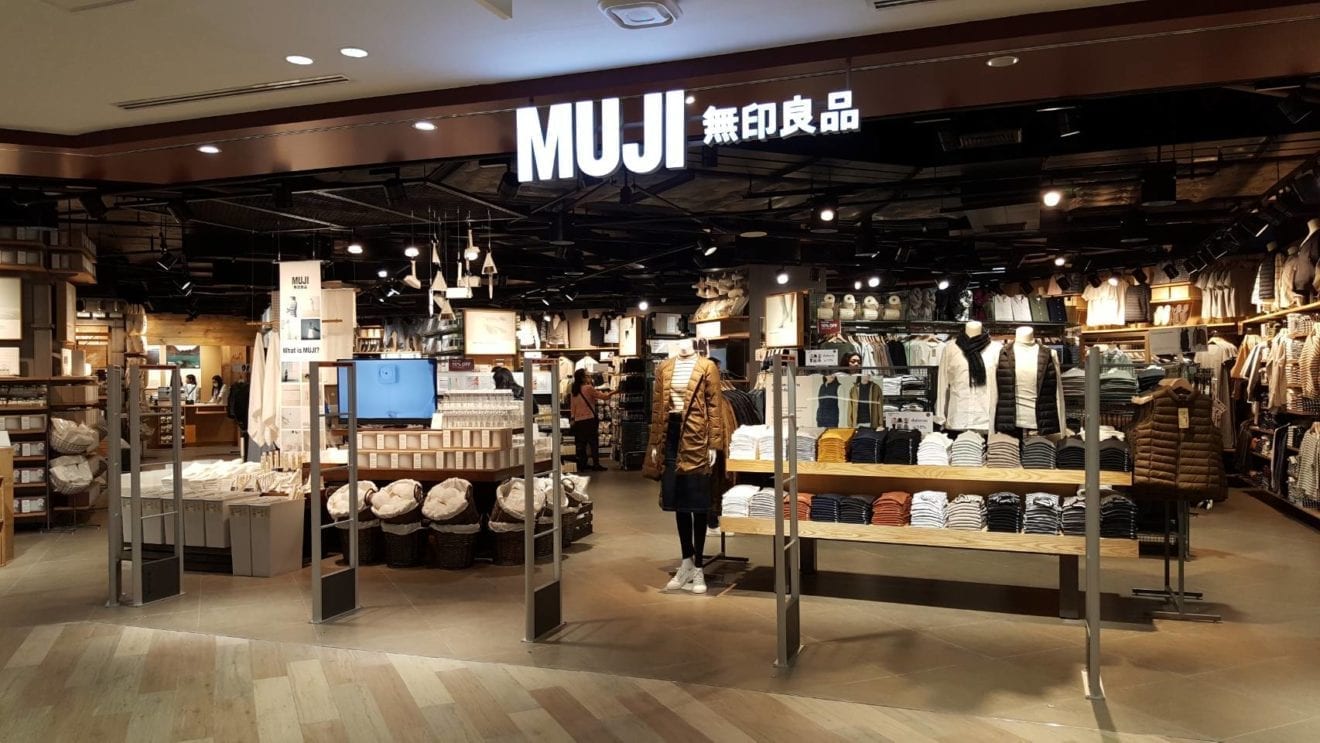
    Muji, the renowned Japanese lifestyle retailer, is set to launch a hotel in Kyoto, a city well-known for its rich historic and cultural heritage. The grand opening of this hotel, christened Muji Base Kyoto Kiyomizu, is slated for May 20th.

    Location and Renovation

    The newly established hotel can be found at the gateway to the historic Kiyomizu-dera Temple, a famed landscape and UNESCO World Heritage site in the city. A former 40-year-old building, previously known as the Amenity Hotel Kyoto, was renovated to create this 18-room hotel. The makeover included a preservation of the building’s original exterior.

    Offerings and Amenities

    Guest rooms, showcasing Muji products and furniture, also integrate art by local artists. Additional amenities include a utility room equipped with a water server, washing machine, dryer, and iron. The hotel’s ground floor features a lounge that serves Ogawa Coffee.

    Unlike the Muji Hotel in Ginza, Muji Base follows a new concept, situating itself in local neighborhoods rather than bustling urban areas. This positioning allows guests the opportunity to immerse themselves in the authentic local lifestyle and culture.

    Local Experiences

    Beyond the exploration of Kiyomizu-dera, the hotel has curated several community-based experiences for its guests. These include the practice of kintsugi, an art form that employs gold in the repair of broken pottery, traditional tea shops and gift stores, bathhouses, and outlets selling freshly made tofu. The hotel also facilitates participation in water-related purification rituals at temples.

    To aid in their exploration of the area, guests are provided with a ‘walking basket’ that contains maps, water bottles, and other essential items.

    The hotel is conveniently located approximately 15 minutes by car from Muji’s large format store in Kyoto. Here, guests can explore a vast selection of product offerings which, in addition to the brand’s standard lineup, includes an array of food items such as fresh vegetables, meat, fish, pre-prepared meals, and groceries.

    Booking and Rates

    Room rates at Muji Base Kyoto Kiyomizu start at 20,200 yen (US$128) per night. Reservations can be made via the hotel’s website.

    Questions & Answers

    Where is Muji’s new hotel located?
    The new hotel, Muji Base Kyoto Kiyomizu, is located in the city of Kyoto, at the entrance to the historic approach to Kiyomizu-dera Temple.

    What unique experiences does the hotel offer?
    The hotel offers guests the opportunity to involve themselves in several community-based experiences such as kintsugi, traditional tea shops and gift stores, bathhouses, and outlets selling freshly made tofu.

    How can room reservations be made?
    Reservations can be made directly through the hotel’s website.

  • Centurium Capital Brews Expansion with Acquisition of Blue Bottle Coffee from Nestlé

    Centurium Capital Brews Expansion with Acquisition of Blue Bottle Coffee from Nestlé

    In a strategic move, Centurium Capital, a private equity firm based in China and a significant investor in Luckin Coffee, has reportedly purchased the specialty coffee chain Blue Bottle Coffee from multi-national conglomerate Nestlé.

    Acquisition Details

    Reportedly, Centurium Capital is set to acquire Blue Bottle’s worldwide cafe operations at a price point under US$400 million. It’s anticipated that Nestlé will maintain ownership of other business components, which include Blue Bottle-branded coffee machines, capsule systems, and packaged coffee products.

    Inside sources have confirmed that an agreement has been signed, although the deal is still in the process of being formally closed.

    Luckin Coffee’s Expansion

    This acquisition occurs as Luckin Coffee continues its swift global expansion, now operating over 30,000 stores worldwide. The purchase of Blue Bottle is expected to bolster Luckin’s efforts to expedite its entry into the premium coffee market segment.

    Established in California in 2002, Blue Bottle has garnered a reputation in the specialty coffee market. Nestlé took a controlling stake in the brand in 2017 for an approximate sum of US$425 million.

    As of now, Blue Bottle oversees more than 100 locations across Asia and the United States.

    Previous Acquisition Considerations

    In the previous year, it was reported that Luckin Coffee was contemplating a bid for Blue Bottle, while Nestlé was reportedly collaborating with Morgan Stanley to evaluate a potential sale of the business.

    Questions & Answers

    What company has Centurium Capital reportedly purchased?
    Centurium Capital has reportedly acquired the specialty coffee chain Blue Bottle Coffee.

    What parts of the business will Nestlé retain?
    Nestlé is expected to retain Blue Bottle-branded coffee machines, capsule systems, and packaged coffee products.

    What effect will this acquisition have on Luckin Coffee’s market position?
    The acquisition of Blue Bottle is expected to support Luckin Coffee’s efforts to expedite its entry into the premium coffee market segment.

  • Thai Retail Giant CP Axtra Snaps Up The Food Purveyor in $421.6 Million Deal, Expanding Premium Grocery Footprint in Malaysia

    Thai Retail Giant CP Axtra Snaps Up The Food Purveyor in $421.6 Million Deal, Expanding Premium Grocery Footprint in Malaysia

    Thai retail powerhouse CP Axtra has secured a deal to acquire the Malaysian supermarket operator, The Food Purveyor, for a sum of US$421.6 million.

    The Food Purveyor’s Market Presence

    The Food Purveyor boasts a wide range of premium grocery brands under its umbrella, including Village Grocer, Ben’s Independent Grocer, BSC Fine Foods, OTK, and The Food Merchant. The company currently operates a broad network of 50 stores spread throughout Malaysia.

    CP Axtra’s Growth Trajectory

    CP Axtra, established in 1988, is one of the leading wholesale and grocery conglomerates in Thailand. It expanded into Malaysia by acquiring Tesco in 2020 and subsequently operating it under the brand name Lotus Malaysia. With a sprawling network of more than 2600 outlets spread across countries like Thailand, Malaysia, Cambodia, Vietnam, Singapore, Hong Kong, Oman, and the UAE, the company has established a significant presence worldwide.

    Strategic Acquisition

    This new acquisition forms part of CP Axtra’s comprehensive strategy to penetrate high-potential international markets, such as Malaysia. It also bolsters the company’s foothold in the premium grocery segment. Upon the deal’s completion, CP Axtra will operate in excess of 120 grocery chains nationwide. This figure combines 50 stores from The Food Purveyor and 70 stores from Lotus.

    The transaction is slated for completion in the fourth quarter, dependent on receiving the necessary regulatory approvals.

    Questions & Answers

    What major brands does The Food Purveyor operate under?
    The Food Purveyor operates major premium grocery brands such as Village Grocer, Ben’s Independent Grocer, BSC Fine Foods, OTK, and The Food Merchant.

    How has CP Axtra grown over the years?
    CP Axtra has grown significantly since its establishment in 1988. It now operates more than 2600 outlets across Thailand, Malaysia, Cambodia, Vietnam, Singapore, Hong Kong, Oman, and the UAE.

    What is the significance of this acquisition for CP Axtra?
    The acquisition of The Food Purveyor enables CP Axtra to expand into high-potential overseas markets such as Malaysia and strengthen its position in the premium grocery segment.

  • IKEA Revolutionizes Green Logistics with Autonomous Electric Trucks in China

    IKEA Revolutionizes Green Logistics with Autonomous Electric Trucks in China

    Ikea China has recently introduced electric autonomous trucks into its Shanghai logistics network, following the successful completion of a preliminary 35,000-kilometer trial program. The trial program, initiated in April of 2024, has since evolved into daily utilization for customer deliveries, creating a connection between the Ikea Xuhui store and the Shanghai distribution center.

    Autonomous Trucks in Action

    The electric autonomous trucks are tasked with the transportation of goods along a 40-kilometer course. The pilot phase of this initiative spanned a ten-month period, throughout which the vehicles were responsible for the successful delivery of over a thousand shipments. Now, having transitioned to full-scale operations, the primary objectives are to enhance logistics efficiency and minimize carbon emissions within the supply chain.

    Impact of Autonomous Software

    The implementation of autonomous software has had a profound impact on the optimization of routing and timing, thereby reducing the strain on Shanghai’s congested road networks caused by retail logistics. The transition to a fully electric, autonomous fleet aligns directly with Ikea’s ongoing global objective to become a climate-positive entity by the year 2030. This is achieved by curtailing energy consumption and reducing tailpipe emissions.

    Logistics Network Integration

    Fredrik Axén, a representative from Ikea China, stated the successful trial affirms the feasibility of integrating autonomous technology into their pre-existing logistics network. He emphasized that this progress enables Ikea to enhance its delivery capacity while simultaneously aligning their transport operations with their broader objectives to lower emissions.

    Questions & Answers

    What was the purpose of integrating electric autonomous trucks into Ikea China’s logistics network?
    The primary aim was to increase logistics efficiency and decrease carbon emissions within the supply chain.

    What was the outcome of the 35,000-kilometer trial program?
    The pilot program was successful, leading to the daily use of these electric autonomous trucks for customer deliveries between the Ikea Xuhui store and the Shanghai distribution center.

    How does this integration align with Ikea’s global goals?
    The successful integration of autonomous technology into their logistics network supports Ikea’s global goal to become climate-positive by 2030, by reducing energy consumption and tailpipe emissions.

  • Google Messages Embraces Trash Feature, Enhancing Message Recovery: A Page from Samsung and Apple’s Playbook

    Google Messages Embraces Trash Feature, Enhancing Message Recovery: A Page from Samsung and Apple’s Playbook

    Google Messages has been the focal point of numerous updates recently. With a keen emphasis on enhancing user experience, developers have introduced new features and improvements. One such feature is an updated Details page, designed to increase usability. Further modifications are on the horizon, with a significant change in the pipeline concerning how the platform handles message deletion.

    Recovering Mistakenly Deleted Messages

    Presently, if a user attempts to delete a message in Google Messages, a pop-up warns the user that deletion is permanent and irreversible. This means once the “Delete” button is clicked, the message is permanently erased. However, situations may arise where a conversation is accidentally deleted, or a user realizes they need a message that was previously deleted.

    In response to such scenarios, Google has implemented a Trash feature in their messaging app. Notable in the beta version 20260227 of the app, this feature aims to retain accessibility to deleted messages.

    New Trash Feature Replaces the Delete Option

    The new trash feature supersedes the existing delete option in Google Messages. With this feature, when a message is deleted, it is moved to a new trash folder instead of being permanently discarded. This folder can be accessed by tapping the profile icon located in the top-right corner of the app and selecting the “Trash” option.

    Deleted messages remain in the trash folder for 30 days. Users have the option to restore all messages or delete them all simultaneously using the ‘restore all’ or ‘delete all’ icons. There’s also a provision for restoring or deleting individual messages.

    The previous delete option, which appeared when opening a conversation and tapping the three-dot menu, has been replaced with the new Trash feature. The swipe actions menu has also been updated to display the new Trash option in place of Delete.

    Consequently, upon the rollout of this update, users cannot permanently delete messages immediately. Instead, messages will first transition to the Trash section, providing users with a second chance to review their content. If a user is certain that a specific message isn’t required, they can permanently delete it from the trash section.

    Google Messages Follows in the Footsteps of Samsung and Apple Messages

    The concept of a trash folder may seem familiar to users of Samsung Messages or Apple Messages. Samsung’s app features a dedicated Recycle Bin section, storing deleted chats for 30 days before permanently erasing them.

    Likewise, Apple devices move deleted messages to a Recently Deleted section, where users can choose to either restore the message or permanently delete it. Both Samsung and Apple’s messaging platforms have incorporated this feature for years, and Google Messages now joins the bandwagon.

    Questions & Answers

    What happens when a message is deleted in the new Google Messages update?
    When a message is deleted in the new Google Messages update, it is moved to a Trash folder instead of being permanently erased. Users can access this folder from their profile icon.

    How long will deleted messages remain in the Trash folder?
    Deleted messages will be stored in the Trash folder for 30 days.

    Can users restore deleted messages from the Trash folder?
    Yes, users have the option to restore all messages at once or select individual messages for restoration. They can also permanently delete all or selected messages from the Trash folder.

  • Embrace the Modern: Google Maps Unveils Fresh Icon Design on Android and iOS

    Embrace the Modern: Google Maps Unveils Fresh Icon Design on Android and iOS

    Google Maps, one of Google’s most popular apps and a fixture on the first-generation iPhone, has undergone another update. In its pursuit of continual improvement, Google has added new features and refined the app’s user interface over the years. Now, the tech giant has updated the Maps app icon for both Android and iOS versions.

    A Modern Look for Google Maps

    The new icon continues to feature the recognizable “pin” symbol, but its design has been significantly modified. The most prominent change is the color gradient that seamlessly transitions from one shade to another. This is a departure from the previous icon, which showed a diagonally placed “pin” with separate, differently colored boxes (blue, green, yellow, and red). The revamped “pin” is also larger, with the circle within it having increased in size. Consequently, the top ring of the pin has become much thinner.

    If you recall the Google Maps icon on the first iPhone, it depicted two intersecting lines, representing roads, with a red pin and a sign for Highway 280. Subsequently, the icon evolved into a folded map featuring blue, green, yellow, and white blocks, with a red pin to the right and a lowercase “g” in the upper left corner. The Android version of the app icon was similar but replaced the “g” with a capital letter.

    New Icon for Google Maps on iOS or Android

    The new icon should be visible in version 26.09.06.873668274 of Google Maps for Android users and version 26.09.5 for iOS users. If you are yet to see the new design, you may need to update your Google Maps app.

    For Android users, this can be done by opening Google Play Store, tapping on the profile icon in the right corner, selecting “Manage apps & device”, and viewing “details”. You can then scroll down to find Google Maps, and if an update is available, tap on “Update”.

    For iOS users, the process involves opening the App Store, tapping on the profile icon in the right corner, selecting “Updates”, and scrolling down to find Google Maps. If there is an update available, tap on the “Update” button.

    After the update, the new Google Maps icon should be visible on your phone, signifying a more modern-looking Google Maps.

    A Brief History of Google Maps

    For many, Google Maps has been an essential tool since its inception. I first used the app in 2007 on my iPhone. In 2009, I experienced Google Maps with turn-by-turn directions on the Motorola Droid, the first phone equipped with Android 2.0. It felt revolutionary at the time and was one of the key selling points for the Droid and other Android phones. It wasn’t until December 2012 that this feature was finally added to the iPhone.

    Questions & Answers

    What is the most notable change in the new Google Maps icon?
    The new icon features a color gradient, transitioning smoothly from one shade to another. This replaces the previous design of separate, differently colored boxes. The “pin” is also larger, with an enlarged circle inside it, making the top ring of the pin thinner.

    How can I update the Google Maps app to see the new icon?
    For both Android and iOS users, you may need to update the app through Google Play or the App Store. If an update is available, select “Update” and the new icon should appear once the update is complete.

    When was turn-by-turn navigation first introduced in Google Maps?
    Turn-by-turn navigation was first introduced on the Motorola Droid in 2009, which operated on Android 2.0. This feature was later added to the iPhone version of the app in December 2012.

  • Great Eastern Unveils Exclusive High Net Worth Services: Tailored Insurance and Elite Lifestyle Perks

    Great Eastern Unveils Exclusive High Net Worth Services: Tailored Insurance and Elite Lifestyle Perks

    Great Eastern, the insurance division of OCBC, has introduced a new service tailored specifically for high net worth (HNW) individuals and families across Asia.

    Great Eastern Private: A Tailored Experience

    The newly unveiled proposition is named Great Eastern Private. This service aims to bring together custom-designed HNW insurance solutions with a curated panel of expert advice and services spanning seven spheres. These domains encompass next-generation leadership, family advisory and trust services, health and longevity, international tax advisory, legal advisory, philanthropy, and global lifestyle concierge.

    In collaboration with Singapore Management University Executive Development, Great Eastern will conduct a cross-generational family program. This initiative will provide a platform for founders and family members to delve into topics like values, enterprise continuity, leadership transition, and long-term legacy.

    The Hewton Fair Suite: An Exclusive Offering

    Great Eastern is also offering HNW clients access to an exclusive area dubbed the Hewton Fair Suite, a nod to the company’s founder Alfred Hewton Fair. This premium space will feature on-site medical services in collaboration with Raffles Medical Group.

    CEO of Great Eastern, Greg Hingston, commented on the new proposition. He noted that as clients successfully amass wealth, the focus is now shifting to the careful and effective preservation and transfer of wealth. Great Eastern Private, he said, is a strategic move to invest in capabilities and services that meet this evolving customer need. He also affirmed the company’s commitment to remain the trusted insurance partner of customers throughout all life stages and generations.

    Questions & Answers

    What is the Great Eastern Private proposition?
    Great Eastern Private is a new service introduced by Great Eastern, the insurance arm of OCBC, designed specifically for high net worth individuals and families. It offers tailored insurance solutions and curated expert services across various domains.

    What are some of the services offered as part of Great Eastern Private?
    Services offered under Great Eastern Private encompass next-generation leadership, family advisory and trust services, health and longevity, international tax advisory, legal advisory, philanthropy, and global lifestyle concierge.

    What is the Hewton Fair Suite?
    The Hewton Fair Suite is an exclusive area offered to high net worth clients utilizing the Great Eastern Private service. It includes on-site medical services provided in partnership with Raffles Medical Group.

  • Pokemon Centre at Jewel Changi Aims for Localised Transformation – Get Ready for a Cultural Spin and Expanded Merchandise!

    Pokemon Centre at Jewel Changi Aims for Localised Transformation – Get Ready for a Cultural Spin and Expanded Merchandise!

    The Pokémon Centre, located in Jewel Changi Airport in Singapore, has decided to temporarily close its doors starting from April 1. This temporary closure is to allow for renovations aimed at introducing a completely localised store concept.

    Previous Store Offerings

    Ever since the center first opened in 2019, it has been a hub for a wide range of Pokémon-themed products. These products range from video games and trading cards to plush toys and bag charms.

    What to Expect from the Revamped Store

    Upon completion of the renovation, the revamped Pokémon Centre will feature several design elements and installations inspired by Singapore’s rich heritage and culture. Additionally, customers can look forward to an expanded merchandise selection and a host of immersive experiences.

    Temporary Pop-Up Stores

    During the three-month renovation period, Pokémon will set up temporary pop-up stores at Jewel Changi and Plaza Singapura. These stores will continue to cater to the needs of Pokémon fans, ensuring that they can still access their favorite merchandise during the renovation period.

    Shunsuke Sasaki, the Managing Director of Pokémon Singapore, reflected on the brand’s journey. “Over the past seven years, Pokémon has become an increasingly meaningful part of everyday life, and we are proud to have been part of that journey,” he said.

    He also shared a glimpse of what the refreshed store will offer: “The refreshed store will feature curated products, including some limited edition merchandise, and an enhanced interior design concept. We look forward to welcoming everyone soon.”

    The Pokémon Centre at Jewel Changi Airport is set to reopen its doors in the third quarter of the year.

    Questions & Answers

    When will the Pokémon Centre at Jewel Changi Airport be closed for renovations?
    The Pokémon Centre will be temporarily closed starting from April 1.

    What changes can customers expect from the revamped store?
    Customers can expect to see design elements and installations inspired by Singapore’s heritage and culture. The store will also offer an expanded merchandise range and immersive experiences.

    Will there be any temporary stores during the renovation?
    Yes, during the renovation period, Pokémon will open temporary pop-up stores at Jewel Changi and Plaza Singapura.

  • Molly Tea Brews up a Storm in Singapore with its Largest Southeast Asian Outlet

    Molly Tea Brews up a Storm in Singapore with its Largest Southeast Asian Outlet

    Molly Tea, a renowned Chinese tea chain, has marked its entrance into the intensely competitive food and beverage markets of Southeast Asia with the opening of its debut store in Singapore, situated at Orchard Central.

    The new establishment, which is the largest of its kind in Southeast Asia, has been designed to accommodate up to 40 customers at a time and spans across an impressive area of 1,400 square feet.

    Despite the recent unveiling of its Singaporean branch, the rapidly expanding brand is already laying plans for the inauguration of a second store in the country in the near future. The specifics of this forthcoming project have not yet been publicly disclosed.

    Molly Tea, with its origins in Shenzhen, was founded in 2020 and has since experienced an accelerated growth trajectory. This has not only allowed it to firmly establish its presence across China but also propelled it into international markets. The brand is largely recognised for its array of jasmine-based tea beverages.

    Currently, Molly Tea operates an extensive network of over 2,000 stores worldwide. Their reach extends to several major markets including, but not limited to, China, Thailand, Japan, and the United States.

    In the previous year, Molly Tea broadened its geographical footprint by foraying into the Indonesian market, establishing two stores in the capital city, Jakarta.

    Questions & Answers

    When and where was Molly Tea founded?
    Molly Tea was founded in Shenzhen, China in the year 2020.

    How many stores does Molly Tea operate globally?
    Currently, Molly Tea operates more than 2,000 stores across the globe.

    What type of beverages is Molly Tea known for?
    Molly Tea is particularly recognized for its diverse range of jasmine-based tea beverages.