Author: Mei Ling Tan

  • Sony Battles $2.7 Billion UK Lawsuit over Alleged PlayStation Store Monopoly

    Sony Battles $2.7 Billion UK Lawsuit over Alleged PlayStation Store Monopoly

    Sony, the Japanese multinational conglomerate, is currently battling a lawsuit worth nearly £2 billion (approximately US$2.7 billion) in London. The lawsuit alleges that Sony has used its monopoly positioning to inflate prices for digital games. This litigation is one of the latest mass consumer cases to be tried in the United Kingdom.

    Sony is being accused of manipulating its market dominance by making digital games and console add-ons available exclusively through its PlayStation Store. As a result, prices for these digital commodities are allegedly higher compared to their physical counterparts. Sony maintains that it has invested significant resources, time, and billions of dollars into developing an integrated gaming platform that is beneficial to consumers. Sony asserts that their business model, which rivals that of fellow gaming giants Nintendo and Microsoft’s Xbox, is competitive and fair.

    Sony’s legal team has also argued that the profit margin from the sales of games and additional content is reasonable. They state that the lawsuit does not take into account the company’s operating costs and the value of its brand.

    The Ongoing Lawsuit

    This case, which was brought before London’s Competition Appeal Tribunal (CAT) on behalf of nearly 12 million UK residents, is the third of its kind against a major tech company to go to trial since the beginning of 2025.

    Alex Neill, who is spearheading the case, stated that gamers have been overpaying and should be entitled to a monetary reimbursement. Initially, the case was estimated to be worth up to £5 billion, but this has since been scaled down to £1.97 billion.

    According to Robert Palmer, the lawyer representing Neill, Sony is able to set retail prices without any retail competition for digital content, enabling it to earn monopoly profits from digital distribution. However, Sony, which sold 8 million PlayStation 5 consoles between October and December, refutes this claim. The company argues that the lawsuit is essentially advocating for third parties to be permitted to establish a store for the PlayStation and capitalize on Sony’s investments.

    Other Pending Cases

    Apart from this, there are other lawsuits related to app stores that are still pending. Last year, the Competition Appeal Tribunal ruled against Apple over its App Store, a verdict which Apple is currently attempting to appeal.

    Google is also facing a lawsuit, with the trial set to begin in October. Epic Games, the creator of Fortnite and a potential participant in this case, recently withdrew its claim. This development occurred shortly after Google announced comprehensive changes to its Play Store policies.

    Questions & Answers

    What is Sony being accused of in the lawsuit?
    Sony is accused of abusing its dominant market position by making digital games and console add-ons available exclusively through its PlayStation Store, thereby allegedly driving prices higher than their physical counterparts.

    What is Sony’s response to these allegations?
    Sony maintains that it has invested significant resources into developing an integrated gaming platform that benefits consumers in a competitive market. Its legal team also argues that the company’s profit margin on game sales and additional content is reasonable.

    Are there any similar lawsuits against other tech companies?
    Yes, there are other similar lawsuits pending against tech giants like Apple and Google. Last year, the Competition Appeal Tribunal ruled against Apple over its App Store, a decision that Apple is currently seeking to appeal. Google is also set to face a lawsuit in October.
  • Inditex, Zara’s Parent Company, Reports Stellar Sales Boost Across All Brands in Annual Profit Surge

    Inditex, Zara’s Parent Company, Reports Stellar Sales Boost Across All Brands in Annual Profit Surge

    Inditex, the parent company of Zara, has seen considerable increases in its gross and net profits, fueled by robust sales across all its brands.

    The company’s total net revenue for the fiscal year ending January 31, 2025, climbed 3.2 per cent to €39.9 billion (US$46 billion). Taking into account the currency exchange, sales experienced a 7 per cent rise. Over the past three years, Inditex’s sales have surged by 22 per cent, with a concurrent decrease in the number of retail outlets by 6 per cent. This demonstrates the firm’s constant growth despite a decrease in physical retail presence.

    All brands within the Inditex group enjoyed sales growth throughout the fiscal year. The primary Zara enterprise, inclusive of Zara, Zara Home, and Lefties brands, saw a 1 per cent sales increase, reaching €28 billion.

    Profitable Performance By Other Brands

    Among other Inditex brands, Oysho topped the growth chart with a 15 per cent surge, closely trailed by Stradivarius and Bershka, each boasting over a 12 per cent rise. Additionally, Pull&Bear and Massimo Dutti each reported growth rates of 3.1 per cent and 3 per cent respectively.

    Inditex’s gross profit saw a 3.9 per cent increase to €23.2 billion, while the gross margin improved by 42 bps, bringing it to 58.3 per cent. Net income for the same period rose by 6 per cent to €6.2 billion.

    CEO of Inditex, Óscar García Maceiras, praised the company’s teams for their ability to maintain the trust of their customers across their eight commercial formats. He emphasized the importance of connecting with customers, understanding their needs, and providing top-tier products and services in driving long-term growth expectations.

    Positive Outlook

    At the conclusion of FY2025, Inditex managed 5460 stores across 214 markets. The company has continued to perform well into the new fiscal year, recording a 9 per cent increase in store and online sales between February 1 and March 8, after adjusting for the constant currency.

    Questions & Answers

    What was Inditex’s total net revenue for FY25?
    Inditex’s total net revenue for FY25 was €39.9 billion (US$46 billion).

    Which brand under Inditex reported the highest sales growth?
    Oysho, an Inditex brand, reported the highest sales growth with a 15 per cent increase.

    What was the net income for Inditex for the fiscal year ending January 31, 2025?
    Inditex’s net income for the fiscal year ending January 31, 2025, increased 6 per cent to €6.2 billion.

  • Sunshine Bakeries Unveils Limited Edition Musang King Durian Milk Bun: A Taste of Premium Durian Season in Every Bite!

    Sunshine Bakeries Unveils Limited Edition Musang King Durian Milk Bun: A Taste of Premium Durian Season in Every Bite!

    Sunshine Bakeries, a renowned bread manufacturer from Singapore, is gearing up to introduce its Musang King durian milk buns to the market on March 20, just before the onset of the durian season. The new delicacy will be available across leading supermarkets and convenience stores in Singapore, promising a unique flavor fusion for food connoisseurs.

    Features of the New Snack

    The Musang King durian milk bun boasts of authentic Musang King durian filing, derived from the scarce early-March harvest. The durian filing is beautifully complemented by Sunshine Bakeries’ famed Hokkaido Milk bun, offering a blend that is expected to win the hearts of durian lovers.

    The company has priced the bun at SGD2.50 (US$1.97). However, it’s important to note that the product will be available in limited quantities each day, considering the restricted availability of early-season yields.

    A Taste of the Season’s First Harvest

    Michelle Ang, chief marketing officer at Sunshine Bakeries, expressed her excitement about the product launch. She said, “Durian fans have a year-long desire for the fruit. By introducing the Musang King Durian Milk Bun, we aim to offer them a sneak peek into the first harvest of the season.”

    According to the company, the bun promises the highest standard of durian indulgence that is rich, custard-like, and aromatic.

    About Musang King Durian

    Musang King is a top-tier variety of durian, predominantly cultivated in Malaysia. It has gained considerable recognition this year, having been included in the list of the 25 best-rated fruits in Southeast Asia. The selection was made based on votes cast by readers of an international food magazine in February.

    Questions & Answers

    When will Sunshine Bakeries start selling the Musang King durian milk buns?
    The Musang King durian milk buns will be available from March 20.

    Where can customers purchase the Musang King durian milk buns in Singapore?
    The new snack will be available across leading supermarkets and convenience stores in Singapore.

    What is special about the Musang King durian milk bun?
    The bun features authentic Musang King durian filling derived from the early-March harvest, paired with Sunshine Bakeries’ signature Hokkaido Milk bun. The company promises a rich, custard-like, and aromatic indulgence with this new product.

  • Former Uber Executive Ascends to the Helm of Gojek Singapore: Janine Teo Steps in as New General Manager

    Former Uber Executive Ascends to the Helm of Gojek Singapore: Janine Teo Steps in as New General Manager

    Gojek Singapore, a leading ride-hailing platform, has made significant changes to its top leadership, appointing Janine Teo as its new General Manager. Teo is succeeding Lien Choong Luen, who decided to step down in February after steering the company for seven fruitful years.

    Teo is not new to Gojek; she has held multiple operational leadership positions within the company for over seven years. The company is confident in her capabilities to drive its business forward, thanks to her extensive experience. Teo’s main focus will be to continue enhancing Gojek’s platform, ensuring it remains a reliable tool that supports driver-partners and their livelihoods, and delivers dependable services to Singaporean consumers.

    Before her recent promotion, Teo held various roles, including Country Lead of Driver Experience and Operations Manager at Uber, where she served from 2017 to 2018. Later, she became the Head of Supply in Singapore at GoTo Group, the technology group overseeing Gojek, starting from 2020.

    Lien Choong Luen’s Departure

    Reflecting on his tenure, Lien has remarked that he had the privilege of witnessing the maturation of the ride-hailing industry during an especially intense period characterized by increased competition and stricter regulations.

    Navigating the challenges presented by the Covid-19 pandemic, including supporting drivers amid a sharp decrease in demand, was one of the significant hurdles that the company had to overcome under his leadership.

    Lien has shared that he plans to take a sabbatical and dedicate more time to his board roles, serving as the President of Singapore Athletics being one. Additionally, he is exploring fresh opportunities in the technology sector while catching up on the regional developments.

    After seven years at the helm of Gojek Singapore, with the business in a robust position, the company believes that it was an opportune moment for Lien to exit the role and follow his personal interests.

    Questions & Answers

    Who has been appointed as the new General Manager of Gojek Singapore?
    Janine Teo is the new General Manager of Gojek Singapore.

    What was Janine Teo’s position prior to her promotion?
    Teo previously held the position of Head of Supply in Singapore at GoTo Group, the technology group that oversees Gojek.

    Why did Lien Choong Luen step down from his role at Gojek Singapore?
    Lien decided to step down from his role at Gojek Singapore to focus on his personal interests, including his board roles and exploring opportunities in the technology sector.

  • US Dollar Soars to Year’s Peak Against Major Currencies, Dodging Inflation Threats”

    US Dollar Soars to Year’s Peak Against Major Currencies, Dodging Inflation Threats”

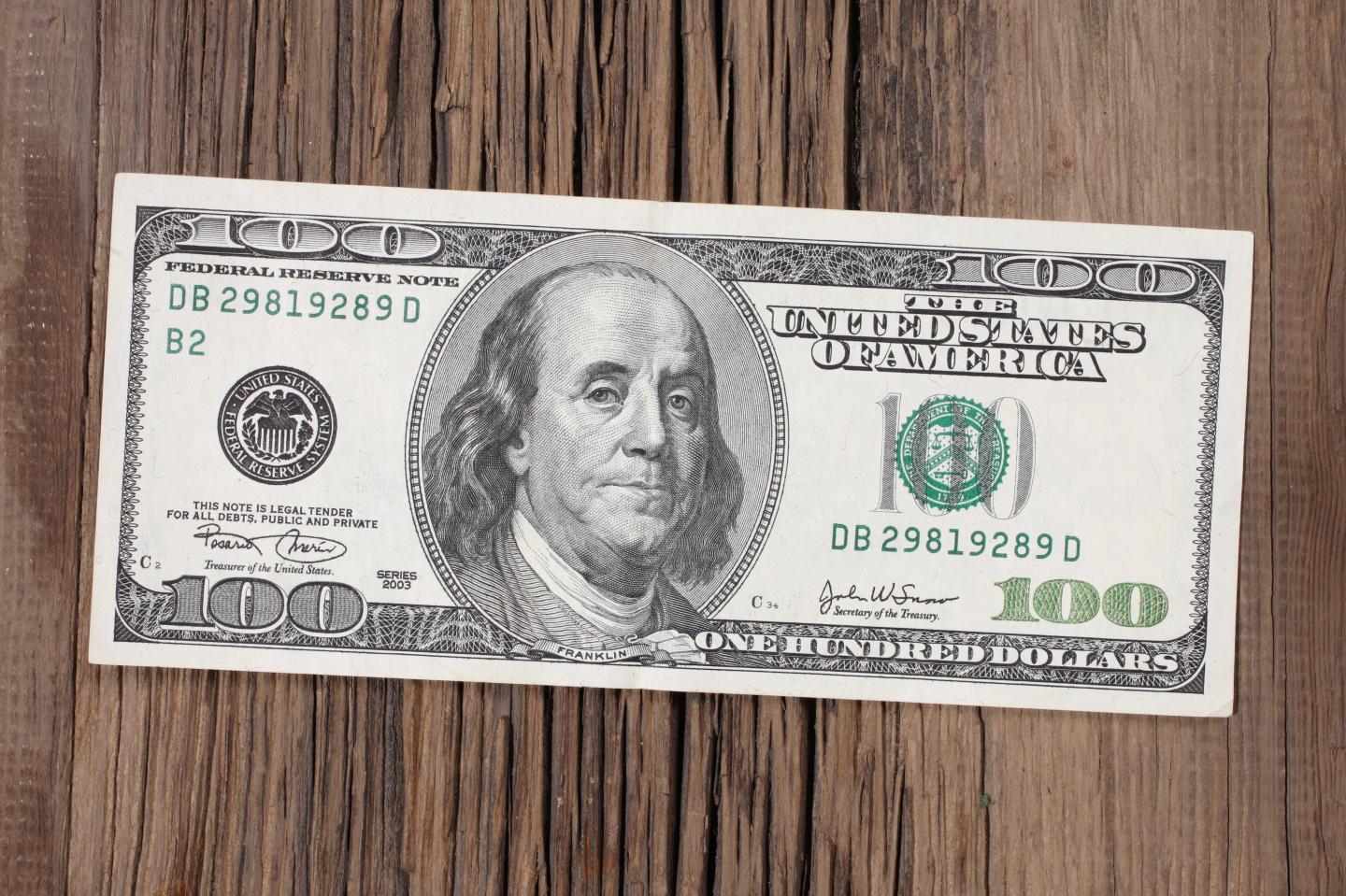
    The U.S. dollar experienced a surge against the Vietnamese dong on Thursday morning, while oscillating around its apex value against significant international currencies this year.

    Vietcombank, a prominent banking institution, reported a minor increase of 0.01% in the value of the dollar, selling it at a rate of VND26,314.

    Contrarily, the U.S. dollar dipped slightly by 0.18% to VND27,910 in the unofficial currency exchange market, also known as the black market.

    Thursday witnessed the U.S. dollar, a popular refuge during periods of financial instability, hovering near its most robust position for the year. This trend was driven by the rising oil prices, which are predicted to escalate inflation and compel central banks around the world to espouse more assertive monetary policies.

    In early Asian trading, the euro experienced a slight decline of 0.1% against the dollar, going down to $1.1549. This brought the euro close to its lowest value since November of the previous year.

    Similarly, the Japanese yen saw a momentary fall, surpassing the 159-per-dollar mark. It depreciated as much as 0.2%, reaching 159.23. This puts the yen on the brink of its most diminished value since July 2024.

    The Australian dollar and the New Zealand dollar also observed declines, both slipping by 0.1%, with the former valued at $0.7148 and the latter at $0.5907.

    Questions & Answers

    What factors influenced the rise in the value of the U.S. dollar?
    The uptick in the value of the U.S. dollar can be attributed to the increasing oil prices, which are expected to instigate inflation and cause global central banks to adopt a more aggressive policy stance.

    How did the rise in the U.S dollar affect other major international currencies?
    The rise of the U.S dollar resulted in a slight depreciation of several international currencies such as the Vietnamese dong, the euro, the Japanese yen, the Australian dollar, and the New Zealand dollar.

    What was the selling rate of the U.S. dollar in the black market?
    In the black market, the U.S. dollar saw a nominal decline, with its rate recorded at VND27,910.

  • Hugo Boss Triumphs Amid Challenges: Sees Uplift in Annual Sales Regardless of China’s Downturn

    Hugo Boss Triumphs Amid Challenges: Sees Uplift in Annual Sales Regardless of China’s Downturn

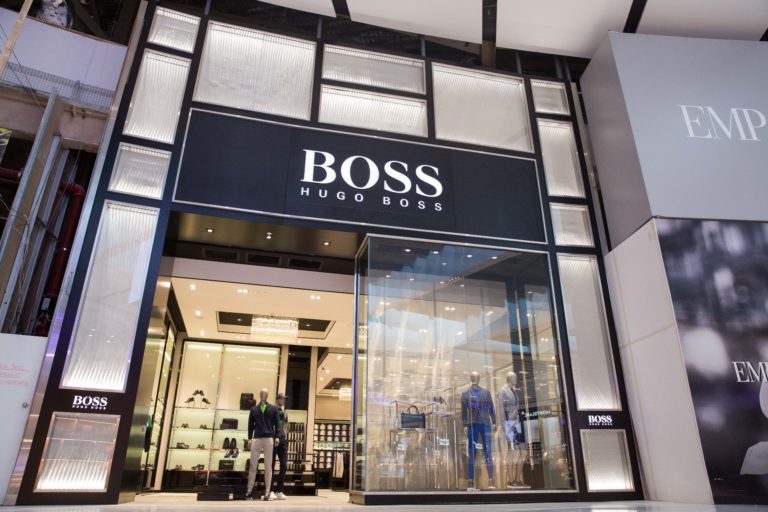
    Hugo Boss, a renowned German fashion company, recently disclosed a slight increase in sales for the preceding fiscal year, which concluded with a robust last quarter.

    The company’s sales for the fiscal year 2025 demonstrated a 1% drop, reaching EUR 4.27 billion (US$4.97 billion). This decrease is attributed to unfavorable currency fluctuations and subdued consumer confidence triggered by macroeconomic and geopolitical instability. However, after considering the impact of currency exchange, there was a 2% rise in sales.

    Geographical Sales Breakdown

    Examining sales by region, Hugo Boss saw a 5% decrease in currency-adjusted sales in the Asia-Pacific region, largely due to restrained local demand in China. In contrast, the company enjoyed a 2% increase in revenues in the EMEA region, propelled by advancements in major European markets such as Germany and France.

    Company management emphasized the remarkable growth in the fourth quarter, with a reported 2% sales increase and 7% rise on a constant currency basis.

    Growth Factors

    This positive performance is credited to a resurgence in physical retail, a modest uptick in comparable-store sales, a fruitful holiday season, and impactful brand and product initiatives.

    The Boss Menswear brand saw a 3% increase in currency-adjusted revenues for the year. However, sales for Boss Womenswear and Hugo dropped by 5% and 4% respectively.

    Americas and Licensing Business Performance

    In the Americas, revenues saw a 3% increase, indicative of progressive improvements in the US market. Conversely, the company’s licensing business experienced a 5% decline in sales.

    The fiscal year ended on a high note, with EBIT (Earnings Before Interest and Taxes) growing 8% to reach EUR 391 million. This figure includes a significant 22% uplift in the fourth quarter.

    Hugo Boss CEO, Daniel Grieder, highlighted the rapid transformation of the fashion industry throughout the year. He pointed towards technological innovation, changing consumer preferences, and persistent macroeconomic and geopolitical instability as key influencers on the industry’s trajectory.

    Future Prospects

    Looking ahead to fiscal year 2026, Hugo Boss anticipates a mid- to high-single digit decline in currency-adjusted sales. This projection is based on the initiation of brand and channel realignments.

    Questions & Answers

    What were Hugo Boss’s sales for fiscal year 2025?
    Hugo Boss reported sales of EUR 4.27 billion (US$4.97 billion) for the fiscal year 2025.

    Which region experienced sales growth for Hugo Boss?
    The EMEA region saw a 2% increase in revenues, driven by performance in key European markets such as Germany and France.

    What are the company’s sales expectations for fiscal year 2026?
    Hugo Boss is forecasting a mid- to high-single digit decline in currency-adjusted sales for fiscal year 2026, due to brand and channel realignments.

  • Iranian Conflict Sparks 7% Surge in Vietnam’s Gasoline Prices: Government Leans on Stabilization Fund

    Iranian Conflict Sparks 7% Surge in Vietnam’s Gasoline Prices: Government Leans on Stabilization Fund

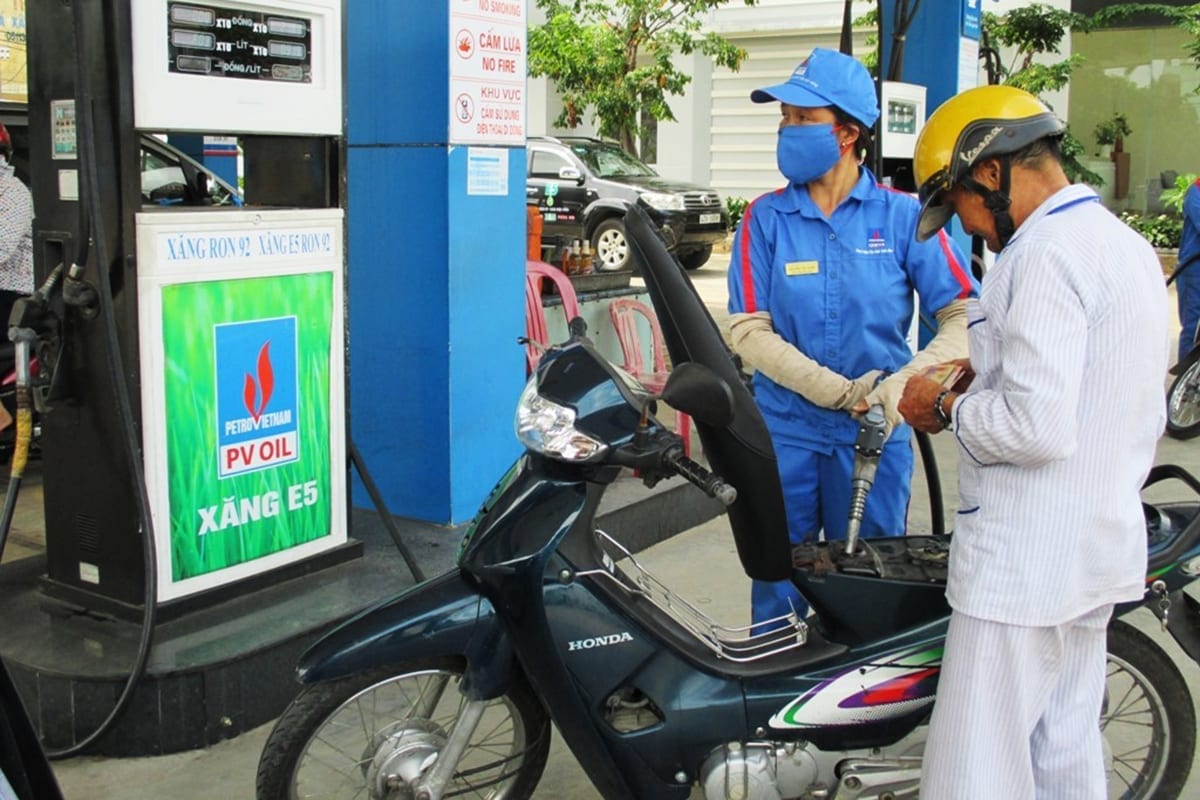
    The price of gasoline is on a continual rise, leading the government to depend on its stabilization fund to provide subsidies. On Tuesday, there was yet another increase, with the price of RON95 fuel skyrocketing by 7.69% to VND29,120 (US$1.11) per litre.

    Biofuel and Diesel Prices Also Rise

    Alongside gasoline, the prices of biofuel E5 RON92 and diesel also saw an increase. Biofuel E5 RON92 rose by 5.35% to VND26,570 per litre, while diesel prices saw a 1.59% increase, taking the price to VND30,710 per litre.

    For the first time in three years, both the Ministry of Industry and Trade and the Ministry of Finance have been forced to tap into the fuel stabilization fund. This has been done in an effort to subsidize RON95 by VND4,000 per litre and diesel by VND5,000 per litre.

    The price of RON95 is now approximately at the same level as it was in July 2022, a period when the global fuel supply chain was disrupted due to the Russia–Ukraine conflict. Diesel, on the other hand, is at its highest level since 2019.

    Global Market and Production Disruptions

    Ongoing military conflicts involving the United States, Israel, and Iran over the weekend have impacted the global market, according to ministry reports. All oil-exporting countries within the Gulf have cut down production as transport through the Strait of Hormuz is currently disrupted.

    It’s also notable that the trend of most countries stockpiling fuel has resulted in a sharp rise in global prices.

    The price of RON95 gasoline has seen a dramatic 27% increase to $147.5 per barrel, with diesel rising by 20%, kerosene by 4%, and mazut by 41%.

    Changes in Pricing and Supply

    Fuel prices in Vietnam were adjusted on Tuesday, deviating from the usual Thursday adjustment, to reflect global price changes of over 7%. Although global prices have begun to stabilize, domestic prices remain high due to a delay in the pricing cycle.

    Earlier on Tuesday, prices began to decline following a statement from U.S. President Donald Trump indicating that the conflict in the Middle East would soon come to an end.

    The prices of RON95 gasoline and diesel have dropped by around $20 per barrel in Singapore, falling to $127.2 and $160.4 respectively. These lower levels will be reflected in Vietnam after the next adjustment.

    To ensure short-term supply, Deputy Minister of Industry and Trade, Nguyen Sinh Nhat Tan announced that the government had procured four million barrels of oil from its partners. With this existing crude oil stockpile and further supplies expected shortly, he projects that the supply will suffice for 30–45 days, depending on demand and production plans at domestic refineries.

    Government Measures to Control Prices

    In addition to ensuring supply, the government is taking measures to control retail prices. They have slashed most favored nation import tariffs on gasoline and certain blending materials to zero. This move is intended to incentivize distributors to import fuel from countries that do not have free trade agreements with Vietnam.

    The Ministry of Finance has also requested that the government abolish the environmental protection tax on fuel starting March 12. Currently, this tax ranges from VND1,000-2,000 per litre, depending on the type of fuel.

    Questions & Answers

    What measures are the government taking to control the rising fuel prices?
    The government is using its stabilization fund to subsidize gasoline. They have also cut import tariffs on gasoline and certain blending materials to zero and are considering removing the environmental protection tax on fuel.

    What significant change has occurred in Vietnam’s fuel pricing system?
    Fuel prices were adjusted on Tuesday instead of the usual Thursday, due to the significant global price changes.

    How is the government ensuring short-term fuel supply?
    The government has procured four million barrels of oil from its partners, and more supplies are expected shortly. This is expected to meet domestic demand for the next 30–45 days.

  • Reliance Retail Bolsters Beauty Portfolio with Acquisition of Sustainable Skincare Brand Pahadi Local

    Reliance Retail Bolsters Beauty Portfolio with Acquisition of Sustainable Skincare Brand Pahadi Local

    Reliance Retail, a major Indian retail company, has successfully acquired the skincare and wellness brand, Pahadi Local. Pahadi Local, established in 2018, is well-regarded for its clean ingredient formulations, ethical sourcing practices, and sustainable product offerings. The company is known for its Himalayan ingredients, especially Gutti Ka Tel (Apricot Kernel Oil), which has gained widespread recognition and consumer loyalty.

    The Acquisition & Future Plans

    Reliance Retail’s acquisition of Pahadi Local aligns with its strategic goal to invest in promising Indian brands across multiple sectors, including beauty, wellness, fashion, and lifestyle. The retail giant has plans to foster Pahadi Local’s next growth phase by broadening its retail presence, strengthening its digital footprint, and fast-tracking innovation.

    The founding team of Pahadi Local will remain integral to the company’s operations post-acquisition, playing a crucial role in shaping the brand’s creative direction, product development, and overall philosophy.

    Comment from Reliance Retail

    Isha Ambani, executive director of Reliance Retail Ventures, commented on the acquisition, emphasizing the company’s focus on curating brands that blend authenticity, innovation, and significant consumer relevance. Ambani praised Pahadi Local’s commitment to Himalayan wellness traditions and responsible sourcing, making it a valuable addition to their beauty brand portfolio.

    Reliance Retail is a subsidiary of Reliance Retail Ventures, the umbrella corporation for all retail companies within the Reliance Industries group.

    Questions & Answers

    What is the main product offering of Pahadi Local?
    Pahadi Local is known for its skincare and wellness products primarily made from Himalayan ingredients, with Gutti Ka Tel (Apricot Kernel Oil) as its standout product.

    What are Reliance Retail’s plans for Pahadi Local post-acquisition?
    Reliance Retail plans to expand Pahadi Local’s retail presence, strengthen its digital footprint, and accelerate innovation to foster the brand’s next phase of growth.

    How will the founding team of Pahadi Local be involved in the brand post-acquisition?
    The founding team will continue to play a critical role in shaping the brand’s creative direction, product development, and overall philosophy.

  • Mr DIY Scales New Heights: Targets 3,000 Stores in Thailand by 2031 Following Stellar Growth

    Mr DIY Scales New Heights: Targets 3,000 Stores in Thailand by 2031 Following Stellar Growth

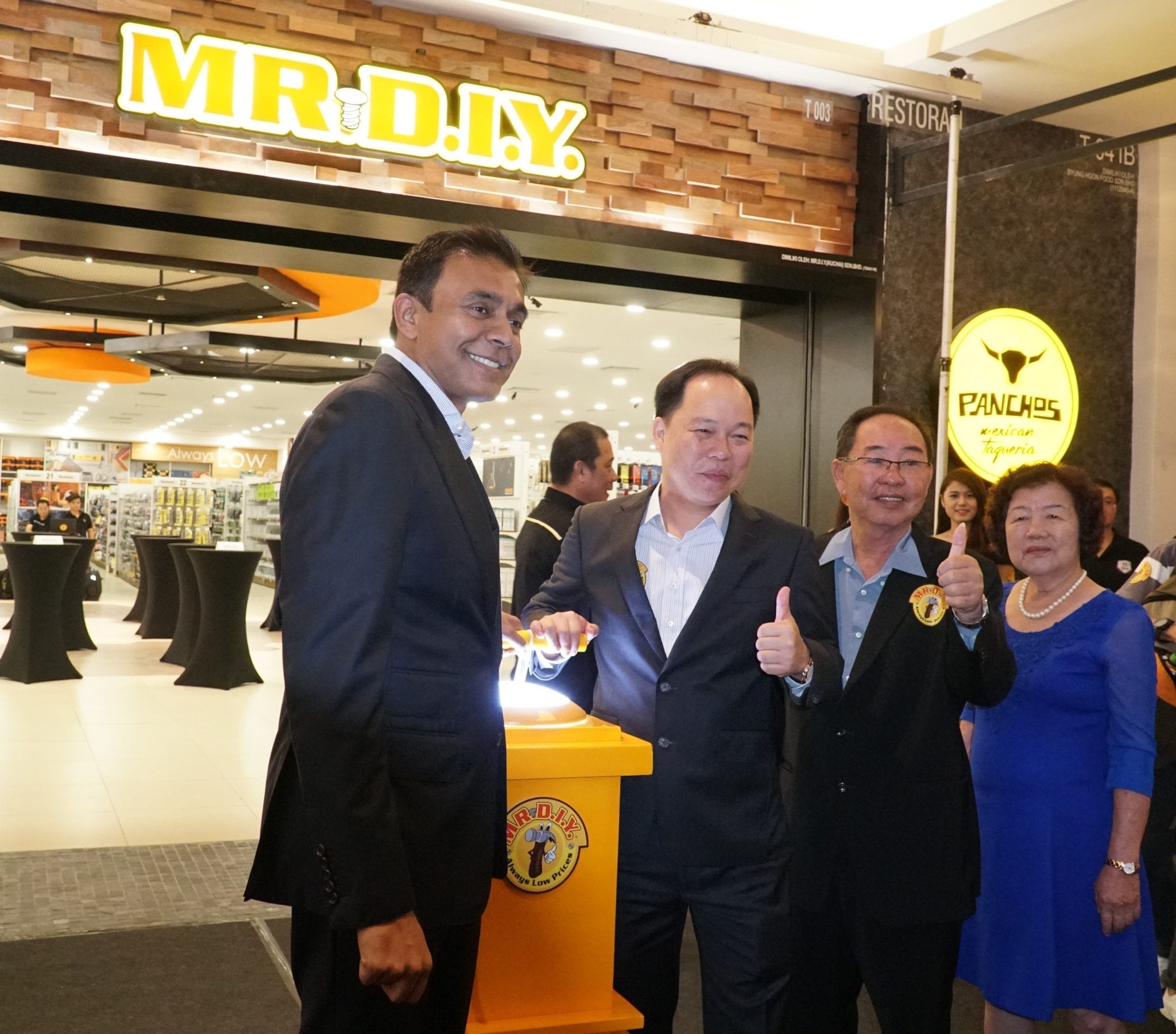
    Mr DIY, the biggest home improvement retail chain in Asia, is setting its sights on further expansion in Thailand, having recently reached the milestone of 1,000 stores in the country.

    Establishing a Strong Retail Presence

    Since its debut in Thailand in 2016, Mr DIY has broadened its reach significantly across 77 provinces. With its origins in Malaysia, the company now runs more than 5,000 stores in 11 countries worldwide.

    Andy Chin, the CEO of Mr DIY Thailand, expressed his excitement and optimism about the company’s future growth prospects. He shared some details about the expansion plans they have in place.

    Expansion Plans

    Mr DIY has set an ambitious target of opening an additional 210 stores in Thailand this year. In aid of this, the construction of an automated warehouse in Samut Prakan is currently in progress.

    This warehouse is set to function as a distribution center, thereby assisting Mr DIY in achieving its goal of 3,000 stores by 2031. By 2027, the company envisages having 1,500 stores operational within Thailand.

    Financial Performance

    In terms of financial performance, Mr DIY reported a revenue of THB20.1 billion during the fiscal year 2025, which was a 24.4 percent annual increase. Additionally, the company also witnessed a significant 47.8 percent surge in profits.

    Questions & Answers

    What is Mr DIY’s target number of stores in Thailand by 2031?
    Mr DIY aims to have 3,000 stores in Thailand by 2031.

    What is the role of the new warehouse in Samut Prakan?
    The new warehouse in Samut Prakan will serve as a distribution center to facilitate Mr DIY’s expansion goals.

    How has Mr DIY’s financial performance been in recent years?
    In the 2025 financial year, Mr DIY recorded a revenue of THB20.1 billion, marking a 24.4% yearly increase. Profits also saw a substantial increase of 47.8%.

  • Perth Welcomes Australia’s First Buffalo Milk Ice Cream: A Delectable Quindanning Buffalo and Mica Creamery Collaboration

    Perth Welcomes Australia’s First Buffalo Milk Ice Cream: A Delectable Quindanning Buffalo and Mica Creamery Collaboration

    Western Australia is about to get its first taste of buffalo milk ice cream, thanks to a new collaboration between Quindanning Buffalo and Mica Creamery.

    The limited-edition dessert is set to hit Mica Creamery stores across Perth from March 13. The product is produced in small quantities, using buffalo milk sourced locally. Ice cream enthusiasts can look forward to two tantalising flavours, Classic Vanilla and Rich Hazelnut Chocolate.

    Buffalo Milk: A Creamier Alternative

    Buffalo milk is renowned for its natural creaminess, a characteristic that lends itself well to the creation of exceptional dairy products. Its higher fat content compared to cow’s milk results in a denser and creamier texture, enhancing the overall taste and experience.

    Speaking on the collaboration, Graeme Carthy, owner of Quindanning Buffalo, expressed his enthusiasm about the partnership with Mica. He stated that Mica shared Quindanning Buffalo’s commitment to quality and artisanal products, making them an ideal partner to bring this unique ice cream to the residents of Perth.

    This joint venture is more than just the creation of a new ice cream flavour. It represents an opportunity for buffalo milk, a less common ingredient in Australia, to be introduced to a wider retail audience.

    Questions & Answers

    What is unique about the new ice cream product?
    The new ice cream is unique as it is the first in Western Australia to be made from buffalo milk, which is known for its natural creaminess and higher fat content.

    Where and when will the buffalo milk ice cream be available?
    The buffalo milk ice cream will be available at Mica Creamery stores across Perth from March 13.

    Why did Quindanning Buffalo choose to partner with Mica Creamery for this product?
    Quindanning Buffalo chose to partner with Mica Creamery as they share a passion for quality and artisanal products. The collaboration aims to introduce buffalo milk to a wider retail audience through this unique ice cream product.

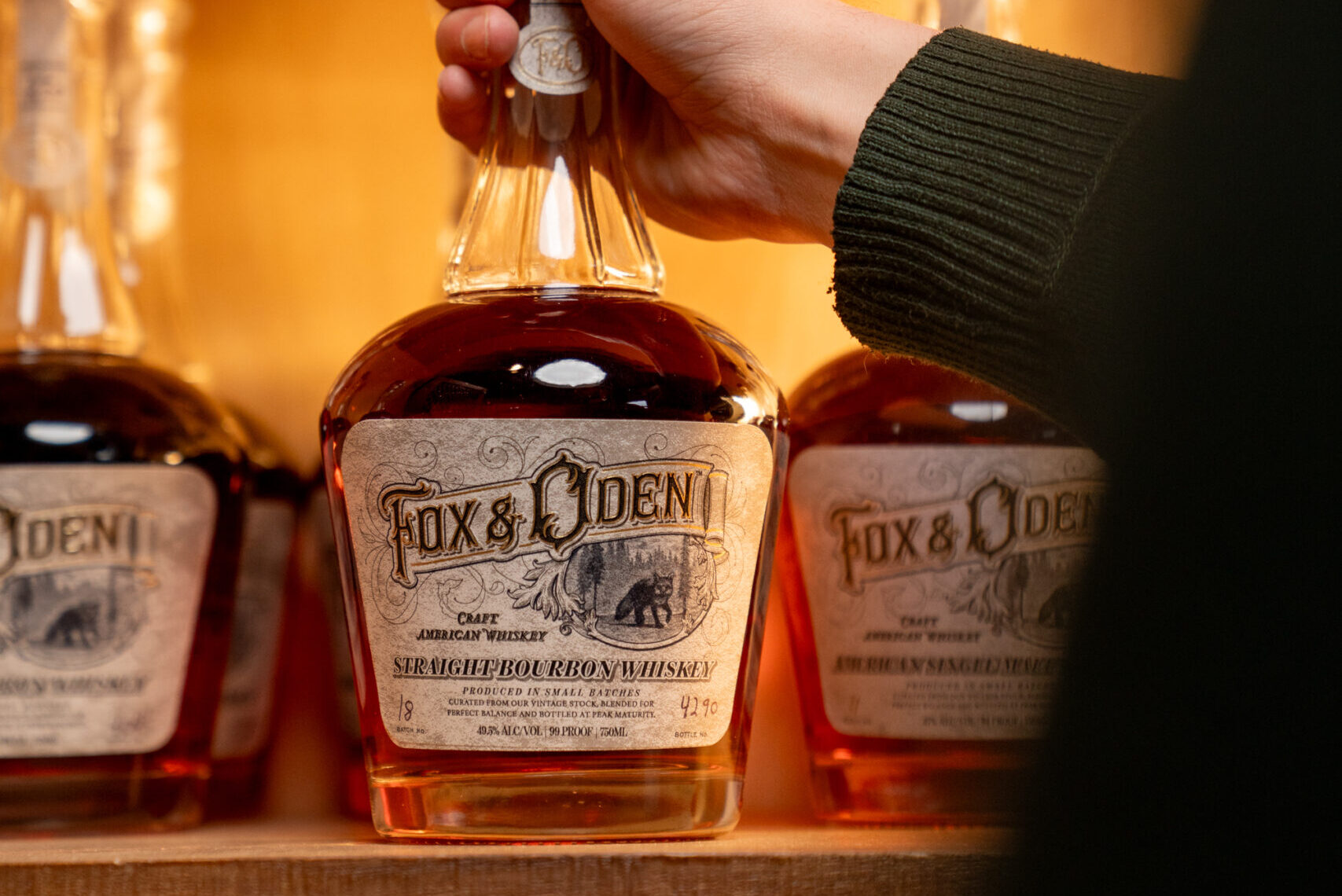
  • US Bourbon Brands Joseph Magnus & Fox & Oden Make Australian Splash: Unveiling Four Exceptional Expressions

    US Bourbon Brands Joseph Magnus & Fox & Oden Make Australian Splash: Unveiling Four Exceptional Expressions

    CraftCo Brands, a renowned American spirits company, has announced plans to bring its prestigious bourbon labels, Joseph Magnus & Co and Fox & Oden, to Australian markets. The venture will be realized through an exclusive distribution deal with Honey Barrel.

    The first batch set to grace Australian shores includes four distinctive expressions: Joseph Magnus Cigar Blend Bourbon, Murray Hill Club Bourbon, Jos A Magnus Bourbon, and Fox & Oden Double Oak Bourbon.

    Strategic Entry into Australian Market

    Ali Anderson, the CEO of CraftCo Brands, revealed that the move into Australia is a calculated strategy, given the country’s deep-rooted whiskey knowledge and high standards. He stated that the entrance into the Australian market is far from casual, considering the heightened expectations and sophisticated whiskey knowledge present.

    The CEO further emphasized that Joseph Magnus and Fox & Oden are designed on a foundation of blending precision combined with expert finishing. He expressed his belief that the Australian consumers will highly appreciate this level of craftsmanship.

    Distinctive Flavors and Expert Craftsmanship

    CraftCo has an impressive reputation for its Joseph Magnus range, particularly for its blending and cask-finishing techniques. On the other hand, Fox & Oden Double Oak stands out for its intricate barrel selection process and secondary maturation, which significantly contributes to the development of its unique flavor profile.

    Honey Barrel’s Kia Rasteh and Jack Carter expressed their confidence in the brands and their anticipation for the collaborative endeavor with the CraftCo team. They disclosed their long-standing admiration for the brands and their reputation for crafting memorable, high-quality whiskeys through expert blending and finishing.

    The duo also acknowledged Australia’s world-class bar and whiskey culture, expressing their certainty that these expressions will secure their spot on top-tier back bars and retail shelves.

    Availability

    Starting this month, Joseph Magnus & Co and Fox & Oden will be readily available through select premium retailers and on-premise venues nationwide.

    Questions & Answers

    What is the strategy behind CraftCo Brands’ entry into the Australian market?

    CraftCo Brands views Australia as a strategic market due to its deep whiskey knowledge and high standards. The company believes the Australian consumers will appreciate the high level of craftsmanship in their products.

    What are the distinctive characteristics of the Joseph Magnus and Fox & Oden brands?

    Joseph Magnus is known for its expert blending and cask-finishing techniques while Fox & Oden Double Oak is renowned for its intricate barrel selection process and secondary maturation, contributing to its unique flavor profile.

    Where will Joseph Magnus & Co and Fox & Oden be available in Australia?

    Beginning this month, these brands will be available at select premium retailers and on-premise venues nationwide in Australia.

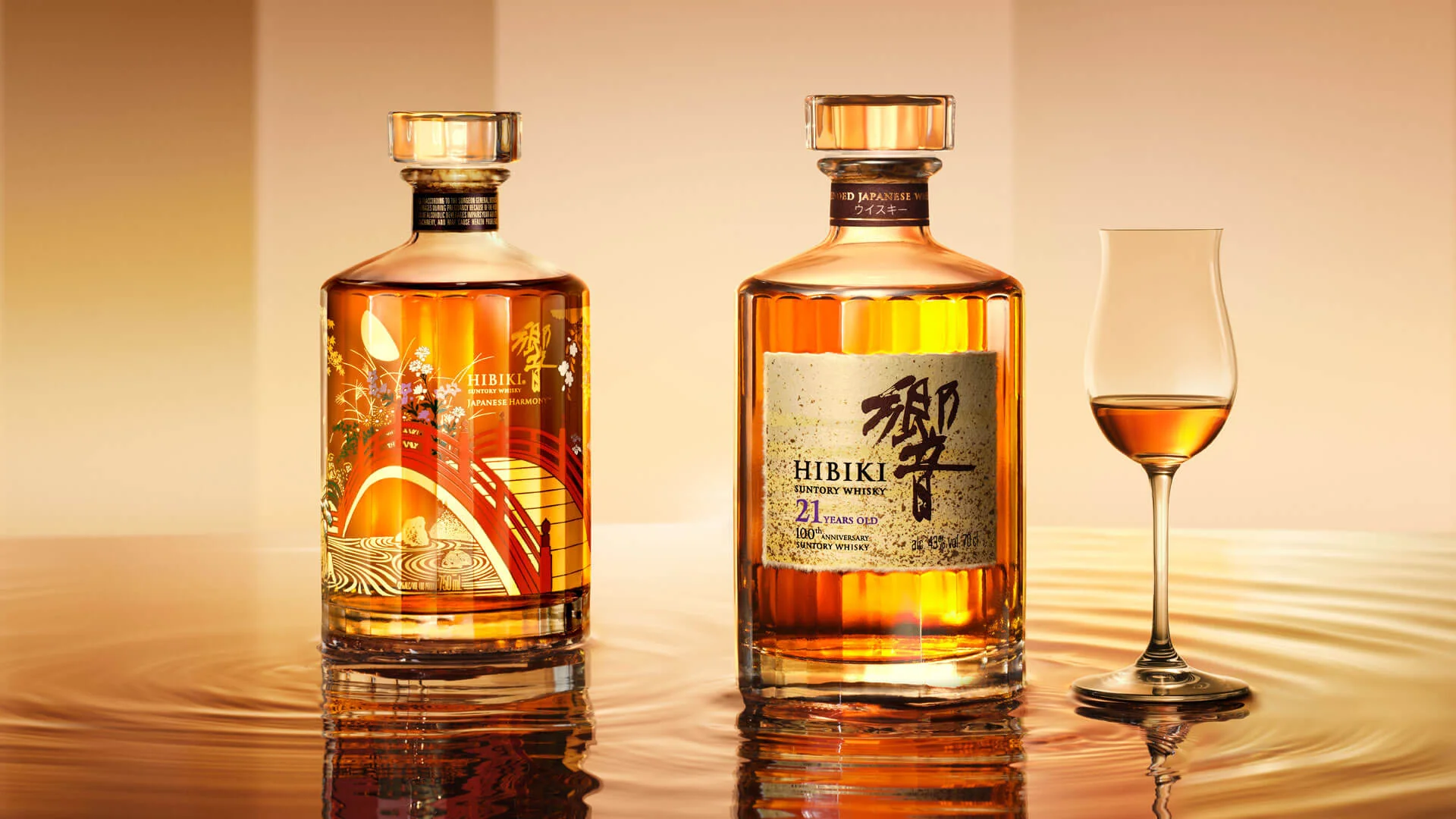
  • Suntory’s Minus 196 Unveils Zesty Lemon & Passionfruit Blend: A First in Australian Market

    Suntory’s Minus 196 Unveils Zesty Lemon & Passionfruit Blend: A First in Australian Market

    Global spirits manufacturer, Suntory, has introduced a new flavour to its product range – Minus 196 Lemon & Passionfruit. This debut marks a first for the brand in the local market, as it is the first time they have combined two fruit flavours in a single product.

    This latest addition comes on the heels of an extended phase of significant branding activities. Suntory has been a key sponsor for events such as the Laneway Music Festival and has established ‘Konbini’ pop-up bars across Sydney, Melbourne, and the Gold Coast.

    The Lemon & Passionfruit variant joins an already diverse Australian product lineup, which includes flavours such as Double Lemon, Double Peach, and Double Grape.

    Consumers can now purchase this new product in both four-pack and 10-pack formats from leading liquor retailers across the country.

    The team at Suntory is excited about this launch, with Johnny Morgan noting the distinctiveness of the Minus 196 range, owing to the innovative Japanese craftsmanship behind it. “With the introduction of our first combination flavour – Lemon & Passionfruit – we aim to redefine how true fruit-forward refreshments should taste,” he said.

    This launch follows Suntory Minus 196’s introduction of its lemon vodka in Australia last year.

    Questions & Answers

    What is the new flavour that Suntory has introduced?
    Suntory has introduced a new flavour to its product range – Minus 196 Lemon & Passionfruit.

    What’s unique about the new Minus 196 Lemon & Passionfruit flavour?
    The uniqueness of this product is that it is the first time Suntory has combined two fruit flavours in a single product.

    What are the other flavours in the Australian product lineup of Suntory?
    The existing Australian product lineup includes flavours such as Double Lemon, Double Peach, and Double Grape.

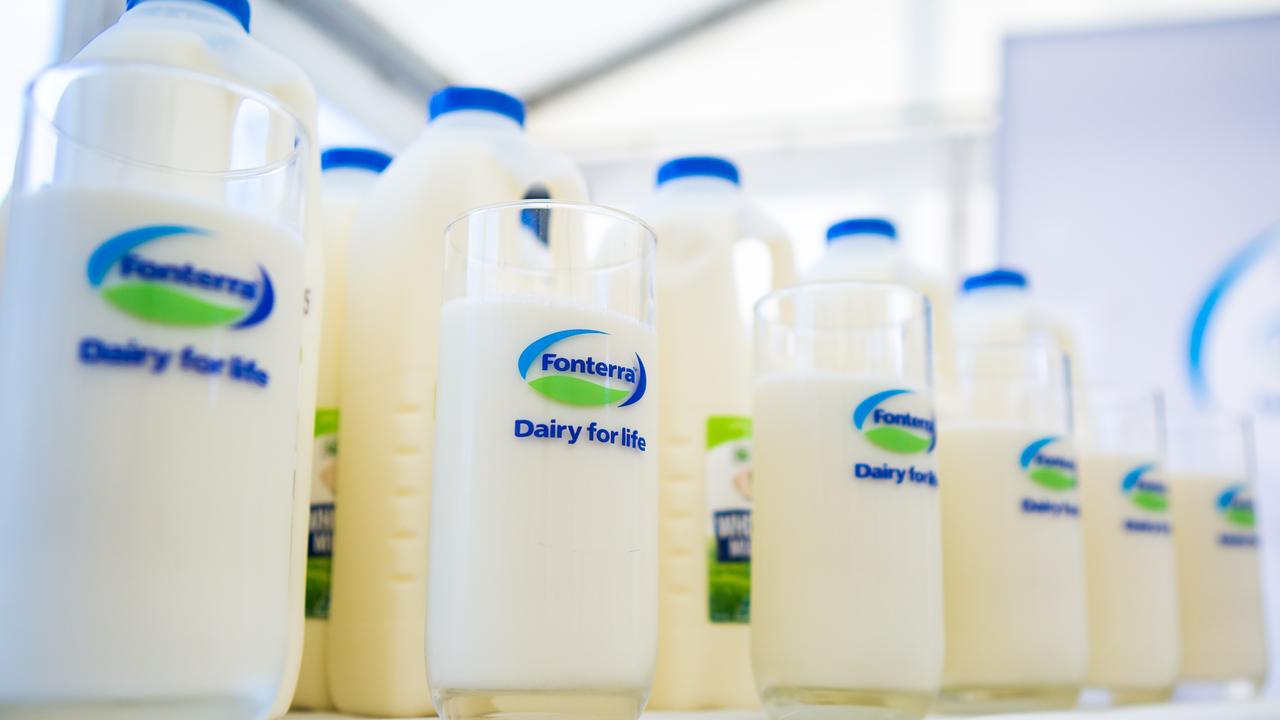
  • Final Countdown for Fonterra’s Multi-Billion Dollar Mainland Sale to Lactalis: Unconditional Deal Set for Imminent Closure

    Final Countdown for Fonterra’s Multi-Billion Dollar Mainland Sale to Lactalis: Unconditional Deal Set for Imminent Closure

    Fonterra, the New Zealand-based co-operative, has announced that it is on the cusp of finalising the sale of its Mainland consumer business. As of now, the deal has met all the necessary conditions and is set to conclude within the current month.

    Regulatory Approvals Secured

    Fonterra has assured that all mandatory regulatory approvals have been obtained, paving the way for the successful separation of the business. The company initially disclosed plans to sell its global consumer and associated businesses, collectively known as the Mainland Group, to French dairy giant Lactalis in August of last year.

    The Mainland Group encompasses a range of popular brands, including Mainland, Anchor, Perfect Italiano, and Anmum.

    Price Adjustment

    Originally, the deal was valued at NZ$3.845 billion, but an agreement with the Bega Group to incorporate the Bega licences into the divestment process led to an increase in the price to $4.22 billion.

    The proposal met with approval from Fonterra’s farmer shareholders, who voted in favor of the transaction last October.

    Transaction Conclusion

    “With all terms of the sale fulfilled, Fonterra and Lactalis are set to finalise the transaction,” stated Fonterra. It anticipates the completion of the transaction by the end of the current month, with the record date for the capital return expected on April 9 and the payment date slated for April 14.

    Questions & Answers

    What is the Mainland Group?
    The Mainland Group refers to Fonterra’s global consumer and associated businesses. It includes brands such as Mainland, Anchor, Perfect Italiano, and Anmum.

    What led to the increase in the deal price from NZ$3.845 billion to $4.22 billion?
    The price of the deal was increased following an agreement with the Bega Group to include the Bega licences in the divestment, leading to a rise in the overall value of the transaction.

    When is the transaction expected to be finalised?
    Fonterra anticipates the completion of the transaction by the end of the current month. The record date for the capital return is expected to be April 9, followed by the payment date on April 14.

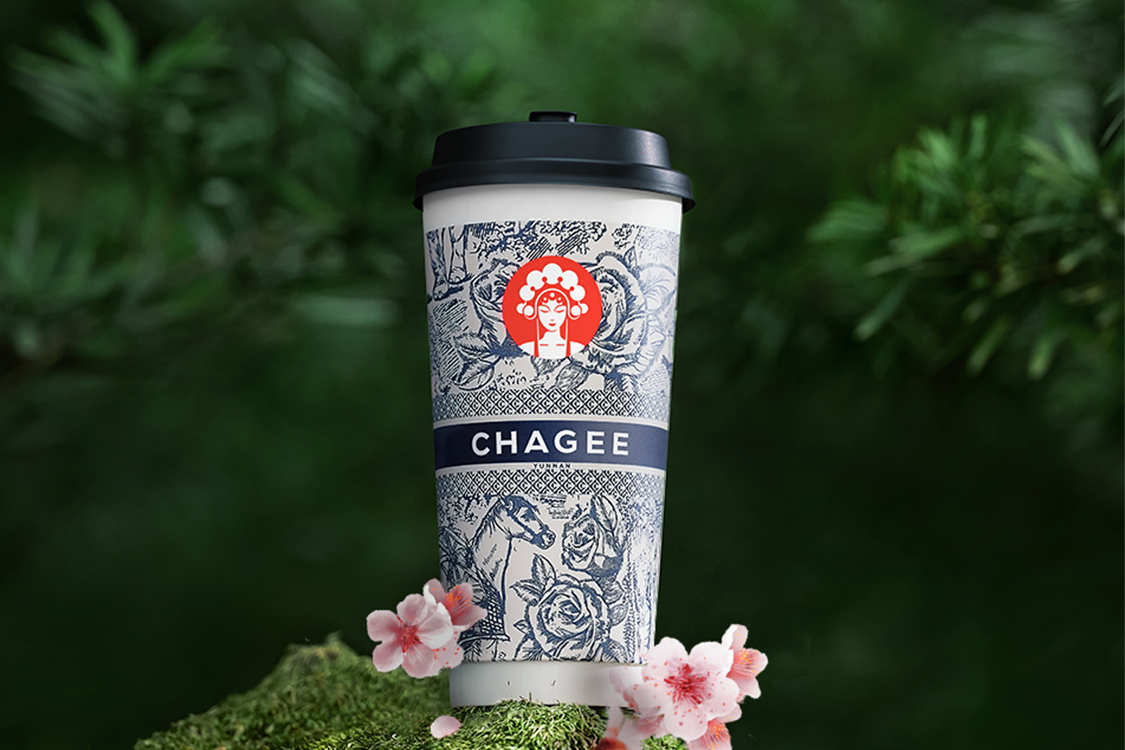
  • Chagee Brews Up Asia-Pacific Expansion: Chinese Milk Tea Giant to Debut in Seoul

    Chagee Brews Up Asia-Pacific Expansion: Chinese Milk Tea Giant to Debut in Seoul

    The popular Chinese milk tea franchise, Chagee, will be making its first appearance in South Korea during this quarter. Three branches of the chain will be opened concurrently in the districts of Gangnam, Yongsan, and Sinchon in Seoul. This move is part of Chagee’s overarching strategy to increase its presence in the Asia-Pacific market.

    Chagee has reported a surge in interest from South Korean consumers ahead of the opening. The company is confident that it will introduce a unique, premium tea experience that is fresh and exciting.

    The Gangnam location will serve as the flagship store for Chagee. The store’s exterior is planned to feature arched greenery against a semi-transparent glass façade. In the center of this design, there will be an oversized, signature cup. Chagee’s design aims to create an illusion of walking into an urban forest, embodying its ‘Modern Tea House’ concept.

    The Yongsan and Sinchon branches will also leave their mark with graphic displays that are customized to their specific locations.

    As a way to engage customers before the official opening, Chagee is launching a QR code-based campaign. Customers who visit the store, scan the QR code displayed on the exterior, and successfully complete a short quiz will be rewarded with a 50% discount coupon.

    Questions & Answers

    What is the overall expansion strategy of Chagee?
    Chagee is looking to increase its presence in the Asia-Pacific market, starting with the opening of three stores in Seoul, South Korea.

    What unique feature will the Gangnam store have?
    The Gangnam store, serving as the flagship location, will have an exterior design featuring arch-shaped greenery against a semi-transparent glass façade, with a giant signature cup in the center. This design is meant to represent the company’s ‘Modern Tea House’ concept.

    How is Chagee engaging customers ahead of its store openings in South Korea?
    Chagee is encouraging customer engagement through a QR code-based campaign. Visitors who scan the QR code on the store’s exterior display and complete a short quiz will receive a 50% discount coupon.

  • Swiss Sportswear Giant On Opens its Largest Flagship Store in Shenzhen, Accelerating Retail Growth in China

    Swiss Sportswear Giant On Opens its Largest Flagship Store in Shenzhen, Accelerating Retail Growth in China

    Swiss sportswear brand On has recently unveiled its grandest flagship store to date. This store is located at Shenzhen MixC World, China. This move is part of the brand’s ongoing effort to expand its retail footprint in one of its most rapidly expanding markets.

    Store Design and Features

    Spanning a generous 802 square meters over two floors, the store’s design draws inspiration from the area’s coastal and mountainous topography. The open-concept interiors are harmoniously complemented with the use of natural materials and unique installations.

    To further enhance the customer’s shopping experience, an interactive visual display is present within the store, which showcases the brand’s signature CloudTec cushioning technology and its wide range of apparel.

    At the store’s entrance, visitors are greeted by two majestic, hundred-year-old banyan trees. This area, redesigned as a park, serves as a communal space for group runs and various events.

    Rebecca Cai, GM Apac at On, expressed her hopes for the new store. “Shenzhen is a city full of youthful vigour, and we hope that the flagship store at Shenzhen MixC World will not only function as a retail space, but will also serve as a hub for the city’s running community,” she said.

    A Strategic Expansion

    The unveiling of this store is in line with On’s strategy to expand its direct-to-consumer footprint in China, which has now become its second-largest market internationally. This comes after a period of robust regional growth, with On recording a substantial 96.4 per cent year-on-year increase in net sales in Asia-Pacific in 2025.

    On’s chief commercial officer, Britt Olsen, highlighted the brand’s growth potential. “Following footwear, apparel has emerged as the second major growth engine. In China, the category displays immense potential. We will continue to expand our retail reach and further enhance the brand experience,” she stated.

    On initially entered the Chinese market in 2018 and has since extended its reach to over 30 cities, launching more than 80 stores. The company has ambitious plans to hit the 100-store mark by the end of this year.

    Questions & Answers

    What inspiration did On draw from for its flagship store at Shenzhen MixC World?
    The flagship store’s design was inspired by Shenzhen’s coastal and mountainous geography, and it combines open interiors with natural materials and installations.

    What is On’s strategy for expanding its footprint in China?
    On is focusing on growing its direct-to-consumer footprint in China, which is its second-largest market. This is following a marked increase in regional net sales.

    When did On enter the Chinese market and what are its expansion plans?
    On first entered China in 2018 and has since expanded to over 30 cities with more than 80 stores. The company aims to reach 100 locations by the end of the year.