Author: Mei Ling Tan

  • Revolutionizing Retail: Australia’s Innovative In-Store Avocado Ripeness Scanner Trial

    Revolutionizing Retail: Australia’s Innovative In-Store Avocado Ripeness Scanner Trial

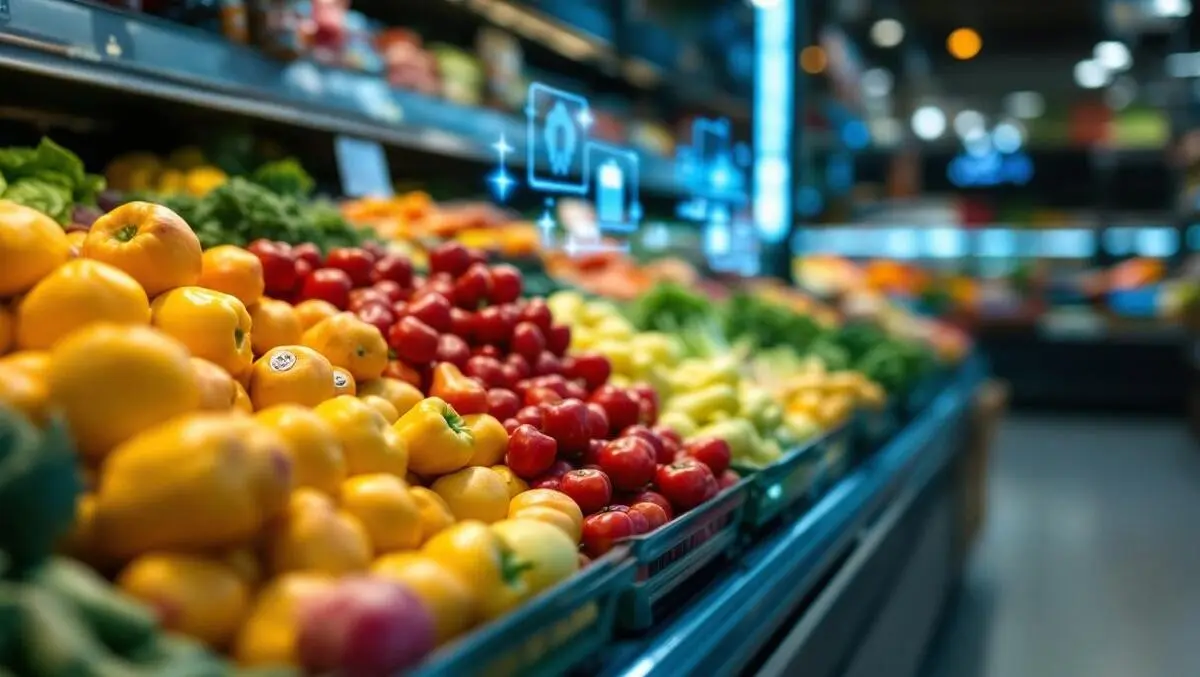
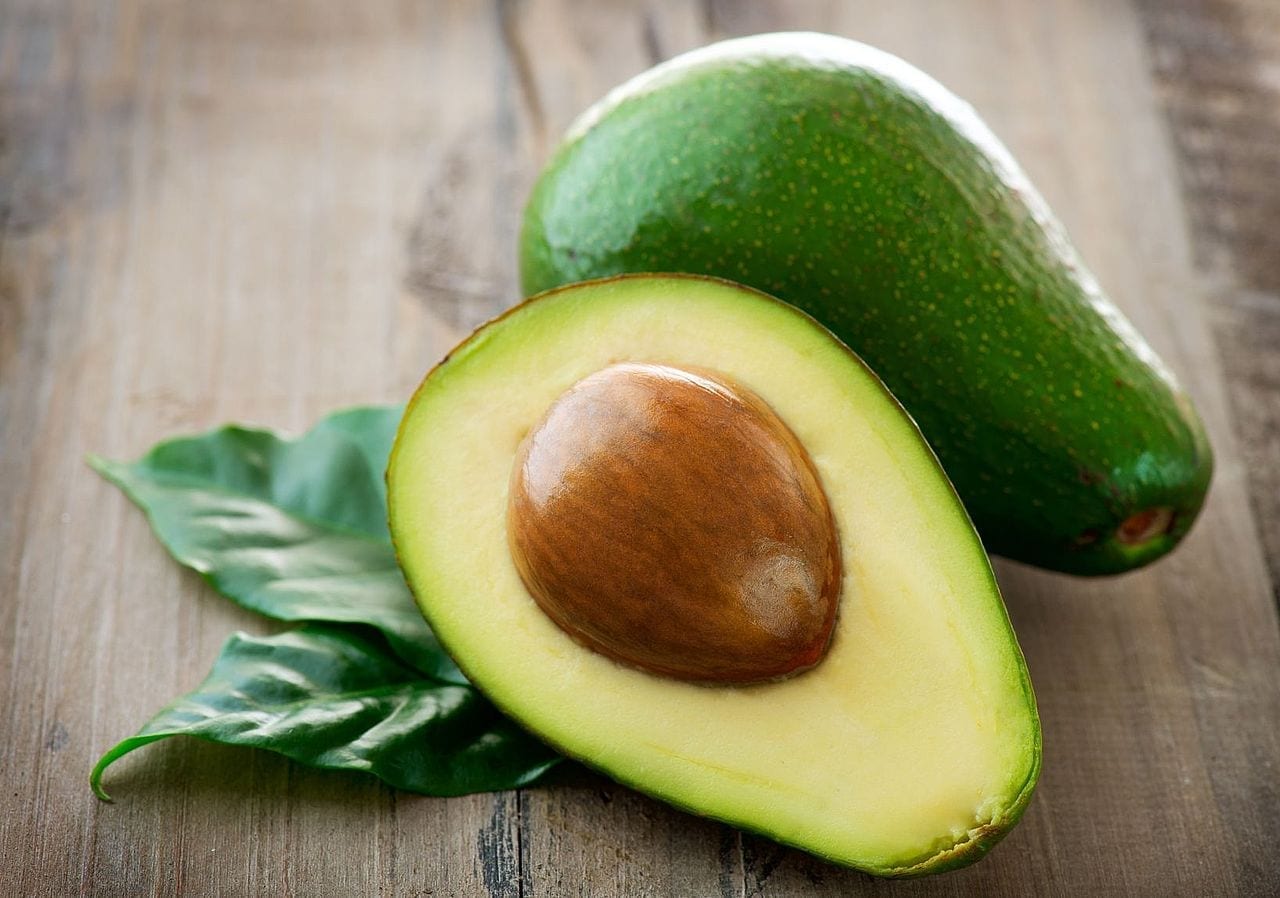
    In the competitive world of retail, customer satisfaction is key, and the avocado industry is no exception. A common issue faced by both retailers and consumers is determining the ripeness of an avocado on a supermarket shelf. Avocados Australia, an industry association, has introduced a potential solution to this problem – an in-store ripeness scanner.

    Understanding Customer Frustration

    According to John Tyas, the CEO of Avocados Australia, one of the major frustrations faced by consumers is identifying the ripeness of an avocado. This is important because approximately 75% of consumers want to buy avocados that are ready to be eaten within two days. Tyas believes that helping consumers with this selection process can enhance their eating experiences, minimize bruising of the fruit, and strengthen the overall trust in Australian avocados.

    The Ripeness Scanner

    The ripeness scanner aims to minimize the physical handling of avocados, which often leads to bruising. Data shows that about 47% of consumers handle three or more avocados before making a purchase, resulting in product loss for both growers and retailers. The scanner, developed by the Dutch agri-tech firm OneThird, not only reduces the need for physical handling but also prevents potential damage to the fruit.

    The scanner utilizes near-infrared (NIR) spectroscopy to assess the firmness of the fruit without causing damage, thereby helping to estimate the fruit’s readiness for consumption. The device also provides storage guidance to help consumers make informed purchase decisions. This technology has undergone trials in Europe and Thailand, where it was well-received by retailers and customers.

    Benefits for the Supply Chain

    Beyond consumer use, the ripeness scanner provides retailers with valuable data on in-store conditions and purchasing patterns. This information, which includes metrics on shelf ripeness, purchasing behavior, and peak periods, can be used to optimize merchandising, inventory management, and waste reduction efforts.

    The early results are promising, with the device being used for approximately 45% of avocado sales per week in participating stores. The accompanying platform provides fresh produce managers with data to monitor product condition and support efficient stock management.

    John Tyas further emphasized that the Australian avocado industry is committed to investing in research and development to continually enhance product quality and improve the consumer experience.

    Questions & Answers

    What is the purpose of the avocado ripeness scanner?
    The scanner helps consumers select ripe avocados, reduces fruit handling and bruising, and enhances the overall shopping experience.

    How does the ripeness scanner work?
    The scanner uses near-infrared spectroscopy to assess the firmness of the fruit without causing damage. It also provides storage guidance to consumers.

    What additional benefits does the ripeness scanner provide to retailers?
    The scanner provides data on in-store conditions and purchasing patterns, which can be used to support merchandising, inventory management, and waste reduction efforts.

  • Blue Bottle Coffee Unveils Flagship Store in Harajuku, Japan: A Fusion of Innovative Design and Local Flavors

    Blue Bottle Coffee Unveils Flagship Store in Harajuku, Japan: A Fusion of Innovative Design and Local Flavors

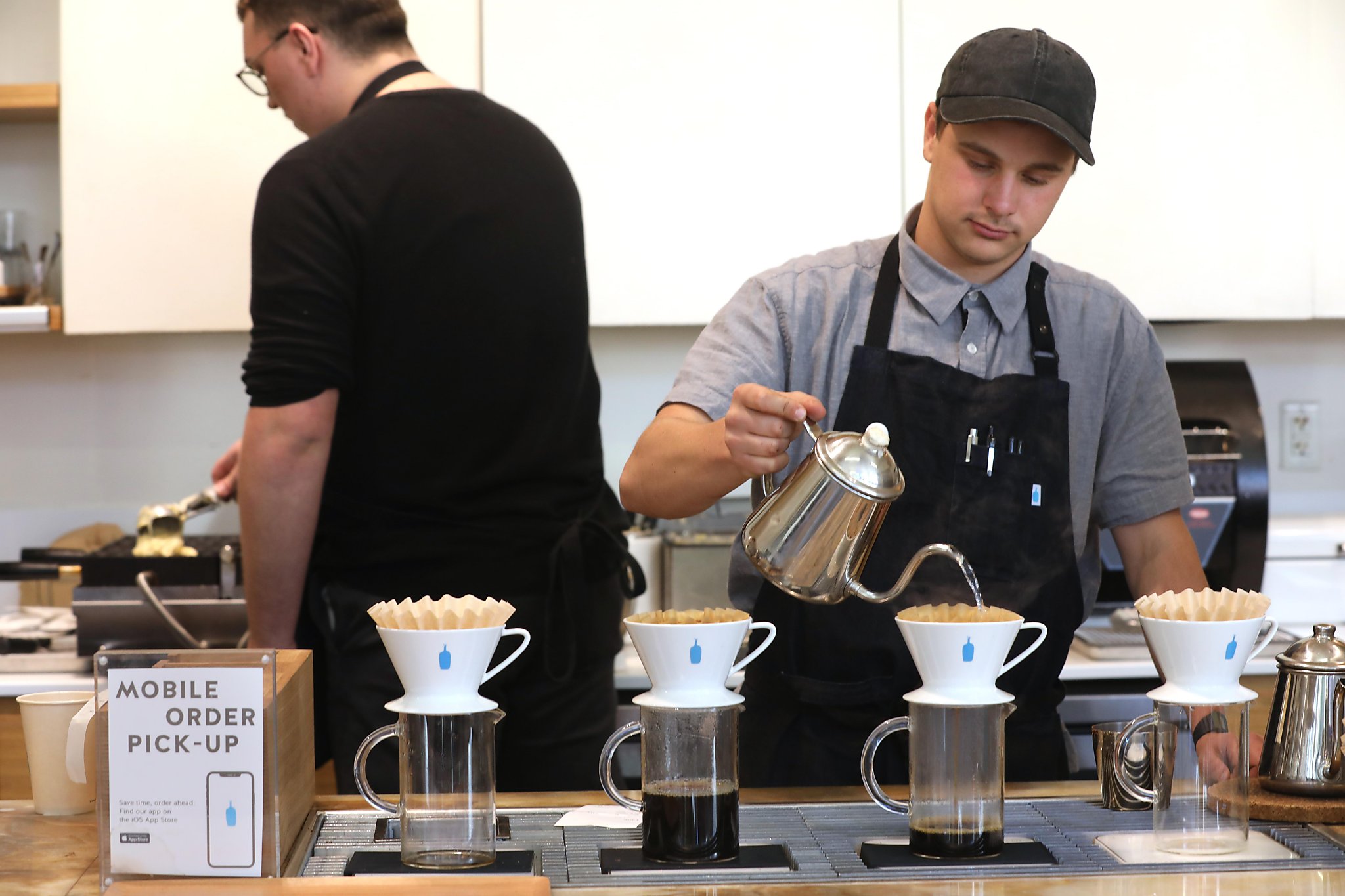
    Blue Bottle Coffee, the renowned global coffee brand, has launched a premier outlet in Harajuku, marking a significant step in its ongoing refinement of its retail format within Japan.

    A New Blend of Retail

    The Harajuku outlet is nestled in Jingumae near Cat Street, occupying a spatial expanse of approximately 83 square meters and accommodating 26 seats. The store showcases a unique design by Teki Design and harmoniously melds a stainless-steel façade with reflective interiors. This design subtly extracts and mirrors the vibrant streetscape, thereby encapsulating Harajuku’s trademark, visually engaging retail atmosphere.

    The store features a unique layout that departs from the conventional high-throughput service model. Its seating arrangement and spatial design encourage customers to linger, thereby fostering a more experiential approach that surpasses the mere transactional model.

    Brewing a New Retail Experience

    While the Harajuku outlet is termed a flagship store, Blue Bottle Coffee’s primary focus appears to be on format experimentation rather than territorial expansion. The new store introduces an array of innovative beverage offerings such as an updated cold brew along with seasonal drinks. Additionally, it offers a curated food menu designed to cater to the unique tastes of the local market.

    Blue Bottle Coffee first expanded its footprint into Japan in 2015 with the launch of its inaugural store in Kiyosumi, Tokyo. Since then, the brand has exponentially grown and now operates around 30 outlets, with most of them located in the bustling Tokyo metropolitan area.

    In 2021, Blue Bottle Coffee expanded its global presence by inaugurating its first outlet in Singapore, thereby marking its initial foray into the Southeast Asian market.

    Questions & Answers

    What is the new approach adopted by Blue Bottle Coffee in its Harajuku store?
    Blue Bottle Coffee’s Harajuku store adopts an experiential approach, focusing on longer customer dwell times rather than a purely transactional model.

    What new offerings does the Harajuku store introduce?
    The Harajuku store introduces new beverage offerings, including an updated cold brew and seasonal drinks, and a curated food menu tailored to the local market.

    When and where did Blue Bottle Coffee make its first debut in Japan?
    Blue Bottle Coffee first debuted in Japan in 2015 with its initial outlet in Kiyosumi, Tokyo.

  • Paris Court Upholds Shein’s Marketplace Despite Pressure From French Government

    Paris Court Upholds Shein’s Marketplace Despite Pressure From French Government

    Shein, a Chinese online retailer popular for its fast-fashion offerings, emerged victorious after the Court of Appeal in Paris dismissed France’s plea for the suspension of the platform. The court’s decision came in the aftermath of a controversy where the sale of child-like sex dolls and illegal weapons on Shein’s marketplace was uncovered, leading to governmental legal intervention.

    Previously, the French authorities had demanded a complete prohibition of Shein’s operations. However, this was later reduced to the demand for a suspension of its marketplace operations. A lower court had already rejected the government’s request in December, but the decision was appealed. Shein, which boasts millions of customers worldwide due to its low-cost clothing, gadgets, and accessories, has been facing criticism in France since the damning findings were disclosed in November.

    Shein operates as a multifaceted platform, selling its own branded products while also providing a marketplace for third-party sellers to offer a wide variety of items, ranging from kitchen appliances to smartphones. In response to the investigation, the company temporarily halted its marketplace operations in France, resuming only after the December court ruling.

    The Court’s Decision

    The appeals court upheld the earlier verdict, dismissing the additional demands presented by the French State. Furthermore, the court reiterated that Shein is prohibited from listing such controversial products on its platform without implementing adequate age-verification measures.

    Reacting to the court ruling, the French government pledged to be “extremely vigilant” in ensuring that Shein adheres to the court-imposed conditions.

    Shein’s Response

    In response to the court’s ruling and the controversy, Shein has announced the rollout of age-verification measures. It has also ceased to permit third-party sellers to list sex dolls on its platform across all markets.

    The company released a statement following Thursday’s verdict, stating, “Over the last several months, we have continued to significantly reinforce our controls for both sellers and products on our marketplace, to ensure that our consumers in France can enjoy a safe and enjoyable online shopping experience.”

    The statement also mentioned that Shein has been in constant communication with French and European authorities and is actively engaging with the European Commission regarding the implementation of stricter age-verification measures.

    Future Challenges

    Despite the favorable court ruling, the fast-fashion giant is not out of the woods yet. Shein is currently under investigation by the European Union for potential violations related to illegal products and the potentially addictive design of the platform.

    Furthermore, Shein is likely to face continued scrutiny from the French government. The country’s minister for small and medium-sized businesses has indicated that online retailers like Shein will face a “year of resistance”, suggesting that the platform enjoys an unfair competitive advantage over European retailers.

    Questions & Answers

    What was the controversy that led to the French government’s request for a ban on Shein?
    The company was found to be selling child-like sex dolls and illegal weapons on its platform, which led to the call for a ban on Shein’s operations in France.

    What are the implications of the recent court ruling for Shein?
    The court dismissed the French government’s request for a suspension of Shein’s marketplace. However, it mandated strict age-verification measures for certain products.

    What measures has Shein taken following the controversy?
    Shein has stopped allowing third-party sellers to list sex dolls on its platform. It is also implementing age-verification measures and enhancing controls for sellers and products on its marketplace.

  • Alibaba’s Profits Tumble Amid Unsuccessful Retail Promotions and Emerging AI Challenges

    Alibaba’s Profits Tumble Amid Unsuccessful Retail Promotions and Emerging AI Challenges

    Alibaba, China’s largest e-commerce firm, reported a modest 1.7% increase in third-quarter revenue, significantly below expectations. However, more concerning was the staggering 66.3% drop in net income, largely due to heavy spending on one-hour delivery and extensive promotional activities during peak shopping periods, which did not translate into higher demand as anticipated.

    The company’s US-listed shares fell over 6% in early trading following the report. Alibaba’s revenue for the quarter, which ended in December, reached 284.84 billion yuan (US$41.28 billion), a far cry from the predicted 3.7% rise. The company’s adjusted earnings amounted to 7.09 yuan per American Depository Share, significantly below the estimated 11.64 yuan.

    Focusing on AI Profitability

    On a brighter note, Alibaba’s cloud revenue exceeded expectations, posting a growth of 36%. This growth was driven by the company’s aggressive integration of AI agents into the consumer-facing aspects of its business, along with increased investments.

    The tech industry, both in China and globally, is closely monitoring the progress of AI monetization as firms grapple with turning this revolutionary technology into a profitable venture. In line with this, Alibaba recently announced its decision to segregate its AI businesses from its cloud computing division.

    The newly created Alibaba Token Hub business group, under the leadership of CEO Eddie Wu, marks the company’s clear shift towards AI-based digital assistants. These AI models use significantly more tokens, or data units for generating language, compared to traditional Q&A chatbots.

    Alibaba recently launched a pre-Chinese New Year promotional campaign featuring its chatbot Qwen. This has now evolved from answering questions to assisting consumers with ordering food and e-commerce products. This strategy led to a significant increase in daily active users to around 50 million. However, usage has since declined.

    “Unfortunately, 30-day retention remains relatively low, as users are primarily engaging in general entertainment and consumer-related scenarios, which indicates low user loyalty,” commented Jamie Chen of Third Bridge.

    CEO Eddie Wu shared the company’s ambitious vision during a call with analysts, stating, “Over the next five years, our goal is to surpass $100 billion in combined cloud and AI external revenue.”

    The Impact of the Ongoing Property Crisis

    By the end of last year, a drawn-out property crisis and income stability concerns continued to negatively impact consumer sentiment. This resulted in reduced spending, even during traditional periods of high expenditure.

    Even an extended Singles’ Day sales event in November, that lasted over a month, received a lukewarm response. Retailers increased discounts and subsidies to boost spending, but cautious consumers and year-round deals diluted the event’s traditional sales spike.

    Aggressive spending by Alibaba and JD to provide discounts and faster delivery to capture market share from food-delivery leader Meituan led to pressure on profit margins.

    In upcoming quarters, the focus for Alibaba will be on improving unit economics for its Taobao Quick Commerce division. Executives have reiterated their aim to achieve a gross merchandise volume of 1 trillion yuan and predict that the business will turn profitable by the fiscal year 2029.

    Questions & Answers

    What were the Q3 results for Alibaba?
    Alibaba reported a 1.7% rise in third-quarter revenue and a 66.3% drop in net income, both below analysts’ estimates.

    What is Alibaba’s focus in the tech industry?
    Alibaba is focusing on AI monetization, integrating AI agents into the consumer-facing side of its business, and separating its AI businesses from its cloud computing arm.

    How did the property crisis affect Alibaba’s performance?
    A prolonged property crisis and concerns about income stability weighed on consumer sentiment, limiting spending even during traditional periods of high expenditure. This resulted in lower-than-expected revenues for Alibaba.

  • Haidilao Heats Up: Chinese Hotpot Giant Crowned World’s Strongest Restaurant Brand Two Years Running

    Haidilao Heats Up: Chinese Hotpot Giant Crowned World’s Strongest Restaurant Brand Two Years Running

    For the second consecutive year, Chinese hotpot chain Haidilao has earned the title of “the world’s strongest restaurant brand” after experiencing a robust double-digit increase in value. The brand’s worth rose by 16% to reach $3.6 billion, propelling its strength index score to an impressive 94.1 out of 100.

    Factors Behind the Success

    Haidilao’s resounding success can be attributed to a variety of elements, including an expanded restaurant network, elevated brand influence and customer experience, as well as a more diverse product range. Despite the market’s competitive nature, the company was able to maintain its premium AAA+ brand strength rating.

    Other Emerging Brands

    Luckin Coffee, another brand originating from China, has also seen substantial growth. Its value has surged by 17% to reach $1.7 billion, which has allowed it to climb two places and achieve 19th place in the global rankings. Its score increased to 89.7 out of 100, making evident the growing allure of competing brands within China’s coffee market. Despite the escalating competition, Luckin Coffee achieved an AAA+ brand strength rating for the first time.

    Scott Chen, Managing Director of Brand Finance China, commented on the performance of these brands. He suggested that Haidilao’s sustained dominance as the world’s strongest restaurant brand, along with Luckin Coffee’s resilience amidst stiff competition, underline the dynamic character of the Chinese market. Chen also pointed to the innovation driving these brands to new heights.

    Brand Strength

    Brand strength refers to the effectiveness of a brand’s performance when compared to its competitors. Brand Finance, for instance, assesses the strength of a brand on the basis of several factors. These include marketing investment, stakeholder equity, and the effects of these on overall business performance.

    American Brands Domination

    Despite the success of Chinese brands, American brands remain dominant in terms of value. The five most valuable brands globally all hail from the United States. McDonald’s, in particular, has emerged as the world’s most valuable restaurant brand, with its value growing 7% to $40.5 billion. However, Starbucks, which used to hold the second spot, saw its brand value plummet by 36% to $38.8 billion.

    Chick-fil-A recorded the fastest growth in value within the sector, with its brand value soaring by 43% to $5.7 billion. This surge has resulted in the company now holding the eighth spot among the world’s leading restaurant brands.

    Questions & Answers

    What factors contributed to Haidilao’s success as the world’s strongest restaurant brand?
    Haidilao’s success was largely due to its expanded restaurant network, increased brand influence and customer experience, and a more diversified product range.

    How is brand strength measured?
    Brand strength is assessed based on the effectiveness of a brand’s performance in comparison to its competitors. Factors such as marketing investment, stakeholder equity, and their impact on business performance are taken into consideration.

    Which is the world’s most valuable restaurant brand?
    As of the latest rankings, McDonald’s is the world’s most valuable restaurant brand, with its value increasing 7% to $40.5 billion.

  • Rising Stars on the Global Coffee Scene: How Southeast Asia’s Homegrown Chains are Brewing Success Overseas

    Rising Stars on the Global Coffee Scene: How Southeast Asia’s Homegrown Chains are Brewing Success Overseas

    Southeast Asian coffee chains, including Malaysia’s Zus Coffee and Indonesia’s Kopi Kenangan, are extending their reach beyond their national borders, looking to make their mark on the region’s burgeoning café culture.

    Unleashing the Flavor of Southeast Asia

    Kopi Kenangan outlets in Singapore offer customers a unique coffee experience. In addition to the usual preferences for milk and sugar, customers can select their preferred coffee beans, sourced from various Indonesian regions such as Aceh, Bali, and Flores. The coffee chain also boasts traditional drinks with an Indonesian touch, like lattes sweetened with palm sugar, which makes them stand apart from the competition.

    Billy Ooi, a management professional based in Singapore, expressed his satisfaction with the brand, commenting that it is budget-friendly, offers good discounts, and the taste is comparable to other cafés.

    Rapid Growth

    In its home country, Indonesia, Kopi Kenangan, which was launched in 2017, has swiftly become the nation’s largest café chain. The brand had over 1,100 outlets across the country by the end of last year. It was also among the first to go global, opening approximately 187 stores in India, Australia, Singapore, Malaysia, and the Philippines.

    Similar progress is evident in other local brands like Tomoro and Fore, which have also made their presence felt in Singapore, China, and the Philippines.

    Malaysia’s Zus Coffee is another success story. It began as a small kiosk in 2019 and has since transformed into the country’s largest coffee chain. Operating over 1,000 outlets across Malaysia, Singapore, Brunei, the Philippines, and Thailand, the majority of its branches are located in its home market.

    Beej Marcado, a young entrepreneur from the Philippines, considers Zus as his top choice, impressed by their simple drinks and sustainable practices like the use of edible straws.

    Surviving in a Competitive Market

    As these Southeast Asian coffee chains venture into international markets, they are confronted with fierce competition from global juggernauts such as Starbucks from the U.S. and China’s Luckin Coffee, as well as robust local players in each country.

    Many have had to innovate to stay competitive, adding localized offerings to their menus. For example, Zus Coffee introduced an ube (purple yam) coffee in the Philippines and a Tom Yum Americano in Thailand to cater to local tastes.

    Adapting to local preferences was also crucial for Sarnies, a café chain from Singapore with several outlets in Thailand. Its founders, Eric Chan and Benjamin Lee, adjusted their menu to appeal to a more diverse customer base when they expanded into Thailand.

    The Future of the Coffee Chain Industry

    The modern coffee and tea market in Southeast Asia was estimated to be worth US$9.9 billion in 2025, a sharp increase from $8.3 billion in 2023. The expansion was fueled by swift store growth, the advent of digital ordering, and broader consumer adoption.

    However, the industry is entering a new phase. The focus is shifting towards the efficiency of operating systems, from supply chains and in-store processes to digital infrastructure. The ability to scale operations efficiently and uphold unit economics is becoming a decisive factor in competition.

    Questions & Answers

    What is unique about the coffee experience at Kopi Kenangan outlets in Singapore?
    At Kopi Kenangan, customers can select their preferred coffee beans, sourced from various Indonesian regions. They also offer traditional Indonesian drinks, like lattes sweetened with palm sugar.

    How are Southeast Asian coffee chains adapting to survive in international markets?
    Many chains are adding localized offerings to their menus to cater to local tastes. For example, Zus Coffee introduced an ube (purple yam) coffee in the Philippines and a Tom Yum Americano in Thailand.

    What is the projected value of the modern coffee and tea market in Southeast Asia in 2025?
    The modern coffee and tea market in Southeast Asia is expected to be worth US$9.9 billion in 2025.

  • Citi Strengthens Healthcare Investment Banking with Former Goldman Sachs Executive in Australasia

    Citi Strengthens Healthcare Investment Banking with Former Goldman Sachs Executive in Australasia

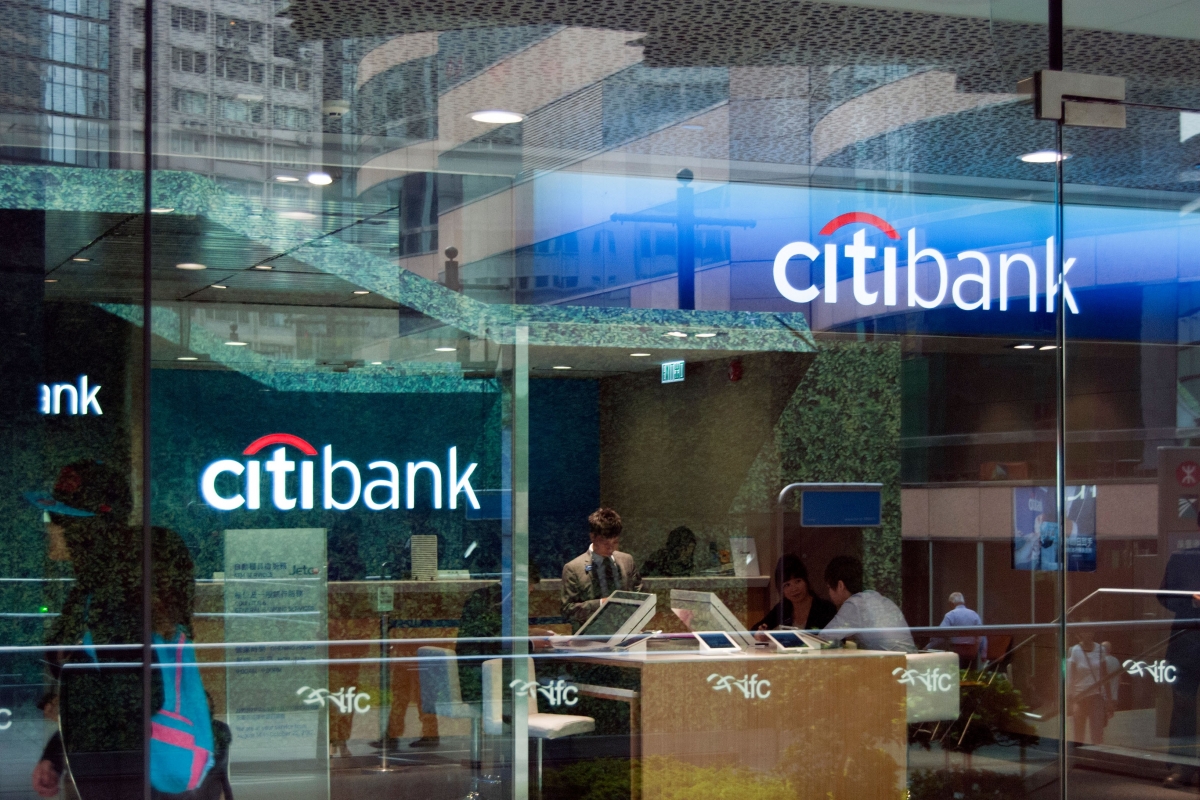
    Ben Bartholomaeus, a former executive at Goldman Sachs, has been appointed by Citi as the Head of Healthcare for Australia and New Zealand within their Capital Markets and Advisory team. This key role will see Bartholomaeus drawing upon Citi’s global reach, industry knowledge, and execution proficiency to the benefit of its healthcare clientele in the Australasian region.

    Base of Operations

    Bartholomaeus will operate out of Sydney and report to Philippe Perzi and Ben Connolly, the co-heads of Capital Markets and Advisory for Australia and New Zealand. Additionally, he will report to Ling Zhang, the Head of Healthcare for the Asia Pacific region.

    Prior to this appointment, Bartholomaeus held the position of Head of Healthcare in the Corporate Advisory Division for Australia and New Zealand at Goldman Sachs.

    A Market Leader

    Citi has an established reputation as a leading force in healthcare investment banking. It has retained its top position as a global advisor for mergers and acquisitions within the healthcare sector from 2024 through 2026 year-to-date. During this period, Citi has led major transactions for clients in various healthcare sectors including biopharma, medtech, and life science tools and diagnostics.

    Questions & Answers

    Who has Citi appointed as the new Head of Healthcare for Australia and New Zealand?
    – Citi appointed Ben Bartholomaeus, a former Goldman Sachs executive, as the Head of Healthcare for Australia and New Zealand.

    What role will Bartholomaeus be playing at Citi?
    – Bartholomaeus will be responsible for bringing Citi’s global connectivity, sector insights, and execution expertise to healthcare clients in the Australasian region.

    What is Citi’s standing in healthcare investment banking?
    – Citi is a leader in healthcare investment banking. It has consistently secured the top rank as a global advisor for mergers and acquisitions in the healthcare sector from 2024 through 2026 year-to-date.

  • Vietnam Gasoline Prices Skyrocket Amid Middle East Conflicts: Highest Surge since 2022 Crisis

    Vietnam Gasoline Prices Skyrocket Amid Middle East Conflicts: Highest Surge since 2022 Crisis

    Last Thursday, Vietnam experienced a significant surge in gasoline prices, which increased by 20% to reach their highest level since July 2022. This sharp rise is linked to ongoing conflicts in the Middle East, which have prompted a double-digit escalation in global prices. The most commonly used fuel in the country, RON95, saw a 20% boost, pricing it at VND30,690.

    Other Fuels See Increase

    In addition to RON95, the price of Biofuel E5 RON92 also saw a substantial rise of 20.7%, elevating it to VND22,170. Diesel prices also spiked, with a 23.7% increase bringing the cost to VND33,420. Compared to prices at the end of February, just before the onset of the Middle East conflict, RON95 and diesel are now 52% and 73% more expensive, respectively.

    Global Petroleum Market Impact

    The global petroleum market has been heavily influenced recently by factors such as proliferating tensions resulting from the military clashes involving the U.S., Iran and Israel. This situation is made more problematic by Iran’s control over the Strait of Hormuz. Around the world, RON95 gasoline has risen by 16.4% to $150.4 per barrel. Other fuels have also seen increases, with diesel up by 18.6%, kerosene by 28.8%, and fuel oil by 13.1%.

    Government Subsidies and Global Comparisons

    In response to these skyrocketing prices, the Vietnamese government has stepped in to subsidize diesel by VND4,000 per liter and gasoline and other fuels by VND3,000. This marks the sixth consecutive time subsidies have been employed to combat rising fuel costs. The cost of RON95 in Vietnam is now at its highest since a global fuel crisis sparked by the Russia-Ukraine conflict in July 2022. However, it remains lower than the peak level of VND32,870 established in June 2022. Concurrently, kerosene and fuel oil prices have reached their highest point since 2019.

    Petroleum Imports and Government Response

    From the start of the year to March 15, Vietnam imported nearly 2.71 million tonnes of petroleum products, valued at over $1.94 billion, representing a year-on-year increase of 42–43%. In the first half of March alone, import volumes surged by 41.4%, pushing import value up by 89.2% compared to the same period last year. In order to secure energy security, Prime Minister Pham Minh Chinh has been in contact with multiple countries’ leaders and met with ambassadors in Vietnam to appeal for oil supply support. Simultaneously, the Ministry of Industry and Trade and the Ministry of Finance have extensively used the petroleum price stabilization fund and reduced the preferential MFN import tariff to 0% as a strategy to ease fuel prices.

    Energy Security Measures

    During a meeting with the Energy Security Task Force on March 17, PM Chinh assured that despite the price hikes, fuel and energy supplies remain adequate to support production and consumption. Furthermore, he emphasized that the negative impacts on the public and businesses have been minimized as much as possible.

    Questions & Answers

    What was the impact of the Middle East conflict on fuel prices in Vietnam?
    The conflict in the Middle East led to a 20% surge in gasoline prices in Vietnam, with popular fuel RON95 rising to VND30,690.

    What measures has the Vietnamese government taken to curb rising fuel costs?
    The government has provided subsidies for diesel and gasoline and other fuels to help keep prices manageable for consumers. This marks the sixth time in a row that the government has stepped in with subsidies.

    How have Vietnam’s fuel imports been affected this year?
    From the start of the year to mid-March, Vietnam imported nearly 2.71 million tonnes of petroleum products, representing a year-on-year increase of 42–43%. The value of imports also rose significantly, particularly in the first half of March.

  • Vietnam Gold Prices Plunge Amid Record Global Bullion Weekly Losses

    Vietnam Gold Prices Plunge Amid Record Global Bullion Weekly Losses

    In Vietnam, the price of gold witnessed a decline on Friday morning, following the global trend where bullion rates are experiencing the steepest weekly fall in six years. The price of a gold bar from Saigon Jewelry Company fell by 0.34%, coming down to VND174.9 million ($6,645.9) per tael. This rate was echoed by other sellers in the market.

    Locally, bullion prices have seen a 9% decrease from the peak of VND191.3 million per tael, which was recorded in January. Despite the recent slip, the prices are still 10% higher on a year-on-year basis. Currently, the local rates are approximately VND26.5 million per tael more than the global rates.

    The price of gold rings followed a similar pattern, slipping to VND174 million per tael. It is important to note that a tael is equivalent to 37.5 grams or 1.2 ounces.

    On a global scale, spot gold rose by 0.8% to $4,686.97 an ounce on Friday. However, cumulatively for the week, it has fallen close to 7%, marking the largest weekly loss since March 2020. This trend has been attributed to the escalating conflict in the Middle East, which has increased energy prices and subsequently led to dampening expectations for rate cuts.

    Historically viewed as a safe haven, the precious metal has seen a decline every week since the conflict broke out last month. Factors contributing to this trend include strengthening Treasury yields and the U.S. dollar, investors selling bullion to offset losses elsewhere, and outflows from gold-backed exchange-traded funds.

    Daniel Ghali, a commodity strategist at TD Securities, commented on the situation. He noted that gold, a popular choice for institutional investors, has seen its position waver due to the ongoing debasement trade. Ghali further added that there is a significant potential for gold to experience further selling off, even while maintaining its bull market era trend support.

    Questions & Answers

    What is the current trend in global gold prices?
    Answer: Global gold prices are experiencing a significant fall, marking the largest weekly loss since March 2020.

    How has the conflict in the Middle East impacted gold prices?
    Answer: The escalating conflict in the Middle East has led to increased energy prices and dampened expectations for rate cuts, contributing to a decline in gold prices.

    What factors have contributed to the decline in gold prices?
    Answer: Several factors have contributed to this decline, including strengthening Treasury yields and the U.S. dollar, investors selling bullion to offset losses elsewhere, and outflows from gold-backed exchange-traded funds.

  • Durian and Lobster Exports to China Skyrocket: A Boost for Vietnam’s Agro-Forestry and Fisheries Sector

    Durian and Lobster Exports to China Skyrocket: A Boost for Vietnam’s Agro-Forestry and Fisheries Sector

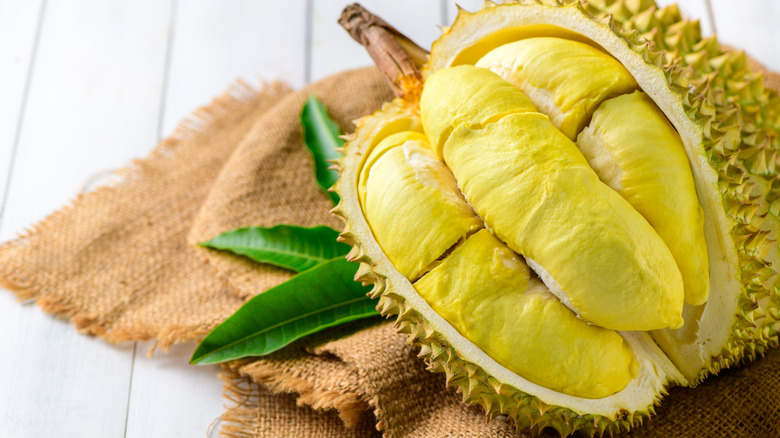
    In the initial two months of 2026, durian exports to China have seen a significant upsurge, increasing by 469% compared to the previous year. Lobster exports have also witnessed a substantial rise, growing by 65% during the same period. The sale of durian fruit alone contributed $300 million to the economy, aiding the steady progress of fruit and vegetable exports while other goods experienced a downturn.

    High-Quality Durian and Lobster Exports

    High-quality Monthong durian is being purchased at orchards for VND140,000–150,000 ($5.7) per kilogram, while Ri6 durian is priced at VND80,000–84,000, indicating a 30–50% increase from the previous year’s rate.

    Lobster exports, particularly of the green variety, have brought $259 million to the economy, growing by 32%.

    China continues to be an important market for fresh produce, particularly in the period surrounding the Lunar New Year, which typically falls between mid-January and mid-February.

    Increasing Competitiveness and Demand

    The competitiveness of lobsters has been enhanced due to improvements in quality, increased transparency concerning their origin, and better traceability.

    The Vietnam Fruit and Vegetable Association’s Secretary General, Dang Phuc Nguyen, attributes the surge in durian exports to the resolution of quarantine-related issues and seasonal advantages.

    While several countries have concluded their fruit harvest period, Vietnam’s off-season supply coincides with China’s peak demand during the Lunar New Year, triggering a significant increase in orders.

    The Ministry of Agriculture and Environment credits the growth to sustained demand for Vietnam’s agricultural, forestry, and fishery products, indicating promising opportunities for market expansion.

    Challenges and Constraints

    Despite these positive figures, there are challenges to overcome. The supply of fisheries, for instance, is limited. A number of shrimp farmers in the south-central region have reported that storms towards the end of the last year affected their farms.

    Additionally, this year’s off-season durian production has decreased by 30–40% owing to adverse weather conditions.

    Questions & Answers

    What has caused the increase in lobster competitiveness?
    Improvements in quality, greater transparency about origin, and higher traceability have all contributed to the increased competitiveness of lobsters.

    Why is there a surge in durian exports to China?
    The rise in durian exports is attributed to the resolution of quarantine-related bottlenecks and seasonal advantages, combined with Vietnam’s off-season supply coinciding with China’s peak demand during the Lunar New Year.

    What challenges are currently faced by the fishery and fruit sectors in Vietnam?
    The fishery sector is struggling with limited supply due to storms that affected shrimp farms in the south-central region last year. The fruit sector, particularly the durian industry, has seen a decrease in off-season production by 30-40% due to unfavorable weather conditions.

  • Boucheron Debuts Extravagant Flagship Store in Shanghai: French Elegance Meets Chinese Charm

    Boucheron Debuts Extravagant Flagship Store in Shanghai: French Elegance Meets Chinese Charm

    Boucheron, the renowned French jewelry house, has inaugurated its first-ever flagship store in China. This significant milestone marks the brand’s expansion into the mainland market, with the store situated in Shanghai’s Xintiandi district.

    The New Store

    The expansive store spans 278 square meters, making it Boucheron’s third global flagship store, following successful outlets in Paris and Tokyo. The brand’s decision to launch in China underscores the crucial role Asia holds in its growth and expansion strategy.

    The new store is housed in a carefully restored 19th-century shikumen building. This architectural style is an intriguing blend of Chinese and Western influences, creating a unique and memorable shopping environment for customers.

    Design and Aesthetics

    The interior design of the store mirrors the architectural fusion expressed in the building’s exterior. It incorporates a harmonious balance of French and Chinese style elements, creating a rich and engaging shopping experience. One of the key design highlights includes nature-inspired elements featured throughout the store, adding a serene and organic feel to the luxury retail space.

    This design approach is in line with the ongoing trend among global luxury retailers. More and more, brands are striving to tailor their physical stores to resonate with local markets while simultaneously maintaining a coherent and recognizable brand identity.

    Previous Endeavors

    Boucheron’s venture into China is not the brand’s first foray into the Asian market. In the previous year, the luxury jewelry brand opened a boutique in Thailand’s Siam Paragon. The design of this store was inspired both by its flagship store located in Place Vendome in Paris and traditional Thai temples.

    Questions & Answers

    What is Boucheron’s latest venture in its expansion strategy?
    Boucheron’s latest venture is the launch of its first flagship store in China, located in Shanghai’s Xintiandi district.

    What is unique about the design of the new store?
    The new store is located in a renovated 19th-century shikumen building, and the interior design is a combination of French and Chinese influences with nature-inspired elements throughout.

    Has Boucheron opened stores in other Asian countries?
    Yes, prior to the launch in China, Boucheron opened a boutique in Thailand’s Siam Paragon. The design of this store was inspired by its flagship store in Paris and traditional Thai temples.

  • Misto Holdings Boosts Q4 Sales Amid US Business Restructuring: Fila & Acushnet Show Strong Performances

    Misto Holdings Boosts Q4 Sales Amid US Business Restructuring: Fila & Acushnet Show Strong Performances

    In the fourth quarter, Misto Holdings, the parent company of Fila, Titleist and FootJoy, announced an increase in sales growth following a restructuring of its U.S. operations. The firm, based in South Korea, saw a 6.3% year-on-year boost in revenue during this period, reaching KRW915.2 billion (US$612 million). This follows a 3.7% uplift in sales reported in the third quarter.

    Company executives attribute this growth to a combination of factors, despite the prevailing macroeconomic uncertainty. These include a focus on profitability-driven operations, the positive outcomes of restructuring, and robust performance from Acushnet.

    Segment Performance

    Revenue from the Misto segment, which includes Fila and other lifestyle brands, fell by 9.6%. This decrease was primarily due to restructuring and inventory clearance in the U.S. market. However, operating profit improved significantly, reaching KRW74.7 billion, marking a notable recovery from the previous year.

    The Greater China market has emerged as a new area of growth for the company, driven by the expansion of prominent K-fashion brands. In South Korea, demand for Fila’s footwear franchise models remained stable.

    The Acushnet segment reported a sales growth of 10.9%, bolstered by strong sales of golf equipment, such as Titleist T-Series irons and SM10 wedges. Additionally, higher average selling prices for FootJoy golf shoes contributed to this growth.

    Yearly Overview

    For the entirety of FY25, the company’s consolidated revenue grew by 4.7% to reach KRW4.47 trillion. Operating profit surged by 31.6% to KRW 474.8 billion.

    Ho Yeon (Aaron) Lee, CFO of Misto Holdings, reflected on the past year, saying it was a significant period that saw the company reinforce its identity as a global brand portfolio company following a corporate name change.

    He noted that the expansion of the Greater China business, improved profitability in the Misto segment, and solid growth in Acushnet have all contributed to the stability of the company’s earnings.

    Questions & Answers

    What factors led to the growth of Misto Holdings in the fourth quarter?
    The growth was attributed to profitability-focused operations, the restructuring of the U.S. operations, and strong performance from Acushnet.

    How has the Misto segment performed amidst the company’s restructuring?
    Despite a decrease in revenue by 9.6% due to restructuring and inventory clearance, the Misto segment saw an improvement in operating profit, marking a significant turnaround.

    What contributed to the sales growth of the Acushnet segment?
    Increased sales of golf equipment, particularly Titleist T-Series irons and SM10 wedges, along with higher average selling prices for FootJoy golf shoes, supported the 10.9% growth in the Acushnet segment.

  • ThongSmith: Thailand’s Premium Boat Noodle Brand Sets Sail in Hong Kong’s Dining Scene

    ThongSmith: Thailand’s Premium Boat Noodle Brand Sets Sail in Hong Kong’s Dining Scene

    Bangkok-based noodle brand, ThongSmith, has taken a step onto the international stage by launching its first overseas venture in Wan Chai, Hong Kong. With a reputation in Thailand for its upscale approach to traditional boat noodles, ThongSmith is bringing a touch of Thai street cuisine with a lavish twist to Hong Kong.

    Reimagining Street Food

    ThongSmith has carved a niche for itself in Thailand by enhancing traditional boat noodles. This reinvention involves slow-simmering broths and the inclusion of high-grade proteins such as Wagyu beef and Kurobuta pork, setting ThongSmith apart from the usual inexpensive vendors.

    Menu Adaptation

    The menu in Hong Kong follows the same pattern as in Bangkok, providing noodle dishes in addition to rice meals, grilled meats, and desserts. However, these offerings are subtly modified to cater to local tastes.

    ThongSmith’s latest venture represents its inaugural foray beyond Thailand’s boundaries. This move indicates the burgeoning interest of Southeast Asian F&B entrepreneurs in penetrating the fiercely competitive casual dining scene in Hong Kong.

    Brand Growth

    ThongSmith, which was established in 2018, now runs over 20 outlets across Bangkok.

    Questions & Answers

    What is ThongSmith known for in Thailand?
    In Thailand, ThongSmith is renowned for its upscale twist on traditional boat noodles, featuring slow-simmered broths and premium proteins like Wagyu beef and Kurobuta pork.

    How does ThongSmith cater to Hong Kong’s local tastes?
    ThongSmith modifies its Bangkok menu to suit local preferences in Hong Kong, while maintaining its signature noodle dishes, rice meals, grilled meats, and desserts.

    What does ThongSmith’s expansion into Hong Kong signify?
    ThongSmith’s expansion into Hong Kong reflects the growing interest of Southeast Asian F&B operators in entering Hong Kong’s competitive casual dining market.

  • Vietnamese Fruit Market Takes a Hit: Prices Plummet Amid Weak Demand and Strict Chinese Import Controls

    Vietnamese Fruit Market Takes a Hit: Prices Plummet Amid Weak Demand and Strict Chinese Import Controls

    Fruit prices in Vietnam, including watermelon and orange, have drastically dropped to VND1,000–5,000 (3.8-19 U.S. cents) per kilogram. This decrease is attributed to a slump in domestic demand coupled with strict quality control enforced by China, a major importer.

    Farming Woes in Gia Lai

    In Gia Lai, a province located in the central region of Vietnam, watermelons are currently fetching VND1,000-VND5,000 per kilogram. Only high-quality fruits are attracting significant prices as traders are exercising selectivity in their purchases. This situation has led to considerable financial losses for local farmers. One farmer noted a seasonal loss exceeding VND50 million, while another reported losses of VND500 million from her eight-hectare watermelon farm.

    Farmers have pointed to a significant decrease in domestic demand this year, alongside slow exports to China, unlike in previous years where sales often surged post-Lunar New Year holidays. If prices continue to dip, the situation in Gia Lai could worsen, given that over 90% of watermelon farms spanning 2,733 hectares are due for harvesting in the coming months.

    Plight of Other Fruits

    Similarly, the price of oranges in the southern province of Vinh Long has slumped to VND1,000-3,000 per kilogram. This has resulted in farmers experiencing losses of VND100-200 million per hectare. One farmer, who cultivates nearly a hectare of oranges, is considering switching crops after incurring severe losses this year.

    This price drop has pushed traders to sell their goods at heavily discounted rates on the streets of Ho Chi Minh City. Here, piles of oranges and watermelons are stacked up for sale at VND5,000 per kilogram and VND10,000 respectively. Prices of other produce such as tomatoes, green beans, and okra have also halved within a month, with tomatoes trading between VND10,000-25,000.

    Export Challenges

    Dang Phuc Nguyen, the general secretary of the Vietnam Fruit and Vegetable Association, attributes the drastic price drop to China imposing stricter quarantine controls and quality standards. As Vietnam’s largest agriculture produce buyer, these new measures have a significant impact on the local market.

    Furthermore, local testing laboratories in Vietnam are overwhelmed, leading to longer inspection times and an increase in risks for traders. The ongoing conflict in the Middle East has also led to a 50-66% surge in logistics costs. Consequently, exporters who cannot bear these costs are opting to sell their products domestically, causing a supply glut.

    The Binh Thuan Province Dragon Fruit Association reported a significant increase in air freight costs to Europe, which has jumped from $1.5 per kilogram to $7-8. This price surge has forced many traders to sell domestically at discounted prices. Exporters are looking into new Asian markets such as Japan and South Korea, but they acknowledge that these markets cannot immediately compensate for the loss of traditional markets.

    Questions & Answers

    What has led to the drastic drop in fruit prices in Vietnam?
    The fall in prices can be attributed to decreased domestic demand and China’s stricter quality control measures, which have slowed exports.

    What is the impact of the falling fruit prices on local farmers and traders?
    Falling prices have led to significant financial losses for farmers and forced traders to sell their goods at heavily discounted prices.

    What steps are Vietnamese exporters taking in response to the current situation?
    Exporters are seeking new markets in Asia, such as Japan and South Korea, and selling their produce domestically due to increased logistics costs and extended inspection times.

  • Jollibee’s Record-Breaking Q4: Global Sales Soar, Boosted by Impressive Coffee and Tea Segment Growth

    Jollibee’s Record-Breaking Q4: Global Sales Soar, Boosted by Impressive Coffee and Tea Segment Growth

    In a solid display of global retail growth, Jollibee Group (JFC) concluded its financial year of 2025 with impressive fourth-quarter earnings and continued expansion worldwide. The group successfully enhanced its store network and achieved robust growth in both domestic and international markets.

    Driving Factors behind Growth

    JFC’s CEO, Ernesto Tanmantiong, credited the sturdy consumer demand as a key element propelling growth. The company saw a considerable rise in its consolidated revenue, with a 9.8 per cent increase in the fourth quarter and a 13 per cent upturn for the entire financial year.

    Tanmantiong noted, “The impressive sales momentum we experienced during the fourth quarter led to an even more significant expansion in our operating income, which saw a 41.9 per cent growth for the quarter. This signifies our strongest fourth-quarter operating performance in JFC’s history.”

    The company’s systemwide sales for the whole year exhibited a 16.6 per cent growth, with notable contributions stemming from both the Philippine and international businesses.

    Performance of Different Segments

    The coffee and tea segment played a pivotal role in driving growth, recording a 44.9 per cent surge in revenue. This was mainly backed by successful brands such as Highlands Coffee, The Coffee Bean & Tea Leaf, Milksha, and Compose Coffee.

    Vietnam, being JFC’s biggest overseas market in terms of store count, reflected a substantial sales growth of 40.4 per cent and a same-store sales growth of 23.9 per cent.

    Additionally, other international markets demonstrated significant gains, including Jollibee in the US with a 17.3 per cent growth, and the EMEAA region, where Philippine brands saw a 22.1 per cent increase.

    In the domestic market, the Philippines, JFC marked a sales surge of 9.6 per cent, bolstered by core brands such as Jollibee, Chowking, and Mang Inasal, which grew 10.4 per cent, 6.1 per cent, and 15.6 per cent, respectively.

    Expansion of Store Network

    Over the course of the past year, JFC launched 1126 new stores, elevating its total store count to 10,341.

    Looking ahead, Tanmantiong expressed the group’s commitment to maintaining profitable growth, enhancing operational efficiency, and generating long-term value for stakeholders in the forthcoming fiscal year.

    Questions & Answers

    What contributed to Jollibee Group’s growth in FY25?
    Steady consumer demand, an expanded store network, and growth in both domestic and international markets contributed to Jollibee Group’s growth in FY25.

    Which segment played a pivotal role in driving Jollibee Group’s revenue growth?
    The coffee and tea segment was a key driver of Jollibee Group’s revenue growth, with successful brands like Highlands Coffee, The Coffee Bean & Tea Leaf, Milksha, and Compose Coffee leading the way.

    What is Jollibee Group’s focus for the upcoming fiscal year?
    Jollibee Group aims to sustain profitable growth, enhance operational efficiency, and create long-term value for its stakeholders in the upcoming fiscal year.