Author: Mei Ling Tan

  • Google Messages Ends QR Code Pairing: What it Means for Your Web Setup

    Google Messages Ends QR Code Pairing: What it Means for Your Web Setup

    Google Messages is set to eliminate its QR code pairing feature for the web, opting instead for Google Account log-in as the sole method of access. The change will enhance the stability and functionality of the Google Messages for Web feature.

    Google Messages: An Evolution

    Google Messages for Web is a popular and convenient feature, allowing users to send and receive texts from their computers, thus eliminating the need to constantly check their phones. Up till now, the feature offered two ways to connect to a computer: scanning a QR code with a phone or logging in through a Google Account.

    The QR code method, which has been part of the feature since its launch, is quite straightforward. Users open the app and scan the QR code displayed on their computer screens. This method requires neither passwords nor accounts, simplifying the connection process.

    A Shift in The Connection Process

    However, Google has decided that the QR code pairing method is insufficient and will cease to be an option. Instead, Google Account log-in will become the only way to access the Messages feature on the web.

    While this change may seem like a minor adjustment, its impact is significant. When a Messages session is linked to a Google Account rather than just a phone, the connection becomes more stable. Currently, if a phone loses signal or restarts, the web session can be disrupted. However, account-based sessions are more resilient to these problems.

    Fostering Device-to-Device Continuity

    This modification aligns with Google’s recent focus on strengthening its apps around the Google Account. The tech giant is striving to achieve the seamless, device-to-device continuity Apple has enjoyed with iMessage for years. This shift in Google Messages for Web brings the feature closer to this goal, transforming it from a remote display for a phone into an independent application.

    Questions & Answers

    What is the main change announced for Google Messages for Web?
    Google has decided to remove the option to access Google Messages for Web via QR code, shifting to Google Account log-in as the sole method of access.

    How does this change affect the stability of the Messages feature?
    When a Messages session is linked to a Google Account rather than a phone, the connection becomes more stable and resilient to disruptions like signal loss or phone restarts.

    What is the broader strategy behind this change?
    This change aligns with Google’s efforts to foster seamless, device-to-device continuity across its applications, similar to what Apple offers with iMessage.


  • Singapore’s Kelly Jie Seafood Honors Head Chef’s 20-year Service with Coveted Rolex Surprise

    Singapore’s Kelly Jie Seafood Honors Head Chef’s 20-year Service with Coveted Rolex Surprise

    Kelly Jie Seafood, a renowned dining establishment in Singapore, recently celebrated the long-standing commitment and expertise of their head chef by presenting him with a Rolex wristwatch. The timepiece was a token of gratitude for his relentless dedication and tireless service of 20 years.

    A video was shared on the restaurant’s social media platforms, capturing the unforgettable moment the head chef was gifted the luxury watch. He had always expressed a desire to own a Rolex, but had never personally purchased one. In response to his unfulfilled wish, the restaurant decided to surprise him and presented him with the coveted watch.

    The chef was taken aback when he discovered a Rolex box inside a paper bag, a reaction that echoed his surprise and delight. Overwhelmed by the unexpected present, he humorously enquired, “Is this really for me? Are you playing a practical joke on me?”

    When urged to try on his new watch, he jovially declined, stating his wrists were greasy from his culinary work. He was then provided with a sanitizer to clean his hands. On eventually draping the watch on his wrist, his face shone with a radiant and heartwarming smile.

    Through the post, Kelly Jie Seafood emphasized the invaluable contribution of the head chef in shaping the restaurant’s journey since its inception in 2006. He had provided steadfast guidance during the restaurant’s most daunting periods.

    The caption of the post read, “20 years of not just work, but also of unwavering loyalty, trust, and heartfelt dedication. We are grateful for your youthful energy, your strength, and your devotion to this place. Our success today is a testament to your efforts.”

    The touching post has garnered widespread attention, attracting thousands of views and comments. Several observers noted that the gift was a Rolex GMT-Master, with an estimated worth ranging from S$16,000 to S$30,000 (US$12,500 to US$23,450).

    Formerly operating under the name TPY Mellben Seafood, the establishment was founded by Kelly Soon, a celebrated television personality from the 1980s, fondly referred to as the ‘Anita Mui of Singapore’. The restaurant is famed for its zi char-style crab dishes and is currently under the proprietorship of the founder’s daughters, Rachel and Zara Lim.

    Questions & Answers

    What prompted Kelly Jie Seafood to gift their head chef a Rolex watch?
    The restaurant wanted to acknowledge the chef’s hard work, dedication, and 20 years of service, and knew he had always wanted a Rolex watch but never purchased one for himself.

    How did the chef react to receiving the Rolex?
    The chef was visibly surprised and joyful. Initially, he humorously asked if it was a prank, but when he put the watch on, his face lit up with happiness.

    How has the head chef contributed to Kelly Jie Seafood’s success?
    The head chef has been with the restaurant since its opening in 2006 and has guided it through some of its most challenging periods. His loyalty, trust, and dedication have been instrumental in its success.

  • U.S. Dollar Stumbles Against Vietnamese Dong Amidst Global Currency Fluctuations

    U.S. Dollar Stumbles Against Vietnamese Dong Amidst Global Currency Fluctuations

    On Wednesday morning, the U.S. dollar depreciated against the Vietnamese dong while primarily remaining stable against other significant counterparts. Vietcombank marked the greenback at VND26,359, a marginal 0.02% dip from the previous day. Simultaneously, the currency experienced a more noticeable 0.56% decline to approximately VND27,204 in the underground economy.

    Comparison with International Currencies

    The U.S. dollar index, assessing the greenback’s performance versus a selection of six currencies, saw a minor 0.1% drop, standing at 99.126. Meanwhile, the euro saw a slight increment, rising 0.1% to $1.1619, with most other currency pairs enduring no change. The British pound also experienced a 0.1% rise to $1.3428, whereas the New Zealand dollar remained steady at $0.5834.

    In the case of the yen, the U.S. dollar stayed constant at 158.645 yen. However, the Australian dollar initially dropped by as much as 0.2% to $0.6983 before recovering to its original level.

    Financial Analyst’s Insight

    Chris Weston, the Chief Research Officer at Pepperstone Group Ltd in Melbourne, shared his insights on the matter. He noted, “With ongoing discussions between the U.S. and its allies and Iran, including hints of high-level negotiations and temporary truce suggestions, there’s an undeniable sense of exhaustion setting in among those closely following each new development.”

    Questions & Answers

    What has been the trend in the U.S. dollar’s performance against the Vietnamese dong?
    On Wednesday morning, the U.S. dollar saw a depreciation against the Vietnamese dong. Vietcombank pegged the greenback at VND26,359, marking a 0.02% dip from Tuesday’s rate.

    How did the U.S. dollar fare against other prominent international currencies?
    The U.S. dollar primarily remained steady against other significant counterparts, with a minor drop against the euro and a rise against the British pound. It held stable against the New Zealand dollar and the yen, while it experienced an initial drop against the Australian dollar before reverting to its original level.

    What is the sentiment among financial analysts regarding the U.S. dollar’s performance?
    Financial analysts, such as Chris Weston, the Chief Research Officer at Pepperstone Group Ltd in Melbourne, suggest that those tracking every new headline and development are beginning to feel a sense of exhaustion due to the ongoing global discussions, especially those involving the U.S., its allies, and Iran.

  • Gold Prices Soar in Vietnam Amid Global Bullion Boom and Middle East De-Escalation Hopes

    Gold Prices Soar in Vietnam Amid Global Bullion Boom and Middle East De-Escalation Hopes

    Gold prices in Vietnam saw a significant increase on Wednesday morning, corresponding with a rise in global bullion rates. The price of a gold bar from the Saigon Jewelry Company witnessed a 2.82% increase, reaching VND175 million (US$6,642.88) per tael. Other vendors adjusted their prices similarly in line with this increase.

    Vietnam’s Gold Market

    In Vietnam, local gold prices are approximately VND29 million per tael higher than global rates, highlighting the uniqueness of the Vietnamese market. The price of gold rings has also risen by approximately the same rate, reaching VND174.8 million per tael. It should be noted that a tael is equivalent to 37.5 grams or 1.2 ounces.

    Global Gold Market

    On Wednesday, the global gold market also saw an increase of over 2%. This increase was driven by a softer dollar value and a decrease in oil prices, which alleviated concerns surrounding high inflation and increased global interest rates. Spot gold experienced a 2.5% increase to $4,587.09 per ounce, while U.S. gold futures for April delivery saw a 4.2% gain to $4,586.10.

    The easing of the dollar has made gold priced in greenbacks cheaper for those holding other currencies. Christopher Wong, a strategist at OCBC, stated that the easing of the dollar strength has allowed for the reassertion of safe-haven demand. He further emphasized that gold has not lost its appeal as a secure investment, contrary to what some may believe.

    The Future of Gold

    Wong also suggested that the value of gold will likely remain sensitive to the Federal Reserve’s policy path expectations, the value of the USD, and geopolitical developments in the near term. However, he also postulates that the recent rebound suggests that any declines in the value of gold may continue to find support unless real yields shift significantly higher.

    Questions & Answers

    What caused the rise in gold prices in Vietnam?
    The rise in gold prices in Vietnam is primarily due to the surge in global bullion rates.

    How does the value of the USD affect gold prices?
    The value of the USD has a significant impact on gold prices. When the USD weakens, gold prices often increase as gold becomes more affordable for those holding other currencies.

    Is gold still considered a safe investment?
    Yes, according to Christopher Wong, a strategist at OCBC, gold has not lost its safe-haven appeal and remains a secure investment option.

  • Revolutionizing IT Stability: How 24/7 Monitoring Shields Japanese Firms from Downtime Risks

    Revolutionizing IT Stability: How 24/7 Monitoring Shields Japanese Firms from Downtime Risks

    The necessity for constant system monitoring is gaining traction among Japanese businesses, as it plays a crucial role in ensuring IT operations run smoothly and minimizes the chances of service disruptions. As dependence on digital infrastructures grows, it’s essential to maintain consistent system performance. This rings true for a variety of sectors, from e-commerce platforms to manufacturing systems and financial services, all of which demand nearly uninterrupted availability.

    24/7 Monitoring: The New Norm

    To cater to this demand, organizations are opting for round-the-clock monitoring strategies aimed at fostering stable, secure, and responsive systems. Continuous monitoring enables the early detection of potential problems, which can help to decrease service interruptions and uphold performance standards.

    Enterprise systems these days are often spread across intricate environments that mesh cloud infrastructure, databases, applications, and integrated services. In such landscapes, even minor unresolved issues can escalate into significant operational problems if not attended to promptly.

    A 24/7 monitoring setup offers real-time insights into system health and performance, fostering speedy detection and response to arising issues. Advantages of this approach commonly include early problem detection, less downtime, and enhanced system performance. These factors can facilitate smoother operations as businesses expand their digital services.

    The Digital Transformation Wave

    As the digital transformation journey advances, Japanese businesses are growing more reliant on robust IT systems. Reports predict that Japan’s expenditure on digital transformation will surpass US$73 billion by 2027, mirroring the increasing demand for stable and efficiently managed infrastructure.

    The rise in real-time platforms and hybrid cloud environments usage has led to monitoring solutions becoming a core part of IT operations.

    The Impact of System Downtime

    System downtime can have operational and financial repercussions. In sectors like finance, e-commerce, and manufacturing, even minor disruptions can influence transactions, delay processes, and affect user experience.

    Industry estimates point out that downtime cost for large corporations can be substantial, depending on the scale of the system and business model. Beyond direct financial damage, downtime can interrupt revenue streams, impede productivity, damage reputation, disappoint customers, and necessitate additional recovery efforts.

    For corporations managing environments that mix legacy systems with modern cloud platforms, minimizing disruption risks is an ongoing concern.

    Continuous Monitoring: A Risk Management Strategy

    Continuous monitoring is a strategy embraced to manage these risks. Monitoring systems typically offer real-time data and trigger alerts when irregular activity is detected, allowing technical teams to respond promptly.

    Typical practices include performance tracking, automated alerts, predictive analysis, and incident response mechanisms. Collectively, these functions reinforce system reliability and help manage operational risks.

    An all-encompassing monitoring strategy may encompass infrastructure, applications, security, and incident management. These elements are often merged to support overall system availability.

    Certain businesses collaborate with external service providers to oversee monitoring and related operations.

    Questions & Answers

    What is the role of continuous monitoring in modern businesses?
    Continuous monitoring plays a crucial role in modern businesses, enabling early detection of potential issues which can reduce service interruptions and maintain performance standards.

    What is the predicted expenditure of Japan on digital transformation by 2027?
    Japan’s expenditure on digital transformation is projected to exceed US$73 billion by 2027.

    What are the implications of system downtime?
    System downtime can have significant operational and financial implications, including interrupted transactions, delayed processes, poor user experience, revenue losses, reduced productivity, reputational damage, and additional recovery efforts.

  • Grab Acquires Foodpanda Taiwan in $600M Deal: A Bold Leap in Global Expansion Strategy

    Grab Acquires Foodpanda Taiwan in $600M Deal: A Bold Leap in Global Expansion Strategy

    In an ambitious move towards global expansion, Grab, Southeast Asia’s leading ride-hailing and delivery company, has announced its first venture beyond its home territory. The Singapore-based firm will acquire the Taiwan branch of Delivery Hero’s Foodpanda service in a cash transaction amounting to $600 million.

    Acquiring a Strong Foothold in Taiwan

    By acquiring Foodpanda Taiwan, Grab gains a significant operational presence outside of Southeast Asia. This acquisition is seen as a strategic part of Grab’s broader expansion plan, which is primarily focused on artificial intelligence, introducing new services, and making selective overseas deals.

    Grab’s group CEO and co-founder, Anthony Tan, believes that the company’s vast experience in the Southeast Asian market will be a perfect match for the Taiwanese market. “This is a natural next step for Grab,” he said.

    Deal Details and Future Prospects

    The expected completion of the deal, which is subject to regulatory approval and other closing conditions, is slated for the latter half of 2026. The venture is anticipated to contribute at least $60 million in incremental adjusted core earnings (EBITDA) by 2028.

    In Taiwan, Foodpanda generated around $1.8 billion in gross merchandise value in 2025 and was profitable before Delivery Hero group cost allocations.

    Earlier this year, it was reported that Grab has set targets for its revenue growth, aiming for more than 20% annually over the next three years. The company also plans to triple its EBITDA to $1.5 billion by 2028.

    Grab also reaffirmed its 2026 adjusted EBITDA guidance of $700 million to $720 million. The acquisition is projected to enhance its 2026 group revenue forecast, which currently stands between $4.04 billion and $4.10 billion.

    The company plans to complete the migration of users, merchants, and drivers to the Grab application by early 2027.

    Delivery Hero’s Strategic Move

    The CEO of Delivery Hero, Niklas Oestberg, stated that the sale of the Taiwan branch is a crucial first step in reviewing the group’s activities strategically. The proceeds from the deal will be used to pay off the company’s debts.

    Despite facing criticism from shareholders, most notably Aspex Management, for the company’s perceived slow progress in strategic review and a near one-third decrease in share value, Delivery Hero’s shares rose nearly 11% following the announcement of the deal.

    Aspex Management released a statement saying that while divesting assets is a positive step, more needs to be done for Delivery Hero to regain trust from capital markets, particularly as it continues to accumulate regulatory fines and inefficiently manage capital.

    Questions & Answers

    What will be the value of the acquisition deal between Grab and Foodpanda Taiwan?
    Grab will pay $600 million in cash to acquire Foodpanda Taiwan.

    When is Grab expected to complete the migration of users, merchants, and drivers to its app?
    The migration process is expected to be completed by early 2027.

    What will be the use of the proceeds from the sale of Foodpanda Taiwan?
    Delivery Hero plans to use the proceeds from the sale to repay its debts.

  • Maersk Enhances E-Commerce Capabilities with State-of-the-Art, Fully Automated Distribution Centre in Singapore

    Maersk Enhances E-Commerce Capabilities with State-of-the-Art, Fully Automated Distribution Centre in Singapore

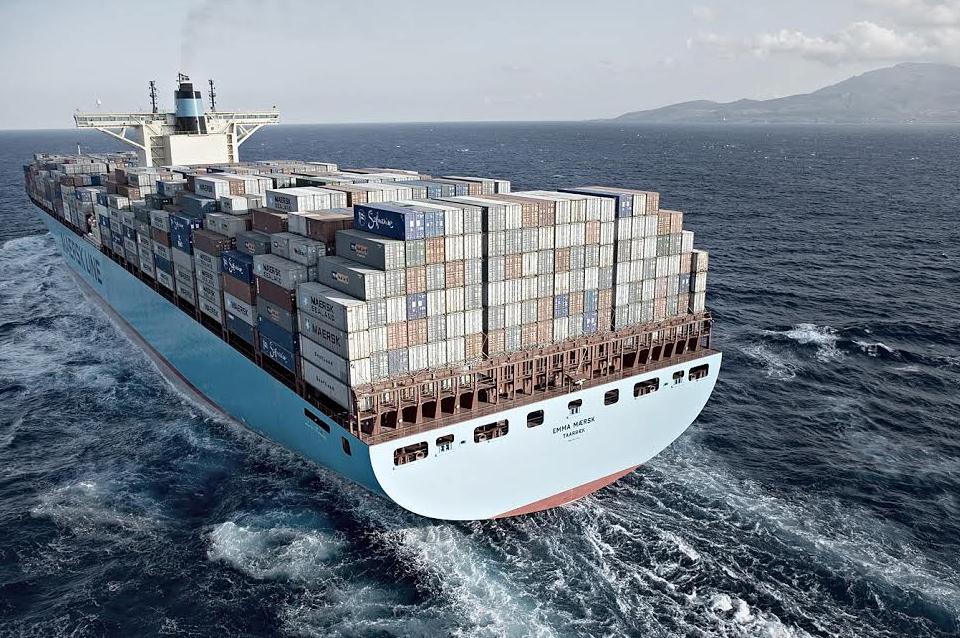
    A.P. Moller – Maersk (Maersk) has officially unveiled its World Gateway II: a state-of-the-art, fully automated global and regional distribution centre in Singapore. Stretching over 1.1 million square feet, the facility marks a significant expansion in Maersk’s contract logistics and e-commerce capabilities in the Asia Pacific region.

    Singapore: A Prime Location

    The Singapore Government backed the establishment of World Gateway II, which is poised to cater to the rapidly growing needs of companies that utilize Singapore as a regional or global distribution hub. Singapore’s strategic location and reputation as a top logistics centre make it an ideal choice for business-to-business (B2B) and business-to-consumer (B2C) e-commerce fulfilment across Asia Pacific.

    The new centre will handle a diverse range of products from various sectors, including lifestyle, fast-moving consumer goods (FMCG), retail, wellness, and technology. Its proximity to major transport infrastructure, such as the Tuas Port and Changi Airport, facilitates efficient overseas cargo distribution. Additionally, it lies a short distance from Maersk’s existing 1.0 million square feet World Gateway regional distribution centre.

    Efficiency and Scale through Advanced Automation

    The facility boasts leading-edge automation technologies such as a Multi-Shuttle System, Automated Storage and Retrieval System (ASRS), Autonomous Case-handling Robots (ACR), and Autonomous Mobile Robots (AMRs). These systems increase efficiency by reducing manual handling, thereby enhancing order fulfilment speed, shortening lead times, and improving accuracy.

    Investment and Job Creation

    Maersk has invested over S$200 million in the development of World Gateway II, which currently stands at approximately 70% occupancy. When fully operational, the facility is expected to create around 500 jobs that leverage advanced digital and automation capabilities.

    World Gateway II: Key Features

    The facility is designed with an 11-metre clear height per floor to support dense storage and advanced automation. It also features ample loading bays and rooftop container parking to cater to peak season demand.

    Its strategic location is only 16.8 kilometres from Tuas Mega Port and 42.6 kilometres from Changi Airport. Furthermore, the facility offers customs bonded, zero-GST warehouse storage, real-time shipment tracking, and full visibility of goods flow through an end-to-end transport management system.

    Additional offerings include various value-added services such as labelling, coding, bundling, kitting, and repacking. Moreover, the facility has an integrated Warehouse Management System (WMS) that enhances accuracy, visibility, and agility by integrating with customer systems.

    Finally, World Gateway II adheres to top-tier security standards and is LEED Platinum & Green Mark Platinum certified. The facility optimizes energy and water use with features such as solar panels, smart LED lighting, and energy-efficient insulation.

    Questions & Answers

    What is the significance of Maersk’s World Gateway II distribution centre?
    World Gateway II marks a significant expansion of Maersk’s contract logistics and e-commerce capabilities in the Asia Pacific region. Its strategic location in Singapore, a key logistics hub, makes it ideal for B2B and B2C e-commerce fulfilment across the region.

    What advanced technologies does the World Gateway II distribution centre employ?
    The facility uses a range of cutting-edge automation technologies such as a Multi-Shuttle System, Automated Storage and Retrieval System (ASRS), Autonomous Case-handling Robots (ACR), and Autonomous Mobile Robots (AMRs). These technologies enhance efficiency by reducing manual handling and improving order fulfilment speed and accuracy.

    What impact does the World Gateway II have on job creation in Singapore?
    Once fully operational, the World Gateway II distribution centre is expected to create approximately 500 jobs that leverage advanced digital and automation capabilities.

  • DHL Express and Malaysia Aviation Group Join Forces for Eco-Friendly Sky: Aiming to Cut Emissions with Sustainable Aviation Fuel

    DHL Express and Malaysia Aviation Group Join Forces for Eco-Friendly Sky: Aiming to Cut Emissions with Sustainable Aviation Fuel

    DHL Express has entered into a contract with Malaysia Aviation Group (MAG), the parent firm of Malaysia Airlines, to employ DHL’s GoGreen Plus service. The arrangement will allow MAG to decrease the greenhouse gas emissions connected to its punctual international shipments by investing in environmentally friendly aviation fuel (SAF) utilized within DHL’s airspace. The partnership is expected to reduce approximately 300 tons of lifecycle carbon dioxide equivalent (CO₂e) emissions by 2026, compared to the previous year.

    Supporting Emissions Reduction

    “SAF is presently one of the most advanced lower-carbon solutions for decreasing lifecycle emissions from long-distance air transport,” observed Julian Neo, Managing Director of DHL Express Malaysia and Brunei. “It is rewarding to see an esteemed national carrier like MAG bolster its stance in the lower-carbon aviation fuel landscape and inspire broader sector adoption. This partnership reaffirms our commitment to assisting the sustainability objectives of businesses through carbon-reduced logistics.”

    The GoGreen Plus service, initiated in 2023, lets customers use SAF to diminish indirect Scope 3 emissions in their value chain resulting from upstream and downstream transportation and distribution. The service is facilitated by multiple SAF agreements DHL has established with various partners.

    SAF, produced from renewable sources like used cooking oil and other residues, can lessen lifecycle greenhouse gas emissions by roughly 80 percent compared to traditional jet fuel. DHL’s GoGreen Plus service operates on a ‘book & claim’ model, allowing DHL to directly substitute fossil fuels with sustainable fuels within the logistic company’s network.

    Strengthening Sustainability

    MAG’s adoption of GoGreen Plus applies to both incoming and outgoing air freight handled by DHL Express throughout the United States, Europe, and Asia Pacific. This supports MAG’s corporate sustainability strategy by addressing the lifecycle emissions related to its international logistics activities and supports its wider push to promote SAF adoption across all passenger and cargo operations.

    As an aviation group managing both airline and air cargo businesses, MAG continues to identify scalable SAF solutions across consumer and commercial sectors, reinforcing its ongoing dedication to lower-carbon air transport solutions.

    Since 2021, MAG has operated flights powered by SAF for both passenger and cargo services, thereby building operational readiness and strengthening infrastructure integration across its network. This foundation is now allowing the Group to increase SAF usage in support of lower-carbon air freight solutions for corporate clients.

    Fostering Regional Growth

    In an effort to foster regional ecosystem development, MAG carried out a two-week SAF uplift on the Kuala Lumpur–London route in 2025 to evaluate Malaysia’s local supply chain preparedness at KLIA. This provided crucial groundwork for future SAF adoption. Simultaneously, the Group continues to collaborate with industry partners and local feedstock suppliers to explore avenues for domestic SAF production, thereby promoting commercially viable SAF solutions for passenger, corporate travel, and cargo operations.

    “SAF remains one of the most important components in aviation’s transition to net-zero by 2050. Scaling SAF requires coordinated action across the entire value chain—from policy to production to infrastructure and demand creation,” expressed Philip See, Group Chief Sustainability Officer of MAG. “Our partnership with DHL Express indicates the growing momentum for market-based solutions such as book-and-claim mechanisms that can quicken SAF uptake beyond regulatory mandates. We are committed to playing our part—not merely through operational adoption across our network, but by fostering ecosystem development in Malaysia and the region to enable progress towards a credible and scalable pathway for a lower-carbon aviation industry.”

    Questions & Answers

    What is the partnership between DHL Express and MAG aiming to achieve?
    This partnership aims to significantly reduce greenhouse gas emissions from international shipments by investing in sustainable aviation fuel (SAF) within DHL’s airspace.

    What is the GoGreen Plus service?
    Launched by DHL Express in 2023, GoGreen Plus is a service that allows customers to use SAF to reduce their indirect Scope 3 emissions, which arise from transportation and distribution activities.

    What actions has MAG taken to support lower-carbon air transport solutions?
    MAG has committed to the use of SAF across its passenger and cargo operations. It has also collaborated with industry partners and local suppliers to explore avenues for domestic SAF production, and invested in assessing and preparing local supply chains.

  • Revolutionizing Logistics: FedEx Unveils Expanded Taiwan Hub, Boosting APAC Supply Chain Capabilities

    Revolutionizing Logistics: FedEx Unveils Expanded Taiwan Hub, Boosting APAC Supply Chain Capabilities

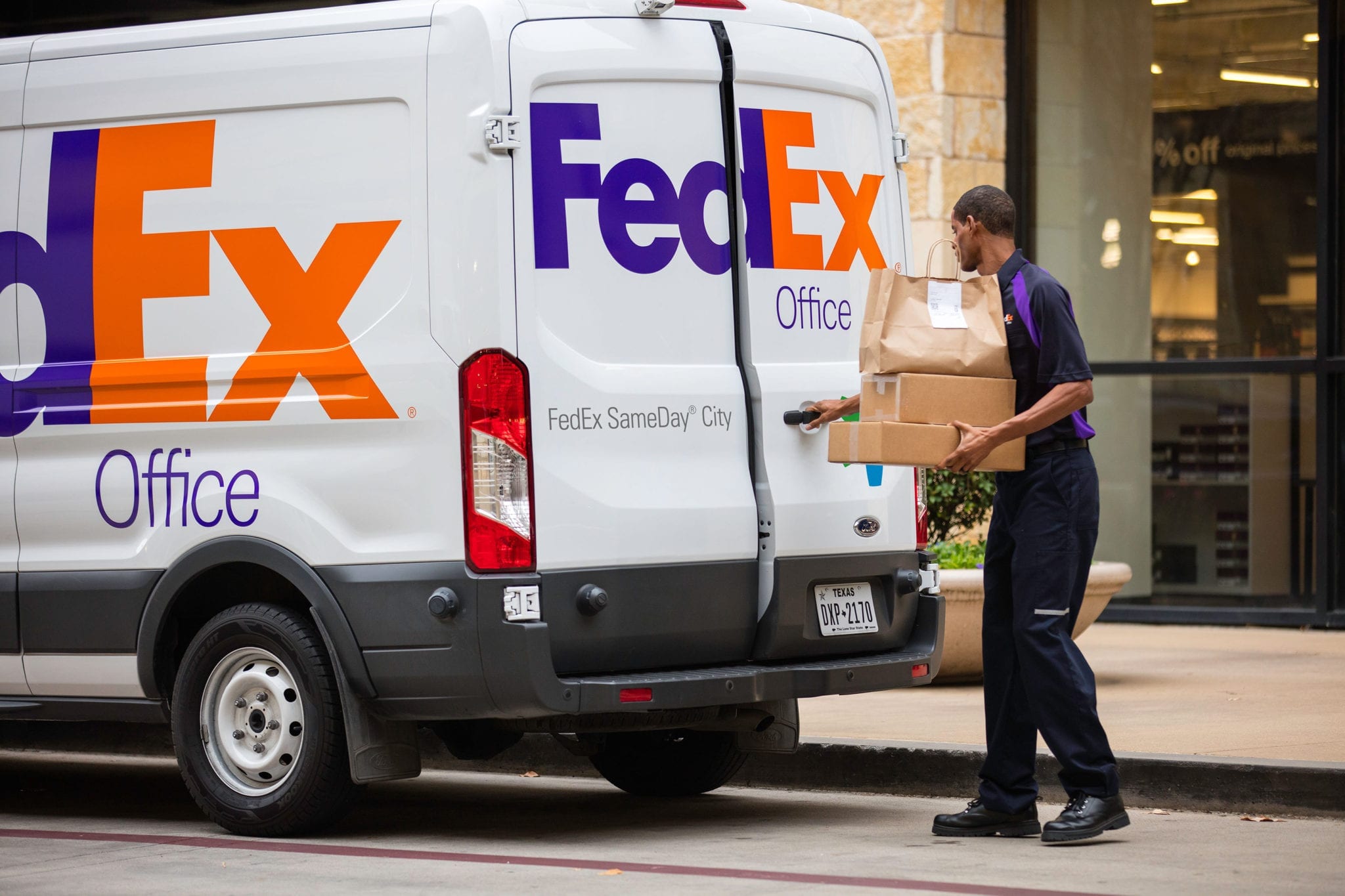
    FedEx, a leading express transportation company worldwide, is bolstering its Asia Pacific network by unveiling its recently expanded Transhipment Centre at Taoyuan International Airport. This development symbolizes FedEx’s most substantial investment in Taiwan throughout its 35 years of presence. The expansion greatly optimizes the centre’s sorting capacity, catering to the escalating logistics demands originating from high-tech, semiconductor, and e-commerce industries within Taiwan and the broader APAC region.

    Overview of the New Facility

    The freshly expanded facility is twice the size of the previous location, covering approximately 19,000 square meters. It integrates an advanced automated sorting system capable of handling up to 9,000 packages every hour. The efficiency of the new facility outmatches the previous one, with imports being 2.5 times more efficient and exports 1.2 times more efficient. Enhanced abilities to manage express parcels, freight, and specialized shipments, including hazardous materials and cold-chain goods, bolster operational safety and supply-chain resilience. This development contributes significantly to businesses engaging in cross-border shipping by promising greater speed and reliability.

    Supporting Technological Advancements

    The new facility mirrors the rising significance of the APAC region as a global technology force. The region is responsible for over 80% of the global semiconductor production. The rapid progression in AI and other burgeoning technologies is spurring the need for a logistics infrastructure that can seamlessly connect technology hubs, manufacturing centers, and high-growth markets.

    Shipping high-value, time-sensitive products such as semiconductors and precision instruments compels exceptional reliability, real-time visibility, and strict security throughout the shipping process. FedEx addresses these prerequisites by incorporating FedEx Surround® Monitoring and Intervention, and SenseAware ID sensor technology into its cross-border shipping.

    Investment in Trade Support

    Salil Chari, the regional president of Asia Pacific for FedEx, commented on the need for a robust logistics network in a world where economies are becoming more interconnected through trade and investment. The expansion of the Taiwan Transhipment Centre showcases FedEx’s dedication to develop a logistics infrastructure that delivers agility, speed, and reliability that customers need to strengthen their supply chains and expand their reach across emerging markets.

    With 40 weekly flights linking Taiwan to the United States, Europe, and other Asia Pacific markets, the new facility upgrades FedEx’s network capabilities. Businesses can tap into intra-Asia’s trade growth and access new opportunities in Europe and the US.

    In line with FedEx’s 2025 network enhancements, this investment strengthens intra-Asia trade corridors. New flight routes connecting South Korea with Vietnam and Taiwan have improved transit times for high-tech and e-commerce shipments. Also, extended connectivity between the FedEx Asia Pacific Hub in Guangzhou with key Southeast Asian markets has further boosted FedEx’s value proposition.

    To meet the growing demand along the Asia-Europe trade lane, FedEx has added five weekly flights connecting the Asia-Pacific to its European hub in Paris, making the total weekly frequencies 26. These network investments enable more flexible and efficient cross-border movement of goods, helping reduce trade barriers and accelerate access to international opportunities for small and medium-sized enterprises (SMEs) across APAC.

    Supporting Asia-Pacific’s growth as a global trade engine, FedEx continues to invest in air networks, logistics infrastructure, and smart digital solutions that aid businesses to flourish along the world’s most dynamic trade corridors.

    Questions & Answers

    Q: What capacity does the new automated sorting system at FedEx’s expanded Transhipment Centre have?
    A: The advanced automated sorting system at the center can process up to 9,000 packages per hour.

    Q: How does the new Transhipment Centre support high-tech supply chains?
    A: The facility can handle the movement of high-value, time-sensitive products like semiconductors and precision instruments with exceptional reliability, real-time visibility, and strict security.

    Q: What are FedEx’s plans to support intra-Asia trade growth?
    A: FedEx is planning more direct flights within Asia, connecting South Korea with Vietnam and Taiwan. It has also expanded connectivity between the FedEx Asia Pacific Hub in Guangzhou and key Southeast Asian markets.

  • Digital Assets Maintain Strong Long-Term Prospects, Asserts Sygnum Co-Founder

    Digital Assets Maintain Strong Long-Term Prospects, Asserts Sygnum Co-Founder

    Sygnum, a regulated digital asset bank, was conceived with a dual vision between Singapore and Switzerland. Gerald Goh, co-founder and CEO of Sygnum Asia-Pacific, has been a key player in establishing this transcontinental structure since 2017. Even with the fluctuating state of crypto markets, Goh reports a robust demand. According to Sygnum’s recent survey, digital assets are becoming increasingly popular among high net worth individuals (HNWIs) in Asia.

    Origins of Sygnum

    The concept of Sygnum saw its inception in Singapore in 2017 during the Singapore Fintech Festival. Goh, along with his three co-founders Luka Müller, Manuel Krieger and Mathias Imbach, were united by a shared vision: to provide a trustworthy platform for global access to digital assets.

    The founders envisioned Sygnum as a bridge between Singapore and Switzerland, two of the world’s most innovative and forward-thinking financial centers. Their goal was to leverage the openness of these regulatory environments to integrate digital assets into the financial services sector. However, they were unsure which jurisdiction would pioneer the regulation of digital assets.

    Dual Incorporation Strategy

    As a result, the founders decided to simultaneously incorporate Sygnum in both Singapore and Switzerland. This decision proved to be a prudent one, as it allowed them to engage with both regulatory environments from the outset. From its inception, Sygnum has had a strong presence in the Asia-Pacific region.

    Goh explains that the dual structure was driven by the recognition of Singapore and Switzerland as trusted financial hubs in their respective regions. The Swiss base was intended to serve Europe, while the Singapore base would cater to the Asia-Pacific region. The founders saw this as a strategic combination of the best of both worlds, given that both the Swiss Financial Market Supervisory Authority (FINMA) and the Monetary Authority of Singapore (MAS) were among the earliest regulators to recognize the potential of blockchain technology.

    Market Orientation

    While Sygnum Asia appears to be more consumer-focused (B2C), its Swiss counterpart is more oriented towards serving businesses (B2B). In Singapore, Sygnum utilizes both B2C and B2B channels, but Goh acknowledges the current tilt towards B2C. The company has more direct clients than banking partners in Singapore, whereas in Switzerland, Sygnum collaborates with over 20 Swiss banks and is a leading provider of B2B services.

    Goh believes that the slower institutional adoption of crypto in Singapore is due to the cautious approach of regulated intermediaries in the region. Despite years of engagement with local banks and external asset managers, the momentum to launch regulated digital asset services has been somewhat subdued compared to other regions.

    Questions & Answers

    How did the concept of Sygnum come into being?
    The idea for Sygnum was conceived during the 2017 Singapore Fintech Festival. The co-founders envisioned a platform that would offer global access to digital assets in a trusted manner.

    What was the rationale behind incorporating Sygnum in both Singapore and Switzerland?
    The decision to incorporate in both jurisdictions was driven by the recognition of Singapore and Switzerland as leading, innovative financial hubs. The dual structure allowed Sygnum to engage proactively with the regulatory environments of both regions.

    Why is institutional adoption of crypto slower in Singapore?
    The slower adoption rate is attributed to the cautious approach of regulated intermediaries in Singapore. Despite ongoing engagement with local banks and external asset managers, the pace to launch regulated digital asset services has been more measured than in other regions.

  • UBS Wins U.S. National Charter: Broadening Services for Wealth Management Clients

    UBS Wins U.S. National Charter: Broadening Services for Wealth Management Clients

    UBS is set to transform its U.S. entity, UBS Bank USA, into a nationally chartered bank following approval from U.S. regulatory bodies. The announcement was made via LinkedIn by Rob Karofsky, President of UBS Americas.

    A Significant Milestone for UBS

    Karofsky hailed this development as a significant achievement, reinforcing the bank’s enduring dedication to the U.S. market and its ongoing efforts to bolster the bank’s position as a global leader in wealth management.

    Expansion of Banking Services on The Horizon

    The new charter will empower UBS to broaden its banking services for its U.S. wealth management clientele. The bank plans to introduce payment services along with checking and savings accounts, among other offerings. The LinkedIn post emphasized that the new charter would reinforce the U.S. banking platform, improve client and financial advisor services, and put the bank in a favourable position for further expansion, all while upholding UBS’s high standards.

    The U.S. as a Crucial Market for Growth

    This move is part of a multi-year strategy by UBS to launch new products, systems, and technologies. The ambition is to create a state-of-the-art core banking platform with a focus on digitalization and artificial intelligence capabilities.

    UBS acknowledges the immense potential of the U.S. market. Despite U.S. clients having significant deposits, they often turn to other financial institutions for regular banking services. By enriching its service portfolio, UBS aims to deepen client relationships and fortify the position of its financial advisors.

    Questions & Answers

    What changes can UBS’s U.S. clients expect following this development?
    Clients can anticipate a wider array of banking services from UBS, including payment services and checking and saving accounts.

    What is UBS’s long-term goal with this transformation?
    UBS aims to fortify its position as a global wealth management leader, deepen client relationships, strengthen the role of its financial advisors, and establish a modern, digital, and AI-driven core banking platform.

    How does UBS view the U.S. market?
    UBS sees the U.S. market as crucial for its growth and plans to capitalize on its potential by expanding its service offerings to U.S. clients.

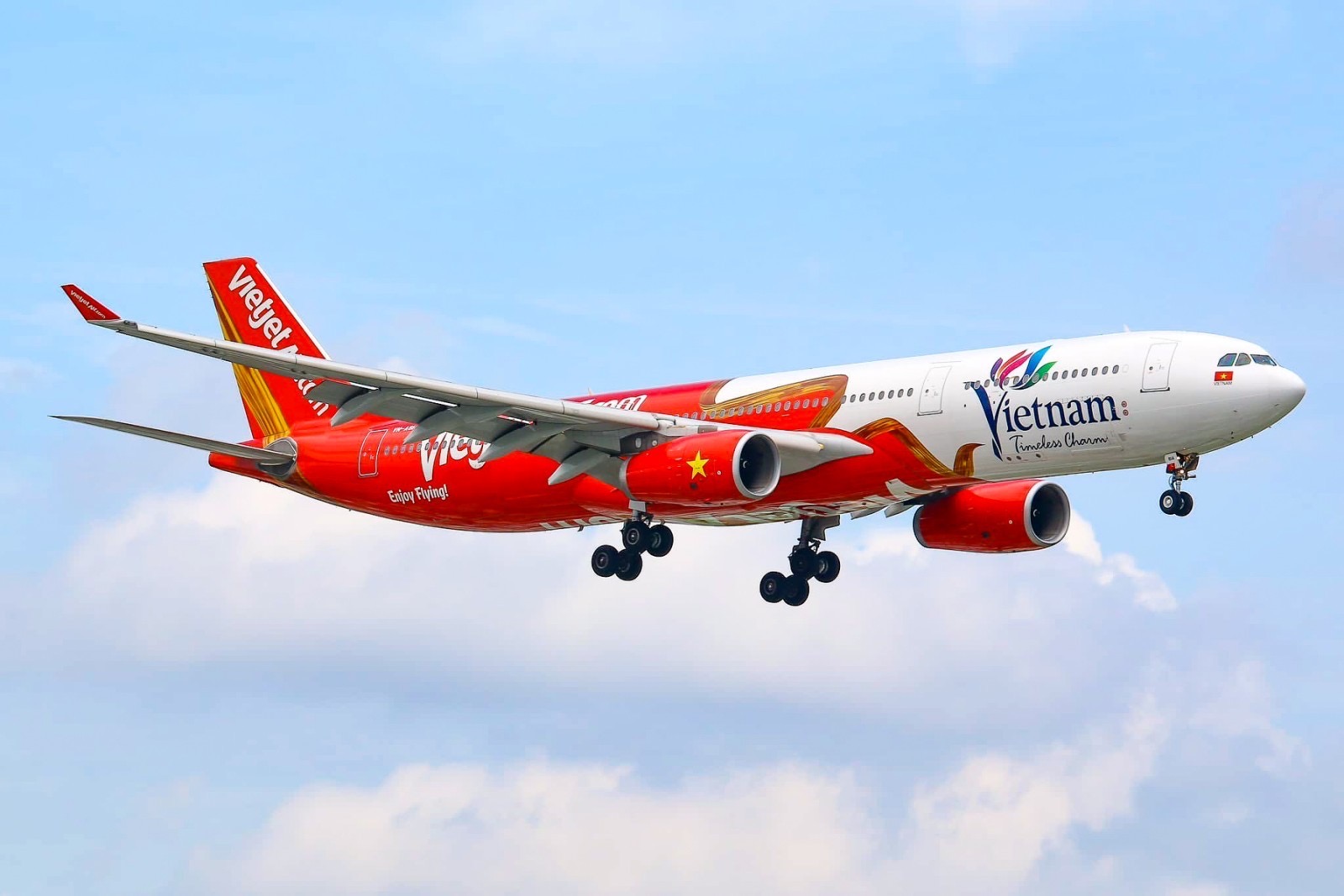
  • Vietjet announces major U.S. agreements worth over US$6.3 billion

    Vietjet announces major U.S. agreements worth over US$6.3 billion

    Vietjet has signed multiple strategic agreements with leading U.S. corporations and financial institutions, with a total value exceeding US$6.3 billion (approx. SGD7.99 billion). The signing ceremony took place in the presence of Vietnam’s General Secretary To Lam, alongside senior Vietnamese and U.S. government officials in Washington, D.C., where General Secretary To Lam attended the opening session of the United States-led Board of Peace, an international body established to support peace, stability, and reconstruction in Gaza, at the invitation of U.S. President Donald Trump.

    The event comes amid continued momentum in Vietnam–U.S. relations, particularly across the economic, financial, and technology sectors. On this occasion, the State Bank of Vietnam and the U.S. Department of the Treasury also issued a joint statement reaffirming their commitment to enhanced cooperation under the Vietnam–U.S. Macroeconomic and Financial Policy Dialogue framework.

    As Vietjet continues to expand its international network, the strengthened fleet and financing capacity also support growth in high-demand regional markets, including Singapore where Vietjet currently operates direct routes linking Singapore with Hanoi, Ho Chi Minh City, Da Nang and Phu Quoc.

    US$5.4 Billion (Approx. SGD6.85 Billion) Engine and Maintenance Services Agreement with Pratt & Whitney

    Vietjet and Pratt & Whitney, an RTX business, a global leader in aircraft engines and engine services headquartered in the United States, signed an agreement covering the selection of Pratt & Whitney GTFTM engines, and comprehensive maintenance services for 44 A321NEO and A321XLR aircraft. The total estimated value of the contract is approximately US$5.4 billion (approx. SGD6.85 billion).

    Under the agreement, Pratt & Whitney will provide new-generation engines to optimise operational performance, reduce operating costs, and lower emissions, advancing Vietjet’s sustainable development and green transition strategy.

    Boeing 737-8 Aircraft Financing Agreement with U.S. Partner

    Vietjet also signed an aircraft financing agreement with Griffin Global Asset Management to finance six Boeing 737-8 aircraft, valued at approximately US$965 million (approx. SGD1.22 billion) at list prices.

    The agreement marks a significant step in Vietjet’s strategy to diversify international funding sources while strengthening its financial capacity and capital structure in line with global standards.

    A Milestone in Vietnam–U.S. Aviation and Economic Cooperation

    With a combined value exceeding US$6.3 billion (approx. SGD7.99 billion), the agreements carry significance beyond their commercial impact. They support deeper collaboration in technology and finance, contribute to job creation, and strengthen value chain integration between the two economies.

    Vietjet Managing Director Nguyen Thanh Son said: “These agreements in the United States reflect Vietjet’s strong commitment to expanding the scale of international partnerships and developing a modern, sustainable fleet. They provide a solid foundation to enhance our financial strength, elevate operational standards, and support long-term growth for the aviation industry in Vietnam and globally.”

    The strategic agreements signed in Washington, D.C. reinforce Vietjet’s long-term vision as a dynamic, globally integrated aviation group with strong international competitiveness.

    They also contribute to advancing the Vietnam–U.S. Comprehensive Strategic Partnership by promoting capital flows, technology collaboration, and value chain integration in a new phase of economic development.

  • Human Made Expands Asian Footprint with Tokyo Mega-Store and Exciting Bangkok Debut

    Human Made Expands Asian Footprint with Tokyo Mega-Store and Exciting Bangkok Debut

    Japanese fashion label Human Made is increasing its presence in Asia with the impending launch of its most spacious flagship store in Tokyo, as well as its debut store in Thailand.

    Branching Out into Thailand

    Human Made is slated to introduce its first Thailand-based store in Bangkok on March 28, located in Central Embassy. This move marks the brand’s premiere entry into the Thai market.

    The Bangkok store will provide a fusion of fundamental merchandise and location-specific releases. Among the exclusive offerings include a collection embellished with an elephant graphic, a nod to the country’s national symbol, complemented by Muay Thai shorts and limited-edition items adorned with the brand’s iconic heart design.

    In addition to the retail aspect, the brand will also be extending its culinary venture by opening a new branch of Curry Up, a curry restaurant under the Human Made banner, adjacent to the store.

    Establishing a Larger Presence in Japan

    Simultaneously, back in its home country, Japan, Human Made is preparing to unveil Human Made Tokyo. This will be the brand’s most expansive flagship store, boasting a floor area of 59 square meters. The launch is set to take place in the Harajuku district around August to September of the current year.

    Questions & Answers

    Where will the largest Human Made flagship store be located?
    The largest Human Made flagship store will be located in Tokyo, specifically in the Harajuku district.

    What are some of the exclusive offerings that will be available at the Bangkok store?
    The Bangkok store will offer a collection featuring an elephant graphic, Muay Thai shorts, and limited-edition pieces incorporating the brand’s signature heart motif.

    What additional venture will Human Made be introducing in Bangkok alongside its retail store?
    Alongside its retail store in Bangkok, Human Made will be introducing a new branch of Curry Up, a curry restaurant operated by the brand.

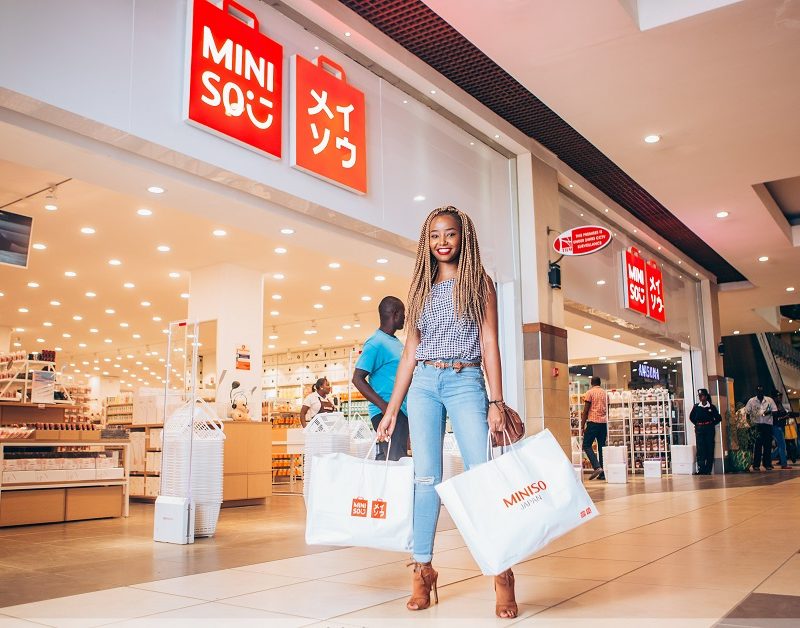
  • Miniso Launches First Immersive ‘Miniso Friends’ Concept Store in Malaysia, Shaking Up Retail Experience

    Miniso Launches First Immersive ‘Miniso Friends’ Concept Store in Malaysia, Shaking Up Retail Experience

    Miniso, a prominent retail brand, has launched its inaugural Miniso Friends concept store in Malaysia. This move aligns with the company’s pursuit to enlarge its unique intellectual property (IP) driven retail model and immersive shopping experiences across the Southeast Asia region.

    Store Location and Size

    The new Miniso Friends store is situated in LaLaport BBCC, a popular shopping destination. The store spans approximately 14,000 square feet, making it one of Miniso’s most substantial outlets in the Malaysian market.

    Intellectual Property Focus

    Miniso’s concept store strongly revolves around intellectual property (IP). About 62 per cent of its 6,500 products are associated with licensed characters and in-house creations. This strategic product combination is part of Miniso’s plan to captivate more customers and escalate sales by leveraging character storytelling and brand partnerships.

    Among the notable franchises featured in the store is Stitch, along with Miniso’s own intellectual property, YoYo.

    Customer Engagement

    In an effort to bolster customer engagement, the store’s design includes large installations and interactive photo zones to enhance the overall shopping experience. This concept specifically aims to appeal to younger consumers, particularly those from Generation Z, who tend to favour immersive and socially shareable retail spaces.

    This grand opening comes on the heels of Miniso’s first introduction of its Miniso Land concept in Malaysia earlier in the month.

    Questions & Answers

    What is the focus of the new Miniso Friends concept store in Malaysia?
    The new Miniso Friends concept store in Malaysia emphasizes on intellectual property, with about 62% of its products linked to licensed and in-house characters.

    What elements does the store incorporate to enhance customer engagement?
    The store includes large installations and interactive photo zones to augment the shopping experience, specifically targeting younger consumers who prefer immersive and socially shareable retail spaces.

    How does this opening fit into Miniso’s broader strategy?
    The opening of the Miniso Friends concept store aligns with the company’s strategy to expand its unique intellectual property-driven retail model and immersive shopping experiences across Southeast Asia.

  • Grab Seals $600M Deal for Foodpanda Taiwan, Marks Historic Expansion Beyond Southeast Asia

    Grab Seals $600M Deal for Foodpanda Taiwan, Marks Historic Expansion Beyond Southeast Asia

    The Singapore-founded super app, Grab, has declared its venture beyond Southeast Asia with a proposed acquisition of Foodpanda’s Taiwan operation, owned by Delivery Hero, for a cash sum of US$600 million. This acquisition is anticipated to conclude in the second half of the current year, pending regulatory approvals, and will be conducted on a cash-free, debt-free basis.

    Integrating Foodpanda

    Following the acquisition, Grab intends to incorporate Foodpanda Taiwan into its extensive delivery ecosystem. The company has plans to introduce its AI-driven logistics, mapping, and personalisation tools to improve service quality for consumers, merchants, and delivery associates. The aim is to deliver these improvements by leveraging its advanced technology and extensive experience in managing complex delivery logistics for densely populated and high-traffic cities.

    An Exciting Expansion

    The acquisition signifies Grab’s initial expansion outside Southeast Asia, making Taiwan the company’s ninth market. Anthony Tan, Group CEO and co-founder of Grab, expressed his enthusiasm for the expansion, stating that their experience in Southeast Asia makes Taiwan a logical next step. He also commented on how their expertise in dealing with complex delivery logistics in bustling cities is perfectly tailored for Taiwan’s thriving urban centres.

    Upon completion of the acquisition, Grab will be operational in 21 cities across Taiwan. It’s worth noting that Foodpanda Taiwan reported approximately US$1.8 billion in Gross Merchandise Value (GMV) last year, and was profitable on an adjusted EBITDA basis, excluding group costs from Delivery Hero.

    Continuity and Transition

    Until the deal is finalised, Delivery Hero will proceed with the regular operation of Foodpanda Taiwan. Grab has outlined plans to shift users, merchant partners, and driver partners over to the Grab app by the start of next year. The strategy aims to ensure a smooth transition while consolidating its position in the Taiwanese delivery market.

    Questions & Answers

    What is Grab’s plan following the acquisition of Foodpanda Taiwan?
    Grab intends to incorporate Foodpanda Taiwan into its delivery ecosystem and introduce its AI-powered logistics, mapping, and personalisation tools to enhance service quality for consumers, merchants, and delivery associates.

    How does Grab view its expansion into Taiwan?
    Anthony Tan, Group CEO and co-founder of Grab, considers the expansion into Taiwan as a logical next step, given their experience in Southeast Asia. He also mentioned that their expertise in managing complex delivery logistics is well-suited for Taiwan’s bustling urban centres.

    What are the plans for Foodpanda Taiwan users and partners after the acquisition?
    Grab plans to migrate users, merchant partners, and driver partners over to the Grab app by the start of next year. The aim is to ensure a smooth transition and strengthen its position in the Taiwanese delivery market.