Author: Mei Ling Tan

  • Vietnam Soars to 2nd Place in European Poultry Imports: A Boom in Southeast Asia’s Poultry Market

    Vietnam Soars to 2nd Place in European Poultry Imports: A Boom in Southeast Asia’s Poultry Market

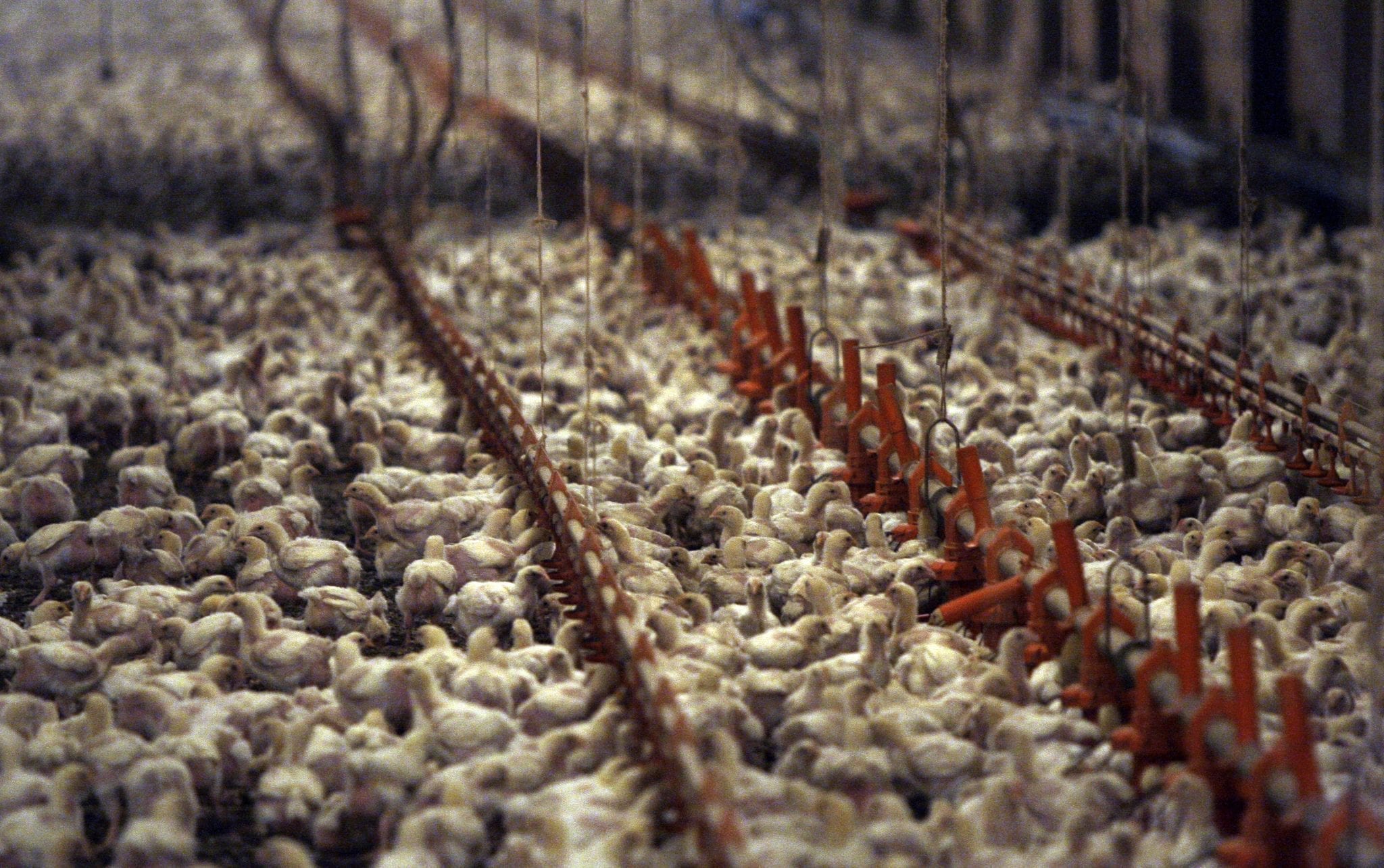
    In 2025, Vietnam witnessed an impressive import of over 56,500 tonnes of poultry from Europe, securing the country’s position as the second-largest consumer in Southeast Asia, with the Philippines leading the pack. This considerable import included various products like duck, chicken, and goose from the European Union (E.U.). These figures, released by the European Commission, show the steadily increasing demand for imported poultry products in the country. By January 2026, Vietnam had clinched the top spot as the largest importer of European poultry in the region, with purchases amounting to over 5,300 tonnes.

    Major European Suppliers

    Poland was the key European country supplying poultry to Vietnam, exporting over 37,300 tonnes in the previous year. France trailed behind with about 4,900 tonnes. Other significant contributors were Hungary, Italy, and the Netherlands, with respective exports of 4,680 tonnes, 2,750 tonnes, and 2,170 tonnes.

    According to Dariusz Goszczynski, a representative of the European poultry sector and President of the National Poultry Council under the Polish Chamber of Commerce, Vietnam is a priority market in the region for the E.U.’s poultry industry. This was highlighted during a promotional event in Ho Chi Minh City, under the campaign “European Poultry – From Farm to Fork.”

    Recovery from Pandemic-induced Disruptions

    Poultry importation in Vietnam experienced a downturn during 2021 to 2022 due to the disruptive effects of the Covid-19 pandemic, averaging around 30,000 tonnes per year. However, the volumes have bounced back almost twofold since 2023 as consumption regained momentum.

    Piotr Harasimowicz, the head of the Polish Investment and Trade Agency (PAIH) office in Vietnam, attributed the upswing in imports to the growing consumer trust in European poultry products, renowned for their strict safety and quality standards.

    Future Projections

    Industry professionals expect the demand to continue on an upward trajectory. The annual exports of Polish poultry to Vietnam alone are projected to hit an estimated 45,000 tonnes in the upcoming years.

    According to Agro Monitor, a market data provider, chicken accounted for 33% of Vietnam’s total meat consumption in 2024, a rise from 29% in 2022. This hints at a shift in dietary preferences towards poultry. The average egg consumption per person per year was about 198 eggs, still trailing behind the global average of 250–300 eggs, signifying further potential for market expansion.

    In line with income growth and urbanization, Vietnam’s evolving food consumption patterns are expected to support both domestic livestock development and the continued growth in poultry imports.

    Questions & Answers

    What is the status of Vietnam’s poultry imports from Europe?
    In 2025, Vietnam imported over 56,500 tonnes of poultry from Europe, becoming the second-largest consumer in Southeast Asia.

    Who are the major European suppliers of poultry to Vietnam?
    Poland, France, Hungary, Italy, and the Netherlands are the major European suppliers of poultry to Vietnam.

    What are the future projections for Vietnam’s poultry market?
    The demand for poultry in Vietnam is expected to continue expanding, with annual exports of Polish poultry alone projected to reach about 45,000 tonnes in the coming years. The country’s shifting food consumption patterns, due to factors such as income growth and urbanization, suggest further potential for market growth.

  • Cambodia Slashes Import Duties on EV’s, Solar Devices, and Electric Stoves to Counter Rising Fuel Prices

    Cambodia Slashes Import Duties on EV’s, Solar Devices, and Electric Stoves to Counter Rising Fuel Prices

    In a bid to alleviate the repercussions of escalating global fuel costs resulting from the Middle East conflict, Cambodia has chosen to diminish import duties on electric vehicles (EVs), electric stoves, and solar-powered appliances.

    Curtailing Import Duties

    On March 29, the General Department of Customs and Excise disclosed that the government has resolved to slash import duties from an initial 35% to zero on passenger EVs, electric stoves, and toasters.

    The government further resolved to decrease import duties from 35% to a mere 7% on passenger plug-in hybrid electric vehicles (PHEVs).

    In addition, import duties on chargers for EV batteries, electric rice cookers, and solar lamps have been reduced from 7% to zero.

    New Tariffs from April

    The fresh tariff rates are set to commence on April 1.

    These measures are a response to the dramatic acceleration of fuel prices since the beginning of the Middle East conflict. The government hopes that by reducing import duties on these items, it will encourage more people to switch to using energy-efficient and eco-friendly products, therefore, decreasing the country’s reliance on imported fuels.

    Questions & Answers

    Why is Cambodia reducing import duties on these specific items?
    The government is encouraging the use of energy-efficient and eco-friendly products to lessen the country’s reliance on imported fuels, whose prices have soared due to the Middle East conflict.

    What are the new import duty rates for these items?
    Import duties have been reduced from 35% to zero for passenger EVs, electric stoves, and toasters. For passenger PHEVs, the rate has been reduced to 7% from 35%. Meanwhile, import duties for EV battery chargers, electric rice cookers, and solar lamps have been reduced to zero from a previous rate of 7%.

    When will these new tariff rates take effect?
    The new tariff rates are set to go into effect from April 1.

  • Freitag Bolsters Global Presence with Exclusive Dover Street Market Partnership: A New Era in Retail Strategy

    Freitag Bolsters Global Presence with Exclusive Dover Street Market Partnership: A New Era in Retail Strategy

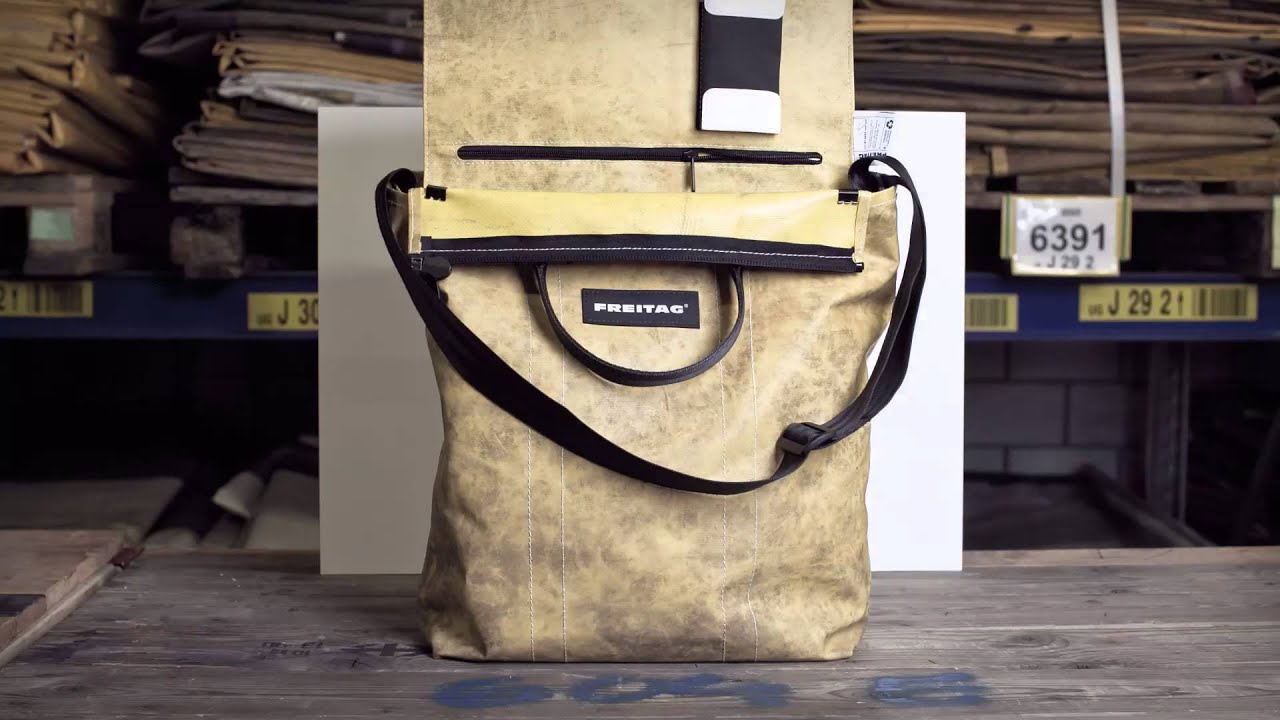
    Swiss accessory brand, Freitag, is expanding its international retail presence through a multi-faceted partnership with Dover Street Market (DSM). The partnership will consist of both permanent and temporary retail establishments, as well as an exclusive product line.

    Expanding Retail Footprint

    The partnership will activate a recently established Freitag Space at Dover Street Market Ginza and a temporary setup at Dover Street Market London. Both of these retail spaces were introduced on March 28, alongside the launch of a three-item, DSM-exclusive product collection.

    Freitag has stated that this collaboration signifies a move towards a deeper integration within influential multi-brand environments, as opposed to singular retail expansion. Freitag’s product manager and project lead, Oliver Fischhaber, expressed that following their 2023 project with Comme des Garçons, further collaboration with the DSM team was the next logical step.

    An Unmatched Aura

    Fischhaber spoke highly of Dover Street Market, highlighting its unique atmosphere and its inspiration from various angles, cultures, and movements. He expressed admiration for DSM’s customers, describing them as possessing a finely-tuned eye and a profound sense of authenticity. These are qualities that resonate with Freitag and the consumers they aim to engage.

    Focusing on Japan

    The opening in Ginza comes at a time when brands are increasingly prioritizing Japan for retail expansion. This focus is driven by a blend of design-aware consumers and a robust desire for unique, concept-based products.

    Established in Zurich in 1993, Freitag currently manages 30 stores globally, with Japan hosting four of these locations.

    Questions & Answers

    What is the nature of Freitag’s partnership with Dover Street Market?
    The partnership will consist of both permanent and temporary retail establishments, as well as an exclusive product line.

    What does this collaboration signify for Freitag?
    This collaboration signifies Freitag’s move towards a deeper integration within influential multi-brand environments, as opposed to singular retail expansion.

    Why is Japan a focus for brands’ retail expansion?
    Japan is a focus for retail expansion due to its blend of design-aware consumers and a robust desire for unique, concept-based products.

  • Cotton On Group Dissolves Inactive Singapore Entity in Strategic Asian Restructuring Move

    Cotton On Group Dissolves Inactive Singapore Entity in Strategic Asian Restructuring Move

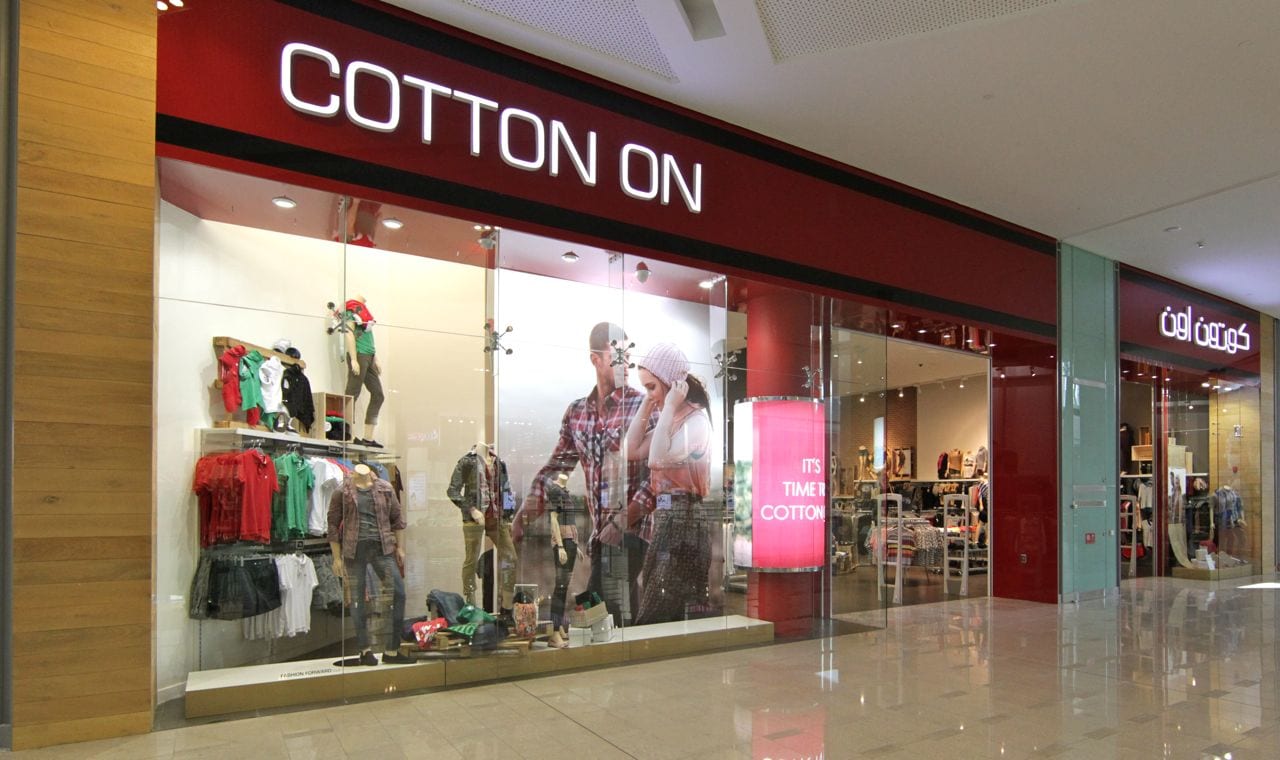
    The Australian fashion retail giant, Cotton On Group, has announced the shuttering of its regional division, Cotton On Asia. This decision comes in the wake of a resolution passed by shareholders that approved the winding up of the business and the appointment of liquidators.

    Despite the closure of this regional subsidiary, Cotton On Group has no intentions of withdrawing from the Asian market. Cotton On Australia’s main office has clarified that the liquidated entity was not responsible for operating any stores or hiring employees.

    “We have no plans to exit the Asia region,” a company representative stated.

    It was further explained that Cotton On Asia was an inactive holding company and its existence was no longer necessary. The closure will not affect customers, team members, stores, suppliers or operations within the Asian region in any way.

    Official documents from the Government Gazette reveal that the Singapore-based entity has entered a creditors’ voluntary liquidation. This action was a result of an extraordinary general meeting where members passed a special resolution under the Insolvency, Restructuring and Dissolution Act 2018.

    This move is reportedly part of a more extensive restructuring of the group’s corporate setup in Asia. Although the details have not been specified, it is generally believed that such actions are intended to streamline legal structures and enhance operational efficiency across different markets.

    Cotton On was first established in Singapore in 2007 and over the years have expanded its brand portfolio. The group now includes a variety of brands such as Cotton On, Cotton On Body, Cotton On Kids, Typo, and Rubi.

    The company was founded by Nigel Austin, who still maintains control over the business operations.

    Questions & Answers

    What is the reason behind Cotton On Group closing its regional division, Cotton On Asia?
    The closure is part of a broader restructuring strategy of the group’s corporate setup in Asia, aimed at streamlining legal structures and enhancing operational efficiency across different markets.

    Will the closure of Cotton On Asia affect the company’s operations in the region?
    No, the company has made it clear that the closure of this division will not impact customers, team members, stores, suppliers, or operations within the Asian region.

    Who founded Cotton On Group, and who currently oversees its operations?
    The Cotton On Group was founded by Nigel Austin, who continues to control the business operations.

  • Meituan’s Struggles Continue Amidst Food Delivery Frenzy: Can Signs of Easing Price War Restore Profits?

    Meituan’s Struggles Continue Amidst Food Delivery Frenzy: Can Signs of Easing Price War Restore Profits?

    Meituan, the leading food delivery company in China, reported its second consecutive quarterly loss, slightly missing revenue growth forecasts. This comes after a year of aggressive, subsidy-intensive competition in China’s one-hour delivery market.

    Meituan’s revenue growth and profits have been under pressure for several consecutive quarters since the introduction of new ‘instant retail’ platforms by e-commerce heavyweights Taobao, which is owned by Alibaba, and JD.com in early 2025.

    The term ‘instant retail’ or ‘quick commerce’ refers to online orders that typically include food, bubble tea, and everyday items, delivered within an hour.

    However, the early part of 2026 has signaled a potential slowdown in the instant retail pricing battle, which has been condemned as a “race to the bottom” by Chinese regulatory bodies.

    For the quarter ending on December 31, Meituan’s revenue reached 92.1 billion yuan (approximately US$13.3 billion), marking a 4.1% increase from the previous year. This figure is slightly below the 92.2 billion yuan analysts had predicted.

    The company managed to reduce its adjusted net loss to 15.1 billion yuan, down from 16 billion yuan in the third quarter. This is a stark contrast to the same period a year earlier, when Meituan reported a profit of 9.8 billion yuan.

    During a post-earnings call with analysts, Meituan’s CEO, Wang Xing, claimed that the regulatory stance on the instant retail competition is “already quite clear”. Wang stressed that regulatory authorities are vehemently against the escalating ‘neijuan’ competition and are keen on promoting a healthy, orderly market. ‘Neijuan’, or ‘involution’, refers to a situation where individuals or companies are forced into intensifying competition that yields minimal benefits.

    Earlier in the week, Meituan’s shares experienced a surge of 14% following the re-publication of a state media editorial by Chinese regulators. The editorial called for an end to the ongoing food delivery price wars, and its re-publication was perceived by industry experts as an official endorsement.

    Questions & Answers

    What is ‘instant retail’?
    Instant retail, also known as quick commerce, refers to online orders typically comprising food, bubble tea, and daily use items, delivered within an hour.

    What does ‘neijuan’ mean?
    ‘Neijuan’, or ‘involution’, refers to a situation where companies or individuals are pushed into a state of intensifying competition that brings very little benefit.

    What was the response of the market to the call for an end to the food delivery price wars?
    Following the re-publication of a state media editorial that called for an end to the food delivery price wars, Meituan’s shares experienced a 14% increase, suggesting a positive market response.

  • Air China Soars Back to North Korea After Six-Year Hiatus: A Positive Shift Towards Open Borders

    Air China Soars Back to North Korea After Six-Year Hiatus: A Positive Shift Towards Open Borders

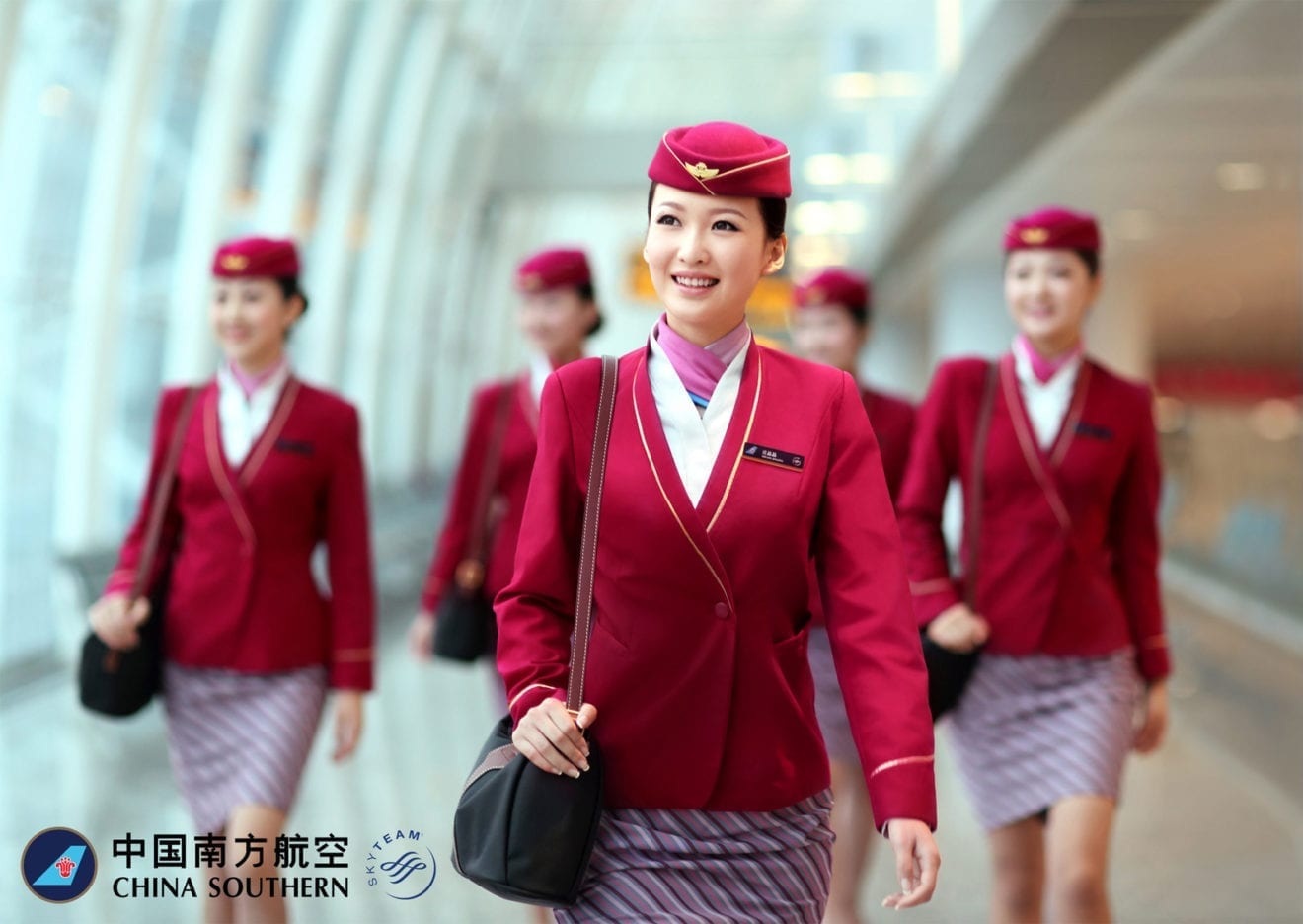
    After a six-year break, Air China has reinstated direct flights from Beijing to Pyongyang. This comes as another indication that North Korea is gradually becoming more accessible, following the reestablishment of train services between the two capitals.

    Resumption of Flight Services

    Air China’s Flight CA121 took off from Beijing Capital Airport at 7:58 a.m. and touched down at Pyongyang’s Sunan International Airport at 10:37 a.m. The aircraft used for the journey was a Boeing 737-700, which has a passenger capacity of up to 128. However, only individuals with business or study purposes or those with special reasons are currently allowed to undertake the cross-border trip.

    Chinese ambassador to North Korea, Wang Yajun, along with other Chinese diplomats, welcomed the passengers upon their arrival at the airport.

    Passenger Perspectives

    Among the passengers ready to embark on the flight was business traveler Zhao Bin, who conveyed positive sentiments about the resumption of services. He anticipates that the increased availability of transportation options will enhance travel and communication between the two countries. Zhao, a frequent visitor to North Korea, said that the renewed flight service will significantly benefit those who regularly journey between Beijing and Pyongyang.

    In addition, Zhao expressed his eagerness to explore North Korea’s diverse culinary scene and looked forward to the potential strengthening of relations between the two nations due to increased exchange.

    Implications for Tourism

    The cost of economy class tickets for the flight was around $200. A return flight from Pyongyang is planned for midday.

    While this is a promising step, there is still no clear information regarding the resumption of tourism for Western visitors. Before the pandemic, Chinese tourists made up the majority of foreign visitors in North Korea, with approximately 350,000 in 2019, making it a significant source of revenue for Pyongyang.

    By contrast, around 5,000 Western tourists visited North Korea annually from 2009, with U.S. citizens making up 20% of these numbers.

    Slow Reopening

    North Korea has been slower in reopening its borders fully compared to China. The country resumed direct flights and train services with Russia last year, and state carrier Air Koryo reinstated flights from Beijing to Pyongyang in 2023.

    Questions & Answers

    What is the capacity of the Boeing 737-700 used for the flight between Beijing and Pyongyang?
    The Boeing 737-700 used for the flight can accommodate up to 128 passengers.

    Who are currently allowed to travel between Beijing and Pyongyang?
    Only individuals traveling for business or study purposes or those with special reasons are currently allowed to undertake the cross-border trip.

    How many Chinese tourists visited North Korea before the pandemic?
    Before the pandemic, Chinese tourists made up the majority of foreign visitors in North Korea, with approximately 350,000 in 2019.

  • Ikea’s Grand Expansion: 25 New Stores to Enliven India’s Retail Landscape by 2027

    Ikea’s Grand Expansion: 25 New Stores to Enliven India’s Retail Landscape by 2027

    Swedish furniture giant Ikea is broadening its reach in India with the inauguration of a new 3000 square foot store in Pune. This move is a continuation of the company’s assertive expansion across the country, adding to its already established locations in prominent cities such as Hyderabad, Navi Mumbai, Bengaluru, Mumbai, and New Delhi.

    Growth Plans in India

    Over the next half-decade, Ingka Group, Ikea’s parent company, has outlined its plans to establish an additional 25 small and medium-sized stores nationwide. This is part of the company’s aggressive multi-format growth strategy that aims to expand their influence in the Indian market.

    In addition to these smaller shops, large-format stores are also in the works as part of Ikea-owned shopping centres in the outskirts of New Delhi. The first of these larger establishments is scheduled to open in Gurugram, with Noida following suit.

    A Strong Understanding of the Local Market

    Ikea India’s CEO, Patrik Antoni, is confident in the company’s understanding of the local market. This confidence stems from the successful navigation of unique customer needs in different regions across the country.

    Antoni stated, “We can inspire more people to make the most of their living situations – offering ideas and solutions that may be new to many people in India. Expanding our network and becoming more accessible is key to that.”

    Questions & Answers

    What is Ikea’s expansion plan in India?
    Over the next five years, Ingka Group, Ikea’s parent company, plans to establish 25 small to medium-sized stores across the country. They are also developing large-format stores outside New Delhi as part of Ikea-owned shopping centres.

    Where are Ikea’s new large-format stores being built?
    The new large-format stores are being planned outside of New Delhi. The first of these stores is set to open in Gurugram, followed by Noida.

    What is Ikea’s approach to the Indian market?
    Ikea aims to inspire more people in India to optimize their living situations by introducing them to novel ideas and solutions. They believe that expanding their network and enhancing their accessibility is the key to achieving this objective.

  • Misto Holdings Amplifies K-fashion Revolution: 100+ Retail Outlets and New Brand Launches in Greater China on the Horizon

    Misto Holdings Amplifies K-fashion Revolution: 100+ Retail Outlets and New Brand Launches in Greater China on the Horizon

    Misto Holdings is set to broaden its reach in the Greater China region, bringing a multitude of Korean fashion brands to the rapidly growing market. The company’s portfolio consists of brands such as Matin Kim, Marithé+François Girbaud, Raive, and Rest & Recreation. It aims to manage over 100 retail units by mid-year.

    Misto Holdings reports that its brands have shown a substantial early rise. Mardi Mercredi, for example, saw its sales increase by 190 per cent in its second year, while Raive experienced a 200 per cent growth in its first year.

    In terms of digital presence, Misto Holdings oversees platforms like Tmall, Xiaohongshu, and Douyin. It uses a blend of in-house content, live-commerce studios, and influencer collaborations to interact with local consumers.

    Moreover, the company is re-evaluating its Greater China portfolio this year. It aims to diversify into men’s high-end contemporary, women’s casual, and athleisure categories. Commencing next year, the plan is to introduce approximately five new brands in the region.

    Misto Holdings emphasizes that its focus is on sustainable, long-term brand growth across both online and offline channels.

    “We are not just managing brands; we are long-term partners dedicated to building brand value across both online and offline touchpoints,” said a spokesperson for Misto Holdings. “Our focus remains on building sustainable brand equity across the Greater China region.”

    Earlier this month, Misto Holdings also announced a surge in fourth-quarter sales as the company restructured its US operations.

    Questions & Answers

    What is the expansion plan of Misto Holdings in the Greater China region?
    Misto Holdings plans to introduce multiple Korean fashion brands to the market and aims to manage over 100 retail units by the middle of this year.

    What digital platforms does Misto Holdings manage and how does it reach local consumers?
    Misto Holdings manages platforms like Tmall, Xiaohongshu, and Douyin. It reaches local consumers through a blend of in-house content, live-commerce studios, and influencer collaborations.

    What is the focus of Misto Holdings?
    The company is focused on sustainable, long-term brand growth across both online and offline channels. It aims to build brand value across both online and offline touchpoints in the Greater China region.

  • Domino’s China Soars High: Record Revenue and Aggressive Expansion Mark FY25 Success

    Domino’s China Soars High: Record Revenue and Aggressive Expansion Mark FY25 Success

    DPC Dash, the firm in charge of Domino’s operations in China, has noted a substantial revenue increase as well as an ambitious expansion of stores across the country for the fiscal year 2025. The firm’s recorded revenue growth constituted a 24.8% increase year-over-year, amounting to RMB 5.38 billion (approximately US$778 million).

    Consolidating and Expanding Market Presence

    The company has persistently followed a strategic ‘Go Deeper, Go Broader’ approach, emphasizing its expansion into new markets and simultaneously fortifying its foothold in already established markets. Aileen Wang, CEO of DPC Dash, reiterated the firm’s strategic approach during an earnings call, where she noted the company’s disciplined expansion strategy of broadening its reach into new markets and deepening penetration in already existing ones.

    According to Wang, DPC Dash has noticed impressive performance in newly established stores in emerging markets. The daily sales of these stores have surpassed historical averages, clearly reflecting the attractive economic aspects of each unit and the capital efficiency of their developmental model.

    Record Breaking Expansion

    Last year, DPC Dash launched an impressive 307 new stores, extending its reach to 21 fresh cities and bringing the total count of its network to 1315 stores across 60 cities. Notably, the company recorded positive same-store sales growth throughout the year in Tier 1 cities. Furthermore, as of January 31, the company held all top positions in global Domino’s records for the first 30-day sales of new stores.

    DPC Dash’s CFO, Helen Wu, stated that the company has managed to leverage its scale and efficiency gains to strengthen profitability and establish a solid foundation for sustainable, long-term success.

    Loyalty Program Success and Future Goals

    DPC Dash also reported a strong engagement with its loyalty program, noting that the program’s membership increased by 45.3%, from 24.5 million in 2024 to 35.6 million last year.

    Looking forward, DPC Dash anticipates the opening of approximately 350 new stores in the fiscal year 2026. As of March 20, the company had already opened 140 new stores, with 14 under construction and 65 under contract for future development.

    Questions & Answers

    What was the percentage increase in DPC Dash’s revenue year-over-year?
    DPC Dash recorded a 24.8% increase in its revenue year-over-year.

    How many new stores did DPC Dash open in 2025 and in how many new cities?
    DPC Dash opened 307 new stores in 2025, expanding into 21 new cities.

    What is the projected number of new stores DPC Dash plans to open in 2026?
    DPC Dash plans to open approximately 350 new stores in 2026.

  • Miniso’s Shanghai Pop-Up Brings Blackpink’s Jennie Ruby Experience to Life: Exclusive Merchandise and More

    Miniso’s Shanghai Pop-Up Brings Blackpink’s Jennie Ruby Experience to Life: Exclusive Merchandise and More

    Miniso, the Japanese-inspired variety store, recently launched its premier Jennie Ruby pop-up store in Shanghai, offering fans a unique retail experience that’s linked with Blackpink member Jennie’s solo album Ruby.

    Location and Concept

    This pop-up store is located in the bustling central atrium of Grand Gateway Plaza and will continue to operate until April 19th. The store’s aesthetic, featuring a bold red and black design, is a direct reflection of the album’s visual theme.

    Beyond its vibrant design, the pop-up store opens its doors to a myriad of fashion-inspired displays, collectible items, stationery, and lifestyle products. It offers more than 70 stock-keeping units (SKUs), including exclusive loungewear that has been specifically designed for the pop-up.

    Expansion to Beijing and Guangzhou

    After the successful launch in Shanghai, Miniso further broadened its horizons by extending the pop-up concept to Beijing and Guangzhou. These additional locations will operate until April 21st, at the Miniso Land Chaoyang Avenue Park store in Beijing, and the Beijing Road flagship store in Guangzhou.

    Miniso’s Strategy

    This collaboration is an integral part of Miniso’s strategy to establish partnerships with celebrity IPs. This strategy has been proven successful in past initiatives such as the Enhypen collection, which was targeted at engaging younger consumers and creating unique and experiential retail opportunities.

    Questions & Answers

    What is the concept of the Jennie Ruby pop-up store?
    The Jennie Ruby pop-up store offers fans a retail experience that is linked to Blackpink member Jennie’s solo album Ruby. It features a red and black design reflecting the album’s visual theme and offers more than 70 SKUs, including exclusive loungewear.

    After its Shanghai launch, where has Miniso expanded the pop-up concept?
    After launching in Shanghai, the pop-up concept was expanded to Beijing and Guangzhou.

    What is the purpose of Miniso’s collaborations with celebrity IPs?
    Miniso collaborates with celebrity IPs as part of its strategy to engage younger consumers and create unique, experiential retail opportunities.

  • Best AliExpress Extensions: Which Ones Are Actually Worth Using?

    Best AliExpress Extensions: Which Ones Are Actually Worth Using?

    Shopping on AliExpress is not just about finding the cheapest listing anymore. A low price alone does not tell you much. The real question is whether the discount is genuine, whether the seller is trustworthy, whether the same item is available elsewhere for less, and whether you are missing better deals, hidden coupons, or a stronger alternative listing.

    That is why AliExpress browser extensions are still useful. A good extension will not magically make every purchase perfect, but it can help you shop more carefully and avoid some very common mistakes. You can check whether a price was recently increased before a sale, compare similar listings, evaluate the store behind the product, and sometimes uncover discounts you would not have seen otherwise.

    There are plenty of AliExpress extensions available, but they do not all solve the same problem. Some are built around price history. Others focus on coupons, product research, or seller analysis. The best one for most people is usually the tool that combines the most helpful features without becoming overloaded or difficult to use. Below is a practical ranking of five popular AliExpress extensions, starting with the strongest all-around option.

    How these extensions were ranked

    When comparing tools like these, the feature list alone is not enough. What matters more is how useful the extension is in real shopping situations.

    The most important criteria are fairly simple. First, price history matters because it helps you understand whether a discount is real or only looks good on the surface. Second, seller analysis matters because a cheap product is rarely a good deal if the store is unreliable. Third, coupon support can be useful, especially during sales, but it is only one piece of the puzzle. Fourth, similar product comparison can save money because the same item often appears in multiple listings with different prices and shipping conditions. And finally, usability matters. An extension can have many functions, but if it feels cluttered or inconvenient, most people will stop using it.

    With that in mind, here are the best AliExpress extensions worth considering.

    1. AliHelper

    AliHelper takes the top spot because it offers the best balance of features for everyday AliExpress shopping. Instead of focusing on only one part of the buying process, it brings together price tracking, seller checks, reviews, coupons, and parcel tracking in one place. That makes it a strong option for people who want one extension that covers most of the basics well.

    Its biggest advantage is that it feels practical. Many shoppers do not want to install separate tools for price history, seller reliability, delivery tracking, and discounts. They want one assistant that helps them make better decisions before checkout. This free extension for AliExpress fits that role very well.

    One of the most useful features is price history. This matters more than people sometimes realize. On marketplaces like AliExpress, a discount can look impressive while actually being less attractive than it appears. A price chart gives context. It helps you decide whether this is a genuinely good moment to buy or whether it makes more sense to wait.

    Seller checking is another important strength. The same product is often listed by multiple stores, and the cheapest option is not always the smartest one. A slightly higher price from a more established seller with better trust signals can easily be the safer purchase. AliHelper helps make that comparison easier.

    It is also helpful that the extension covers more than just pre-purchase analysis. Reviews, coupons, and parcel tracking all add to the experience, especially for people who order from AliExpress regularly and do not want to keep switching between tools.

    AliHelper may not be the absolute most specialized tool in every narrow category, but as an all-purpose extension, it is the most balanced option in this ranking. For most users, that matters more than having a highly specialized feature they only use occasionally.

    Who it is best for: people who want one reliable, all-in-one AliExpress shopping assistant.

    2. AliTools

    AliTools is one of the most recognizable AliExpress extensions, and it earns second place because it offers a wide range of useful shopping features. It combines price history, promo code discovery, seller ratings, similar product suggestions, image search, and parcel tracking in one extension.

    Its biggest appeal is breadth. AliTools is built for users who want more than the basics. If you enjoy comparing listings, searching for alternatives, and checking for additional discounts before you buy, it gives you plenty to work with.

    The image search feature is especially useful in certain situations. For example, if you find a product on another website, in social media, or in an ad, you may want to see whether a similar item is available on AliExpress for less. That is not something everyone uses every day, but when needed, it can be genuinely valuable.

    AliTools also does a good job for people who shop actively during promotional periods. Promo code discovery and discount support become more helpful when there are several overlapping offers and you do not want to test them manually.

    So why is it not number one? Mainly because AliHelper feels slightly more balanced and straightforward for the average shopper. AliTools is excellent, but it can feel a little more feature-heavy. Some users will love that. Others may prefer something a bit simpler and more streamlined.

    Still, if you like having more tools at your fingertips and want a broader shopping assistant, AliTools is one of the strongest options available.

    Who it is best for: shoppers who want a powerful extension with a wide feature set, including image search and strong comparison tools.

    3. AliRadar

    AliRadar earns third place because it is especially useful for shoppers who care about the fundamentals: price history, seller reliability, price drop alerts, and similar product suggestions. It is less about doing everything and more about helping users make safer, smarter buying decisions.

    That narrower focus is actually one of its strengths. Instead of trying to become an all-in-one platform for every shopping scenario, AliRadar concentrates on the features that matter most when you are deciding whether to trust a listing.

    Its price tracking tools are valuable because timing often matters on AliExpress. If a product has recently become more expensive, or if its current discount is not as impressive as it looks, you want to know that before placing an order. AliRadar helps provide that context.

    It is also strong when it comes to seller checks. This is important because two listings can look almost identical while the stores behind them are very different in reliability and reputation. A good extension should help reduce that uncertainty.

    The price drop alert feature is another reason AliRadar stands out. Not every purchase needs to happen immediately. Sometimes the smartest move is simply to watch a listing and wait for a better moment. For shoppers who are patient and willing to track products over time, this can be especially useful.

    AliRadar ranks below AliHelper and AliTools mostly because it feels a bit narrower overall. It is very good at what it focuses on, but it is not quite as broad as the two higher-ranked options.

    Who it is best for: shoppers who care most about price transparency and seller trustworthiness.

    4. AliExpress Coupon Finder

    AliExpress Coupon Finder is more specialized than the top three tools in this ranking. Its main job is exactly what the name suggests: finding discounts and coupons for the product you are viewing. If your main priority is saving as much as possible at checkout, this kind of extension can be very useful.

    That specialization is both its strength and its limitation.

    The biggest advantage is convenience. AliExpress often has several kinds of discounts active at the same time, including seller coupons, store offers, platform-wide codes, and event-based promotions. Checking them manually can be tedious. A coupon-focused extension helps simplify that final step and can sometimes save you money you would otherwise miss.

    At the same time, coupons are only part of the buying decision. Before worrying about promo codes, most shoppers should first understand whether the listing is reliable, whether the price is fair, and whether a better offer exists elsewhere. That is where broader tools tend to be more useful overall.

    This is why AliExpress Coupon Finder is not ranked higher. It is not a weak extension. It is simply more specialized. For some users, that will be perfect. For others, it will feel incomplete without a separate price or seller analysis tool.

    If you already know how to evaluate products and stores on your own and mostly want help squeezing out extra discounts before checkout, it can be a smart addition.

    Who it is best for: shoppers whose main priority is finding and applying the best available coupons.

    5. AliPrice

    AliPrice rounds out this list as a feature-rich extension with strong tools for price tracking, image search, coupon discovery, and product comparison. It is a capable option, especially for users who like researching listings in more detail before making a decision.

    Its most interesting strength is that it often feels broader than a standard shopping helper. In addition to helping with ordinary purchases, it can appeal to people who like comparing suppliers, researching alternatives, and digging deeper into how listings differ from one another.

    That makes it especially useful for shoppers who do not just want to check one product and buy it. Instead, they want to explore similar listings, compare stores, and search visually for matching products across the platform.

    The reason it ranks fifth is not that it lacks value. It is more that its focus can feel slightly more advanced than what the average AliExpress shopper needs day to day. For users who want something very simple and immediately practical, the higher-ranked tools may feel more intuitive.

    Still, for people who enjoy a more research-oriented approach to shopping, AliPrice can be a very solid choice.

    Who it is best for: users who like in-depth product comparison, image search, and more advanced shopping research.

    Which AliExpress extension should you choose?

    The best choice depends on how you shop.

    If you want one extension that covers nearly everything most people need, AliHelper is the best overall option. It is balanced, practical, and well suited to everyday shopping.

    If you want a broader feature set and like having more tools available, AliTools is a strong alternative.

    If your focus is on price history and seller trust, AliRadar is a very sensible choice.

    If you mainly care about discounts at checkout, AliExpress Coupon Finder is the most targeted solution.

    And if you enjoy deeper product research, AliPrice is worth considering.
  • Singapore Sees First Gasoline Price Drop in Weeks as Global Oil Tumbles

    Singapore Sees First Gasoline Price Drop in Weeks as Global Oil Tumbles

    In a surprising turn of events, gasoline prices in Singapore have seen a drop for the first time in nearly three weeks. Shell, one of the leading retailers, has become the pioneer in cutting its rates.

    As of Wednesday afternoon, Shell was selling 95-octane petrol at a 1.44% reduced rate, which translates to SGD3.42 (US$2.67) per liter. This move has set them apart from other companies such as Caltex, Esso, and Sinopec which have opted to maintain their rates at SGD3.47. Despite the reduction in petrol prices, Shell has increased its diesel price by a significant 5.3%, hiking it up to SGD3.93.

    Global Oil Prices and International Relations

    Interestingly, this development has coincided with a fall in global oil prices. The Brent benchmark, for instance, slipped below $100 at the time of writing. This was largely attributed to an announcement from Iran stating that “non-hostile vessels” could safely navigate through the Strait of Hormuz, provided they liaised with its authorities.

    Simultaneously, U.S. President Donald Trump has reversed his earlier threats aimed at Iran’s power grid. He recently stated that the U.S. and Iran had engaged in “very good and productive” conversations.

    Trends in Diesel Prices

    According to Tom Kloza, a prominent energy adviser at Gulf Oil, diesel prices have been climbing at a steeper rate than petrol prices. This is party due to a squeeze on supply, even before any conflict. He stated, “The world was well supplied with petrol on Feb 28, but it was not well-supplied on these middle distillates like diesel, gasoil, marine fuel, and jet fuel.”

    Questions & Answers

    Why did Shell reduce its petrol prices?
    Shell reduced its petrol prices due to the recent fall in global oil prices.

    Why have diesel prices been climbing faster than petrol prices?
    Diesel prices have been rising faster than petrol prices due to a tight supply of diesel and other middle distillates like gasoil, marine fuel, and jet fuel.

    What was the reason behind the recent drop in global oil prices?
    Global oil prices fell after Iran assured the safe passage of “non-hostile vessels” through the Strait of Hormuz, given they coordinated with Iranian authorities. This, coupled with U.S. President Donald Trump stepping back from threats to target Iran’s power grid, eased tensions and led to the drop in oil prices.

  • “Tiger Triumphs over Puma: Singapore Regulators Dismiss Trademark Dispute Over ‘Big Cat’ Logos”

    “Tiger Triumphs over Puma: Singapore Regulators Dismiss Trademark Dispute Over ‘Big Cat’ Logos”

    In a recent trademark dispute involving two sportswear brands, Puma and Sun Day Red by Tiger Woods, both known for their “big cat” logos, Singapore regulators have concluded that there is no risk of causing confusion among consumers. The controversy was brought to an end by the Intellectual Property Office of Singapore (Ipos).

    Trademark Dispute Settlement

    The dispute was sparked by Sun Day Red’s trademark application, which was met with opposition from Puma. The trademarks, both featuring “big cat” designs, were scrutinized following an application submitted by Sun Day Red on January 18, 2024. Puma declared its opposition to the application just 11 days later.

    According to Ipos, the onus was on Puma to prove the likelihood of confusion between the two marks. To successfully oppose the trademark application, Puma needed to show similarities in the design of the logos, as well as in the goods and services associated with each logo.

    Brand Backgrounds

    The brand Sun Day Red was founded in 2024, with golf legend Tiger Woods and TaylorMade Golf as its creators. The brand name was inspired by Woods’ tradition of wearing red during the final rounds of golf tournaments. Puma, however, has been a staple in Singapore since 2007, when it set up its Southeast Asia hub in the city-state.

    In its defense, Sun Day Red argued that the animals depicted in the competing trademarks were distinct, highlighting that its logo features a tiger, indicated by a stripe pattern, whereas Puma’s logo is based on the animal of the same name.

    Regulator’s Ruling

    Upon reviewing the evidence presented by both parties, Ipos determined that the competing marks had significant visual differences. “The competing marks differ in terms of composition, shape, features, and movement, and these differences influence the consumer’s overall impression of the marks,” Ipos stated.

    In relation to the potential confusion among consumers, Ipos clarified that, due to the visual dissimilarities and the level of attention typically given during the purchasing process, consumers were unlikely to mistake one brand for the other.

    Questions & Answers

    What was the basis of the trademark dispute between Puma and Sun Day Red?
    The dispute centered around the “big cat” logos used by both brands, with Puma opposing Sun Day Red’s trademark application.

    Which factors did Ipos consider in resolving the trademark dispute?
    Ipos evaluated the visual similarities between the logos, the goods and services associated with each logo, and the potential for consumer confusion.

    What were the final conclusions of Ipos regarding the trademark dispute?
    Ipos concluded that the logos were visually different and that consumers would not likely confuse one brand for the other due to these differences and the degree of attention involved in the purchasing process.

  • Domino’s China Ignites Growth with Aggressive Store Expansion: A Story of Record Revenues and National Penetration

    Domino’s China Ignites Growth with Aggressive Store Expansion: A Story of Record Revenues and National Penetration

    DPC Dash, the franchisee responsible for operating Domino’s outlets across China, has announced significant revenue growth and an ambitious store expansion campaign throughout the country in 2025.

    Impressive Revenue Growth

    DPC Dash declared a 24.8% rise in revenue on a year-over-year basis, amounting to RMB 5.38 billion, equivalent to approximately US$778 million. This robust growth is a testament to the company’s thriving operations and successful market strategies.

    ‘Go Deeper, Go Broader’

    In terms of expansion, the company has continued to adopt a disciplined strategy titled ‘Go Deeper, Go Broader’. This strategy involves penetrating deeper into existing cities while also stretching out to new locations. Aileen Wang, CEO of DPC Dash, confirmed this during the earnings call, stating that the company had effectively extended its infiltration in existing cities and extended its footprint to new areas.

    Strong performance was observed in the newly opened stores within these growth markets. These outlets have recorded average daily sales that surpass the historical averages, thereby illustrating the appealing unit economics and capital efficiency of the franchise’s development model.

    Aggressive Expansion and Store Performance

    DPC Dash launched 307 additional stores in 2025, thereby entering 21 new cities and expanding its network to a total of 1315 stores across 60 cities. The franchise’s Tier 1 city markets witnessed positive same-store sales growth throughout the year. Furthermore, the first 30-day sales records of new stores held all top spots globally within Domino’s records as of the end of January.

    Helen Wu, CFO of DPC Dash, highlighted the company’s gains in efficiency and the benefits of scale, stating that these elements have enhanced profitability and laid a robust foundation for long-lasting, sustainable success.

    Loyalty Program and Future Plans

    DPC Dash also reported a surge in engagement in its loyalty program, which grew by 45.3% in 2025, up from 24.5 million members in 2024 to 35.6 million members.

    Looking forward, DPC Dash plans to inaugurate approximately 350 new stores in the fiscal year 2026. As of March 20, the company has already opened 140 new stores, with 14 under construction and 65 signed for future development.

    Questions & Answers

    What is DPC Dash’s ‘Go Deeper, Go Broader’ strategy?
    This is a disciplined expansion plan that focuses on deepening the penetration into existing cities and extending reach into new markets.

    What is the overall growth of DPC Dash’s loyalty program?
    The company’s loyalty program grew by 45.3% in 2025, reaching a total of 35.6 million members.

    What are the future expansion plans of DPC Dash?
    DPC Dash plans to open approximately 350 new stores in the fiscal year 2026, with a significant number already opened, under construction or assigned for future development.

  • Gap Eyes China Expansion: Plans 50 New Stores, Hong Kong Comeback and Australia Re-Entry

    Gap Eyes China Expansion: Plans 50 New Stores, Hong Kong Comeback and Australia Re-Entry

    Gap, the prominent American clothing retailer, is said to be significantly expanding its footprint in Greater China. The company’s plans include opening 50 fresh storefronts throughout mainland China during the current year, as well as reestablishing its presence in Hong Kong.

    This expansion initiative follows in the wake of Gap’s first-ever quarterly break-even performance in China. This success has been credited to Baozun, the local operator who assumed control of the business in 2022. Under Baozun’s leadership, the company completed a comprehensive overhaul of its supply chains, merchandising, and digital channels.

    The forthcoming new stores are not confined to the established business hubs of Shanghai and Beijing. Indeed, locations span from tier-one cities to tier-three cities, broadening the brand’s geographical reach.

    Baozun has set a target of approximately 30% annual growth over the coming two years. The strategy for achieving this ambitious goal blends physical retail development with a fortified online presence.

    Vincent Qiu, the chairman and CEO of Baozun, has publically expressed the brand’s readiness to “accelerate the business and scale it to a bigger size” within the next three-year period.

    In addition to its expansion in Greater China, Gap is also gearing up to make a return to the Australian market. The company will do so through a collaborative partnership with Myer. Despite forming part of its wider international strategy, this Australian venture remains secondary to Gap’s primary focus on Greater China.

    Questions & Answers

    What plans does Gap have for expansion in Greater China?
    Gap plans to open 50 new stores across mainland China this year and re-enter the Hong Kong market.

    What is Baozun’s growth target for the next two years?
    Baozun aims to achieve around 30% annual growth over the next two years by combining physical retail expansion with a stronger online presence.

    Is Gap planning to re-enter any other markets?
    Yes, Gap is preparing to re-enter the Australian market through a partnership with Myer as part of its broader international strategy. However, this remains secondary to the company’s focus on Greater China.