Author: Mei Ling Tan

  • EssilorLuxottica Expands Southeast Asia Presence with Strategic Stake in Thai Optical Powerhouse Top Charoen

    EssilorLuxottica Expands Southeast Asia Presence with Strategic Stake in Thai Optical Powerhouse Top Charoen

    Global eyewear conglomerate EssilorLuxottica has recently acquired a piece of the pie in Thailand’s optical market, Top Charoen. This move is part of EssilorLuxottica’s expansion plan in Southeast Asia, reinforcing its presence in one of the fastest-growing regions for the eyewear industry.

    Partnership At Its Best

    The financial particulars of the deal were kept under wraps. However, the fusion of the world’s leading eyewear group, EssilorLuxottica, with Top Charoen, one of the largest optical chains in Thailand boasting over 2000 stores nationwide, is noteworthy. This partnership is a result of a long-standing commercial relationship between the two companies. The acquisition strengthens this bond and provides EssilorLuxottica with a deep penetration into Thailand’s retail distribution, a strategic move as global eyewear companies increasingly focus on expanding in the rapidly growing Asian markets.

    Aiming High

    Francesco Milleri, the Chairman and CEO, and Paul du Saillant, Deputy CEO at EssilorLuxottica, commented on the partnership. They expressed that their collaboration with Top Charoen is set to bolster their existing dominance in one of Asia’s most significant countries. The partnership aims to elevate vision care standards and foster growth in the emerging wearable category across the region, they added.

    Moreover, the company leadership is committed to prioritizing their customers’ needs, providing high-quality, innovative vision care products and services. With their combined strengths, they plan to drive awareness and take measures to address the increasing visual health needs of Asia.

    A Brief About Top Charoen

    Established in 1947 in Saraburi, Top Charoen has flourished into a nationwide network operating under various banners. The company has an array of brands like Top Charoen, Luxoptic, Eye Class, Eye Bright, Eye Sport, Big C Optical, Robinson Optical, and Beautiful Optic. In addition to its physical stores, Top Charoen also has a strong e-commerce presence through its own platform and local marketplaces.

    Questions & Answers

    What is the significance of EssilorLuxottica’s stake in Top Charoen?
    This acquisition provides EssilorLuxottica a deep penetration into Thailand’s retail distribution, a strategic move as global eyewear companies increasingly focus on expanding in the rapidly growing Asian markets.

    How will this partnership benefit the eyewear industry in Asia?
    The collaboration aims to elevate vision care standards and foster growth in the emerging wearable category across the region.

    What are some of the brands under Top Charoen?
    Top Charoen operates under various banners such as Top Charoen, Luxoptic, Eye Class, Eye Bright, Eye Sport, Big C Optical, Robinson Optical, and Beautiful Optic.

  • Vietnam’s Retail Boom: Tourism Wave Drives Double-Digit Sales Growth

    Vietnam’s Retail Boom: Tourism Wave Drives Double-Digit Sales Growth

    Vietnam’s retail sector experienced significant growth in the first quarter, with sales figures revealing a year-on-year increase of 10.9%. This rise is largely attributed to increased consumer spending over the holiday period, in addition to a significant upsurge in international tourism numbers. These figures were provided by the National Statistics Office of Vietnam.

    During the quarter, total retail sales of consumer goods and services reached an impressive US$72.2 billion, marking a 7% increase. The product categories contributing to this growth include apparel, food, and household goods.

    As well as retail, the country’s accommodation and food services sectors also saw an increase in revenue, generating $8.9 billion – a 13.3% increase.

    To further boost the country’s finances, tourism revenue also showed signs of growth, increasing to $870 million. This growth can be largely attributed to an increase in visitors during the Lunar New Year period.

    According to the National Statistics Office, the retail sector remains the largest contributor to Vietnam’s revenue. Accounting for a significant 76.3% of turnover, the retail sector generated $55.1 billion.

    Questions & Answers

    What was the increase in Vietnam’s retail sales figures in the first quarter?
    Vietnam’s retail sales experienced a year-on-year increase of 10.9% in the first quarter.

    Which sectors contributed to this growth?
    The growth in retail sales can be attributed to increased consumer spending in the apparel, food, and household goods sectors, as well as a surge in international tourism.

    What percentage of Vietnam’s revenue is contributed by the retail sector?
    The retail sector accounts for a significant 76.3% of Vietnam’s revenue.

  • Pepper Power: Vietnam’s Exports Leap 31% in Q1 Amid Supply and Shipping Challenges

    Pepper Power: Vietnam’s Exports Leap 31% in Q1 Amid Supply and Shipping Challenges

    In the first quarter of 2026, Vietnam’s pepper exports rose by 31.7% to a value of US$430 million, despite challenges related to global supply and logistics. The export volume increased by 39.2% to 66,350 tonnes, according to the Vietnam Pepper and Spice Association.

    March Exports

    The month of March saw a significant surge in exports. Shipments totaled $199.3 million, equating to 30,638 tonnes of pepper. This marked an increase of 119.3% from February and a year-on-year rise of 51.3% in value.

    Black pepper comprised the majority of these exports, with 26,190 tonnes worth $167.3 million. White pepper accounted for a smaller portion, with 4,448 tonnes worth $32 million. Even though black pepper prices dipped by 0.7%, the average export prices remained high, with black pepper costing an average of $6,520 per tonne and white pepper $8,735 per tonne. On the other hand, white pepper prices experienced a slight increase of 1%.

    Main Buyers

    The United States and China continued as Vietnam’s largest pepper buyers in March, with imports of 8,059 tonnes and 3,663 tonnes, respectively. Compared to the previous month, exports to the United States increased by 121% while those to China rose by 134.7%. Other markets such as Egypt, the Netherlands, Canada, and the Philippines also displayed substantial month-on-month growth.

    Import Increases

    Alongside increased exports, Vietnam also registered a surge in pepper imports as businesses sought to supplement domestic supplies for processing and re-export. In March, imports amounted to 10,313 tonnes, up 66.2% from February and 108.8% year-on-year. The total imports for the first quarter reached 21,201 tonnes, valued at $121 million, marking a year-on-year increase of 118.9%.

    Cambodia was the primary supplier to Vietnam, accounting for 55.1% of imports, followed by Brazil and Indonesia.

    Issues and Outlook

    Despite the encouraging export results, the association highlighted concerns about growing supply-demand imbalances. The 2026 harvest is anticipated to yield only 170,000–180,000 tonnes, a decrease of 15–20% from the previous crop due to unfavorable weather conditions and ageing plantations. This limited supply has driven domestic pepper prices to around VND140,000–150,000 (US$5.32-5.69) per kilogram.

    Farmers are not replanting extensively as they switch to higher-value crops and face decreasing land availability. Globally, this year’s pepper output is likely to be approximately 530,000 tonnes, slightly more than in 2025 but still less than in 2024, while demand remains strong.

    Exporters also face increasing logistical difficulties due to escalating tensions in the Middle East, which has led to a three to four-fold increase in shipping costs. The closure of the Strait of Hormuz to commercial container traffic has disrupted key shipping routes, causing severe congestion at major transshipment hubs. This has forced some exporters to pause new orders to mitigate risks associated with rising costs and delivery delays. Persistent disruptions may impact the sector’s export growth outlook for 2026.

    Questions & Answers

    What was the value of Vietnam’s pepper exports in the first quarter of 2026?
    The value of Vietnam’s pepper exports in the first quarter of 2026 was US$430 million.

    Who were Vietnam’s primary pepper buyers in March of 2026?
    The United States and China were Vietnam’s primary pepper buyers in March of 2026.

    What concerns does the Vietnam Pepper and Spice Association have for the future?
    The Association has concerns about growing supply-demand imbalances, unfavorable weather conditions, ageing plantations, and increasing logistical difficulties due to escalating tensions in the Middle East.

  • Starbucks Seals Deal with Boyu Capital, Sets Sight on 20,000 Stores in China’s Coffee Market Rivalry

    Starbucks Seals Deal with Boyu Capital, Sets Sight on 20,000 Stores in China’s Coffee Market Rivalry

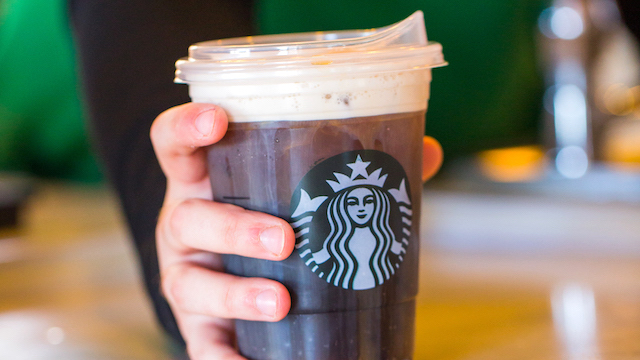
    Starbucks recently finalised a significant strategic transaction with Boyu Capital, effectively transferring majority control of its China-based operations to the investment firm. Initiated back in November, this strategic move is designed to stimulate the coffee chain’s expansion in the world’s second-largest economy. Starbucks faces fierce competition in this market from regional contenders such as Luckin and Cotti, who have managed to gain substantial market share through their affordable pricing strategies.

    Boyu Capital, whose founders include a descendant of previous Chinese President Jiang Zemin, will now oversee a significant 60% stake in Starbucks’ Chinese outlets. Despite this shift in ownership, Starbucks will maintain a 40% interest in these stores and will persist in licensing its distinguished brand and intellectual property rights to the joint venture.

    Molly Liu, the Chief Executive Officer of Starbucks China, expressed her affirmation of the deal, stating that it would foster a “hyper-localisation” of the Starbucks brand within the Chinese market. This essentially means that the brand will be more effectively tailored and marketed towards local consumers, creating a more resonant and culturally appropriate experience for them.

    Currently, China is home to approximately 8,000 Starbucks outlets. With this new agreement, the company plans to dramatically increase the number of stores with Boyu Capital’s assistance. The intended target is an ambitious 20,000 outlets across the country.

    Questions & Answers

    What is the purpose of Starbucks’ deal with Boyu Capital?
    The deal is designed as a strategic move to stimulate Starbucks’ growth in China, the world’s second-largest economy. It is a response to the fierce competition Starbucks faces in China, particularly from local brands offering lower prices.

    What will be the role of Starbucks in the new joint venture?
    Starbucks will retain 40% ownership in its Chinese stores and will continue to license its brand and intellectual property rights to the joint venture.

    What is the future plan of Starbucks in terms of its store count in China?
    Starbucks, in collaboration with Boyu Capital, plans to increase its current store count in China from approximately 8,000 to a target of 20,000 outlets.

  • Big Caring Group’s Bold Move: Malaysia’s Biggest Pharmacy Retail Chain Gears Up for High-Stakes IPO

    Big Caring Group’s Bold Move: Malaysia’s Biggest Pharmacy Retail Chain Gears Up for High-Stakes IPO

    Big Caring Group, Malaysia’s premier pharmacy retail chain, is gearing up for an initial public offering (IPO) as part of its strategic plan to strengthen its standing in the country’s burgeoning retail health sector.

    A Promising IPO

    Based in Kuala Lumpur and backed by private equity firm Creador, Big Caring Group aims to sell up to 25.5 per cent of its shares, amounting to approximately 1.88 billion ordinary shares. This information was found in a preliminary prospectus lodged with the Securities Commission Malaysia. Currently, the company has about 1.29 billion shares in existence; the remainder of the IPO will comprise new shares intended to fund future expansion and decrease existing debt.

    Expanding Retail Presence

    With a strong network of 626 stores across the nation, Big Caring Group continues to display its ambitious growth strategy. The company has plans to open an additional 50 stores within the next three to five years.

    Institutional and Retail Investors

    The structure of the IPO is designed to cater to institutional and selected investors; around 1.61 billion shares will be made available for them. Meanwhile, retail investors, which include company employees, contributors, and the general public, will have the opportunity to subscribe to approximately 268 million shares.

    Leading the Offering

    Maybank Investment Bank and RHB Investment Bank will spearhead the IPO as joint principal advisors, global coordinators, bookrunners, managing underwriters, and underwriters. Additionally, AmInvestment Bank and UBS will play essential roles in coordinating and underwriting the tranche for institutional investors.

    The IPO price and timeline have not yet been disclosed. The listing is pending approval from Bursa Malaysia and the Securities Commission.

    Questions & Answers

    What is Big Caring Group planning?
    Big Caring Group, the largest pharmacy retail chain in Malaysia, is preparing for an initial public offering (IPO) to strengthen its position in the country’s growing retail health sector.

    How many shares is Big Caring Group considering selling in its IPO?
    The company plans to sell up to 25.5 per cent of its shares, or around 1.88 billion ordinary shares, according to their preliminary prospectus.

    What is the company’s expansion plan?
    Big Caring Group intends to open 50 more stores across the nation within the next three to five years. Currently, they operate 626 stores nationwide.

  • Chinese Hotpot Giant Haidilao Sees Sizzling $93.9M Revenues in Vietnam, Solidifying Asian Market Dominance

    Chinese Hotpot Giant Haidilao Sees Sizzling $93.9M Revenues in Vietnam, Solidifying Asian Market Dominance

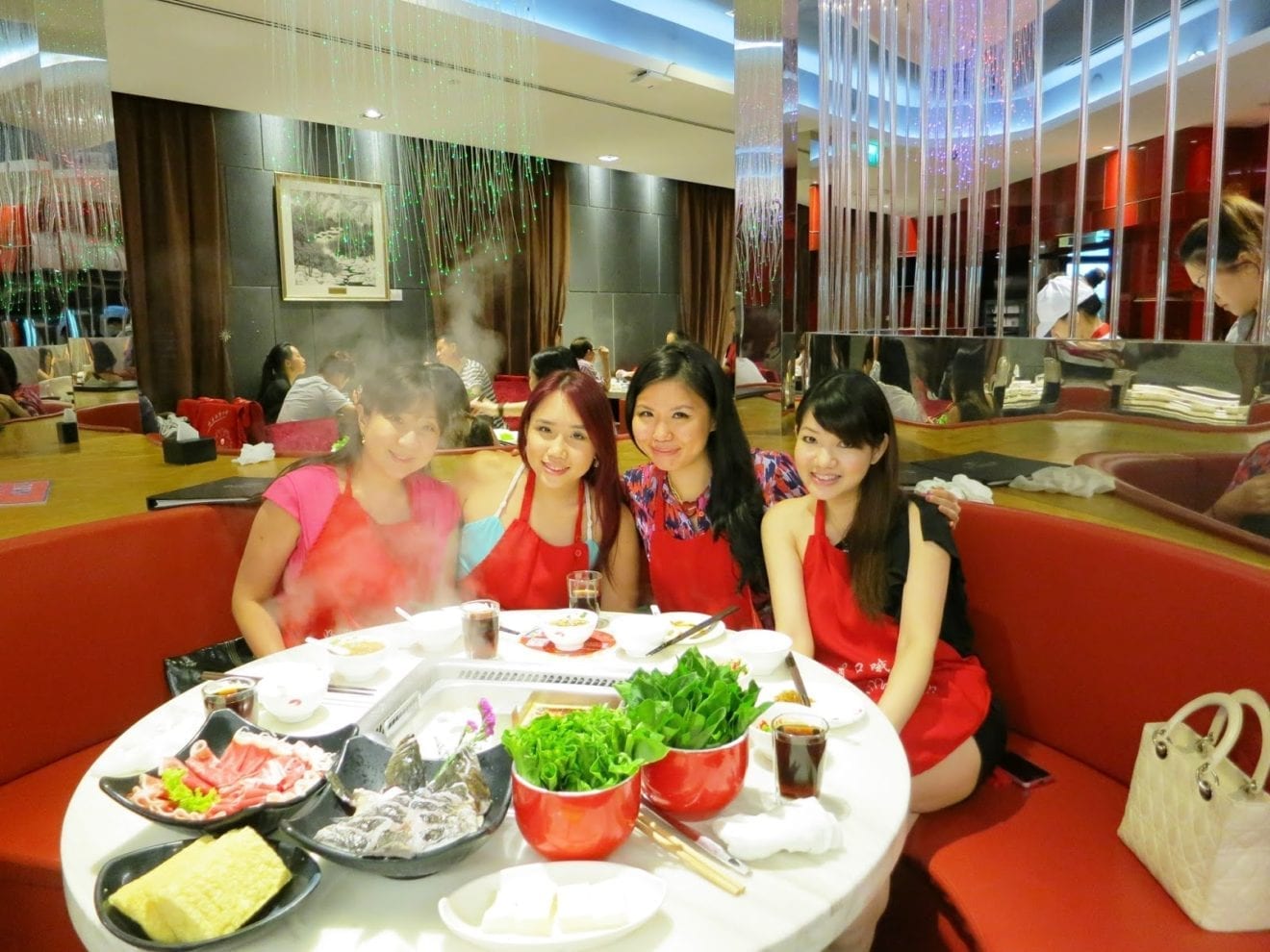
    The renowned Chinese hotpot restaurant chain, Haidilao, announced that it generated over US$93.9 million in revenue from its operations in Vietnam in 2025, marking a 7% increase from the previous year. This solid performance propelled Vietnam to become Haidilao’s fourth-largest international market in terms of sales, following Singapore, the U.S., and Malaysia.

    Global Performance

    In 2025, Haidilao’s total revenue from all its overseas markets was reported at $840 million, representing an 8% boost compared to the year before. Additionally, the restaurant chain’s pre-tax profits experienced a significant surge, nearly 50%, amounting to $49.5 million.

    Presence in Vietnam

    Haidilao made its debut in Vietnam in 2019, with its inaugural restaurant located in the Bitexco Tower in Ho Chi Minh City (HCMC). To date, Haidilao’s presence in Vietnam has grown to 17 outlets scattered across the country. Ten of these can be found in HCMC, six in Hanoi, and one in the central coastal city of Nha Trang.

    Company Background

    The story of Haidilao began in 1994 when Zhang Yong and his partners established the brand. Emerging from humble beginnings with only a four-table restaurant in a small town in China’s Sichuan province, the chain has transformed into a globally recognized brand within the Chinese restaurant industry. This success has also catapulted the co-founders into the league of billionaires.

    Questions & Answers

    What are Haidilao’s top overseas markets?
    Vietnam is Haidilao’s fourth-largest overseas market in terms of sales, following Singapore, the U.S., and Malaysia.

    How many outlets does Haidilao have in Vietnam?
    As of 2025, Haidilao has 17 outlets in Vietnam, with 10 in Ho Chi Minh City, six in Hanoi, and one in the central coastal city of Nha Trang.

    When did Haidilao first establish a presence in Vietnam?
    Haidilao entered the Vietnamese market in 2019 with its first restaurant located in the Bitexco Tower in Ho Chi Minh City.

  • Singapore’s Top Used-Car Hub Faces Uncertainty: Dealers Scramble to Raise $53M for Lease Extension

    Singapore’s Top Used-Car Hub Faces Uncertainty: Dealers Scramble to Raise $53M for Lease Extension

    Owners of the 76 units at Automobile Megamart, the largest used-car hub in Singapore, are faced with a SGD68 million (US$53 million) bill, due by May 15, to extend the complex’s lease until 2040. However, unanimous agreement between all owners is required, and it remains uncertain whether this will be reached.

    Automobile Megamart: A Prime Location

    Located within the Ubi industrial estate, close to the Paya Lebar Air Base, Automobile Megamart is the country’s largest dedicated used-car center. Spanning eight stories, the complex features 121 showrooms and offices.

    Tenants of the hub include car dealerships offering both new and used vehicles, as well as businesses offering related services such as car financing and leasing.

    The Lease Extension Dilemma

    The land lease for the complex was initially acquired by a consortium of car dealers in 1996 for a 30-year term. The lease is set to expire this year, and if a unanimous decision to extend it is not made by the tenants, they will be required to vacate by July 18.

    This looming deadline comes after a final four-week extension was granted by the Singapore Land Authority (SLA), following several previous extensions.

    During the renewal negotiations, a unanimous decision could not be reached, causing the initial renewal offer to lapse. The SLA then revised the terms and issued a second offer.

    The renewal premium will be divided among unit owners based on variables such as the size and location of their respective units.

    Stakeholder Sentiments

    Lease renewal committee chairman Raymond Tang expressed gratitude to the SLA for the lease extension and extra time for payment, but highlighted the uncertainty of the situation, cautioning that the renewal could fall through if even a single owner fails to make their full payment.

    Neo Tiam Ting, director of Think One Group, which owns four units in the complex, revealed that some older owners have chosen to sell their units, as they do not plan to continue in the trade for the long term.

    Henry Heng of Prime Car Traders praised Automobile Megamart as being the only “proper” used-car center in Singapore, pointing to its tenant mix, convenient parking, and display facilities. Despite acknowledging the uncertainty, he expressed confidence that the lease renewal would go through, stating that he has no backup plan if it doesn’t.

    Future Possibilities

    The SLA indicated that it is open to considering extending the tenancy for the locations 7 Ubi Close, current home to Alpine Group and a BYD showroom operated by Harmony Auto, both of which have been rented since 2025.

    Questions & Answers

    Why does the lease renewal at Automobile Megamart require unanimous agreement from all tenants?
    The requirement for unanimous agreement is likely due to the terms of the initial leasing contract, which can vary based on multiple factors such as the nature of the property and the lease duration.

    What will happen to the tenants of Automobile Megamart if the lease renewal does not go through?
    If the lease is not renewed, all tenants will have to vacate the premises by July 18, which could potentially disrupt their business operations.

    What factors determine how the renewal premium is divided among the unit owners?
    The division of the renewal premium among unit owners is typically based on factors such as the size and location of each unit within the complex.

  • U.S. Dollar Slightly Slips Against Vietnamese Dong Amid Global Market Uncertainties

    U.S. Dollar Slightly Slips Against Vietnamese Dong Amid Global Market Uncertainties

    On Monday, the U.S. dollar experienced a slight decrease in value against the Vietnamese dong while maintaining stability against other significant currencies. Vietnam-based bank Vietcombank quoted the U.S. dollar at 26,344 VND, marking a negligible decline of 0.004% from its weekend rate. Concurrently, the unofficial or “black market” rate of the currency experienced a 0.18% drop, bringing it to approximately 27,350 VND.

    Exchange Rates and Global Outlook

    For the day, the State Bank of Vietnam raised its reference rate marginally by 0.02% to 25,090 VND. Internationally, the U.S. dollar held steady on Monday, while the Japanese yen approached the important 160 per dollar threshold. This occurred as investors cautiously assessed the heightening tensions surrounding the Iran conflict and awaited the upcoming deadline set by U.S. President Donald Trump to reopen the Strait of Hormuz.

    Charu Chanana, chief investment strategist at Saxo in Singapore, commented on this trend, noting: “Investors are interpreting this as an oil-to-inflation-to-rates issue, which is why the dollar remains the most reliable haven currently, whereas gold, bonds, and yen have all seemed considerably less dependable than in a typical geopolitical scare”.

    Market Conditions and Currency Performance

    With major markets across Asia and Europe closed due to a holiday on Monday, trading liquidity was expected to be thin. However, a general risk aversion sentiment was observed at the start of the week.

    The dollar index, a measure of U.S. currency strength against six other leading currencies, stood at 100.2. Meanwhile, the Euro depreciated by 0.13% to reach $1.151 in early trading, and the British pound sterling traded at $1.3187.

    The Australian dollar improved by 0.13% at $0.6893, wobbling near its two-month low from the previous week. The Japanese yen weakened to 159.77 per U.S. dollar, closely trailing last week’s 21-month low.

    Questions & Answers

    What was the exchange rate of the U.S. dollar to the Vietnamese dong on Monday?
    The U.S. dollar was trading at 26,344 VND according to Vietcombank rates, while the black market rate was approximately 27,350 VND.

    How was the performance of the U.S. dollar against other major currencies?
    The U.S. dollar largely maintained stability against other major currencies. It held steady levels internationally while the Japanese yen approached the important 160 per dollar threshold.

    What impact did the escalating Iran conflict have on the currency market?
    The increasing tensions surrounding the Iran war resulted in cautious investor behavior. This led to the U.S. dollar being viewed as the most reliable haven currency, compared to less dependable options such as gold, bonds, and yen in this geopolitical situation.

  • Vietnam Gold Prices Succumb to Global Decline Amid Strong Dollar and Stout Job Reports

    Vietnam Gold Prices Succumb to Global Decline Amid Strong Dollar and Stout Job Reports

    On Monday, the price of gold in Vietnam experienced a decline, mirroring a drop in global bullion rates. This downward trend was seen when the Saigon Jewelry Company lowered the price of its gold bars by 0.8%, or to VND173.1 million (US$6,571.64) per tael. This adjustment has prompted other sellers to revise their rates in alignment. Currently, local bullion prices are approximately VND25 million per tael higher than international rates.

    Decline in Gold Ring Prices

    The price of gold rings also decreased, sliding to VND172.9 million per tael. It should be noted that a tael is approximately 37.5 grams or 1.2 ounces.

    Global Gold Price Trends

    On a global scale, gold prices also fell on Monday. This decrease was influenced by a stronger dollar, the continued impact of the Iran war on oil prices, and stronger-than-expected U.S. jobs data. These factors lowered expectations for interest rate cuts by the Federal Reserve.

    Spot gold reduced by 0.9%, falling to $4,631.69 per ounce. Additionally, U.S. gold futures for April delivery saw a loss of 0.5%, dropping to $4,657.50 per ounce. This trading activity took place in thin liquidity conditions, with many markets in Asia and Europe closed for a holiday.

    “The latest robust NFP (nonfarm payrolls) print has reinforced hawkish central bank nerves. In addition, the ongoing fear of inflation driven by high oil prices continues to overshadow gold’s traditional role as a safe haven,” stated Tim Waterer, chief market analyst at KCM Trade.

    Historically, gold has been considered a protection against inflation. However, increased interest rates tend to reduce demand for this non-yielding asset.

    Questions & Answers

    What factors contributed to the fall in gold prices?
    The decline in gold prices was influenced by a stronger dollar, the ongoing Iran war’s effect on oil prices, and stronger-than-expected U.S. jobs data. These factors reduced expectations for interest rate cuts by the Federal Reserve.

    How did the price change affect the trading of gold?
    The decrease in gold prices led to a reduction in the trading of spot gold and U.S. gold futures for April delivery. Both saw declines in their respective rates.

    What is the traditional role of gold in the economy?
    Traditionally, gold is seen as a hedge against inflation. However, in situations of elevated interest rates, the demand for this non-yielding asset tends to decrease.

  • Best 5 Social Media Intelligence Platforms

    Best 5 Social Media Intelligence Platforms

    Social media is no longer just a communication channel. For many companies, it is one of the fastest ways to understand how customers react to products, campaigns, competitors, and market shifts. People do not wait for formal surveys to explain what they think. They post in real time, compare brands publicly, share frustrations, praise features, and amplify trends long before most internal dashboards catch up.

    That makes social media intelligence far more important than simple monitoring. Counting mentions or tracking hashtags is useful, but it is not enough on its own. Companies need to know what conversations mean, which themes are growing, where sentiment is changing, and how those signals should influence product, brand, and customer experience decisions.

    This is where modern social media intelligence platforms earn their place. The best tools do more than collect public conversations. They apply AI to group themes, detect sentiment shifts, surface competitive signals, and help teams interpret fast-moving digital discussions without drowning in volume.

    What Social Media Intelligence Means in 2026

    Social media intelligence is often confused with two related categories: social monitoring and social listening. They overlap, but they are not the same thing.

    Social monitoring is usually the most basic layer. It focuses on tracking mentions, tags, comments, and keywords. It helps teams answer questions like:

    • How often was our brand mentioned today?
    • Which post generated the most engagement?
    • Are people talking about a campaign right now?

    Social listening adds another layer. It looks for patterns across conversations and identifies what audiences are discussing over time. That usually includes:

    • Sentiment trends
    • Topic clusters
    • Audience themes
    • Competitor mentions

    Social media intelligence goes further. It tries to transform public conversation into structured insight that can support decisions across the business. That means moving from observation to interpretation.

    A strong social media intelligence platform should help teams answer questions such as:

    • What specific product issue is showing up across public conversations?
    • Which competitor is gaining momentum in a category and why?
    • Is negative sentiment tied to one campaign, one audience, or one feature?
    • Which theme is growing fastest and needs action now?

    In 2026, that last step matters most. Many brands already know how to collect data. The harder problem is understanding what deserves attention and what should happen next.

    Best Social Media Intelligence Platforms

    1. Revuze – Best Overall Media Intelligence Platform

    Revuze stands out by approaching social intelligence as part of a broader consumer insight problem. Instead of treating social data as a stream of mentions that must be monitored, the platform is designed to extract structured intelligence from unstructured customer language across public and owned channels.

    That makes it particularly strong for organizations that want to connect social conversation with reviews and broader feedback themes. Revuze is especially useful when the goal is not only to monitor sentiment, but to understand what customers are actually saying about products, features, and competitors at scale.

    Its strength lies in semantic analysis. Rather than forcing teams to define rigid taxonomies in advance, Revuze helps themes surface from the language itself. That makes it useful in categories where customer vocabulary changes quickly or product issues are inconsistently described.

    Key strengths

    • Strong AI-driven theme detection
    • Useful for social plus review intelligence
    • Good fit for product and CX use cases
    • Clear focus on structured consumer insight

    2. Brandwatch – For Enterprise-Scale Social Intelligence and Analytics

    Brandwatch is one of the most recognized names in the category and is often chosen by large organizations that need broad coverage, mature analytics, and enterprise reporting capabilities.

    The platform is designed for scale. It helps teams monitor conversations across major public channels, benchmark brand performance, and analyze discussion themes over time. For companies with global audiences and multiple brands, Brandwatch’s depth and operational maturity are major advantages.

    Its analytics and visualization capabilities are especially strong, which is one reason large marketing and insights teams often choose it. It works well in environments where social intelligence must support:

    Key strengths

    • Strong enterprise-scale data coverage
    • Mature reporting and benchmarking
    • Well-suited for brand and campaign intelligence
    • Strong reputation among large organizations

    3. Talkwalker – For Visual and Image-Based Social Listening

    Talkwalker is a visual intelligence matter. In categories where logos, products, and brand elements appear in images and videos, text analysis alone misses a significant part of the conversation.

    That is where Talkwalker differentiates itself. Its image recognition capabilities help teams track visual brand presence even when users do not mention the company by name. This makes it especially useful for consumer brands, lifestyle companies, and highly visible product categories.

    It is often chosen by organizations that need both text-based intelligence and strong visual monitoring on the same platform.

    Key strengths

    • Strong image and visual content analysis
    • Good real-time monitoring capabilities
    • Useful for crisis and reputation tracking
    • Well-suited for brands with heavy visual exposure

    4. Sprinklr – For Unified Customer Experience and Social Intelligence

    Sprinklr is broader than a pure social intelligence tool. Its strength comes from combining social intelligence with customer engagement, service, and experience workflows. For organizations that want social insight connected directly to action, that broader architecture can be a major advantage.

    Rather than operating as a standalone intelligence layer, Sprinklr helps organizations see public conversation in the context of customer interaction and brand operations. That makes it especially relevant for large enterprises, where social, support, and customer experience teams need a shared operational system.

    It may feel heavier than narrower tools, but for the right organization, that breadth is exactly the point.

    Key strengths

    • Strong unified CX and social positioning
    • Broad workflow and automation capabilities
    • Useful for enterprises with multiple teams involved
    • Connects insight to action more directly than many peers

    5. Meltwater – For Media Intelligence Combined With Social Monitoring

    Meltwater is often chosen by organizations that want both social intelligence and a robust media monitoring platform. That combination matters for communications, PR, and brand teams who need to understand how public narratives develop across both social channels and broader media coverage.

    Its strength is not limited to consumer conversation. It helps teams see how a story moves from social platforms into media or how media coverage influences public discussion. That broader perspective is useful in environments where reputation is shaped by multiple public channels at once.

    For organizations that need a combined media intelligence and social monitoring view, it remains a strong option.

    Key strengths

    • Combines media and social intelligence
    • Strong fit for PR and communications teams
    • Useful for tracking public narratives across channels
    • Good global monitoring coverage

    How Social Media Intelligence Platforms Work

    Most social media intelligence platforms follow a similar workflow, even if their depth and sophistication vary.

    First, they gather data from multiple sources. That usually includes:

    • Major social platforms
    • Reviews and rating sites
    • Forums and communities
    • Blogs and public discussion spaces
    • In some cases, news and creator content

    Then they process that information using AI and language models. The better platforms do more than keyword matching. They use semantic analysis to understand when people are talking about the same issue in different ways.

    For example, customers might describe the same problem with phrases like:

    • “The app keeps freezing.”
    • “It crashes after login.”
    • “It stops responding every time I open it.”

    A basic monitoring tool may treat those as separate comments. A stronger intelligence platform will cluster them into a single product stability theme.

    Most mature systems also perform some combination of:

    • Sentiment analysis
    • Emotion detection
    • Topic clustering
    • Trend identification
    • Competitive comparison
    • Visual analysis for logos or brand assets in images and videos

    That processing layer is where most of the real value comes from. Without it, teams are left with a flood of raw mentions and not much clarity.

    The best platforms also differ in how they deliver insight. Some are dashboard-heavy and designed for analysts. Others prioritize actionability, such as alerts, prioritization, and cross-team reporting. A platform may have strong analytics, but still fail if the right teams cannot use the output.

    Key Capabilities to Look For

    Social media intelligence platforms often sound similar in category pages and demo materials. The real differences appear when teams evaluate how well the platform handles complexity.

    A few capabilities matter more than the rest.

    Broad and relevant channel coverage

    A platform should cover the channels that matter most to your audience, not just the most famous ones. For some companies, Instagram and TikTok matter most. For others, Reddit, app reviews, and niche forums are more valuable.

    AI-driven categorization

    Manual tagging does not scale. Strong tools use AI to cluster conversations by meaning, not just keywords.

    Sentiment and emotion analysis

    Simple positive vs negative scoring is rarely enough. Better platforms detect tone shifts, intensity, and nuance.

    Trend detection

    A useful tool does not just summarize what happened. It identifies what is accelerating, stabilizing, or becoming risky.

    Reporting flexibility

    Different teams need different views:

    • Marketing may want campaign and brand dashboards
    • Product may want feature-level themes
    • Leadership may want synthesized takeaways
    • CX may want issue categories that connect to service trends


  • Chinese Dining Chains Spice Up South Korea’s Restaurant Scene with Explosive Growth

    Chinese Dining Chains Spice Up South Korea’s Restaurant Scene with Explosive Growth

    Chinese restaurant chains are accelerating their growth in South Korea, capturing customers in the major tourist regions of Seoul with genuine Chinese food. This development is fueled by a boost in sales.

    Emerging Leaders in the Industry

    Among the most rapidly developing contenders is the hot pot franchise Tanghuo Kungfu Malatang. Since the inauguration of its initial franchised store in Suwon in 2012, the chain has expanded exponentially, boasting over 560 locations in South Korea as of the end of March. These locations encompass both franchised and company-managed stores.

    Tanghuo Kungfu Korea reported an impressive KRW22.2 billion (US$14.7 million) in revenue in 2024, an increase of 21% from the previous year. The company’s operating profit skyrocketed elevenfold to KRW10.5 billion during the same timeframe.

    Now, the company’s establishments are primarily located in the main tourist hotspots of Seoul, such as Gangnam Station, Myeong-dong, Hongdae, Seongsu, and Daehangno.

    The company is also offering incentives for new partners by exempting franchise, training, and royalty fees and providing free serving bowls.

    A spokesperson for Tanghuo Kungfu Korea stated, “As the malatang market in Korea continues to grow, we aim to appeal to potential entrepreneurs and share with them our brand’s operational expertise and practical support benefits. We look forward to active involvement by local restaurant owners so we can jointly spearhead malatang’s market growth here.”

    Other Key Players

    Other Chinese brands are also on the rise. The hot pot chain Haidilao reported sales of over KRW100 billion last year, a significant increase compared to KRW78.1 billion in 2024. The brand, recognized for offering customers complimentary nail art services and entertainment shows, has grown to ten locations since its introduction into South Korea in 2024.

    Bantianyao Grilled Fish has established six outlets since it entered the market in 2020, while Haihai Kaochuan, a skewer barbecue chain managed by Haidilao, inaugurated its first Seoul outlet in Myeong-dong this past January.

    These restaurant chains are emulating the expansion strategy of major Chinese tea brands, which have demonstrated their success in China with thousands of stores. Their push into South Korea is a strategic move, given that China’s domestic market is nearing saturation.

    Milk tea brand Chagee announced plans to launch three outlets in Seoul by the end of June, marking its first expansion into East Asia outside China. Other brands, such as Chabaido, HeyTea, and Mixue, are also extending their reach in the country.

    Market Outlook

    Market analysts regard South Korea as a desirable entry point for global expansion, attributing its appeal to the country’s significant cultural influence through trends like K-pop, K-food, and K-beauty. This positions the country as an ideal testing ground for new brands prior to broader international deployment.

    Questions & Answers

    What are some Chinese restaurant chains expanding in South Korea?
    Some Chinese restaurant chains expanding in South Korea include Tanghuo Kungfu Malatang, Haidilao, Bantianyao Grilled Fish, and Haihai Kaochuan.

    What strategies are these chains employing for their expansion?
    These chains are waiving franchise, training, and royalty fees for new partners, providing complimentary offerings, and focusing on locations in major tourist areas. They are also following the successful expansion strategies of Chinese tea brands.

    Why is South Korea considered an attractive market for these expansions?
    South Korea is considered an attractive market due to its strong cultural influence and trends such as K-pop, K-food, and K-beauty. These aspects position the country as a potential testing ground for brands before broader international rollout.

  • TikTok’s $125M Digital Expansion: Chinese Giant to Bolster HCMC’s Tech Sector

    TikTok’s $125M Digital Expansion: Chinese Giant to Bolster HCMC’s Tech Sector

    TikTok, the renowned Chinese social media platform, has pledged an investment of $125 million in Ho Chi Minh City. The funds are intended to boost logistics services, digital commerce, and digital payment systems in the bustling Vietnamese metropolis.

    Pledged Investment

    According to an announcement published by the Ho Chi Minh City Department of Finance last Thursday, the commitment was made by TikTok’s investment arm based in Singapore. The department, however, did not provide any details regarding the expected timeline of the project.

    The decision followed several meetings between city officials and TikTok’s executive team, which took place at the end of last year. TikTok’s intention is to set up three business entities within the Ho Chi Minh City International Financial Center.

    Q1 Foreign Direct Investment Round-Up

    The Department of Finance stated that the city has attracted almost $2.9 billion in foreign direct investment (FDI) during the first quarter of this year, a significant increase of 220% compared to the same period last year.

    Among the prominent projects contributing to this FDI surge include a new manufacturing facility by Techtronic Industries Company based in Singapore, which will require an investment of $81 million. Other contributors include the Dutch firm MSD Animal Health ($80 million), Singapore’s SP Vietnam ($67 million), and Indonesia’s Momogi Group ($55 million).

    The Department credited this substantial uptick in investment to the confidence of foreign investors in the city’s business environment, despite the currently volatile global economy.

    Ho Chi Minh City’s strategic goal for this year is to attract $11 billion in FDI. The city’s primary focuses are high-tech, innovation-driven projects, data centers, logistics, and green growth initiatives.

    Questions & Answers

    What is the purpose of TikTok’s $125 million investment in Ho Chi Minh City?
    The social media giant aims to enhance logistics services, digital commerce, and digital payment systems in the city.

    What are some of the key projects contributing to Ho Chi Minh City’s Q1 foreign direct investment?
    Noteworthy projects include a new manufacturing facility by Techtronic Industries Company, expansions by MSD Animal Health, SP Vietnam, and Momogi Group.

    What are Ho Chi Minh City’s investment priorities for this year?
    The city plans to attract $11 billion in FDI, focusing on high-tech, innovation-driven projects, data centers, logistics, and green growth initiatives.

  • Strawberry Boom: Vietnam’s Berry Exports Skyrocket 2000-fold in 2026, Unlocking New Potential in Fruit Market

    Strawberry Boom: Vietnam’s Berry Exports Skyrocket 2000-fold in 2026, Unlocking New Potential in Fruit Market

    In the opening months of 2026, the export value of strawberries soared to a whopping US$3.4 million. This figure is a substantial increase from the previous year, with a growth margin of 2,000 times. Despite the significant leap, strawberry exports only made up a minor 0.34% of the total fruit exports as per the customs data.

    Yearly Export Overview

    Throughout the entirety of the previous year, the export value of the fruit totaled only $1.74 million. This is a considerable leap from the meager $6,000 earned from exports in 2021. Dang Phuc Nguyen, the General Secretary of the Vietnam Fruit and Vegetable Association, pointed out that Vietnamese strawberries make their way to various international markets. These include China, South Korea, Japan, Singapore, Malaysia, Thailand, the EU, and the Middle East.

    The majority of the exported strawberries were either frozen, freeze-dried, or processed, as these forms are easier to preserve and transport. Nguyen emphasized the considerable growth potential of this product if improvements can be made in quality and preservation techniques.

    Major Production Regions

    Lam Dong Province in the Central Highlands and the Son La province in the northwestern region are the leading producers of strawberries that meet GlobalGAP quality standards. Son La covers a wide 600 hectares with strawberry cultivation, producing around 10,000 tons per year, while Lam Dong utilizes a smaller 170-hectare area.

    Several other regions, including Hanoi, have begun to cultivate strawberries using smart farming models. Nguyen Xuan Nam, a representative of the Xuan Que Strawberry Cooperative in Son La, stated that the cooperative’s 17 members collectively manage a 50-hectare area, which produces an annual yield of 1,250 tons.

    Utilization and Market Challenges

    The harvested strawberries are typically processed into wine, syrup, and dried products. These goods are either locally distributed to Ho Chi Minh City or exported to international markets like Russia and Thailand. However, Nam reported that domestic sales and exports have been sluggish due to high yields and low market prices, causing financial losses for numerous strawberry growers.

    To counter these market challenges, Nam urged the development and implementation of policies to support advancements in preservation technologies, which would stimulate export growth. He believes that promoting exports at stable prices could provide farmers with a more predictable and secure income.

    As per the Fruit Association’s Nguyen, addressing challenges in preservation, logistics, and market expansion could pave the way for strawberries to become a major agricultural export product for Vietnam. This would help the country diversify its export portfolio, which currently mainly comprises traditional fruits like durian, mango, dragon fruit, and banana.

    Questions & Answers

    What is the export value of strawberries in the first two months of 2026?
    The export value of strawberries in the first two months of 2026 was US$3.4 million.

    What forms of strawberries are mainly exported?
    Mainly, frozen, freeze-dried, or processed strawberries are exported due to their ease of preservation and transport.

    What are the primary challenges facing the strawberry export market in Vietnam?
    The primary challenges include preservation, logistics, and market expansion. There is also a need for stable pricing to provide predictability and security for farmers.

  • BBVA Veteran Alfonso Gómez Takes the Helm as CEO of HSBC Swiss Private Bank

    BBVA Veteran Alfonso Gómez Takes the Helm as CEO of HSBC Swiss Private Bank

    Since October of the previous year, Daniel Calado, the CFO, has been temporarily guiding HSBC Swiss Private Bank. However, as of the 27th of April, Alfonso Gómez will assume the role of CEO. Gómez has spent over three decades with the Spanish banking conglomerate Banco Bilbao Vizcaya Argentaria (BBVA).

    Appointment Announcement

    A press release issued on Wednesday stated that Alfonso Gómez would be stationed in Geneva and would be reporting directly to Ida Liu, the CEO of HSBC Private Bank. Gómez brings to the table more than three decades of experience in Swiss and international wealth management, his most recent role being the CEO of BBVA Switzerland, a position he retained for over a dozen years. The Spanish national has held various high-ranking positions at BBVA in cities including New York, London, Madrid, and Zurich. In total, Gómez dedicated precisely 31 years and half a year to BBVA, Spain’s second-largest bank, where he initiated his career as a risk analyst.

    Since the year 2018, Gómez has also been a member of the board of the Association of Foreign Banks in Switzerland, taking up the role of Vice Chairman in early 2023. He has also spent over three years as a board member for the Swiss Finance Institute (SFI).

    Transition from Temporary to Permanent Leadership

    Alfonso is set to take over from Daniel Calado, who temporarily assumed the role in October of the previous year and will now revert to his initial position as the Chief Financial Officer of HSBC Private Bank Switzerland and EMEA, in addition to resuming his role as a member of the executive committee.

    Ida Liu, the CEO of HSBC Private Bank, praised Gómez saying, “His extensive experience in Switzerland, impressive leadership skills, and unwavering commitment to exceptional client satisfaction make him the ideal person to lead our Swiss private bank.”

    Questions & Answers

    Who will be the new CEO of HSBC Swiss Private Bank?
    Alfonso Gómez, a veteran from Spanish banking group Banco Bilbao Vizcaya Argentaria (BBVA), will be the new CEO.

    Who will Alfonso Gómez be replacing?
    Alfonso Gómez is set to replace Daniel Calado, who has been serving as the interim CEO since October of the previous year.

    What is the significance of Alfonso Gómez’s appointment according to Ida Liu, CEO of HSBC Private Bank?
    According to Ida Liu, Gómez’s extensive experience, leadership skills, and commitment to client satisfaction ideally position him to lead the Swiss private bank.

  • Google Meet Zooms onto CarPlay: A Hands-Free Meeting Revolution Android Auto Can’t Join Yet

    Google Meet Zooms onto CarPlay: A Hands-Free Meeting Revolution Android Auto Can’t Join Yet

    Google has recently introduced its video meeting application to automobile dashboards, enhancing the in-vehicle experience for iPhone users. Now, through CarPlay, drivers can join Google Meet calls hands-free while commuting. However, it’s worth mentioning that this feature is not yet available for Android Auto users.

    Google Meet on CarPlay: An Audio-Only Experience

    Google has officially confirmed that Google Meet is now accessible on Apple CarPlay. The feature was launched on March 23rd and is expected to be available to all users within a fortnight.

    The operation is simple and user-friendly. Upon connecting your iPhone to a CarPlay-compatible vehicle, the Google Meet application automatically appears on your vehicle’s display. Users can view their upcoming meetings and join them with a single click, enjoying an audio-only call experience.

    By design, there is no video functionality in this setting. The camera remains off, and users will not see other participants’ video feeds. The interface is simplified to only include two buttons—one to mute the call and another to leave the meeting. For a comprehensive meeting experience, users are advised to park their vehicle and switch to their phones.

    A minor setback for Google is the lack of this feature for Android Auto users. The company has confirmed that an Android Auto version of Google Meet is underway but has provided no further details regarding its release.

    Significance for Commuters

    This new feature holds significant potential for millions of individuals who use Google Meet for work. Commuters with tight schedules no longer need struggle with their phones to join meetings. The real advantage lies in the calendar integration, which presents upcoming meetings directly on the vehicle’s display.

    This development aligns well with the broader evolution of CarPlay. As Apple continues to enhance the capabilities of CarPlay, the presence of Google applications on this platform bolsters its appeal and functionality.

    Questions & Answers

    What is the new Google Meet feature on Apple CarPlay?
    Google Meet is now accessible on Apple CarPlay, allowing users to join meetings with a single click and engage in audio-only calls.

    Is the Google Meet feature available for Android Auto users?
    Currently, the Google Meet feature is not available for Android Auto users. However, Google has confirmed that it is working on a version for Android Auto.

    What are the benefits of Google Meet’s integration with Apple CarPlay?
    The integration of Google Meet with Apple CarPlay simplifies the process of joining meetings for commuters. The calendar integration feature, which displays upcoming meetings on the vehicle’s screen, is particularly beneficial for users with busy schedules.