Author: Mei Ling Tan

  • Accely Appoints Michael Lim as Director for Singapore and Southeast Asia

    Accely Appoints Michael Lim as Director for Singapore and Southeast Asia

    Global SAP Gold Partner Accely appointed Michael Lim as Director, Strategy & Growth for Singapore and Southeast Asia in September 2026, placing him in charge of commercial strategy from market entry through account growth across 17 countries.

    Lim steps into the post with a career in SAP cloud enterprise resource planning sales and partner leadership across Asia Pacific, targeting accounts in retail, fast-moving consumer goods, and manufacturing.

    Targeting regional cloud migration

    Accely operates as an SAP Gold Partner with more than 20 offices worldwide, delivering systems integration, analytics, artificial intelligence, and managed services. In his new role, Lim oversees go-to-market planning, regional partnerships, and client acquisition, spanning platforms such as SAP S/4HANA, SuccessFactors, Customer Experience, and the SAP Business Technology Platform.

    The appointment comes as consumer-facing businesses throughout Southeast Asia accelerate the shift of their core back-office infrastructure to the cloud. Retailers and FMCG distributors are combining ERP upgrades with automated inventory tracking and predictive ordering, which shortens implementation windows and increases demands on system integrators.

    “Companies here have stopped debating whether to move to cloud ERP. The harder question is how to get there without stalling the business,” said Michael Lim, Director, Strategy & Growth, Singapore and Southeast Asia, Accely Pte. Ltd.

    Execution pressure on retail IT

    For mid-sized retail operators and consumer brands across Singapore, Malaysia, and Indonesia, switching legacy on-premises databases to cloud architectures carries operational risk. System disruptions during store replenishment or e-commerce fulfillment directly hit bottom-line revenue, leaving little margin for error during migrations.

    Consultancies competing across the region face tighter corporate budgets and sharper client scrutiny over deployment schedules. Pure software licensing no longer wins contracts on its own; service providers must demonstrate that data migrations will not disrupt supply chain visibility or store-level point-of-sale uptime.

    Building out regional presence

    Accely has spent 26 years building out its enterprise practice, securing CMMI Level 5 certification and broadening its portfolio beyond standard ERP into artificial intelligence consulting and application management.

    Lim will report through regional leadership led by Sameer Satpute, chief executive for Singapore and Southeast Asia, alongside Accely Group chief executive Nilesh Shah, as the firm pitches unified digital workflows to consumer enterprises across the region.

  • Powtek Brings 2 Million Unit Factory Output to European Trade Shows

    Powtek Brings 2 Million Unit Factory Output to European Trade Shows

    POWTEK Group presented three appliance brands at trade shows in Warsaw and Istanbul. The show follows the commissioning of a production facility that lifts its capacity to 2 million units per year.

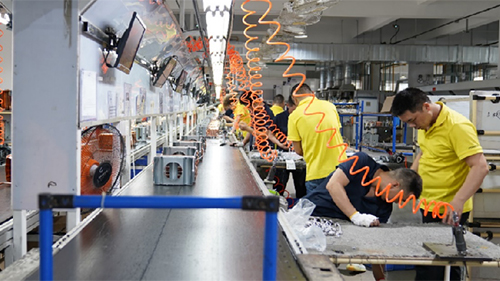
    The export drive relies on 12 automated assembly lines. These lines produce heating, hot water and kitchen appliances for clients across more than 50 international markets.

    Splitting Brands Across European Trade Hubs

    Commercial pitches were divided by product category across two simultaneous industry events. In Warsaw, Poland, POWTEK deployed its Kaltec label at Heating Tech Expo 2026 to present customized heating, ventilation and air-conditioning equipment directly to European contractors and commercial buyers. In Istanbul, Turkey, the group staged its Morrtop and X-Crafter lines at the Zuchex International Home and Kitchenware Exhibition to pitch domestic kitchen appliances to retail distributors.

    Kaltec operates an established regional base through its Spanish subsidiary, Kaltec-Confort S.L.U., a member of Spain’s HVAC industry body FEGECA. That local standing gives the brand direct access to Spanish wholesale channels. Most Asian original equipment manufacturers reach these accounts only through third-party intermediaries.

    Manufacturing Capacity and Channel Pressure

    For European retail buyers and regional HVAC distributors, the shift from standard contract manufacturing to distinct branded lines alters pricing for mid-tier appliances. White-label suppliers that build specialized sub-brands can sell directly to regional distributors below the prices of legacy European brand owners. That puts gross margin pressure on domestic incumbents in Southern and Eastern Europe.

    Direct trade show participation also exposes the Asian producer to tighter European regulatory scrutiny. The new manufacturing plant operates under ISO 9001 quality management and ISO 14001 environmental certifications, meeting basic compliance thresholds required by European Union retail buyers. Even so, the group still faces the challenge of building consumer brand recognition outside its original equipment manufacturing contracts.

    Building Out the European Distribution Footprint

    Founded in 2003, POWTEK built its business as an original equipment and design manufacturer of domestic water heaters and small kitchen appliances. It later launched proprietary brands for export markets.

    “Europe and international markets have long been important to POWTEK’s business development,” said Michael Chan, Chief Executive Officer of POWTEK. “By bringing different brands to specialized exhibitions, we aim to demonstrate the Group’s capabilities in product development, R&D and manufacturing while exploring long-term cooperation with more international partners.”

    POWTEK is now negotiating commercial supply agreements with distributor networks across Central and Eastern Europe. Initial deliveries from the 12-line factory will roll out across the coming trade cycle.

  • Brita Marks 60 Years with Launch of Limited Edition Glass Jug

    Brita Marks 60 Years with Launch of Limited Edition Glass Jug

    Brita is marking 60 years in September 2026 by expanding beyond traditional water filter jugs into a broader hydration category spanning smart bottles, tap solutions, and dispensers.

    The German brand, founded in 1966, is rolling out the Brita 60th Anniversary Limited Edition Glass Jug alongside carbonators and integrated appliance filtration to connect with modern shoppers.

    Nadine Miller, marketing director of Brita ANZ, said the brand’s ‘Drink better. Do better.’ campaign reflects an effort to place hydration at the intersection of homewares, wellness, technology, and lifestyle.

    Expanding Beyond the Plastic Filter Jug

    Countertop jugs with replaceable cartridges built the modern filtration category, but growth in developed retail markets requires higher-ticket hardware. Department stores and specialty homewares chains in the Asia-Pacific region have increasingly given prime shelf space to premium glass carafes and integrated carbonation dispensers over utilitarian white plastic pitchers. Brita is responding by pushing higher-margin glass designs and tap fittings into its existing retail footprint.

    Retailers face inventory trade-offs when shifting from simple replacement cartridges to multi-format hydration systems. Cartridges generate reliable repeat footfall, whereas hardware installations demand more display space and shopper education. If consumers treat filtration as an occasional lifestyle purchase rather than a daily consumable habit, replenishment velocity across mass-merchant channels risks slowing down.

    Recycling Metrics and Shelf Space Competition

    Sustainability claims are now central to how hydration products compete against bottled water in major supermarkets. Brita tracks its environmental footprint using an internal metric called Planet Contribution, which balances single-use plastic bottles avoided against the company’s carbon output. In Australia, the business runs a national take-back scheme with TerraCycle to collect and recycle used Maxtra Pro cartridges and soft-plastic packaging wrappers.

    Heinz Hankammer founded the company in Germany in 1966, building filters by hand before releasing the AquaDeMat car-battery demineraliser in 1967. Brita introduced its first consumer household filter jug in 1970 and launched its first industrial cartridge recycling programme in 1992. Those core filter mechanics remain the foundation of the business, even as the exterior form shifts toward glass and plumbed appliances.

    Retail buyers across Australia will evaluate sell-through rates for the 60th Anniversary Limited Edition Glass Jug over the coming holiday quarter as Brita tests consumer appetite for premium materials against standard plastic SKUs.

  • Australian Functional Drinks Market Generates over $2 Billion

    Australian Functional Drinks Market Generates over $2 Billion

    In September 2026, Australian innovation is helping drive a new phase in functional beverages, targeting a domestic market that generates more than $2 billion a year.

    The shift toward what industry observers call 4th Gen Drinks moves past adding electrolytes, caffeine, vitamins, protein or probiotics to instead use naturally occurring compounds from food and food-production streams.

    Chris Plazzer, founder of Olive Mill Water, has developed a functional drink made from polyphenol-rich liquid released during olive oil production, without added sugar, caffeine, flavourings or artificial sweeteners.

    Extracting Value From Agricultural Waste

    Olive processors have historically discarded wastewater despite high concentrations of active phenolic compounds. Pre-clinical research currently links olive-derived phenolics to metabolic, cardiovascular and gut microbiome function, drawing commercial interest from functional food formulators.

    Rather than dosing purified extracts into standard liquid bases, upcycling systems capture active compounds directly from existing farmgate processing lines. The method reduces waste management costs for agricultural millers while generating raw inputs for consumer-packaged drinks.

    The next generation of functional drinks won’t be built by adding more to the formula. It’ll be built by discovering what’s already there; in ingredients the industry has spent decades overlooking, or throwing away entirely.

    Shifting Formulations in Regional Beverage Retail

    Australian beverage brands face changing consumer patterns as younger demographics reduce alcohol intake and demand clean-label alternatives. Convenience retailers and supermarket chains across the region are reallocating refrigerated shelf space away from high-sugar soft drinks toward functional hydrators and natural extracts.

    The main commercial bottleneck for upcycled functional beverages sits in taste profile regulation and supply stability. Olive wastewater carries natural bitterness that requires precise filtration without thermal degradation of target polyphenols, limiting initial batch yields.

    Export Pathways and Science Backing

    Functional drink makers previously relied on imported vitamin premixes and synthetic electrolytes to build label claims. Upcycled domestic ingredients allow manufacturers to shorten ingredient supply chains while tapping into Asian retail demand for clean Australian agricultural provenance.

    Clinical trials on olive phenolic bioavailability in beverage formats continue across independent laboratories, with initial commercial retail distributions scheduled for review in late 2026.

  • GAC Signs Villarreal CF Sleeve Sponsorship to Back European Electric Vehicle Push

    GAC Signs Villarreal CF Sleeve Sponsorship to Back European Electric Vehicle Push

    Guangzhou Automobile Group signed an official automotive partnership with Spanish football club Villarreal CF on September 10, 2026, securing shirt sleeve branding across European competition.

    Under the agreement signed at the Estadio de la Cerámica, the Chinese automaker’s logo will appear on the left sleeve of Villarreal’s first-team shirts during domestic LaLiga fixtures and UEFA Champions League matches.

    Sleeve Sponsorship and EV Lineup

    GAC is tying the football partnership directly to the rollout of two battery-electric passenger models aimed at European drivers. The carmaker plans to feature the AION V, an electric sport utility vehicle tailored for family buyers, alongside the AION UT, a compact electric hatchback designed for urban commuting.

    Match-day activations, digital campaigns and fan events across Spain and broader tournament stops will give prospective buyers direct access to both vehicles. Placing the brand on a squad competing in continental club tournaments offers immediate television exposure across core Western European markets where Chinese automotive nameplates still struggle with consumer familiarity.

    The European Market Play

    Securing football inventory has become the standard playbook for Chinese electric vehicle manufacturers seeking rapid legitimacy in Europe. BYD took official tournament partner status for UEFA Euro 2024, and GAC is now deploying a similar sponsorship model at club level to bypass the slow, expensive grind of building retail recognition from scratch.

    For dealership groups and fleet buyers across Europe, the sponsorship signals that GAC is committing marketing capital rather than testing the waters with low-volume imports. The commercial risk sits in conversion: high-profile stadium exposure creates top-of-funnel awareness, but turning match viewers into EV buyers requires competitive financing packages, dense service networks and spare parts availability that Chinese brands must build on the ground.

    Expanding the Global Network

    The European push follows earlier sports marketing initiatives by GAC in Latin America and aligns with the company’s broader One GAC 2.0 strategy. That framework divides international expansion across target territories in Asia-Pacific, the Middle East, Africa, Europe, the CIS and Latin America through localized sales channels and aftersales operations.

    Attention now shifts to the commercial deployment of the AION V and AION UT across regional dealer networks, alongside the establishment of certified local repair centers before tournament group matches get underway.

  • Taiwan Non-Life Insurers Pivot to Commercial Lines as Market Expands to $19B

    Taiwan Non-Life Insurers Pivot to Commercial Lines as Market Expands to $19B

    Taiwan property and casualty premiums will reach $19 billion by 2036, expanding at an annual rate of 4.8 per cent as non-life business outpaces the mature life sector.

    Health insurance premiums will match that pace with 4.8 per cent annual growth to $25.1 billion, while life premiums expand at a slower 4.3 per cent clip from $65.1 billion in 2025 to $103.5 billion, according to data from Allianz Research.

    Manufacturing and Energy Drive Commercial Demand

    Commercial lines are absorbing capital from high-technology factory construction, offshore wind projects, and state-backed infrastructure upgrades. AM Best noted in a September sector review that consistent premium expansion across retail and commercial lines will support earnings, provided carriers maintain underwriting discipline.

    Motor insurance still generates the bulk of non-life revenue on the island. Premium growth in the category slowed through early 2026 as buyers postponed vehicle purchases during debates over import tariff adjustments.

    In commercial lines, growth could increasingly come from moving beyond traditional risk transfer toward more holistic solutions combining risk assessment, loss prevention, and insurance coverage.

    Regulatory Shifts Boost Reported Capital

    Underwriting profits also benefited from calm weather patterns across 2025 and the first half of 2026, which kept natural catastrophe payouts low. At the same time, carriers completed major balance sheet realignments under new capital and accounting frameworks.

    The adoption of IFRS 17 lifted sector-wide shareholders’ equity by approximately 10 per cent at the end of 2025 compared with older accounting metrics. The local Taiwan Insurance Solvency standard increased the weighting of market risk in required reserves without reducing overall capital buffers.

    For institutional investors and bank-backed financial holding groups in Taipei, the shift in premium momentum creates an operational problem. Life units long provided massive investment floats, but slower volume means management teams must extract higher fee income and tighter loss ratios from general insurance operations.

    Rival domestic insurers are targeting mid-sized commercial clients rather than relying exclusively on large electronics fabricators. Writing modular liability, business interruption, and property coverage for suppliers reduces balance sheet concentration while defending margins against commoditised pricing.

    Pressure Mounts on Underwriting Margins

    The regulatory transition began years earlier as Taiwan’s Insurance Bureau aligned domestic solvency calculations with international standards to prepare carriers for equity market volatility. Insurers spent that period building capital reserves and trimming exposure to high-guarantee savings products.

    Underwriting teams now face the next hurdle: pricing commercial property contracts accurately as extreme climate events become less predictable across East Asia. The next round of statutory solvency filings will show whether smaller non-life carriers can maintain target capital ratios without raising rates on corporate accounts.

  • Fast Retailing Names James Kelly as Global CEO of Theory

    Fast Retailing Names James Kelly as Global CEO of Theory

    Theory appointed James Kelly as its global chief executive officer, elevating the former Fast Retailing executive after two years in senior leadership at the New York-based fashion brand.

    Kelly takes over from Dinesh Tandon, who led the label globally since 2019 and now returns to run Theory China while serving as global co-chief operating officer alongside Serena Peck.

    Leadership reshuffle across two labels

    In his new post, Kelly assumes oversight of both Theory and sister label Helmut Lang. His remit covers global headquarters functions, commercial operations and international expansion.

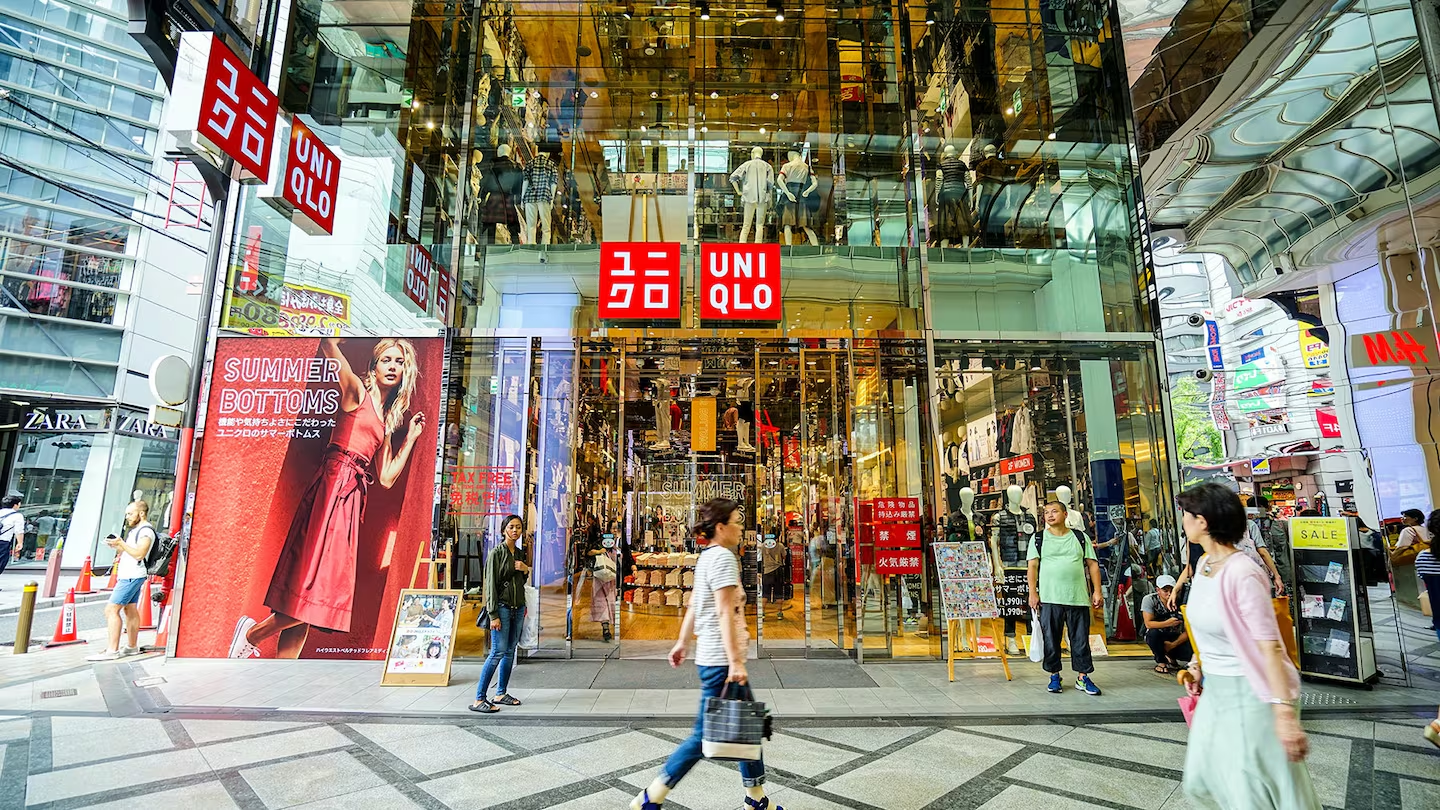
    Kelly joined Theory in 2022 as chief financial officer before stepping into the global co-chief operating officer role. Prior to that, he spent years inside Japanese parent group Fast Retailing, where he directed store network expansion for Uniqlo across the United States and Canada.

    Sharpening focus on Asian retail operations

    Splitting global commercial control while sending Tandon directly back to helm China operations shows how Fast Retailing is organizing its premium brands around Asian retail demand. Putting an experienced operator on the ground in China gives the Japanese group closer operational control over store productivity, concession partnerships and local inventory allocation in a highly competitive market.

    For competing contemporary fashion labels across East Asia, the management shift signals an aggressive push from Fast Retailing to scale its higher-margin portfolio. Theory provides Fast Retailing with access to affluent office workers who want technical tailoring, a segment where traditional European designer labels face margin pressure at entry-level price points.

    Two decades under Japanese ownership

    Andrew Rosen and Elie Tahari founded Theory in New York in 1997, building the brand on stretch-fabric tailoring and contemporary workwear. Japanese licensee Link International acquired the company in 2003, and Fast Retailing took full ownership of the business in 2009.

    Link Theory Holdings had previously purchased Helmut Lang from Prada Group in 2006, creating the high-end apparel pillar that sits alongside Fast Retailing’s mass-market Uniqlo and GU banners.

    Commercial execution to watch

    Retail observers will track Tandon’s store rollout and comparable-sales performance across mainland China’s department store network, alongside Kelly’s progress in turning Helmut Lang into a steady profit generator.

  • Latin America Attracts Nearly USD 300 Billion in Chinese Exports

    Latin America Attracts Nearly USD 300 Billion in Chinese Exports

    Chinese exports to Latin America have reached nearly USD 300 billion, driven by sustained shipments of consumer products, industrial equipment, and electric vehicles across Pacific trade routes.

    The export tally, compiled by market research provider Euromonitor International, now establishes the region among the fastest-expanding destinations for Chinese manufactured goods.

    Shifting Trade Corridors

    Exporters in mainland China have accelerated shipments to major Latin American hubs including Brazil, Mexico, Chile, and Colombia. Consumer electronics, automobiles, household appliances, and value-focused apparel make up a major share of the cargo filling outbound container lines.

    Cross-border e-commerce platforms and mainland automotive brands have widened their local distribution networks to support this volume. Direct fulfillment models and localized warehousing now allow manufacturers in Guangdong, Zhejiang, and Jiangsu to sell straight to Latin American retail buyers with shorter lead times.

    Pressure on Regional Ports

    For operators and logistics providers across Asia, this export volume alters established route economics. Shipping carriers have diverted vessels and added direct service loops connecting southern Chinese ports directly with Pacific terminals in South America.

    The swift expansion puts sustained pressure on destination port infrastructure. Congestion at regional terminals and rising local customs scrutiny present immediate operational bottlenecks for suppliers relying on predictable transit windows.

    Tariff and Competition Risks

    Commercial friction remains an active risk for Asian manufacturers targeting Latin America. Domestic industrial groups in key regional economies have lobbied local authorities to adjust import duties on steel, textiles, and electric vehicles to protect local production.

    Previous trade cycles saw Chinese suppliers rely primarily on North American and European demand to absorb factory capacity. With trade restrictions tightening in traditional Western destinations, South American and Central American markets have absorbed a growing portion of China’s industrial output.

    Trade agencies and supply chain operators now monitor whether destination governments will introduce broader protective tariffs before the next major shipping quarter begins.

  • Thakral to Spin Off Lifestyle Businesses on SGX Mainboard

    Thakral to Spin Off Lifestyle Businesses on SGX Mainboard

    Thakral Corporation plans to spin off its lifestyle businesses for a separate listing on the SGX Mainboard.

    Thakral plans to retain a majority stake in the standalone business unit following the spin-off, while Thakral Corp shares closed down 0.61 per cent at $1.63 on Sept 7.

    Carving out retail and brand distribution

    The business lined up for the initial public offering handles marketing and retail distribution for beauty and fragrance labels across Asia, particularly Greater China and Japan. The unit also manages South Asian distribution for DJI products alongside retail and distribution of Nespresso products in India.

    RHB Bank and United Overseas Bank have been appointed joint issue managers to structure the transaction. Two other divisions will remain with the parent group. These include property development and asset management operations across Australia, Japan and India. Thakral will also keep its enterprise drone components and software business, alongside strategic venture holdings.

    Pure-play valuation against conglomerate discount

    Brand distributors in Asia often command distinct valuation multiples compared to diversified holding companies. Grouping cosmetics with Australian retirement villages and industrial drone parts created a conglomerate discount on the SGX. That mix obscured cash generation across the retail agency business.

    A spin-off creates a direct play on prestige beauty demand in East Asia and consumer appliance growth in India. For principals like Nespresso and DJI, a separately capitalised distributor with its own balance sheet offers cleaner operational reporting. It also concentrates market risk directly in Chinese and Japanese consumer spending.

    Shareholder vote and regulatory pipeline

    Earnings swings hit the parent level earlier in the fiscal year. Thakral posted an adjusted attributable profit of $3.3 million in the first quarter of fiscal 2026. It then recorded a $6.4 million loss in the first half because of fair-value adjustments tied to its GemLife property venture in Australia. The group also expanded its real estate exposure by taking an additional 81.6 per cent stake in a mixed-use healthcare development in Gurugram, India.

    Completing the listing requires SGX approval, regulatory clearances and a formal vote by Thakral Corporation shareholders.

  • Film & Tape Expo 2026 Sets Shenzhen Gathering for 1,200 Materials Suppliers

    Film & Tape Expo 2026 Sets Shenzhen Gathering for 1,200 Materials Suppliers

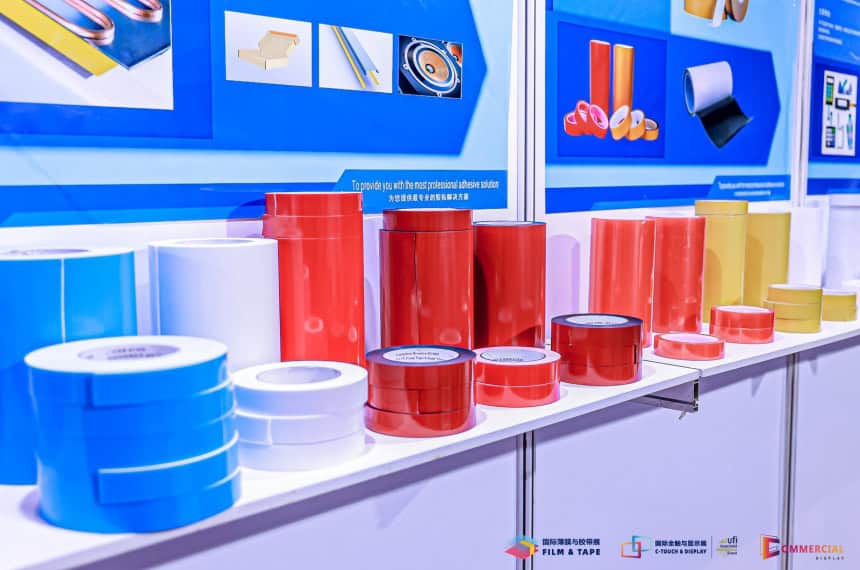
    Kuozhan Exhibition Services will run Film & Tape Expo 2026 in Shenzhen from October 27 to 29, gathering 1,200 exhibitors across 80,000 square meters of floor space. The trade show targets component makers in consumer electronics, automotive manufacturing and semiconductor packaging.

    Organisers expect more than 60,000 commercial buyers at the Shenzhen World Exhibition & Convention Center in Bao’an. The show includes 30 technical conferences, over 200 product launches, and roughly 3,000 pre-arranged one-to-one supplier meetings under a dedicated matchmaking programme.

    Sourcing Across Hardware and Battery Chains

    Exhibitors will present functional films, adhesive tapes, chemical raw materials, and precision converting machinery. Demand centres on high-grade materials for lithium battery separators, aluminum-plastic packaging, and tab adhesives required for electric vehicle powertrains.

    Display manufacturers will source optically clear adhesives, polyimide films, and optical layers tailored for foldable handsets and automotive digital dashboards. Semiconductor suppliers plan to exhibit wafer tapes, thermal interface materials, and protective release films used in microchip assembly.

    Supply Chain Consolidation in South China

    Shenzhen remains the operational centre for South China’s consumer hardware ecosystem. Staging the event inside Asia Material Week allows industrial buyers to source specialty chemical inputs alongside downstream converting equipment in one visit.

    For consumer electronics brands and automotive tiers across Asia, access to domestic film and tape producers offers a way to trim bill-of-materials costs. Heavy capital spending on advanced coating machinery in China has steadily narrowed the quality gap with Japanese and Korean specialty chemical makers, tightening price competition across standard optical and protective grades.

    Trade Matching and Technical Forums

    The 2026 edition follows previous annual gatherings that expanded from base converting equipment into precision semiconductor substrates. Industrial procurement teams increasingly require custom die-cutting and heat dissipation solutions rather than off-the-shelf roll stock.

    Technical sessions across the three days will cover thermal management, multi-layer ceramic capacitor materials, and flexible printed circuit substrates. Floor registration and commercial matchmaking bookings open ahead of the October 27 start date.

  • Mubadala Invests $1 Billion in Luckin Coffee Alongside Centurium

    Mubadala Invests $1 Billion in Luckin Coffee Alongside Centurium

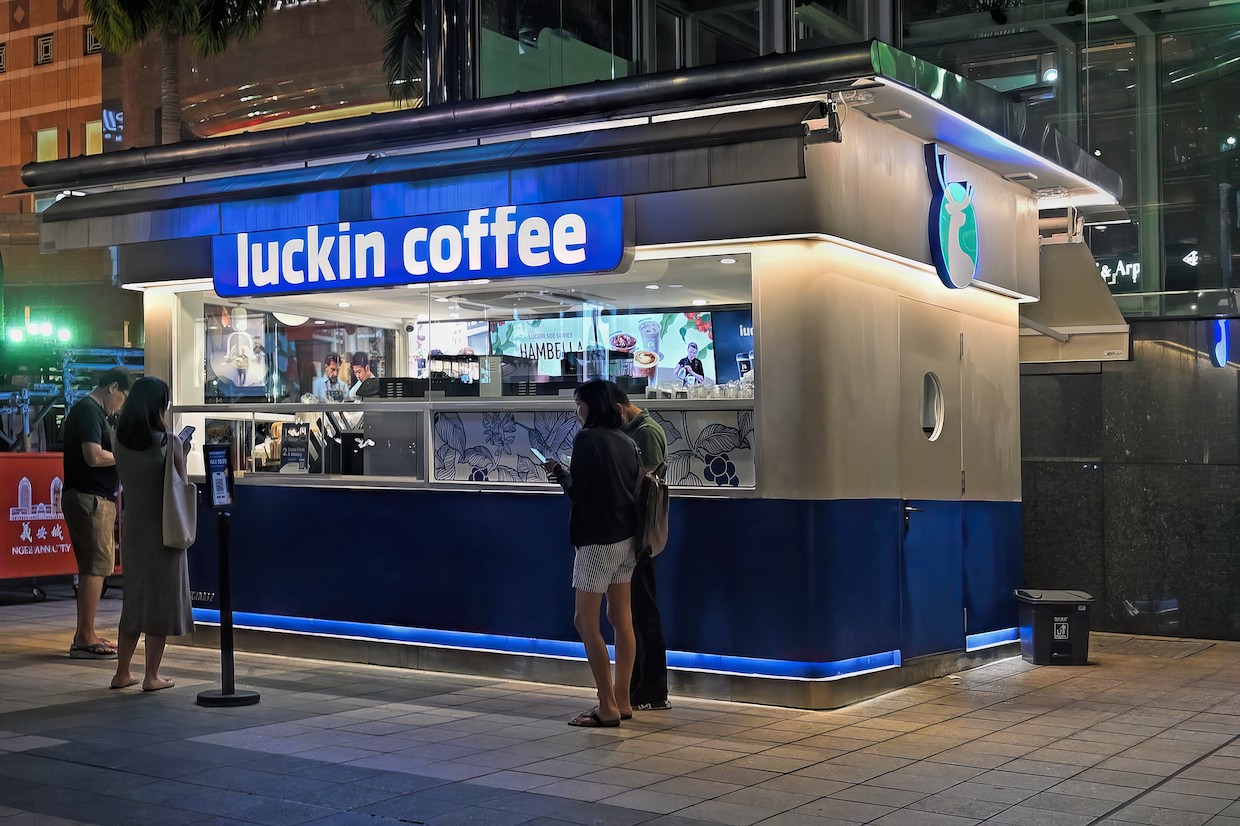
    Abu Dhabi sovereign wealth fund Mubadala Investment Company agreed to invest about US$1 billion for a minority stake in Luckin Coffee. The Chinese chain operated more than 36,000 stores globally by June 30, with customer rolls reaching nearly 500 million transacting buyers.

    Mubadala is injecting the capital alongside Centurium Capital, the private equity firm that holds controlling shareholder control over the retail group. Fresh funding will finance store buildouts across mainland China while bankrolling new retail sites in overseas target markets.

    Gulf Capital Backs China Network

    The transaction directs Gulf sovereign money into high-frequency Chinese retail at a time when global private equity deployment in the country has cooled. Mubadala head of Asia private equity Mohamed Albadr pointed to data integration across product cycles and unit operations as the driver for the commitment.

    “Luckin Coffee has built a differentiated, technology-enabled business with data embedded across customer engagement, product development and store operations,” Albadr said.

    Securing US$1 billion gives the chain a balance sheet buffer that rivals cannot easily match in current fundraising conditions. The cash injection strengthens Luckin against low-price challengers like Cotti Coffee while intensifying lease competition for small-format commercial spaces across regional retail corridors.

    Scale Shifts Pressure to Rivals

    For multinational operators including Starbucks, the capital infusion signals that price competition and unit expansion in secondary Chinese cities will not slow down. Landlords in transport hubs, office basements, and shopping malls gain an aggressive, well-funded tenant capable of taking small footprints on short turnaround schedules.

    Risk now centers on unit-level profitability outside top-tier shopping zones as store density increases in mature urban markets. Expanding into international markets will also test whether the chain’s app-driven, low-labor operating model transfers effectively into markets with higher real estate and staffing overhead.

    International Footprint Next in Line

    The deal follows a rapid store buildup through the first half of 2026, when Luckin crossed the 35,000-location threshold before adding another 1,000 stores by the end of the second quarter. Centurium had previously taken operational control to restructure the company and reorient unit economics around small-format pickup counters and digital orders.

    RetailNews Asia will track the pace of the group’s overseas site selection and store openings over the coming quarter as capital deployment begins.

  • Dove Expands Advanced Care Deodorant Range to Six Scents in Australia

    Dove Expands Advanced Care Deodorant Range to Six Scents in Australia

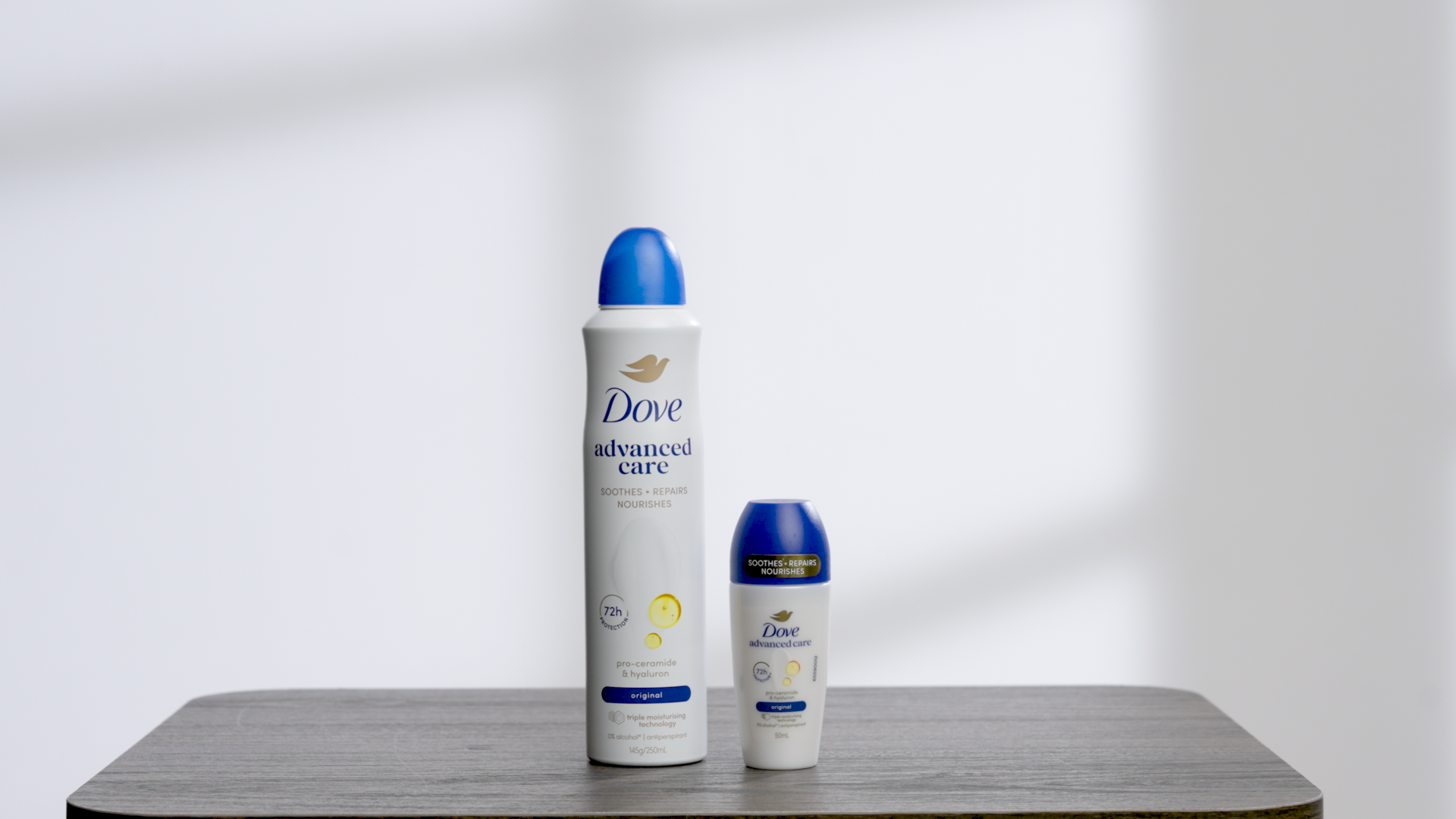
    Dove upgraded its Advanced Care deodorant lineup in Australia in September 2026, adding active skincare ingredients across six distinct fragrance varieties.

    The revamp introduces pro-ceramide serum and hyaluronic acid directly into the brand’s mass-market underarm portfolio, featuring an exclusive scent for independent retailer IGA.

    Skincare Ingredients Enter Daily Deodorants

    Formulations across the refreshed line now blend barrier-repair ingredients typically reserved for facial serums. Pro-ceramide serum works alongside hyaluronic acid to hydrate skin, targeting irritation caused by daily shaving and friction.

    The range spans six fragrances: Original, Pomegranate & Lemon Verbena, Acai Berry & Waterlily, Coconut & Jasmine Flower, Passionfruit & Lemongrass, and Apple & White Tea.

    Retail Distribution and Exclusive Variants

    Supermarket distribution splits the lineup across major national grocers and independent operators. The Apple & White Tea variant sells exclusively through independent IGA stores across the country.

    Channel-exclusive scents give independent operators a defensive shield against major supermarket chains. Tier-one grocers take the core five variants, while IGA uses the exclusive fragrance to drive foot traffic into its personal care aisles.

    Shifting Formulations on Supermarket Shelves

    Personal care manufacturers across the region continue migrating premium skincare ingredients down into high-volume grocery categories. Adding active hydrators allows everyday consumer brands to protect shelf space against specialty pharmacy competitors.

    Retail buyers are watching whether functional skincare claims can lift basket values in basic grocery aisles as shoppers manage everyday household budgets.

  • Unresolved Scams Hit 45% Across Southeast Asia as Losses Mount

    Unresolved Scams Hit 45% Across Southeast Asia as Losses Mount

    Nearly half of all reported scam cases across Southeast Asia remain unresolved, leaving consumers without financial recovery and triggering account churn for digital service providers. Research from the GSMA released in Kuala Lumpur shows 82 per cent of victims who lost money recouped nothing, while only 10 per cent recovered their funds in full.

    The findings, drawn from the GSMA ASEAN Consumer Scam Report 2026, cover Indonesia, Malaysia, the Philippines, Singapore, Thailand and Vietnam. Across these six economies, eight per cent of surveyed consumers fell victim to scams during the previous 12 months. When fraud occurred, 68 per cent of targets suffered direct monetary losses.

    Financial Losses and Platform Churn

    Unresolved fraud is creating direct commercial consequences for digital operators. Consumers who suffered a scam incident were more than twice as likely to switch accounts or abandon service providers compared to unaffected users. The research revealed that 96 per cent of consumers in the region actively worry about fraud and unauthorized account breaches.

    For consumer brands, e-commerce marketplaces and digital banks, this churn represents an unbudgeted retention cost. When fraud dispute mechanisms fail, the merchant or carrier bears the brand damage, regardless of where the vulnerability originated. Retailers relying on app-based checkouts and instant digital payments face the immediate threat of shoppers retreating to cash on delivery or narrowing their transaction volumes.

    Network operators face a parallel squeeze on connectivity revenue. As subscribers associate incoming communications with financial danger, answer rates collapse and push marketing loses value. The commercial risk sits with consumer-facing platforms that fail to isolate malicious actors before transactions clear.

    Access alone is no longer enough. As ASEAN’s digital economies become more sophisticated, people must have confidence that digital services are secure, reliable and accountable.

    Messaging Apps Drive Fraud Encounters

    Messaging applications now serve as the primary channel for fraudulent outreach in Southeast Asia, accounting for 41 per cent of all recorded scam interactions. Fraud patterns have shifted away from crude automated calls toward targeted investment schemes, cryptocurrency pitches, bogus job offers and fake online shopping storefronts where victims transfer funds voluntarily.

    Artificial intelligence tools are accelerating these schemes. Nearly nine in ten surveyed consumers recognized at least one form of AI deployed in fraudulent attempts, ranging from deepfake media and voice cloning to automated phishing scripts. While 69 per cent of affected individuals reported the incidents to authorities or service providers, 45 per cent of those complaints concluded without resolution.

    A companion report, Digital Nations 2026: Building Trusted Digital Ecosystems in ASEAN, identifies four structural requirements to counter the surge: identity verification, authenticated communications, resilient network infrastructure and shared fraud intelligence across commercial borders.

    Cross-Border Identity Enforcement

    The spike in digital deception follows five years of rapid mobile wallet adoption and instant payment integration across ASEAN member states. National real-time payment links between Singapore, Malaysia, Thailand and Indonesia lowered transaction frictions for commerce, but also allowed illicit funds to move faster across jurisdictions before local compliance teams could freeze beneficiary accounts.

    Industry discussions on unified digital identity frameworks and mandatory scam reimbursement guidelines continue on September 10 at the M360 ASEAN summit. Delegates will review regional enforcement strategies during sessions with Malaysian Minister of Communications Fahmi Fadzil, ASEAN Secretary-General Kao Kim Hourn, and GSMA Director General Vivek Badrinath.

  • Ralph Lauren Partners with Korea National Cancer Center for 2028 Facility

    Ralph Lauren Partners with Korea National Cancer Center for 2028 Facility

    Ralph Lauren will open its first Asian cancer recovery facility in Goyang, South Korea, in 2028 through a partnership with the Korea National Cancer Center Foundation.

    This project extends the New York-listed luxury group’s philanthropy into South Korea. Government registry figures show more than 2.7 million people in the country live with or beyond cancer.

    Inside the Goyang facility

    Plans place the Ralph Lauren Center for Patient and Family Recovery inside the Phase II Proton Therapy Center at the National Cancer Center’s new Innovative Cancer Research Center. The facility will provide recovery rooms, psychological counseling, family education and social welfare support for proton therapy patients.

    Funding flows through Pink Pony, Ralph Lauren’s global oncology initiative founded in 2000. That program currently supports 38 beneficiary projects across 17 countries. The company has funded local cancer programs in South Korea since 2012, but the Goyang project is its first physical center in the region.

    Cancer care should extend beyond treatment itself to helping patients return to their daily lives and improve their quality of life.

    Han-Kwang Yang, president of the National Cancer Center of Korea and chairman of the Korea National Cancer Center Foundation, noted that proton therapy requires extended care. Those long treatment cycles place heavy emotional demands on families, making non-clinical support spaces essential.

    Luxury philanthropy across Asian markets

    Global apparel and luxury houses have shifted corporate giving in North Asia away from generic sponsorships toward long-term civic infrastructure. For luxury groups operating in Seoul’s department stores and duty-free corridors, institutional healthcare partnerships build local goodwill. Transactional marketing cannot match that standing.

    The Goyang facility mirrors Ralph Lauren’s healthcare network in the West. That roster includes facilities at Memorial Sloan Kettering in New York, Georgetown University in Washington, USC Norris in Los Angeles, the University of Chicago and the Royal Marsden in Britain. Adapting that model to East Asia tests whether Western lifestyle brands can anchor specialized public health infrastructure in state-run Asian medical institutions.

    Building out regional healthcare commitments

    Overseas, the retailer recently established the UChicago Medicine Ralph Lauren Center in the United States as part of a wider run of foundation grants. In South Korea, the National Cancer Center has operated under the Ministry of Health and Welfare since 2000. The agency serves as the central coordinator for nationwide oncology research, clinical practice and patient screening.

    Construction on the broader Innovative Cancer Research Center is underway in Goyang. When the complex opens in 2028, the Ralph Lauren facility will begin welcoming proton therapy patients and their families.

  • ClubMed Lifestyle Targets 85 Global Resorts by 2030 Ahead of Hong Kong IPO

    ClubMed Lifestyle Targets 85 Global Resorts by 2030 Ahead of Hong Kong IPO

    ClubMed Lifestyle Group plans to expand its global resort network to roughly 85 properties by 2030. The expansion relies on an asset-light model across key international leisure markets.

    Today, the Fosun International subsidiary operates 69 resorts across more than 40 countries and regions. It serves over 1.5 million guests each year.

    Asset-light pipeline spans Asia and Europe

    Since late 2025, the group has secured new resort agreements in China, Indonesia, Canada, Morocco, Brazil, the US Virgin Islands and Italy. Target markets include the European Alps, Mediterranean and North African coastlines, Northeast and Southeast Asia, and the Americas. Early development work is also underway in the Middle East.

    Management relies on management contracts, integrated vacation destinations and cultural-tourism complexes rather than direct real estate ownership. In July, Club Med signed a memorandum of understanding with Microsoft at its Paris headquarters. The partnership applies cloud-native systems and artificial intelligence tools to resort operations and guest services. Microsoft France chief executive Corinne De Bilbao and ClubMed Lifestyle Group co-president Xu Bingbin led the signing.

    Valuation shifts and operator competition

    Resort operators across the Asia-Pacific region are shifting capital expenditure off their balance sheets. The strategy helps defend margins against volatile travel cycles. Rival luxury and leisure operators in Southeast Asia use similar management contracts to scale up without taking construction debt onto their books.

    Brand consistency and service standards remain the central risk across third-party real estate as networks grow. Meanwhile, developers in regional resort hubs face high financing costs. Operational efficiency and direct booking technology will determine whether newly signed properties stay profitable.

    Fosun prepares Hong Kong public float

    This push follows a corporate restructuring by parent company Fosun International. On August 28, the World Travel & Tourism Council admitted ClubMed Lifestyle Group as a global member. The business filed a formal listing application with the Hong Kong Stock Exchange on August 29 to spin off the vacation unit into an independently traded entity.

    Fosun reported total revenue of RMB86.96 billion and a net profit of RMB1.72 billion for the first half of 2026. The upcoming Hong Kong listing will determine how much capital the business secures to add the final 16 resorts needed for its 2030 goal.