Author: Mei Ling Tan

  • Swiss Parliament Favors Leniency on UBS: Potential Easing of New Capital Requirements Awaited

    Swiss Parliament Favors Leniency on UBS: Potential Easing of New Capital Requirements Awaited

    The Federal Council’s impending regulations on banking stability, not anticipated until late spring, have received a hopeful response from a coalition of parliamentarians from the National Council and the Council of States. This group has allegedly sent comforting signals to UBS, suggesting a potential relaxation of the forthcoming stringent capital requirements.

    In casual discussions, representatives from various political parties have purportedly assured UBS executives that the proposed new regulations for Switzerland’s last globally active bank of systemic importance will be diluted. UBS was informed that attempts would be made to negotiate a middle ground on the proposals put forth by the Federal Department of Finance (FDF). It’s predicted that the Federal Council’s proposal would necessitate UBS to augment its capital by approximately 22 billion dollars.

    Keller-Sutter’s Too Big to Fail Proposal

    Finance Minister Karin Keller-Sutter, the head of the FDF, proposed the reform package on the “too big to fail” (TBTF) issue in response to the Credit Suisse collapse in 2023. It’s probable that the government’s decision will be publicized as soon as April, with the most contentious aspect—foreign capital requirements—expected to be a parliamentary debate topic.

    The Balancing Act: Stability vs. Competitiveness

    While regulators assert that the rules are vital for depositors’ protection, critics, including UBS, caution that these regulations could potentially endanger the country’s competitiveness. A group of legislators who deem these capital requirements too rigid have indicated to UBS their desire to “resolve the issue through a compromise,” according to one source.

    UBS executives are reportedly becoming increasingly exasperated by what they perceive as the Federal Council’s unwillingness to negotiate. Chairman Colm Kelleher and CEO Sergio Ermotti have frequently highlighted the competitive disadvantages UBS may face compared to the United States and the United Kingdom. The bank may even consider relocating to a jurisdiction with more favorable conditions if a compromise isn’t reached.

    Rejected Committee Proposal

    The FDF previously dismissed a compromise proposal offered by the economic committees of both parliamentary chambers in November. Although the specifications of a new compromise have yet to be determined, the National Council’s Committee for Economic Affairs and Taxation is expected to “take over” the process from May onwards. A person involved in the discussions stated, “From that point, we will have greater decision-making power.”

    UBS Remains Silent

    The proposals are anticipated to be a contentious topic among legislators during the summer session, commencing in early June.

    UBS did not provide a comment. However, a source close to the bank offered, “Even if assurances are made, there is no guarantee that the final outcome will be acceptable.”

    Questions & Answers

    What is the proposed change to UBS’s capital requirements?
    The Federal Council has proposed that UBS should increase its capital by approximately 22 billion dollars.

    What are the concerns of UBS regarding these changes?
    UBS executives fear that the proposed regulations could undermine the country’s competitiveness, putting them at a disadvantage compared to counterparts in the United States and the United Kingdom.

    What was the response of the Federal Department of Finance to the proposed compromise?
    The Federal Department of Finance rejected a compromise proposal put forth by the economic committees of both parliamentary chambers.

  • Malaysia’s Food Prices Set to Skyrocket by 50% in Wake of Fuel Crisis, Trade Associations Warn

    Malaysia’s Food Prices Set to Skyrocket by 50% in Wake of Fuel Crisis, Trade Associations Warn

    Trade associations in Malaysia are warning that the country’s food prices could potentially surge by up to 50% due to the escalating energy crisis linked to the conflict in Iran. This crisis has led to an increase in fuel costs, which in turn is inflating the prices of raw materials. These materials are vital in the preparation of daily staples like nasi lemak, a popular dish of rice and meat served on a pandan leaf with spicy chili paste. The prices of these ingredients have already witnessed a significant rise, leaving traders little choice but to pass on the increases to consumers.

    Impact on Traders

    Rosli Sulaiman, president of the Federation of Malaysian Hawkers and Traders Associations, noted that even before the spike in fuel prices, costs had already risen by around 20% to 30%. He warned that when costs are high and return profits are non-existent, traders are compelled to raise their selling prices, albeit at a small margin. The impact of this situation is most deeply felt by small traders, hawkers, and the general public.

    The Malaysian Muslim Restaurant Owners Association (Presma), representing the Indian-Muslim community’s 24-hour eateries, already reported a cost increase of up to 30% within the past year. These cost upticks are affecting raw ingredients like chicken and vegetables, as well as cooking gas and plastic packaging.

    Pressures on the Food and Beverage Industry

    Government data reveals that Malaysians’ expenditure on dining out surpassed MYR870 (US$216) per month in 2024, denoting a 17% rise from the previous year. This trend indicates a growing affinity towards eating out as opposed to cooking at home and accounts for over 12% of the median monthly household income of MYR7,017.

    However, experts caution that the country’s MYR60 billion food and beverage industry could struggle to maintain growth if global crude oil prices – which peaked at $115 per barrel recently – stay high for an extended period. Fertilizer shortages impacting agriculture, as well as increasing shipping and logistics costs, could also contribute to imported inflation, thus affecting the sector beyond higher energy and transport costs.

    Potential Impacts on the Economy

    Doris Liew, an economist specializing in Southeast Asian development, warns that these secondary effects are likely to be more persistent in a trade-dependent economy like Malaysia than the initial energy shock. Despite Malaysia’s targeted fuel subsidies potentially buffering households from immediate price shocks, they are unlikely to offset the rising input costs for businesses. These costs are anticipated to trickle down to consumers, which could dampen business sentiment and consumer confidence, leading both companies and households to curtail spending amidst uncertainty.

    Questions & Answers

    What impact is the energy crisis having on Malaysia?
    The energy crisis associated with the conflict in Iran is driving up Malaysia’s food prices, with potential surges of up to 50%. The cost increase is affecting raw materials essential for daily living, and these costs are being passed on to consumers.

    What impact could the surge in prices have on the wider economy?
    The surge in prices could dampen both business sentiment and consumer confidence, causing companies and households to reduce spending due to uncertainty. This has the potential to slow economic growth amidst increasing inflation.

    What are potential solutions to offset the rising costs?
    While Malaysia’s targeted fuel subsidies may buffer households from immediate price shocks, these measures are unlikely to mitigate the rising input costs for businesses. It is crucial for the government to assure citizens of sufficient fuel and food supplies, backing up these claims with data to regain public confidence.

  • New York Luxury Brand Tiffany & Co. Amplifies Presence in Thailand with Opulent IconSiam Store

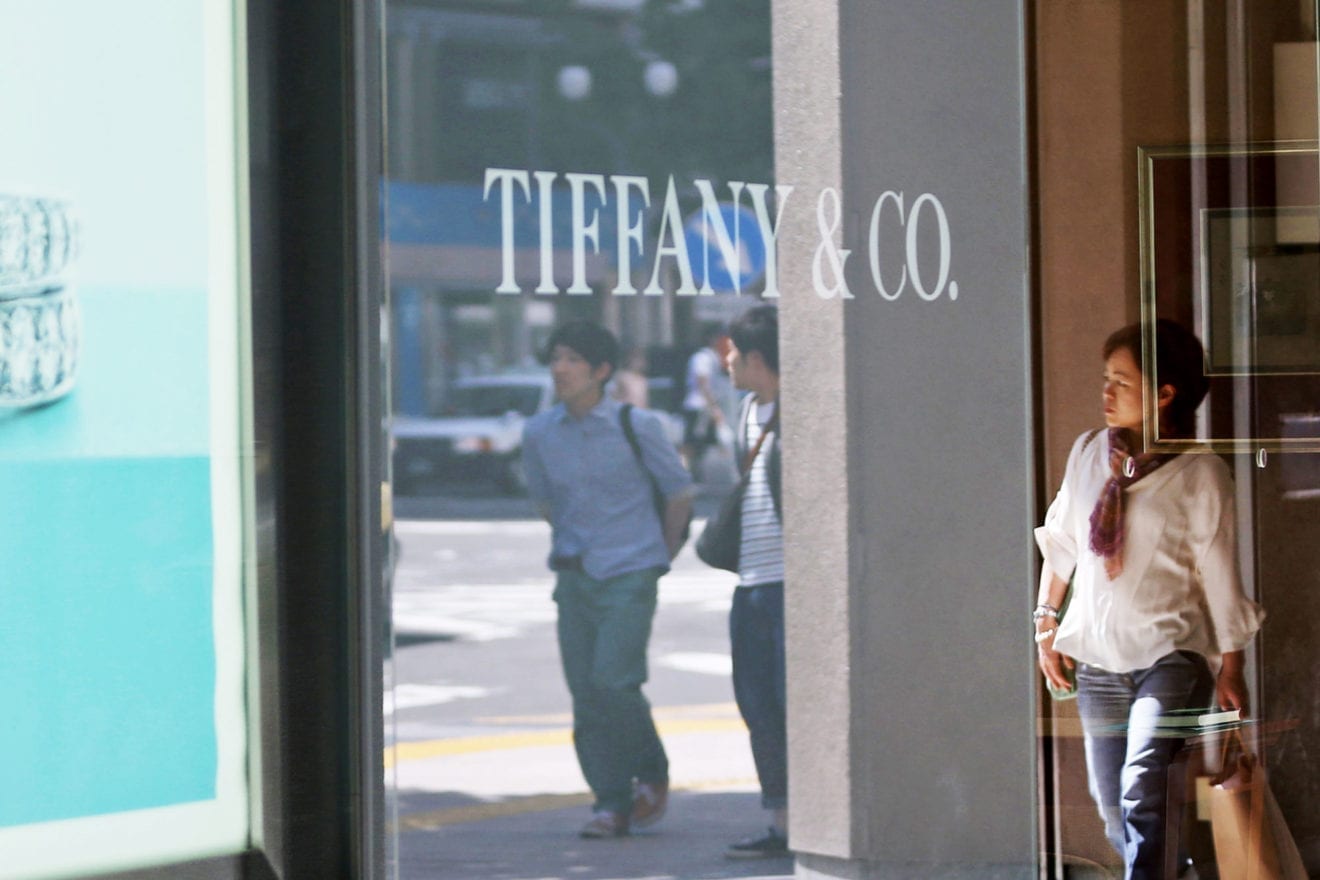
    New York Luxury Brand Tiffany & Co. Amplifies Presence in Thailand with Opulent IconSiam Store

    Tiffany & Co, the renowned luxury jeweller from New York, has further extended its presence in Bangkok by inaugurating a new boutique in IconSiam. This marks the esteemed brand’s third establishment in the capital city of Thailand.

    A Distinctive Boutique

    The latest addition to Tiffany’s outlets stands out as the first in Southeast Asia to showcase a façade inspired by Favrile glass, a creation of Louis Comfort Tiffany. Mr. Tiffany, the company’s inaugural art director, developed this unique type of glass in the late nineteenth century.

    Boasting an area of 256 square meters, the boutique has been tastefully designed with plaster walls that are complemented by ceilings adorned with gold leaf. Complementing this opulent interior are customized furniture pieces replete with hand-woven upholstery.

    Exquisite Collections

    The recently opened boutique provides a dazzling showcase for a wide array of Tiffany’s collections. These include the HardWear, Knot, Lock, and T collections from Tiffany. Alongside these, the boutique displays an array of high jewellery pieces, engagement rings, and home accessories.

    All About Love

    A special space within the boutique, named ‘All About Love’, presents an enchanting display of engagement rings. The ivory and silver walls of this section, combined with a diamond-inspired display, create a mesmerizing backdrop for these symbols of commitment.

    Private Salon

    The boutique also houses a private salon, designed for those seeking a more intimate shopping experience. Decked with bespoke furniture and orchid-patterned wallpaper, the salon offers a tranquil escape from the bustling city outside.

    Continued Investment

    The opening of this boutique is indicative of Tiffany & Co’s ongoing commitment to investing in Thailand. This comes after the company’s establishment of previous boutiques in Bangkok.

    Operating over 300 stores worldwide, the company employs more than 14,000 individuals. Since its founding in 1837, Tiffany & Co has become globally recognized for its premium jewellery, watches, and luxury accessories.

    Questions & Answers

    What is unique about the new Tiffany & Co boutique in IconSiam, Bangkok?
    The boutique is the first in Southeast Asia to feature a façade inspired by Favrile glass, a creation of Tiffany’s first art director, Louis Comfort Tiffany.

    What collections can customers expect to find at the new Tiffany & Co boutique?
    Customers can explore a diverse range of collections, including the HardWear, Knot, Lock, and T collections from Tiffany, alongside high jewellery, engagement rings, and home accessories.

    What kind of shopping experience does the new Tiffany & Co boutique offer?
    The boutique offers a luxurious and intimate shopping experience, with a special section called ‘All About Love’ for engagement rings and a private salon for customers desiring a more private shopping environment.

  • Shell Thailand Teams Up with Tops Daily for First Convenience+ Store Launch in Southeast Asia

    Shell Thailand Teams Up with Tops Daily for First Convenience+ Store Launch in Southeast Asia

    Shell Thailand has initiated a significant expansion in its convenience retail sector across Southeast Asia, marking this advancement with the launch of its inaugural Convenience+ store. This venture has been developed in partnership with Tops Daily, a constituent of Central Food Retail.

    New Retail Format for a New Era

    The pilot store, located in Nonthaburi, is the vanguard of Shell Mobility & Convenience’s next-generation retail format in Asia. The forward-thinking design of this store aims to augment the in-store customer experience, fortify retail partnerships, and establish a replicable model for sustained growth. This ambitious strategy was outlined by Theswinder Kaur, the global alliance and commercial head at Shell.

    This Convenience+ outlet in Southeast Asia is the first of its kind, modeled on the successful collaborative approach taken by Shell Oman and AlMeera. Further locations are slated for launch across Thailand before the year’s end.

    Central Retail Corporation’s Redefined Food Business Units

    The unveiling of this new Shell venture has been closely followed by the restructuring of the Central Retail Corporation Public Company Limited (CRC), another significant player in the retail sector. From March 1, CRC has taken steps to amalgamate its three primary food business units, bringing them under the umbrella of the Central Retail Food Group.

    Questions & Answers

    What is the purpose of Shell’s new Convenience+ store in Thailand?
    The Convenience+ store is an integral part of Shell’s strategy to expand its convenience retail sector across Southeast Asia. The store aims to enhance the in-store customer experience and strengthen retail partnerships.

    How does the new Convenience+ store reflect Shell’s future retail plans?
    The Convenience+ store in Nonthaburi introduces Shell’s next-generation retail format in Asia. The scalable model is designed for sustained growth and is expected to be replicated across many more locations in Thailand.

    How does the Central Retail Corporation fit into recent shifts in the retail sector?
    Central Retail Corporation has recently consolidated its three major food business units under the Central Retail Food Group. This move closely follows the launch of Shell’s Convenience+ store and indicates significant changes in the retail sector.

  • Jason Archer Ascends to APAC MD Role at Canada Goose: Driving Expansion and Luxury Presence in Asia

    Jason Archer Ascends to APAC MD Role at Canada Goose: Driving Expansion and Luxury Presence in Asia

    Canada Goose, the luxury outerwear retailer, has recently appointed Jason Archer as Managing Director (MD) of the Asia Pacific region (APAC). This move signifies the brand’s strategy to strengthen its luxury positioning and extend its market footprint in the region.

    Role and Responsibilities

    Jason Archer, based in Hong Kong, will report directly to the President of APAC for Canada Goose, Daniel Binder. His key responsibilities will involve steering the region’s strategy, managing commercial execution, and supervising operations.

    Archer brings more than twenty years of professional experience to the role. Prior to his promotion, he held the position of Senior Vice President, APAC operations and business development for Canada Goose.

    Impressive Track Record

    Over his tenure at Canada Goose, Archer has already made significant strides in the company’s development. His accomplishments include driving double-digit revenue growth within the APAC region, enhancing the brand’s direct-to-consumer performance, and ensuring brand consistency across various markets.

    Binder expressed his confidence in Archer, stating that his excellent work has significantly strengthened the company’s regional operations. He further stated, “With his global experience and strong leadership, Archer is the right person to guide us forward and unlock the brand’s full potential.”

    Noteworthy Appointments

    In another significant move in 2024, Canada Goose had appointed French designer Haider Ackermann as its inaugural Creative Director, thereby highlighting its commitment to further enhancing its luxury positioning.

    Questions & Answers

    Who is the newly appointed MD of APAC for Canada Goose?
    Jason Archer has been appointed as the new Managing Director of APAC for Canada Goose.

    What are the key responsibilities of his new role?
    His main responsibilities will be to steer the region’s strategy, oversee commercial execution, and supervise operations.

    What has Jason Archer accomplished in his tenure at Canada Goose?
    Archer has driven double-digit revenue growth in the APAC region, enhanced the brand’s direct-to-consumer performance, and ensured brand consistency across various markets.

  • Hong Kong Retail Sales Skyrocket by 19%: A Decade of Growth Boosted by Surge in Visitor Numbers

    Hong Kong Retail Sales Skyrocket by 19%: A Decade of Growth Boosted by Surge in Visitor Numbers

    February saw a significant upswing in Hong Kong’s retail sales, with a 19.3 per cent surge compared to the same month in the previous year. This marks a full 10 months of consistent gains, demonstrating the robust health of the retail sector.

    Broad-Based Growth Across Retail Outlets

    A variety of retail outlets experienced growth in February, according to government data. In fact, the month’s surge was the most substantial since June 2023, when retail sales saw a 19.5 per cent increase. Prior months also showed steady growth, with a 5.5 per cent rise in January and a 6.6 per cent hike in December’s retail sales.

    An official spokesperson for the government anticipates the trend to continue, citing the local economy’s resilient growth and an increase in inbound visitors as key supporting factors for retail businesses.

    High-End Goods and Clothing Sales on the Rise

    Certain sectors saw particularly notable increases in February. Jewelry, watches, clocks, and other valuable gifts experienced a 24.2 per cent spike, following a 31.1 per cent increase in January. Meanwhile, sales of clothing, footwear, and related products also rose by 14.1 per cent, emerging from a marginal 0.2 per cent rise in January.

    Retail Sales Growth in Volume Terms

    Viewed in terms of volume, retail sales in February soared 17.5 per cent from the same period last year, a significant leap compared to January’s revised rise of 3.5 per cent. This is the largest percentage gain observed since March 2023, which experienced a staggering 39.3 per cent increase.

    Spike in Visitor Arrivals

    The Hong Kong Tourism Board reported a 40.2 per cent increase in visitor arrivals in February, totalling 5.14 million, compared to the same month last year. The number of visitors from Mainland China saw an even more dramatic rise, skyrocketing by 53.4 per cent to reach 4.25 million.

    Questions & Answers

    What was the percentage growth in Hong Kong’s retail sales in February?
    Hong Kong’s retail sales grew by 19.3 per cent in February.

    Which sectors experienced significant sales increases in February?
    Sectors that saw significant sales increases included jewelry, watches, clocks, and valuable gifts, along with clothing, footwear, and related products.

    How much did the visitor arrival number increase in February, according to the Hong Kong Tourism Board?
    The Hong Kong Tourism Board reported a 40.2 per cent increase in visitor arrivals in February.

  • Thailand’s DIY Titans Losing Ground Amid Sluggish Economy and Rising Costs: A Deep Dive into the Struggles and Strategies

    Thailand’s DIY Titans Losing Ground Amid Sluggish Economy and Rising Costs: A Deep Dive into the Struggles and Strategies

    Home improvement retail is a sector known for its cyclical nature and susceptibility to shifts in consumer confidence. This is evident in Thailand’s DIY market, Southeast Asia’s largest, which is currently grappling with low consumer confidence, escalating household debt, rising energy costs, and general macroeconomic instability. Retailers are finding their large warehouses less productive, but they continue to add stores. This results in consistent drops in same-store sales and increasingly fierce competition. Profit margins are further threatened by increasing material costs, placing a squeeze on both revenue and net income.

    Home Pro: A Silver Lining Amid Stagnation

    Home Pro and Thai Watsadu are the largest players in this market based on revenue. Home Pro operates 126 stores in Thailand and seven in Malaysia. Despite reporting a decrease of 2.8% in 2025’s annual revenue compared to the previous year, the company is persistently expanding its network of warehouses. The firm’s same-store sales fell by 6.4% and showed weakened momentum during the fourth quarter.

    Interestingly, Home Pro asserts its sales growth is sustainable even though it has witnessed successive years of revenue decline. The company’s home services business, however, shows promise, with a growth rate of over 9% in 2025 as customers shift from DIY to DIFY services, which include installation, renovation, maintenance, and repair.

    Home Pro also earns rent from its Market Village shopping malls, particularly in popular tourist destinations like Hua Hin, Rayong, and the region adjacent to Suvarnabhumi Airport. However, the current geopolitical instability could impact the influx of tourists, predominantly from Europe, further dampening the outlook for 2026.

    Thai Watsadu: Parallel Trajectories

    Thai Watsadu, a subsidiary of Central Retail Corporation, closely competes with Home Pro. Despite experiencing a similar decline in same-store sales, it is on an expansion spree. The company’s total sales in 2025 matched Home Pro’s at about 70.6 billion baht (US$2.2 billion). Apart from DIY warehouses, the company’s portfolio includes electronics and white goods, office supplies, stationery, and home furniture chains.

    At the end of 2025, the Thai Watsadu chain comprised 88 stores, with plans to open an additional three to five locations this year.

    Siam Global House: Amid Pressure

    Siam Global House operates from the small northeastern provincial capital of Roi Et and is a fierce contender for Home Pro and Thai Watsadu. Despite its vast network of 96 warehouses in Thailand, the company’s revenue decreased by 1.9% in 2025 from the previous year, and its net profit fell by 20%.

    Mr DIY: A Potential Winner in the Short Term

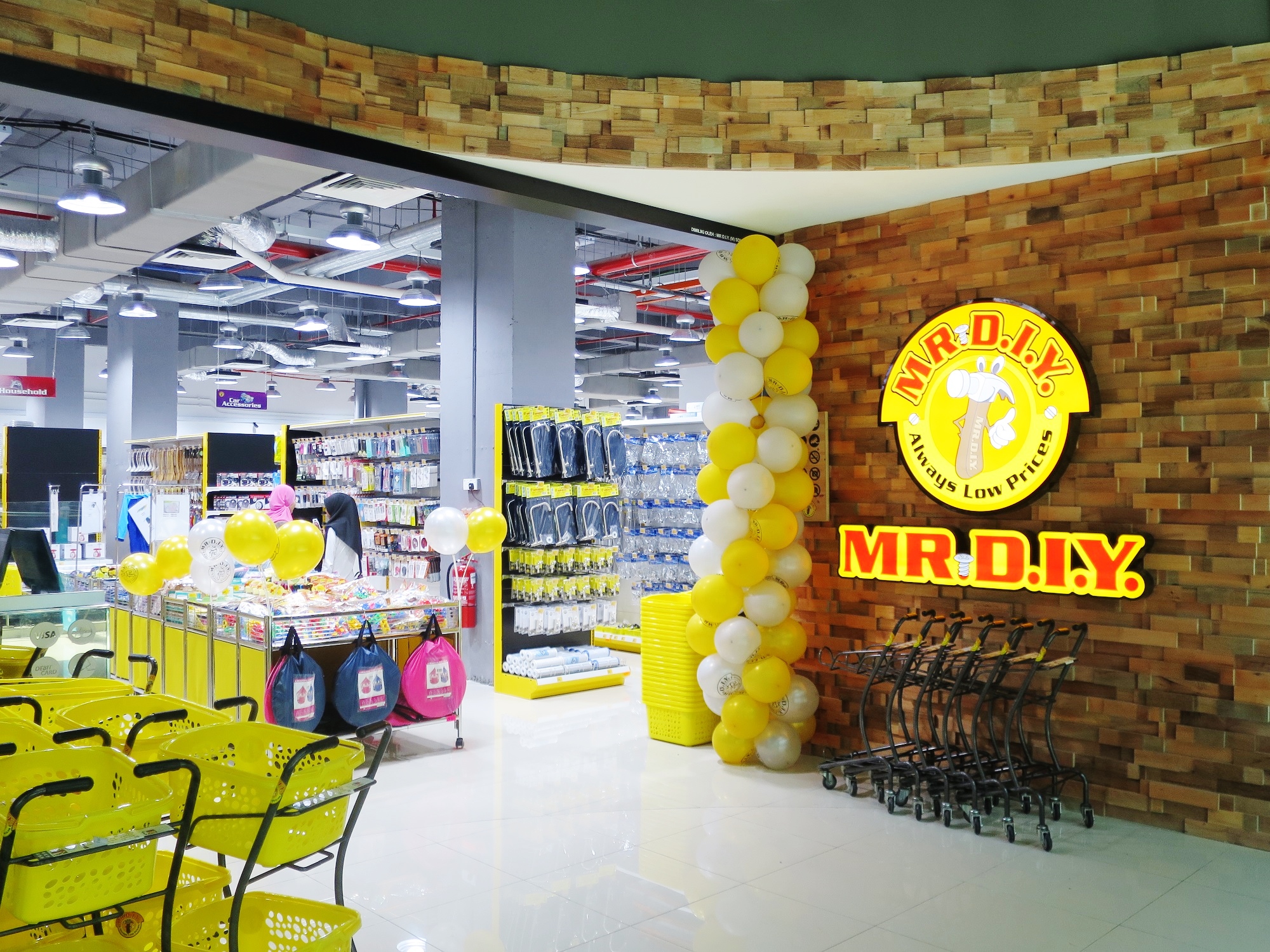
    Malaysia-based Mr DIY, with its smaller store formats, appears better equipped to navigate Thailand’s challenging retail landscape in the short term. With more than 2,000 stores across 10 countries, including approximately 900 in Thailand, Mr DIY offers a limited range of DIY goods that can be easily accommodated in conventional malls and high-traffic shopping areas. This strategy provides the chain with a short-term advantage while the weakening economy and geopolitical tensions continue to impact larger home improvement warehouses.

    The Future: An Uphill Battle

    The general outlook for the sector suggests a slower recovery, with rising materials and operating costs on the horizon. Home improvement retailers, who have already weathered the storm of the Covid-19 pandemic and various geopolitical conflicts, will likely have to delay their expected recovery until beyond 2026.

    Questions & Answers

    What is the current state of the home improvement retail industry in Thailand?
    A: The industry is experiencing a downturn due to weak consumer confidence, rising household debt, and increasing material costs.

    What are the business strategies of major players like Home Pro and Thai Watsadu in response to the challenging market conditions?
    A: Both companies continue to expand their store networks despite declining same-store sales, with Home Pro also focusing on its profitable home services and mall rental businesses.

    Why is Mr DIY potentially better positioned than its competitors in the short term?
    A: Mr DIY’s smaller store formats and limited range of goods make it a flexible fit in conventional malls and busy shopping areas, providing an advantage in the current economic climate.

  • Singapore’s Castlery Makes Stylish U.S Entrance with Flagship Store in Manhattan’s Premier Chelsea District

    Singapore’s Castlery Makes Stylish U.S Entrance with Flagship Store in Manhattan’s Premier Chelsea District

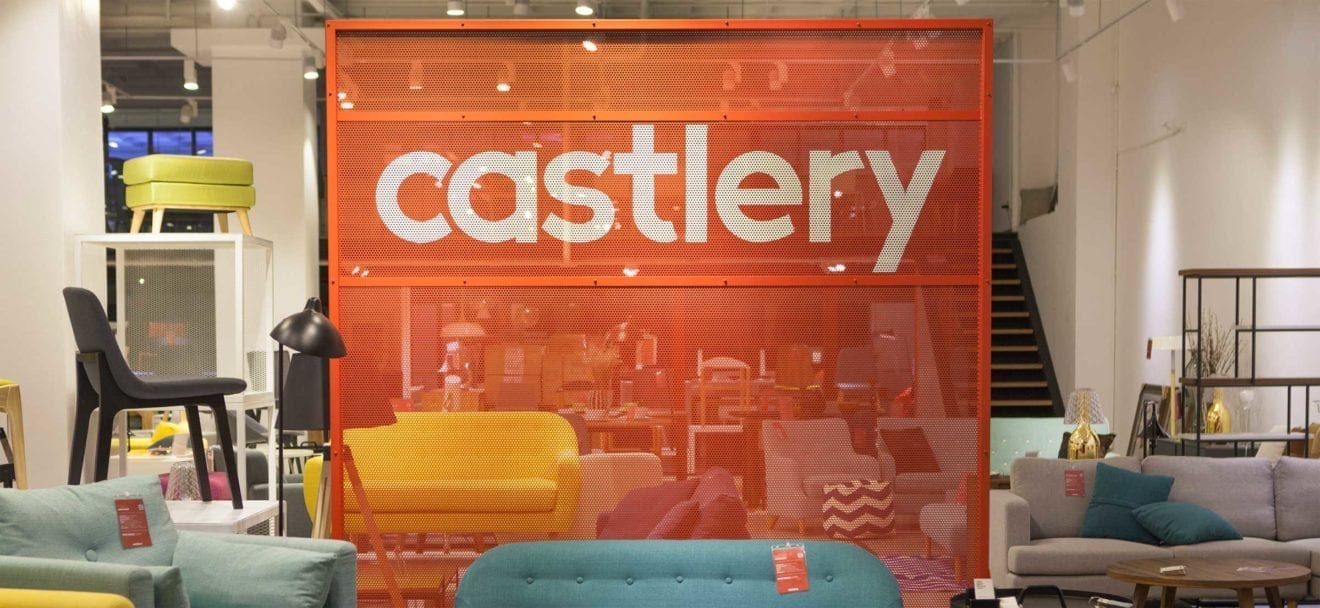
    Singaporean furniture company Castlery has launched its debut physical store in the United States, choosing the Chelsea area of Manhattan for its flagship site.

    The 3,000 square foot showroom represents a significant shift for the brand, moving from an e-commerce focus to establishing a permanent brick-and-mortar presence in the U.S. market. The brand’s 10-year lease demonstrates its long-term commitment to this market, rather than a short-term experiment in traditional retail.

    Showroom Design

    Situated in the historic Ladies’ Mile district, the showroom has been thoughtfully designed to cater to urban lifestyles. It showcases 17 room sets that highlight space-efficient layouts, crafted specifically for city apartments.

    The interior design of the space blends Eastern and Western influences, with layered textures and materials like rattan. It also incorporates subtle nods to iconic New York interior design styles.

    Extended Customer Experience

    Beyond showcasing its product line, the showroom will also offer personalized interior styling consultations. This service is part of Castlery’s commitment to expand its customer experience beyond the traditional transactional model of retail.

    Co-founder of Castlery, Declan Ee, emphasized their commitment to the U.S. market. “New York isn’t a place you test, it’s a place you commit,” he stated. “Opening our first U.S. store here reflects how seriously we take the American customer and how seriously we take our craft. This isn’t about doing it fast. It’s about doing it right.”

    The company originally started to explore the possibility of physical retail locations in Manhattan in 2018, prior to its U.S. e-commerce launch. However, these plans were halted due to the pandemic, and efforts were redirected towards strengthening logistics, operations, and enhancing the overall customer experience in preparation for a future physical store.

    In the search for the perfect location, Castlery reviewed over 200 potential sites across a two-year period before ultimately choosing its site in Chelsea. This represents a highly selective approach to its first foray into U.S. retail.

    Last year, Castlery expanded its reach to the European market, launching an e-commerce store in the United Kingdom.

    Questions & Answers

    What is the size of the new Castlery showroom in the U.S.?
    The showroom is 3,000 square feet.

    What additional services will the showroom offer beyond showcasing products?
    The showroom will offer personalized interior styling consultations to its customers.

    When did Castlery first begin considering physical retail locations in the U.S.?
    Castlery first began exploring physical retail opportunities in the U.S. in 2018.

  • Levi Strauss & Co Welcomes Anita Fung as New MD to Boost Greater China Operations

    Levi Strauss & Co Welcomes Anita Fung as New MD to Boost Greater China Operations

    Levi Strauss & Co. has announced that Anita Fung will take on the role of Managing Director for the Levi’s brand in Greater China. The region is a key strategic market for the company, and this appointment is an important step in their long-term growth plans.

    Leading Commercial Operations in Greater China

    In her new role, Fung will oversee commercial operations across all channels in the region. She will be directly reporting to Gianluca Flore, the Chief Commercial Officer at Levi Strauss & Co. This move is part of the company’s ongoing efforts to enhance its direct-to-consumer strategy.

    Expertise in the Fashion Industry

    Fung brings to the table an impressive 20 years of experience in the Asia-Pacific region. Her previous roles include notable senior positions at global luxury fashion brands Burberry and Alexander McQueen, both part of Kering. As a part of these roles, Fung was responsible for managing regional operations and played a crucial part in increasing the brands’ presence and performance.

    Confidence in the New Appointment

    “Anita’s role is crucial to our long-term growth ambitions in Greater China,” said Gianluca Flore. “I am confident in her ability to enhance our status as a leading lifestyle brand. She possesses a wealth of expertise in engaging with customers in this dynamic and fashion-forward market.”

    This appointment is a strategic move by Levi’s to strengthen its execution in Greater China, a market that is not only highly competitive but also integral to the global fashion industry’s growth.

    Earlier this year, the company also appointed Hiren Gor as Managing Director for the South Asia, Middle East, and Africa (SAMEA) region.

    Questions & Answers

    Why was Anita Fung appointed as the new Managing Director for Levi’s in Greater China?
    Anita Fung was appointed due to her extensive experience in the Asia-Pacific region and proven track record in senior roles at global luxury fashion brands.

    What are the responsibilities of Anita Fung in her new role at Levi’s?
    As the Managing Director for Levi’s in Greater China, Fung will oversee commercial operations across all channels in the region and report to the Chief Commercial Officer, Gianluca Flore.

    What is the significance of the Greater China market for Levi Strauss & Co.?
    Greater China holds strategic importance for Levi Strauss & Co. as it is central to global fashion growth. The company is working to strengthen its position in this highly competitive market as part of its long-term growth plans.

  • End of an Era: Ikea Titan Martin Lindstrom Bids Farewell After 36-Year Tenure

    End of an Era: Ikea Titan Martin Lindstrom Bids Farewell After 36-Year Tenure

    Martin Lindstrom, the current CEO of Ikea under the DFI Retail Group, has announced his decision to step down from his position by the end of May. This move marks the end of his impressive 36-year tenure at the world-renowned Swedish furniture retailer.

    Career Overview

    Lindstrom’s journey with Ikea commenced in 1993, when he joined the organization as an operations manager in Poland. His leadership skills soon led him to helm the company’s Hong Kong operations, a role he effectively performed for four years, beginning in 1996.

    Subsequently, Lindstrom relocated to Taiwan where he held the position of deputy manager from 1999 to 2000. His career trajectory then saw him dedicating seven years of service as a franchise development manager. In this capacity, he played an instrumental role in spearheading the company’s expansion into new Asian markets.

    In 2013, Lindstrom ascended to the position of CEO of Ikea under the DFI Retail Group. Here, he was responsible for supervising the franchised operations across Taiwan, Hong Kong, and Indonesia.

    Parting Thoughts

    Reflecting on his departure, Lindstrom expressed that he believed it was the right time to move on and open the door for future opportunities. Throughout his tenure, he stated that the foundational concept behind Ikea was what kept him intrigued and dedicated.

    Lindstrom emphasized that the aim of Ikea’s founder, Ingvar Kamprad, was to enhance daily life for a large number of people. Being a part of a brand and a corporation with such an inspiring mission, according to Lindstrom, was indeed a privilege.

    In an homage to the Ikea founder, Lindstrom quoted, “Most things remain to be done. Glorious future.”

    Questions & Answers

    When did Martin Lindstrom start working for Ikea?
    Martin Lindstrom began his journey at Ikea in 1993, starting as an operations manager in Poland.

    What positions did Lindstrom hold during his tenure at Ikea?
    Lindstrom held several key positions during his career at Ikea. He started as an operations manager in Poland, later headed the company’s Hong Kong operations, served as a deputy manager in Taiwan, and spent seven years as a franchise development manager. His most recent role was the CEO of Ikea under the DFI Retail Group.

    What was Lindstrom’s reason for leaving Ikea?
    Lindstrom felt it was the appropriate time to step forward, make way for fresh opportunities, and let the next phase unfold.

  • J&T Express Sees Stellar 18.5% Revenue Growth in 2025, Marks Profitability in New Markets

    J&T Express Sees Stellar 18.5% Revenue Growth in 2025, Marks Profitability in New Markets

    In 2025, global logistics service provider, J&T Global Express Limited (J&T Express), reported robust financial results. For the first time, the company’s total parcel volume breached the 30-billion mark, reaching 30.1 billion, a 22.2% increase from the previous year. The full-year total revenue also experienced significant growth, reaching US$12.2 billion – an 18.5% year-over-year (YoY) increase. These figures underscore the consistent growth momentum of the company’s global network, which spans across 13 countries.

    Continued Profitability and Expansion

    J&T Express reported continuous improvements in profitability, with an adjusted net profit of US$425 million, marking a 112.3% YoY increase. The Southeast Asia market, in particular, saw substantial growth, achieving what the company refers to as a “trifecta” of volume growth, market share expansion, and profit improvement. The adjusted Earnings Before Interest and Taxes (EBIT) in this market alone surged 77.5% YoY to US$538 million.

    In new markets, the company also reported positive figures with an adjusted EBIT of US$4 million, just three years after launching operations in 2022. Meanwhile, in the China market, despite intense competition and a challenging policy backdrop, the company maintained profitability through effective cost control, posting an adjusted EBIT of US$94 million.

    Dominance in Southeast Asia

    J&T Express further solidified its leadership position in the Southeast Asia market in 2025. The company’s parcel volume in this region reached 7.66 billion, a four-year high growth rate of 67.8% YoY. The revenue also soared 39.8% YoY to US$4.5 billion. By parcel volume, J&T Express increased its market share in Southeast Asia to 34.4%, ranking as the top express delivery operator in the region for six consecutive years since 2020.

    Growth in China

    In the China market, J&T Express reported high-quality growth in 2025, with business volume ranking fifth and revenue increasing 5% YoY to US$6.71 billion. The company handled 22.07 billion parcels, up 11.4% YoY. The company’s cost per parcel decreased YoY to US$0.28, maintaining the profit resilience of the business.

    New Markets

    In new markets, such as Saudi Arabia, UAE, Mexico, Brazil, and Egypt, J&T Express reported a parcel volume increase of 43.6% YoY to 404 million and a revenue rise of 51.2% YoY to US$870 million. The adjusted EBIT improved significantly from the same period last year to a profit of US$4 million, marking an important milestone in the company’s globalisation strategy.

    Questions & Answers

    What was the total revenue of J&T Express in 2025?
    The total revenue of J&T Express in 2025 was US$12.2 billion.

    What was the parcel volume of J&T Express in Southeast Asia in 2025?
    The parcel volume of J&T Express in Southeast Asia in 2025 reached 7.66 billion.

    What were the new markets for J&T Express in 2025, and how did they perform?
    The new markets for J&T Express in 2025 included Saudi Arabia, UAE, Mexico, Brazil, and Egypt. They reported a parcel volume increase of 43.6% to 404 million and a revenue rise of 51.2% to US$870 million. The adjusted EBIT improved significantly from the previous year to a profit of US$4 million.

  • Green Milestone: FedEx Pioneers Solar Energy at Shanghai Hub, Amplifying Renewable Commitment in Asia Pacific

    Green Milestone: FedEx Pioneers Solar Energy at Shanghai Hub, Amplifying Renewable Commitment in Asia Pacific

    FedEx, a global leader in express transportation, is bolstering its commitment to sustainability across the Asia Pacific through the inauguration of a new solar installation at the FedEx Shanghai International Express and Cargo Hub. This marks a significant landmark in the company’s drive towards sustainable logistics infrastructure, cementing FedEx’s position as the first and, currently, the only logistics and freight company at the Shanghai Pudong International Airport cargo area to generate on-site solar energy.

    Harnessing Solar Power in Shanghai

    The new solar installation at the Shanghai Hub takes advantage of existing parking facilities, with over 4,000 square meters of solar panels installed. This system is anticipated to produce around 743,000 kilowatt-hours of electricity each year. When compared to coal-fired power generation of the same capacity, this renewable energy source is expected to prevent roughly 417 metric tons of carbon dioxide emissions annually. The system will also reduce about 2.1 tons of particulate matter and 4.21 tons of sulfur dioxide. The electricity generated will primarily support office operations at the hub, substantially increasing the proportion of clean energy used in the company’s day-to-day activities.

    Fostering Renewable Energy in the Asia Pacific

    The newly installed solar panels in Shanghai represent the latest addition to a growing catalogue of renewable energy initiatives supporting FedEx facilities across Asia Pacific. Since November 2022, the FedEx Incheon Gateway in South Korea has been harnessing power from 2,400 rooftop solar panels, supplying about 19% of the facility’s monthly energy requirements. The building also exclusively uses LED lighting, resulting in annual energy savings of more than 22,000 kW hours.

    Moreover, since January 2025, over 50 percent of the electricity consumed at the FedEx South Pacific Regional Hub in Singapore has been generated by on-site solar energy, which also powers the company’s local electric vehicle fleet.

    Advancing towards Low-Carbon Operations

    FedEx has produced over 31 GWh of solar energy at more than 30 locations worldwide to date. The company continues to promote energy conservation, emissions reduction, and low-carbon operations via a mix of emerging technologies, digital innovation, and community sustainability initiatives, including an expanded global electric vehicle fleet, innovative digital tools and the use of emerging technologies such as AI and IoT.

    FedEx also prioritizes sustainability-focused community programs through FedEx Cares, the company’s global community engagement program. Through collaborations with NGOs and local organizations across Asia Pacific, FedEx supports environmental restoration initiatives.

    Questions & Answers

    What is the estimated annual energy production of the new solar installation at the FedEx Shanghai Hub?
    The solar installation at the FedEx Shanghai Hub is projected to generate around 743,000 kilowatt-hours of electricity annually.

    What are some of the renewable energy initiatives across FedEx’s Asia Pacific facilities?
    Some initiatives include using electricity from 2,400 rooftop solar panels at the FedEx Incheon Gateway in South Korea, and supplying over 50% of the electricity at the FedEx South Pacific Regional Hub in Singapore via on-site solar energy.

    What are some of the sustainable initiatives that FedEx has implemented?
    FedEx has implemented a range of sustainable initiatives, including vehicle electrification, innovative digital tools for efficient shipping, deployment of emerging technologies like AI and IoT for operational efficiency, and engaging in sustainability-focused community programs.

  • Vietnam Gold Prices Leap Amid Global Gold Slump: Largest Monthly Drop in Nearly Two Decades

    Vietnam Gold Prices Leap Amid Global Gold Slump: Largest Monthly Drop in Nearly Two Decades

    On Tuesday morning, gold prices in Vietnam experienced an increase, despite global bullion rates experiencing their sharpest monthly fall in nearly two decades. The Saigon Jewelry Company reflected this trend with its gold bar prices ascending 0.63% to VND174.9 million (US$6,640.34) per tael. This price adjustment was echoed by other sellers in the local market.

    Despite a 6.47% decrease this month, local bullion rates have still gained an impressive 14.5% since the beginning of the year.

    The price of gold rings also experienced a similar surge, reaching a price of VND174.7 million per tael. It’s important to note that a tael is equivalent to 37.5 grams or 1.2 ounces.

    Global Bullion Trends

    On the global stage, gold prices experienced an increase on Tuesday. This rise was fueled by the optimism of a de-escalation in the Middle East conflict. However, gold is also facing its worst month in over 17 years due to increased energy prices. These circumstances have diminished hopes for a U.S. interest rate cut within this year.

    Spot gold saw an increase of 1.5%, reaching $4,578.89 per ounce. Similarly, U.S. gold futures for April delivery experienced a 1.2% rise, leveling at $4,611.30.

    Despite these positive changes, bullion has experienced a 13% decrease this month. This puts it on track for its most significant drop since October 2008, largely due to a stronger dollar and dwindling expectations of a U.S. interest rate cut within this year. Despite these challenges, prices remain up by approximately 5% for the quarter.

    The dollar experienced a drop, making commodities priced in the greenback more affordable for holders of other currencies.

    A notable factor influencing gold prices was an announcement from the U.S. President, Donald Trump, stating his willingness to end the U.S. military campaign against Iran. This news triggered a positive response from the financial markets and saw gold prices bounce in the early Asia-Pacific trade, according to Ilya Spivak, the head of global macro at Tastylive.

    Questions & Answers

    What sparked the increase in gold prices in Vietnam?
    The rise in gold prices in Vietnam was primarily due to optimism about a de-escalation in the Middle East conflict and an announcement from the U.S. President about his willingness to end the military campaign against Iran.

    What factors have contributed to the global drop in bullion rates this month?
    The steep drop in global bullion rates has been largely due to a stronger dollar and diminished expectations of a U.S. interest rate cut within this year.

    How has the dollar’s decrease impacted the commodities market?
    As the dollar has fallen, commodities priced in the greenback have become more affordable for holders of other currencies, which can stimulate demand.

  • US Dollar Dominates Vietnamese Dong, Marks Biggest Monthly Gain Since July

    US Dollar Dominates Vietnamese Dong, Marks Biggest Monthly Gain Since July

    On Tuesday morning, the U.S. dollar gained strength against the Vietnamese dong and is set to have its best month since July against significant international currencies. Vietcombank quoted the U.S. dollar at VND26,357, marking a 0.008% increase from its Monday valuation. Meanwhile, the black market saw a 0.28% decline in the currency’s value, bringing it to around VND27,112.

    Vietcombank’s USD/VND Exchange Rate Performance

    The Vietnamese State Bank responded to the U.S. dollar’s performance by increasing its reference rate by 0.008%, bringing it to VND25,102.

    On a global scale, the dollar is on track for its largest monthly gain since last July. This surge in value positions the dollar as the leading ‘safe asset’ in the current economic climate, characterized by escalating military conflict in the Mideast and consequent surges in oil prices, which have increased the risk of a worldwide recession.

    The U.S. dollar index reached its maximum since last May, hitting 100.61 and marking an increase of 2.9% throughout March; this rise is the most significant monthly increase since last July.

    Performance of Other Major Currencies

    Other significant currencies experienced fluctuating fortunes. The yen, for instance, which hit its lowest point since July 2024 the day before, was traded at 159.81 in Asia on Tuesday morning. This represents a monthly decline of approximately 2.4%, due in large part to Japan’s reliance on imported energy resources, the prices of which are soaring.

    The euro also experienced a downturn, slipping 0.3% overnight and is set for a monthly decline of around 3%. The Australian dollar hit a two-month low, coming in at $0.6834 overnight and was traded at $0.6844 in the Asian morning. The New Zealand dollar is also under strain, hitting a four-month low of 57 cents and last traded nearby at around $0.5716.

    The South Korean won fell to its weakest level since 2009. Against the Swiss franc, the U.S. dollar has risen nearly 4% this month, hitting 0.80 francs.

    Questions & Answers

    What was the U.S. dollar’s value against the Vietnamese dong on Tuesday morning?
    The U.S. dollar was valued at VND26,357 on Tuesday morning.

    What is the global performance of the U.S. dollar at present?
    The U.S. dollar is currently experiencing its largest monthly gain since last July, making it the strongest ‘safe asset’ in the current global economic climate.

    How have other significant currencies performed recently?
    The yen and the euro have seen monthly declines of 2.4% and 3% respectively. The Australian and New Zealand dollars have also experienced dips, while the South Korean won has fallen to its weakest level since 2009.

  • HSBC Bolsters China Wealth Management with Strategic Duo Appointment: Max Xu and Samuel Chen

    HSBC Bolsters China Wealth Management with Strategic Duo Appointment: Max Xu and Samuel Chen

    HSBC, the London-based financial institution, recently announced two significant additions to its Chinese wealth management and private banking sector.

    New Leaders at the Helm

    Max Xu has been appointed the head of international wealth and premier banking (IWPB) at HSBC China, with the appointment effective from April 1. In this pivotal role, he will answer to Mark Wang, the CEO of HSBC China and, on a functional level, to Kai Zhang, the head of IWPB in Asia.

    Xu, who holds the current position of head of premier banking at IWPB China, has been a part of HSBC since 2025. His expansive career spanning more than 20 years is marked by his experiences in institutional and consumer banking, making him an ideal fit for this role.

    Strengthening HSBC’s Private Banking Sector

    Simultaneously, Samuel Chen has been entrusted with the role of head of the private bank at HSBC China, effective from April 1. He will report to Xu and will work closely with Lok Yim, the regional head of HSBC Private Bank in the Asia Pacific region.

    Chen has a rich banking career extending nearly 20 years, including nine years with HSBC Private Bank in crucial client-facing roles. His expertise will be invaluable in expanding the private banking sector of HSBC in China.

    Advancing HSBC’s Agenda in China

    These noteworthy appointments of Xu and Chen are a strategic move by HSBC to enhance its leadership team as it furthers its wealth and private banking operations in mainland China.

    Kai Zhang stated that these appointments solidify their dedication to achieving sustainable growth and delivering a superior client experience across the Premier, Premier Elite, and Private Bank continuum in China.

    Questions & Answers

    Who has been appointed the head of international wealth and premier banking at HSBC China?
    Max Xu, a veteran with over 20 years of banking experience, has been appointed to this role.

    Who will serve as the head of the private bank at HSBC China?
    Samuel Chen, who has almost 20 years of banking experience, including nine years in senior client-facing roles at HSBC Private Bank, will assume this role.

    What do these appointments signify for HSBC’s operations in China?
    These appointments reflect HSBC’s commitment to expanding its wealth and private banking services in mainland China, with a focus on sustainable growth and superior client service.