Author: Mei Ling Tan

  • H&M: Shrinking Store Network Hits Sales, But Profits Skyrocket Amid Optimized Portfolio

    H&M: Shrinking Store Network Hits Sales, But Profits Skyrocket Amid Optimized Portfolio

    In the first fiscal quarter, Swedish fashion powerhouse H&M witnessed a decrease in sales, corresponding with a reduction in the total number of store locations.

    Sales Performance

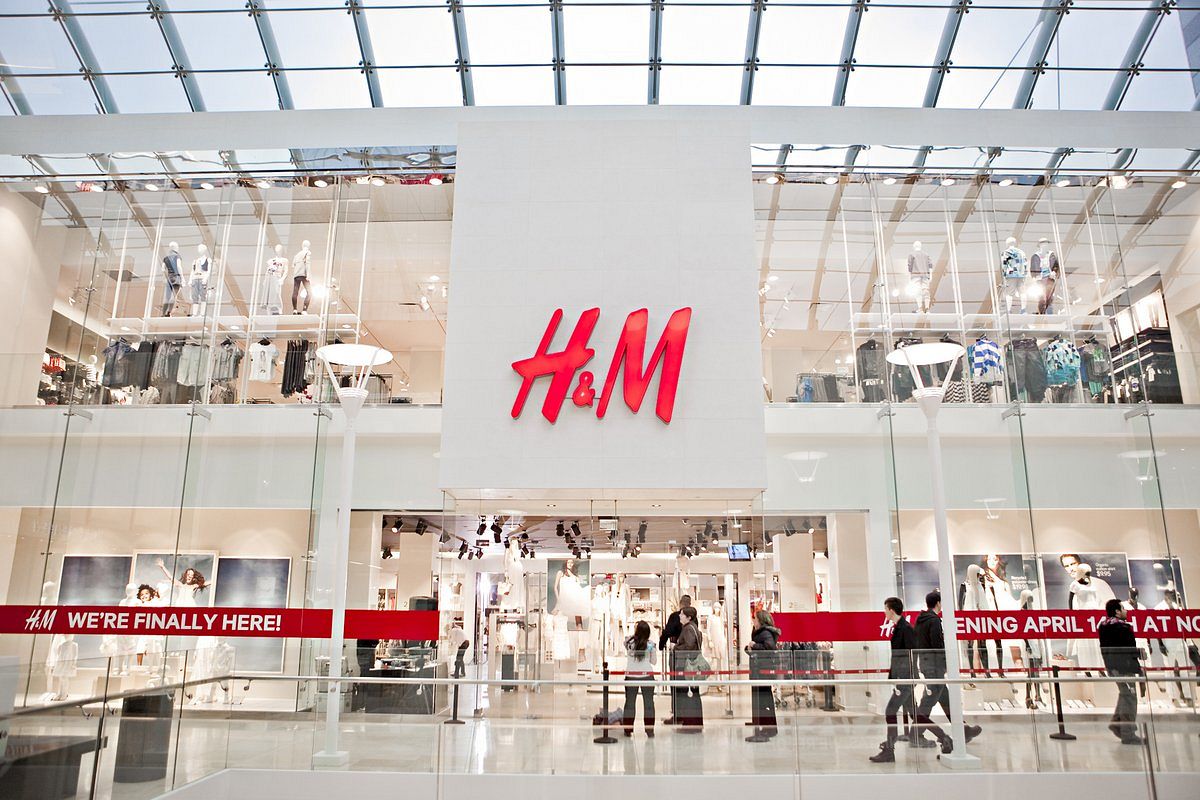
    By the end of the quarter, which concluded on February 28, net sales were reported to be SEK49.6 billion (US$5.2 billion)—a 1% year-on-year decrease in constant currency. The company saw a 4% reduction in stores, or 163 fewer outlets, compared with the same timeline last year. The global store count was noted to be 4050 as of February 28.

    H&M is undertaking steps to strengthen its long-term position and further enhance profitability through the optimization of its store portfolio. Actions include the renovation of existing stores, the opening of new outlets, and closure of others.

    However, reported net sales witnessed a 10% decrease, largely due to currency translation. The quarter began with a weak December, with a noticeable demand drop after November’s Black Friday trading. However, a positive sales trend emerged towards the end of the quarter, driven by the successful reception of the spring collections.

    Regional Sales Performance

    Sales in Asia, Oceania, Africa, and the Americas fell 3% when calculated in constant currency. In Western and Eastern Europe, sales were down by 1%, whereas Southern Europe saw a sales increase of 3%. Sales performance in the Nordics remained steady.

    Gross margin rose from 49.1% to 50.7% during the quarter. The operating profit saw a significant boost with an increase of 26%, amounting to SEK1.512 billion. Profit for the period also grew by 21.5% to SEK704 million. CEO Daniel Ervér attributed the strengthened profitability to good cost control and an improved gross margin, despite cautious consumption and large currency translation effects.

    Ervér also stressed the significance of flexibility in the current challenging macroeconomic environment, which is marked by increased geopolitical uncertainty.

    Future Expectations and Concerns

    H&M anticipates a 1% increase in sales in constant currency for March in the current quarter. The company is closely observing the developments in the Middle East, along with the potential implications on global trade. The Middle Eastern markets, which are managed through franchise partners, account for a minor portion of H&M’s sales.

    Questions & Answers

    What was the net sales value for H&M in the first fiscal quarter?
    The net sales value was SEK49.6 billion (US$5.2 billion).

    What changes are being undertaken within H&M’s store portfolio?
    Actions include updating existing stores, opening new ones, and closing some outlets.

    What is the anticipated sales increase for March in the current quarter?
    H&M expects a 1% increase in sales for March in the current quarter.

  • Meituan Faces Second Quarter Loss Amid Intense Food Delivery Competition in China

    Meituan Faces Second Quarter Loss Amid Intense Food Delivery Competition in China

    In a fiercely competitive market, Chinese food delivery titan Meituan has reported a second consecutive quarterly loss, slightly missing projected revenue growth. Over the past year, the company has weathered intense competition sparked by aggressive subsidy tactics in China’s burgeoning one-hour delivery sector.

    The Rivals and the Battle

    The company’s profit margins and revenue growth have faced significant challenges following the emergence of ‘instant retail’ platforms introduced by e-commerce behemoths Taobao and JD, both subsidiaries of Alibaba, in early 2025. Instant retail, also known as quick commerce, is characterized by online orders—typically food, bubble tea, or daily essentials—delivered to customers within an hour.

    A Glimmer of Hope in 2026

    Despite the tough conditions, the early months of 2026 have shown promising signs that the cutthroat price competition in the instant retail sector may be easing. This phenomenon, which has been disparaged by Chinese regulators as a destructive ‘race to the bottom’, has begun to show signs of abating.

    Meituan’s Financial Status

    Meituan’s revenue for the quarter ending December 31 amounted to 92.1 billion yuan (US$13.3 billion), marking a 4.1% increase over the previous year. This figure fell slightly short of the 92.2 billion yuan forecasted by industry analysts. Meanwhile, the company’s adjusted net loss narrowed to 15.1 billion yuan from 16 billion yuan in the previous quarter. A year earlier, Meituan had reported a profit of 9.8 billion yuan.

    Regulatory Guidance and Market Health

    During a post-earnings call with analysts, Meituan’s CEO, Wang Xing, stated that the regulatory guidance regarding the price war in the instant retail sector is “already quite clear.” He also noted that regulators strongly oppose the relentless ‘neijuan’, or involution, competition and are focused on fostering a healthy, orderly market. The term ‘neijuan’ represents a form of competition where entities are forced to engage in increasingly intense rivalry that yields minimal benefits.

    In the wake of a state media editorial calling for an end to China’s food delivery price wars being republished by Chinese regulators, Meituan’s shares experienced a significant 14% surge. Industry observers viewed this as a sign of official approval.

    Questions & Answers

    What is the instant retail or quick commerce model?
    This refers to online purchases, often consisting of food, bubble tea, and daily necessities, which are delivered to customers within 60 minutes.

    What is meant by ‘neijuan’ competition?
    ‘Neijuan’, or involution, indicates a situation where individuals or companies are compelled into increasingly intense competition that offers little benefits.

    How did the market respond to regulatory intervention in the price war?
    Following a state media editorial urging an end to the food delivery price wars being republished by Chinese regulators, Meituan’s shares saw a significant 14% increase, signaling market approval of regulatory intervention.

  • Malaysia Slashes Subsidized Fuel Quota Amidst Escalating Global Oil Prices

    Malaysia Slashes Subsidized Fuel Quota Amidst Escalating Global Oil Prices

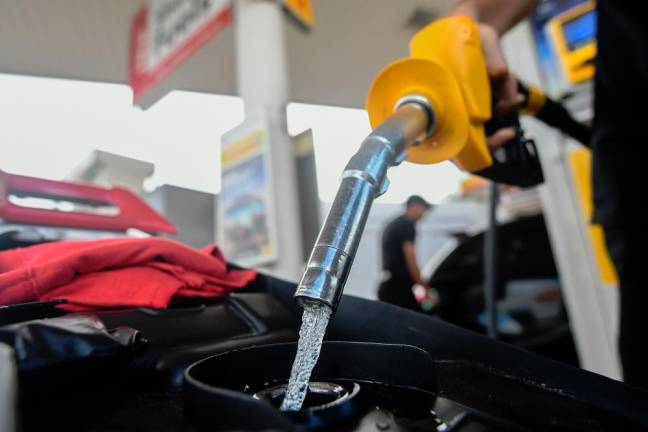
    In response to the recent spike in global oil prices, the Malaysian government has made the decision to decrease the monthly quota for subsidized RON95 fuel from 300 liters to 200 liters, with the policy effective from April.

    Reasons for the Reduction

    This reduction has been deemed necessary due to increases in the government’s subsidy bill. Malaysian Prime Minister Anwar Ibrahim has warned that, if global crude prices continue to remain above $110 per barrel, the subsidy bill could escalate to RM24 billion (US$6 billion) this year.

    Subsidized by the government, RON95 fuel is sold at a fixed price of RM1.99 per liter in Malaysia to ensure affordability for lower-income groups. Currently, eligible individuals can purchase up to 300 liters per month, after which they are charged at market rates. These rates have recently seen an increase from RM3.27 to RM3.87 per liter for the week of March 26 to April 1.

    The unsubsidized price of this fuel has also seen two increases since March 11, resulting in a combined increase of 45%. The latest weekly adjustment has also seen an increase in the pump price for RON97 to RM5.15 per liter, marking an overall increase of 58.46% since March 11, while diesel has seen an increase to RM5.52 per liter, up 76.92% over the same period.

    Global Oil Supply Disruptions

    This decision comes at a time when the global oil supply has been disrupted due to conflicts in the Middle East, specifically in the Strait of Hormuz, a crucial route that typically carries around 20% of the world’s oil flows.

    Brent crude has experienced a drop to $94.49 per barrel after peaking at nearly $120 earlier this month. However, it still remains more than 33% higher than before the conflict began in late February. Despite being an oil producer, Malaysia isn’t exempt from these shifts in the oil market, as it imports a significant proportion of its oil, nearly half of which comes via the affected route.

    In a recent social media post, Anwar noted that Malaysia exported approximately $5.5 billion in crude oil last year but imported nearly $12.6 billion. Furthermore, the country’s monthly subsidy bill for petrol and diesel has seen a significant surge from RM700 million to RM4 billion.

    Possible Implications

    While higher global prices may increase government income and benefit the national oil firm Petroliam Nasional, sustained volatility could lead to inflationary pressures and add to the fiscal burden of fuel subsidies. Announcing the weekly price adjustments, Malaysia’s Ministry of Finance declared the government’s ongoing commitment to protecting the public from rising costs and maintaining the subsidized RON95 prices at RM1.99 per liter.

    Analysts have suggested that tightening the subsidy quota could be a practical option to alleviate pressure on government funds, along with another possibility of increasing the subsidized fuel price to RM2.05 per liter.

    Questions & Answers

    What are some of the reasons for the reduction in subsidized RON95 fuel?
    This reduction has been deemed necessary due to increases in the government’s subsidy bill. If global crude prices continue to remain above $110 per barrel, the subsidy bill could escalate to RM24 billion (US$6 billion) this year.

    How has the global oil supply been disrupted?
    The global oil supply has been disrupted due to conflicts in the Middle East, specifically in the Strait of Hormuz, a crucial route that typically carries around 20% of the world’s oil flows.

    What could be some potential implications of this situation?
    While higher global prices may increase government income and benefit the national oil firm Petroliam Nasional, sustained volatility could lead to inflationary pressures and add to the fiscal burden of fuel subsidies.

  • Asia’s War-Driven Price Surge: From Instant Noodles to Cosmetics, Consumers Brace for Impact

    Asia’s War-Driven Price Surge: From Instant Noodles to Cosmetics, Consumers Brace for Impact

    As the conflict in Iran intensifies, both consumers and businesses across Asia are bracing for a potential crisis. The war is causing a squeeze in oil and plastics supplies, leading to an increase in prices on a broad range of products, from ramen noodles to cosmetics.

    Impact on Plastic Industries

    Choi Gun-soo, manager of a 57-year-old South Korean factory producing plastic films, gives an insight into the harsh realities of the situation. The factory, which caters to farmers for crop coverage and television manufacturers, is dealing with a substantial hike in raw material prices and shortages. Some suppliers have escalated prices by as much as 50%, while others have completely run out of stock. The next couple of weeks are likely to be critical; if the shortage of raw materials continues, it will force a systematic shutdown of the machinery.

    While the company has previously managed to survive oil shocks and the Covid-19 pandemic, the current crisis due to the Iran war is unparalleled. Choi shares that they have reduced their production to merely 20-30% of the regular output, marking the first time they have been hit this severely.

    The Strait of Hormuz: A Key Factor

    A vital cog in the supply chain disruption is the Strait of Hormuz, a narrow water channel off Iran’s southern coast. Around one-fifth of the world’s oil and liquefied natural gas usually passes through this strait. Asia, which is heavily dependent on crude oil, gas, fuel, and fertilizer from the Middle East, is most susceptible to supply disruptions.

    Currently, the most critical shortages are in oil derivatives like naphtha, predominantly sourced from the Gulf and used in refineries across Asia to produce plastics and other petrochemicals. These materials are integral to almost every manufactured product.

    Soaring Prices

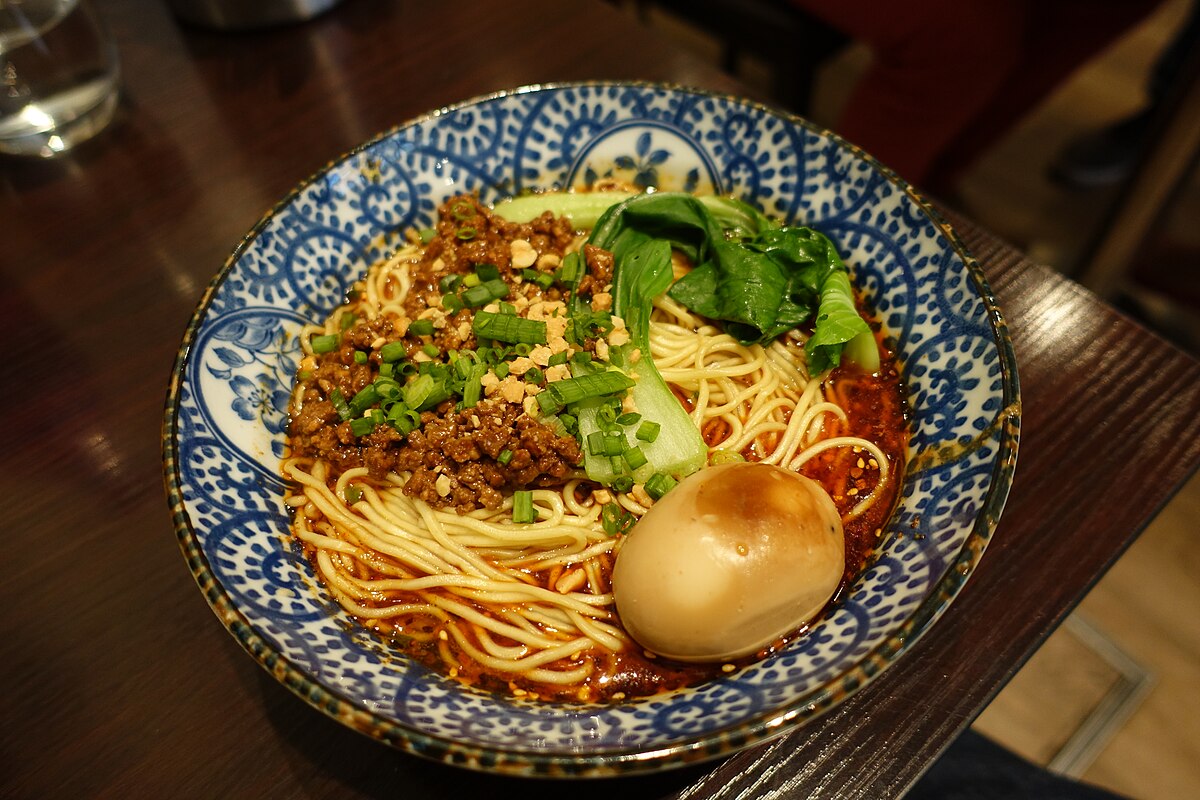
    Prices for essentials of modern life, including plastic and rubber, are reaching record highs. South Korea’s Samyang Foods, the manufacturer of the renowned spicy Buldak instant ramen noodles, warns of a potential shortage of packaging materials and increased costs due to the ongoing conflict.

    Rival ramen producer Nongshim is preparing for the possibility of prolonged warfare by maintaining two to three months’ worth of packaging material inventory.

    The Cosmetic Industry’s Struggle

    Yonwoo, a container producer for L’Oreal and K-beauty firms like Amorepacific, is scrambling to secure stocks of plastic resin, a key material in manufacturing pots used for skincare and cosmetics. The company fears little visibility on material supply beyond June.

    Global Impact

    The conflict has instigated fuel shortages worldwide, with businesses ranging from airlines to supermarkets and used car dealers struggling with challenges such as rising costs, weakening demand, and disrupted supply chains.

    In Japan, department store operator Takashimaya has expressed concern that if the crisis persists, it could lead to price increases and supply issues spreading to clothing and household appliances.

    China’s Struggle with Raw Material Shortages

    China, the world’s largest synthetic rubber producer, is also feeling the strain. Shortages of naphtha, essential for synthetic rubber production, are impacting the supply chain and forcing manufacturers of goods like tires and gloves to consider raising prices or shifting to natural rubber.

    Effect on the Toy Industry

    Liu Chaonan, who owns a toy company that supplies to major U.S. retailer Walmart, revealed the escalating raw materials costs are taking a toll on the toy industry.

    Panic Buying due to Supply Concerns

    The crisis has also led to panic buying among consumers, resulting in them hoarding goods like garbage bags. With supermarkets reporting shortages and limiting purchases, consumers like South Korean student Ryu June-ho are buying in bulk in anticipation of price hikes.

    Questions & Answers

    What factors are contributing to the increased prices of goods in Asia?
    Increased goods prices in Asia are primarily due to the ongoing conflict in Iran, which is causing disruptions in oil and plastic supplies.

    How is the conflict in Iran affecting industries in Asia?
    The conflict is causing a crisis in various industries, including food, cosmetics, and manufacturing, due to increased raw material costs and supply shortages.

    How are consumers reacting to the escalating prices and supply shortages?
    Consumers are reacting with panic, leading to hoarding of goods such as garbage bags and ramen noodles in anticipation of further price increases and shortages.

  • Daiso to Close Another Singapore Store in Four Months: An 18-Year Legacy Ends

    Daiso to Close Another Singapore Store in Four Months: An 18-Year Legacy Ends

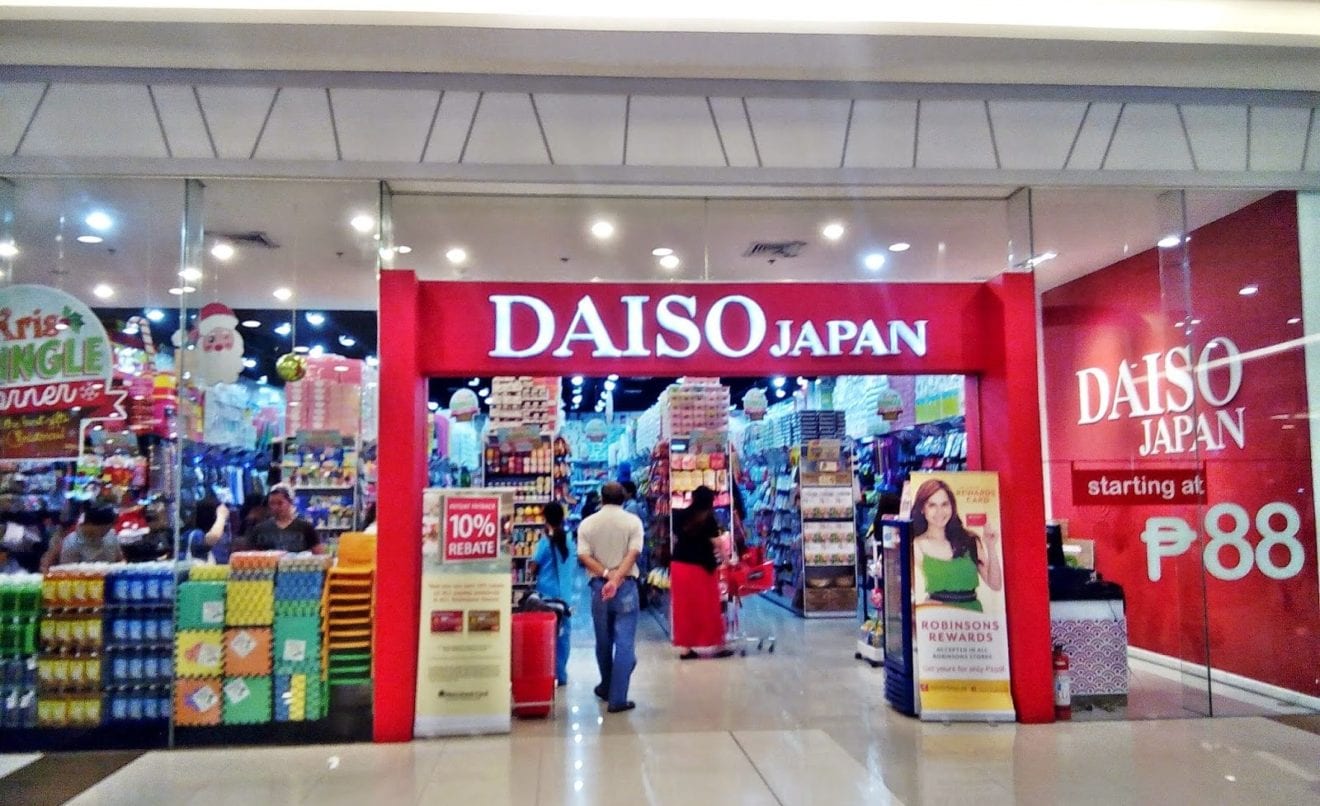
    Daiso, a well-known Japanese retail chain offering a variety of economical household items, is preparing to shutter its second store in a span of four months after a lengthy 18 years of operation. The Daiso Sembawang Shopping Centre location is scheduled to cease operations beginning April 6, 2026, according to an announcement from Daiso Singapore. The company has not provided an explanation for the impending closure.

    A Look at the Store’s History

    The Daiso Sembawang Shopping Centre first opened its doors in 2008 and underwent a significant expansion in 2021. This expansion introduced the Threeppy concept store, specializing in an array of “cute and fashionable” products.

    The upcoming closure of this location follows on the heels of two other recent closures — the Daiso outlets at the 100 AM mall, which closed in January, and the Kinex location in Tanjong Katong, which shuttered last July.

    Daiso’s Presence in Singapore

    As of March 26, Daiso maintains a notable presence in Singapore. The retail chain, renowned for its flat SGD2 (US$1.56) price point on its most affordable items, operates a total of 33 stores throughout the country. Daiso’s pricing can reach up to SGD20 for specialized items, with these prices not inclusive of tax.

    Daiso’s product line is diverse, encompassing a wide range of goods, from housewares, toys and stationery to decorations and gifts.

    Questions & Answers

    Why is Daiso closing its Sembawang Shopping Centre location?
    The company has not yet released a statement regarding the reason for the store’s impending closure.

    When did the Daiso Sembawang Shopping Centre location first open?
    The store first opened in 2008 and expanded in 2021 to include the Threeppy concept store.

    How many Daiso stores are in operation in Singapore as of March 26?
    As of this date, there are 33 Daiso retail stores in operation across Singapore.

  • Vietnam Experiences Significant Fuel Price Drop Amidst Global Declines and Tax Adjustments

    Vietnam Experiences Significant Fuel Price Drop Amidst Global Declines and Tax Adjustments

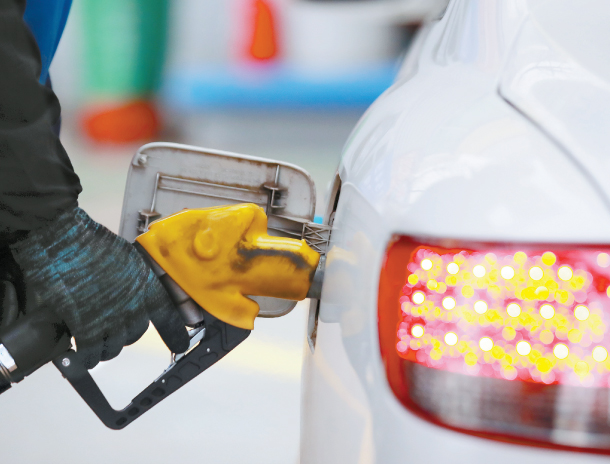
    In a notable development, gasoline prices in Vietnam saw a significant drop ranging from 6.47% to 18.8% late on Thursday. The widely used RON95 fuel recorded the highest decrease of 18.8%, reducing its price from Wednesday to VND24,330 (equivalent to US$0.92) per litre.

    Decrease in other fuel prices

    Along with RON95, other fuels also witnessed a price drop. Biofuel E5 RON92 plunged 16.9%, bringing its price down to VND28,070 per litre. Diesel, another essential fuel, recorded a 6.47% decrease to VND35,440 per litre.

    Global fuel price trend

    The decline in Vietnam’s fuel prices aligns with the global trend. Internationally, RON95 gasoline decreased by 7.4% from Wednesday, reaching $135.6 per barrel, and diesel fell 6.5% to $204.6 per barrel. These global price changes were reported by the Ministry of Industry and Trade and the Ministry of Finance.

    Tax Changes Influence

    However, the global price drop is not the sole cause for the fall in Vietnam’s fuel prices. A series of tax adjustments implemented late on Thursday also contributed to the decrease in local rates. The environmental protection tax on gasoline, excluding ethanol, diesel, and aviation fuel, has been reduced to zero from the previous VND1,500–2,000, as per a decision of the Prime Minister.

    Additionally, the excise tax on all types of gasoline and the value-added tax on gasoline, diesel, and aviation fuel have been modified, with the former being cut to 0% from an earlier 10%.

    Local Fuel Market Situation

    Despite the ongoing conflict in the Middle East, which has put added pressure on the domestic fuel market, the local fuel supply in Vietnam remains stable, according to an earlier statement by the trade ministry.

    Questions & Answers

    What was the percentage decrease in the price of RON95 fuel in Vietnam?
    The price of RON95 fuel in Vietnam decreased by 18.8%.

    What other factors contributed to the decrease in fuel prices apart from the global price drop?
    A series of tax adjustments, including a reduction in the environmental protection tax and excise tax on gasoline, also influenced the decrease in fuel prices.

    Despite the conflict in the Middle East, how is the domestic fuel supply in Vietnam?
    Despite the escalating conflict in the Middle East, the domestic fuel supply in Vietnam remains secure and stable.

  • Gold Prices Tumble Worldwide Amid Oil-Inflated Inflation Fears: How Vietnam is Weathering the Precious Metal Dip

    Gold Prices Tumble Worldwide Amid Oil-Inflated Inflation Fears: How Vietnam is Weathering the Precious Metal Dip

    On Thursday afternoon, gold prices in Vietnam reflected a downward trend, triggered by a global market decline for the precious metal. This drop is linked to fears that escalating oil prices would cause a surge in inflation.

    Gold Bar and Ring Prices Drop

    The Saigon Jewelry Company reported a 1.15% decrease in the price of their gold bars, now valued at VND171.5 million, or US$6,508.79 per tael. To clarify, a tael is equivalent to 37.5 grams or 1.2 ounces.

    In addition, there was a similar 1.15% decrease in the price of gold rings, bringing the associated cost to VND171.3 million per tael. Despite these recent drops, gold prices have seen an overall increase of 12.2% since the start of the year.

    Global Gold Price Decline

    On the international stage, gold prices also fell on Thursday. There are heightened expectations of imminent U.S. Federal Reserve rate hikes this year, primarily sparked by rising oil prices causing concerns about inflation. Investors also awaited clarity on efforts to de-escalate situations in the Middle East.

    Spot gold, in particular, experienced a drop of 1.2%, reducing its price to $4,451.47 per ounce. Concurrently, U.S. gold futures for April delivery saw a decrease of 2.3%, to $4,448.

    According to Ilya Spivak, head of global macro at Tastylive, these changes can be attributed to an acceleration of the perception that inflation, potentially triggered by ongoing conflict, will prompt a response from central banks, leading to higher interest rates.

    Impact on Crude Oil Prices

    Furthermore, Brent crude futures have risen above $100 per barrel due to concerns that ongoing conflict in the Middle East may continue to disrupt energy flows.

    Questions & Answers

    What caused the recent decrease in gold prices in Vietnam?
    The reduction in gold prices can be attributed to concerns that escalating oil costs could lead to inflation, influencing global gold markets.

    How has the ongoing Middle Eastern conflict affected gold and oil prices?
    The ongoing conflict has elevated concerns about potential disruption in energy flows. As a result, Brent crude futures have increased, while anticipation of these disruptions has contributed to a fall in gold prices.

    What are the potential impacts of rising inflation on global gold markets?
    Rising inflation can lead to an increase in interest rates as a reactive measure from central banks, which can result in a decline in gold prices.

  • Billionaires’ Battle: India’s Race to Revolutionize Weight-Loss Drugs with Affordable Alternatives

    Billionaires’ Battle: India’s Race to Revolutionize Weight-Loss Drugs with Affordable Alternatives

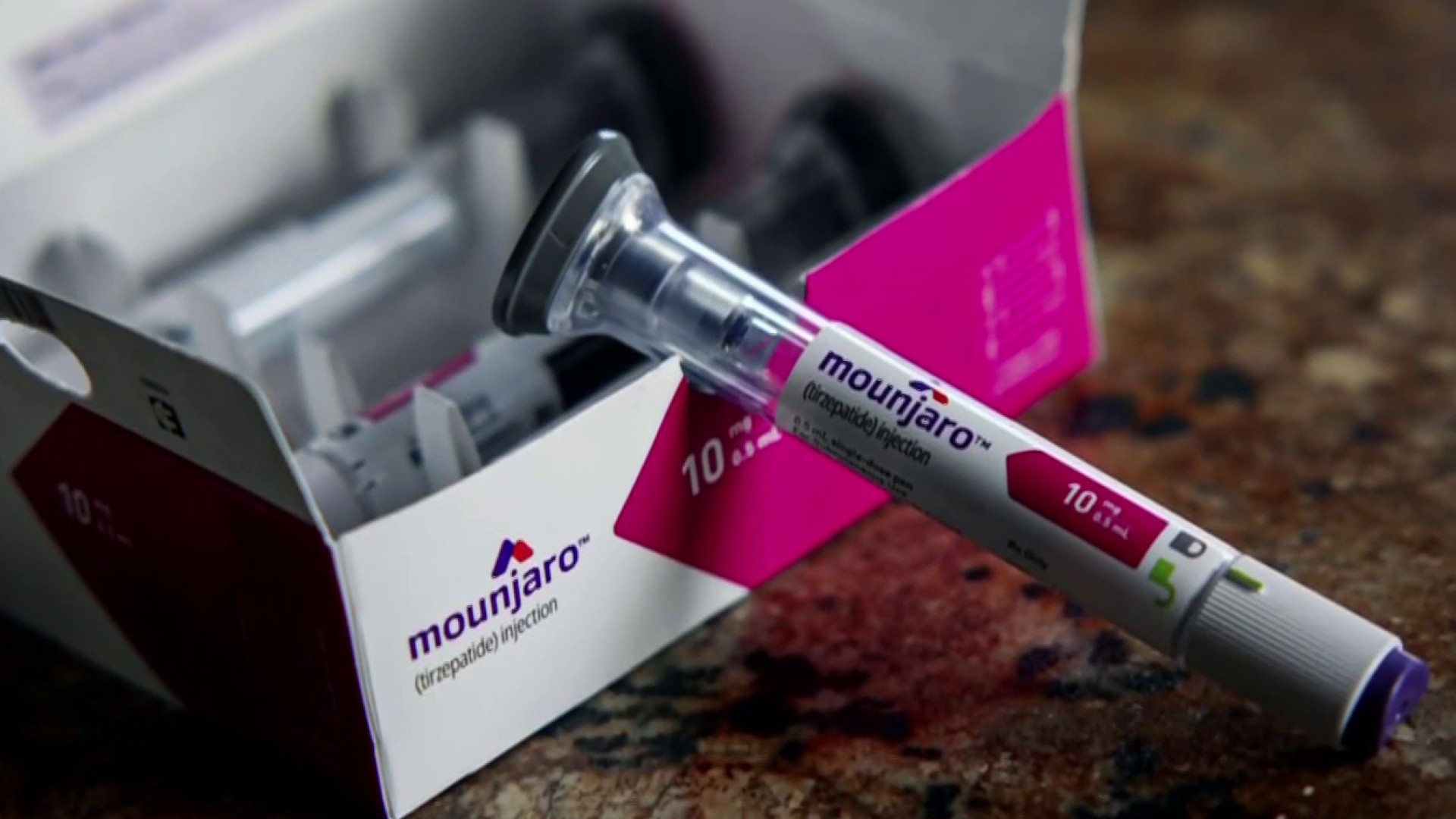
    Indian billionaires are vying to introduce cost-effective medications for diabetes and obesity in response to the escalating demand for reasonably priced alternatives to the well-known weight-loss drug, Ozempic. Sun Pharmaceutical Industries, established by billionaire Dilip Shanghvi, has recently released weight-loss pen injections under the Noveltreat and Sematrinity brands.

    Competitive Pricing

    Priced at approximately INR3,600 (US$38.3) per month for the lowest dose, Noveltreat competes directly with higher-priced options. Sematrinity offers a similarly affordable alternative at INR3,000 monthly, less than half the cost of Ozempic and Wegovy, notable weight-control medications manufactured by the Denmark-based company, Novo Nordisk.

    Kirti Ganorkar, Sun Pharmaceutical’s Managing Director stated, “With the launch of Noveltreat and Sematrinity, we are striving to offer a high-quality, cost-effective therapy to a broader patient demographic in India.”

    Expanding Treatment Options

    Dr. Reddy’s Laboratories, the brainchild of billionaires Satish Reddy and G. V. Prasad, has also launched Obeda, an injectable drug for managing type 2 diabetes, priced at INR4,200 per month. In addition to Obeda, the firm plans to create an integrated care ecosystem including metabolic centres aimed at enhancing diabetes treatment and associated metabolic conditions.

    Erez Israeli, CEO of Dr. Reddy’s, expressed that Obeda reinforces the company’s vision of “ensuring advanced diabetes treatments are not only accessible but affordable.”

    Similarly, Torrent Pharmaceuticals, led by billionaire brothers Sudhir Mehta and Samir Mehta, has introduced both injectable and oral weight-loss drugs under the Sembolic and Semalix brands, priced at INR3,999 per month.

    CEO Amal Kelshikar said, “Our entry into the GLP-1 therapy segment reflects Torrent’s commitment to expanding treatment options available to healthcare professionals managing complex metabolic conditions at affordable prices.”

    The Market Landscape

    A study conducted in 2023 by the Indian Council of Medical Research revealed that over 100 million people in India have diabetes, and the World Health Organization estimates that approximately 8% of the population is obese.

    These companies are part of a larger group of at least eight significant pharmaceutical manufacturers that have introduced semaglutide copies. The market has quickly become competitive, with research firms estimating that up to 40 companies could eventually enter the segment.

    As a result, a price war is predicted, with analysts projecting that intense price competition could reduce the cost of some weight-loss drugs in India by up to 90%. Investment bank Jefferies referred to the development as a “magic pill moment” for India, predicting the market could grow to $1 billion.

    India, often referred to as the “pharmacy of the world,” is now emerging as a crucial low-cost supplier in the global fight against obesity, much like its past role in reducing the cost of HIV treatments and expanding access worldwide.

    Regulatory Oversight

    The increase in new product launches has led to heightened scrutiny from regulatory bodies. Concerns have been raised about the availability of generic versions of weight-loss drugs through various channels, such as retail pharmacies, online platforms, wholesalers, and wellness clinics.

    The Ministry of Health in India has cautioned that these drugs, when used without proper medical supervision, could potentially lead to serious adverse effects and related health risks. The ministry has also imposed restrictions on marketing such drugs, banning indirect promotional activities that could mislead consumers or promote off-label usage.

    There are concerns that patients may view these weight-loss drugs as a “magic pill” solution and may rely on them indefinitely. Mumbai-based diabetologist Rahul Baxi cautioned that these medications are not a substitute for a proper diet or lifestyle change.

    Questions & Answers

    What is the price of the new weight-loss medications?
    Noveltreat is priced at approximately INR3,600 (US$38.3) a month, while Sematrinity costs INR3,000 a month. Obeda, a diabetes medication, is priced at INR4,200 a month.

    Is there a predicted price war in the pharmaceutical industry?
    Yes, analysts project intense price competition could decrease the cost of some weight-loss drugs in India by up to 90%.

    What are the concerns raised by the Ministry of Health in India?
    The Ministry of Health has raised concerns about the availability of generic weight-loss drugs without proper medical supervision, which could potentially lead to serious adverse effects and health risks. It has also expressed worry about potentially misleading or indirect promotional activities for these drugs.

  • Mideast Strife Spurs Safe Haven Flows: DBS Reports Investor Shift Amid Iran Conflict

    Mideast Strife Spurs Safe Haven Flows: DBS Reports Investor Shift Amid Iran Conflict

    As the conflict in the Middle East escalates, DBS, a Singapore-based bank, is observing a significant rise in safe haven flows, leading to an increase in deposit growth. However, this development could also lead to a downward trend in Singapore’s interest rates. Market volatility, while potentially beneficial for trading income, may adversely impact investor sentiment and activities in wealth management.

    DBS addressed the potential risks that could arise from the increased turbulence in the Middle East, asserting that it employs a robust system of frameworks and processes to monitor and manage potential risks. This system encompasses stringent customer selection, proactive risk scenario planning, early warning indicators, watchlisting, and regular stress testing.

    DBS reassured that despite the unpredictable outcome of the ongoing events in the Middle East, their robust liquidity, solid capital position, and comprehensive general allowance buffers, in combination with their proven adaptability, will allow them to effectively navigate the risks and seize potential opportunities.

    Questions & Answers

    What is the impact of the Middle East conflict on DBS?
    DBS is seeing an increase in safe haven flows leading to deposit growth. However, they also foresee potential downward pressure on Singapore’s interest rates and note that market volatility could affect wealth management activity and investor sentiment.

    What measures does DBS take to manage potential risks?
    DBS employs a comprehensive system that includes rigorous customer selection, proactive risk scenario planning supported by early warning indicators, watchlisting, and regular stress testing to monitor and manage potential risks.

    How is DBS positioned to handle the uncertain outcome of the Middle East conflict?
    DBS reassures that its robust liquidity, solid capital position, and substantial general allowance buffers, coupled with their proven agility, will place them in a strong position to navigate risks and capitalize on opportunities arising from the situation.

  • Unprepared for Tomorrow: Majority of Asia’s Wealthiest Lack Legacy Plans, HSBC Life Report Reveals

    Unprepared for Tomorrow: Majority of Asia’s Wealthiest Lack Legacy Plans, HSBC Life Report Reveals

    A report by HSBC Life reveals that a significant percentage of Asian high net worth individuals (HNWIs) do not have legacy plans in place, thereby exposing substantial wealth to potential vulnerabilities. This lack of planning is especially prevalent among those in Greater China.

    Survey Findings

    The HSBC Life report, which surveyed 900 HNWIs across nine markets in Asia and the Middle East, including Taiwan, Hong Kong, mainland China, Singapore, Indonesia, Malaysia, Thailand, India, and the UAE, found that approximately 60% of HNWIs in Asia lack legacy plans. Greater China’s HNWIs were the least prepared. Only 24% of HNWIs in Taiwan, 26% in Hong Kong, and 36% in mainland China had official legacy plans. Southeast Asia performed better, with Thailand leading the pack at 57%.

    Surprisingly, the report found that economic or financial market volatility was the primary motivator for implementing legacy plans for 45% of respondents. This outweighed traditional incentives like age or lifestyle milestones.

    Life Insurance as Legacy Solution

    The survey results indicated that life insurance was the favored legacy solution among participants, with 87% choosing it over other options such as wills (82%) or family trusts (76%).

    Edward Moncreiffe, the CEO of insurance at HSBC Group, commented on the matter, stating that the surveyed HNWIs are not only inadequately protecting their future wealth but are also missing out on potential wealth diversification and growth.

    Questions & Answers

    What percentage of high net worth individuals in Asia have a legacy plan in place?
    Less than 40% of high net worth individuals in Asia have a legacy plan according to the HSBC Life report.

    Which region had the least prepared HNWIs in terms of legacy planning?
    High net worth individuals in Greater China were the least prepared for legacy planning.

    What was the preferred legacy solution among the surveyed HNWIs?
    Life insurance emerged as the preferred legacy solution, surpassing other options like wills and family trusts.

  • PDD Holdings Misses Revenue Target Amid China’s Competitive Market and Global Uncertainty

    PDD Holdings Misses Revenue Target Amid China’s Competitive Market and Global Uncertainty

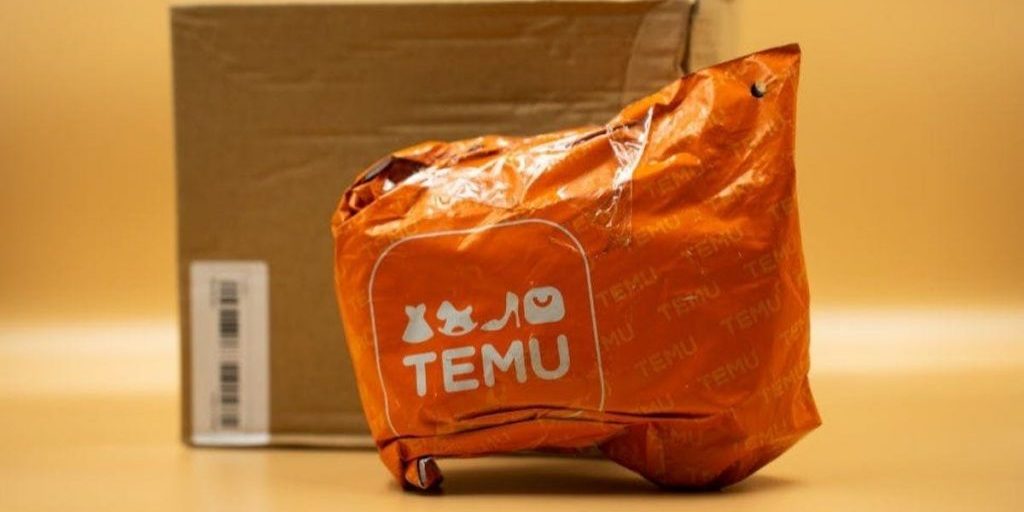
    PDD Holdings, the parent company of Temu, failed to meet its quarterly revenue and profit forecasts this Wednesday. The company highlighted the increasing domestic competition coupled with worldwide uncertainty as factors that will continue to impact operations.

    Despite Temu’s robust international growth, its business model, which centers around delivering inexpensive goods such as clothing, electronics, and homewares directly from China, is grappling with rising regulatory pressures in major markets.

    Regulatory Changes and Challenges

    PDD’s co-CEO, Chen Lei, during a post-earnings call with analysts, acknowledged the ongoing changes in the regulatory landscape. “Trade policies, taxation, data regulations, product compliance requirements, and other regulatory frameworks are undergoing significant shifts across different countries and regions, inevitably leading to more challenges and uncertainty,” stated Lei.

    Commenting on the situation, Liu Jun, PDD Holdings’ VP of Finance, stressed the need for continuous exploration and investment to meet evolving consumer needs.

    The company’s shares listed in the U.S. witnessed a rise of more than 7% after Chinese regulators and state media indicated an end to the price war. Bo Pei, an analyst at Tiger Securities, said this scenario strengthens PDD’s perception as a company undergoing a structural shift rather than merely steering through a cyclical slowdown.

    Pei added that successful execution could bolster long-term monetization and worldwide scalability. However, it would reduce short-term earnings visibility due to uncertainties and the extended timeline associated with reaping returns from these investments.

    Financial Performance and Future Prospects

    PDD’s quarterly net income decreased by approximately 11% to 24.5 billion yuan compared to the previous year. Its adjusted profit of 17.69 yuan per American Depositary Share fell short of the projected 20.76 yuan, influenced by rising operating expenses.

    The company posted a revenue of 123.9 billion yuan (US$17.96 billion) for the fourth quarter, slightly below analysts’ average estimate of 124.4 billion yuan.

    Impacts of Economic Uncertainty

    Growth on the Chinese Pinduoduo platform, which Temu is a part of, has cooled as consumers curbed discretionary spending due to broader economic instability. China’s wavering recovery and fragile household confidence have caused a decline in spending, even on discount-focused platforms.

    Temu’s business model, based on duty waivers on low-value parcels in numerous jurisdictions, has provoked criticism from retailers in countries like Germany and Argentina. They argue that companies like Temu, Shein, and Alibaba’s AliExpress maintain an unfair price benefit.

    Raids and Investigations

    Temu has been subjected to raids and investigations in several countries, encompassing Ireland, Turkey, and Nigeria, in recent months. Despite this, the company has consistently maintained its adherence to the laws and regulations in the markets it operates.

    Significant regulatory changes were introduced last year when the U.S. abolished the duty-free exemption on parcels valued under $800. Similarly, the EU has agreed to end its duty-free allowance on parcels under 150 euros ($176) from July this year.

    Questions & Answers

    What challenges are impacting PDD Holdings’ performance?
    Increasing domestic competition, global uncertainty, and changing regulatory environments pose significant challenges for PDD Holdings.

    What strategic steps is PDD Holdings taking to meet evolving consumer needs?
    PDD Holdings is focusing on continuous exploration and investment to cater to changing consumer demands, aiming to bolster its future monetization and worldwide scalability.

    What changes in international trade policies are affecting PDD Holdings’ business model?
    The abolishment of the duty-free exemption on low-value parcels by the U.S. and the EU’s upcoming termination of its duty-free allowance significantly impact PDD Holdings’ business model, which relies heavily on such waivers.

  • Danone Dives into Functional Nutrition with $1.6Bn Huel Acquisition: A Power Move in Global Health Market

    Danone Dives into Functional Nutrition with $1.6Bn Huel Acquisition: A Power Move in Global Health Market

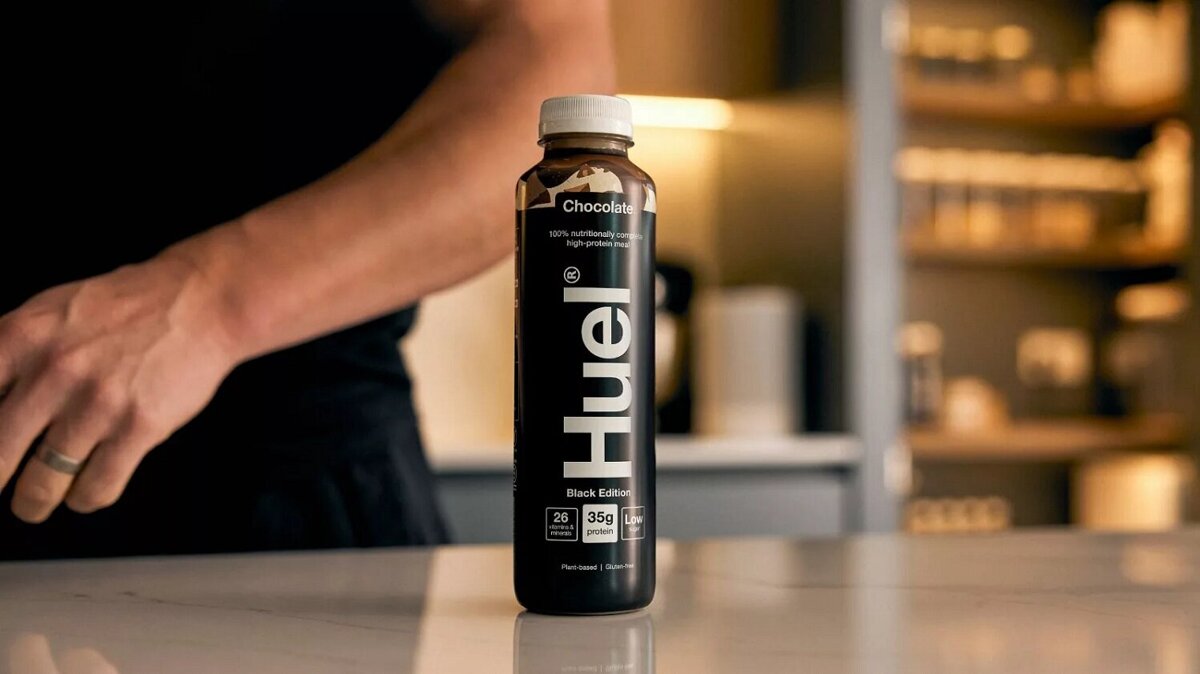
    Danone, the global leader in food and beverages, recently made public its purchase of UK-based nutrition drink company, Huel, for a staggering $1.65 billion.

    Huel: Convenience in Every Sip

    Huel, established in the year 2015, has staked its reputation on supplying “nutritionally complete” ingredients in its products. As a convenience beverage, Huel has earned the loyalty of consumers over the years. Moreover, the company has expanded its product range to include meals, bars and health supplements.

    New Horizons for Danone

    By acquiring Huel, Danone aims to explore the functional nutrition space further. Danone CEO, Antoine de Saint-Affrique, expressed his excitement over the acquisition and the potential it holds. He said, “We are delighted to welcome Huel and the Huel team into the Danone family. We look forward to learning from one another and unlocking new opportunities and growth for both businesses.” The deal is still subject to closing conditions, including regulatory approvals.

    Huel’s Excitement Over the Acquisition

    On the other hand, Huel’s CEO, James McMaster, showed eagerness at the prospect of joining Danone. McMaster stated, “We are so excited to be joining Danone, and today marks the next step for Huel. We’ve spent 10 years building a brand with a positive impact on people’s health. With Danone, we will now have the infrastructure, distribution, and R&D capability to go further, into new markets and to more people, as demand for convenient, complete nutrition continues to grow.”

    The CEO expressed pride in what the team has achieved so far and looks forward to the exciting journey ahead with Danone.

    Questions & Answers

    What is Huel and when was it founded?
    Huel is a UK-based company, founded in 2015, that specializes in the production of a “nutritionally complete” convenience beverage. Over the years, it has expanded its range to include meals, bars, and supplements.

    What is the significance of the deal between Danone and Huel?
    This acquisition allows Danone to make further inroads into the functional nutrition space. It also provides Huel with the necessary resources to expand its reach, go into new markets and cater to the growing demand for convenient, complete nutrition.

    What are the next steps for Huel and Danone?
    The transaction is still subject to closing conditions, including regulatory approvals. Once these are met, both companies look forward to learning from each other and unlocking new growth and opportunities.

  • Experience Ultimate Luxury: 2026 Mercedes-Maybach S-Class Unveiled with Enhanced V8 Power and Stellar Tech Upgrades

    Experience Ultimate Luxury: 2026 Mercedes-Maybach S-Class Unveiled with Enhanced V8 Power and Stellar Tech Upgrades

    Several months after the reveal of the updated S-Class, Mercedes-Benz has now launched the 2026 Maybach S-Class. The flagship luxury limousine comes with a series of subtle design revisions, enhanced features, and technology upgrades. It will also boast a more robust V8 engine, while the V12 engine remains available in the S 680 variant and will be accessible only in certain markets.

    Exterior Design and Features

    The 2026 Maybach S-Class underwent modest style modifications. The front grille has been enlarged by 20% and is now surrounded by an illuminated frame. Other radiant elements include the Maybach inscription, the C-pillar emblem, and the bonnet-mounted Mercedes-Benz star in certain markets.

    The headlights now showcase a tri-star LED light signature complemented by rose-gold accents, while the tail-lights reflect this three-pointed star pattern. New forged alloy wheel designs have been introduced by Mercedes-Maybach, including ones with self-leveling center caps that keep the Mercedes-Benz logo upright while on the move.

    The expanded Manufaktur program has introduced new paint options, including the Nautical Blue metallic for the Night Series package.

    Interior Enhancements

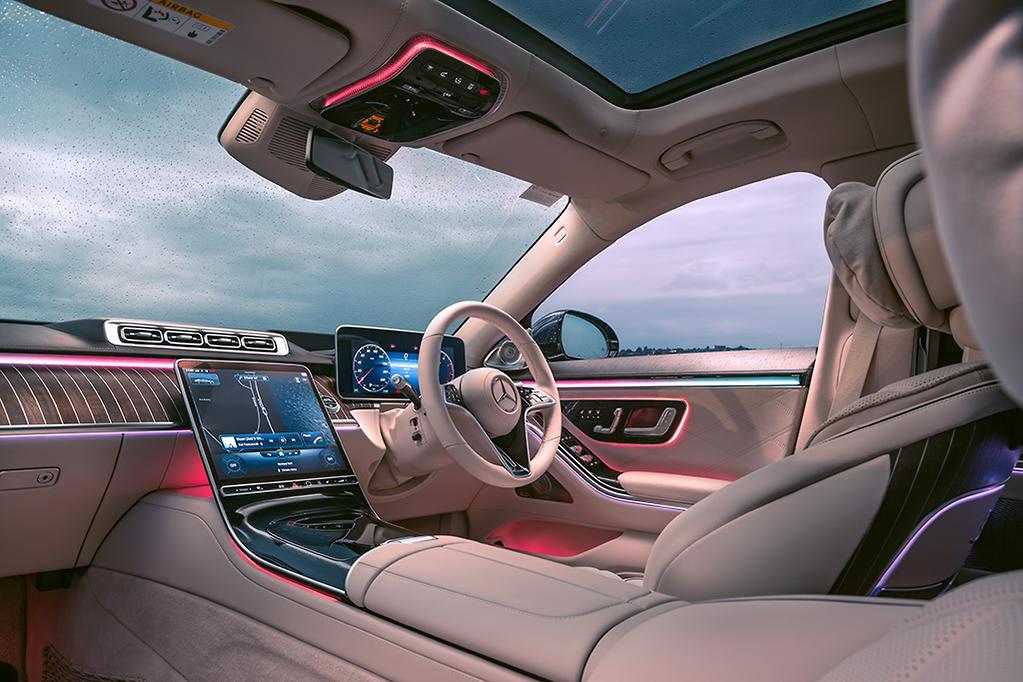
    In keeping with Maybach tradition, the focus continues to be on rear-seat comfort, with improvements in material quality and layout. The updated model also introduces the new Mercedes-Benz Operating System (MB.OS) in a Maybach, coupled with the latest iteration of the MBUX infotainment system.

    The MBUX Superscreen merges the central and passenger displays under a single glass panel and showcases Maybach-specific graphics with rose-gold accents. Rear passengers are treated to twin 13.1-inch displays, executive seating, a refrigerated compartment, and signature elements such as silver-plated champagne flutes.

    Mercedes-Benz has also unveiled new interior themes, featuring open-pore wood trims and a leather upholstery option crafted from sustainable materials. The ambient lighting has been upgraded with various themes and deeper integration with in-car functions.

    Technology and Performance Upgrades

    The enhanced S-Class introduces MB.OS, which reportedly offers a more sophisticated digital experience with AI-based features. The new virtual assistant supports more natural voice interactions and can access multiple integrated services. Parking systems have also seen improvements, supporting angled parking and enhanced 360-degree visualization.

    The 2026 Maybach S-Class lineup features upgraded six- and eight-cylinder engines with hybrid assistance. The Maybach S 580 is powered by a modified 4.0-litre V8 engine generating 530 bhp, coupled with a mild-hybrid system that offers an additional boost. The peak torque exceeds 750 Nm, with an added electric boost, and power is distributed to all four wheels through the standard 4MATIC system.

    The plug-in hybrid S 580 e pairs a six-cylinder petrol engine with an electric motor, offering an electric-only range of up to 100 km.

    The top-tier S 680 model, available in select markets, maintains the 6.0-litre twin-turbo V12 engine, producing over 600 bhp, making it one of the few luxury sedans globally to house a V12 engine.

    The S 580 performance stats reveal a 0-100 kmph acceleration in 4.5 seconds, with a top speed electronically restricted to 250 kmph.

    The Maybach Night Series S-Class

    The Maybach Night Series S-Class is essentially a package that adds a darker theme to the S-Class. This package offers a variety of subdued exterior finishes, including shades of grey, black, and white, along with a two-tone obsidian black and Mojave silver option. For the first time, buyers can select a new Nautic Blue metallic paint.

    Consistent with this theme, typical chrome elements are replaced with dark chrome details. The car rides on a set of black alloy wheels optimized for aerodynamics and adorned with Maybach logos. The Night Series extends its unique identity to the interior, offering a choice between black Maybach Exclusive Nappa leather and a Manufaktur deep white-and-black pearl interior.

    The new Maybach S-Class will be available to order in select European markets from March 25, 2026. The updated Maybach S-Class is expected to arrive in India following the standard S-Class, with a launch anticipated sometime in 2027.

    It is expected that, like the current model, the Maybach S 580 will be locally assembled. Prices are predicted to exceed Rs 3 crore, given the technology and feature upgrades. For comparison, the current Maybach S-Class starts from Rs 2.80 crore (ex-showroom).

    Questions & Answers

    What new features does the 2026 Maybach S-Class have?
    The 2026 Maybach S-Class comes with subtle styling modifications, improved materials and layout in the cabin, a more powerful V8 engine, and a host of technology upgrades, including the new Mercedes-Benz Operating System (MB.OS) in a Maybach for the first time.

    What is the performance of the 2026 Maybach S 580?
    The 2026 Maybach S 580 is powered by a modified 4.0-litre V8 engine delivering 530 bhp. It has a peak torque of over 750 Nm and can accelerate from 0-100 kmph in 4.5 seconds, with a top speed electronically limited to 250 kmph.

    When will the 2026 Maybach S-Class be available?
    The new Maybach S-Class will be available to order in select European markets from March 25, 2026. It is expected to arrive in India following the standard S-Class, with a launch anticipated sometime in 2027.

  • Avocadoria Spreads its Avocado Delights to Bangkok: Dessert Chain’s Third Global Leap

    Avocadoria Spreads its Avocado Delights to Bangkok: Dessert Chain’s Third Global Leap

    Avocadoria, a dessert chain based in the Philippines, is breaking into the Thai market, further broadening its international reach. This will be the third overseas venture for the brand, following its successful introductions in Singapore and the United Arab Emirates.

    Avocadoria has joined forces with local franchise group J&G Green Delights to launch its debut store in Bangkok. The new location is situated within Rama 9 Mall and offers a variety of avocado-centric desserts. Among the offerings are parfaits, popsicles, ice cream, shakes, and cheesecakes, all with a unique avocado twist.

    Success Story of Avocadoria

    Avocadoria was established in 2019 by Czarina Jagto-Sevilla. In a relatively short span of time, the brand has seen impressive growth, boasting 263 branches globally. Its signature item is the “Lover” series. This is a soft-serve ice cream concoction, featuring layers of cream, biscuits, tapioca pearls, nuts, seeds, and of course, fresh avocado.

    The Bangkok branch will also showcase other flavours like Pistachio Knafeh, Avocado Biscoff, and Naked Avocado Light Ice Cream. Additionally, customers can choose from six different types of avocado shake, each with the option of adding personalized toppings.

    Aligning with Local Food Culture

    Jagto-Sevilla expressed that the expansion into Thailand aligns well with Avocadoria’s brand positioning, given the country’s rich food culture. She emphasized that this move represents more than just growth for the company. It is an opportunity to share their story and their culture, all while bringing moments of joy to consumers through their unique desserts.

    Questions & Answers

    What is Avocadoria?
    Avocadoria is a dessert chain based in the Philippines that specializes in avocado-based desserts such as parfaits, popsicles, ice cream, shakes, and cheesecakes.

    Where has Avocadoria expanded to?
    Avocadoria has recently expanded into Thailand, which marks its third international market after Singapore and the United Arab Emirates.

    What is the signature dessert of Avocadoria?
    The brand’s signature dessert is the “Lover” series, a soft-serve ice cream layered with cream, biscuits, tapioca pearls, nuts, seeds, and fresh avocado.

  • Miniso Unveils First-of-its-Kind ‘Miniso Friends’ Store in Malaysia: A New Era of IP-led Retail Experience

    Miniso Unveils First-of-its-Kind ‘Miniso Friends’ Store in Malaysia: A New Era of IP-led Retail Experience

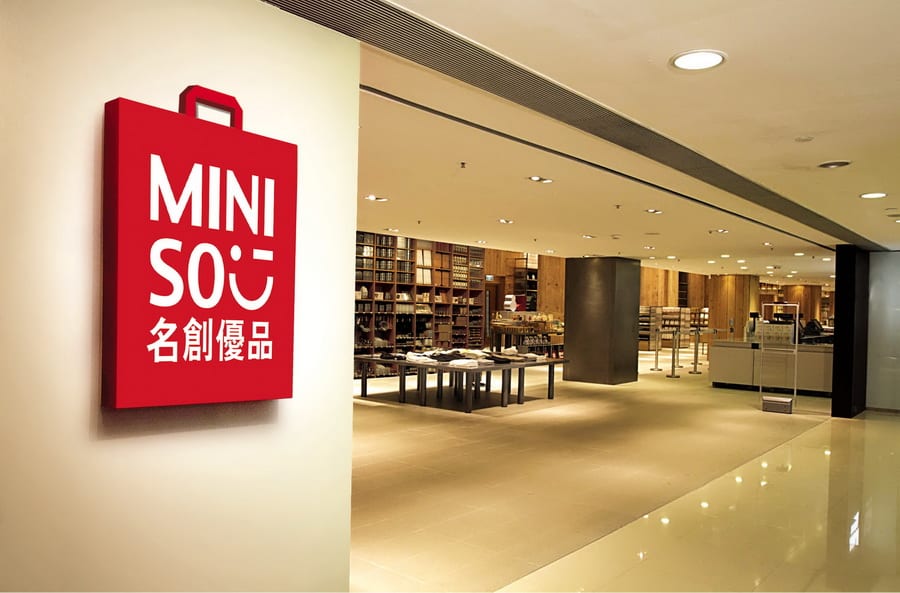
    Miniso, a leading retailer, has unveiled its inaugural ‘Miniso Friends’ concept store in Malaysia. This move aligns with the company’s initiative to expand its intellectual property-centered retail and experiential schemes throughout Southeast Asia.

    Store Location and Details

    The brand-new store is situated at LaLaport BBCC, with a sprawling area of about 14,000 square feet, making it one of Miniso’s most spacious outlets in the market. The concept primarily revolves around intellectual property (IP). Approximately 62% of the store’s 6500 products are affiliated with licensed and proprietary characters.

    The Product Strategy

    The product range is key to Miniso’s strategy, aiming to attract a larger audience and stimulate sales through character narratives and brand collaborations. The store showcases renowned franchises such as Stitch, along with Miniso’s own IP, YoYo.

    Enhancing Customer Experience

    The store’s design is conceived to amplify customer engagement. To augment the shopping experience, the store incorporates grand installations and interactive photo zones. This concept is particularly aimed at younger shoppers, especially Generation Z, who have a fondness for immersive and shareable retail spaces.

    Expansion Plans

    The rollout of this store comes close on the heels of Miniso’s debut of its first ‘Miniso Land’ concept in Malaysia earlier in the month.

    Questions & Answers

    What is unique about Miniso’s new concept store in Malaysia?
    The ‘Miniso Friends’ concept store is unique as it is focused on intellectual property with around 62% of its products linked to licensed and proprietary characters.

    How does Miniso plan to enhance customer engagement at the new store?
    Miniso aims to boost customer engagement by introducing large installations and interactive photo zones at the new store, thereby improving the overall shopping experience.

    Who is the target demographic for the Miniso Friends concept store?
    The Miniso Friends concept store specifically targets younger shoppers, particularly from Generation Z, who are known to appreciate immersive and shareable retail spaces.