Author: Mei Ling Tan

  • AliExpress Takes Steps to Align with EU Regulations amidst Scrutiny over Sale of Unsafe and Counterfeit Products

    AliExpress Takes Steps to Align with EU Regulations amidst Scrutiny over Sale of Unsafe and Counterfeit Products

    In response to heightened scrutiny by the European Union (EU), Chinese e-commerce platform AliExpress has announced enhanced measures to ensure compliance with the bloc’s regulations. This move comes as the EU intensifies its focus on rapidly expanding online platforms like AliExpress, Temu, and Shein, all of which offer inexpensive products manufactured in China to the EU market duty-free. This is due to a waiver on low-value e-commerce packages, a privilege now under review.

    Scrutiny and Investigations

    AliExpress, which operates under the umbrella of Alibaba and sells products in over 200 countries, has been under the EU Commission’s microscope since March 2024. The company acquiesced to legally binding commitments in June the same year, promising to strengthen its regulatory oversight.

    However, a high-profile incident in November, in which AliExpress was found to be selling inappropriate dolls, led to the platform banning the China-based seller responsible for the products.

    Eric Pelletier, Alibaba’s head of international government affairs, assured European lawmakers that AliExpress is taking significant steps to ensure compliance with the bloc’s regulations. He announced plans to decrease the visibility of adult products by default, and acknowledged that further work was needed in several areas. These include preventing the relisting of illegal products, strengthening penalties, and expediting the removal of non-compliant sellers.

    Responses and Future Plans

    Christel Schaldemose, an EU lawmaker and lead rapporteur on the Digital Services Act, expressed skepticism about the effectiveness of AliExpress’s systems. Schaldemose underscored safety as her main concern, but also highlighted the issue of unfair competition faced by companies adhering to EU regulations.

    The number of low-value e-commerce packages entering the EU saw a 26% increase last year, reaching 5.8 billion. In an attempt to level the playing field with domestic retailers, the bloc plans to introduce fees on these shipments.

    Questions & Answers

    What measures is AliExpress taking to strengthen its regulatory compliance in the EU?
    AliExpress has committed to enhancing its controls, including decreasing the visibility of adult products by default, preventing the relisting of illegal items, strengthening penalties, and expediting the removal of non-compliant sellers.

    Why is the EU increasing its scrutiny of online platforms like AliExpress?
    The EU is concerned about safety issues, the sale of counterfeit items, and unfair competition towards companies that comply with the bloc’s rules.

    What is the EU’s plan regarding low-value e-commerce packages?
    The EU plans to introduce fees on these shipments to promote fair competition with domestic retailers.

  • Vietjet named “Global Best Place to Work” at the World HRD Congress & Awards 2026

    Vietjet named “Global Best Place to Work” at the World HRD Congress & Awards 2026

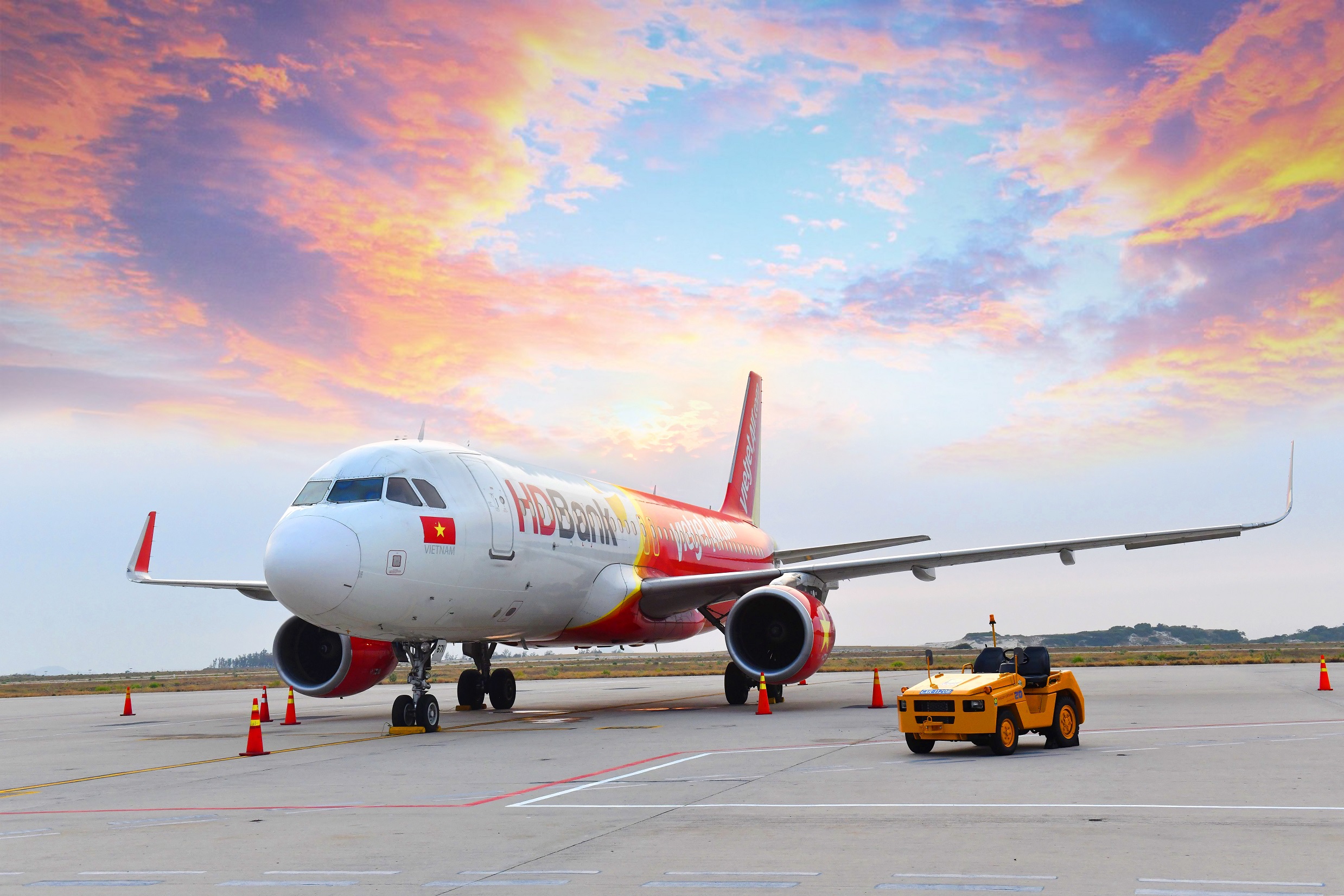
    Vietjet has been honoured with three prestigious international accolades, including “Global Best Place to Work in 2026,” “Diversity Impact Award,” and “Global Best Employer Brand,” at the World HRD Congress & Awards 2026. The recognition reinforces Vietjet’s people-driven values and commitment to service quality. The airline connects Singapore with Vietnam through four direct services to Hanoi, Ho Chi Minh City, Da Nang and Phu Quoc, alongside an extensive network across Vietnam and the Asia-Pacific region.

    For the first time, the World HRD Congress & Awards recognised Vietjet as a “Global Best Place to Work” and presented the airline with the “Diversity Impact Award,” highlighting its progress in talent development and in building a corporate culture aligned with international standards. Together, these accolades reflect Vietjet’s commitment to putting people at the center of its ESG strategy and sustainable growth.

    Today, Vietjet employs more than 9,000 people, including over 1,000 international employees from 68 countries/territories. This multicultural workforce reflects an open and inclusive environment that embodies the global vision of the new-age airline. Vietjet’s sustainable HR strategy is anchored in policies that promote equal opportunities, respect diversity, and strengthen inclusion across the organisation, from flight operations and engineering to services and corporate functions. Employees are empowered to grow based on merit and results, with their voices valued heard and contributions recognised in a transparent, professional setting.

    Vietjet has been previously named a “Best Place to Work” multiple times in Vietnam and across Asia, and has also received top honours from Skytrax, AirlineRatings, and World Travel Awards. Guided by the belief that people drive sustainable growth, the airline continues to position itself as a launchpad for careers, supporting its mission to connect the world through trust, opportunity, and ambition.

    Established in 1992, the World HRD Congress ranks among the world’s largest events on HR and professional development. It brings together senior leaders and experts from over 133 countries to network and celebrate organisations leading in people-focused strategies. Awards are judged by a panel of renowned international experts. This year’s HRD Congress & Awards was held in Mumbai, India.

  • Unilever Courts McCormick for Potential Mega-Deal: A $33 Billion Foods Business at Stake

    Unilever Courts McCormick for Potential Mega-Deal: A $33 Billion Foods Business at Stake

    Unilever, a multinational consumer goods corporation, has confirmed that it is in discussions with McCormick & Company regarding the potential sale of its food division. The company has made this admission in response to ongoing rumours about the possible transaction, but has also made it clear that the completion of the deal is not guaranteed.

    Value of Unilever’s Food Business

    Unilever’s food business, which comprises around a quarter of the corporation’s annual revenue, is considered to be a very appealing acquisition. Brands like Hellmann’s, Colman’s, and Knorr form its diverse portfolio. If McCormick & Company were to acquire this business, it would represent the most costly purchase in their 137-year history.

    The food business is seen as a robust entity with a strong financial profile. The company’s management is confident about the future prospects of the food division, citing the presence of several market-leading brands in burgeoning categories as significant strengths.

    Unilever’s Future Growth Priorities

    In the company’s 2025 financial results report, Fernando Fernandez, the newly appointed CEO of Unilever, outlined the corporation’s objectives. Under his leadership, Unilever plans to build a future-oriented brand portfolio that focuses on beauty, wellbeing, and personal care. Premium segments and digital commerce will be the areas of priority. The company aims to root its growth in the US and India markets.

    Bloomberg has estimated the value of Unilever’s Food Business to be around $33 billion, which is more than double the market cap of McCormick, which stands at $14.5 billion.

    Questions & Answers

    What is the estimated value of Unilever’s Food Business?
    The estimated value of Unilever’s Food Business is $33 billion, according to Bloomberg.

    What brands are part of Unilever’s Food Business?
    Unilever’s Food Business includes brands such as Hellmann’s, Colman’s, and Knorr.

    What are Unilever’s growth priorities as set out by its new CEO?
    Unilever’s new CEO, Fernando Fernandez, has identified the development of a future-oriented brand portfolio focusing on beauty, wellbeing, and personal care as a major priority. The company also plans to prioritize premium segments, digital commerce, and growth in the US and India markets.

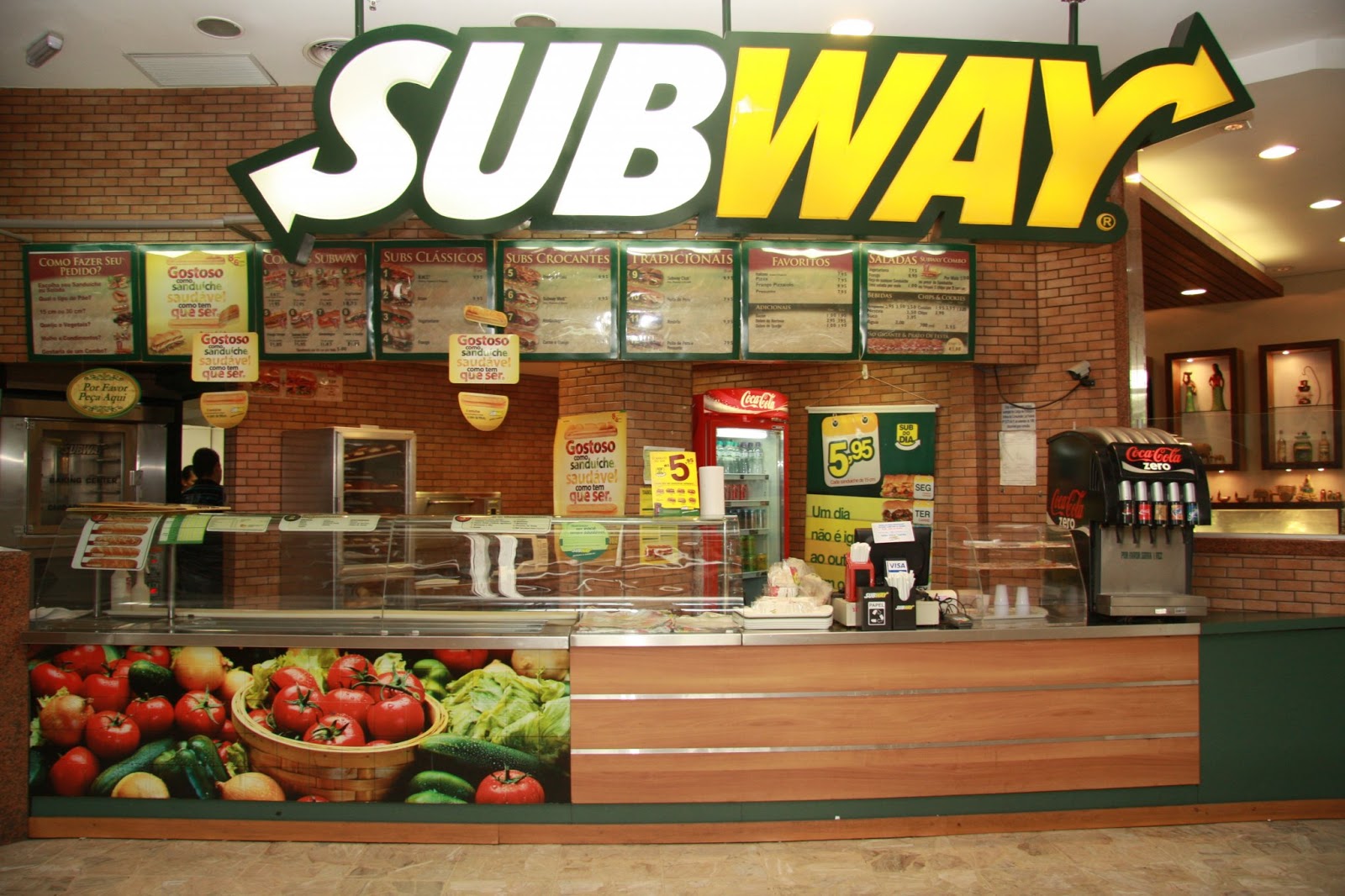
  • Subway Accelerates Expansion in Taiwan with New Master Franchise Partnership with Yellowstone Investment

    Subway Accelerates Expansion in Taiwan with New Master Franchise Partnership with Yellowstone Investment

    Subway, an international quick-service food brand, has recently reached an agreement with Yellowstone Investment to be its primary franchise partner in Taiwan. Their strategic plan is to drive the growth of the brand across the island over the next ten years.

    Subway’s Expansion Plan

    According to their new partnership, Yellowstone Investment will supervise the growth and management of Subway’s restaurant chain in Taiwan. The company will be using its knowledge of the local market to bolster Subway’s expansion in both urban areas and the suburbs.

    The president of Subway Asia Pacific, Joseph Hsu, expressed his confidence in the partnership with Yellowstone, stating that their data-driven approach will ensure the brand’s further expansion and long-term success. Subway has already earned recognition and trust from the Taiwanese market, paving the way for future growth.

    Yellowstone’s Contributions

    Yellowstone Investment, under the leadership of President and CEO John Huang and Co-founder Chester Tang, brings to the table years of experience in real estate investment, large-scale business development, and multi-unit food operations.

    According to Huang, Taiwan’s growing demand for fresh, healthier dining options creates an excellent opportunity for Subway to build on its solid foundation. By integrating local insights and using a disciplined strategy for development, the company plans on thoughtfully expanding the Subway brand across Taiwan.

    Subway’s Strategy in Asia Pacific

    The master franchising agreement signifies Subway’s dedication to adopting a strategic and locally-informed approach to its expansion in the Asia Pacific region. This joint venture is a testament to Subway’s commitment to understanding and adapting to the unique needs of every market it enters.

    Questions & Answers

    What is the purpose of the partnership between Subway and Yellowstone Investment?
    The partnership aims to accelerate the growth of Subway’s brand across Taiwan over the next decade, with Yellowstone overseeing the management and development of Subway’s restaurant network in the region.

    What does Yellowstone Investment bring to the table?
    Yellowstone Investment, led by John Huang and Chester Tang, contributes years of experience in real estate investment, multi-unit food operations, and large-scale business development. Their local market expertise will be invaluable in expanding Subway in Taiwan.

    What is Subway’s strategy for expansion in the Asia Pacific region?
    Subway’s strategy for expansion in the Asia Pacific region is based on strategic, locally informed decisions. The company commits to understanding and adapting to the unique needs of each market, as demonstrated in their partnership with Yellowstone Investment in Taiwan.

  • South Korean Scent Sensation Tamburins Unveils Fairy-tale Flagship Store in Daikanyama, Tokyo

    South Korean Scent Sensation Tamburins Unveils Fairy-tale Flagship Store in Daikanyama, Tokyo

    Tamburins, a prominent fragrance brand based in South Korea, has recently inaugurated its latest flagship store in Daikanyama, marking its fifth establishment in Tokyo.

    A Modern-Day Wonderland

    The two-story venue is designed to resemble a whimsical fairytale, complete with a 13-meter tall sculpture of a dachshund dog. The brand invites customers to immerse themselves in a unique and sensory-rich environment that blends scent and spatial design. The store’s launch also includes the release of an exclusive egg perfume and other special gift items.

    Tamburins was established in Seoul in 2017. Initially launched as a beauty-focused offshoot of Iicombined – the parent organization of the renowned eyewear brand, Gentle Monster, the brand has flourished under the leadership of Hankook Kim. Its first flagship store was opened in the Sinsa-dong district of Seoul.

    Store Features and Product Range

    The store boasts an array of features designed to enhance the shopping experience. This includes a photo booth for customers to capture their visit, a relaxing lounge area for them to unwind, and ample display spaces. The company affirms that the flagship store carries the complete range of Tamburins products.

    Questions & Answers

    What is the concept behind the design of Tamburins’ newest store?
    The Daikanyama flagship store is designed to resemble a whimsical fairytale, with a 13-metre tall sculpture of a dachshund dog.

    What unique features does the Daikanyama flagship store offer?
    Besides its unique design, the store includes a photo booth, a lounge space, and large display areas to enhance the shopping experience.

    What is special about the launch of the new Tamburins store?
    The store’s launch includes the release of an exclusive egg perfume and other special gift items.

  • Aigner Teams Up with Melchers to Conquer China’s Luxury Market: Unveiling Flagship Store on Tmall

    Aigner Teams Up with Melchers to Conquer China’s Luxury Market: Unveiling Flagship Store on Tmall

    German luxury leather goods brand, Aigner, has entered into a collaboration with Melchers China to bolster its presence in mainland China.

    Partnership Details

    As per the arrangement, Melchers China will handle all facets of Aigner’s local retail and e-commerce ventures. The partnership will officially kick-off with the unveiling of Aigner’s flagship store on the Luxury Pavilion of Tmall, which is a part of the Alibaba Group’s luxury segment. This platform has evolved into a significant entry-point for international brands seeking to make inroads into the Chinese marketplace.

    In addition to this, the cooperation will concentrate on enhancing Aigner’s presence on notable platforms such as Xiaohongshu (also known as Little Red Book) and WeChat.

    Claus Toxvig, the CEO of Melchers China, expressed his enthusiasm about the partnership. He stated that the shared values of both organizations, such as Aigner’s heritage, artisanship, and timeless style, align seamlessly with Melchers’ brand building approach in China. Their collective goal is to lay a robust foundation for sustained success and foster meaningful relationships with the Chinese consumer base.

    About Aigner

    Established in Munich in 1965 by Etienne Aigner, the brand has scaled globally, showcasing its collections at Milan Fashion Week and establishing its presence across Europe, Asia, and the Middle East. Aigner places emphasis on durability and contemporary design.

    Questions & Answers

    What is the purpose of Aigner’s partnership with Melchers China?
    The partnership aims to boost Aigner’s local retail and e-commerce presence in mainland China.

    Where will the launch of this partnership take place?
    The partnership will be inaugurated with the launch of Aigner’s flagship store on Alibaba Group’s Tmall Luxury Pavilion.

    What values do Aigner and Melchers China share?
    Both companies value heritage, craftsmanship, timeless style, and a focused approach to brand-building in China.

  • Nanamica Breaks into China’s Fashion Scene: Japanese Brand Launches First Store in Shanghai

    Nanamica Breaks into China’s Fashion Scene: Japanese Brand Launches First Store in Shanghai

    Renowned Japanese fashion label, Nanamica, has announced the inauguration of a new retail outlet in Shanghai, China. This is set to be the brand’s second international presence.

    The shop is strategically situated on Wukang Road, a bustling area within Shanghai’s Xuhui district. The location’s existing architecture is expected to harmoniously blend with the brand’s contemporary, minimalist aesthetics.

    Nanamica is recognized for its unique blend of attire that impeccably combines fashion with functionality. The brand prides itself on its versatile offerings that effortlessly “transcend genre, age, and gender”, setting it apart in the global fashion industry.

    The company expressed its vision for the newly launched Nanamica Wukang branch. It aims to provide a unique space where customers can experience the brand’s ethos in line with the local cultural backdrop and creative ambiance.

    As part of its consumer-centric approach, Nanamica has a clear message for its customers: the brand is determined to create garments that can be worn and cherished for an extended period. The company values longevity, coupling it with style and comfort.

    Nanamica has a strong retail presence, with stores operating in various locations such as Daikanyama, Kobe, Fukuoka, Kyoto, New York, and now making its mark in Shanghai.

    Questions & Answers

    What is the vision for the new Nanamica store in Shanghai?
    The vision for the new Nanamica Wukang store is to provide a space where customers can experience the brand’s ethos in a setting that harmonizes with the local cultural backdrop and creative ambiance.

    What is unique about Nanamica’s range of clothing?
    Nanamica’s clothing range is unique in its combination of fashion and functionality, offering versatile designs that transcend genre, age, and gender.

    Where else does Nanamica have store locations?
    In addition to its new Shanghai location, Nanamica operates stores in Daikanyama, Kobe, Fukuoka, Kyoto, and New York.

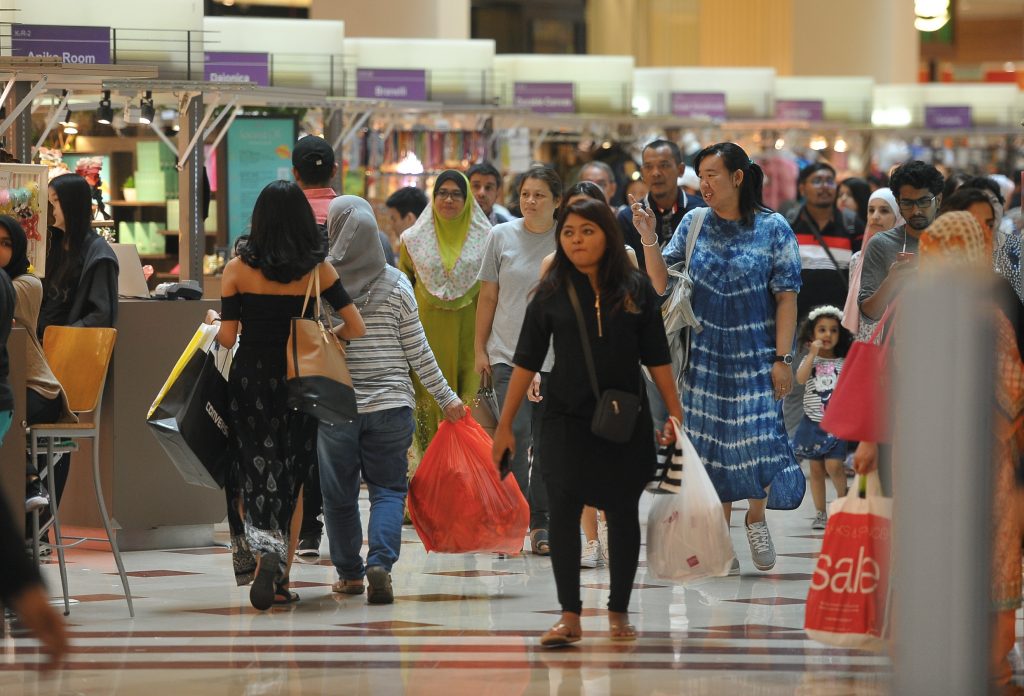
  • Young Malaysians Ensnared in Debt: The Rising Peril of ‘Buy Now, Pay Later’ Services

    Young Malaysians Ensnared in Debt: The Rising Peril of ‘Buy Now, Pay Later’ Services

    More young Malaysians are finding themselves caught in the cycle of debt as the burden of financial obligations – largely from credit card loans – weighs heavy on their incomes. Among them is 29-year-old Chan Jun Hong, who spends almost MYR3,000 (US$763) each month to service his debts, accounting for over 60% of his salary.

    The Debt Trap

    Chan Jun Hong shares that a significant portion of his income is allocated to repay personal loans he took out a year or two ago. It was a decision made out of convenience, as he was offered the loans, and used them to spend recklessly. Today, he regrets this decision. He also admits to having a sizable amount of debt from the use of “Buy Now, Pay Later” services and credit cards for everyday necessities. His situation deteriorated to the point where he sought help from a debt consolidation service provider, who advised him to take a single extensive loan to pay off all his various debts simultaneously.

    His predicament is not unique. Many young Malaysians are grappling with debts, primarily due to a lack of financial literacy in the face of a surge of credit services targeted at the youth. In Malaysia, about 40% of “Buy Now, Pay Later” transactions are made by those aged 30 and below. This statistic highlights an alarming trend of younger consumers becoming overly dependent on credit for daily expenses.

    Rise of “Buy Now, Pay Later” Services

    “Buy Now, Pay Later” is a financial service that allows consumers to purchase products either interest-free or with a certain percentage of interest, with payment due the following month. A survey involving over 21,000 active “Buy Now, Pay Later” users in 2024 revealed that 69% of users solely depend on this financial tool for their financial support.

    However, this reliance on credit purchases for daily needs has consequences, which many young Malaysians are now realizing. One 29-year-old, using the pseudonym Nixie, revealed that he typically starts the month with no more than MYR1,000 in his bank account, as most of his income goes towards debt repayment. Nixie often resorts to “Buy Now, Pay Later” services due to his tendency to make impulsive purchases of non-essential items, such as collectibles, when they are on sale.

    As an electrical engineer, Nixie can only afford to make minimum monthly payments of between MYR500 and MYR900 on his credit card debt. His outstanding balance has remained at around 90% of its limit for nearly a year, accruing more interest. Nixie shares his growing unease about his financial future, fearing he may be stuck paying the debt for years due to the increasing credit card interest.

    The Hidden Risks

    Financial analysts point out that while bank loans come with clearly documented commitments, the risks of a “Buy Now, Pay Later” scheme aren’t always apparent at the start.

    The number of “Buy Now, Pay Later” users rose from 2.6 million in 2023 to 7.5 million last year. This trend could be risky as financial obligations can often accumulate quietly. Alvin Tan Chin Cherng, Financial Planning Association of Malaysia president, mentioned that such collective repayments could consume a disproportionate share of one’s monthly income, and most people don’t see it coming.

    Many young Malaysians remain ignorant of their credit scores, and missed or late “Buy Now, Pay Later” payments could affect a person’s ability to secure a housing loan or car financing in the future.

    Easy Spending and Consequences

    Financial planner Gunaseelan Kannan also expressed concern over the rise of these services, citing its easy-spending design, which for many youths feels less like borrowing and more like delaying payment.

    The simple approval process, minimal checks, and the seemingly small installments make it very attractive. However, those small installments can quickly add up and affect monthly cash flow. Many young people are still building their financial habits, so without proper budgeting or financial literacy, it can slowly turn into a debt cycle.

    A 29-year-old customer service worker known as Chan admitted that he had never heard of financial strategies. He struggles to manage his spending habits which are affecting his financial stability. He is now juggling his finances while repaying a personal loan taken to settle previous debts.

    Questions & Answers

    What are the causes of the increasing debt among young Malaysians?
    The rise in debt among young Malaysians is mainly attributed to the ease of access to credit services, particularly “Buy Now, Pay Later” schemes, and a lack of financial literacy.

    What are the consequences of the growing reliance on “Buy Now, Pay Later” services?
    The consequences include the accumulation of debts that can consume a significant proportion of one’s income, causing financial instability. Missed or late payments can also negatively impact credit scores, which could affect a person’s ability to secure future loans.

    What is the solution to this growing problem?
    Better financial education is one solution to tackle this issue. Young people need to understand the importance of budgeting, managing their spending habits, and the implications of credit scores. It’s also important to consider the regulation of credit services to ensure they don’t exploit the lack of financial literacy among young people.

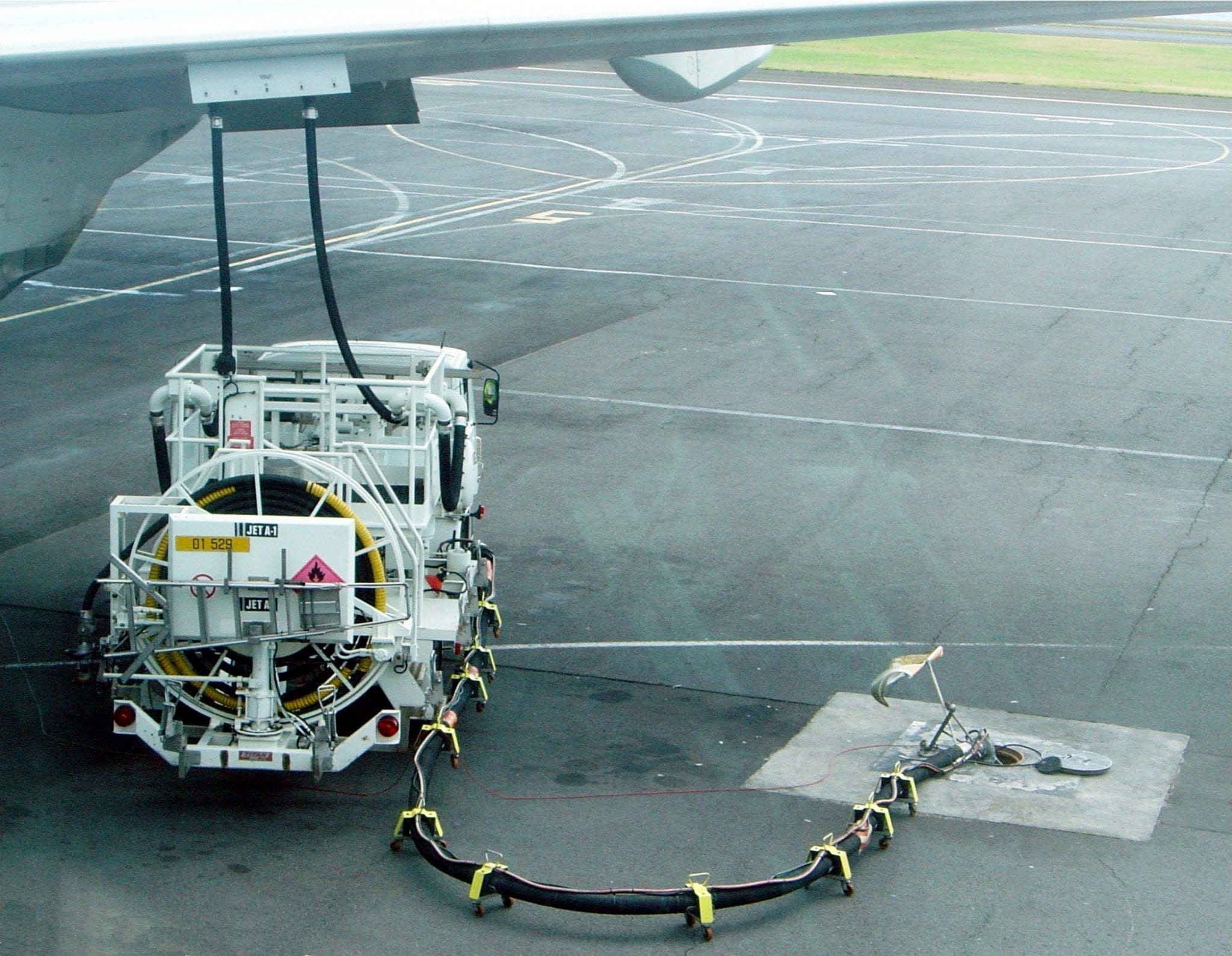
  • Skyrocketing Fuel Prices Push Global Airlines into Fare Hike: Vietnam’s Aviation Sector Braces for Impact

    Skyrocketing Fuel Prices Push Global Airlines into Fare Hike: Vietnam’s Aviation Sector Braces for Impact

    As global aviation fuel costs rise due to increased geopolitical instability, more than 60% of international airlines have already increased their fares or are planning to do so from mid-March, according to the Civil Aviation Authority of Vietnam (CAAV). The soaring fuel prices have resulted in mounting operational costs, leading many international carriers to utilize fuel surcharges to balance their expenses and maintain consistent service levels.

    The Impact of Rising Fuel Prices

    The CAAV conducted a swift survey on March 20, covering nearly 40 international and regional airlines operating routes to Vietnam. The survey revealed that over 60% of these airlines have already implemented, are in the process of implementing, or are planning to introduce fare adjustments or fuel surcharges, starting from mid-March.

    This trend is notable in significant aviation markets across Asia, Europe, and North America, highlighting the extensive financial pressure experienced by airlines globally. In Northeast Asia, which includes Taiwan, China, Japan, and the Republic of Korea, ticket prices have significantly increased, with hikes ranging from $11.5 to nearly $115 per ticket.

    Regional Variations in Fare Hikes

    In contrast, fare increases in Southeast and South Asia have been more moderate, typically fluctuating around $5 to approximately $70 per ticket. For long-haul flights to Europe and North America, fuel surcharges are considerably higher, generally ranging from around $43 to over $215 per ticket, with even greater increases for business-class passengers.

    The air cargo sector is also feeling the impact, with some airlines introducing fuel surcharges calculated on a per-kilogram basis. Despite these adjustments being seen as a short-term response to fluctuating fuel prices, they are expected to elevate both passenger airfares and cargo costs in the upcoming months.

    Questions & Answers

    What is driving the increase in global aviation fuel prices?
    Geopolitical instability is the primary factor contributing to the rise in global aviation fuel prices.

    How are airlines offsetting the rising operational costs?
    Many international airlines are introducing fuel surcharges or adjusting their fares to counterbalance the increased operational costs.

    What impact will these adjustments have on the aviation industry?
    These adjustments are expected to increase both passenger airfares and cargo costs in the near future.

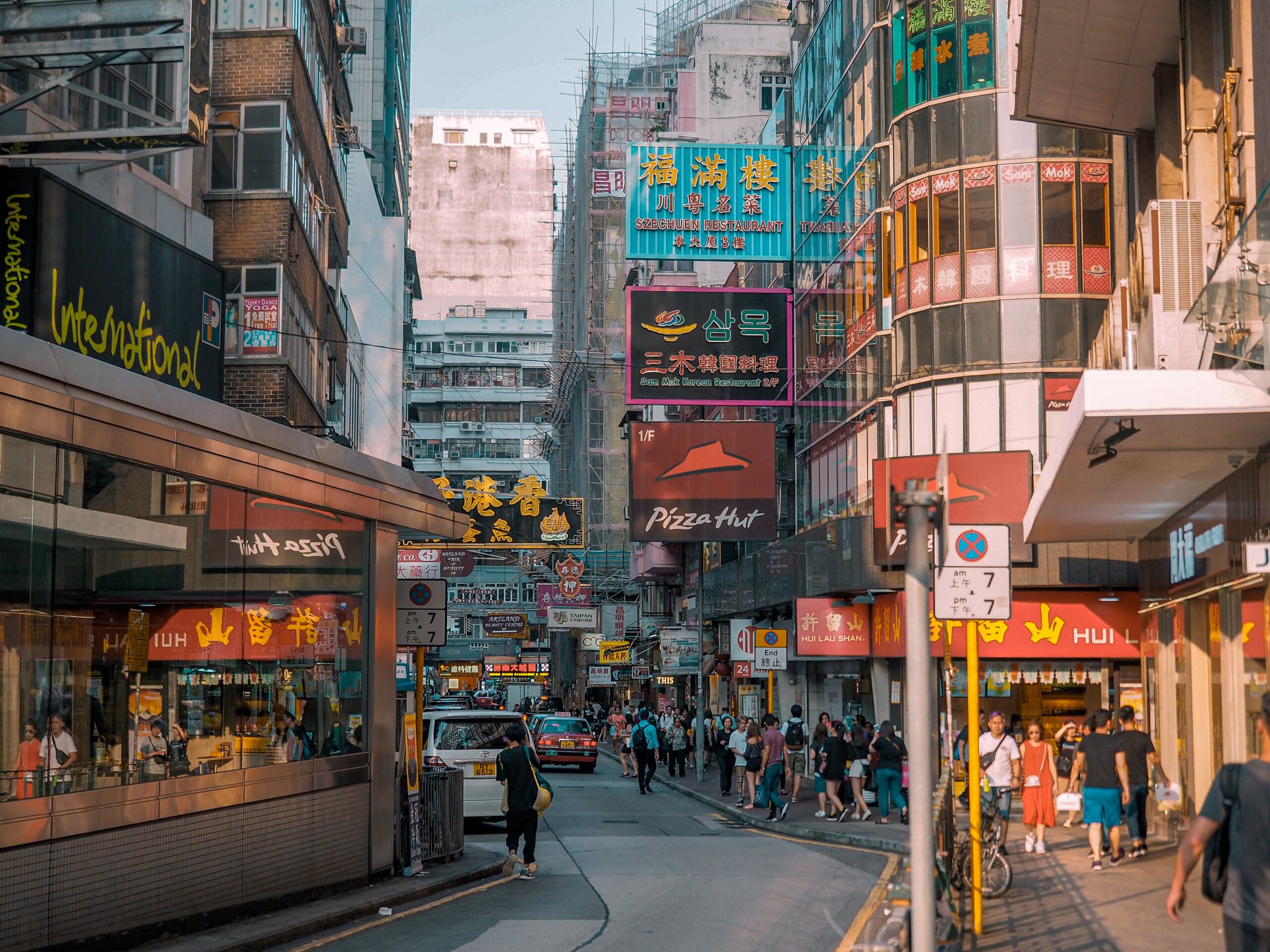
  • Hong Kong Office Market Revival: Downtown Vacancy Rates Hit 2-Year Low

    Hong Kong Office Market Revival: Downtown Vacancy Rates Hit 2-Year Low

    The prime office space vacancy rates in Hong Kong’s central business district have once again dipped into single figures for the first time in over two years, marking a resurgence in demand within the previously struggling office market.

    A Turnaround in Demand

    The primary business district, situated on the northern coast of the island, saw the vacancy rate for Grade A offices drop to 9.9% in February, a slight decrease from January’s 10.1%. The district last recorded a single-digit vacancy rate in December 2023, standing at the same figure of 9.9%.

    This trend isn’t limited to the central business district. Across Hong Kong, the overall prime office vacancy rate also fell slightly, dropping to 13.4% in February from the 13.5% recorded in the previous month.

    Rising Rents

    In line with the declining vacancy rates, rental costs for Grade A offices in the central district also experienced a rise. The first two months of the year saw rent prices increase by 3.5%.

    Banking remains the main driver for leasing activity, with the demand focusing on newer office buildings within the central business districts. Two districts have begun to show early signs of improvement, a trend that is expected to continue throughout the year. However, non-core districts, such as Kowloon East, are anticipated to remain under strain.

    Increased Optimism

    CK Asset Holdings, a property development company owned by billionaire Li Ka-shing’s family, has also expressed positive expectations for leasing demand this year. The company saw leasing remain under pressure during the previous year, but recent renewals have started to show small increases in rental costs.

    Both rent and sales are projected to see a surge. The overall non-residential property market is expected to continue adjusting and seeking support levels. However, rental and sales prices for offices located in the core districts may stabilize first.

    Uneven Recovery

    According to a report, the recovery within the office market varies across Hong Kong. The premium Grade A buildings in the central district, such as Two IFC, Chater House, and The Henderson, have maintained occupancy rates above 88%. In contrast, older properties within the same district have recorded occupancy rates below 75%. This uneven recovery rate highlights the growing preference for modern, high-specification buildings, reinforcing the “flight-to-quality” trend within Hong Kong’s office sector.

    Questions & Answers

    What is the current vacancy rate for prime office space in Hong Kong’s central business district?
    The vacancy rate for prime office space in Hong Kong’s central business district is currently 9.9%.

    What trends are emerging in Hong Kong’s office sector?
    There is a growing preference for modern, high-specification buildings, and non-core districts like Kowloon East are likely to continue facing pressure.

    What is the forecast for rental and sales prices in the near future?
    Rental and sales prices for overall non-residential properties are expected to continue adjusting, with prices for offices in the core district possibly stabilizing first.

  • Cambodia Ramps Up Fuel Imports from Singapore and Malaysia Amid Middle East Conflict

    Cambodia Ramps Up Fuel Imports from Singapore and Malaysia Amid Middle East Conflict

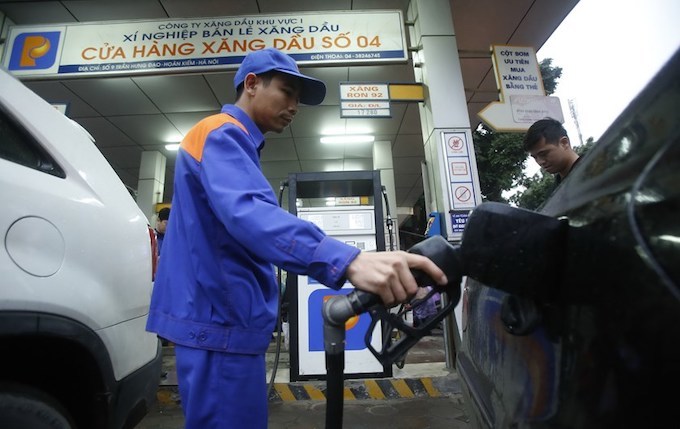
    Cambodia has been increasing its fuel imports from Singapore and Malaysia in a bid to compensate for supply shortages caused by ongoing conflict in the Middle East, which continues to hamper global fuel supply chains. The Minister of Mines and Energy for Cambodia, Keo Rottanak, communicated this on Wednesday.

    Fuel Stations and Supply

    Last week, Rottanak reported, approximately one-third of the nation’s 6,300 fuel stations were temporarily closed due to worries about the conflict’s effect on fuel prices. However, the situation has since improved, and now only 5.77% of stations still remain closed.

    Rottanak also pointed out that Cambodia is augmenting its fuel imports from Singapore and Malaysia, while its usual suppliers are making every effort to keep exports steady amid increasingly strained supply conditions.

    Increasing Imports

    Figures from Kpler indicate that during the first 18 days of the current month, gasoline and diesel exports from Singapore and Malaysia to Cambodia have risen by 25% compared to the same period in 2025. However, this is a 40% decrease compared to the last 18 days of February.

    Fuel Reserves and Energy Security

    According to the minister, the fuel reserves of Cambodia are presently at levels similar to earlier periods. The country lacks a domestic oil refinery and usually keeps stocks of diesel, jet fuel, liquefied petroleum gas, and gasoline that suffice for less than one month under standard conditions.

    The Cambodian government is taking steps to bolster its energy security and lessen geopolitical risks. Preliminary discussions have been held this month with Woodside Energy, an Australian company, in an attempt to secure liquefied natural gas (LNG) supplies for a planned 900MW power plant that is expected to start operations in 2027.

    Renewable Energy and Future Plans

    Rottanak added that the shock from the Middle East has been partially mitigated in Cambodia thanks to the swift growth of renewable energy in the country. Overall fuel imports have remained relatively stable compared to the levels in 2022, bolstered by increased electrification from renewable sources. He underlined that the conflict underscores the pressing need to speed up the development of cross-border power grid connectivity among ASEAN nations.

    Questions & Answers

    What steps is Cambodia taking to address fuel supply shortages?
    Cambodia is increasing its fuel imports from Singapore and Malaysia. Its traditional suppliers are also working hard to maintain exports in spite of tough supply conditions.

    What is the current status of Cambodia’s fuel reserves?
    Cambodia’s fuel reserves are currently at levels similar to previous periods. The country typically maintains diesel, jet fuel, liquefied petroleum gas and gasoline stocks sufficient for less than one month under normal circumstances.

    What measures is Cambodia taking for energy security?
    The Cambodian government is enhancing its energy security by holding talks with Australia’s Woodside Energy to secure LNG supplies for a planned 900MW power plant. The government is also accelerating the development of cross-border power grid connectivity among ASEAN countries.

  • UOB CEO Faces 20% Salary Slash as Bank’s Profits Plummet

    UOB CEO Faces 20% Salary Slash as Bank’s Profits Plummet

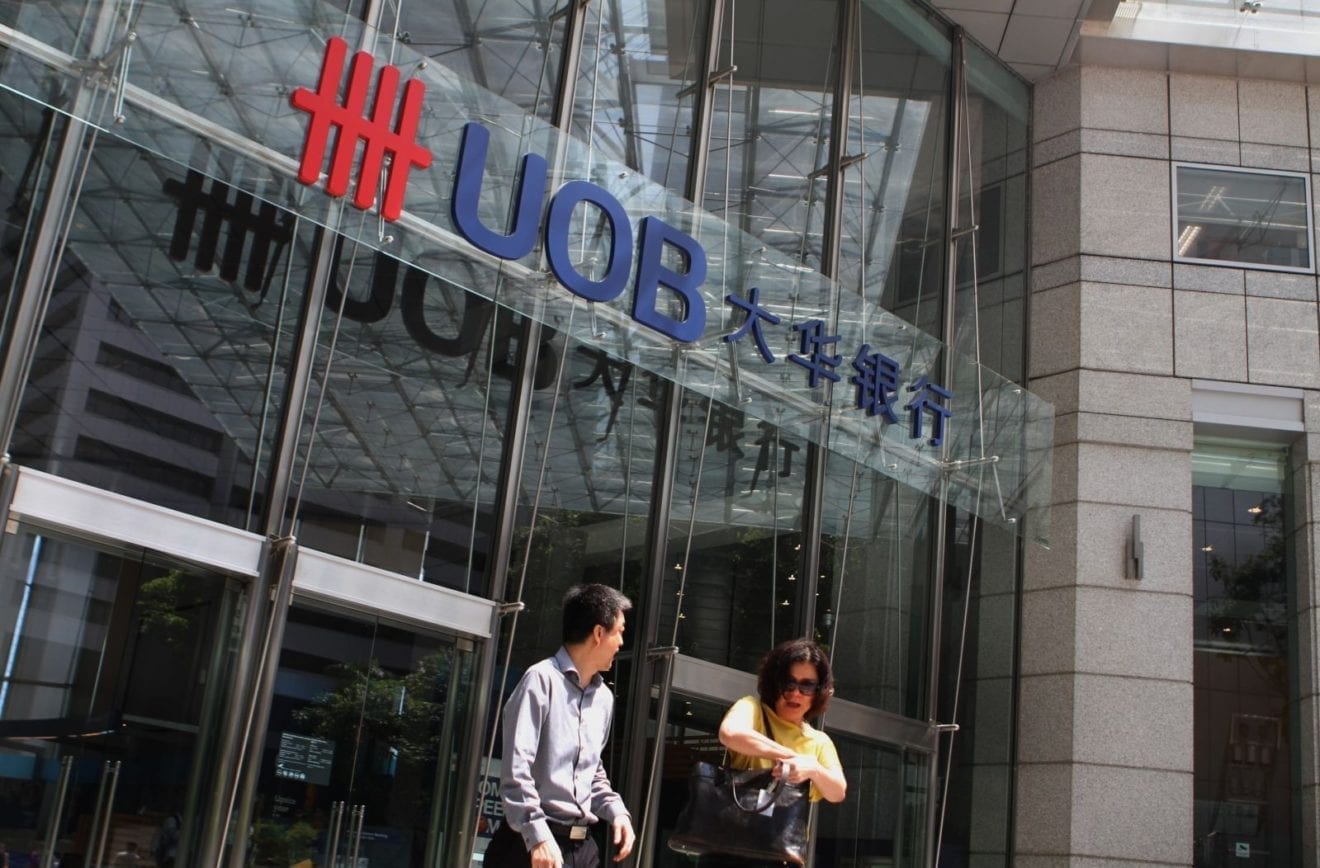
    The Chief Executive Officer of Singapore’s UOB, Wee Ee Cheong, experienced a decrease in his total remuneration in a year that also witnessed a fall in the company’s profit. This comes as per the bank’s annual report, which highlighted his reduced earnings.

    Details of the Remuneration Package

    The CEO’s total compensation in 2025 amounted to S$12 million (equivalent to $9.4 million), indicating a downward trend of 20 percent on a yearly basis. The components of this remuneration package include a base salary of S$1.4 million, bonuses totaling S$10.6 million, and additional benefits worth S$42,629. It is noteworthy that 60 percent of the variable pay will be deferred and vested over the ensuing three years.

    A Reflection of the Company’s Performance

    The decrease in the CEO’s pay goes hand in hand with UOB’s overall performance. The bank recorded a 23 percent slump in its net profit in 2025, ending the year with a total of S$4.7 billion. This decrease in profit has been reflected in the reduced pay packet of the bank’s top executive.

    Questions & Answers

    What was the total compensation of UOB’s CEO in 2025?
    The total compensation of UOB’s CEO in 2025 was S$12 million, which translates to $9.4 million.

    What components made up the CEO’s remuneration package?
    The CEO’s remuneration package was made up of a base salary of S$1.4 million, bonuses amounting to S$10.6 million, and benefits worth S$42,629.

    How did UOB’s performance in 2025 relate to the CEO’s pay?
    UOB’s performance in 2025, which saw a 23 percent decrease in net profit, was reflected in the CEO’s reduced pay.

  • How Freight Strategy Impacts Retail Supply Chains Sourcing From Asia

    How Freight Strategy Impacts Retail Supply Chains Sourcing From Asia

    Sourcing from Asia offers retailers access to a vast range of products at competitive prices, but the efficiency of a retail supply chain hinges on a carefully considered freight strategy. By making informed choices about transport modes, partners, and risk management, businesses can minimise disruption, achieve cost savings, and maintain strong supplier relationships. With Asia’s trade activity expanding steadily, the region collectively imported goods worth $9.04 trillion and exported $10.06 trillion in 2022, highlighting its growing role in global supply chains and manufacturing (source: Asia Trade Data, TradeImeX). 

    Key Points

    • Freight strategy directly affects cost, delivery speed, and flexibility in retail supply chains sourcing from Asia.
    • Mode choice, partner selection, and documentation accuracy are critical factors.
    • Practical steps, such as engaging reliable providers and using consolidated shipments, help minimise risk and delays.

    Why Freight Strategy Matters for Sourcing From Asia

    What Is a Freight Strategy?

    A freight strategy defines how a business plans, organises, and manages the movement of goods from overseas suppliers. It covers decisions such as selecting between sea, air, or rail, consolidating shipments, and choosing the right freight forwarder. 

    Impact on Cost and Efficiency

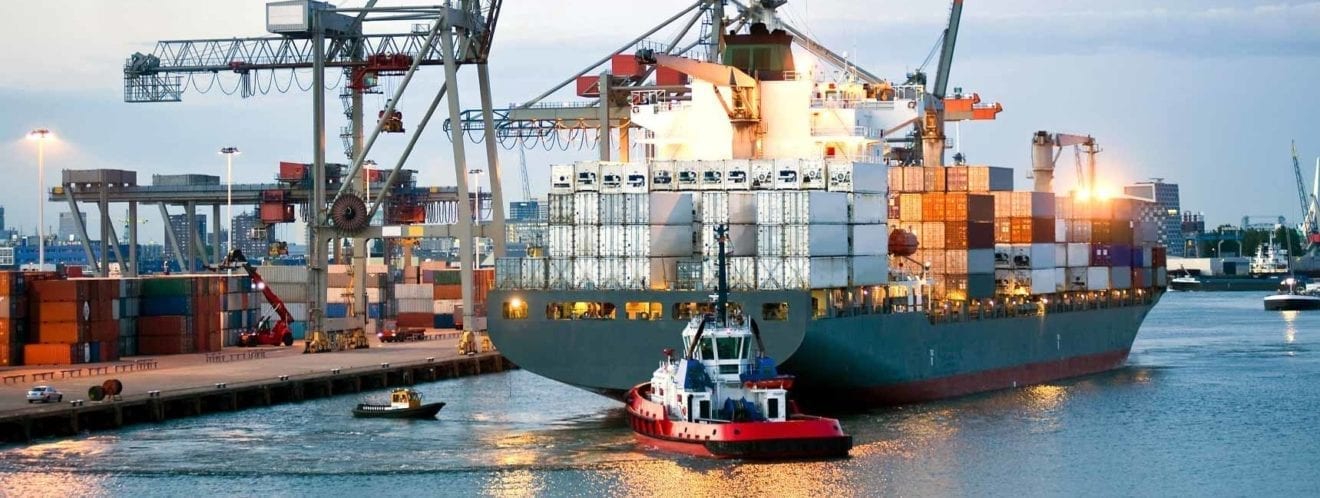
    Choosing the optimal mode of transport directly influences freight costs and delivery times. For instance, sea freight services are typically the most cost-effective, especially for bulk orders, Asia accounts for about 42% of all maritime goods loaded worldwide (i.e., exports via sea) and around 64% of all goods discharged (imports), confirming its role as the world’s main maritime cargo hub. Air freight is faster but more expensive. Rail freight now plays a growing role in the China-Europe corridor, offering delivery times up to 50% quicker than sea but at a lower cost than air, making it ideal for high-value or time-sensitive stock. Balancing these options is crucial when sourcing from Asia.

    Key Factors in Successful Asia Freight Strategies

    Choosing the Right Freight Partners

    Reliable freight partners are essential for seamless supply chains when sourcing goods internationally. Freight forwarders play a key role in coordinating shipments across multiple transport modes, arranging carrier space, managing customs clearance, and ensuring that goods move efficiently from supplier to destination. A well-chosen logistics partner can also provide shipment tracking, advice on routing and documentation, and proactive communication that helps businesses anticipate delays or disruptions before they impact inventory.

    In practice, many companies look for freight forwarders with expertise in the specific trade lanes they operate in. For example, UK retailers sourcing products from Asian manufacturers often work with a freight forwarder from China to UK that understands both markets, the regulations governing imports, and the most reliable shipping routes between them. These specialists help coordinate schedules, manage customs processes, and provide real-time updates throughout the journey. The most trusted partners combine transparency, strong experience with Asian trade routes, and responsive communication, qualities that are frequently highlighted in customer reviews and logistics industry surveys.

    Managing Documentation and Compliance

    Errors in customs paperwork can cause delays and extra costs. Accurate documentation, such as commercial invoices, packing lists, and commodity codes, ensures smooth clearance. 

    Tip: Invest in Training

    Procurement teams should regularly update their knowledge of import regulations and Incoterms, or partner with providers who offer advice and support on compliance.

    Optimising Modes and Routes for Sourcing From Asia

    Comparing Modes: Sea, Air, and Rail Freight

    Mode Typical Transit Time Best For
    Sea Freight 28-35 days Bulk, non-urgent goods
    Rail Freight 15-20 days Mid-value, time-sensitive goods
    Air Freight 3-7 days High-value, urgent goods


    Consolidation 

    For smaller shipments, groupage or LCL (less-than-container load) services can keep costs down by combining goods from several importers. Retailers sourcing from Asia often use these options to avoid overstocking or to trial new products.

    Practical Steps to Enhance Asia Sourcing Freight Strategy

    • Regularly review freight contracts and compare providers for best value and reliability.
    • Leverage technology for shipment tracking and proactive communication.
    • Use consolidated sea or air freight services to manage smaller shipments efficiently.
    • Build relationships with partners who offer expertise in customs and real-time updates.
    • Plan for seasonal demand peaks by reserving capacity in advance.

    These steps not only reduce disruption but also improve cash flow and supplier trust. In our experience, even small adjustments to documentation procedures or shipment consolidation can result in measurable savings and smoother operations.

    Frequently Asked Questions About Asia Freight and Sourcing

    • How can I avoid delays when sourcing from Asia? Ensure accurate documentation, choose reliable freight partners, and plan ahead for peak seasons.
    • Which mode is best for urgent goods? Air freight offers the fastest delivery, while rail freight is a strong mid-point for speed and cost.
    • Is it cheaper to ship full containers? Full container loads (FCL) usually offer a better rate per unit, but groupage or LCL can be more cost-effective for smaller volumes.

    Conclusion: Strengthening Your Retail Supply Chain

    Freight strategy is at the heart of a reliable supply chain when sourcing from Asia. The right combination of transport modes, partners, and documentation processes can minimise costs and delays, ensuring retailers remain competitive and responsive to market needs. By investing in expertise and regular process reviews, businesses can future-proof their Asia freight operations and achieve consistent success.


  • Dua Lipa Brews up New Role as Nespresso Global Brand Ambassador to Ignite Youth Appeal

    Dua Lipa Brews up New Role as Nespresso Global Brand Ambassador to Ignite Youth Appeal

    Nespresso has recently announced that pop singer Dua Lipa will become its global brand ambassador in a bid to enhance its resonance with a younger, culturally engaged audience.

    As part of this collaboration, Dua Lipa is set to headline the Vertuo World campaign, which commences on April 14. The campaign will also feature a guest appearance by long-serving Nespresso ambassador George Clooney, linking the brand’s storied history with its modern marketing strategies.

    Leonardo Aizpuru, Nespresso’s chief marketing officer, expressed excitement about the partnership with Dua Lipa. He described the singer as an adventurer always eager to try new things – an ethos that is in perfect alignment with Nespresso’s brand direction.

    According to Aizpuru, the collaboration with Dua Lipa aims to inspire a new generation to confidently explore and appreciate new tastes. He emphasized that Nespresso’s core mission is to enable boundless exploration through exceptional coffee and that Dua Lipa embodies this mindset in a contemporary and seamless manner.

    This partnership marks a significant strategic move for Nespresso, which is facing mounting competition from both retail-ready and specialty coffee brands in the premium coffee market.

    By partnering with a global pop icon known for her trendsetting influence, Nespresso aims to appeal to a demographic that places equal importance on lifestyle and cultural relevance as well as product quality.

    In 2021, Nespresso demonstrated its commitment to retail expansion by unveiling a flagship boutique in Manhattan’s Flatiron District. This store is the largest and most immersive retail location that the company has opened to date.

    Questions & Answers

    Who has Nespresso appointed as its new global brand ambassador?
    Pop superstar Dua Lipa has been appointed as the new global brand ambassador for Nespresso.

    What is the primary objective of Nespresso’s partnership with Dua Lipa?
    The key goal of this collaboration is to enhance Nespresso’s appeal among younger, culturally engaged consumers and inspire them to explore and appreciate new coffee tastes confidently.

    What strategic shift does this partnership signal for Nespresso?
    Partnering with a global pop icon like Dua Lipa marks a significant strategic shift for Nespresso as it seeks to appeal to a demographic that values cultural relevance and lifestyle as much as product quality.

  • Ferrero Group Dives into Healthy Snacks, Acquires Brazilian Protein Brand Bold Snacks

    Ferrero Group Dives into Healthy Snacks, Acquires Brazilian Protein Brand Bold Snacks

    The Ferrero Group, an Italian confectionery company, has recently expanded its business by purchasing Bold Snacks, a Brazilian enterprise that specializes in protein snacks. This acquisition is part of Ferrero’s plan to diversify and expand its range of health-conscious products.

    Bold Snacks: A Rising Star in the Health Food Sector

    Bold Snacks was established in 2018 and has quickly gained popularity with its high-protein bars. More recently, the company has broadened its product range to include whey powders. The addition of Bold Snacks to the Ferrero Group’s portfolio is expected to provide new growth opportunities in key markets.

    Daniel Martinez Carretero, CFO of Ferrero Group, expressed his enthusiasm about the acquisition, stating, “Bold Snacks is a unique brand that has been gaining significant traction in Brazil. This deal bolsters our position in the health food category and allows us to continue diversifying our offerings across pivotal markets.”

    Acquisition Details & Future Prospects

    As part of the agreement, Ferrero Group will take ownership of Bold Snacks’ office and manufacturing facility, located in Divinópolis, Minas Gerais. Approximately 300 employees currently working for Bold Snacks will become part of Ferrero Brazil. The completion of the transaction is expected in the coming months, subject to the usual closing conditions.

    This acquisition comes shortly after Ferrero Rocher, another brand under the Ferrero Group, debuted its new Easter product line.

    Questions & Answers

    What is Bold Snacks renowned for?
    Bold Snacks is popular for its protein bars and has recently introduced whey powders to its product range.

    How will the acquisition of Bold Snacks benefit Ferrero Group?
    The acquisition will strengthen Ferrero’s presence in the health food category and support the ongoing diversification of its product portfolio across key markets.

    What will happen to Bold Snacks’ staff following the acquisition?
    Approximately 300 Bold Snacks employees will transition to Ferrero Brazil.