Author: Mei Ling Tan

  • Vietnam’s Gold Market Rises Slightly Amidst Steady Global Rates: A Look at 2022’s Gold Price Trends

    Vietnam’s Gold Market Rises Slightly Amidst Steady Global Rates: A Look at 2022’s Gold Price Trends

    On Monday afternoon, there was a marginal increase in Vietnam’s gold prices, while international rates remained virtually unchanged. Gold bars offered by Saigon Jewelry Company witnessed a 0.27% rise, settling at VND183.1 million (US$6,964.49) per tael. Simultaneously, the cost of gold rings also saw a slight hike of 0.27%, reaching VND182.8 million per tael. So far this year, the gold prices in Vietnam have experienced an escalation of 19.8%.

    Global Gold Rates

    Internationally, gold prices maintained a steady position on Monday. After experiencing a nearly 1% drop earlier in the session, the rates recouped due to a softer dollar and the appeal of safe-haven investments. These factors effectively balanced the declining hope of immediate U.S. interest rate cuts, which was triggered by high energy prices.

    Spot gold saw a minor rise of 0.2%, standing at $5,027.98 per ounce. This marked a recovery from a more than three-week low experienced earlier in the session. On the other hand, U.S. gold futures for April delivery experienced a 0.6% decline, arriving at $5,031.60.

    A small decrease in the U.S. dollar paved the way for commodities priced in greenback, such as bullion, to become cheaper for holders of other currencies.

    Analyst’s Take

    “Gold prices are maintaining a broad stability as the market navigates through conflicting macro forces. The continuous geopolitical tensions are driving the safe-haven demand, thereby providing support. However, the surge in oil prices has rekindled concerns about inflation,” explained Christopher Wong, a strategist at OCBC.

    Questions & Answers

    What was the percentage increase in Vietnam’s gold prices?
    The gold prices in Vietnam saw a marginal increase of 0.27%.

    What factors contributed to the steady state of global gold prices?
    A softer dollar and the demand for safe-haven investments helped keep the global gold prices steady.

    What impact did the decline of the U.S. dollar have on commodities?
    The drop in the U.S. dollar made commodities priced in greenback, such as bullion, cheaper for holders of other currencies.
  • Indonesia’s Economic Leap: Poised to Join Global Top 5 Economies by 2050

    Indonesia’s Economic Leap: Poised to Join Global Top 5 Economies by 2050

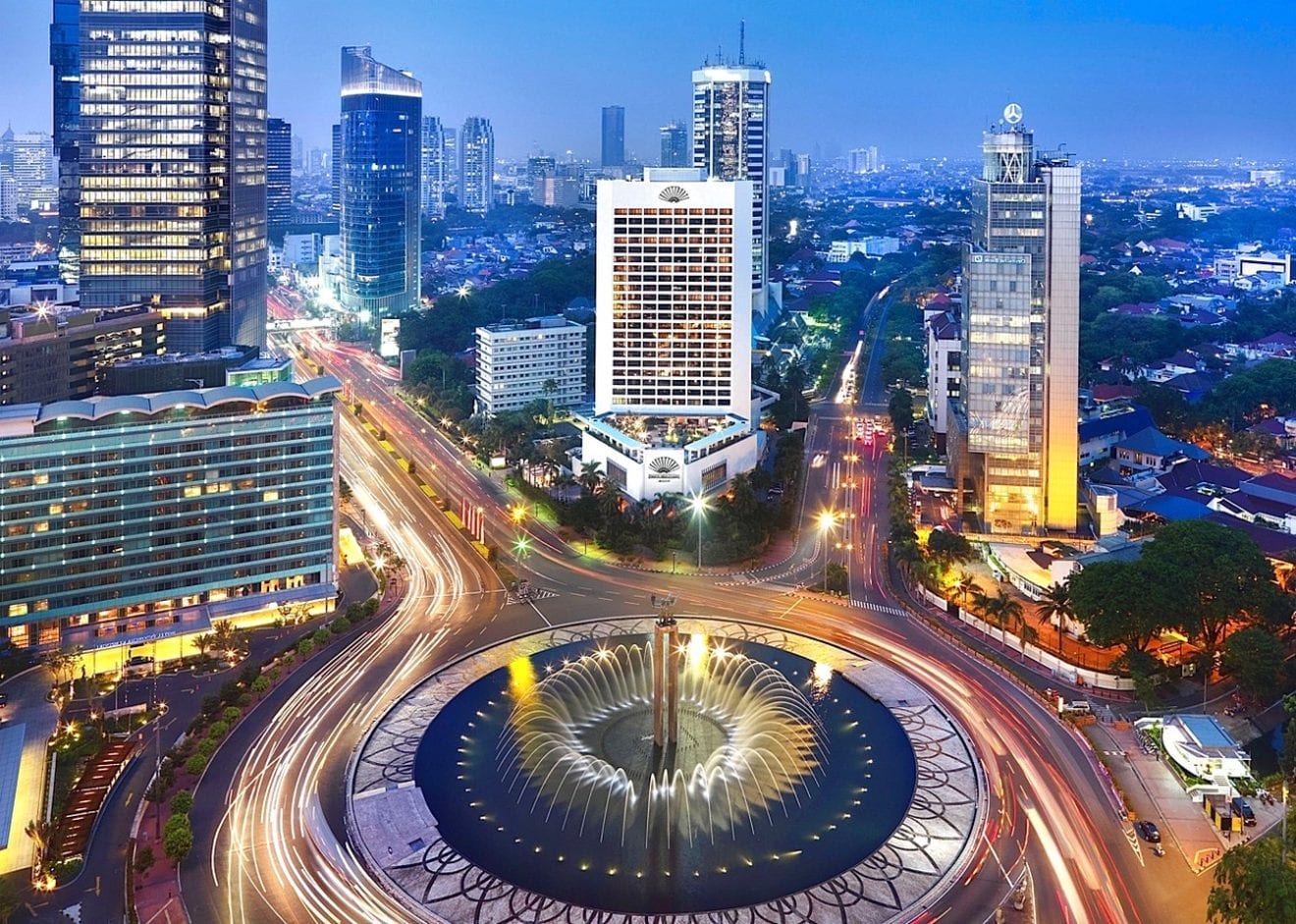
    According to the Coordinating Minister for Economic Affairs, Airlangga Hartarto, Indonesia possesses the potential to rank among the top five global economies by the year 2050 provided it continues its current growth trajectory and structural reformation efforts.

    Indonesia’s Economic Outlook

    Airlangga is optimistic for the short-term, forecasting a growth rate of around 5.4% for the Indonesian economy by 2026. He bases this prediction on the stability of the domestic economy, citing a 69-month long trade surplus, a healthy level of foreign currency reserves, and inflation successfully kept within target bounds.

    Government Strategy for Economic Growth

    The Indonesian government is currently focusing on fortifying coordination between public and private sectors, encouraging industrialization, digital transformation, and sustainable economic growth. Key policy areas include strategic infrastructure, downstream mineral resources, development of electric vehicles, renewable energy, and strengthening the domestic supply chain.

    Regional Partnerships and Global Economy

    Airlangga highlighted that Indonesia is eager to extend collaboration with regional partners, particularly within the Association of Southeast Asian Nations (ASEAN) framework and free trade agreements. This is with the aim of boosting the resilience of the global economy in the face of geopolitical fluctuations.

    Airlangga further noted that Asia has the capacity to emerge as the principal economic powerhouse globally, given its commitment to open and inclusive regional cooperation. He projected that by 2050, the region could contribute around 52% of the global GDP.

    Long-Term Economic Forecasts

    Long-term forecasts cited by Airlangga suggest that by 2050, China could have a GDP of US$58 trillion, India could reach $44 trillion, and Indonesia could achieve $10-11 trillion. These figures would place Indonesia third in Asia and among the top five economies worldwide.

    In order to actualize this, Indonesia needs to sustain an annual growth rate exceeding 5%, expedite institutional reforms, enhance the quality of its human resources, and boost labor productivity. The nation’s young population, large domestic market, and plentiful resources are seen as vital drivers for the expansion of Southeast Asia’s biggest economy.

    Questions & Answers

    What are the key factors driving Indonesia’s potential as a global economic powerhouse?
    Indonesia’s potential is driven by its young population, large domestic market, and abundant resources. Additionally, the government’s ongoing efforts towards industrialization, digital transformation, and green economic development have a significant role.

    What are the main policy areas of the Indonesian government?
    The main policy focus includes strategic infrastructure, downstream mineral resources, electric vehicle development, renewable energy, and strengthening the domestic supply chain.

    What is the projected GDP of Indonesia by 2050?
    It is projected that by 2050, Indonesia could reach a GDP of $10-11 trillion, potentially making it the third-largest economy in Asia and one of the five largest economies globally.

  • UBS Asset Management Bolsters China Equities Team with Former Invesco Pro, Raymond Ma

    UBS Asset Management Bolsters China Equities Team with Former Invesco Pro, Raymond Ma

    UBS Asset Management has recently augmented its China equities team with the addition of Raymond Ma, a veteran portfolio manager formerly linked to Invesco. Ma will be serving as deputy to Bin Shi, the head of China equities, and will be stationed in Hong Kong.

    Ma most recently held the position of Chief Investment Officer for mainland China and Hong Kong at Invesco. He was responsible for the management of several of the company’s China and Greater China funds during his tenure. Even before his stint at Invesco, Ma had a significant 15-year run at Fidelity in Hong Kong, where he made a substantial impact as a principal China portfolio manager.

    A Long-standing Professional Bond

    Bin Shi and Raymond Ma have shared more than just their professional pursuits. They have known each other for over two decades, serving as important figures in the industry. Additionally, they share a fundamental approach towards investing, which will likely foster a strong partnership in their roles at UBS.

    Questions & Answers

    Who has recently joined UBS Asset Management’s China equities team?
    Raymond Ma, a former portfolio manager from Invesco has recently joined UBS Asset Management’s China equities team.

    Who will Raymond Ma serve as deputy to at UBS?
    Raymond Ma will serve as deputy to Bin Shi, the head of China equities at UBS.

    What was Raymond Ma’s role at Invesco?
    At Invesco, Raymond Ma held the position of Chief Investment Officer for Mainland China and Hong Kong and managed several of the firm’s China and Greater China funds.

  • Citi Boosts ASEAN Real Estate Team with Ex-UBS Investment Banking Leader, Indran Thana

    Citi Boosts ASEAN Real Estate Team with Ex-UBS Investment Banking Leader, Indran Thana

    Indran Thana, an experienced investment banker, is set to join Citi as the managing director and head of real estate for the Association of Southeast Asian Nations (ASEAN) segment. The appointment, effective from June 2026, will see Thana, a former UBS employee, operating from Singapore.

    In his new role, Thana will report to Matthew Nimtz, the head of ASEAN investment banking, as well as Ben Connolly, the Asia head of real estate investment banking and co-head of capital markets and advisory for Australia and New Zealand.

    During his tenure at UBS, Thana held the position of managing director and head of real estate, lodging & leisure for Asia. His professional experience also includes stints at DBS, Maybank, and Amanah Capital.

    In an internal memo, Citi lauded Thana for his “deep client relationships, proven track record, and comprehensive expertise across traditional and emerging real estate sectors.” The corporation expressed confidence that his skills and experience will allow them to increase their market share and strengthen partnerships with critical institutional and corporate clients throughout Southeast Asia.

    Questions & Answers

    Who is Indran Thana?
    Indran Thana is an experienced investment banker who has previously worked for UBS, DBS, and Maybank, among others. In June 2026, he will join Citi as the managing director and head of their ASEAN real estate business.

    What will be Thana’s role at Citi?
    As the managing director and ASEAN head of real estate for Citi, Thana will be expected to use his extensive expertise in the real estate sector to increase Citi’s market share and strengthen existing partnerships with key clients across Southeast Asia.

    What previous positions has Thana held?
    Thana has held several high-ranking positions in financial industries. Notably, he was previously the managing director and head of real estate, lodging & leisure for Asia at UBS.

  • DBS Warns Investors: Traditional Stock Strategies May Falter Amid Ongoing Mideast Conflict

    DBS Warns Investors: Traditional Stock Strategies May Falter Amid Ongoing Mideast Conflict

    Historically, US equities have demonstrated strong performance following significant conflicts. However, DBS asserts that the current Middle East conflict may not follow this trend, warning investors against complacency in this situation.

    The Ongoing Conflict in Iran

    The war in Iran, now in its third week, has resulted in thousands of casualties with no definitive end in sight. DBS advises investors to exercise caution and avoid putting too much stock in historical trends concerning American equities.

    DBS states, “While history may suggest that US equities often yield positive returns after major conflicts, complacency is not advisable given the current Middle East conflict.”

    As the conflict continues to unfold, DBS encourages investors to implement risk management strategies in their portfolio construction. This could involve increasing their exposure to gold and partially substituting US equity exposure with the S&P 500 Low Volatility Index.

    Predicted Themes for Q2 2026

    DBS has identified three themes they believe will heavily influence narratives in the second quarter of 2026.

    Firstly, oil continues to be a significant factor due to the ongoing military crisis in the Middle East, especially considering Iran’s role as the fourth largest OPEC producer. Rising energy prices could pose problems for risk assets.

    Secondly, the policy stance of Kevin Warsh, the nominee for Fed chair, indicates a potential reset with an increased likelihood for “renewed quantitative tightening,” which could lead to a steepening of the yield curve.

    Finally, diversification beyond crowded trades is encouraged, with recent profit-taking seen as “transitory.” A “return to fundamentals” is expected, with a focus on pre-crisis themes like precious metals and technology. These are driven by “dollar debasement” and “AI supremacy”, respectively.

    Emerging Markets and Japanese Equities

    In terms of diversification, DBS suggests investors consider increasing their exposure to emerging markets (EM) and Japanese equities. EM equities are likely to benefit from Fed rate cuts, dollar weakness, robust earnings growth, and light positioning. Conversely, Japanese equities are set to gain from fiscal stimulus, governance reforms, and an attractive yield gap.

    DBS concludes, “Global markets are currently navigating through an unusual convergence of geopolitical challenges and technological opportunities. The paradoxical nature of this situation reflects the complex yet potentially rewarding market conditions investors are currently navigating—an era where traditional strategies may no longer apply.”

    Questions & Answers

    What is the advice from DBS regarding the current Middle East conflict?
    DBS advises investors not to rely excessively on the historical trends of stock market performances following major conflicts, warning that complacency is unwarranted in this instance.

    What are the three themes DBS identified for Q2 2026?
    The three themes are the role of oil in the military crisis in the Middle East, the potential policy reset implied by Fed Chair nominee Kevin Warsh, and the need for diversification beyond crowded trades.

    What are DBS’s recommendations for diversification?
    DBS suggests investors consider increasing their exposure to emerging markets and Japanese equities, which are set to benefit from several factors including Fed rate cuts, dollar weakness, robust earnings growth, light positioning, fiscal stimulus, and governance reforms.

  • Riding the Yuan Wave: Global Companies Amplify Chinese Currency Adoption, Says StanChart Report

    Riding the Yuan Wave: Global Companies Amplify Chinese Currency Adoption, Says StanChart Report

    Companies across the globe are progressively employing the Chinese yuan in an array of contexts, as noted in a recent study by Standard Chartered. These contexts range from settling trade transactions to financing supply chains.

    A growing number of international corporations are adopting the use of the Chinese renminbi (RMB). Statistics from a Standard Chartered study reveal that 23% of revenues and 25% of costs are subject to the influence of this currency. However, the report also points out that only 14% of debt is in RMB, indicating a discrepancy between operating exposure and the currency employed for financing.

    The study suggests that the uptake of RMB is increasingly motivated by operational necessities of corporations rather than currency positioning. The main factors encouraging its adoption are trade settlement, supply chain financing, alignment of balance sheets, and management of foreign exchange and interest rate exposure.

    Diverse Regions, Diverse Adoption Trends

    The adoption patterns of the RMB vary across different regions. For instance, corporations in Greater China and North Asia are extending their use of RMB beyond settlement to include funding and liquidity management. The uptake in Southeast Asia is primarily driven by supply chain needs, whereas in the Middle East and parts of Africa, the usage is concentrated in the energy and infrastructure trade sectors. In Europe and the Americas, the capital market issuances and selective funding diversification are emerging as significant starting points.

    Karen Ng, the head of China opening and RMB internationalization at Standard Chartered, stated, “Many corporations already have significant RMB exposure through trade, procurement, and supply chains. As the market infrastructure deepens and liquidity expands, the adoption is increasingly being driven by operational needs, including trade settlement and balance sheet alignment.”

    The report titled “Renminbi in Motion for Corporates” is based on a survey involving nearly 300 global corporations across 19 sectors.

    Questions & Answers

    Why are corporations worldwide increasingly using the Chinese yuan?
    The use of the Chinese yuan is growing due to operational needs including trade settlement, supply chain financing, balance sheet alignment, and managing foreign exchange and interest rate exposure.

    How does the adoption of the Chinese yuan vary across different regions?
    Adoption patterns differ by region. Corporations in Greater China and North Asia are expanding its use beyond settlements to include funding and liquidity management, while in Southeast Asia, adoption is largely driven by supply chain needs.

    What is the percentage of revenues and costs carrying exposure to the Chinese yuan, according to the report?
    The report indicates that 23% of revenues and 25% of costs are subject to the influence of the Chinese yuan.

  • Unprecedented Semiconductor Cargo Movement: Kitakyushu Airport and DHL Global Forwarding Set New Standards in Air Transport

    Unprecedented Semiconductor Cargo Movement: Kitakyushu Airport and DHL Global Forwarding Set New Standards in Air Transport

    In a noteworthy collaboration between Kitakyushu Airport and DHL Global Forwarding, a division of DHL Group that specializes in air and ocean freight, the airport successfully facilitated the transportation of semiconductor manufacturing equipment towards the end of the preceding year. This operation is considered to be the airport’s largest and most technically complex cargo operation to date, necessitating an exceptional level of transportation expertise.

    Details of the Unprecedented Semiconductor Equipment Transport

    The equipment in question, semiconductor manufacturing equipment, weighed nearly 180 tons. The transport route commenced from Amsterdam Schiphol Airport, located in the Netherlands, and culminated at Kitakyushu Airport. The dedicated cargo aircraft, a sizable freighter, was used for this purpose.

    Development of a Robust Handling System for Semiconductor Equipment

    Commencing in 2023, Kitakyushu Airport, spearheaded primarily by DHL Global Forwarding Japan Co., Ltd. (DGF) and Korean Air, planned to import semiconductor manufacturing equipment to satisfy regional transport requirements. By working in close association with companies in charge of regular cargo flights’ ground handling, the airport was able to develop a strong handling system.

    Staff members from each entity joined forces to devise and implement comprehensive strategies, ensuring the safe and efficient transport of the equipment from Amsterdam Schiphol Airport to Kitakyushu Airport. Every aspect, ranging from risk management to temperature, humidity control, and vibration reduction, was meticulously taken care of. These collective endeavors have contributed to establishing a steady operational structure for managing similar consignments in the future.

    Joint Effort for Sophisticated Semiconductor Logistics

    Karsten Michaelis, the CEO of North Asia, DHL Global Forwarding, and the President and Representative Director of DHL Global Forwarding Japan, acknowledged the vital role of semiconductors in contemporary technology. He emphasized that DHL had constructed a solid framework to facilitate this significant supply chain operation with precision and expertise. The establishment of a dedicated office at Kitakyushu Airport, coupled with the collaborative efforts of the Semiconductor Specialist Team, Kitakyushu Airport authorities, and Korean Air, led to the creation of an integrated setup. This amalgamation of infrastructure development and seamless operational collaboration extends beyond this project. DHL’s global CapX Qualification Program and standardized processes across multiple locations ensure consistency, safety, and operational excellence.

    Kitakyushu Airport Promotion Council’s Semiconductor-Related Cargo Consolidation Efforts

    The Kitakyushu Airport Promotion Council, comprising Fukuoka Prefecture, Kitakyushu City, and other members, provides subsidies to businesses for international air cargo transport. They also offer subsidies for the transportation of semiconductor manufacturing equipment and related items.

    Questions & Answers

    What was the weight of the semiconductor manufacturing equipment transported?
    The semiconductor manufacturing equipment weighed approximately 180 tons.

    Who were the key entities involved in the transportation project?
    The key entities involved were Kitakyushu Airport, DHL Global Forwarding Japan Co., Ltd. (DGF), and Korean Air.

    What steps have been taken by the Kitakyushu Airport Promotion Council regarding semiconductor-related cargo?
    The Kitakyushu Airport Promotion Council provides subsidies to businesses for international air cargo transport, including the transportation of semiconductor manufacturing equipment and related items.

  • End of an Era: Fonterra’s CEO Miles Hurrell Set to Bid Adieu After 25-Year Tenure

    End of an Era: Fonterra’s CEO Miles Hurrell Set to Bid Adieu After 25-Year Tenure

    Miles Hurrell, the Chief Executive Officer of Fonterra, will be ending his tenure in December after serving the corporation for 25 years.

    Hurrell’s Journey in Fonterra

    Mr. Hurrell was appointed as the co-operative’s CEO in 2018, a period that marked a significant revamp in the organization’s financial performance and the rebuilding of trust with its farmer partners. His strategic focus was primarily on New Zealand-sourced milk, a shift from Fonterra’s previous international expansion approach.

    Under the stewardship of Hurrell, the team accomplished more than what was expected. According to Fonterra’s Chairman, Peter McBride, Hurrell’s leadership played a vital role in aligning the team with a common objective and enhancing the overall business performance, thereby laying a solid foundation for Fonterra’s future endeavours.

    Leadership Transition

    Mr. McBride stated that Hurrell had given a notice period of six months, allowing sufficient time for a well-planned transition of leadership. He mentioned that the discussion of succession is a regular part of board and management meetings, reflecting good governance practices.

    McBride also expressed confidence in the board’s ability to carry out a fair and rigorous selection process to appoint the new CEO in the forthcoming months.

    Fonterra’s Recent Business Ventures

    In other recent developments, Fonterra announced last week that the sale of its Mainland consumer business is on track to be finalized within the month as the deal has now become unconditional.

    Questions & Answers

    What has been the focus of Miles Hurrell’s strategy as CEO of Fonterra?

    Hurrell’s strategy was primarily focused on promoting New Zealand-sourced milk, deviating from Fonterra’s past focus on international expansion.

    What is the process for selecting the new CEO of Fonterra?

    The selection of the new CEO will be carried out through a robust and rigorous selection process by the board and management in the coming months.

    What is the recent business venture of Fonterra?

    Fonterra recently announced that the sale of its Mainland consumer business is set to be completed within the current month.

  • Aussie Beverage Sector Toasts to a Profitable Summer Despite Economic Hurdles

    Aussie Beverage Sector Toasts to a Profitable Summer Despite Economic Hurdles

    Despite global economic instability and the strain of domestic living costs, Australia’s food and beverage manufacturers experienced a surge in revenue during last summer, according to the most recent Manufacturing Health Index published by Unleashed Software. This upturn in profits, especially during the holiday season, highlights the continued demand for premium Australian-made consumer goods.

    Boost in Manufacturing Sector

    The survey, which compiled data from over 500 local manufacturing companies spanning various sectors, including food and beverage, clothing and fashion, and construction, revealed a significant increase in average earnings for beverage manufacturers. The final quarter of the year saw an average revenue of $627,000, marking an almost $200,000 rise from the previous quarter. This peak in earnings is the highest ever reported since Unleashed Software began its data collection. Simultaneously, the gross profit margin also experienced a surge, climbing to 35.9% from 31.9% in the previous quarter and 27.8% in the same period of the prior year.

    In the food sector, the average revenue reached $709,831, slightly lower than the $733,000 recorded in the third quarter but significantly higher than the $546,229 reported in the same quarter of the previous year.

    Shifting Inventory Strategies

    The report also indicates that Australian manufacturers are modifying their inventory strategies to accommodate tightening supply cycles. While businesses in Australia are fine-tuning inventory levels, their counterparts in the UK and New Zealand are boosting restocking.

    Jarrod Adam, the head of product at Unleashed Software, explains that there is a noticeable shift towards just-in-time replenishment in Australia. Companies are not hoarding cash in inventory but are buying precisely what they need to meet immediate demand. The construction sector, in particular, shows a marked shift towards this inventory model.

    Adam further highlights the critical role of technology in enhancing productivity and managing these tighter cycles to prevent stock shortages during periods of heightened demand without compromising efficiency.

    The Continued Impact of Interest Rates and Energy Costs

    The manufacturing sector’s performance in the coming year is expected to be influenced significantly by interest rates. In February, the Reserve Bank of Australia (RBA) hiked the cash rate to 3.85%, marking the first increase since a period of consistent rate holding or reduction in 2025. The RBA anticipates inflation to top out at about 4.2% mid-year before settling back down to the 2.5% midpoint target by mid-2028.

    Rising energy costs might also lead to higher material and transportation expenses, exerting additional pressure on company margins. Modifications to shipping operations could potentially impact lead times. Despite these challenges, manufacturers are shifting their focus from cost management to the expansion of operations. Firms are increasingly employing automation and real-time data systems to manage purchasing cycles. While smaller companies may be more susceptible to global economic fluctuations, they may also be better positioned to adapt their operations swiftly.

    Questions & Answers

    What caused the rise in revenue for Australia’s food and beverage manufacturers during the previous summer?
    The increase in revenue for Australia’s food and beverage manufacturers during the previous summer was primarily due to the continued demand for high-quality, Australian-made consumer goods, despite global economic instability and domestic cost-of-living pressures.

    How are Australian manufacturers adjusting their inventory strategies?
    Australian manufacturers are modifying their inventory strategies to cope with tightening supply cycles. The shift towards just-in-time replenishment allows companies to avoid keeping cash tied up in inventory by purchasing precisely what they need to meet immediate demand.

    What factors are expected to influence the performance of the manufacturing sector in the future?
    The future performance of the manufacturing sector is expected to be significantly influenced by interest and energy rates. Rising energy costs might lead to higher material and transportation expenses, exerting additional pressure on company margins. Interest rates are also expected to remain a key factor, with the Reserve Bank of Australia recently increasing the cash rate.

  • Mondelez Revives ’90s Classic: In A Biskit Crispy Potato Hits Australian Shelves Again!

    Mondelez Revives ’90s Classic: In A Biskit Crispy Potato Hits Australian Shelves Again!

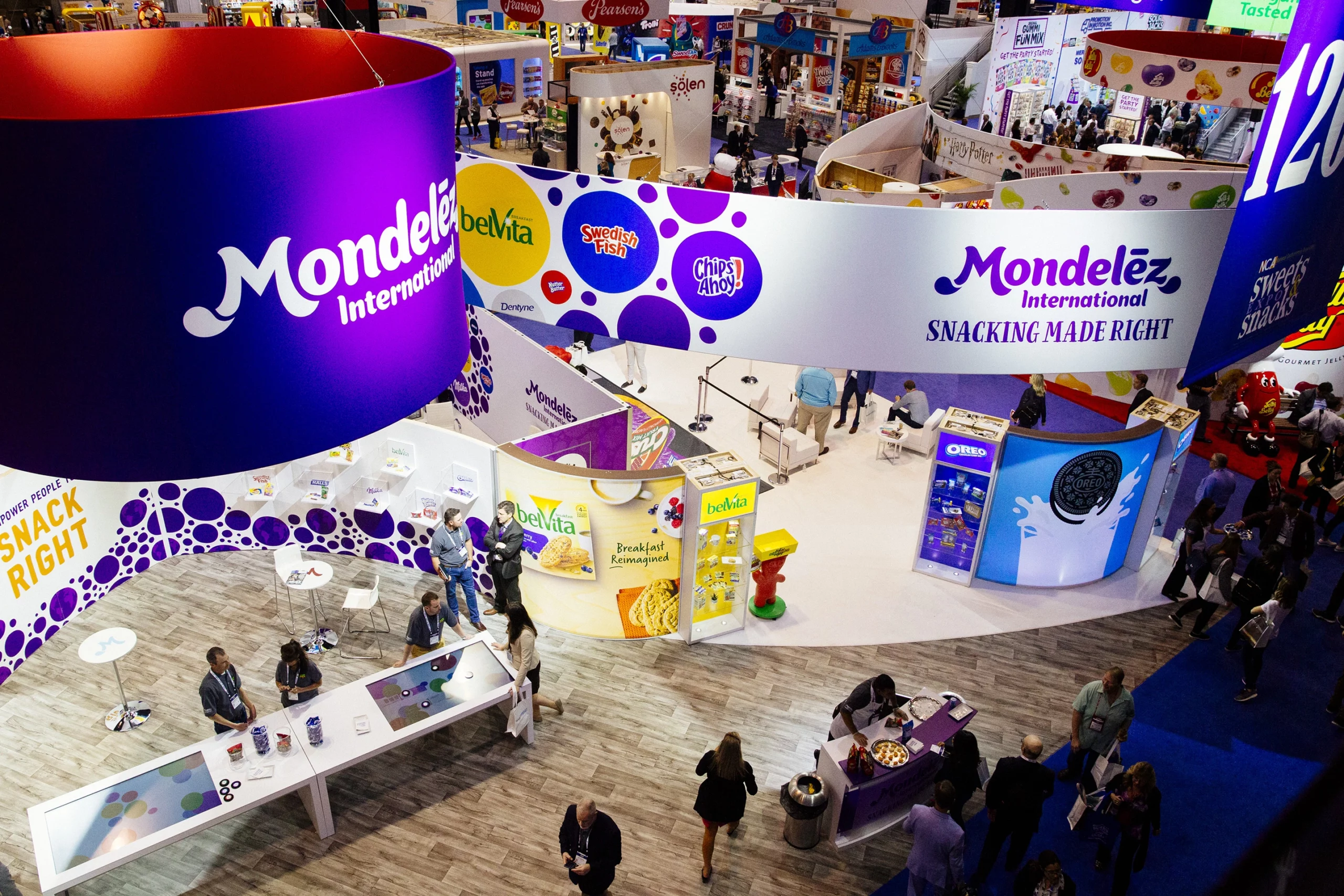
    Mondelez International, the multinational snack and food conglomerate, has reintroduced its In A Biskit Crispy Potato flavor into the Australian market, a product that first gained popularity in the 1990s.

    Reviving a Vintage Snack

    The revived snack is made from genuine potato flakes and has a thin, baked texture, offering consumers a delightful crunch with every bite. This classic flavor holds a fond memory for many Australians, serving as a favorite snack during leisurely afternoons spent solving Rubik’s Cubes or rewinding VHS tapes.

    Modern Packaging for a Classic Product

    In an effort to appeal to both original consumers and a new generation of customers, the product’s packaging has been updated to a more modern design. The classic snack is available in 145g packs with a recommended retail price of $4. The packs are available nationwide at IGA, Woolworths, and Coles retail stores.

    Mondelez Performance

    In the recent past, Mondelez has reported growth in its annual sales. However, this positive trend was somewhat offset by a decline in profit margins due to the high cost of cocoa, a key ingredient in many of the company’s products.

    Questions & Answers

    What is the key feature of the reintroduced In A Biskit Crispy Potato flavor?
    The reintroduced snack is made from real potato flakes and offers a thin, baked texture.

    How has Mondelez updated the product for modern consumers?
    Mondelez has modernized the packaging of the product to appeal to both original consumers and a new generation of snack lovers.

    What factors affected Mondelez’s recent financial performance?
    While the company reported growth in annual sales, its profit was impacted by the high cost of cocoa, a key ingredient in many of its products.

  • Pickup Coffee Eyes Explosive Growth with Anticipated $8M Funding Boost from Convertible Notes

    Pickup Coffee Eyes Explosive Growth with Anticipated $8M Funding Boost from Convertible Notes

    Pickup Coffee, a budget coffee chain based in the Philippines, is reportedly seeking additional funding. This endeavor includes issuing up to $8 million in convertible notes to Venturi Partners and new investor Antler.

    The Equity Fundraising

    It is believed that this equity fundraising could potentially bring in an extra $20 to $40 million. Reports suggest that this process was successfully finalized a few months earlier.

    The Birth of Pickup Coffee

    Pickup Coffee was founded in 2022 by Diego Lorenzo and Jamie Fernandez. Initially, it operated as a delivery-only coffee brand. However, the business eventually transitioned to a hybrid model, launching food-truck-style stalls. This innovative format allowed Pickup Coffee to sell its beverages at prices lower than those usually seen in traditional coffee chains.

    Menu Offerings

    Pickup Coffee’s menu offers a range of traditional coffee drinks, iced teas, hot chocolates, and unique specialty mixes. The latter includes the Ube Latte, Iced Pistachio Milk, and Avocado Latte.

    Company Growth

    Since its launch, Pickup Coffee has seen significant growth. The company has opened approximately 500 stores in the Philippines and has broadened its reach on an international scale, establishing 50 outlets in Mexico.

    The new capital injection is predicted to help support Pickup Coffee’s expansion plans. The company is concentrating on fortifying its operations in existing markets.

    Questions & Answers

    Who are the founders of Pickup Coffee?
    Diego Lorenzo and Jamie Fernandez founded Pickup Coffee.

    What is Pickup Coffee’s business model?
    Initially, Pickup Coffee operated as a delivery-only coffee brand. However, the business eventually transitioned to a hybrid model, launching food-truck-style stalls, which allows them to offer drinks at lower prices than traditional coffee chains.

    What is the purpose of the additional funding that Pickup Coffee is seeking?
    The new capital injection is predicted to help support Pickup Coffee’s expansion plans, particularly focusing on strengthening its operations in existing markets.

  • Beatrice Goasglas Takes the Helm at Tag Heuer: LVMH’s New CEO to Drive Innovation and Elevation

    Beatrice Goasglas Takes the Helm at Tag Heuer: LVMH’s New CEO to Drive Innovation and Elevation

    Luxury goods multinational corporation LVMH has announced the appointment of Béatrice Goasglas as the new CEO of its premium watch label, Tag Heuer. The appointment will take effect from May.

    Professional Background of the New CEO

    Goasglas has been with Tag Heuer since 2018, during which time she has occupied several pivotal positions. Her most recent role was that of the president of Tag Heuer Americas, which followed tenures as the vice president of digital and client experience and the managing director of Tag Heuer Asia Pacific.

    Role Expectations and Responsibilities

    In her new capacity as CEO, Goasglas is expected to leverage her considerable understanding of the brand’s legacy and workforce to further its ongoing development and innovation initiatives. These efforts will be directed at enhancing the brand’s collections and strategic partnerships. One of the key relationships under Goasglas’s stewardship will be with Formula 1.

    Executive Statements

    Stéphane Bianchi, the managing director of LVMH Group and CEO of LVMH Watches & Jewelry, expressed his enthusiasm for Goasglas’s new role. Bianchi believes that Goasglas’s comprehensive understanding of the brand, along with her leadership skills and unwavering dedication, will empower Tag Heuer to scale new milestones. Bianchi is confident that Goasglas will guide the brand to continue representing the finest standards of watchmaking quality and the innovative spirit that is so integral to the brand’s identity.

    Earlier this year, LVMH named Francois Kohler as president of South and Southeast Asia. Kohler took over the role from Chris Chong.

    Questions & Answers

    Who is the new CEO of Tag Heuer?
    Béatrice Goasglas has been appointed as the new CEO of Tag Heuer.

    When does Béatrice Goasglas’s tenure as CEO commence?
    Goasglas’s appointment as CEO of Tag Heuer will be effective from May.

    What role did Béatrice Goasglas hold at Tag Heuer prior to becoming CEO?
    Before stepping into her new role as CEO, Goasglas was the president of Tag Heuer Americas.

  • Swiss Sportswear Giant On Unveils First Standalone Store in Seoul, Invigorating South Korea’s Retail Scene

    Swiss Sportswear Giant On Unveils First Standalone Store in Seoul, Invigorating South Korea’s Retail Scene

    Swiss sportswear label, On, has unveiled its inaugural standalone shop in South Korea, furthering its direct-to-consumer reach within the nation.

    Strategically Located in Seoul

    The store, nestled within Seoul’s Hannam district, signifies On’s maiden standalone brand space in the Korean market. This launch builds upon the brand’s initial direct retail outposts in Yeouido and Jamsil, which were established in the previous November.

    The shop encompasses three floors, with the lower level spotlighting On’s running collection. The higher levels are dedicated to lifestyle, tennis, outdoors, and children’s merchandise.

    The basement has been repurposed as a hub for running, functioning as a space for community gatherings, such as running club meets and in-store events tied to the local running community.

    Inspired by Seoul’s Night Running Routes

    The store’s aesthetic borrows elements from Seoul’s evening running paths. The use of lighting and reflective surfaces aims to replicate the dynamic movement and visual ambiance of the city post-sunset. The storefront’s design elements also nod towards the nearby Han River.

    According to Rebecca Cai, On’s APAC GM, the brand anticipates the store to serve as a central spot for their running community. This is especially relevant with the looming Seoul Marathon. The brand also hopes the space will allow customers to fully immerse themselves in On’s universe, and personally interact with their latest performance and design innovations.

    This inauguration aligns with the company’s ongoing efforts to widen its retail footprint across Asia. Just this week, On launched its most expansive store in China, situated at Shenzhen MixC World. This two-story outlet covers approximately 802 square meters.

    Questions & Answers

    What does the new On store in Seoul offer?
    The store provides a wide array of sportswear, including running, lifestyle, tennis, outdoor, and kids’ products. Additionally, it will serve as a hub for community activities related to running.

    What is unique about the design of the new store?
    The design of the store is inspired by Seoul’s night running routes, with lighting and reflective surfaces that mimic the city’s atmosphere after dark. The facade also pays homage to the nearby Han River.

    What recent expansion efforts has On undertaken in Asia?
    On has been actively expanding its retail network in Asia. Along with the new standalone store in South Korea, it recently opened its largest store in China, located in Shenzhen MixC World.

  • U.S. Dollar Ascends to Year’s High Against Key Currencies Amid Oil Price Surge & Inflation Fears

    U.S. Dollar Ascends to Year’s High Against Key Currencies Amid Oil Price Surge & Inflation Fears

    The United States dollar achieved a rise against the Vietnamese dong on Thursday morning, while concurrently reaching peak levels this year against other major currencies. The Vietnamese bank, Vietcombank, increased the dollar’s rate by 0.01%, setting it at VND26,314.

    Greenback Performance in the Informal Market

    In contrast to its performance with Vietcombank, the US dollar, informally known as the greenback, recorded a slight decline of 0.18% on the informal market, bringing it down to VND27,910.

    The Dollar’s Global Strength

    On the international front, the greenback maintained its position as a safe-haven currency, staying close to its most robust levels of the year. This strength comes in the wake of rising oil prices, which threaten to trigger inflation and compel central banks worldwide to adopt a more bullish policy stance.

    Performance Against Other Currencies

    The euro experienced a minor fall of 0.1% against the greenback, with an early Asian trading rate of $1.1549, which is nearing its lowest level since November.

    Japan’s yen also saw a decline, dipping below the 159-per-dollar mark, with a decrease of up to 0.2% to 159.23. This trend brings the yen close to its weakest level since July 2024.

    Meanwhile, the Australian dollar and the New Zealand dollar each fell by 0.1%, recorded at $0.7148 and $0.5907 respectively.

    Questions & Answers

    What was the performance of the US dollar against the Vietnamese dong?
    The US dollar rose against the Vietnamese dong on Thursday morning.

    How did the greenback perform on the informal market?
    On the informal market, the greenback recorded a slight decline of 0.18%.

    How has the rise in oil prices affected the US dollar?
    The rising oil prices threaten to trigger inflation, which in turn has kept the US dollar close to its strongest levels this year as central banks worldwide may be compelled to adopt a more bullish policy stance.

  • Chinese Retailer KKV Makes Splash in Hong Kong, Launches First Store Flaunting ‘100 Lifestyles’ Concept

    Chinese Retailer KKV Makes Splash in Hong Kong, Launches First Store Flaunting ‘100 Lifestyles’ Concept

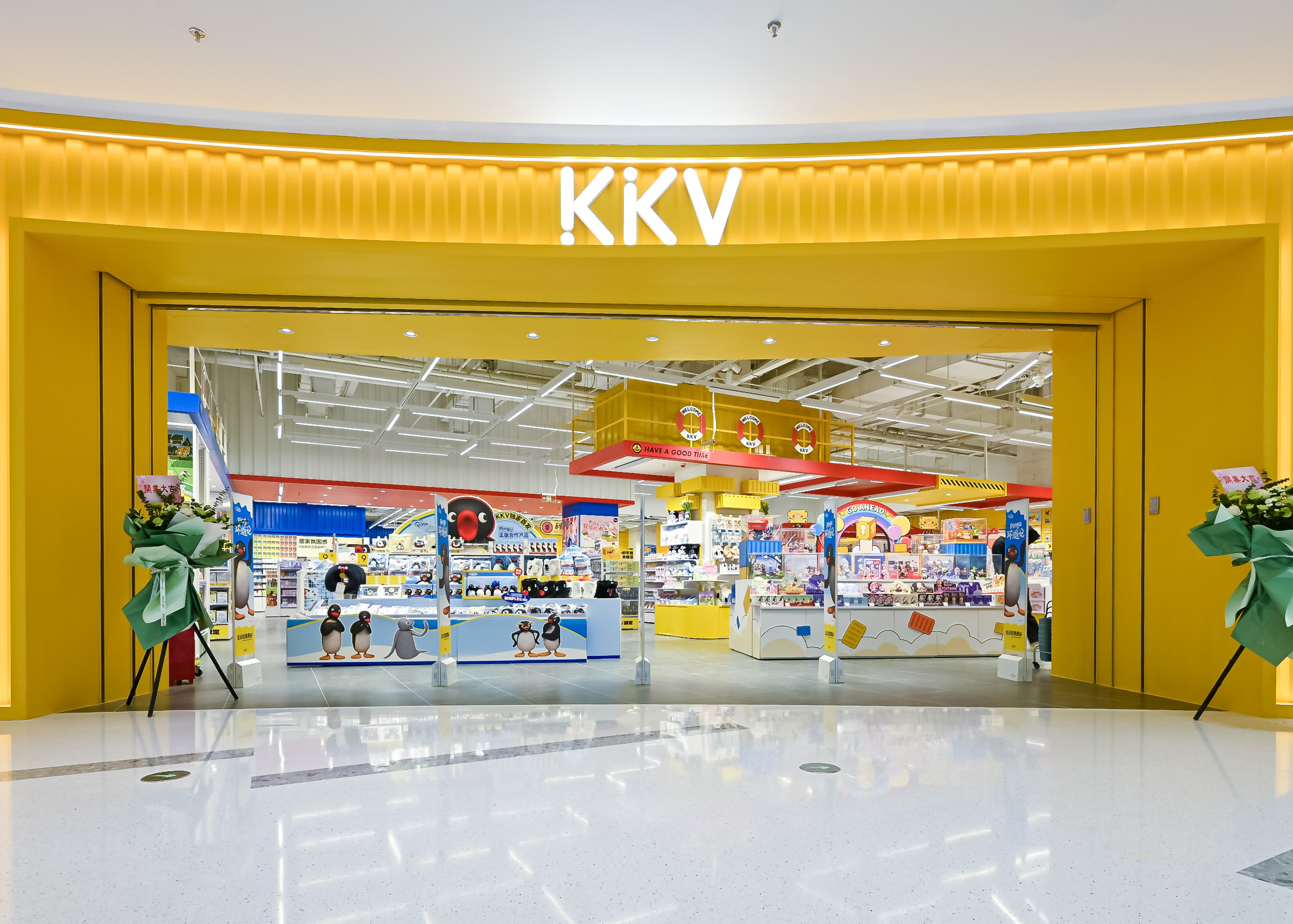
    KKV, a leading Chinese lifestyle retailer, has paved its way into Hong Kong, initiating its first store at the bustling Lee Tung Avenue.

    Phase of Expansion

    This unveiling signifies yet another step in the brand’s strategy to strengthen its presence in the region. KKV, a brainchild of KK Group, was established in 2019, and since then, it has swiftly gained wide acceptance across mainland China and other Asian markets. This popularity can be attributed to its large-format stores that offer an array of beauty products, snacks, toys, stationery, and lifestyle items, all under a discovery-driven shopping atmosphere.

    ‘100 Lifestyles’ Concept

    The newly launched store in Hong Kong offers local consumers a unique shopping experience, underpinned by KKV’s ‘100 Lifestyles’ concept. This approach is characterized by visually immersive merchandising, quick product turnover, and a vast range of economically priced goods. The main target group for these offerings is Generation Z and young urban consumers.

    Recent Developments

    In the recent past, KKV marked its presence in Vietnam, where the KK Group opened its first standalone flagship store. This was situated in the heart of Ho Chi Minh City, further extending its regional footprint.

    Today, KK Group operates a robust network of over 1000 stores in more than 200 cities across China. In addition, it has over 150 outlets spread across Southeast Asia. The brand portfolio under the group includes KKV, The Colorist, and X11.

    Questions & Answers

    What is the ‘100 Lifestyles’ concept introduced by KKV?
    The ‘100 Lifestyles’ concept by KKV focuses on visually immersive merchandising, quick product turnover, and a large variety of affordable goods, primarily targeting Generation Z and young urban consumers.

    Where was the first standalone flagship store of KKV outside China opened?
    The first standalone flagship store of KKV outside China was opened in Ho Chi Minh City, Vietnam.

    What is the total number of stores operated by KK Group?
    KK Group operates over 1000 stores in more than 200 cities in China, along with more than 150 outlets across Southeast Asia.