Author: Mei Ling Tan

  • LVMH Navigates Middle East Tensions: Q1 Revenue Slips but Expansion and Innovation Remain Steady

    LVMH Navigates Middle East Tensions: Q1 Revenue Slips but Expansion and Innovation Remain Steady

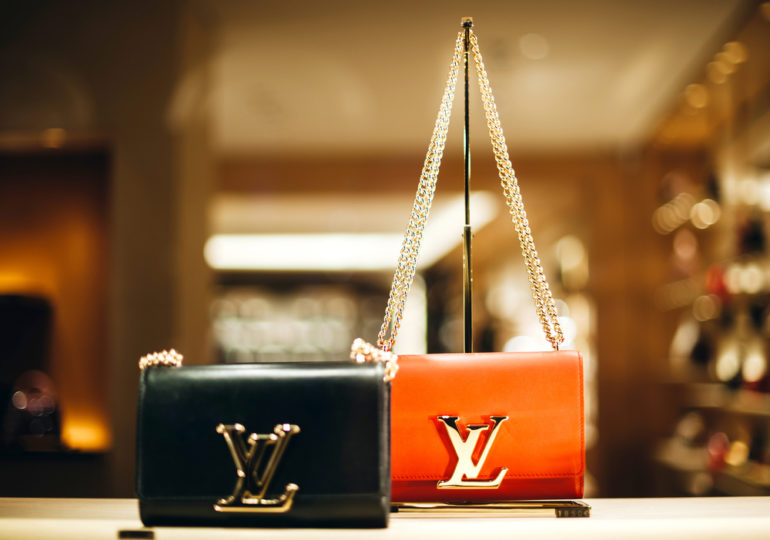
    In the first quarter, LVMH reported revenues of €19.1 billion (US$22.4 billion), marking a decrease of 6%. This decline is largely attributed to various geopolitical tensions impacting business operations across the globe.

    Geopolitical Impacts on Revenue

    LVMH noted that its robust presence in key markets, specifically in the US and Asia, significantly helped in mitigating the disruptions arising from economic instability and conflict in the Middle East.

    Performance Across Different Business Segments

    Looking at the performance of various business segments, wines and spirits showcased revenues of $1.49 billion, showing a decrease of 2% as compared to the previous year. The fashion and leather goods segment, which is the largest division of the group, witnessed a revenue of $10.8 billion, marking a decline of 9%.

    Simultaneously, revenues from perfumes and cosmetics amounted to $2.39 billion, representing a drop of 6%, while watches and jewellery brought in $2.86 billion, a decrease of 2%.

    Expanding Retail Network and Portfolio Optimization

    Furthermore, LVMH has been proactive in expanding its retail network, especially in the UK, and advancing portfolio optimization initiatives within its duty-free business. DFS, a division of LVMH, entered into an agreement with China Tourism Group Duty Free to vend its Greater China operations, which includes the Gallerias located in Hong Kong and Macau. The group also offloaded airport concessions in Los Angeles and San Francisco to Duty Free Americas.

    In spite of the challenging geopolitical and economic environment, mainly due to the conflict in the Middle East, the company remains watchful yet confident.

    LVMH said, “The group stays committed to the growth of its brands, propelled by a consistent policy of innovation and investment along with a continuous pursuit for quality in its designs, their appeal, and their selective distribution.”

    Questions & Answers

    What was LVMH’s reported revenue in the first quarter?
    LVMH reported revenue of €19.1 billion (US$22.4 billion) in the first quarter.

    Which business segment is LVMH’s largest division, and how did it perform?
    LVMH’s largest division is its fashion and leather goods segment, which reported a revenue of $10.8 billion, marking a decline of 9%.

    What is LVMH’s outlook amidst the challenging geopolitical and economic environment?
    Despite the challenging conditions, LVMH remains vigilant yet confident. The group is committed to the growth of its brands, propelled by a consistent policy of innovation and investment and a continuous pursuit of quality in its designs.
  • HSBC Vietnam Employee Earnings Soar to $35,100, Despite Declining Bank Profits

    HSBC Vietnam Employee Earnings Soar to $35,100, Despite Declining Bank Profits

    Despite a decline in profits, the average earnings of employees at HSBC Vietnam increased by 6.6% to VND925 million (US $35,100) in the previous year. This expenditure on salaries and bonuses for its 1400-strong workforce amounted to around VND1.3 trillion, as revealed in the company’s most recent financial report.

    Comparative Income Analysis

    The increase in HSBC Vietnam’s average salaries brought the monthly income per employee to VND77 million, which is one of the highest in Vietnam. In contrast, the average monthly income at MB bank was VND49 million, Techcombank was VND48 million, and Vietinbank was VND45 million.

    Financial Performance

    However, despite the increased pay, HSBC Vietnam didn’t fare as well financially. The pre-tax profit for the British banking giant’s Vietnamese branch dropped by 7% to VND4.14 trillion, while the operating income remained constant at VND8.74 trillion.

    HSBC in Vietnam

    HSBC, one of the world’s leading financial institutions, established its legal presence in Vietnam in 2009, a full 14 years after it opened its first branch in the country.

    Foreign banks operating in Vietnam, like HSBC, often enjoy capital benefits due to support from their parent companies and primarily cater to corporate foreign clients or concentrate on retail banking.

    Questions & Answers

    What was the average income of employees at HSBC Vietnam last year?
    The average income of employees at HSBC Vietnam increased by 6.6% to VND925 million (US$35,100) last year.

    What is the average monthly income of HSBC Vietnam employees compared to other banks?
    The monthly income per employee at HSBC Vietnam is VND77 million, which is higher compared to MB bank at VND49 million, Techcombank at VND48 million, and Vietinbank at VND45 million.

    How did the pre-tax profit of HSBC Vietnam change last year?
    The pre-tax profit for HSBC Vietnam’s branch dropped by 7% to VND4.14 trillion.

  • Bangkok’s Ve/la Coffee Brand Brews Up Expansion Strategy: New 24/7 Cafe to Perk Up Changi Airport in Singapore

    Bangkok’s Ve/la Coffee Brand Brews Up Expansion Strategy: New 24/7 Cafe to Perk Up Changi Airport in Singapore

    Ve/la, a coffee enterprise originally established in Bangkok, is poised to broaden its horizons with a new cafe at Changi Airport Terminal 1 in Singapore. This will be the brand’s inaugural airport location, as well as its third international market.

    Slated to open by the end of this summer, the cafe will be landside, near Jewel Changi Airport. The strategic location will enable it to serve a diverse customer base, ranging from travelers to local patrons. In another first for the brand, the cafe will remain open 24 hours a day, catering to the round-the-clock needs of the airport’s visitors.

    As the founder of Ve/la, Pete Kasidit Prasitrattanaporn, views it, the decision to expand into Singapore was a logical progression after the brand’s initial foray into the international market in London. He cited Singapore’s geographical closeness to Thailand and its renowned excellence in operational standards as key factors influencing this decision.

    In his words, “At some point, it became apparent that our visions aligned perfectly. Our choice of location is always thoughtfully considered, and this one was an unequivocal decision.”

    Designed to provide a counterpoint to the bustling atmosphere of Changi Airport, the cafe is anticipated to offer a serene space for patrons. Its decor will feature restrained, calming interiors with a focus on natural materials and soft finishes.

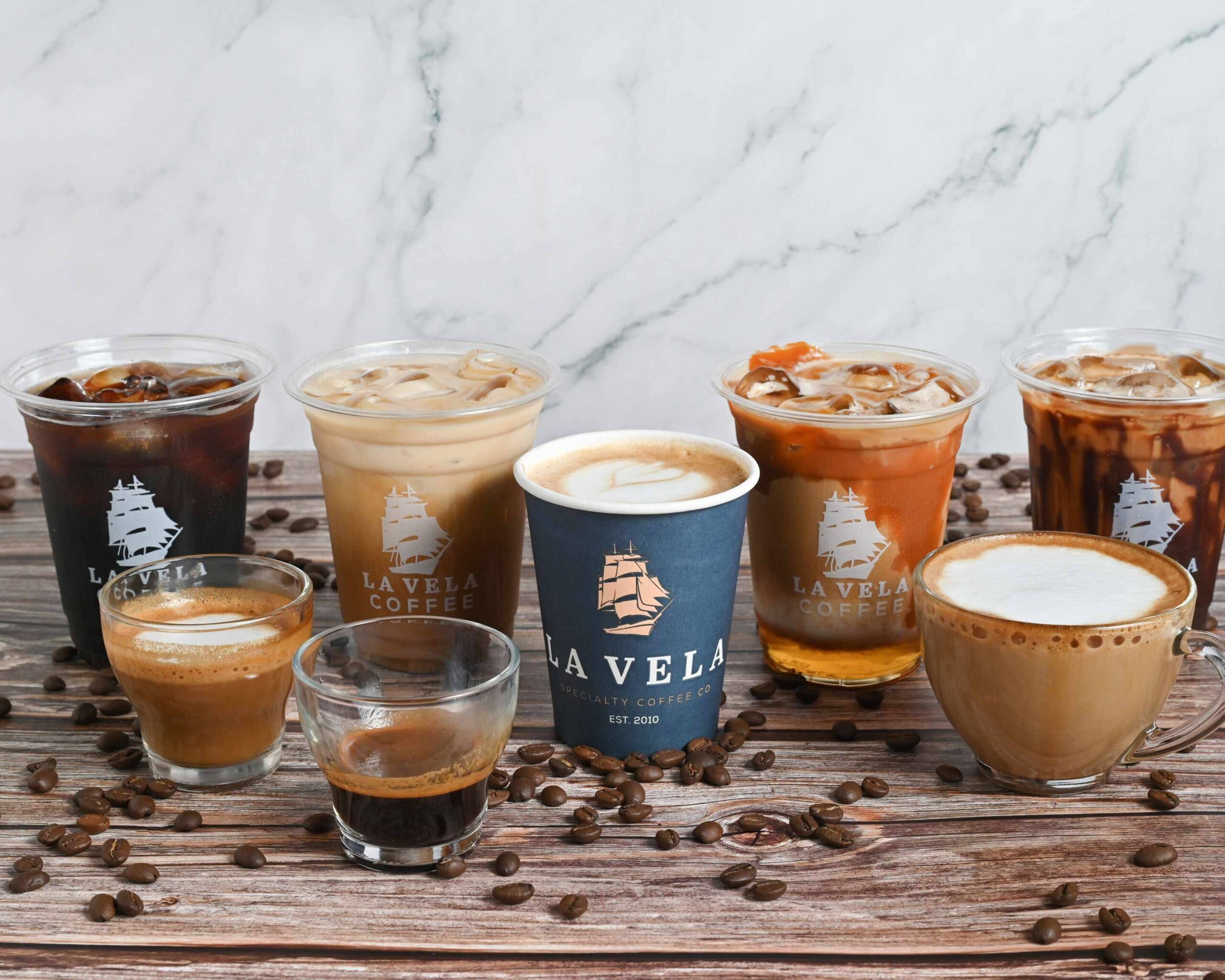
    Ve/la’s menu continues to focus on its core offerings of specialty coffee, matcha, and tea. In a nod to local tastes, a unique Kaya Toast Latte, inspired by popular Singaporean flavors, will be offered exclusively at this location.

    The move to expand into Singapore is indicative of Ve/la’s ongoing strategy for international growth, which emphasizes choosing strategic locations and ensuring a consistent brand experience across different markets.

    Questions & Answers

    What distinguishes the upcoming Ve/la cafe at Changi Airport?
    The Ve/la cafe at Changi Airport in Singapore will be the brand’s first airport location, first 24-hour operation, and third international market.

    What led Ve/la to choose Singapore for its expansion?
    Singapore’s proximity to Thailand and its reputation for excellence in operational standards were key factors. The location near Jewel Changi Airport offers access to a diverse customer base including both travelers and local patrons.

    What unique offerings will the Singapore location of Ve/la have?
    The Ve/la cafe in Singapore will offer a unique Kaya Toast Latte, an exclusive offering inspired by popular local flavors.

  • Quench Your Thirst with Lvl Up’s New Electrolyte Hydration Drinks – Now at Chemist Warehouse

    Quench Your Thirst with Lvl Up’s New Electrolyte Hydration Drinks – Now at Chemist Warehouse

    The company Lvl Up has recently expanded its ready-to-drink (RTD) electrolyte beverage offerings with the addition of new flavors that are exclusively sold at Chemist Warehouse.

    New Flavors, More Choices

    The latest offerings come in non-carbonated 330ml cans and include three new flavors: Grape, Mixed Berry, and Lemon-Lime. Each can offers a refreshing, low-sugar beverage that contains just 40 calories, catering to health-conscious consumers who are also seeking flavor and convenience.

    Availability and Pricing

    These RTD electrolyte beverages are available to buy at Chemist Warehouse stores throughout Australia. Alternatively, customers can also make their purchases through the company’s official online platform. Prices for these products range from $4.99 up to $77.99.

    Filling a Market Gap

    Austin Xenos, a co-founder of Lvl Up, noted that the brand identified a clear gap in the market. He observed that Australians, with their busy lifestyles, often overlook hydration. The company sought to address this need by creating a product that combines practicality and taste, contributing to an improved lifestyle without compromising on the health aspect.

    Questions & Answers

    What are the new flavors introduced by Lvl Up in its RTD electrolyte range?
    Lvl Up has introduced three new flavors in its RTD electrolyte range: Grape, Mixed Berry, and Lemon-Lime.

    Where can these new beverages from Lvl Up be purchased?
    These new products from Lvl Up can be purchased at Chemist Warehouse locations across Australia and through the brand’s website.

    What was the motivation behind Lvl Up’s introduction of these new products?
    Lvl Up identified a gap in the market where Australians, given their busy lifestyles, were neglecting hydration. The company aimed to address this by providing a product that delivers on function without compromising on taste or lifestyle.

  • Domino’s Pizza China Gains Momentum: Soars High with Expanding Network, Innovative Menu, and Soaring Customer Loyalty

    Domino’s Pizza China Gains Momentum: Soars High with Expanding Network, Innovative Menu, and Soaring Customer Loyalty

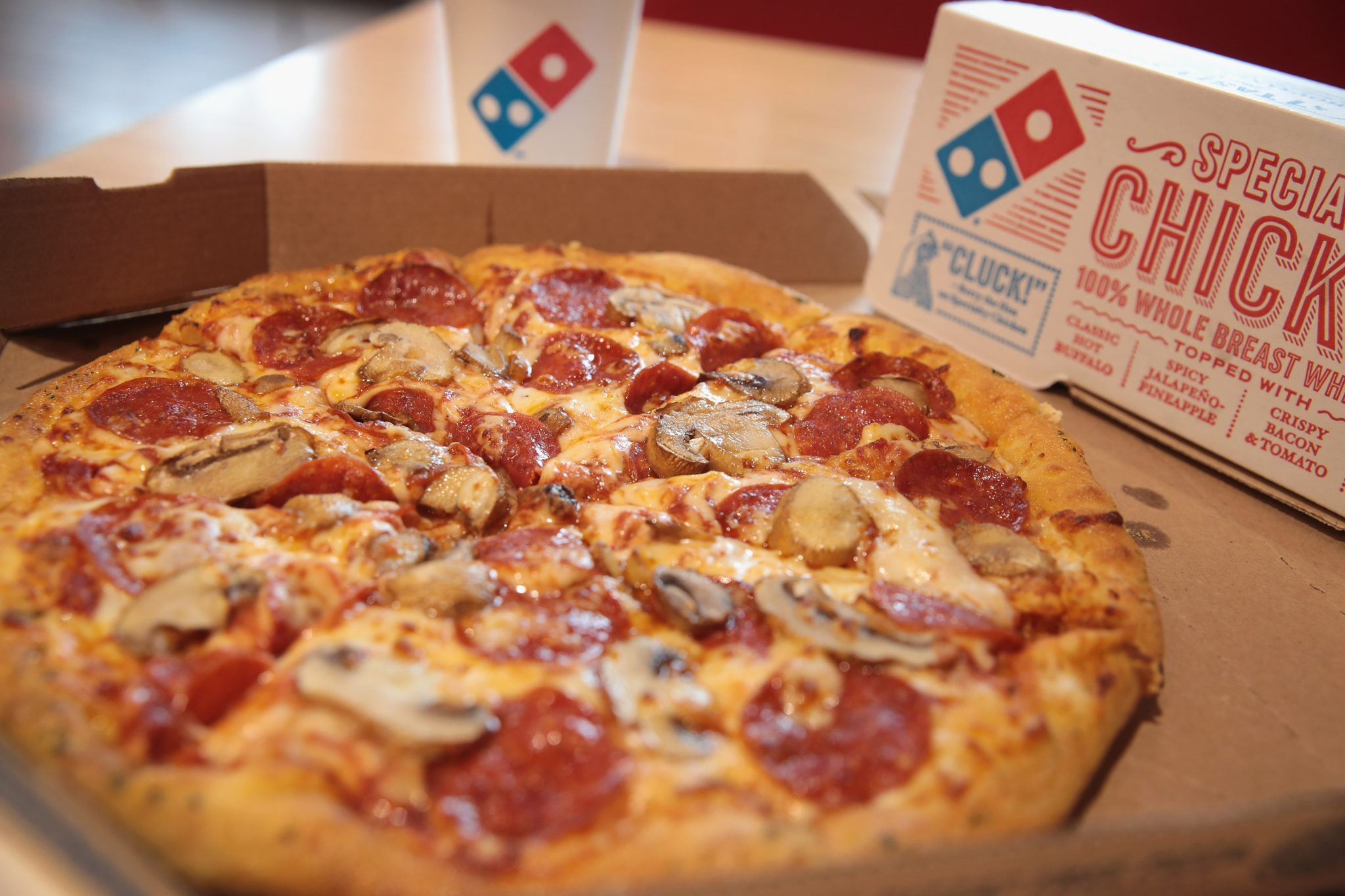
    Domino’s Pizza China (DPC Dash) has reported a robust performance for the first quarter as it continues to grow its customer base and expand its operations. DPC Dash holds the master franchise rights for Domino’s in Mainland China, Hong Kong, and Macau.

    By the end of March, DPC Dash had increased its total number of stores to 1,462 in 72 cities, marking a net increase of 147 stores and an extension into 12 new cities compared to the end of the previous year. The number of new stores, stores under construction, and stores signed account for 65% of the company’s annual target of 350 new stores. The company’s primary growth engine has become non-tier 1 cities, while tier 1 cities continue to contribute to a high-quality revenue base.

    The company’s loyalty program saw considerable growth, with membership numbers rising to 38.8 million by the end of the quarter, up from 27.2 million during the same period the previous year.

    DPC Dash now holds all of the top 50 positions for first 30-day sales among Domino’s more than 22,100 globally located stores. In terms of the number of stores, the Chinese mainland market remains the third largest international market for the chain.

    DPC Dash continues to follow a “go broader, go deeper” expansion strategy to increase its market share. This involves penetrating further into existing cities and expanding into new areas.

    Product innovation remains a key focus for the company, with the introduction of globally inspired flavors such as the limited-edition Yak Beef Matsutake Ham Fortune Pizza released for the Year of the Horse New Year celebration. The company also revived the “Mega Week” promotion and extended the “Crazy Tuesday & Wednesday” offer to boost customer footfall.

    The company’s strong execution, appealing store economics, and operational efficiency continue to drive robust performance in a highly competitive landscape, creating sustainable, long-term value for shareholders, according to the management.

    Questions & Answers

    What is the expansion strategy of DPC Dash in China?
    The company follows a ‘go broader, go deeper’ strategy, which involves penetrating further into existing cities and expanding into new markets.

    How many new stores did DPC Dash open in the first quarter?
    In the first quarter, DPC Dash opened 147 new stores, extending its reach to 72 cities in total.

    What product innovations has DPC Dash introduced recently?
    The company introduced globally inspired flavors such as the limited-edition Yak Beef Matsutake Ham Fortune Pizza for the Year of the Horse New Year. It also brought back the “Mega Week” promotion and extended the “Crazy Tuesday & Wednesday” offer to increase customer footfall.

  • Fry to Fly: Thailand’s Innovative Fuel Exchange Turns Used Cooking Oil into Gasoline

    Fry to Fly: Thailand’s Innovative Fuel Exchange Turns Used Cooking Oil into Gasoline

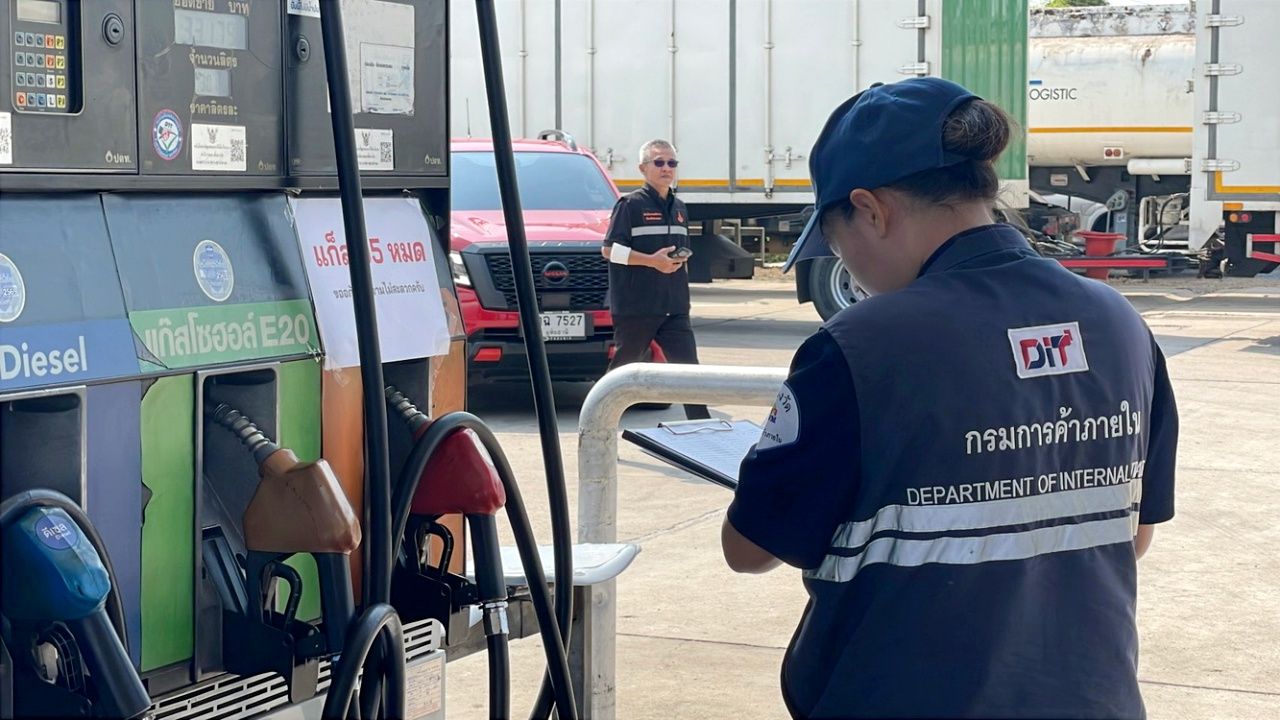
    A leading Thai oil corporation, Bangchak Corporation, has introduced an innovative programme enabling individuals to swap used cooking oil for regular-grade diesel or gasohol, offering relief to the escalating cost of living. Billed as the “Fry to Fly – 2 litres for 1 litre” campaign, it is set to run from April 6-30, with several service stations across Bangkok and neighbouring provinces participating.

    Under this initiative, consumers are invited to bring in 2 liters of used cooking oil, which can be exchanged for 1 liter of either diesel or gasohol fuel on the spot. The offer, however, does not extend to premium fuel grades.

    The campaign is a continuation of Bangchak Corporation’s ongoing efforts to repurpose used cooking oil into sustainable aviation fuel. With this new initiative, the company seeks to provide more immediate, daily benefits to consumers by transforming domestic waste into usable transport fuel. This is particularly crucial in the current climate of increasing energy prices, largely spurred by geopolitical tensions and conflicts in the Middle East.

    Each participant can exchange up to 20 liters of used cooking oil, with the conversion rate set at 1 kilogram of used oil per liter for ease of computation. Fifteen Bangchak service stations in Bangkok, Samut Prakan, Nonthaburi, and Pathum Thani are taking part in this pioneering project.

    Questions & Answers

    What is the “Fry to Fly – 2 litres for 1 litre” campaign about?
    The campaign allows consumers to exchange 2 liters of used cooking oil for 1 liter of regular-grade diesel or gasohol fuel at participating Bangchak service stations.

    What is the purpose of this initiative?
    This initiative is designed to provide direct, everyday benefits to consumers by transforming waste into usable transport fuel, especially during a time of escalating energy costs.

    What is the limit on the quantity of used cooking oil that can be exchanged?
    Each participant can exchange up to 20 liters of used cooking oil under this campaign.

  • Chinese Milk Tea Titans Embark on Global Conquest: Expanding Across US and South Korea Amid Southeast Asia Saturation

    Chinese Milk Tea Titans Embark on Global Conquest: Expanding Across US and South Korea Amid Southeast Asia Saturation

    Chinese milk tea brands are broadening their horizons and expanding into new markets in Asia and the West. These brands have traditionally focused on Southeast Asia as their primary area for foreign expansion. However, with the market becoming overcrowded, they are now setting their sights on other regions. This comes as the tea market grows increasingly saturated, prompting a shift in emphasis from rapid expansion to improving store performance and streamlining operations.

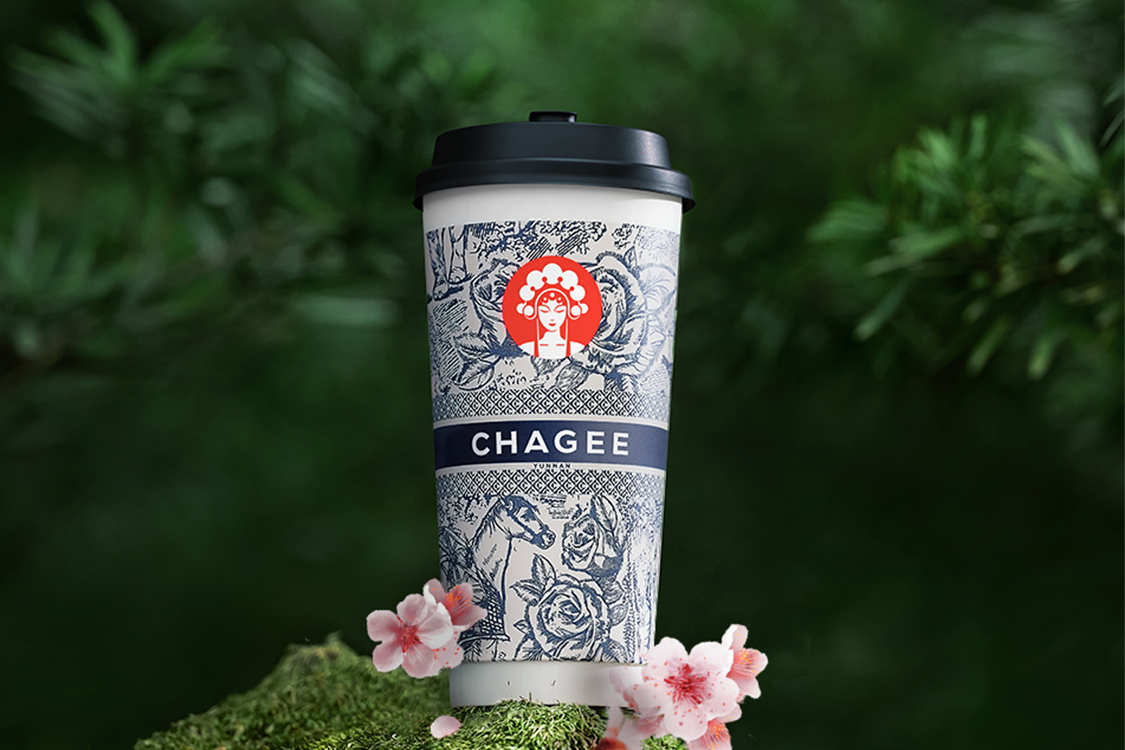
    Over 60 Chinese milk tea brands had established more than 6,100 outlets throughout Asia by the end of 2024, most notably led by major chains such as Mixue and Chagee. Mixue, the largest food and beverage chain globally in terms of store count, has begun adjusting its operations in Indonesia and Vietnam. Despite a decrease in store numbers in these markets, the company maintains its focus on the region while pushing into emerging markets, including its first location in Kazakhstan.

    Expansion and Competition

    Chagee, another renowned milk tea brand, has plans to venture into the South Korean market with three upcoming outlets in Seoul. It joins a growing number of its peers already established in the market, including Heytea, Mixue, ChaPanda, and Auntea Jenny. Chagee has further signaled its intent to spread its reach into Japan.

    Understandably, the homefront competition for these Chinese brands is fierce, with the milk tea boom of the last decade leading to around 420,000 outlets. To attract customers, some brands resort to pricing their products at less than a dollar or offering free online orders.

    Moving Westward

    Besides nearby Asian markets, several brands are also extending their presence to the United States. The country has become a significant focus for the sector, with the number of fresh tea retailers rising by 18.2% annually to 7,845 in 2025. It is projected that the U.S. market for freshly made tea drinks will be worth $2.9 billion by 2029.

    However, penetrating the U.S. market brings its challenges. Amanda Wang, co-founder of beverage chain Ningji Lemon Tea, highlights the need to adapt to local tastes, noting American consumers’ preference for sweeter drinks. She also cites differences in the business landscape.

    Despite these hurdles, various Chinese brands, including Mixue, Chagee, Chahalo, Molly Tea, and Auntea Jenny, have successfully launched U.S. stores or announced expansions in recent years. For instance, Mixue’s recently opened New York store, twice as large as its typical outlet in China, has managed to maintain the brand’s familiar look and affordable prices.

    Competitive Edge and Consumer Response

    Nevertheless, competitive pricing is not the only strength of Chinese tea brands. HeyTea, with its drinks averaging around $10, has enjoyed robust demand. Its Times Square store sold over 3,500 cups on its opening day and has since averaged over 2,000 cups daily. Other brands, such as Chagee and Auntea Jenny, have also experienced strong debuts in the U.S. market.

    Consumers appreciate the diverse flavors offered by Chinese brands, distinguishing them from established chains like Starbucks. Consumers’ preference for different flavors and affordable prices are significant factors driving their patronage of Chinese tea brands.

    Questions & Answers

    Why are Chinese milk tea brands expanding into new markets?
    Chinese milk tea brands are expanding into new markets as their traditional focus area, Southeast Asia, becomes overcrowded, and the tea market becomes increasingly saturated. This has led to a shift from rapid expansion to improving store performance and operations.

    How are Chinese brands faring in the U.S. market?
    Despite facing challenges such as adapting to local tastes and a different business environment, several Chinese brands have successfully launched stores or announced expansions in the U.S. They have garnered a positive response from consumers who appreciate the diverse flavors and competitive prices they offer.

    What distinguishes Chinese tea brands from established chains like Starbucks?
    Chinese tea brands stand out from established chains like Starbucks due to their unique flavors and affordability. They offer a variety of flavors not typically found in Western chains, boosting their appeal among consumers.

  • A2 Milk Faces Financial Downgrade Amid Middle East Supply Chain Hurdles and Stricter Chinese Regulations

    A2 Milk Faces Financial Downgrade Amid Middle East Supply Chain Hurdles and Stricter Chinese Regulations

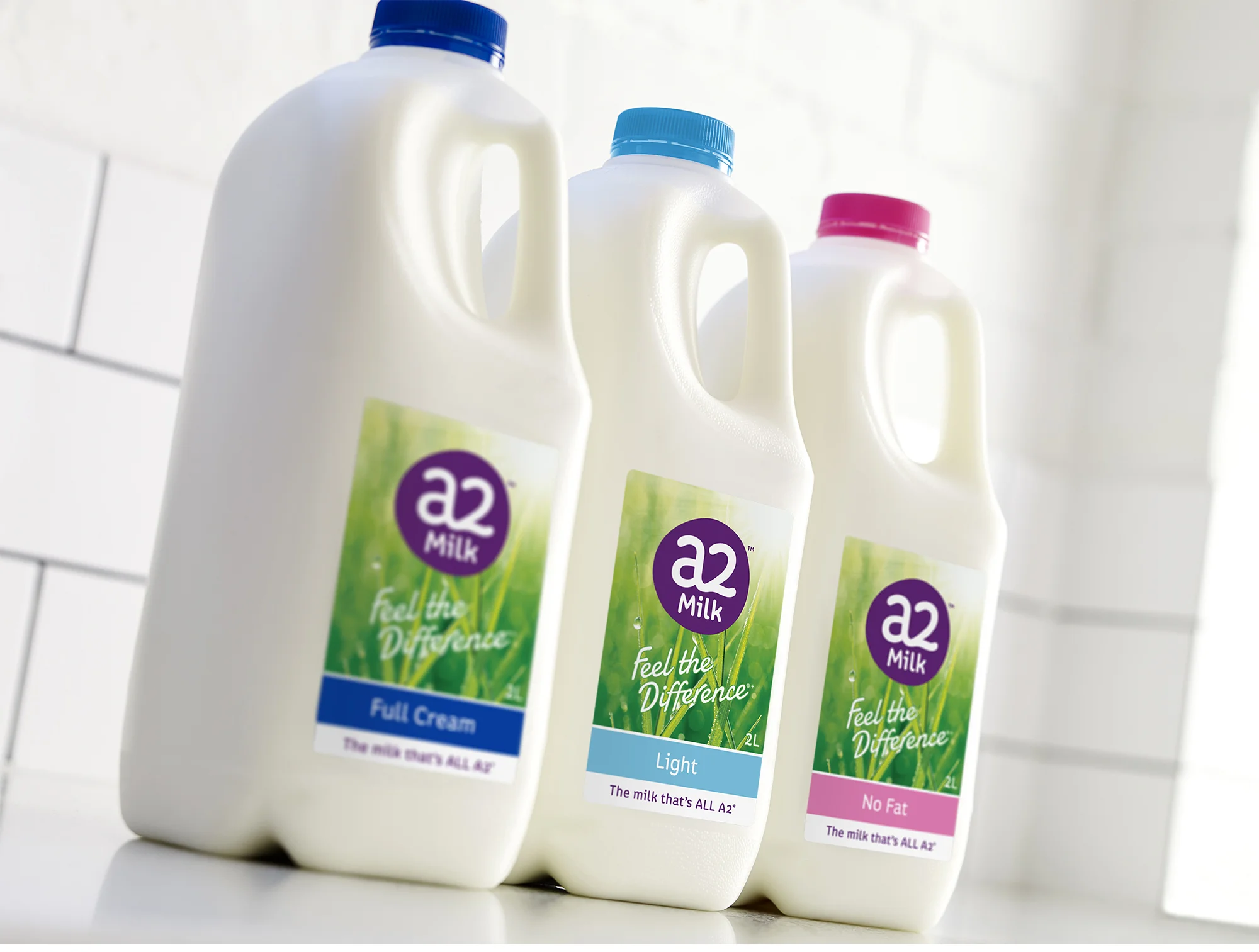
    The A2 Milk Company has acknowledged a number of issues currently affecting its supply chain, leading to a downgrade in its financial outlook.

    Strong Demand versus Supply Chain Challenges

    While experiencing robust demand, especially for their infant milk formula products in China, The A2 Milk Company is facing supply chain difficulties. The company noted that the cost and availability of extra air freight to expedite product shipments to China has been indirectly influenced by the ongoing conflict in the Middle East. It also reported that inventory levels have been low due to issues at its manufacturer, Synlait Milk.

    Synlait Milk responded by stating its continued efforts to mitigate the impacts on the supply chain linked to its recently enhanced testing protocol for infant milk products.

    Influence of Stricter Regulations

    This new testing protocol was implemented in response to China’s tighter regulations for such products. The A2 Milk Company noted that this change is also leading to longer export clearance times at customs.

    The A2 Milk Company stated that these factors have developed quickly, and are still subject to uncertainty. This is especially true in relation to the unpredictability in freight and clearance assumptions, as well as potential additional indirect impacts that may flow from the Middle East conflict.

    Financial Outlook

    In the lead-up to its full-year results for fiscal 2026, following guidance released on February 16, the company now anticipates lower infant formula sales, increased supply chain costs, and a delay in fourth-quarter cash receipts into fiscal 2027. The company’s projected revenue, EBITDA, and net profit after tax (NPAT) are all expected to be less than previously forecasted.

    Questions & Answers

    What challenges is the A2 Milk Company currently experiencing?
    The A2 Milk Company is facing supply chain issues like the cost and availability of extra air freight required to expedite product shipments to China, which is being indirectly affected by the Middle East conflict. It’s also dealing with low inventory levels due to issues at its manufacturer, Synlait Milk.

    What changes have been implemented by Synlait Milk?
    Synlait Milk has introduced enhanced testing protocols for its infant milk products in an effort to comply with China’s stricter regulations for these products.

    What is the current financial outlook for the A2 Milk Company?
    The A2 Milk Company is expecting lower infant formula sales, increased supply chain costs, and a delay in fourth-quarter cash receipts into fiscal 2027. Predictions for revenue, EBITDA, and net profit after tax (NPAT) are all expected to be less than previously forecasted.

  • From MyMilk Founder to Fonterra CEO: Richard Allen to Guide Dairy Giant Towards Strategic Transition

    From MyMilk Founder to Fonterra CEO: Richard Allen to Guide Dairy Giant Towards Strategic Transition

    Fonterra, the world’s foremost dairy exporter, has concluded its internal hunt for a new Chief Executive Officer (CEO) by naming the veteran employee, Richard Allen, as successor.

    Richard Allen: The New CEO of Fonterra

    Richard Allen, who started his career path at Fonterra as a graduate in 2008, has recently held the position of president of global ingredients. His promotion comes in the aftermath of Miles Hurrell’s resignation in December of the previous year.

    Peter McBride, the Chairman of Fonterra, expressed the board’s satisfaction with the appointment. He emphasised that Allen is primed to steer Fonterra into the next stage of its strategic execution.

    During his tenure at Fonterra, Allen has accumulated a diverse portfolio of experiences. He managed Farm Source, the company’s farmer-oriented business, for five years and operated in China as the vice president of the food service sector. Further, Allen was the initial CEO of MyMilk, and more recently, he functioned as the president of Atlantic, located in Chicago. In this role, Allen was responsible for managing relationships with several of Fonterra’s crucial global clients.

    Transition and Future Plans

    On May 1, Allen will assume his new role as CEO. Hurrell will remain with Fonterra as an advisor until September, ensuring a smooth transition.

    Allen expressed his anticipation for his new appointment, acknowledging the significant impact Fonterra has not only on farmers in New Zealand but also on its international customer base. He pledged his commitment to maintaining the positive trajectory in company performance, the focused execution of strategy, and the financial discipline fostered over recent years.

    Questions & Answers

    When did Richard Allen start his career at Fonterra?
    Richard Allen joined Fonterra in 2008 as a graduate.

    What are some of the roles Richard Allen has held at Fonterra?
    Allen has held various positions during his tenure at Fonterra, including leading the farmer-facing business Farm Source, serving as vice president of the foodservice business in China, being the founding CEO of MyMilk, and most recently, acting as president of Atlantic in Chicago.

    When will Richard Allen officially assume his new role as CEO of Fonterra?
    Richard Allen will commence his role as the CEO of Fonterra on May 1.

  • Thailand’s Economic Uncertainty: Four Possible Scenarios Amidst Middle East Crisis and Global Energy Market Turbulence

    Thailand’s Economic Uncertainty: Four Possible Scenarios Amidst Middle East Crisis and Global Energy Market Turbulence

    The economic future of Thailand is currently shrouded in uncertainty as the continuing conflict in the Middle East places significant strain on global energy markets. This has compelled authorities to revisit growth projections and caution about escalating risks of stagflation.

    The Impact of Ongoing Middle Eastern Conflict

    According to Danucha Pichayanan, Secretary-General of the National Economic and Social Development Council (NESDC), the ongoing conflict is pressing the global energy markets, instigating oil price instability despite nascent signs of negotiations between the U.S. and Iran.

    NESDC has proposed four potential scenarios to re-evaluate Thailand’s economic course for 2026.

    In the initial scenario, if the skirmishes extend to parts of the region but conclude within a couple of months, disruptions to oil transportation through the Strait of Hormuz and the Red Sea would be temporary, without additional damage to the energy infrastructure. This would lead to a gradual return of oil supply, with prices averaging $85-$95 per barrel for the year. Financial markets will remain unstable, with investors gravitating towards safer assets and the baht devaluing. Thailand’s GDP growth would decelerate to 1.4%, with inflation escalating to 2.7%.

    Before the conflict, Thailand’s economy was projected to grow about 2% this year.

    In the second scenario, if the conflict broadens to incorporate multiple countries and persists for three to five months, oil production infrastructure could potentially be damaged leading to extended supply disruptions. Average oil prices would inflate to $105-$115 per barrel. This would considerably constrict the global energy supply, trigger inflation, and disrupt industrial supply chains. Numerous economies, including Thailand, could enter a stagflationary phase characterized by slowing growth and inflating prices. Thailand’s GDP would deteriorate to 0.9%, with inflation rising to 4.4%.

    The third, more drastic scenario sees a conflict enduring six to nine months, with energy supply from the Middle East slow to recuperate even post-conflict. Oil prices could escalate to $135-$145 per barrel, possibly prompting a severe global recession marked by extensive supply chain disruptions, trade fragmentation, and shortages of both energy and food. In this scenario, Thailand’s GDP growth will sharply plummet to a meager 0.2%, while inflation will surge to 5.8%.

    In the grimmest scenario, if the conflict enlarges beyond the Middle East and intensifies globally, this would result in a prolonged global recession, widespread shortages, and the risk of conflict spilling into other regions. Forecasting oil prices, inflation, or economic growth for Thailand under these circumstances would be virtually impossible.

    NESDC cautioned that the conflict’s impact goes beyond energy prices, pushing up the cost of goods and undermining purchasing power. As demand diminishes amidst rising inflation, the risk of stagflation becomes more pronounced. Concurrently, supply chain disruptions, especially material shortages, could continue to impede production and industrial activity.

    Questions & Answers

    What are the factors driving Thailand’s economic uncertainty?
    The primary factor is the ongoing conflict in the Middle East, which is affecting global energy markets and leading to volatility in oil prices. This uncertainty is causing authorities to reassess Thailand’s growth projections and warn about the increasing risk of stagflation.

    What are the potential outcomes for Thailand’s economy based on the NESDC’s scenarios?
    The outcomes range from a slowdown in GDP growth and a rise in inflation to possible stagflation, severe recessions, and widespread supply chain disruptions depending on the length and spread of the Middle Eastern conflict.

    What is the broader impact of the Middle Eastern conflict on Thailand’s economy?
    Beyond affecting energy prices, the conflict is expected to drive up the cost of goods, reduce purchasing power, and increase the risk of stagflation. It could also lead to sustained supply chain disruptions, particularly due to material shortages, thus negatively affecting production and industrial activities.

  • Thriving Metro Retail Surpasses $662M Revenue Mark, Propelled by Store Expansion and Steady Sales Growth

    Thriving Metro Retail Surpasses $662M Revenue Mark, Propelled by Store Expansion and Steady Sales Growth

    Metro Retail Stores Group (MRSGI) has achieved remarkable revenue growth in FY25, exceeding the PhP40-billion (approximately US$662.8 million) milestone. This growth was fueled by consistent sales growth, margin expansion, and ongoing network development.

    Income and Sales Data

    MRSGI reported a net income of PhP682.64 million (US$12.2 million), marking a 12 per cent increase from the previous year. This substantial increase was driven by improved operational efficiency and the contributions derived from new store launches.

    The company’s total sales for the year amounted to PhP41.56 billion (around US$742 million), representing a 4.9 per cent increase compared to 2024 figures. The same-store sales growth was 0.6 per cent, indicating steady underlying demand despite the challenging operating conditions.

    Strategic Execution and Growth

    “Last year marked a period of disciplined strategy implementation and tangible impact for MRSGI,” stated Joselito G Orense, the company’s president and COO.

    “Through our strategic expansion towards regions of high growth and the introduction of innovative store designs, our market presence was significantly enhanced. We witnessed increased sales and margins and improved cash earnings. These outcomes illustrate the commitment and dedication of our nationwide teams and our commitment to providing customers with modern retail experiences while pursuing sustainable, long-term growth.”

    Network Expansion and Sustainability

    MRSGI broadened its presence with the introduction of 10 new stores in Luzon and the Visayas during the past year. This expansion included additional Metro Value Mart outlets and a new Metro Supermarket and Department Store in Bais, Negros Oriental.

    The company also continued to develop its Metro Corner format. The inauguration of its Mandani Bay store signified a move into the elite urban retail sector.

    MRSGI also advanced its sustainability initiatives, implementing solar photovoltaic systems in up to 19 stores to aid in energy cost management. By the end of FY25, MRSGI was operating 81 stores across the nation in its primary retail formats.

    Questions & Answers

    What drove the increase in MRSGI’s net income in FY25?
    The increase in net income was driven by improved operational efficiency and the contributions from new store openings.

    How has MRSGI expanded its network?
    The company opened 10 new stores across Luzon and the Visayas, including additional Metro Value Mart branches and a new Metro Supermarket and Department Store in Bais, Negros Oriental.

    What sustainability initiatives has MRSGI undertaken?
    The company has implemented solar photovoltaic systems in up to 19 of its stores to manage energy costs more efficiently.

  • Vietnam’s Fuel Tax Annihilation: A Boost for Economic Recovery Amid Global Energy Crisis

    Vietnam’s Fuel Tax Annihilation: A Boost for Economic Recovery Amid Global Energy Crisis

    The National Assembly (NA) of Vietnam has sanctioned the reduction of all fuel-related taxes to zero until June 30, in a move to mitigate price pressures, stabilize markets, and bolster economic resurgence in the face of global energy instability. This means that all taxes on gasoline, oil, and aviation fuel, covering environmental protection tax, value-added tax (VAT), and special consumption tax will be eradicated, as decreed by a resolution passed by the NA.

    Tax Cuts and Impact on Businesses

    The environmental protection tax on gasoline (excluding ethanol), diesel, aviation fuel, kerosene, and mazut will be nullified, along with the special consumption tax on gasoline. Additionally, gasoline, diesel, and aviation fuel will be exempt from VAT declaration and payment, though input VAT will remain deductible.

    This tax policy will be effective from April 16 through June 30. Businesses and importers handling gasoline, oil products such as diesel, kerosene, and mazut, and aviation fuel will not be obliged to declare or pay VAT at either the import or sales stages. In the event of emergencies, the government reserves the right to modify the duration of the policy, either shortening or extending it, and will report any such changes to the NA at its forthcoming session.

    According to the Ministry of Industry and Trade, taxes make up a substantial portion of fuel base prices, with VAT accounting for around 7.4%, environmental protection tax 2.7-6%, and special consumption tax approximately 6.7%. The annulment of these taxes is viewed as a strategy to support socio-economic development goals and curb inflation.

    Implications of the Tax Cuts

    Environmental protection tax, VAT, and special consumption tax on gasoline (excluding ethanol), diesel, and aviation fuel have already been lowered to zero under an existing decree, effective through April 15. However, kerosene and mazut have remained subject to environmental protection taxes of VND600 and VND1,000 per liter or kilogram, respectively, in addition to a 10% VAT.

    A government report states that reducing environmental protection tax on all types of fuel to zero is likely to decrease state budget revenues by an average of VND7.3 trillion ($277.19 million) per month. Despite this, the government views this move as a “special fiscal measure applied in exceptional circumstances” to alleviate the impact of global energy price fluctuations and preserve macroeconomic stability and social security.

    The ongoing conflict in the Middle East has significantly impacted global energy markets, including Vietnam, leading to a surge in fuel prices. The government has also implemented additional measures to manage fuel prices and support businesses and consumers.

    Questions & Answers

    What is the significance of this policy change by the Vietnamese government?

    The nullification of all fuel-related taxes is aimed at mitigating price pressures, stabilizing markets, and bolstering economic resurgence amidst global energy instability.

    What are the potential fiscal implications of reducing all fuel-related taxes to zero?

    The government anticipates a reduction in state budget revenues by an average of VND7.3 trillion ($277.19 million) per month. Despite this expected shortfall, they view it as a necessary measure under the current global energy circumstances.

    How has the conflict in the Middle East impacted Vietnam’s fuel market?

    The ongoing strife has significantly impacted global energy markets, including Vietnam, leading to a surge in fuel prices. Consequently, the Vietnamese government has had to implement measures to manage fuel prices and support businesses and consumers.

  • Uniqlo Parent Company, Fast Retailing, Predicts Record Earnings Amid Global Expansion and Strong Quarter

    Uniqlo Parent Company, Fast Retailing, Predicts Record Earnings Amid Global Expansion and Strong Quarter

    Fast Retailing, the Japanese company that owns global clothing brand Uniqlo, has revised its full-year forecast, indicating yet another year of record growth. This comes on the back of a stronger-than-expected surge in quarterly earnings, attributed to international expansion.

    Surpassing Expectations

    Fast Retailing reported a 29.4 per cent increase in its operating profit for the quarter ending February, reaching 189.8 billion yen (US$1.19 billion). This impressive figure outperformed the average estimate of 161.6 billion yen. As a result, the company has revised its full-year operating profit forecast upwards to 700 billion yen. This puts the retailer in line for a fifth consecutive year of record earnings.

    Anticipated Impact of Middle East Crisis

    Fast Retailing stated that it does not anticipate any significant repercussions from the Middle East crisis on its production and logistics for its fiscal 2026 year. The company’s second quarter had ended just before the commencement of US-Israeli airstrikes on Iran. This conflict has been instrumental in causing a rise in oil prices and disrupting supply chains. Investment and trading circles are currently on high alert due to uncertainties regarding a potential permanent peace agreement.

    How Uniqlo Could be Affected

    Investors will be closely monitoring how the Iran crisis may influence the expense for Uniqlo, a brand renowned for its affordable clothing basics, including many items made with polyester. Fast Retailing’s shares in Tokyo closed down by 0.5 per cent before these results, but have escalated by more than 18 per cent in 2026.

    Teijin Frontier, a supplier to the company based in Japan, announced recently that it will increase its polyester fiber prices by 20 per cent due to rising oil costs. This echoes warnings from European retailers that a drawn-out Middle East conflict could inflate prices and impact consumer demand.

    Global Expansion and Performance

    Fast Retailing, with its nearly 900 stores in Japan and mainland China, serves as a benchmark for consumer expenditure in these areas. From its origin as a single store in Japan’s Hiroshima city in 1984, Uniqlo now has a presence in over 2500 global locations. The brand has been aggressively expanding in Europe and North America, aiming to diversify its reach beyond China, its largest overseas market.

    Corporate Outlook

    The company’s North American and European operations have seen an annual sales growth of 30-50 per cent since fiscal 2022. Anticipated annual revenue from these regions is projected to reach 3 trillion yen each over the medium term. Meanwhile, a tourism surge driven by a weak yen has bolstered the company’s domestic sales in Japan. However, growth in China has decelerated due to weak consumer sentiment, leading to store closures and restructuring.

    On China, Fast Retailing’s CFO Takeshi Okazaki commented: “We’re pushing forward with structural reforms … I think it’s fair to interpret that the results are now beginning to show in our performance.”

    Questions & Answers

    What is Fast Retailing’s revised full-year operating profit forecast?
    Fast Retailing has increased its full-year operating profit forecast to 700 billion yen.

    How might the Middle East crisis influence costs for Uniqlo?
    If the Middle East crisis leads to sustained high oil prices, the cost of polyester and air freight could increase, potentially impacting Uniqlo’s production costs.

    What are Fast Retailing’s plans for structural reforms in China?
    CFO Takeshi Okazaki did not detail specific reforms but expressed optimism about the positive impact of ongoing changes on the company’s performance.

  • Crackdown in Da Nang: Seven Retailers Face Hefty Fines for Peddling Counterfeit Luxury Brands

    Crackdown in Da Nang: Seven Retailers Face Hefty Fines for Peddling Counterfeit Luxury Brands

    The Market Surveillance Department has issued fines totaling VND215 million (US$8,163.74) to seven retail stores in Da Nang, Vietnam for selling fake merchandise from brands such as Gucci and Nike. The shops, located in popular tourist areas Son Tra and Hoi An, have been instructed to dispose of all counterfeit items.

    Counterfeit Items Seized in April Raid

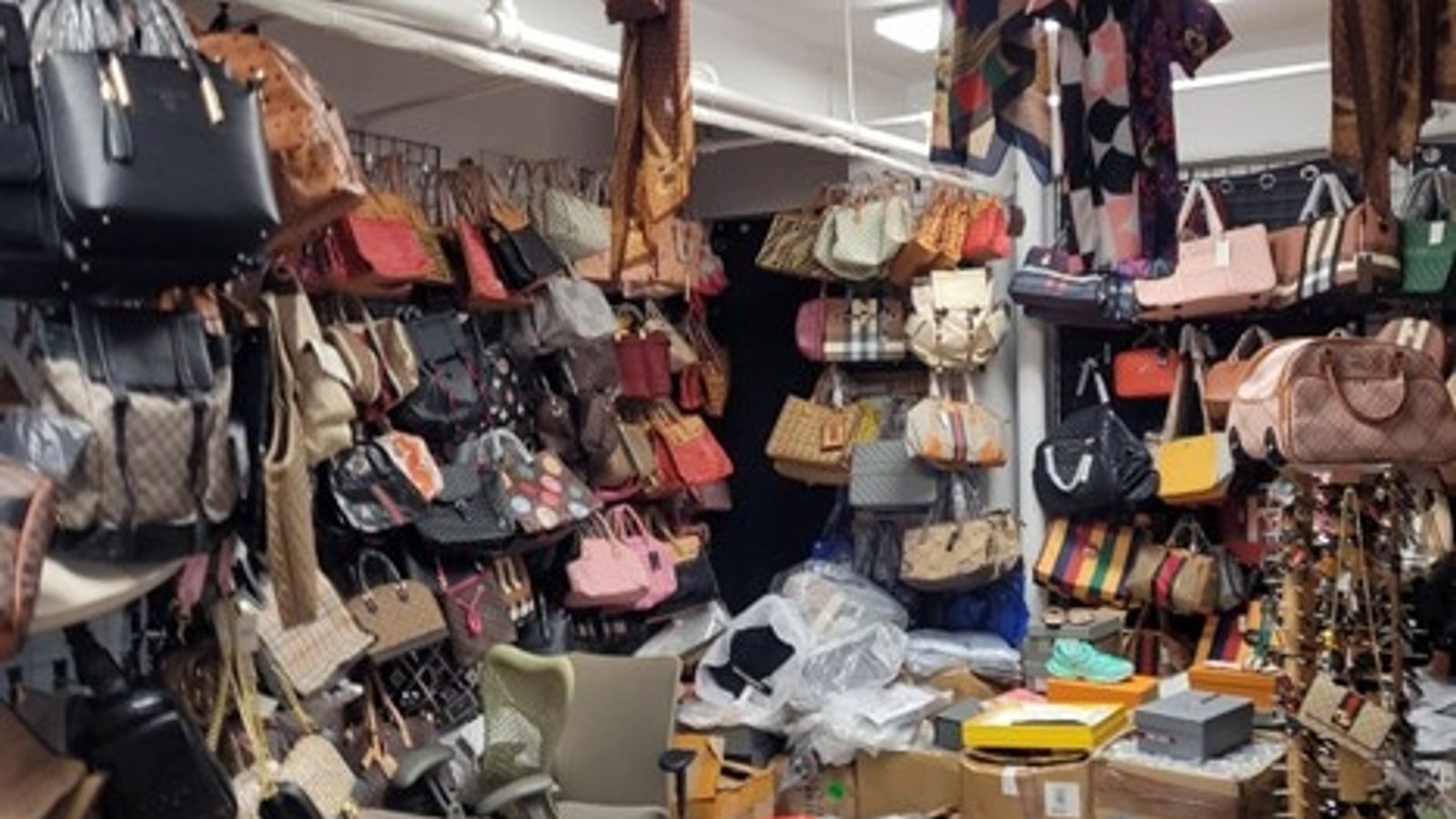
    The fines come as a result of an early April raid, during which authorities seized 295 handbags from brands such as Gucci, Chanel, Hermes, and Fendi, along with 27 pairs of Nike sneakers. All of these items were suspected to be counterfeit.

    The raided establishments were unable to provide proper documents or invoices for these goods, which are estimated to have a value of nearly VND178 million if they were authentically produced.

    Raids Part of Broader Campaign

    These raids are part of a larger initiative leading up to the Da Nang International Fireworks Festival, an annual event that draws large crowds of both local and international tourists.

    The Market Surveillance Department has indicated that they will continue to conduct inspections in shopping and tourist areas. They warned that repeat or serious offenders may be referred to investigative authorities if there is evidence of criminal activity.

    In an effort to further prevent the sale of counterfeit and low-quality goods, authorities are also ramping up public awareness campaigns. These initiatives aim to educate businesses on legal compliance and help consumers identify counterfeit products.

    Questions & Answers

    Why were these retail stores in Da Nang fined?
    They were fined for selling counterfeit merchandise from brands including Gucci and Nike.

    What action was taken after the counterfeit items were discovered?
    The shops were levied with fines and ordered to dispose of all counterfeit goods.

    What measures are authorities taking to prevent the sale of counterfeit goods?
    Authorities are conducting regular inspections, particularly in tourist and shopping areas. They are also running public awareness campaigns to educate businesses about legal compliance and help consumers detect counterfeit and low-quality goods.

  • Hong Kong Housing Market Shows Signs of Recovery as Developers Boost Prices Amid Geopolitical Uncertainties

    Hong Kong Housing Market Shows Signs of Recovery as Developers Boost Prices Amid Geopolitical Uncertainties

    Hong Kong real estate developers are elevating their prices for newly built homes, following a pattern of successful sales. This trend is occurring amidst growing economic and political instability, as well as uncertainty revolving around interest rates.

    Increased Prices and Demand

    Henderson Land Development, on Monday, added an extra 39 units to its Chester project located in Hung Hom. Out of the 39, 25 units were sold, indicating a steady demand. A property agent reported that these units had an average reduced price of HKD22,198 (US$2,831) per square foot. This is a 4.6% increase in comparison to the price of the 123 units that were sold at the project’s initial launch last month.

    According to Derek Chan Hoi-chiu, head of research at real estate agency Ricacorp Properties, the steady demand has led developers to cautiously raise prices in new sales launches rather than revert to deep discounting. He described this as a typical recovery-phase strategy: assessing price elasticity while ensuring the momentum continues to build.

    Continued Developments

    Elsewhere, the developers of the La Mirabelle I project in Tseung Kwan O are planning to release 254 additional units on Tuesday. The discounted prices for these flats range from HKD5.93 million to HKD8.99 million, marking a 1% increase from the previous batch released a week ago. The earlier release of 254 units was completely sold out within hours.

    Uncertain Market Conditions

    Such moves by developers indicate an attempt to test the market demand despite the current uncertainties. The Hong Kong Monetary Authority has cautioned borrowers about the unpredictable outlook for interest rates after the U.S. Federal Reserve maintained its benchmark rate at between 3.5% and 3.75% last month.

    The recent disruptions in the oil supply due to geopolitical tensions have led to a significant increase in crude oil prices. This has raised concerns that a stricter monetary policy could follow in the world’s largest economy. Any rise in interest rates could potentially reduce both transaction volumes and residential property prices.

    Despite these uncertainties, the market seems to be signaling positivity. Official data from March shows that Hong Kong’s home sales value increased by 42.2% year-on-year to HKD55.2 billion. The number of residential property sale and purchase agreements registered last month also rose by 17.7% to 6,316 according to Land Registry figures.

    Questions & Answers

    What has been the trend in Hong Kong’s real estate market?
    Hong Kong’s real estate market has seen increased prices for new homes due to steady demand, despite political and economic uncertainties.

    What strategy are developers using in the current recovery phase?
    Developers are cautiously increasing prices for new sale launches, as opposed to resorting to deep discounts, to test price elasticity without slowing down the momentum.

    How have recent geopolitical events affected the real estate market?
    The uncertainties stemming from geopolitical events and fluctuating oil prices have led to apprehensions about stricter monetary policies, which could potentially affect transaction volumes and residential property prices. However, Hong Kong’s home sales have shown a positive trend, indicating a resilient market despite these uncertainties.