Author: Mei Ling Tan

  • Job Cull at Meta: 8,000 Layoffs Loom as Zuckerberg Pioneers AI Leadership Clone

    Job Cull at Meta: 8,000 Layoffs Loom as Zuckerberg Pioneers AI Leadership Clone

    Many employees at Meta are expected to face job losses, with the first wave of layoffs beginning on May 20, potentially affecting as many as 8,000 roles. However, this initial round of job losses only signifies the start of a broader restructuring effort.

    Continued Layoffs Anticipated

    According to recent reports, Meta’s workforce reduction is far from complete. After the initial elimination of 8,000 positions, which represents approximately 10% of Meta’s global workforce, another round of layoffs is expected to occur in the latter half of 2026.

    The specifics regarding the second round of layoffs, including the exact timing and the number of affected employees, remain uncertain. This lack of detailed information may be due to the unpredictability of advancements in artificial intelligence (AI), a field that could substantially influence Meta’s employment requirements. If AI technology continues to become more effective and powerful, more job cuts could consequently ensue at Meta.

    Reports have indicated that Meta is considering a 20% reduction of its global workforce, suggesting that at least another 8,000 jobs could be eliminated in the second wave of layoffs.

    Industry-Wide Job Losses

    While Meta grapples with impending layoffs and the task of enhancing its AI capabilities, other industry giants are facing similar challenges. Amazon, for example, has recently initiated layoffs affecting 30,000 of its corporate employees, equivalent to 10% of its white-collar workforce.

    According to some tracking tools, more than 73,000 employees have been laid off in 2026 across the industry. This figure nearly reaches half of the total layoffs for the entire year of 2024, despite only the first quarter of 2026 having concluded.

    The Advent of AI Leadership

    Despite the turbulence, a bright future could await those who manage to retain their positions at Meta. Reports suggest that the company is developing an AI clone of its CEO, which would be capable of responding to questions in his distinct voice using his past statements.

    The AI clone project aims to strengthen employee connection with leadership, reflecting the company’s shift towards AI-driven tools rather than focusing solely on its earlier metaverse ambitions. The CEO is said to be directly involved in training his digital counterpart, a concept that could inspire the creation of similar AI personas for influencers and creators.

    Questions & Answers

    Why is Meta laying off a significant portion of its workforce?
    Meta’s layoffs are part of a broader restructuring strategy, potentially influenced by advancements in AI technology, which could transform the company’s employment and operational needs.

    What is the expected number of total layoffs at Meta?
    While exact numbers are not confirmed, reports suggest that Meta is considering a 20% reduction of its global workforce, which could result in about 16,000 job losses.

    What is the purpose of the AI clone of Meta’s CEO?
    The AI clone project aims to strengthen the connection between employees and leadership. The AI clone, trained to respond in the CEO’s voice using his past statements, reflects Meta’s strategic shift towards AI-driven tools.


  • How Online Booking Behavior Is Forcing Hotels To Rethink Pricing Strategy

    How Online Booking Behavior Is Forcing Hotels To Rethink Pricing Strategy

    The way travelers book hotels has changed significantly over the past decade, and the pace of that change shows no signs of slowing. Guests now compare rates across dozens of platforms in minutes, often on mobile devices, often at the last minute. For hotels still relying on weekly rate reviews or static seasonal tariffs, the gap between their pricing approach and the market they are operating in is growing wider.

    Price Transparency Has Shifted the Power Balance

    When a potential guest searches for a room, they are not just looking at your hotel. They are looking at your hotel alongside your competitors, often on the same screen. OTAs and metasearch engines have made rate comparisons effortless. The platforms driving this shift include:

    • OTAs like Booking.com and Expedia, which surface competing properties side by side
    • Metasearch engines like Google Hotels and Trivago, which aggregate rates across channels in real time
    • Direct booking tools that allow guests to cross-check your own website against third-party listings before committing

    A rate set too high relative to comparable properties will show up immediately in search results. A rate set too low might drive bookings, but it can also erode the revenue per available room the property needs to remain profitable. Pricing decisions now need to account for what the wider market is doing in real time, not just what internal targets suggest.

    Booking Windows Are Shrinking

    Consumer behavior has also shifted in terms of when people book. Last-minute reservations, once the exception, are now a routine part of the booking mix. Key patterns shaping this trend include:

    • A significant share of leisure travelers making decisions within a week of arrival, sometimes within 48 hours
    • Mobile search making it easier than ever to compare and book on the same device, in the same session
    • Post-pandemic flexibility leading more travelers to hold off on committing until closer to their trip

    This creates a real problem for any hotel relying on a set-and-forget approach to rates. A room that looked correctly priced three weeks out may be significantly under or overpriced as the arrival date approaches, depending on how demand has developed. Shorter booking windows require more frequent pricing responses, and that is difficult to deliver manually without dedicated staff and real-time data.

    Competitor Rate Visibility Is No Longer Optional

    Rate intelligence, once a tool available mainly to larger hotel groups, is now accessible to properties of all sizes. The question is whether independent hotels are using it. Staying competitive requires a clear view of:

    • What comparable properties are charging on peak nights, weekends, and during local events
    • How competitor rates shift as availability tightens closer to arrival
    • Where your property sits in the search results relative to similarly priced options

    A hotel adjusting prices based on internal assumptions alone, without any view of competitor positioning, is working with incomplete information. Good hotel revenue management is no longer just about yield calculations and forecasting models. It requires a continuous feed of external market data and the ability to act on it quickly.

    Why Static Pricing No Longer Holds Up

    Static pricing made sense when the effort required to change rates was high and competitor visibility was low. Neither of those conditions exists now. The limitations of manual or static approaches include:

    • Rates that stay fixed while demand fluctuates, leaving money on the table during high-demand periods
    • No mechanism to respond when a competitor drops or raises rates around the same dates
    • Staff time consumed by manual rate reviews that could be better spent on guest experience

    A well-structured hotel pricing strategy guide will typically cover the shift from static to dynamic pricing as a foundational step, because the commercial case is clear. Hotels that adjust rates in response to demand signals and competitor moves consistently outperform those that don’t, particularly during periods of fluctuating demand.

    The Case for Automation and Smarter Tools

    Dynamic pricing for hotels is not a new concept, but the practical ability to implement it has improved considerably. Modern hotel pricing software can process multiple inputs automatically, including:

    • Real-time competitor rate data across OTA and direct channels
    • Booking pace against historical pickup patterns
    • Local events, holidays, and demand spikes that affect market rates
    • Channel-specific performance to optimize where bookings come from

    This matters most for independent properties. Large hotel chains have teams of revenue managers and proprietary systems. An independent hotel with one or two staff handling all commercial decisions cannot realistically monitor and respond to market changes manually around the clock. Access to hotel revenue management solutions that automate this process is no longer a luxury reserved for brands with scale. It is increasingly a baseline requirement for any property that wants to compete on price effectively.

    Looking Ahead

    The hotels that will perform well over the next few years are those that treat pricing as a live commercial decision rather than an administrative task. The data is available, the tools exist, and the cost of inaction is measurable in lost revenue and occupancy.

    Pricing strategy in hospitality is no longer something you revisit quarterly. It is something that needs to keep pace with the market, every day.


  • Mangosteen Dethrones Durian: The Fruit Price Shift in Malaysia

    Mangosteen Dethrones Durian: The Fruit Price Shift in Malaysia

    In Malaysia, the locally adored fruit known as Mangosteen, often referred to as the “queen of fruits,” is becoming more costly than durians due to a shift in agricultural trends causing a decrease in supply. Prices for the locally cultivated Mesta variety of mangosteen, also known as the Japanese mangosteen, have risen to approximately RM20 per kilogram. In contrast, the price for the highly popular Musang King durian has fallen to around RM16.80 per kilogram.

    Availability and Promotions

    Numerous durian varieties, such as D13 and Red Prawn, are presently readily available, with prices as low as RM5 per fruit. One fruit seller, Walter Chew, says that they even have “buy one, get one free” promotions going on. According to Chew, the reason behind the decrease in durian prices is due to an increase in supply caused by a “mini season” which started approximately two weeks ago. This season introduces durians from several areas in Johor, Malaysia’s southernmost state.

    In contrast, the local supply of mangosteens has been inconsistent and limited, Chew points out. Another fruit seller, Yong Boon Sing, added that most mangosteens available on the market are now imported from Thailand and Indonesia.

    Changes in Supply due to Farming Shift

    Over the years, the supply of durians in Malaysia has increased as the fruit’s production and economic contribution have grown. In 2025, durian exports to China, the world’s largest durian market, reached a staggering $37.2 million. Malaysian durians are seen as premium produce, commanding much higher prices than those of regional competitors, averaging $12,138 per tonne as compared to $4,239 for Thai and $3,739 for Vietnamese fruits.

    The popularity of durian has also sparked a boost in tourism as more and more travelers plan their trips around harvest seasons, visiting orchards to taste different varieties and partake in experience-driven packages.

    Data has shown that durian plantations in Malaysia expanded from over 163,000 acres in 2016 to more than 227,000 acres by 2024. During this period, yields almost doubled to over 568,000 tonnes. The exponential increase in supply has consequently driven prices down. The Musang King durian, which was once sold for as much as RM100 per kilogram, has seen prices drop by about 80%.

    Mangosteen trees are often grown alongside durians as an additional source of revenue and for creating a more balanced farm ecosystem. As a result, mangosteen has traditionally been available during the durian season, with the two fruits commonly enjoyed together. However, Yong notes that many new durian farm owners have recently cut down mangosteen trees as their foliage can block sunlight and limit rain reaching the durian roots. This has led to a decline in mangosteen production and, subsequently, an increase in prices.

    Nor Sam Alwi, director-general of the Department of Agriculture, stated that mangosteen production declined from 23,297 tonnes in 2020 to 22,073 tonnes in 2023. She attributed this to the crop’s lengthy juvenile phase, which lasts over six years until it reaches full production. This has made it less attractive for investment, especially when compared to more profitable crops like durian.

    Alwi, however, also noted that yields have been impacted by several factors, including weather changes and increased vulnerability to certain physiological disorders. Preliminary data for 2024 indicates a potential recovery in output.

    Chin Nyuk Moy, the president of the Kuala Lumpur Fruit Wholesalers’ Association, stated that the days when mangosteen was readily available during durian season are mostly over. “Some orchards in Raub still grow the Japan variety, but those days are mostly over.”

    Questions & Answers

    Why has there been a decrease in the supply of mangosteens?
    This is mainly due to new durian farm owners cutting down mangosteen trees as their foliage can block sunlight and limit rain from reaching durian roots. Also, the crop’s long juvenile phase discourages investment.

    What is the current situation for durian exports?
    Durian exports, especially to China, are flourishing. In 2025, durian exports to China reached $37.2 million. Malaysian durians are seen as premium produce and command much higher prices than those of regional competitors.

    How has the shift in farming trends affected the prices of durians and mangosteens?
    The increase in durian supply has led to a decrease in prices. In contrast, the decrease in mangosteen production has led to an increase in prices due to its limited availability.

  • Unlocking New Markets: Vietnam Secures Green Light for Pomelo and Lemon Exports to China

    Unlocking New Markets: Vietnam Secures Green Light for Pomelo and Lemon Exports to China

    A recent agreement has paved the way for Vietnamese pomelos and lemons to be exported to China. This phytosanitary requirements protocol was formalized between Vietnam’s Ministry of Agriculture and Environment and the General Administration of Customs of China. The agreement unfolded during a state visit to China by To Lam, who is the Party General Secretary and State President of Vietnam.

    Phytosanitary Requirements and Protocols

    The newly agreed protocol stipulates that all areas cultivating and facilities packaging pomelos and lemons for export to China have to be registered with the Ministry of Agriculture. Furthermore, they must gain approval from both the Ministry and China’s customs. These facilities are mandated to enforce stringent pest control measures to ensure the quality of the produce.

    The cultivation areas are required to adhere to Good Agricultural Practices (GAP) and Integrated Pest Management (IPM) requirements. These requirements demand fruit to be bagged at least 60 days prior to harvest and the use of traps to combat fruit flies.

    The packaging facilities must maintain sanitary conditions and appropriate functional zoning. Fruits are required to be sorted, classified, and cleaned to remove any diseased or pest-infected fruits, as well as any plant debris and soil residues.

    The Impact of the Agreement

    The Ministry has cited this agreement as the result of structured technical negotiations between plant protection and quarantine agencies of both nations. These discussions have been ongoing since 2019.

    The agreement signifies an important shift towards transparent, standards-compliant official export channels and a more sophisticated bilateral cooperation framework, amidst growing Vietnam–China agricultural trade.

    China continues to be a crucial market with strong demand and potential for Vietnamese fruit exports. Building on the success of other exports, pomelos and lemons are expected to increase their market share, consolidate their position, and boost overall export growth.

    The ministry has expressed its commitment to working closely with localities, associations, businesses, and producers to effectively put the protocol into practice. This will include guidelines on regulations, standardizing cultivation areas and packaging facilities, and strengthening inspections to guarantee full compliance with Chinese requirements.

    Vietnam’s Agricultural Advantage

    Pomelos and lemons are among Vietnam’s most successful agricultural products. Vietnam currently cultivates pomelos on approximately 106,000 hectares, positioning itself as a major global producer of the fruit.

    Questions & Answers

    What does the new protocol between Vietnam and China involve?
    The protocol involves the export of Vietnamese pomelos and lemons to China. It stipulates that all cultivation areas and packaging facilities for these fruits must be registered with the Ministry of Agriculture and approved by both the Ministry and China’s customs.

    What requirements must the Vietnamese farms and packaging facilities meet under the new protocol?
    The farms must adhere to Good Agricultural Practices (GAP) and Integrated Pest Management (IPM) requirements, which includes bagging fruit 60 days before harvest and using traps for fruit flies. The packaging facilities must maintain cleanliness and appropriate functional zoning.

    How will this protocol impact the Vietnam-China agricultural trade?
    The protocol signifies a shift towards transparent, standards-compliant official export channels and provides a more sophisticated bilateral cooperation framework. It is expected to boost the market share of Vietnamese pomelos and lemons in China and strengthen the overall growth of fruit exports from Vietnam to China.

  • Air India Appeals to Tata, Singapore Airlines for Bailout Amid $2.4B Loss Crisis

    Air India Appeals to Tata, Singapore Airlines for Bailout Amid $2.4B Loss Crisis

    Air India has reported an annual deficit surpassing INR220 billion ($2.4 billion), a more substantial loss than initially anticipated. This unexpected financial setback has led the airline to seek monetary aid from its stakeholders.

    Fiscal Losses and Contributing Factors

    The fiscal loss was recorded for the financial year ending March 31. This period was characterized by various unfortunate incidents such as the deadly crash of a Boeing 787 Dreamliner, the shutting down of Pakistani airspace for Indian airlines, and escalating conflict in the Middle East.

    Air India’s principal owner, Tata Group, and minority shareholder Singapore Airlines, which holds a 25.1% stake, are currently engaged in discussions to infuse new capital into the struggling airline. However, the exact amount being deliberated remains undisclosed and may not completely address the airline’s financial needs. This shortfall might necessitate Air India to seek additional avenues for funding.

    Critical Period for Air India

    The unprecedented loss arrives at a critical juncture for Air India. The company’s CEO, Campbell Wilson, announced his intention to resign later in 2026. The airline was designated the least safe in the most recent annual audit by the aviation regulator, despite ambitious expansion plans. The carrier has also grappled with efforts to enhance service standards and yields.

    Air India began the fiscal year on a more positive note, with operating profits reported in early April 2025. Nevertheless, circumstances took a downward turn following the closure of Pakistani airspace to Indian airlines after a short-lived conflict in May. This situation necessitated longer routes to the United States and Europe. Subsequently, the fatal Dreamliner crash in June, which resulted in more than 240 casualties, further disrupted operations, compelling the airline to reduce both international and domestic services.

    External Pressures

    The airline also faced external pressures such as punitive tariffs imposed by the U.S. President on India and stricter controls on foreign worker visas. Air India found itself among the most adversely impacted foreign carriers due to the escalating tensions in the Middle East. This crisis disrupted flights to Europe and the U.S., requiring longer and costlier routes amidst rising jet fuel prices.

    Singapore Airlines, which acquired its minority stake following the merger of its local affiliate Vistara with Air India in 2024, has also faced a negative impact on its earnings due to the airline’s declining performance.

    Questions & Answers

    What is the extent of Air India’s annual loss?
    Air India has reported an annual loss of over INR220 billion ($2.4 billion).

    What factors have contributed to Air India’s substantial loss?
    Several factors have contributed to this loss, including an unexpected Boeing 787 Dreamliner crash, the closure of Pakistani airspace to Indian airlines, conflict in the Middle East, and punitive tariffs imposed by the U.S. President on India.

    What steps are being taken to mitigate the loss?
    The principal owner, Tata Group, and Singapore Airlines are discussing an infusion of fresh capital. However, the exact amount under consideration remains undisclosed.

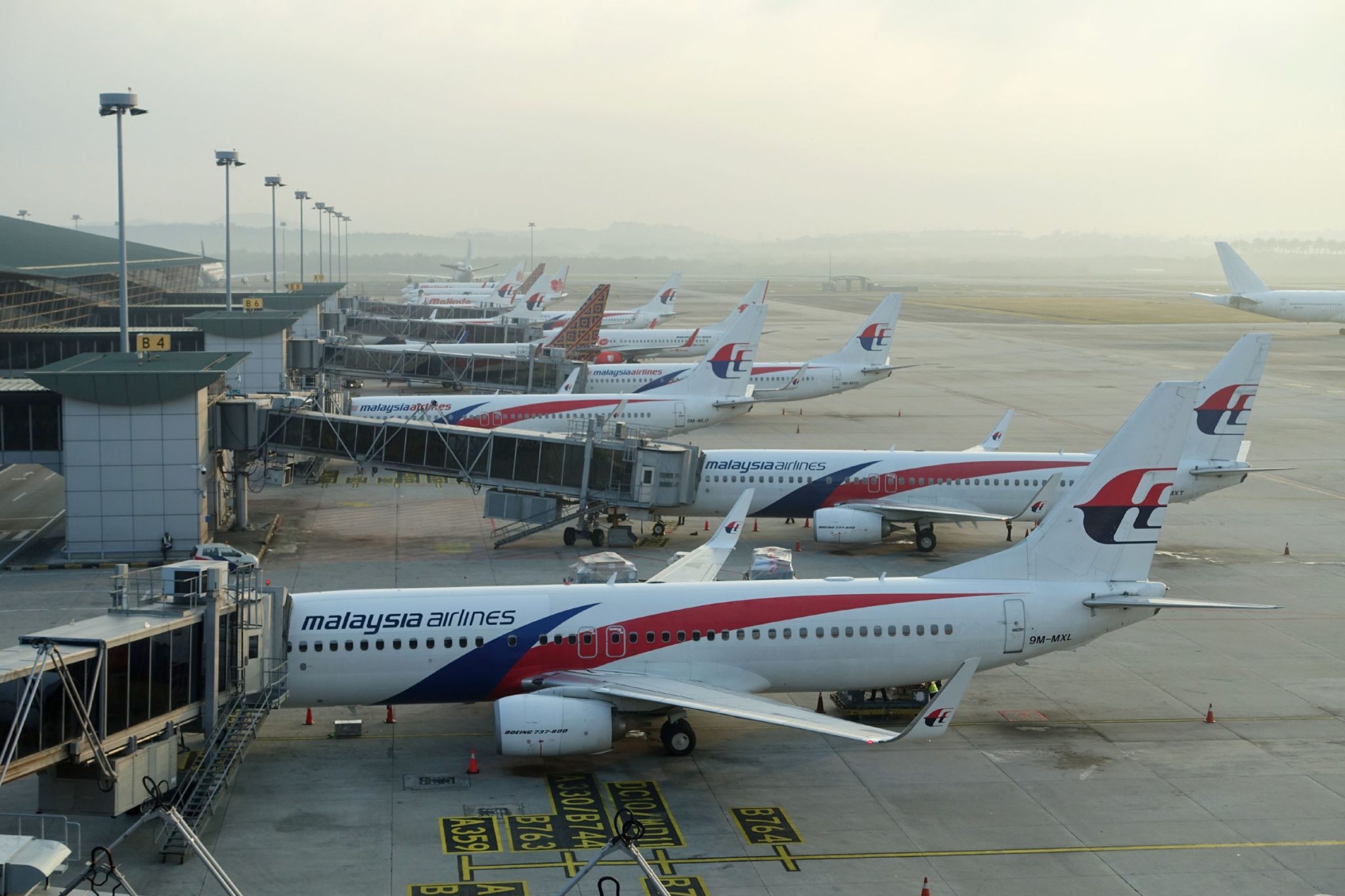
  • Reviving the Skies: Malaysia Launches Airfare Discounts & Financial Lifelines to Bolster Aviation Industry

    Reviving the Skies: Malaysia Launches Airfare Discounts & Financial Lifelines to Bolster Aviation Industry

    In response to disruptions caused by the Middle East conflict, Malaysia has devised a financial strategy to support its aviation sector, featuring incentives such as discounted airfares during holiday periods. Travelers flying between Peninsular Malaysia and East Malaysia can look forward to airfare reductions of RM50 during the Gawai and Kaamatan festive seasons.

    Support for Aviation Sector

    The aviation authority has earmarked RM5 million for this initiative, which is projected to benefit approximately 100,000 passengers journeying between May 15 and June 14. In an additional effort to alleviate pressure on airlines, the Civil Aviation Authority of Malaysia plans to extend payment deadlines for aviation-related charges. From May 1, carriers will be granted up to 60 days to settle these dues.

    Maintaining Connectivity

    Anthony Loke, Malaysia’s Transport Minister, emphasized the importance of these measures in maintaining the country’s connectivity. According to him, as many as 75% of daily flights were cancelled at one point, potentially undermining trust in Malaysia’s tourism sector and the wider economy. He warned of potential losses ranging from RM15 to RM150 billion (US$3.8 to US$38 billion) this year if no countermeasures are taken.

    Loke also stated that these decisions were reached after thorough discussions between the Transport Ministry and industry stakeholders. The goal of these deliberations was to lessen financial burdens while ensuring the continuity of services.

    Lastly, he assured the public that the government will continue to liaise closely with all relevant bodies to ensure the resilience and responsiveness of Malaysia’s aviation sector.

    Questions & Answers

    What are some of the measures Malaysia has introduced to support its aviation sector?
    Malaysia has introduced a number of measures, including discounted airfares during holiday periods and extending payment deadlines for aviation-related charges.

    Who is expected to benefit from the discounted airfares?
    Approximately 100,000 passengers traveling between Peninsular Malaysia and East Malaysia during the Gawai and Kaamatan festive periods are expected to benefit from the discounted airfares.

    What is the potential economic impact of the disruptions in the aviation sector?
    According to Transport Minister Anthony Loke, without the introduction of these measures, Malaysia’s economy could face losses ranging from RM15 to RM150 billion (US$3.8 to US$38 billion) this year.

  • Revolutionizing Beverage Discovery: Starbucks Tests ChatGPT for Personalized Drink Recommendations

    Revolutionizing Beverage Discovery: Starbucks Tests ChatGPT for Personalized Drink Recommendations

    Starbucks is testing an innovative feature, ChatGPT beta, which allows customers to explore and customize their drinks through interactive prompts. This latest feature, which was rolled out this week, provides consumers with personalized beverage recommendations based on their mood, preferences, or situations, with the optional use of image inputs to further tailor the suggestions.

    The ChatGPT tool signifies a shift from traditional menu browsing to a more user-friendly, intention-based interaction. The platform allows customers to customize their order, select a store, and initiate an order. The final checkout can be completed via either the Starbucks app or their website.

    Reimagining the Ordering Process

    The addition of the ChatGPT beta feature to the Starbucks digital ordering process reflects the company’s commitment to making online ordering more instinctive and emotionally engaging. The aim is to transform the beverage selection process into an enjoyable journey of discovery, rather than a mere transactional search.

    Paul Riedel, Senior Vice President of Digital and Loyalty for Starbucks, stated, “Our goal is to engage with customers at the point of inspiration and make it as simple as possible for them to find a beverage that resonates with them.” He further added, “The introduction of the Starbucks app into ChatGPT is a significant move towards making this a reality, in a manner that is uniquely Starbucks – welcoming, warm, and steeped in creativity.”

    Stages of Development

    Starbucks is presenting this beta version as an initial testing phase. The development and enhancement of this feature will rely heavily on feedback from users.

    Questions & Answers

    What is the purpose of the new ChatGPT beta feature launched by Starbucks?
    It allows customers to discover and customise their beverages based on their preferences, moods, or occasions through interactive prompts.

    How does Starbucks view the new feature?
    Starbucks views the new tool as a shift from conventional menu browsing to a more user-friendly, intention-based interaction. It aims to make digital ordering more instinctive and emotionally engaging.

    What will determine the further development of the ChatGPT beta feature?
    The further development and improvement of the ChatGPT beta feature will depend on the feedback received from its users.

  • Vietnam Witnesses 4-Week Diesel Price Dip Amid Global Crude Oil Declines

    Vietnam Witnesses 4-Week Diesel Price Dip Amid Global Crude Oil Declines

    On Thursday, diesel prices in Vietnam experienced a significant drop of 5.8%, reaching VND31,040 (US$1.18) per liter. This is the lowest price point for diesel since March 20. Conversely, gasoline prices saw a minor increase. The most commonly used fuel, RON95, rose by 0.93% to VND23,760, while biofuel E5 RON92 saw a 1.12% increase to VND22,590.

    Global Crude Oil Benchmarks

    Internationally, there was a decline in the prices of the two primary crude oil benchmarks by 0.3% early Thursday. The Brent crude went for $94.6 per barrel, while U.S. WTI crude fell to $90.9. These price reductions occurred in response to investors’ expectation of a potential peace agreement between the United States and Iran.

    Fuel Subsidies in Vietnam

    The Vietnamese government maintained its fuel subsidy during this adjustment period, with VND400 per liter allocated for diesel and VND800 per liter or kilogram for gasoline and mazut. In addition, the government provided an extra VND8 trillion from the state budget as an advance for the subsidy fund.

    Government Tax Waivers

    In an effort to control inflation, lawmakers sanctioned tax waivers on fuel from April 16 to June 30. These waivers, which included the environmental protection tax, value-added tax, and special consumption tax, are anticipated to reduce state revenue by an average of VND7.3 trillion monthly.

    Although this will impact state revenue, the government dubbed this as a “special fiscal measure applied in exceptional circumstances.” This action is intended to lessen the effects of energy price variations and to help maintain macroeconomic stability and social security.

    Questions & Answers

    Why did diesel prices drop in Vietnam?
    Diesel prices in Vietnam fell by 5.8% due to fluctuations in the global market, coupled with the national fuel subsidy.

    How did the Vietnamese government respond to these changes in fuel prices?
    The Vietnamese government subsidized fuel during this adjustment period and allocated extra funds from the state budget for the subsidy fund.

    What are the expected impacts of the tax waivers approved by the lawmakers?
    The tax waivers on fuel are expected to decrease state revenue by an average of VND7.3 trillion per month. However, they aim to control inflation and maintain macroeconomic stability and social security.

  • Global Hotel Giant Booking.com Hit by Customer Data Breach: Is Your Information Safe?

    Global Hotel Giant Booking.com Hit by Customer Data Breach: Is Your Information Safe?

    Travel booking platform, Booking.com, recently experienced a data breach, potentially exposing user data to unauthorized individuals. This discovery was made following the observation of suspicious activities related to several reservations. The compromised data might consist of booking details, user names, email addresses, phone numbers, and other information shared by customers during their booking process.

    Despite the security breach, the Netherland-based company assured its users that their financial data and home addresses were not compromised. The company said, “We have dedicated teams and employ machine learning tools to monitor, detect, and block suspicious activity around the clock. We are continuously working to enhance the robust security measures we have in place.”

    Scale of the Breach

    Booking.com, being one of the largest hotel reservation platforms globally, did not reveal more information about the extent of the breach, including the number of users affected.

    There have been reports from some customers who claim to have received phishing messages through WhatsApp that contained their booking details and personal information. This suggests that the hackers could be using the stolen data to target Booking.com customers.

    In response to this issue, Booking.com took immediate action to contain the situation and issued new PINs to users with reservations. They also cautioned their customers to stay alert to suspicious emails or phone calls pretending to be from the properties or the platform itself. The company emphasized that they would never ask for credit card details through an email, phone call, text message, or WhatsApp.

    History of Cybersecurity Challenges

    The recent breach is one of many cybercrime attempts targeting Booking.com, which has been dealing with an increase in scams on its platform. Fraudsters, posing as legitimate entities, have been known to ask for payment details under the guise of pre-authorization or trip verification, leading to sizeable unauthorized charges.

    A similar incident happened in 2018 when attackers used phishing techniques to gain login credentials from hotel employees in the United Arab Emirates. This breach allowed them to access booking information of over 4,000 users on the platform.

    Despite these security challenges, Booking.com has recorded a high number of bookings. Since 2010, it has facilitated reservations for about 6.8 billion customers, making it one of the leading players in the travel and hospitality industry.

    Questions & Answers

    What kind of customer information was potentially exposed in the data breach?
    Email addresses, phone numbers, booking details, and any other information shared by the customers during the booking process might have been compromised.

    What steps has Booking.com taken in response to the data breach?
    Booking.com has issued new PINs to affected users and taken immediate action to contain the issue. They have also warned their customers to be wary of suspicious communication that could be impersonating the platform or associated properties.

    Has Booking.com experienced cybersecurity issues in the past?
    Yes, Booking.com has faced challenges with cybercrime in the past. For instance, in 2018, attackers used phishing techniques to access the booking information of more than 4,000 users on the platform.

  • Beatrice Monguidi Steps Up as New CEO of LVMH’s Rimowa: A New Chapter for the Luxury Luggage Brand

    Beatrice Monguidi Steps Up as New CEO of LVMH’s Rimowa: A New Chapter for the Luxury Luggage Brand

    Beatrice Monguidi has been named the new CEO of Rimowa, the renowned suitcase brand, by LVMH. She will officially assume her duties starting June 1. Monguidi will directly report to Pietro Beccari, who holds the dual roles of Chairman and CEO of both the LVMH Fashion Group and luxury fashion house Louis Vuitton.

    Experience and Expertise

    Monguidi’s appointment is indicative of LVMH’s strategy to leverage internal talent, recognising her vast experience across several of the group’s premier brands. Her professional journey includes stints at Fendi and Christian Dior Couture, both high-profile LVMH companies.

    In her most recent role, Monguidi excelled as the Zone President for EMEA (Europe, Middle East, and Africa) at Louis Vuitton. She was responsible for supervising one of the brand’s most intricate regions. Her efforts to cultivate a culture centred around people while maintaining robust commercial performance and operational discipline across varied markets did not go unnoticed.

    Beccari lauded Monguidi’s leadership skills, stating, “Monguidi has demonstrated a remarkable ability to unite and guide teams towards common goals within the multifaceted and complex EMEA ecosystem. Her commitment to the collective and to nurturing talent makes her the perfect fit to steer Rimowa’s vision into the future.”

    LVMH’s Current Financial Standing

    Monguidi’s appointment coincides with the release of LVMH’s first-quarter revenue report. The figures reflect a revenue of €19.1 billion (US$22.4 billion), marking a 6% decline. This drop is attributed to ongoing geopolitical tensions impacting trade. However, the brand’s strong performance in key markets, notably the US and Asia, helped mitigate the disruption caused by larger economic instability and conflict in the Middle East.

    Questions & Answers

    Who has been appointed as the new CEO of Rimowa?
    Beatrice Monguidi has been appointed as the new CEO of Rimowa.

    Who will Beatrice Monguidi report to in her new role?
    She will report to Pietro Beccari, the Chairman and CEO of the LVMH Fashion Group and Louis Vuitton.

    What is LVMH’s latest reported revenue?
    LVMH’s latest reported revenue for the first quarter is €19.1 billion or US$22.4 billion.

  • Birkenstock Bolsters Japanese Presence with Grand Opening of Osaka Flagship Store

    Birkenstock Bolsters Japanese Presence with Grand Opening of Osaka Flagship Store

    Birkenstock, the renowned footwear brand, has broadened its retail footprint in Japan with the inauguration of a grand flagship outlet in the Shinsaibashi district of Osaka.

    The new store is spread across two floors, following the lead of previous concept stores that were launched in Harajuku, Shinjuku, and Nagoya. This new addition raises the tally of permanent, directly operated Birkenstock stores in Japan to 12.

    Located in Shinsaibashi, the outlet stands as one of the largest street-level retail spaces for the brand in the country.

    Store Design and Features

    The design of the store is based on a minimalist interior concept that places a premium on product display and materials used. The interior is decked out predominantly in white, offset by earthy wall finishes. The design elements subtly reference the brand’s signature cork footbed structure.

    The ground floor of the store is dedicated to the Care Essentials range, setting up an interactive space for customers to sample foot and body care merchandise. The upper floor showcases the brand’s comprehensive footwear collection. This includes staple sandal designs, clogs, shoes, boots, and the latest additions for the season.

    Questions & Answers

    Where is Birkenstock’s newest store located?
    The newest Birkenstock store is located in the Shinsaibashi district of Osaka, Japan.

    How many directly operated Birkenstock stores are there in Japan now?
    With the opening of the new store in Shinsaibashi, the total number of directly operated Birkenstock stores in Japan has risen to 12.

    What is unique about the design of the new Birkenstock store?
    The design of the new Birkenstock store is based on a stripped-back interior concept, featuring a predominately white palette contrasted with earthy wall finishes. It also incorporates design elements referencing Birkenstock’s signature cork footbed structure.

  • Hermès Soars with Robust Q1 Sales Amid Global Economic Uncertainties: A Revealing Peek into Luxury Fashion Resilience

    Hermès Soars with Robust Q1 Sales Amid Global Economic Uncertainties: A Revealing Peek into Luxury Fashion Resilience

    Despite geopolitical tensions affecting the Middle East, Hermès, the renowned French luxury fashion brand, has reported a strong performance in its Q1 sales. The company’s consolidated revenue stood at €4.1 billion (US$4.8 billion) for the quarter ending March 31, marking a 6% increase at constant exchange rates. However, on a reported basis, revenue dipped by 1% due to the adverse effects of currency fluctuations.

    Regional Performance

    The company attributed much of its growth to impressive gains in Japan, the Americas, and Europe, excluding France. Japan saw a 10% increase in sales, while the Americas and Europe, excluding France, each reported a 17% and 10% sales increase, respectively.

    Sales in Asia, excluding Japan, also rose slightly by 2%, with Greater China maintaining its marginal growth. However, France’s revenue decreased by 3%, a decline influenced by a reduced tourist flow, particularly in March. This downturn is mainly linked to the unfolding situation in the Middle East.

    The Middle East, classified under the ‘Other’ region in the company’s report, experienced a 6% decline in sales. The geopolitical developments in countries such as the UAE, Kuwait, Qatar, and Bahrain have had a significant impact on the region’s performance.

    Sales Channels

    Despite these challenging conditions, sales in the group’s stores increased by 7%. In contrast, wholesale activity was significantly affected, recording lower sales to concession stores, especially in the Middle East and airports.

    According to Axel Dumas, Executive Chairman of Hermès, the brand remains steadfast in its long-term strategy, even amidst a tense geopolitical environment. The company’s abundant creativity, unwavering quality standards, and loyal customer base enable Hermès to continue its profitable growth trajectory into 2026 with confidence. He further emphasized that the fundamentals of the Hermès model are a distinguishing strength more than ever.

    In the medium term, the group has confirmed its goal to achieve revenue growth at constant exchange rates. This is notwithstanding the persistent economic, geopolitical, and monetary uncertainties that pervade the global landscape.

    Questions & Answers

    What were Hermès’ consolidated revenue figures for Q1?
    The consolidated revenue for Hermès in Q1 stood at €4.1 billion (US$4.8 billion), marking a 6% increase at constant exchange rates.

    Which regions reported the most growth for Hermès?
    The regions that reported the most growth for Hermès were Japan, the Americas, and Europe (excluding France), with sales increases of 10%, 17%, and 10% respectively.

    How did the geopolitical situation affect Hermès’ sales in the Middle East?
    The geopolitical situation in the Middle East led to a 6% decline in Hermès’ sales in the region. This was particularly notable in countries such as the UAE, Kuwait, Qatar, and Bahrain.

  • Gucci’s Rebranding Challenge: Kering CEO Maps Out Strategy for Sophisticated Chinese Luxury Market

    Gucci’s Rebranding Challenge: Kering CEO Maps Out Strategy for Sophisticated Chinese Luxury Market

    Kering’s flagship brand, Gucci, is focusing on rebuilding its market position in China following years of stagnation. The luxury company’s complacency resulted in an underwhelming retail experience and poorly situated stores, according to Kering CEO Luca de Meo.

    China: A Changed Landscape

    China has been a significant growth driver for the global luxury sector, worth approximately US$400 billion, for over a decade. Gucci, like many of its competitors, capitalized on this expanding market. However, the brand failed to take advantage of a brief shopping surge following the pandemic and couldn’t recover when Chinese consumer spending slowed.

    De Meo, speaking at Kering’s first investor day since he assumed his role in September, expressed that Gucci needs to reevaluate its strategy in China. He emphasized the necessity to cater to the discerning clientele with high-quality retail experiences and to move away from relying on off-price outlets offering goods at discounted rates.

    “Gucci needs a comeback,” de Meo asserted, criticizing the brand’s previous approach to China as an easy revenue source.

    The Evolving Chinese Consumer

    The retail landscape in China has transformed significantly over the years. De Meo noted that Chinese consumers are now motivated by quality, design, and experience rather than logo-driven purchases, a trend seen in markets like Japan, South Korea, and Europe.

    The CEO stressed the importance of a consistent brand message and an enhanced in-store experience to revive growth in China. Kering also revealed plans to acquire a minority stake in the Shanghai-based Icicle Fashion Group.

    Learning from the Auto Industry

    De Meo, who previously served as CEO of Renault, drew parallels between the luxury sector and the auto industry. He warned luxury brands not to underestimate domestic competition and acknowledged China’s innovative capabilities.

    Other brands in Kering’s luxury portfolio, such as Bottega Veneta and Saint Laurent, have already begun reaping the benefits of a more finely-tuned China strategy. However, he indicated that Gucci’s recovery would be a more prolonged process.

    “For Gucci, the verdict is still out. This transformation won’t be instantaneous, but we anticipate seeing measurable progress within the next few months to a year,” he stated.

    Questions & Answers

    What is Kering’s plan for Gucci in China?
    Kering plans to reinvent Gucci in China by focusing on higher quality retail experiences and catering to discerning clientele. The company is moving away from off-price outlets and is focusing on a consistent brand message and enhanced in-store experience.

    How has consumer behavior changed in China’s luxury market?
    Chinese consumers are now motivated by quality, design, and experience rather than logo-driven purchases. This shift mirrors trends seen in other markets such as Japan, South Korea, and Europe.

    How long will Gucci’s recovery take according to Kering’s CEO?
    Kering’s CEO, Luca de Meo, anticipates that Gucci’s recovery in China will be a prolonged process, with measurable progress expected within the next few months to a year.

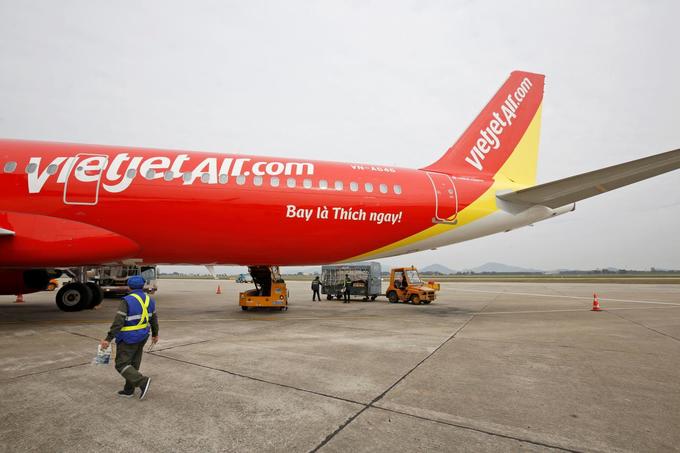
  • Fly to Vietnam with Vietjet and enjoy free checked baggage plus a gold giveaway

    Fly to Vietnam with Vietjet and enjoy free checked baggage plus a gold giveaway

    Vietjet is giving international travellers more reasons to visit Vietnam this season, with a limited-time promotion offering 20kg of free checked baggage on eligible direct international flights between Vietnam and selected overseas destinations.

    Available for bookings made until 22 March 2026 , the promotion applies to passengers who book or modify tickets and complete payment within the campaign period. Travellers who purchase eligible Eco-class tickets and select the 20kg checked baggage option during booking will receive the baggage allowance at no additional charge.

    For travellers in Singapore, the promotion applies to Vietjet’s direct flights between Singapore and Ho Chi Minh City, Hanoi, Da Nang, and Phu Quoc, for travel from 5 May to 5 June 2026.

    In addition, from now until 19 May 2026, passengers who book tickets will also receive an entry code to take part in Vietjet’s “Fly Vietjet, Strike Gold” lucky draw (Please refer here for details), with the grand prize of one tael of gold (37.5 grams of 99.99% gold), alongside other attractive prizes.

    With Vietjet’s growing international network, travellers can conveniently fly to Vietnam and experience the country’s vibrant culture, rich culinary heritage, and diverse landscapes. For Singapore travellers, the direct connectivity to key Vietnamese destinations makes it easier than ever to plan everything from city breaks and beach escapes to longer regional holidays.

    On board, passengers can enjoy a range of fresh and hot meals, including popular Vietnamese favourites such as Pho, Vietnamese banh mi, and iced milk coffee, alongside international dishes. The experience is delivered by Vietjet’s friendly flight crews on a modern fleet.

    Bookings can be made via www.vietjetair.com, the Vietjet Air mobile app, as well as through online travel agencies, local and international travel agents, and GDS channels.

    Terms and conditions apply. Passengers may select only one baggage package per booking. The promotion applies only to the 20kg checked baggage option and does not apply as a price deduction to other checked baggage packages.

  • Vietjet to launch direct Singapore–Nha Trang flights, opening access to Vietnam’s coastal getaway

    Vietjet to launch direct Singapore–Nha Trang flights, opening access to Vietnam’s coastal getaway

    Vietjet will launch a new direct service between Nha Trang and Singapore from 1 June 2026, further expanding air connectivity between Singapore and Vietnam’s popular coastal destinations. The service marks Vietjet’s fifth direct route between the two countries, joining its existing connections to Ho Chi Minh City, Hanoi, Da Nang and Phu Quoc, further enhancing connectivity, tourism, and trade between the two countries and across Southeast Asia.

    Travellers from Singapore will soon have direct access to Nha Trang, a beachside city along Vietnam’s south-central coast known for its long coastline, island-hopping experiences, and growing resort scene. The route will operate four times weekly on Mondays, Wednesdays, Fridays, and Sundays, providing a new direct link between Singapore and one of Vietnam’s most established coastal destinations in just approximately two hours and fifteen minutes for a convenient short-haul getaway.

    New route schedule (24-hour format, all in local time):Flight VJ912 from Singapore (SIN) to Nha Trang (CXR): Departure at 15:15, and arrival at 16:35.
    Flight VJ917 from Nha Trang (CXR) to Singapore (SIN): Departure at 10:25, and arrival at 13:40.

    To mark the launch, Vietjet is offering promotional fares across its direct flight network between Vietnam and Singapore, including the newly introduced Nha Trang route, with Eco-class tickets from SGD86 one-way (all-inclusive of taxes and fees) and will receive 20kg of complimentary checked baggage, while SkyBoss fares are available at an instant 20 per cent discount (*). The promotion runs from 16 March until 20 March 2026 (GMT +8) via the Vietjet website and mobile app, for travel between 1 April 2026 and 31 March 2027 (**).

    Vietnam has consistently ranked among Singaporeans’ preferred regional destinations due to its diverse landscapes, strong culinary culture, and short travel times. Located along Vietnam’s south-central coast, Nha Trang is widely known for its clear waters, offshore islands, and vibrant marine ecosystem. Visitors are drawn to its turquoise bays and island excursions, while the city’s beachfront promenade, seafood culture, and surrounding natural landscapes have made it one of Vietnam’s most established resort destinations. The city also serves as a gateway to nearby attractions, including waterfalls, fishing villages, and cultural sites that reflect the region’s Cham heritage.

    Separately, Vietjet will also introduce a Da Nang–Jakarta route beginning 29 April 2026, operating five flights per week. The new service will connect Vietnam’s central coastal city of Da Nang with Indonesia’s capital, further strengthening regional tourism and business links across Southeast Asia.

    Passengers flying with Vietjet can expect a range of onboard dining options featuring Vietnamese favourites such as Pho, Banh mi, and Vietnamese iced coffee, alongside the airline’s SkyJoy loyalty program which allows travellers to earn and redeem points across more than 250 partner brands.

    (*) Terms and conditions. More details can be found here

    (**) Travel periods may vary by route, blackout dates apply, and public holidays are excluded